Biology Exam 4
 Studied by 0 people
 Call Kai
 Learn
Learn Practice Test
 Spaced Repetition
 Match
Match Flashcards
 Knowt Play
1/24

There's no tags or description
Looks like no tags are added yet.
Name | Mastery | Learn | Test | Matching | Spaced | Call with Kai |
|---|
No analytics yet
Send a link to your students to track their progress
25 Terms
compare and contrast eukaryotic and prokaryotic chromosomes
Eukaryotic chromosomes are linear and housed within a nucleus, while prokaryotic chromosomes are circular and located in the cytoplasm. Eukaryotes also typically have multiple chromosomes per cell, whereas prokaryotes usually have a single chromosome. Additionally, eukaryotic chromosomes are associated with histone proteins, forming chromatin, whereas prokaryotic chromosomes lack histones and are not associated with a membrane-bound compartment.
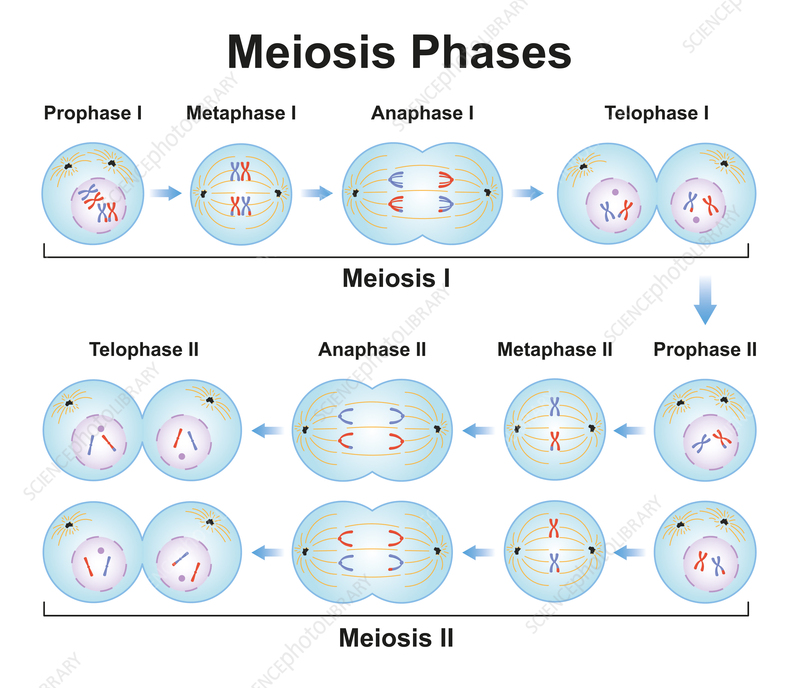
compare and contrast meiosis and mitosis
Both are types of cell division; meiosis results in four unique gametes with half the chromosome number, while mitosis produces two identical daughter cells retaining the full chromosome count. Meiosis includes two rounds of division and genetic recombination, whereas mitosis has one round, preserving genetic consistency. Mitosis is essential for growth and repair, while meiosis is crucial for sexual reproduction.
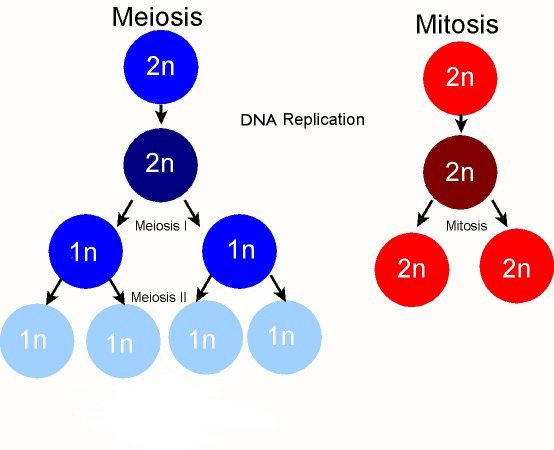
full eukaryotic cell cycle
Interphase: not a phase of mitosis/meiosis-cell growth and replication
Mitosis (creating 2 identical body cells) / meiosis (creating 4 unique haploid gametes):
Cytokinesis: membrane pinches to separate cytoplasm
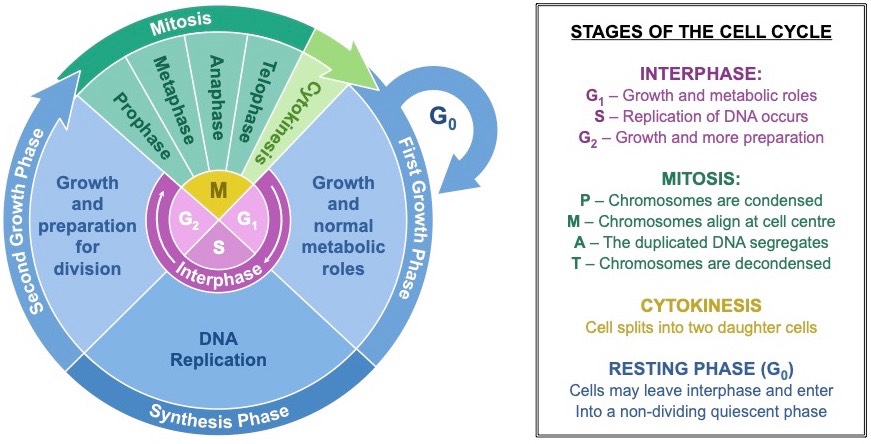
mitosis phases
1) prophase : chromosomes are condensed
2) prometaphase: sister chromatids attach to microtubules from opposite poles
3) metaphase: chromosomes are aligned at equator
4) anaphase: sister chromatids separate and chromosomes move to opposite ends on microtubules
5) telophase: chromosomes decondense and nuclear envelope reform
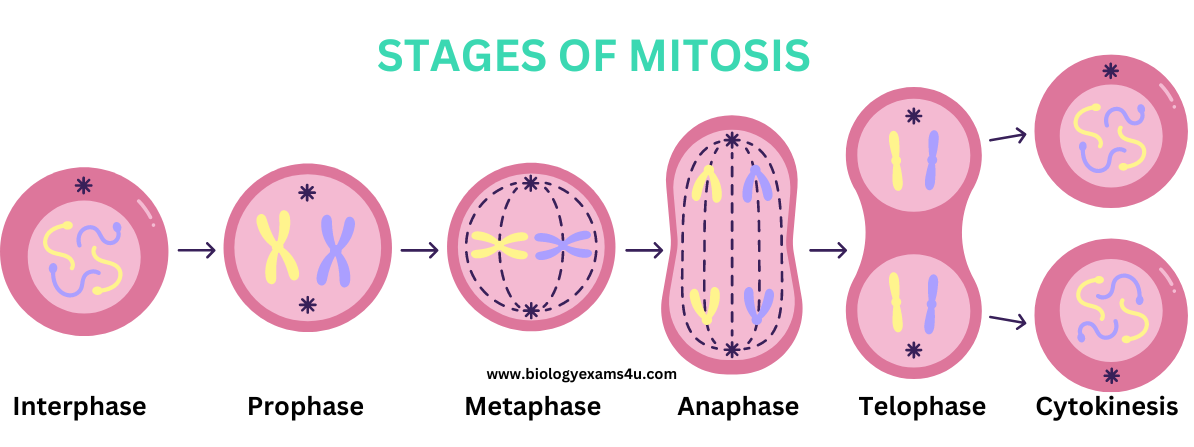
meiosis phases
Meiosis involves two rounds of cell division, Meiosis I and Meiosis II, each with prophase, metaphase, anaphase and telophase, ultimately producing four genetically unique haploid cells (gametes) from one diploid cell. Meiosis I separates homologous chromosomes (reducing chromosome number), while Meiosis II separates sister chromatids (similar to mitosis), with crucial crossing-over in Prophase I creating genetic diversity.
3 ways meiosis creates genetic variation
1) crossing-over in meiosis between homologous chromosomes
2) independent assortment of homologous chromosomes
3) fertilization - genes are from 2 different parents
difference between replicated and unreplicated chromosomes
Replicated chromosomes have two identical sister chromatids joined at the centromere (X-shape), while unreplicated ones are single DNA strands (I-shape). Replicated chromosomes exist from S phase through G2 and Prophase/Metaphase of mitosis/meiosis, splitting into unreplicated ones in Anaphase/Telophase; unreplicated chromosomes are found in G1 and after cell division (late M/G1). Both mitosis and meiosis start with replicated chromosomes after S phase, but meiosis has two divisions, producing haploid cells with unreplicated chromosomes, unlike mitosis which yields diploid cells with unreplicated chromosomes for growth.
asexual reproduction advantages and disadvantages
Advantages:
Speed & Efficiency: Rapid population growth, energy-saving (no mate search), faster process.
One Parent: Only one organism needed; no mate required.
Conserves Traits: Excellent traits are passed exactly to offspring, ideal for stable conditions.
Disadvantages:
No Variation: Offspring are clones, making the entire population vulnerable to diseases or environmental shifts.
No Evolution: Limited genetic material for natural selection to act upon.
sexual reproduction advantages and disadvantages
Advantages:
Genetic Diversity: Unique combinations of DNA from two parents enhance adaptability and survival.
Evolutionary Fuel: Creates new traits for natural selection to favor, driving species evolution.
Resilience: Diverse populations better withstand new threats like diseases or changing climates.
Disadvantages:
Energy & Time: Requires finding a mate, more energy, and is generally a slower process.
Two Parents: Needs both male and female (or compatible partners).
Loss of Good Genes: Can dilute beneficial traits or produce less-fit offspring.
genotype vs phenotype
genotype=expressed alleles in a given trait
phenotype=physical characteristics or appearance of traits
gene vs allele
gene=DNA segment that codes for specific trait
allele=specific variant (individuals inherit 2 alleles, 1 from each parent, for each gene)
Mendel’s 2 laws in meiosis
Mendel's Law of Segregation: Alleles for a gene separate (segregate) during gamete formation, so each gamete receives only one allele.
Meiosis Phase: Anaphase I. Homologous chromosomes, each carrying a different allele (e.g., A and a), move to opposite poles, effectively separating the alleles into different daughter cells.
Mendel's Law of Independent Assortment: Alleles for different genes (on different chromosomes) are inherited independently of each other.
Meiosis Phase: Metaphase I. Homologous chromosome pairs line up randomly along the metaphase plate. The orientation of one pair doesn't affect the orientation of another, leading to different combinations of maternal and paternal chromosomes in the resulting gametes.
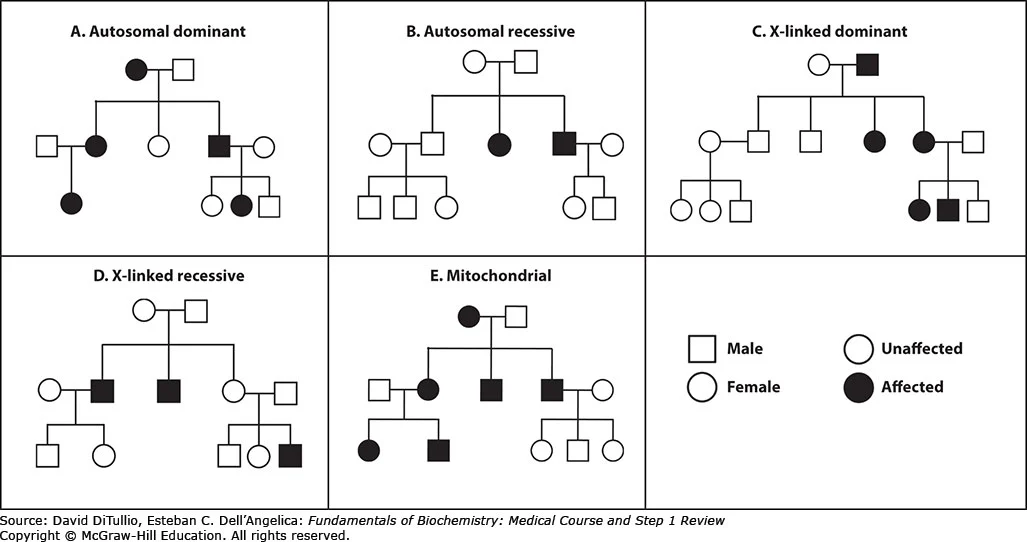
modes of inheritance
how genetic traits or disorders are passed from parents to children, determined by whether the gene is on a sex chromosome (X/Y) or an autosome (non-sex chromosome) and whether the trait is dominant or recessive
pedigrees - determining mode of inheritance
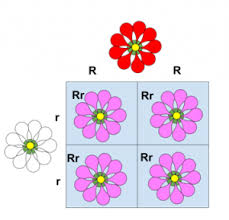
incomplete dominance
neither allele is fully dominant, resulting in a heterozygous (blended) phenotype that's a mix of the two parent alleles
codominance
two alleles are expressed equally, and neither allele is dominant or recessive resulting in expression of both (spotted cows)
multiple alleles
a single gene having 3 or more possible versions/alleles
increases variety of possible genotypes and phenotypes in a population
examples: blood type
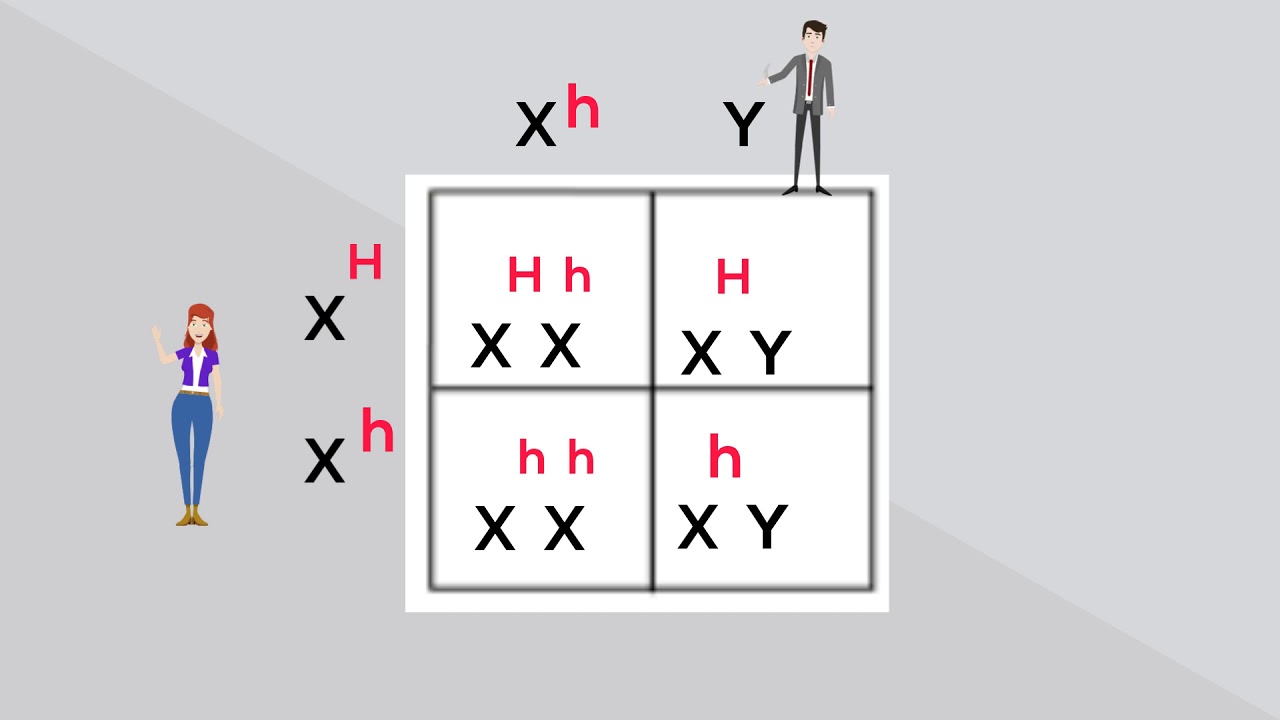
sex-linked alleles
present on only 1 sex chromosome, usually X (female)
Y chromosome is blank for these genes
affects only males, females can be carriers
polygenic traits
controlled by many alleles
continuous variation
affected by environmental factors
examples: hair color, eye color, height
gene linkage
genes on the same chromosome travel together in meiosis - crossing over in meiosis 1 results in recombinant gametes appearing at low rates (2 traits inherited together behave like single gene)
contrasts with independent assortment theory of random chromosome segregation
crossing over= exchange of genetic material on homologous chromosomes breaks linkage and creates recombinant gametes (low rates)
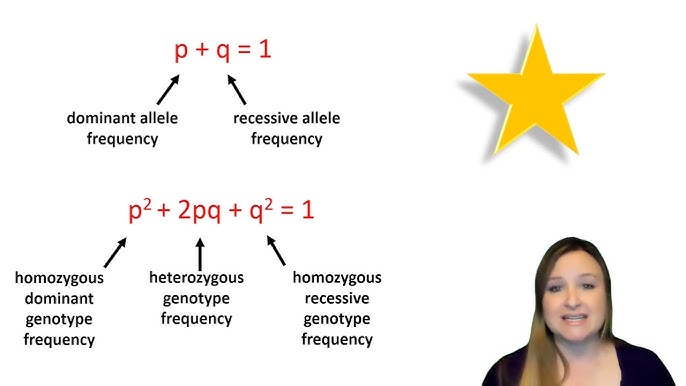
Hardy Weinberg equation
5 mechanisms of evolution
Natural Selection: Individuals with advantageous traits for their environment are more likely to survive, reproduce, and pass those traits on, leading to adaptation.
Mutation: Random changes in DNA create new alleles (gene variants), providing the raw material for evolution.
Genetic Drift: Random fluctuations in allele frequencies, especially significant in small populations, due to chance events (like bottlenecks or founder effects).
Gene Flow (Migration): The movement of individuals (and their genes) between populations, making them more genetically similar.
Non-Random Mating: Individuals choose mates based on specific traits (like sexual selection), altering the frequency of certain alleles without changing survival directly.
bottleneck vs founders effect
Bottleneck is a sudden, drastic reduction of a whole population (e.g., disaster), leaving random survivors; Founder effect occurs when a small group branches off to start a new population, with their limited gene pool becoming the new norm
criteria required for natural selection
Variation: Individuals within a population must have different traits (phenotypes) due to different alleles (gene variants).
Inheritance: These variations must be heritable, meaning they can be passed genetically from parents to offspring.
Overproduction/Struggle for Existence: More offspring are produced than the environment can support, creating competition for limited resources (food, mates, shelter).
Differential Survival & Reproduction (Fitness): Individuals with advantageous traits (adaptations) are better suited to their environment, leading to higher survival and reproductive success (fitness) than those with less advantageous traits.
mechanisms os speciation
Allopatric Speciation: A physical barrier (mountain, river, ocean) splits a population, stopping gene flow. Different environments then cause the isolated groups to evolve independently until they're distinct species.
Sympatric Speciation: New species form within the same geographic area, often via:
Polyploidy: Errors in cell division create extra chromosome sets (common in plants).
Ecological Niche Differentiation: Exploiting different resources or habitats.
Sexual Selection: Preferences for different traits.
Parapatric & Peripatric Speciation:
Parapatric: Populations are adjacent but experience different selection pressures, with limited gene flow at the border.
Peripatric: A small group breaks off (like an island population), leading to rapid divergence due to genetic drift and new selection
 Note
Note  Flashcards (20)