Thrush + Mimick Info
 Call Kai
 Learn
Learn Practice Test
 Spaced Repetition
 Match
Match Flashcards
 Knowt Play
1/34

There's no tags or description
Looks like no tags are added yet.
Name | Mastery | Learn | Test | Matching | Spaced | Call with Kai |
|---|
No analytics yet
Send a link to your students to track their progress
35 Terms
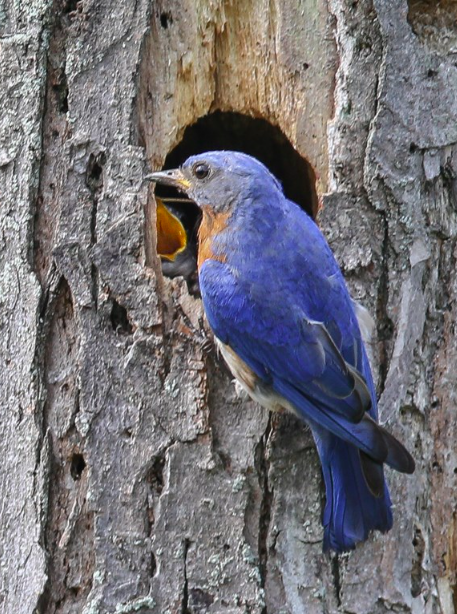
Eastern Bluebird
cavity nesters that live on forest edges near meadows and fields
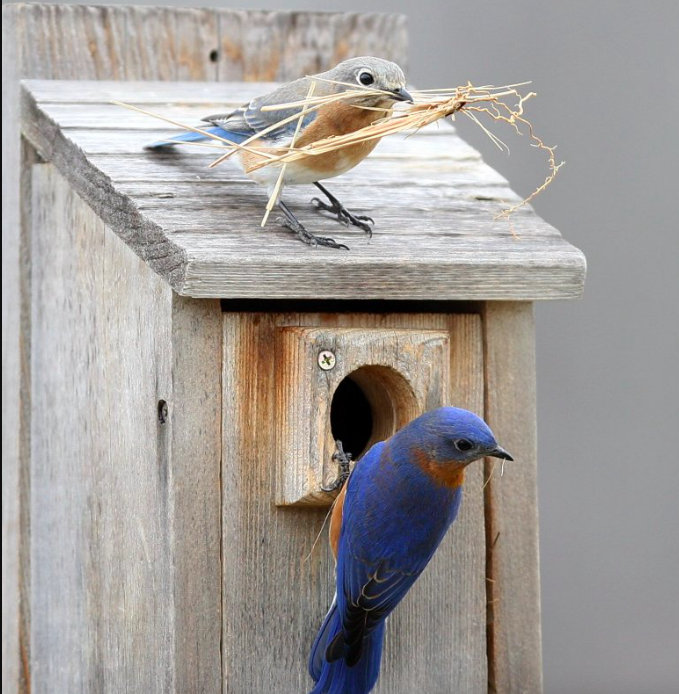
Eastern Bluebird
boxes are made for them because the old-growth trees they use have been cut down
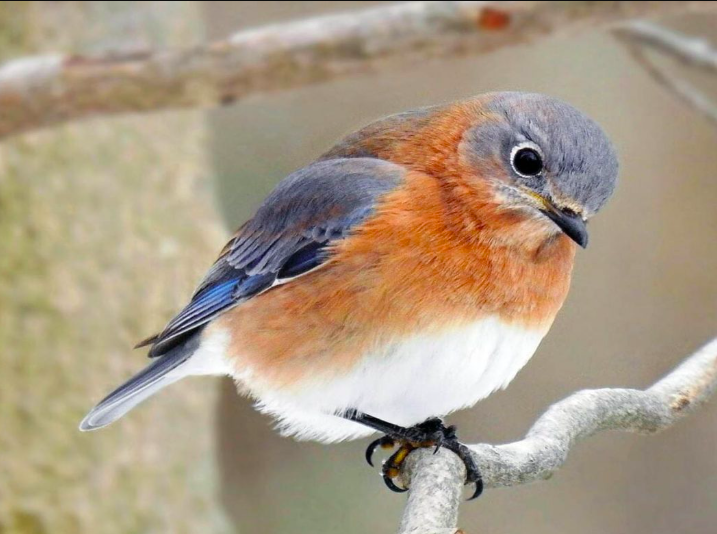
Eastern Bluebird
like to perch in open areas to scan the ground for prey (insects)
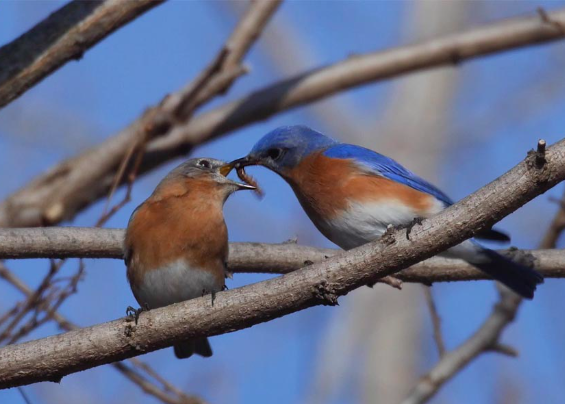
Eastern Bluebird
males sing and display at potential nesting sites, bring nesting materials and feed the female during courting
the female ultimately picks the nest location and builds the nest
both parents care for babies and they use the same nest for multiple seasons
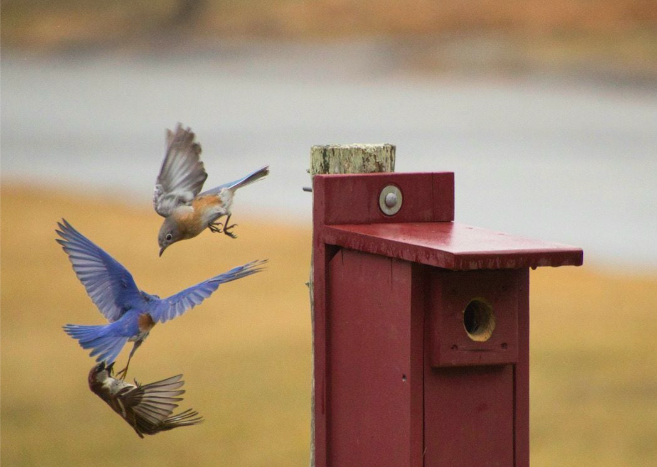
Eastern Bluebird
populations have decreased because of the introduction of other nesting birds
have recovered due to nesting boxes
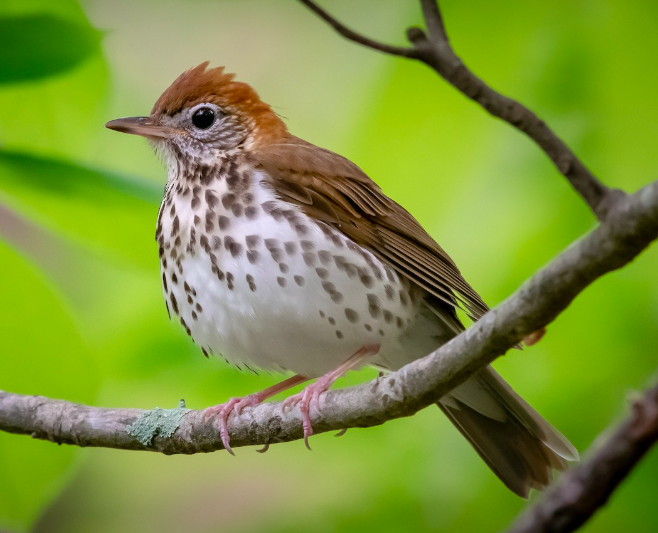
Wood Thrush
looks like an immature American Robin with the speckled breast
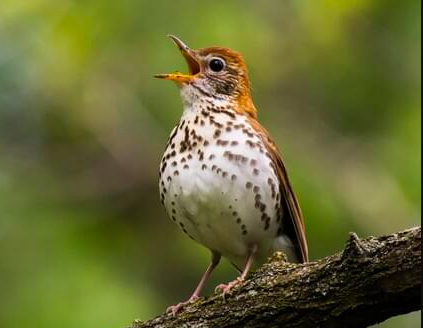
Wood Thrush
flute-like calls
similar species in Europe led to the myth of flute carrying Peter Pan
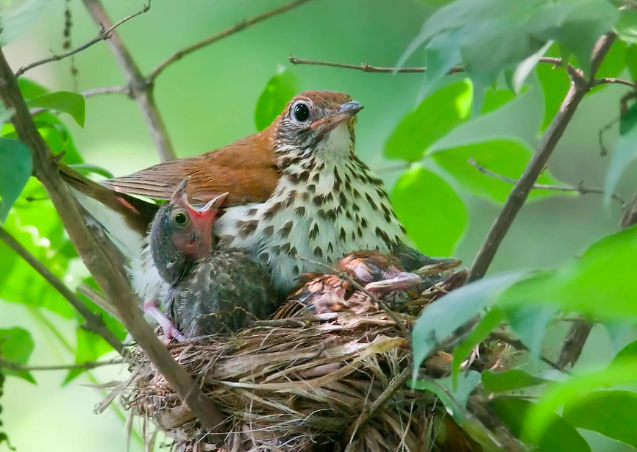
Wood Thrush
cowbirds have affected this species hard with their brood parasitism
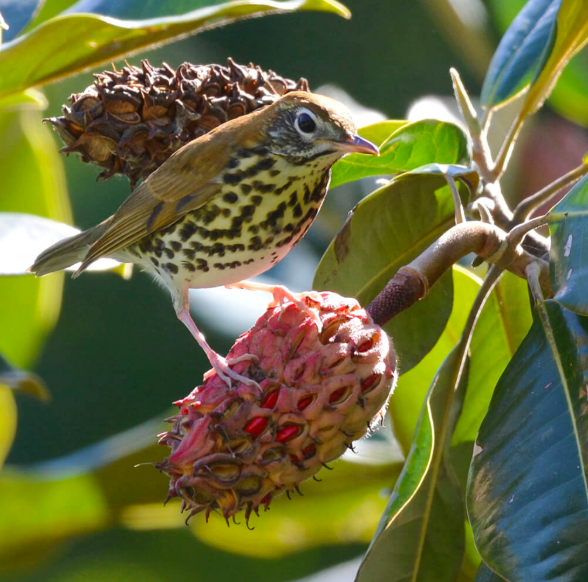
Wood Thrush
eat leaf litter invertebrates and fruit
forage alone
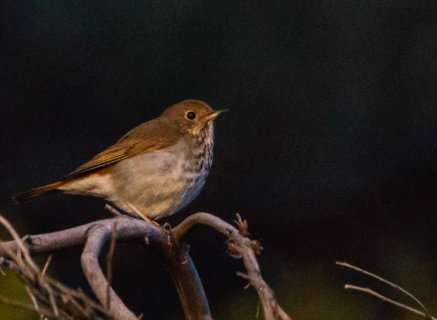
Wood Thrush
one of the first songbirds heard in the morning and one of the last in the evening
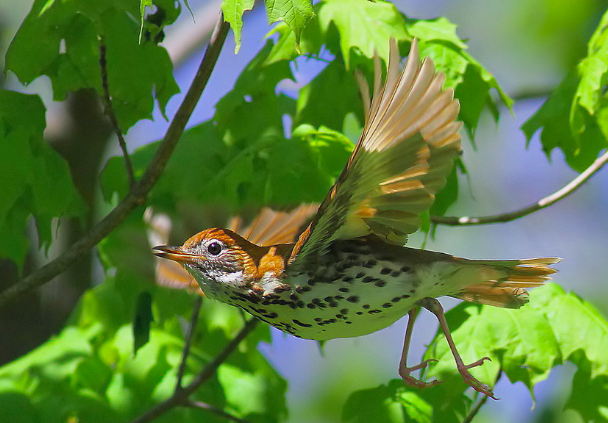
Wood Thrush
males make a clear, flute-like call to attract a female
female initiates by getting the male to chase her in the air
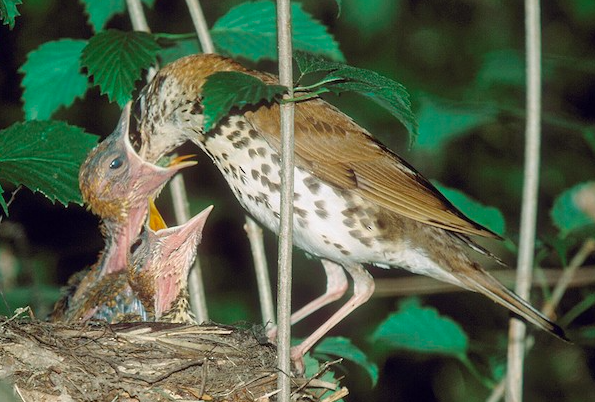
Wood Thrush
female provides parental care and defends the nest
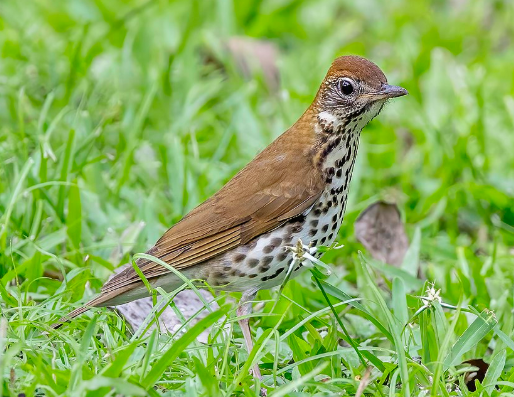
Wood Thrush
near threatened
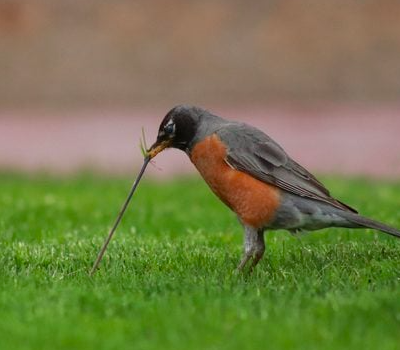
American Robin
feeds on the ground by listening for invertebrates like earthworms
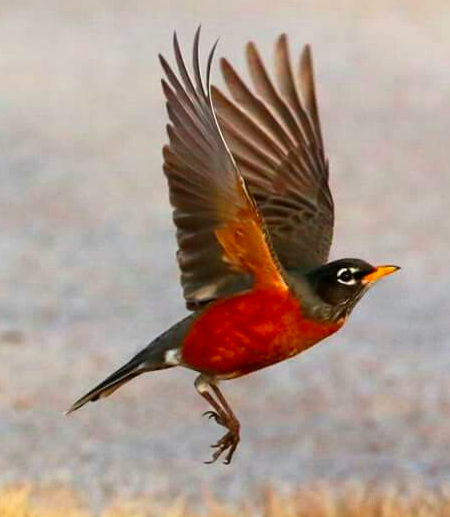
American Robin
short-distance migrant that goes to open water to find food
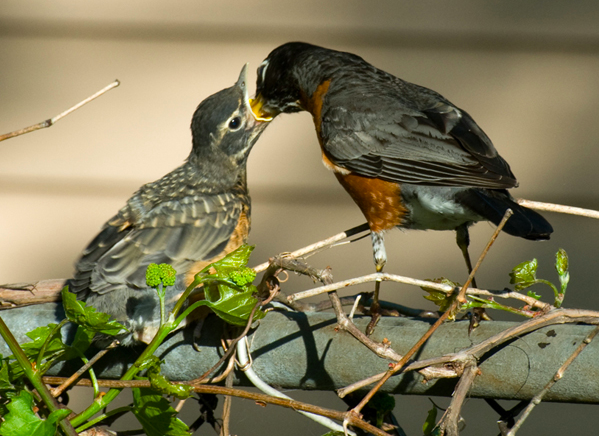
American Robin
males take care of fledglings while the female begins a second nesting attempt
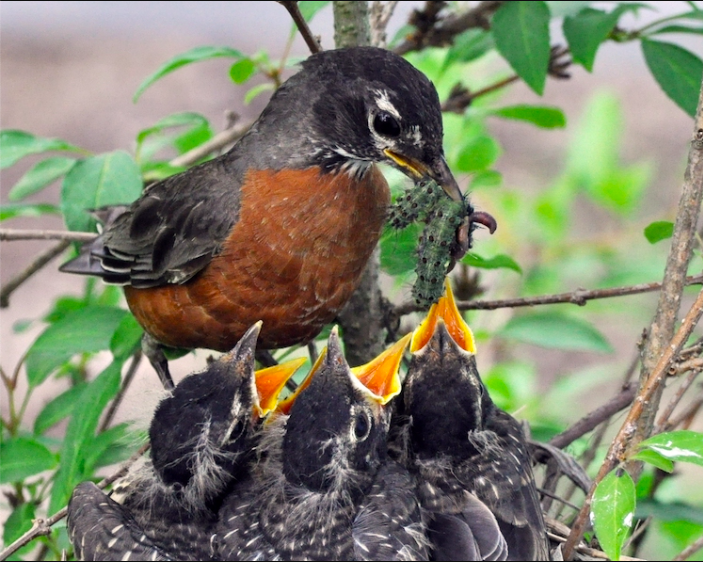
American Robin
females are pursued by multiple males
both parents feed babies
aggressive nest defenders
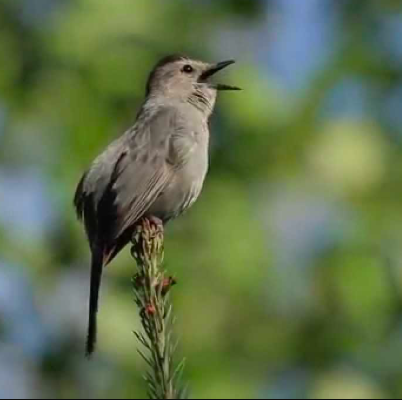
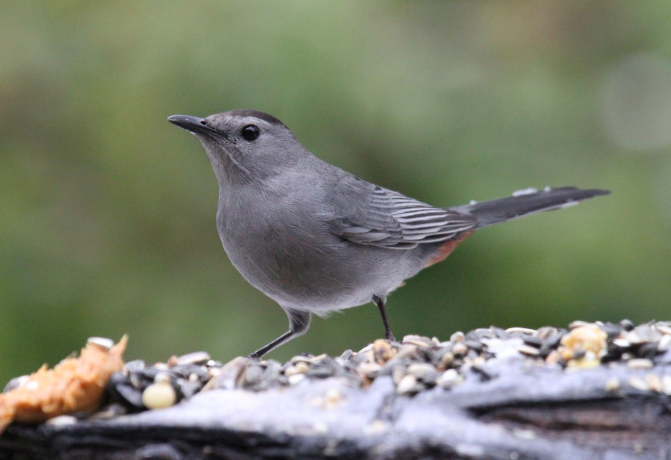
Gray Catbird
call sounds like a cat meowing
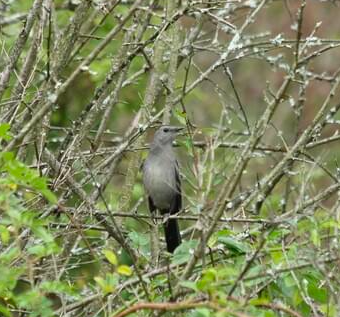
Gray Catbird
live in thick tangles in the forest and are rarely seen
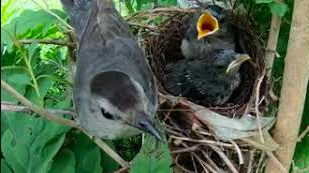
Gray Catbird
nest predators of other songbirds
can specifically ID and destroy cowbird eggs
Gray Catbird
known as “mimic” thrushes
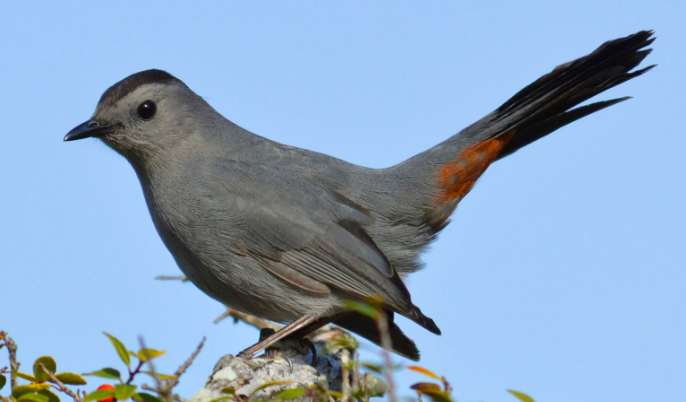
Gray Catbird
males sing during breeding season
males chase females and show off the brown patch under their tail
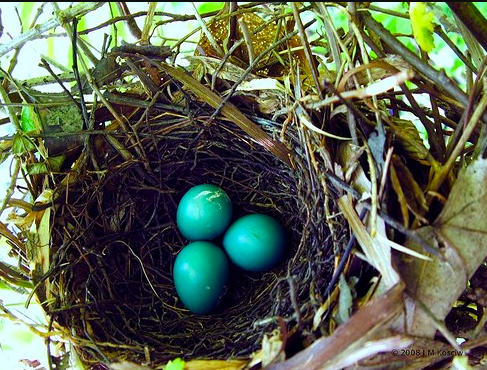
Gray Catbird
only the female incubates but both parents feed hatchlings
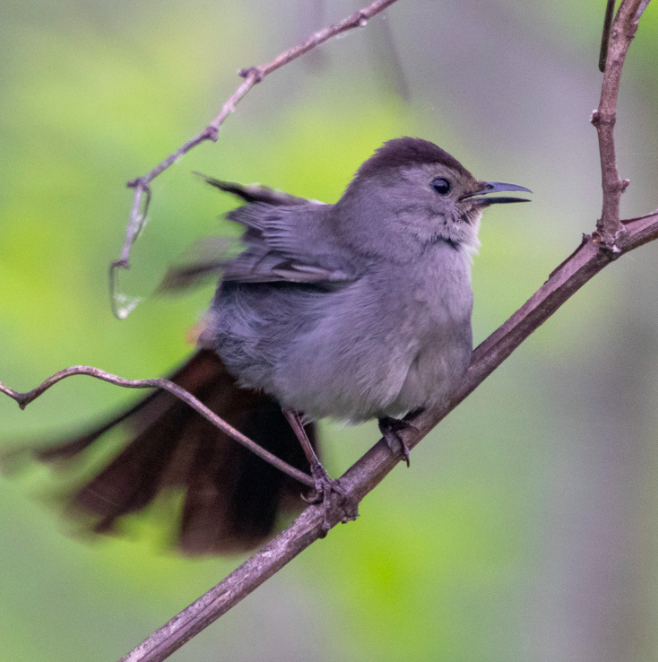
Gray Catbird
pets are a problem for them
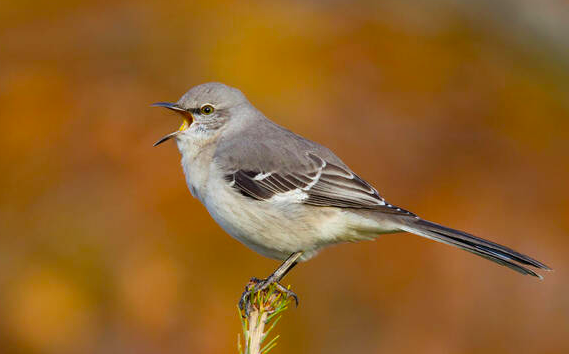
Northern Mockingbird
males mimic lots of sounds like other birds, car horns, and ambulance sirens
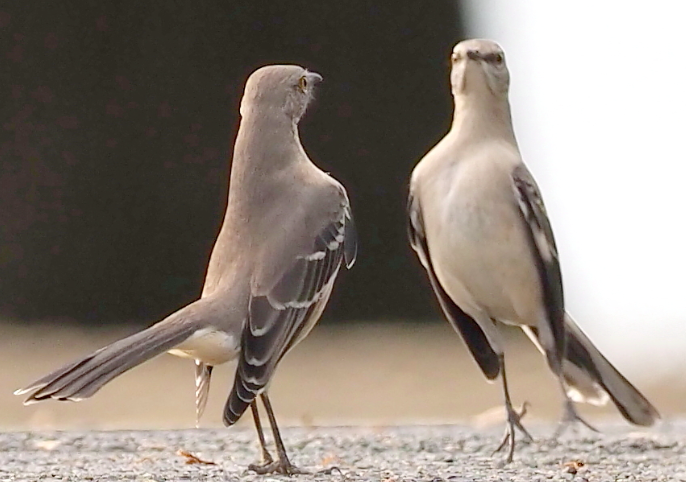
Northern Mockingbird
males with a better range of sounds are able to protect and keep better territories than males with few sounds
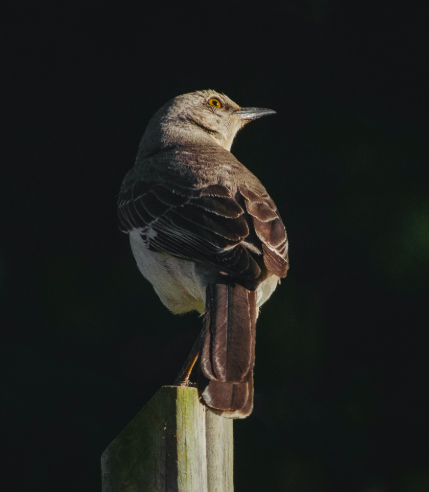
Northern Mockingbird
will call at night as well as during the day
unusual for songbirds
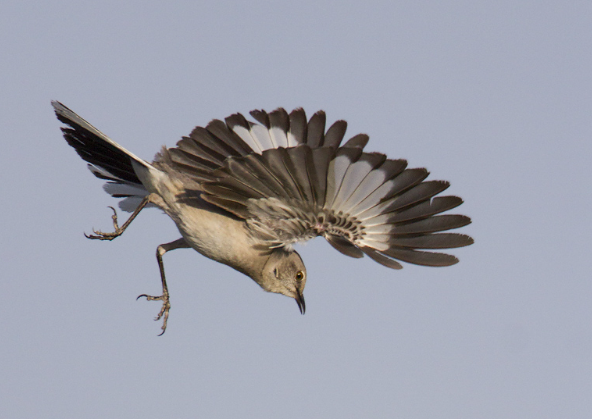
Northern Mockingbird
males choose their territory and then chase females while singing, show them good nesting spots, and do a “flight display” by flying a few meters up and then falling slowly while singing
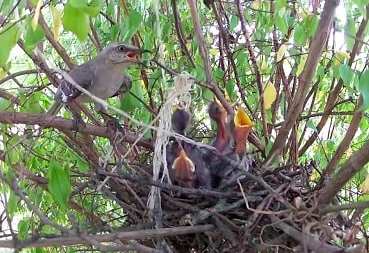
Northern Mockingbird
females lay and incubate the eggs
males feed the babies and teaches them how to fly
mate once a breeding season
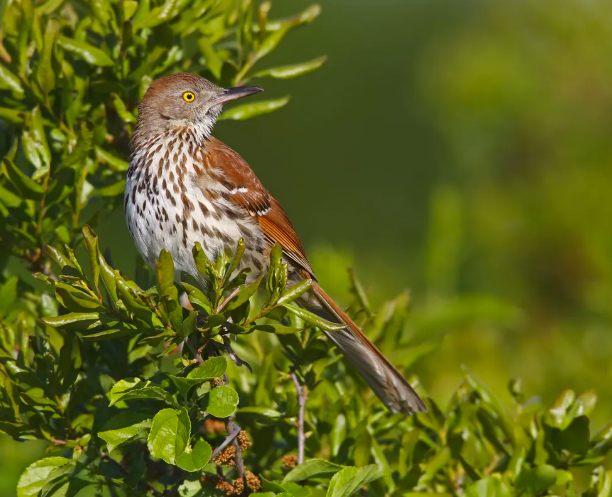
Brown Thrasher
stick to very thick vegetation and are more likely to be seen than heard
wants nesting ground that has other birds present
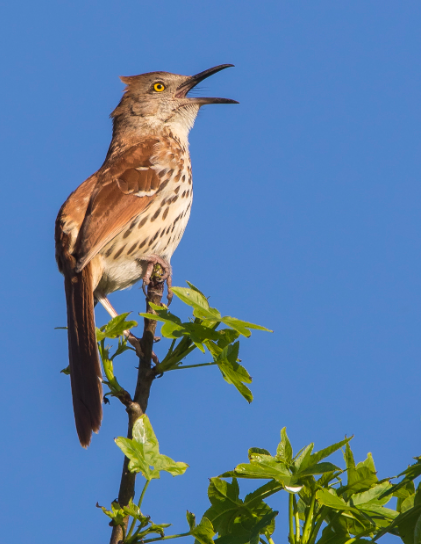
Brown Thrasher
its harsh call is one of the first in the morning and one of the last before dark
often used to mark hunting hours
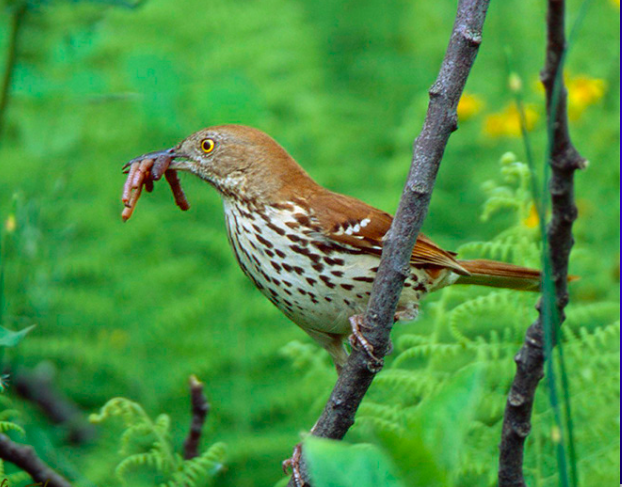
Brown Thrasher
diet is determined by the time of year
Fall/Winter: 50/50 plants to animals
Spring/Summer: 20/80 plants to animals
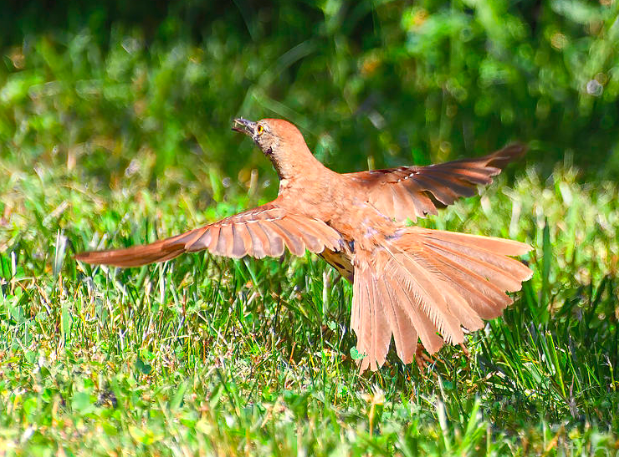
Brown Thrasher
low-level flyers that stays near the ground
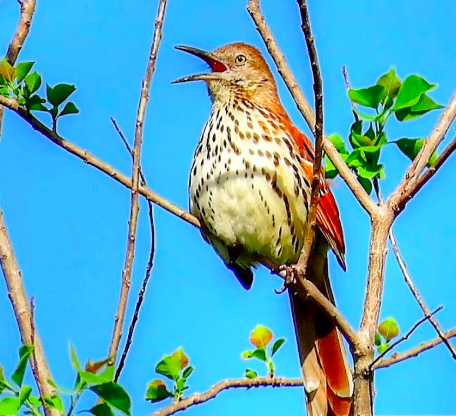
Brown Thrasher
court mates by calling and giving gifts
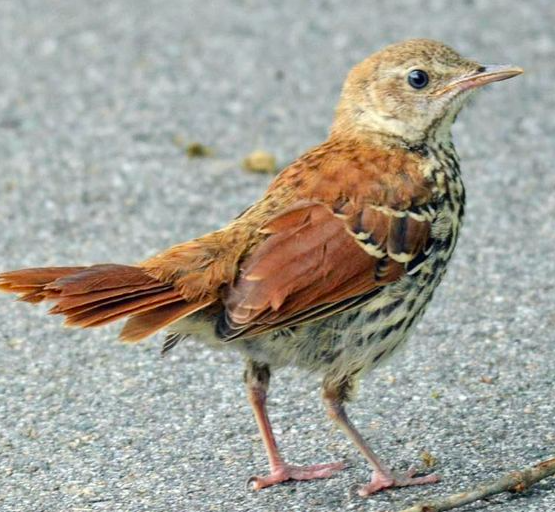
Brown Thrasher
Problems:
habitat loss
predation

