ME 308: Viscosity, Assumptions, Manometer, Lateral, Fluid Pressure and Midterm 1
 Studied by 0 people
 Call Kai
 Learn
Learn Practice Test
 Spaced Repetition
 Match
Match Flashcards
 Knowt Play
1/53

There's no tags or description
Looks like no tags are added yet.
Name | Mastery | Learn | Test | Matching | Spaced | Call with Kai |
|---|
No analytics yet
Send a link to your students to track their progress
54 Terms
honey more viscous
viscous represents resistenace to flow
as we move away
true
when two layers of fluid are flowing at different velocity
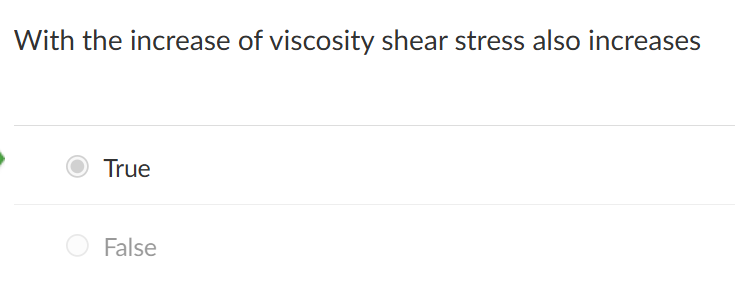
with increase of viscosity
true
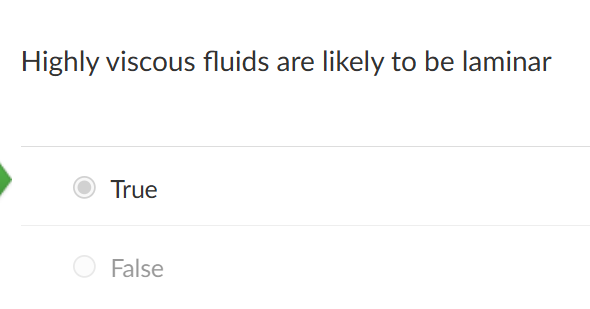
highly vicous fluid to be laminar
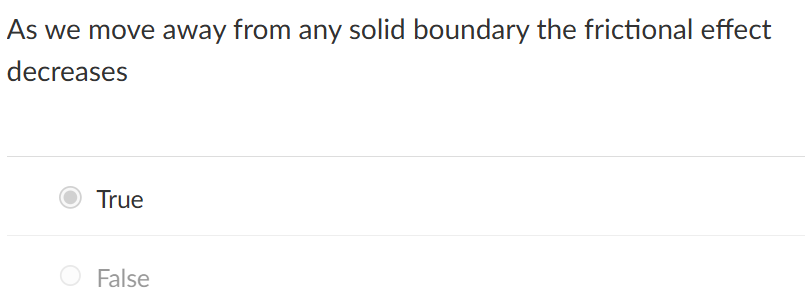
as we move away from any solid boundary
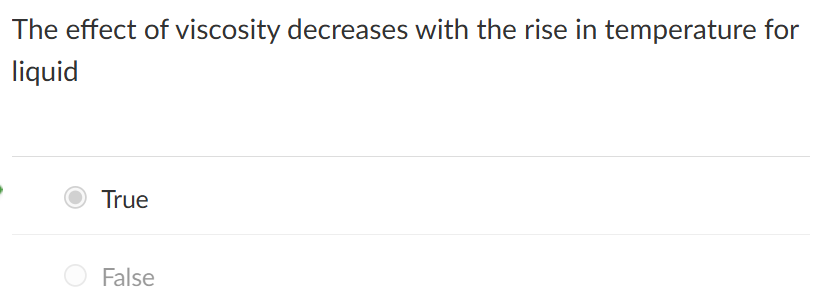
the effect of viscosity
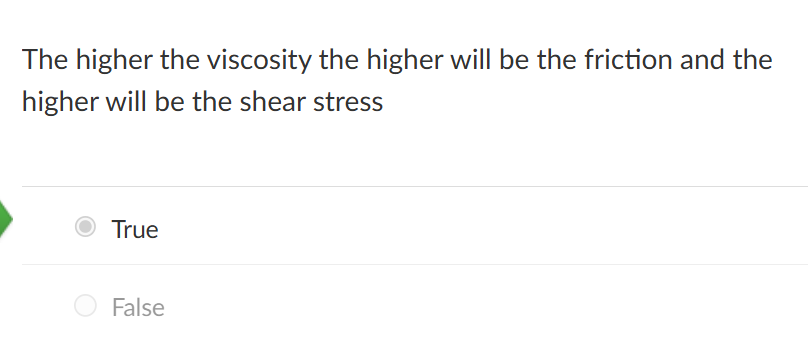
the higher the viscosity
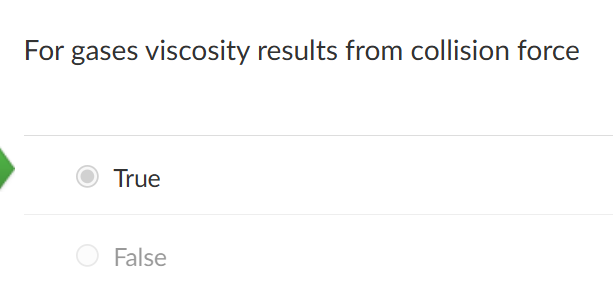
for gases viscosity
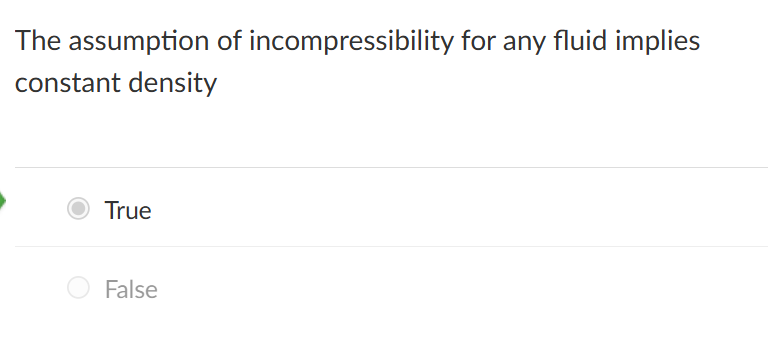
the assumption of incompressibility
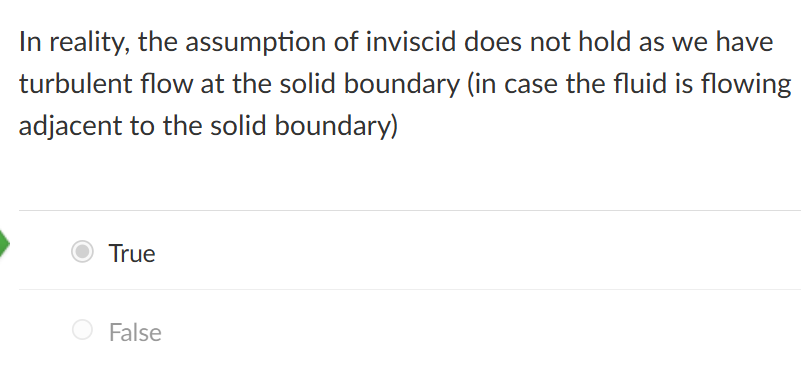
the assumption of inviscid does not hold
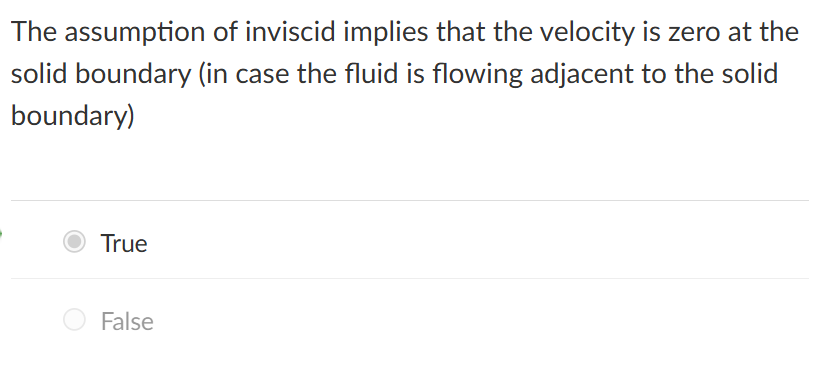
the assumption of inviscid implies that the velocity is zero
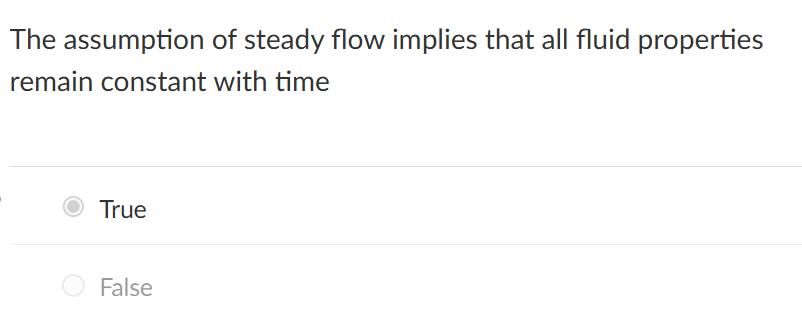
the assumption of steady flow implies that all fluid properties remain constant
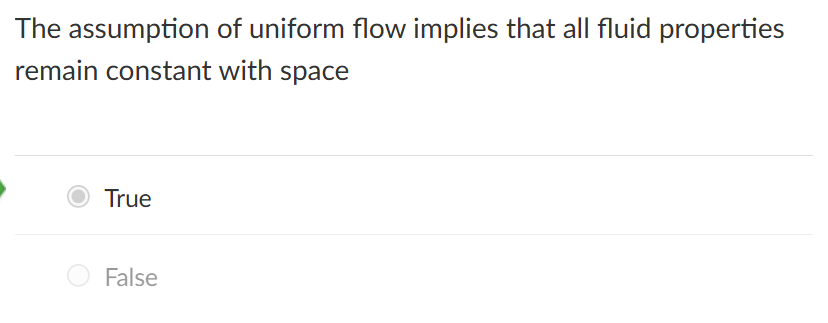
the assumption of uniform flow implies that all fluid properties remain
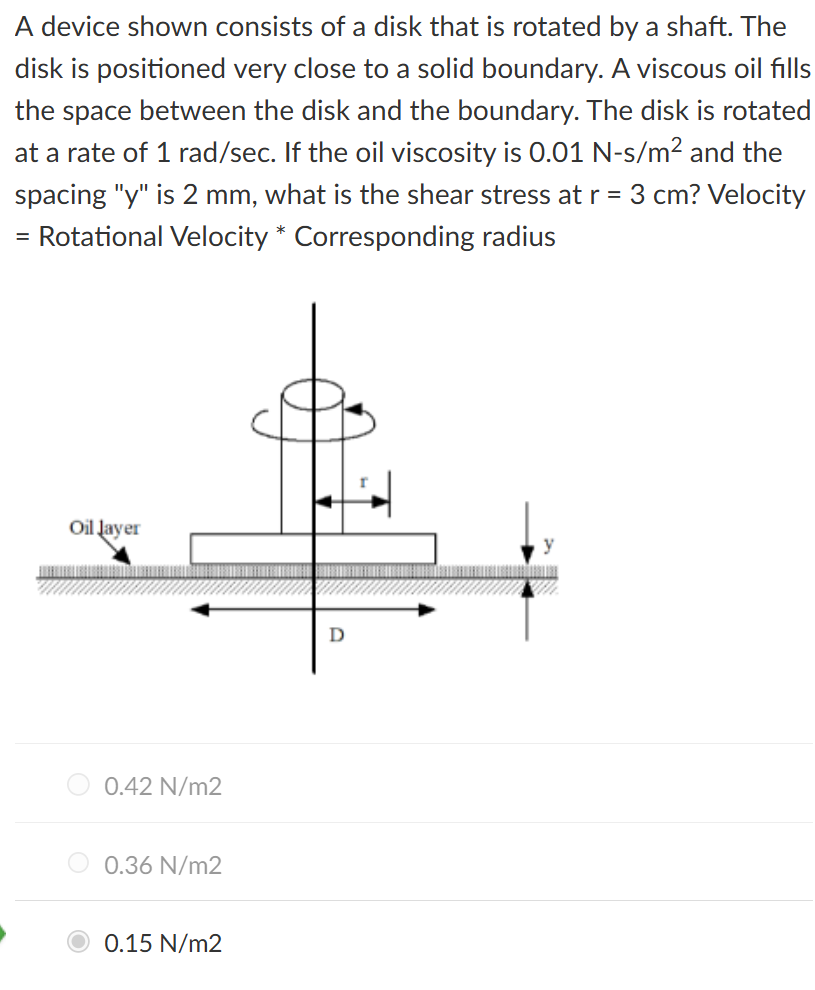
a device consists a disk that rotated by shaft
0.15 N/m2
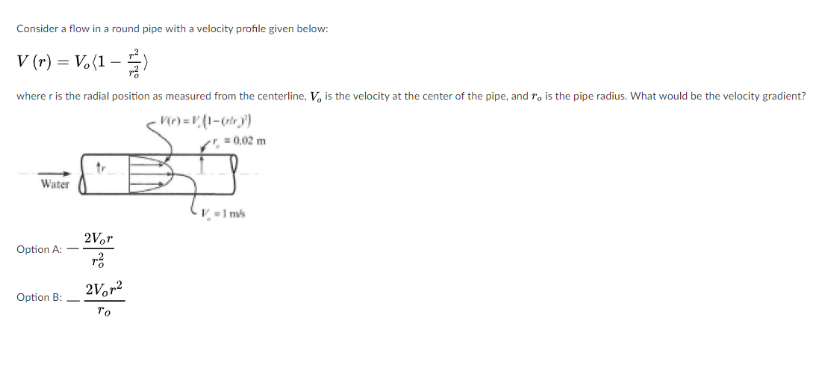
consider a flow in a round pipe
Option A
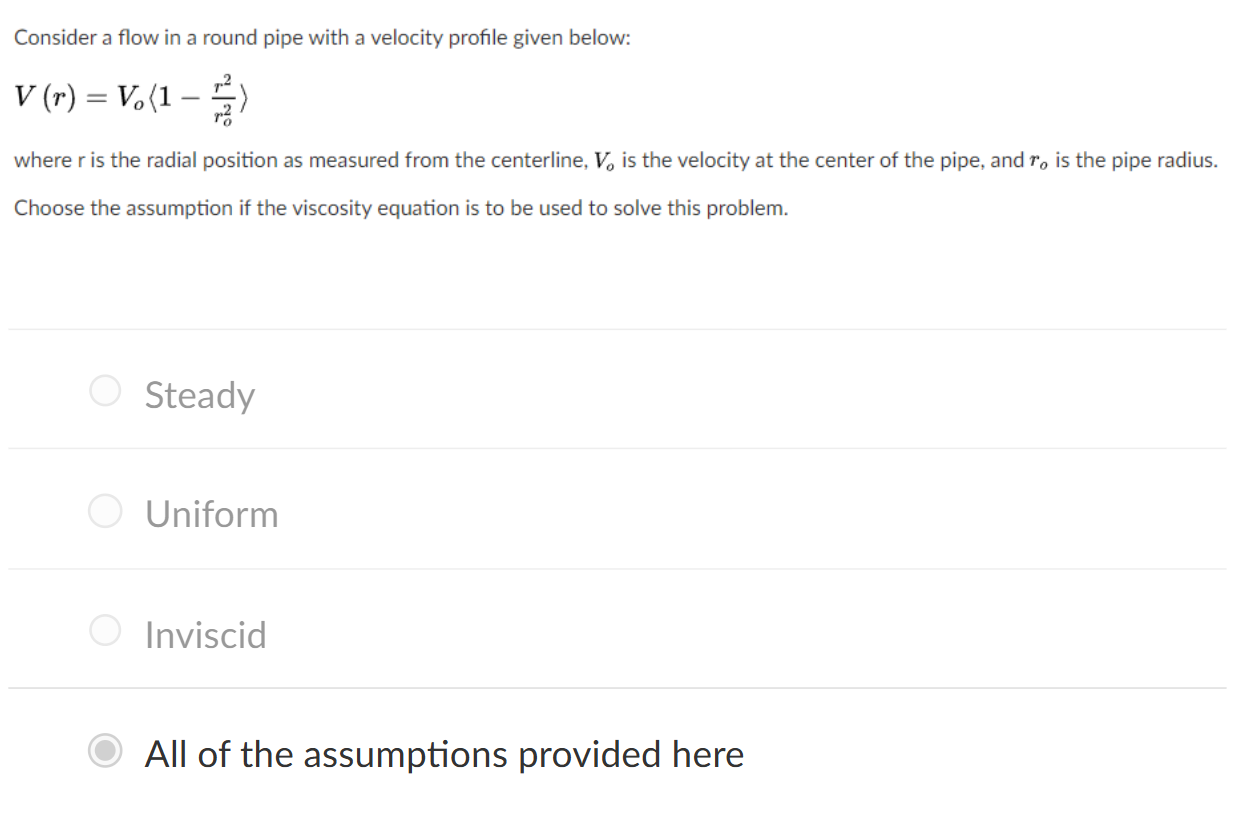
consider a flow in a round pipe with a velocity profile given below
all of the assumptions provided
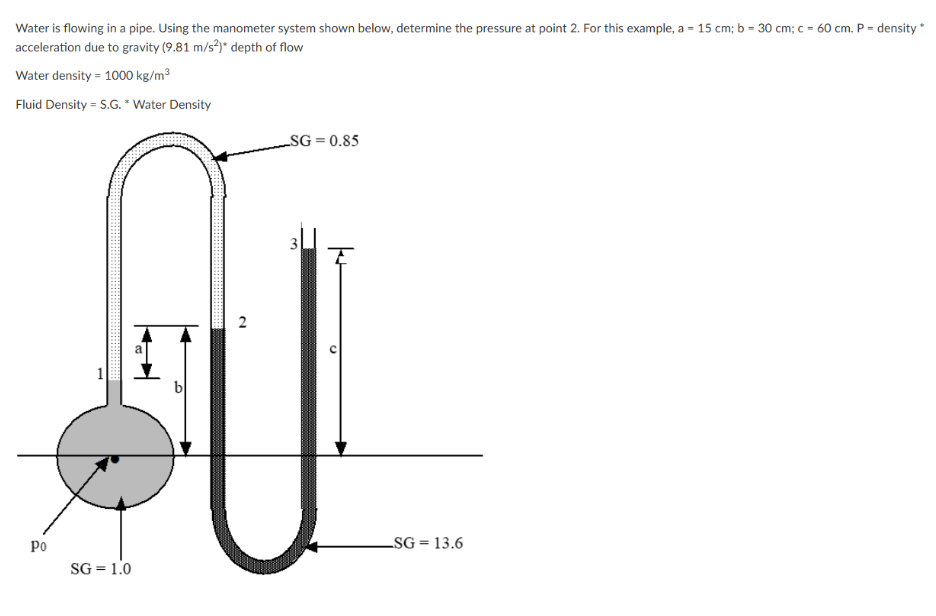
water is flowing in a pipe. using the manometer system shown below, determine the pressure at point 2.
40 Kpa
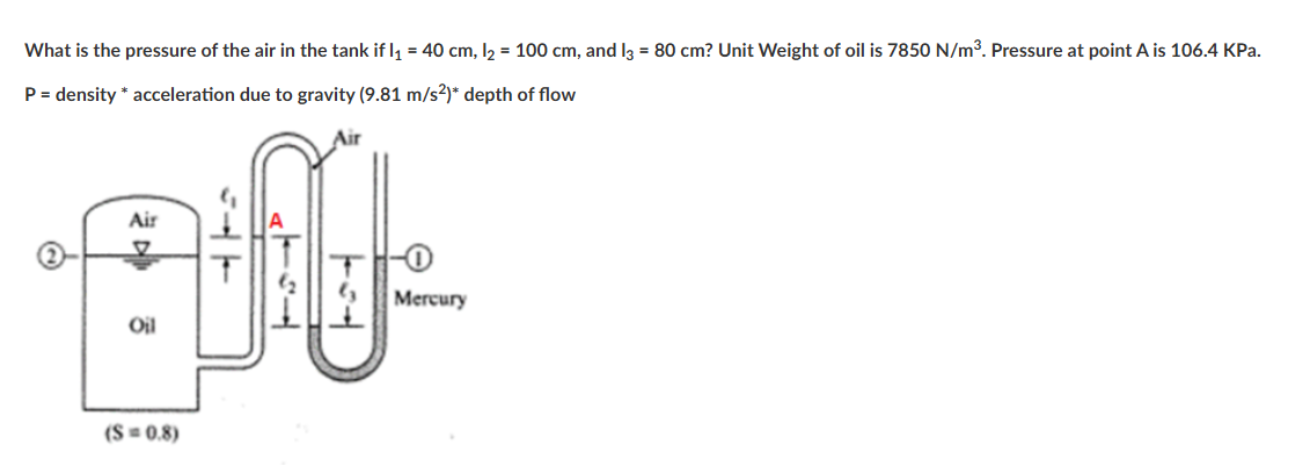
what is the pressure of the air in the tank
110 Kpa
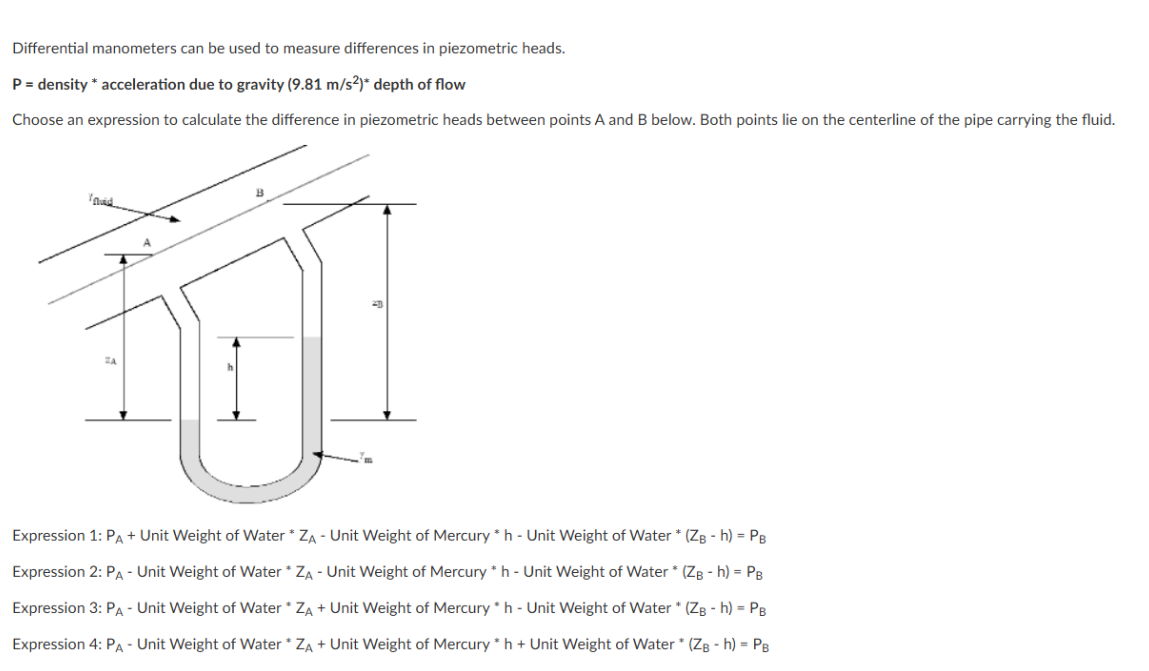
differential manometers can be used to measure differences in piezometric
pa+unit*za-unit*h-unit*(zb-h)=pb
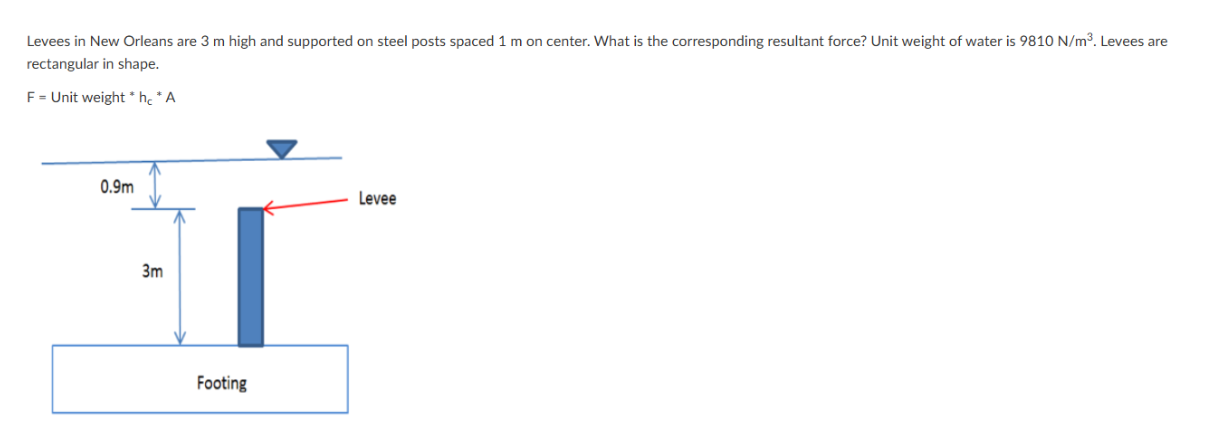
levees in new orleans 3 m high
70632 N
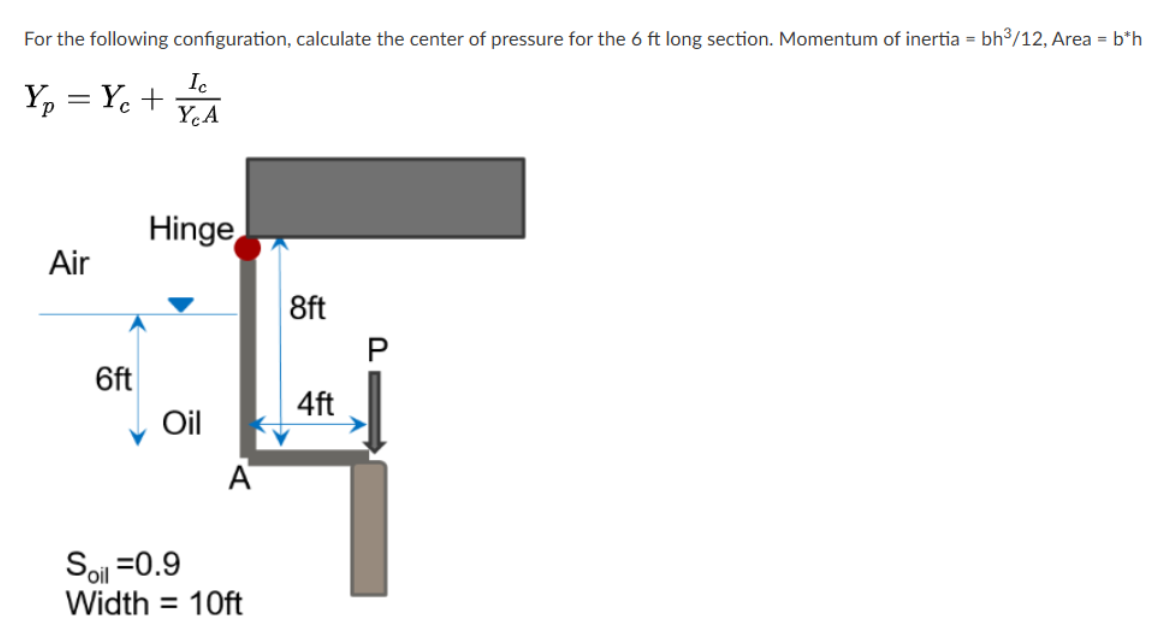
calculate center of pressure for the 6 ft long section.
4 ft
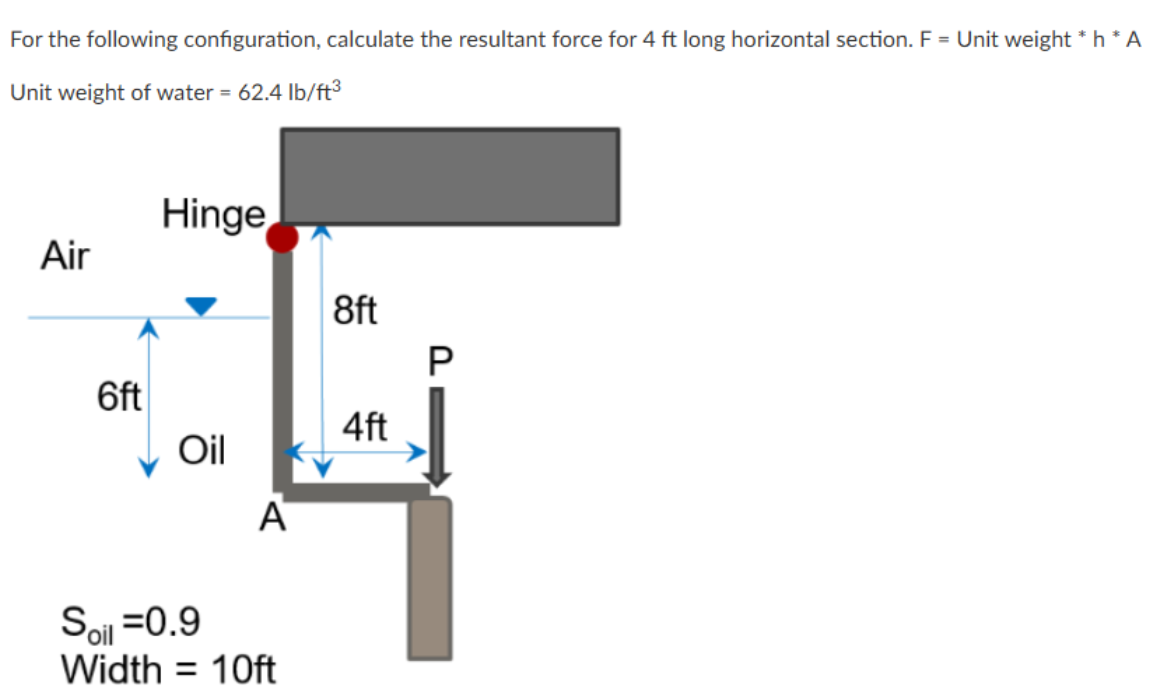
calcalate the resultant force for 4ft long horizontal section
13478 lb
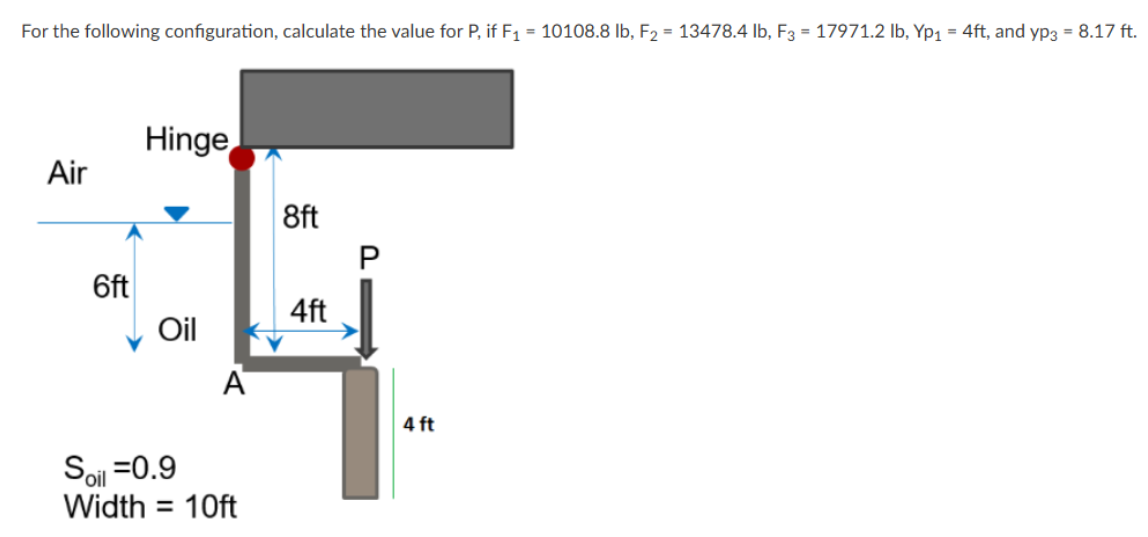
calculate the value for P.
67594.18 lb
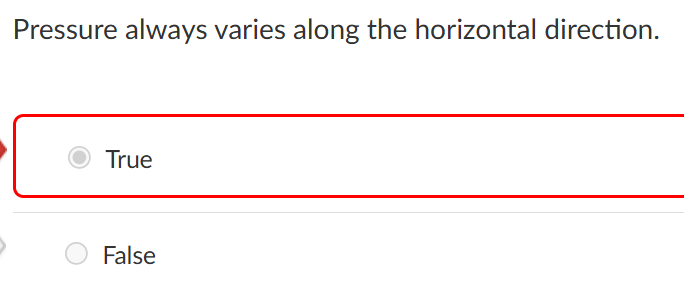
pressure always varies along the horizontal direction
false
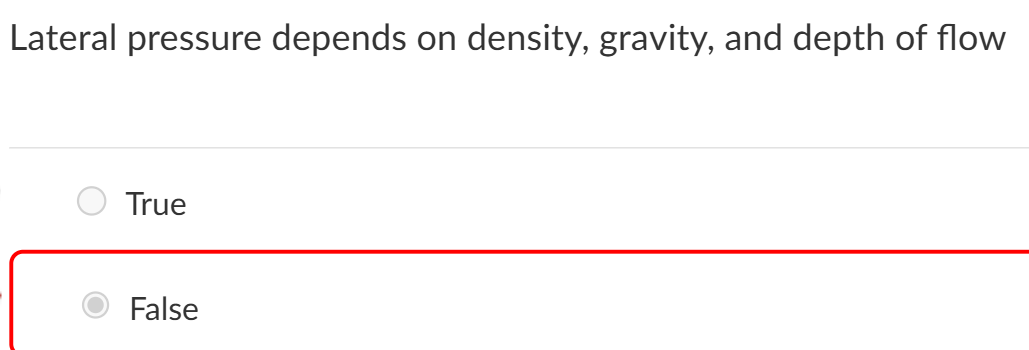
lateral pressure depends
true
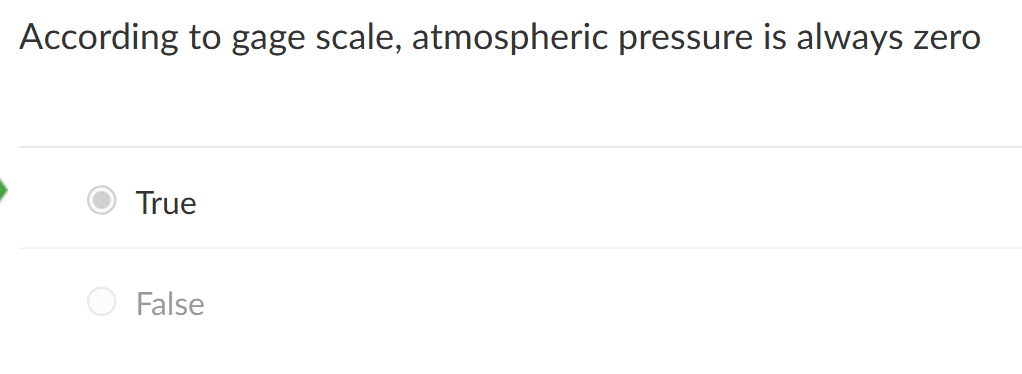
according to gage scale
true
a manometer is only used to measure
true
there two scales to measure the pressure
true
for water, it is possible
true
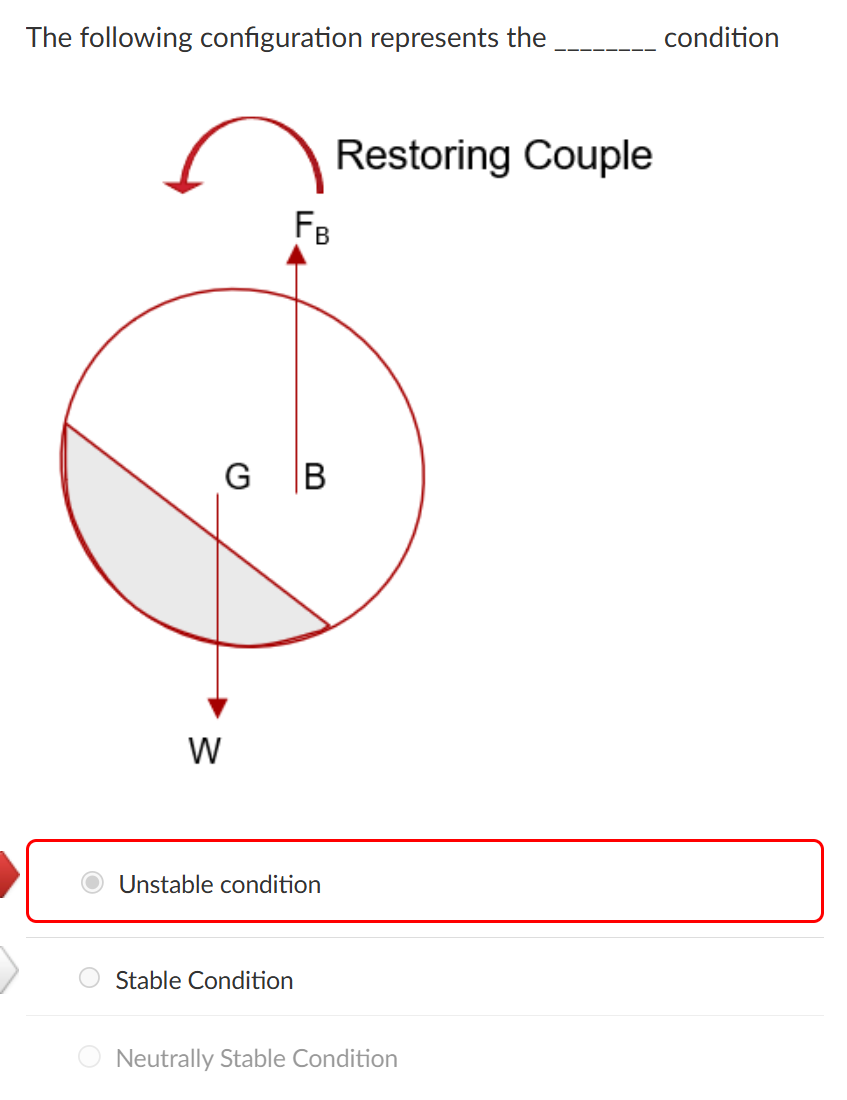
stable condition
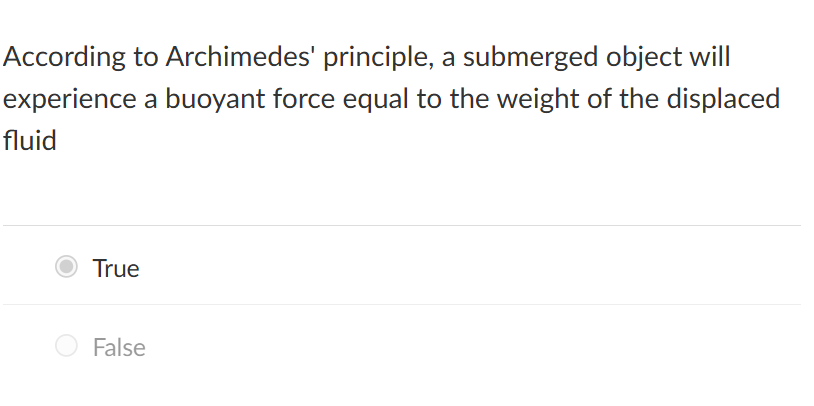
archimedes principle
true
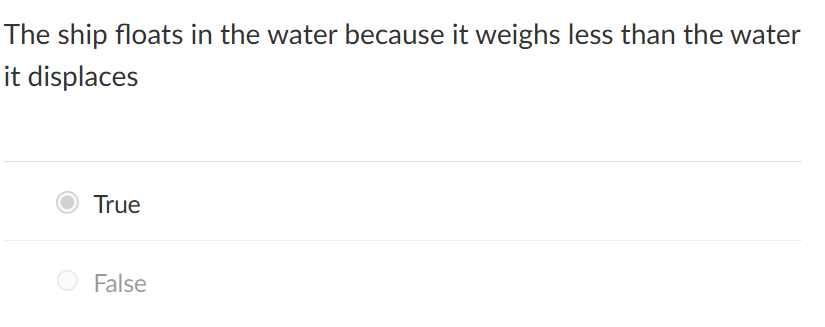
the ship floats in the water
true
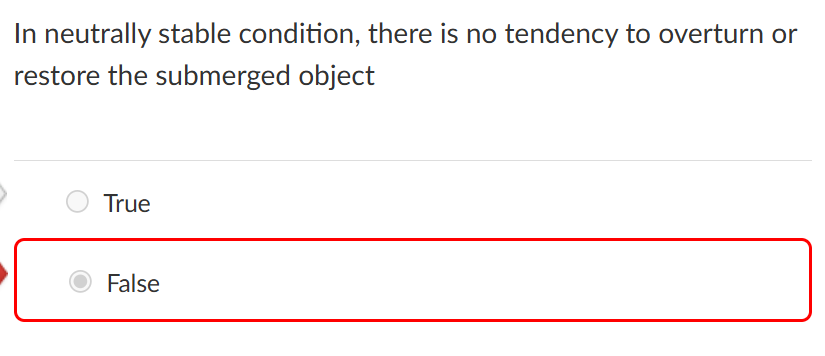
in neutrally stable condition there is no tendency
true
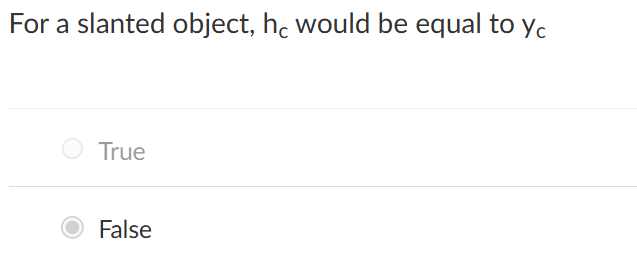
for a slanted object
false
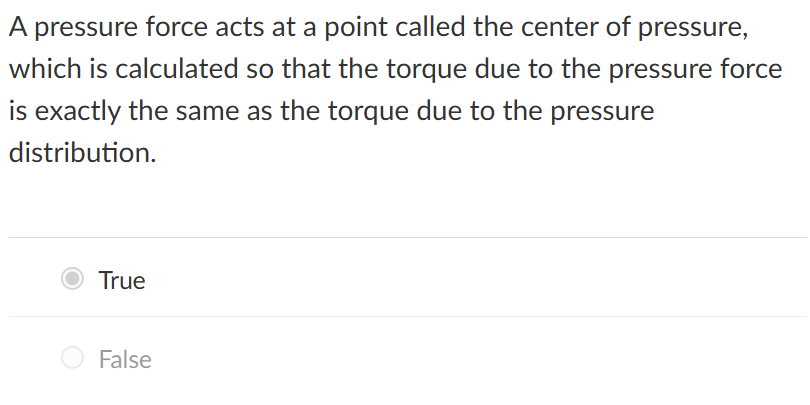
a pressure force acts at a point
true
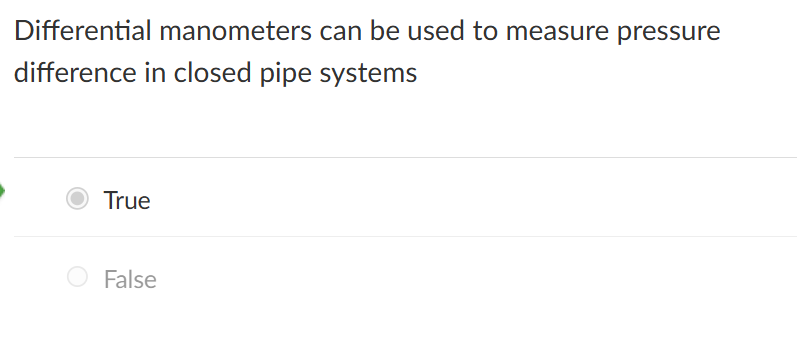
differential manometers can be used
true
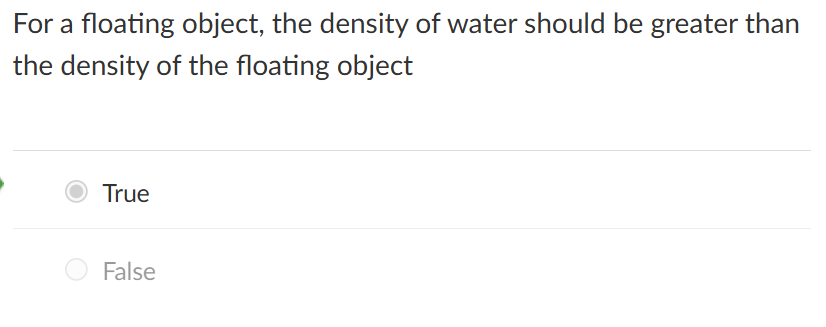
for a floating object
true
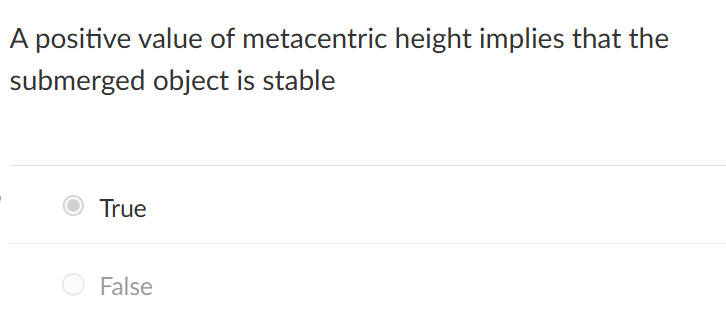
a positive value of metacentric height
true
in the lagrangian approach
true
the continuity equation
true
acceleration can be represented
true
stream function is used to describe
false
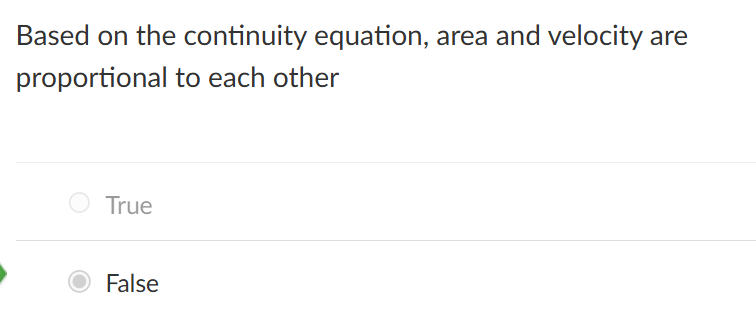
based on the continuity equation
false
 Note
Note  Flashcards (63)