PSYC 351 Exam 2
 Call Kai
 Learn
Learn Practice Test
 Spaced Repetition
 Match
Match Flashcards
 Knowt Play
1/26

Earn XP
Description and Tags
Color vision, depth perception, visual attention, motion, hearing
Name | Mastery | Learn | Test | Matching | Spaced | Call with Kai |
|---|
No analytics yet
Send a link to your students to track their progress
27 Terms
What type of color blindness results in a univariance problem
Monochromatic color blindness
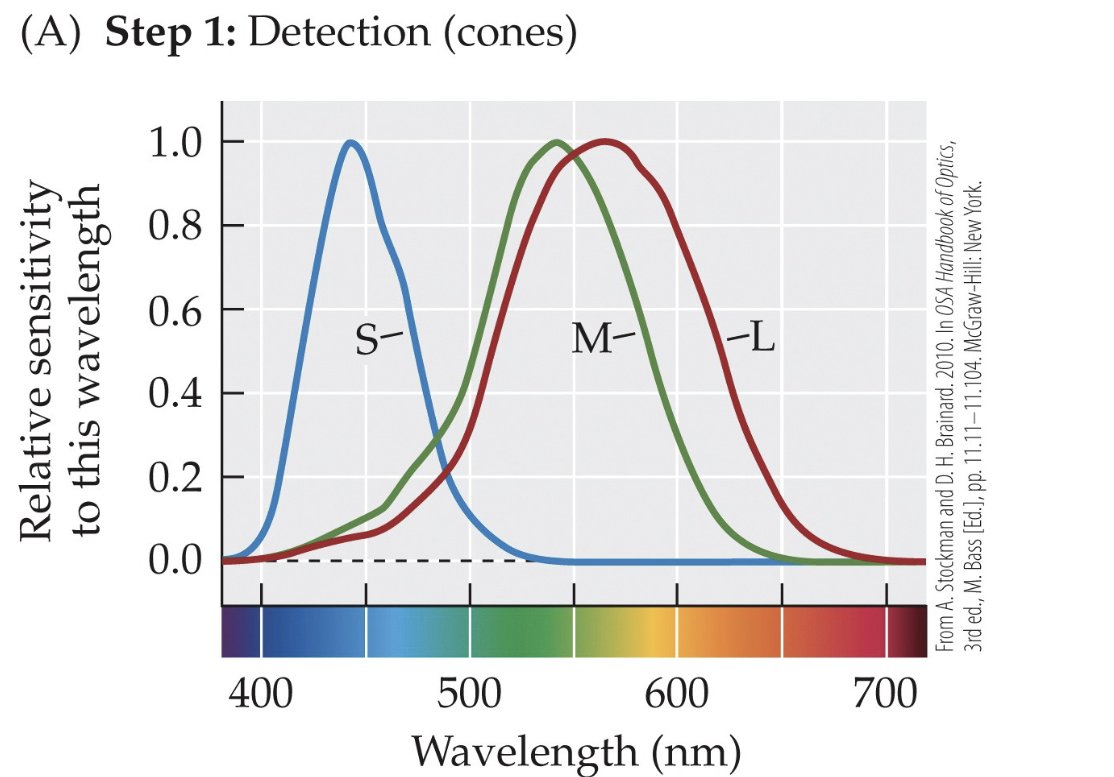
Cones are most closely tied to which step of visual processing?
Color detection
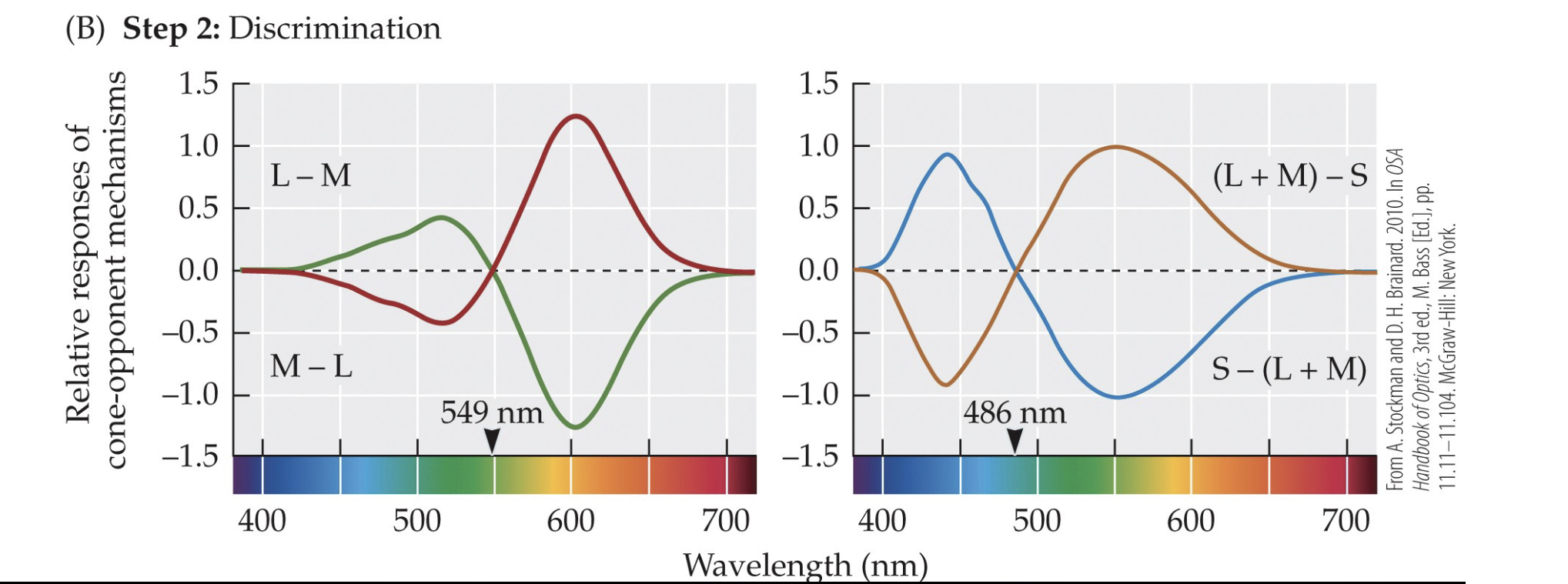
The LGN is most closely tied to which part of visual processing?
Color discrimination. Involved in the relay of visual information from the retina to the primary visual cortex (V1). Has a retinotopic map.
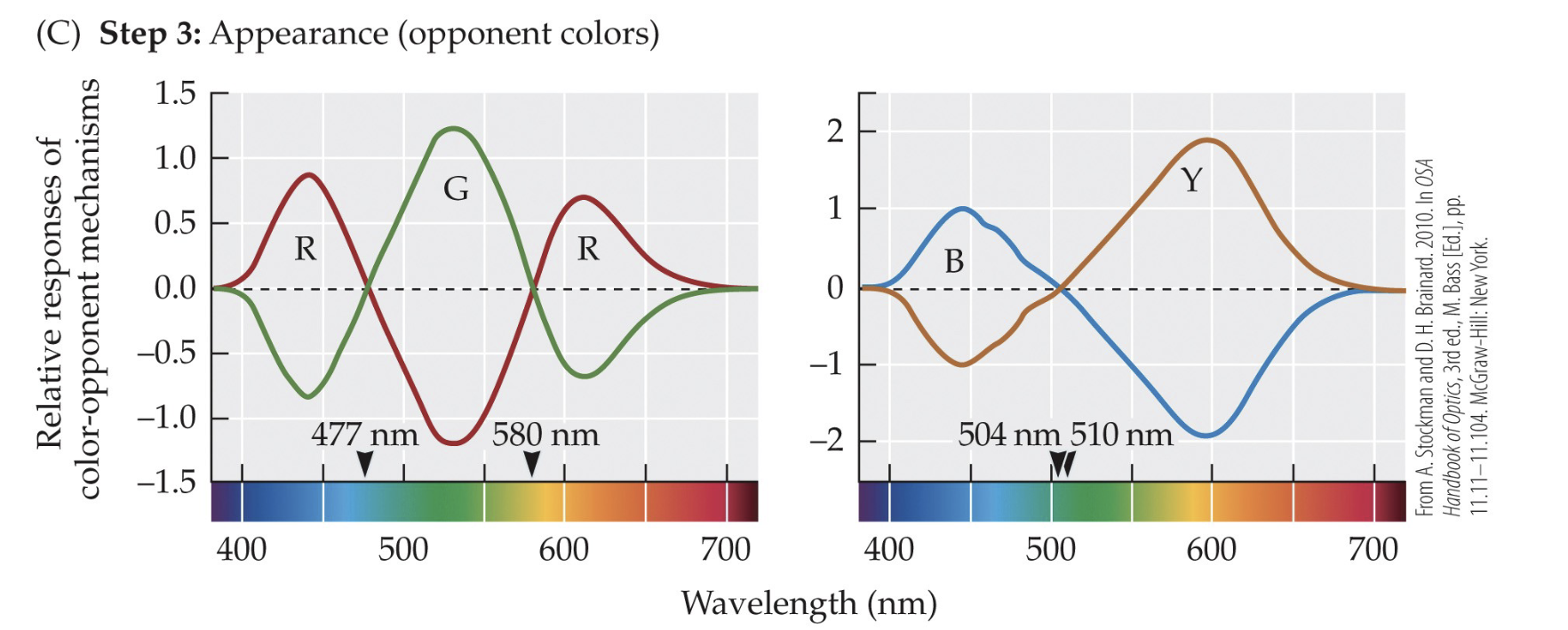
V1 is most closely tied to which part of visual processing?
Color appearance (opponent colors). Plays crucial role in orientation and motion detection as well as color vision.
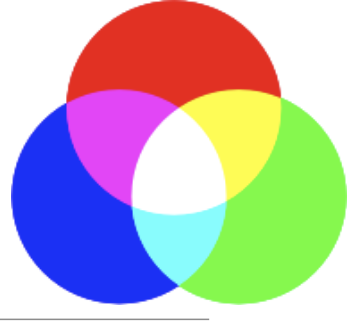
RGB televisions have red, green, and blue pixels. Why don’t they need to have yellow pixels?
Because red and green lights are next to each other, they create yellow light because our vision is trichromatic. The red and green hit your retina at the same time you process them together as yellow.
What are the pieces of evidence for color opponency?
Opposing colors cancel each other out (red-green, blue-yellow spectrum), color opponent cells (cells that track the difference in output between sets of cones), color appearance (opponent colors - V1), afterimages (of opposite colors), and color contrasts.
A single opponent cell is shown to have a Blue+ center and a Yellow- surround. What would be the wavelength codes for the center and the surround?
LM- surround (red and green), S+ center (blue)
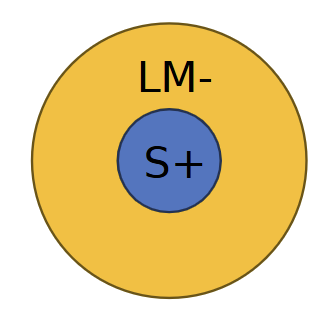
A single opponent cell in the LGN is shown to have an S+ center. What must its surround be coded as?
LM-
Fredrick is traveling to a new country. While there, he learns that their language has labels that differentiate two very specific shades of orange. If someone from that country were given a color discrimination task involving shades of orange that either did or did not cross that label boundary, what would you predict their performance would look like?
The speed of color discrimination between two shades of orange that fall on opposite sides would likely be faster; however, this speed would decrease when comparing two shades of orange that do not cross the label boundary. The accuracy of color discrimination would not change, just the speed.
Which of the following would be an example of color assimilation?
Perpetual effect where colors bleed into each other, each taking on some chromatic quality of the other.
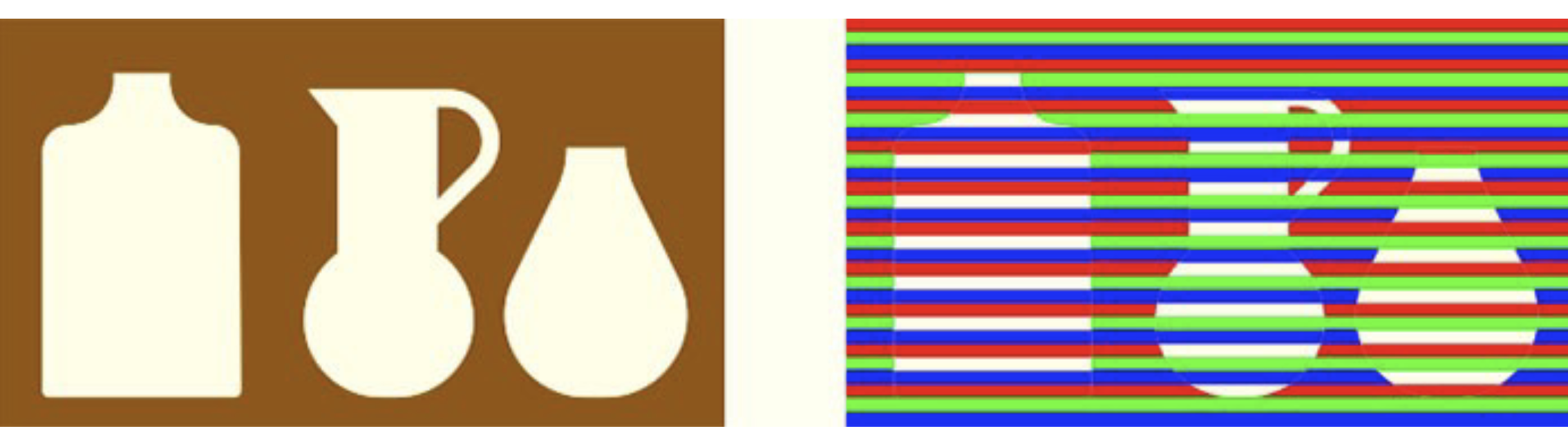
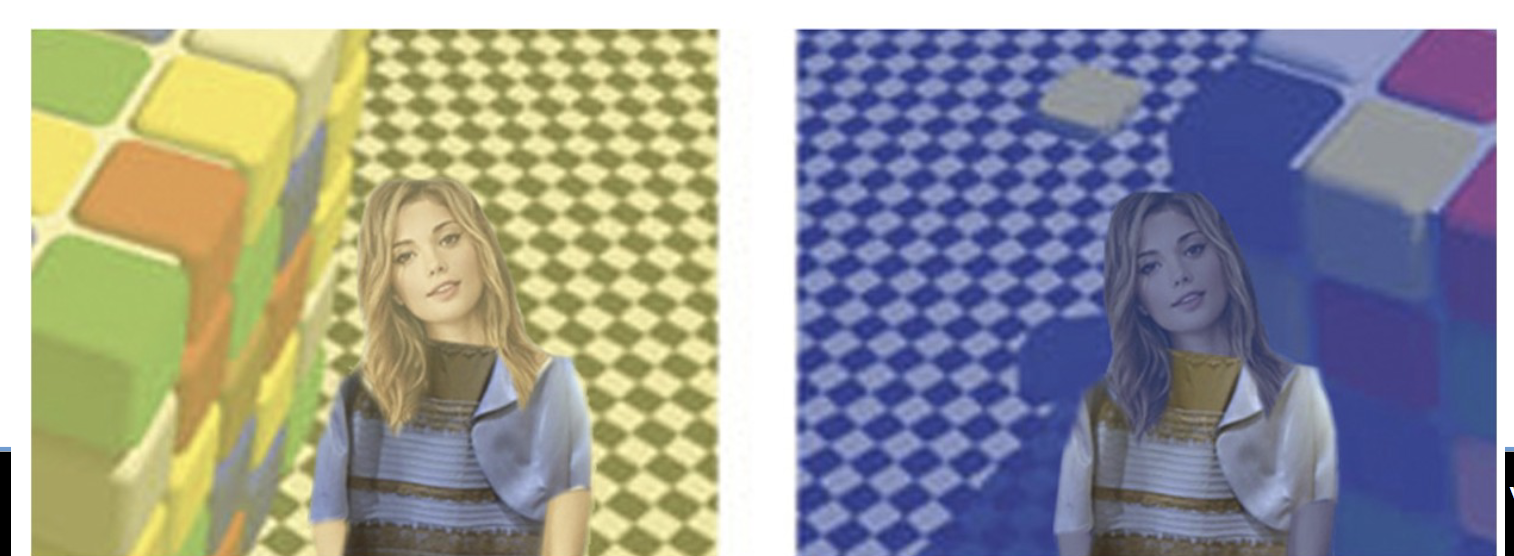
What is one potential explanation for why some people on the internet percieved “The Dress” as blue and black, while others percieved it as white and gold?
There are multiple routes to the same perceptual color. If we assume (heuristics) that the light source lighting the dress is blue, then the stripes must be white. If we assume (heuristics) that the light source lighting the dress is yellow, then the stripes must be blue. The way that we see the light hitting the dress depends on our brain’s assumptions.
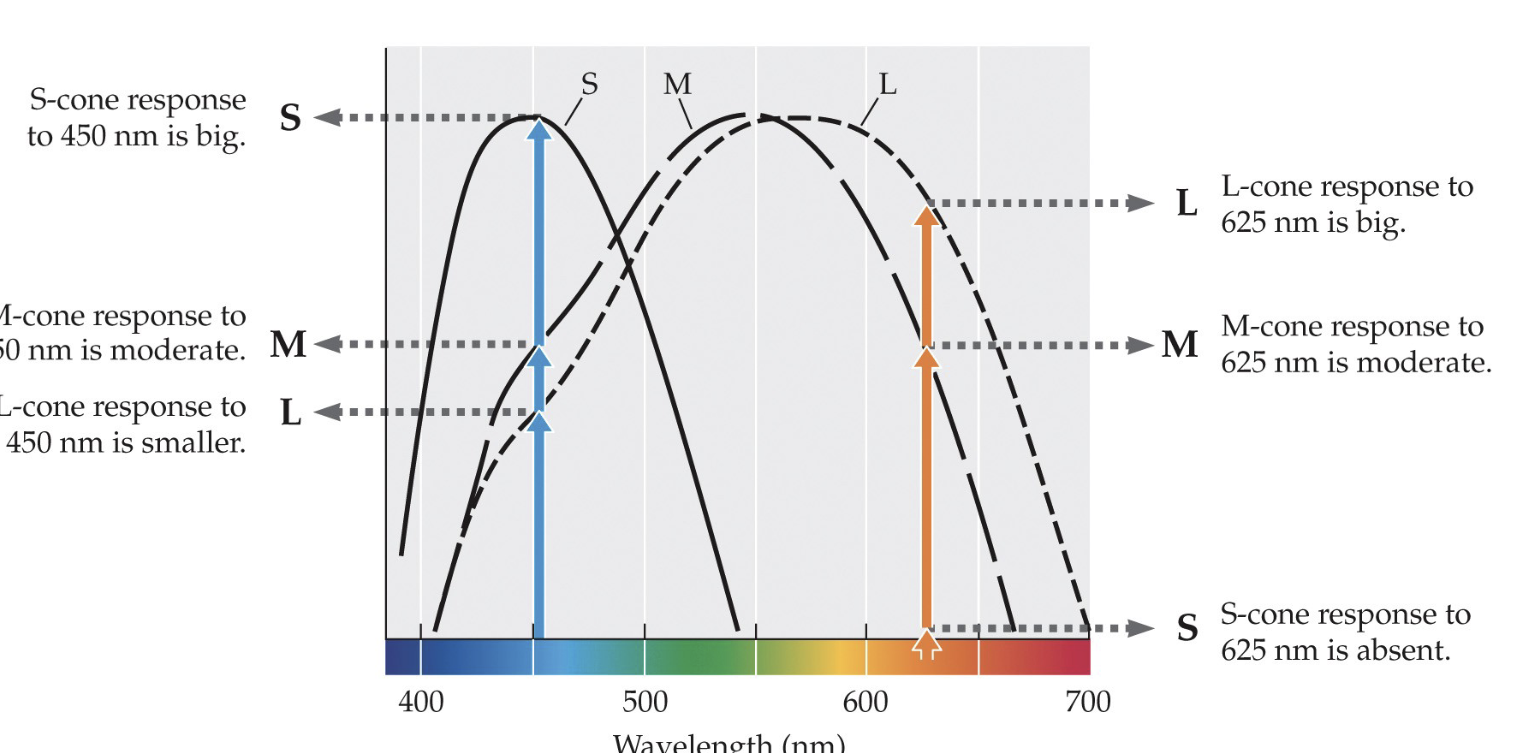
What wavelength of light would produce no response from an S cone, a moderate response from an M cone, and a large response from a L cone?
Around 625nm
Under which of the followng conditions would you experience a univariance problem with color vision?
Completely rod-based (scotopic vision), cone monochromat color blindness
We often percieve a banana as yellow regardless of waht color the lighting is. What type of effect is this?
Color constancy
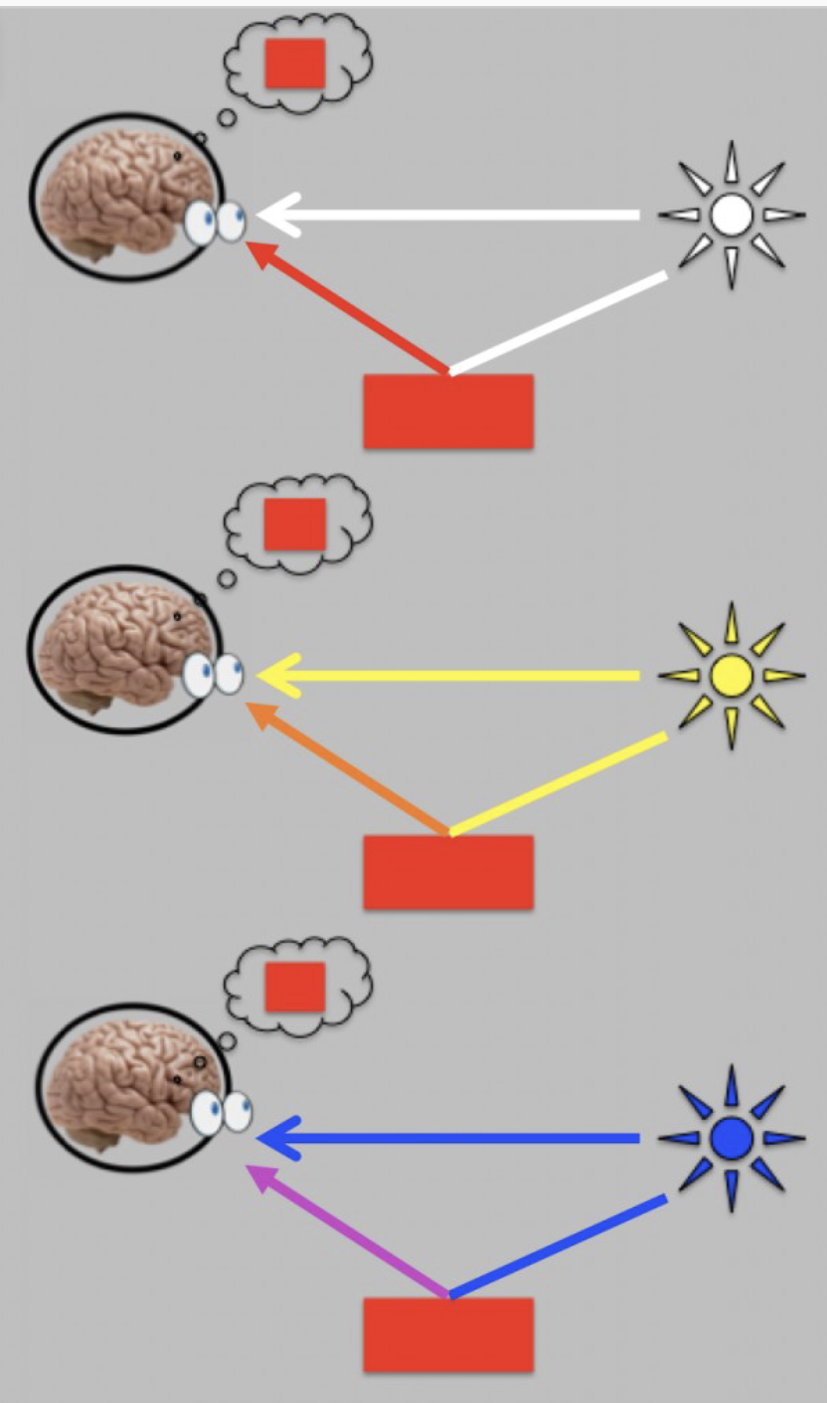
When your brain is processing color, it often discounts what factor?
We often discount the impact of the illuminant, the light itself hitting an object’s surface (color constancy). When hit by broadband white light a red object appears red, when hit by yellow light, the surface reflects orange, but we will likely still percieve red.
Color vision is best during which type of lighting condition?
Photopic
![<p>Someone with [blank] is an individual who suffers from color blindness that is due to the absence of L cones.</p>](https://assets.knowt.com/user-attachments/abd4cd80-7193-46c5-9fa3-6e53dcbdb86e.png)
Someone with [blank] is an individual who suffers from color blindness that is due to the absence of L cones.
Protanopia
![<p>Someone with [blank] is an individual who suffers from color blindness that is due to the absence of M cones.</p>](https://assets.knowt.com/user-attachments/0268334b-c489-40e4-8a60-94710699a5e1.png)
Someone with [blank] is an individual who suffers from color blindness that is due to the absence of M cones.
Deuteranopia
![<p>Someone with [blank] is an individual who suffers from color blindness that is due to the absence of S cones</p>](https://assets.knowt.com/user-attachments/88be976a-8de8-4903-8e67-6a6301512bb2.png)
Someone with [blank] is an individual who suffers from color blindness that is due to the absence of S cones
Tritanopia
This heuristic resutls in both color constancy effects and the perception of depth?
Shadows (or maybe aerial perspective?)
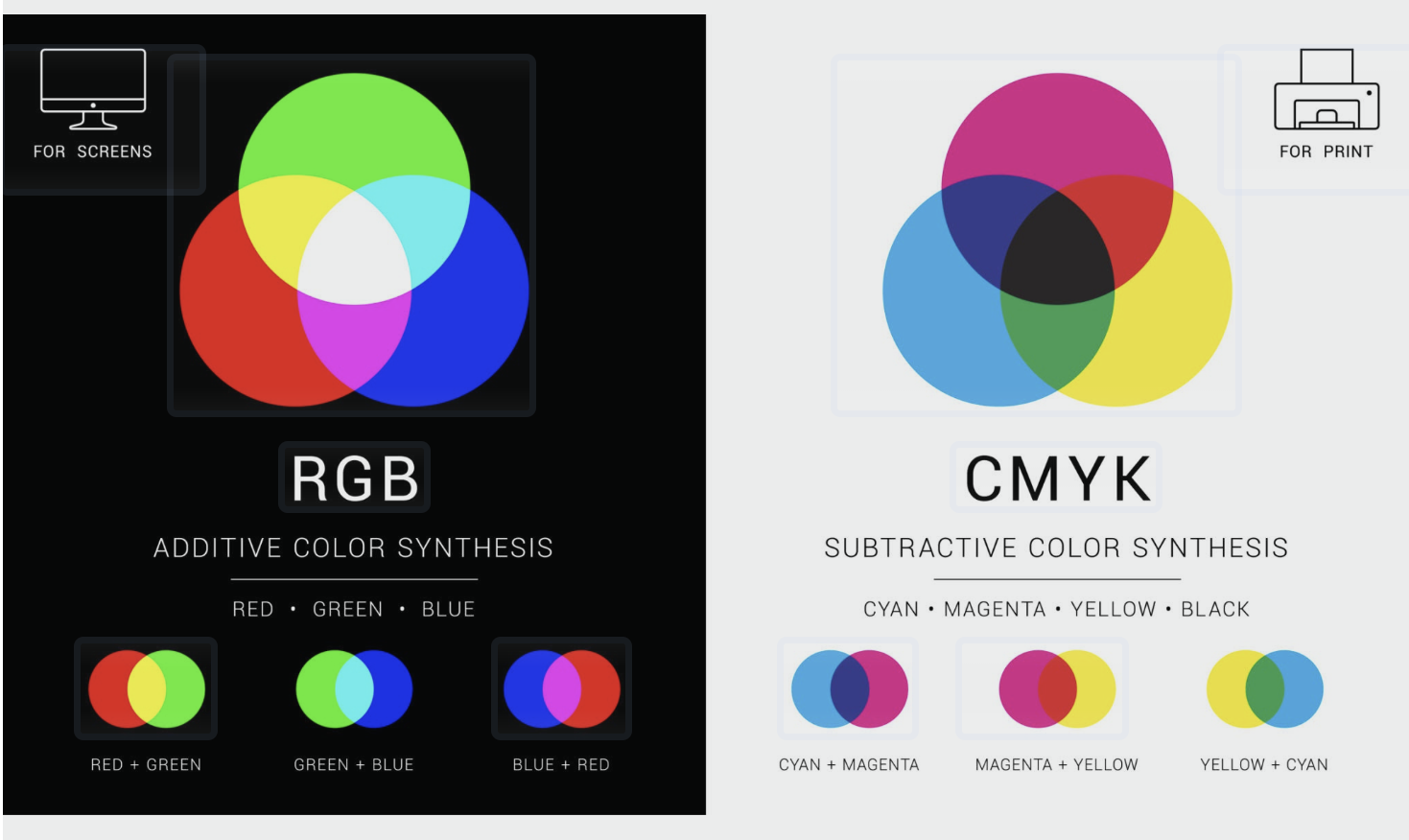
How does mixing paints differ from mixing light?
Light is additive (it becomes closer to white with every wavelength you add), paint is subtractive (the canvas absorbs light so the more colors you mix the closer it will become to black).
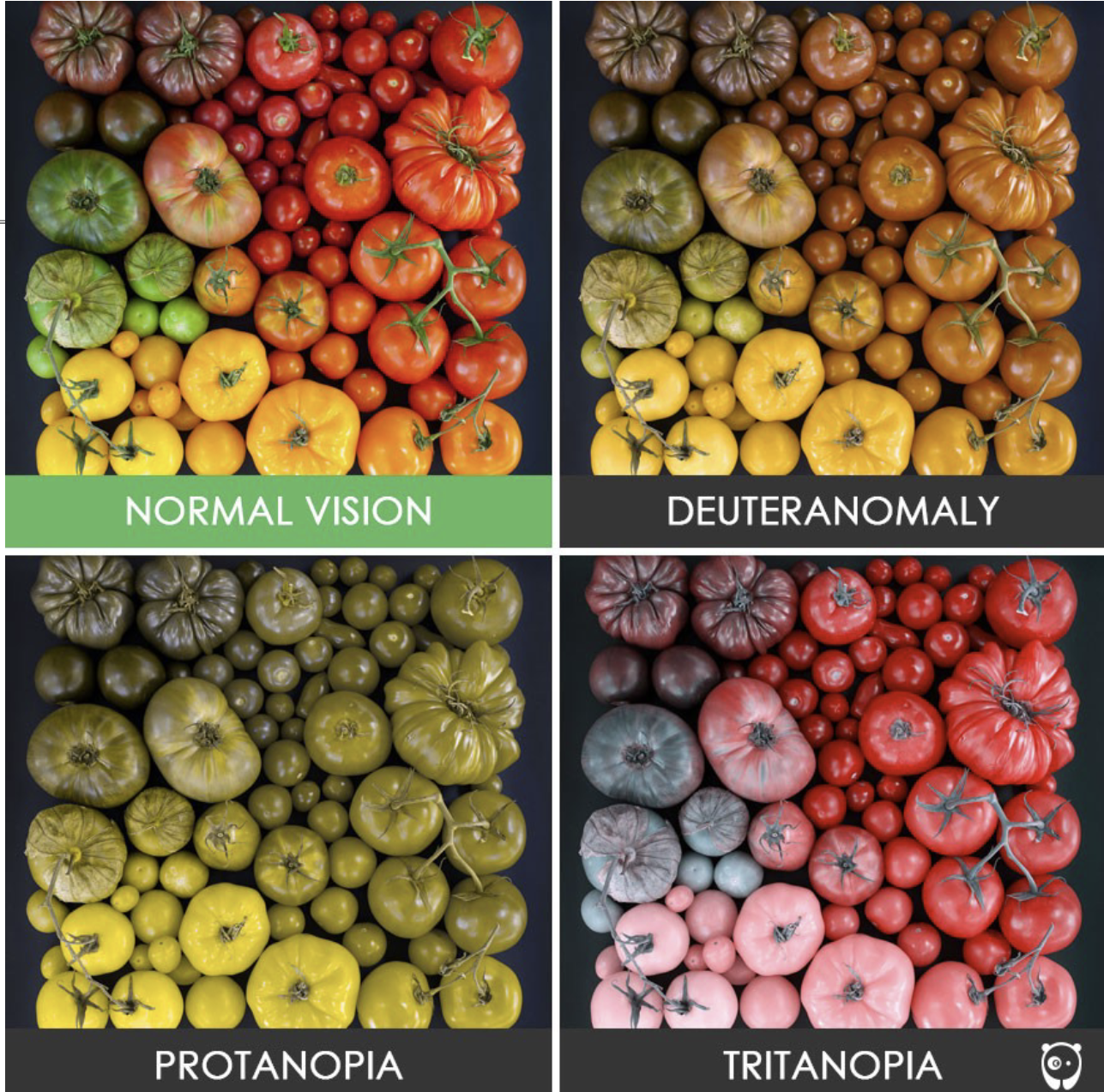
A professor provides a study guide, where he labels all of the key information in green, and all of the irrelevant information in red. However, which type of color-anomalous student would particularly struggle with a study guide in this format?
Protanope, deuteranope, cone monochromat, rod monochromat
[blank] is most closely tied to trichromacy, while [blank] is most closely tied to color opponancy?
Detection, discrimination (LGN)
Which of the following statements about white light is true?
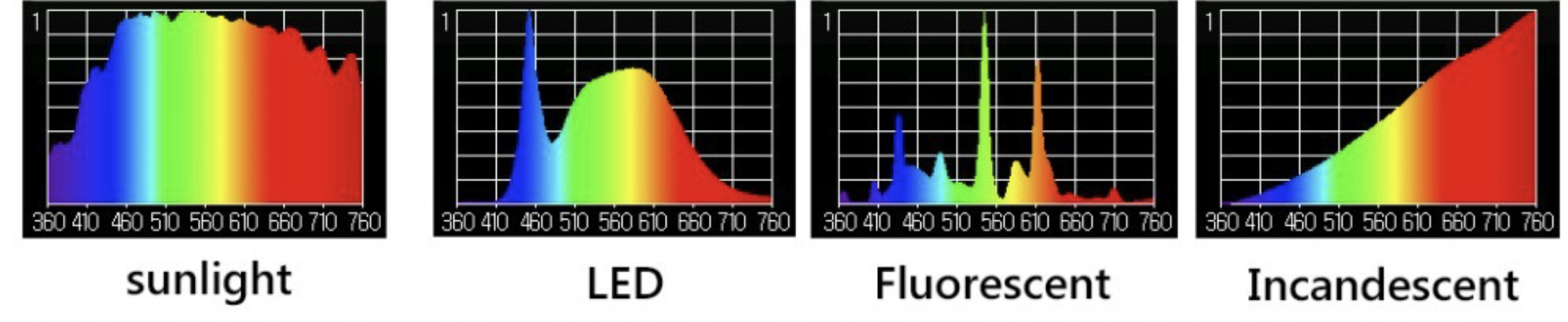
Not all white light is equal, broadband light has the full spectrum, not just RGB, but this can vary too (it can have different combinations of wavelengths of light). White light is explained by metamers, which say that different mixtures of light are percieved as identical, despite having different generators.
Which depth cues require using size information in the perception of depth?
Familiar size, relative size, linear perspective, texture segmentation
Why does strabismus impair depth perception?
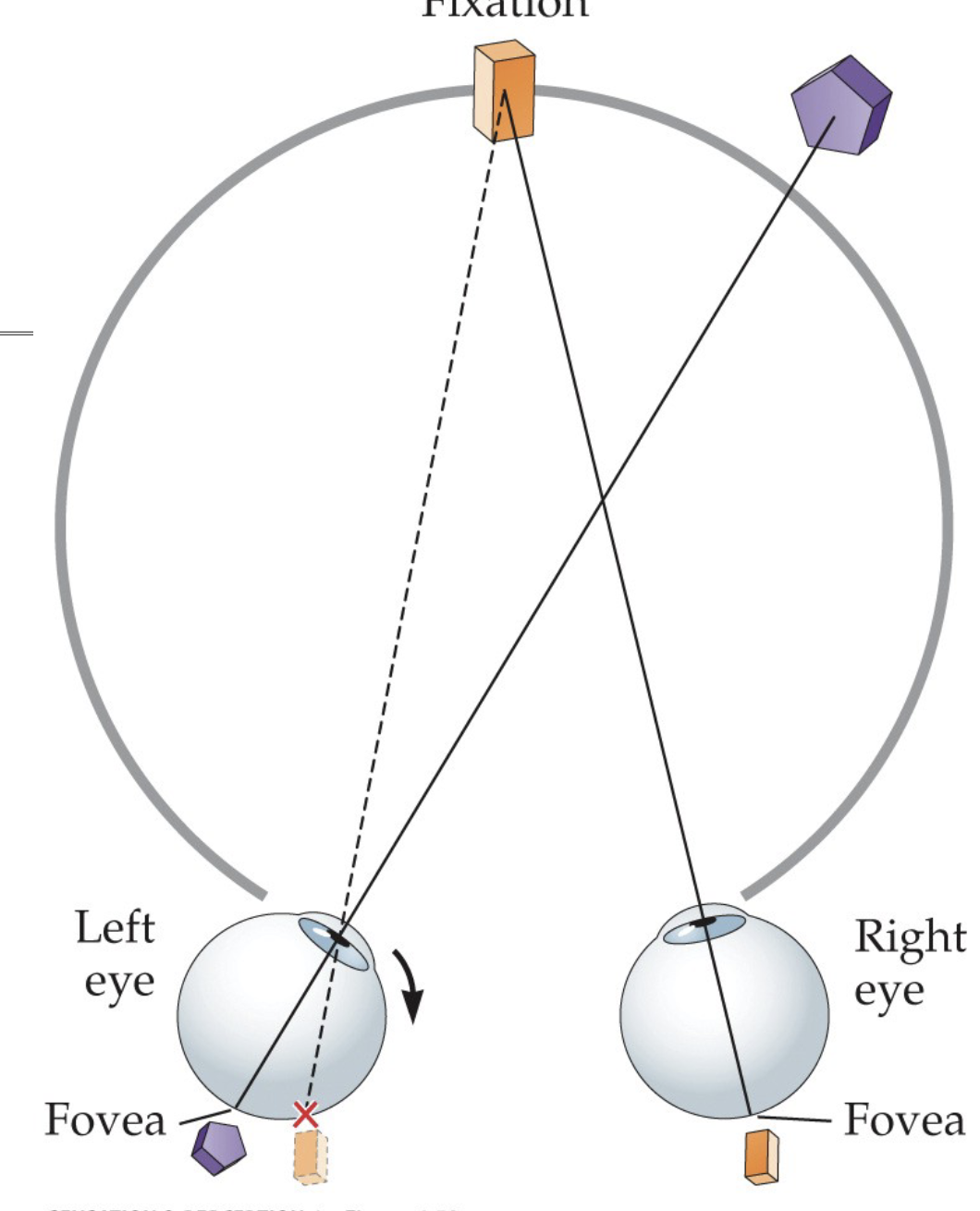
Strabismus can cause stereoblindness, which is an inability to use binocular disparity as a depth cue. This is because strabismus is a misalignment of the eyes such that an object is imaged on the foveal area of one eye and on a nonfoveal area of the other eye. This throws off triangulation, meaning that items that should have single vision (in the focal point) will not anymore.