PRESENTATION & DIAGNOSIS OF GENETIC DISORDERS & THEIR RELEVANCE TO OROFACIAL DEVELOPMENT & SUSCEPTIBILITY TO ORAL DISEASE
 Call Kai
 Learn
Learn Practice Test
 Spaced Repetition
 Match
Match Flashcards
 Knowt Play
1/46

There's no tags or description
Looks like no tags are added yet.
Name | Mastery | Learn | Test | Matching | Spaced | Call with Kai |
|---|
No analytics yet
Send a link to your students to track their progress
47 Terms
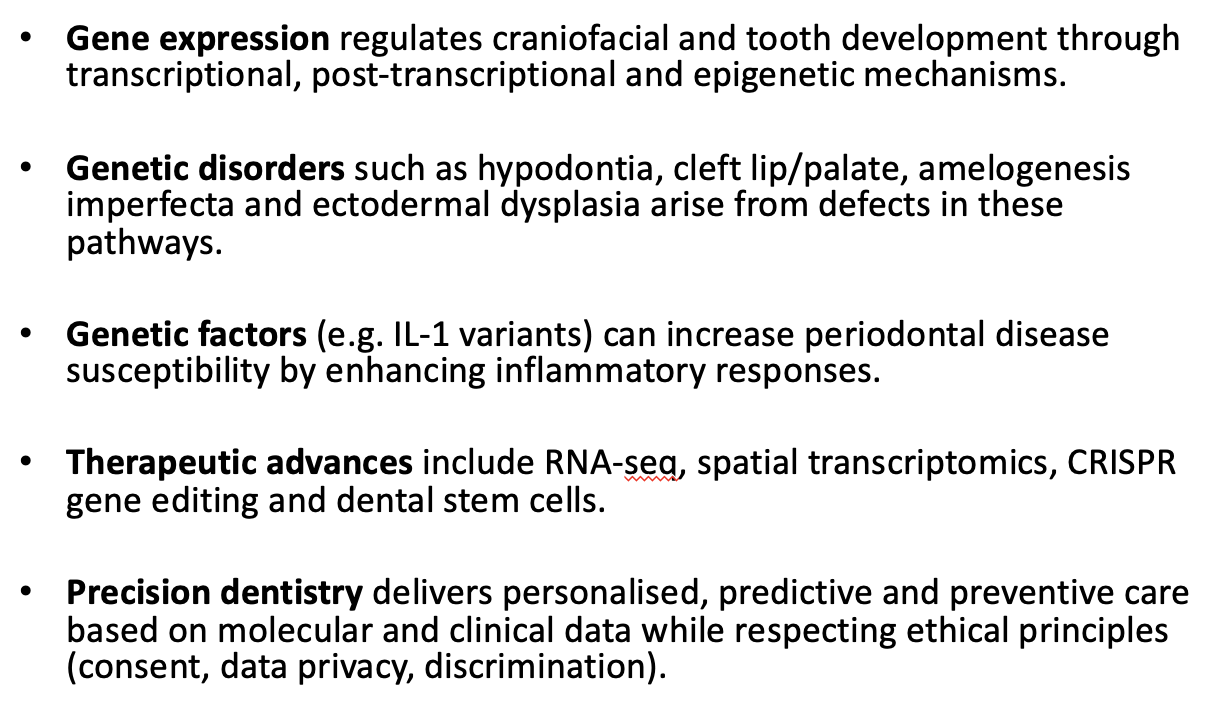
why does genetics matter in dentistry
genetic influence on oral structures
relevance to diagnosis and treatment
precision dentistry is an emerging field i.e. personalised medicine
gene expression diagram
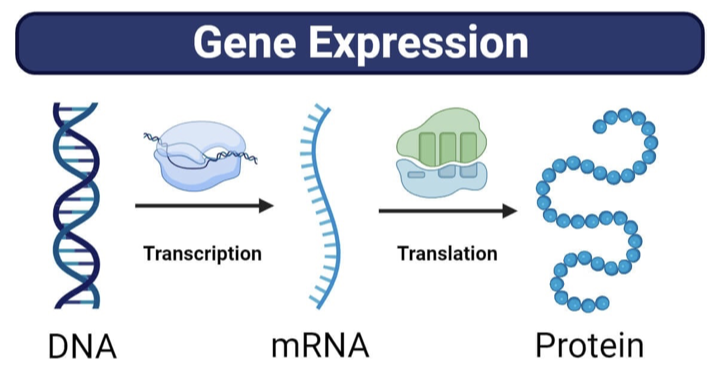
at what levels can gene expression be modified
transcriptional control
post-transcriptional regulation incl. post-translational regulation
epigenetics
a lot of genes that control orofacial development are…
transcription factors
diagram of regulation of transcription in eukaryotic cells
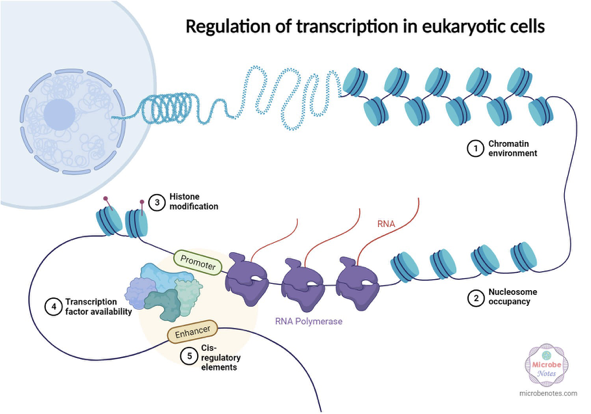
diagram of post-translational regulation
(these are different types of RNA decay mechanisms)
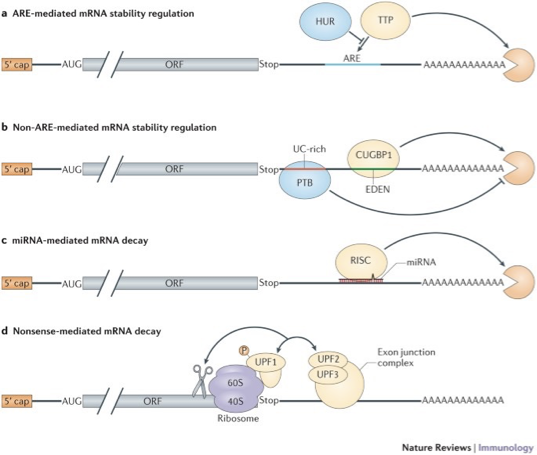
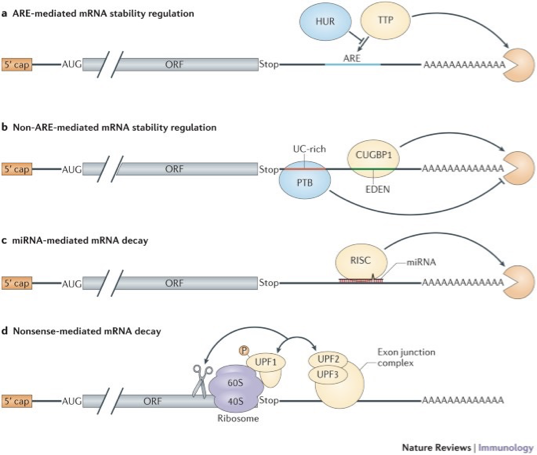
what is ARE and its function
ARE = adenine response elements
ARE decide how long the RNA is going to hang around (lengthens/ shortens poly-A tail)
what is a big class of ncRNA
miRNA is one of the biggest classes of ncRNA
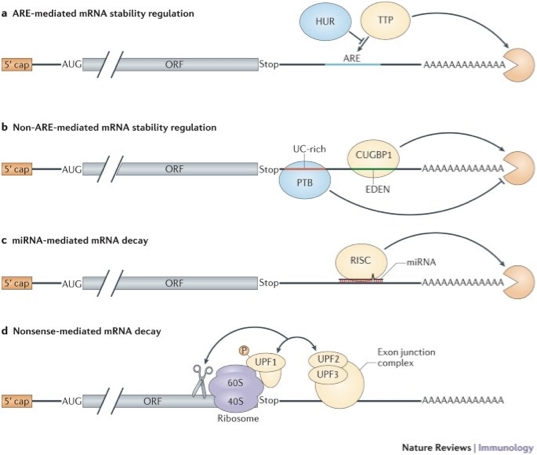
what do a, b and c do
fine tuning how much of a gene is being expressed
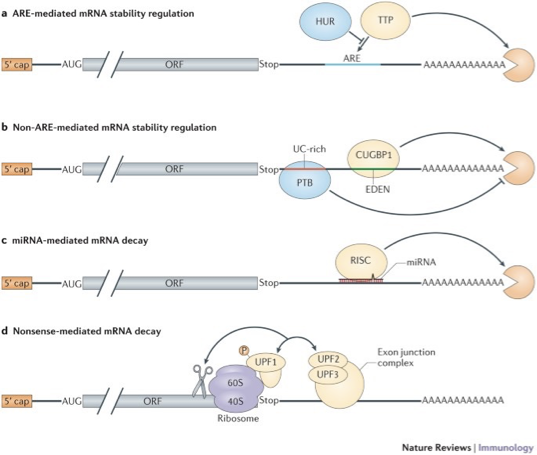
what does d do
defence mechanism that recognises RNA that is wrong and destroys it e.g. from a bacteria or a virus
machinery recognises short transcripts or strange sequences
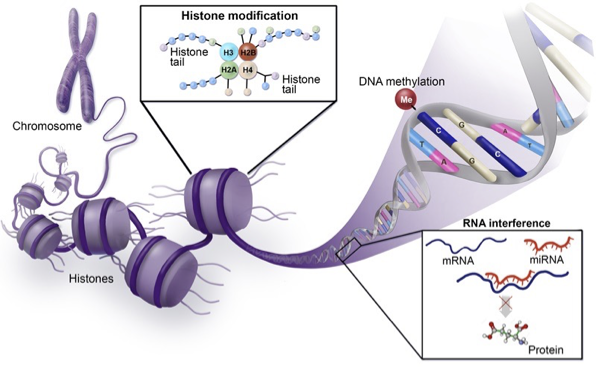
what processes are involved in histone modification
methylation
acetylation
» alters which part of DNA can be transcribed to RNA and which are not
histone modification is generally ___________
acetylation
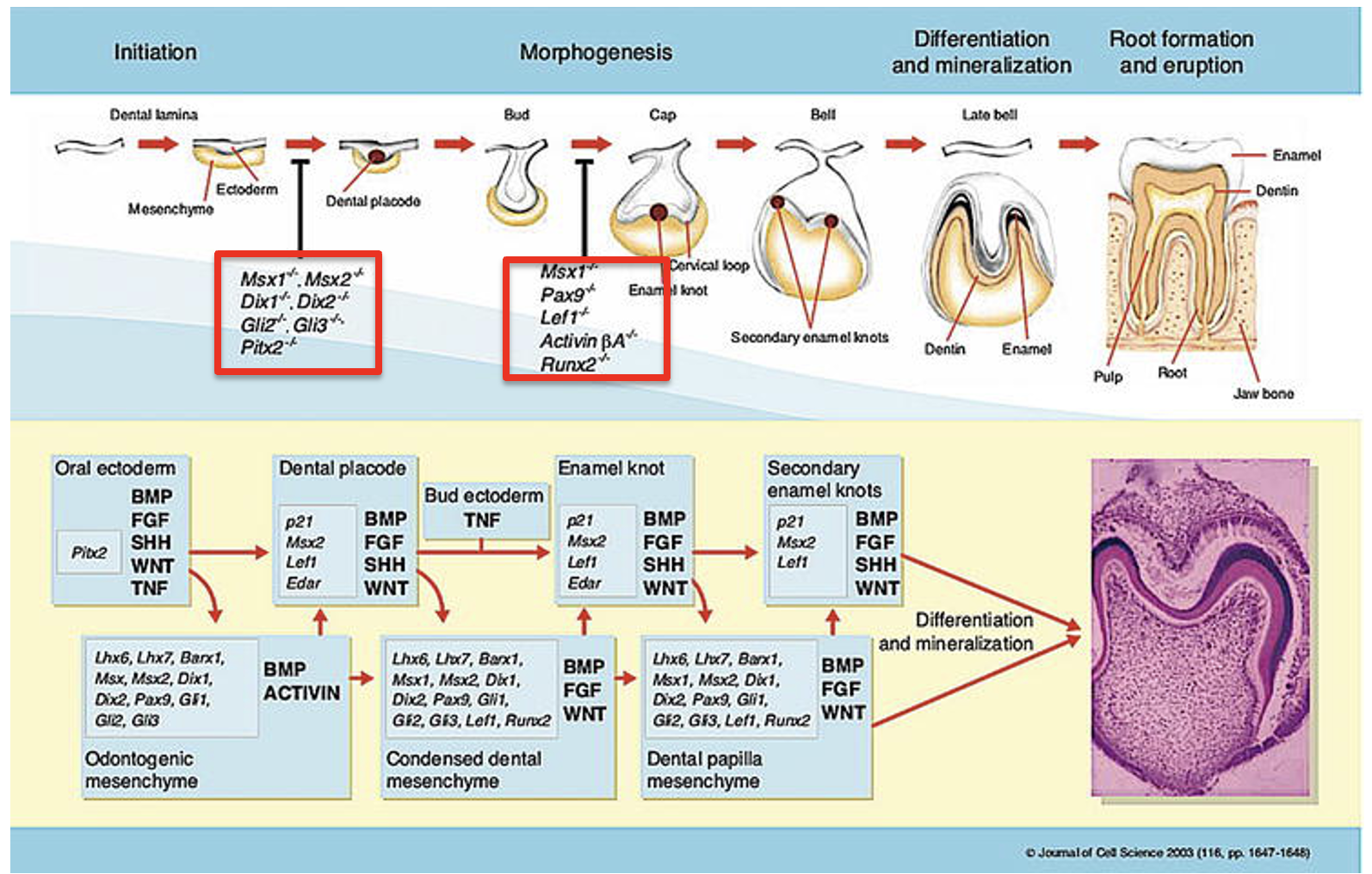
diagram showing gene expression in tooth organogenesis
red box = if these are removed, tooth dev. will arrest at this stage
bold genes in yellow background = ‘doers’ or growth factors
italics genes in yellow background = mostly transcription factors
what can growth factors genes be switched on by
transcription factors
give examples of transcription factors and what they control
Msx1, Shox2 and the Pbx family of transcription factors control the expression of other genes involved in palate formation
give examples of growth factors and their receptors and their function
BMP4, FGF10 and SHH play essential roles in cell to cell communication and are part of a feedback loop that regulates palatal development
palatal development is ___ understood than tooth development
less
what are a lot of ageing effects in the oral cavity mostly due to
a lot of ageing effects in the oral cavity are mostly due to epigenetic changes
not mutations in DNA sequences
list common developmental anomalies
hypodontia
cleft lip and palata
amelogenesis imperfecta
diagram of genes in hypodontia
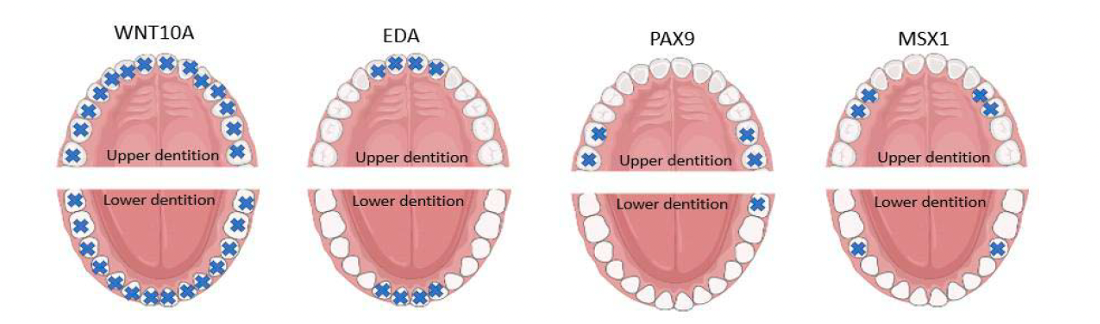
what genes are associated to cleft palate development
Msx1
Osr2
outline amelogensis imperfecta
group of inherited conditions that affect the development of tooth enamel
this results in teeth that can be unusually small, discoloured, pitted or prone to rapid wear and breakage
often results in pain due to sensitivity resulting from lacking enamel
differing severity depending on which genes are involved
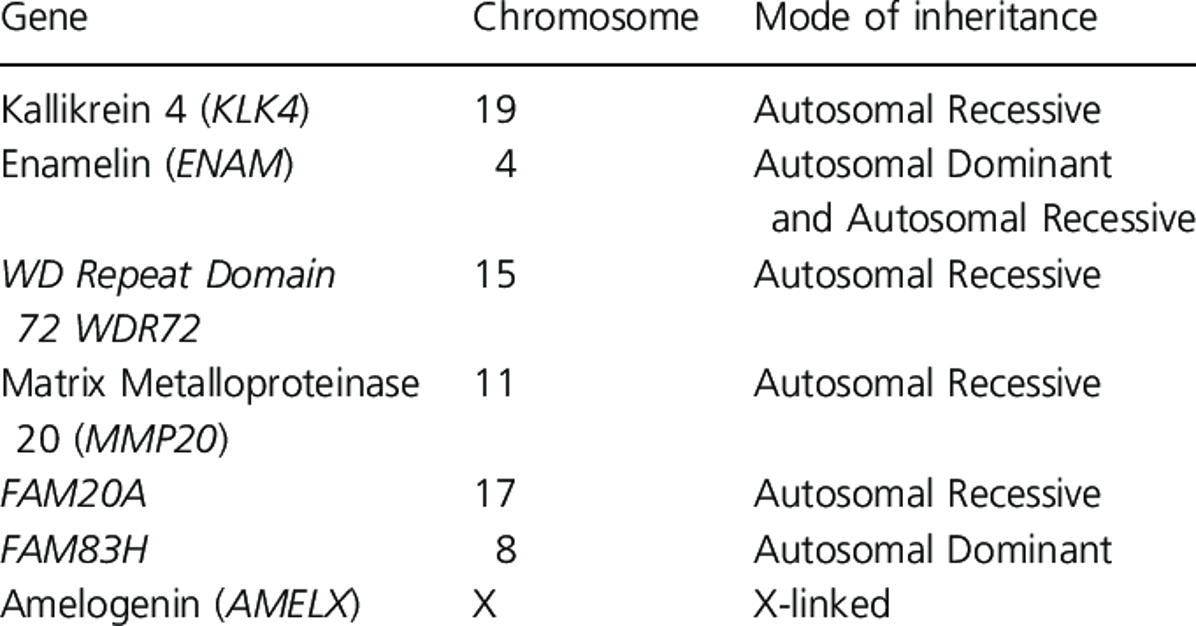
table showing genes involved in amelogenesis imperfecta
which gene is associated with periodontal disease
IL-1 gene variants implicated in periodontal disease
increased inflammation
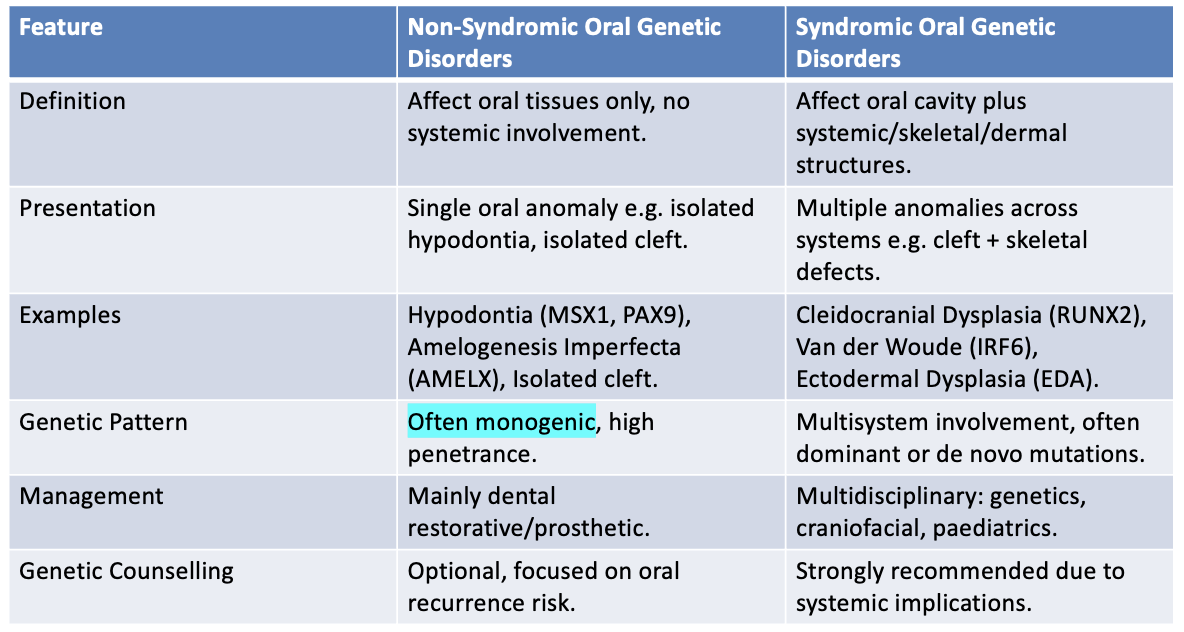
table showing classification of oral genetic disorders
define ectodermal dysplasia
ectodermal dysplasia: a group of genetic disorders that affect the development of hair, nails, teeth, skin and sweat glands
outline the effects of ectodermal dysplasia on the teeth
missing teeth (hypodontia or anodontia)
unusual tooth shape
delayed eruption
defective enamel
reduced saliva (dry mouth)
abnormal roots and pulp chambers
outline genes associated with ectodermal dysplasia
results from mutations in one or more of several genes
these include ectodysplasin A (EDA), its receptors EDAR and EDARADD and the transcription factor WNT10A
the EDA is often defective in ectodermal dysplasia
outline the oral implications of cystic fibrosis
CF is linked to reduced saliva, medication side effects and altered oral bacteria »
enamel defects
increased risk of gingivitis
elevated risk of tooth decay
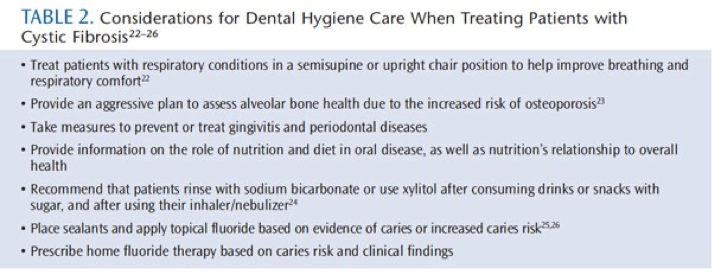
image showing considerations for oral health provision to those with CF
outline oral implications of sickle cell anaemia
reduced enamel
delayed tooth eruption
ulceration risk
changes in mandible structure can cause jaw pain
how can gene expression be studied
polymerase chain reaction
RNA and DNA sequencing - bulk or single cell
spatial transcriptomics/ proteomics - measures the gene expression of cells whilst preserving their location within a tissue
list therapeutic implications in relation to genetics
genetic editing to correct defective genes
detection of genetic changes
stem cells to regenerate tissue
precision dentistry
outline CRISPR
allows precise editing of the genome
developed by Jennifer Doudna and Emmanuelle Charpentier
how can genetic changes be detected
whole genome sequencing
RNA sequencing
DNA sequencing
spatial transcriptomics
what are a good source of stem cells
teeth - dental pulp stem cells
state areas of precision dentistry
patient-specific care
data-driven decision making
outcome optimisation
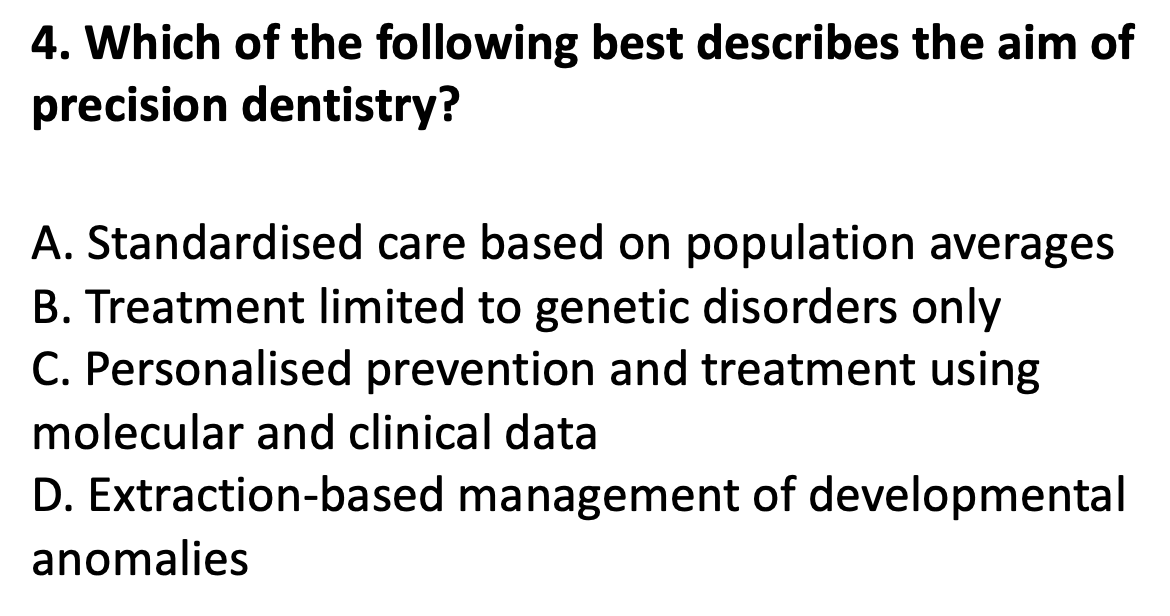
precision dentistry: patient-specific care
tailoring dental diagnosis
prevention and treatment based on an individual’s genetic, biological behavioural and environmental profile rather than relying on population-level averages
precision dentistry: data-driven decision making
using advanced diagnostics, digital tools, biomarkers and AI to stratify risk, predict outcomes and guide targeted interventions
precision dentistry: outcome optimisation
aiming to improve clinical effectiveness, reduce overtreatment and enhance patient experience through personalised, minimally invasive and predictive care pathways
what is a benefit of precision dentistry
allows economic benefits »
new tech is often initially expensive but gets cheaper overtime
precision dentistry also eliminates other treatments that we know will not work for that patient
not undertaking such tests/ treatments will save massive costs
what needs to be considered with precision dentistry
ethical considerations
consent and data storage
genetic discrimination risk
summary slide
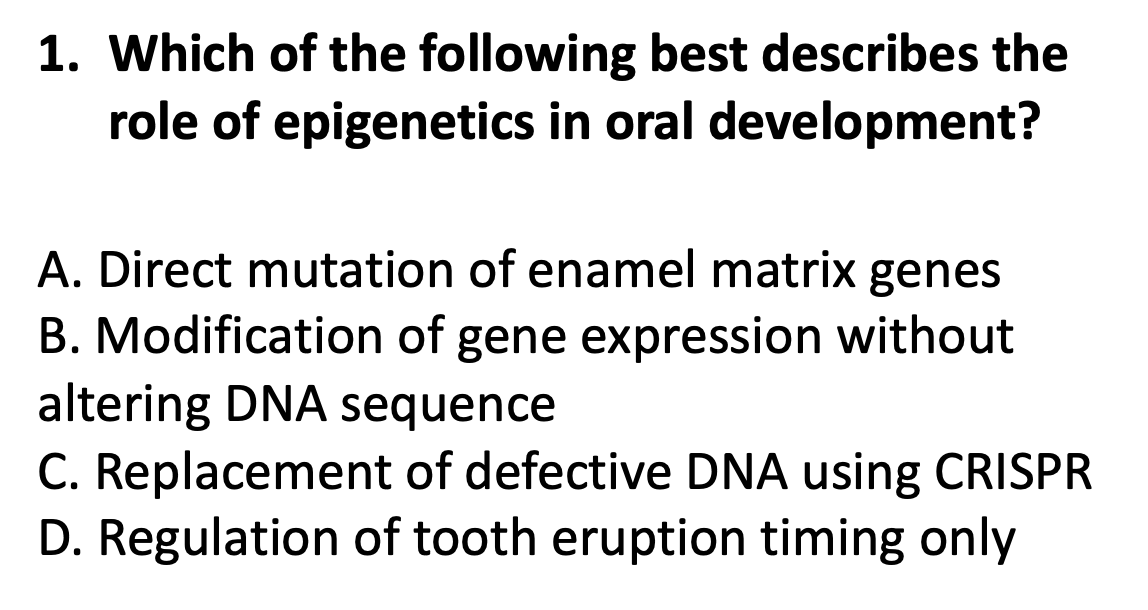
B?
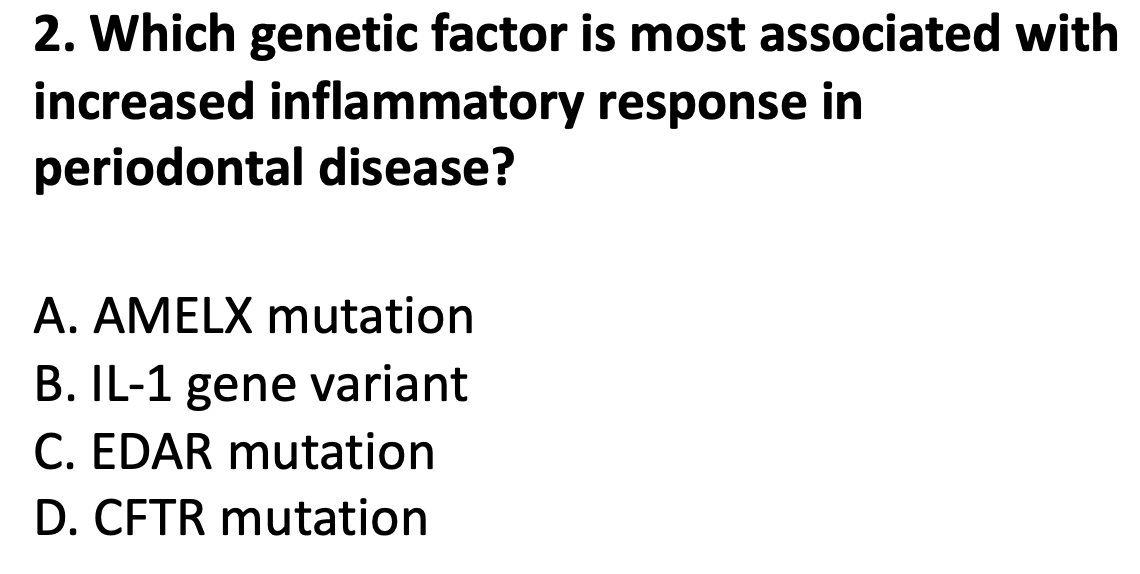
B?
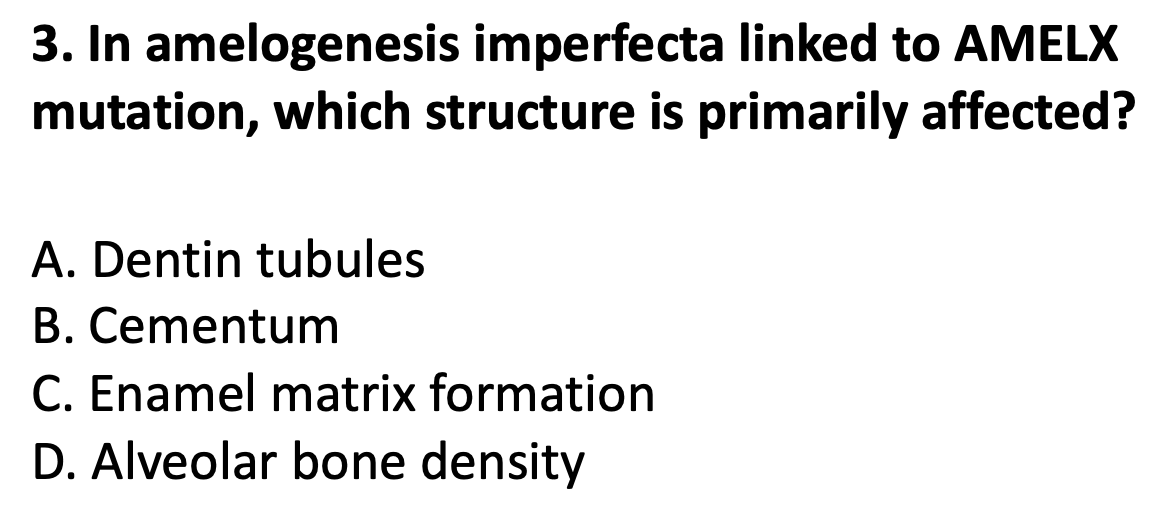
C?
C?

