Protozoan Parasites
 Call Kai
 Learn
Learn Practice Test
 Spaced Repetition
 Match
Match Flashcards
 Knowt Play
1/69

There's no tags or description
Looks like no tags are added yet.
Name | Mastery | Learn | Test | Matching | Spaced | Call with Kai |
|---|
No analytics yet
Send a link to your students to track their progress
70 Terms
groups of parasites
-protozoa
-heminths
unicellular parasites
protozoa
multicellular worm parasites
helminths
acellular parasites
viruses
algae
photoautotrophic protists
fungus-like protists
slime molds and water molds
disease caused by algae
1. red tide - irritation skin and lungs
2. paralytic shellfish poisoning
red tide & paralytic shellfish poisoning
caused by dinoflagellate (algae) NEUROTOXIN - brevetoxin
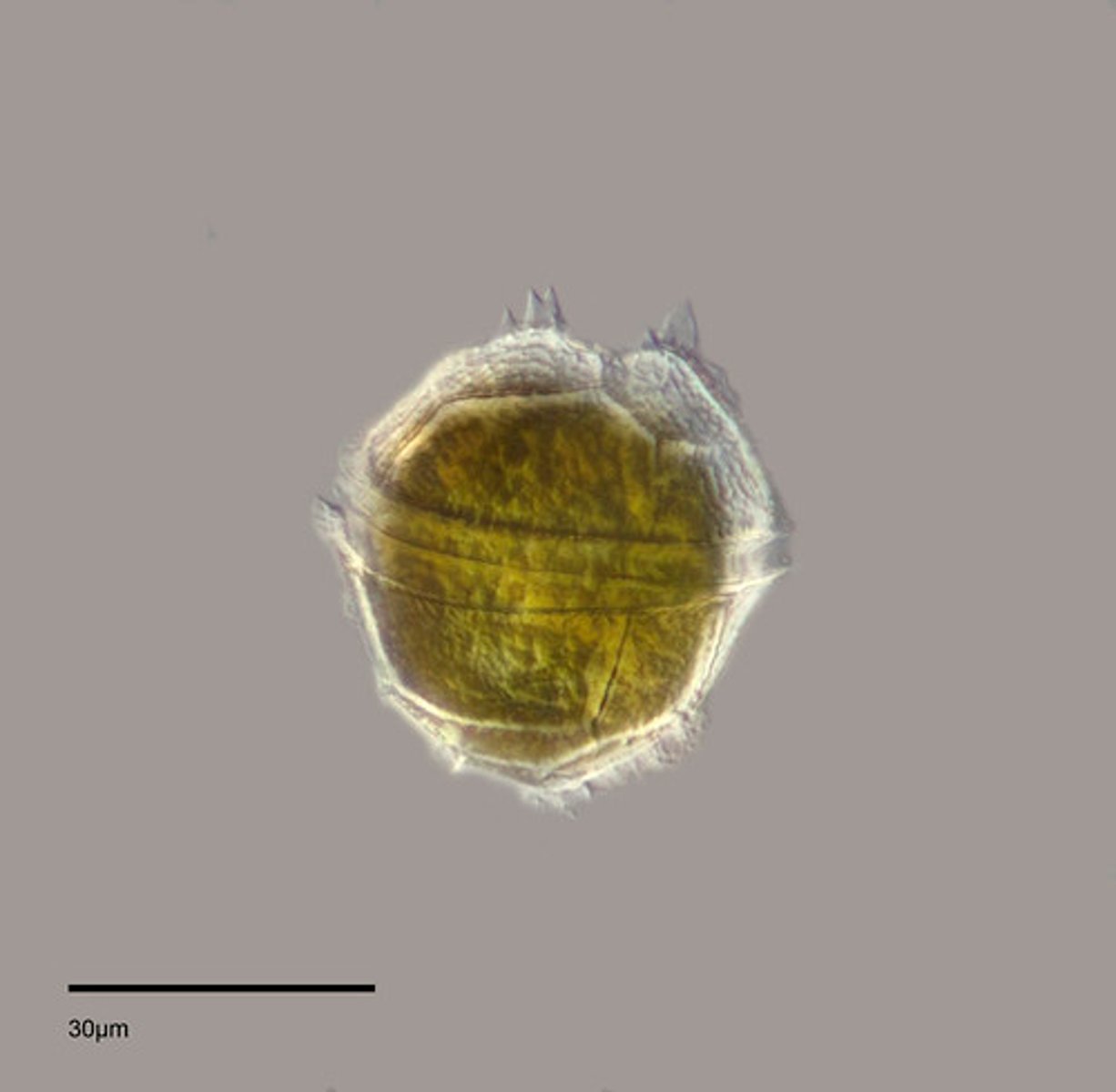
dinoflagellate
algae that cause red tide & paralytic shellfish poisoning
characteristics of protists
1. unicellular eukaryote
2. ingestive heterotrophic
3. NO cellulose or chitin cell walls in active stage
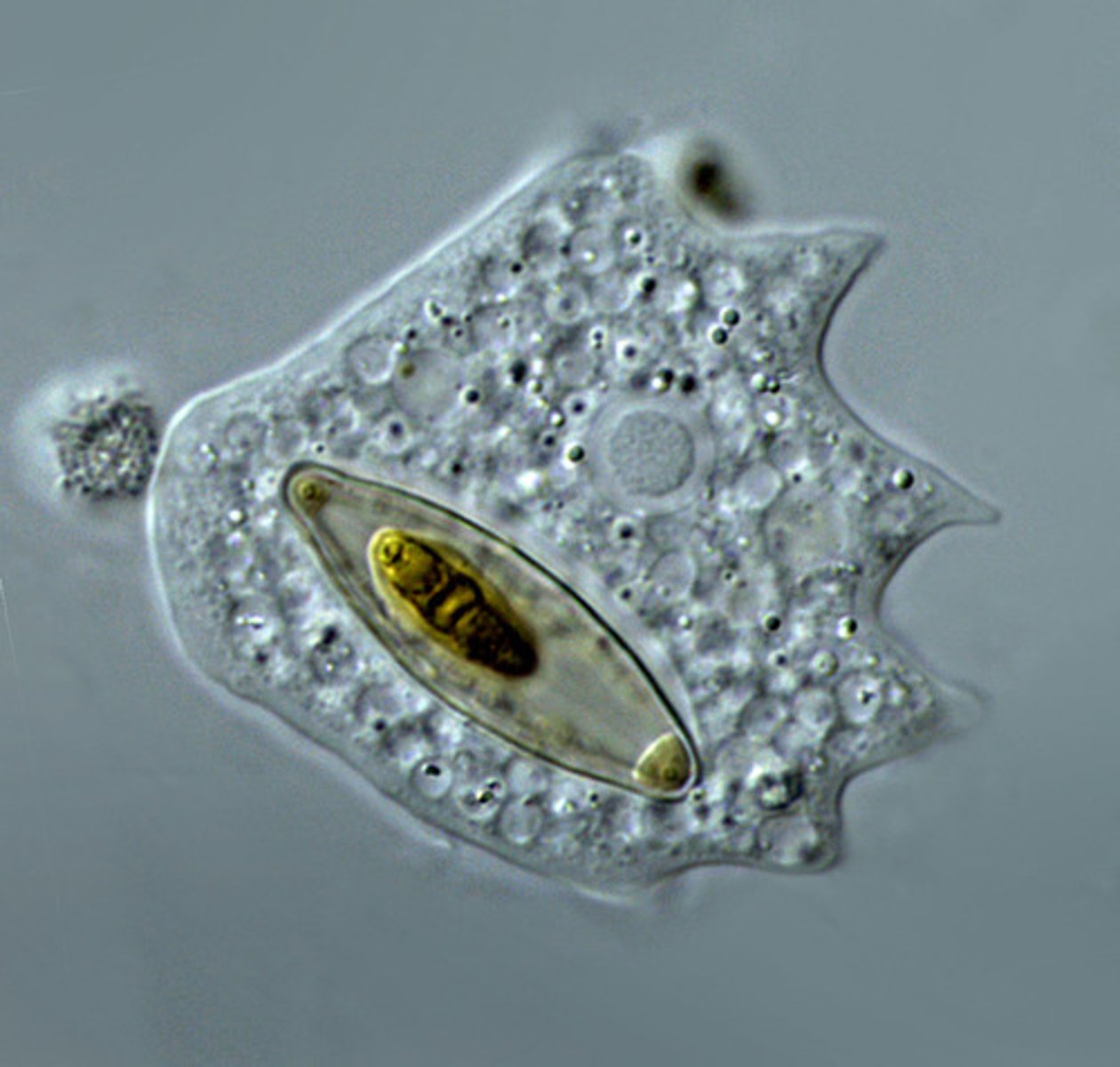
habitat of protists
-MOST aquatic
-also soil or on plants & animals
roles of protozoa
1. decomposers
2. parasitic
3. zooplankton
zooplankton
-Tiny floating organisms that are either small animals or protozoa
-important part of food chain
phytoplankton
photosynthetic algae found near the surface of the ocean
trophozoite stage
active, motile, feeding stage of protozoa
cyst stage
-dormant or resting form of protozoa
-for survival in harsh environment
cyst stage
often infective or transferrred stage
schizogony (multiple fission)
-asexual reproduction in some protozoans
-multiple nuclear divisions before cytokinesis
definitive
host in which the sexual reproduction of a parasite takes place
intermediate
host for immature or developmental stages of a parasite
-asexual or no reproduction
vector
agent carries & transmits infectious parasite into another living organism
vector
arthropods in parasitic life cycles are often these
transmission protozoan GI diseases
-fecal-oral route
-vehicle: water or food
symptoms protozoan GI diseases
-indigestion to dysentery
-acute or chronic diarrhea
acute diarrhea
3 or more loose stools in a 24-hour period
chronic diarrhea
longer than 14 days/2 weeks
dysentery
pus/blood filled diarrhea
treatment GI protozoans
-oral rehydration therapy
-antimicrobial medications
prevention GI diseases
•Water hygiene - boiling, filtering, disinfecting
•Personal hygiene
•Proper food preparation
examples protozoan GI diseases
1. giardiasis
2. amoebiasis/amoebic dysentery
3. crypto - cryptosporidiosis
4. cyclosporiasis
Giardia duodenale or lamblia
causative agent of #1 parasitic infection in the U.S.
giardiasis
caused by spread of cysts in water
-chronic diarrhea
-hikers
-can infect dogs
-person to person - seen in daycares
cryptosporidiosis "crypto"
-acute diarrhea
-usually transmitted by water/some food
-swimming pools & water supply
-oocysts resistant to chlorine
-fatal in AIDS patients
cyclosporiasis
chronic diarrhea caues by Cyclospora cayetanensis
cyclosporiasis
-usually caused by ingesting oocysts on produce
-outbreaks from raspberries, greens & herbs
-NO PERSON TO PERSON transmission
-humans only known host
giardiasis
chronic diarrhea caused by a flagellated protozoan
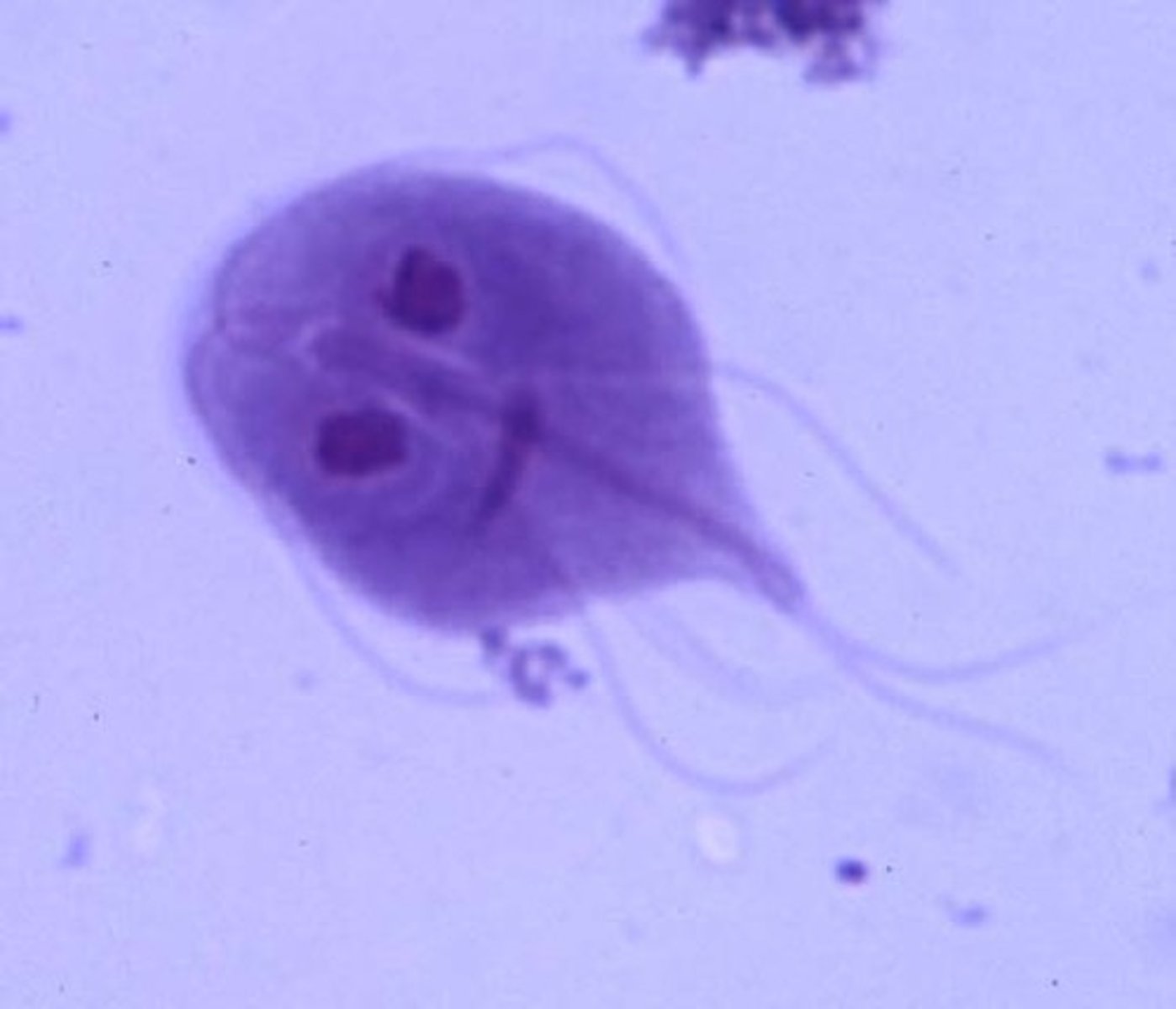
Only GI protizoan disease NOT person to person
cyclosporiasis - oocysts not infective right away
GI protozoan disease associated with municipal water supply outbreak
cryptosporiasis
amoebic dysentery/amoebiasis
disease caused by Entamoeba histolytica
3 GI diseases with hardy survival cysts & low ID
giardiasis & amoebic dysentery & crypto
invasive GI protozoan that causes extra-intestinal absesses
Entamoeba histolytica - amoebic dysentery
amoebic dysentery/amoebiasis
-disease with carriers
-most deaths from GI protist
-In U.S. high in MSM populations & immigrants from endemic regions
-high in LMICs with poor sanitation
African sleeping sickness/trypanosomiasis
CNS protozoan infection caused by Trypanosoma brucei
Almost erradicated
protozoan CNS diseases
-rare
-difficult to treat
-usually fatal
protozoan CNS diseases
-African sleeping sickness
-Toxoplasmosis
-PAM primary amoebic meningoencephalitis
African sleeping sickness/trypanosomiasis
-disease with vector: tsetse fly
-reservoir: game animals of Sub-Sahara
-loss of interest, sleepiness, coma, death
Naegleria fowleri
brain eating amoeba enters with water through nose
deadly!
Naegleria fowleri
causative agent PAM (primary amoebic meningoencephalitis)
Toxoplasma gondii
causative agent of toxoplasmosis
Toxoplasma gondii
-vertical transfer of this protozoan: mom to fetus - congenital
-miscarriage or still birth
Toxoplasmosis
-ingestion of oocyst from cat feces or tissue cysts in raw meat
-asymptomatic in healthy people
-latent - causes encephalitis in immunocompromised
-#1 leading cause of death from foodborne illness
cats
definitive host of Toxoplasma gondii
humans & every other warm blooded creature
intermediate hosts of Toxoplasmosis gondii
Plasmodium species
causative agent of malaria
#1 global killer
malaria
vector & definitive host: Anopheles mosquito
Plasmodium species
causes recurrent cycles of paroxysmal fever, intense chills, sweat & anemia
~every 48 hours
Trichomonas vaginalis
flagellate protozoan that causes #1 non-viral STI
Trichomonas vaginalis
-causative agent vaginitis - frothy odorous green discharge
-urethritis - painful urination - dysuria
trichomoniasis
-STI mostly asymptomatic in men
-passed back and forth through sexual contact
trichomoniasis
-parasitic infection with no cyst stage - transfered only thru intimate contact
-verticle transmission-mother to fetus
-preterm birth & neo-natal pneumonia
3 stages of plasmodium life cycle
-liver stage (human)
-blood - RBC stage (human)
-mosquito stage - sexual reproduction
cryptosporidiosis "crypto"
#1 water borne disease in U.S.
Chagas' Disease
-caused by Trypanosoma cruzi
-flagellated protozoan
-Central America and parts of South America.
-vector: triatomine ("kissing bug")
-heart damage & gastrointestinal tract complications
American Trypanosomiasis
Chagas disease
-neglected parastic disease CDC
Balantidium coli
only ciliate that parasitizes humans and causes dysentery
Balantidium coli
causes balantidiasis
associated with pigs
Apicomlexans
phylum of non-motile obligate intracellular protozoans
Chagas disease, toxoplasmosis & trichomoniasis
vertically transmitted protozoan diseases
Hitchhiker's disease or Beaver Fever
giardiasis
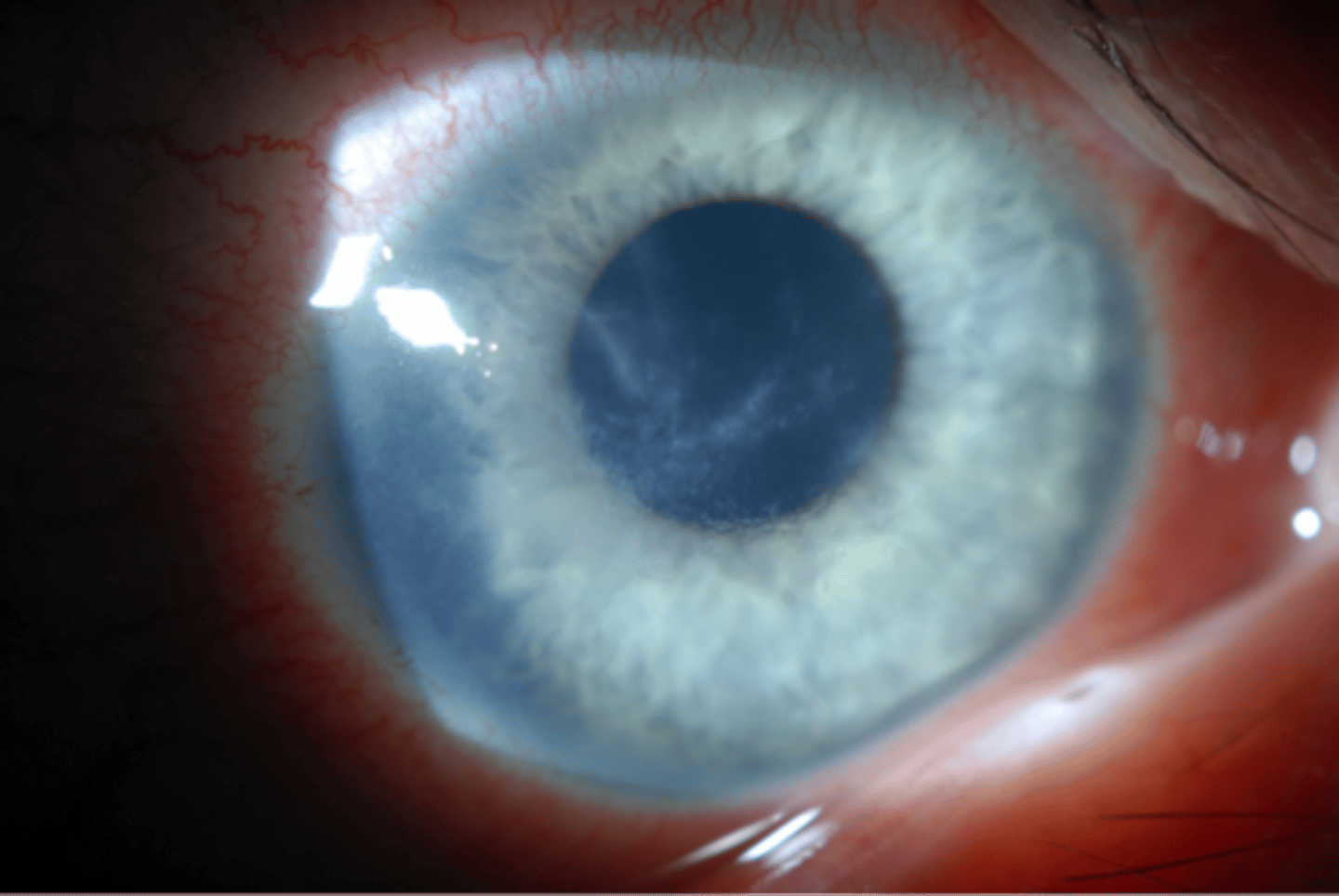
eye protzoal disease
keratitis caused by Acanthamoeba keratitis