Chapter 8: Effector Mechanisms of Humoral Immunity
 Call Kai
 Learn
Learn Practice Test
 Spaced Repetition
 Match
Match Flashcards
 Knowt Play
1/24

Earn XP
Description and Tags
The Elimination of Extracellular Microbes & Toxins
Name | Mastery | Learn | Test | Matching | Spaced | Call with Kai |
|---|
No analytics yet
Send a link to your students to track their progress
25 Terms
Properties of Ab Determine Their Effector Functions
Antibodies may function distant from their site of production
Protective antibodies are produced during primary response to a microbe and in larger amount during secondary responses
Antibodies use their Fab regions to bind to and block the harmful effects of microbes & toxins, and they use their Fc region to activate the diverse effector mechanisms that eliminate the microbe
Isotype switching & affinity maturation enhance the protective functions of antibodies
The Effector Functions of Antibodies
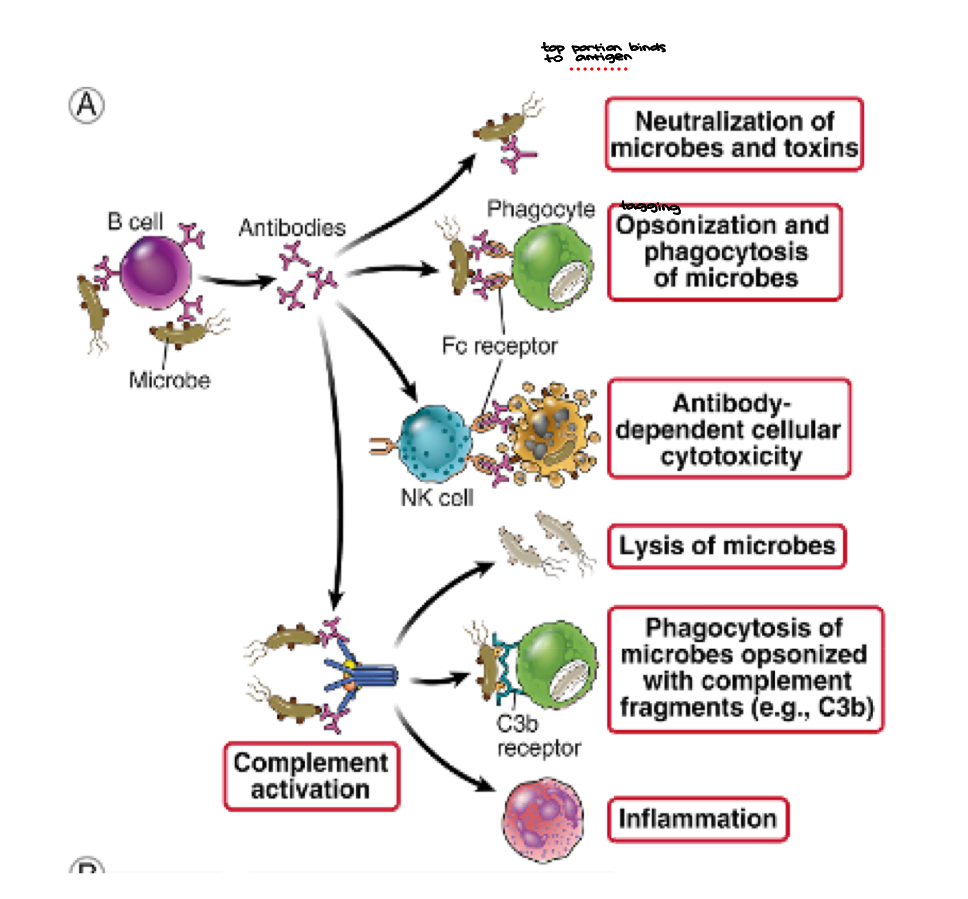
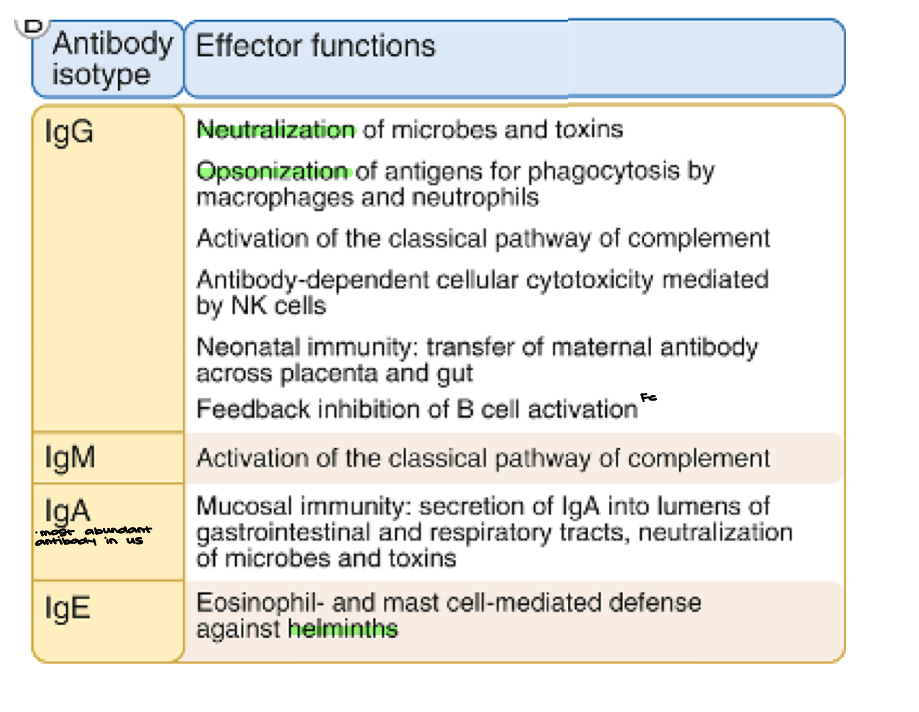
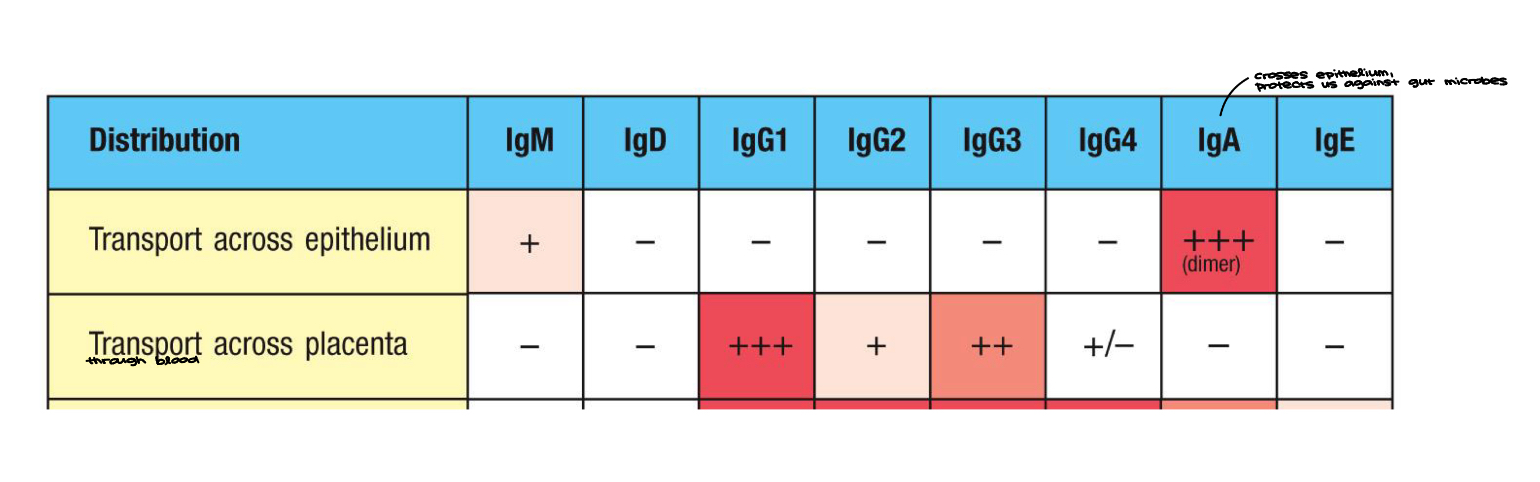
The Effector Functions of Immunoglobins
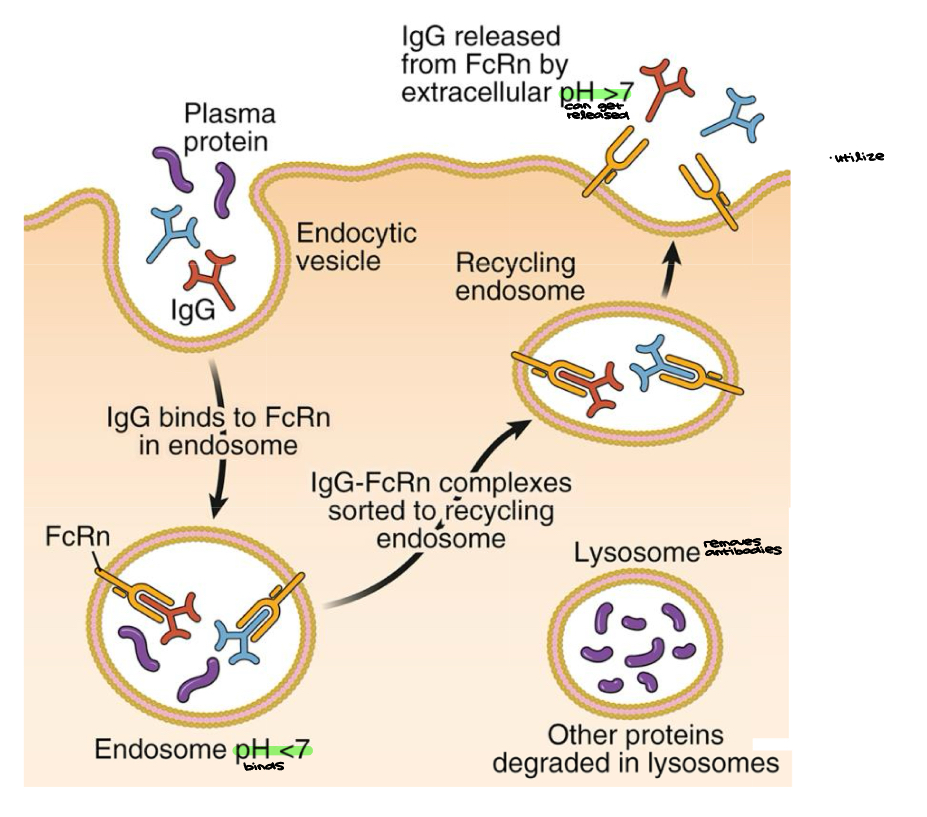
FcRn lengthens IgG half-life in serum
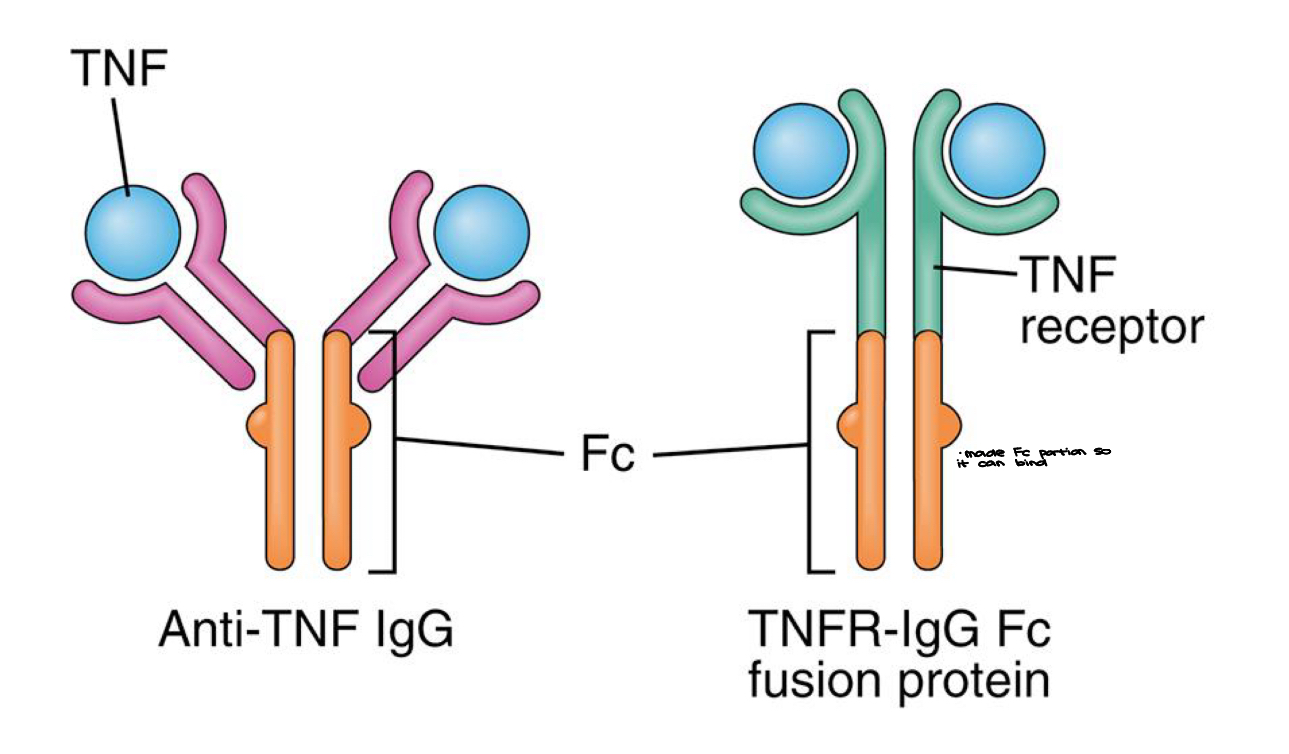
Antibodies and Fc-containing fusion proteins
Neutralization of Microbes and Toxins by Antibodies
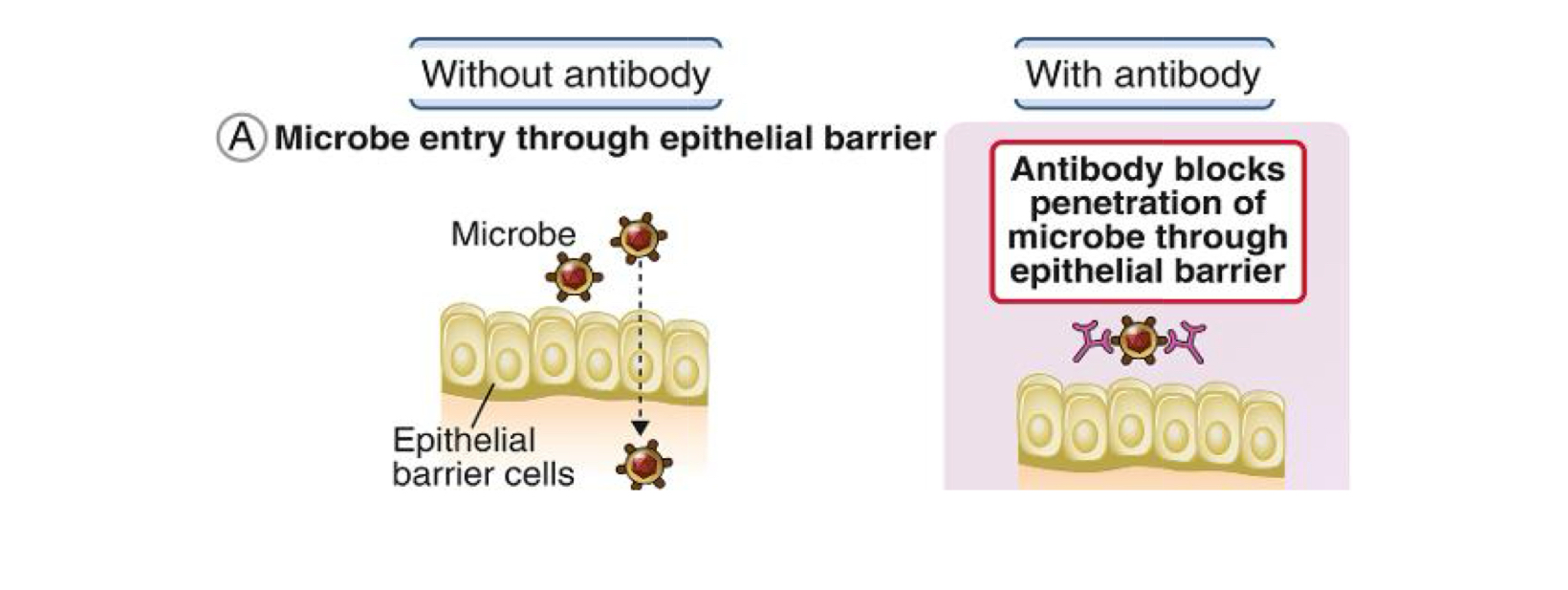
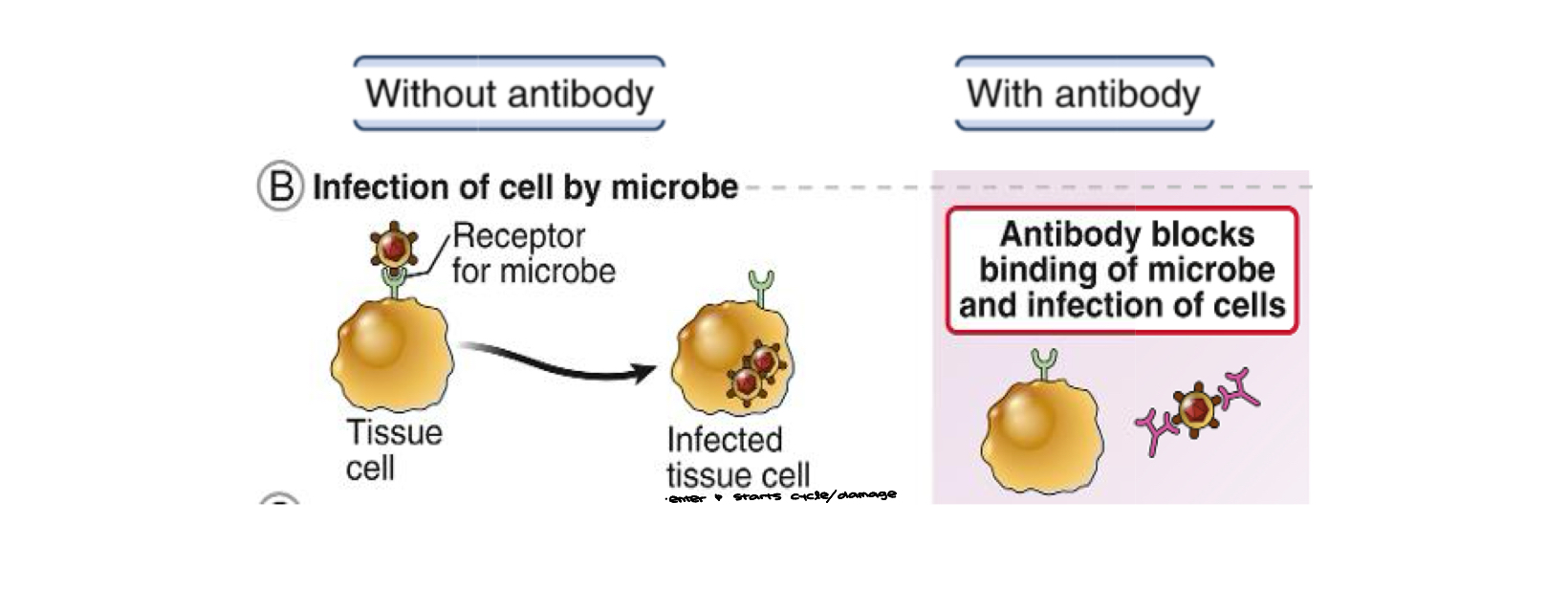
Neutralization of Microbes by Antibodies
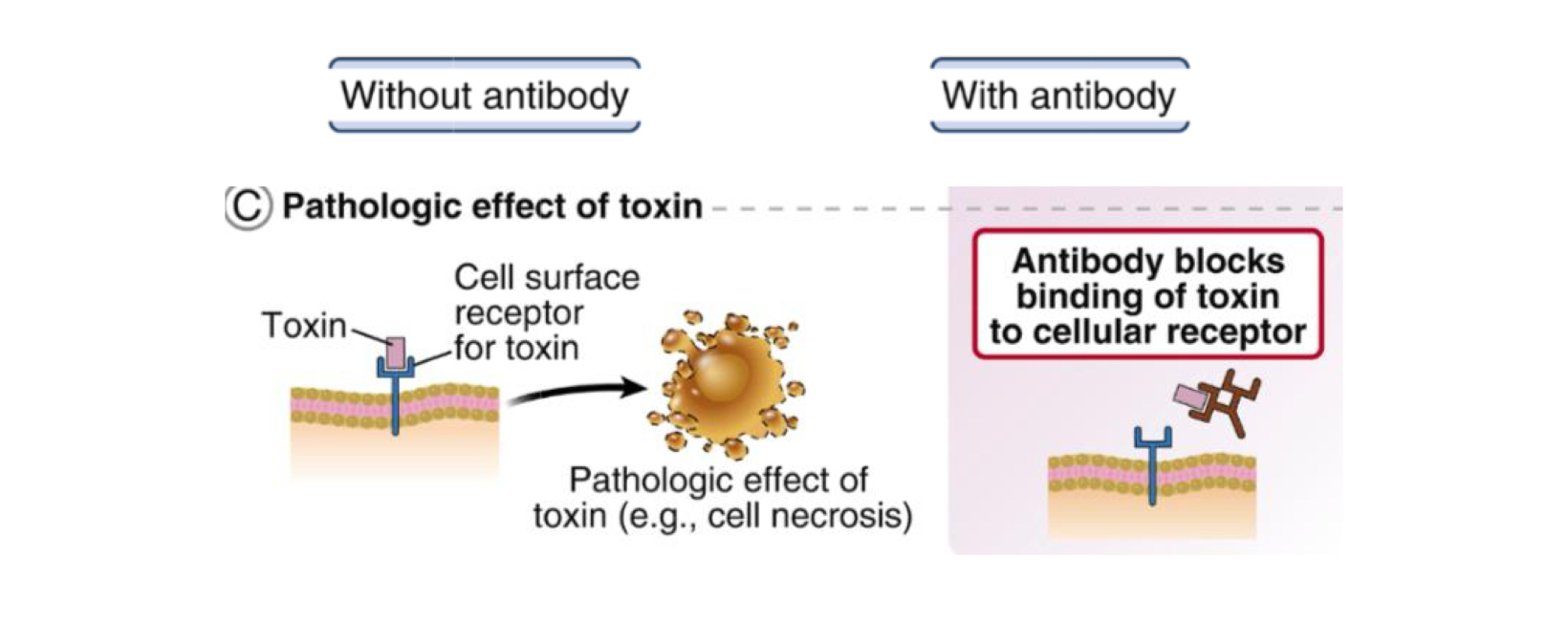
Neutralization of Toxins by Antibodies
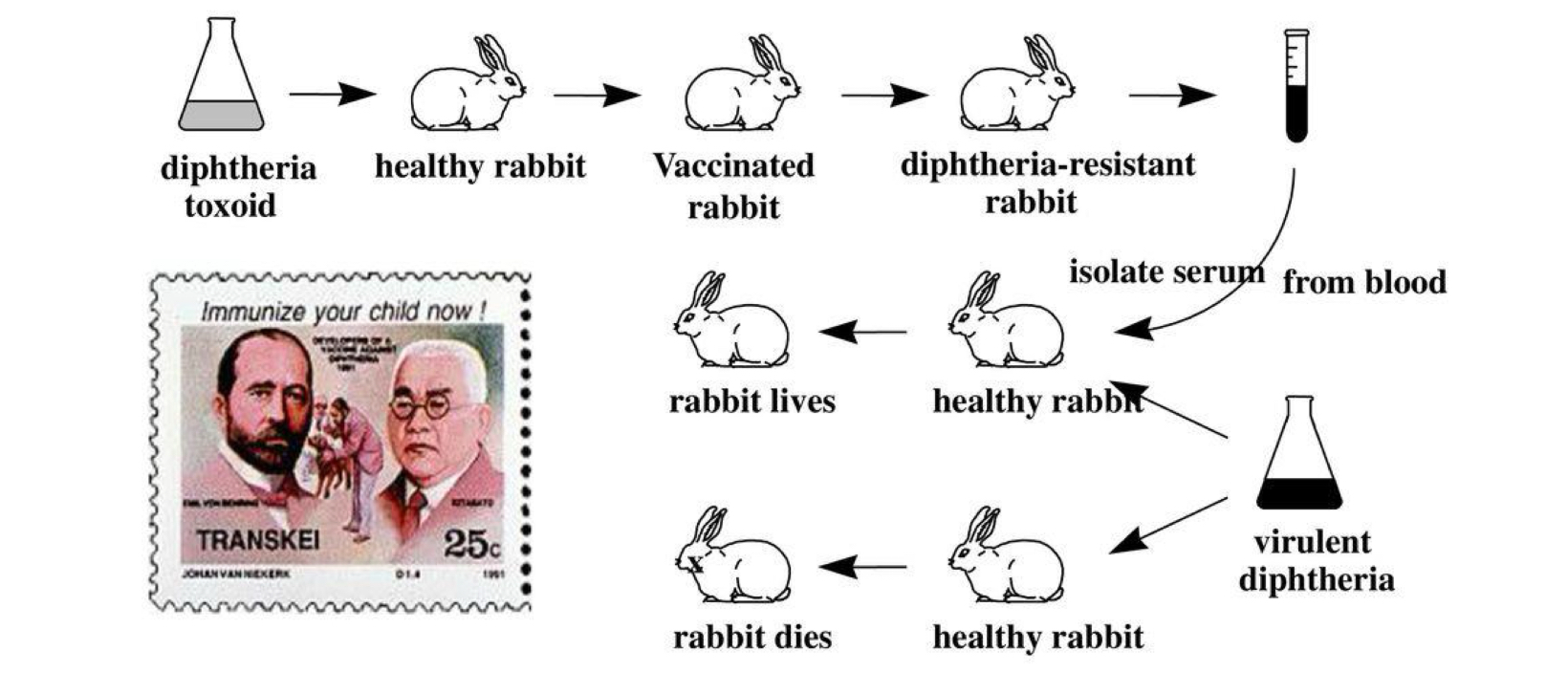
von Behring and Kitasato experiment (1892)
→ protective substances appeared in serum
→ immunity could be passively acquired
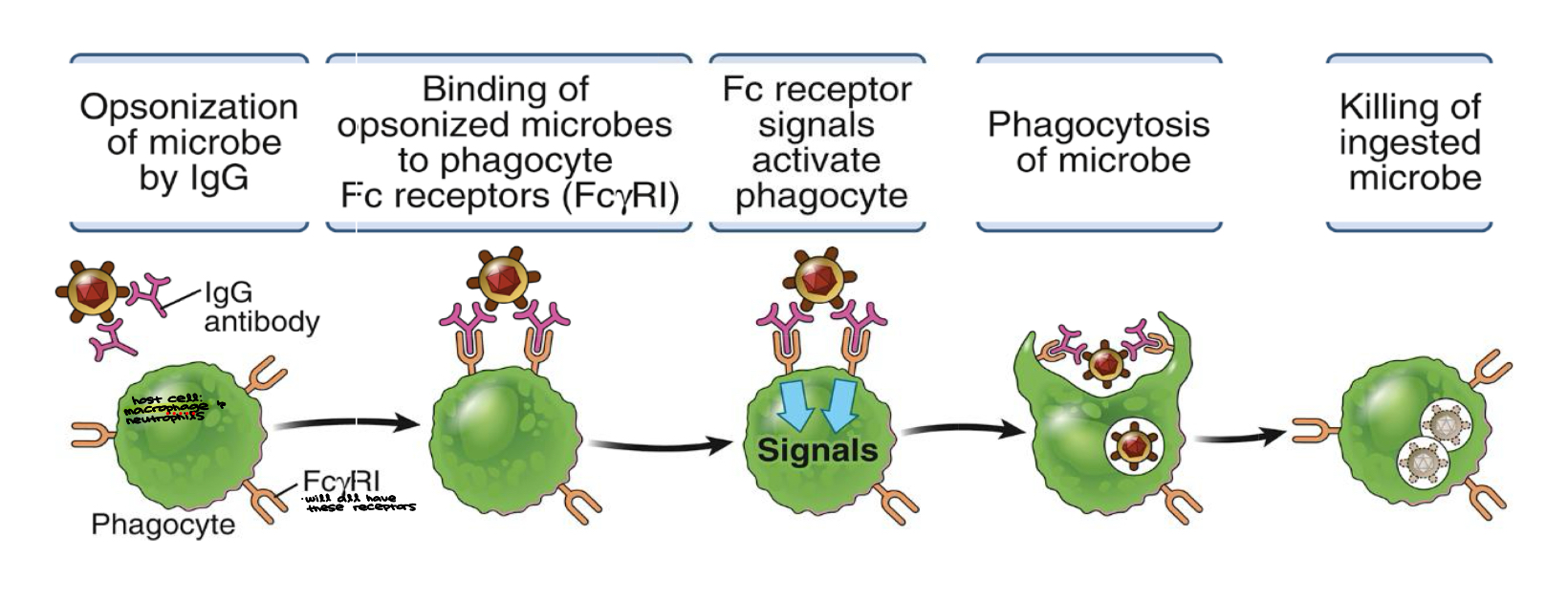
Antibody-Mediated Opsonization and Phagocytosis of Microbes
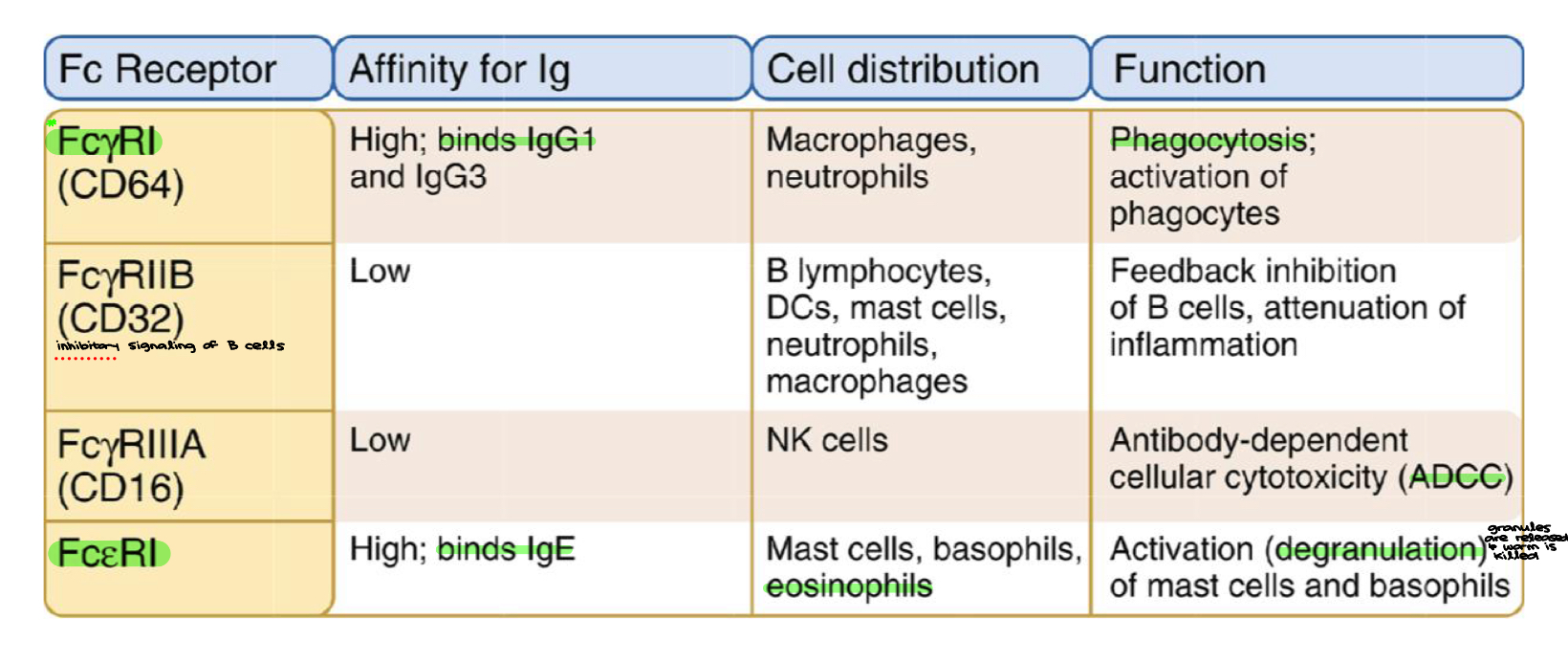
Cell Distribution and Functions of Fc Receptors
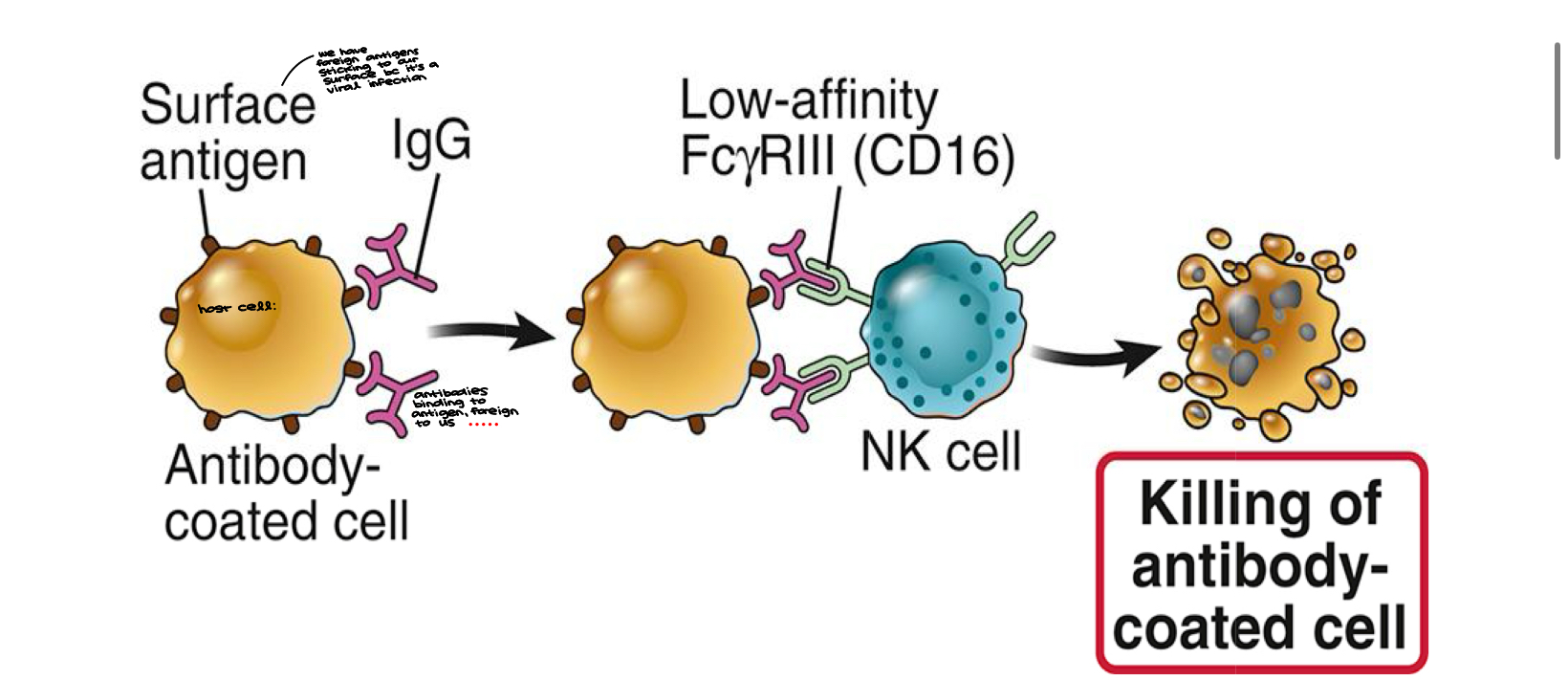
Antibody-Dependent Cellular Cytotoxicity (ADCC)
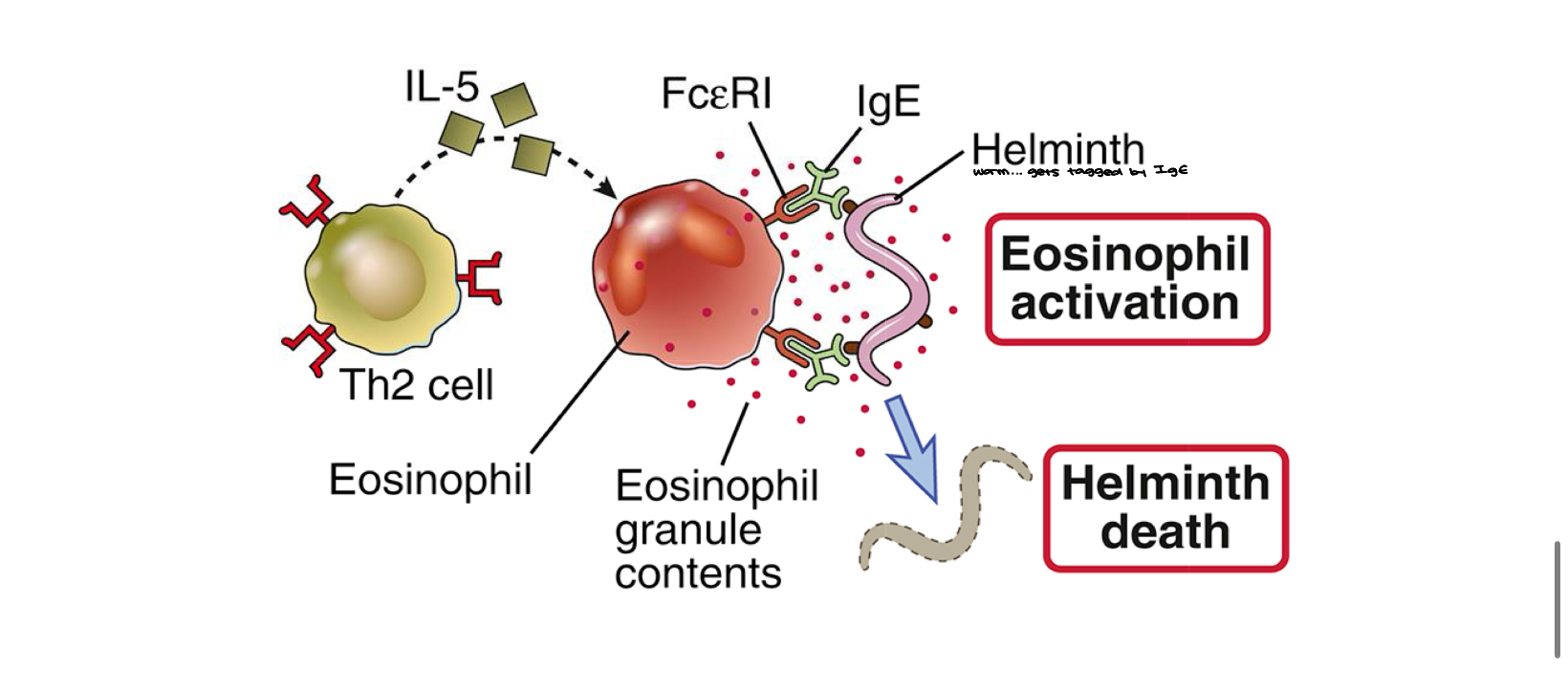
IgE/eosinophil helminth killing
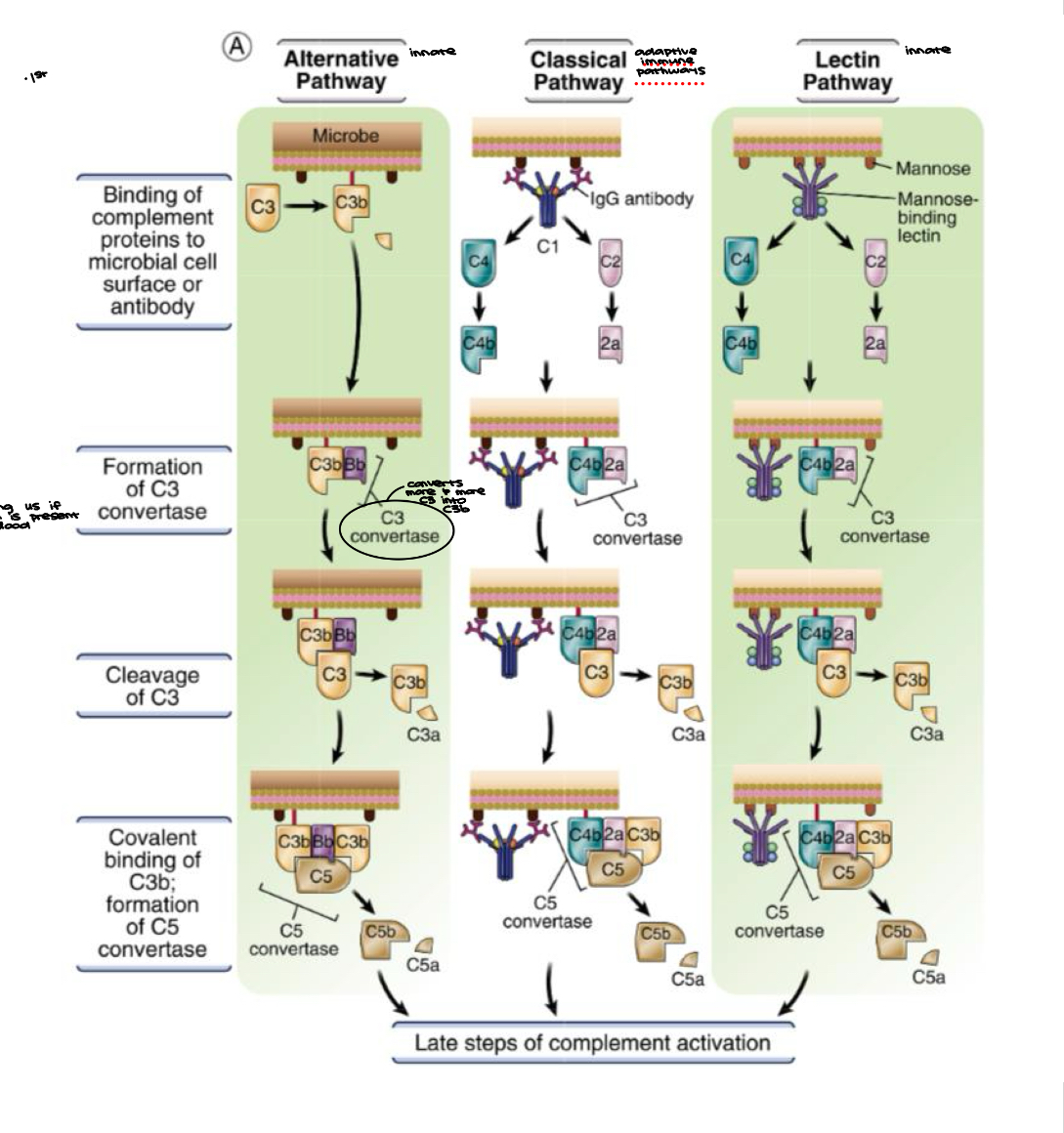
Early Steps of Complement Activation
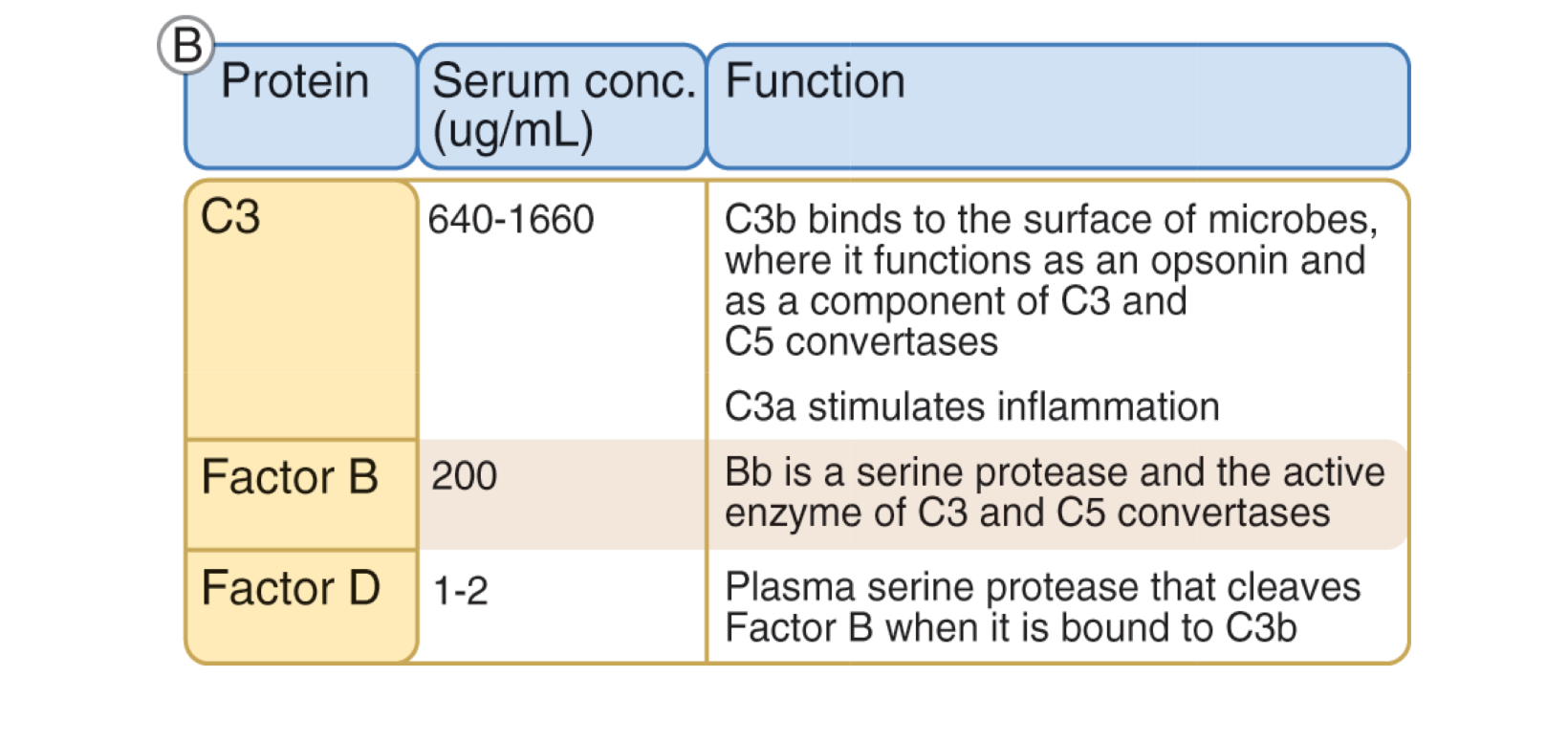
Alternative Pathway Proteins
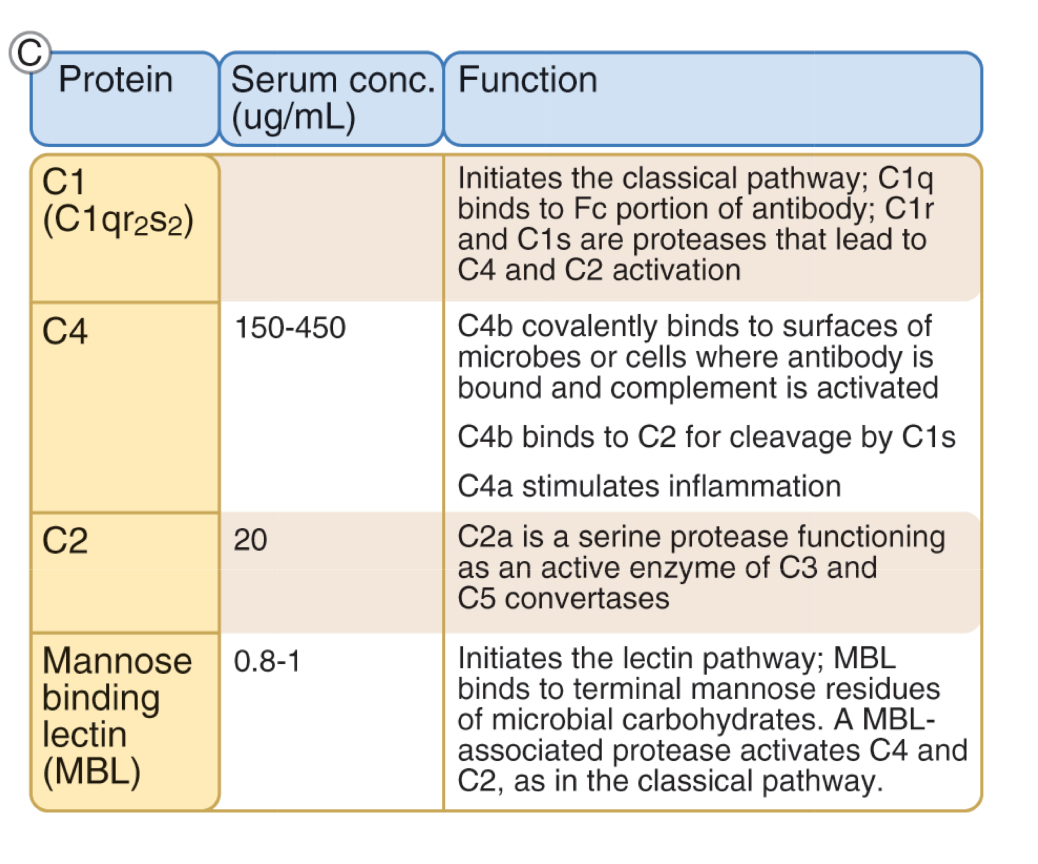
Classical and Lectin Pathway Proteins
Late Stages
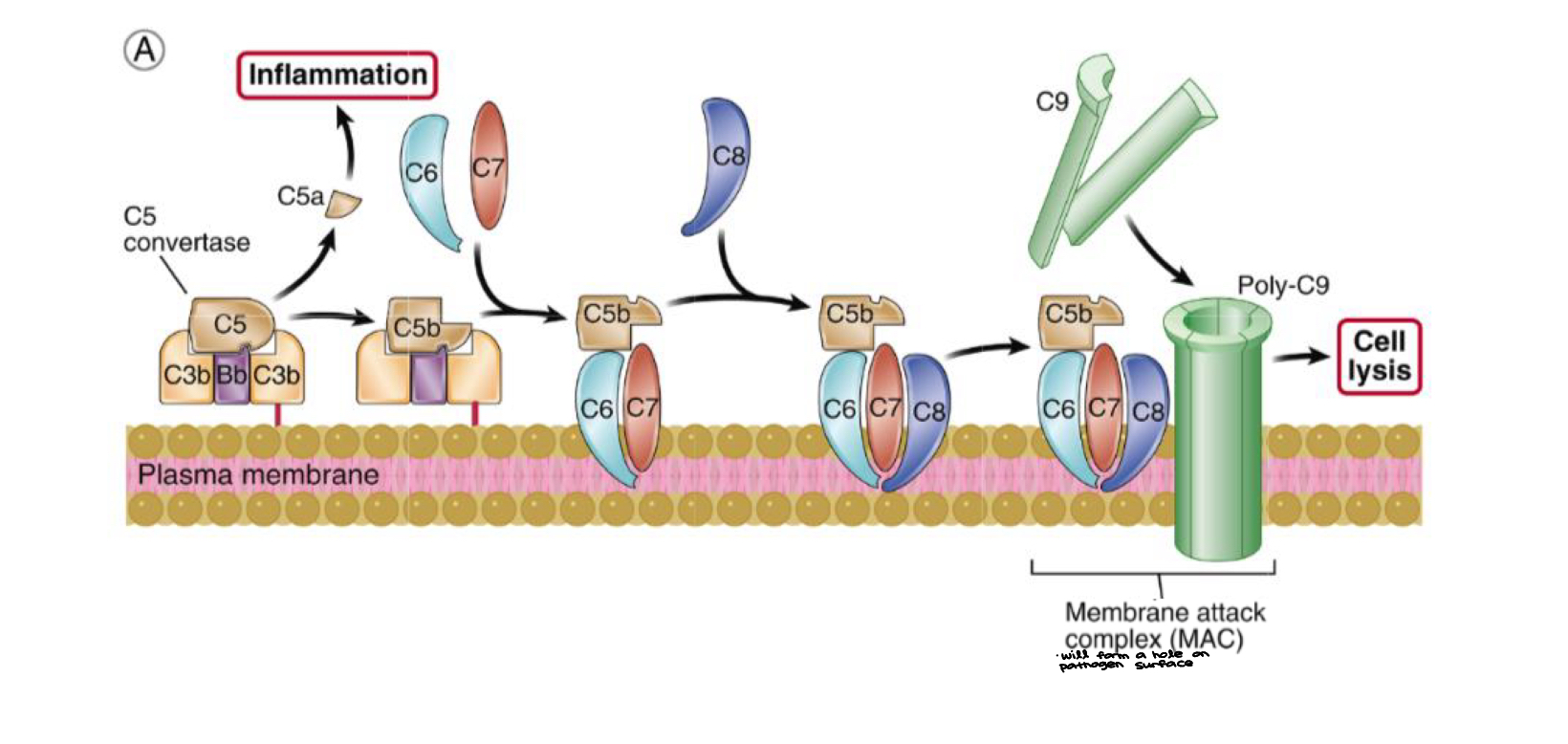
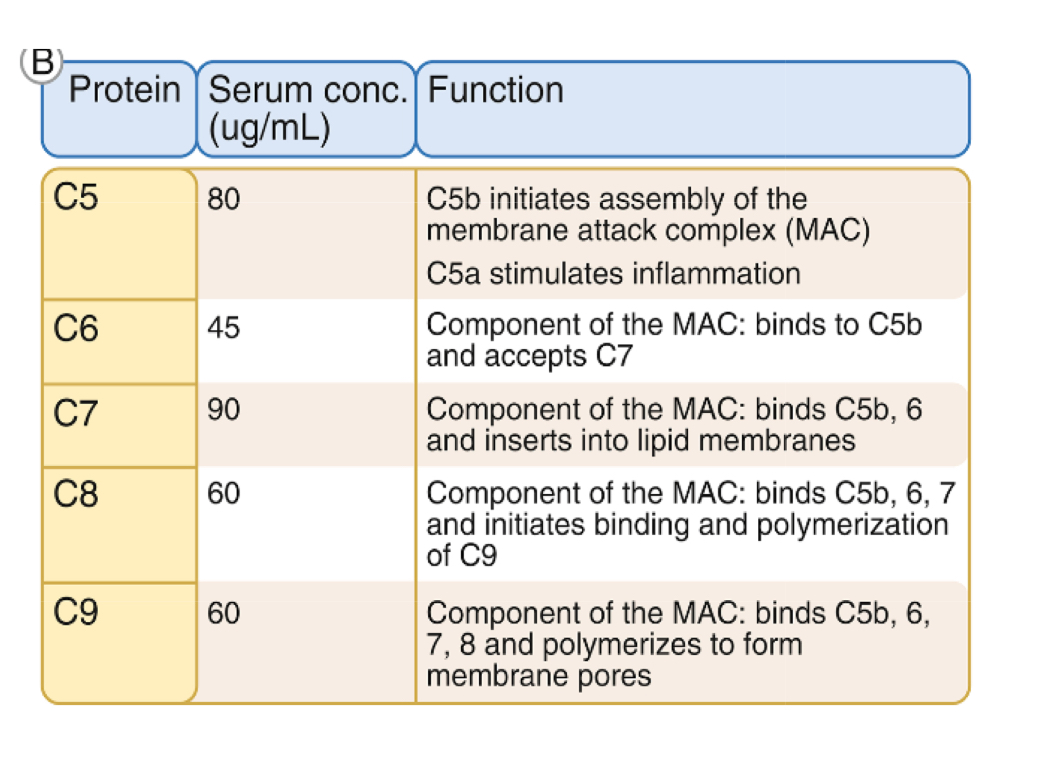
Late Stage Proteins
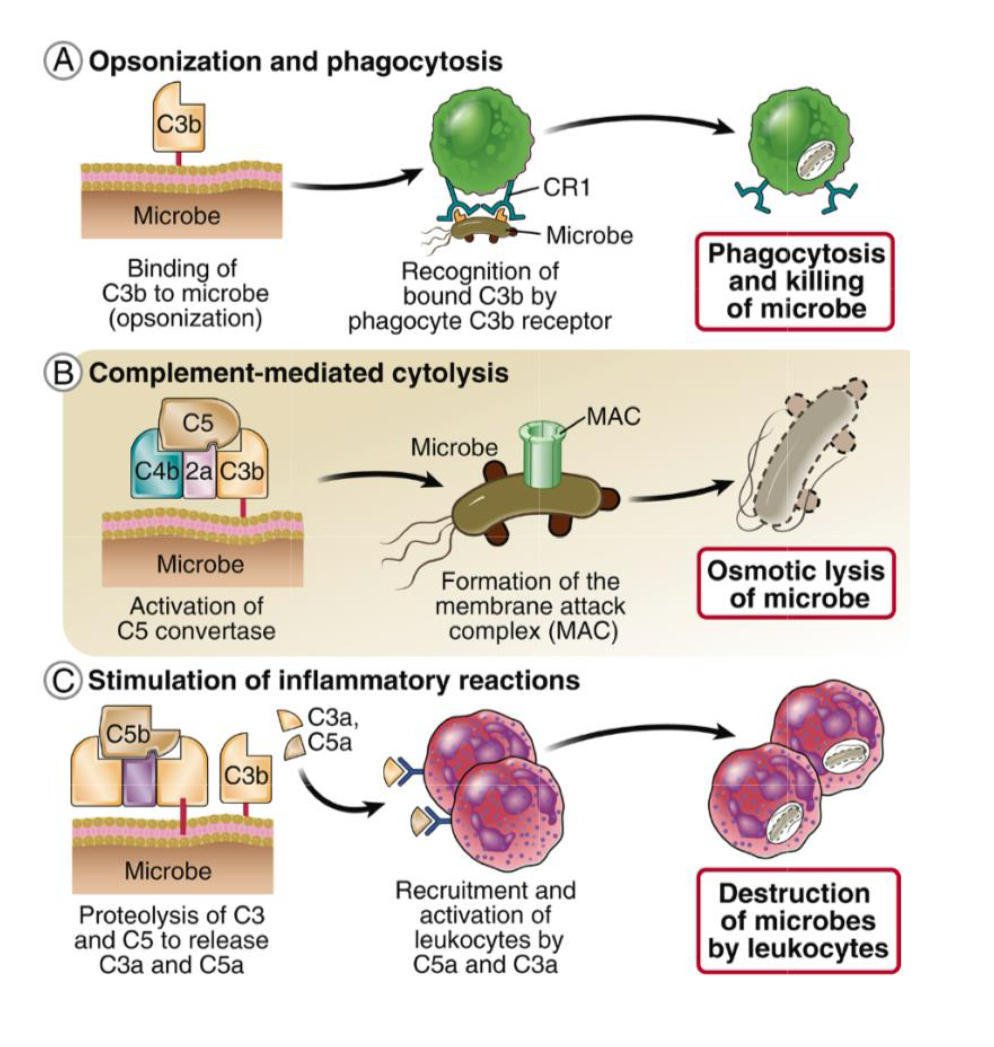
C’ Functions
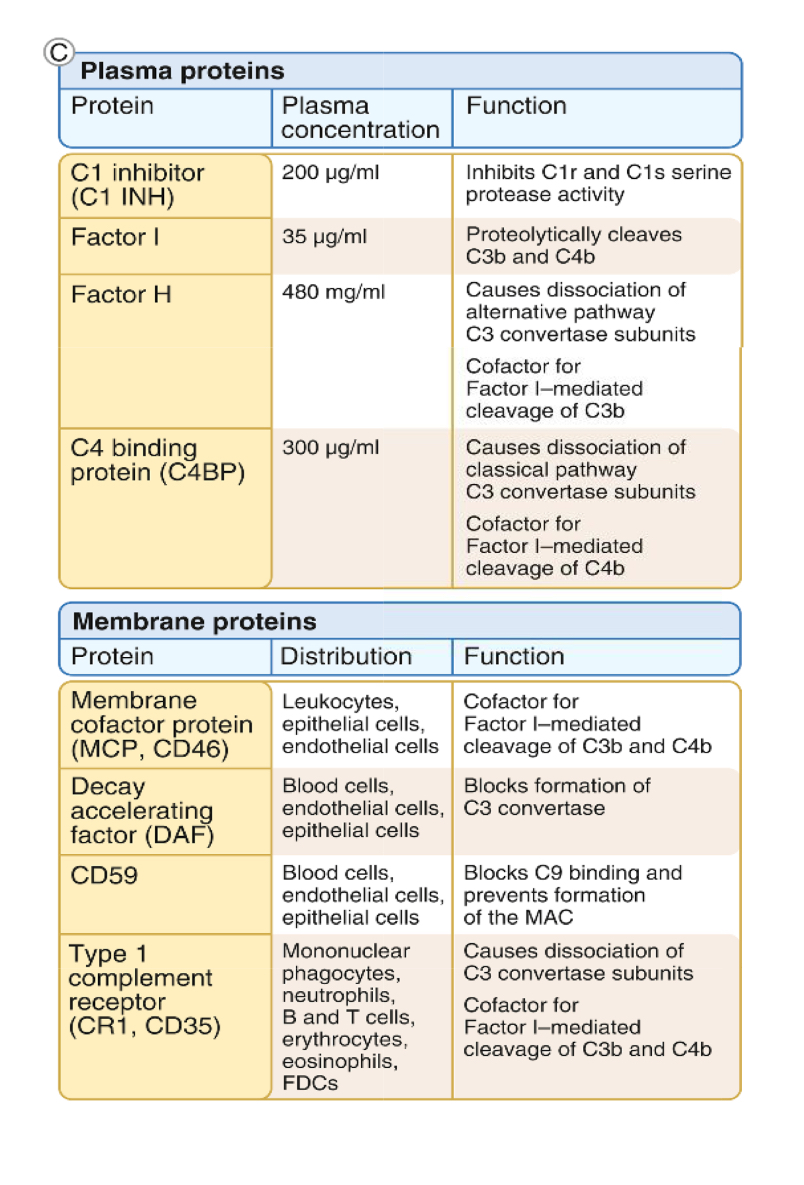
Regulation of C’
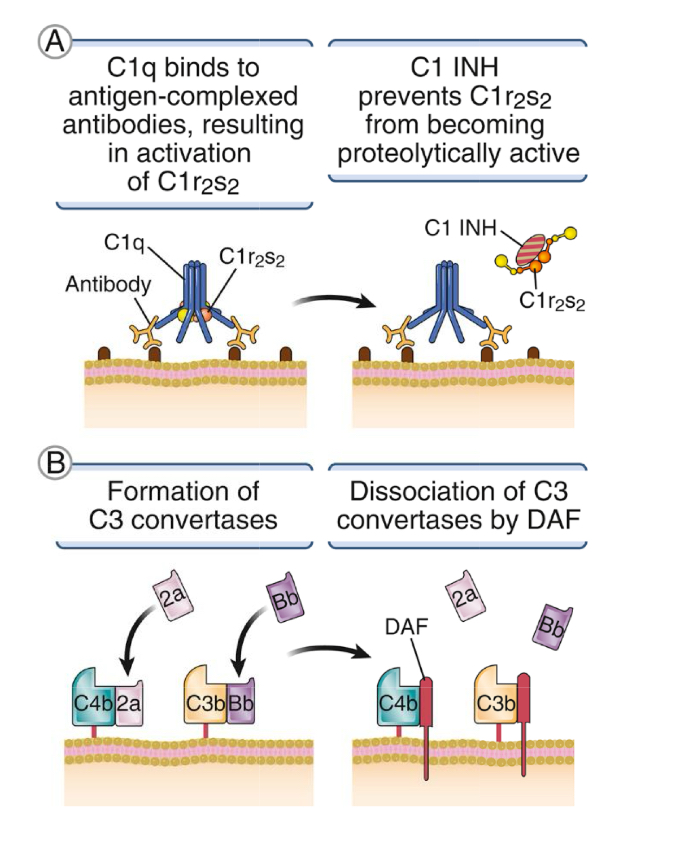
Proteins that Regulate C’
Distribution of various immunoglobins
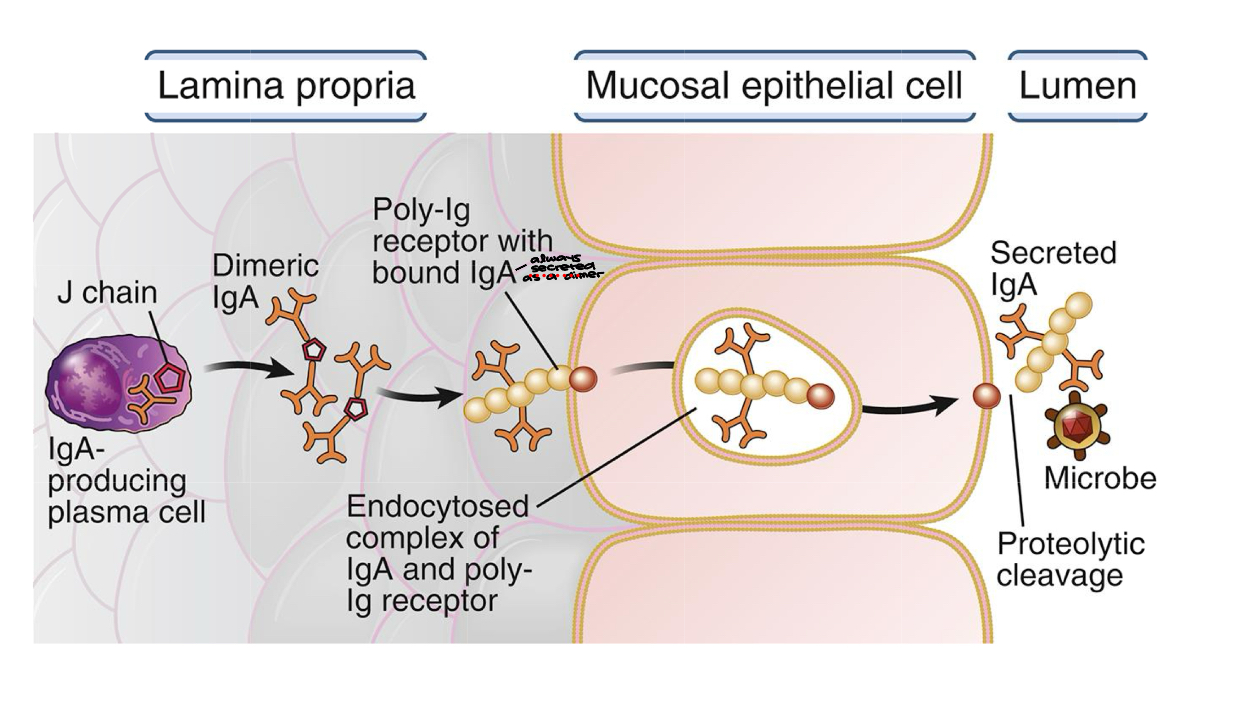
Transport of IgA Through Epithelium
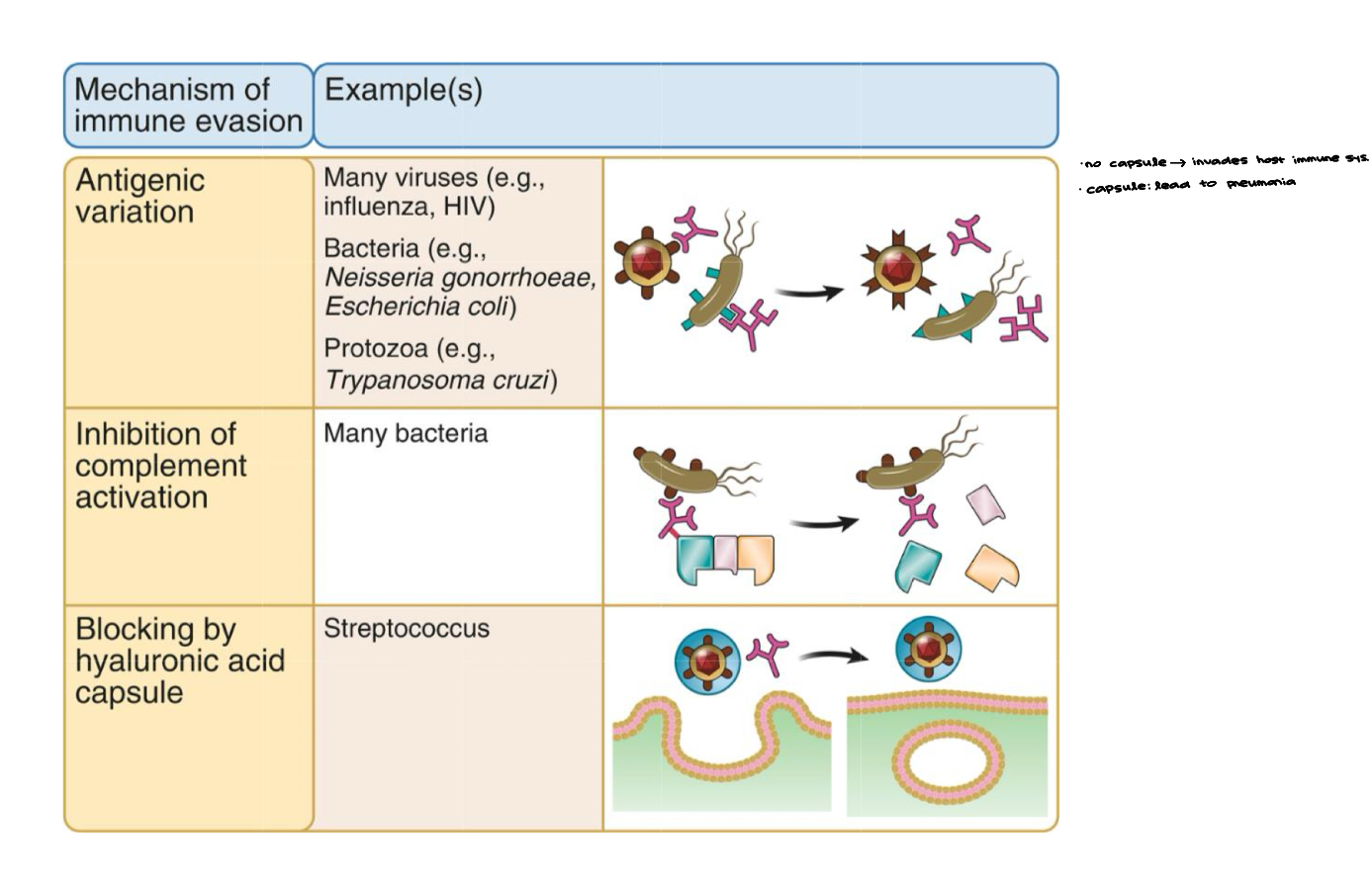
Evasion of Humoral Immunity by Microbes
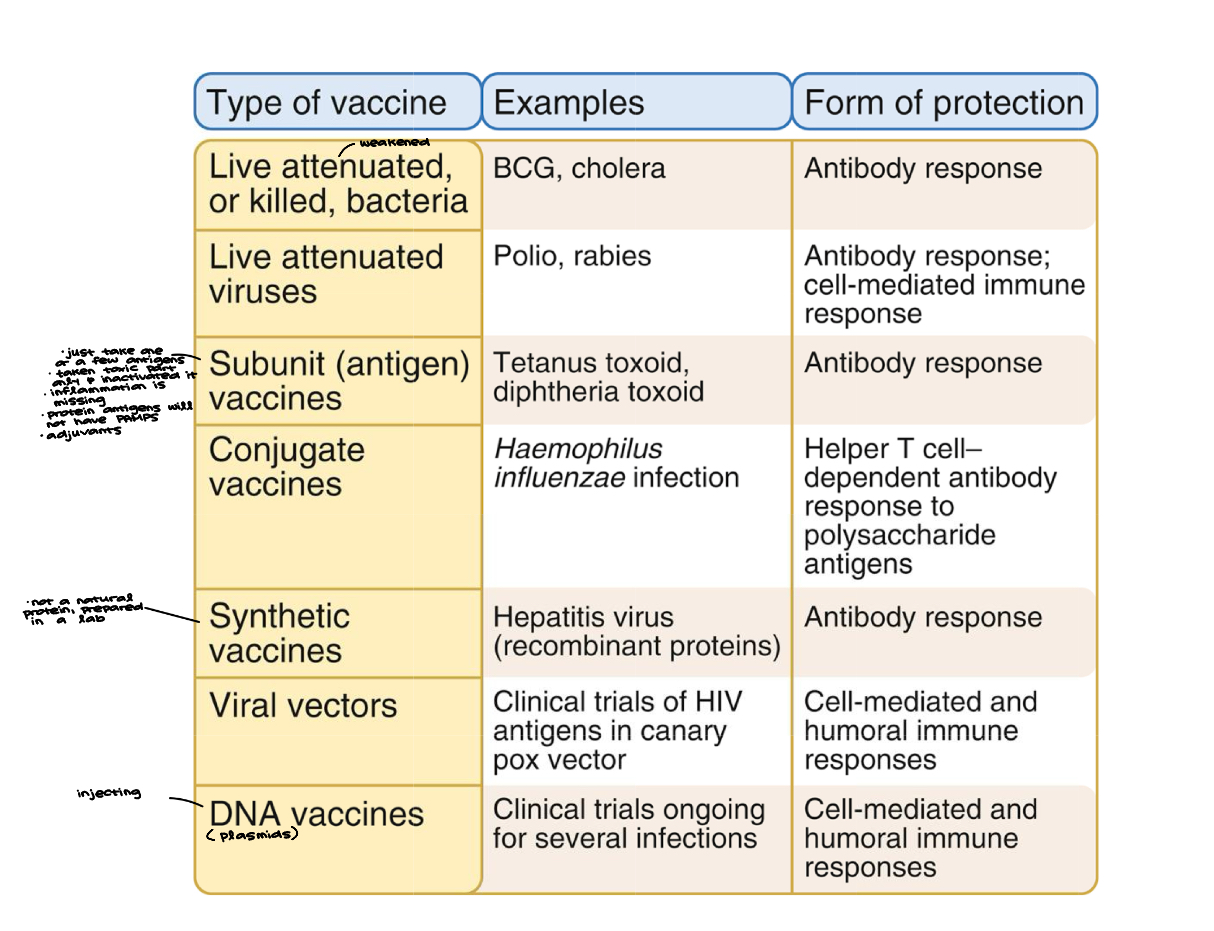
Vaccination strategies