Mycology - Fungus Among Us
 Studied by 0 people
 Call Kai
 Learn
Learn Practice Test
 Spaced Repetition
 Match
Match Flashcards
 Knowt Play
1/49

There's no tags or description
Looks like no tags are added yet.
Name | Mastery | Learn | Test | Matching | Spaced | Call with Kai |
|---|
No analytics yet
Send a link to your students to track their progress
50 Terms
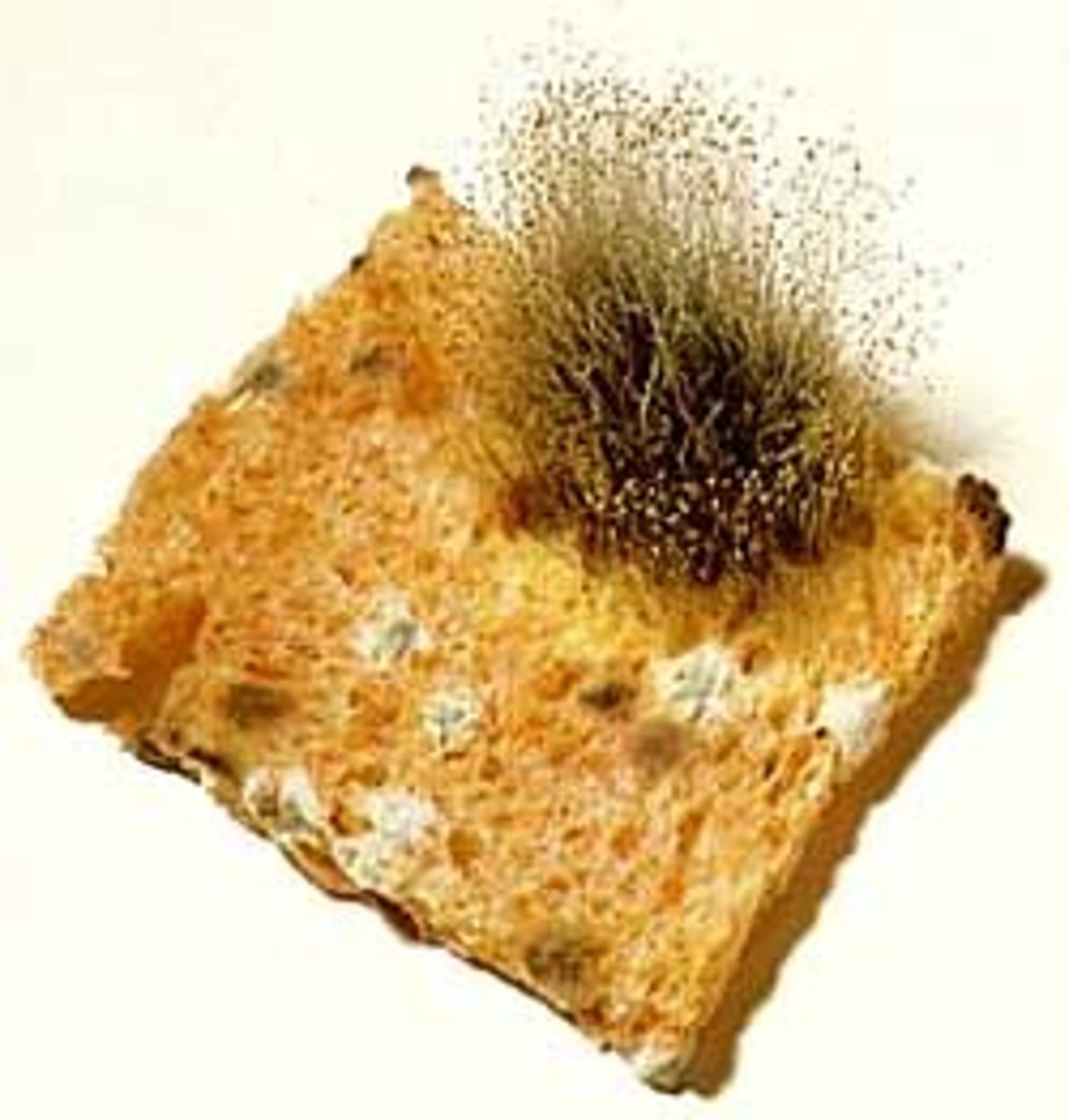
molds
A mold or mould is a fungus that grows in the form of multicellular filaments called hyphae. In contrast, fungi that can adopt a single-celled growth habit are called yeasts.
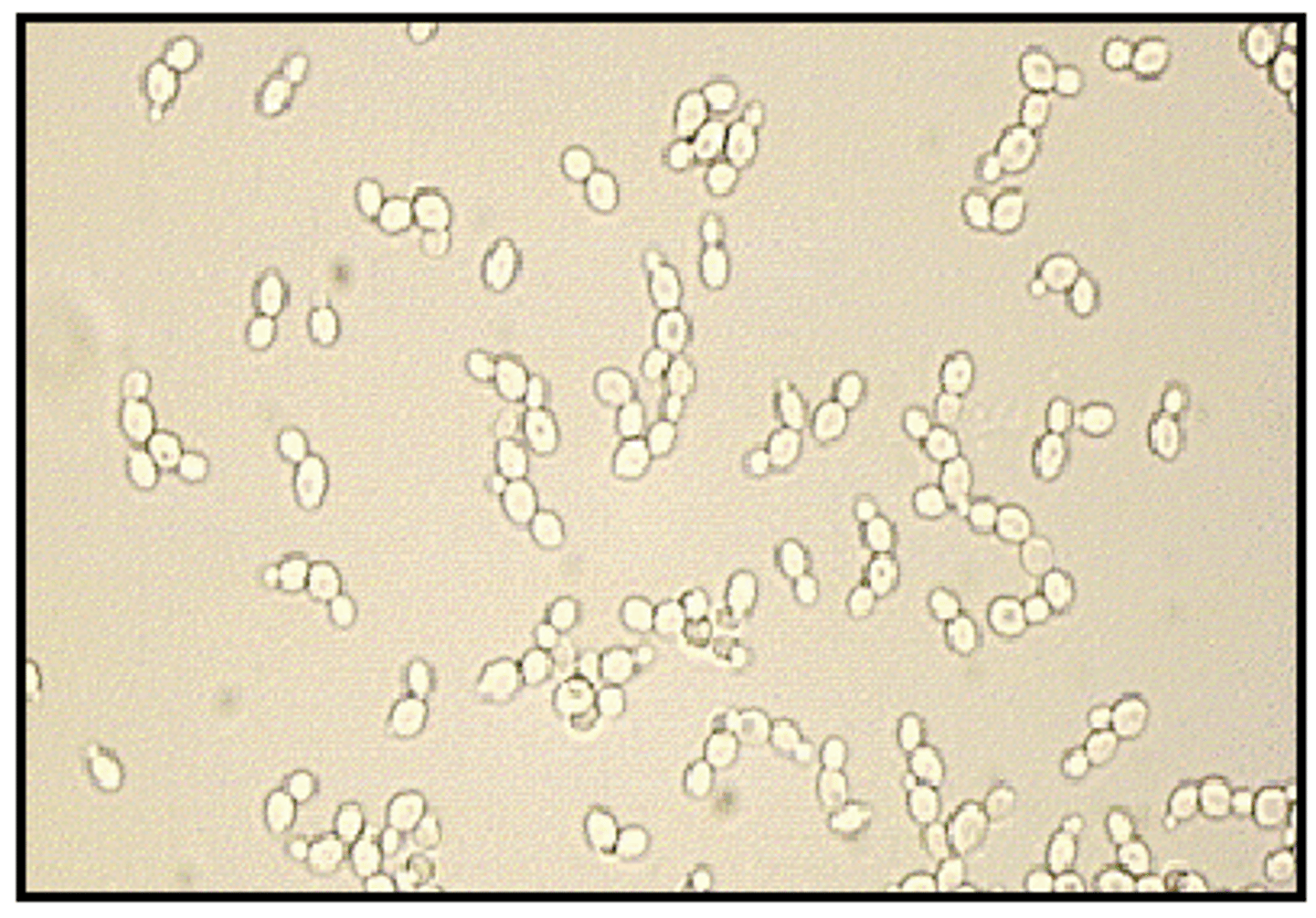
Yeasts
Unicellular fungi whose colonies resemble those of bacteria. They are larger than bacteria
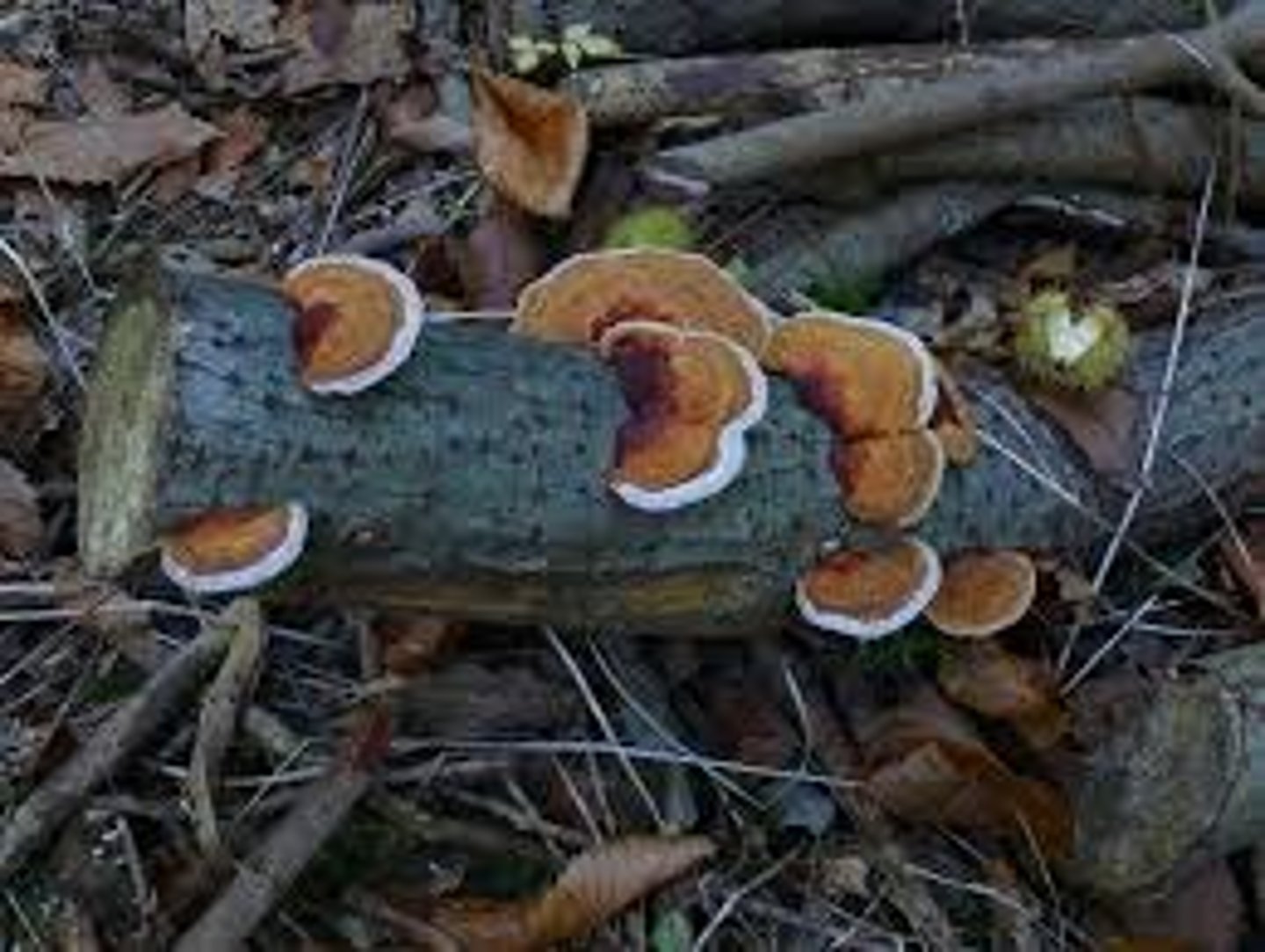
mycology
the branch of botany that studies fungi and fungus-caused diseases
saprophytic
living on dead or decaying organic matter
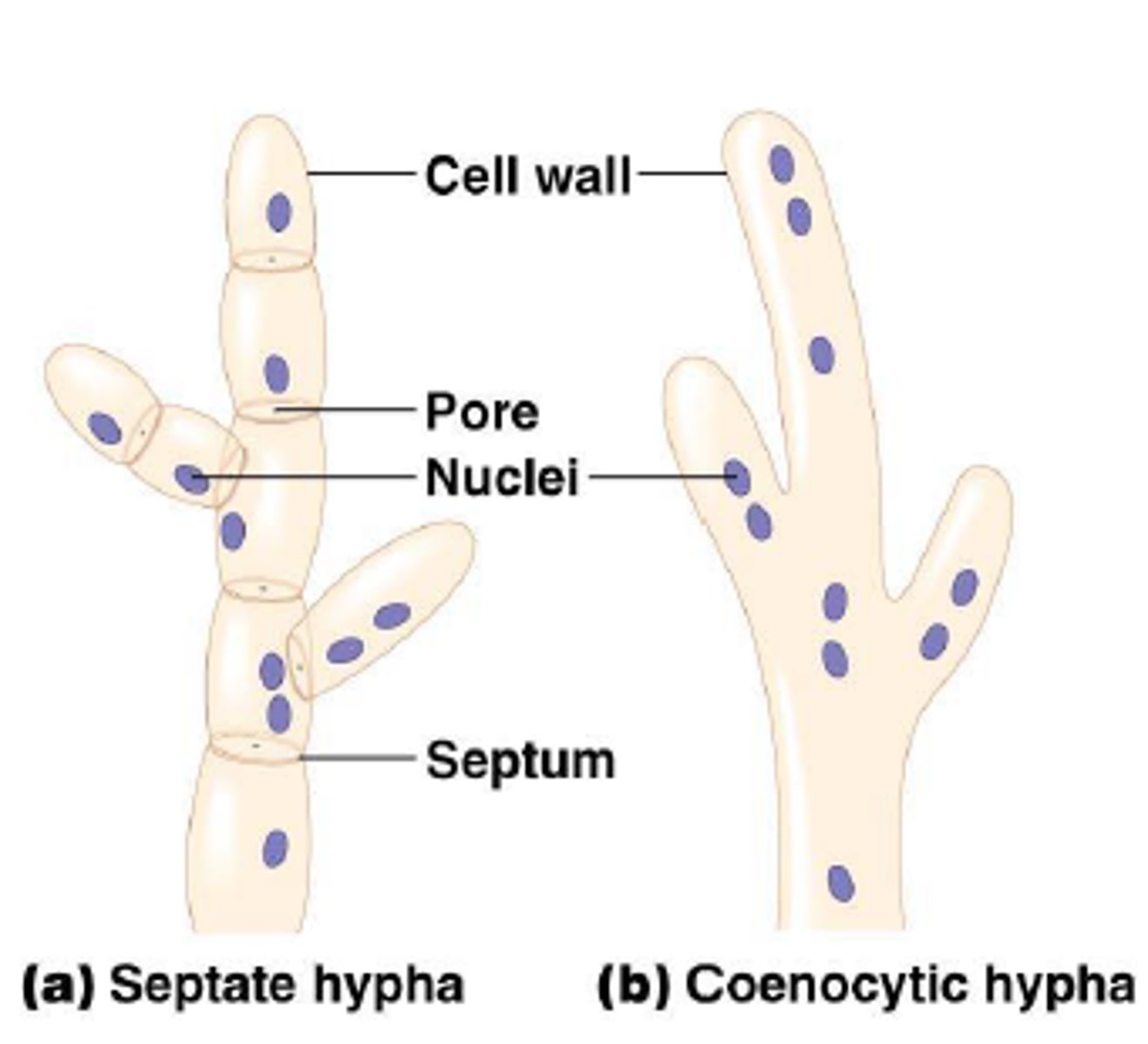
hyphae
the thread-like filaments that make up a fungus
chitin
complex carbohydrate that makes up the cell walls of fungi; also found in the external skeletons of arthropods
mycelium
The densely branched network of hyphae in a fungus
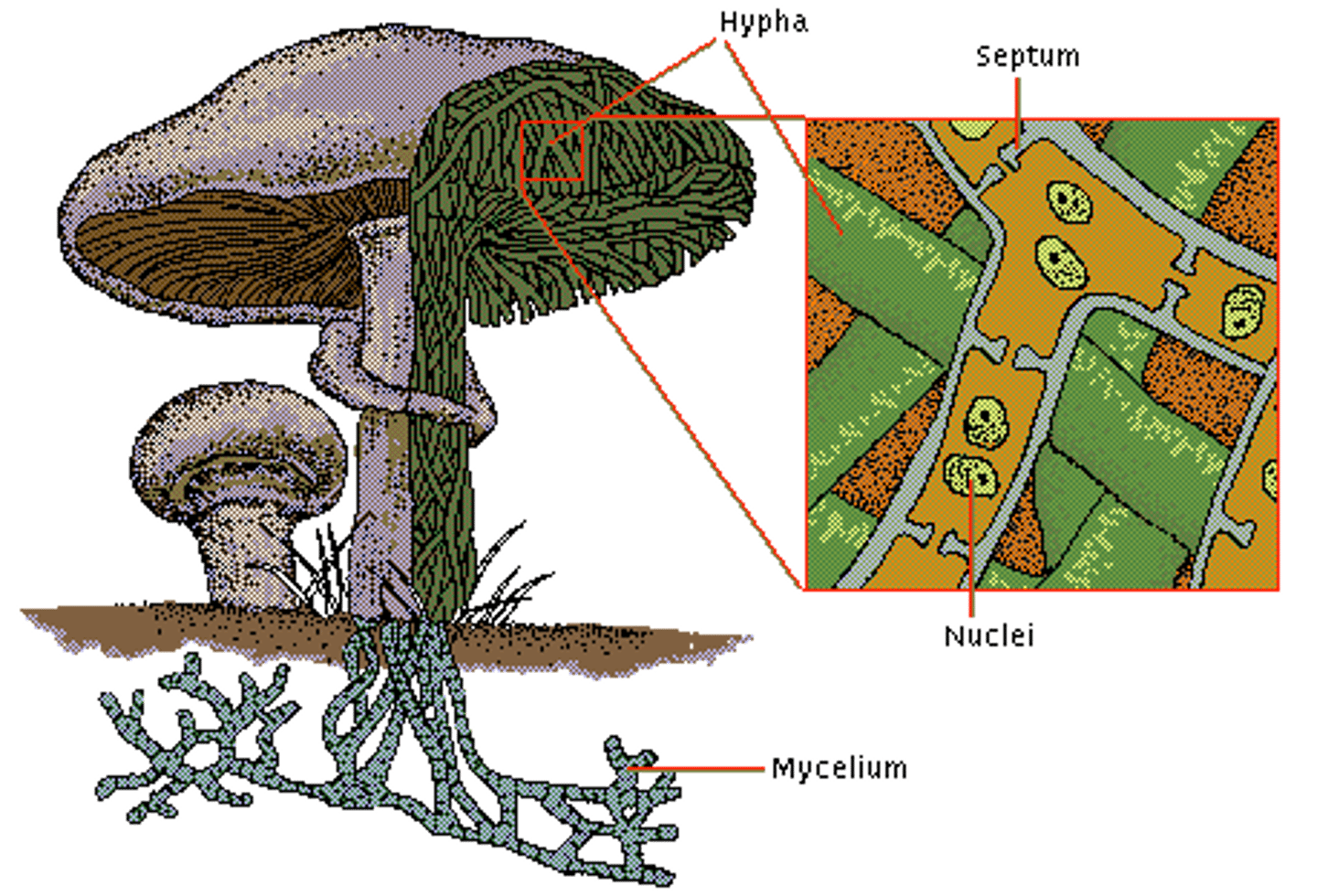
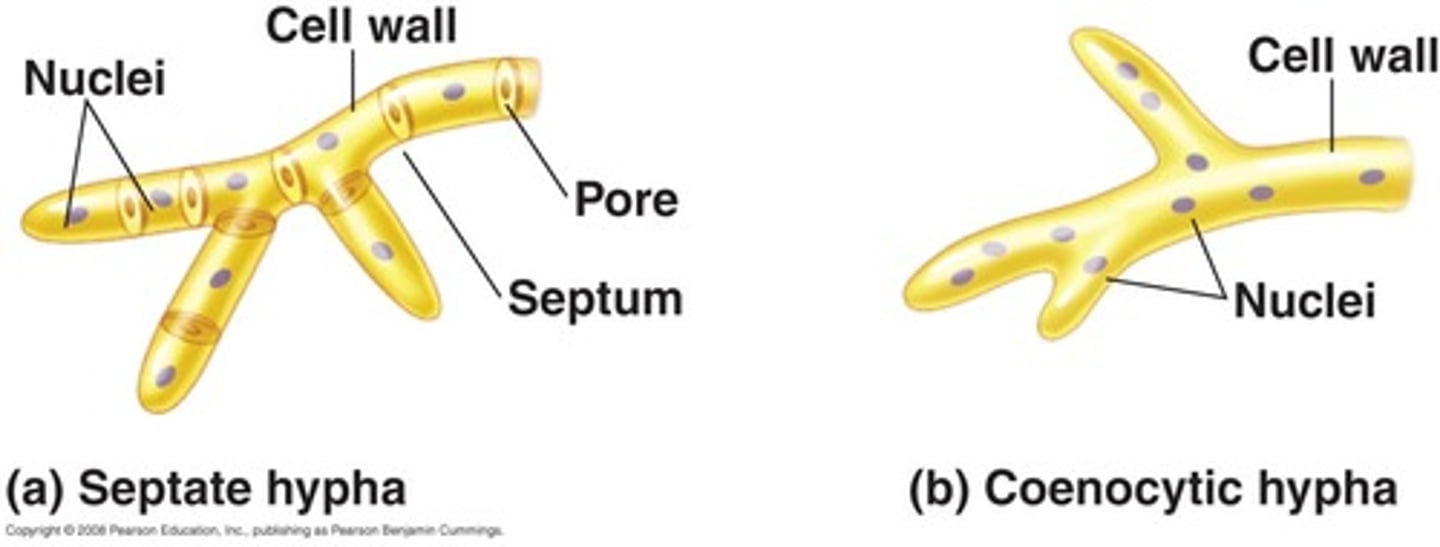
septaete - aseptaete
the cells that make up hyphae are divided by these cross sections; no dividers in hyphae
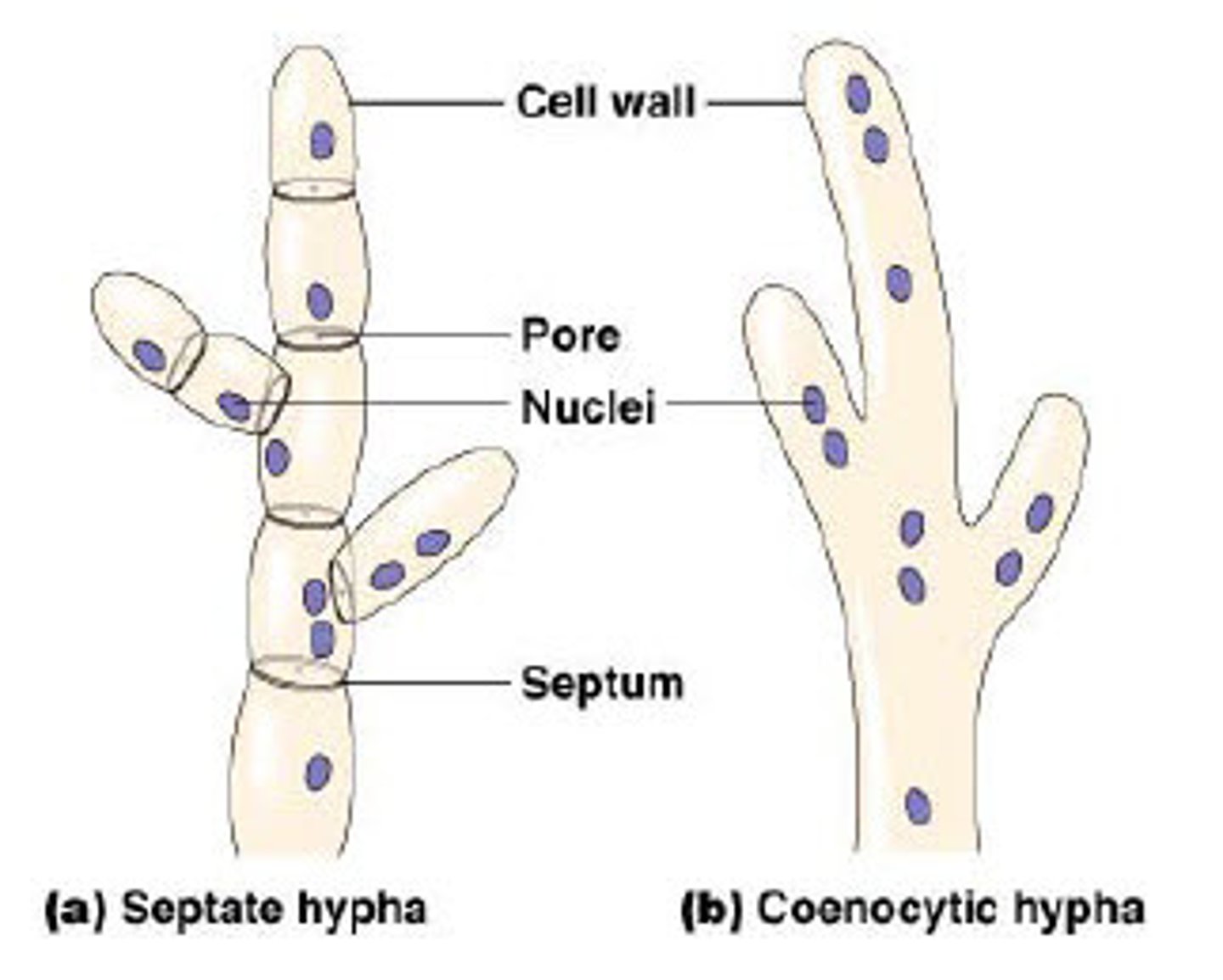
coenocytes
fungal species that have hyphae lacking septa
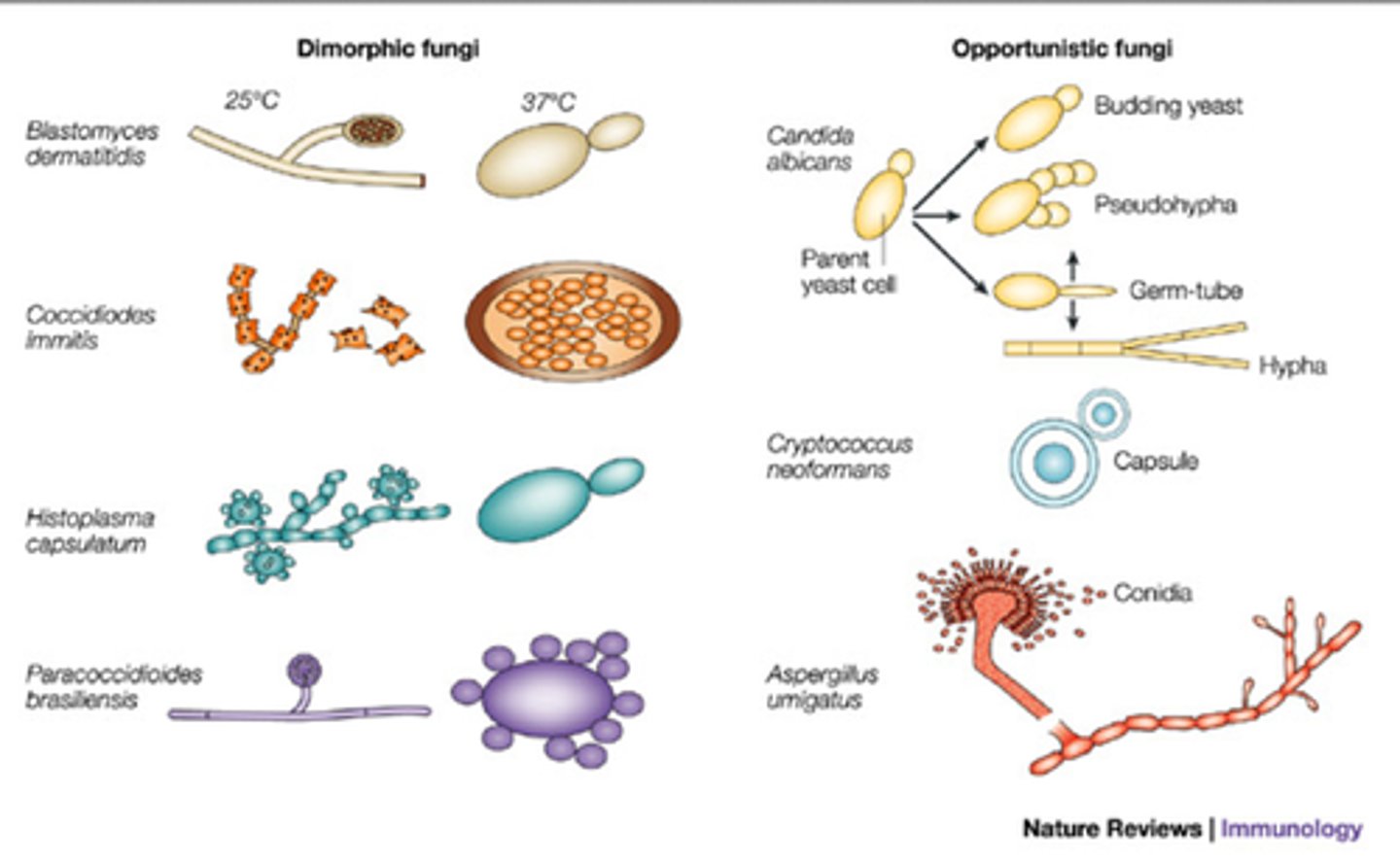
dimorphism
the ability of of some fungi to exist in two forms, depending in general on the temperature and availability of nutrients
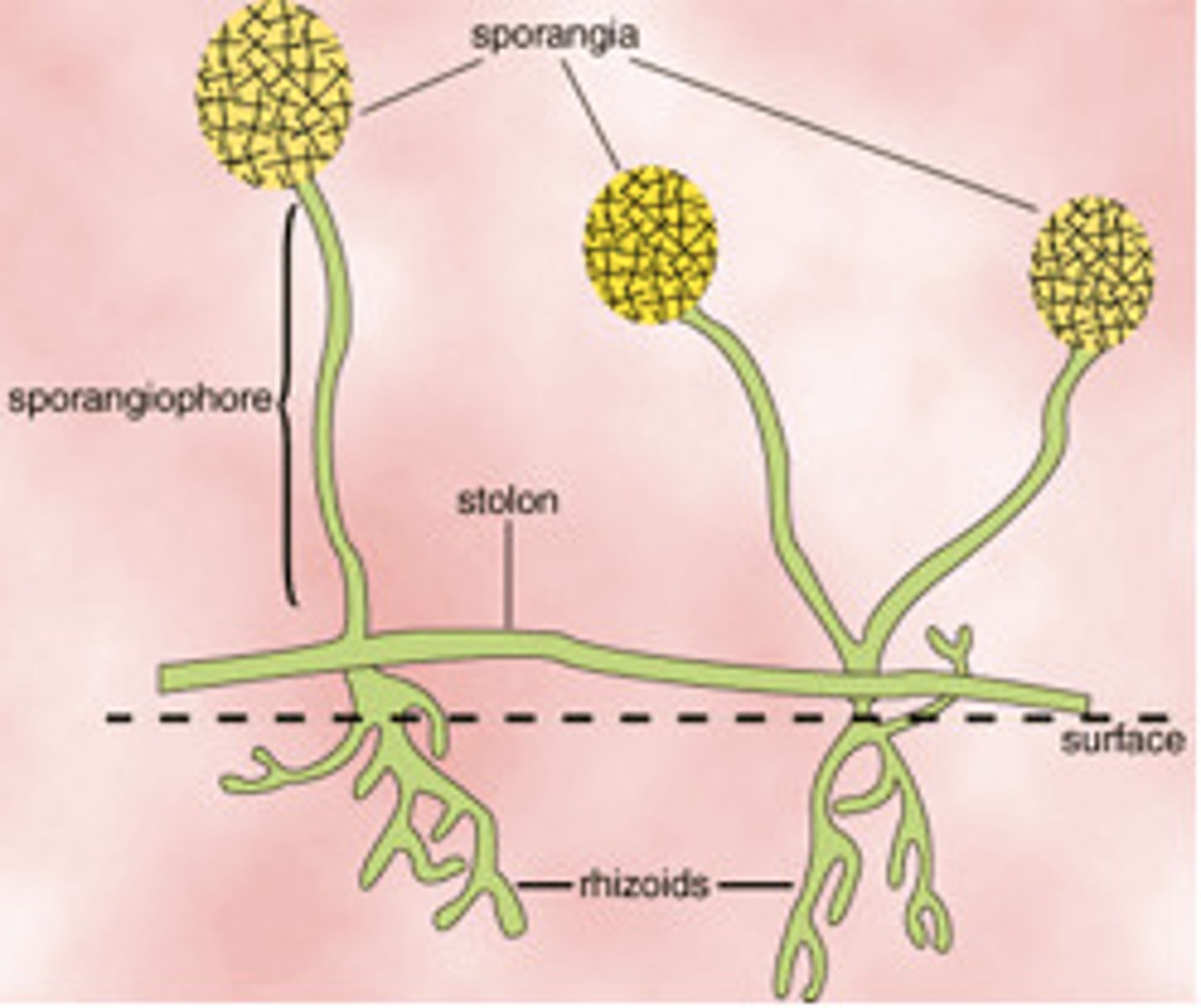
sporangiophores
specialized hyphae that look like upright stalks.
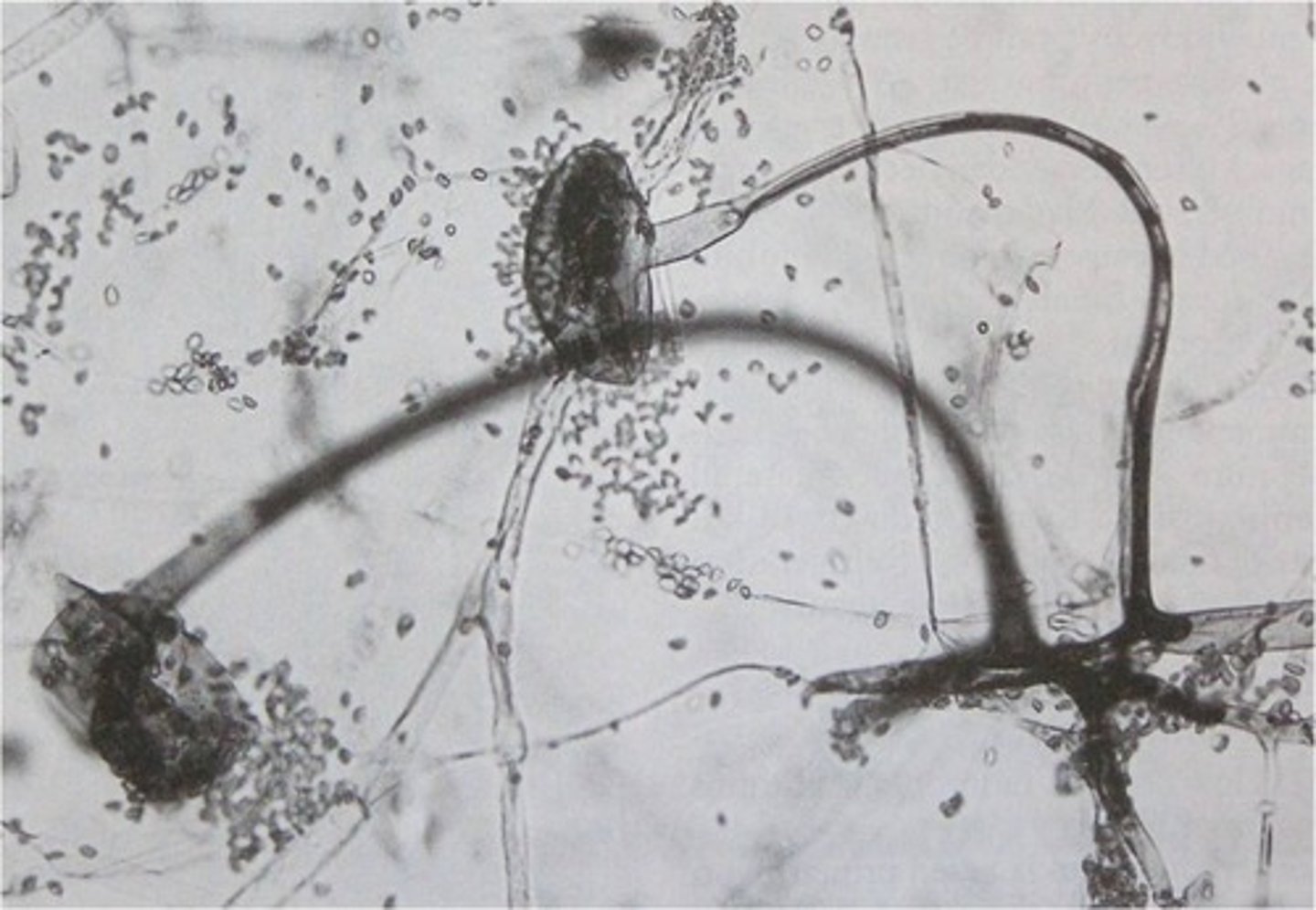
sporangium
a specialized sac, case, or capsule, or other structure found on top of the sporangiophore that produces spores.
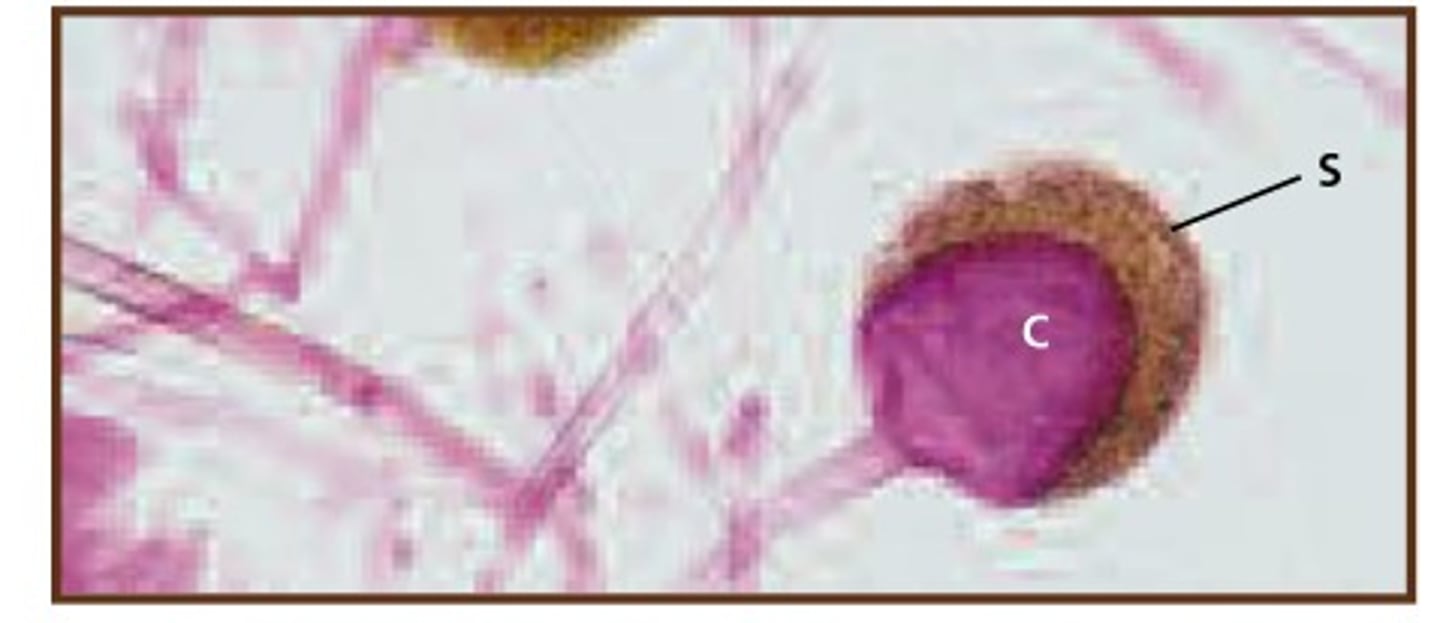
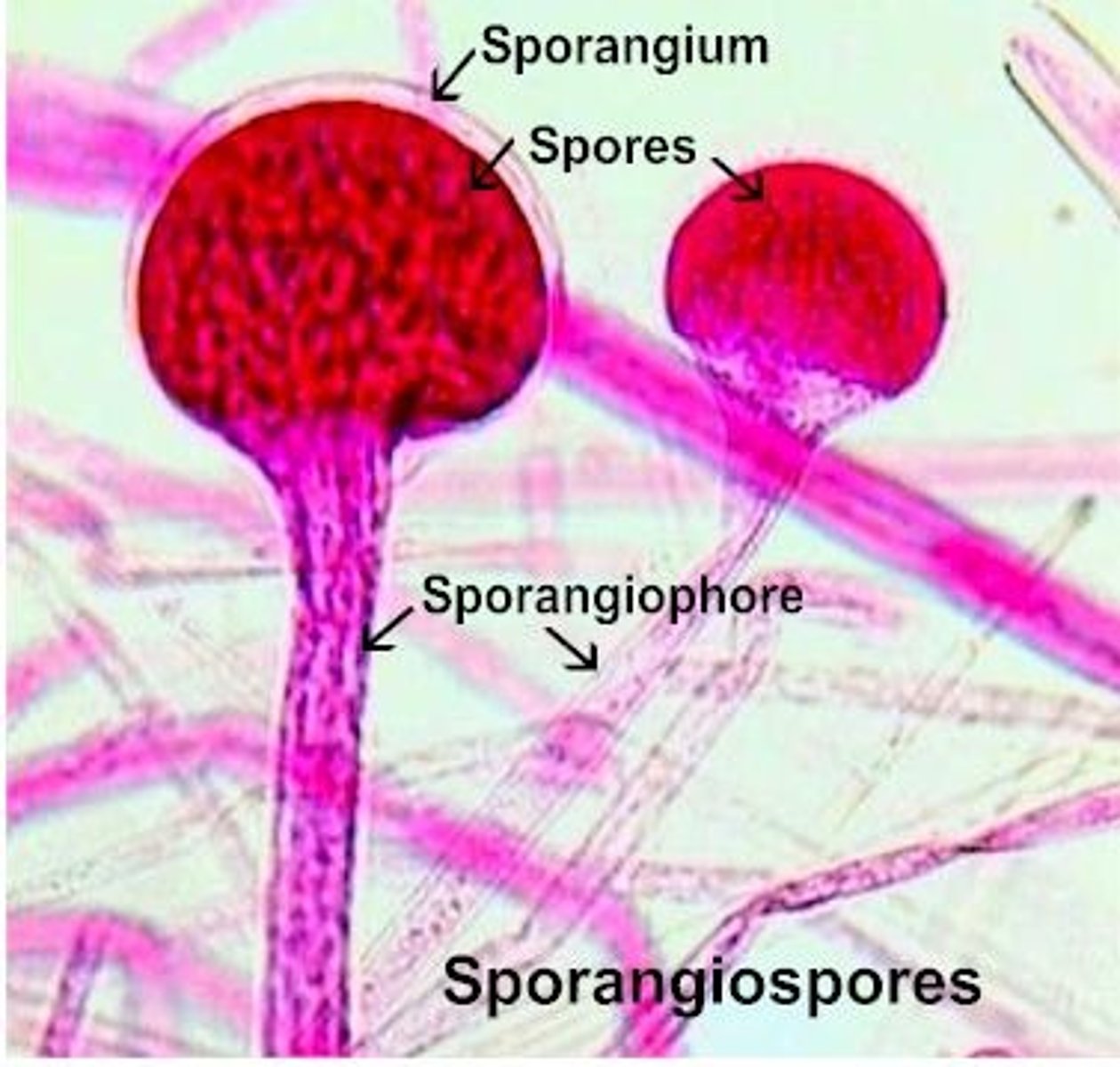
sporangiospores
spores made inside each sporangium
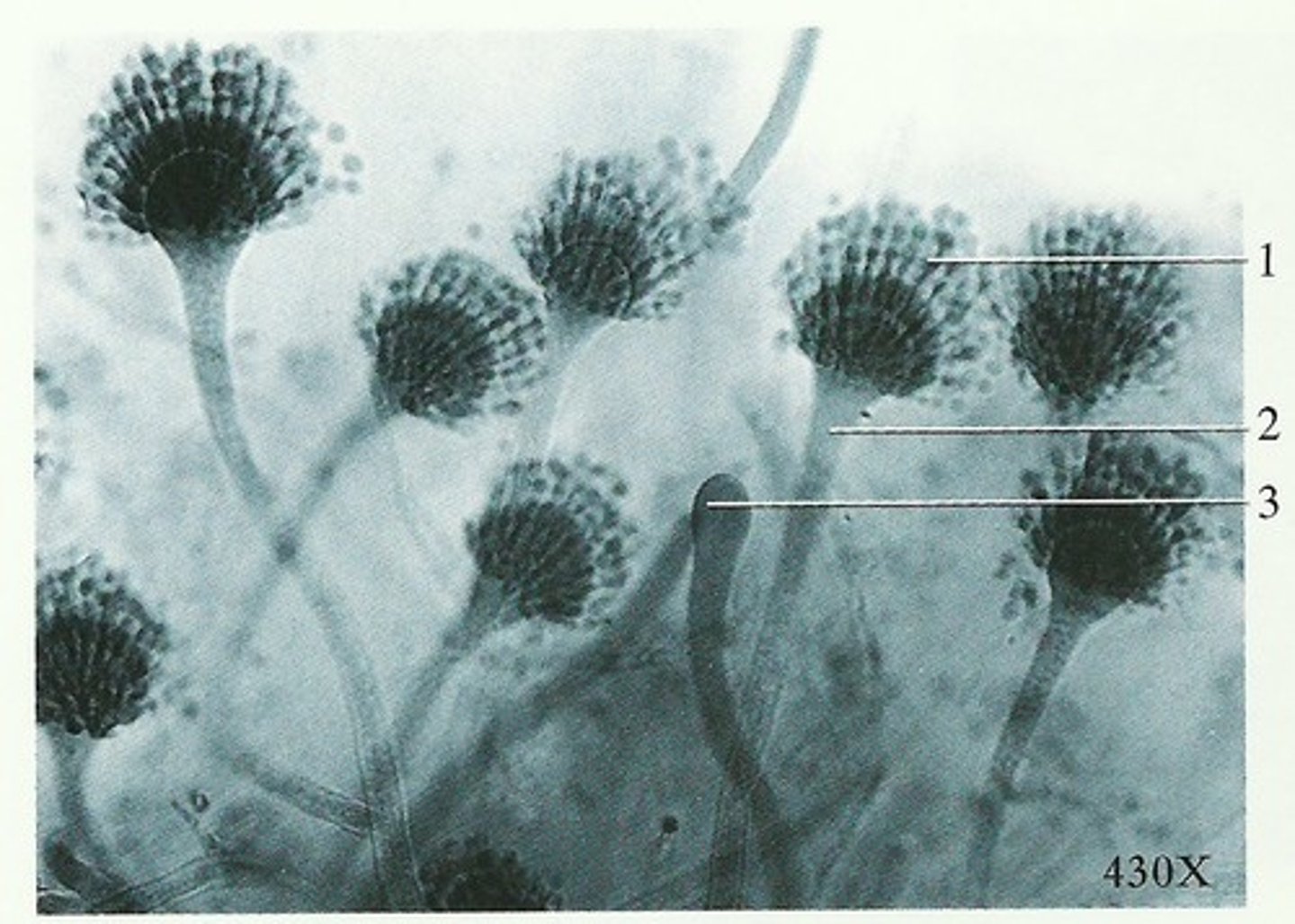
conida
Fungi formed without protection of a sac
conidiophore
a type of hypha that bears asexual spores called conidia
fragmentation
a type of asexual reproduction where a septate hypha dries and shatters, releasing individual cells that act as spores
budding
asexual reproduction in which a part of the parent organism pinches off and forms a new organism
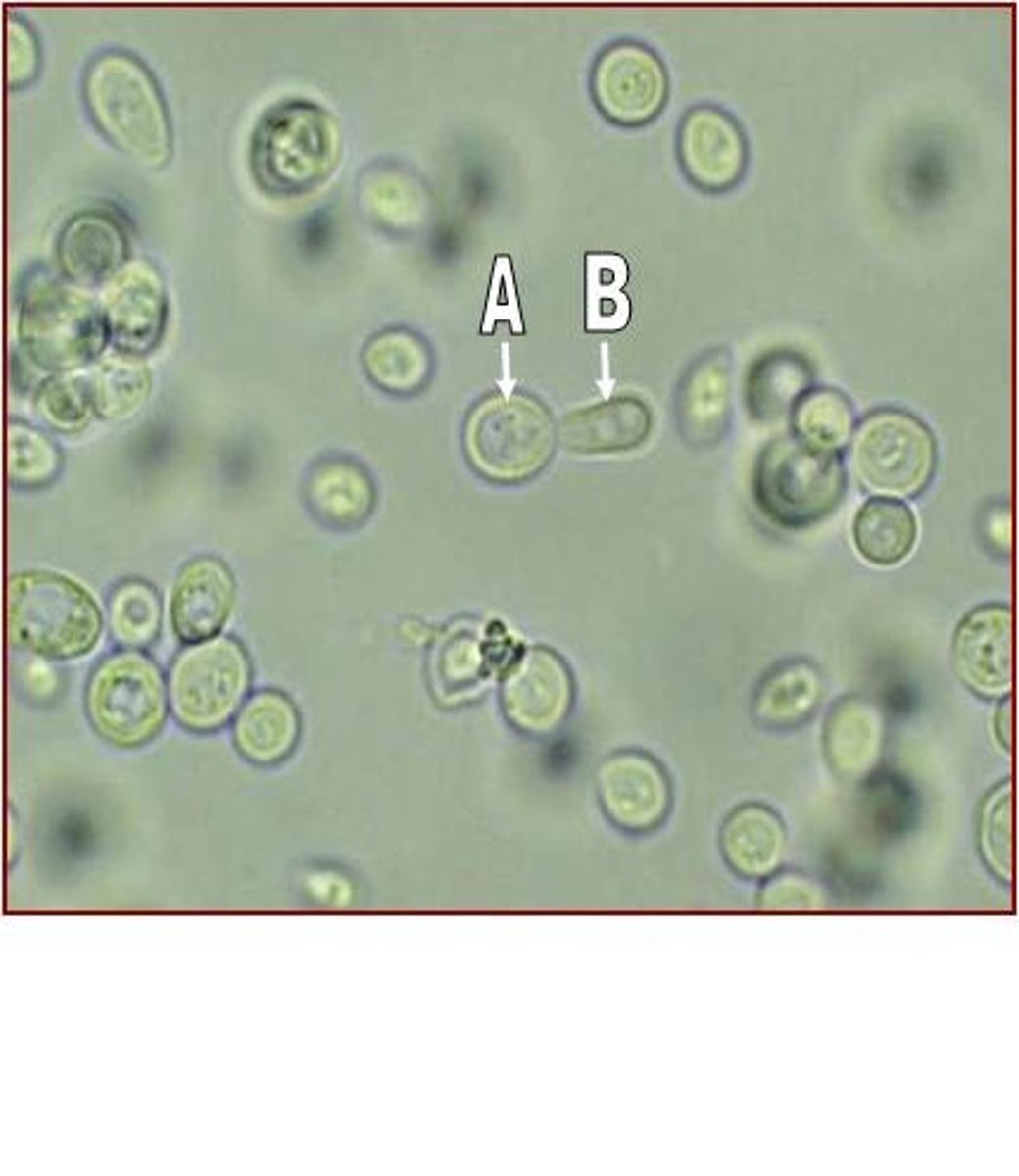
Zygomycota
division of fungi having sexually produced zygospores; includes bread mold
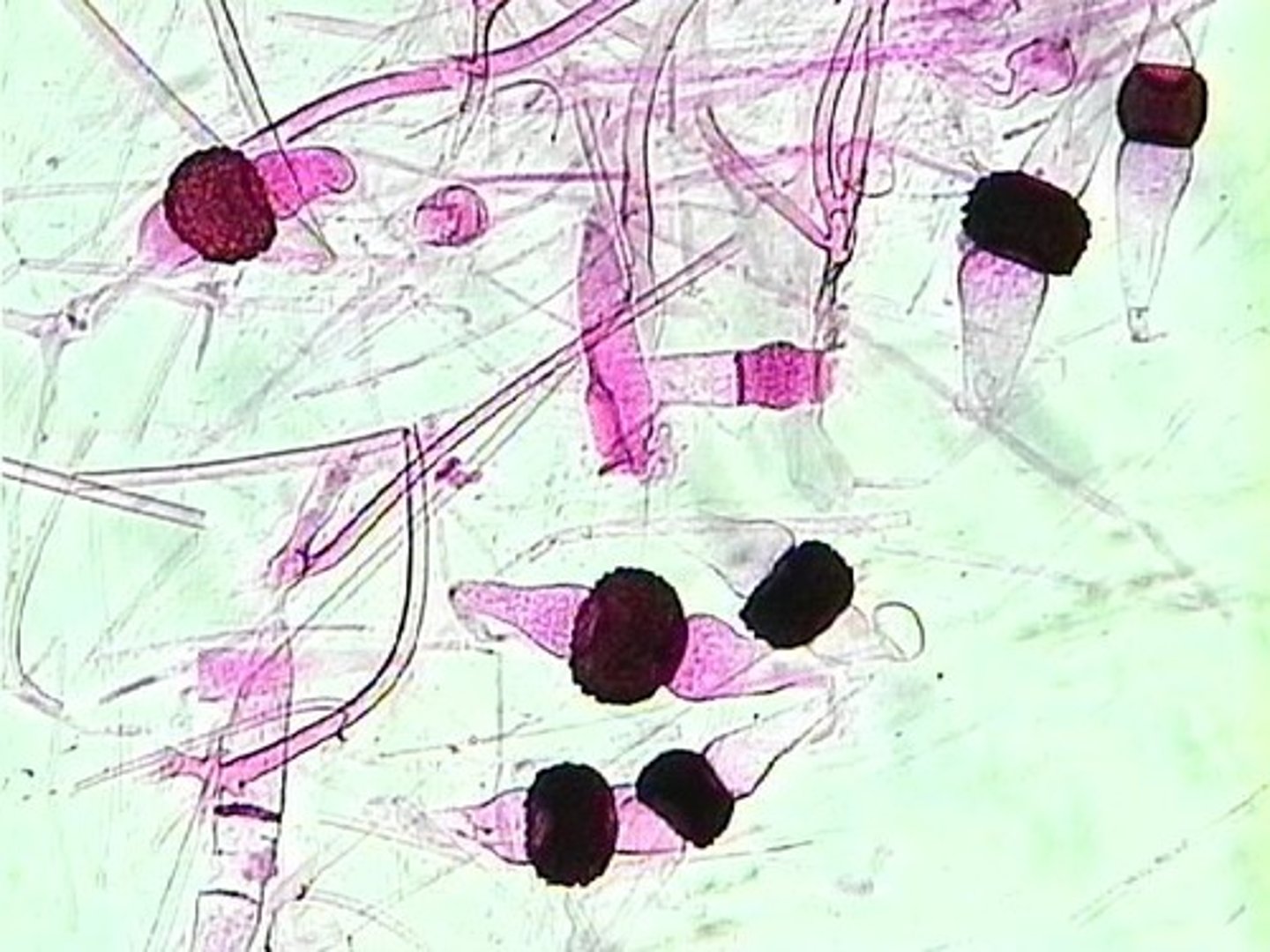
Basidiomycota
club fungi that form basidiospores on club shaped structures called basidia: mushrooms, puffballs, bracket fungi, rusts, smuts
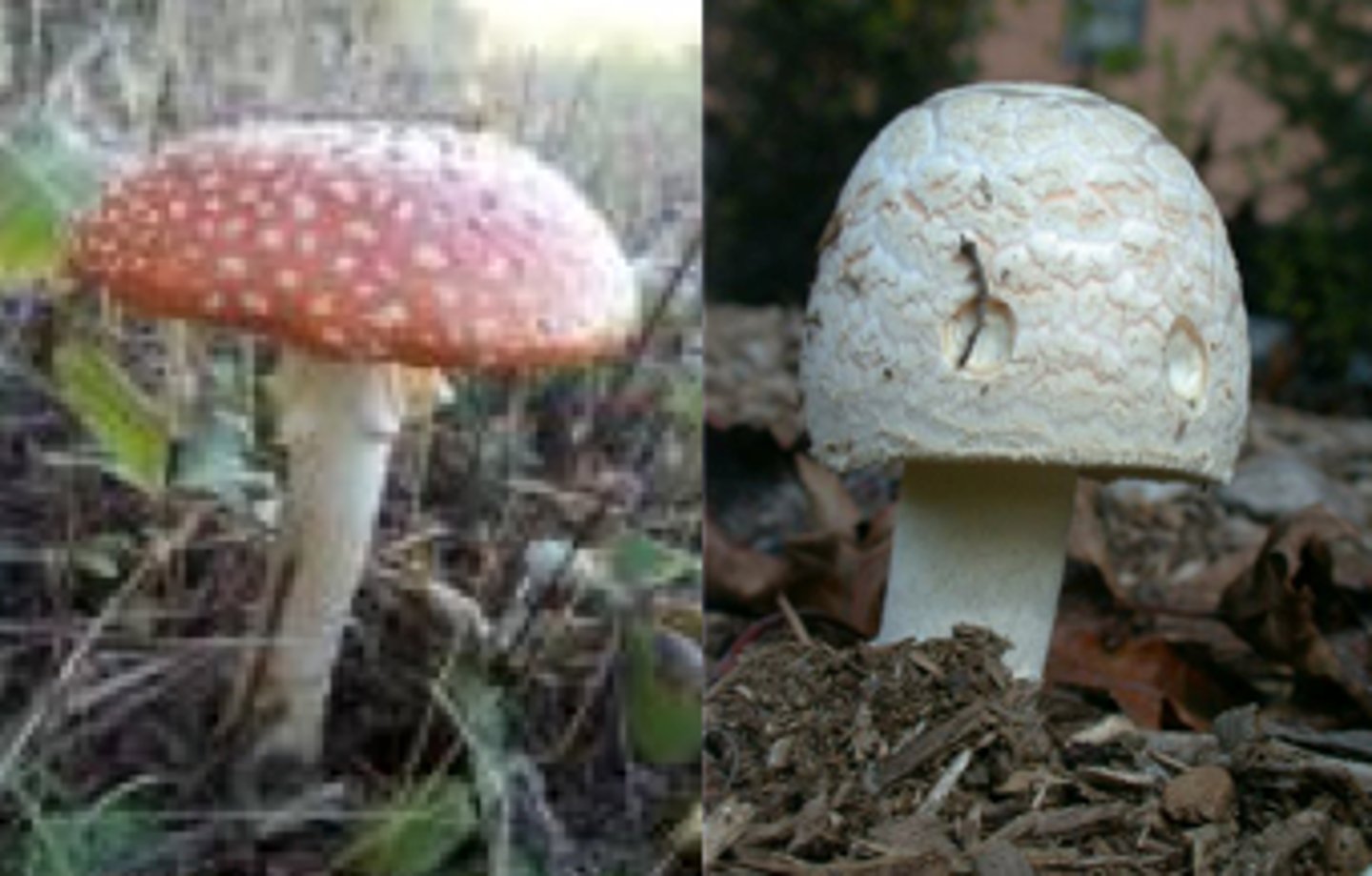
Ascomycota
Division of fungi that reproduce sexually by forming Ascospores within sacs (Asci); Many are Saprobes; most food spoilage is due to fungi in this group; includes yeasts, morels, truffles
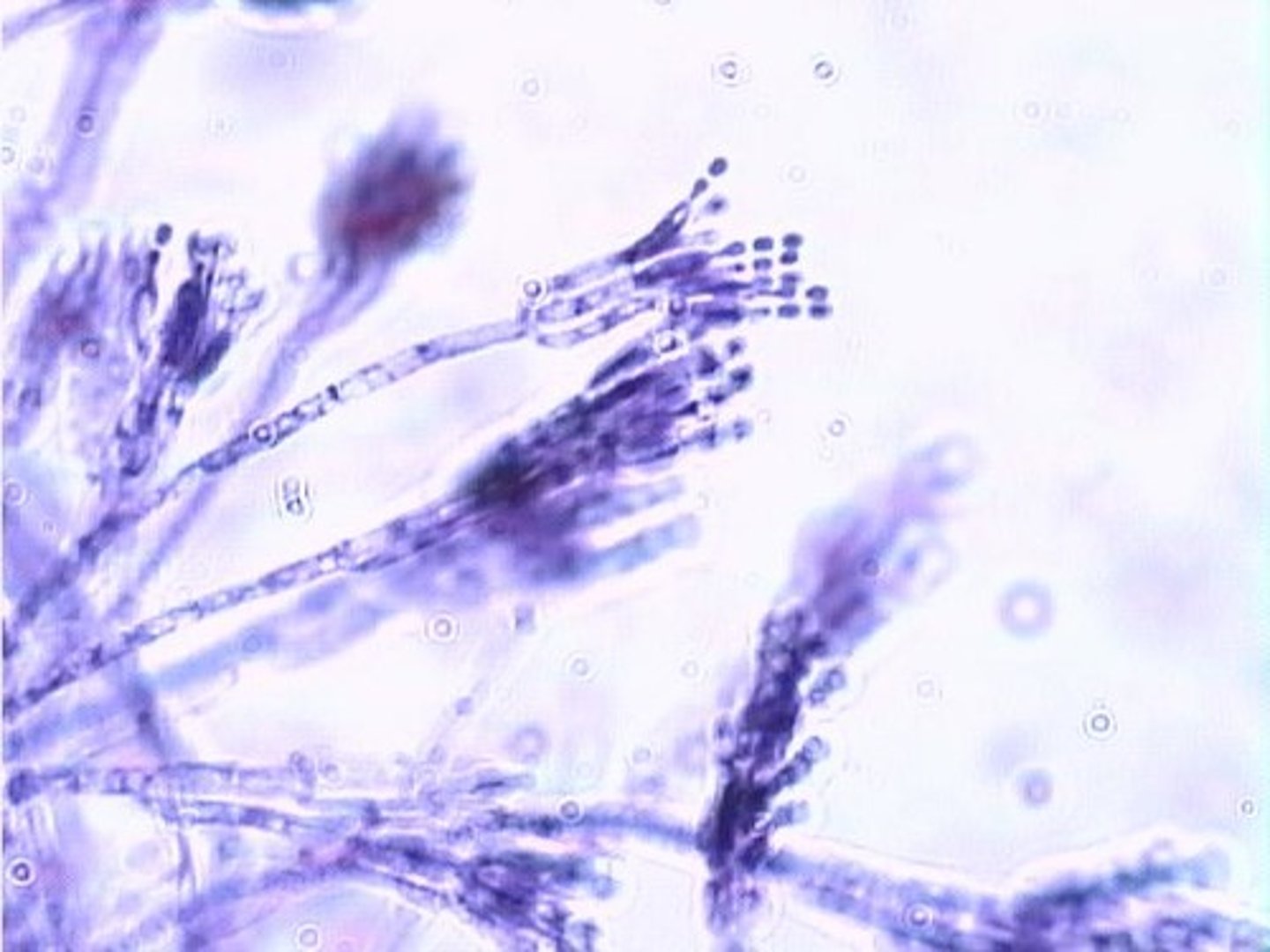
rhizoids
the hyphae that anchor the fungus in the bread and penetrate the surface of the bread
stolons
Stem-like hyphae that grows along the surface of the food source
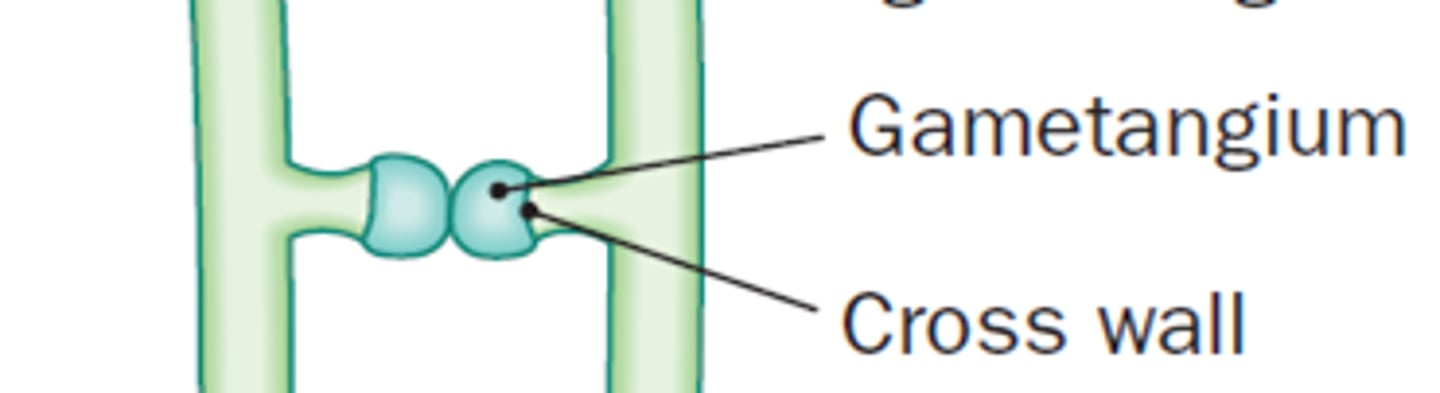
gametangium
a sexual reproductive structure that contains a nucleus of a mating type
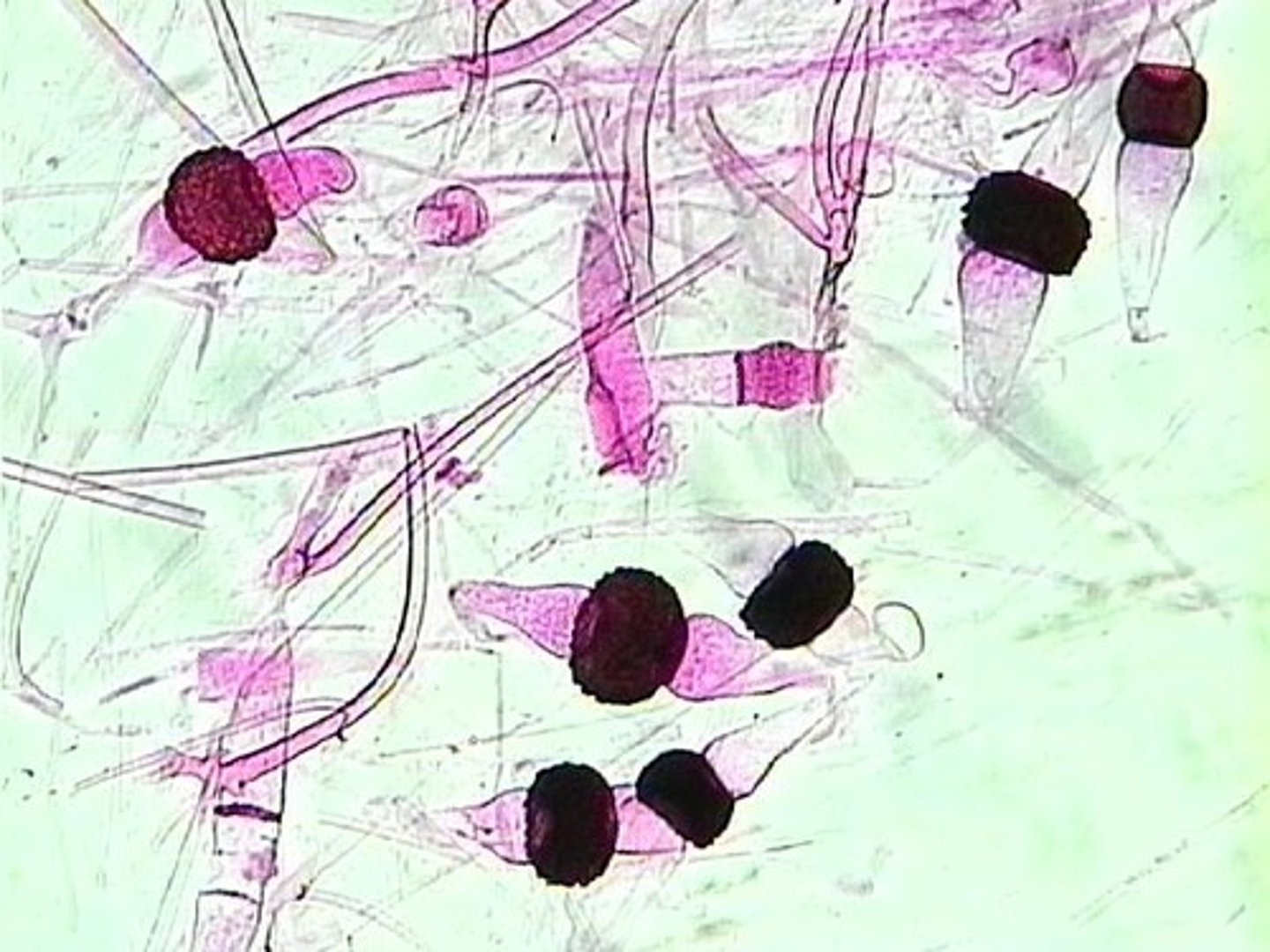
zygosporangium
a thick-walled structure formed by fused gametangia that contains many diploid cells
basida
club-shaped reproductive structure in club fungi
basidiocarp
above ground spore-bearing structure of basidiomycetes
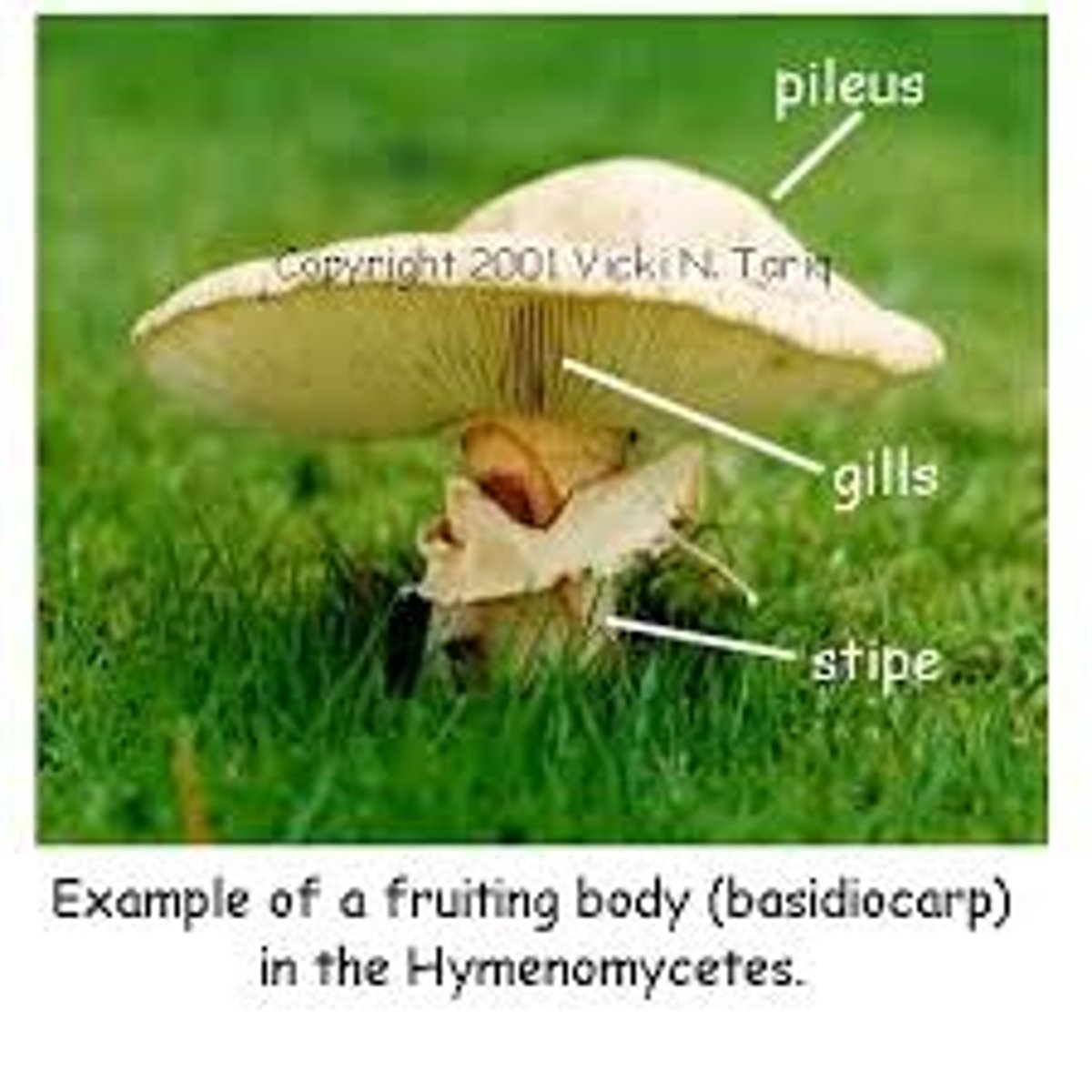
stalk
stem portion of a mushroom
cap
a fruiting structure resembling an umbrella that forms the top of a stalked fleshy fungus such as a mushroom
basidiospores
spore in basidiomycetes that germinates to produce haploid primary mycelia
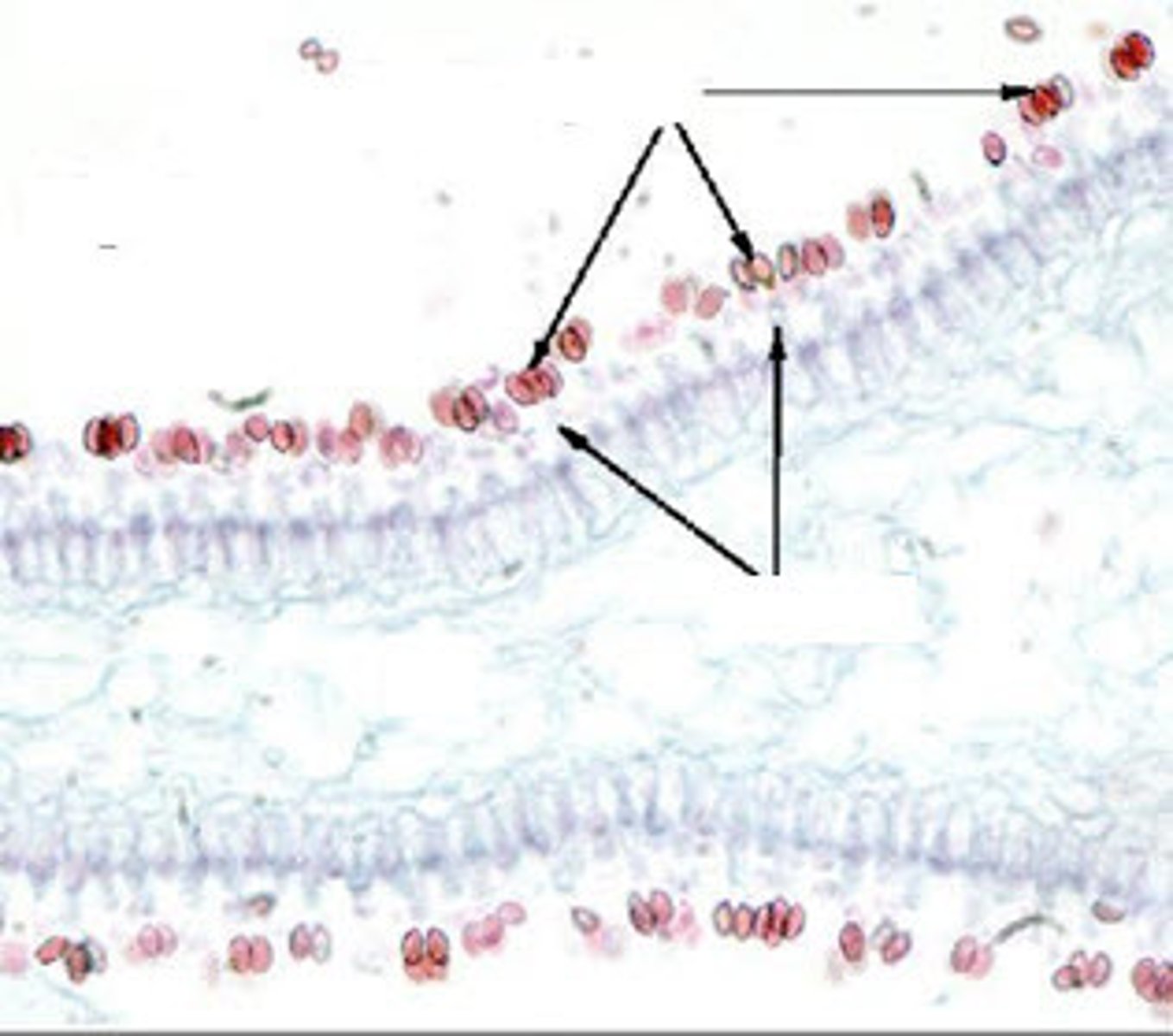
ascogonium
the female reproductive sexual organ or cell in the Phylum Ascomycete
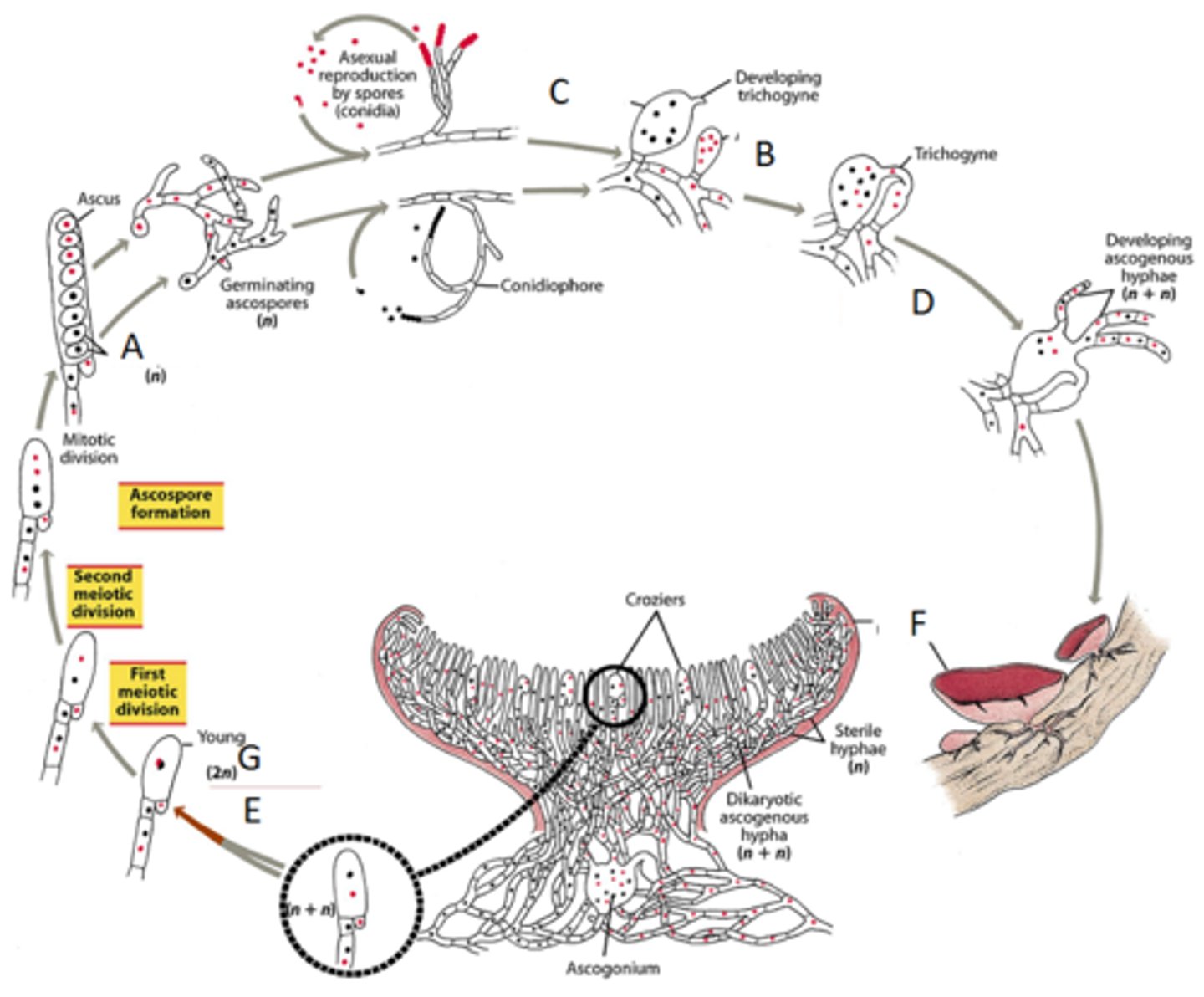
ascocarp
a visible cuplike structure found in organisms of the phylum Ascomycota
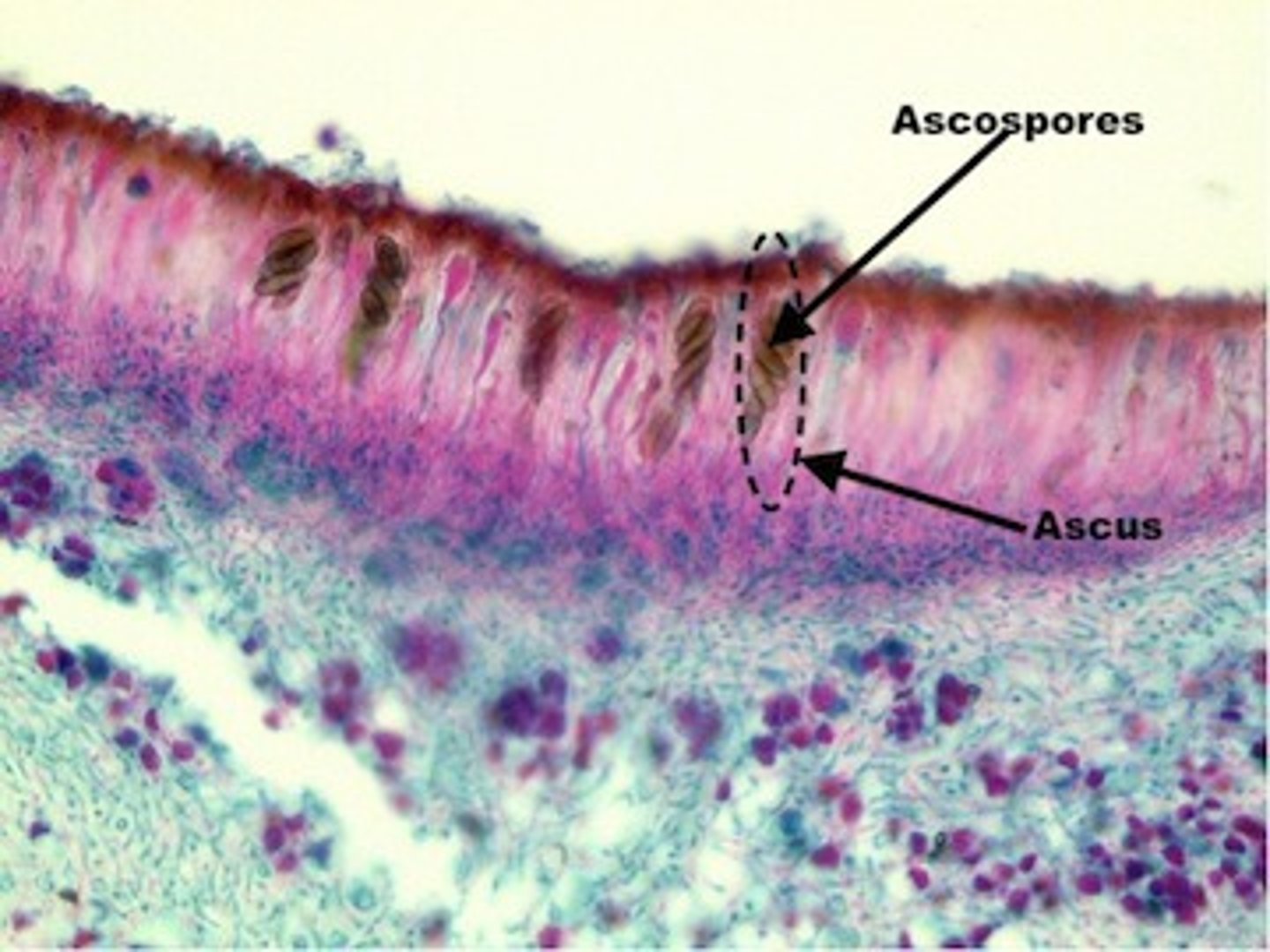
asci
sacs in ascomycetes within the ascocarp that develop at the tips of the dikaryotic hyphae
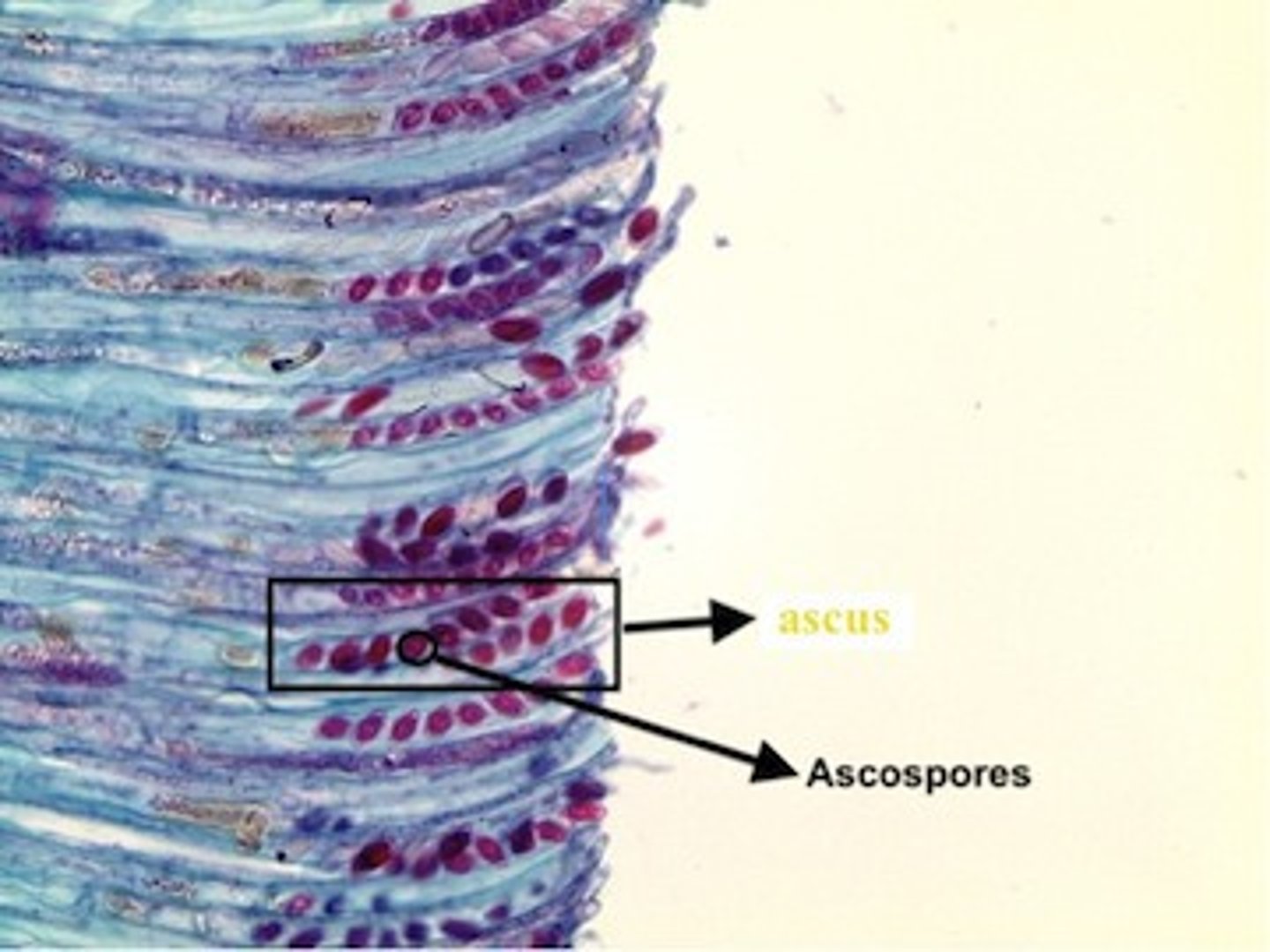
ascospores
haploid spore produced within the ascus of ascomycetes
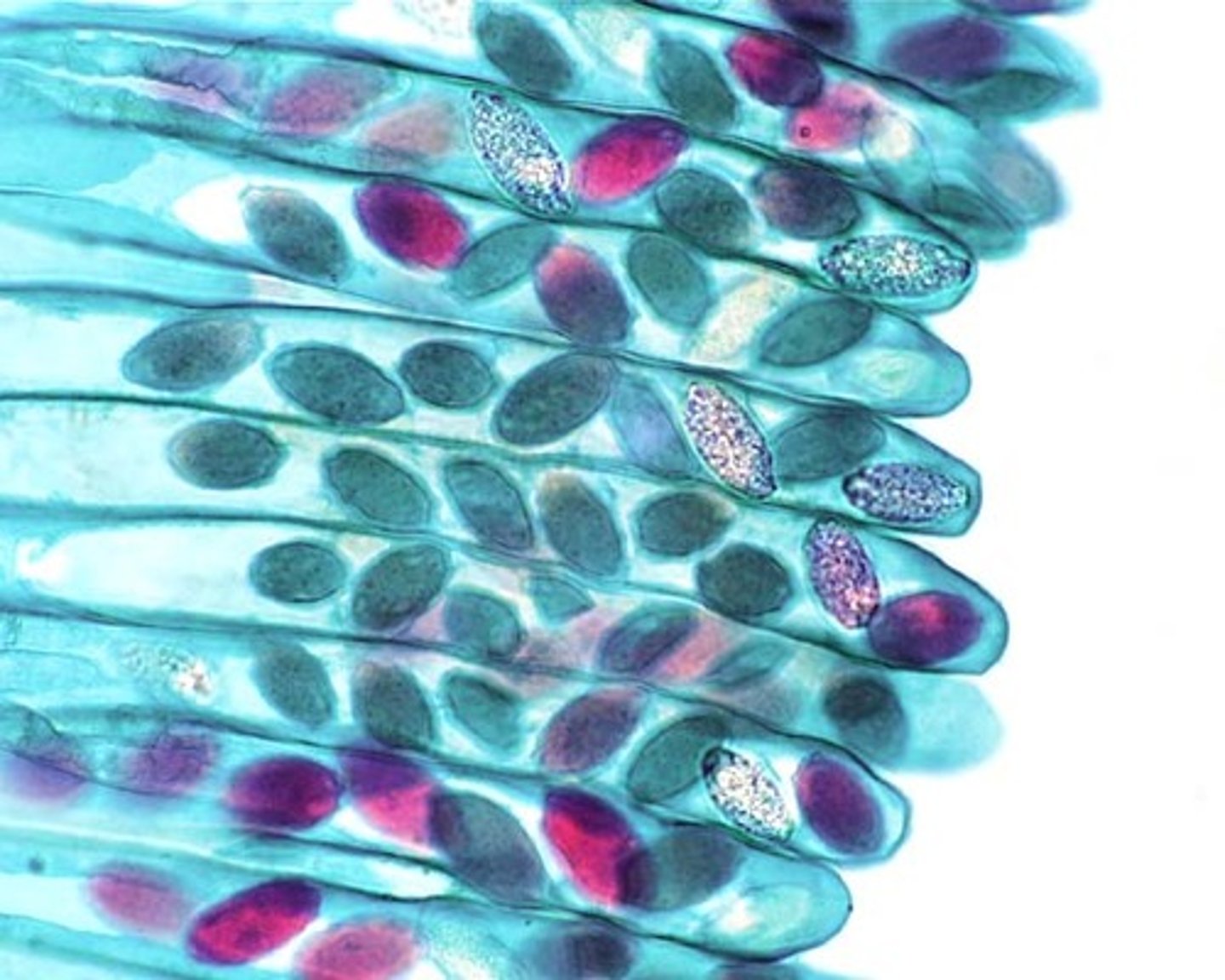
Saccharomyce cerevisiae
type of yeast commonly used to make bread, wine, and ethanol from the phylum Ascomyceta; also used in genetic research to develop vaccines
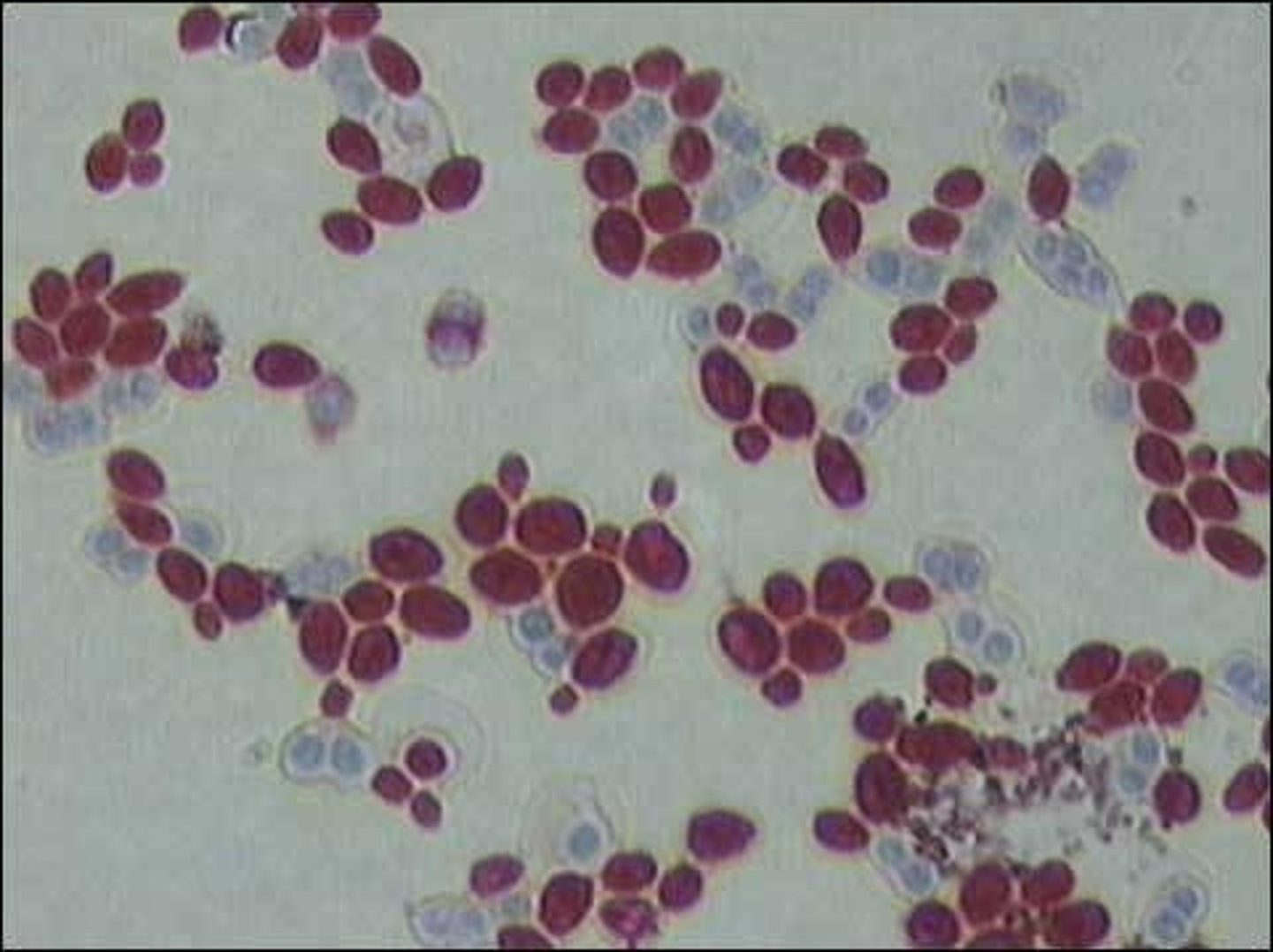
Deuteromycota
Phylum of the imperfect fungi (most scientists have reclassified these into phylum Ascomycets
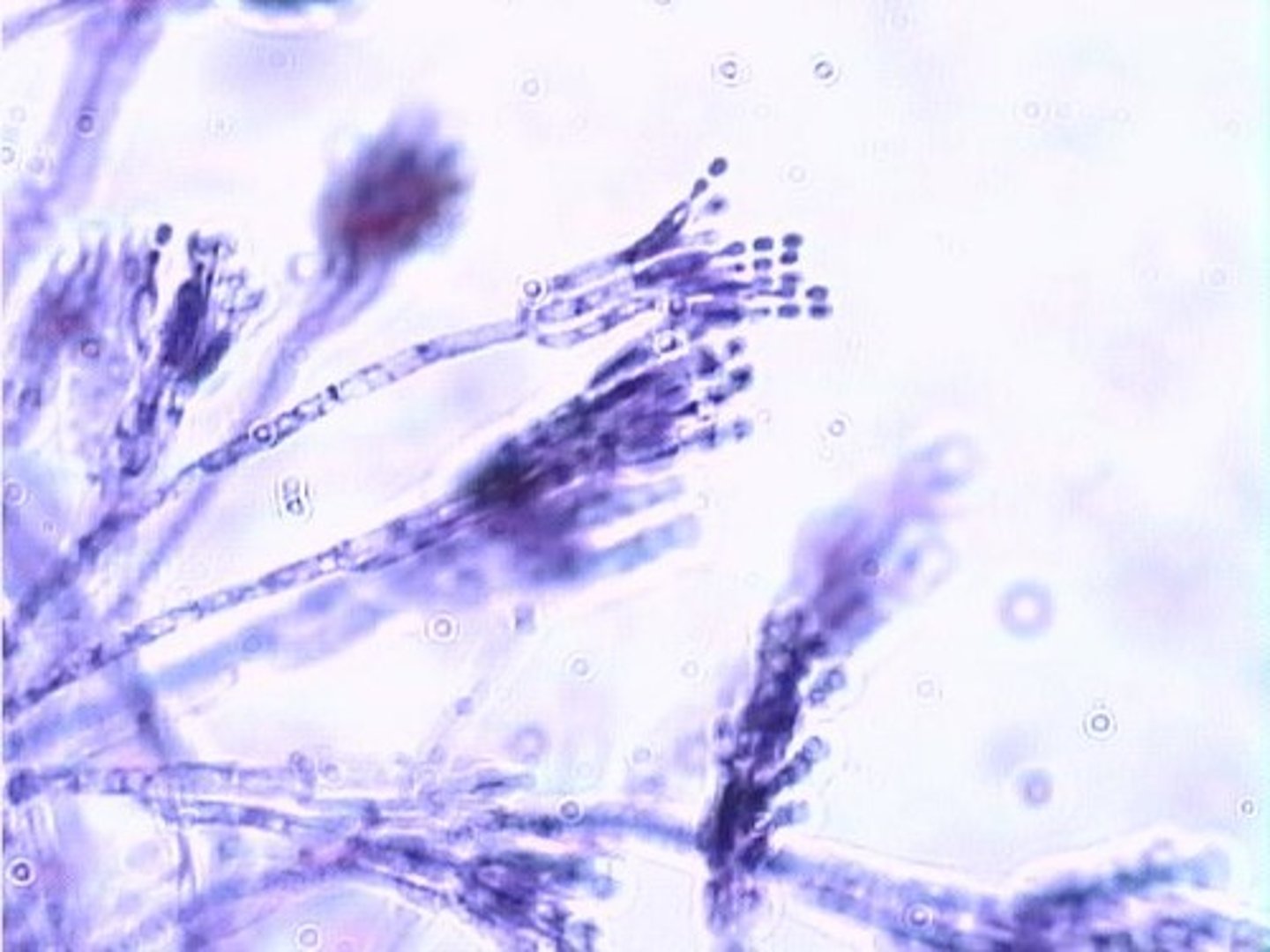
mycorrhiza
a symbiotic association between fungi and plant roots
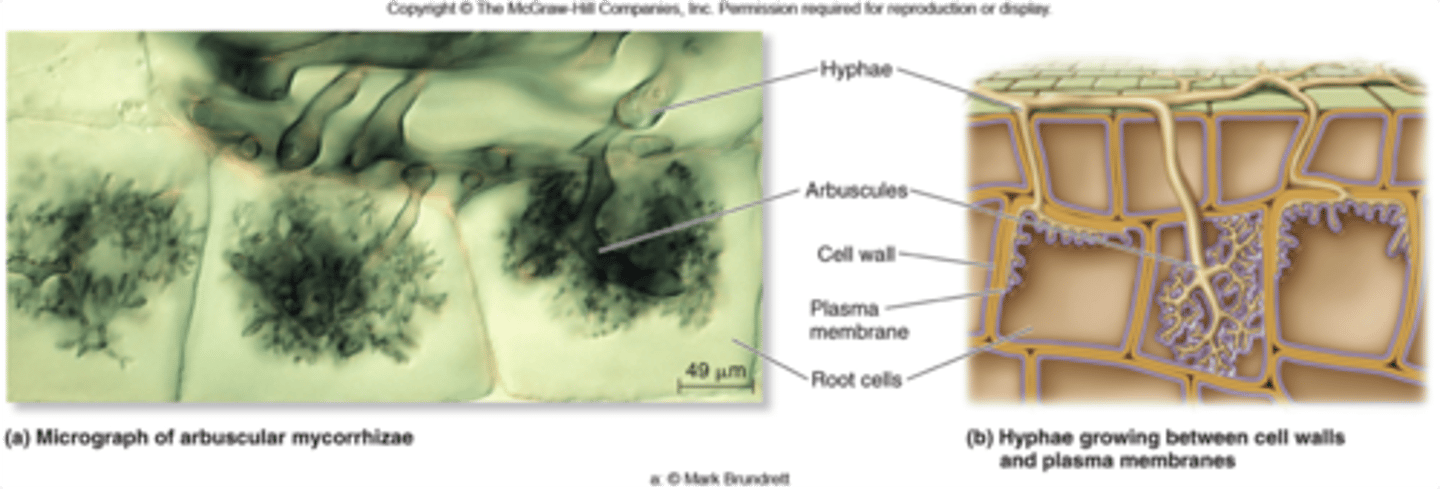
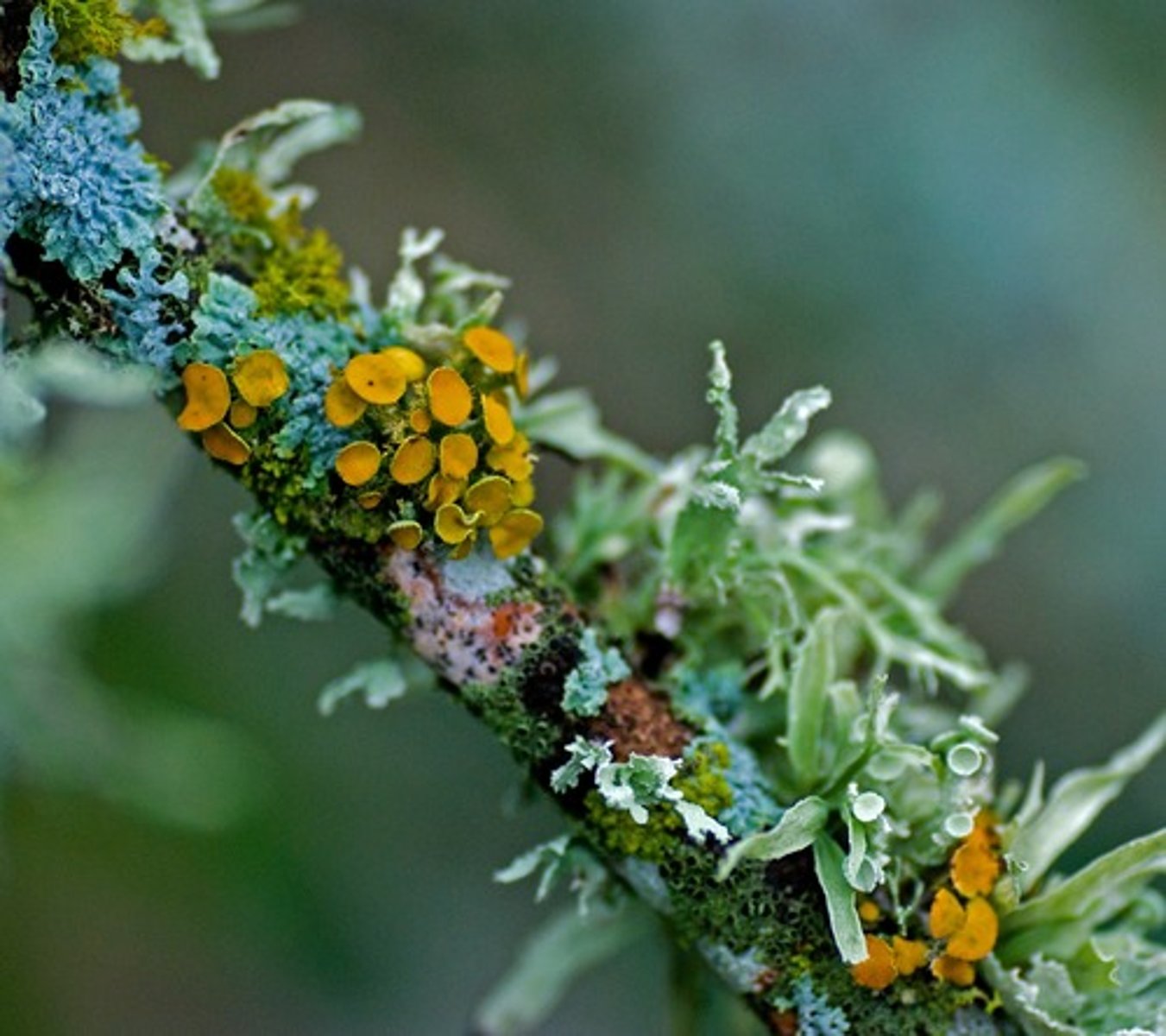
Lichens
symbiotic association between a fungus and a photosynthetic organism
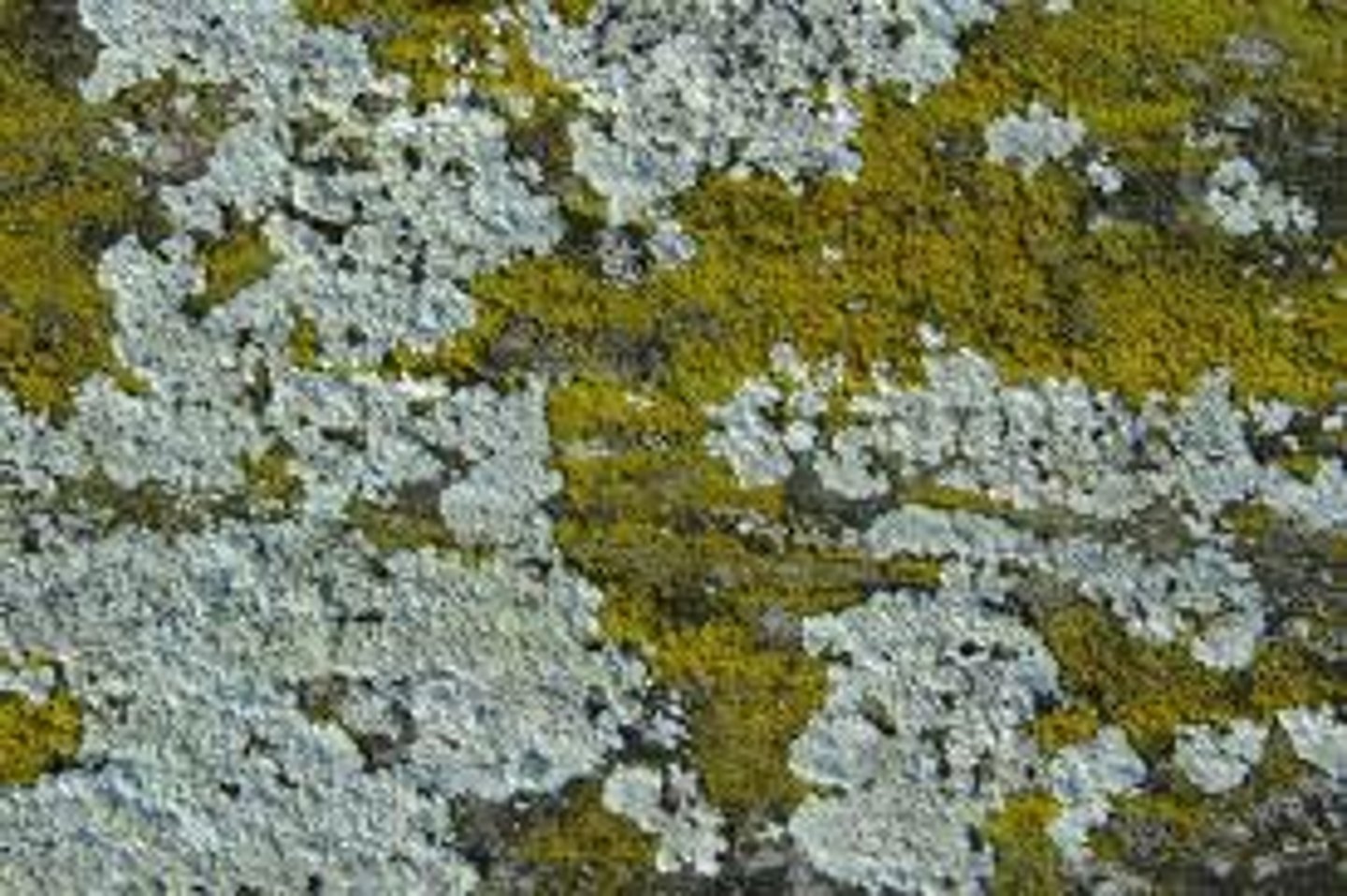
Crustose
Type of lichen that grows as a layer on the surface of rocks and trees
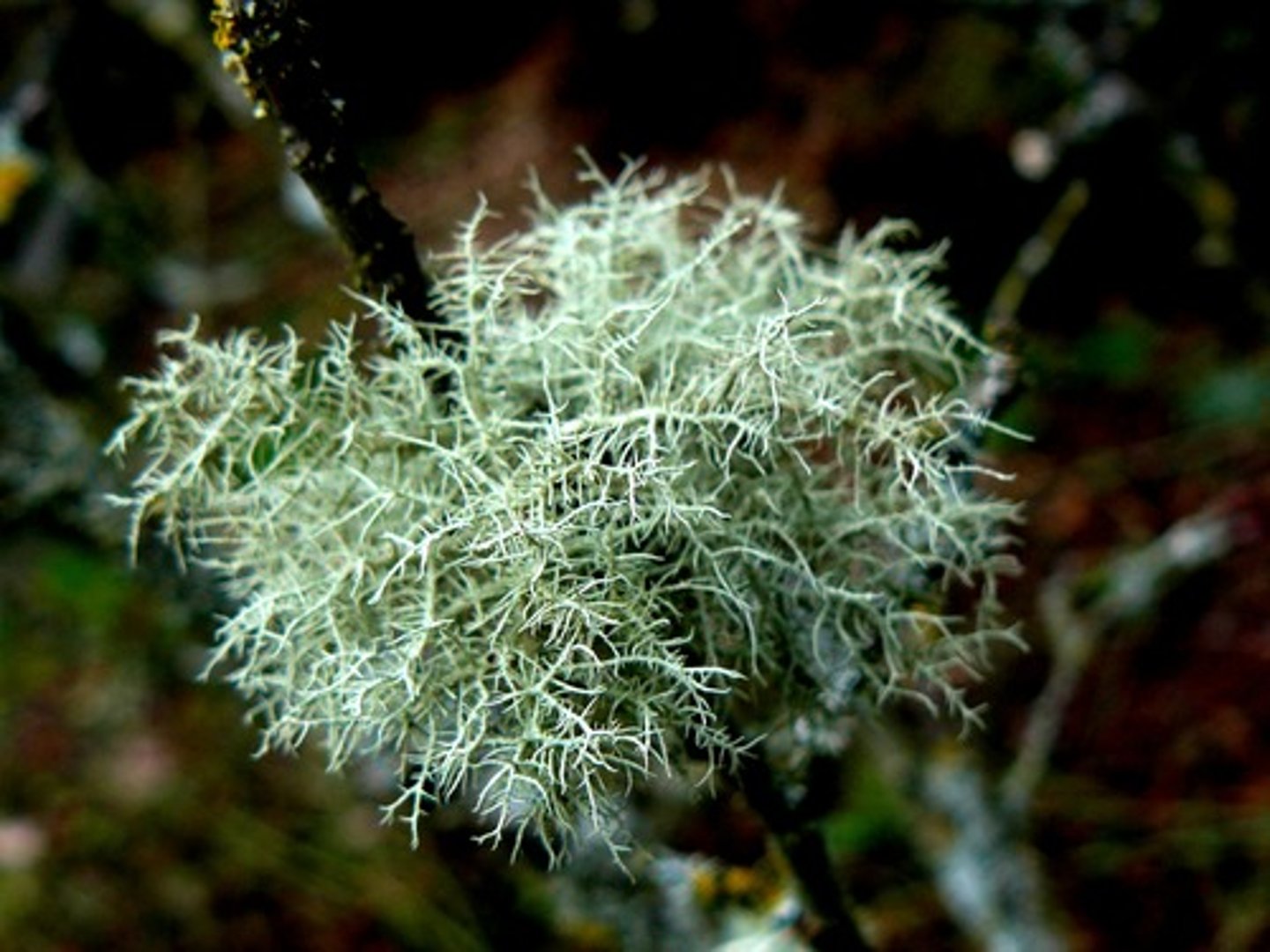
Fruticose
Type of lichen that is shrub-like
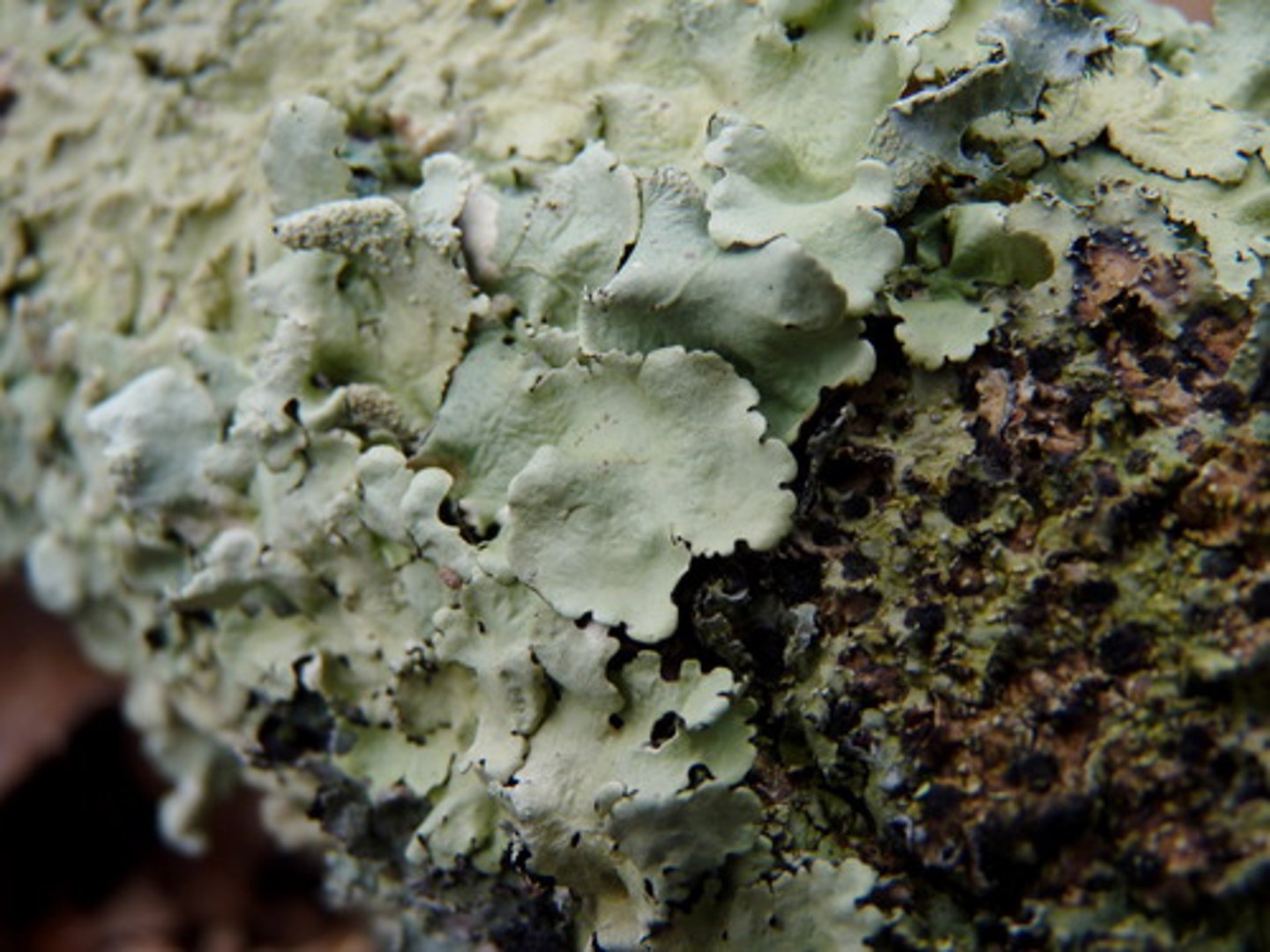
Foliose
Type of lichens that live on flat surfaces, where they form a matlike growth
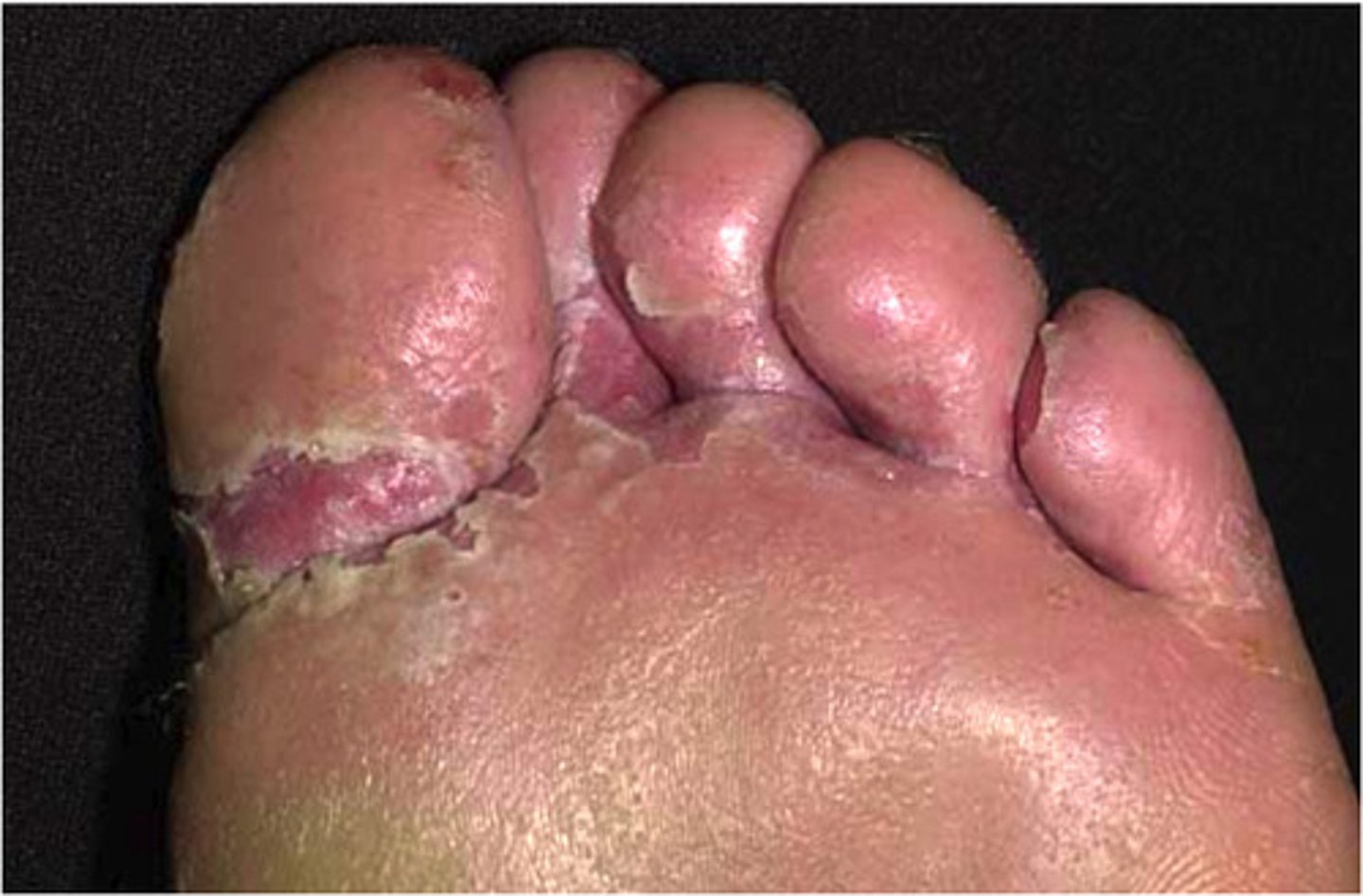
athlete's foot
contagious fungal infection in the outer skin layer that leads to skin eruptions which usually form small blisters between toes and sometimes fingers, followed by cracking, peeling and scaling
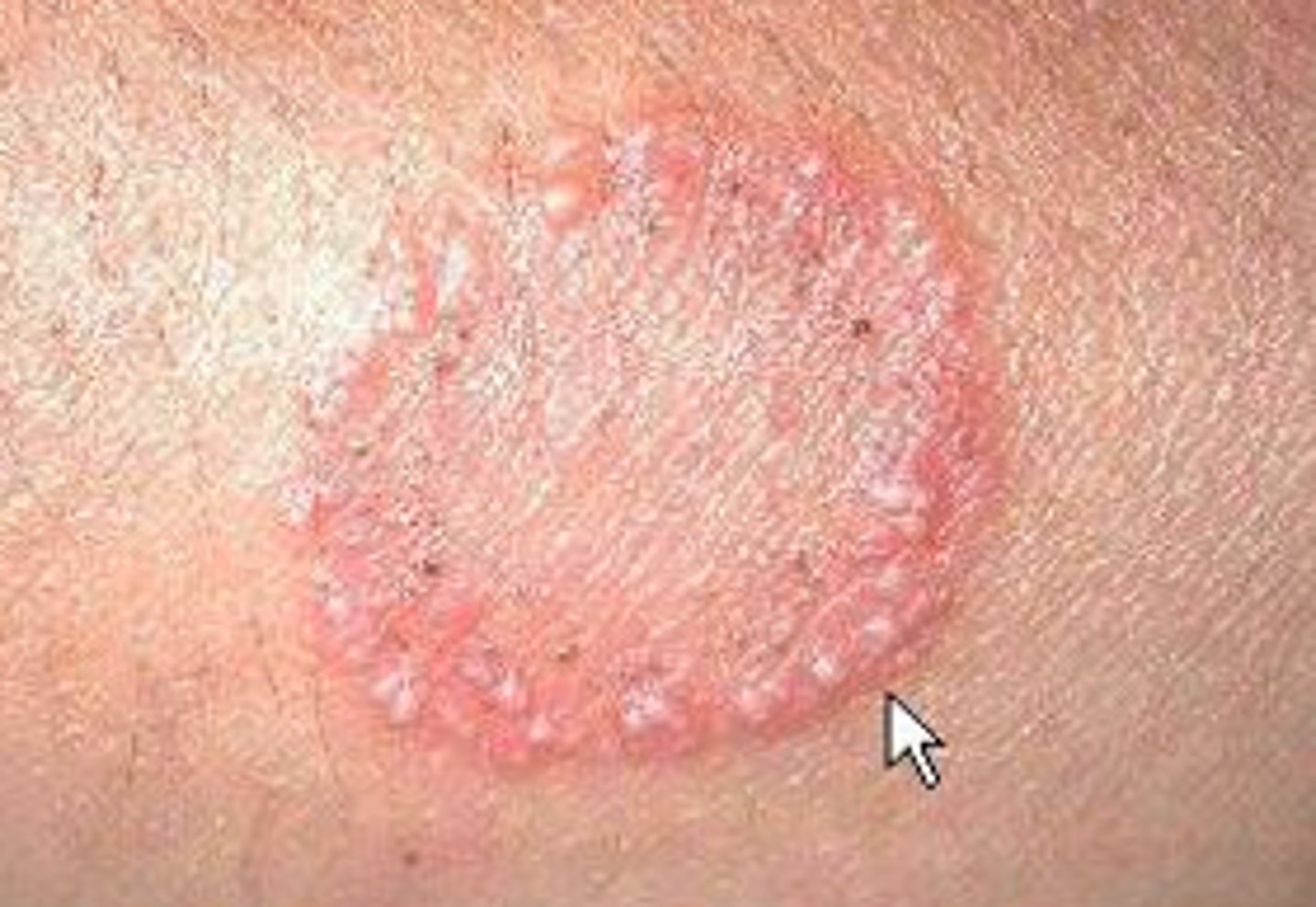
Ringworm
highly contagious fungal infection marked by raised, itchy, circular patches with crust
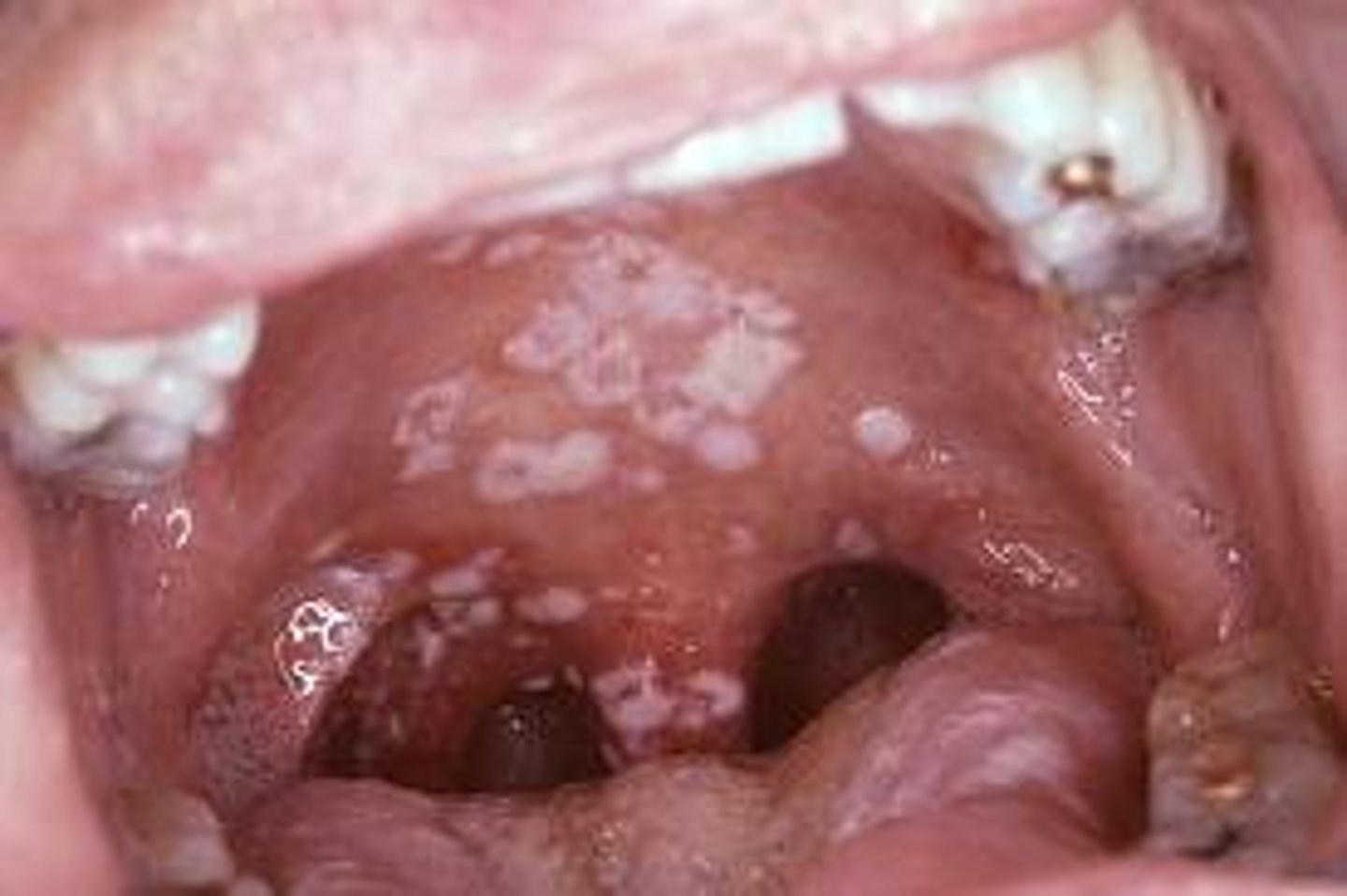
Candidiasis
yeast infections occurring on the skin or mucous membranes in the warm, moist areas such as the vagina or the mouth often caused by the fungus Candida
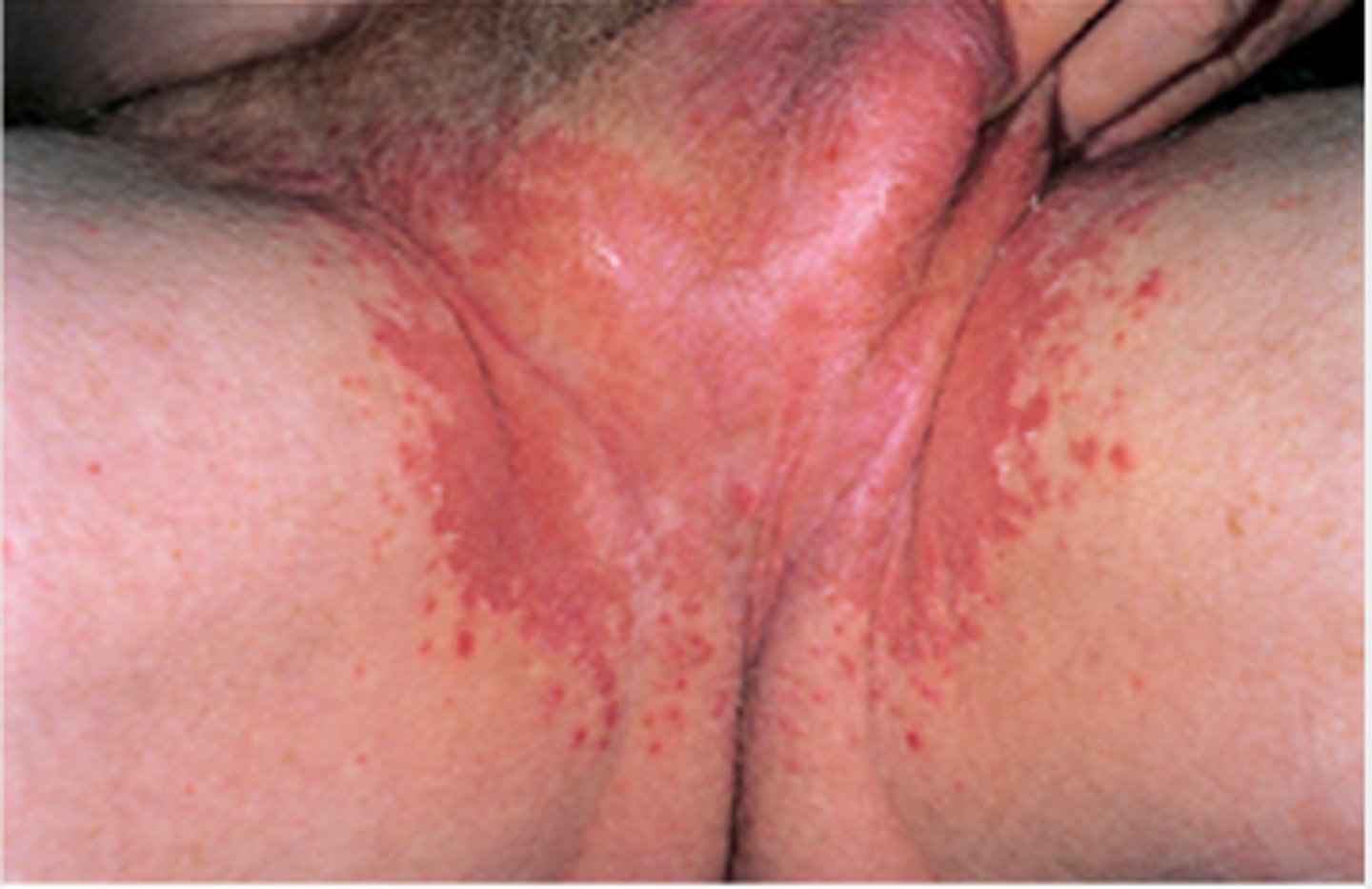
Tinea cruris
fungal infection of the groin (most common in men); often called "jock itch"
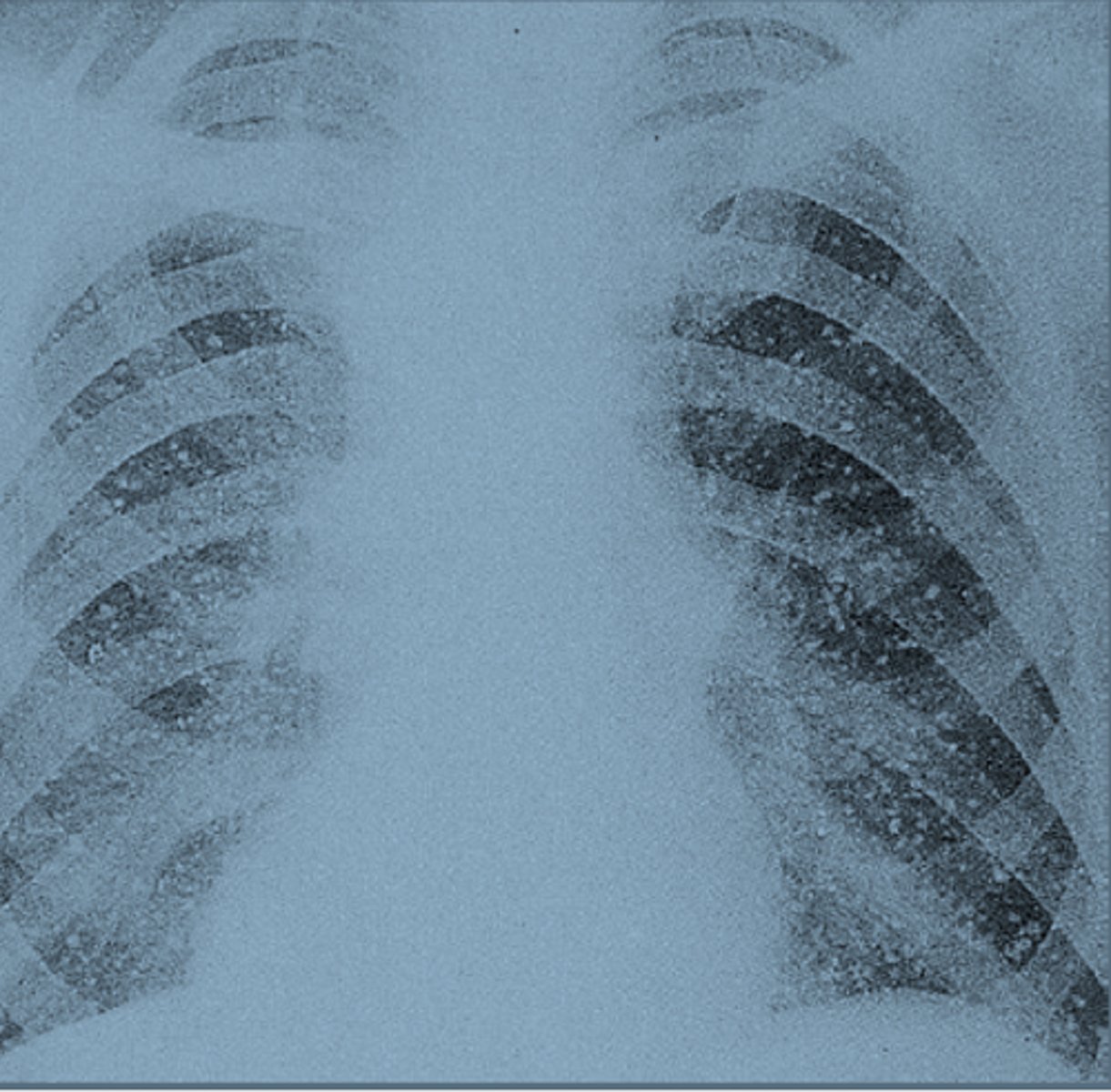
Histoplasmosis
a disease that results from the inhalation of an airborne fungus (often from bird or bat droppings) that can affect the lungs (usually presents as pneumonia) and may spread to other organs
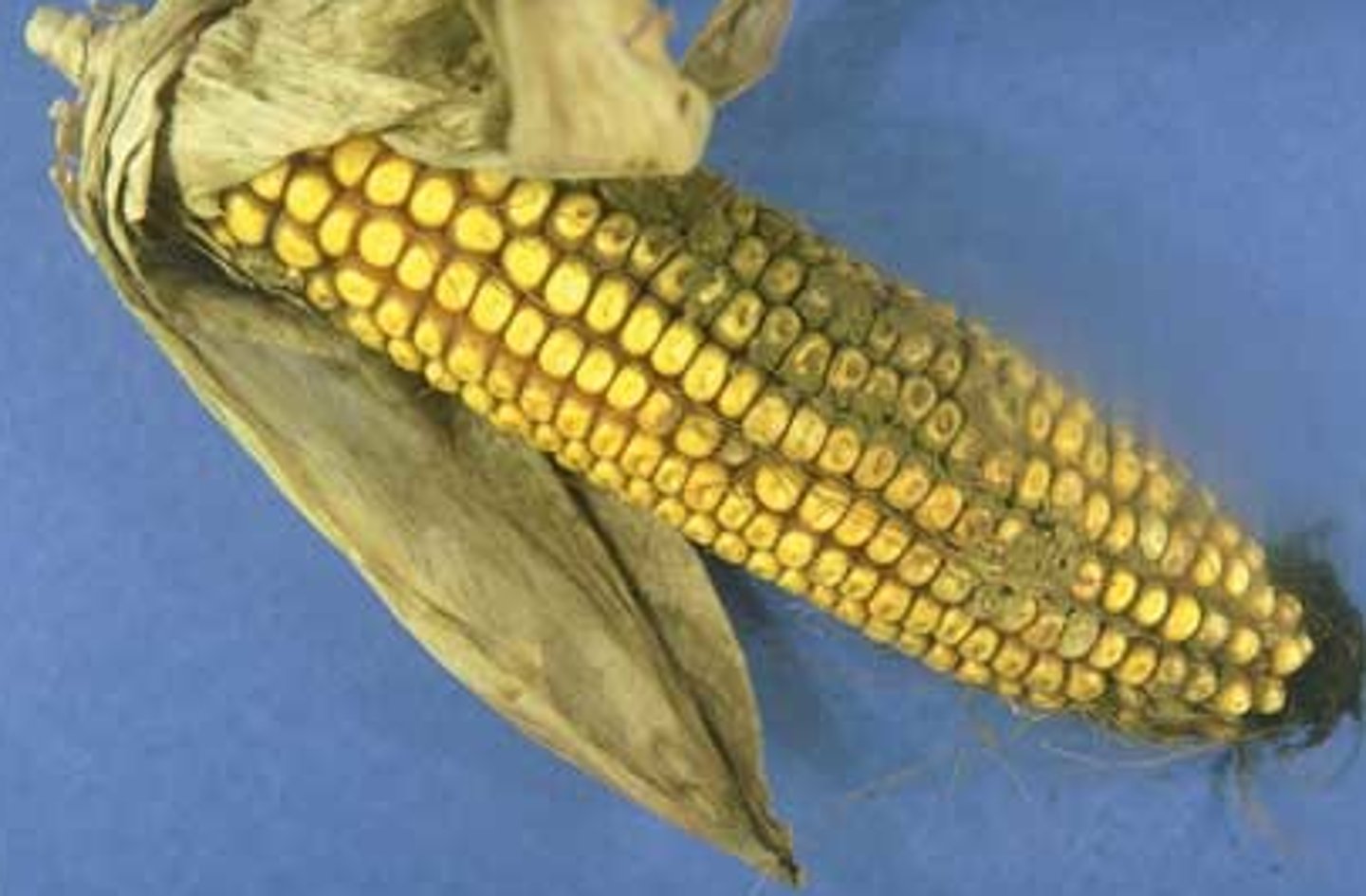
aflatoxins
poisons produced by some species of Aspergillus that can contaminate corn, peanuts, cottonseed, and tree nuts causing liver cancer
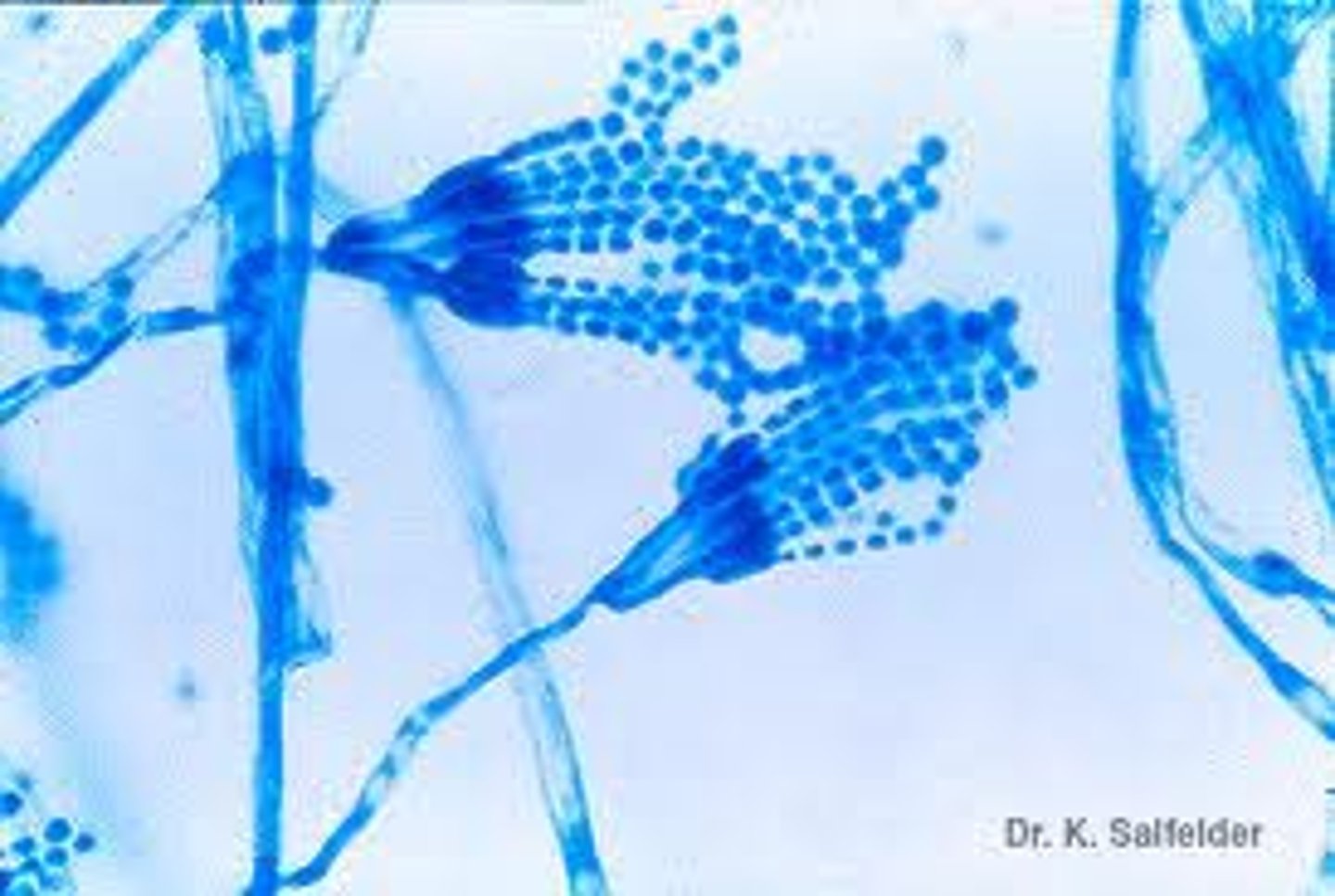
penicillin
any of various antibiotics obtained from penicillium molds (or produced synthetically) and used in the treatment of various infections and diseases
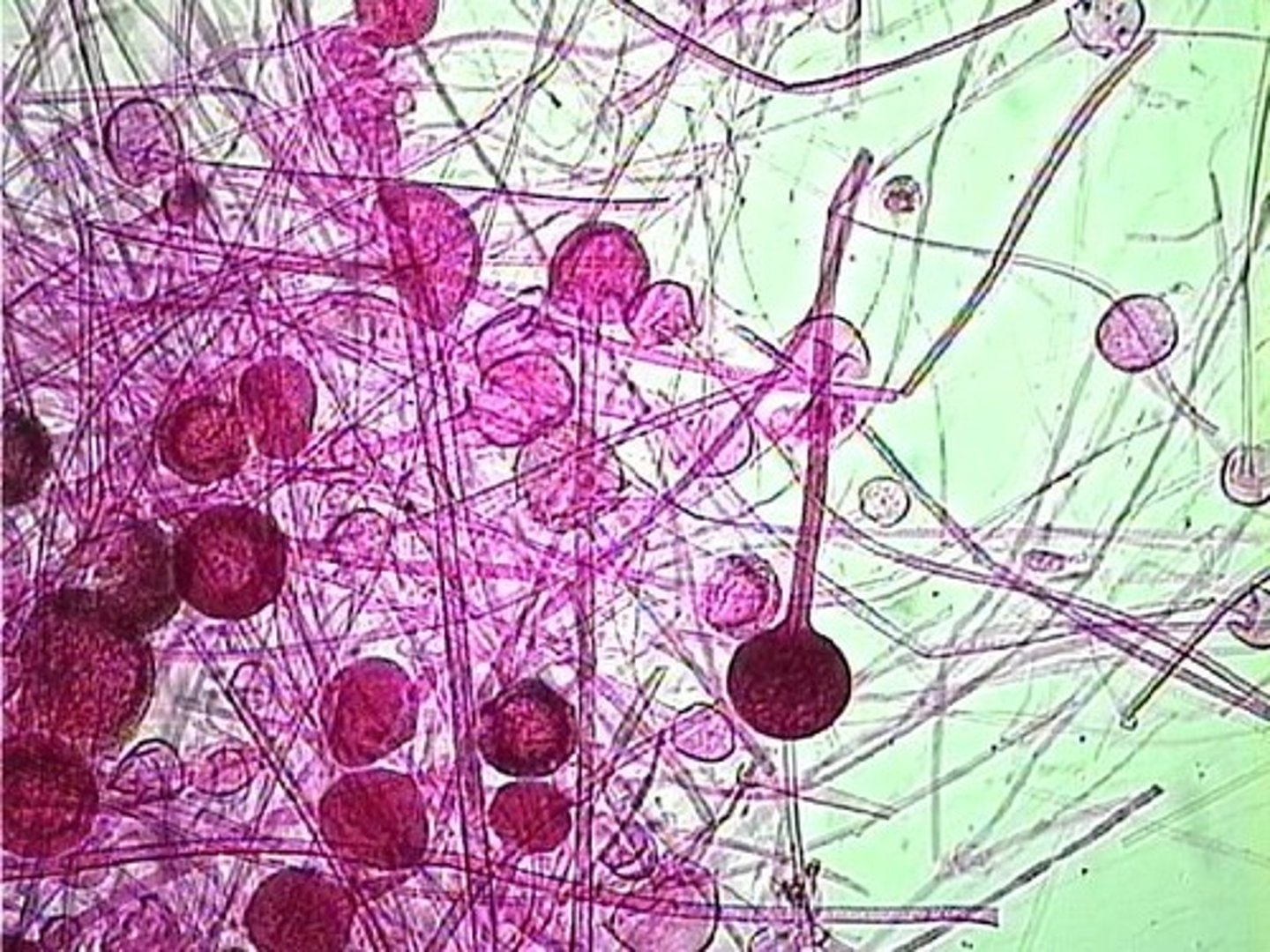
Rhizopus
any of various rot-causing fungi of the genus Rhizopus including black bread mold and an organic source of cortizone
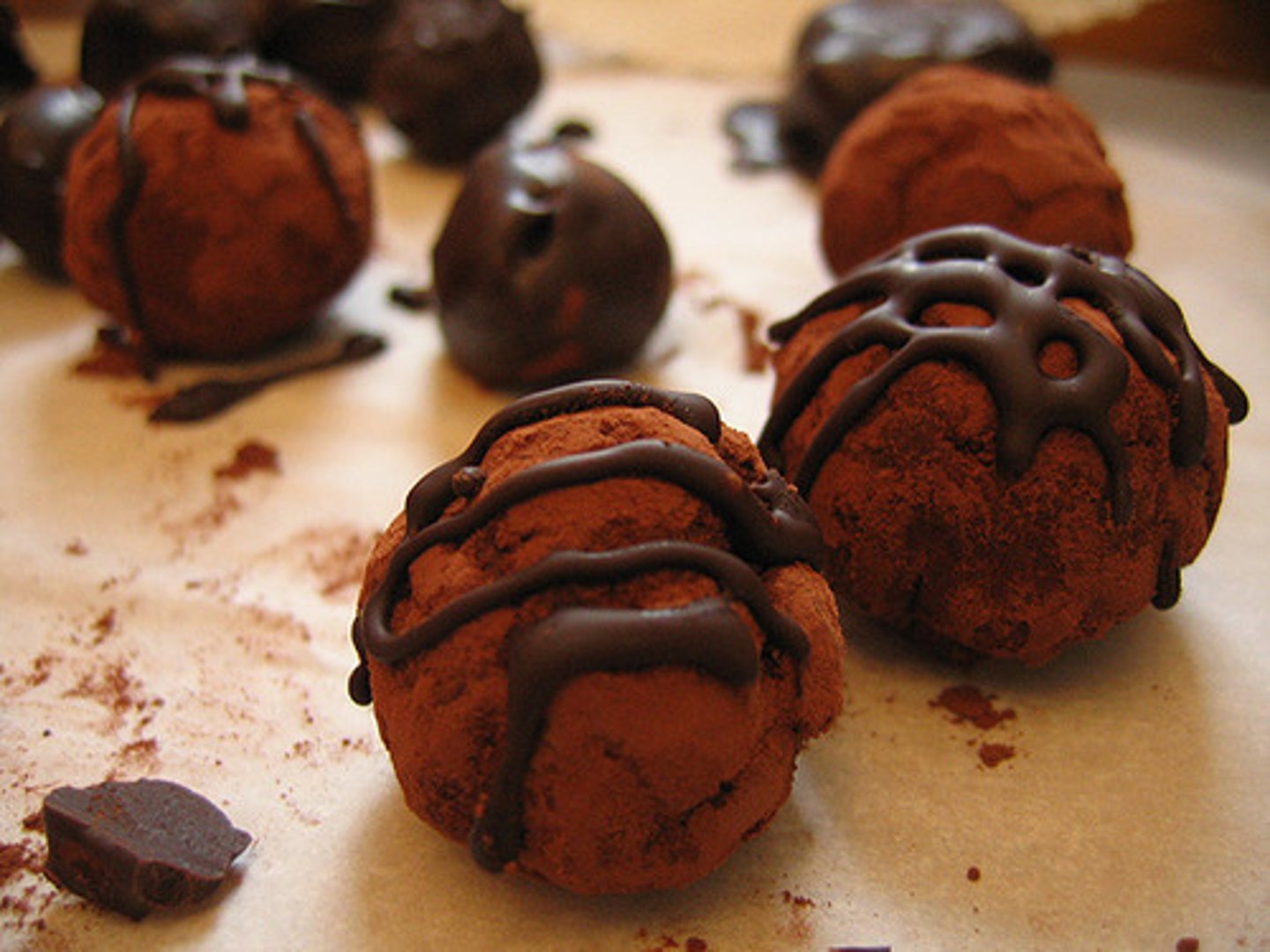
truffles
A strong-smelling underground fungus that resembles an irregular, rough-skinned potato, growing chiefly near the roots of broad-leaf plants. They are a culinary delicacy.
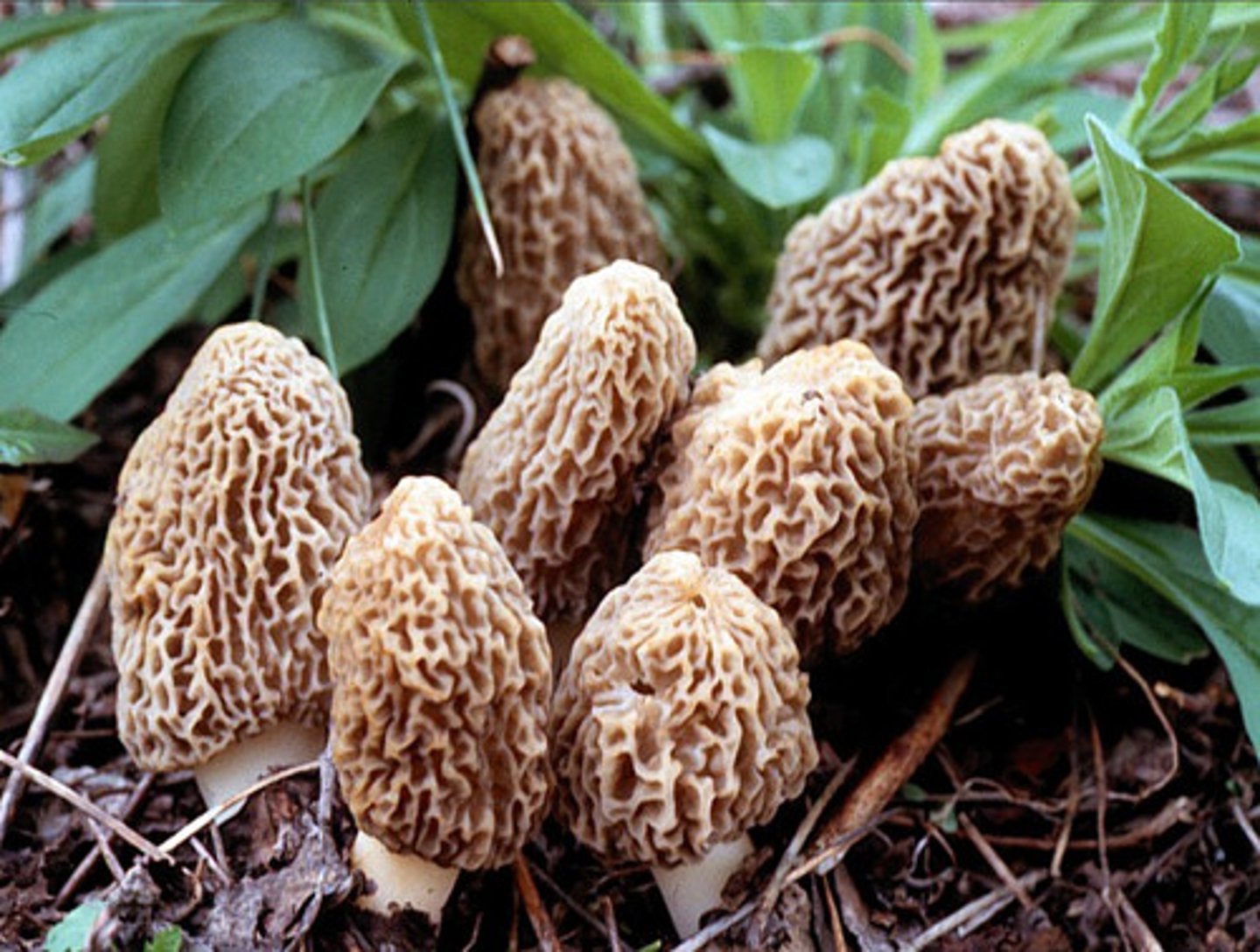
Morels
A widely distributed edible fungus that has a brown oval or pointed fruiting body with an irregular honeycombed surface bearing the spores.
 Note
Note  Flashcards (145)