Hydroponics
 Call Kai
 Learn
Learn Practice Test
 Spaced Repetition
 Match
Match Flashcards
 Knowt Play
1/16

There's no tags or description
Looks like no tags are added yet.
Name | Mastery | Learn | Test | Matching | Spaced | Call with Kai |
|---|
No analytics yet
Send a link to your students to track their progress
17 Terms
Hydroponics
The practice of growing plants without soil
Benefits of hydroponics
Preserves habitat
Protects species
Keeps biodiversity
No chemicals used
Water is re-used
Hydroponics limitations
High initial cost
Requires highly-trained labor
Short season crops and crops that do not produce large fruits ONLY
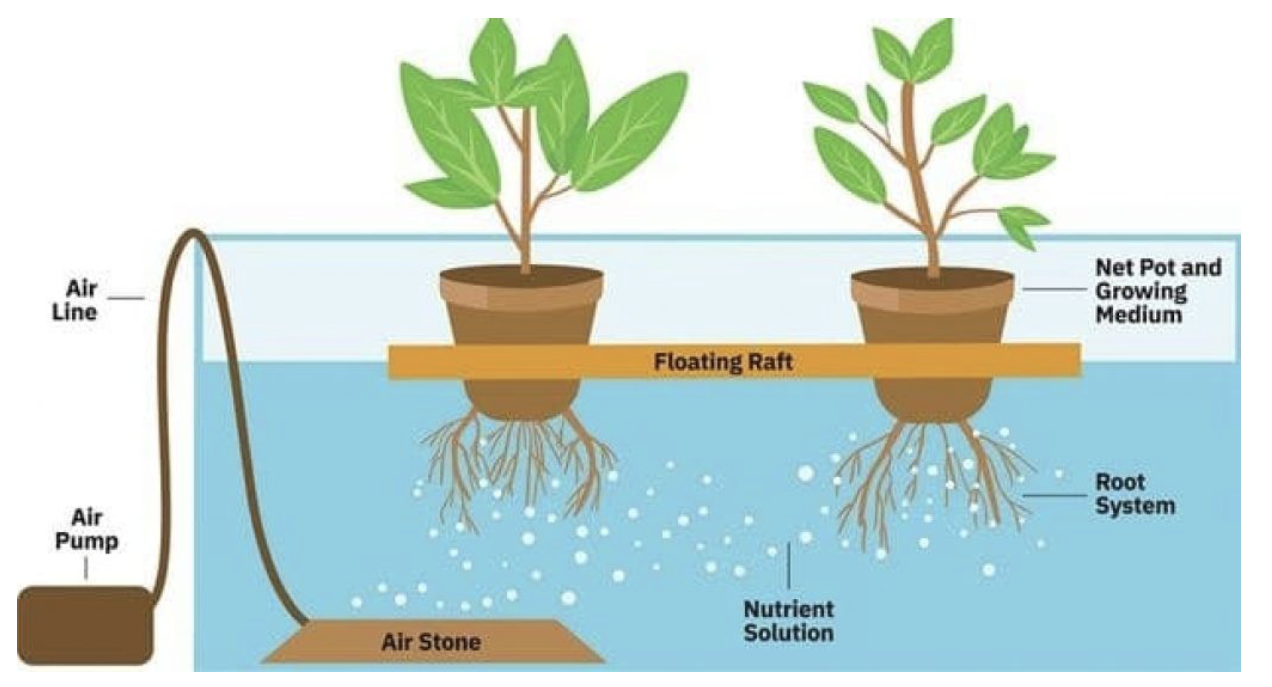
Deep water culture
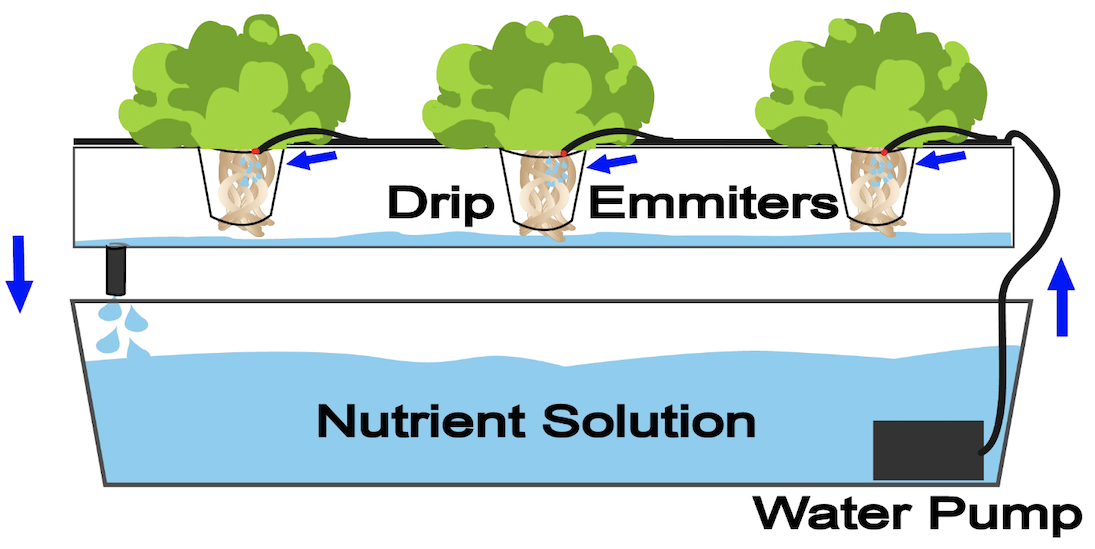
Drip method
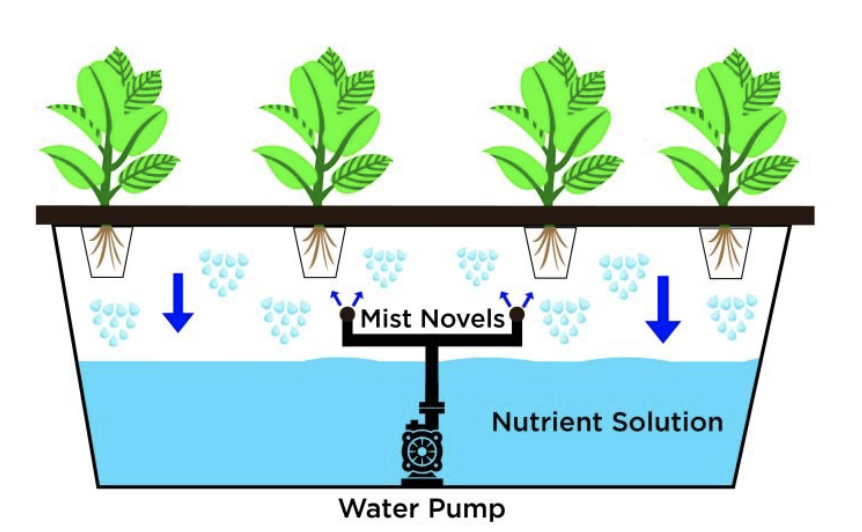
Aeroponics
Nutrient film technique
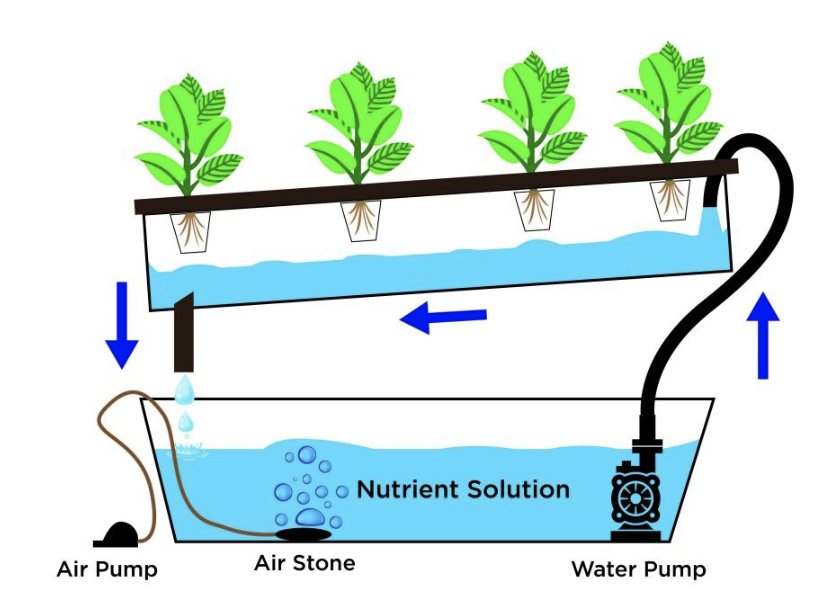
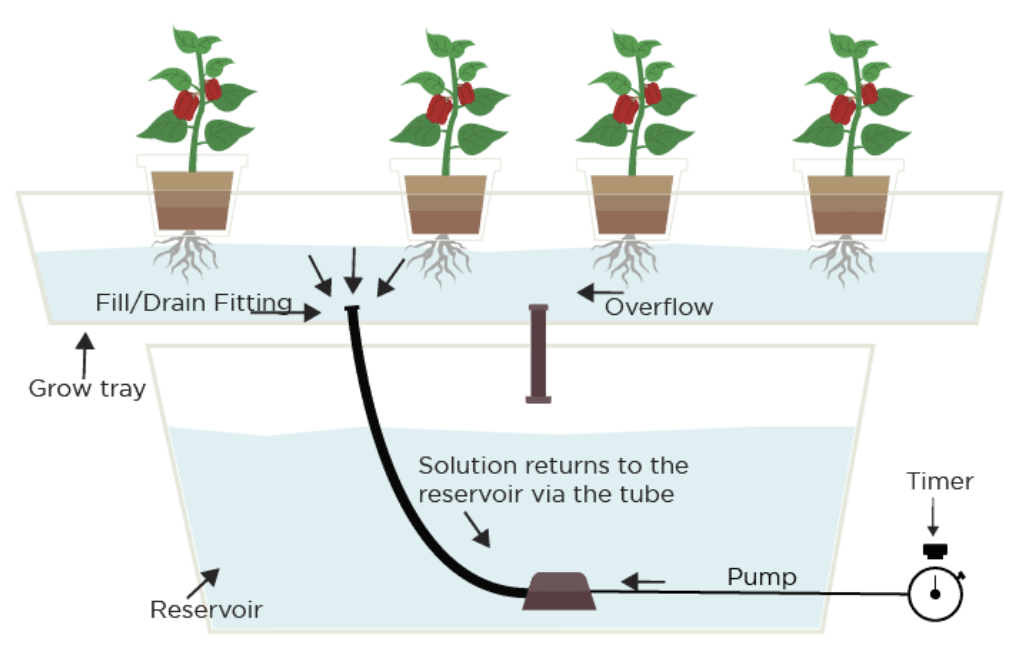
Ebb and flow
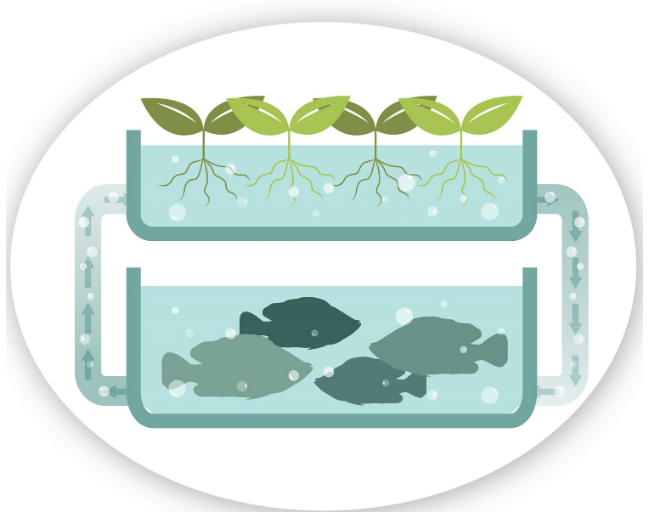
Aquaponics
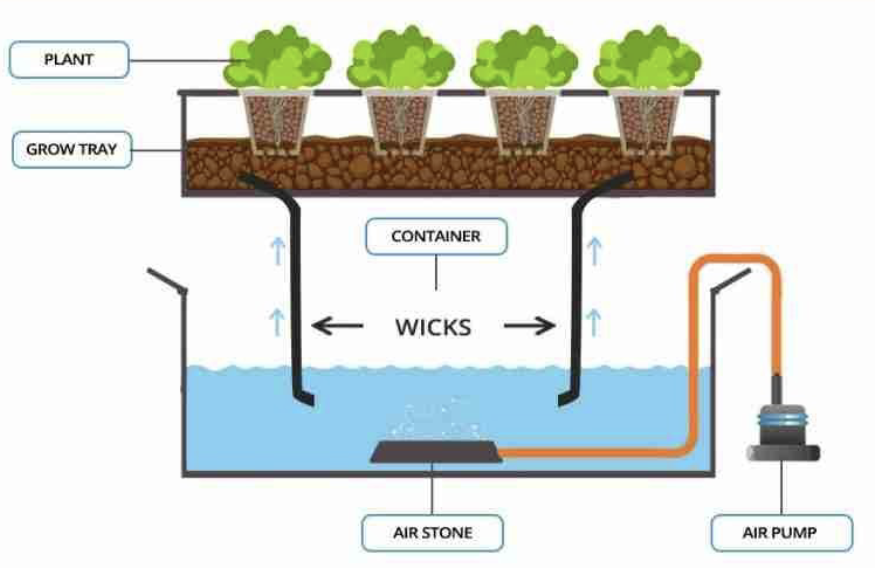
Wick system
Properties of substrates
Porosity
Capillarity
Oxygenation
Chemically inert
Biologically inter
Porosity
Influences nutrient availability for the plant to perform metabolic processes (respiration, transpiration, photosynthesis)
Capillarity
Through this, the substrate absorbs nutrients and distributes them to the plant’s roots
Oxygenation
The structure of the substrate must allow the intake of oxygen by the roots while these are in contact with the nutrient solution
Chemically inert
Substrate musth consist of materials unable to react with the chamicals in the nutrient solution to avoid any alteration in its composition
Biologically inert
Because the nutrient solution circulates among the high root density of several plants, diseases can spread rapidly from one to another if corrective actions are not applied immediately. Therefore, the substrate must not favor any biological activity since micro-organisms may have a detrimental effect on crops, like diseases, malnutrition, and other consequences
Sand
Perlite
Vermiculite
Rockwood
Coconut fiber
Peat moss
Pumice
Materials used as substrates in hydroponics

