1.2.1, 1.2.2, 1.2.3 demand + supply
 Call Kai
 Learn
Learn Practice Test
 Spaced Repetition
 Match
Match Flashcards
 Knowt Play
1/10

There's no tags or description
Looks like no tags are added yet.
Name | Mastery | Learn | Test | Matching | Spaced | Call with Kai |
|---|
No analytics yet
Send a link to your students to track their progress
11 Terms
demand (or effective demand) definition
the quantity that customers are willing and able to buy at a given price in a given period of time
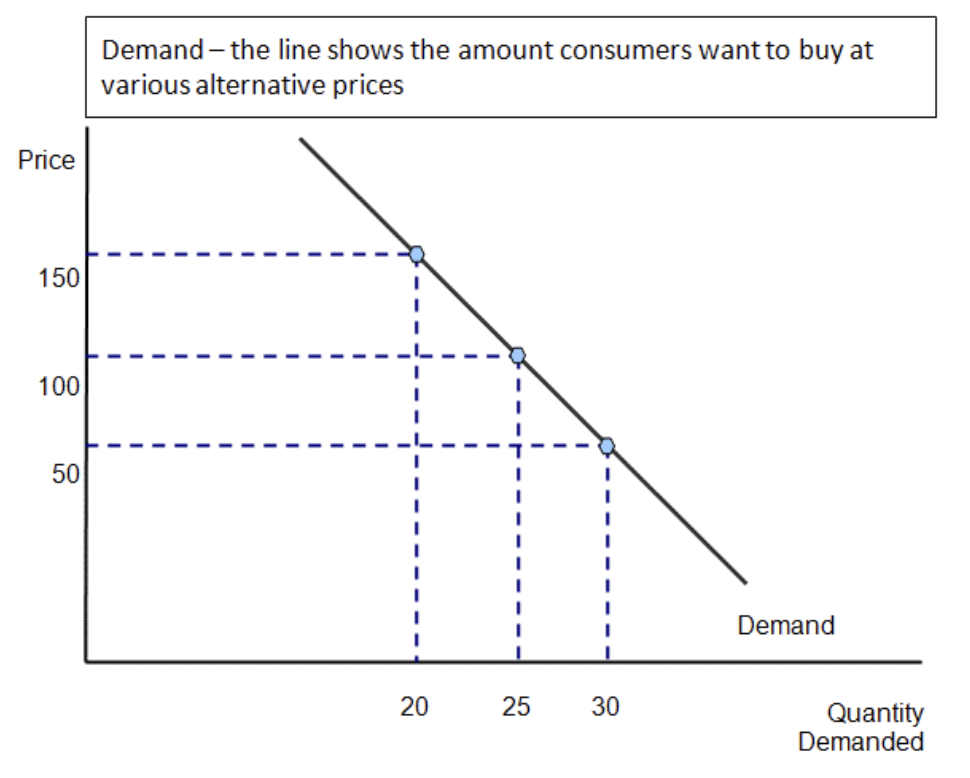
the basic law of demand
that demand varies inversely with price – lower prices make products more affordable for customers.
the two types of effects of a price change
income + substitutional
income effects of a price change
A fall in price increases the purchasing power of customers
This allows customers to buy more with a given budget
For normal goods, demand rises with an increase in incomes
substitution effects of a price change
A fall in the price of good X makes it relatively cheaper compared to substitutes
Some customers will switch to good X leading to higher demand
Much depends on whether products are close substitutes
non-price factors that could increase/decrease demands for products/services
Competitions (substitution products)
Prices of contemporary products (a products that is used together with another products)
changes to consumer income
trends in consumer fashion - tastes and preferences changes
advertising and branding
supply definition
the amount producers are willing and able to produce at a given price in a given time period.
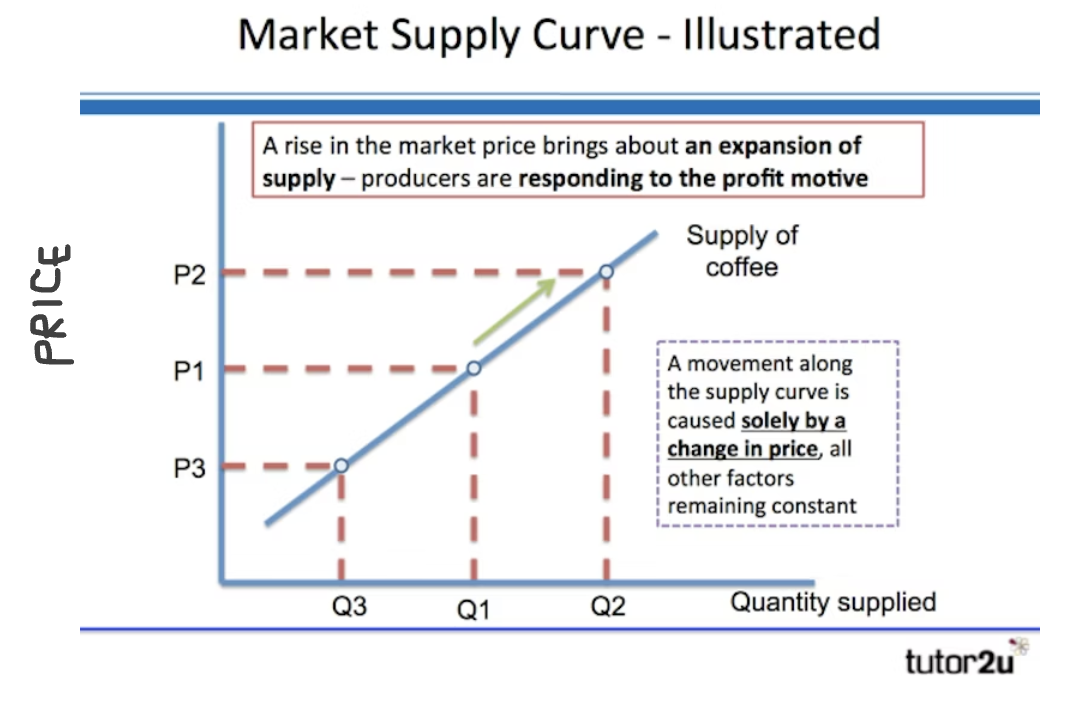
market supply curve
The higher the price, the more producers are willing to supply — because profits increase
non-price factors that affect demand
A rise in cost of production
New technology is introduced for production
Indirect taxes (e.g., VAT) are increased
External shocks (e.g., pandemic, a surge in oil prices) take place
the market equilibrium definition
this is when the supply in a market is equal to the demand
summary of changes in equilibrium prices
Demand increases
price: Higher, quantity: Higher
Demand decreases
price: Lower, quantity: Lower
Supply increases
price: Lower, quantity: Higher
Supply decreases
price: Higher, quantity: Lower

