Lab - Arteries and veins
 Call Kai
 Learn
Learn Practice Test
 Spaced Repetition
 Match
Match Flashcards
 Knowt Play
1/100

There's no tags or description
Looks like no tags are added yet.
Name | Mastery | Learn | Test | Matching | Spaced | Call with Kai |
|---|
No analytics yet
Send a link to your students to track their progress
101 Terms
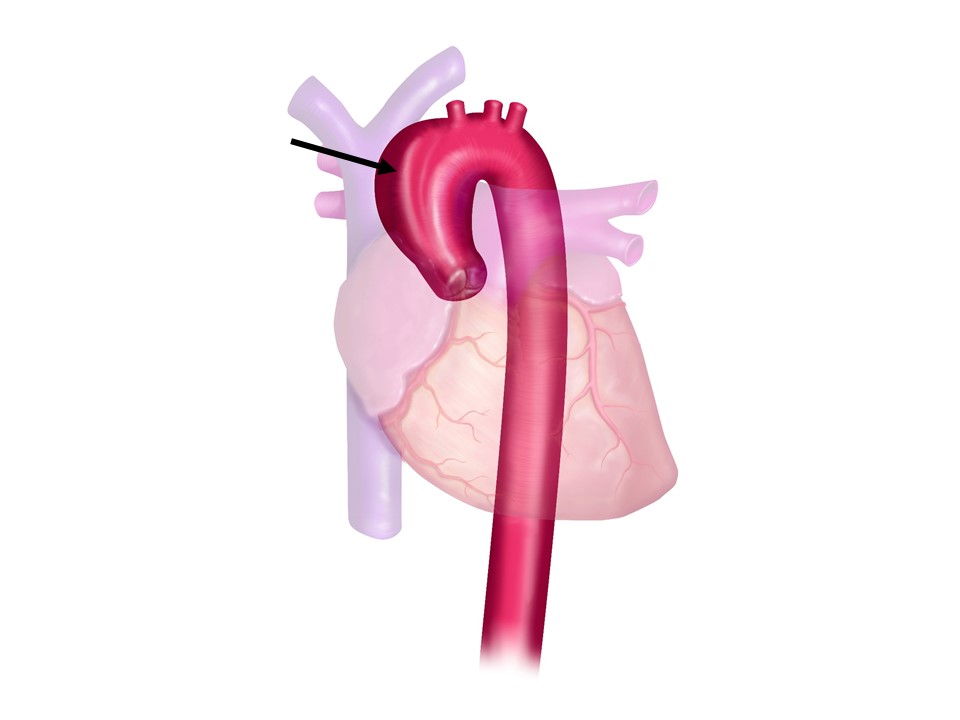
Ascending aorta
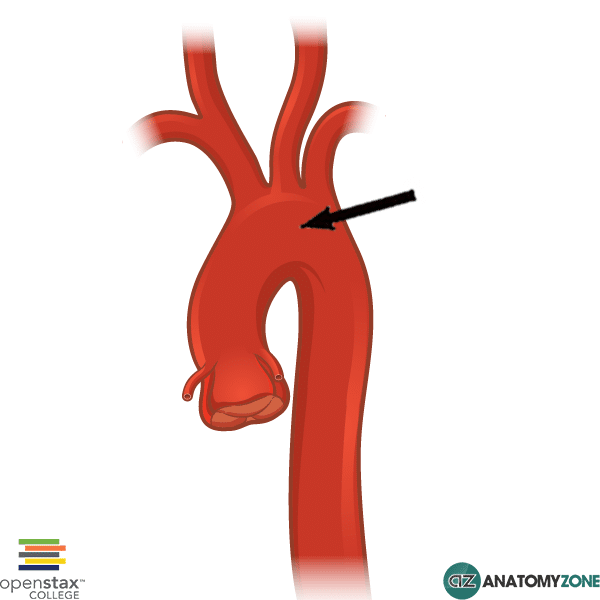
aortic arch
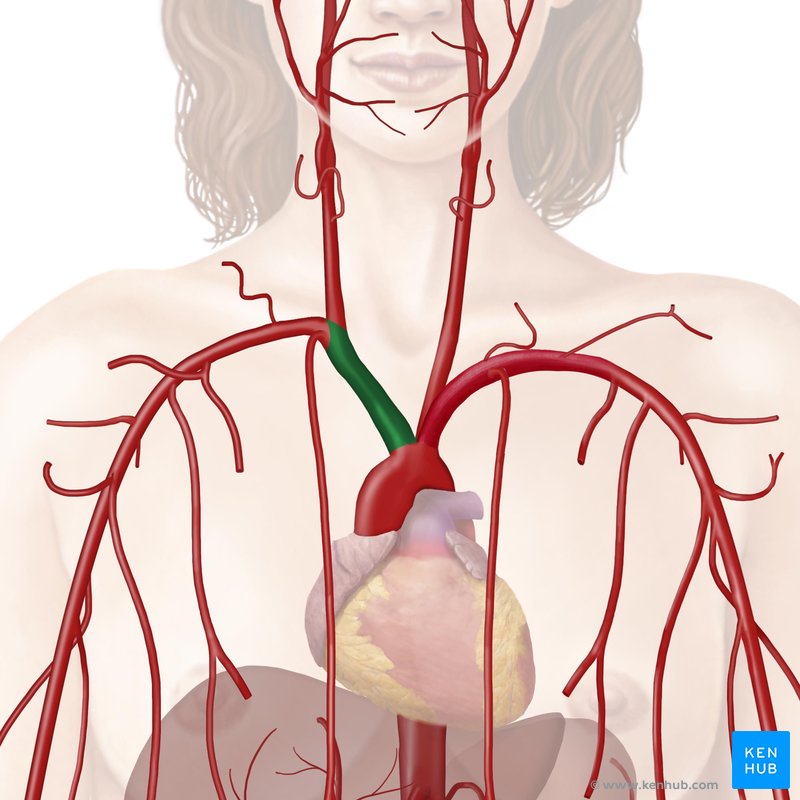
brachiocephalic trunk
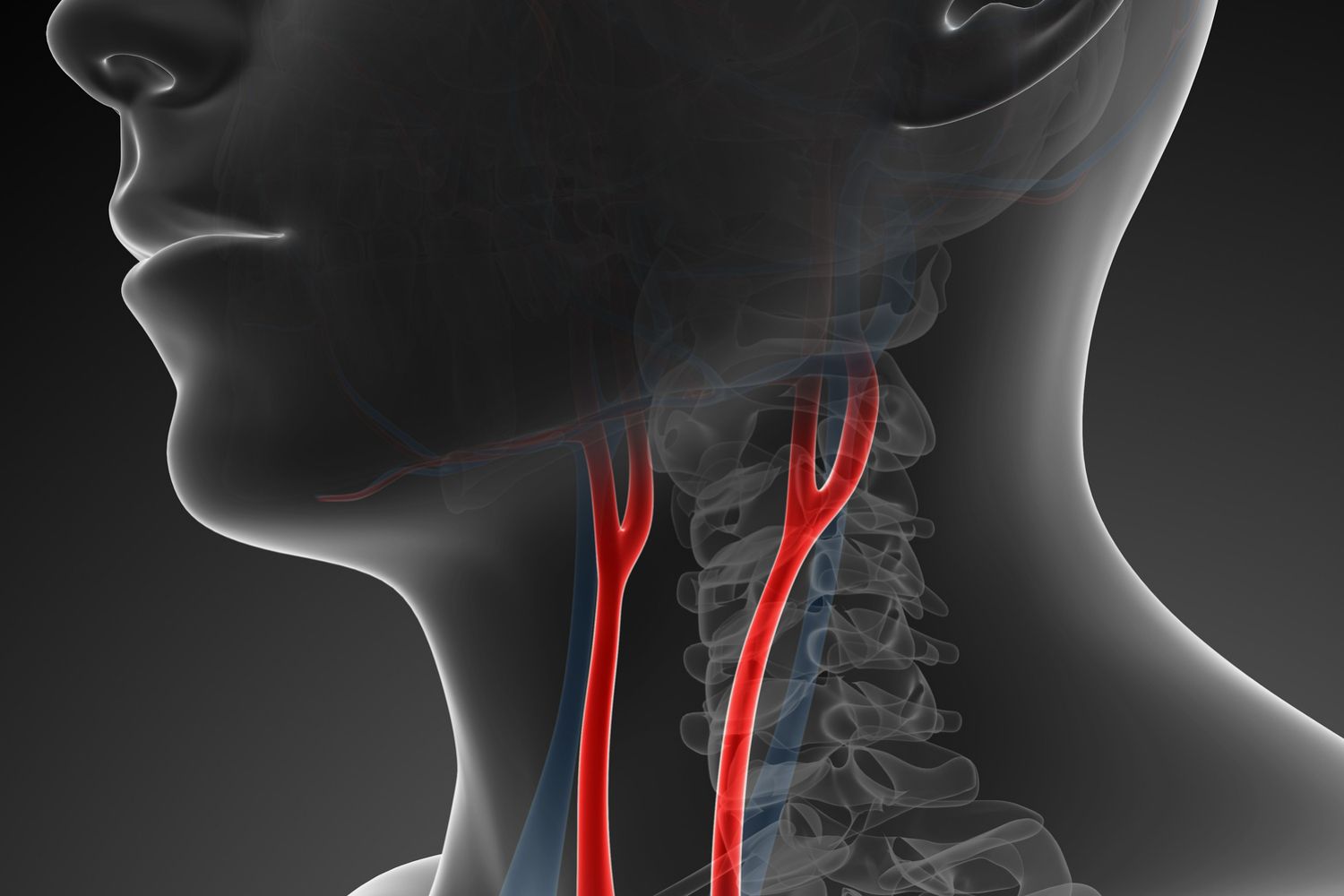
common carotid arteries
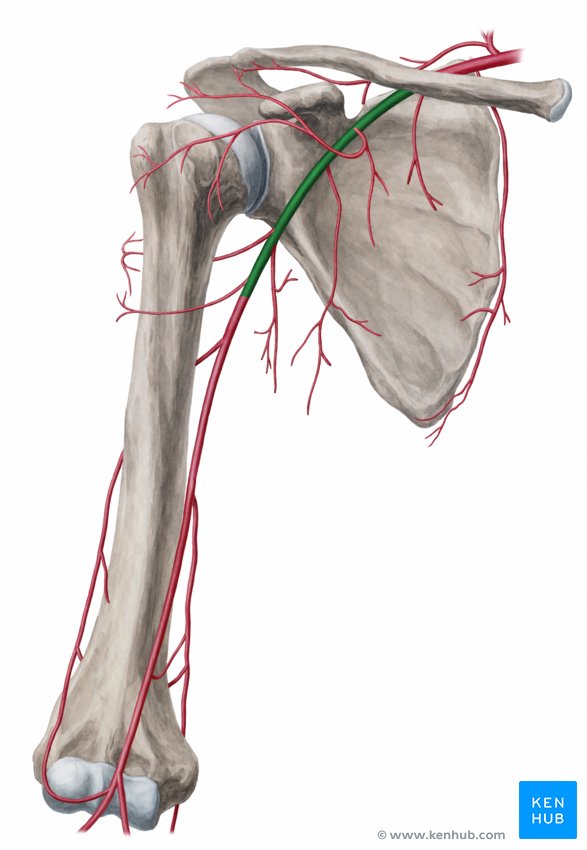
axillary artery
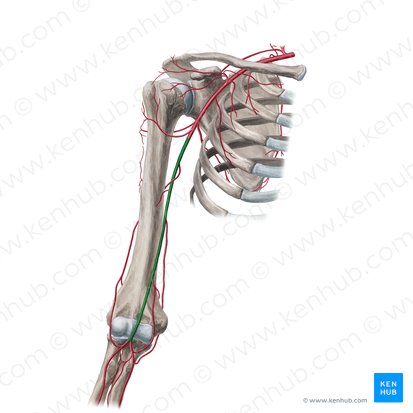
brachial artery
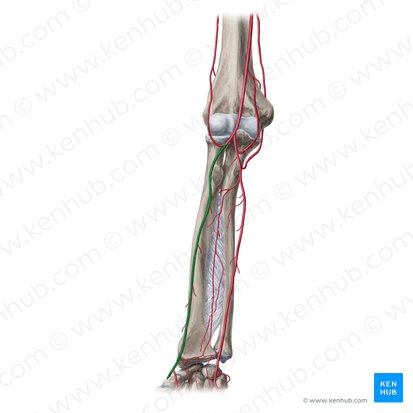
Radial artery
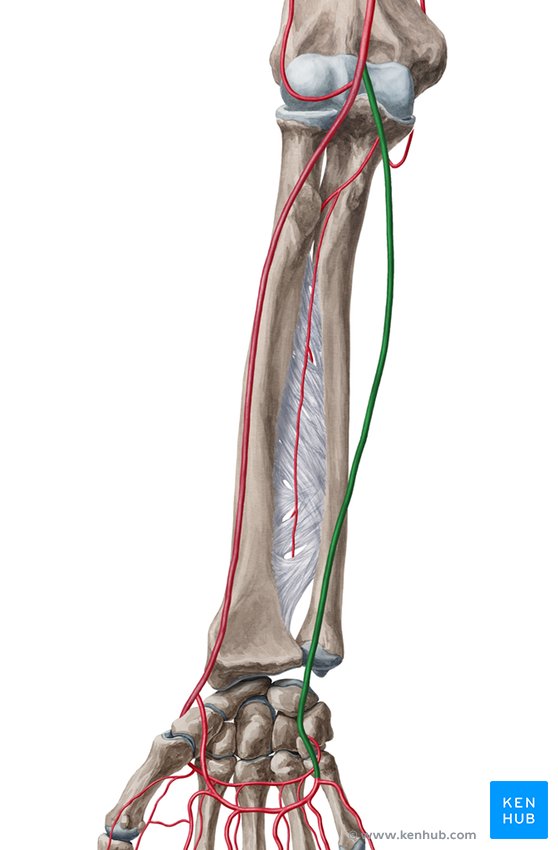
ulnar artery
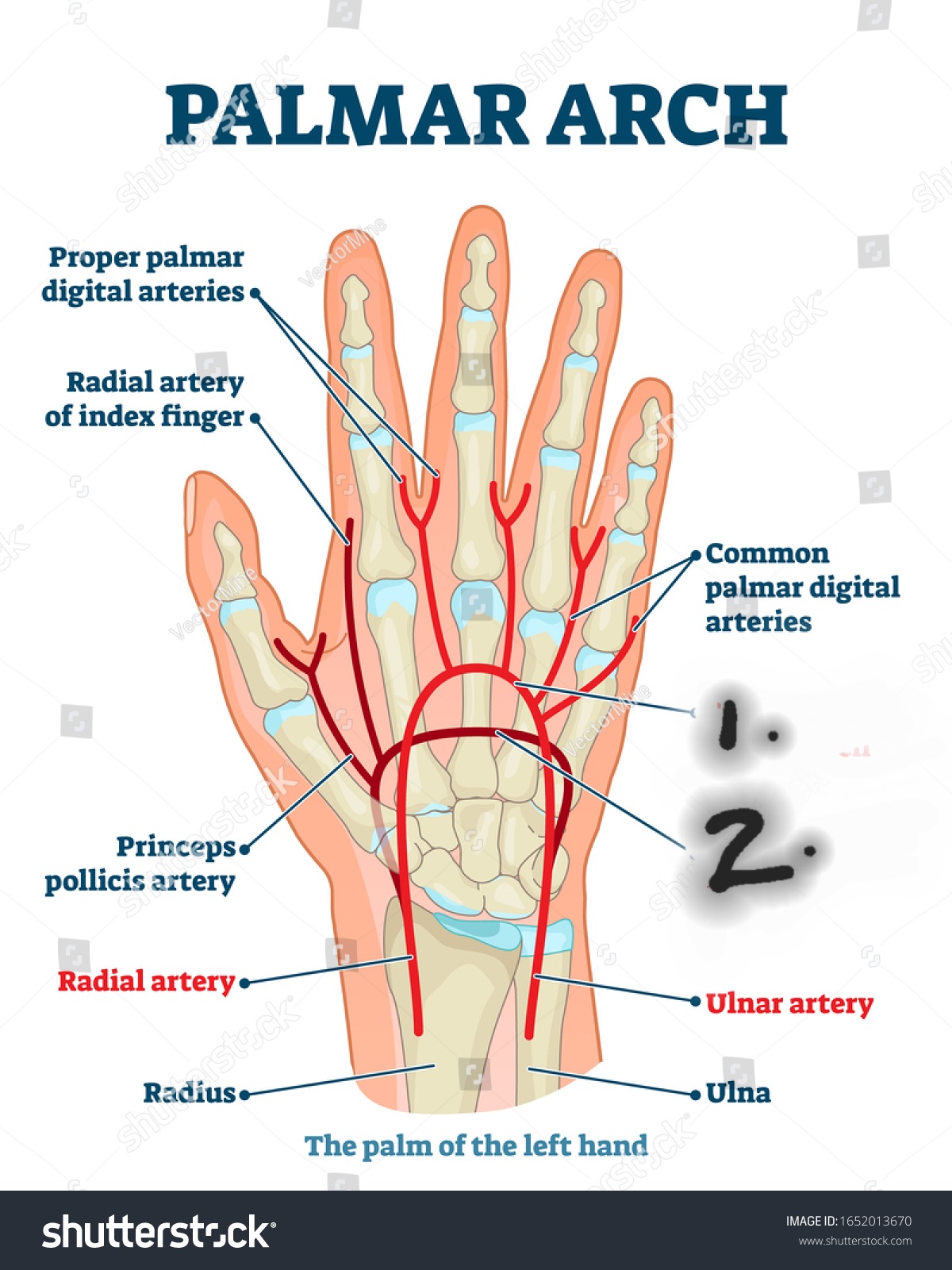
Name one and two
Palmar arches (one superficial palmar arch and two deep palmar arch)
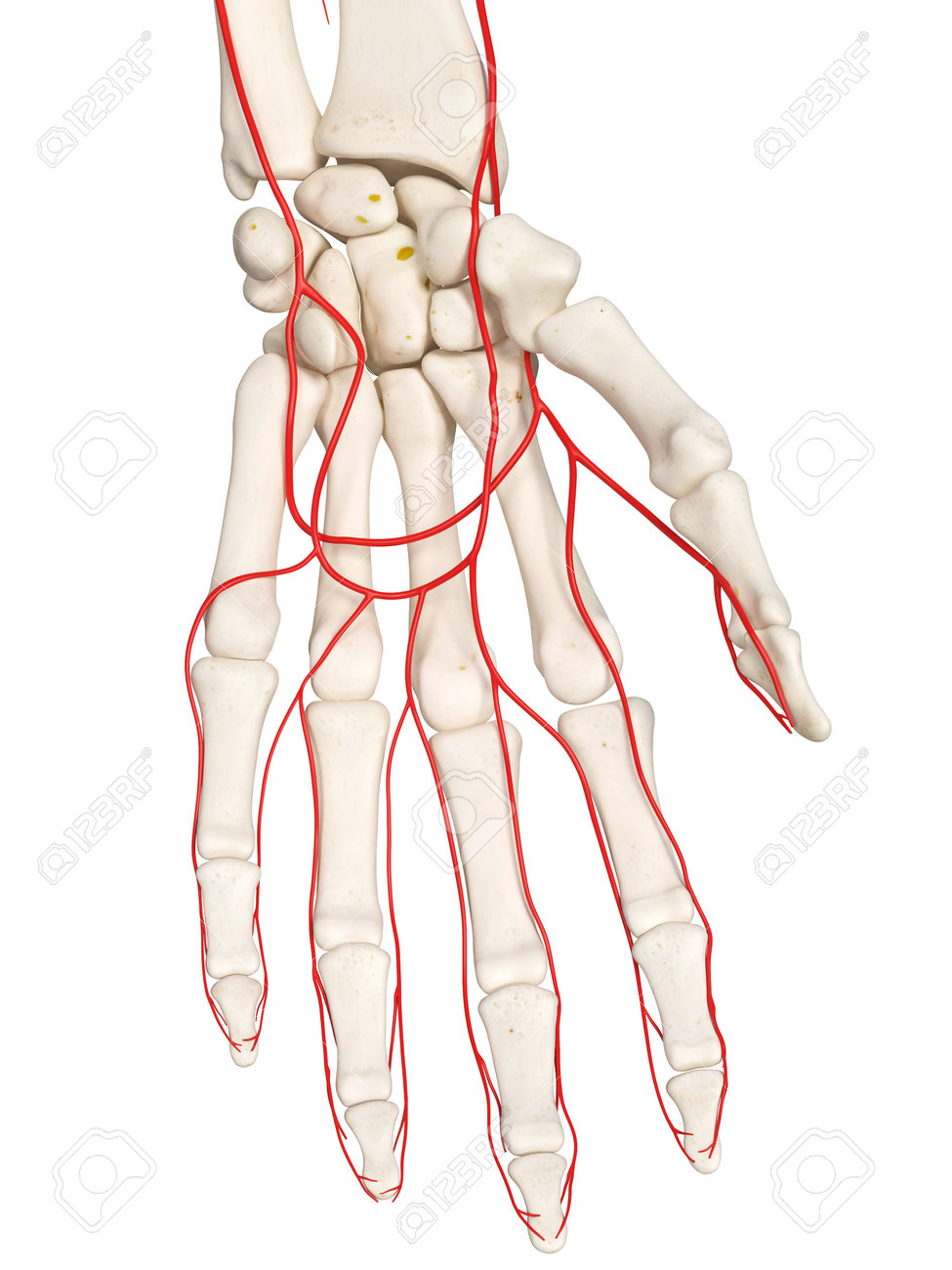
digital arteries
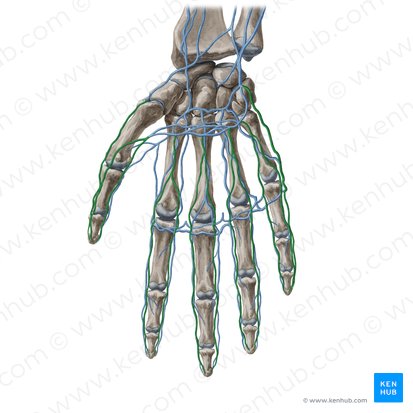
digital veins
IMAGINE IT IN BLUE!!!
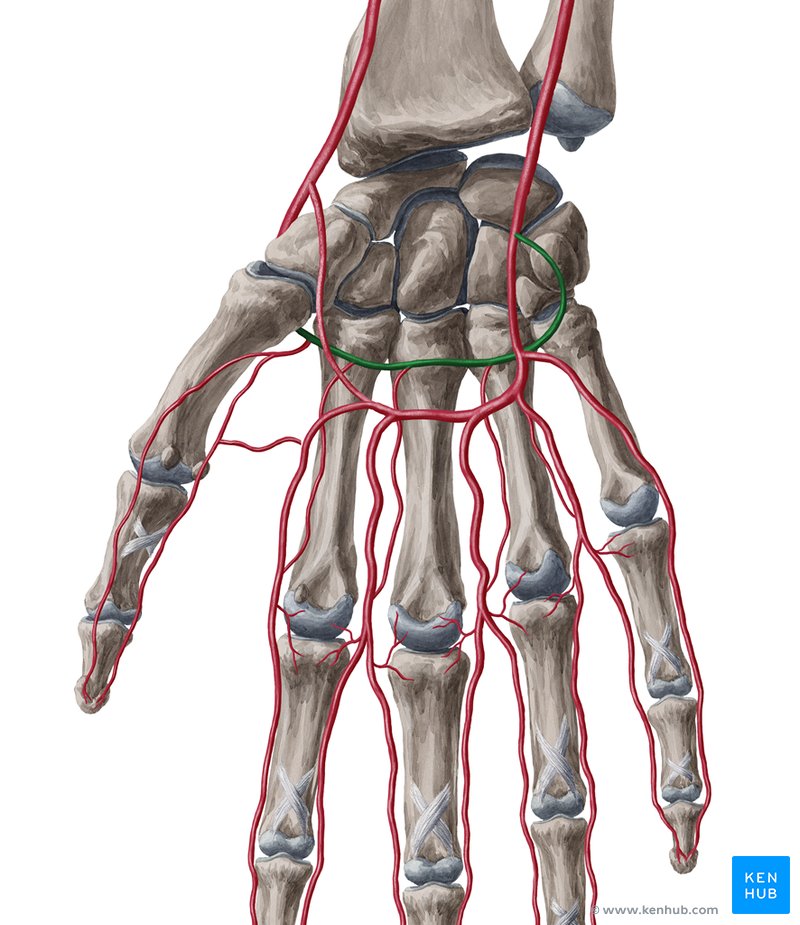
palmar venous arches (superficial and deep)
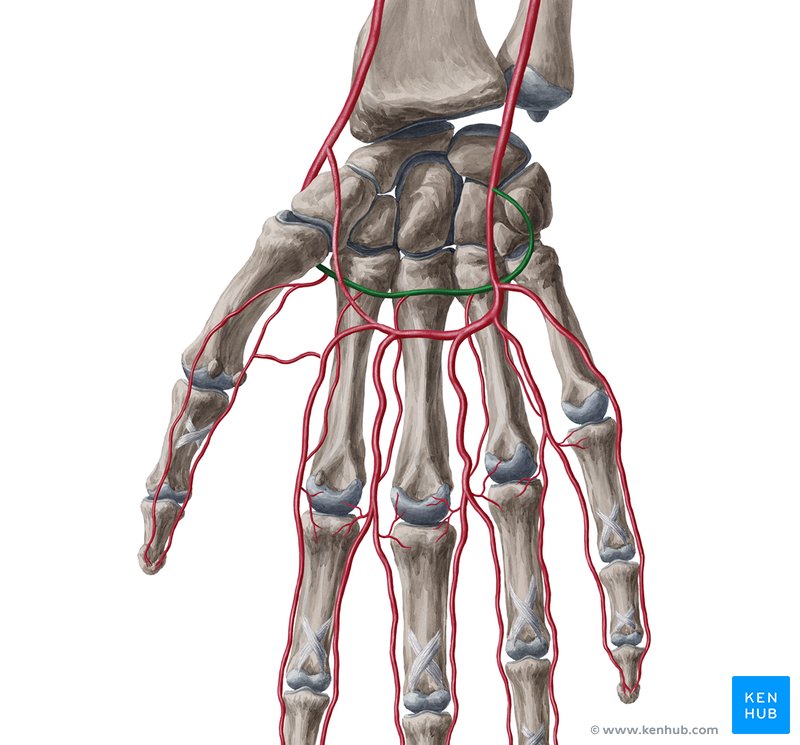
deep palmar arch
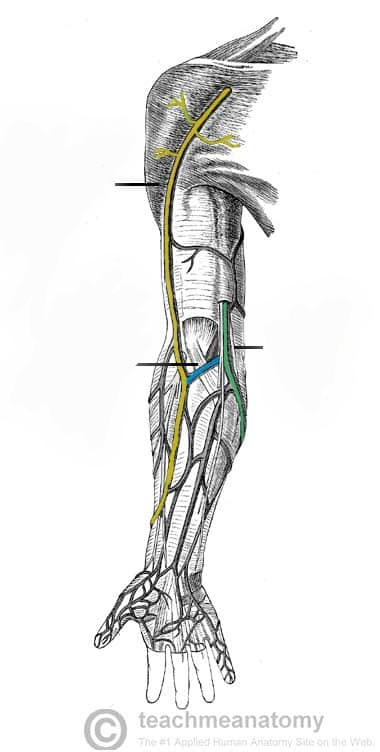
What is the blue one called?
Median cubital vein
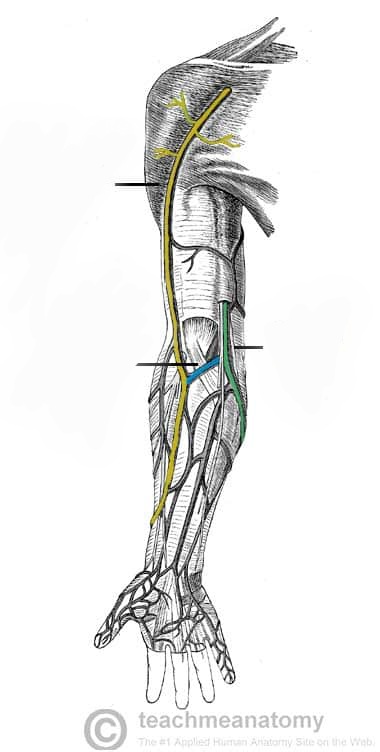
What is the green vein called?
Basilic vein
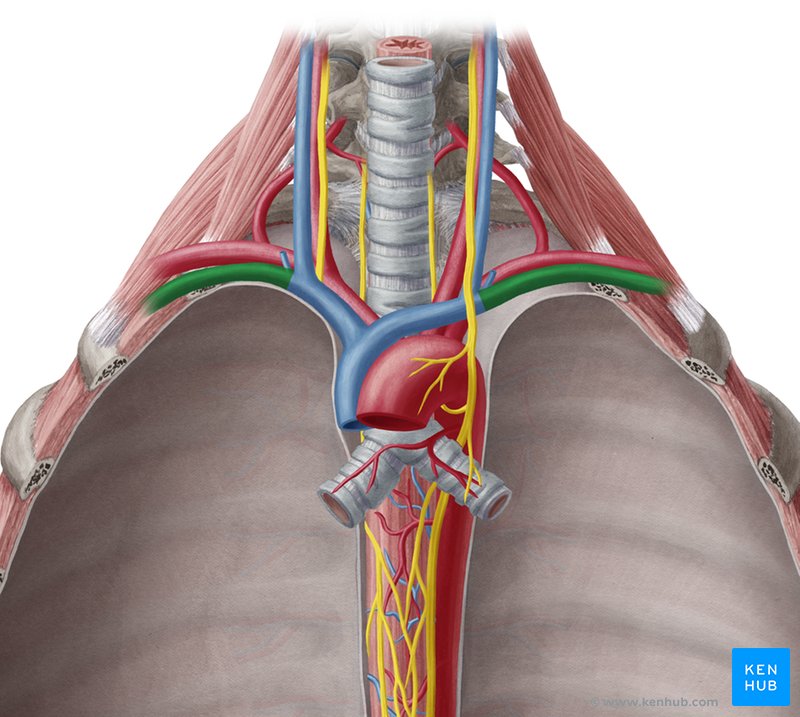
subclavian vein
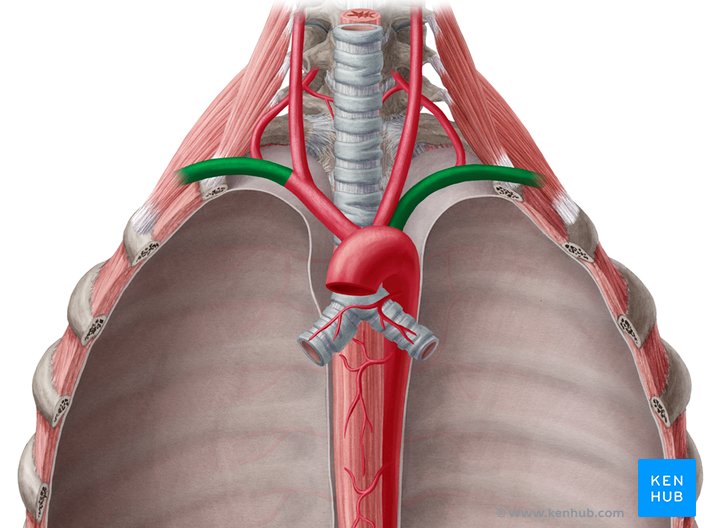
Subclavian arteries
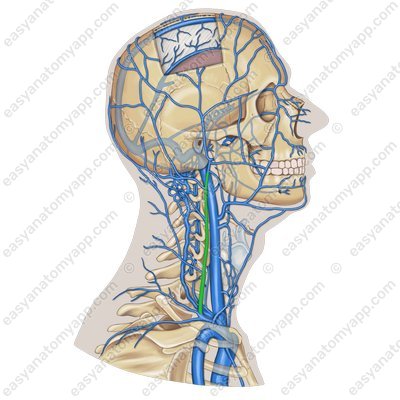
external jugular vein
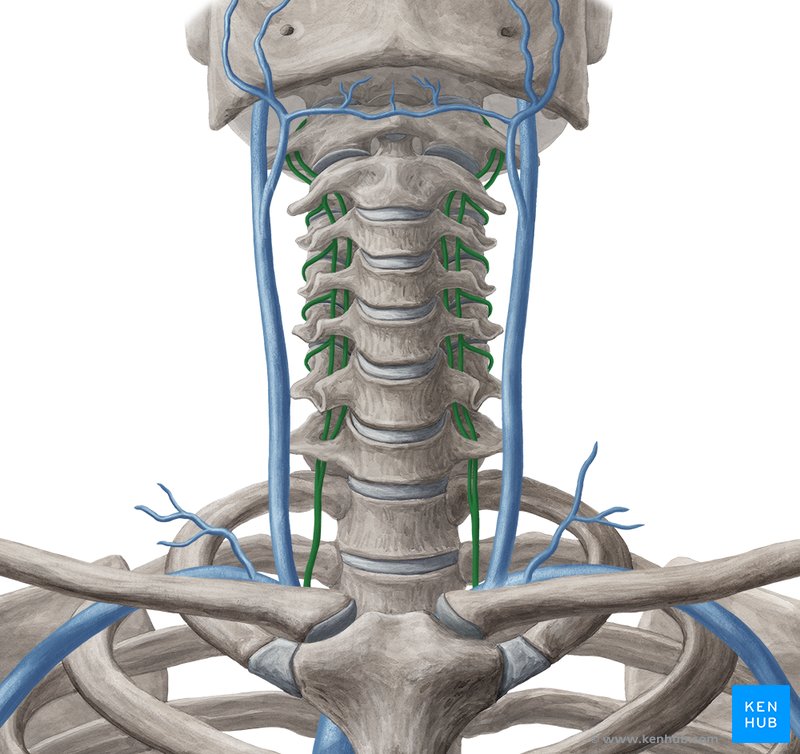
vertebral Jugular vein
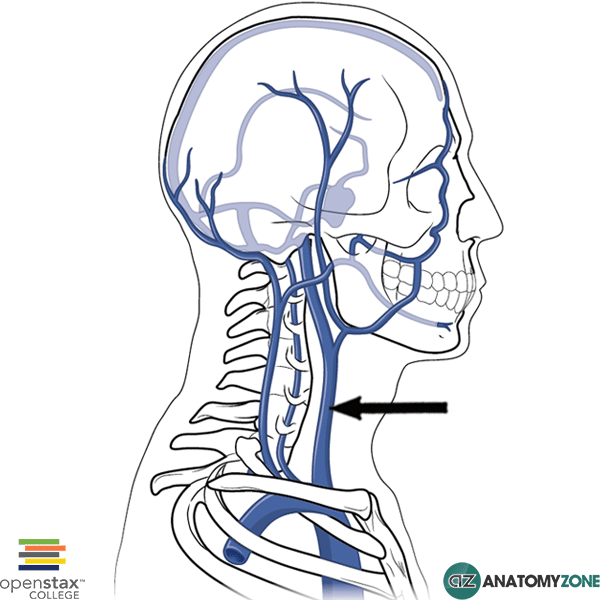
internal jugular vein
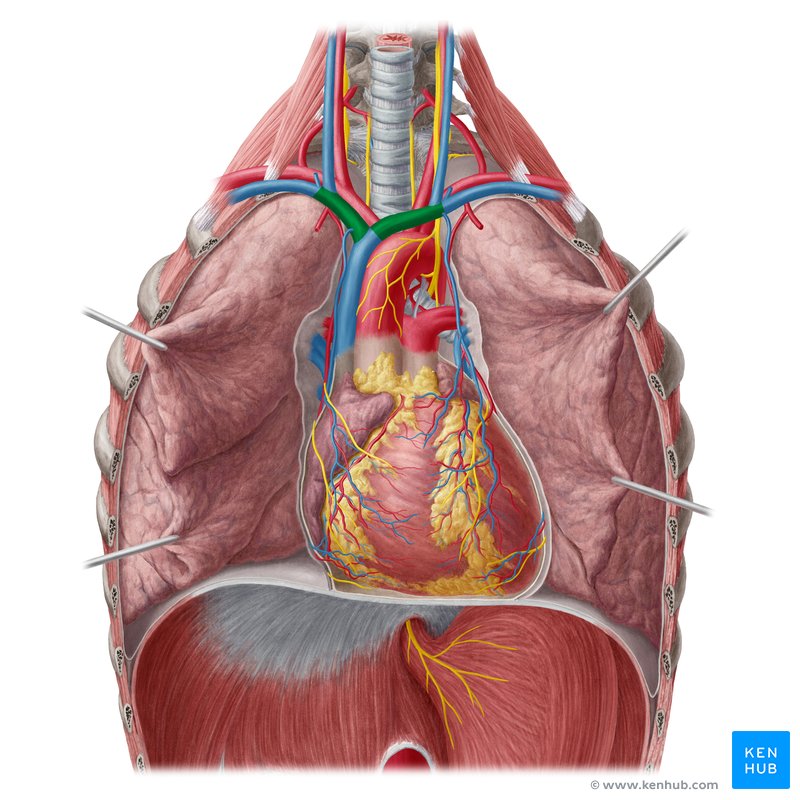
brachiocephalic vein
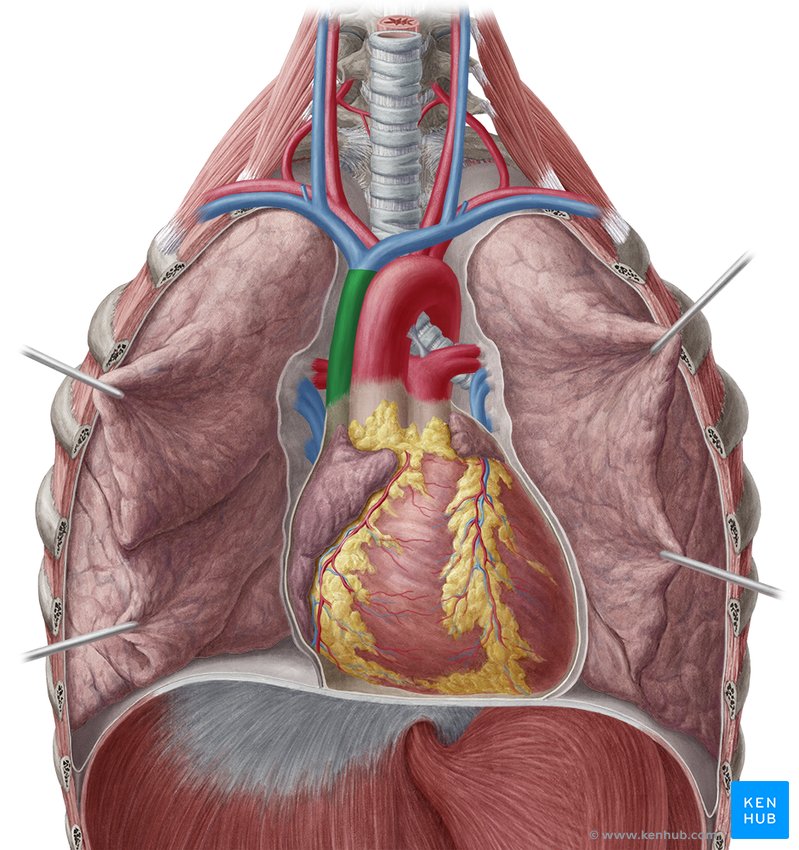
superior vena cava
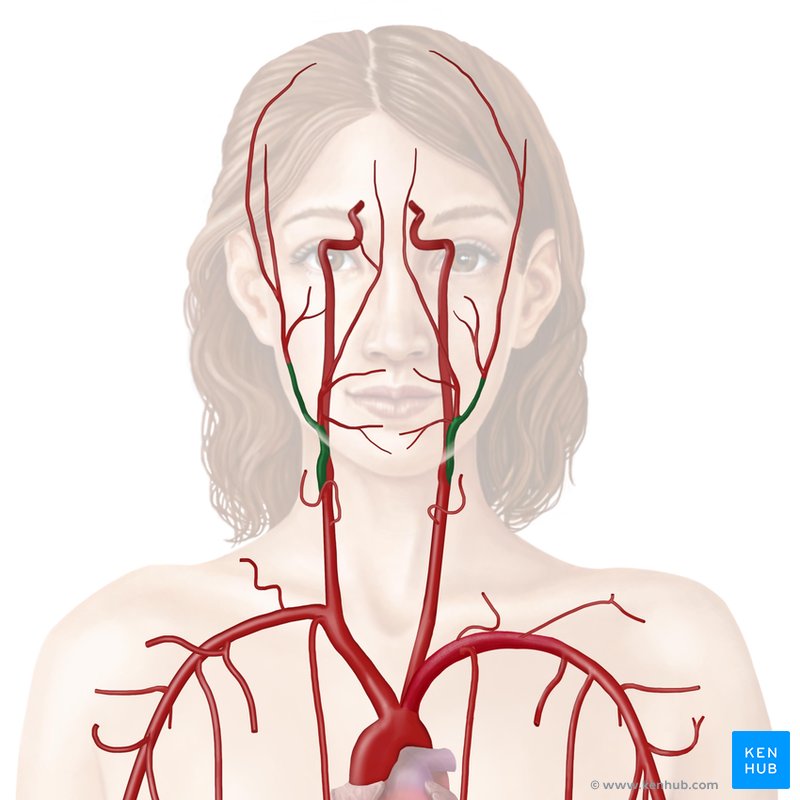
external carotid artery
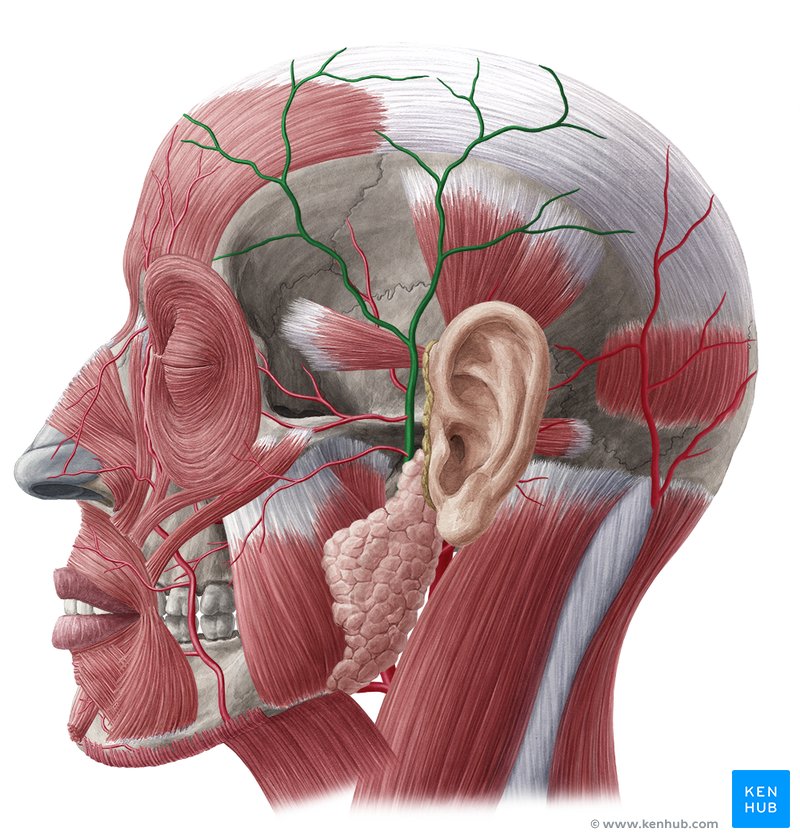
(superficial) temporal artery
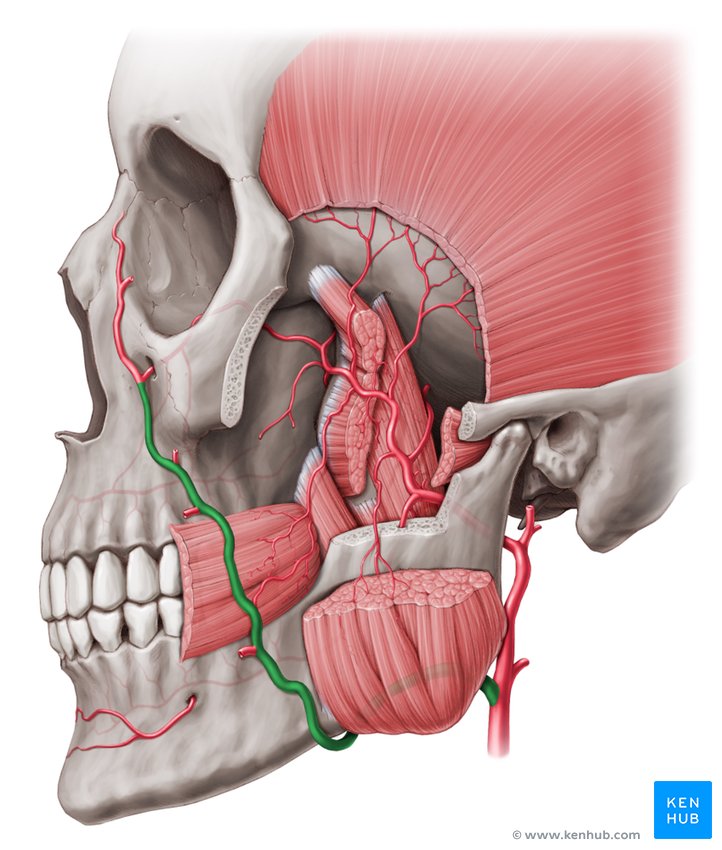
facial artery
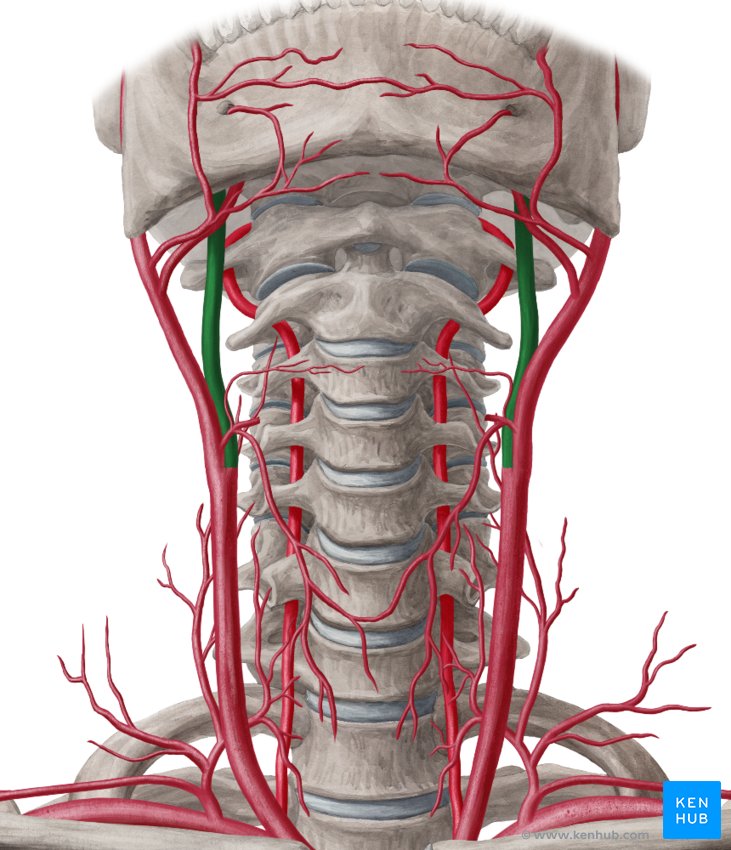
internal carotid artery
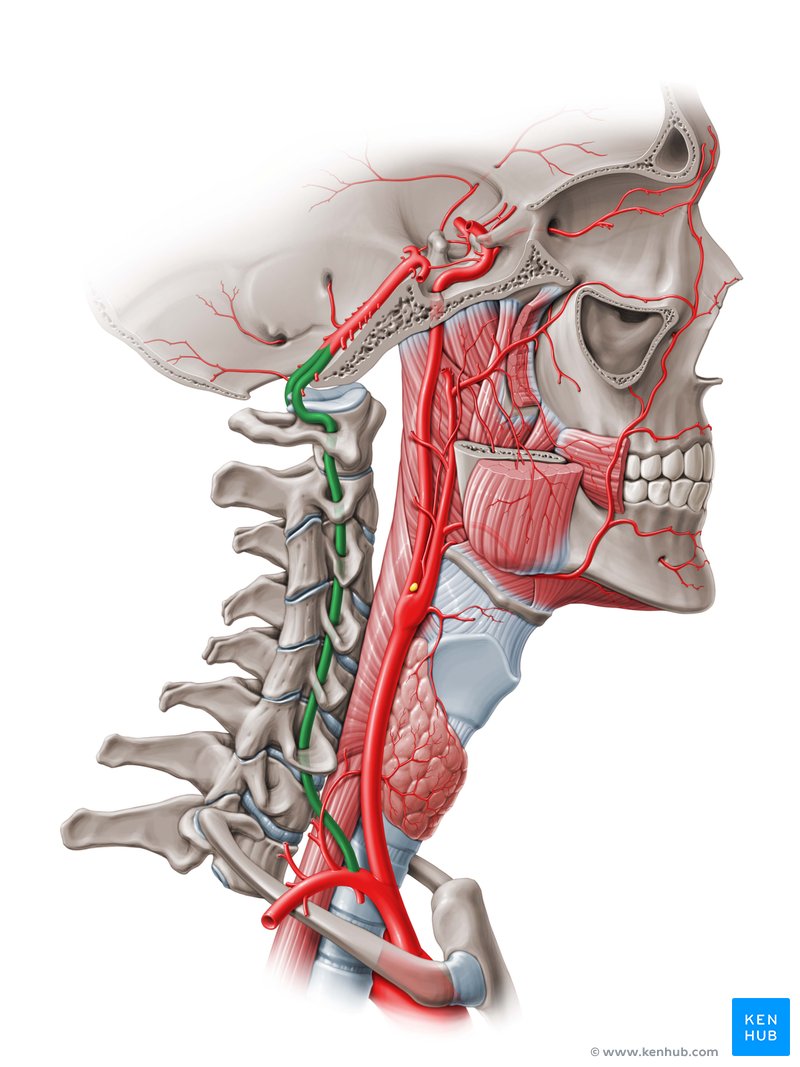
vertebral artery
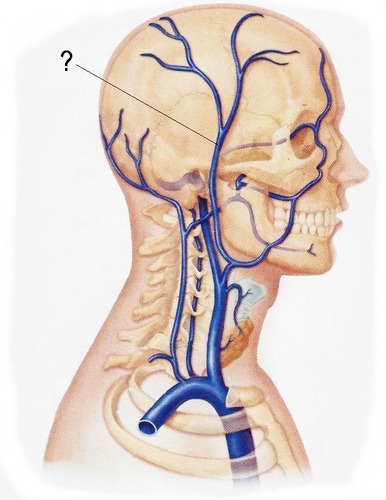
(superficial) temporal vein
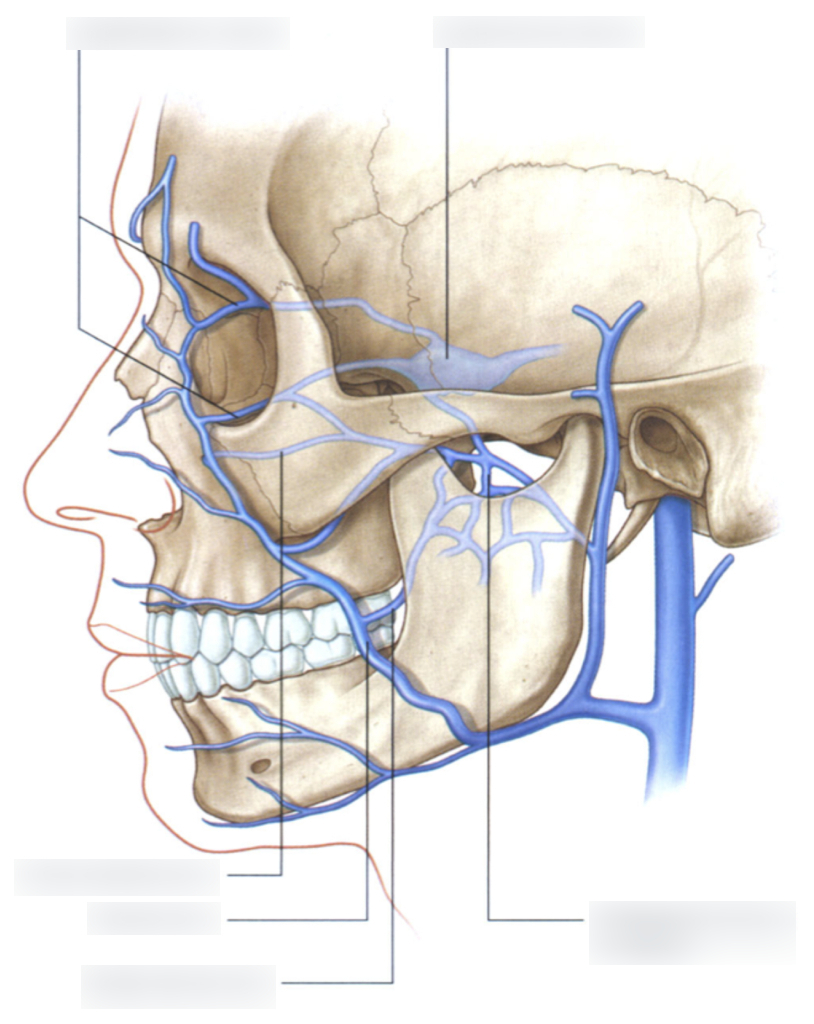
facial vein
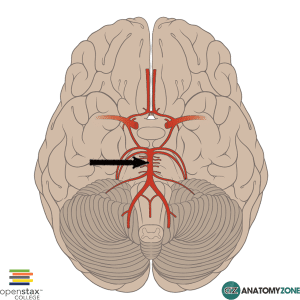
basilar artery
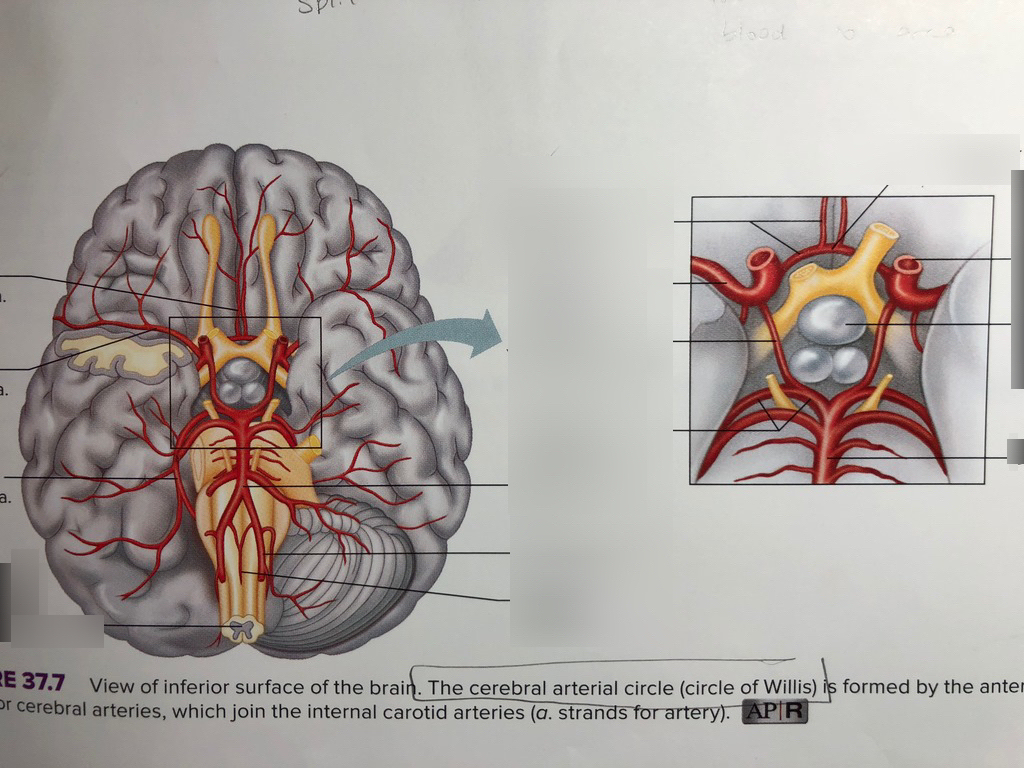
Cerebral Arterial Circle
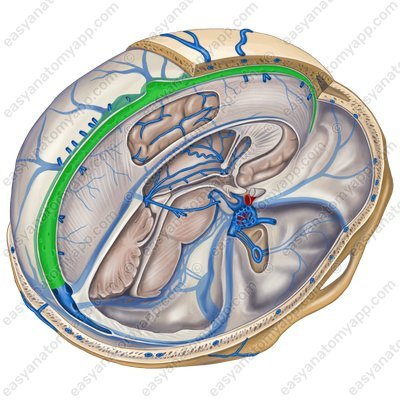
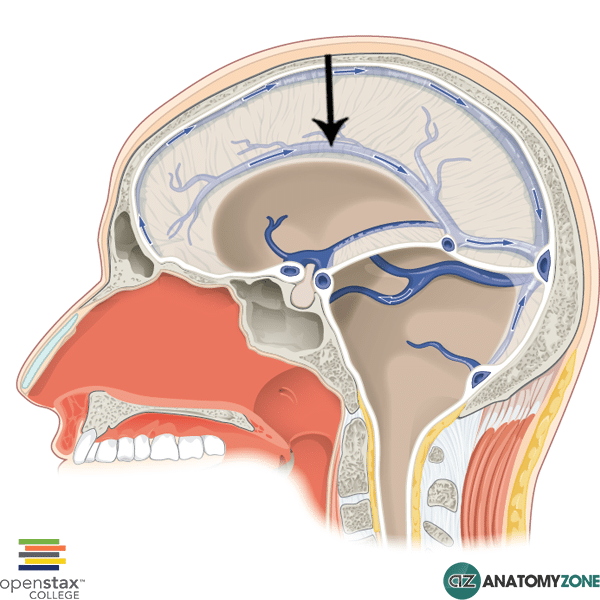
superior sagittal sinus
inferior sagittal sinus
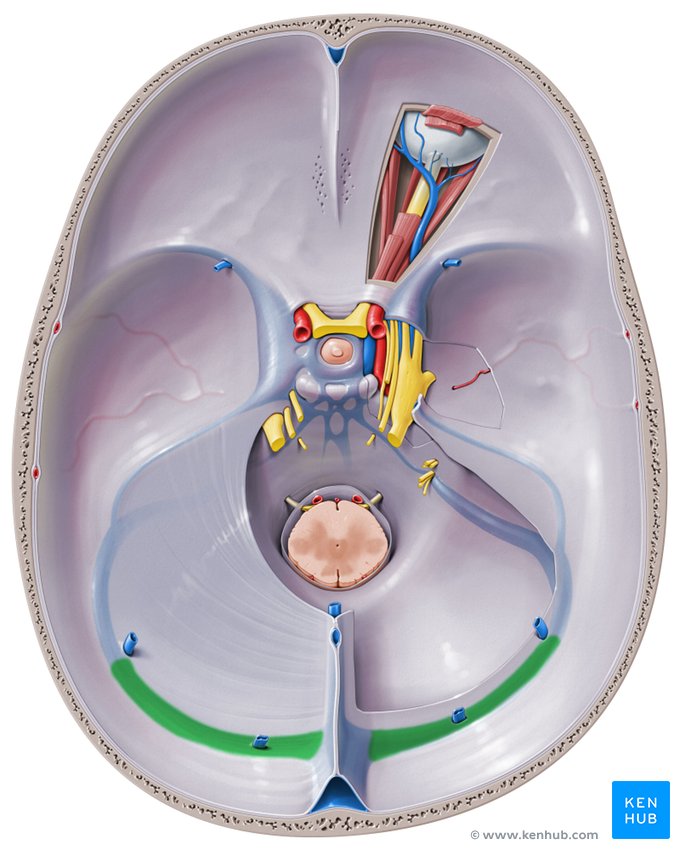
transverse sinus
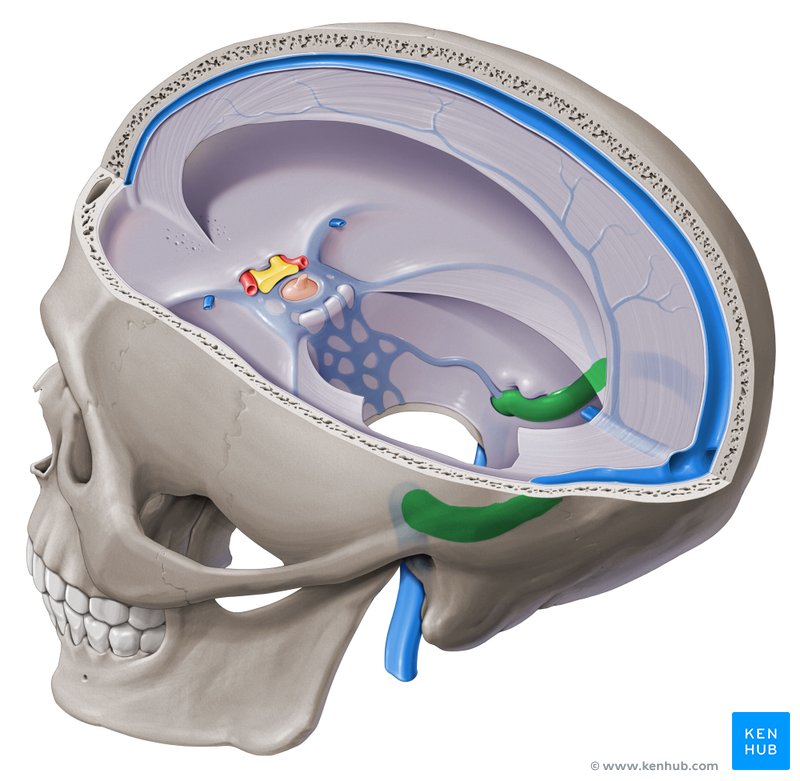
sigmoid sinus
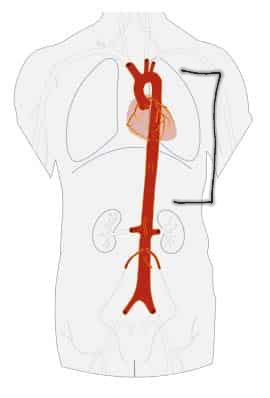
thoracic aorta
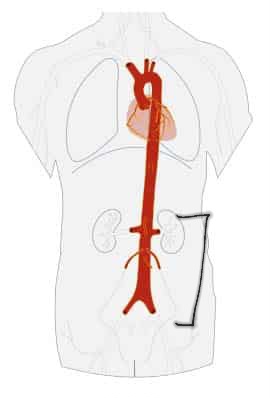
abdominal aorta
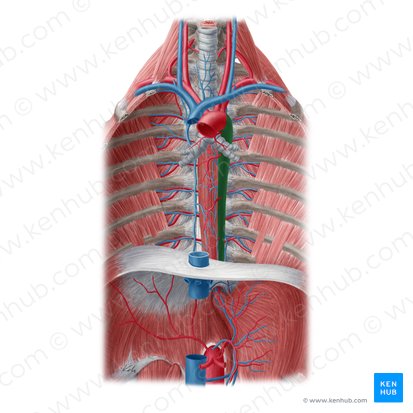
superior phrenic arteries
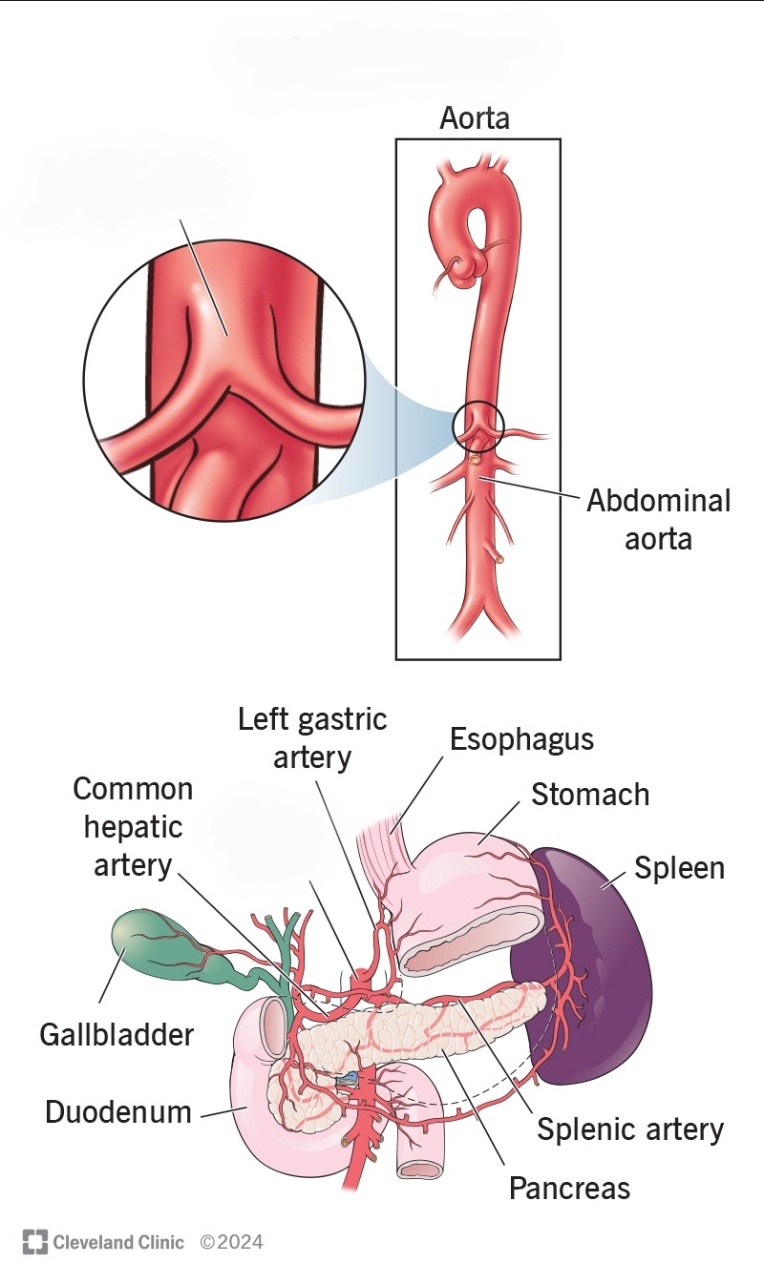
celiac trunk
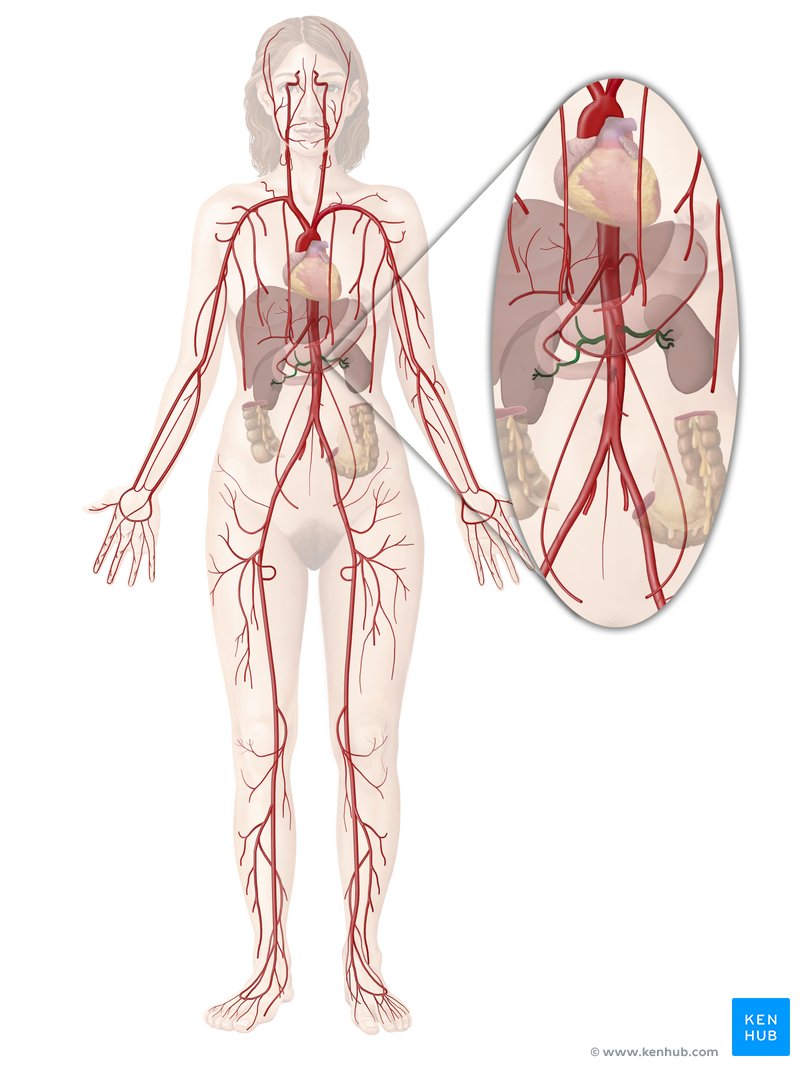
renal arteries
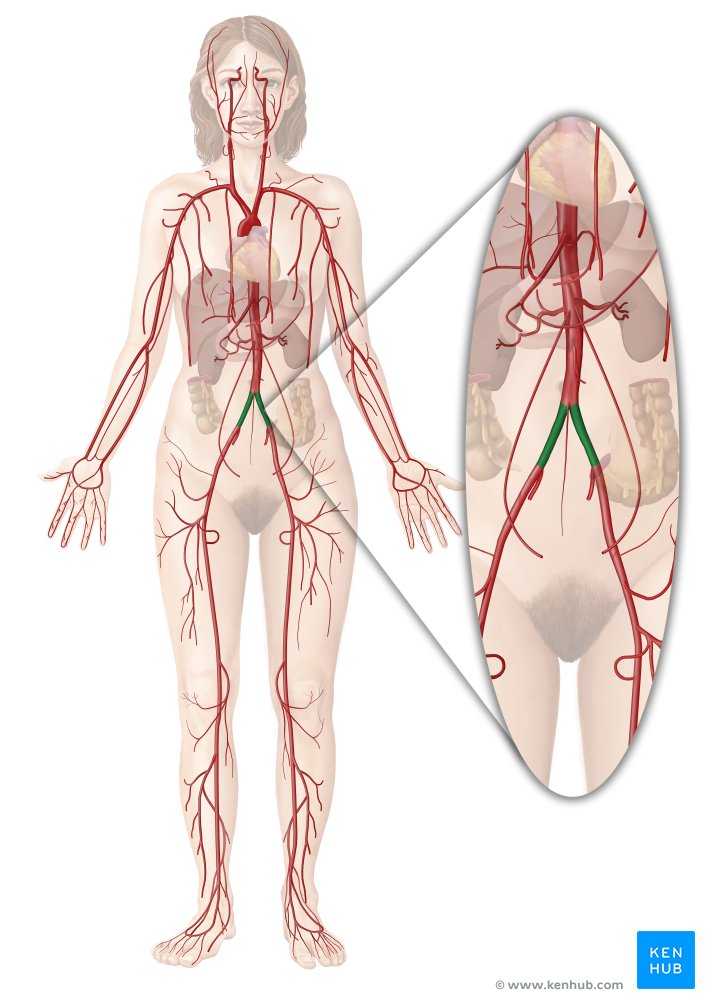
common iliac arteries
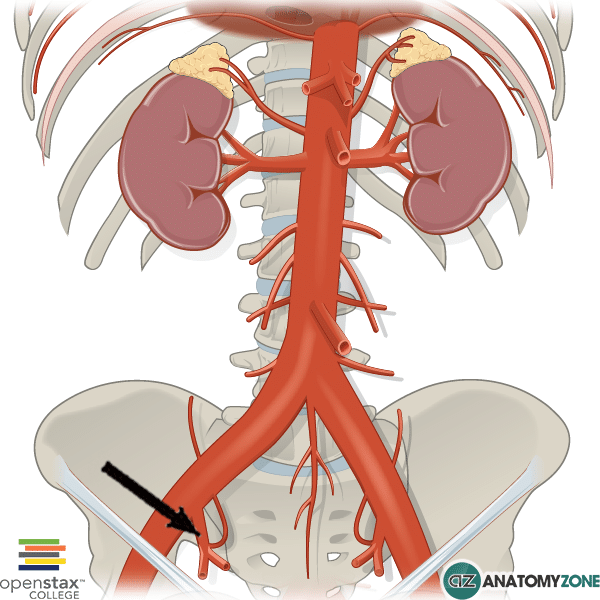
internal iliac arteries
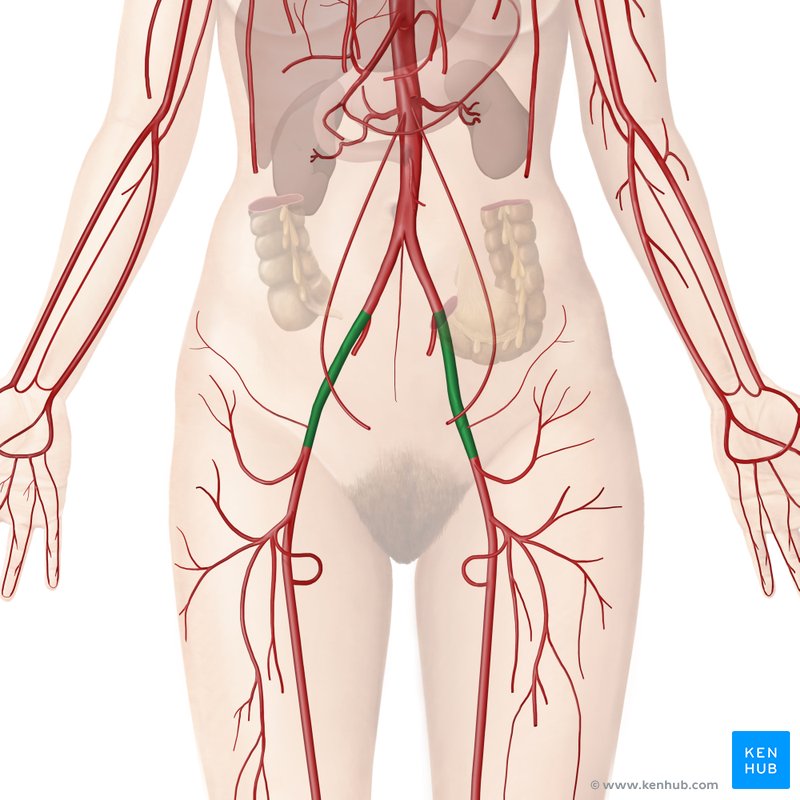
external iliac arteries
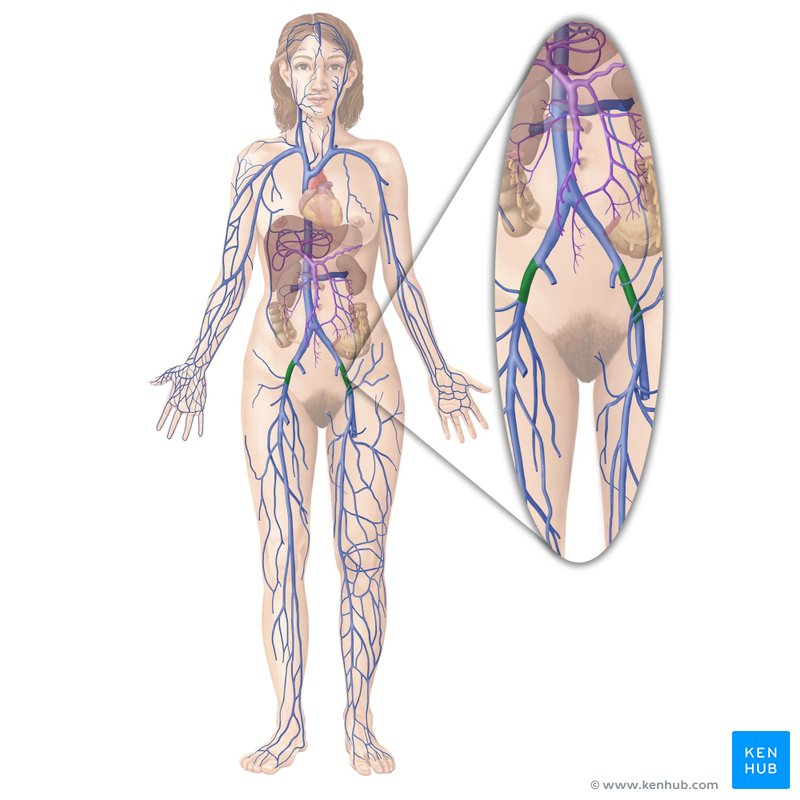
external iliac veins
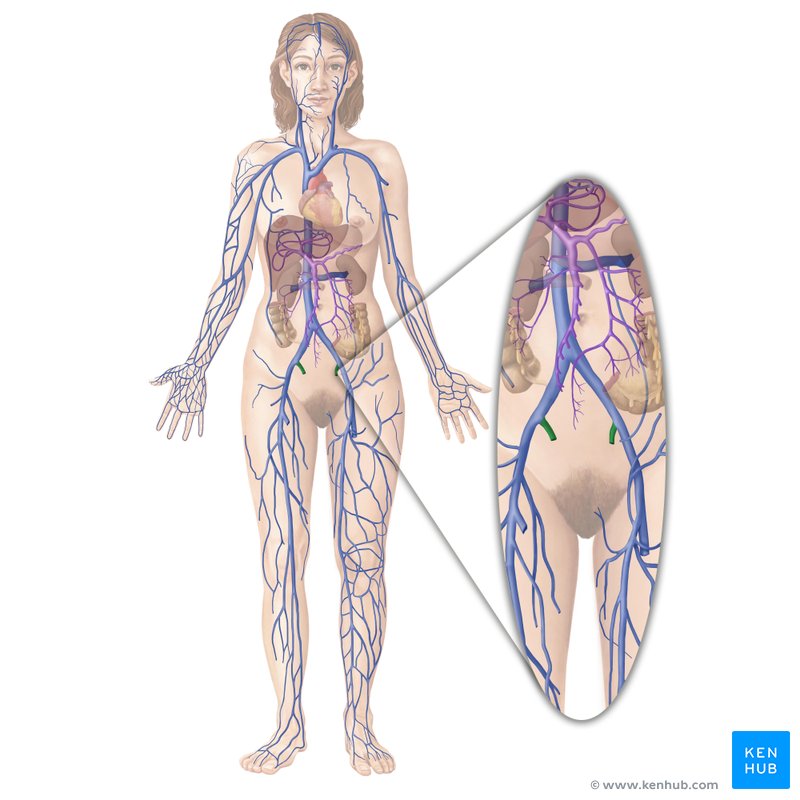
internal iliac veins
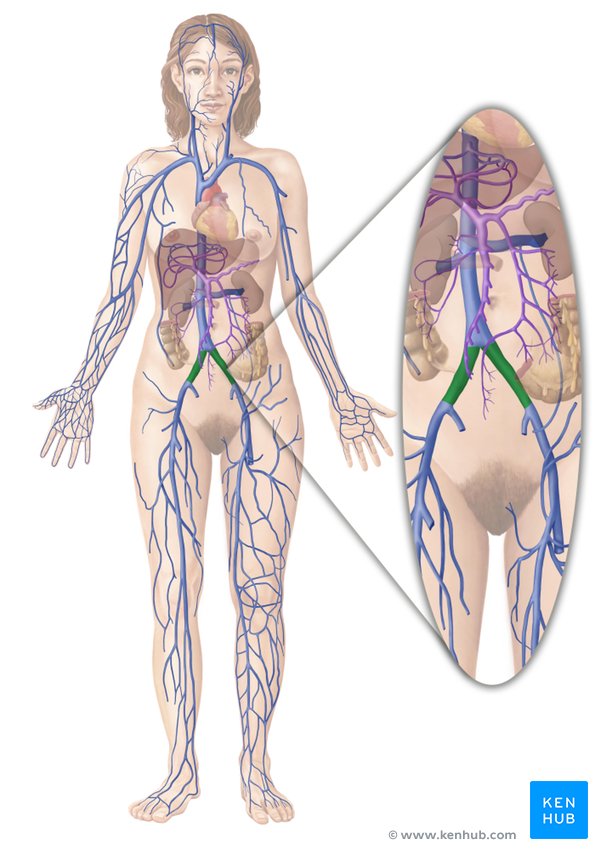
common iliac veins
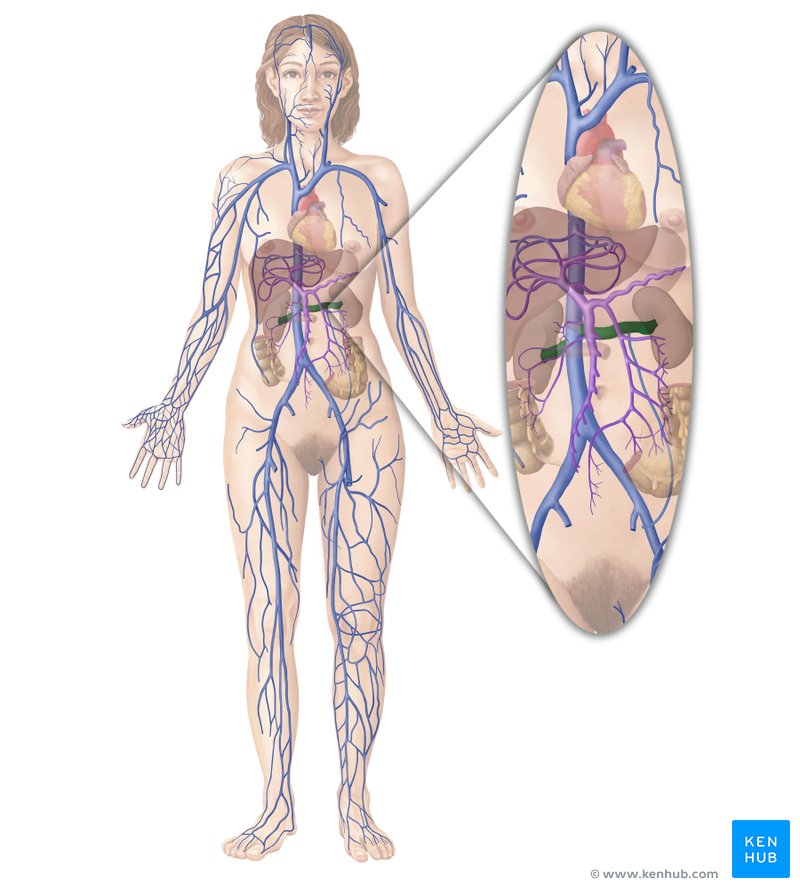
Renal veins
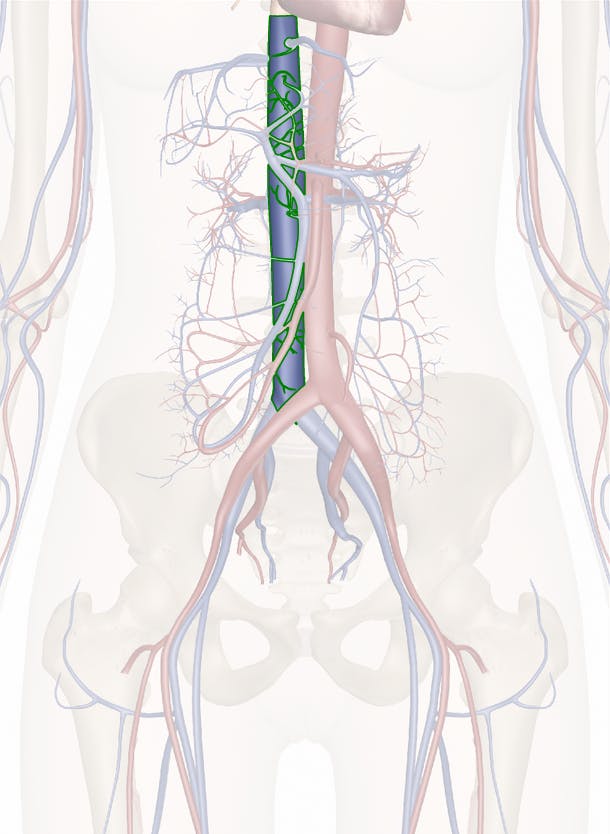
inferior vena cava
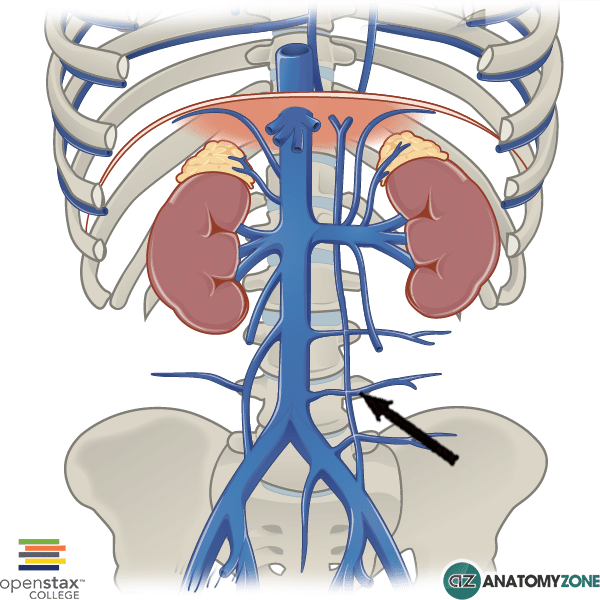
Lumbar veins
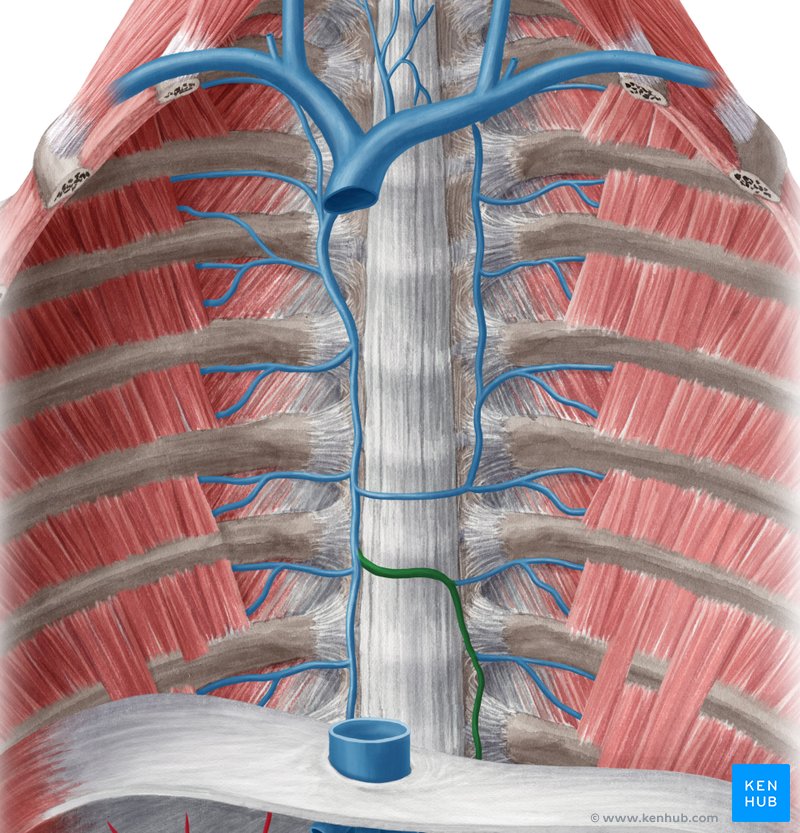
hemiazygos vein
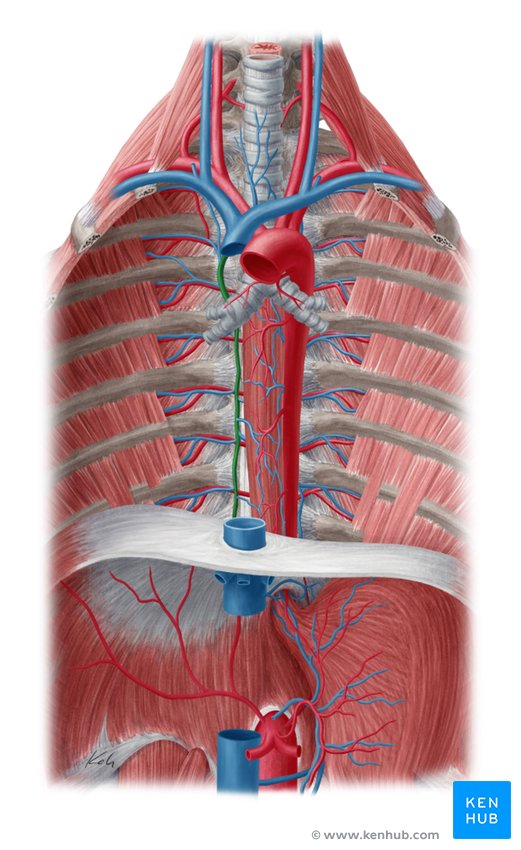
Azygos vein
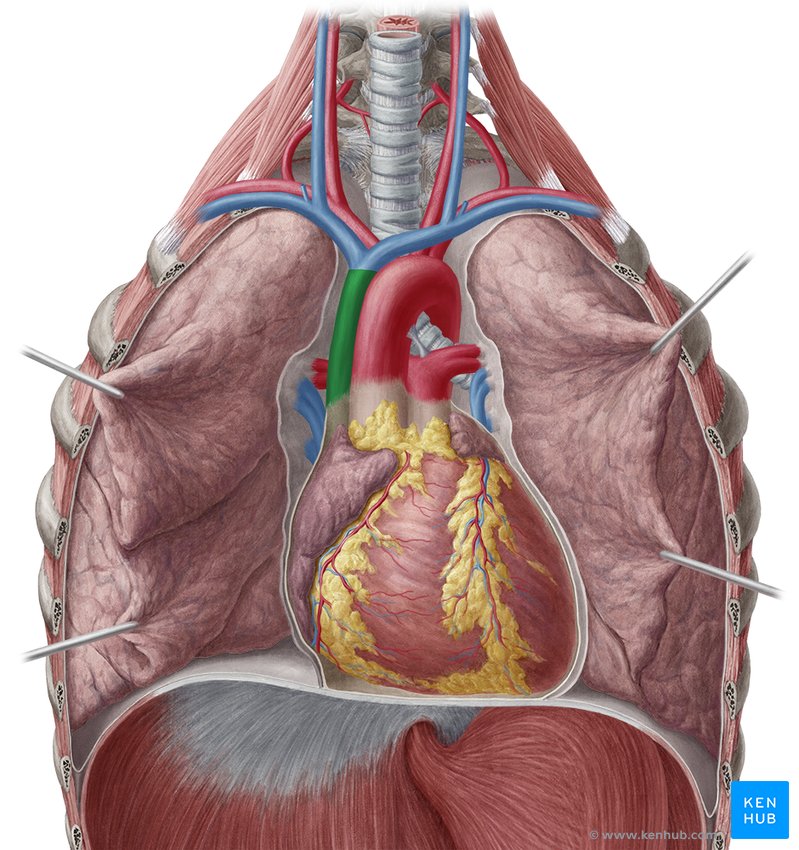
superior vena cava
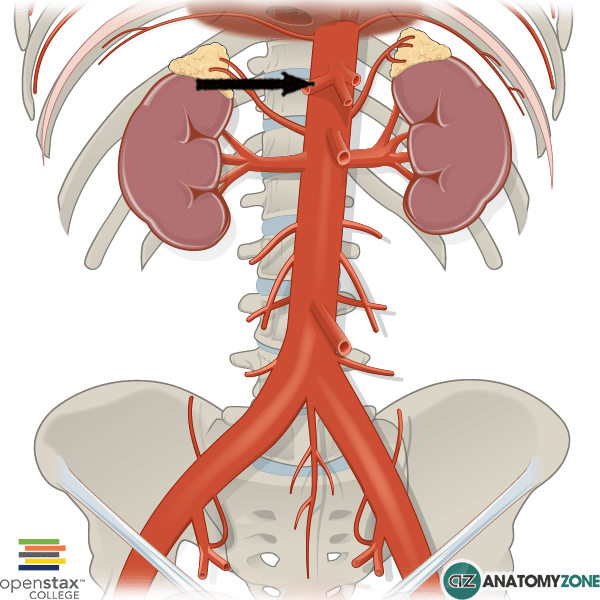
Common hepatic artery
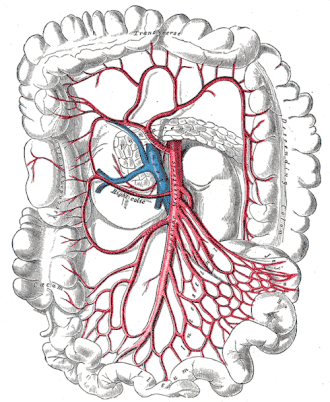
Superior mesenteric artery
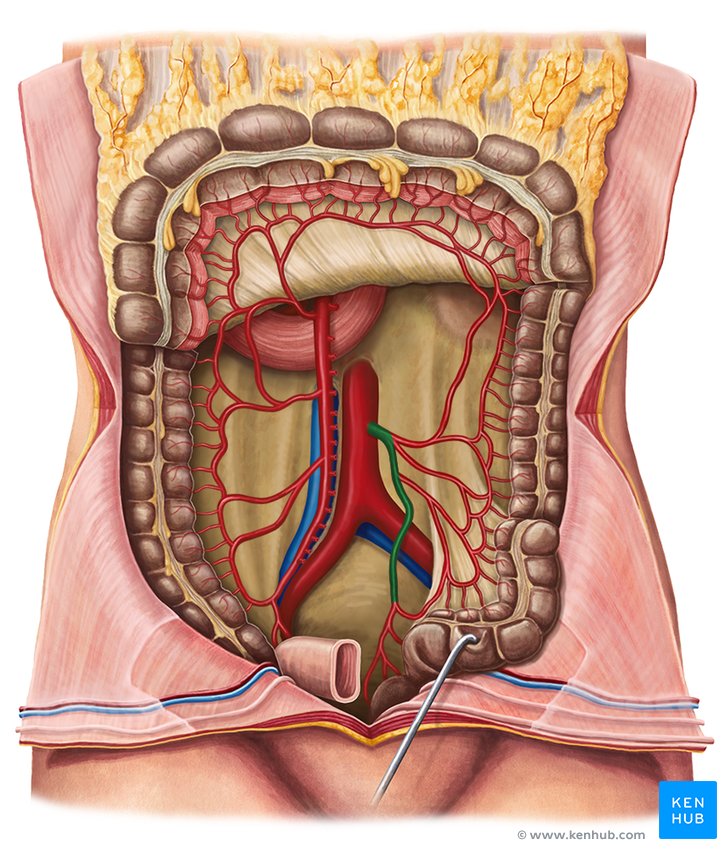
Inferior mesenteric artery
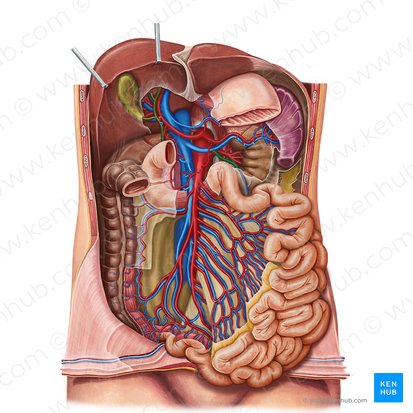
inferior mesenteric vein
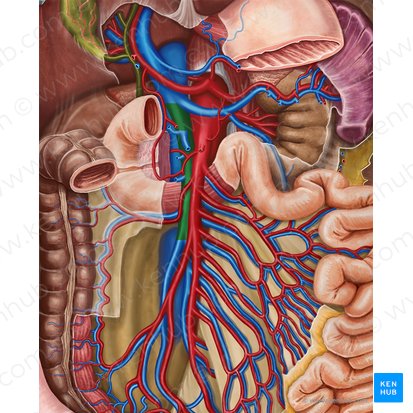
superior mesenteric vein
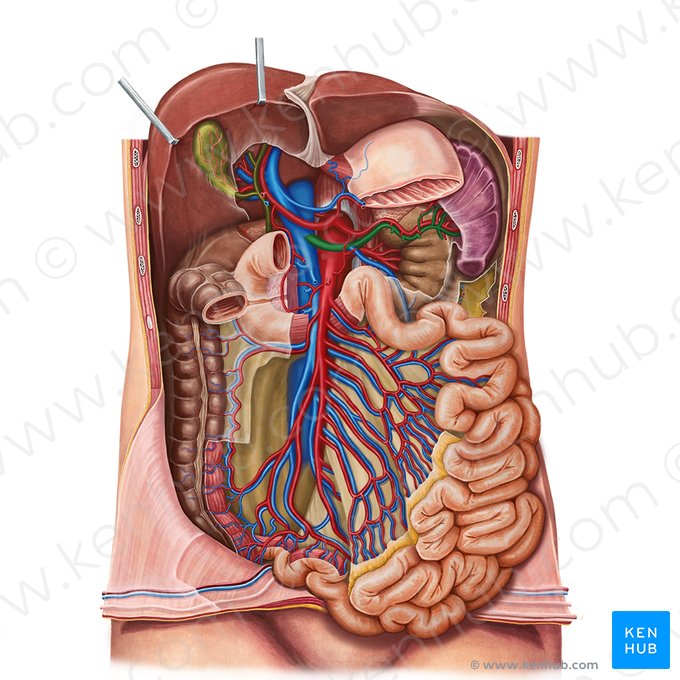
hepatic portal vein
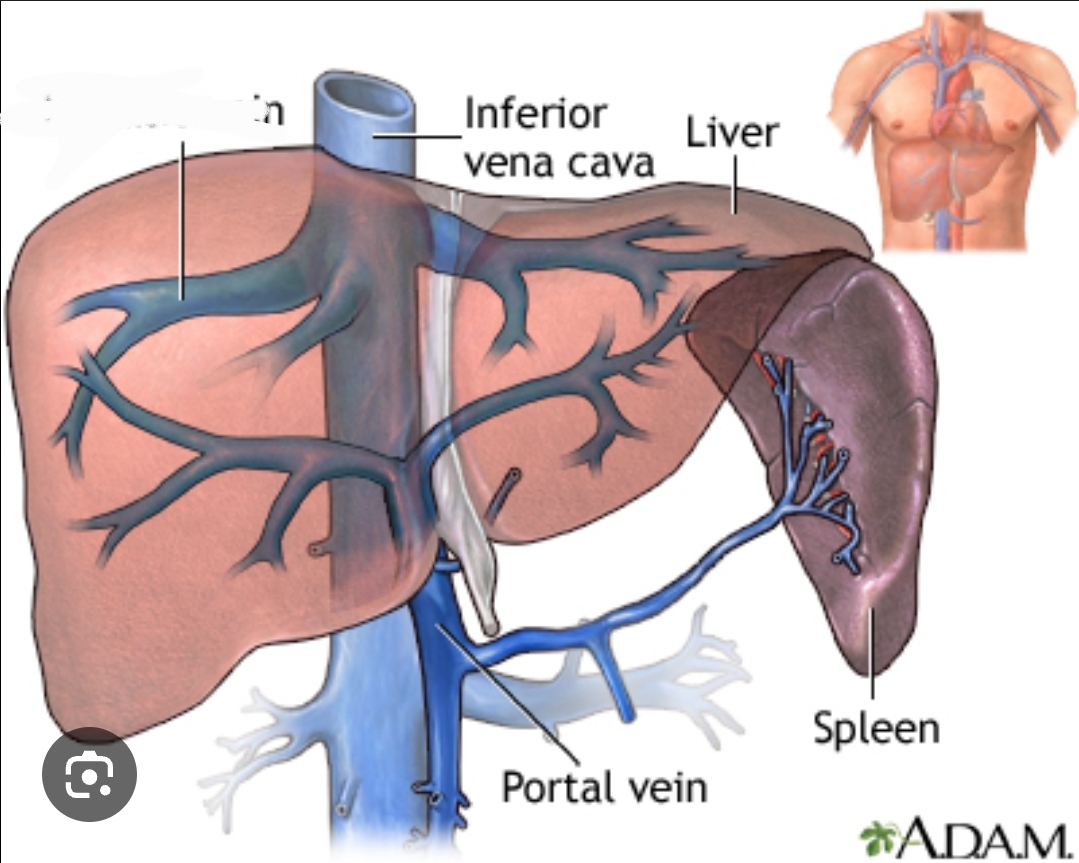
hepatic veins
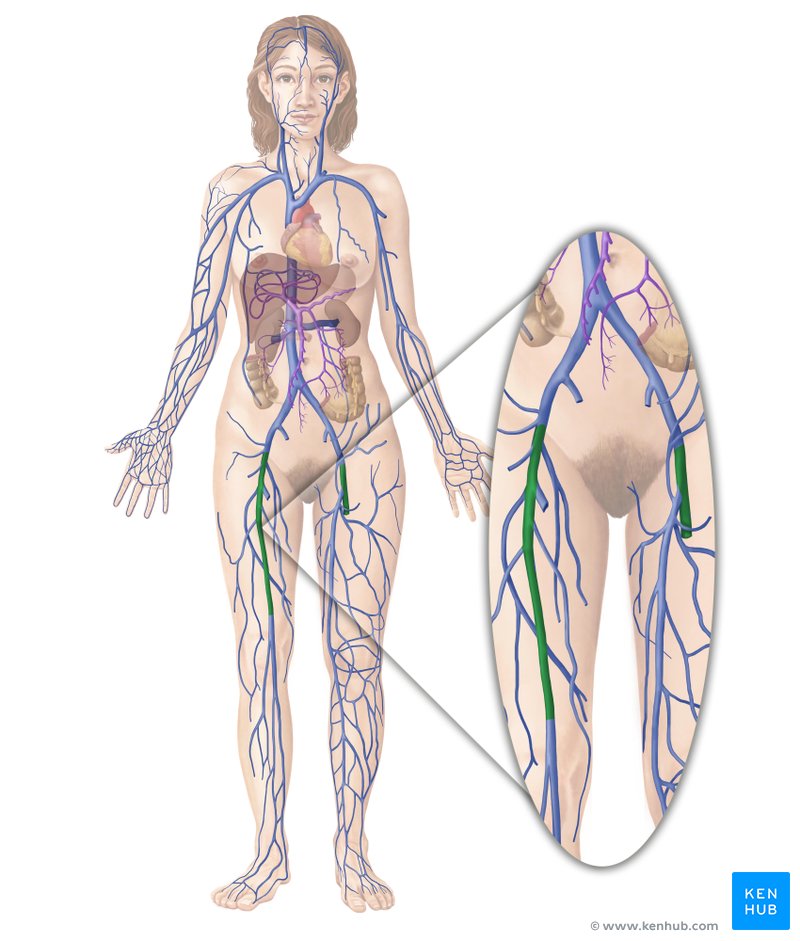
femoral vein
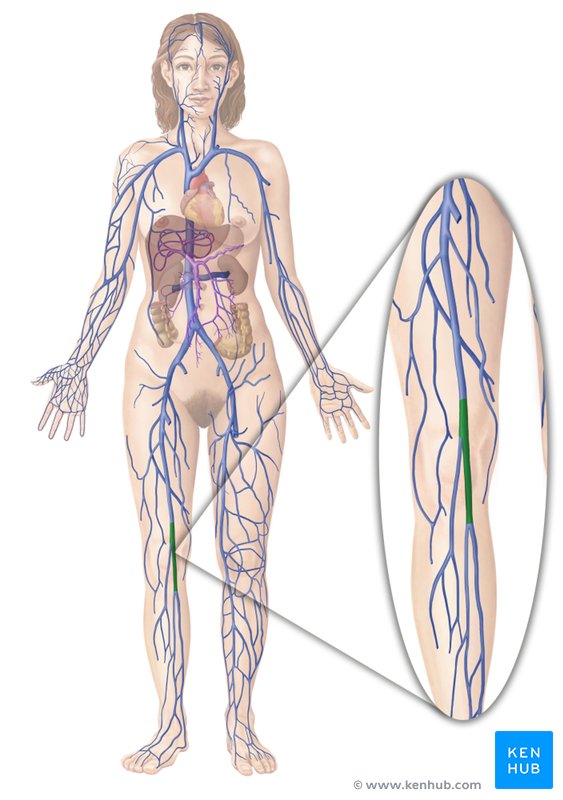
IMAGINE IT RED
popliteal artery
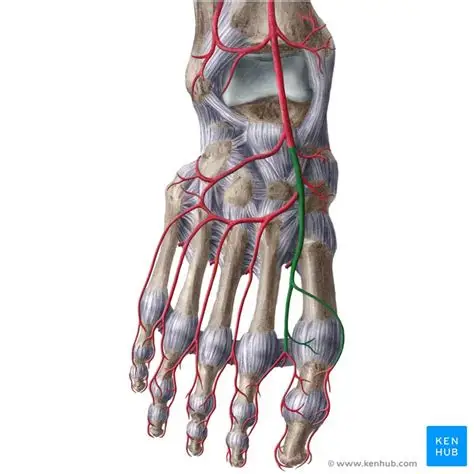
dorsalis pedis artery
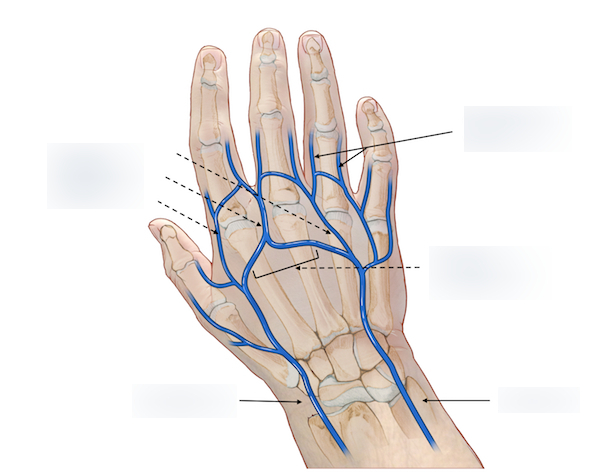
What is the indented region called?
superficial dorsal venous arch
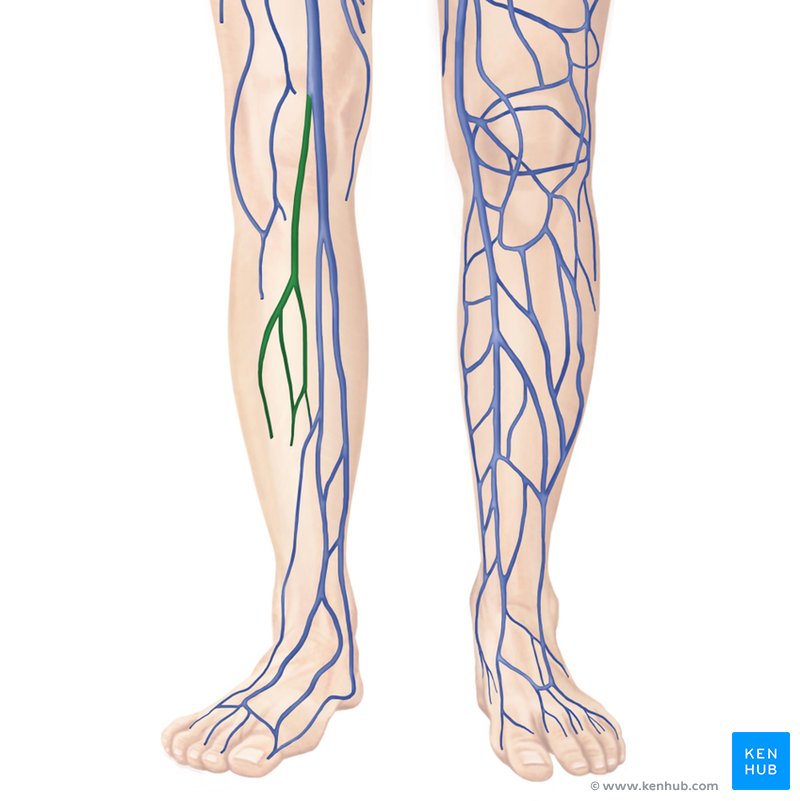
small saphenous vein
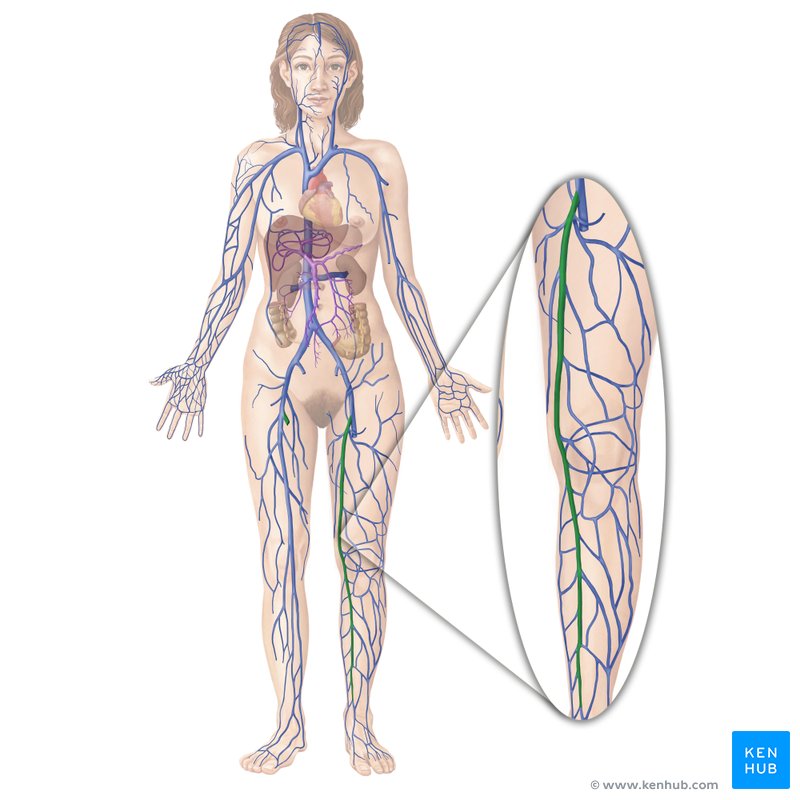
great saphenous vein
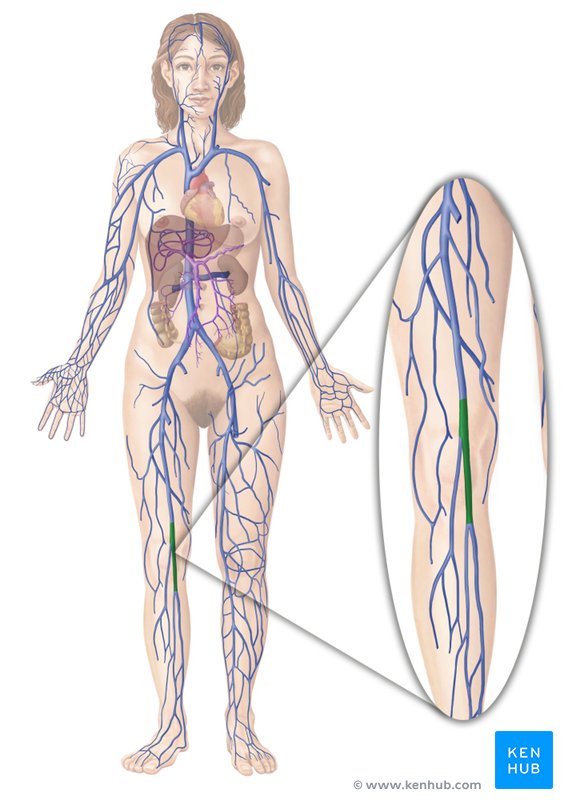
popliteal vein
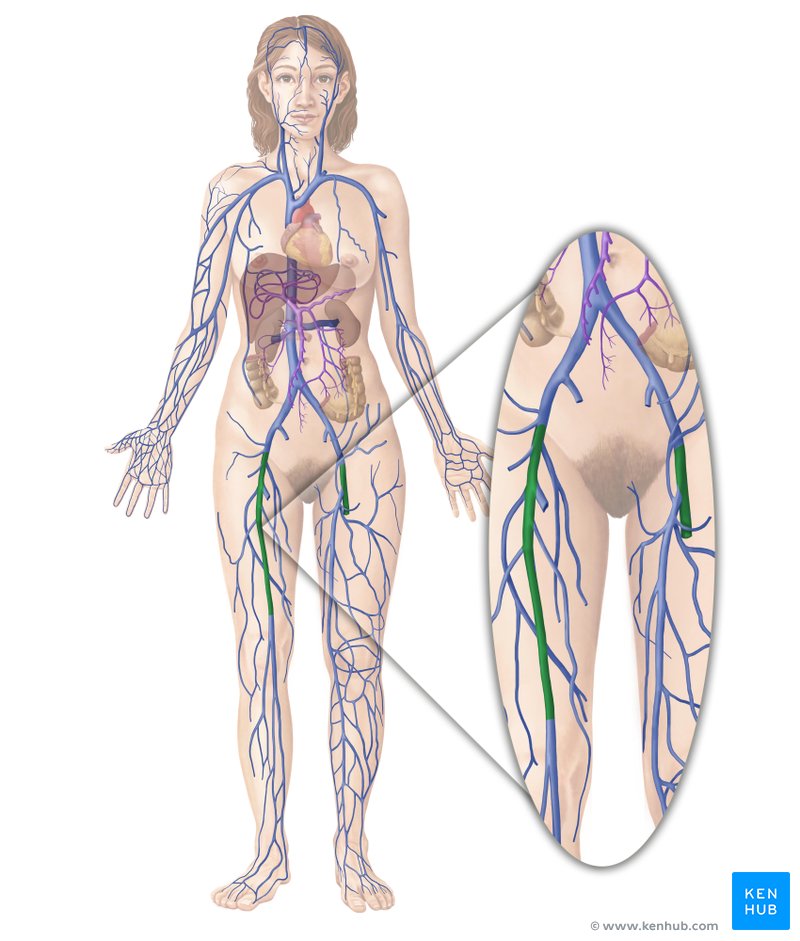
femoral vein
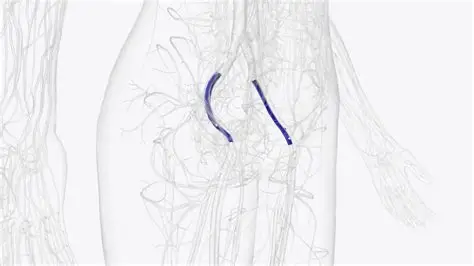
external iliac vein
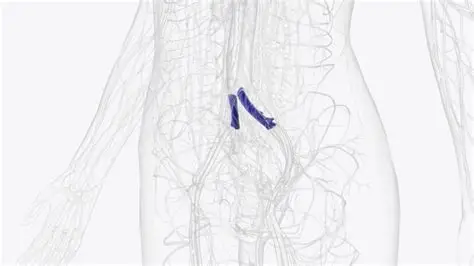
common iliac veins
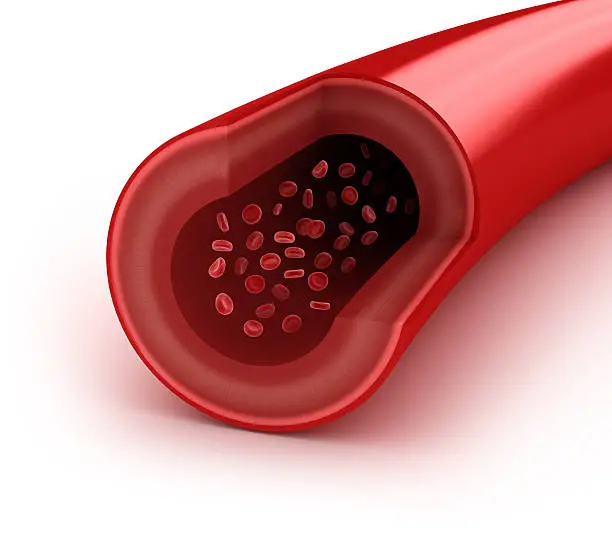
Artery
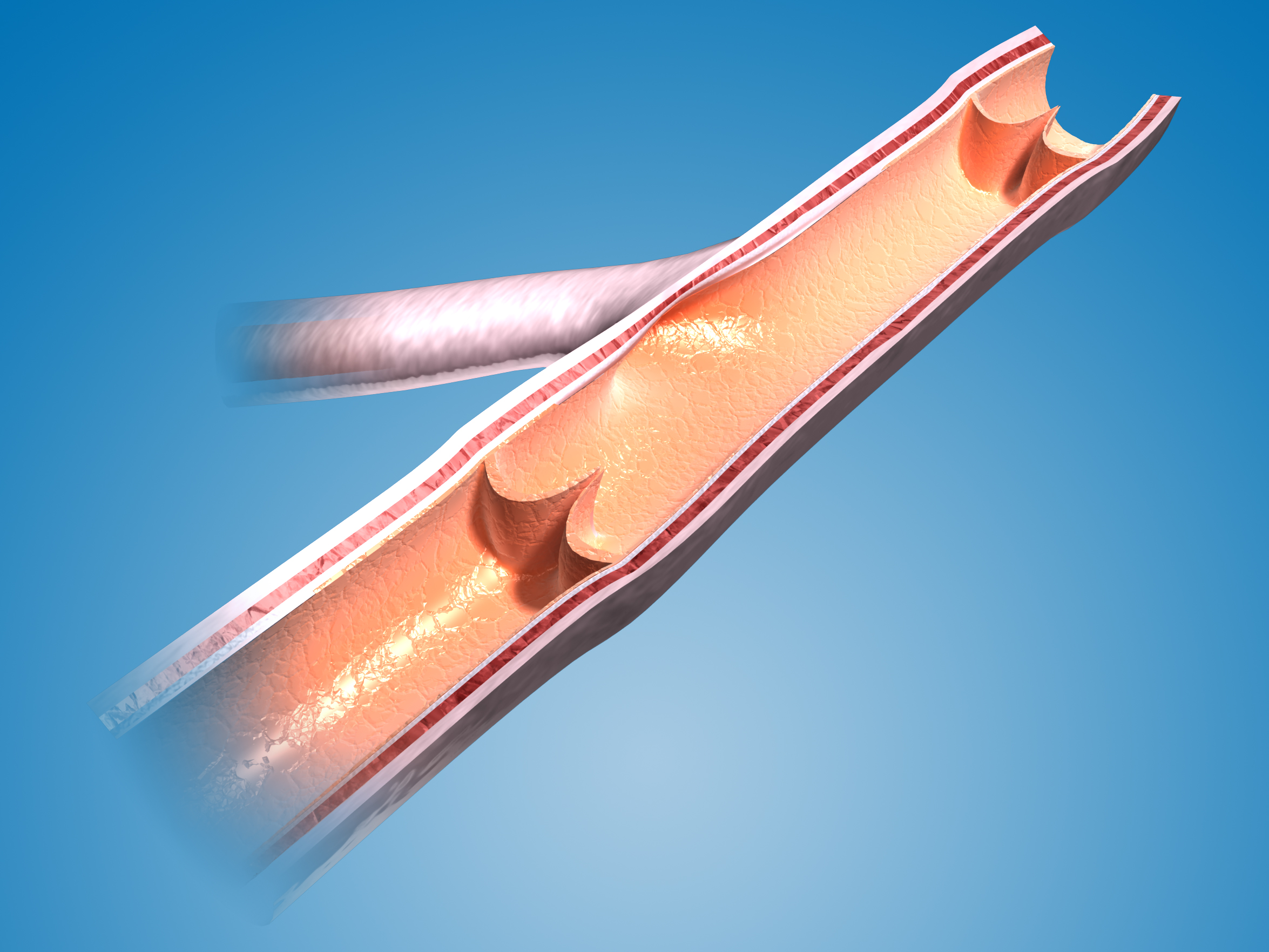
Vein
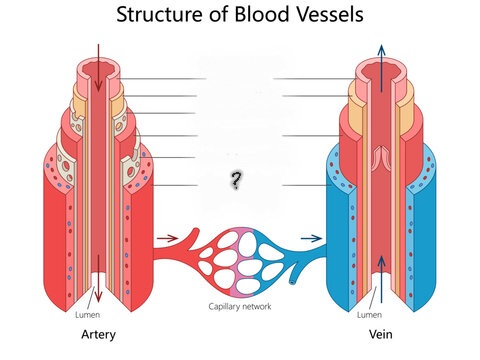
Tunica externa
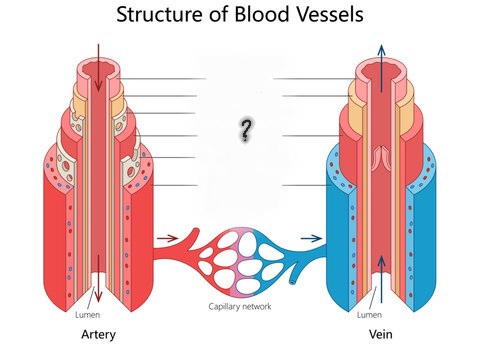
Tunica media
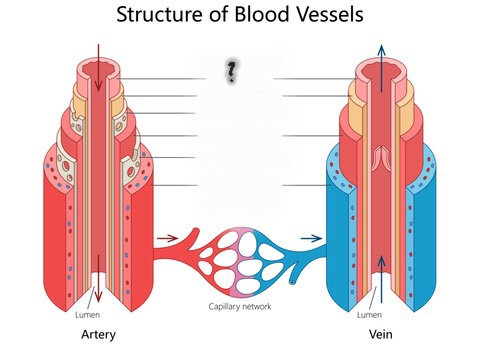
Tunica intima
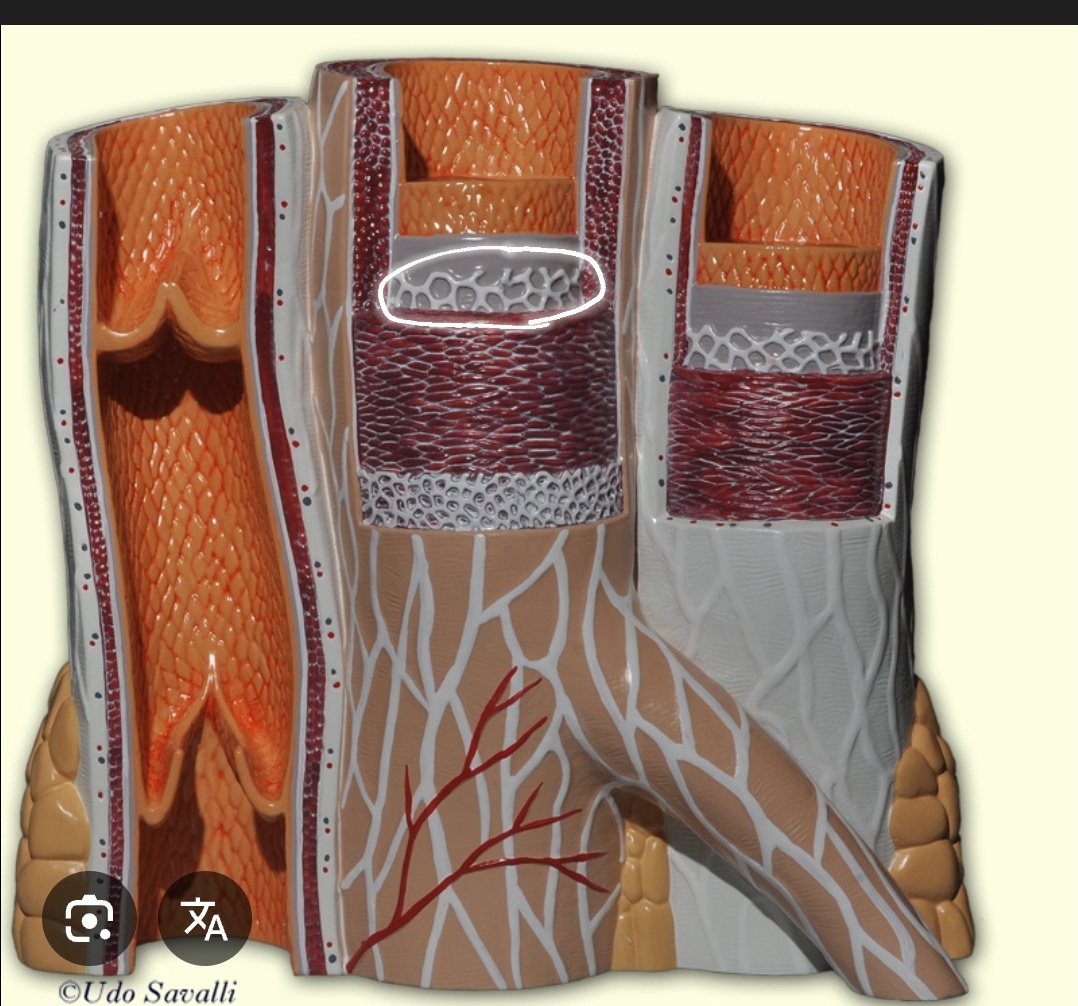
Internal elastic membrane
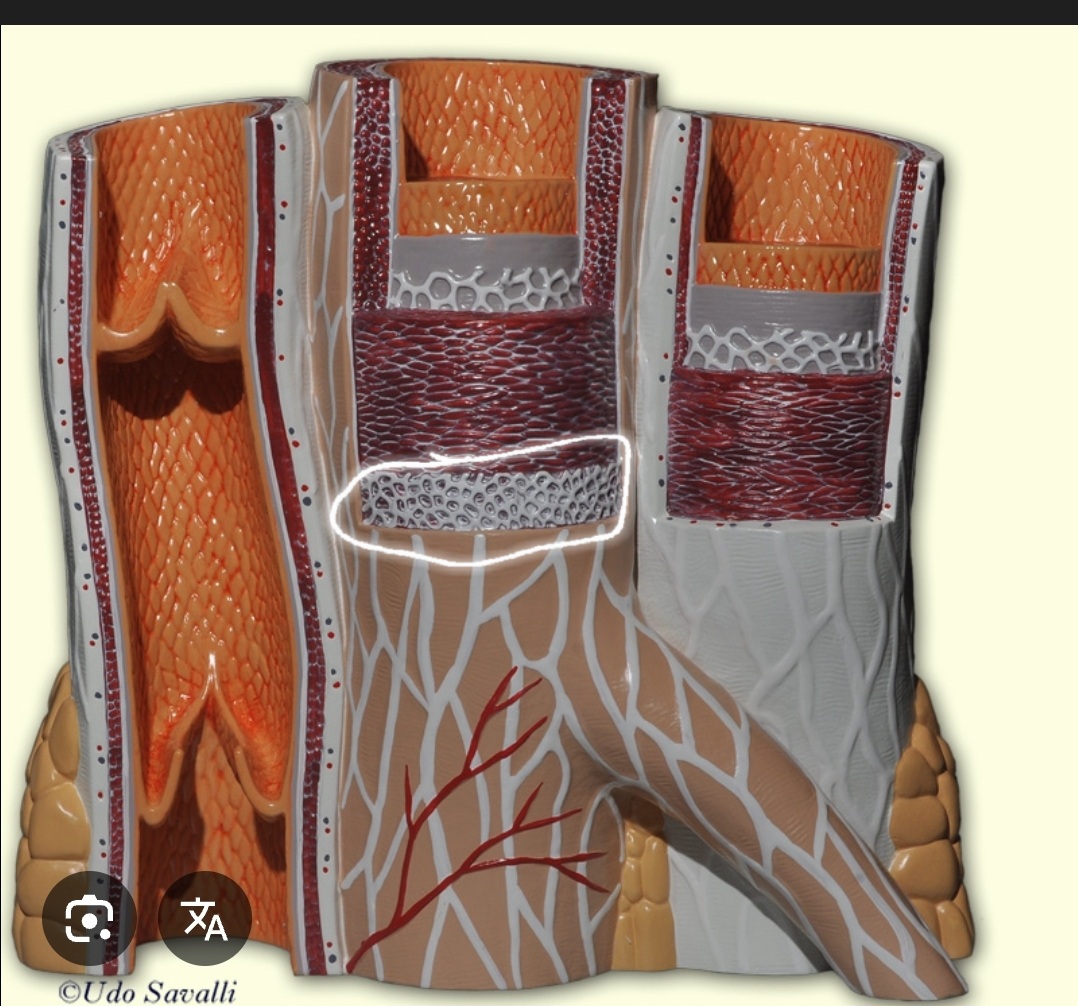
External elastic membrane
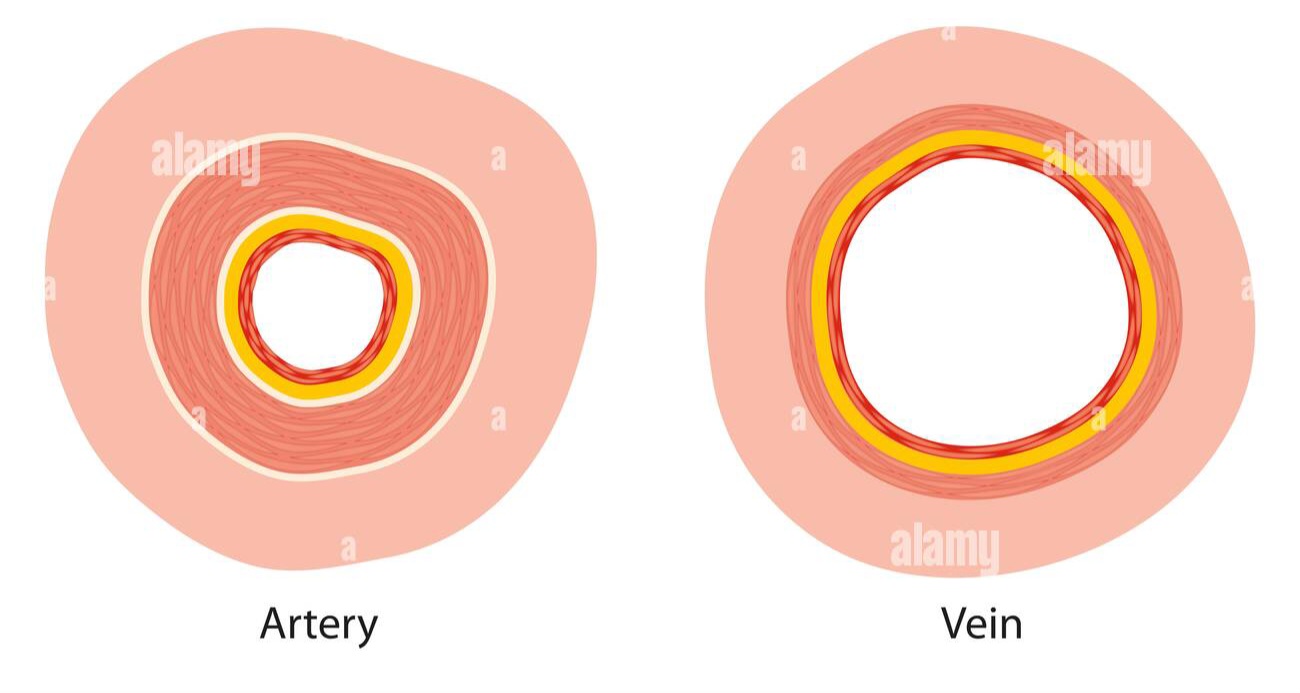
What is the space called?
Lumen
What is the fat tissue found in blood vessels?
Adipose tissue
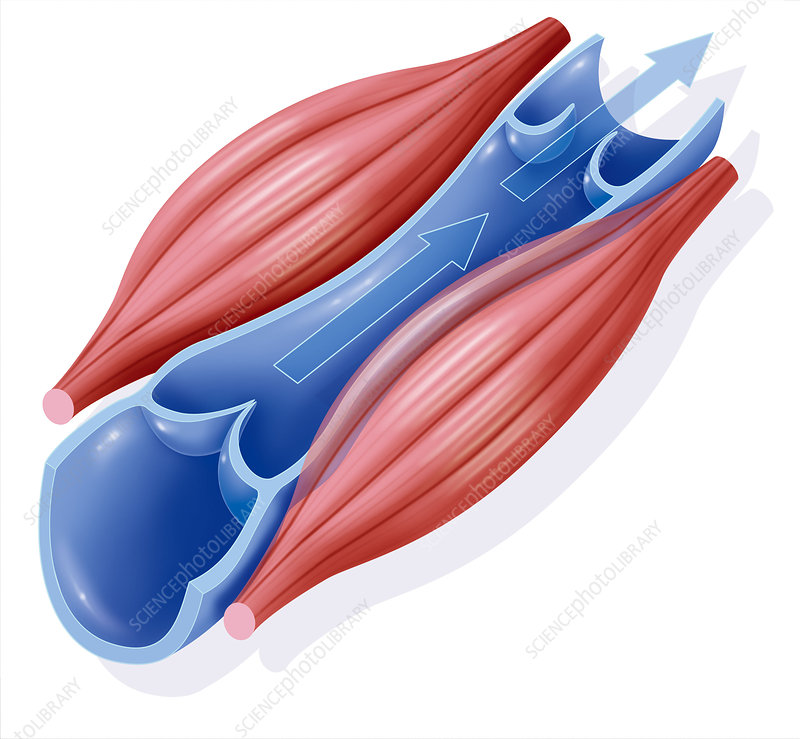
Venous valve
Examine the model of the Progression of Atherosclerosis. Describe the difference in the location of the adipose tissue on this model versus the Vein and Arteries Model.
Atherosclerosis is a chronic, progressive disease affecting the arteries. It involves the buildup of fatty deposits, known as plaques, within the inner lining of arteries. This process leads to hardened and narrowed arteries, which eventually restrict blood flow.
Examine the preserved specimens of human arteries. Describe the difference between the normal artery and the artery with arteriosclerosis. What component(s) of peripheral resistance is/are decreased or increased by the disease condition?
Normal Artery: Highly elastic and resilient, capable of distension and recoil to accommodate pulsatile blood flow. Walls are soft but firm; texture is pliable and smooth.
Preserved Specimen: Stiffer and less elastic due to cross-linking of proteins by fixatives. The vessel may feel brittle or tough, depending on hydration level, and can break or crack if handled aggressively.
Normal Artery: The lumen is open, flexible, and maintains circular or elliptical shape under normal pressure. Endothelial lining is intact and exhibits fine smooth layers.
Preserved Specimen: Lumen can be collapsed or partially deformed, especially if surrounding fixation prevents maintenance of physiological pressure. The inner surface may show slight wrinkling or folding.
Where is the thymus located?
On top of the heart
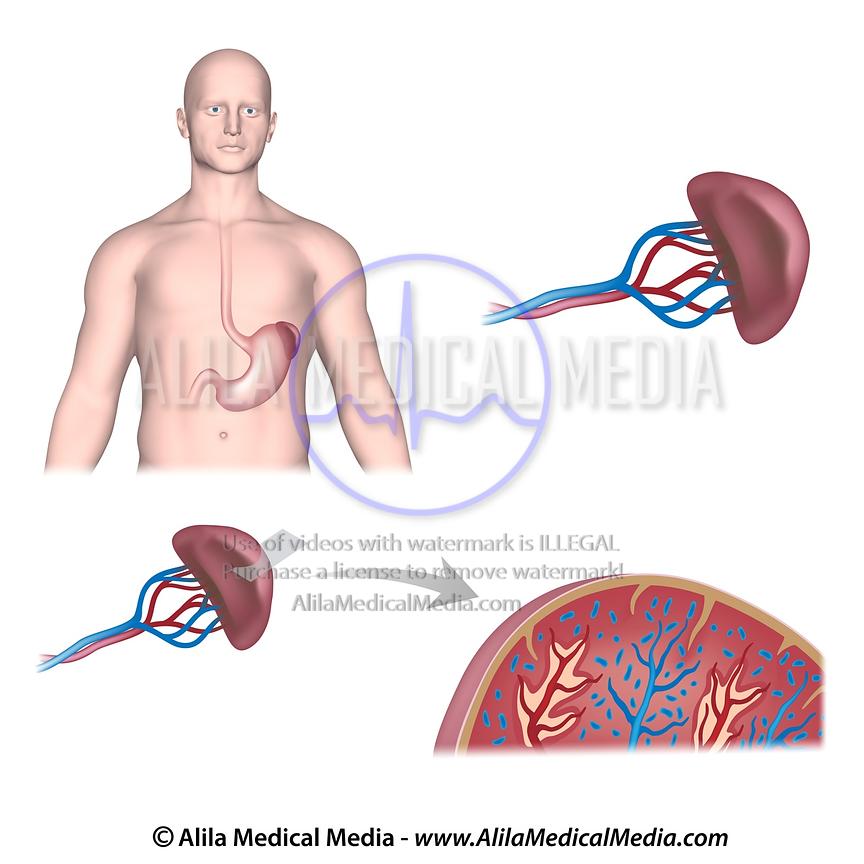
Spleen
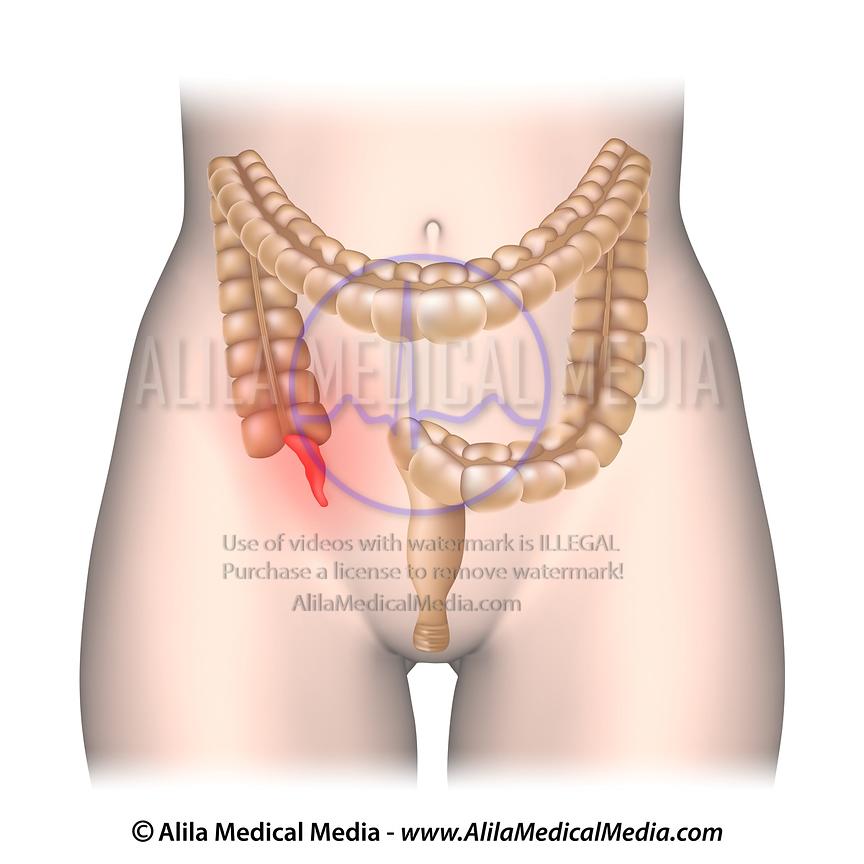
Appendix
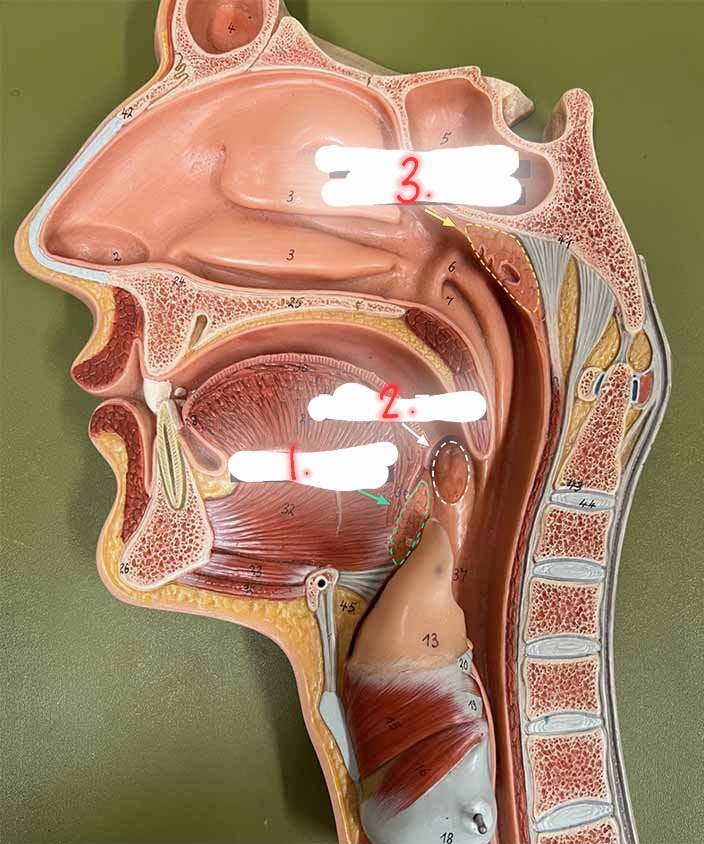
What is number 2
Palatine tonsil
Lymph nodes, where might they be found?
They are located around the neck, arms, chest, groin, and abdomen
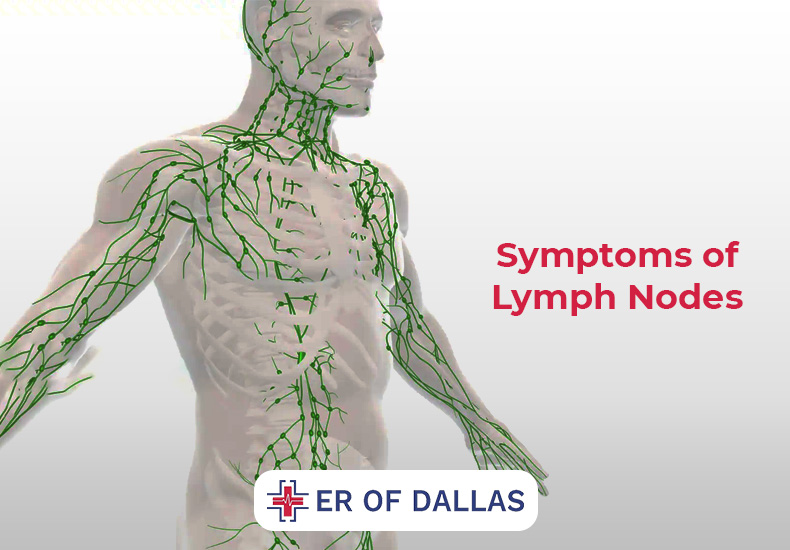
Lymphatic vessels, where might they be found?
Throughout the entire body
Peyer’s patches (not shown b/c they are microscopic, but where would they be found?)
Located in the small intestine especially the ileum
wrong
.
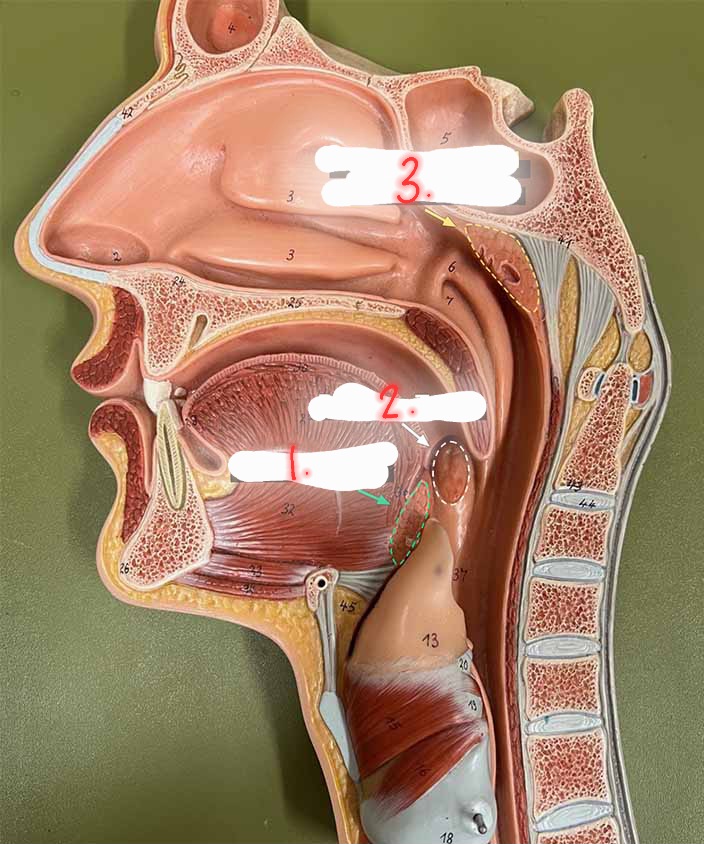
what is number 1?
Lingual tonsil
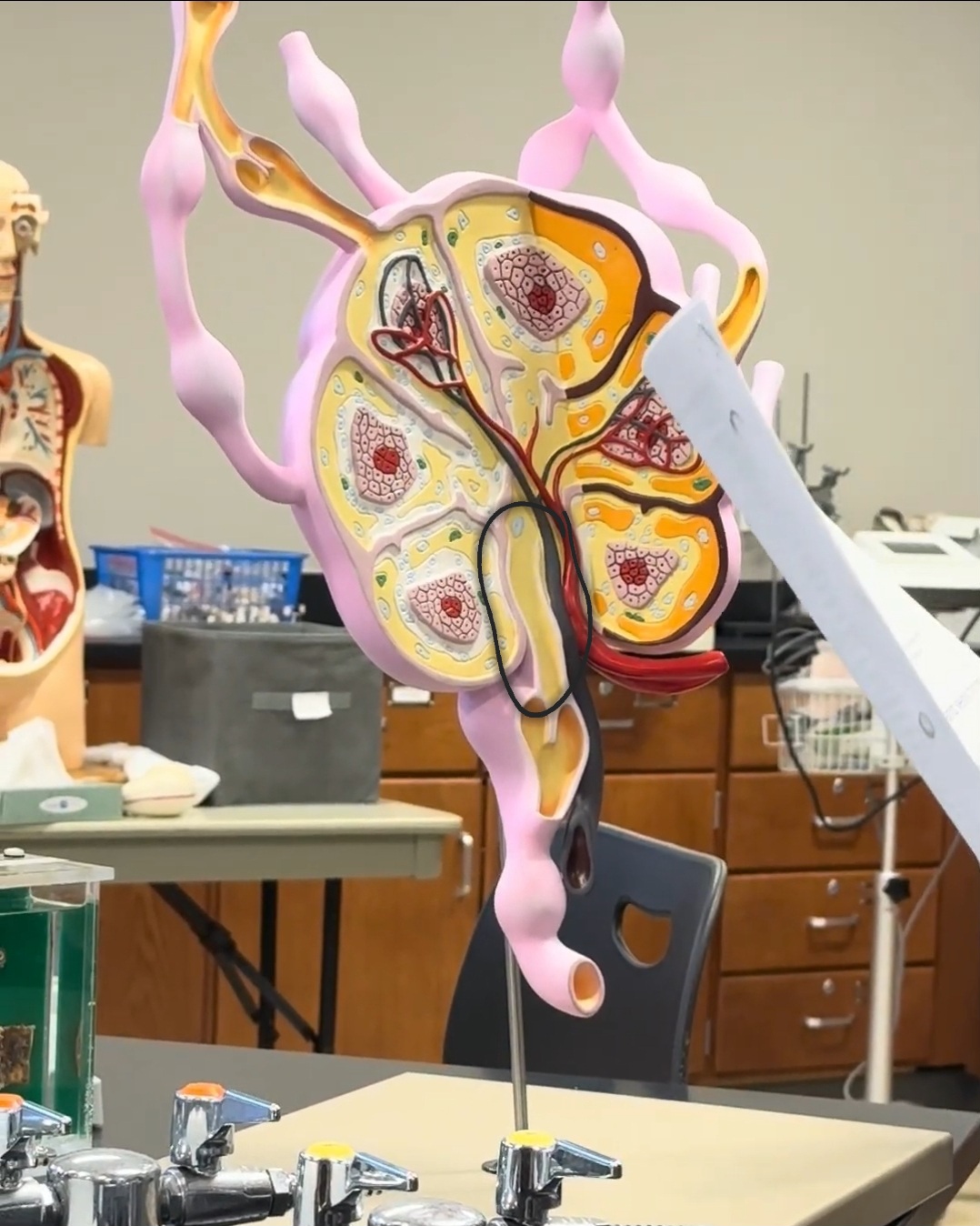
hilum
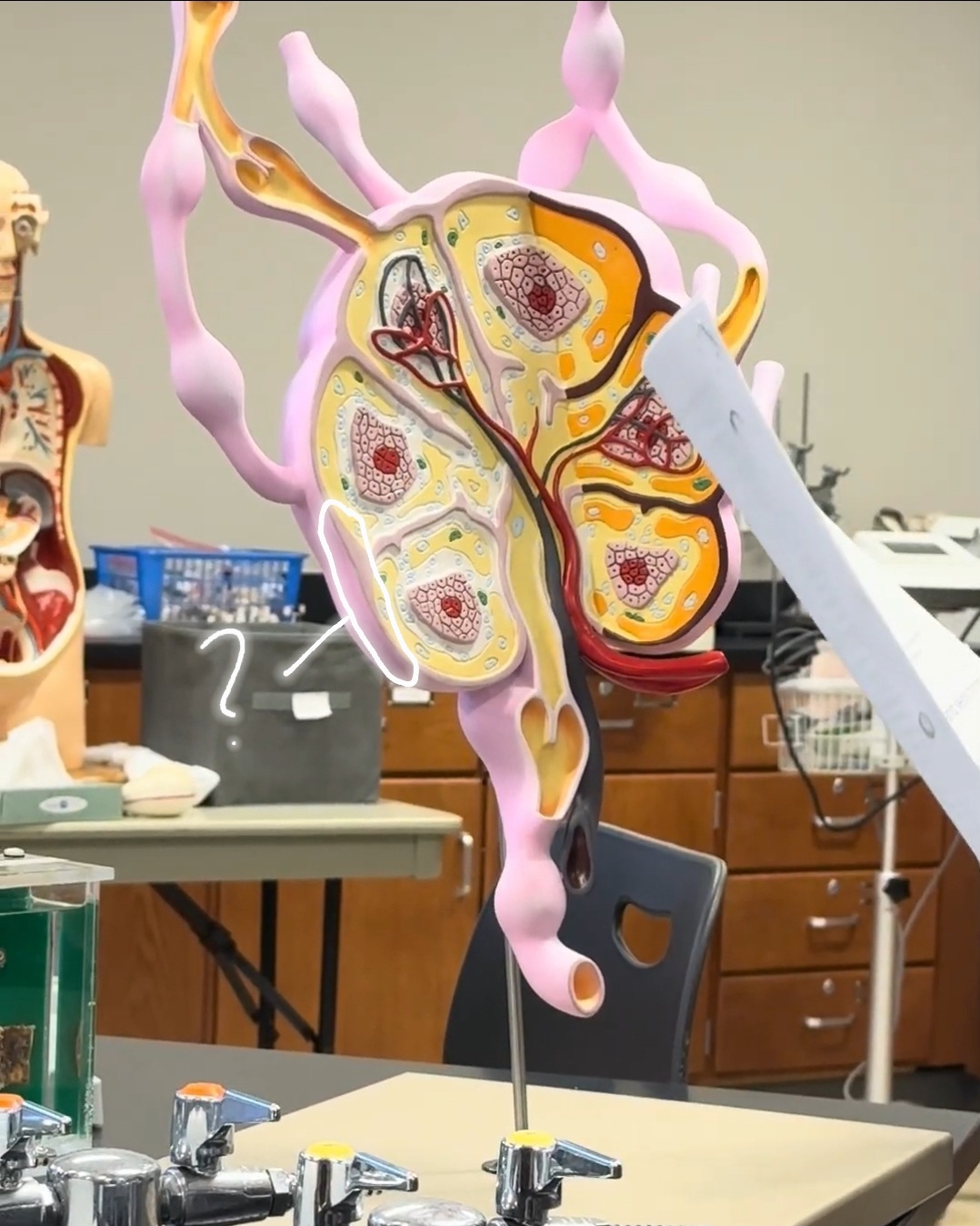
capsule
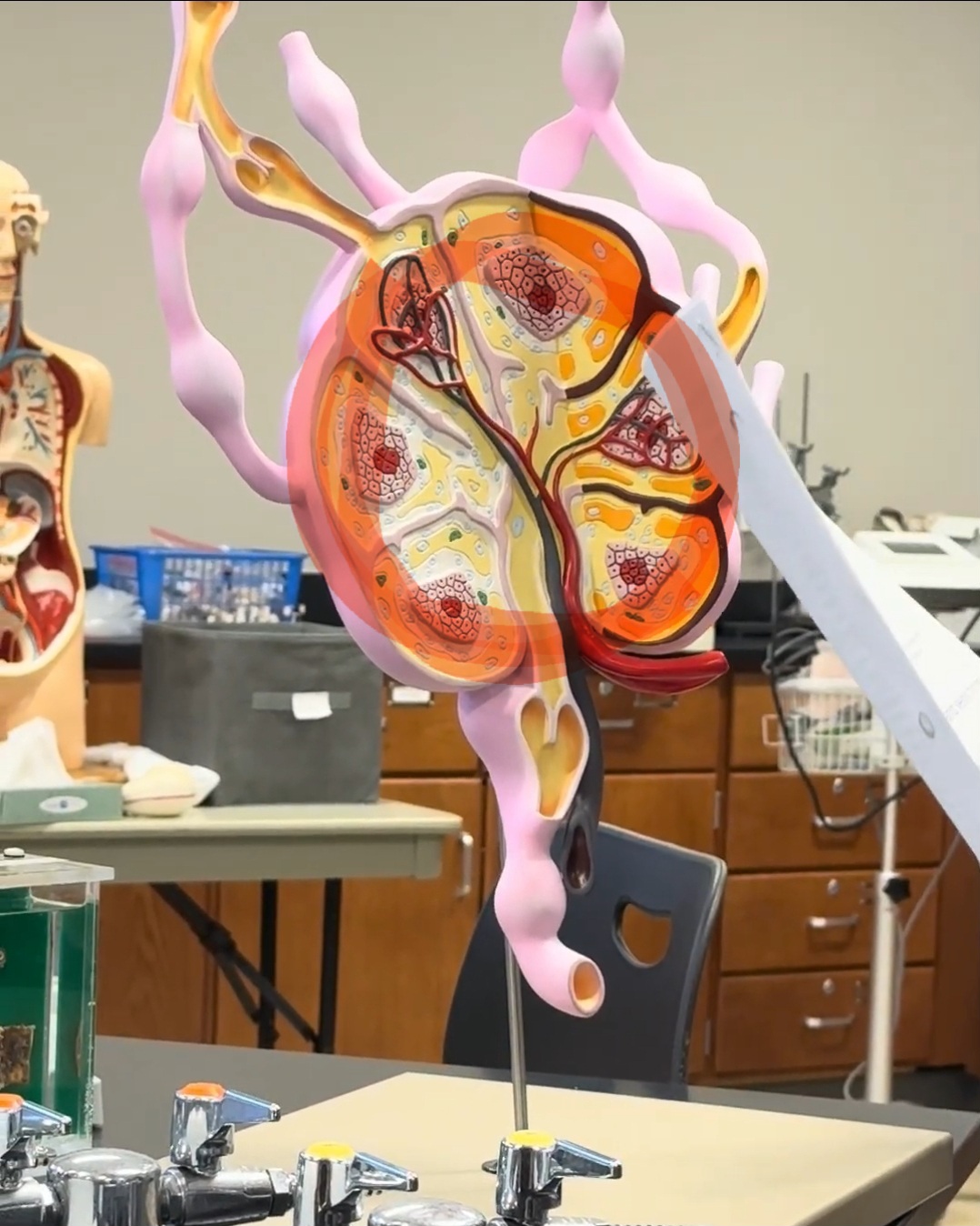
cortex
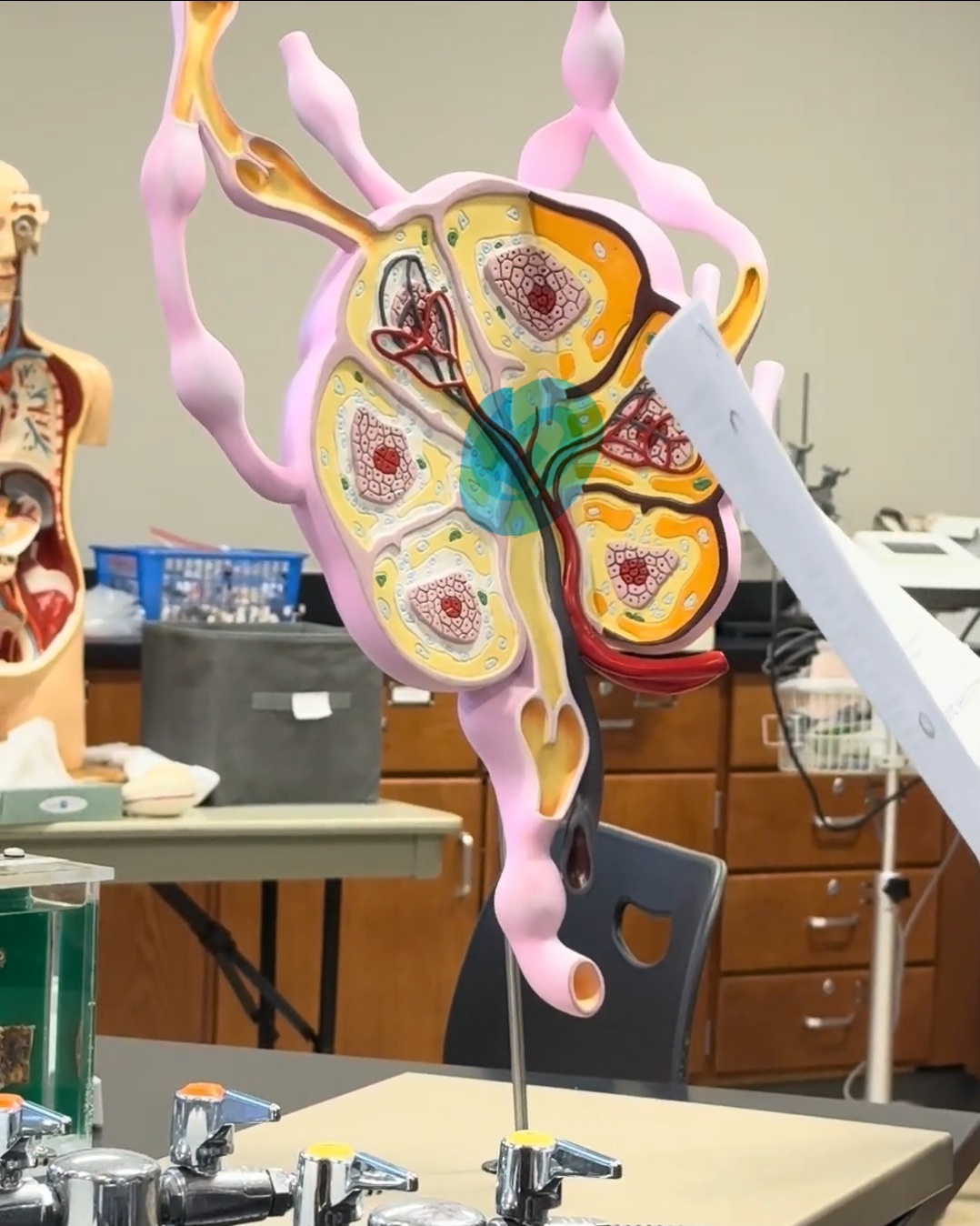
medulla
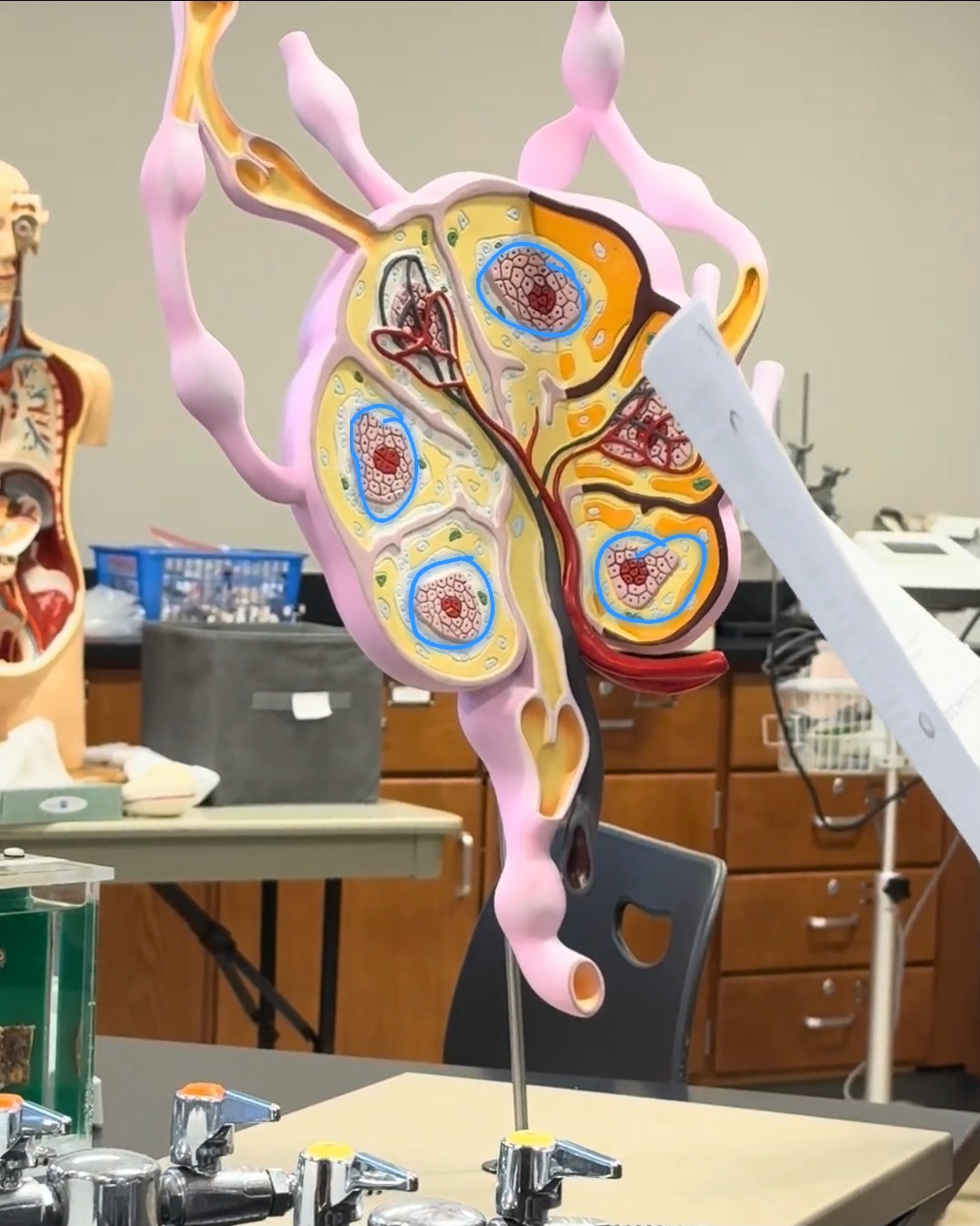
What is the blue circled area called?
lymphoid follicle
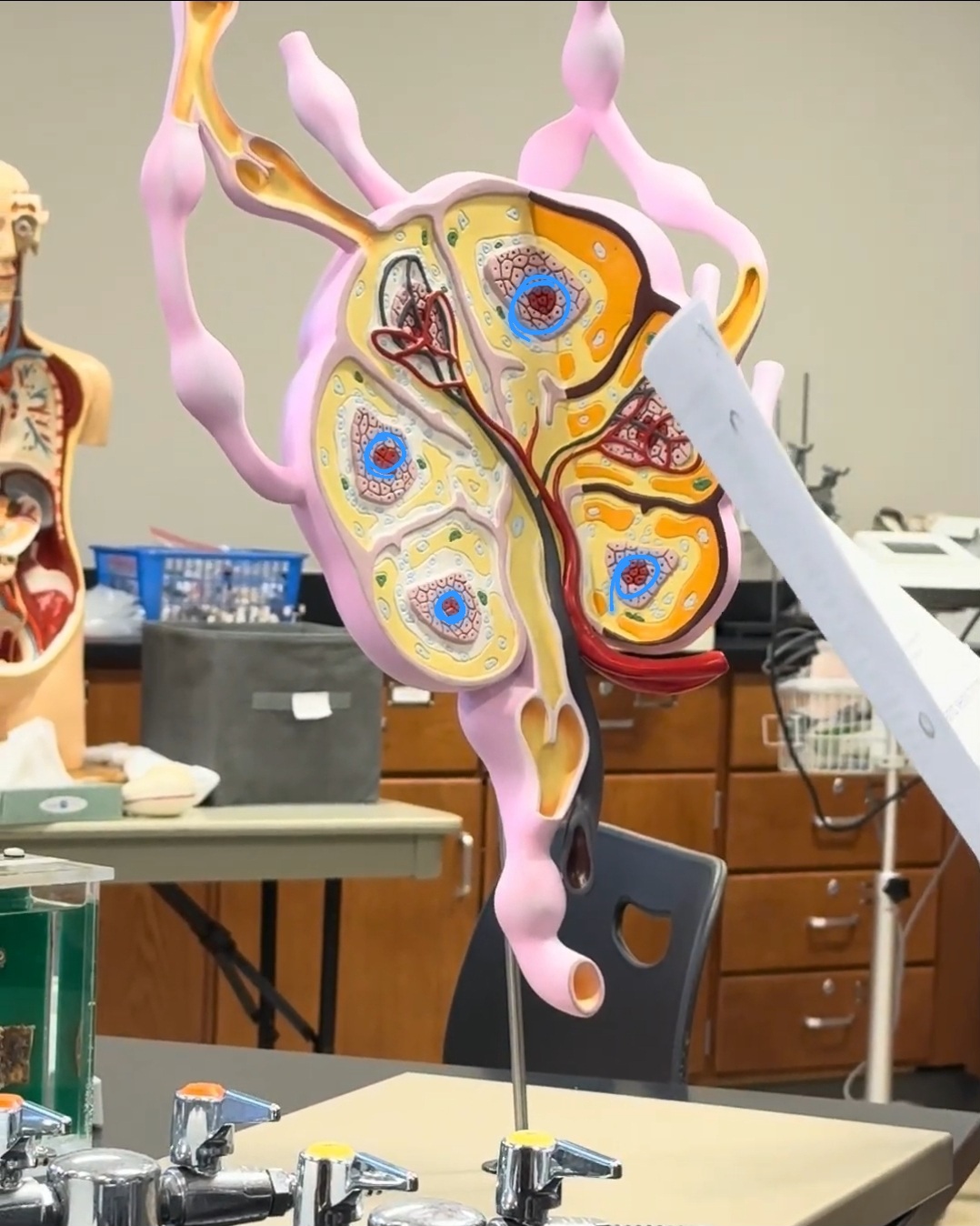
germinal center of follicle
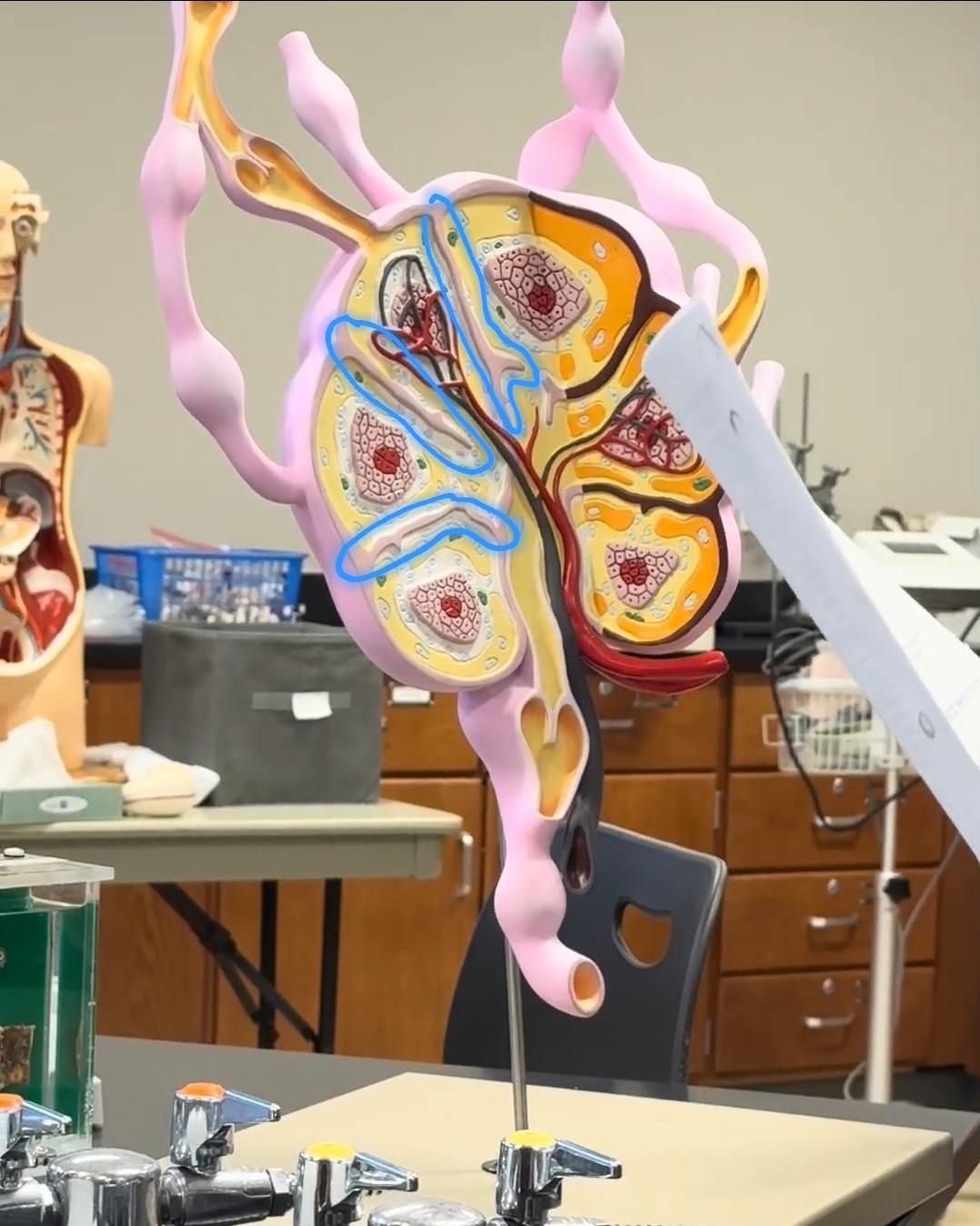
trabeculae
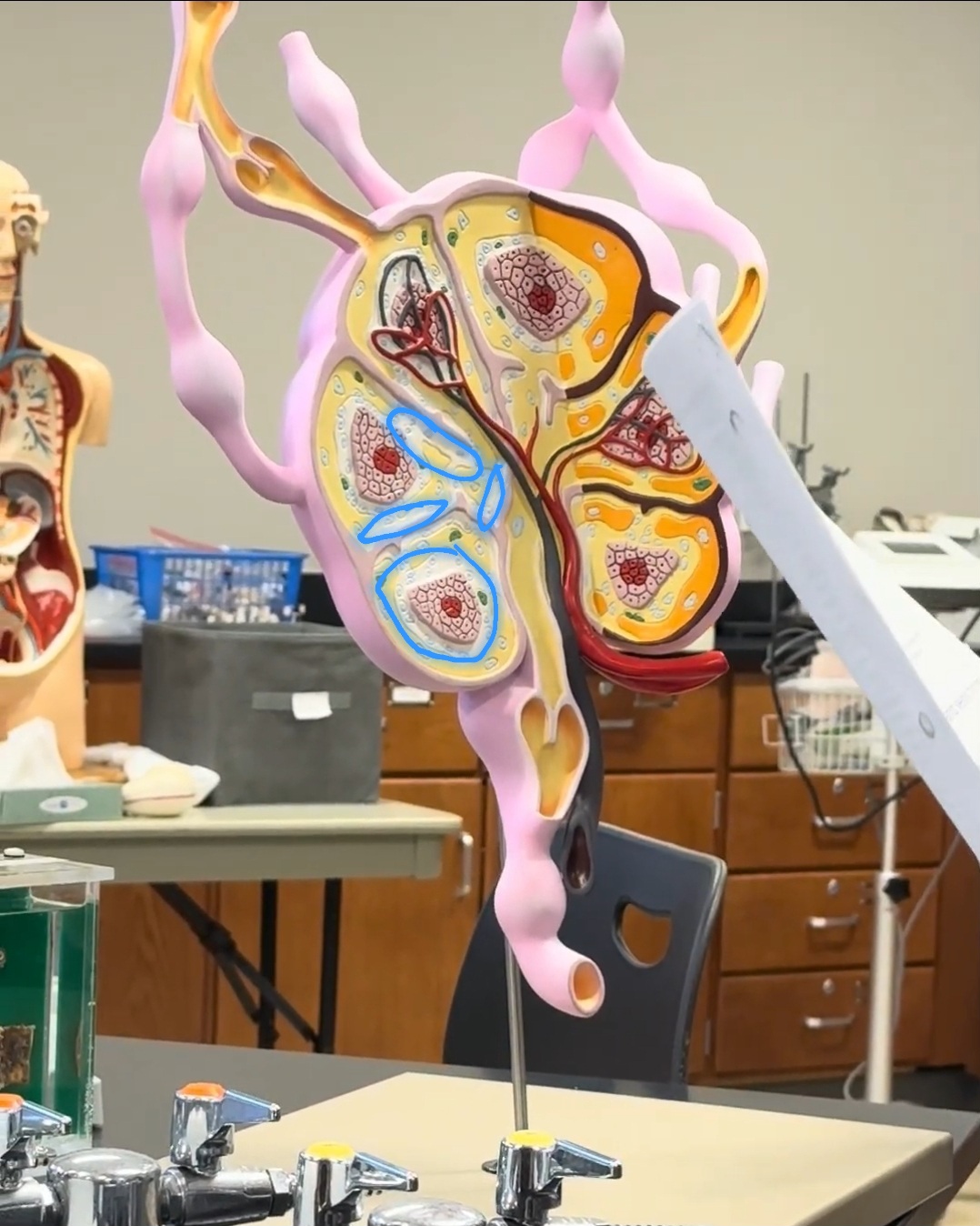
What are the white channels called?
medullary sinus
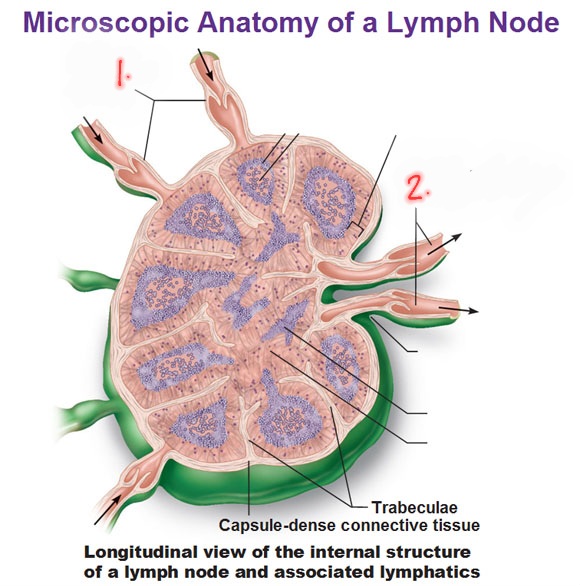
What is number 1?
Afferent vessels (top)

