Intro to Ancient Egypt
 Call Kai
 Learn
Learn Practice Test
 Spaced Repetition
 Match
Match Flashcards
 Knowt Play
1/53

Earn XP
Description and Tags
Midterm
Name | Mastery | Learn | Test | Matching | Spaced | Call with Kai |
|---|
No analytics yet
Send a link to your students to track their progress
54 Terms
White crown
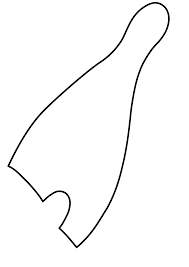
Red crown

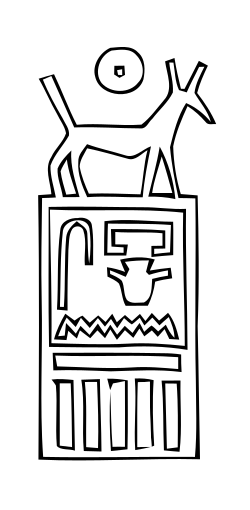
Serekh
Neolithic and Predynastic periods
a time in ancient Egypt between 6000 and 3150 BCE
Early Dynastic period
period in ancient Egypt between 3150 and 2700 BCE, 1st and 2nd dynasties
Old Kingdom
period in ancient Egypt between 2700 and 2200 BCE, 3rd - 6th dynasties; the pyramid age; prosperity, wealth, and minimal conflict; control over core Nile Valley, core of civilization centered over Nile Valley; monumental architecture because resources can be funneled towards architecture not war; by the end of this period shifts in bureaucracy empower local nomarchs
First Intermediate Period
period in Egyptian history between 2150 and 2000 BCE, 7th - 11th dynasties; characterized by provincial governance; local artistic traditions; supposed lack of power and control especially at kingship level; nomarchs fight for kingship in what is akin to an Egyptian Civil War; Mentuhotep II (11th century) from Thebes defeats rivals in Herakleopolis, Egypt is unified under one rule once again
Middle Kingdom
time in Egyptian history between 2000 and 1650 BCE, 12th - 13th dynasties; families maintained their power for a 400 year period; kings displayed themselves as caring about their people in response to civil war (pharaohs shown with care worn faces); classical period for literature; capital is Iti-Tawi near the middle of Egypt; empire extended south to the 2nd cataract and outward toward the oases; wealth and trade increase, and Egypt’s rivers connected to the Mediterranean become focal points of trade and economic growth
Second Intermediate Period
time in Egyptian history between 1650 and 1550 BCE, 14th - 17th dynasties; short rule in the end of the 13th dynasty leaves a political vacuum; royal court moves to Thebes and loses control of the North; foreign rulers from the North take over at Avaris; Egypt is fractured into two halves (foreign rulers in the North, Egyptian rulers in the South); major civil war between the families in the south around around Thebes and Hyksos to the north causes transition to next period
Hyksos
ruled from Avaris to the delta; still took on Egyptian titulary which includes Egyptian gods’ names; maintained Egyptian temples; also used non-Egyptian gods and customs most likely from Syrio-Palestine; ruled in the Second Intermediate Period
The New Kingdom
period in Egyptian history between 1550 and 1050 BCE, 18th - 20th dynasties; 500 year period; most documented period of Egyptian history; Egypt’s most famous pharaohs tend to come from this time; dominated by the Thutmoseids in the 18th dynasty and Ramessids in the 19th and 20th dynasties; significant military campaigning gives Egypt control into the Sinai peninsula and into the Levant; movement to the South gives Egypt control over Nubra; Amun is the local god of Thebes and high priests gain a lot of power —> leads to the end of this period as they gain as much power as the King
Akhenaten
revolutionizes religion, art, and the administration; names one god who is Aten (the Sun); shown with an elongated neck and ambiguously gendered body, moves capital to modern day Amarna
Third Intermediate Period
time period in ancient Egypt between 1050 and 650 BCE, 21st - 25th dynasties; rule is split between the king and the priest of Amun; strong Libyan families in Thebes rule until Kush takes over Egypt in the 25th dynasty, rule is interrupted by foreign entities; tomb robberies make it unsafe to bury yourself with precious objects; the lack of centralized power makes it hard to come by internationally traded goods; consequently tomb equipment is limited and more time is spent on cheaper items and the body
The Late Period
time period in Egypt between 332 and 30 BCE, 26th - 30th dynasties; much more foreign rule; some say it was the start of the end (ruled by groups that called themselves foreigners and not Egyptian); rule is switched between foreign rulers until Alexander the Great conquers Egypt in 332 BCE; Ptolemaic kings and queens take over and identify as Greek and Egyptian
Neheh
the recurring and forever (cyclical); like the rising and setting of the sun
Djet
the once and forever; the first time something happens isn’t the same as the second and third and fourth
Sep Tepy
the first occasion; the moment of creation
Akhet
season in Egypt between July and October; a time of inundation; the Nile floods the land not only with water, but also with rich soil; too much flooding leads to destruction and too little leads to famine; the new year is in late July
Peret
season in Egypt between November and February; the growing season; plants begin to emerge from the soil
Shemu
season in Egypt between March and June; the season of harvest or drought; crops are harvested
inundation (stability during regular floods, high and low inundation can hurt crops and the people), protection and trade (protection comes from the desert, water invasion is hard through the delta, hard to come through Sinai peninsula because it is mountainous, Egypt is center of trade through Mediterranean), and transportation (Nile is the best form of transport in Egypt)
What are the three gifts of the Nile according to Herodotus
Nut
the sky goddess, the sun passes through her body in the night cycle
Akhet
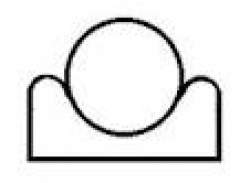
the horizon; is where the earth, the sky, and the underworld all meet at the edge of what is visible on earth; means literally “place of glorification;” portal between the realm of the living and dead
Akhet
Duat
the land of the afterlife; is a place divided by gates with different areas for the damned and blessed dead; it was traversed by boat and filled with the unending waters of Nun, the primordial waters that existed before life began
Terminal Pleistocene
time in prehistoric Egypt before 8,500 BCE; extremely dry; population is just along the edge of the Nile (beyond that is uninhabitable desert)
Early Holocene
time in prehistoric Egypt between 8500 and 7000 BCE that brings monsoons; temperatures warm leading to monsoons and wet climate; people can’t live next to the Nile due to inundations (people live near oases)
Upper Egypt
characterized by the white crown; major crop is barley; situated on the Nile Valley; major deity is Nekhbet (vulture); key feature of social hierarchy; increased specialization of stone work
Lower Egypt
ruled by the red crown; situated on the Delta; major crop is emmer wheat; major deity is Wadjet (cobra); key feature of trade; technology of metal work
Ma’at
“order;” sense of things being in the right place
isfet
chaos, disorder
Old Kingdom
kings in this time in Egyptian history were shown as extremely muscular; kingship is defined by strength of the ruler; a time of relative stability
Middle Kingdom
this time in Egyptian history happened after terrible famine and drought; kings are shown with care-worn faces (definition is mostly shown in the face not the body); kingship shifts to being a king of the people
New Kingdom
this time in Egyptian history has pharaohs with a more youthful look and more modest musculature; Hatshepsut and Akhenaten were during this time
Heb Sed
regeneration of king’s vigor after 30 years of reign; ritual death followed by restoration of life forces
Osiris
god associated with death; skin shown with green color; depicted as mummified; has the regalia of kingship
Isis
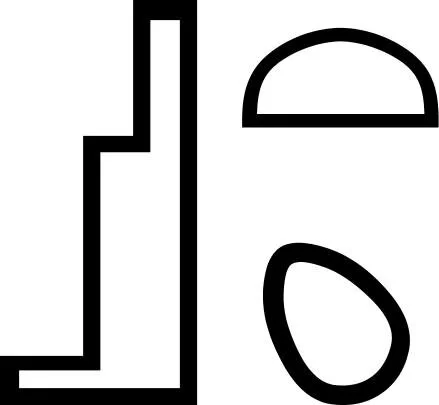
wife and sister of Osiris; has healing abilities; shown with throne hieroglyph on head
Isis
Horus
god shown with falcon head; has duel crown; son of Osiris and Isis
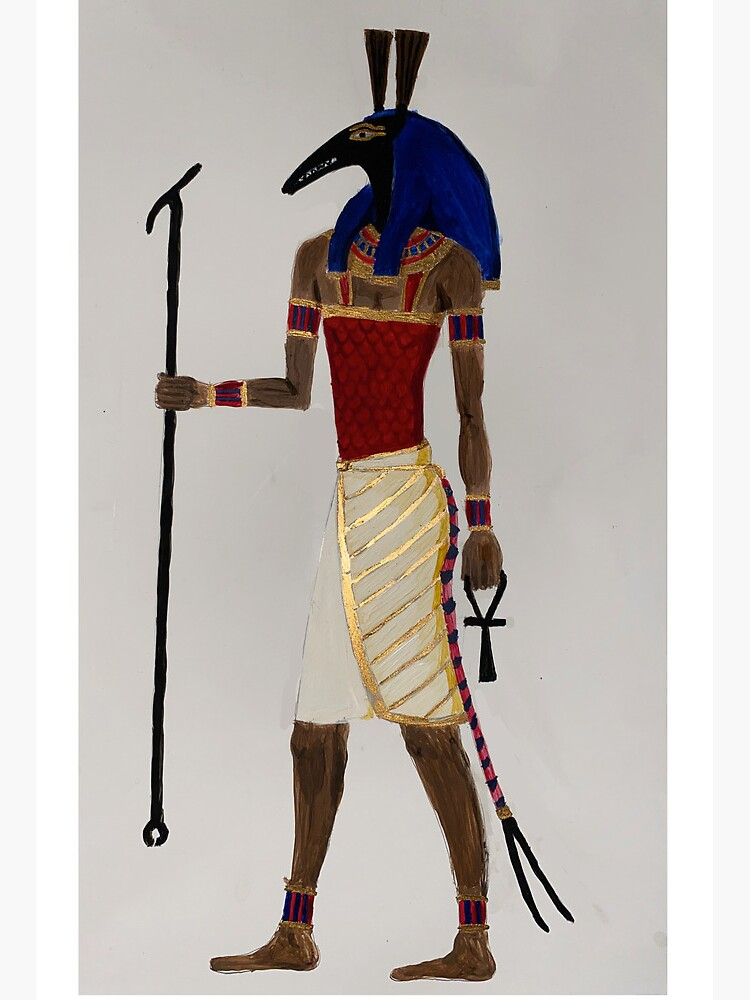
Set (Seth)
sometimes seen as a villain; brother of Osiris, Isis, and Nephthys; married to Nephthys
Set (Seth)
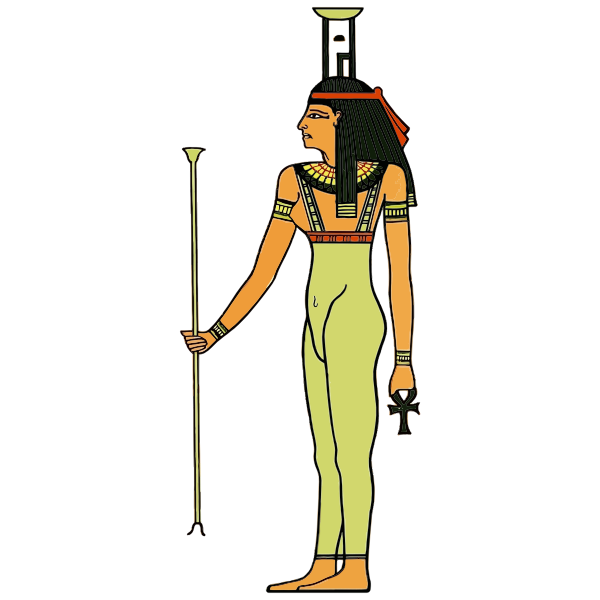
Nepthys
Senetjer
to make divine
Nun
primeval ocean
Heka
creative force, magic
Osiris
divine king; killed by his brother Seth; revived and reborn by the magic of his wife; father to the next true king of Egypt, Horus; he resides in and over the underworld
Khepri
to bring into being, to come into existence, to exist; represented by a beetle
Apophis/Apep
giant snake, biggest enemy of the sub god and pure representation of Isfet; every night he attempted to stop the sun god’s barque
the body
a vessel; home base for the dead; perfect image of the deceased; “twt”; it is more a shell for a soul; it is unique
Ka
a double; a link to the past; the life force; it required nourishment in the afterlife; had to be mobile; cannot leave the tomb
Ba
represented as a bird with a human head; represents power; multiple of these for deities; can travel the skies; has to return nightly to the body
heart
the center of a person; the seat of reason and emotion; center of morality; remained in the body; is tested in the afterlife to see if Ma’at is kept; if this is out of balance Amut kills you a second time destroying you
Name
“rn”; identifier; pronouncement with a “voice offering” provided sustenance; in order to erase someone like a king you would try to destroy this
Akh
effective spirit; animated in the afterlife after funerary rituals; this was invoked in prayers to the dead; the part of the soul in the afterlife

