Exam 1 : Roman Art and Archeology
 Call Kai
 Learn
Learn Practice Test
 Spaced Repetition
 Match
Match Flashcards
 Knowt Play
1/37

There's no tags or description
Looks like no tags are added yet.
Name | Mastery | Learn | Test | Matching | Spaced | Call with Kai |
|---|
No analytics yet
Send a link to your students to track their progress
38 Terms
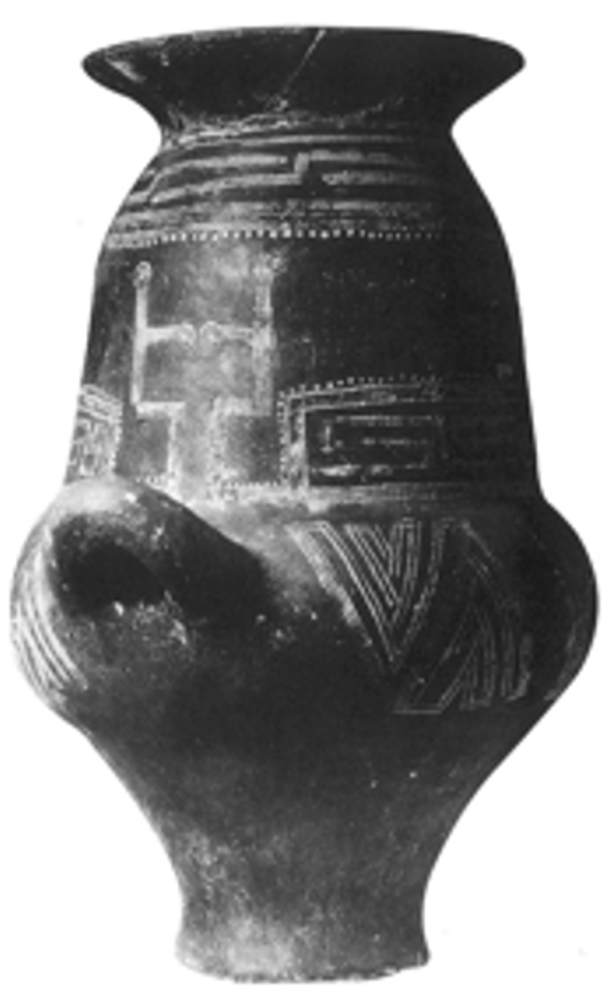
Urn with Figures, impasto, 850-750 BCE, Tarquinia
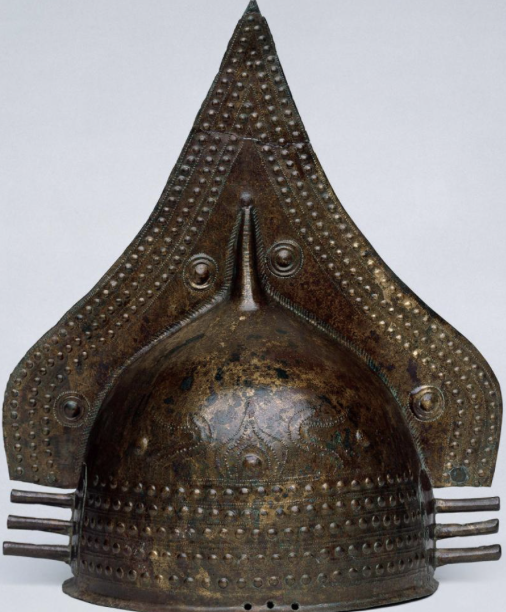
Villanovan Crested Helmet, bronze, 800-750 BCE, Tarquinia
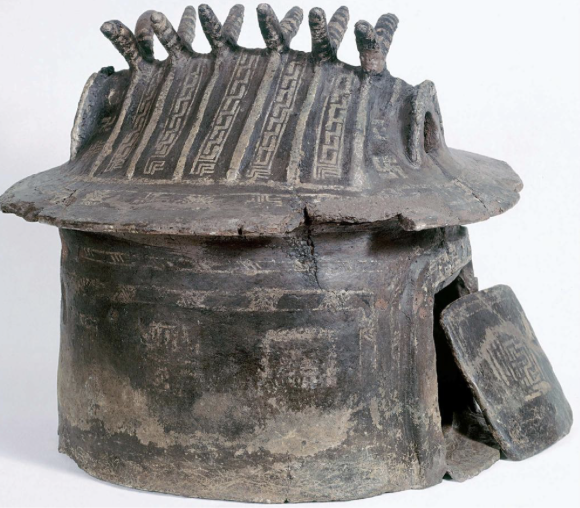
Villanovan Hut Urn, impasto, 8th century BCE, Cavalupo Necropolis, Vulci
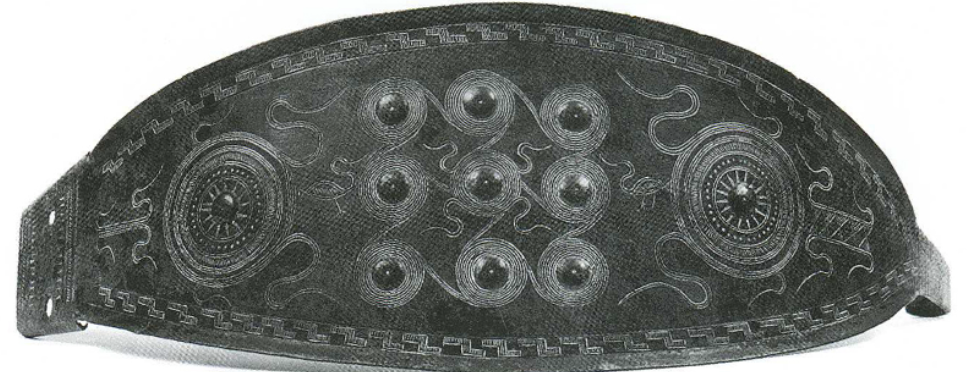
Belt, bronze, 800-750 BCE, Benacci
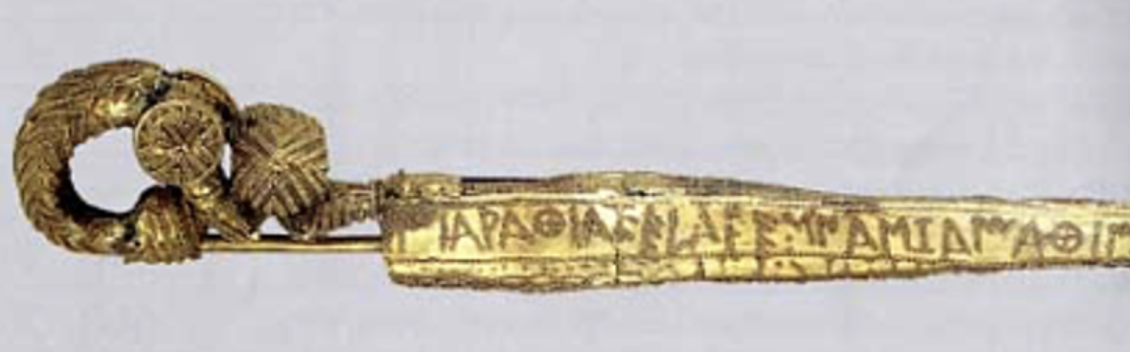
Fibula, gold with inscription, 625 BCE, Castellucio di Pienza
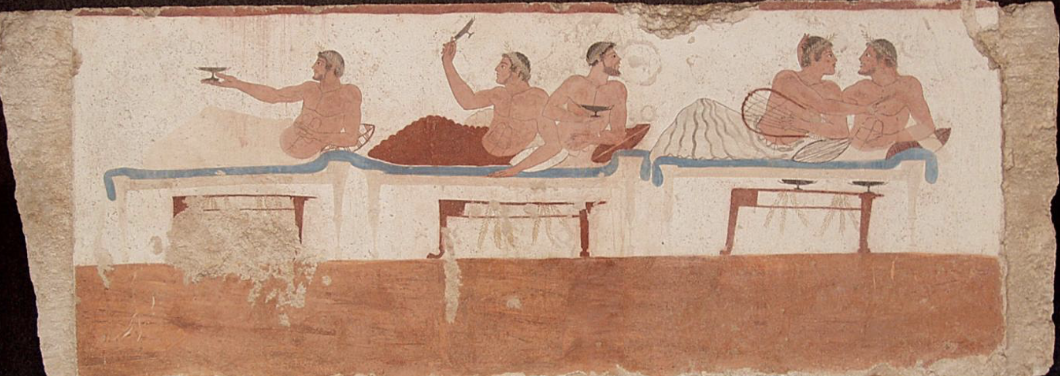
Banqueters (north wall and cover slab), 480-470 BCE, Tomb of the Diver, Paestum
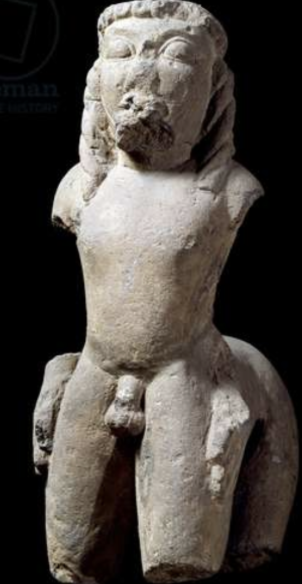
Statue of a Centaur, nenfro, 590 BCE, Vulci
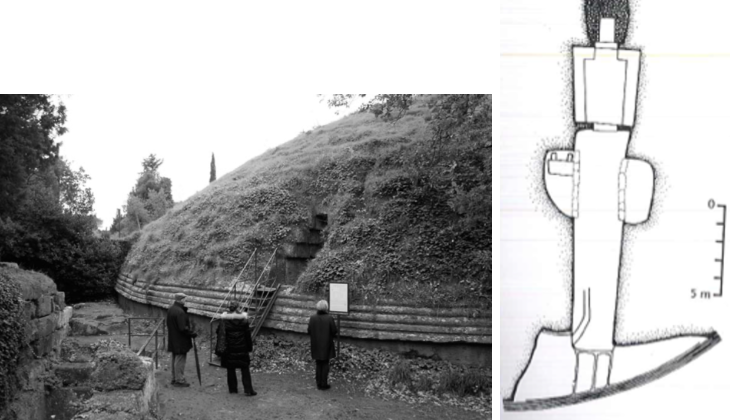
Tomb of the Hut, stone, 650-600 BCE, Caere
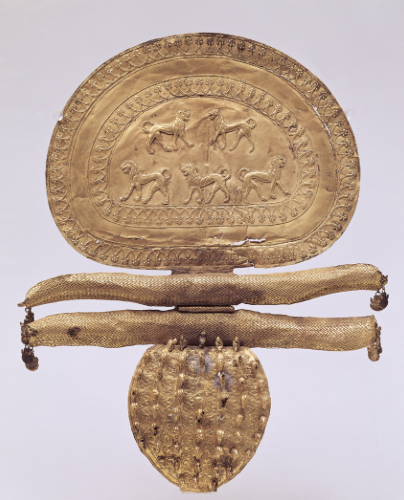
Disk Fibula with Orientalizing Lions, gold, 650 BCE, Regolini-Galassi Tomb, Cerveteri
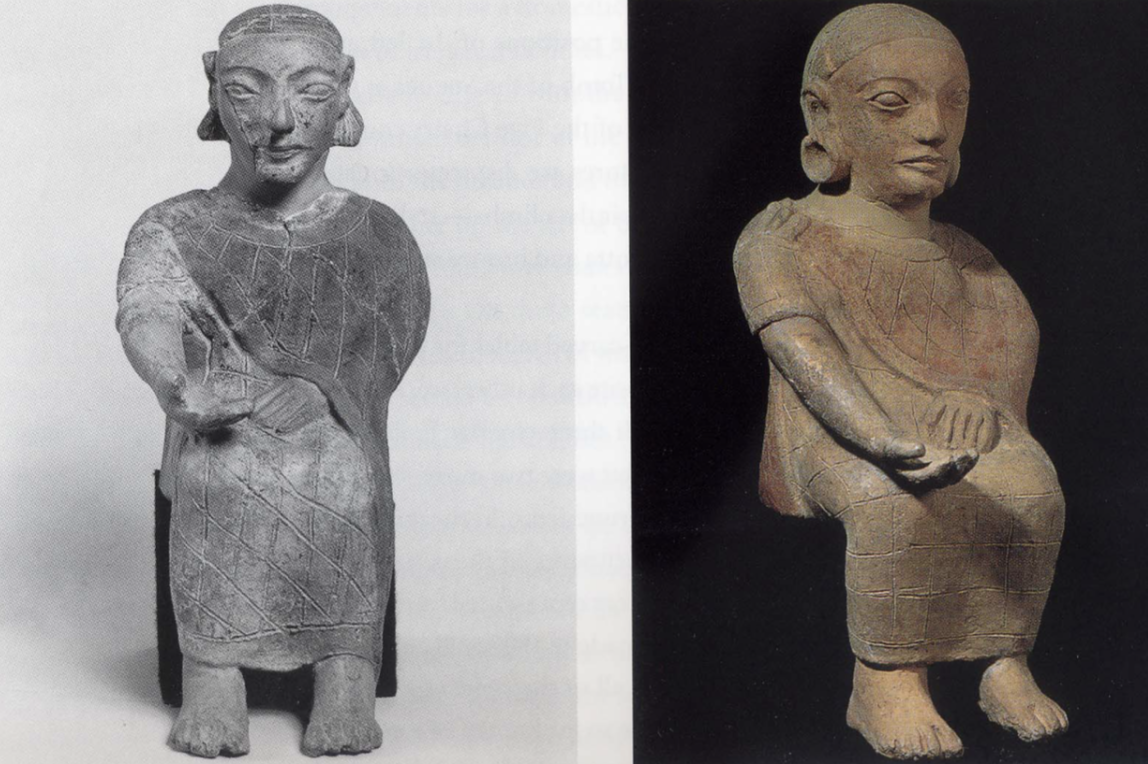
“Castellani” terracotta statues, terracotta, 650-600 BCE, Tomb of the Five Chairs, Caere
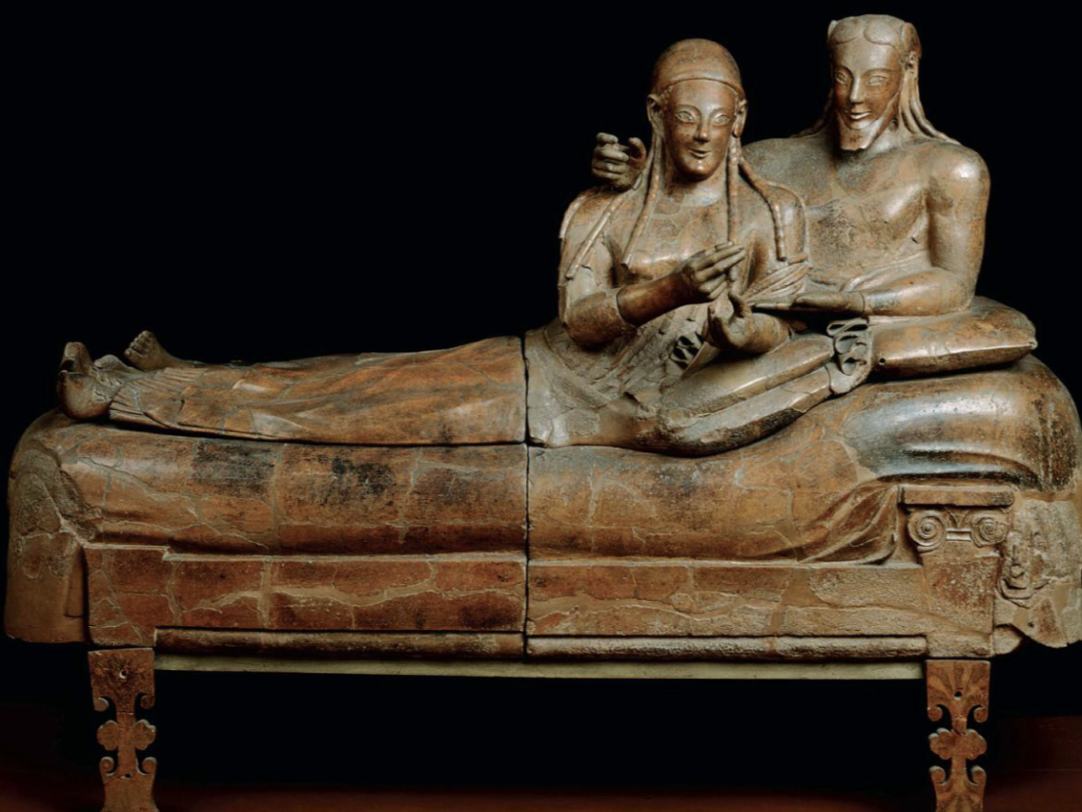
Sarcophagus with reclining couple, painted terracotta, 520 BCE, Cerveteri
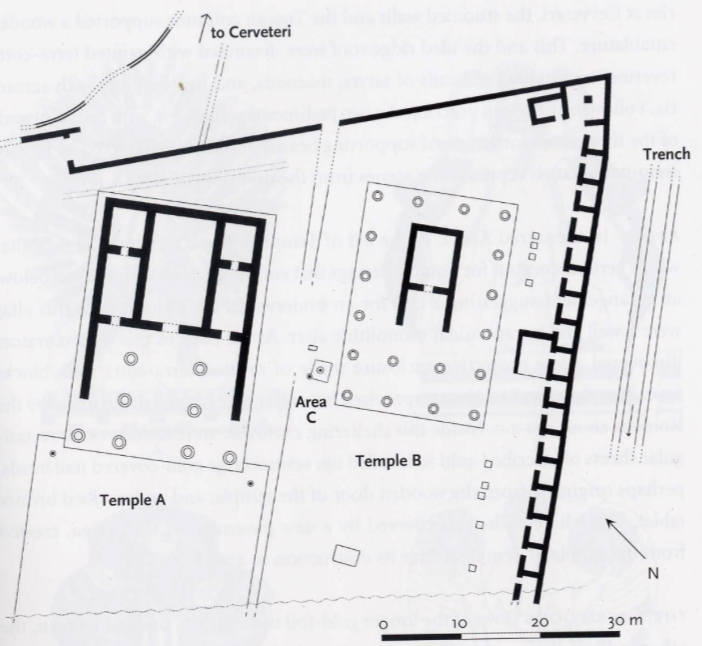
Plan of the Sanctuary, Temple B : 510 BCE, Temple A : 470 BCE, Pyrgi
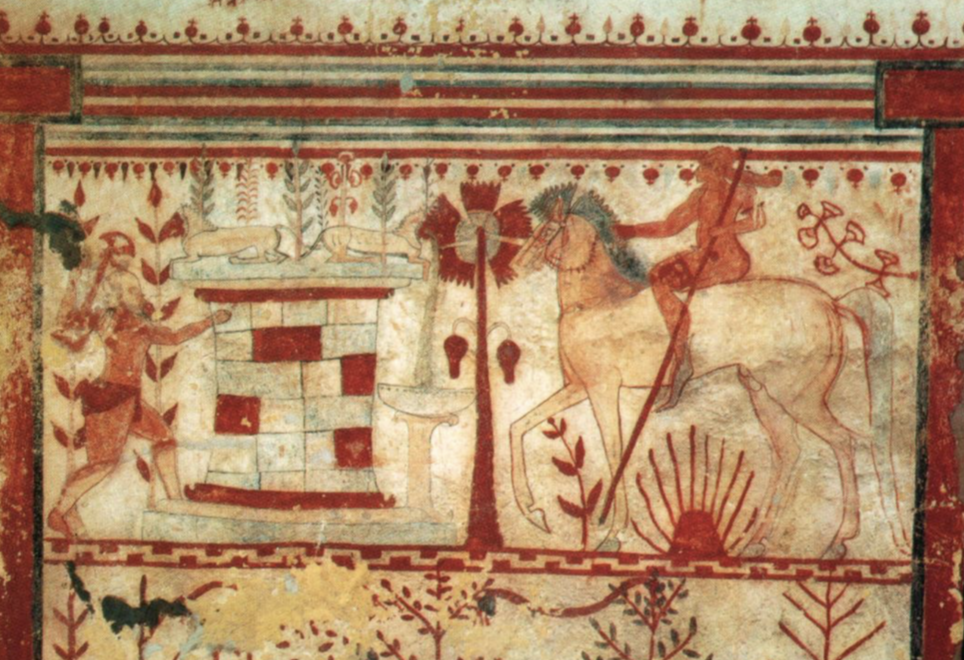
Interior of the Tomb of the Bulls, painted stone, 530 BCE, Tarquinia
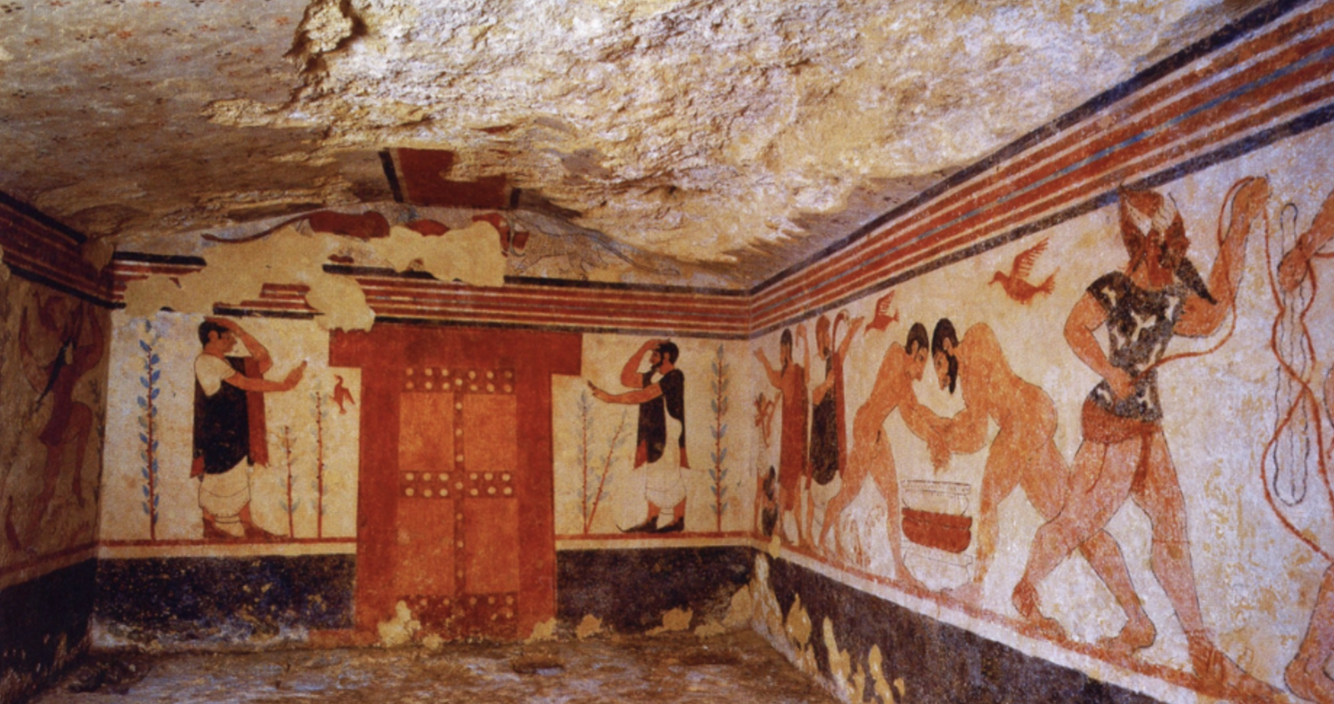
Interior of the Tomb of the Augurs, painted stone, 520 BCE, Tarquinia
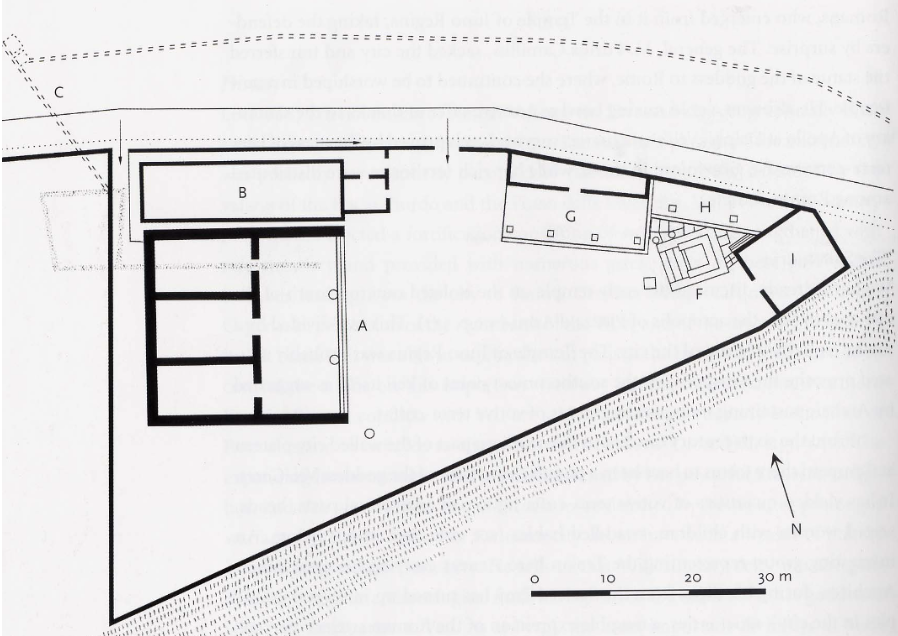
Portonaccio temple, 510-500 BCE, Veii
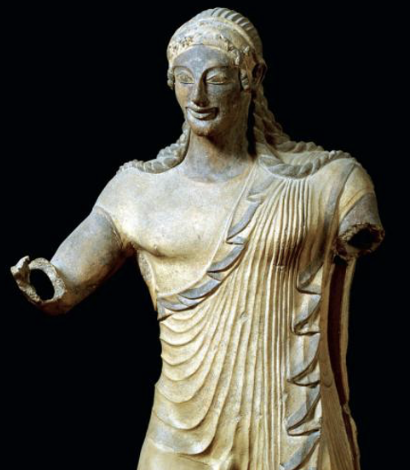
Apulu (Apollo of Veii), painted terracotta, 510-500 BCE, roof of the Portonaccio temple, Veii
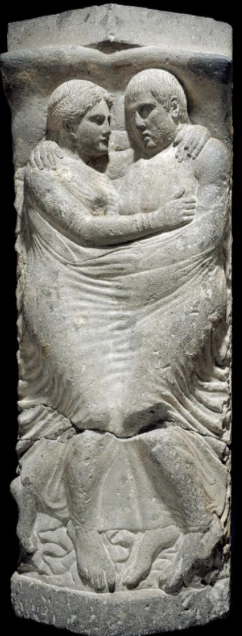
Sarcophagus lid with portraits of Ramtha Visnai and Arnth Tetnies, nenfro, 350-300 BCE, Vulci
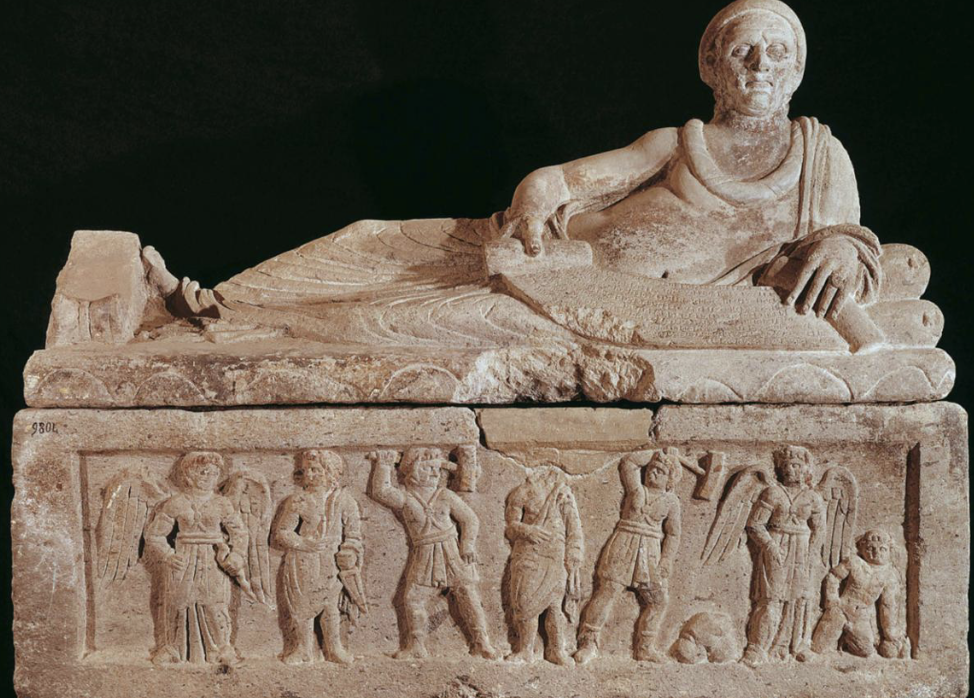
Sarcophagus of Lars Pulena, tufa, 200 BCE, Tarquinia
Whosoever will violate this grove, let him be cursed. Let no one dump refuse nor throw a body. Let it be lawful for the king to sacrifice a cow in atonement. Let him fine one fine for each offence. Whom the king will fine, let him give cows. Let the king have a --- herald. {more stuff follows about the King’s religious roles} |
Lapis Niger (the black stone) text in translation, grotto oscura, 575-550 BCE, Forum Romanum
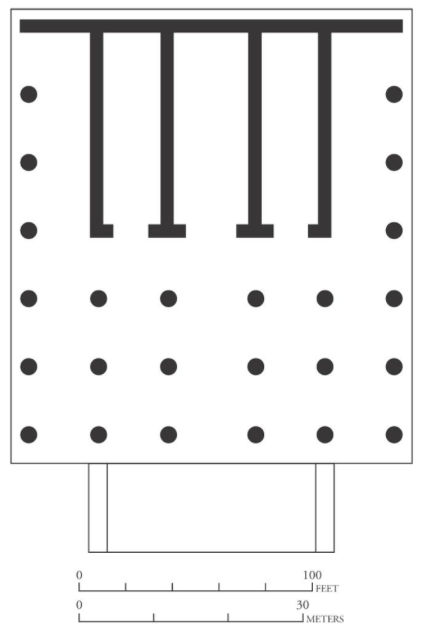
Plan of the Temple of Jupiter Capitolinus, dedicated 509 BCE, Rome
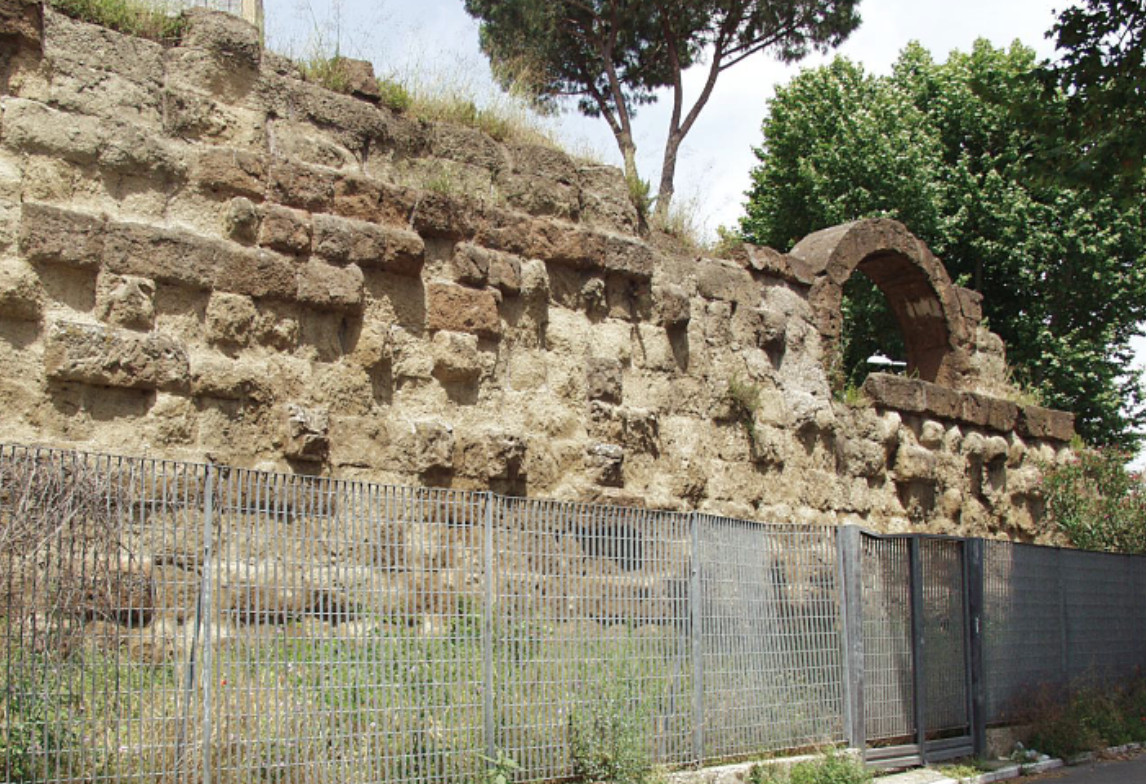
Section of the Servian Walls on the Viale Aventino, 786-378 BCE, Rome
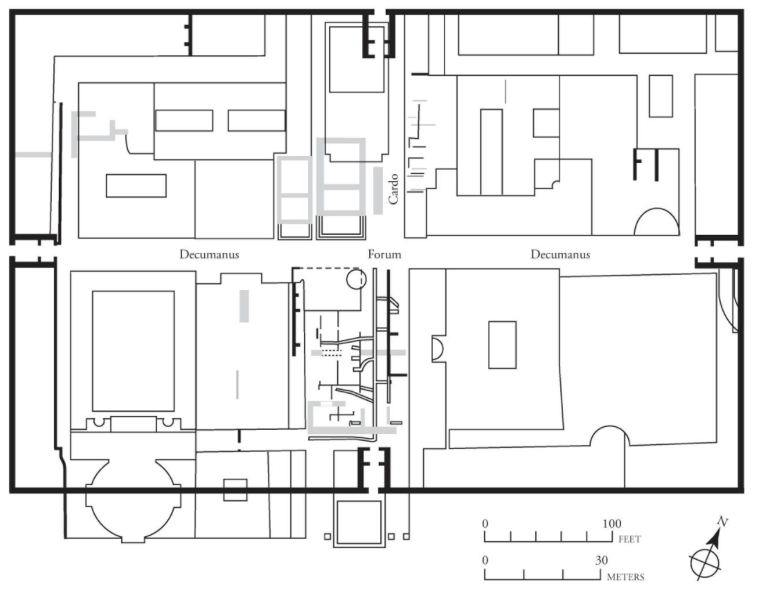
Plan of Ostia, founded 340-300 BCE
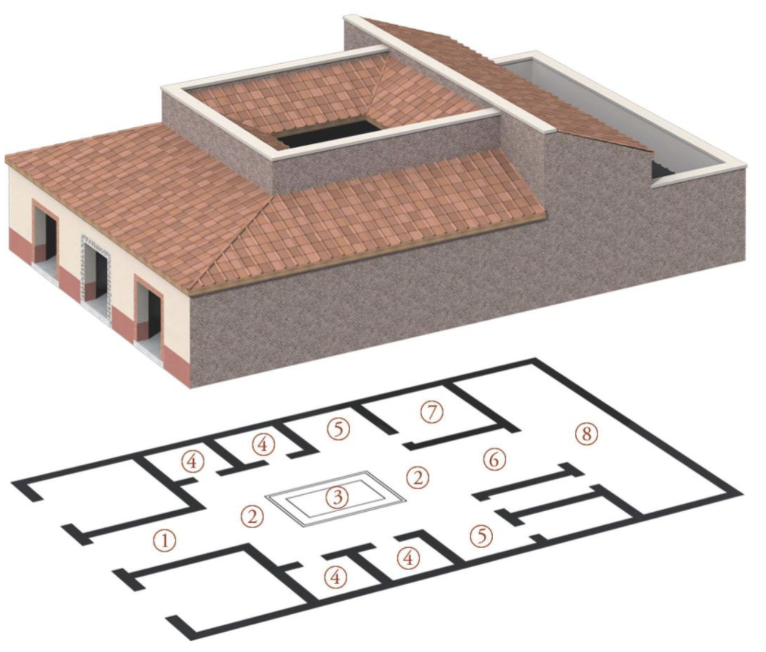
Restored view and plan of a typical Roman house (domus italica), 3rd century BCE
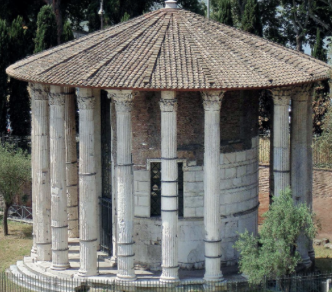
Temple of Vesta or Hercules Victor (looking southwest), mid 2nd century BCE, Rome
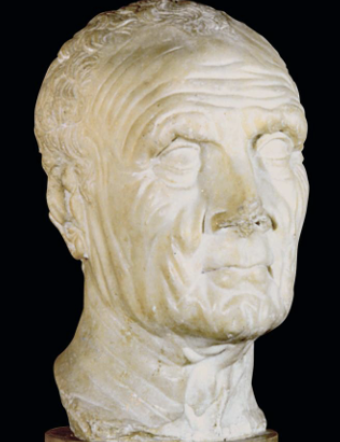
Head of an Old Man, marble, mid 1st century BCE, Osimo
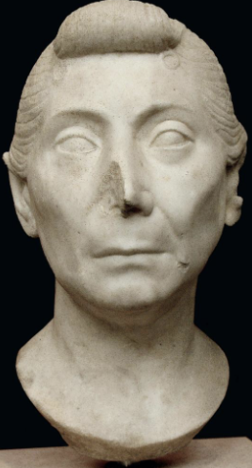
Head of an Old Woman, marble, 40-30 BCE, Palombara Sabina
The Nile, mosaic tile, 100 BCE, floor of the Sanctuary of Fortuna, Palestrina
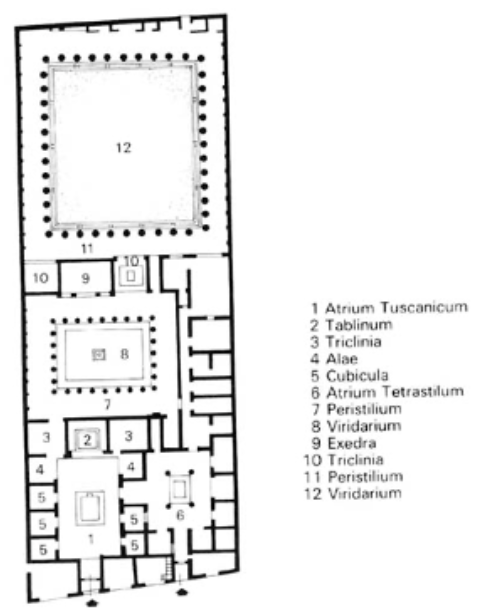
Plan of the House of the Faun, begun in the first half of the 2nd century BCE, Pompeii
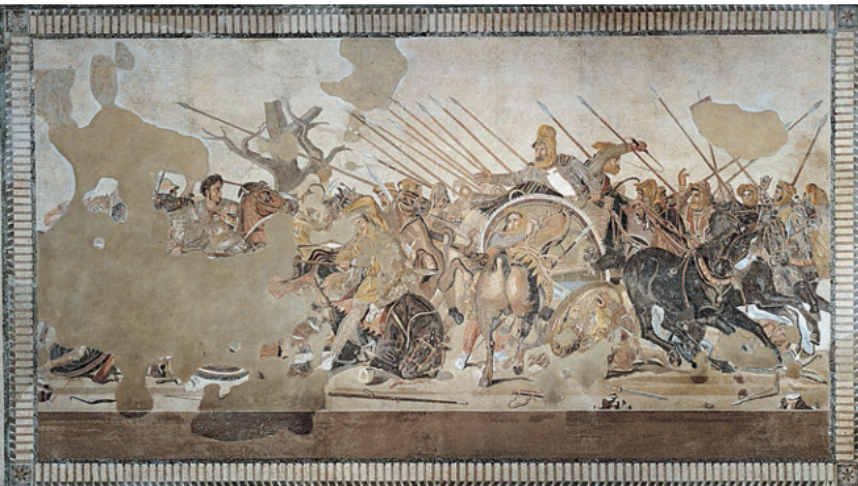
Alexander Mosaic, mosaic tile, late 2nd/early 1st century BCE, House of the Faun, Pompeii
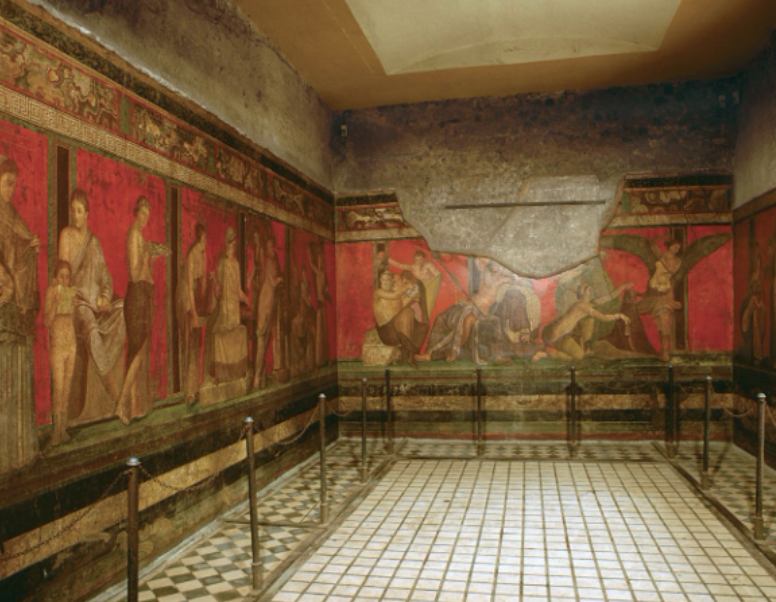
Dionysiac mystery rites, fresco, 60-50 BCE, Villa of the Mysteries, Pompeii
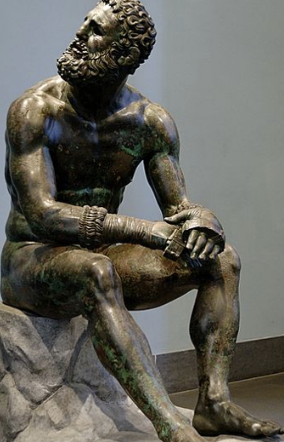
The Boxer, Greek bronze, 2nd Century BCE, Esquiline Hill, Rome
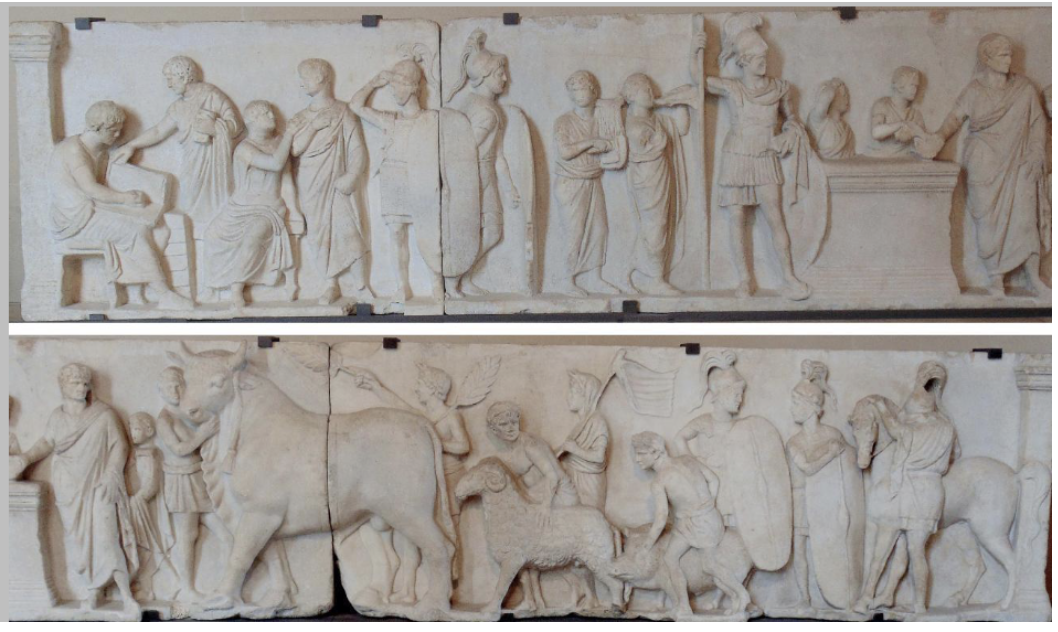
Altar of Domitius Ahenobarbus, marble, late 2nd or early 1st century BCE, Rome
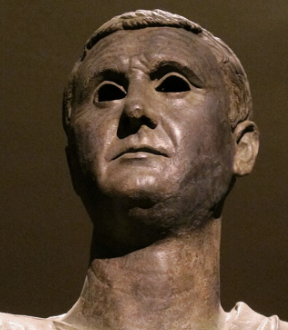
Aule Metele (Arringatore), bronze, 90-70 BCE, Cortona
To Lucius Cornelius Sulla Felix (“the happy”), dictator, the Neighborhood of the Laci Fundani
Inscription, from a statue base on the Quirinal hill, Rome
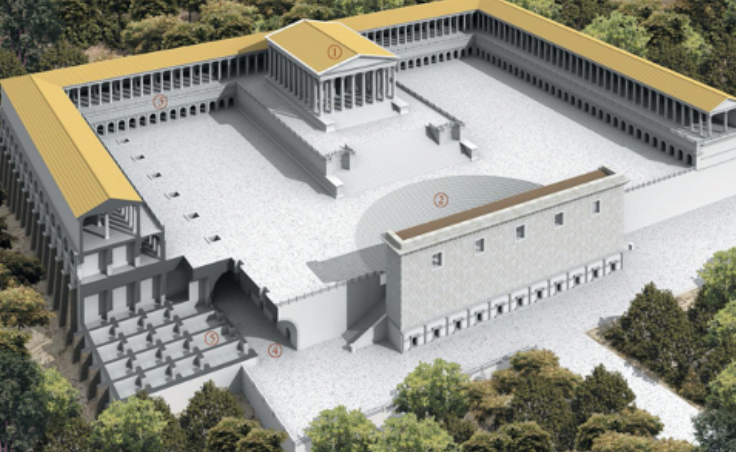
Restored view of the Sanctuary of Hercules, 50 BCE, Tivoli
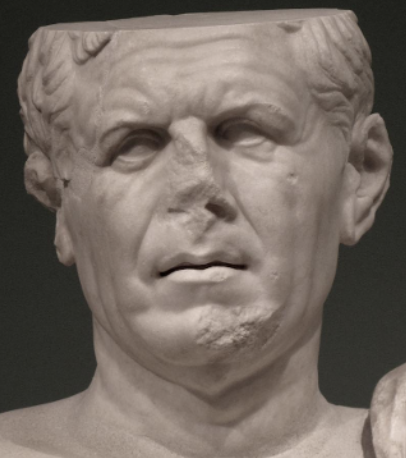
Statue of a general, marble, 75-50 BCE, from the Sanctuary of Hercules, Tivoli
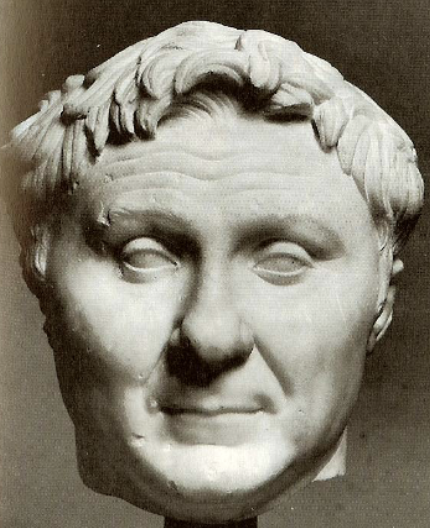
Head of Pompey the Great (copy), marble, 55-50 BCE, Via Salaria, Rome
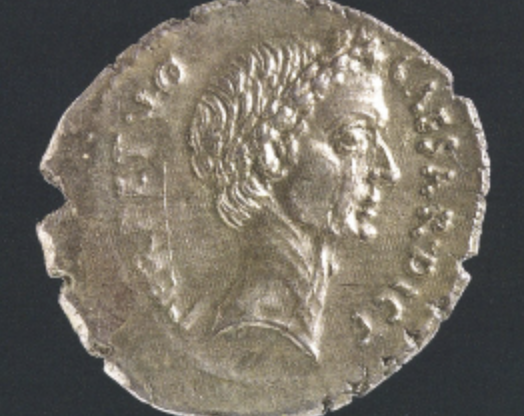
Denarius with obverse portrait of Julius Caesar as dictator perpetuo, silver, 44 BCE

