Topic 8: Glucose and Glycogen Metabolism
 Call Kai
 Learn
Learn Practice Test
 Spaced Repetition
 Match
Match Flashcards
 Knowt Play
1/176

There's no tags or description
Looks like no tags are added yet.
Name | Mastery | Learn | Test | Matching | Spaced | Call with Kai |
|---|
No analytics yet
Send a link to your students to track their progress
177 Terms
What is the primary energy source for many organisms?
D-glucose
Products & energy released of complete oxidation of glucose
CO₂ and H₂O
~ −2840 kJ/mol (highly energy-rich molecule)
What does glucose serve as for many biomolecules and multiple biosynthetic pathways
a key precursor
Why does glucose occupie a central position in metabolism?
Because of its central role in energy production and biosynthesis
Major Pathways of Glucose Utilization
glycolysis, Pentose Phosphate Pathway (PPP), Storage Pathways
Glycolysis
- Oxidation of glucose to pyruvate producing ATP and NADH
What can pyruvate do after glycolysis?
1. Enter cellular respiration for further ATP production
Or
2. serve as a precursor for biosynthetic reactions
Pentose Phosphate Pathway (PPP)
- Oxidizes glucose-6-phosphate to produce ribose-5-phosphate & NADPH
Ribose-5-phosphate (PPP)
required for nucleotide and nucleic acid synthesis
NADPH (PPP)
provides reducing power for biosynthetic reactions and antioxidant defense
Storage Pathways
- conversion of glucose to glycogen (animals) or starch (plants)
- Acts as a long-term energy reserve
- Can be mobilized when cellular energy demand increases
What was the first metabolic pathway to be fully elucidated (completed around 1940 after decades of research)?
Glycolysis
How long has humans used glycolysis indirectly?
for centuries through fermentation, long before understanding the biochemical mechanism
Glycolysis example
Yeast fermentation: converts glucose → ethanol + CO₂
- results from the anaerobic BD of glucose via glycolysis
What Happens in Glycolysis?
- Glucose (6C) partially oxidized through a series of enzyme-catalyzed rxns
- Produces 2 molecules of pyruvate (3C each)
- E released during oxidation used to synthesize ATP from ADP
- generates reducing equivalents (NADH)
Cellular Location of Glycolysis
In eukaryotic cells, glycolysis occurs in the cytosol
Glycolysis - Conservation Across Organisms
- highly conserved across all forms of life
- the chem rxns are identical in bacteria, plants, animals, and fungi
- Glycolytic enzymes strongly similar in sequence & structure across species
Glycolysis differences between organisms (2)
1. Regulation of the pathway
2. Fate of pyruvate: fermentation (microbes) vs. aerobic respiration (animals)
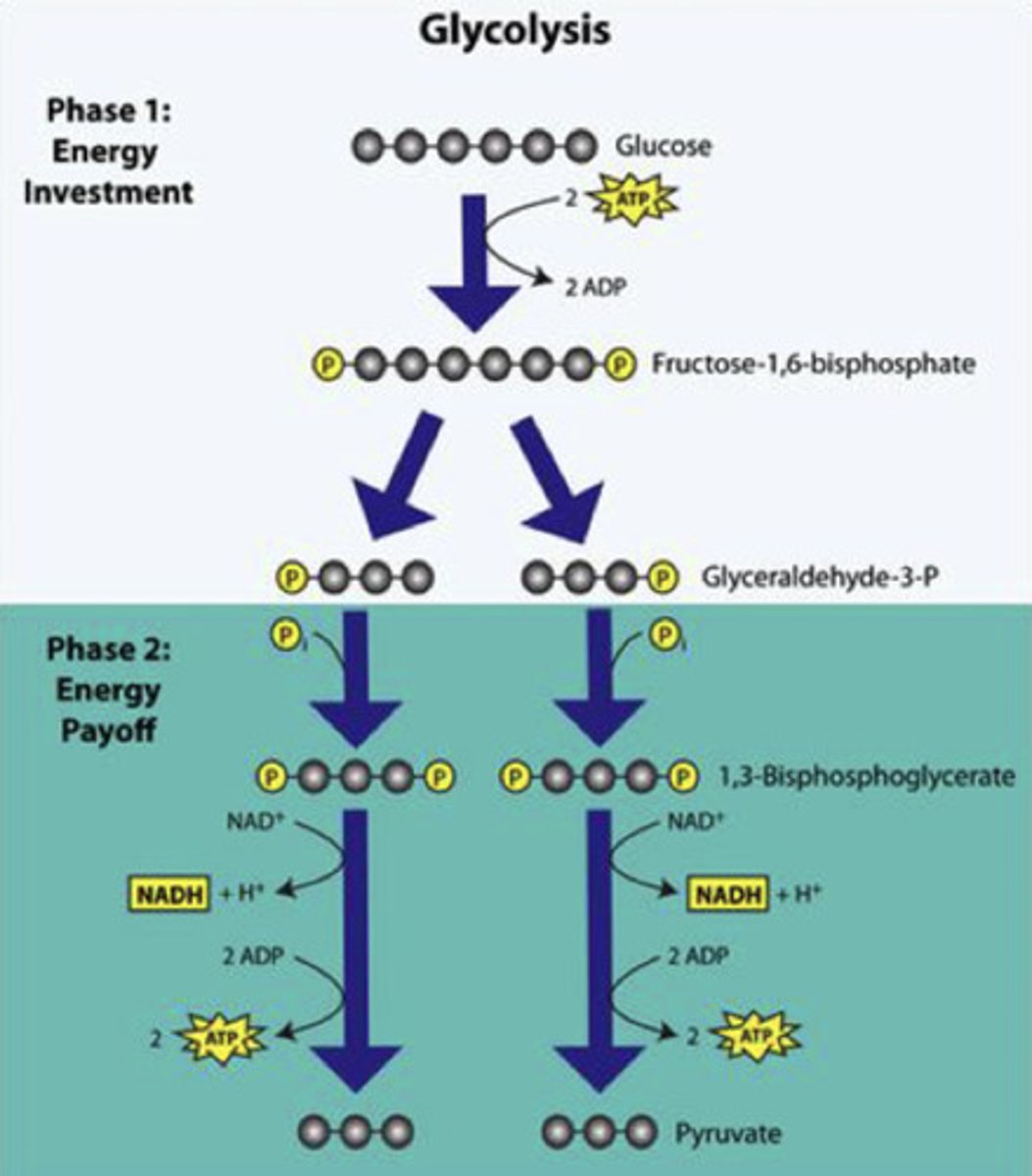
Number of reactions in glycolysis
10 enzyme-catalyzed reactions
2 phases of glycolysis
1. Preparatory (Investment) Phase - first 5 rxns
2. Payoff Phase - last 5 rxns
Which reactions are irreversible
1, 3, 10
- 7 is reversible, but highly favourable to one side)
Reversible reactions
can proceed in either direction depending on cellular conditions
- the same enzyme catalyzes both directions.
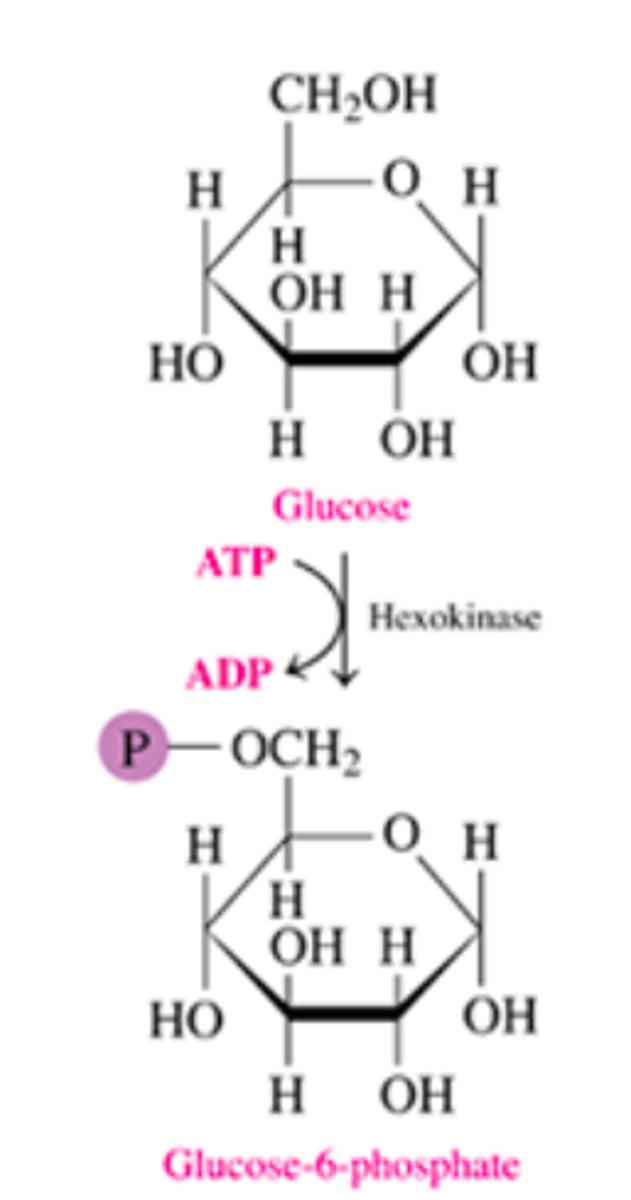
Glycolysis Reaction 1: Phosphorylation of Glucose
- Glucose is phosphorylated at the C-6 hydroxyl group by hexokinase
- ATP is the phosphate donor
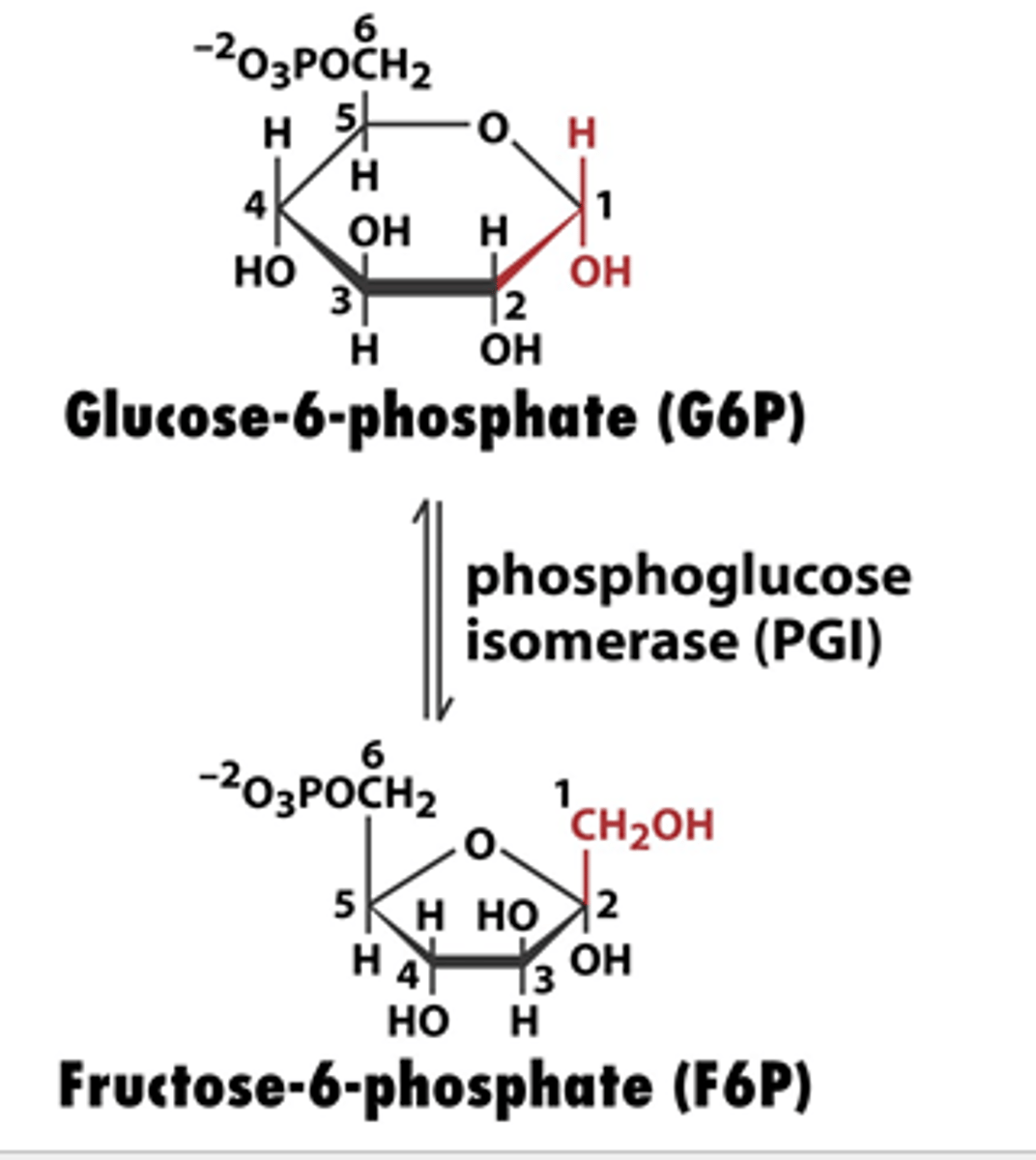
Glycolysis Reaction 2: G6P to F6P
- Glucose-6-phosphate (an aldose) is converted to fructose-6-phosphate (a ketose) by phosphohexose isomerase
- an isomerization rxn (rearrangement of atoms w/i the molecule)
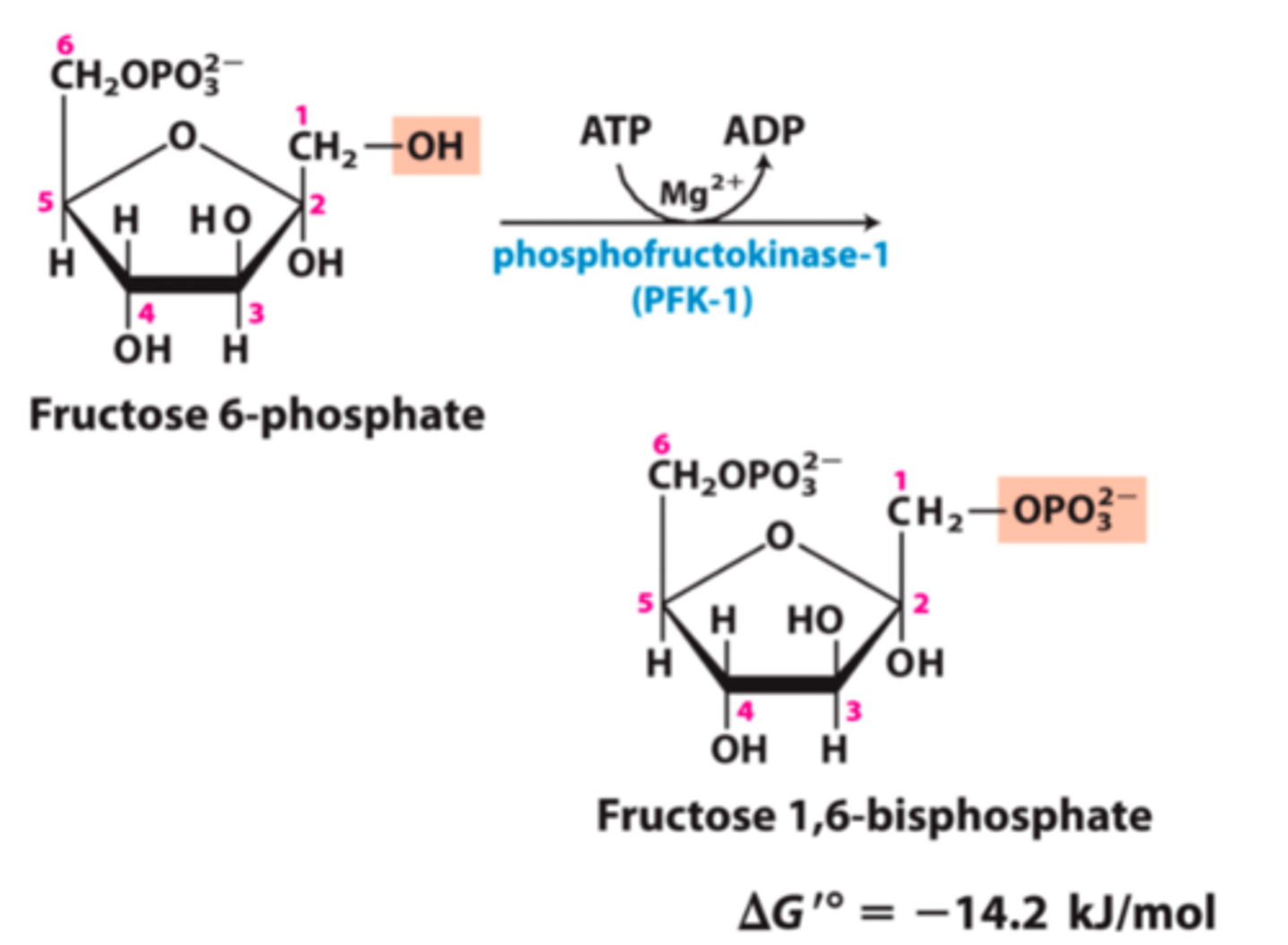
Glycolysis Reaction 3: Phosphorylation of Fructose-6-Phosphate
- F-6-P phosphorylated at C-1 position to form fructose-1,6-bisphosphate (ATP & phosphofructokinase-1)
- Called bisphosphate b/c the 2 phosphate groups are attached to different C atoms
diphosphate
molecule with 2 phosphate groups attached to the same atom
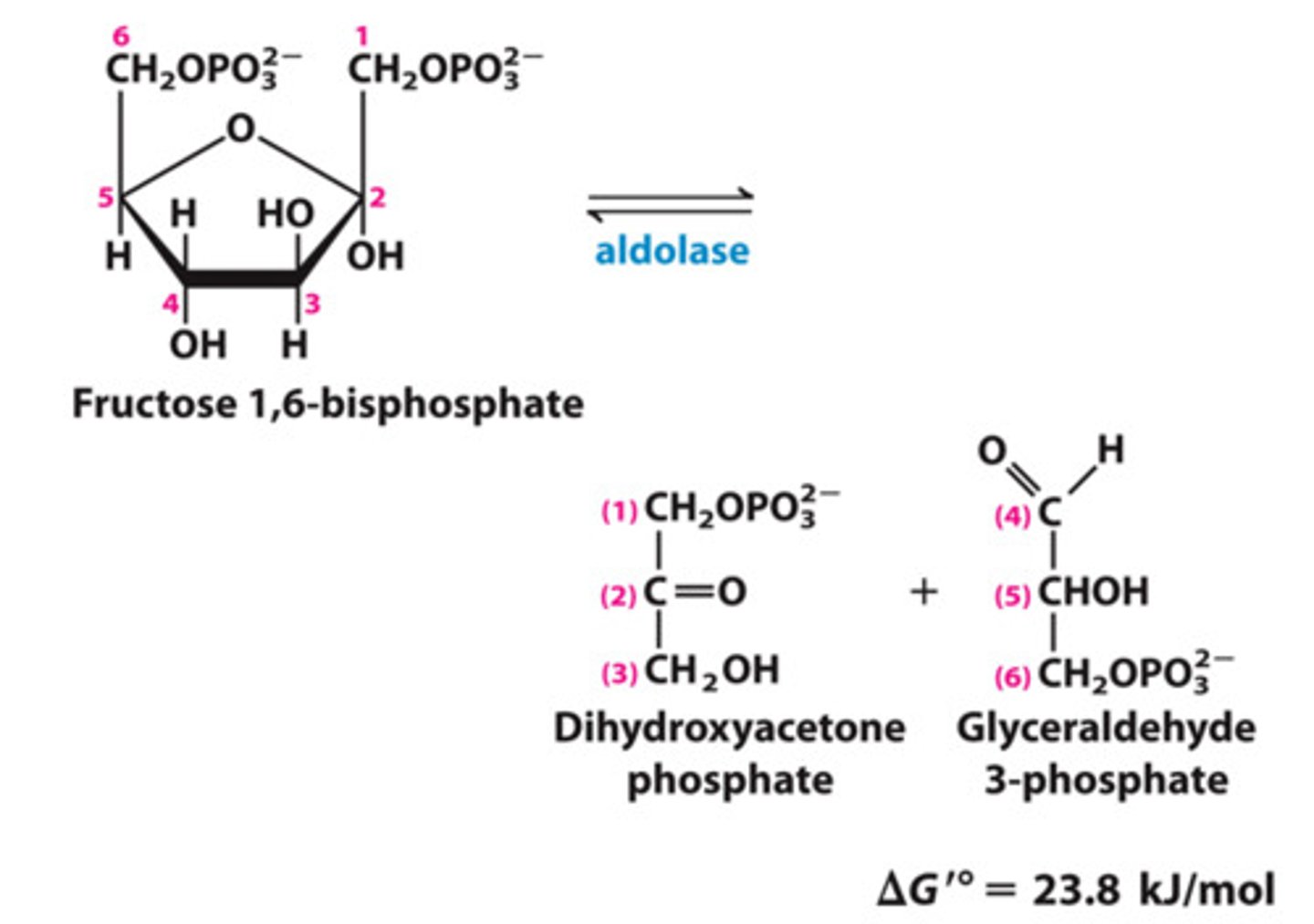
Glycolysis Reaction 4: Cleavage of Fructose-1,6-Bisphosphate
- 6-C fructose-1,6-bisphosphate split into two 3-Cmolecules by aldolase
- Products: Dihydroxyacetone phosphate (DHAP) & Glyceraldehyde-3-phosphate (G3P)
- reverse rxn of an aldol condensation → called retro-aldol cleavage.
Glycolysis Reaction 5: Isomerization of Triose Phosphates
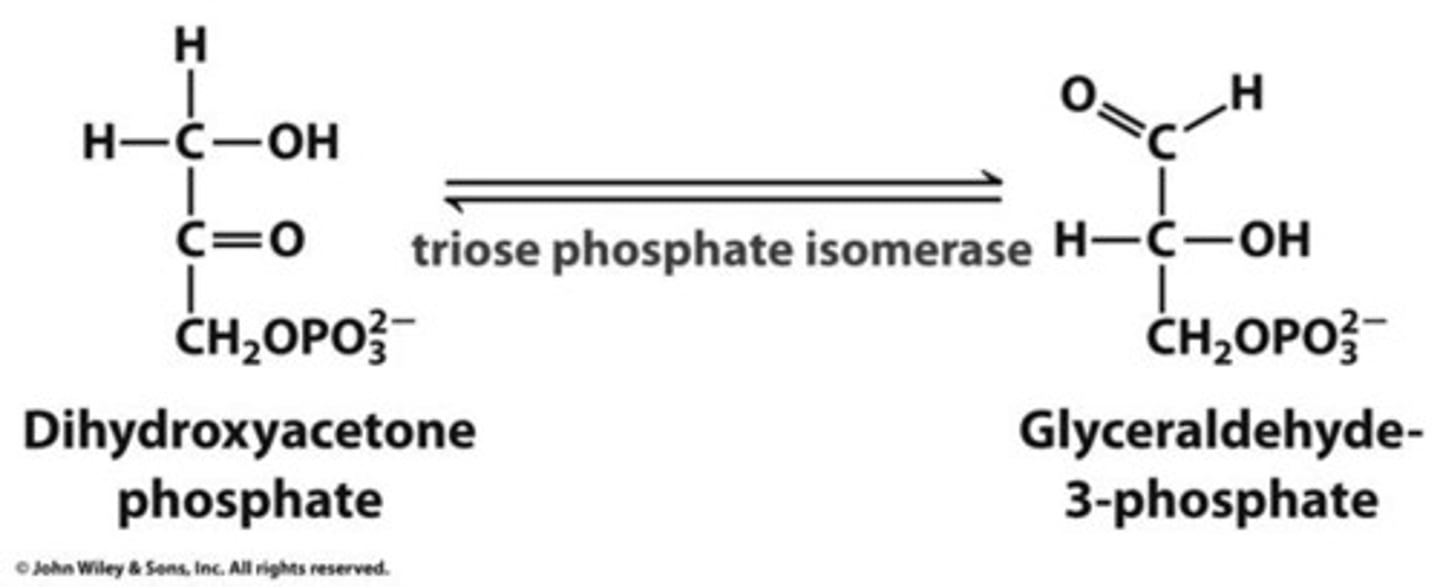
- Only glyceraldehyde-3-phosphate (G3P) can proceed through
- Dihydroxyacetone phosphate (DHAP) produced in Reaction 4 is converted to G3P by triose phosphate isomerase
- ensures both 3-C molecules produced from glucose continue in glycolysis
Preparatory (Investment) Phase Summary
- rxns 1-5 which prepare glucose for E extraction
- 2 ATP molecules consumed (Rxns 1 & 3)
- Fructose-1,6-bisphosphate split into 2 triose phosphates (Rxn 4)
- DHAP → G3P so both molecules enter next phase (Rxn 5).
Resulting in 2 molecules of G3P produced from 1 glucose
- each step of the payoff phase has to occur twice per glucose molecule because two G3Ps present
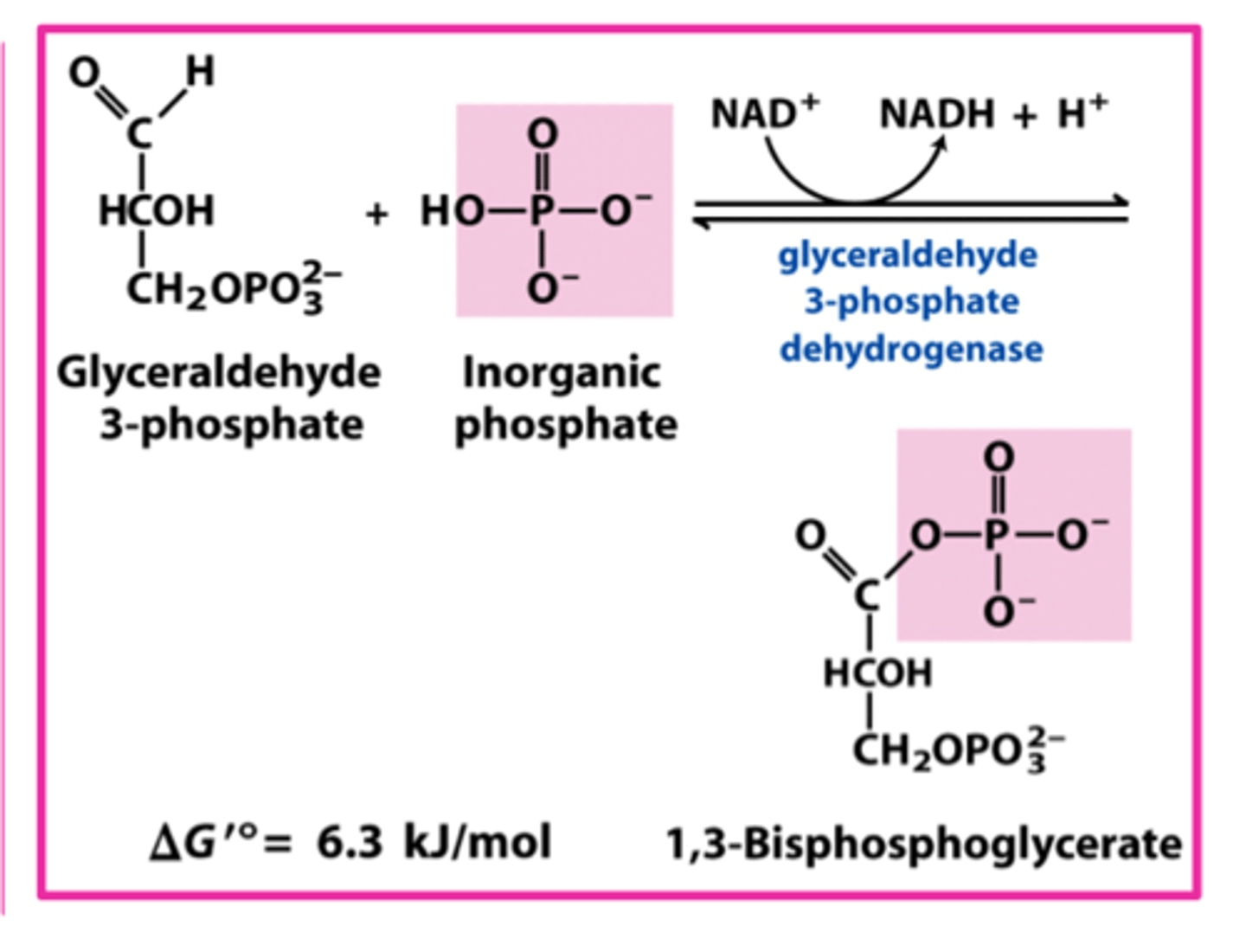
Glycolysis Reaction 6: Oxidation of Glyceraldehyde-3-Phosphate
- Glyceraldehyde-3-phosphate (G3P) oxidized to 1,3-bisphosphoglycerate (1,3-BPG) by glyceraldehyde-3-phosphate dehydrogenase
- Inorganic phosphate (Pi) added to the molecule
Glycolysis Reaction 7: ATP Formation (Substrate-Level Phosphorylation)
- Phosphate group at C-1 of 1,3-bisphosphoglycerate transferred to ADP, producing ATP by phosphoglycerate kinase
- Occurs through transfer of a high-energy acyl phosphate group
- reversible rxn but strongly favored in the forward dirn
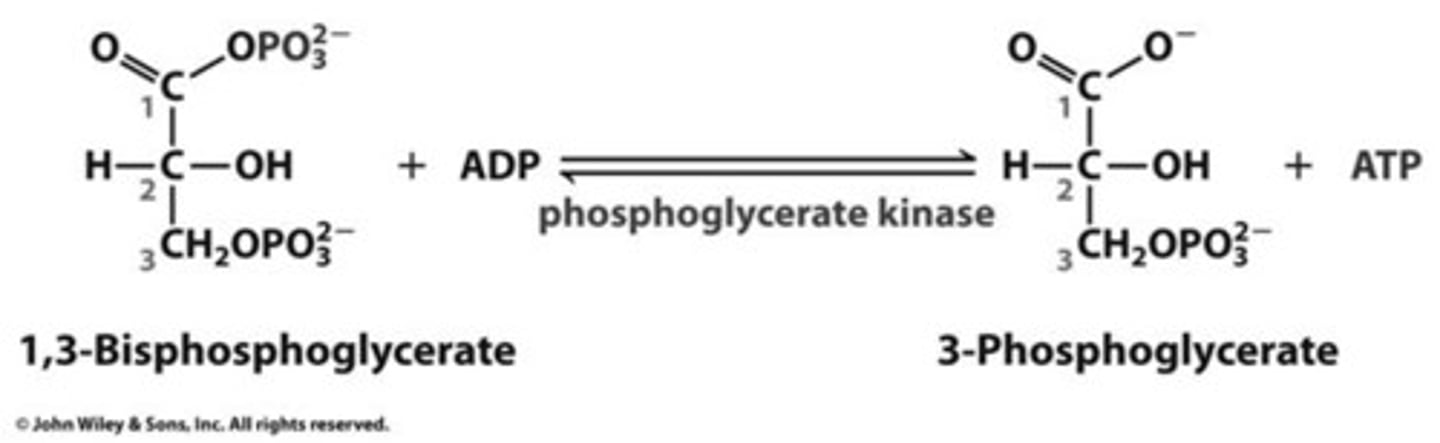
Coupling of Reactions 6 & 7
- Oxidation of glyceraldehyde-3-phosphate (rxn 6) generates high-E intermediate (1,3-BPG)
- the stored E is used to synthesize ATP in Rxn 7 (Substrate-Level Phosphorylation)
- Because 2 G3P molecules are formed from 1 glucose, this rxn produces 2 ATP per glucose molecule in glycolysis
Types of ATP Production in Glycolysis (3)
1. Substrate-Level Phosphorylation
2. Oxidative phosphorylation
3. Photophosphorylation
Substrate-Level Phosphorylation
ATP formed by direct transfer of a phosphate group from a phosphorylated substrate to ADP
Oxidative phosphorylation
ATP synthesis coupled to electron transfer to oxygen
Photophosphorylation
ATP synthesis driven by light energy during photosynthesis
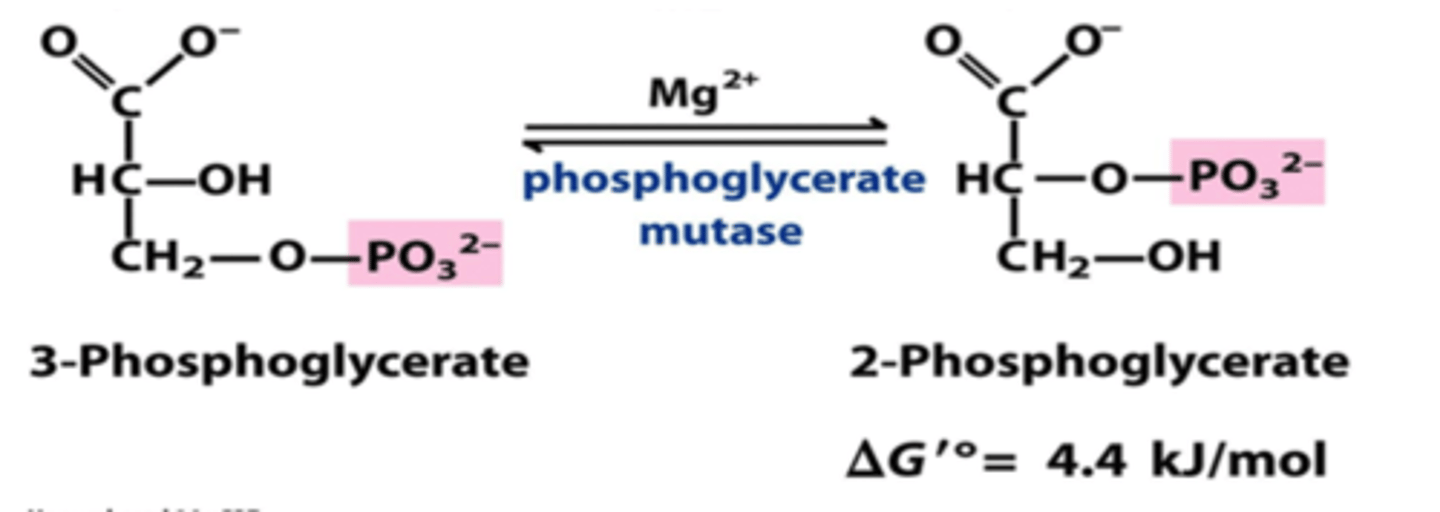
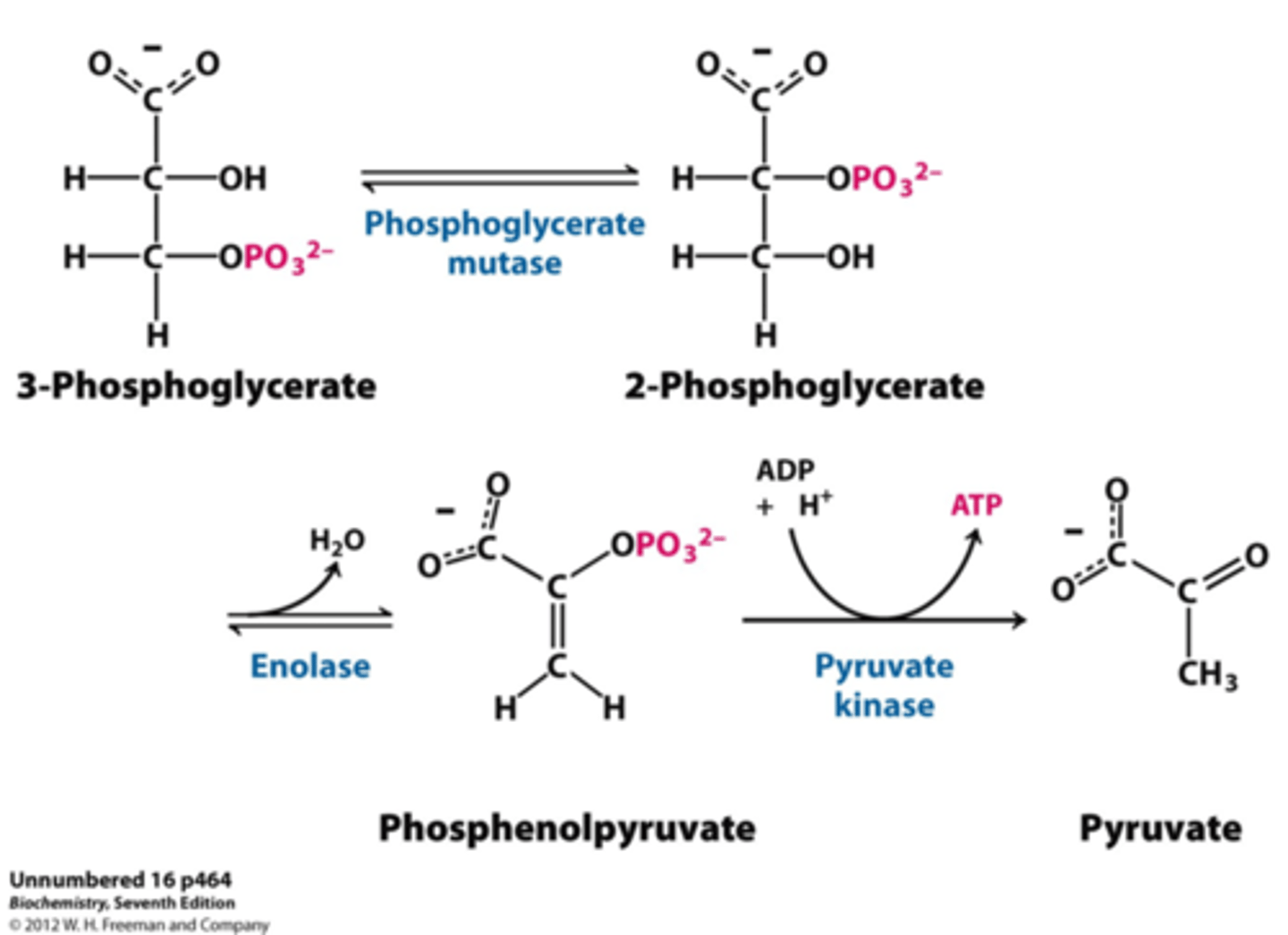
Glycolysis Reaction 8: Conversion of 3-Phosphoglycerate to 2- Phosphoglycerate
- rearrangement rxn where phosphate group shifts from C-3 to C-2
- Mutases catalyze the transfer of functional groups within the same molecule (phosphoglycerate mutase)
Glycolysis Reaction 9: Formation of Phosphoenolpyruvate (PEP)
- rxn occurs through dehydration (removal of a water molecule)
- 1 H₂O released by enolase
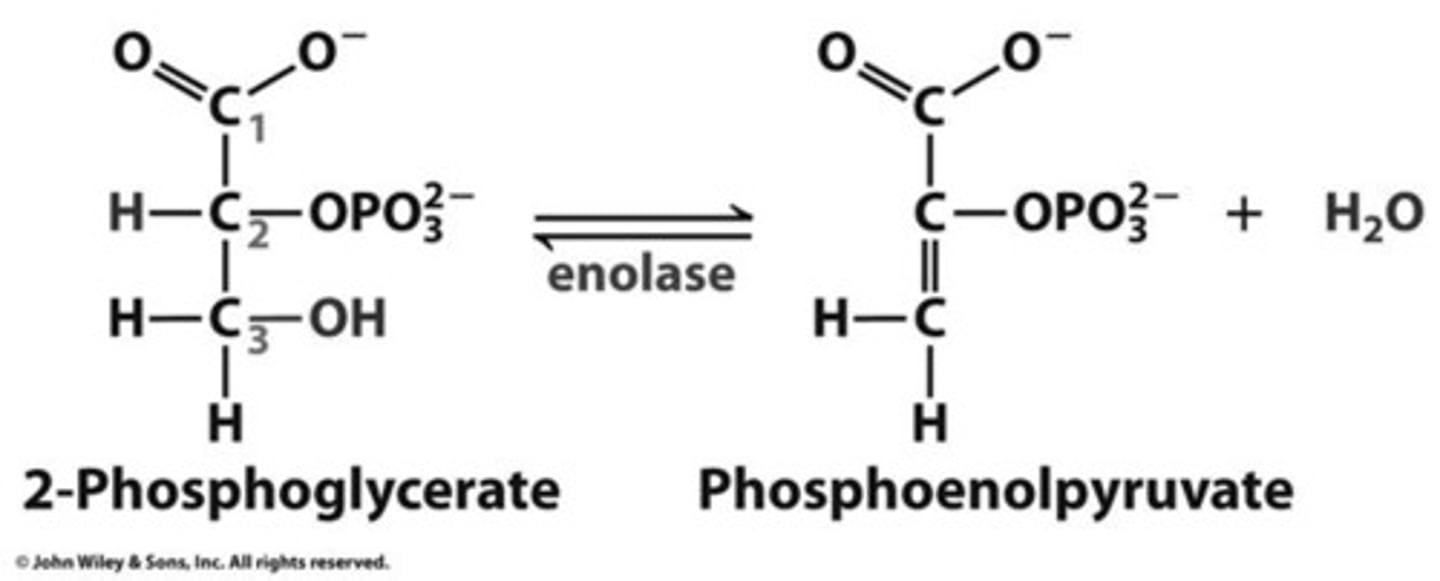
Standard free energy of hydrolysis of 2-phosphoglycerate
−17.6 kJ/mol
Standard free energy of hydrolysis of phosphoenolpyruvate (PEP)
−61.9 kJ/mol
What does the removal of water cause within the molecule?
-does not greatly change the total E of the molecule
- causes E redistribution within the molecule resulting in formation of a very high-E phosphate bond in PEP
Important Concept of Reaction 9
- phosphoenolpyruvate (PEP) is the second high-E intermediate in glycolysis
- its high-energy phosphate bond will be used in the next step to generate ATP through substrate-level phosphorylation
Glycolysis Reaction 10: Formation of Pyruvate and ATP
- Phosphate group of PEP transferred to ADP, producing ATP (ex. of substrate-level phosphorylation) by pyruvate kinase
- initial product is enol-pyruvate, which quickly tautomerizes to the more stable keto form of pyruvate
- Remaining E released, making the rxn strongly favorable.
ATP Yield in Glycolysis
- ATP Investment Phase: 2 ATP consumed (rxn 1 & 3)
- ATP Generation Phase: 4 ATP produced (rxn 7 & 10)
- Net ATP gain of 2 ATP per glucose molecule
Net NADH Production in Glycolysis
- 2 NADH molecules
- produced during oxidation of glyceraldehyde-3-phosphate (Rxn 6).
Overall & Net Reaction Glycolysis
Overall Reaction:
Glucose + 2 ATP + 2 NAD⁺ + 4 ADP + 4 Pi → 2 Pyruvate + 2 ADP + 2 NADH + 2 H⁺ + 4 ATP + 2 H₂O
Net Reaction: (just cancel extras out, dont memorize)
Glucose + 2 ADP + 2 Pi + 2 NAD⁺ → 2 Pyruvate + 2 ATP + 2 NADH + 2 H⁺ + 2 H₂O
Glycolysis Under Aerobic Conditions (with O2)
- NADH transfers electrons to O2 through the ETC which regenerates NAD⁺, allowing glycolysis to continue
- Additional ATP is produced via oxidative phosphorylation
General Principles of Metabolic Regulation
- Cells regulate metabolic pathways to use E & metabolites efficiently
- Regulation usually occurs at key enzymatic steps in a pathway
Most important control points of Metabolic/glycolysis Regulation (3)
- First committed steps
- Exergonic and irreversible rxns
- Enzyme-limited steps
Major Factors Controlling Glycolysis (5)
1. ATP consumption (cellular energy demand)
2. Regeneration of NAD⁺
3. Allosteric regulation of key enzymes
4. Hormonal regulation (long-term control)
5. Expression levels of glycolytic enzymes
Key Regulatory Enzymes of Glycolysis (3)
1. Hexokinase
2. Phosphofructokinase-1 (PFK-1) - major control point
3. Pyruvate kinase
Regulation of Hexokinase
- Inhibited by glucose-6-phosphate
- Isoenzymes (Hexokinase I, II, III, IV)
Muscle Hexokinase (Hexokinase I)
- High affinity for glucose
- Half-saturation at ~0.1 mM glucose
- Maximally active at normal blood glucose (4-5 mM)
Glucokinase (Hexokinase IV) - Liver
- Low affinity for glucose
- Half-saturation at ~10 mM glucose
- Active only when glucose is high (after meals)
What specialized isoenzyme do liver cells contain?
glucokinase (Hexokinase IV or Hexokinase D)
Glucokinase (Hexokinase IV) - Characteristics
- Highly specific for D-glucose
- Lower affinity for glucose compared with hexokinase
Glucokinase (Hexokinase IV) - Physiological Role
- Becomes active when blood glucose levels are high (after a meal)
- Helps liver cells remove excess glucose from blood by converting it to glucose-6-phosphate
Glucokinase (Hexokinase IV) - Functional Significance
- Hexokinase: active at normal glucose levels
- Glucokinase: active at high glucose concentrations
- allows liver to regulate blood glucose levels after meals by inc glucose utilization
Why is Phosphofructokinase-1 (PFK-1) the main regulatory step/control point?
- Exergonic, Irreversible & 1st committed step of glycolysis
Committed step
produces a product that has to keep proceeding through the rest of glycolysis
- Glucose → Glucose-6-phosphate is not committed b/c G6P can enter the pentose phosphate pathway or glycogen synthesis
- Fructose-1,6-bisphosphate must proceed through glycolysis
Regulatory Importance
PFK-1's activity reflects the energy status of the cell
Activators (low energy signal) (3)
- AMP
- ADP
- Fructose-2,6-bisphosphate (in some tissues/organisms)
Inhibitor (high-energy signal) (1)
ATP
What happens to glycolysis when ATP levels are high?
glycolysis slows
What happens to glycolysis when AMP/ADP levels increase?
glycolysis is stimulated to produce more ATP
Key Hormones in Regulation of Glycolysis (Liver) (3)
1. Insulin
2. Glucagon
3. Epinephrine
Insulin (High Blood Glucose - Fed State)
- Stimulates glycolysis
- Inhibits gluconeogenesis
- Promotes glucose utilization
Glucagon (Low Blood Glucose - Fasting)
- Inhibits glycolysis
- Stimulates gluconeogenesis
Glycolysis in Cancer Cells (Warburg Effect)
- Cancer cells rely heavily on glycolysis for E
- Often experience hypoxia (low O2 ) due to poor blood supply
- Increased glucose uptake
Adaptations in Glycolysis in Cancer Cells
1. High expression of GLUT1 & GLUT3 glucose transporters
2. Hexokinase II
Hexokinase II Properties (Cancer Cell Adaptation)
- Binds mitochondrial outer MB
- Interacts w voltage dependent anion channel (VDAC)
- Can use mitochondrial ATP directly
- Unlike hexokinase I, not inhibited by glucose-6-phosphate
NAD⁺ Regeneration (Warburg Effect/Cancer Cells)
- Cell has limited amount of NAD+
- Pyruvate is converted to lactate
- NADH → NAD⁺ (regenerate) to allows glycolysis to continue
Regulation using Pyruvate Kinase
- last enzyme of glycolysis
- several isozymes encoded by deferent genes
- allosterically regulated
Regulation using Pyruvate Kinase in Muscle & Liver
In muscles: activated by E signals (AMP & ATP)
- In liver: 2 forms (Active/phosphorylated & inactive/dephosphorylated); when high sugar --> insulin activates; when low sugar --> glucagon inactivates
How is energy produced in red blood cells
- no mitochondria, so rely on glycolysis
pyruvate kinase deficiency/hemolytic anemia
- use ATP to pump sodium-potassium pumps in RBCs which maintain biconcave shape
- with PK deficiency, there is no ATP power pump --> cell shape becomes spiculated
Fate of Pyruvate
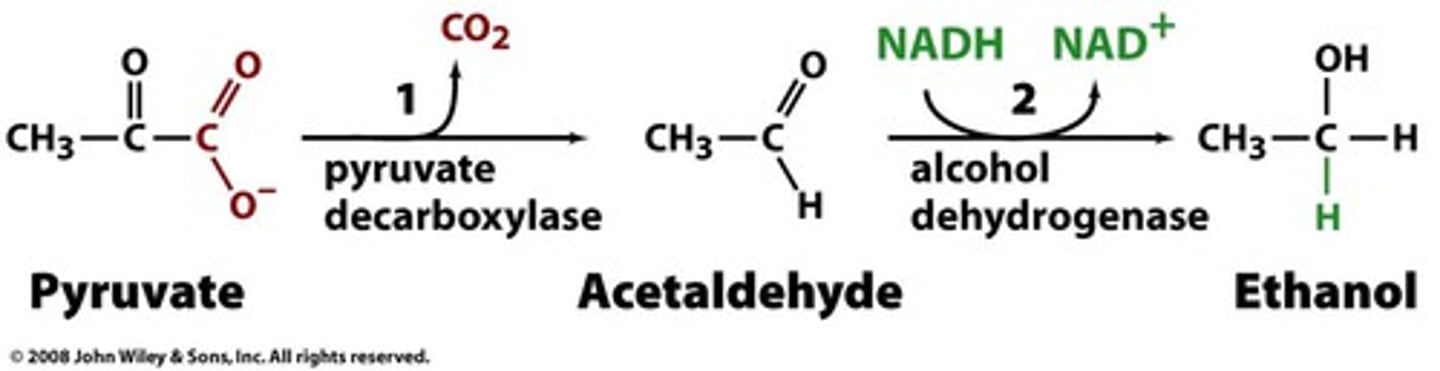
1. low O2: Fermentation to ethanol in yeast or Fermentation to lactate in muscle cells
2. Aerobic: Pyruvate converted to 2-Acetyl-CoA with loss of 2CO2, then through citric acid cycle become 4 CO2 + 4H2O
Location of Lactic Acid Fermentation
the cytoplasm of cells in mainly in animal muscle cells
Lactic Acid Fermentation Physiological Effects
Lactate accumulation can cause muscle fatigue and cramps during intense exercise
Cori Cycle (Lactic Acid Fermentation)
- Lactate produced in muscle is transported to the liver
- Liver converts lactate back to glucose
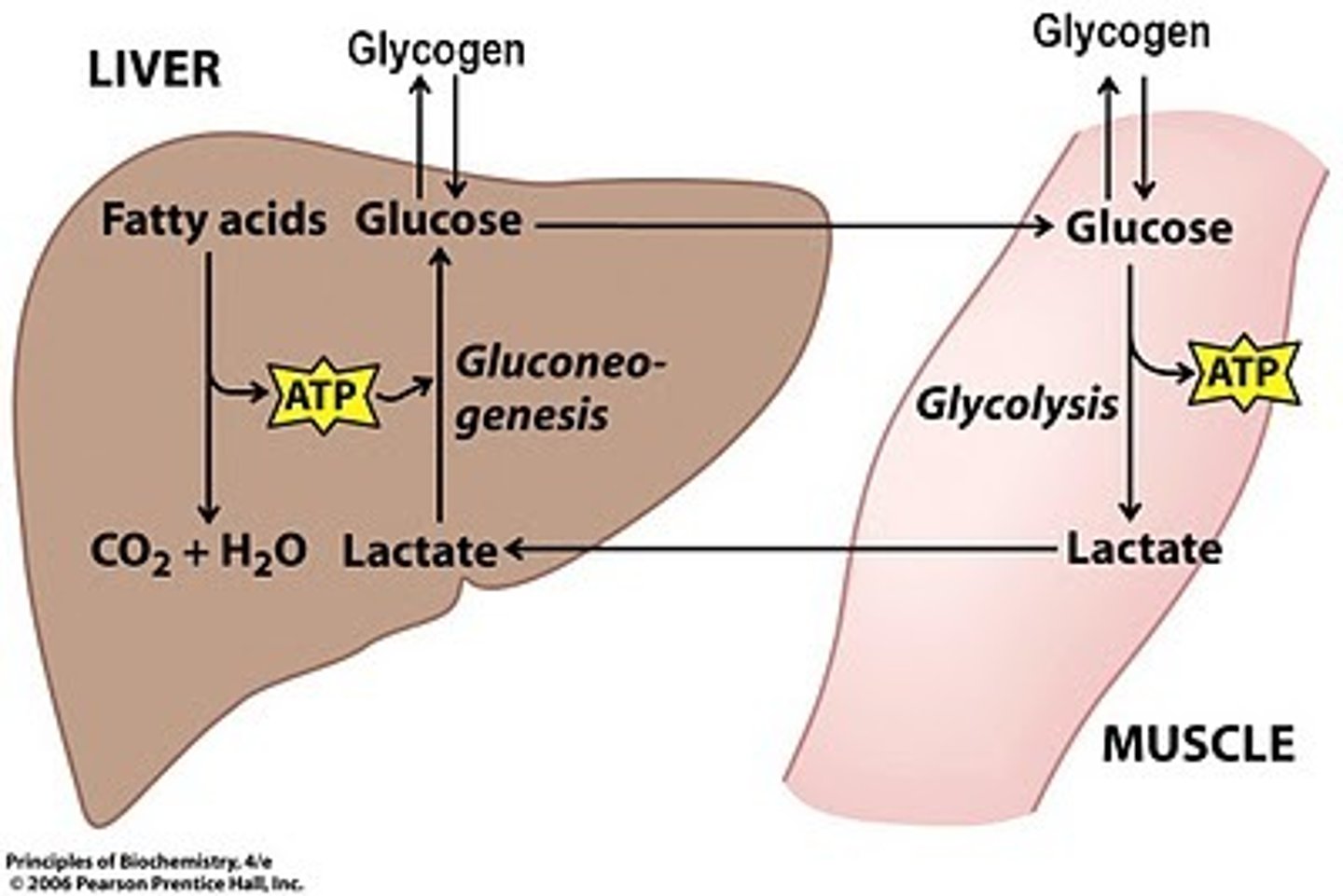
Industrial Importance of Lactic Acid Fermentation
- Lactobacillus species convert lactose sugar to lactic acid (yogurt, cheese, curd)
- Lactic acid lowers pH, causing denaturation and precipitation of milk proteins
Can other sugars enter glycolysis besides glucose?
Yes
Mannose Entry in Glycolysis
- mannose (derived from polysaccharides & glycoproteins)
- mannose to mannose-6-phosphate by hexokinase, then to fructose 6-phosphate by phosphomannose isomerase
Fructose Entry in Glycolysis (Most Tissues & Liver)
- In most tissues: fructose from fruits or produced by hydrolysis of sucrose. Converted to fructose-6-phosphate by hexokinase
- In liver tissues: fructose to fructose-1-phosphate by fructokinase, then into dihydroxyacetone phosphate + glyceraldehyde by fructose-1-phosphate aldolase
Galactose Entry in Glycolysis
- originates from lactose (milk sugar)
Galactose → Galactose-1-phosphate (Galactokinase) → UDP-galactose + Glucose-1-phosphate (UDP-glucose:galactose-1-phosphate uridylyltransferase (GALT)) → UDP-glucose- recycled (UDP-galactose 4-epimerase). Glucose-1-phosphate → Glucose-6-phosphate
Galactosemia
- caused by deficiency of enzymes in galactose metabolism (galactokinase, UDP-glucose galactose-1-phosphate urdiyltransferase, UDP-glucose-4-epiemrase)
Effects of Galactosemia
- accumulation of galactose & toxic metabolites in blood
- lead to cellular & tissue damage
Lactose Intolerance
- Caused by loss of lactase activity in intestinal cells during adulthood.
- Most humans produce lactase during childhood
- lactase production declines after childhood in many pops.
Consequences of Lactose Intolerance
- Undigested lactose reaches the intestine
- Gut microorganisms ferment lactose producing toxic metabolites and gas
Lactose Intolerance Symptoms
- Abdominal pain, bloating, diarrhea
Gluconeogenesis
synthesis of glucose from noncarbohydrate precursors
- reverse of glycolysis
Why is gluconeogenesis essential?
because some tissues rely heavily on glucose as their primary energy source
Major glucose-dependent tissues
- Brain and nervous system
- Erythrocytes (RBCs)
- Renal medulla
- Testes
- Embryonic tissues
Why is gluconeogenesis necessary?
- Glycogen stores are limited in the body
- brain alone requires more than half of total glycogen stores during fasting
- during fasting or intense exercise, glucose must be synthesized to maintain blood glucose levels
Occurrence of Gluconeogenesis
in animals, plants, and microorganisms
Similarity and difference of gluconeogenesis in different organisms
- core pathway is similar in all organisms
- regulation differs
Main site of gluconeogenesis in animals
- Liver (primary)
- Adrenal cortex (smaller extent)
What can animals synthesize glucose from? (Precursors for Gluconeogenesis)
- Pyruvate, Lactate, Glycerol, Glucogenic amino acids
- cannot synthesize glucose from acetyl-CoA produced from fatty acid oxidation
What can plants synthesize glucose from? (Precursors for Gluconeogenesis)
from acetyl-CoA via the glyoxylate cycle
What can microorganisms synthesize glucose from? (Precursors for Gluconeogenesis)
can use many different carbon sources to synthesize glucose

