CIE IGCSE Biology Unit 18: Variation and Selection
 Studied by 0 people
 Call Kai
 Learn
Learn Practice Test
 Spaced Repetition
 Match
Match Flashcards
 Knowt Play
1/21

There's no tags or description
Looks like no tags are added yet.
Name | Mastery | Learn | Test | Matching | Spaced | Call with Kai |
|---|
No analytics yet
Send a link to your students to track their progress
22 Terms
variation
differences between individuals of the same species

phenotypic variation
the variability in phenotypes that exists in a population caused by both genetic and environmental factors
genetic variation
diversity in gene frequencies caused by mutation, sexual reproduction and genetic drift
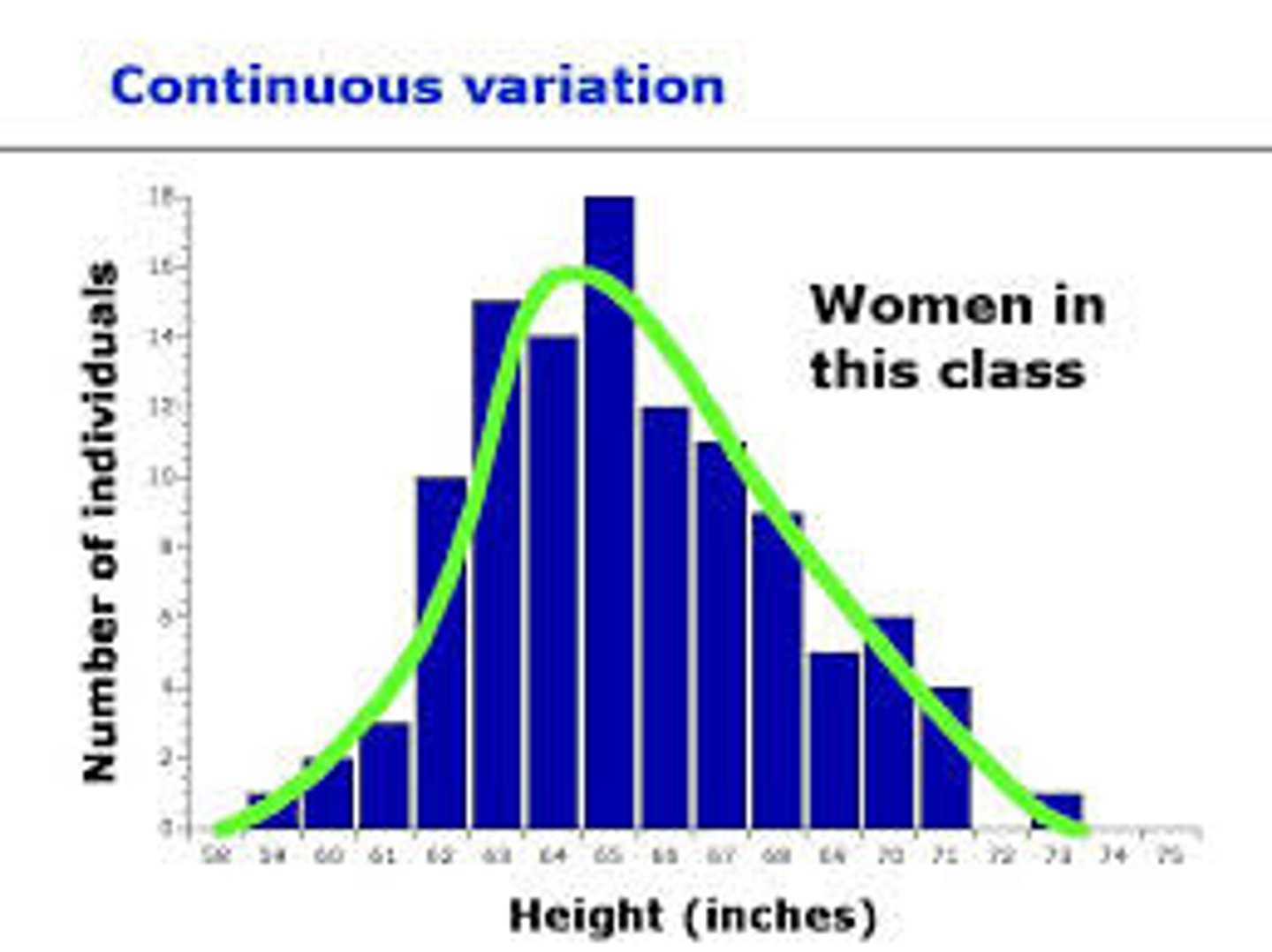
continuous variation
results in a range of phenotypes between two extremes, e.g. height in humans
discontinuous variation
caused by genes alone, e.g. A, B, AB and O
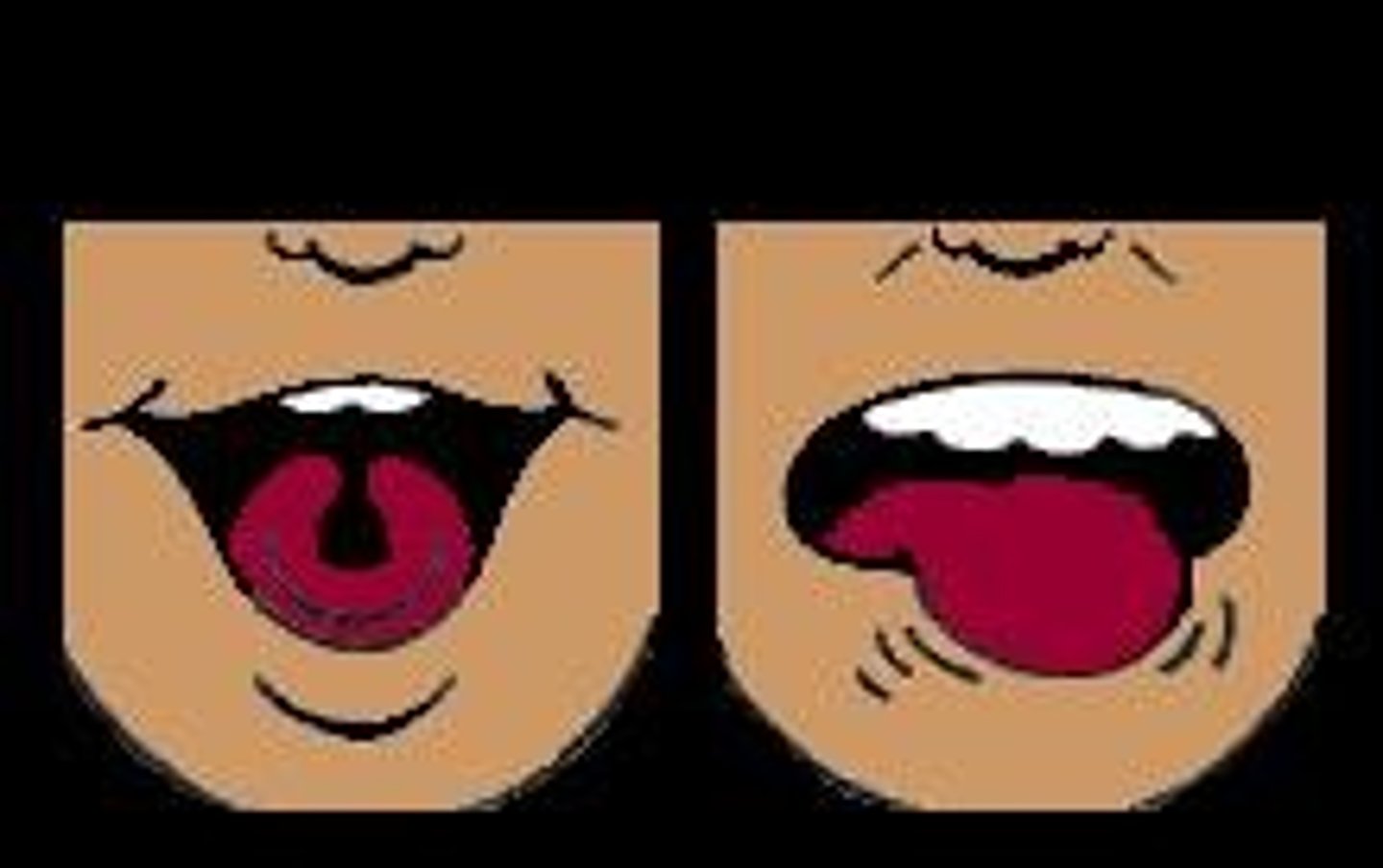
blood groups in humans, results in a limited number of phenotypes with no intermediates, e.g. tongue rolling
mutation
genetic change, is the way in which new
alleles are formed
gene mutation
change in the base sequence of DNA
Factors of rate of mutation
ionising radiation and some chemicals increase the rate of mutation
sickle-cell anaemia
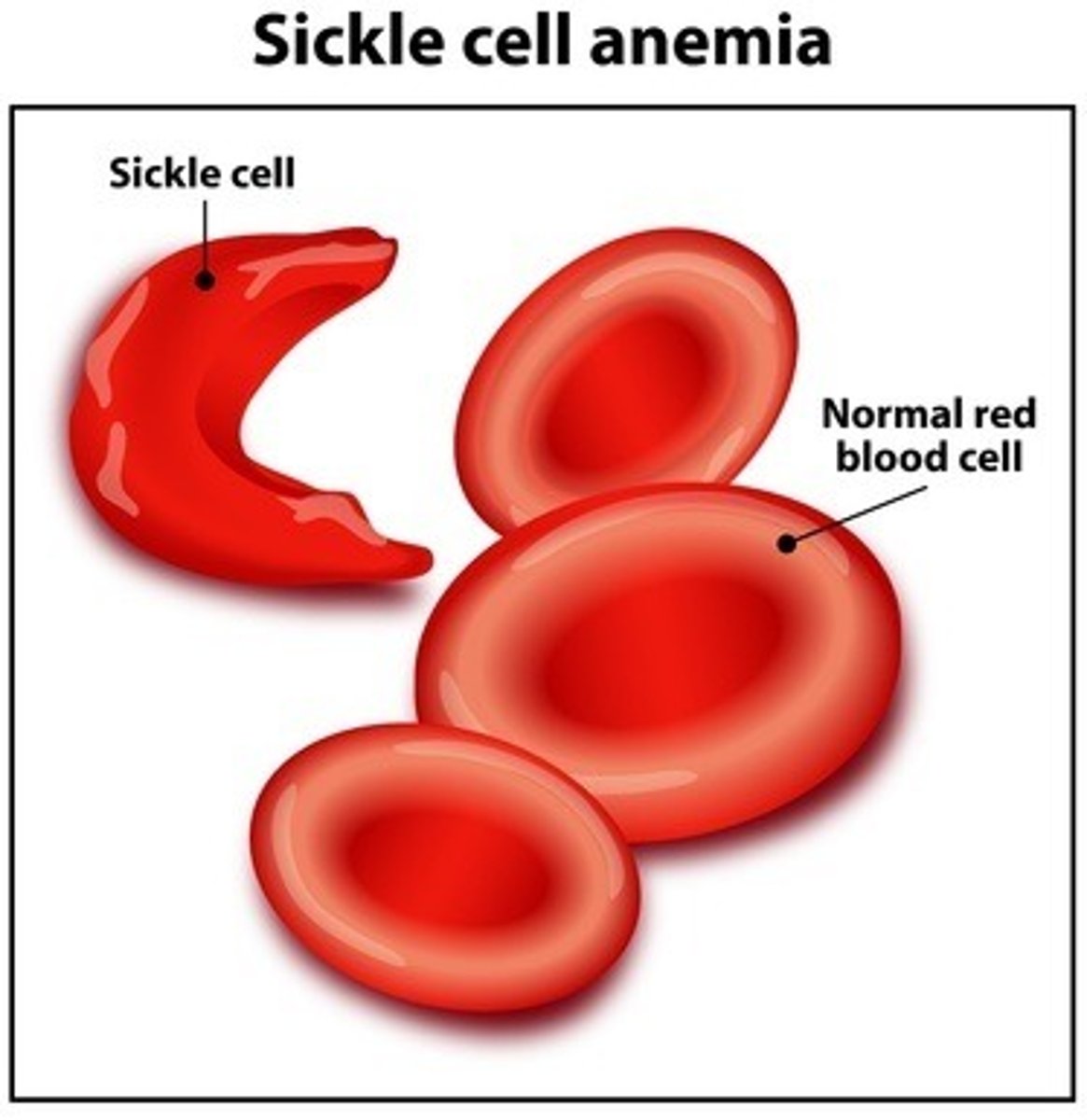
A genetic disorder affecting the structure of the haemoglobin which in turn affects the shape of the red blood cells, making them sickle shaped so they don't carry oxygen efficiently.
Cause of sickle cell anemia
change in the base sequence of
the gene for haemoglobin results in abnormal
haemoglobin and sickle-shaped red blood cells
Resistance to malaria
people who are heterozygous (HbS HbA) for the sickle-cell allele have a resistance to malaria
Explain the distribution of the sickle-cell allele
in human populations
People with sickle cell produce only sickle shape haemoglobin which is not good in transporting oxygen, common in areas with malaria because people with heterozygous have both normal and abnormal forms of haemoglobin and have a resistance to malaria due to disease cannot enter their red blood cell
adaptive features
the inherited functional features of an organism that increase its fitness
fitness
the probability of an organism surviving and reproducing in the environment in which it is found
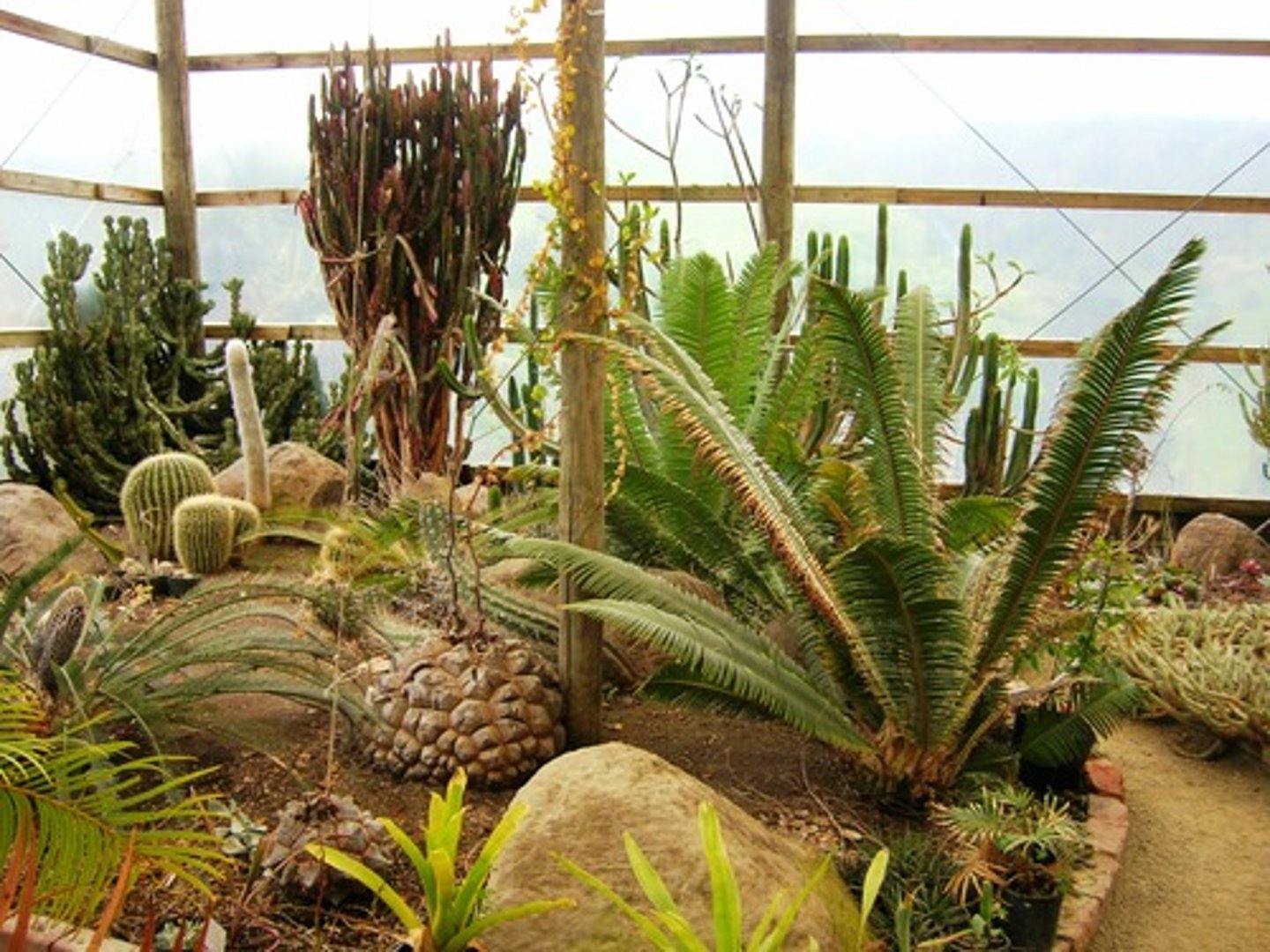
adaptive features of hydrophytes
-Stomata on top of leaf for gas exchange
-Have large air spaces in leaf for leaf to be buoyant
adaptive features of xerophytes
-Stomata in pits to reduce water loss
-Leaves rolled up or turn into thorns to reduce surface area for evaporation
-Thick waxy cuticle
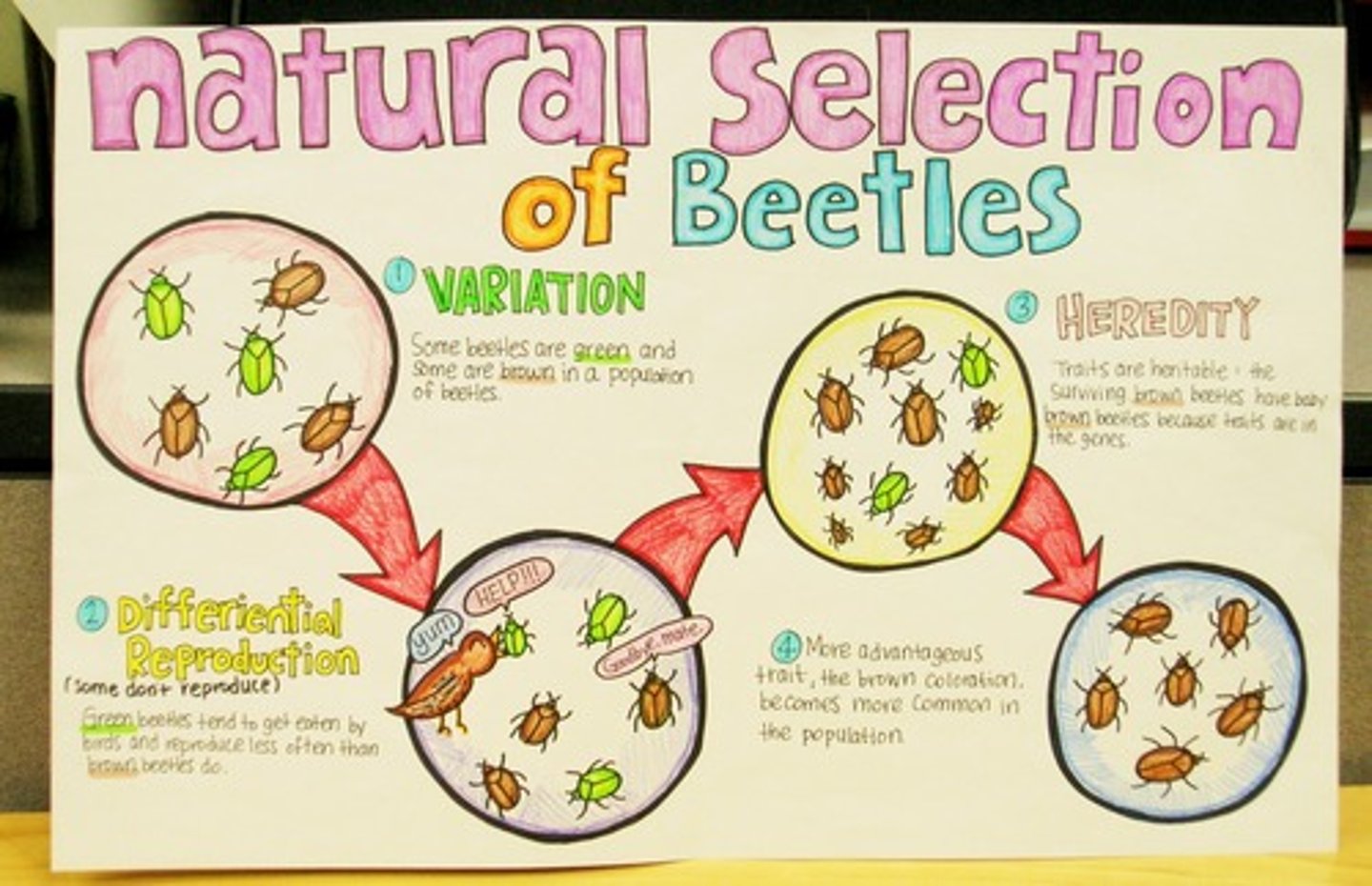
natural selection
- variation within populations
- production of many offspring
- competition for resources
- struggle for survival
- reproduction by individuals that are better
adapted to the environment than others
- passing on of their alleles to the next
generation
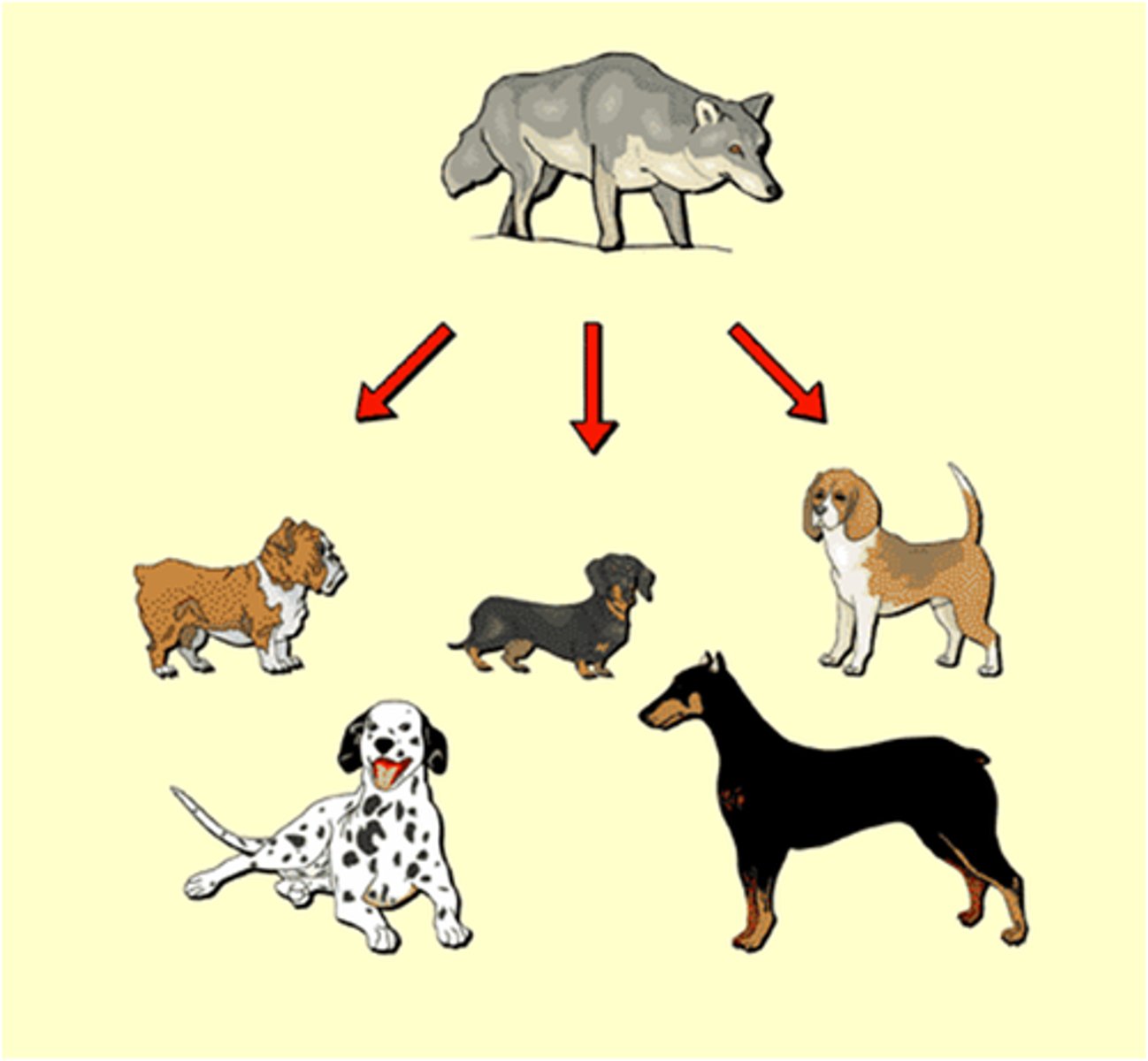
selective breeding
- selection by humans of individuals with
desirable features
- crossing these individuals to produce the
next generation
- selection of offspring showing the desirable
features
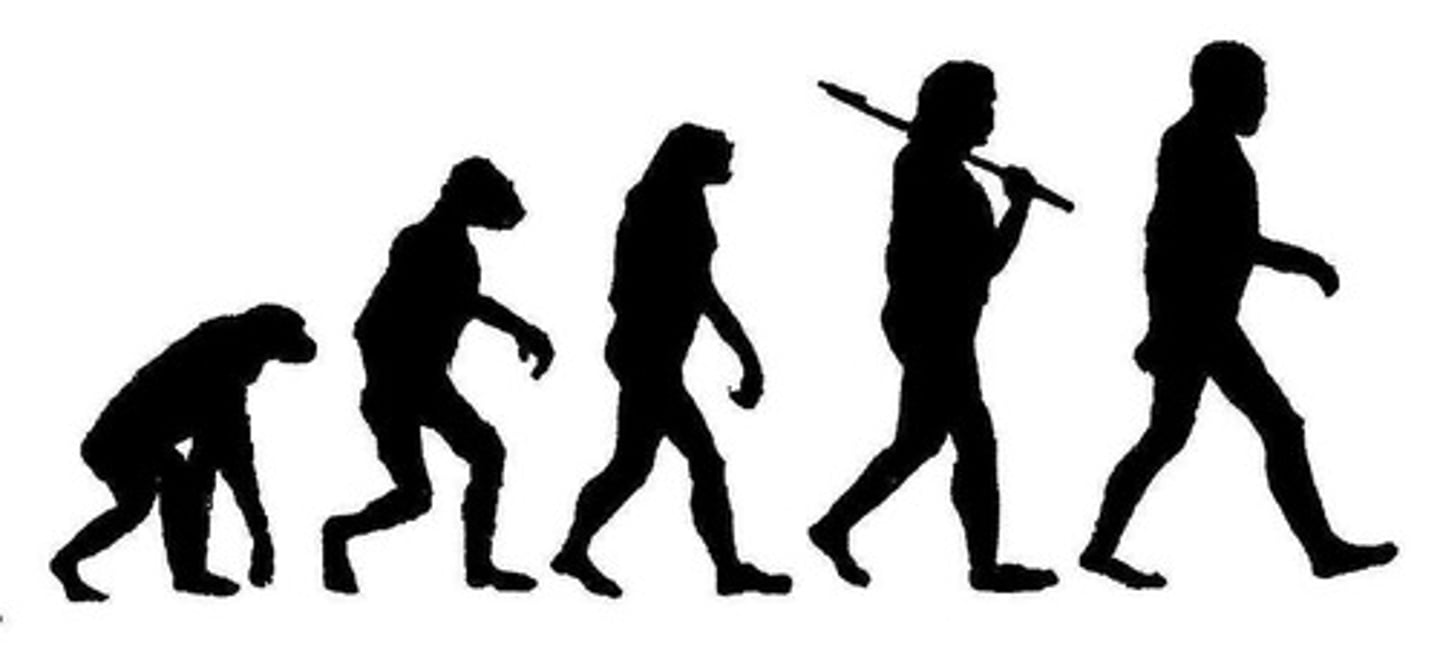
evolution
the change in adaptive features of a population over time as the result of natural selection
process of adaptation
the process, resulting from natural selection, by
which populations become more suited to their
environment over many generations
example of evolution by natural selection
the development of strains of antibiotic resistant bacteria
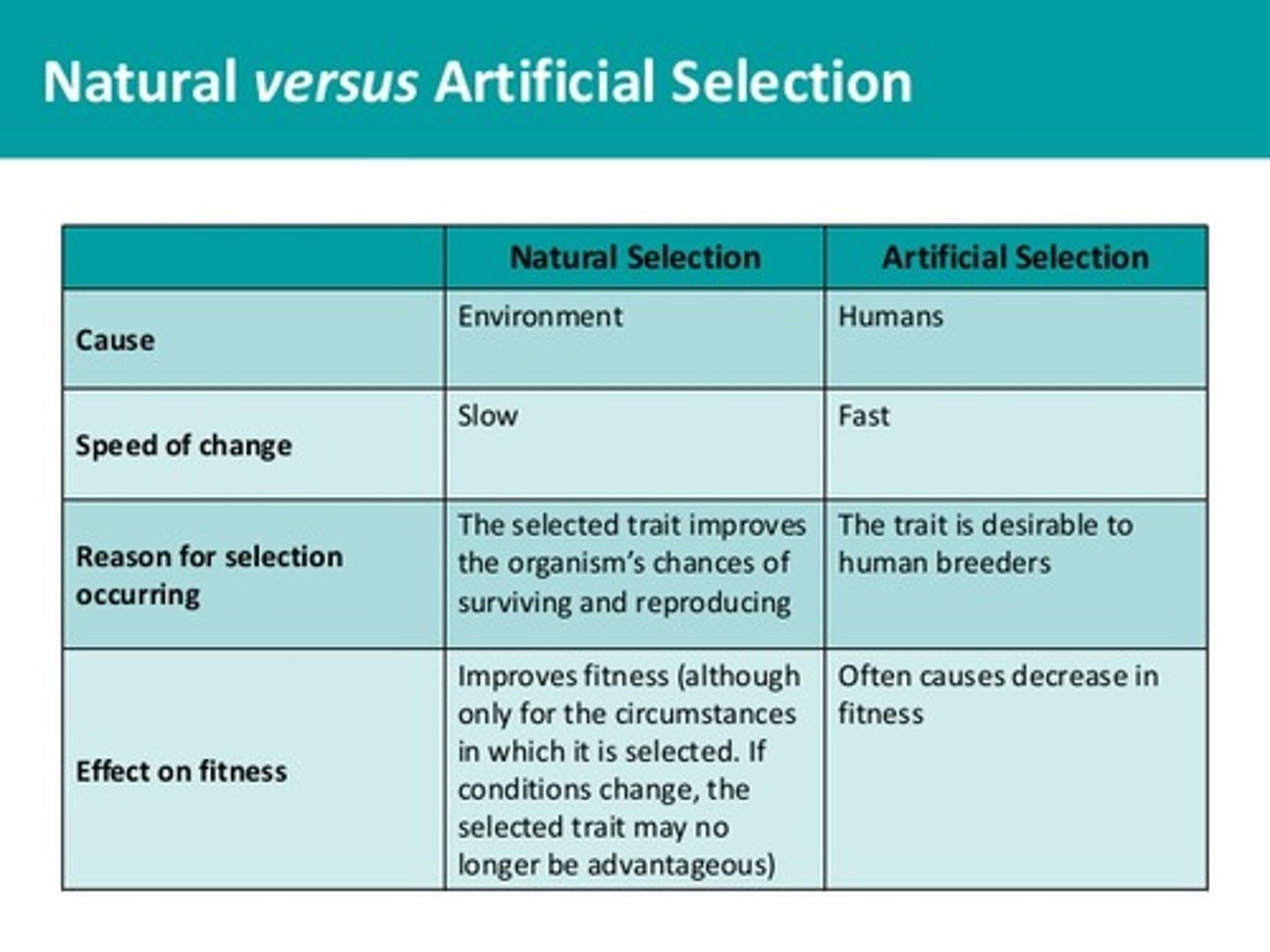
artificial selection vs natural selection
Artificial selection:
-selection due to human influences
-produces organisms different form native generations
-does not result in new species
-Inbreeding causes loss of vigor
-Fast
-Proportion of heterozygous individuals is reduced
Natural selection:
-Selection due to enviromental factors
-Produces greater biodiversity
-May lead to new species
-Outbreeding is common leading to hybrid vigor
-Slow process
-Proportion of heterozygous individuals remains high
 Note
Note  Flashcards (20)