Lab 8: Peripheral & Autonomic Nervous System
 Call Kai
 Learn
Learn Practice Test
 Spaced Repetition
 Match
Match Flashcards
 Knowt Play
1/68

There's no tags or description
Looks like no tags are added yet.
Name | Mastery | Learn | Test | Matching | Spaced | Call with Kai |
|---|
No analytics yet
Send a link to your students to track their progress
69 Terms
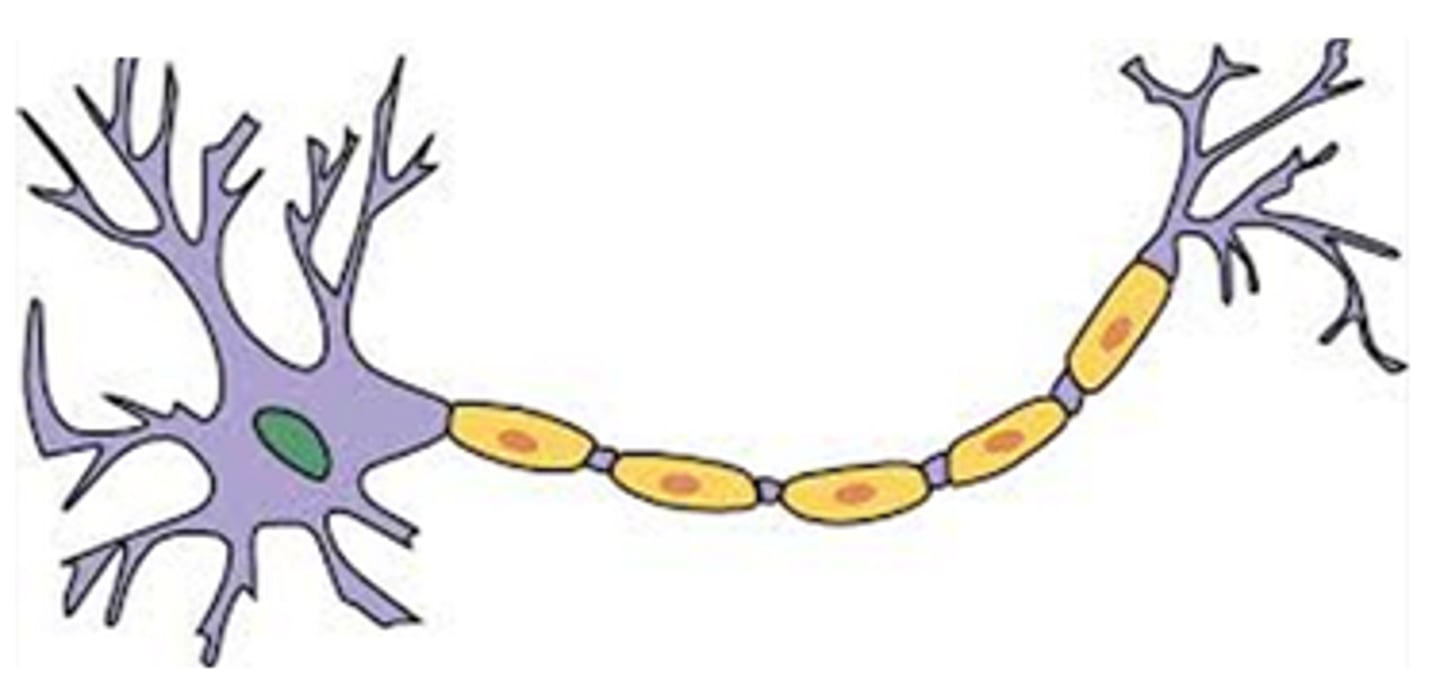
neuron
a nerve cell; the basic building block of the nervous system
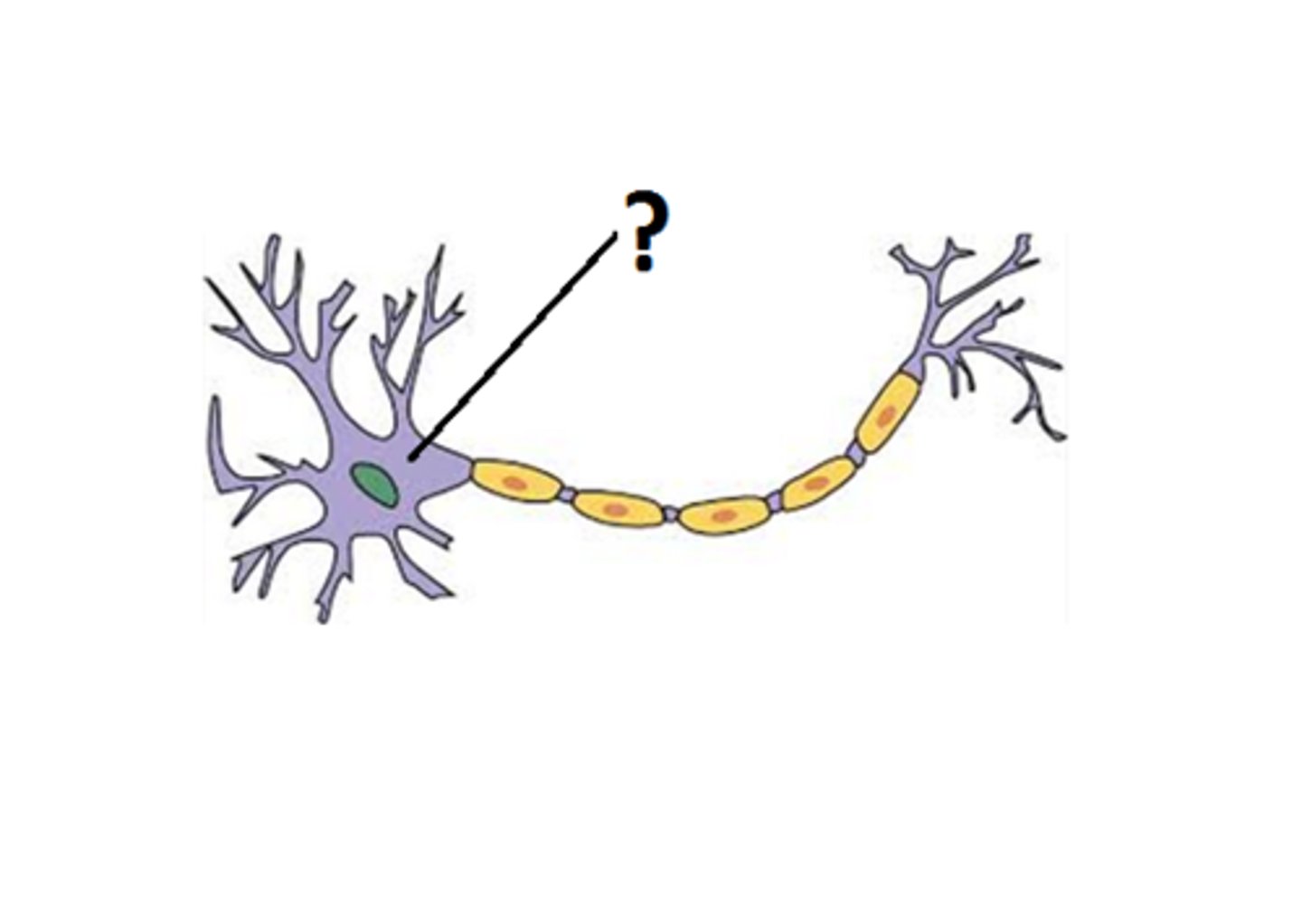
soma
the cell body of a neuron, which contains the nucleus
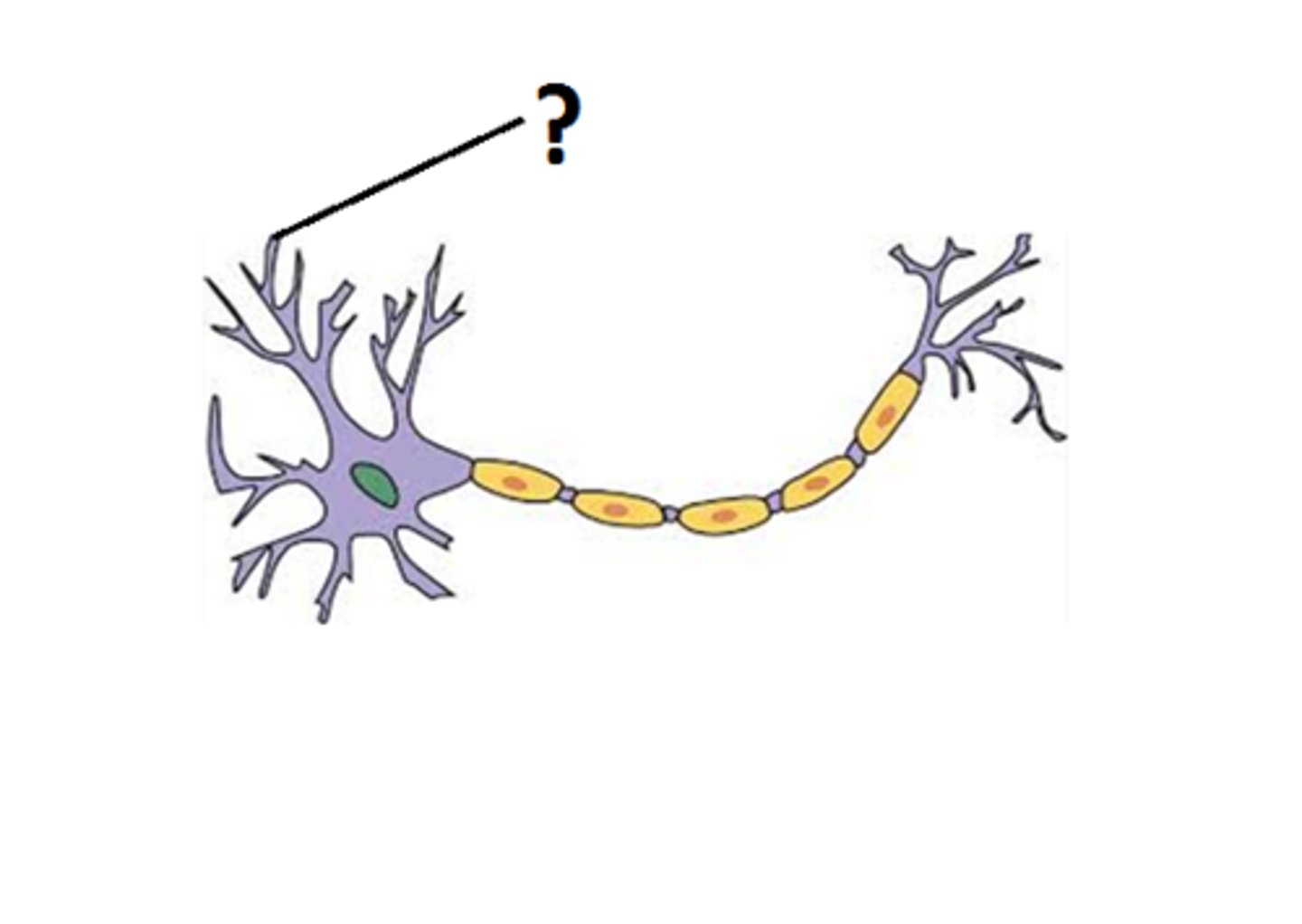
dendrites
branchlike parts of a neuron that are specialized to receive information.
axon
the neuron extension that passes messages through its branches to other neurons or to muscles or glands
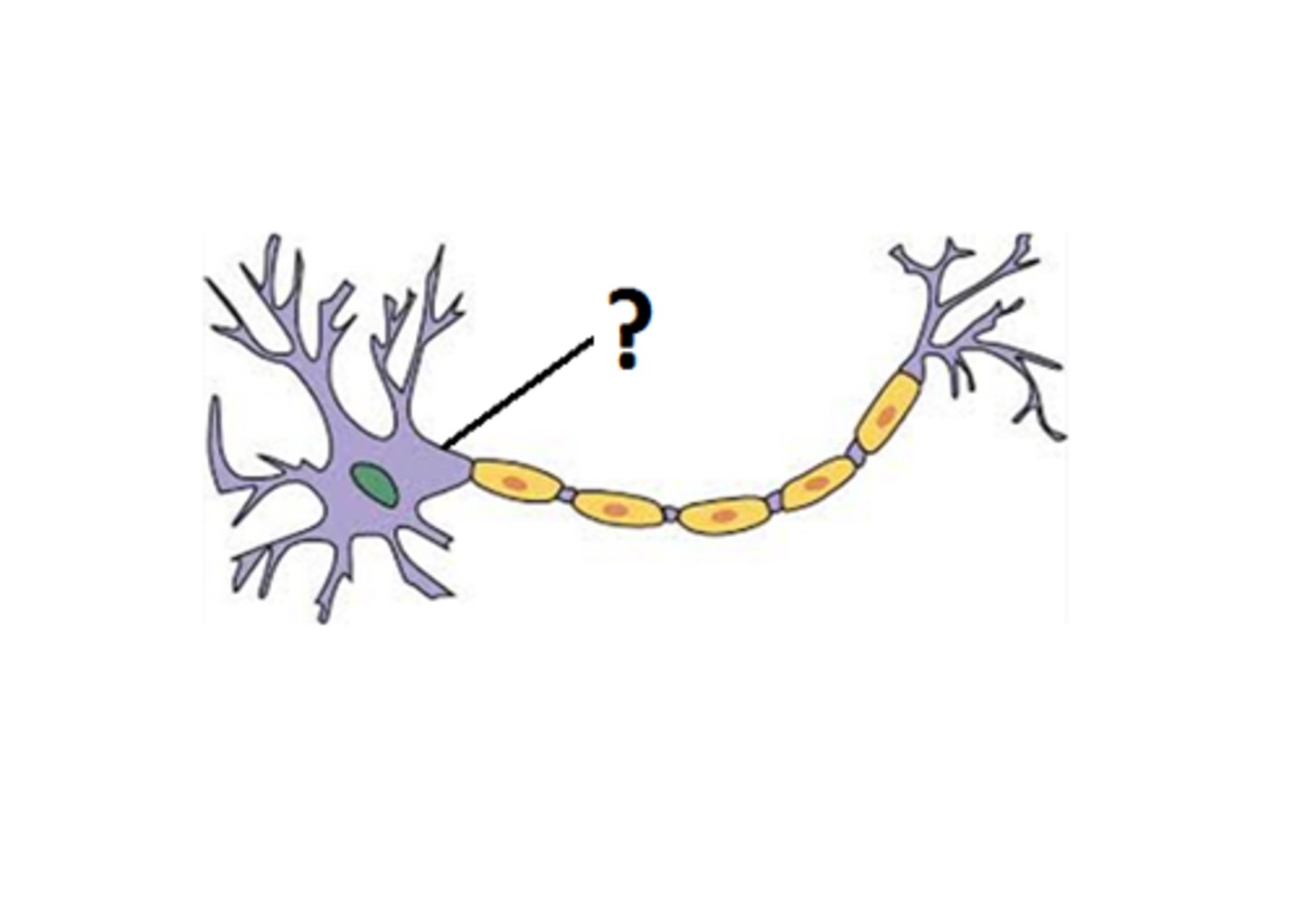
axon hillock
cone shaped region of an axon where it joins the cell body
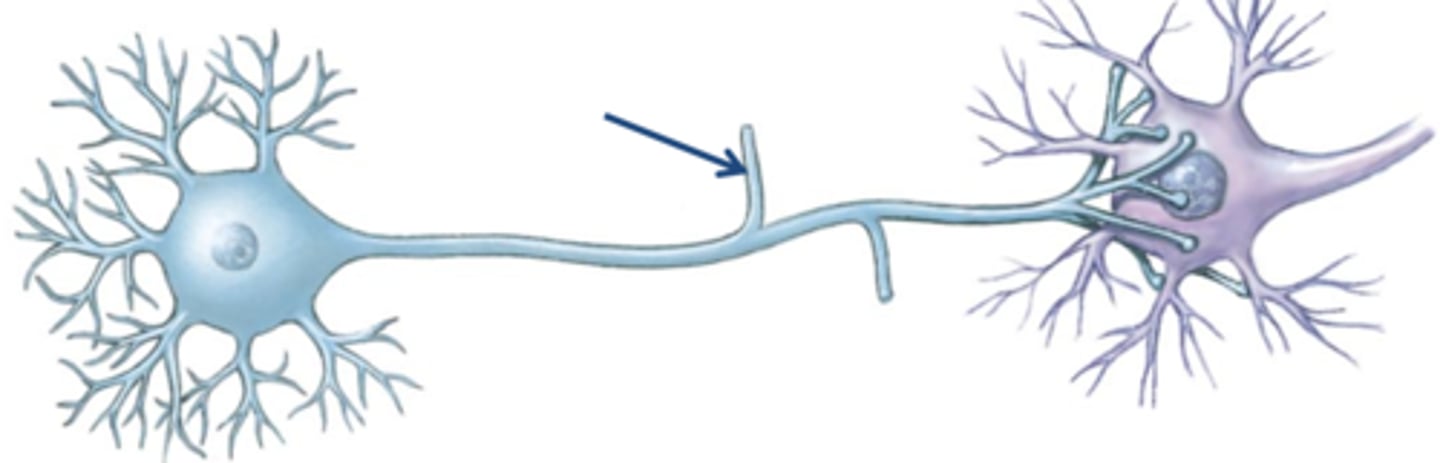
axon collaterals
side branches of the axon
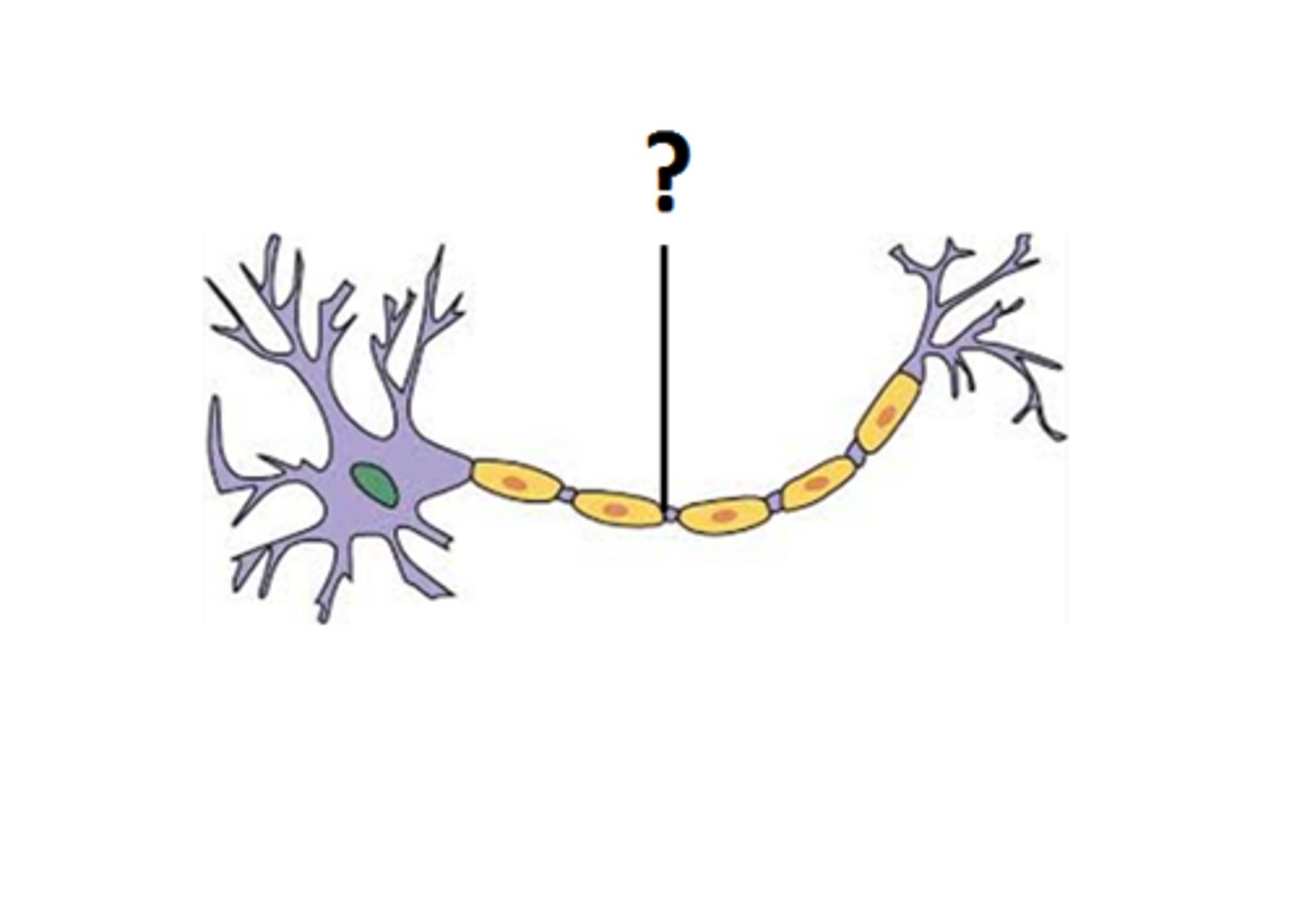
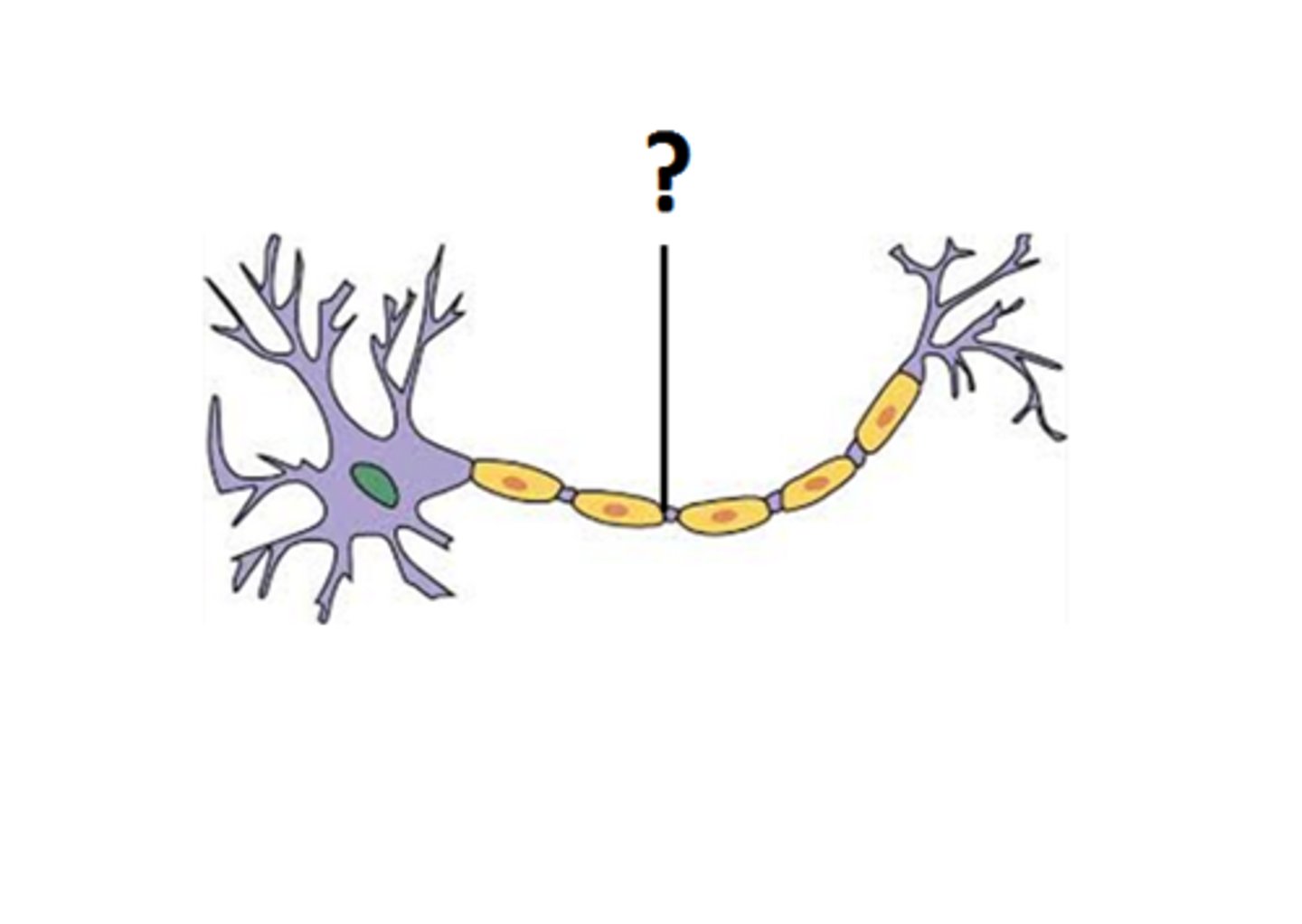
neurofibril nodes
gaps between myelin sheath
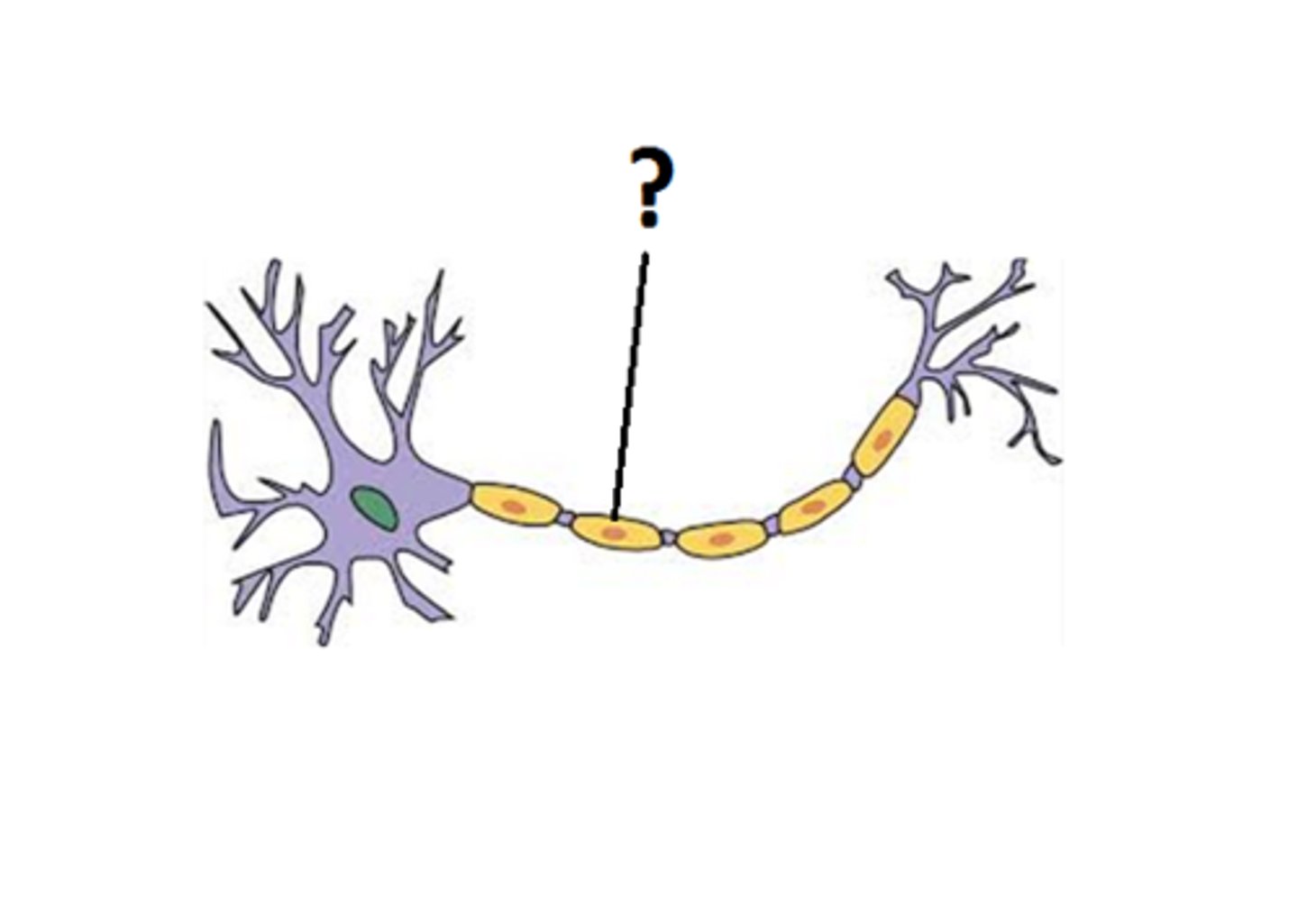
myeline sheath
layer of fatty tissue segmentally encasing the fibers of many neurons; enables vastly greater transmission speed of neural impulses as the impulse hops from one node to the next
telodendria
fine extensions of distal axon
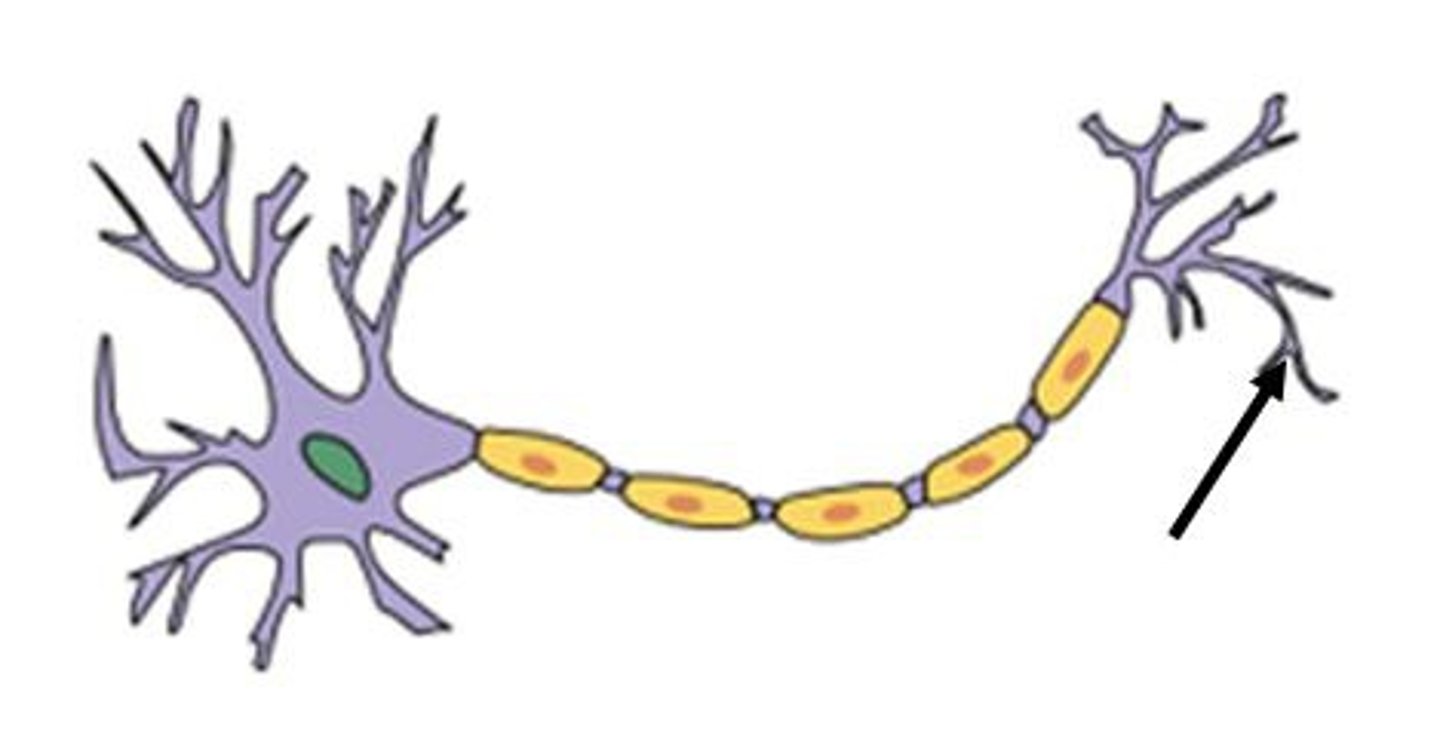
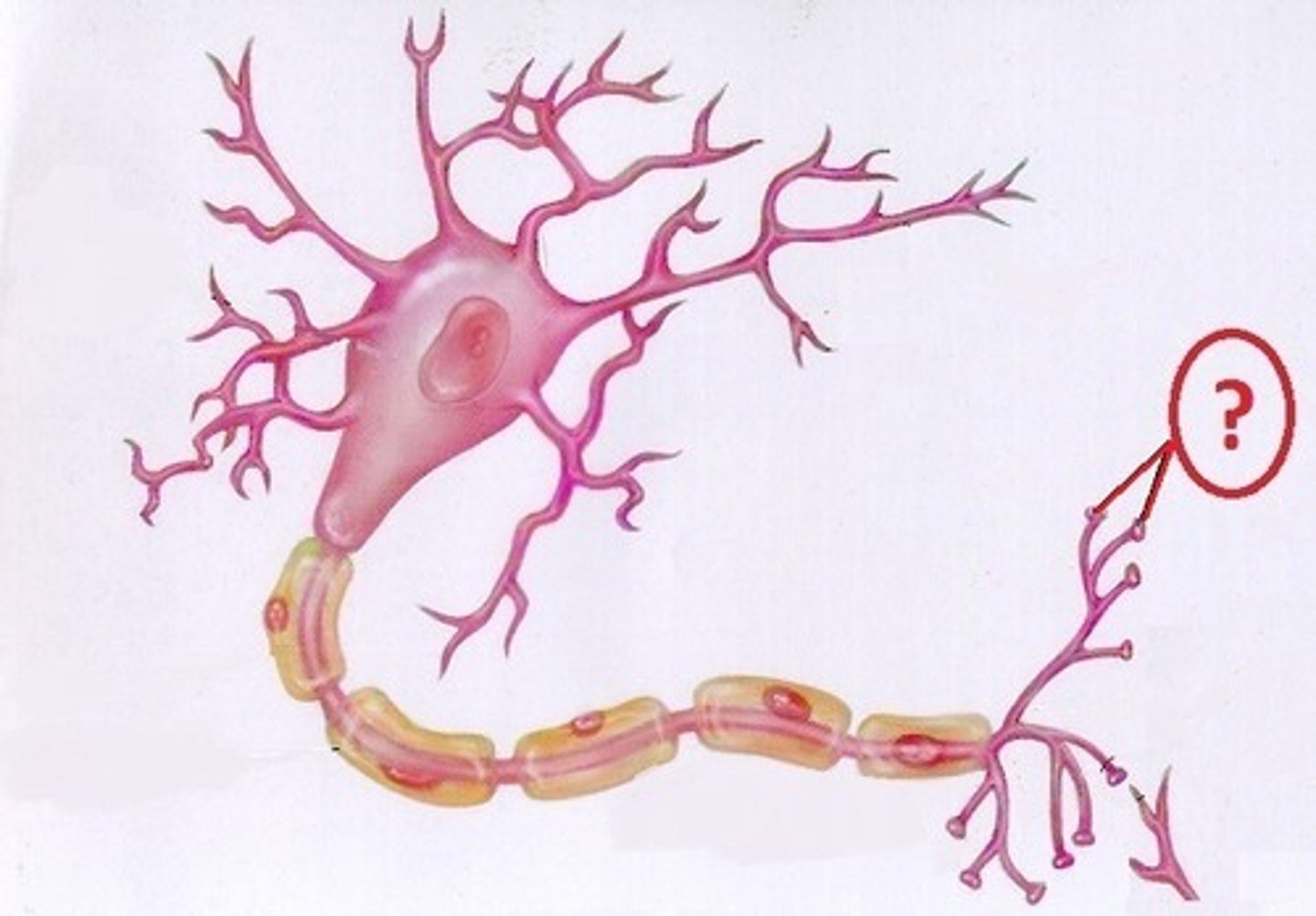
synaptic knobs
rounded areas on the end of telodendria that contain synaptic vesicles
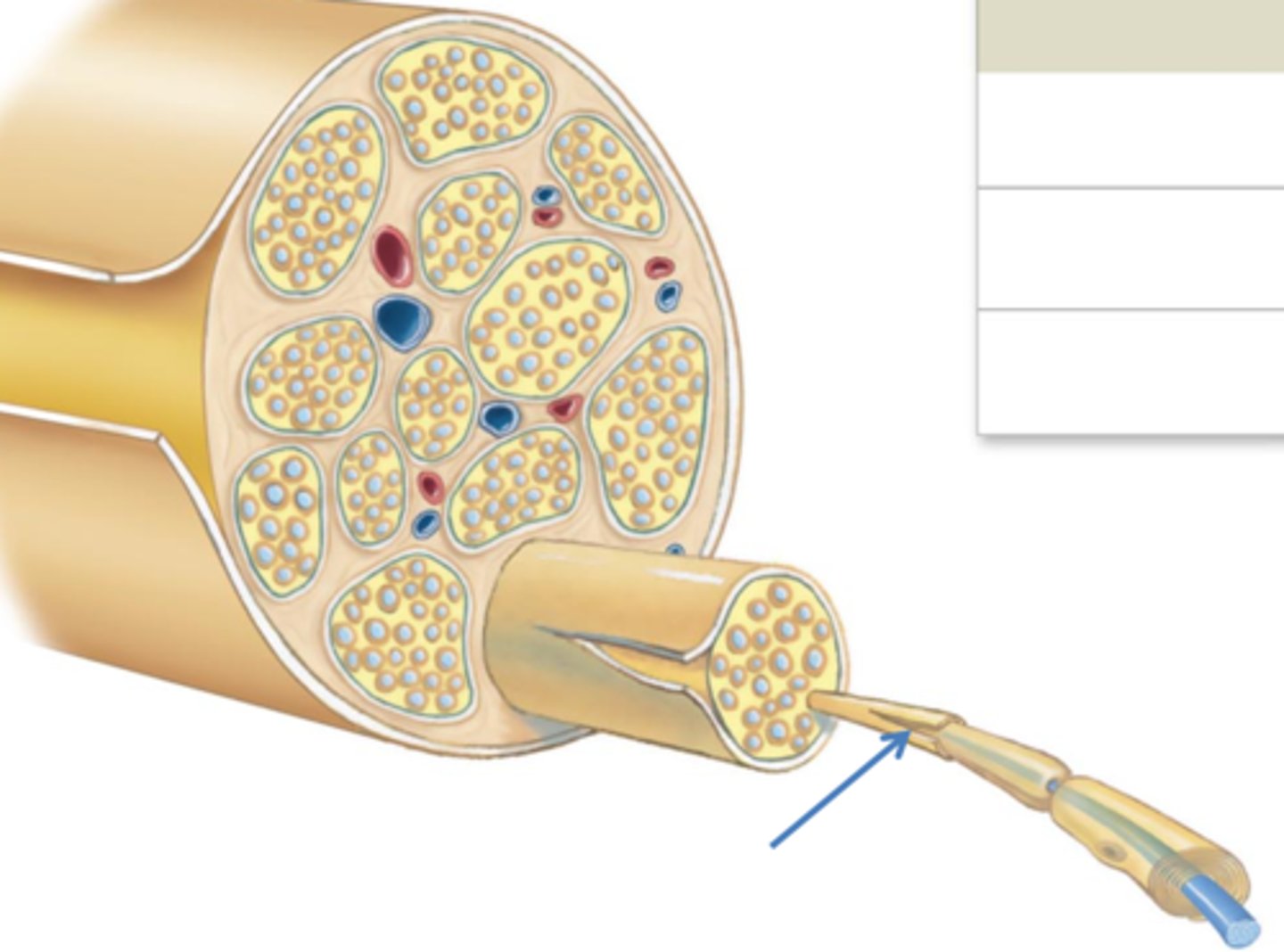
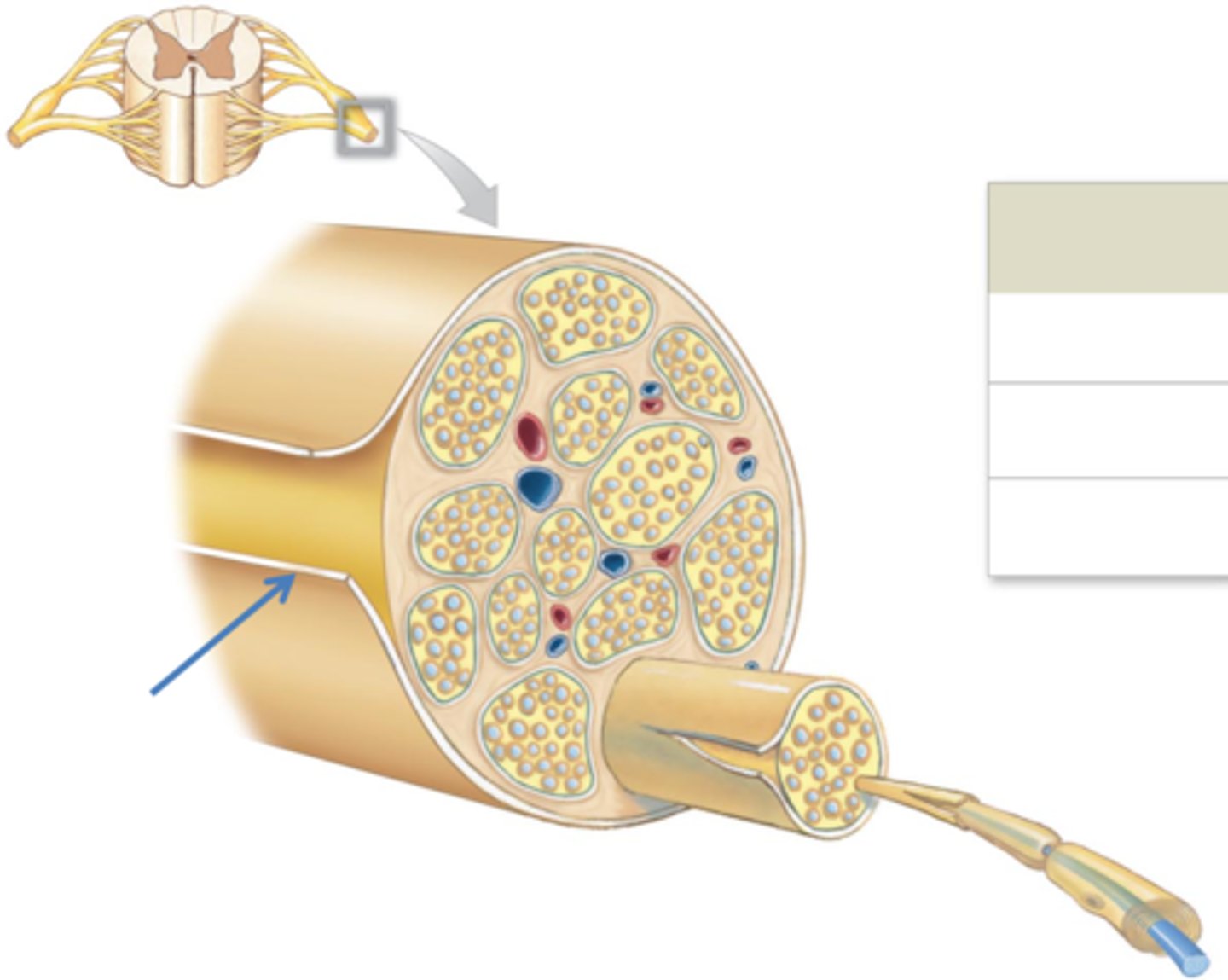
endoneurium
innermost layer of connective tissue that surrounds individual axons within a nerve
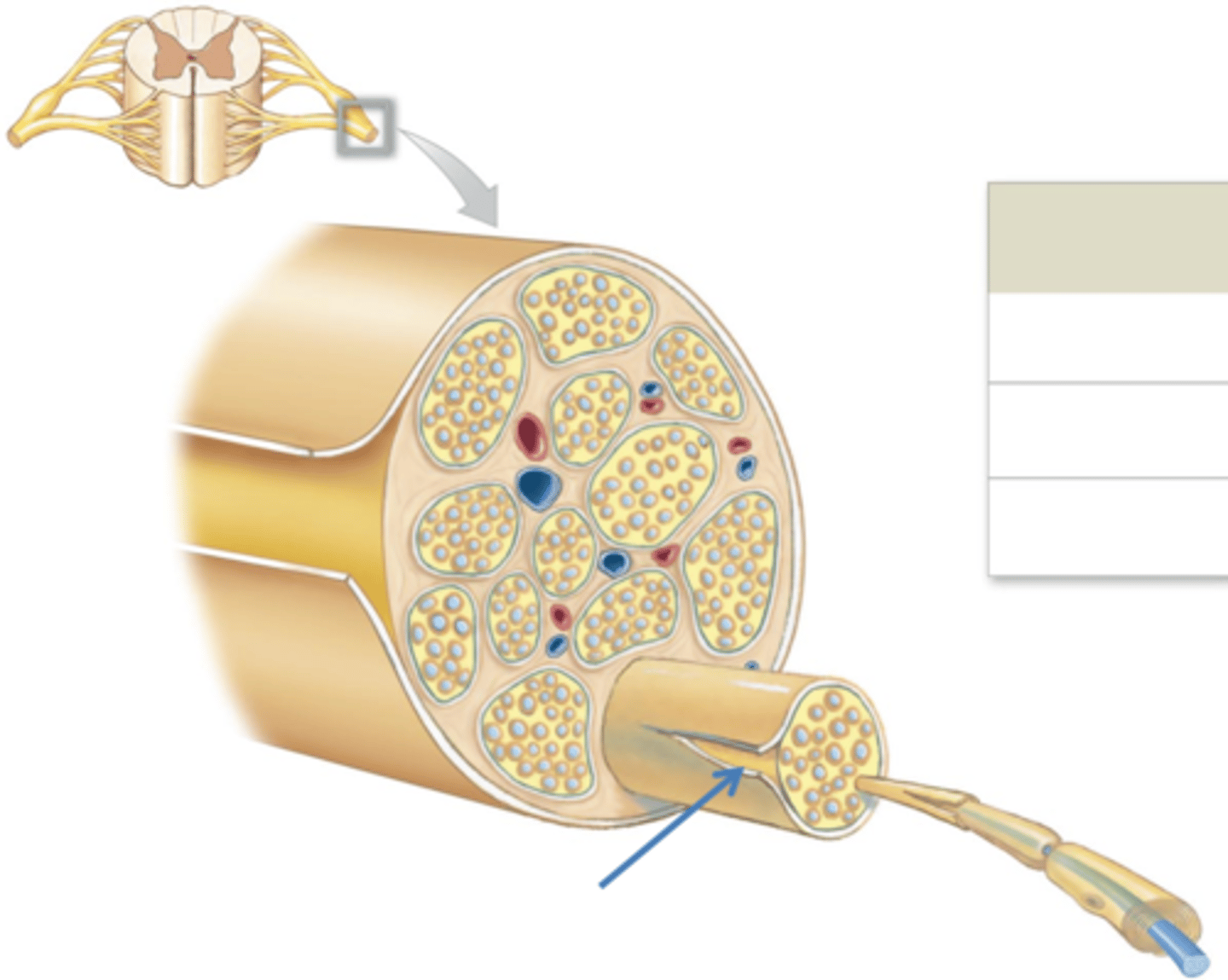
perineurium
middle layer; separates nerve into fascicles (axon bundles)
epineurium
outermost layer of dense irregular connective tissue surrounding a peripheral nerve
cranial nerves
12 pairs of nerves that carry messages to and from the brain
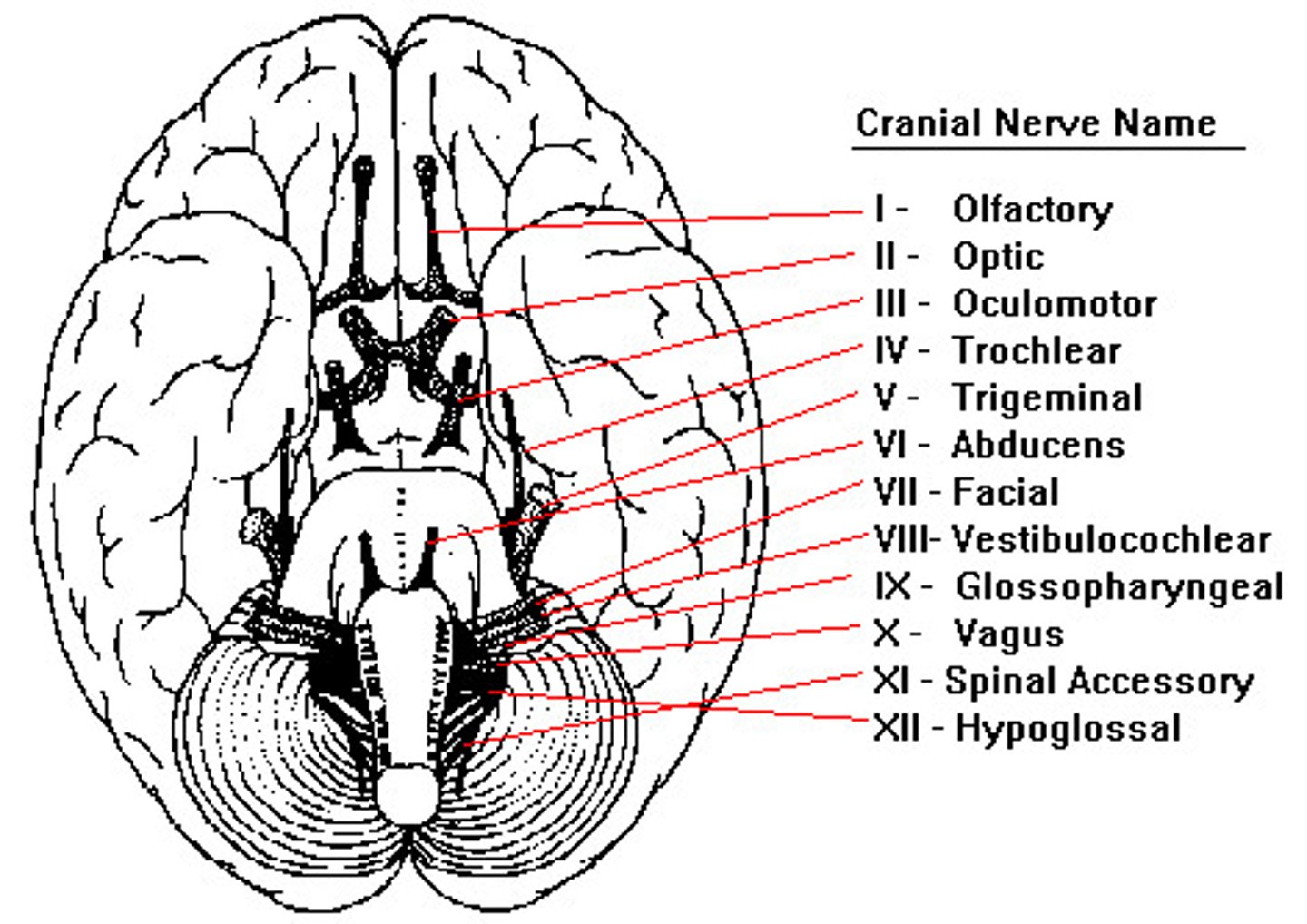
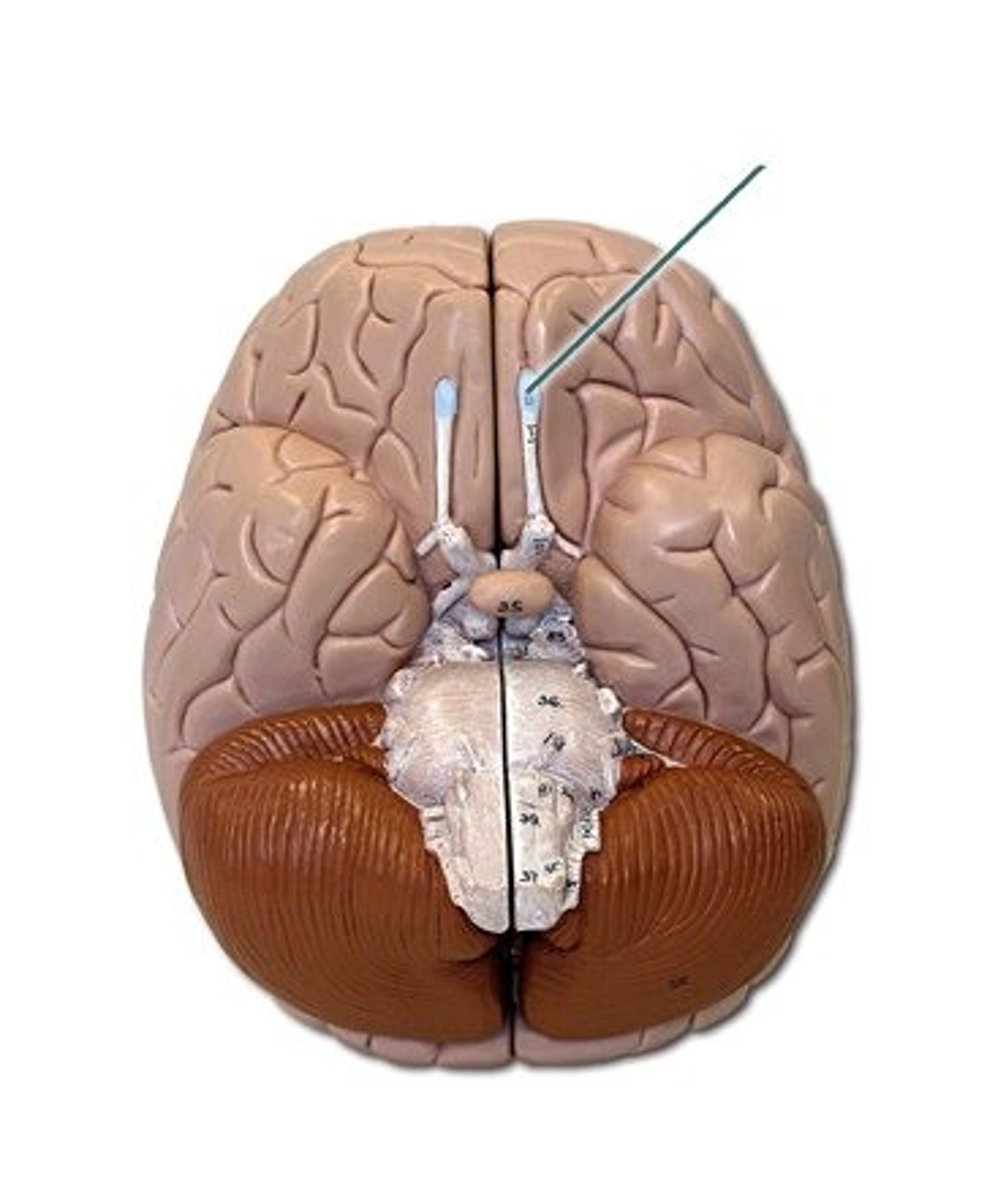
I. olfactory nerve
olfaction (sensory)
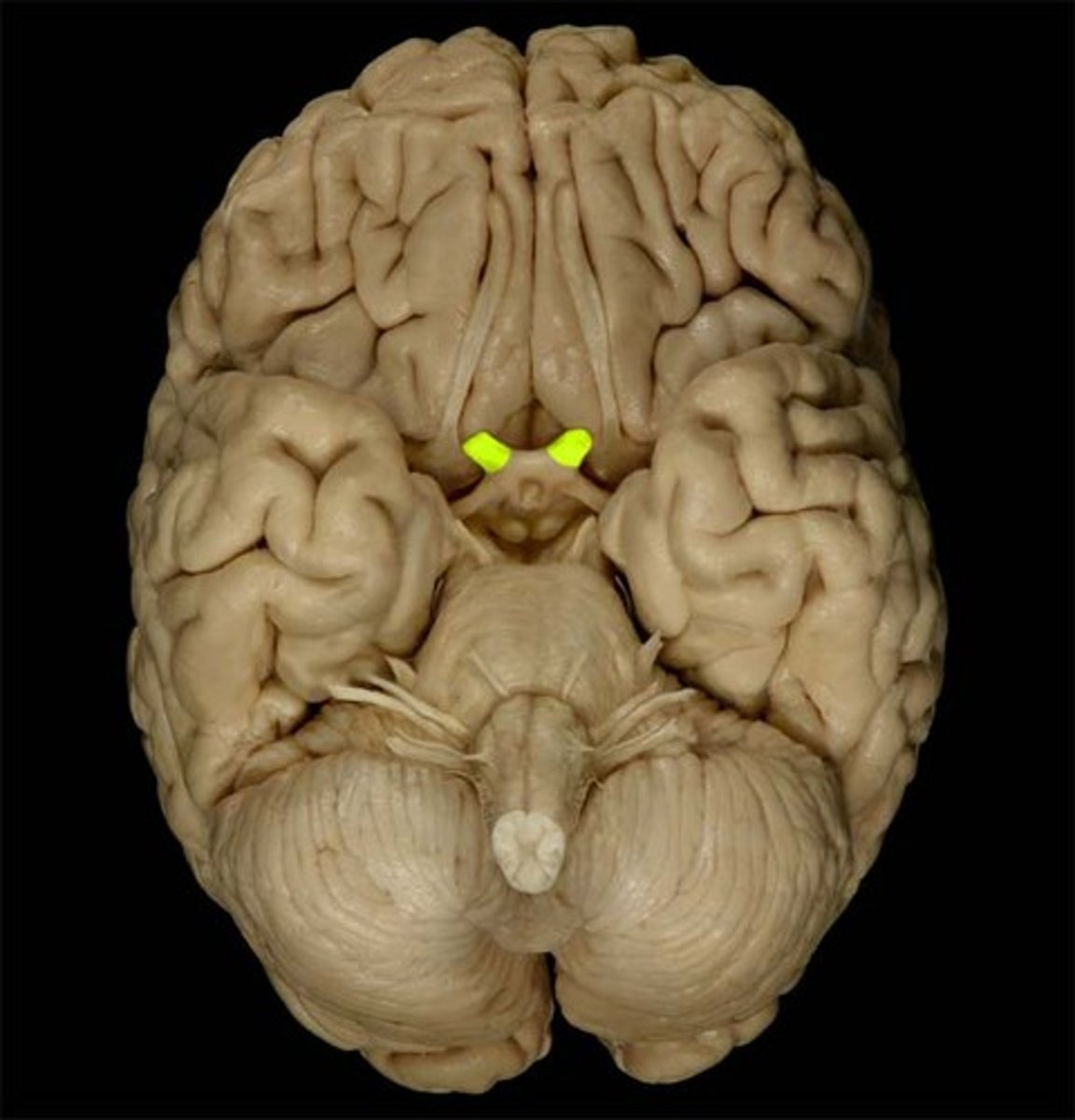
II. optic nerve
vision (sensory)
III. oculomotor nerve
eye movement and focus (motor)
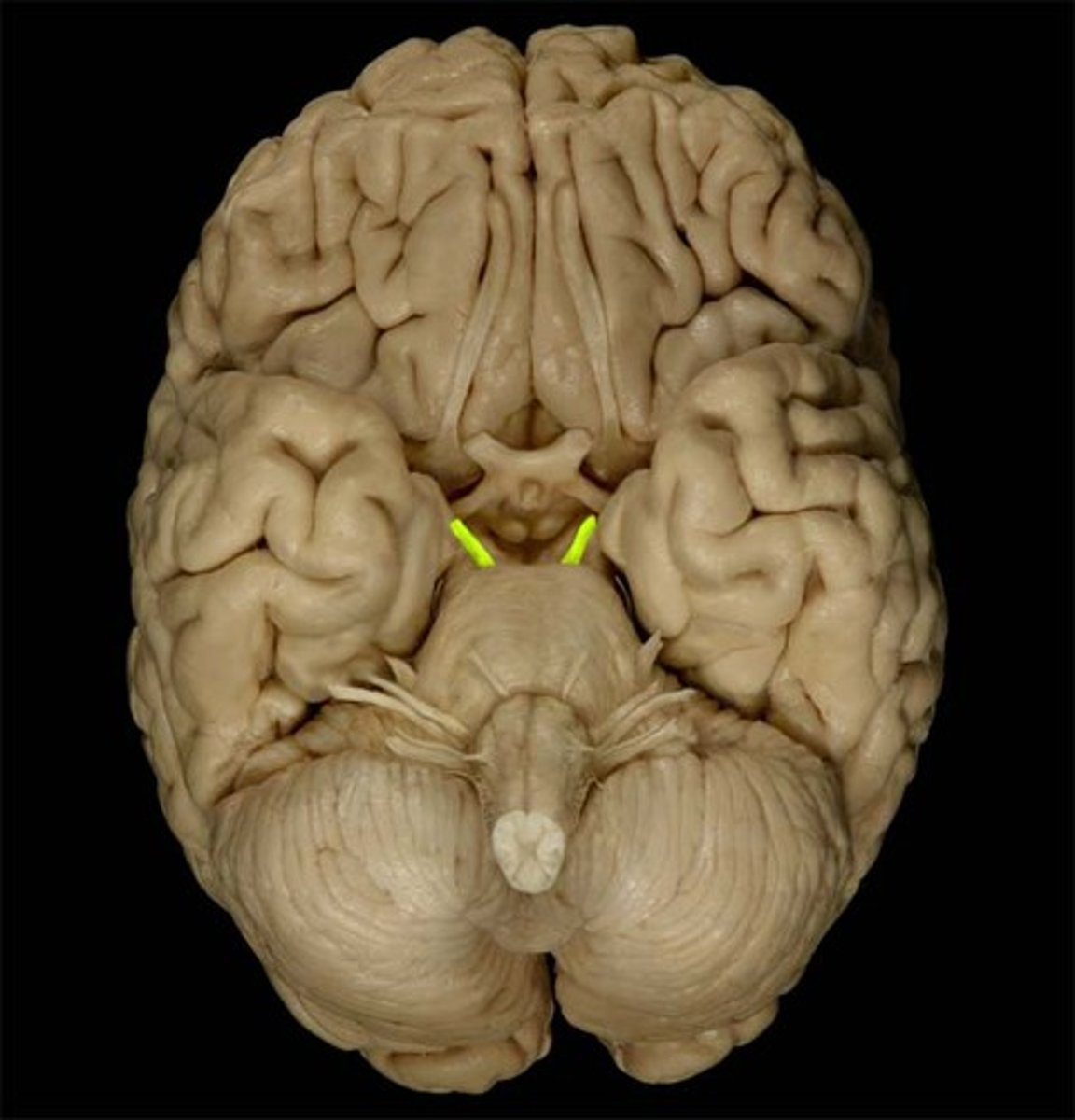
IV. trochlear nerve
eye movement down and out (motor)
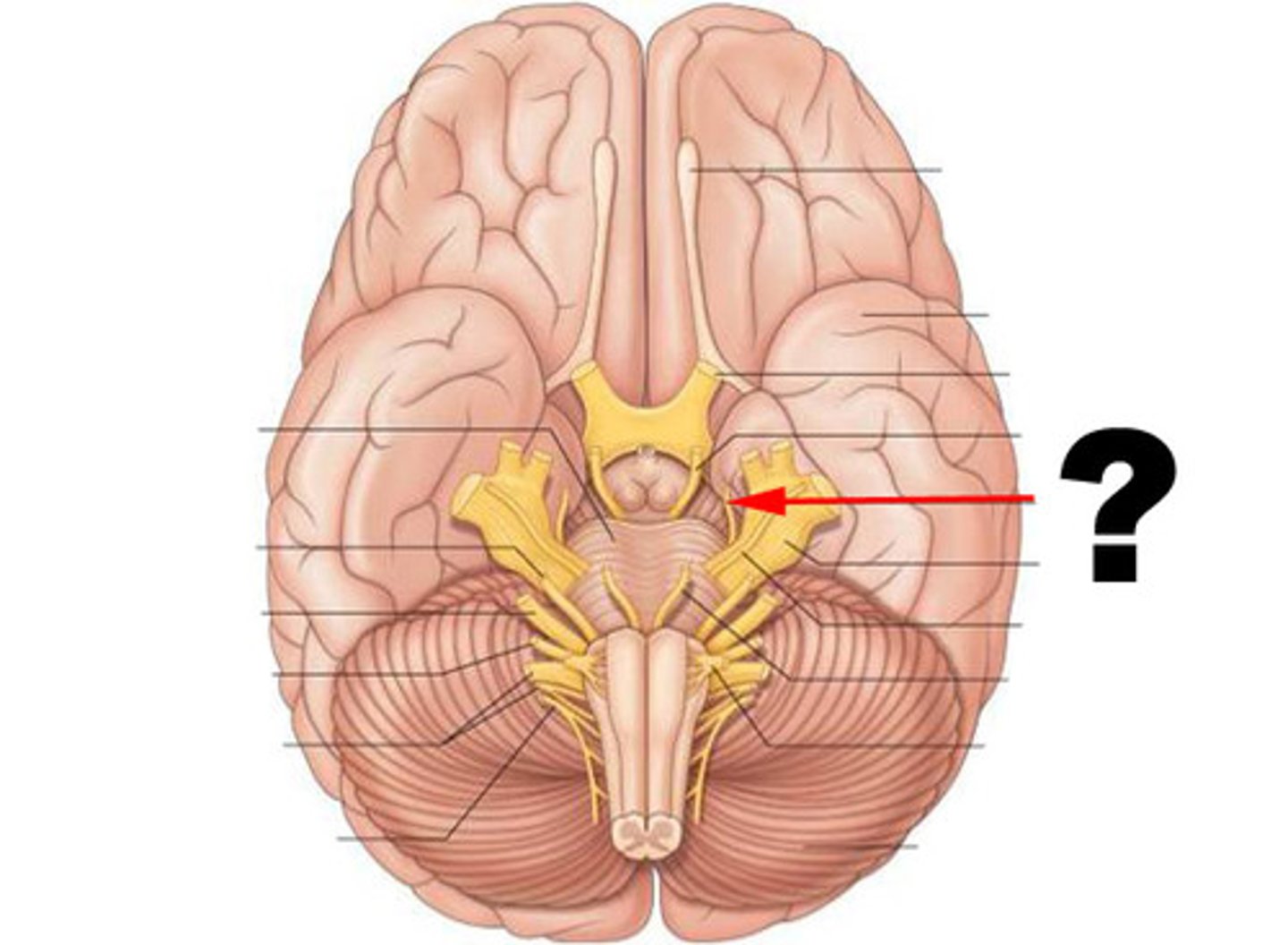
V. trigeminal nerve
mastication and face sensitivity (both)
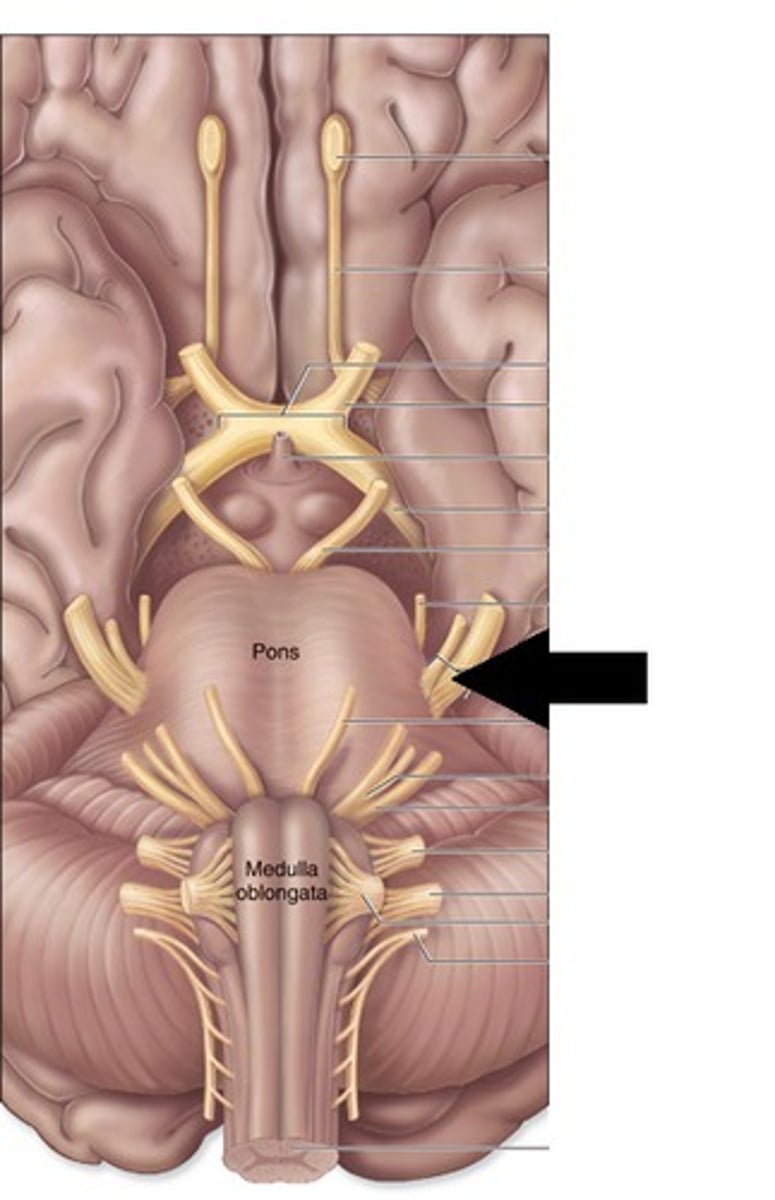
VI. abducens nerve
lateral eye movement (motor)
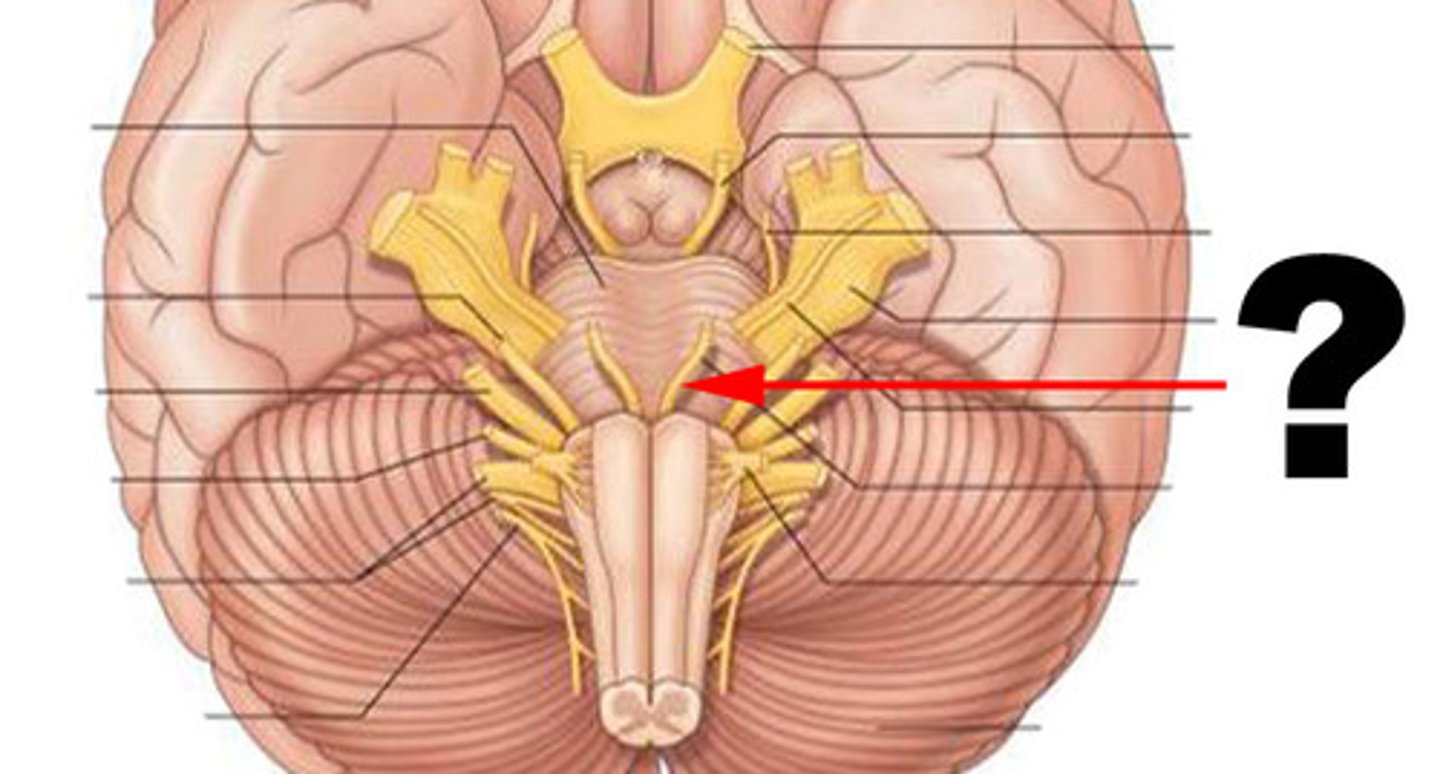
VII. facial nerve
facial expression and anterior 2/3 taste of tongue (both)
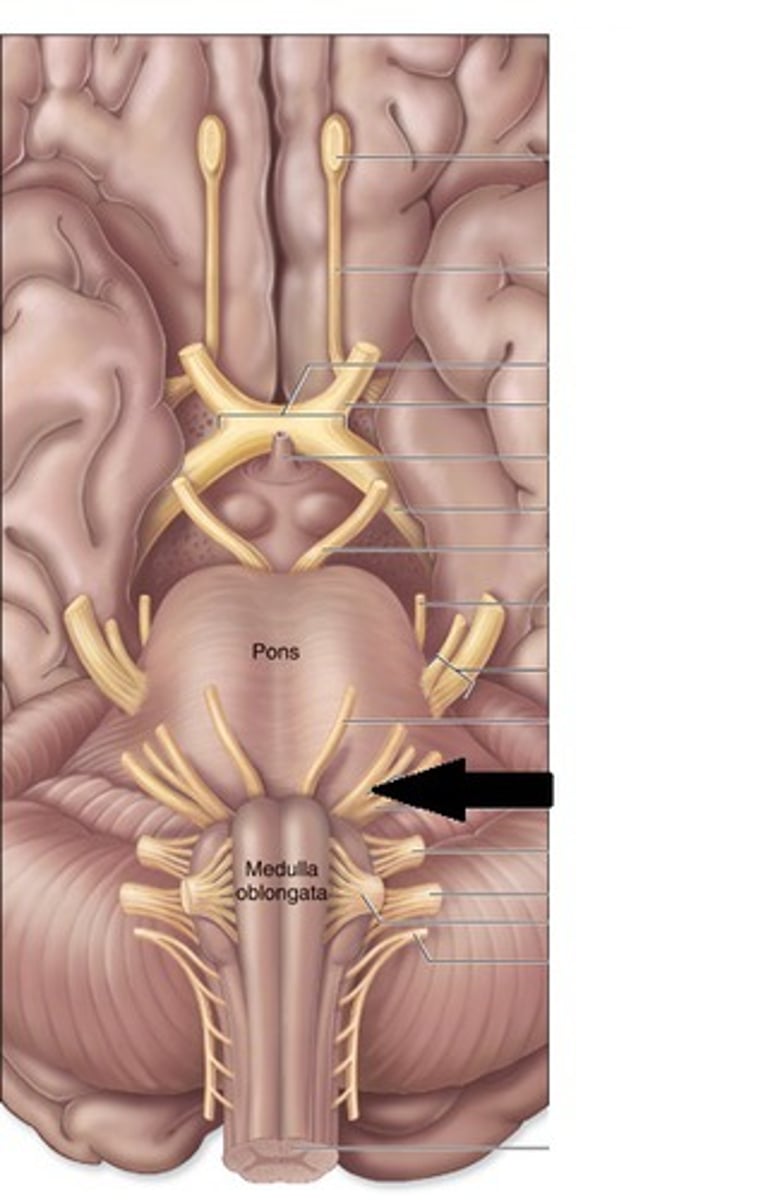
VIII. vestibulocochlear nerve
hearing and balance (sensory)
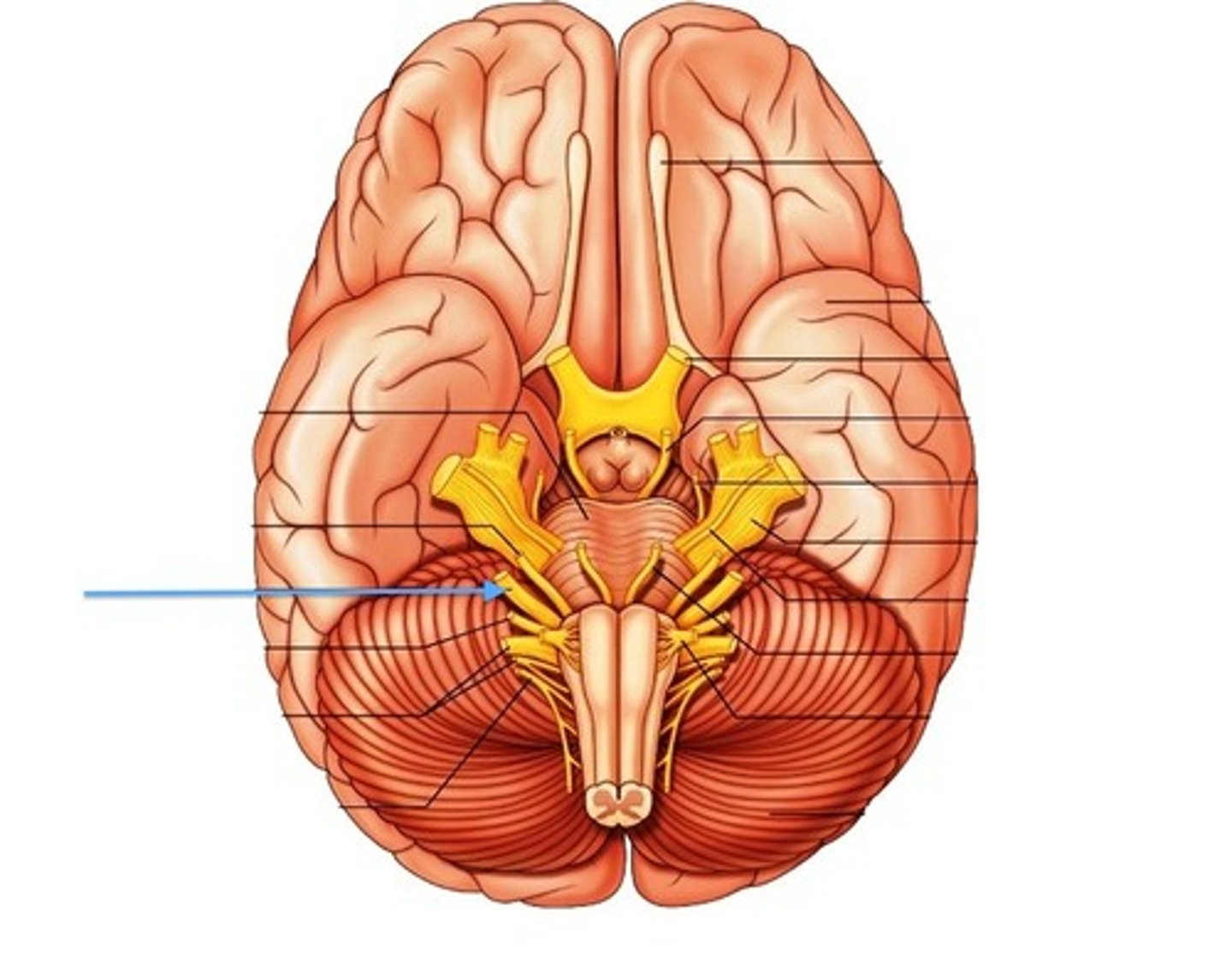
IX. glossopharyngeal nerve
1/3 posterior tongue, pharynx, salivation (both)
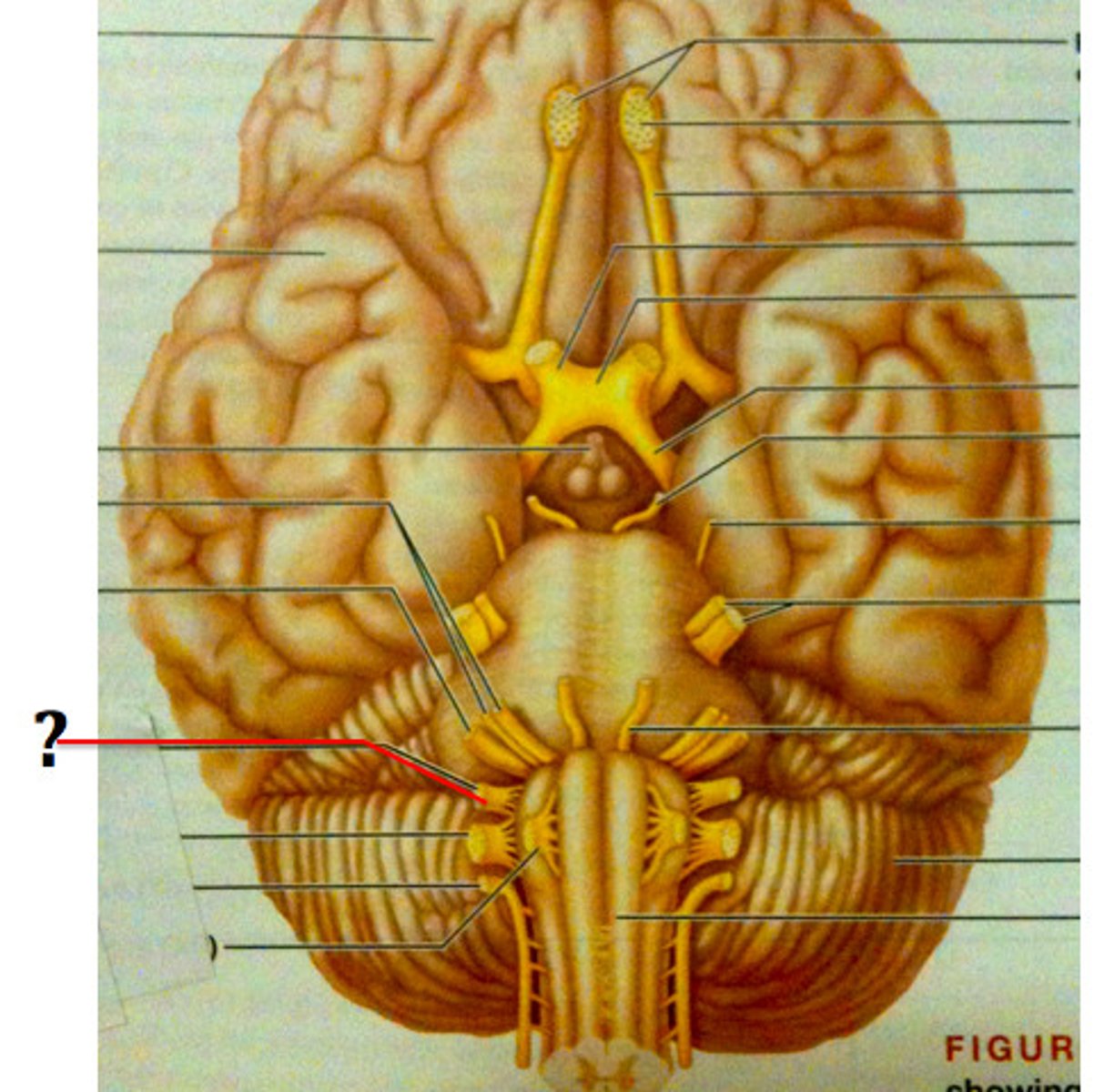
X. vagus nerve
sensitivity/movement of the ventral cavity, organs, and larynx (both)
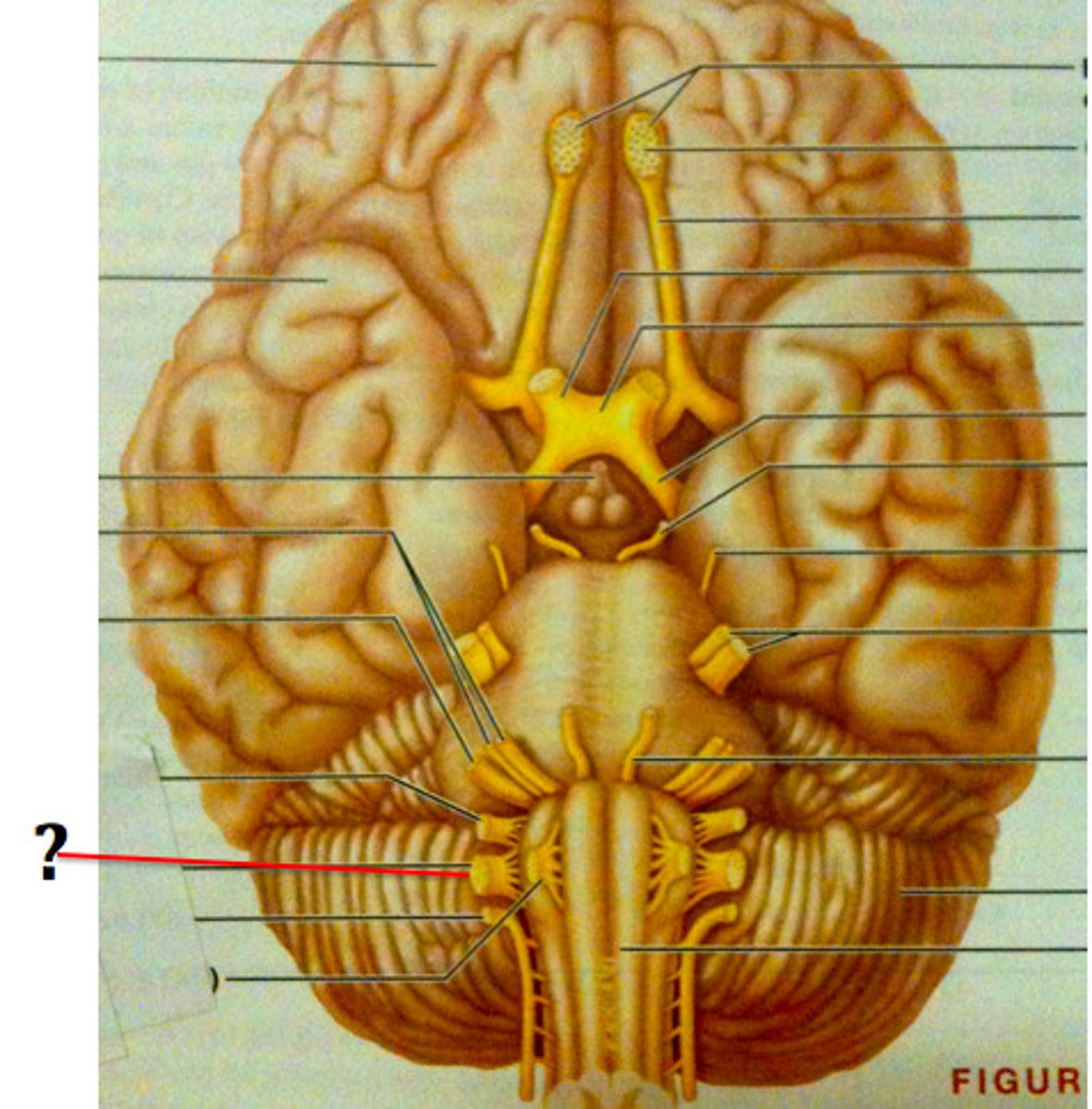
XI. accessory nerve
movement of neck muscles, including sternocleidomastoid, trapezius (motor)
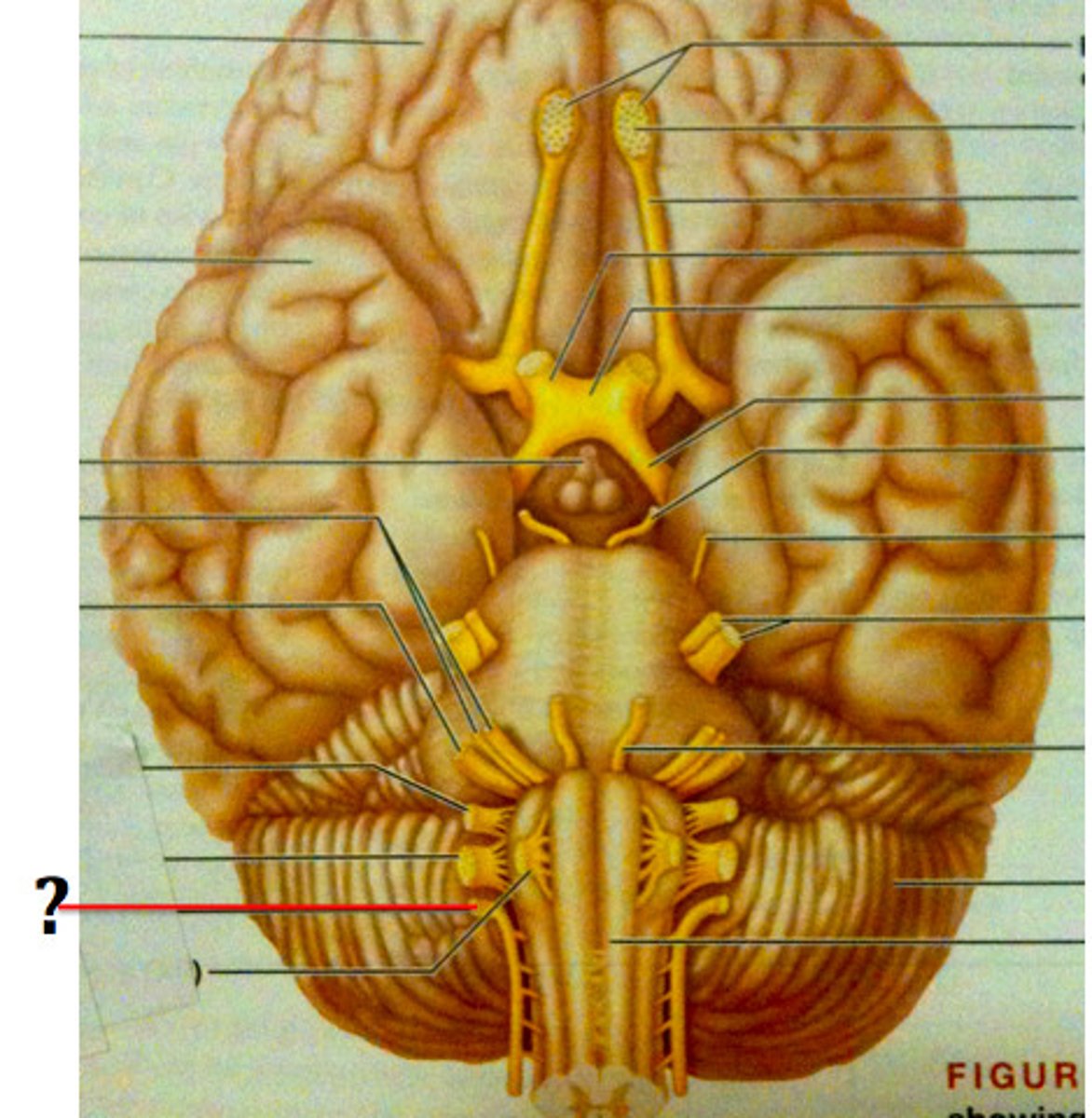
XII. hypoglossal nerve
tongue movement beneath tongue (motor)
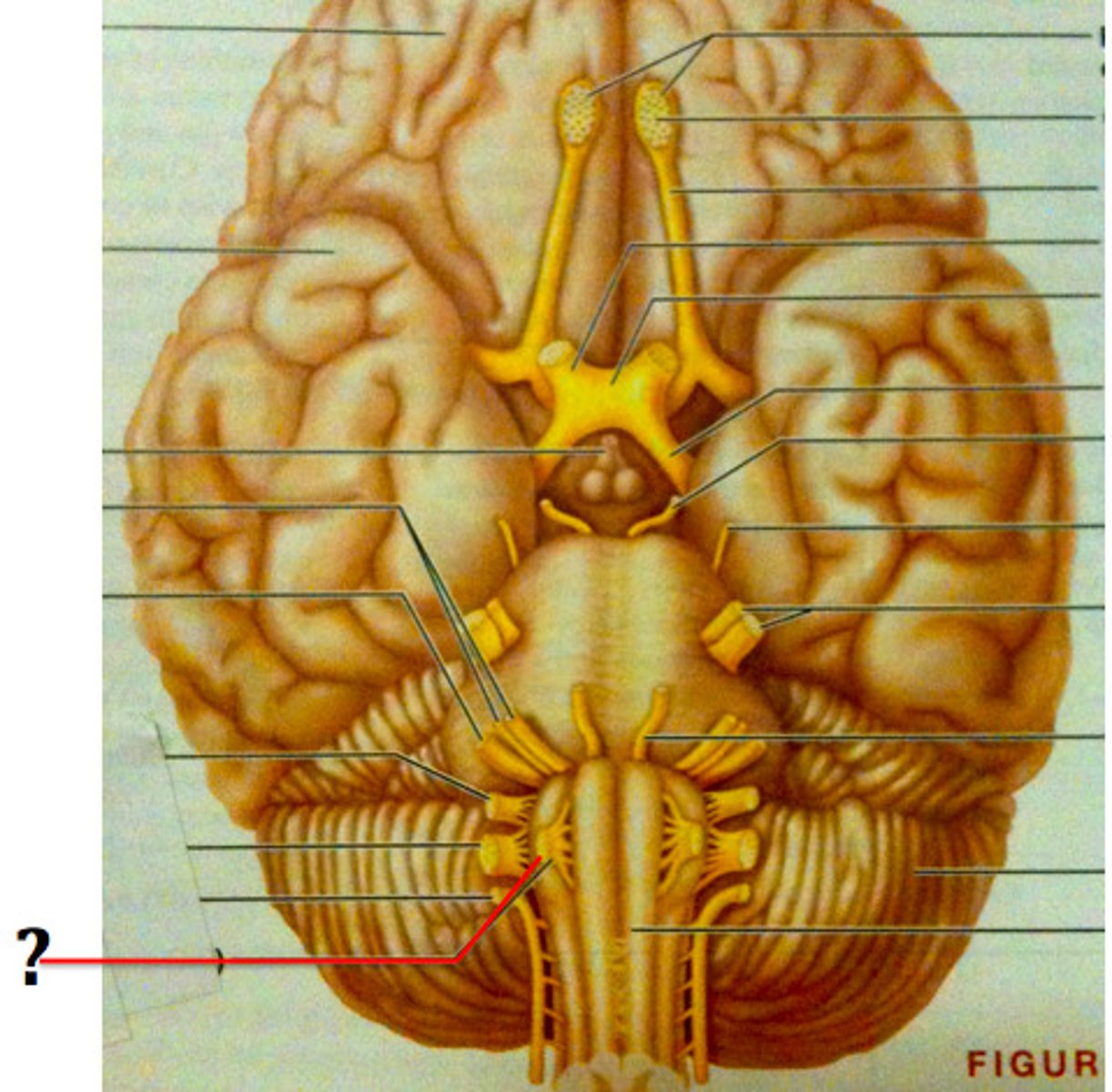
spinal nerves
31 pairs of nerves arising from the spinal cord
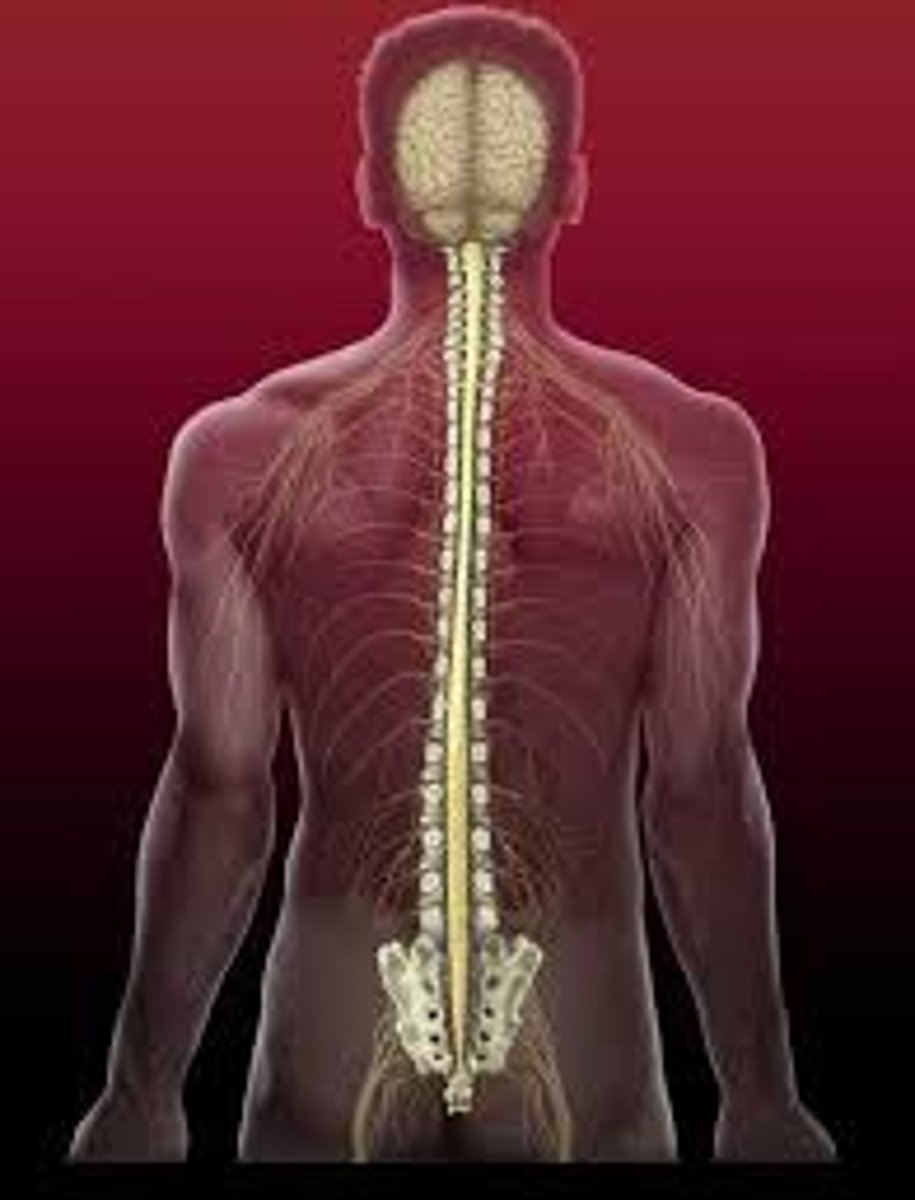
cervicle nerves
8 pairs
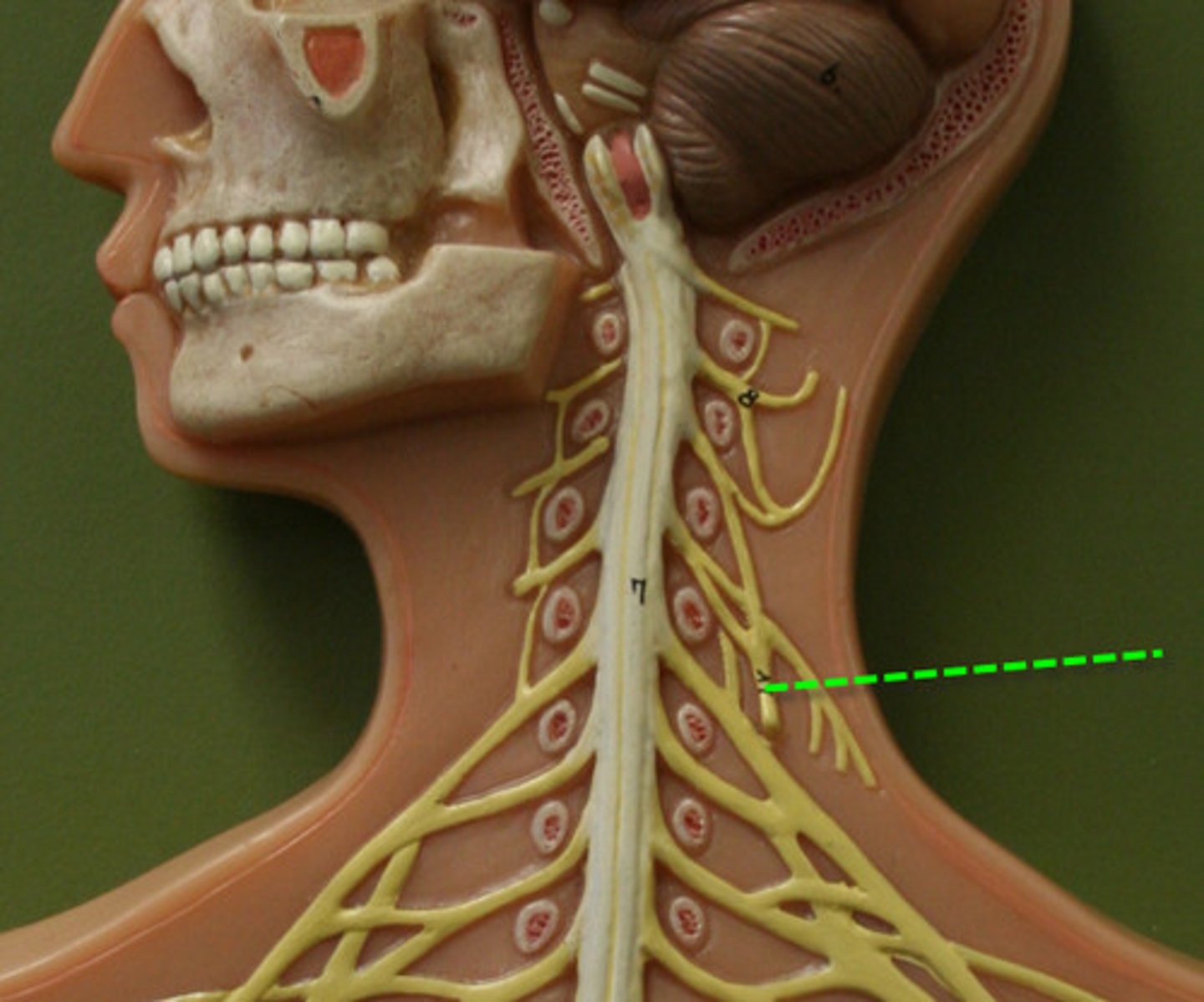
thoracic nerves
12 pairs
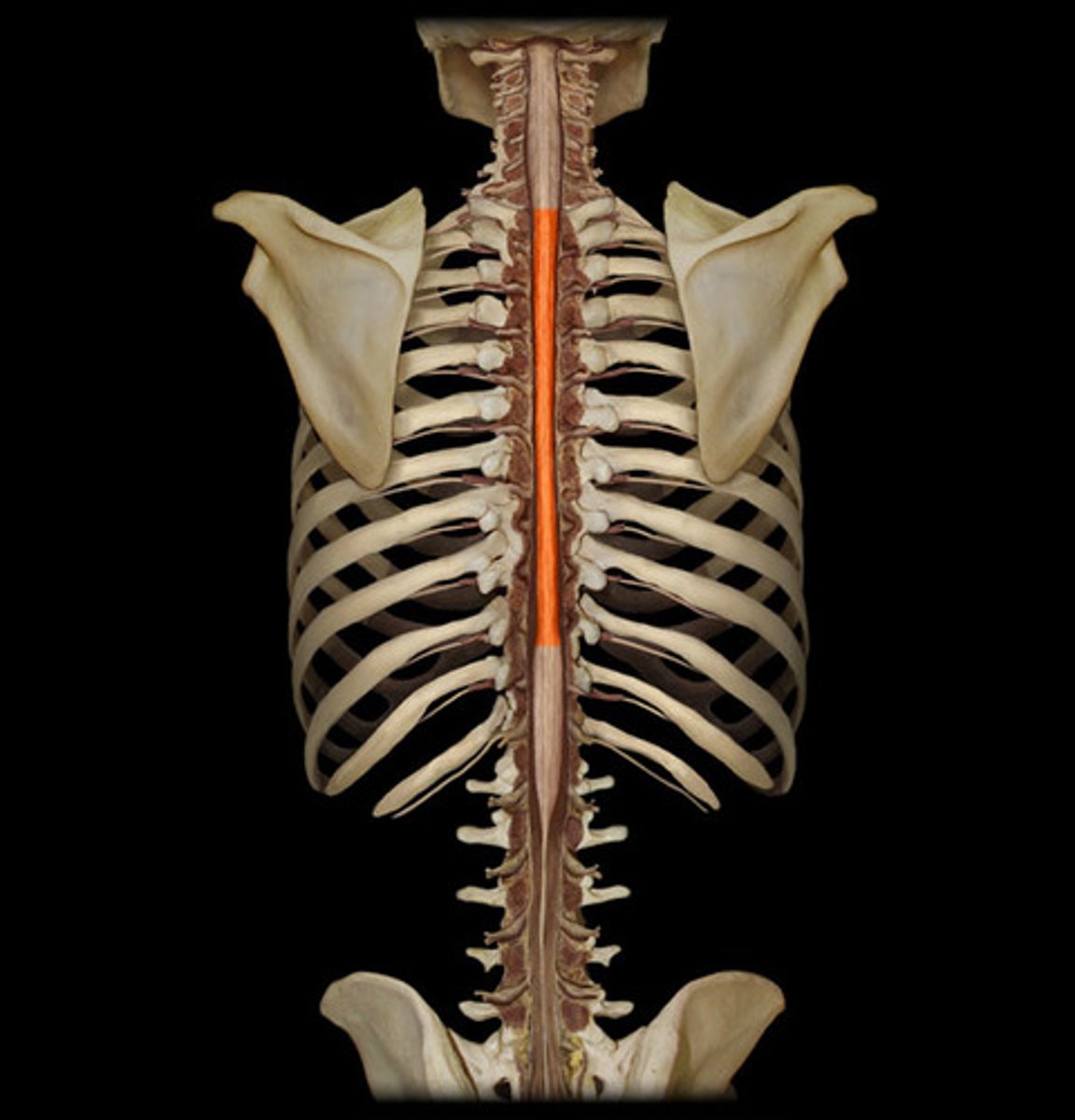
lumbar nerves
5 pairs
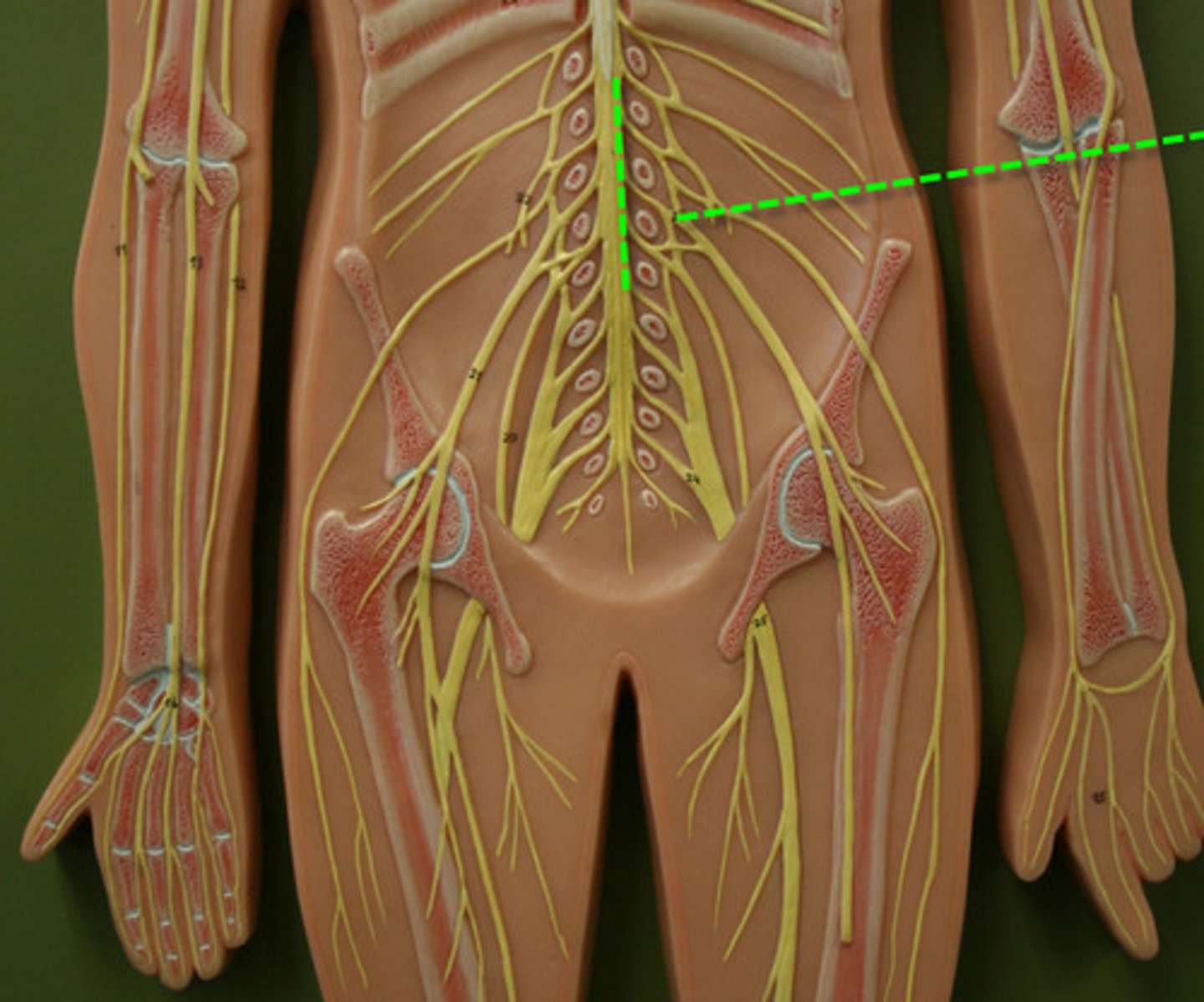
sacral nerves
5 pairs
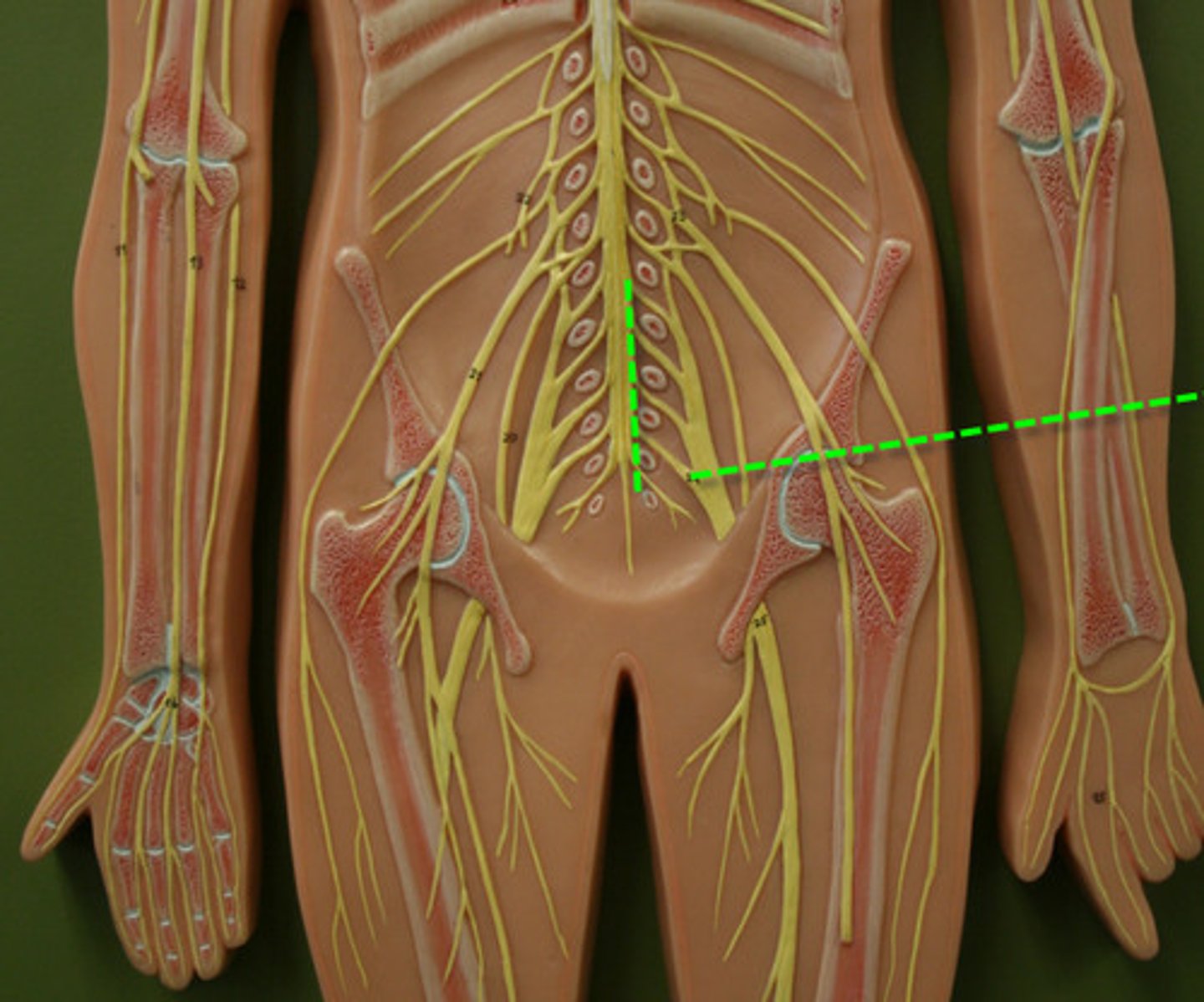
coccygeal nerves
1 pair
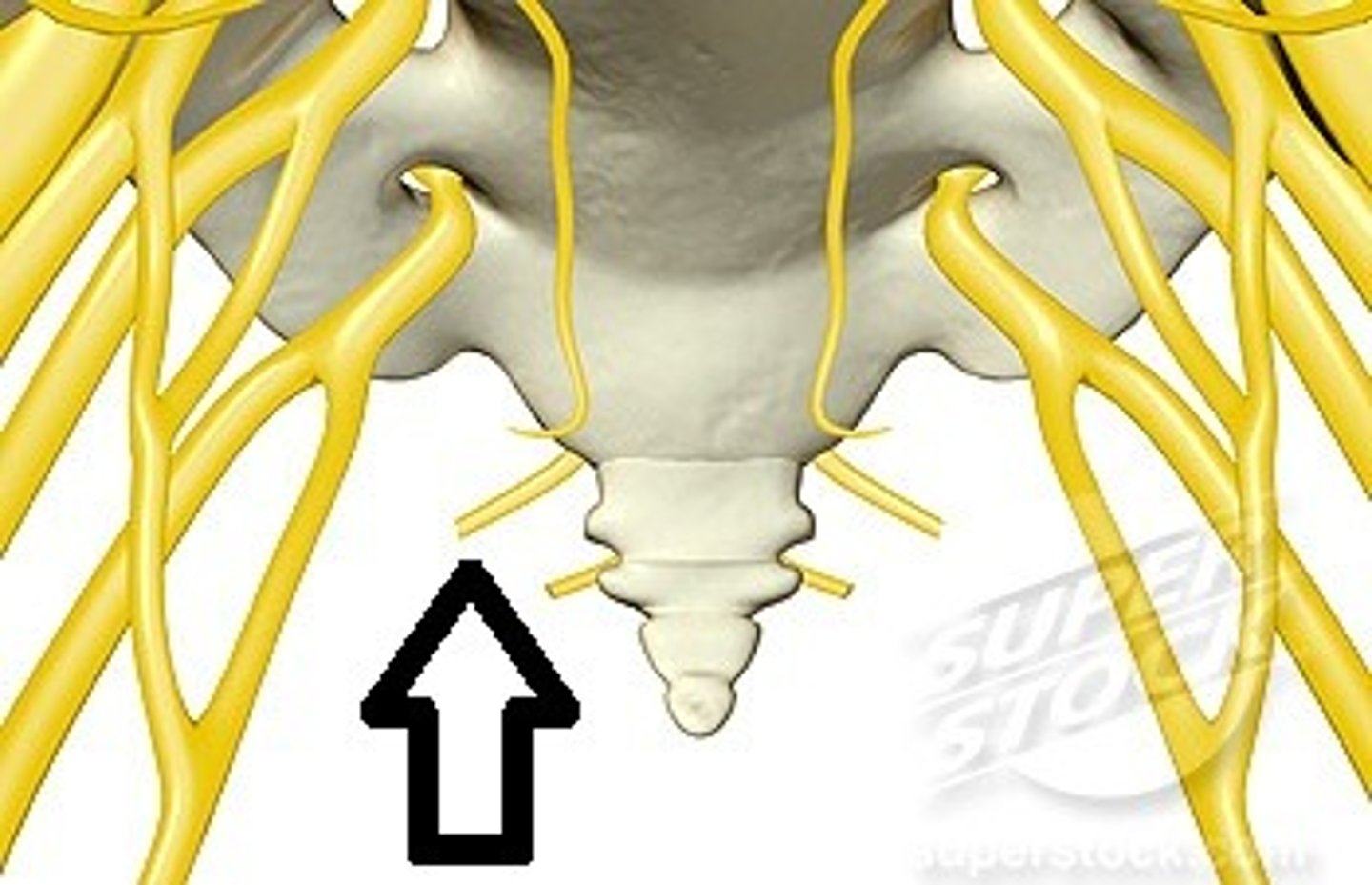
nerve plexus
network of interweaving anterior rami of spinal nerves
cervical plexus
c1-c4
cutaneous branches of cervical plexus
C1-C3
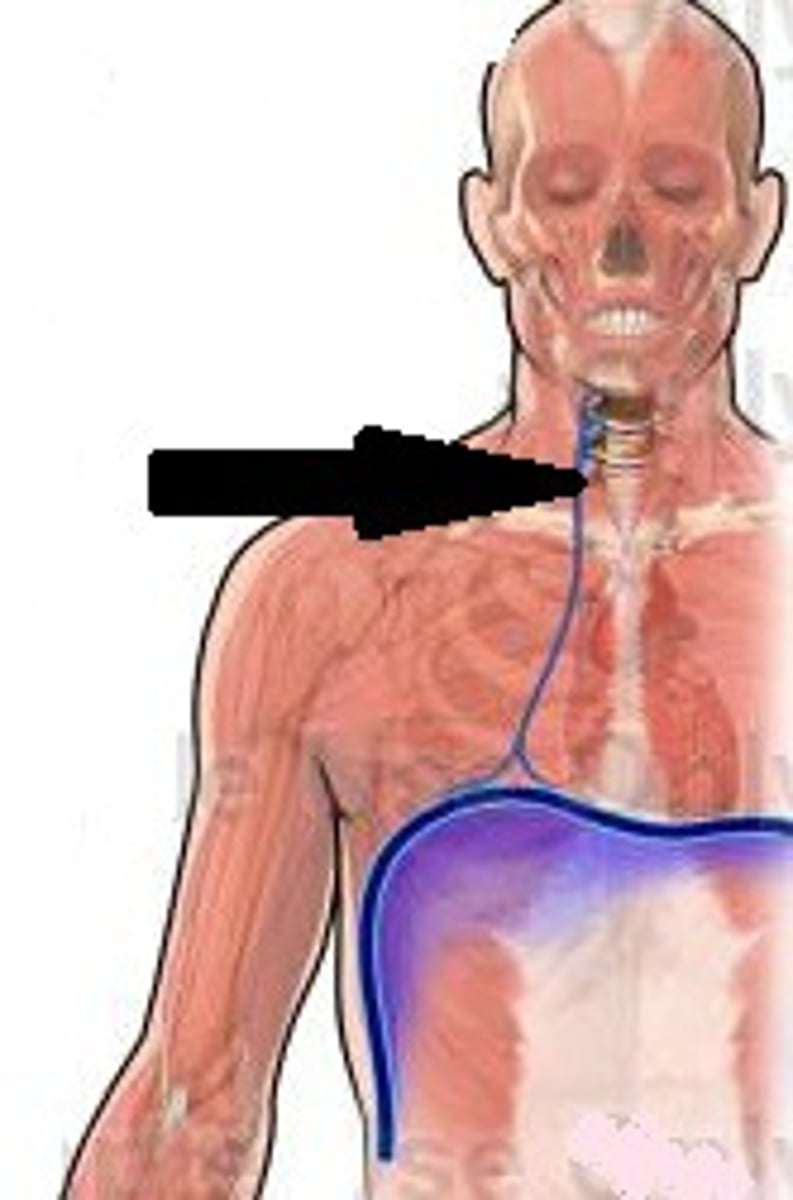
phrenic nerve
innervates the diaphragm, allowing you to breathe (C3,4,5)
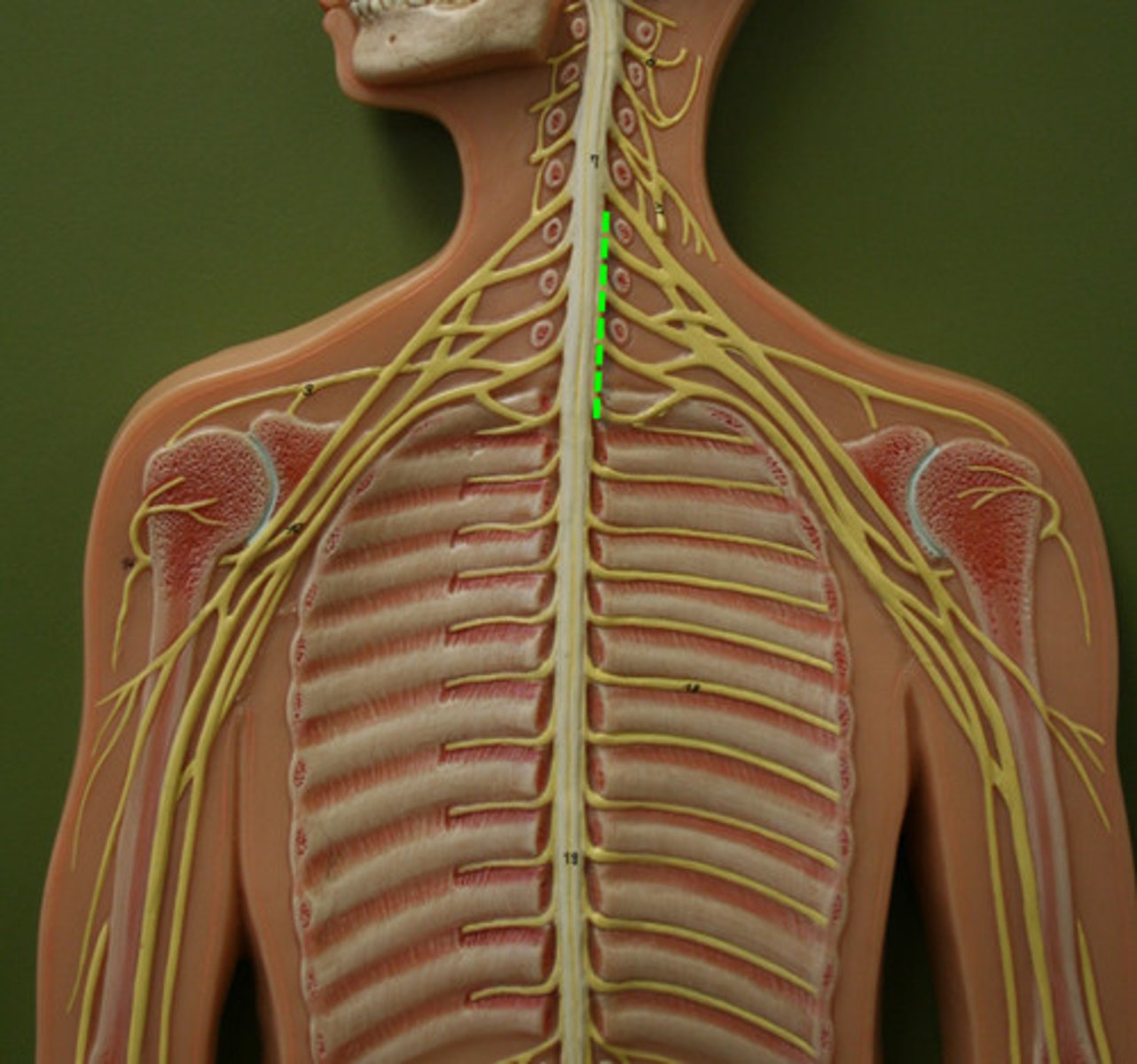
brachial plexus
innervates the pectoral girdle and upper limbs (C5-T1)
lateral cord of brachial plexus
musculocutaneous and median nerves
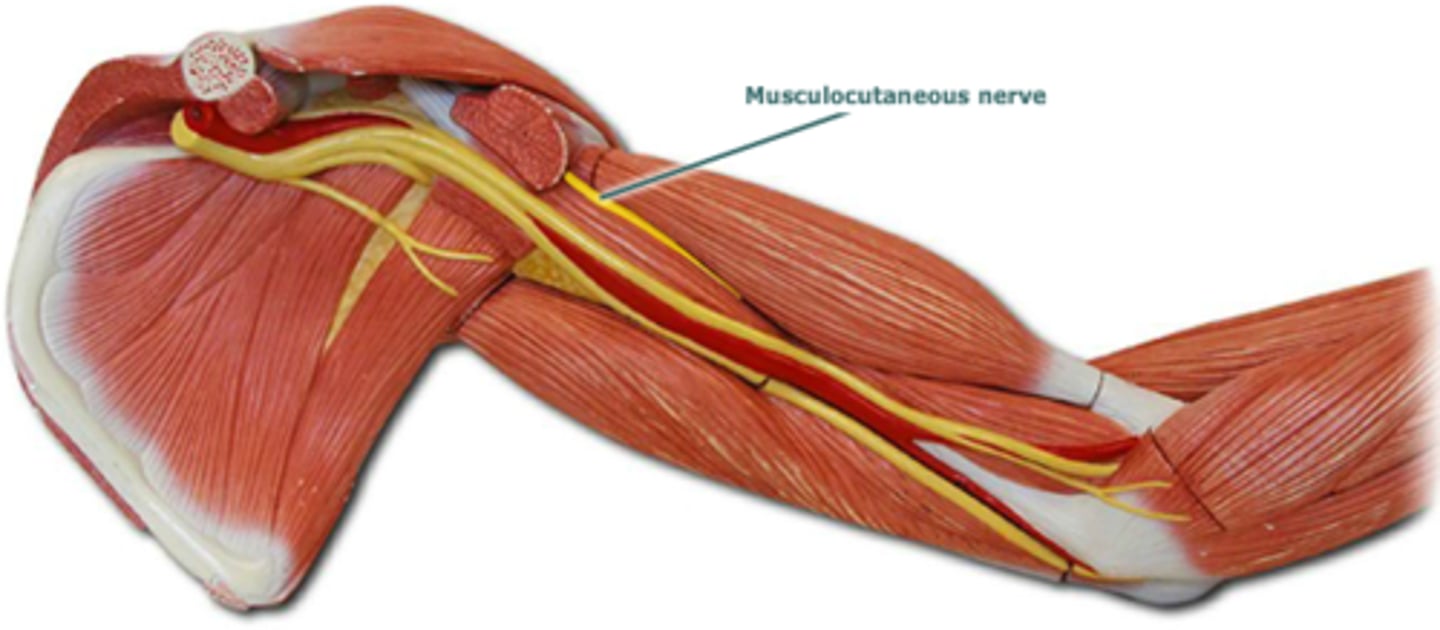
musculocutaneous nerve
innervates anterior upper arm
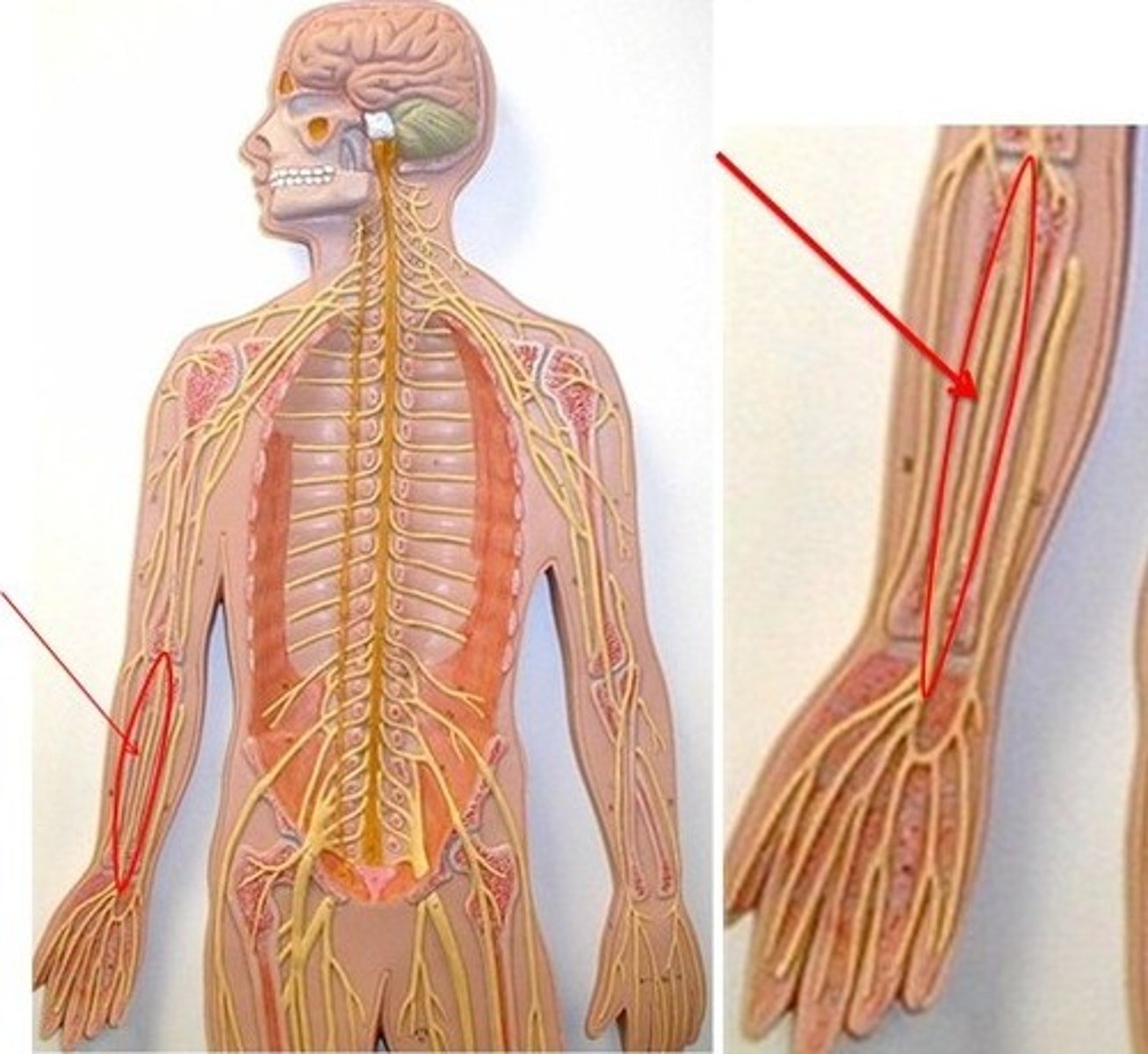
median nerve
sensory-motor nerve that is smaller than the ulnar and radial nerves and that, with its branches, supplies the arm and hand
posterior cord of brachial plexus
axillary nerve and radial nerve
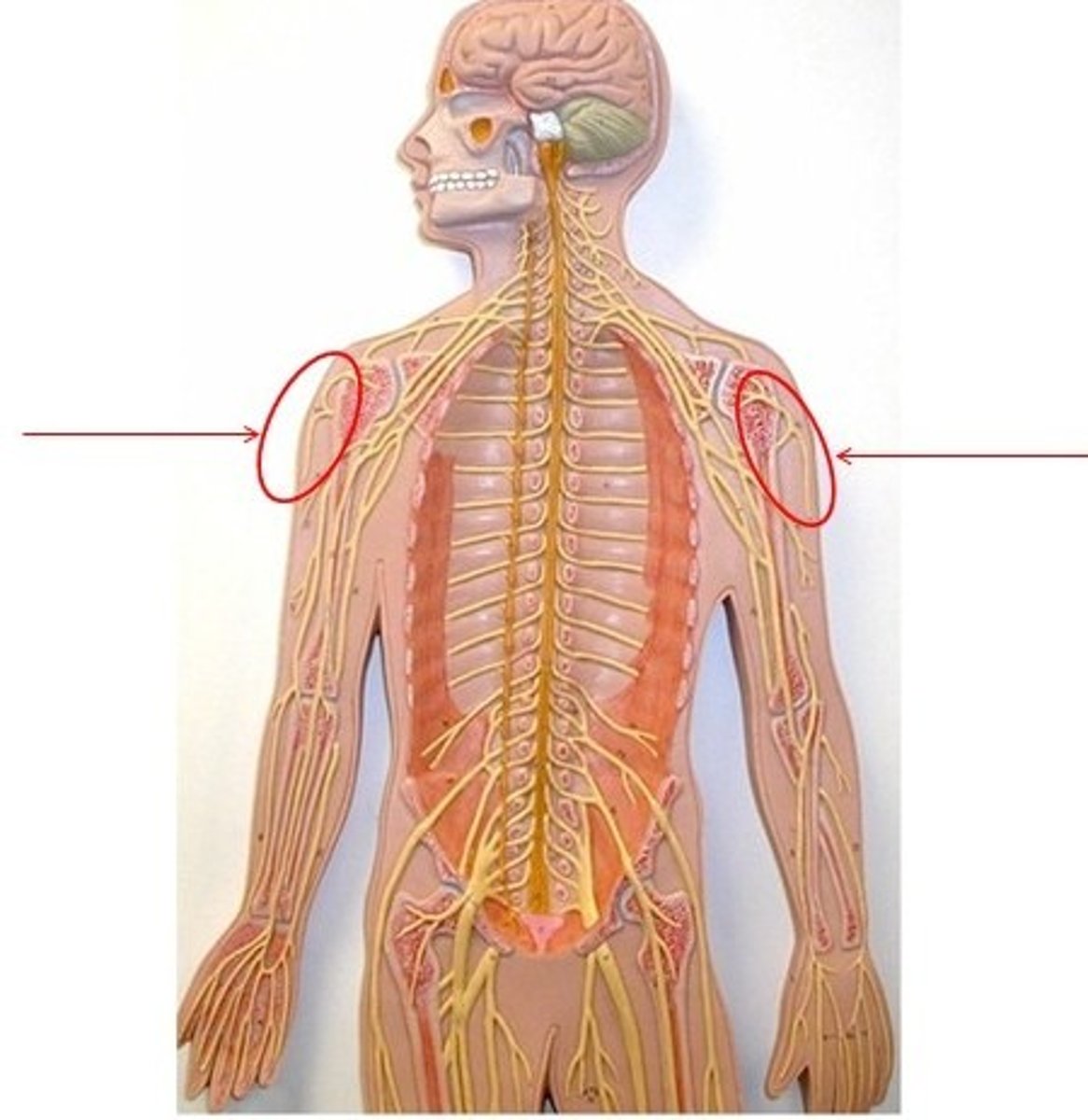
axillary nerve
innervates deltoid and teres minor
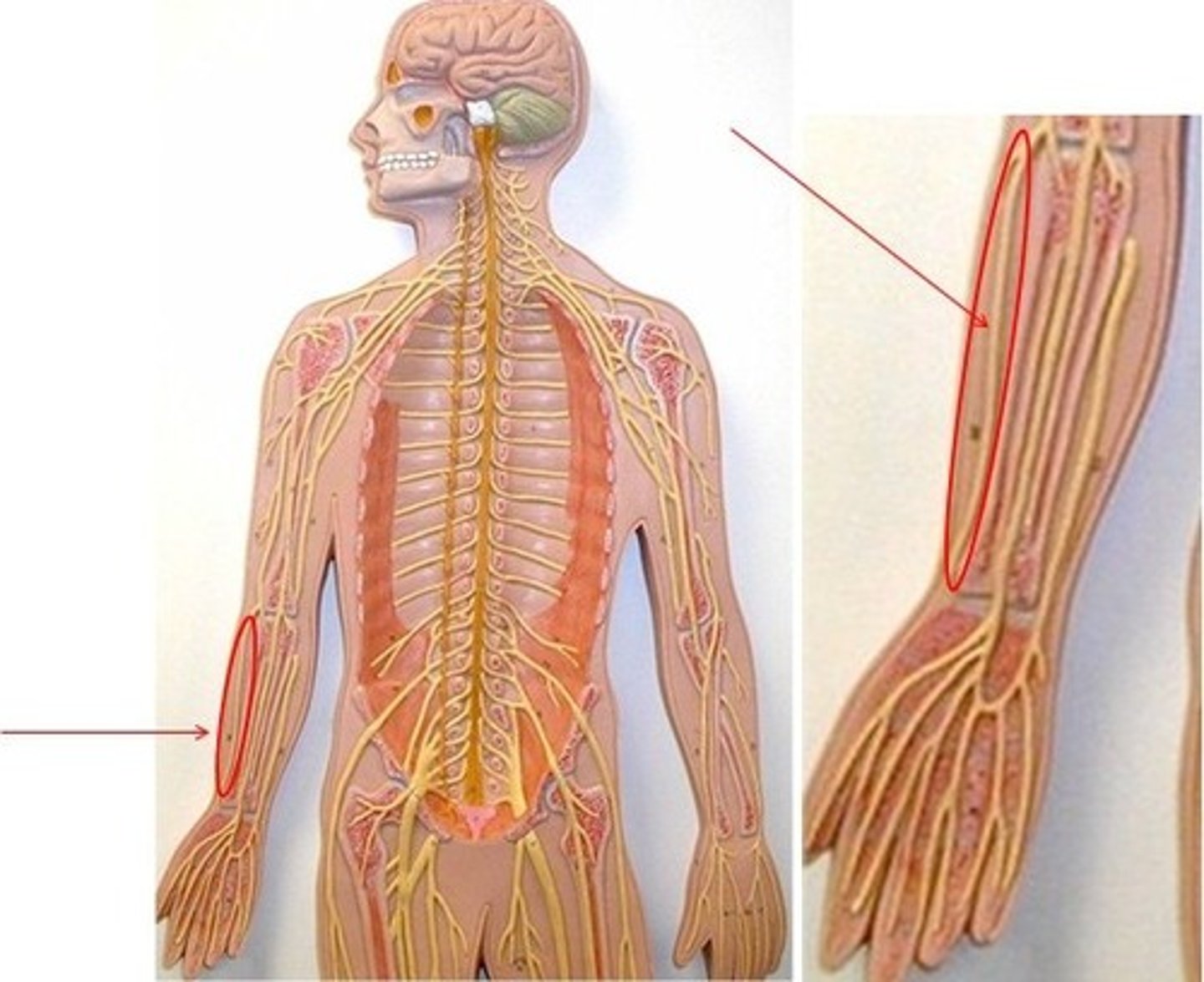
radial nerve
sensory-motor nerve that, with its branches, supplies the thumb side of the arm and back of the hand
medial cord of brachial plexus
ulnar and median nerve
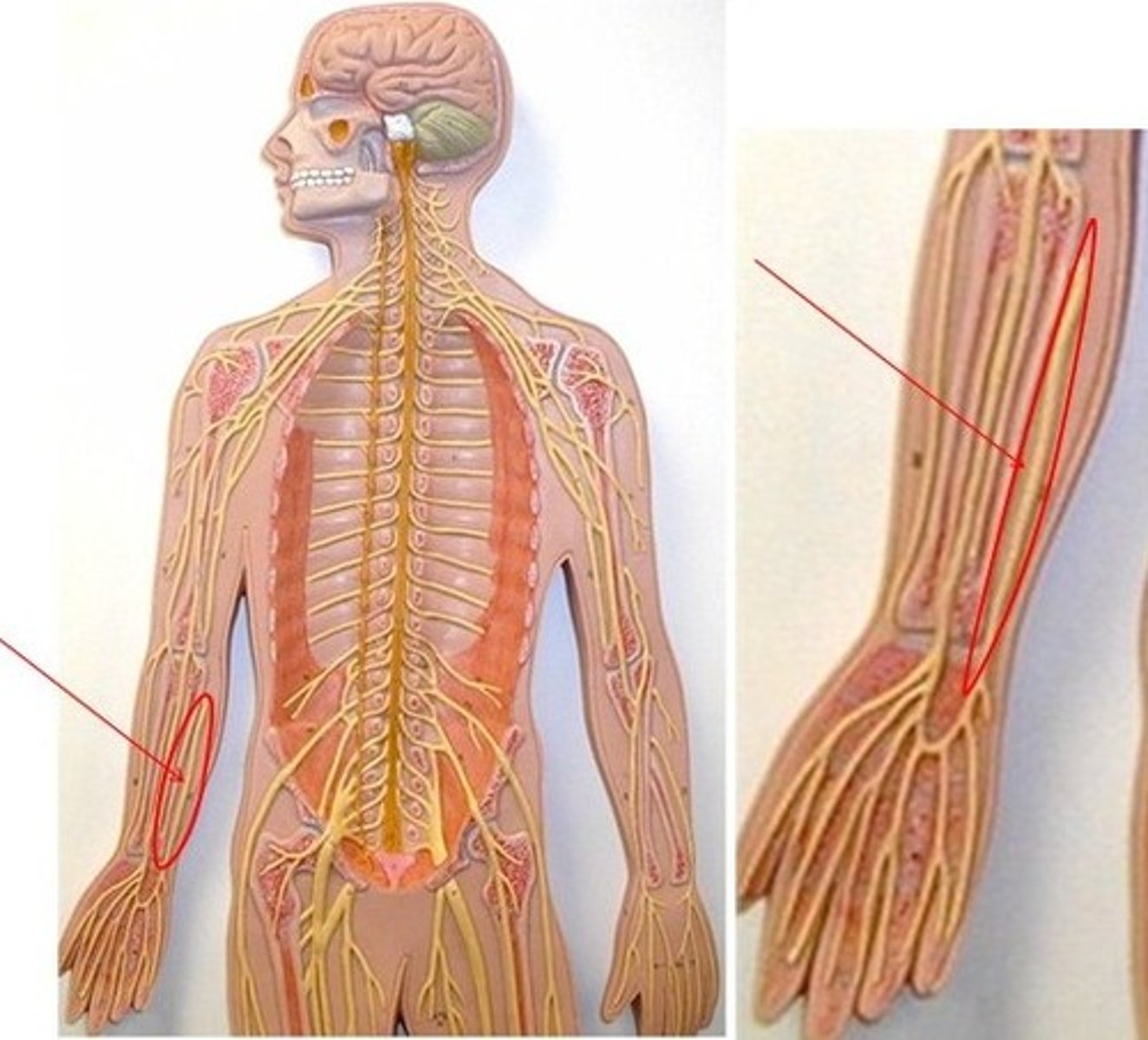
ulnar nerve
sensory-motor nerve that, with its branches, affects the little-finger side of the arm and palm of the hand
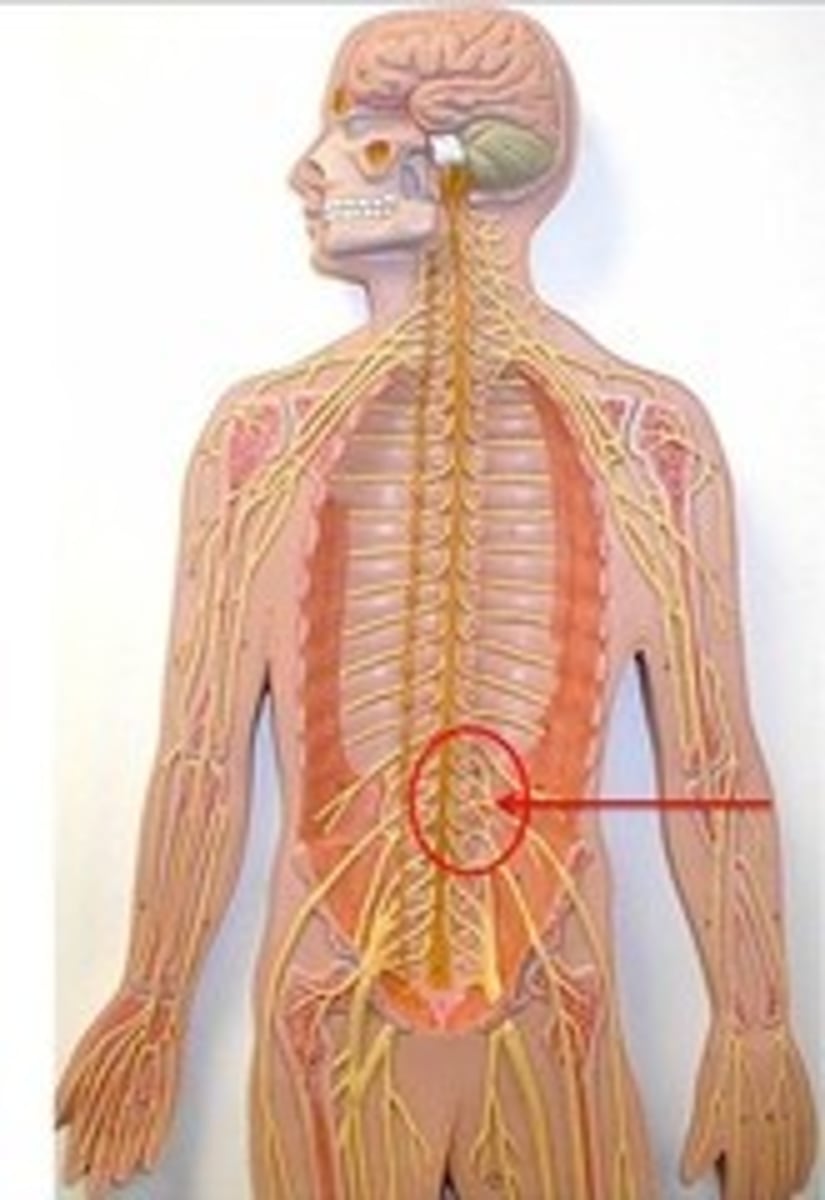
lumbar plexus
innervates anterior and medial thigh (L1-L4)
femoral nerve
innervates the muscles that extend leg and flex the thigh, rectus femoris, vastis medialis
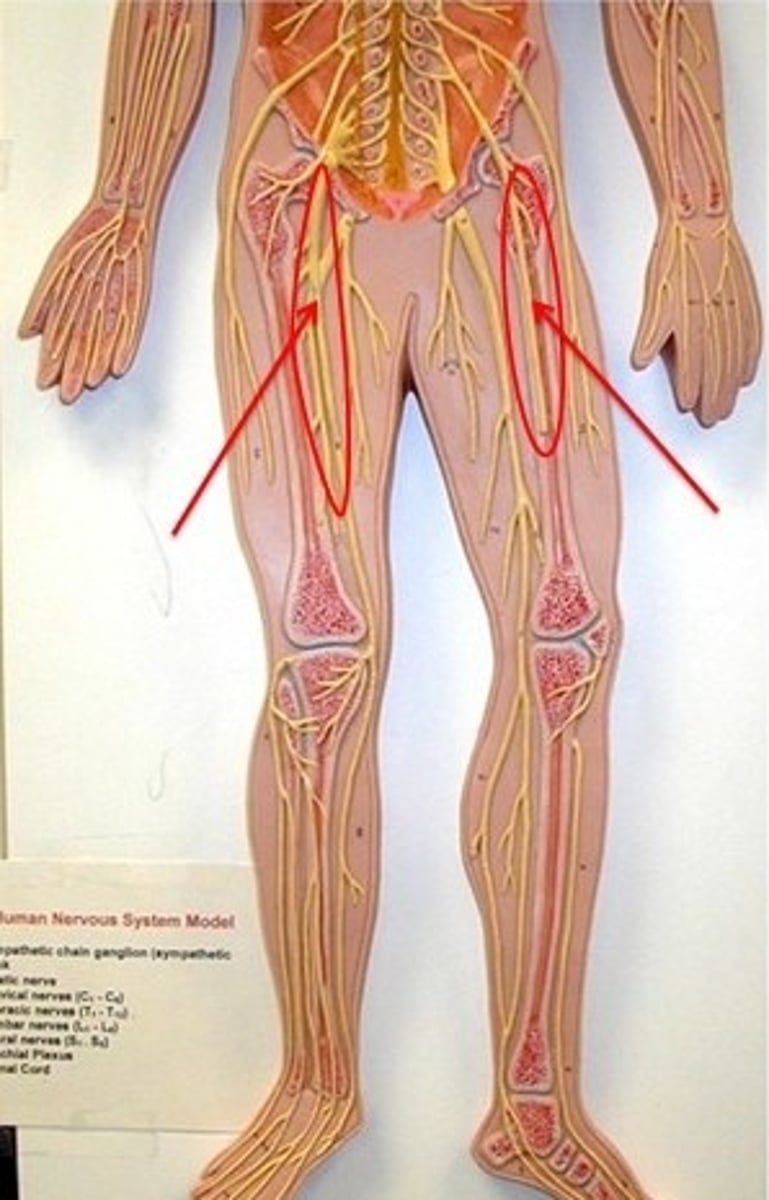
obturator nerve
passes through obturator foramen to innervate adductor muscles
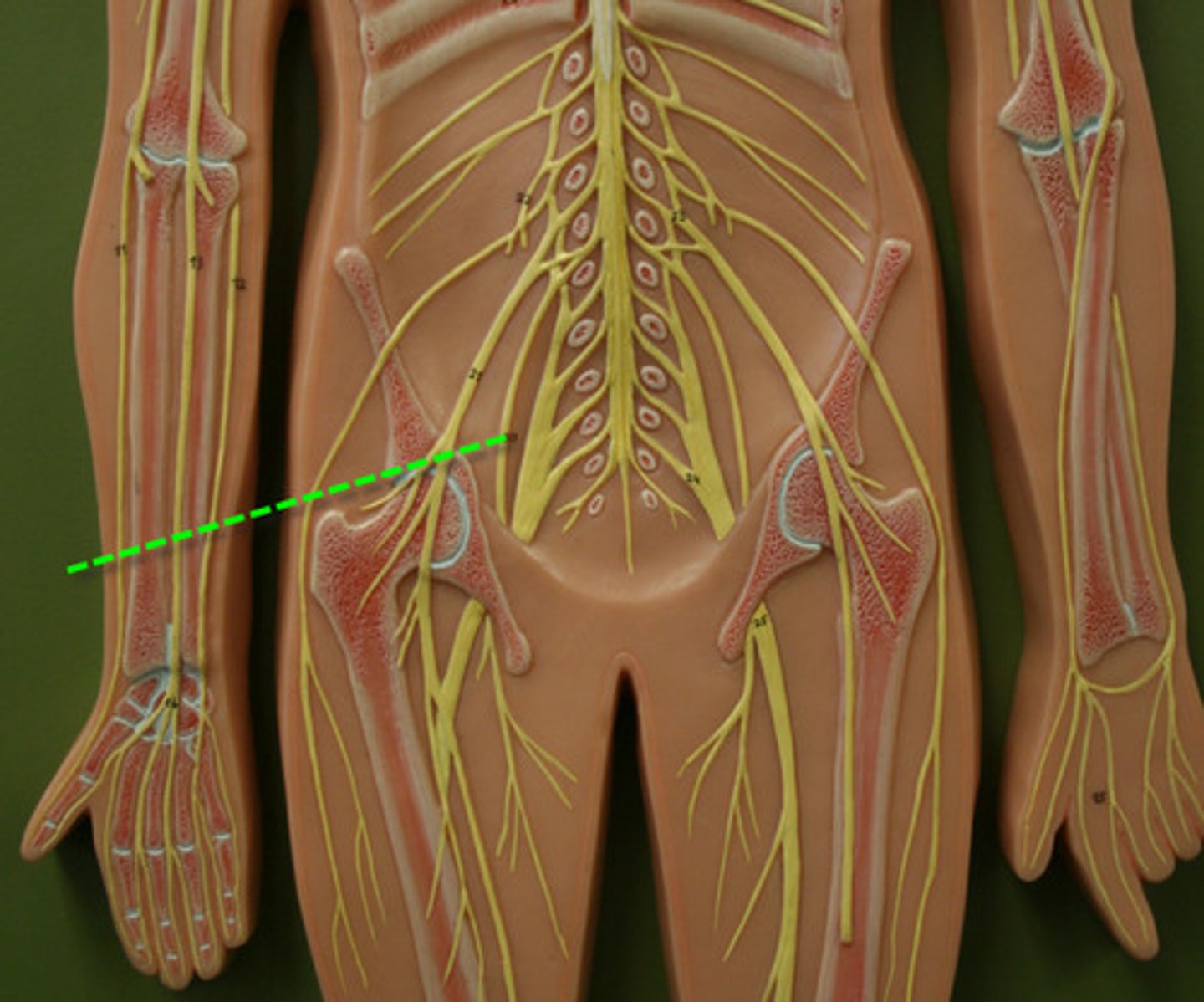
sacral plexus
innervates the posterior thigh and most of the leg and foot (L4-S4)
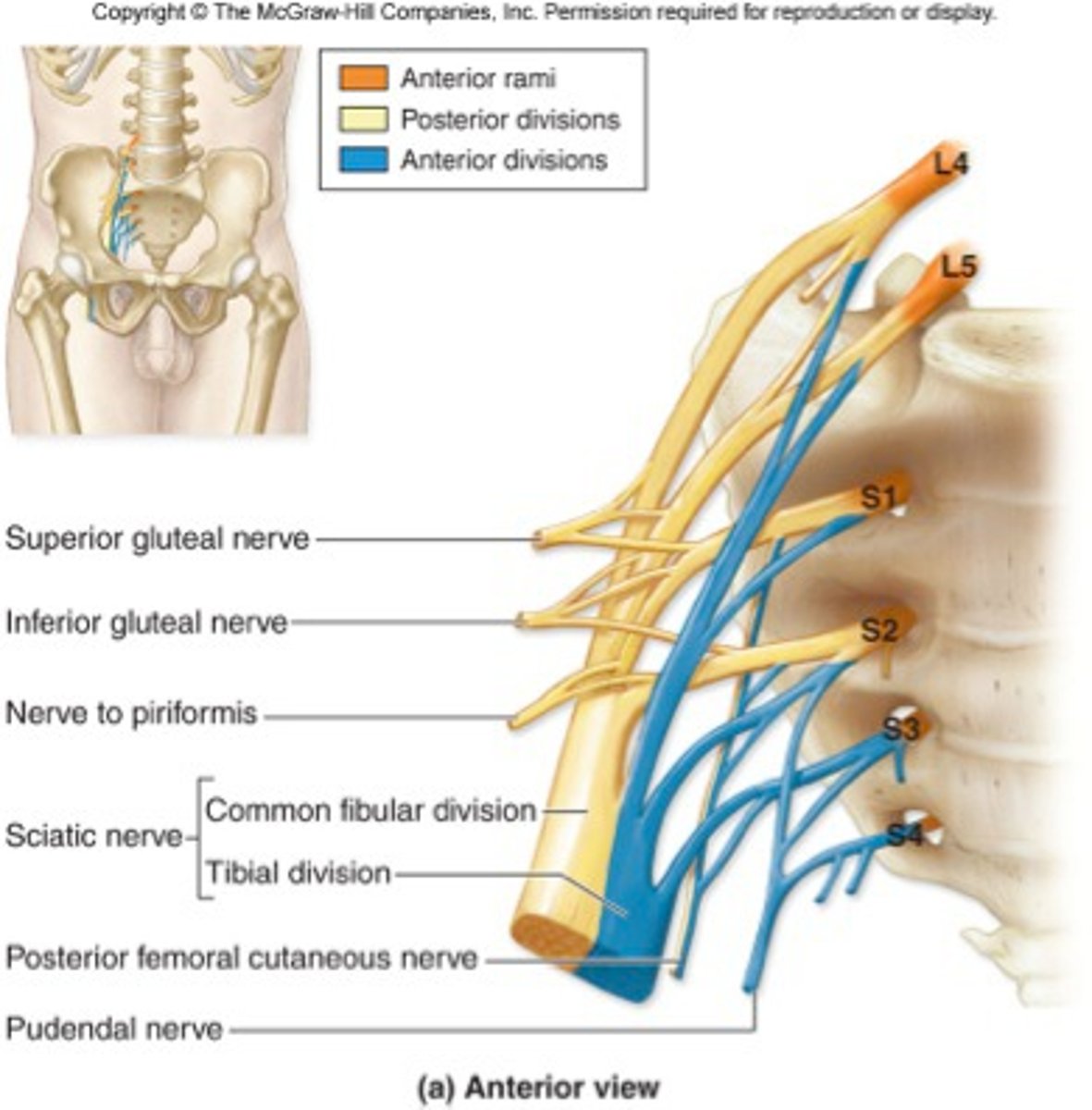
sciatic nerve
nerve extending from the base of the spine down the thigh, lower leg, and foot; largest nerve in the body
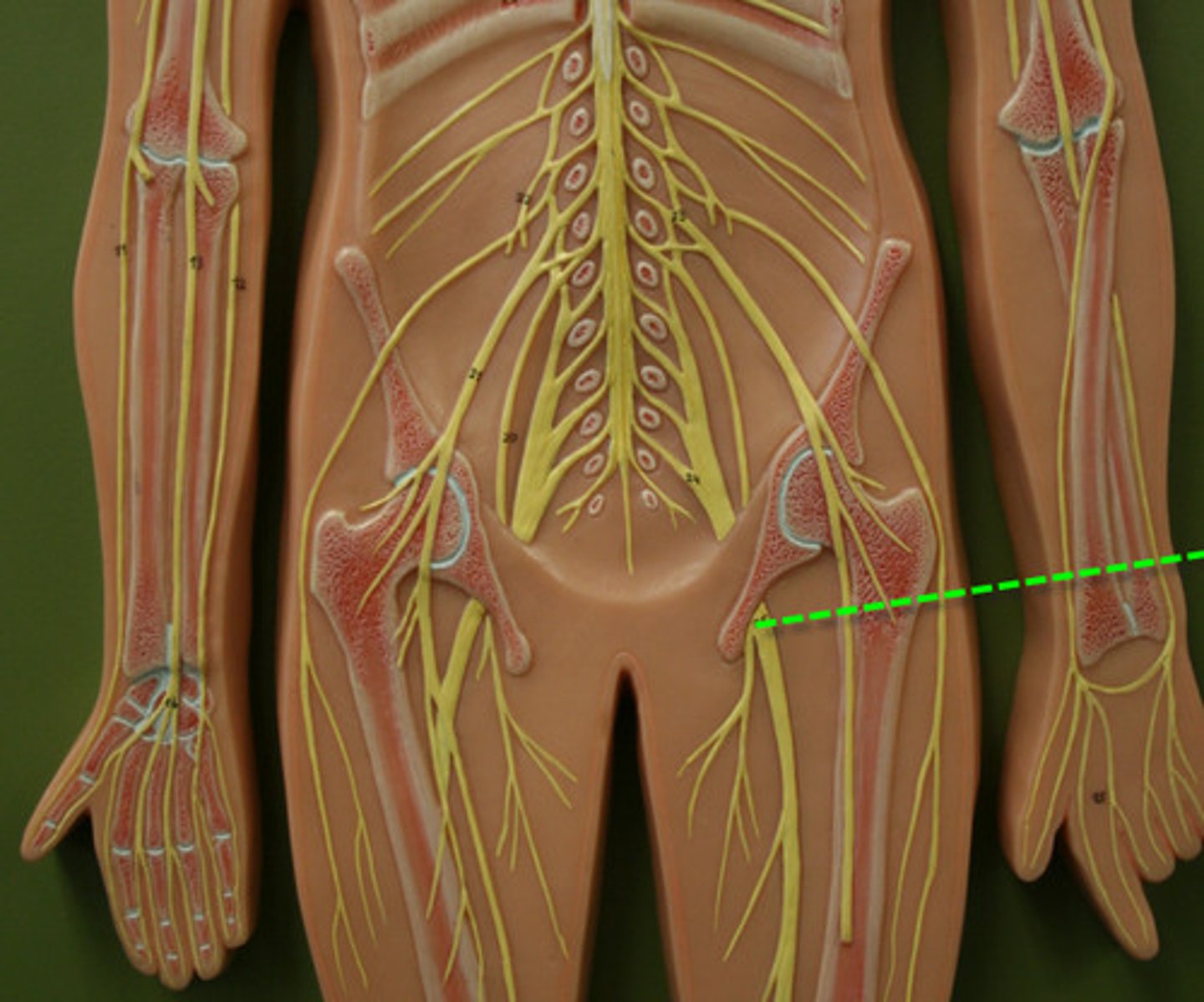
tibial nerve
division of the sciatic nerve that passes behind the knee; subdivides and supplies impulses to the knee, the muscles of the calf, the skin of the leg, and the sole, heel, and underside of the toes
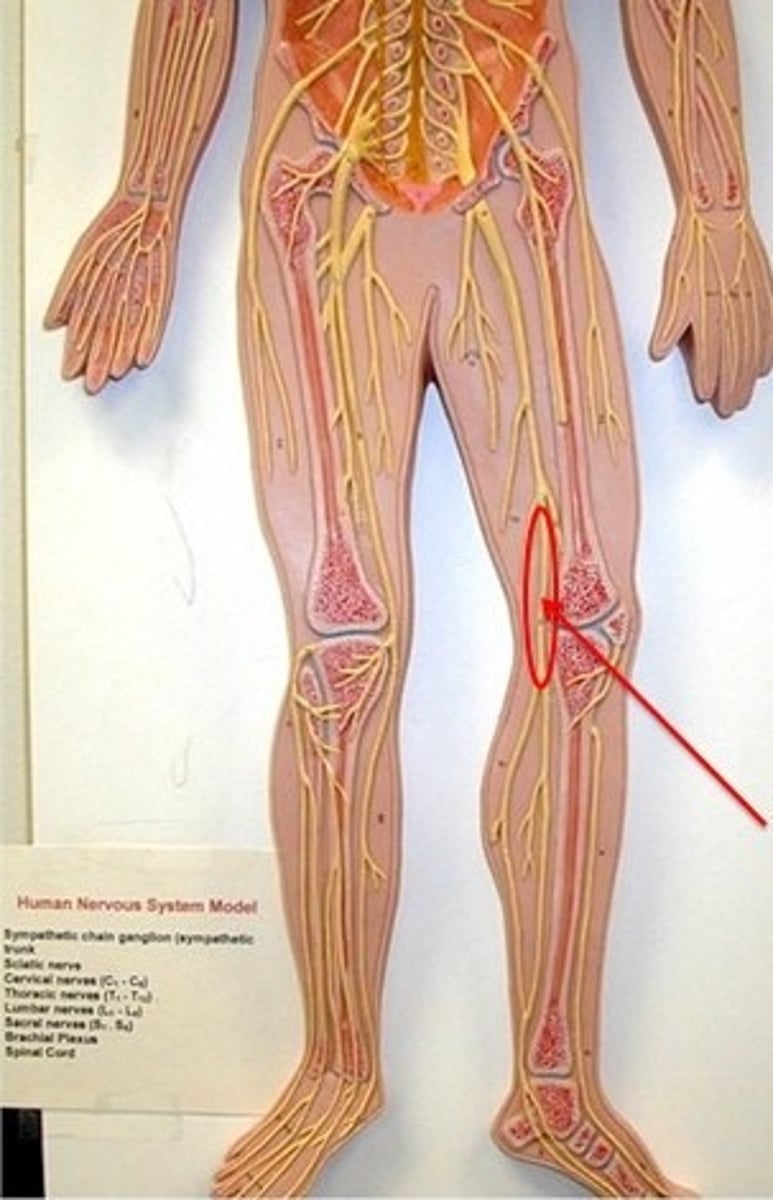
common fibular nerve
controls muscles on the anterior and lateral leg (primarily dorsiflexors) and foot
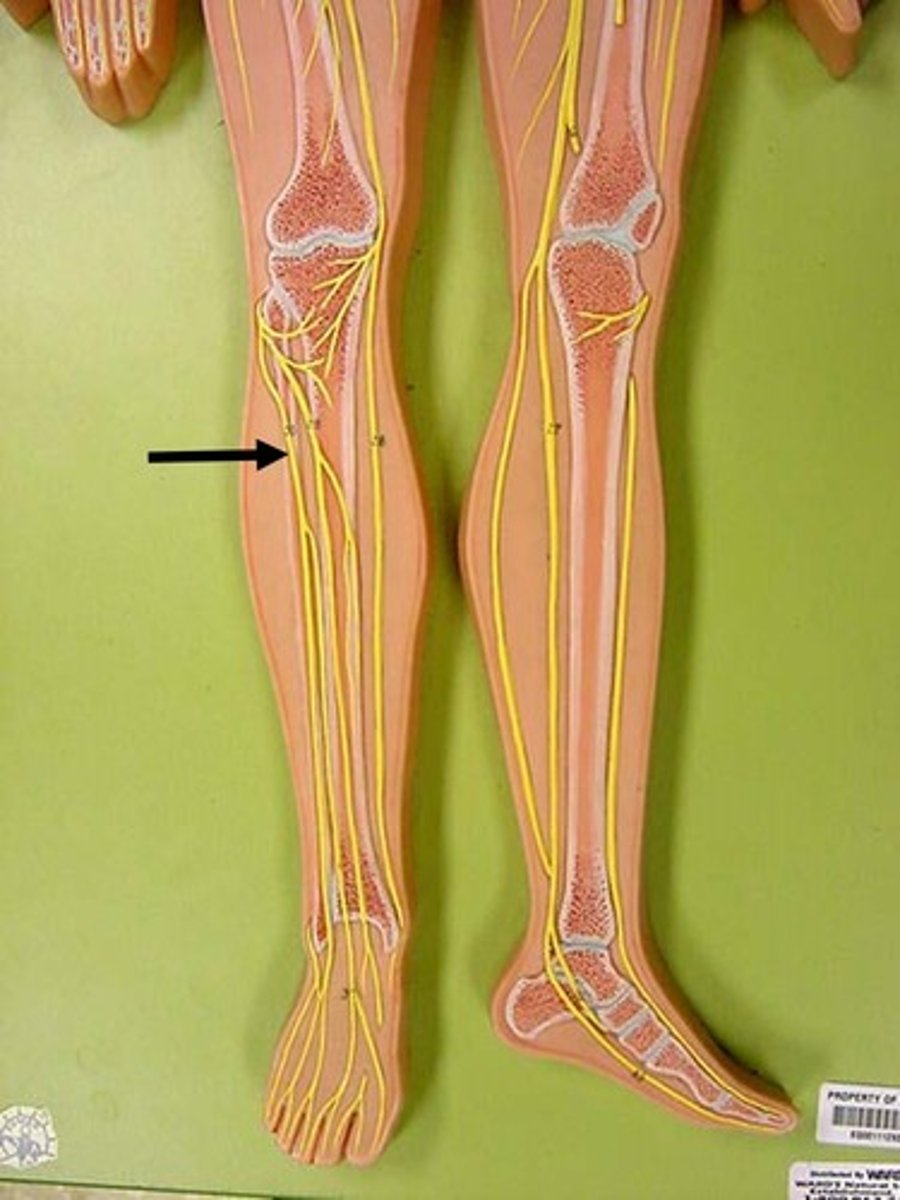
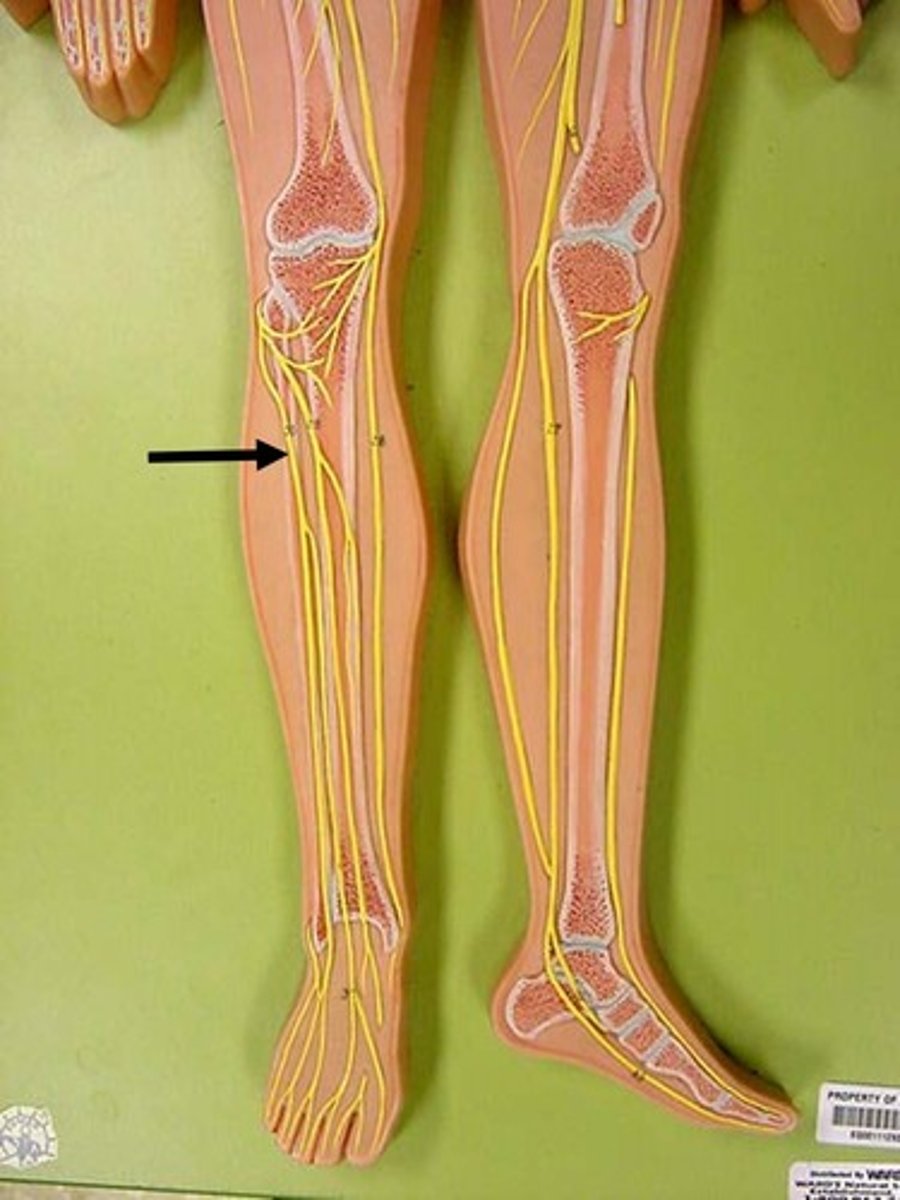
superficial fibular nerve
innervates lateral compartment of leg (fibularis longus, fibularis brevis)
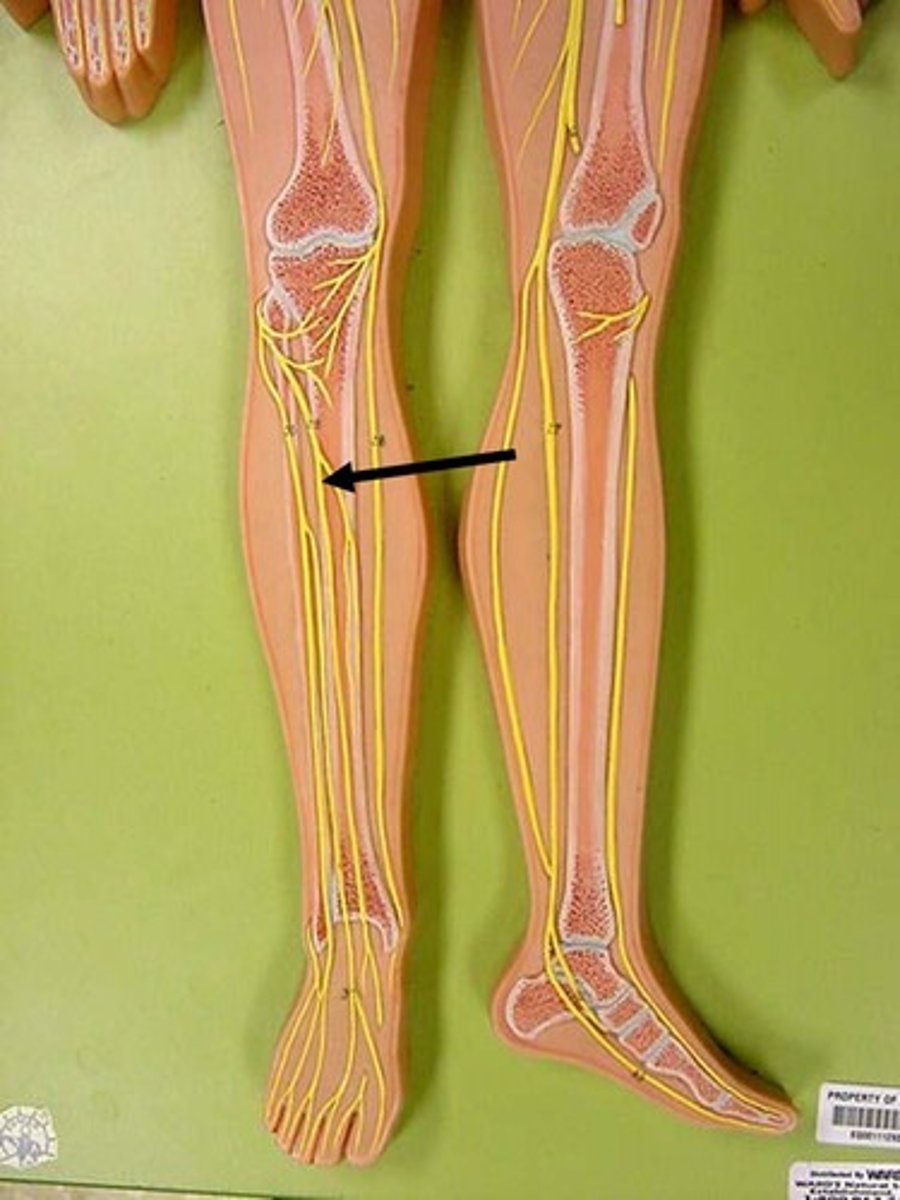
deep fibular nerve
innervates of tibialis anterior
superior gluteal nerve
innervates gluteus medius, gluteus minimus, tensor fasciae latae
inferior gluteal nerve
innervates gluteus maximus
pudendal nerve
innervates muscles of the perineum
parasympathetic nervous system
the division of the autonomic nervous system that calms the body, conserving its energy
sympathetic nervous system
the division of the autonomic nervous system that arouses the body, mobilizing its energy in stressful situations
effect of sympathetic stimulation on blood vessels
vasoconstriction, increases blood pressure
effect of sympathetic stimulation on eyes
dilates pupils
effect of parasympathetic stimulation on eyes
pupils constrict
effect of sympathetic stimulation on lungs
dilates bronchioles
effect of sympathetic stimulation on digestive system
decreases digestion
effect of sympathetic stimulation on heart
increases heart rate
effect of parasympathetic stimulation on blood vessels
decreases blood pressure and dilates vessels
effect of parasympathetic stimulation on heart
decreases heart rate
effect of parasympathetic stimulation on lungs
constricts bronchioles and stimulates mucus secretion
effect of parasympathetic stimulation on digestive system
increases digestion

