midterm 2 - psych 223 - ualberta
 Call Kai
 Learn
Learn Practice Test
 Spaced Repetition
 Match
Match Flashcards
 Knowt Play
1/147

There's no tags or description
Looks like no tags are added yet.
Name | Mastery | Learn | Test | Matching | Spaced | Call with Kai | Chat |
|---|
No analytics yet
Send a link to your students to track their progress
148 Terms
obesity
bodyweight that is more than 20% higher than average weight for a person of a particular age and height
prevalence has increased over past 20 years
what is the greatest risk to preschoolers?
accidents
55% injuries during sports and leisure activities
73% occur at home
boys higher rate
options for early education
child care centers
family run child care centers
preschools
characteristics of high quality care
well trained providers
perfecct ratio of providers for children
planned curriculum
rich language environment
what are the 2 ways the brain develops
number of interconnections increases — facilitates development of cognitive sills
amount of myelin increases — facilitates the speed of neural processing
what does the corpus collosum do during growth
becomes thicker to facilitate coordination between hemispheres
lateralization
each hemisphere develops specialized functions
left - verbal, logical tasks
right - nonverbal, creative tasks
gross motor skills
preschool children will engage in activities that require degree of coordination
eg. bike, ski, climb ladders — practice and brain dev. play critical role
boys: muscle strength, girls: limb coordination
fine motor skills
involve delicate and smaller body movements
eg. using a spoon
toilet training: signs of readiness
staying dry for 2+ hours
waking up dry
regular/predictable bowel movements
handedness
the preference for using one hand over the other
90% right haded - more boys than girls are left handed
piagets preoperational stage
children acquire symbolic function
during this stage — children use symbols proficiently
sensorimotor play
infants and otddlers explore the world through their senses and physyical movement
constructive play
goal oriented, hads on activities wher children createm build or assemble objects
substitute pretend play/object substitution
the cognitive ability to use one object to represent another
centration
where young children focus on only one salient aspect of a situation, object, or problem while igorning other relevant dimensions
egocentrism
belieef amongst young children that eberyone sees and experiences thart world the way they do
centration
the tendency among young children to think of the world in terms of one variable at a time
conservation
The understanding that the quantity or amount of a substance remains the same even when its appearance or shape changes.
If a child "conserves," they realize that moving water from a tall glass to a wide bowl doesn't change how much water there is.
three arguments
three types of arguments from conservation
1) identity — personal values, self concept
2) compensation — taking into account, increasing sophistication in intellectual property
3) reversibility — they understand it is reversible
information processing theory
A theory that explains how the brain receives, processes, stores, and retrieves information, similar to how a computer process
1) understanding the numbers
autobiographical memory - becomes increasingly accurate throughout preschool years
eg. A student listens to a lecture (input), thinks about and understands the material (processing), stores it in memory, and later recalls it during an exam (retrieval).
forensic developmental psychology
A field of psychology that studies how development across the lifespan (especially in childhood and adolescence) — relates to criminal behaviour and the legal system.
long term memory
relatively permanent and unlimited type of memory
short term memory
retention of infor for up tp 15-30 seconds without rehearsal and information
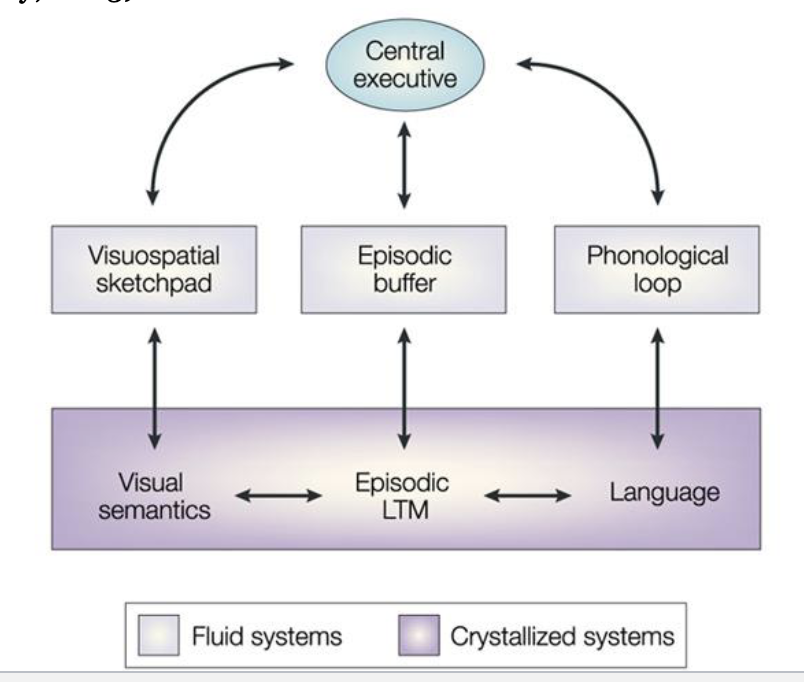
working memory
A short-term mental system that temporarily holds and manipulates information while we perform tasks such as reasoning, learning, or problem-solving.
multicomponent working memory model
sociocultural theory: primitive stage
learns primarily through conditioning until language develops
sociocultural theory: naive psychology stage
learns to use language to communicate, but still does not completely understand symbols
sociocultural theory: egocentric speech stage
uses language as a guide to solving problems
sociocultural theory: ingrowth stage
internalization of speech routines
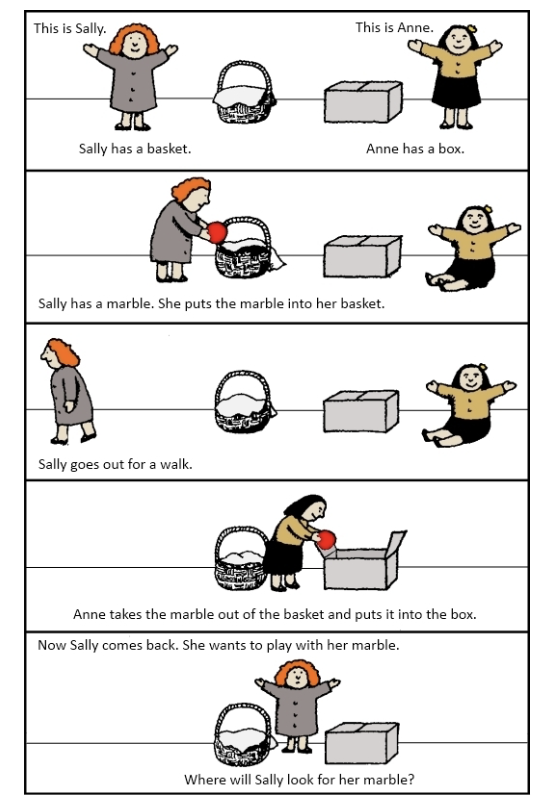
theory of mind
the ability to understand what others are thinking — sometimes assessed using a false belief task
3 yo often fail
4 yo often succeed
psychosocial development
development that captures the changes in the understanding that an individual has for themselves within the context has their society as well as the meaning that they ascribe to the. behaviour of others
initiative v guilt - ages 3-6 erik erikson
playground is also known as a:
gender school
psychoanalytic theory of gender
sigmund freud - proposed that children develop their gender identity through the unconscious psychological processes and identification with the same sex parent — especially during phallic stage
rooted in freudian psychoanalytic theory: electra and oedipus complex — kinda
5-6 children renounce attraction from opposite sex parent because of anxious feelings
but identifies with same sex parent and unconciously adopts same sex parents' characteristics
evolutionary psychological view of gender
a theory suggesting that differences in behaviour between males an females developed through evolution because they helpedf out ancestors sutvive and reproduce
social congitive theory of gender
children’s gender developmen occurs through observation and imitation
rewards and punishments shape gender appropriate behaiour
difference between female and male “punishments”
types of play
parallel, onlooker, assocaitive and co-operative play
parallel play
will play beside someone but will not interact — minding their business
onlooker play
watches others play but does not join
associative play
will play with @ least 1-2 others (sharing toys) — no common goal yet
co-operation play
children interact with each other, taking turn etc — being friends
peer relationships: preschool
shared toys and activities
peer relationships: primary school
shared experiences and fun!
peer relationships: latechildhood and adolescents
friends’s traits, trust, communication, intimacy (SEL)
diana baumrind and critiques on the classification system
parents are not always consistent in how they interact with their children — interactions strongly dependant upon context
important cultural differences as well
child abuse and psychological maltreatment
1-2% of children abused — prevalent in families living under stressful environments
cycle of violence hypothesis
abuse and neglect that children sugger will predispose them to engage in the same habits with their children — js rmb: why are you afraid of having YOUR own kids???
childhood maltreatment
results in reduction of size of amygdala and hippocampus
resilience
when indivs are able to overcome circumstances that place them at risk for psychological or physical damage
moral development
change in indivs sense of right ad wrong an in their behaviour related to moral issues
piagets theory: children view rules as unchangeable (laws of the universe)
social learnin theory associated
empathy
having an understanding of each another individual is feeling — emerges VERY early in dev
hostile aggression
acting in a way to cause intentional harm to another
emotional self regulation
the ability to adjust the quality and intensity of emotions
instrumental aggression
aggression stems from the desire to reach concrete goal
relational aggression
nonphysical aggression that is inteneded to hurt another individual emotionally
how does aggression build up?
instinctual drive - human nature, may be adapted for the protection of resources
social learning - violent tv viewing and aggression
cognitive approaches: behaviour largely contingent upon interpretation of the behaviour of others
IPP/IEP
Individualized Program Plans
legal written document tailored for students with special/diverse learning needs
SLD - specific learning disorders and communications
indivs who have specific learning disorders and have performance in one or more academic domain that is significantly lower than expected for their age, level of intelligence or schooling
domains usally affected:
reading
written expression
MATH
dyslexia
difficulties in reading
typically apparent by the 4th grade
the most common SLD
challenges in math and written expression
difficulties with a learning disorder
children tend to struggle with low academic performance
often put extremely high levels of effort for average ass grades (do u have this bro no way)
because of challenges: become demoralized and disruptive
communication disorders
characterized by persistent challenges in acquiring the use pf language and other forms of communication
common communication disorders include
language disorder
speech sound disorder
childhood onset fluency disorder — stuttering
social commmunication disorder
childhoood onset fluency disorder
3-5% prevalence before 10 years of age
doubled for males
80% tend to recover by 16
social communication disorder
difficulties in the use of verbal and nonverbal codes of communication
causes of learning and communication disorders
genetic factoes
abnormalities in brian structure and functioning
many environemntal factors have been implicated
ADHD : 3 subtypes
combined
predom, inattentive
oredom hyperactive/impuslive
adhd: percentages
3.4-6& school aged children
males 2x more likely to be diagnosed in childhood and adolescence
ADHD correlations
correlated with -
challenges in school performance
difficulties in peer relationships
adhd biological factors
ADHD: highly heritable
genes impact dopamine, noradrenaline and serotonin may have abnormalities among indivs. with ADHD
prenatal and birth complications are associated with adhd as well ( some gender specific)
adhd: psychological and social factors
parents engage in hostile and sometimes aggressive behaviour
parents engage in substance abuse
adhd treatments: drugs
stimulants
side effects: reduced appetite, insomnia, edginess, GI upset, frewq. of tics
antidepressants
prescribed for adhd since the big three tend to be quite common in association with ADHD
adhd treatments
behavioural therapies
use of reward and punishment
ASD: challenges
2 behavioural domains
social interacitons and communications
restricted and reptitive patterns of behaviours/activities/interests
25-30% people awith ASD do not developuseful speech by school age
ASD: when does it appear
sometimes first appear in infant and toddler interactions with caregivers - early onset
25-30% people with asd do not develop useful speech by school age
ASD: characteristics
tend to be preoccupied with one feature of object
routine and rituals important
stereotyped and repetitive behaviours
contributions to ASD
leo kanner: first described autism — asd — typically due to enalrgement of the amygdala
biological factors
neurological factors
asd: located abnormalities in brain
cerebellum - smaller - for movement and language processing
cerebrum - reduction in terms of white matter in cerebrum
amygdala
hippocampus - either enlarged/shrunken — but we dont know
CCAH
asd treatments
drug treatments to improve symptoms:
overactivity , sleep disturbances, tension
use of drugs for asd as mixed reaction
psychosocial therapies : behavioural techs
piaget’s concrete op. stage
constructs schemes that allow children to think logically about objects and events in the real world
concrete operations: decentration
thinking that takes more than one variable into account
concrete operations: reversibility
having the understanding that physical actions and mental operations can be reversed
concrete operations: inductive logic
person uses specific observations to reach general conclusions
concrete operations: deductive logic
top down approach
starting with a general rule to a specific conclusion
info-processing in mid childhood
short term and working memory to help brain capacity
infoprocessing in mid childhood: metamemory
being aware of youre mental processes and memory
infoprocessing in mid childhood: memory improvement
strats like dual coding - encoding info in two forms to retain info
when does language develop
middle and late childhood
children organize mental vocab —
by age 7: categorize
vocab increase
metalinguistic awareness
advances in syntax and pragmatics
constructivist approach
learner centered
emphasis on student constructing knowledge
teacher as guidance
direct institution approach
teacher centered
emphasis on structure where teacher has both direction and control — to maximize student learning time
self esteem
emotionally salient global evalutations of self — generally high in middle childhood and decreases around age 12
autonomous ,orality : piaget
10+ years old — children gain understanding that rules and laws are created by people — consider intentions and consequences
kohlberg theory
lvl1: pre-conventional : stage 1: heteronomous morality
stage 2: individualism, instrumental purpose
lvl2: conventional : stage 3: mutual expectations for relationships and interpersonal conformity
stage 4: social systems
lvl3: postconventional stage 5: social contract/utility of rights
stage 6: universal ethical principles
peer status
popular - many social skills
average
neglected - engage in low rates of interaction
rejected- actively disliked
controversial - liked by some disliked by others (you)
PANRC
puberty
period of rapidphysical maturation
girls onset puberty
11-12 years
boys onset puberty
13-14 years
secular trend
pattern of change that occurs over several generations
menarche
proportion of fat to muscle plays a role
past century — girls have been entering puberty at an earlier age — healthwise probs cuz real
verbal skills
tend to be a strong rpedictor of long term outcomes for children
ASD diagnosis
symptoms must be onset in early childhood — typically by 2 years
self understanding: 12- 18 months
infants depend on caregivers for signals about acceptable behaviour