history exam short answer questions practice
 Studied by 0 people
 Call Kai
 Learn
Learn Practice Test
 Spaced Repetition
 Match
Match Flashcards
 Knowt Play
1/19

There's no tags or description
Looks like no tags are added yet.
Name | Mastery | Learn | Test | Matching | Spaced | Call with Kai |
|---|
No analytics yet
Send a link to your students to track their progress
20 Terms
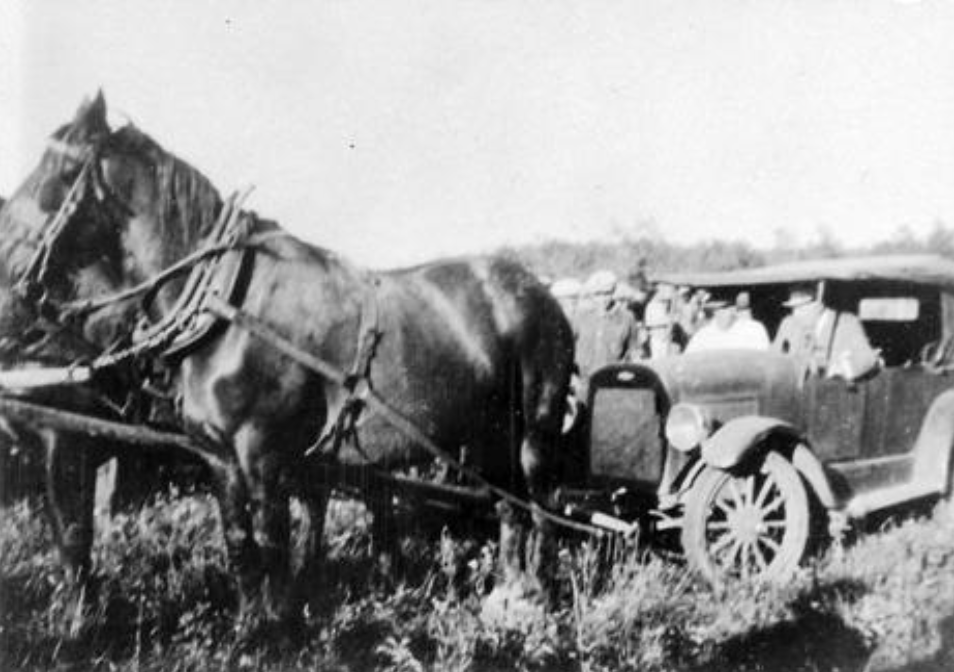
Context: Shows transportation in rural Canada during the early 1900s (farmers, horses and early cars).
Symbolism / Importance: Symbolizes the shift from traditional rural life to mechanization and modernization — improved mobility, farming efficiency, and the start of social/economic change in Canada.
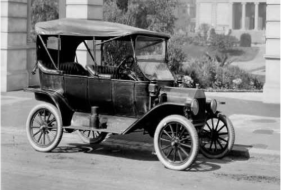
Context: Mass-produced automobile (Model T) — popular in 1910s–1920s across Canada.
Symbolism / Importance: Represents industrialization and affordable transport; changed where people lived and worked (urban growth, commuting) and boosted the economy.
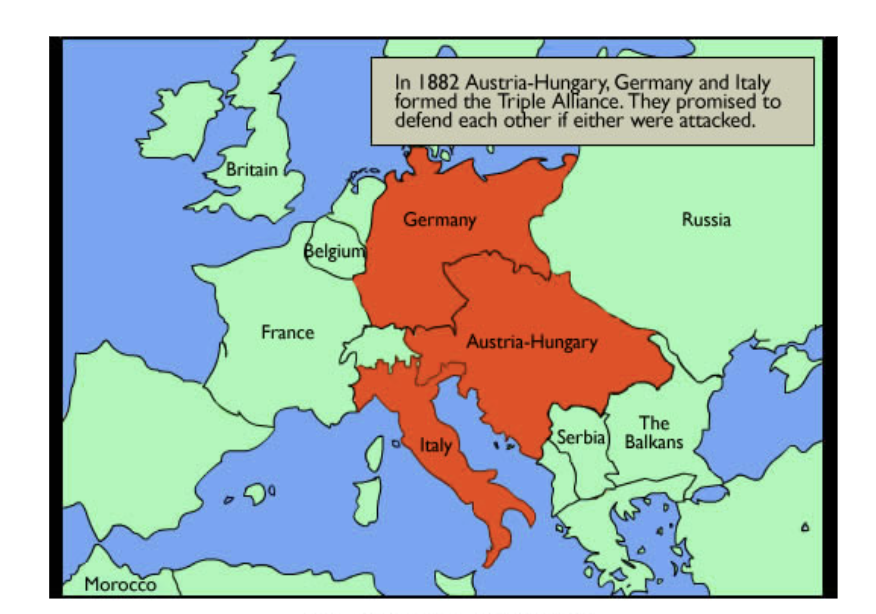
Historical Context (who / what / when / where):
European countries before World War I (1914)
Shows the Alliance System:
Triple Alliance (Germany, Austria-Hungary, Italy)
Symbolism / Importance: Shows the main cause of World War I because Canada (as part of the British Empire) was drawn into WWI by these alliances.

Image: United Nations emblem
Context: United Nations (post-1945 international organization).
Symbolism / Importance: Symbolizes post-WWII hope for international cooperation; Canada’s involvement (peacekeeping, diplomacy) shaped its international identity.
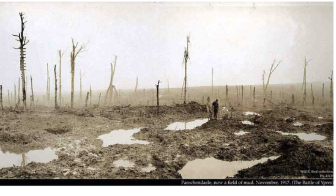
Historical Context:
Canadian soldiers at Vimy Ridge, April 1917, France, during WWI.
All four Canadian divisions fought together on the Western Front.
Symbolism & Importance to Canada:
Symbolizes Canadian unity and military success.
Important because it helped Canada gain international respect and strengthened national identity.
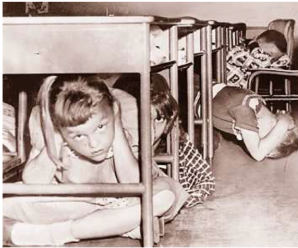
Children hiding under desks (Cold War nuclear drill)
Historical Context:
Canadian children during the Cold War (1950s–1960s) practiced “duck and cover” drills in schools in case of a nuclear attack.
Symbolism & Importance to Canada:
Symbolizes fear of nuclear war and Cold War tensions.
Important because it shows how global conflict affected everyday life in Canada and how civilians were prepared for possible attacks.

Image: “We Can Do It!” / Rosie-style poster
Context: WWII era poster representing women workers (1940s).
Symbolism / Importance: Symbolizes women joining the workforce to support the war effort; important because it changed gender roles and accelerated social change for women in Canada.
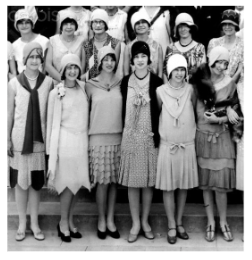
Image: Flappers (1920s women)
Context: Young women in 1920s fashion/roles in urban Canada.
Symbolism / Importance: Represents social and cultural change (more independence, changing roles after WWI); due to women’s rights and modern culture.

Image: Prairie / “Build your nest Western Canada” settlement poster
Context: Early-20th century immigration promotion for the Canadian Prairies.
Symbolism / Importance: Shows government encouraging immigration and prairie settlement; important because it expanded agriculture, population, and economic development.
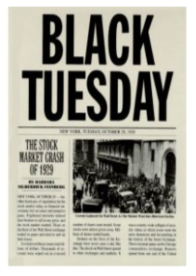
Image: “Black Tuesday” (stock market crash newspaper)
Context: 1929 Stock Market Crash → start of the Great Depression.
Symbolism / Importance: Symbolizes sudden economic collapse; important because it led to mass unemployment, poverty, and major changes in government policy in Canada.
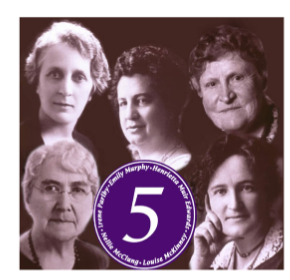
Image: Famous Five / “Persons” advocates
Context: The Famous Five (women activists) and the Persons Case (1927–1929) in Canada.
Symbolism / Importance: Represents the legal recognition of women as “persons” (allowed to be appointed to Senate); important milestone for women’s rights and political equality.
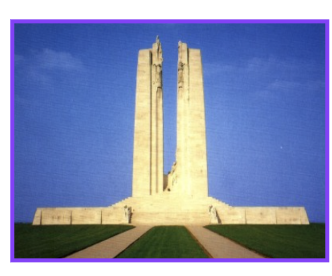
Image: Vimy Memorial (or Vimy Ridge memorial-type image)
Context: Commemoration of Vimy Ridge (battle 1917) and Canadian soldiers.
Symbolism / Importance: Symbol of Canadian sacrifice and nationhood; Vimy is often used to mark Canada’s emerging national identity after WWI.

WWII car-sharing poster (propaganda)
Historical Context:
Canadian World War II (1940s) home-front propaganda poster encouraging civilians to car-share to save fuel and resources.
Symbolism & Importance to Canada:
Symbolizes the government used propaganda to influence civilian behaviour.
Important because it shows how all Canadians supported the war effort, not just soldiers, through conservation and unity.
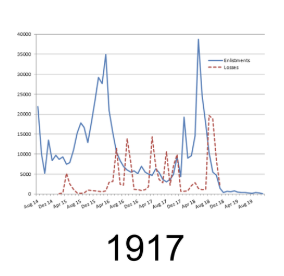
Graph labeled “1917” (epidemic/casualties spike)
Context: Data graph showing spikes in deaths/casualties/influenza around WWI era (1917–1918).
Symbolism / Importance: shows the human cost of war casualties important because it helps explain the social strain, public health crises, and post-war effects on Canada.

Context: Radio broadcasting era (1920s–1940s); CBC radio later became important (CBC began radio in 1936, TV 1952).
Symbolism / Importance: Represents mass media’s rise — shared news, culture, wartime broadcasts; important because radio unified public opinion and spread information across Canada.
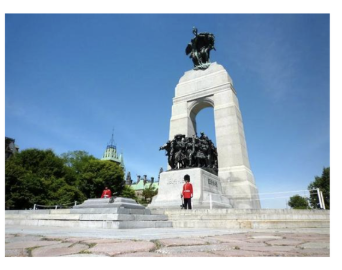
Image: National War Memorial/cenotaph (Ottawa)
Context: National monument commemorating Canadians who served and died in wars (WWI, WWII, later).
Symbolism / Importance: Symbol of national remembrance and sacrifice; important because it reflects Canada’s military history and identity.
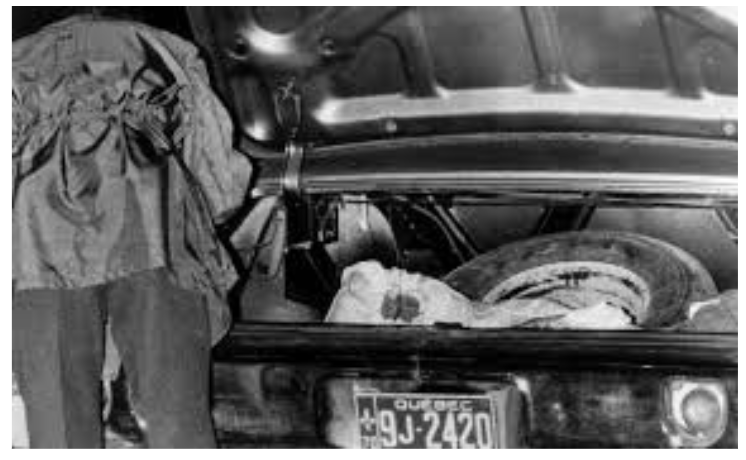
body of Quebec Minister Pierre Laporte who was kidnapped by the FLQ is found choked to death
Symbolism & importance:
Symbolizes separatism and political violence in Quebec.
Important because FLQ actions caused fear and led to kidnappings, murder, and forced the government to take action.

Image of Prime Minister Pierre Trudeau (popular figure from late 1960s–1970s).
He was Canada’s leader during the October Crisis (1970) and invoked the War Measures Act.
importance:
Important because Trudeau’s decision to use emergency powers was controversial and changed how Canadians viewed government authority in a crisis.
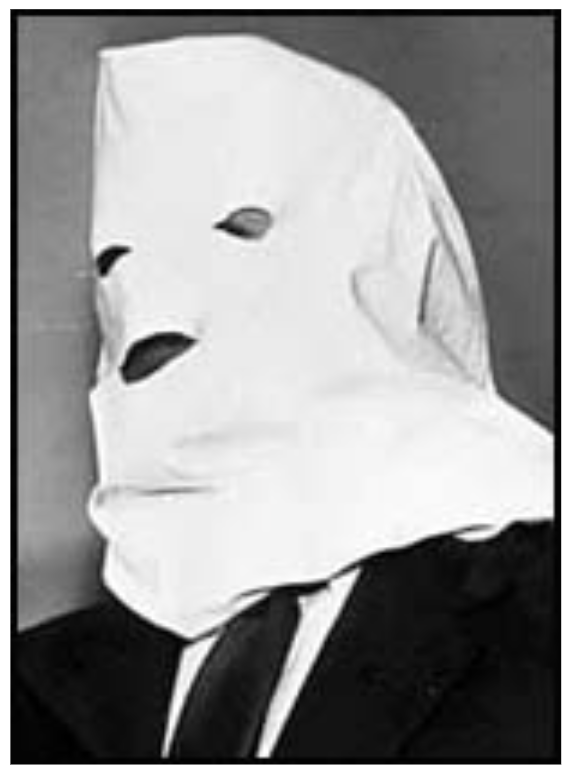
Historical Context:
Igor Gouzenko, a Soviet clerk who defected to Canada in 1945.
He turned over secret doccuments to Canada
Symbolism & Importance to Canada:
Symbolizes the start of the Cold War in Canada and fears of espionage.
Important because his defection led to increased security measures and showed Canada was involved in global tensions.
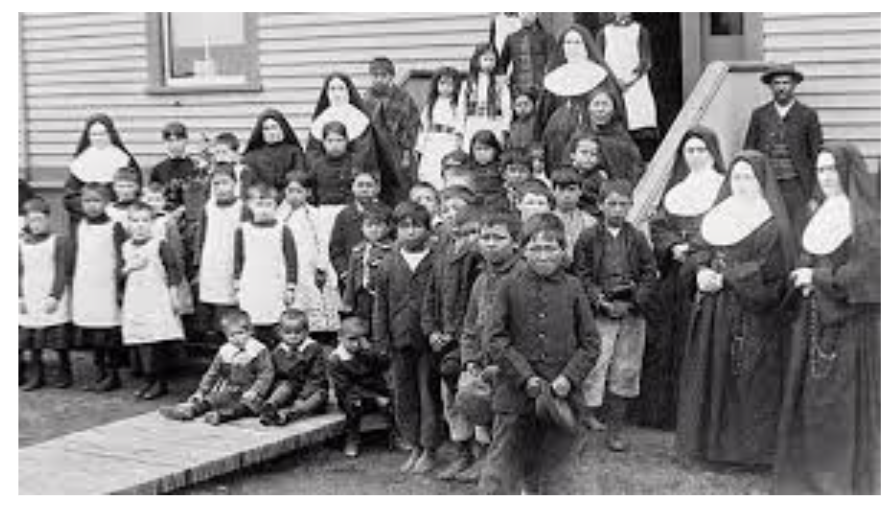
Context (who / what / when / where):
Indigenous children at a residential school in Canada (late 19th century → 20th century).
Schools run by churches with government support to force assimilation.
Symbolism & importance:
Symbolizes assimilation of Indigenous children .
Important because residential schools caused lasting harm to Indigenous communities and led to truth and reconciliation, and reparations.
 Note
Note  Flashcards (118)