NURSING FINAL PART 3 (Globalization of nursing, core competencies, political advocacy and involvement, ethics, IOM)
 Studied by 0 people
 Call Kai
 Learn
Learn Practice Test
 Spaced Repetition
 Match
Match Flashcards
 Knowt Play
1/53

There's no tags or description
Looks like no tags are added yet.
Name | Mastery | Learn | Test | Matching | Spaced | Call with Kai |
|---|
No analytics yet
Send a link to your students to track their progress
54 Terms
The universal declaration of human rights
“Everyone has the right to a standard of living adequate for the health and well being of himself and of his family” UN 1948
What is health
A state of complete physical, mental, and social well being and not merely the absence of disease or infirmity
Global health
The area of study reseach and practice that places a priority on improving health and achieving equity in health for all people
Objectives of global health care
high life expectancy and aging populations
Expansive health and medical care system
Rapidly growing private health market
Health as a dominate theme in social and political discourse
Heath as major personal goal in life
Measurement of health status
cause of death
Life expectancy at birth
Maternal mortality rate
International health agencies
World health organization (WHO) most widely recognized international governmental health organization
US department of health and human services (USDHHS)
Deals with health issues in US
National institutes of health (NIH)
Disease research
Center for disease control and prevention (CDC)
Deals with spread cause and control of disease in US
Epidemic
Rapid spread of a disease though a population in a relatively short amount of time
Pandemic
Is an epidemic that has spread over a large region of the world
Global health priorities
Control of:
Non communicable diseases
Communicable maternal perinatal and nutritional conditions
Injuries
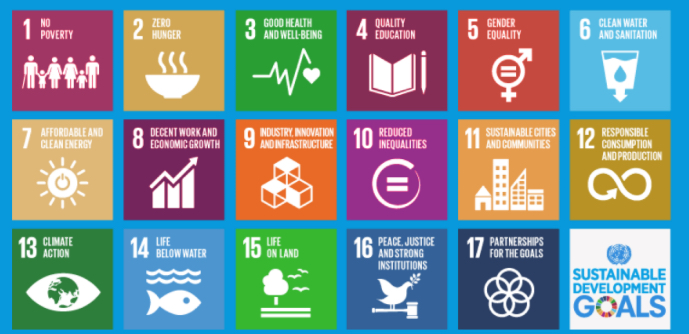
Sustainable development goals
Patient centered care
Give care that respects each patient’s needs, values, culture, and preferences. Treat them as partners in their care.
Professionalism
Act responsibly and ethically. Follow nursing standards, laws, and moral principles.
Leadership
Guide and influence others to reach shared goals and improve patient care.
Systems based practice
Understand how the health care system works and use its resources to give the best care.
Infomatics and technology
Use computers, charts, and technology to communicate, find information, prevent errors, and make decisions.
Communication
Communicate clearly and respectfully with patients, families, and the healthcare team to improve care.
Teamwork and collaboration
Work well with other nurses and professionals using open communication and shared decision-making.
Safety
Protect patients and healthcare workers by reducing risks, preventing mistakes, and promoting safe practices.
Quality imporvement
Use data to spot problems in patient care and help make changes that improve safety and outcomes.
Evidence based practice (EBP)
Use the best research, your clinical skills, and patient preferences to make care decisions
the executive branch
governor Kathy Hochul: submits budget, execution and enforcement of laws, commander in chief
attorney general ( enforces state laws)
Letitia James
comptroller (oversees financial operations)
Thomas DiNapoli
nursing ethics
a system of principles concerning the actions of the nurse in his or her relationships with patients
ethical principles
autonomy
nonmaleficence
beneficence
justice
fidelity
confidentiality
veracity
accountability
autonomy
the freedom to make decisions about oneself
ex: nurses need to respect clients right to make choices about health care
nonmaleficence
Requires that no harm be caused to an individual either unintentionally or deliberately
ex: nurses protect individuals who are unable to protect themselves
beneficence
doing good for others
ex: nurses need to assist clients in getting all their needs ( biological, psychological, social)
justice
everyone must be treated equally
ex: nurses are required to be nonjudgmental
fidelity
loyalty
confidentiality
anything stated to nurses/HCP by clients must remain confidential
may be violated when: clients may be a harm to themselves or others or if they give permission for info to be shared
veracity
truthfulness
accountability
individuals need to be responsible for their actions
ethical codes
formal statements of the rules of behavior for a particular group of individuals
To Err is Human 1999
Too many people die from medical mistakes—more than from car crashes, breast cancer, or AIDS. The goal is to make health care safer so patients aren’t harmed by the system meant to help them.
aims
Make patient safety a national priority.
Find and learn from errors through reporting systems.
Improve safety standards across health care.
Build safer systems inside hospitals and clinics.
what is an error
A planned action not done correctly OR using the wrong plan.
what is an adverse event
Injury caused by medical care, not the illness.
Preventable Adverse Event
An injury that could have been avoided.
why do errors happen
Health care tasks are complicated—hard actions are harder to repeat perfectly every time.
Recommendations
Create a Center for Patient Safety.
Use a national reporting system for errors.
Focus performance standards on safety.
Build a no-blame culture so workers feel safe reporting mistakes.
how to improve safety
Standardize and simplify processes.
Use checklists and protocols.
Protect worker safety.
Improve teamwork.
Involve patients.
Plan ahead for mistakes and recovery.
Give workers accurate, timely info.
Crossing the quality chasm 2001
The whole U.S. health care system needs improvement in quality, safety, and how care is delivered.
aims for 21st century health care system
Safe
Effective
Patient-centered
Timely
Efficient
Equitable (fair for all)
collaborative relationship between clinicians and patients
Ongoing healing relationships
Care tailored to patient needs
Patients have control
Shared information
Decisions based on evidence
Transparency
Prepare for patient needs ahead of time
Reduce waste
Strong teamwork among clinicians
final recommendations preparing the workforce
• Teach health workers using 21st-century standards.
• Focus on evidence-based care, teamwork, safety, and informatics.
• Update education from nursing school through continuing training.
• Change regulations to allow health professionals to work effectively.
• Improve the liability system to support safer care.
health professions education: bridge to quality focus
Health care education must teach skills that improve patient safety and quality.
5 core competencies
Patient-centered care
Interdisciplinary teamwork
Evidence-based practice
Quality improvement
Informatics
recommendation
All health professionals should be trained to deliver safe, evidence-based, team-based care using technology and continuous quality improvement.
goal Future of Nursing (2010)
Improve nursing and health care so patients get high-quality, accessible, affordable care.
4 recommendations
Nurses should work to the full level of their education and skills.
Nurses should continue their education through easier, seamless programs.
Nurses should be equal partners with doctors in improving the health care system.
Better data and workforce planning are needed to guide policy and staffing decisions.
 Note
Note  Flashcards (35)