Routes of Administration
 Studied by 0 people
 Call Kai
 Learn
Learn Practice Test
 Spaced Repetition
 Match
Match Flashcards
 Knowt Play
1/37

There's no tags or description
Looks like no tags are added yet.
Name | Mastery | Learn | Test | Matching | Spaced |
|---|
No study sessions yet.
38 Terms
What are enteral routes?
Routes that use the gastrointestinal tract such as oral, sublingual/buccal, and rectal.
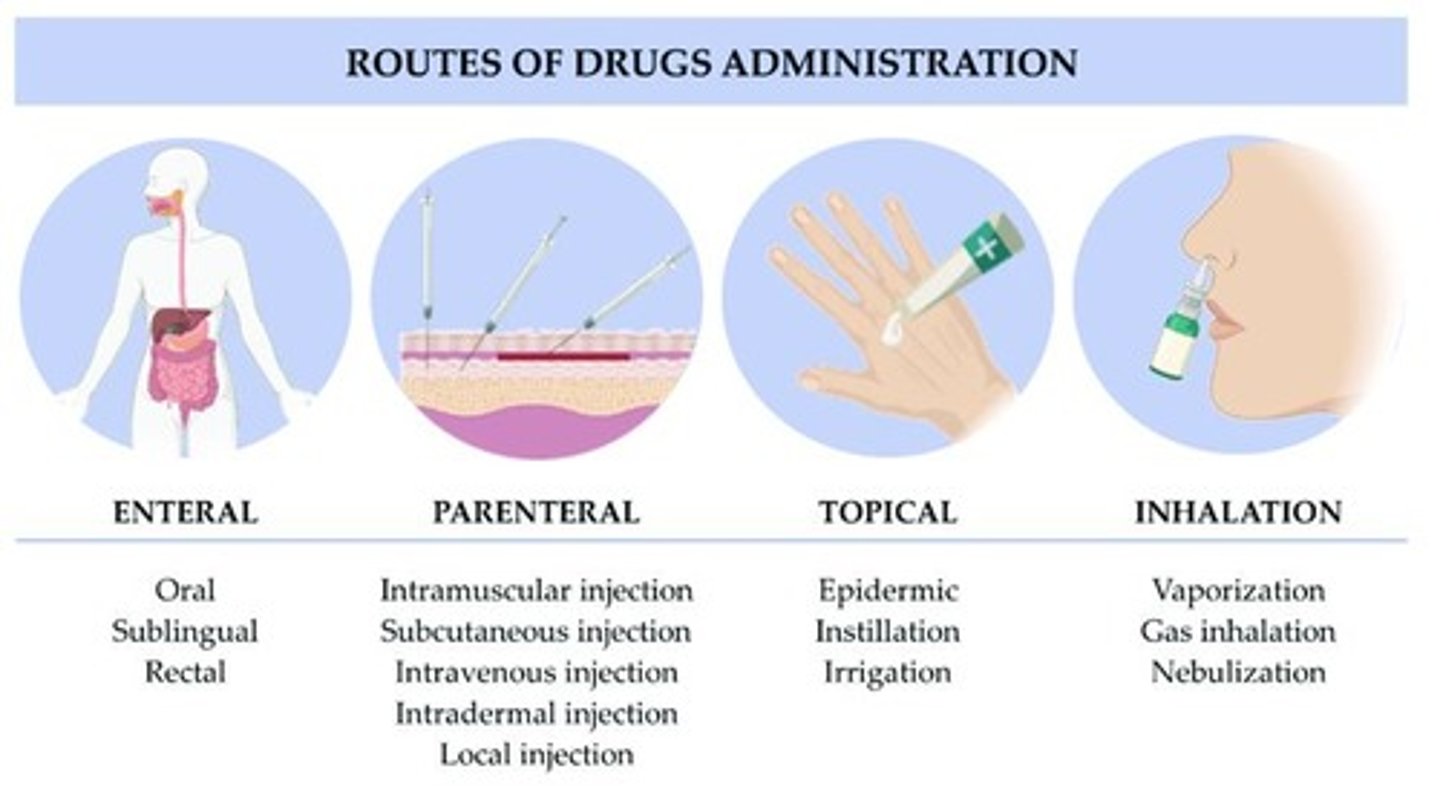
Oral route
Drugs are swallowed and absorbed mainly in the duodenum; most undergo first-pass metabolism.
Advantages of oral route
Convenient safe inexpensive suitable for self-administration.
Disadvantages of oral route
Variable absorption subject to first-pass cannot use in emergencies or unconscious patients may irritate stomach slow onset.
Why do some oral drugs fail to reach circulation?
They undergo first-pass metabolism where the liver breaks down part of the dose before circulation.
Sublingual/Buccal route
Drugs dissolve under the tongue or cheek and enter systemic circulation directly without liver metabolism.

Advantages of sublingual route
Rapid absorption avoids first-pass effective for drugs unstable in GI fluids.
Disadvantages of sublingual route
Only suitable for potent small-dose drugs and may have unpleasant taste.
Rectal route
Drugs inserted into rectum where ~50% bypasses first-pass metabolism.
Advantages of rectal route
Useful for vomiting or unconscious patients avoids stomach acid good for local effect suitable for children.
Disadvantages of rectal route
Variable absorption and possible irritation of rectal mucosa.
What are parenteral routes?
Routes that bypass the GI tract such as IV IA IM and SC.
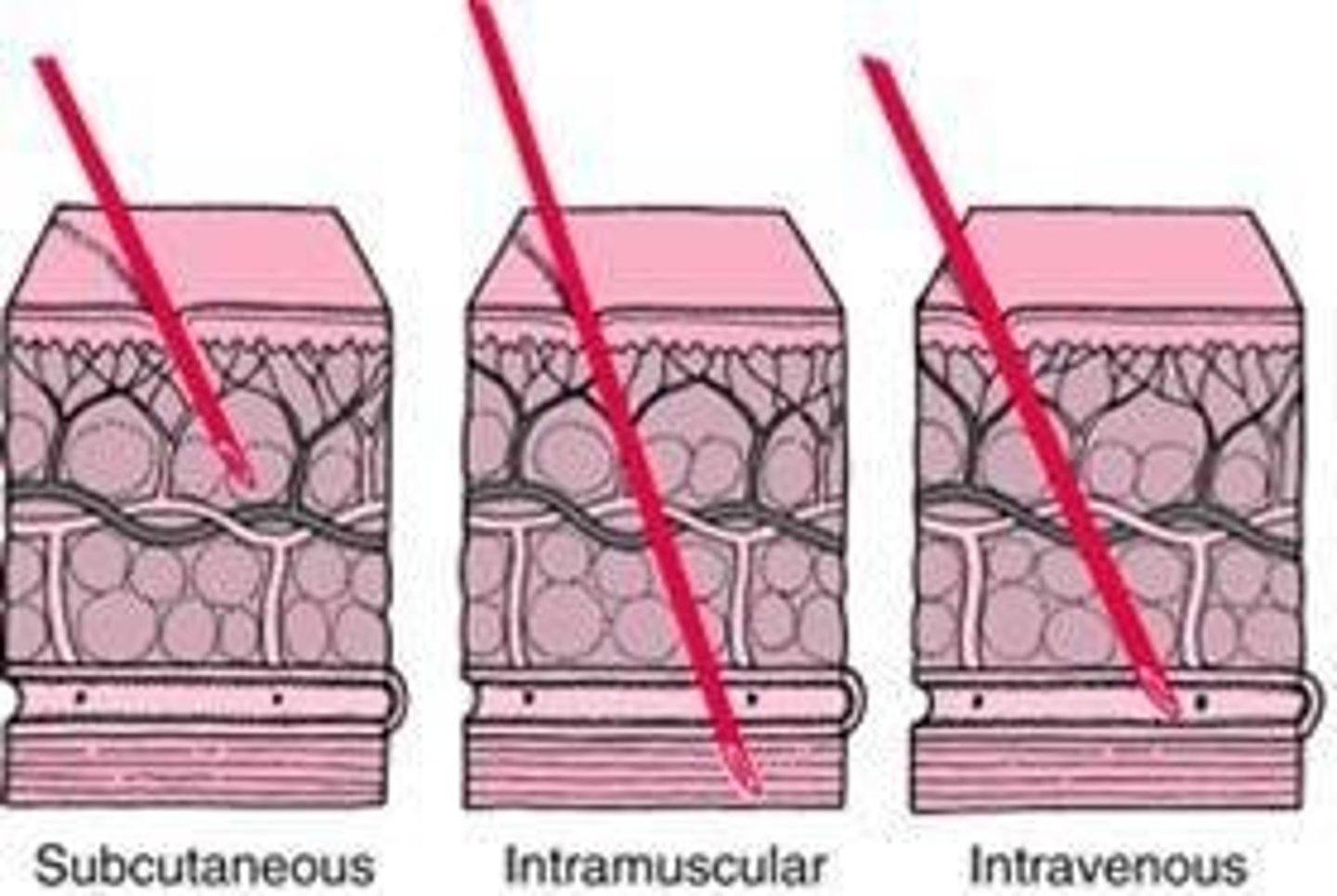
Advantages of parenteral routes
Rapid effect avoids GI destruction useful for emergencies.
Disadvantages of parenteral routes
Invasive risk of infection expensive difficult self-administration.
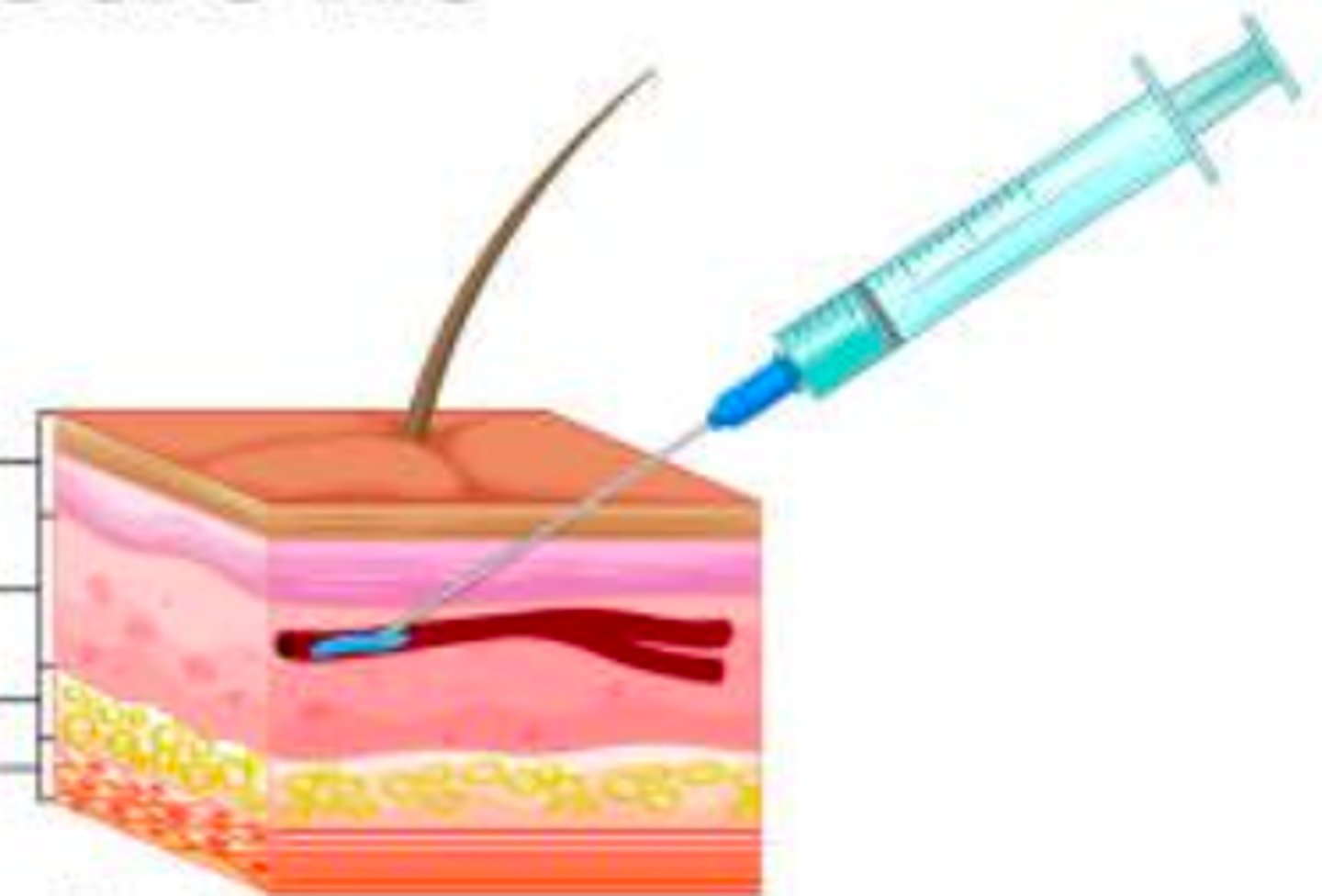
Intravenous (IV) route
Drug enters bloodstream directly providing 100% bioavailability and immediate effect.
Advantages of IV route
Immediate onset precise control suitable for large volumes ideal for emergencies.
Disadvantages of IV route
Irreversible risk of infection rapid injection may cause toxicity hemolysis or embolism.
Degree of insertion for IV
0° or very small angle for vein entry.
Intra-arterial (IA) route
Drug delivered directly into an artery for targeted effect.
Disadvantages of IA route
High risk of complications including embolism and vessel damage.
Intramuscular (IM) route
Drug injected into skeletal muscle as aqueous solution or depot form.
Advantages of IM route
Rapid absorption for solutions and sustained release for depot forms.
Disadvantages of IM route
Pain risk of nerve or tissue injury.

Degree of insertion for IM
90° angle.
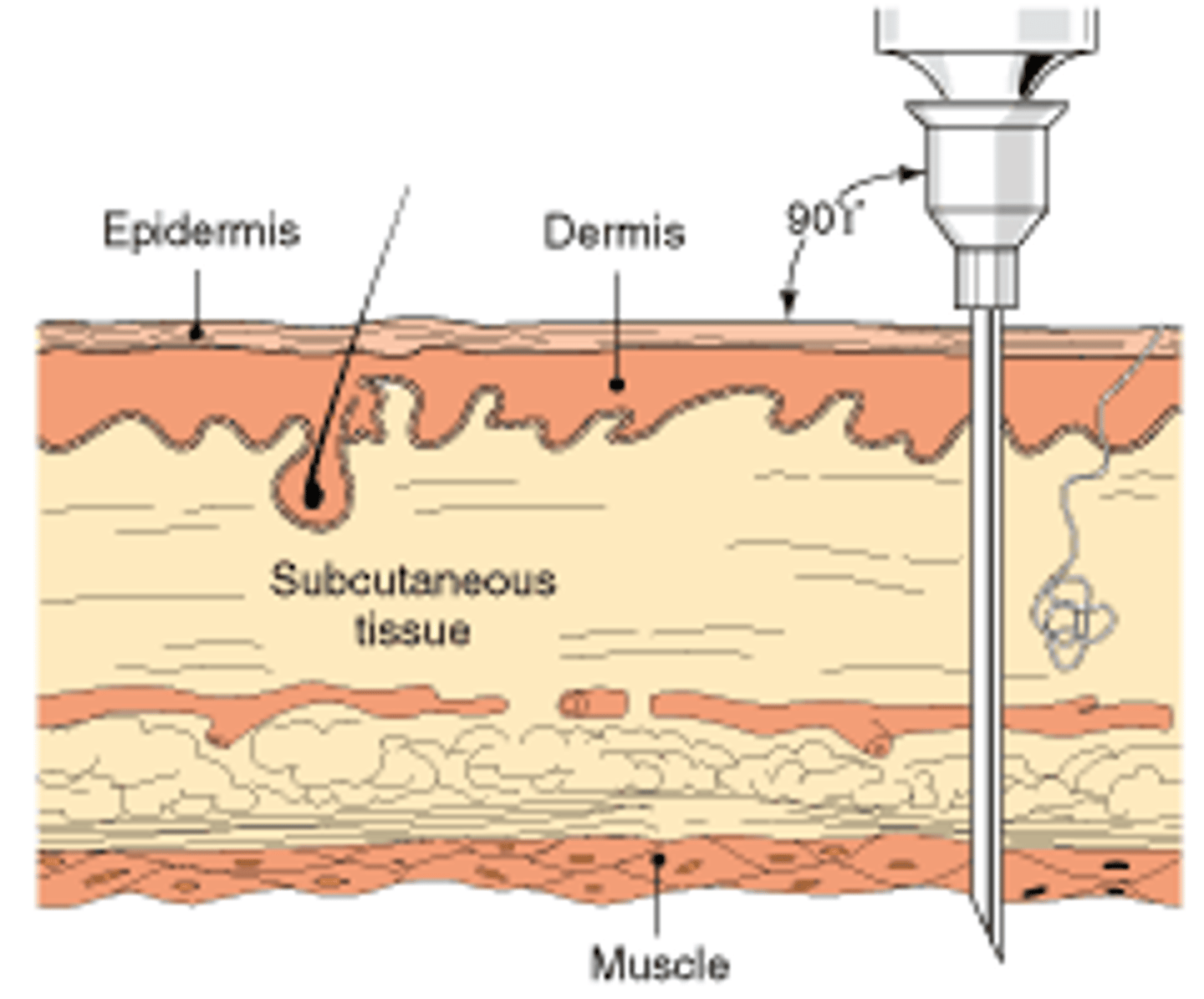
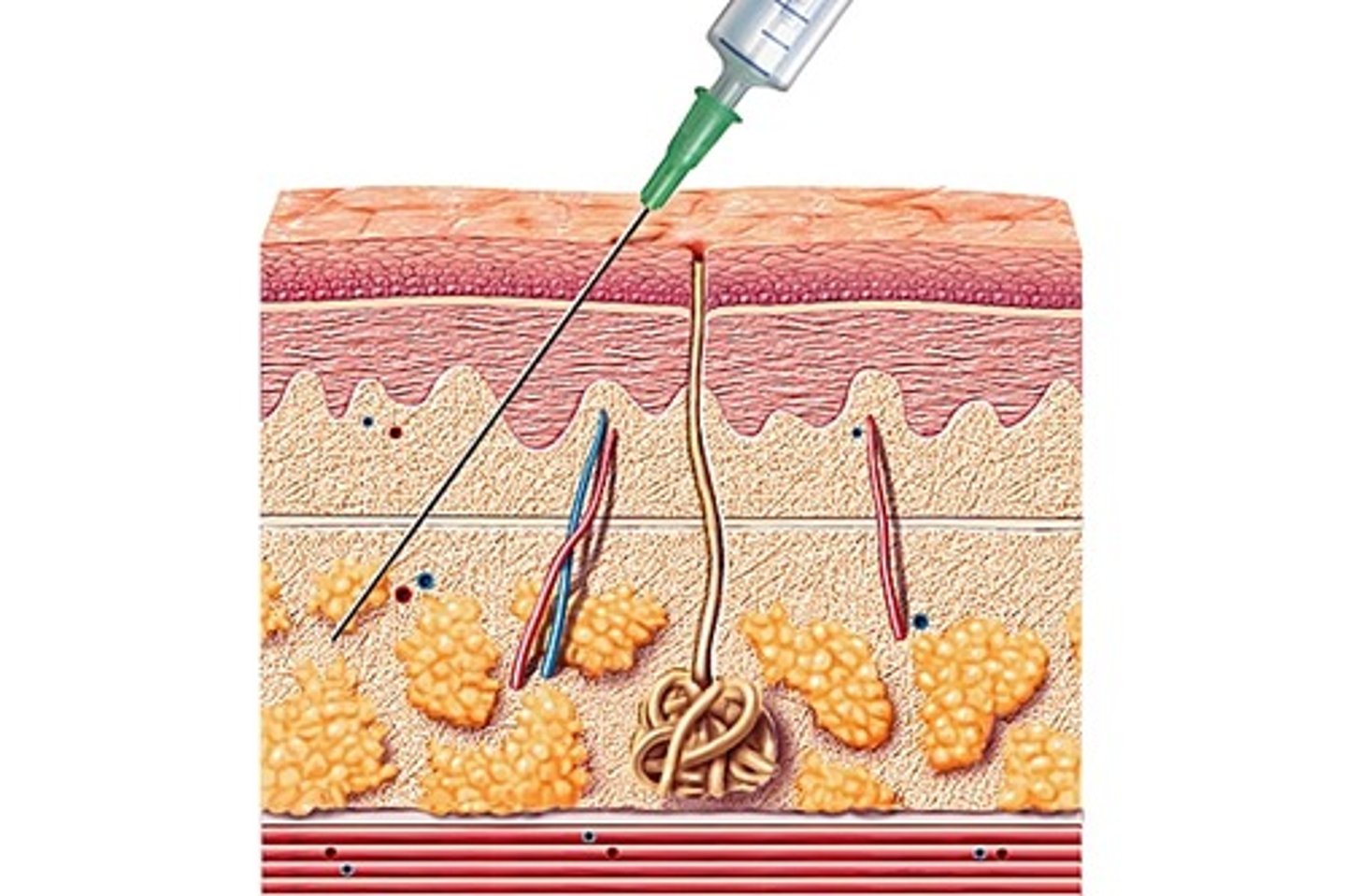
Subcutaneous (SC) route
Drug injected into subcutaneous tissue with slower absorption than IM.
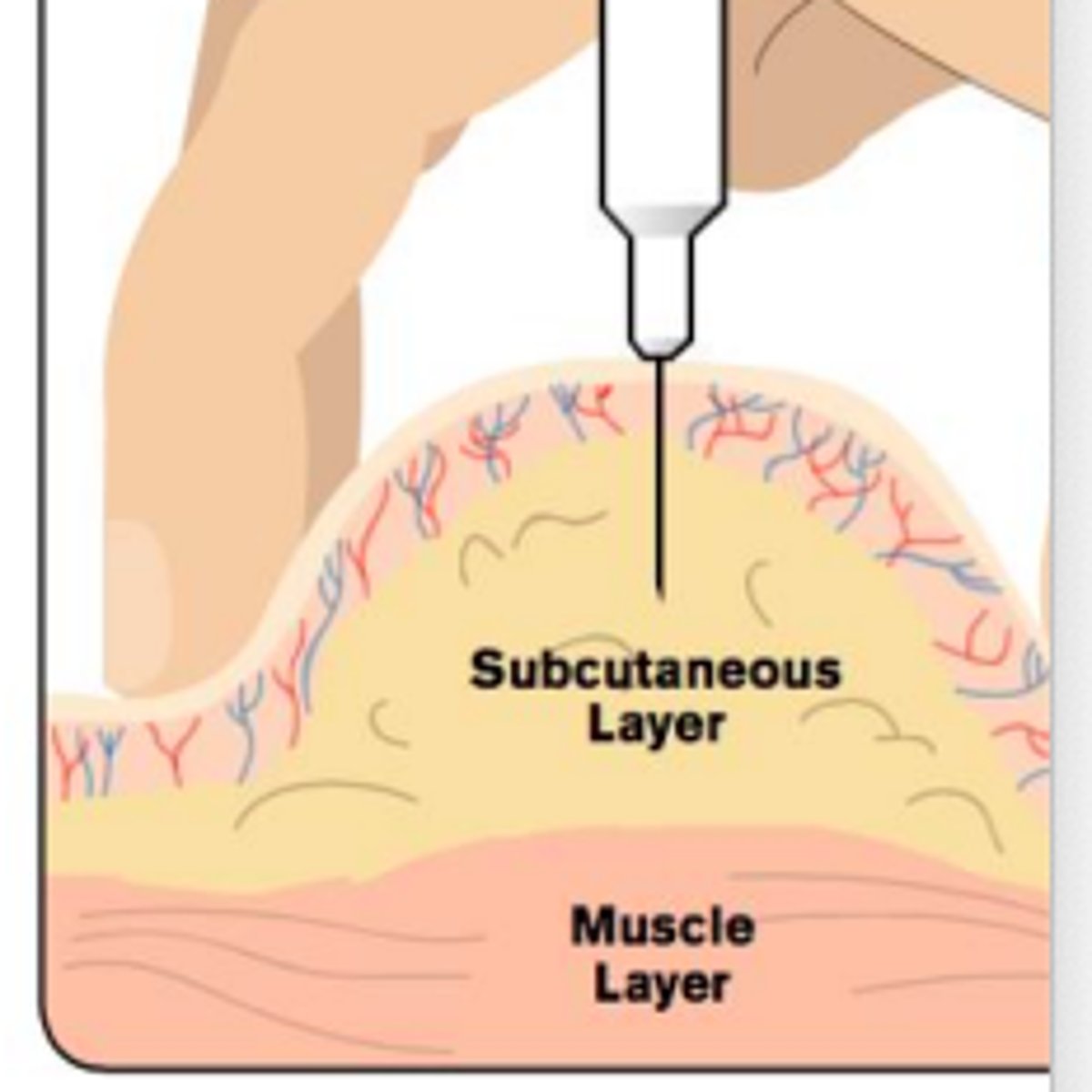
Advantages of Subcutaneous Route
Suitable for slow steady absorption; safer than IV.
Disadvantages of Subcutaneous C route
Slow in areas with poor blood flow vasoconstrictors delay absorption further.
Degree of insertion for Subcutaneous
45° angle.
Inhalation route
Used for gases and aerosols via respiratory tract with very rapid absorption.
Advantages of inhalation
Rapid onset ideal for respiratory diseases fewer systemic effects.
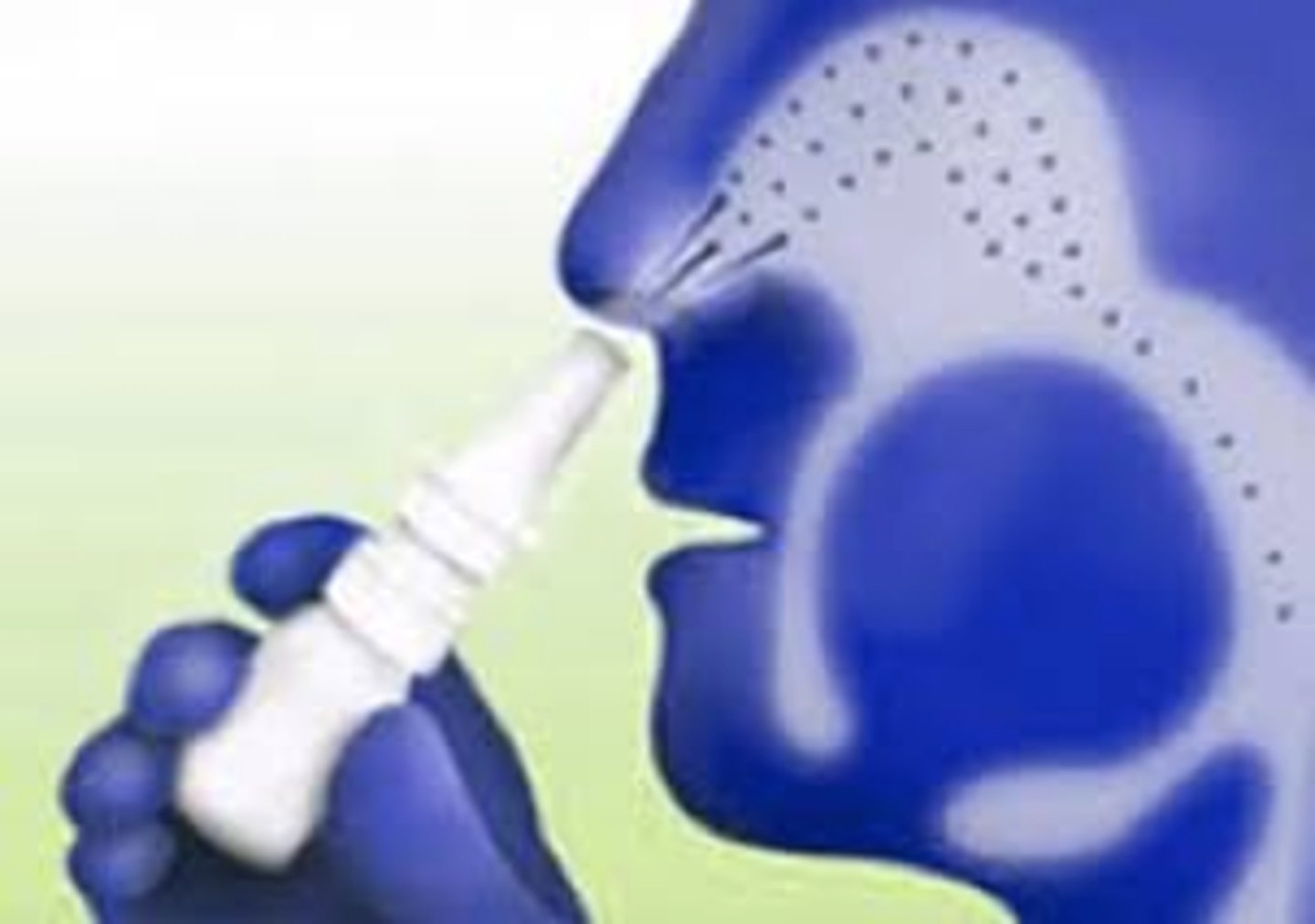
Intranasal route
Drugs absorbed through nasal mucosa for local or systemic action.
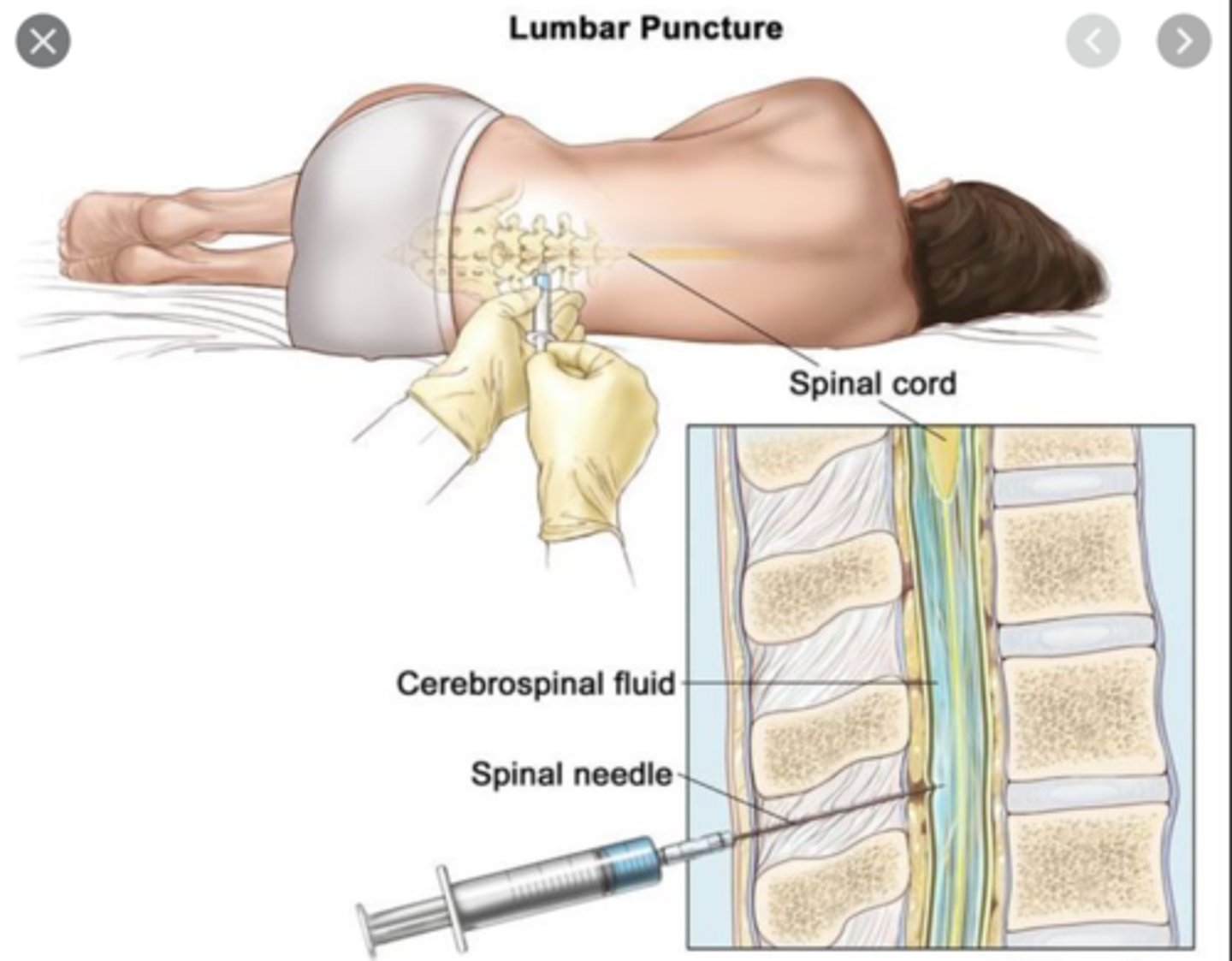
Intrathecal route
Drug delivered directly into CSF bypassing the blood-brain barrier.
Topical route
Drug applied to skin or mucosa for local effects.

Transdermal route
Drug absorbed through skin via patches for systemic slow sustained release.
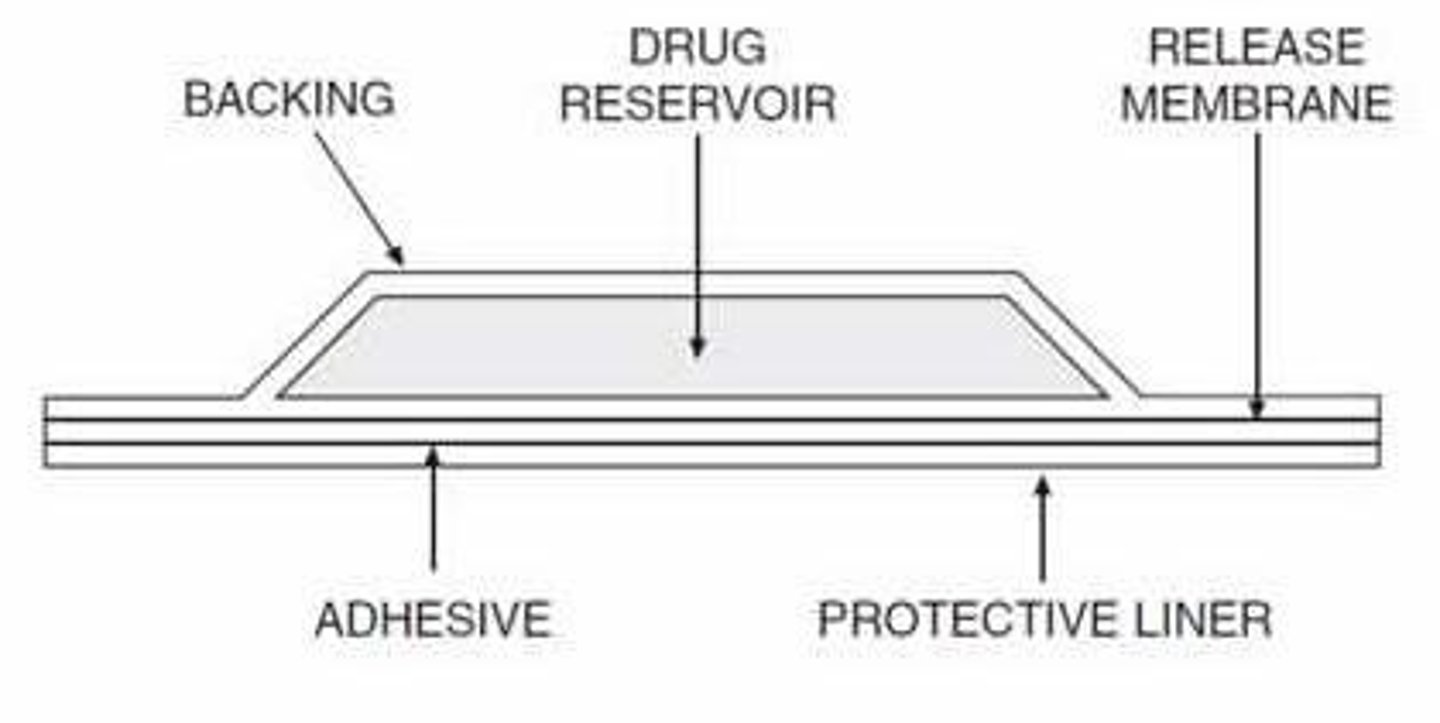
Advantages of transdermal route
Avoids first-pass metabolism provides stable blood levels.

What drugs are suitable for transdermal route?
Only potent drugs otherwise patches become too large.

Which route has the fastest onset?
Intravenous
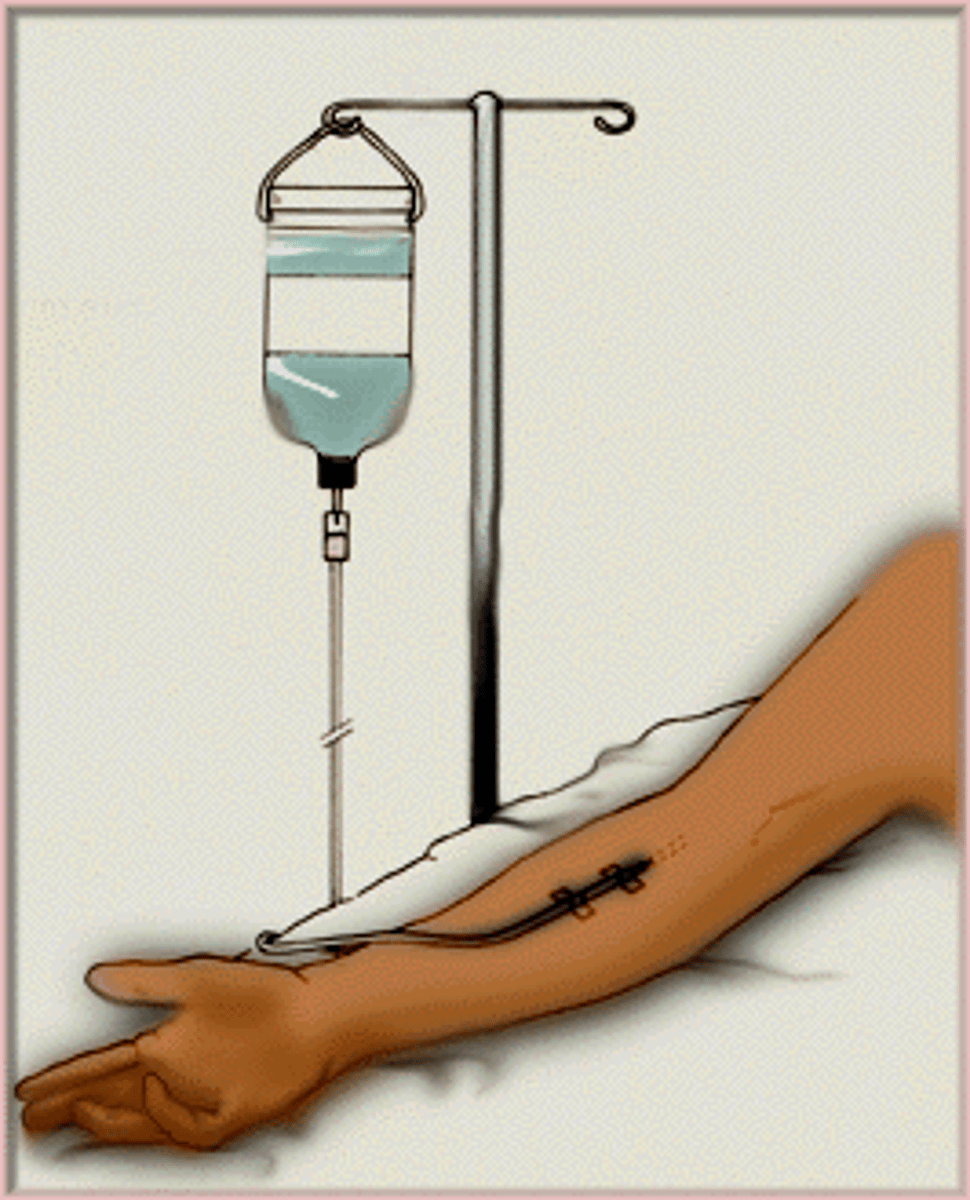
Order of onset fastest to slowest
IV → Inhalation → Sublingual → IM → SC → Rectal → Oral → Transdermal.
 Note
Note  Flashcards (79)