Chapter 26: Penicillins, Other Beta-Lactams, and Cephalosporins
 Call Kai
 Learn
Learn Practice Test
 Spaced Repetition
 Match
Match Flashcards
 Knowt Play
1/13

There's no tags or description
Looks like no tags are added yet.
Name | Mastery | Learn | Test | Matching | Spaced | Call with Kai |
|---|
No analytics yet
Send a link to your students to track their progress
14 Terms
The nurse is teaching a nursing student about the minimal effective concentration (MEC) of antibiotics. Which statement by the nursing student indicates understanding of this concept?
a. “A serum drug level greater than the MEC ensures that the drug is bacteriostatic.”
b. “A serum drug level greater than the MEC broadens the spectrum of the drug.”
c. “A serum drug level greater than the MEC is sufficient to halt the growth of the microorganism.”
d. “A serum drug level greater than the MEC increases the therapeutic index.
ANS: C
(C) a serum drug level greater than the MEC is sufficient to halt the growth of microorganism
TERM: MEC (Minimum Effective Concentration)
→ lower blood level of a drug needed to stop bacteria from drowing
WRONG:
(A) ensrues bacteriostatic: some drugs are bacteriostatic, not all of them.
(B) broadens the spectrum: increasing dose does not change what bacteria it covers
(D) increases therapeutic index: therapeutic index is the safety margin. raisin a drug level doesn’t make it safer.
The nurse is caring for a patient who has recurrent urinary tract infections. The patient’s current infection is not responding to an antibiotic that has been used successfully several times in the past. The nurse understands that this is most likely due to
a. acquired bacterial resistance.
b. cross-resistance.
c. inherent bacterial resistance.
d. transferred resistance.
ANS: A
(A) Acquired Resistance: the repeated exposure allows bacteria to adapt and become resistant.
WRONG:
(B) cross-resistance: when resistance to one drug causes resistance to a similar drug
(C) inherent resistance: bacteria is naturally resistant from the beginning
(D) transferred resistance: bacteria shares resistance genes with other bacteria
The nurse is preparing to administer amoxicillin to a patient and learns that the patient previously experienced a severe rash when taking penicillin. Which action will the nurse take?
a. Administer the amoxicillin and have epinephrine available.
b. Ask the provider to order an antihistamine.
c. Contact the provider to discuss using a different antibiotic.
d. Request an order for a beta-lactamase resistant drug.
ANS: C
(C) contact provider for different antibiotic: amoxicillin is a penicillin. if a patient has a severe allergic reaction, we avoid the whole clas
WRONG:
(A) give it and have epi ready: no “testing” of severe allergies
(B) ask for antihistamine: antihistamine treats symptoms. this does not prevent severe allergy
(D) request beta-lactamase resistant drug: is a penicillin family drug
The nurse is preparing to administer an antibiotic to a patient who has been receiving the antibiotic for 2 days after a culture was obtained. The nurse notes increased erythema and swelling, and the patient has a persistent high fever of 102 F. What is the nurse’s next best action?
a. Administer the antibiotic as ordered.
b. Contact the provider to request another culture.
c. Discuss the need to add a second antibiotic with the provider.
d. Review the sensitivity results from the patient’s culture.
ANS: D
(D) review sensitivity results: is the patient is still febrile, and has more redness/swelling, the antibiotic may not match the bacteria.
culture and sensitivity test interpretations:
sensitive → drug works
resistant → drug doesn’t work
WRONG:
(B) contact provider + request culture: there already is one pending, based on the situation
The nurse is preparing to administer the first dose of an antibiotic to a patient admitted for a urinary tract infection. Which action is most important prior to administering the antibiotic?
a. Administering a small test dose to determine whether hypersensitivity exists
b. Having epinephrine available in the event of a severe hypersensitivity reaction
c. Monitoring baseline vital signs, including temperature and blood pressure
d. Obtaining a urine specimen for culture and sensitivity
ANS: D
(D) Obtain culture first: ALWAYS culture before antibiotics, because it can kill bacteria and alter results.
A patient is admitted to the hospital for treatment of pneumonia after complaining of high fever and shortness of breath. The patient was not able to produce sputum for a culture. The nurse will expect the patient’s provider to order which of the following?
a. A broad-spectrum antibiotic
b. A narrow-spectrum antibiotic
c. Multiple antibiotics
d. The pneumococcal vaccine
ANS: A
(A) Broad-spectrum antibiotic: when organism is unknown, a broad-spectrum antibiotic must be used.
WRONG:
(D) pneumococcal vaccine: this is a prevention,. not a treatment
The nurse is teaching a patient who will be discharged home from the hospital to take amoxicillin twice daily for 10 days. Which statement by the nurse is correct?
a. “Discontinue the antibiotic when your temperature returns to normal and your symptoms have improved.”
b. “If diarrhea occurs, stop taking the drug immediately and contact your provider.”
c. “Stop taking the drug and notify your provider if you develop a rash while taking this drug.”
d. “You may save any unused antibiotic to use if your symptoms recur.”
ANS: C
(C) stop and call provider if rash develops: rash means possible allergy
The nurse is preparing to administer the first dose of intravenous ceftriaxone to a patient. When reviewing the patient’s chart, the nurse notes that the patient previously experienced a rash when taking amoxicillin. What is the nurse’s next action?
a. Administer the drug and observe closely for hypersensitivity reactions.
b. Ask the provider whether a cephalosporin from a different generation may be used.
c. Contact the provider to report drug hypersensitivity.
d. Notify the provider and suggest an oral cephalosporin
ANS: A
(A) administer and monitor closely: there is cross-reactivity, but it is not guaranteed, so it should be monitored carefully.
WRONG:
(C) contact previder to report drug hypersensitivity: both penicilin and cephalosporin are beta-lactams, so there is a possibility for cross-reactivity but it is low. it is also specifically lower with later-generation of cephalosporin like ceftriazone.
penicillin vs. cephalosporin
amoxicillin = penicillin class
ceftriaxone = cephalosporin class
The nurse is preparing to give a dose of a cephalosporin medication to a patient who has been receiving the antibiotic for 2 weeks. The nurse notes ulcers on the patient’s tongue and buccal mucosa. Which action will the nurse take?
a. Hold the drug and notify the provider.
b. Obtain an order to culture the oral lesions.
c. Gather emergency equipment to prepare for anaphylaxis.
d. Report a possible superinfection side effect of the cephalosporin.
ANS: D
(D) possible superinfection: long-term antibiotics kill good bacteria. this allows the following to grow:
candida (oral thrush)
other organisms to overgrow
The nurse is providing teaching to a patient who will begin taking a cephalosporin to treat an infection. Which statement by the patient indicates a need for further teaching?
a. “I may stop taking the medication if my symptoms clear up.”
b. “I should eat yogurt while taking this medication.”
c. “I should stop taking the drug and call my provider if I develop a rash.”
d. “I can take this medication with food if it irritates my stomach.”
ANS: A
(A) “I may stop when i feel better”: should always finish antibiotics
A patient is receiving high doses of cefazolin. Which laboratory values will this patient’s nurse monitor closely?
a. Blood urea nitrogen (BUN), serum creatinine, and liver function tests
b. Complete blood count and electrolytes
c. Serum calcium and magnesium
d. Serum glucose and lipids
ANS: A
(A) monitor BUN, creatinine, LFTs: cephalosporins can affect kidneys, liver, so function should be monitored
A patient will begin taking amoxicillin. The nurse should instruct the patient to avoid which foods?
a. Green leafy vegetables
b. Beef and other red meat
c. Coffee, tea, and colas
d. Acidic fruits and juices
ANS: D
(D) acoid acidic fruits/juices: acidic juices can decrease effectiveness
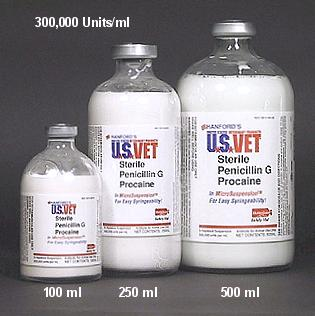
The patient will begin taking penicillin G procaine. The nurse notes that the solution is milky in color. What action will the nurse take?
a. Call the pharmacist and report the milky color.
b. Add normal saline to dilute the medication.
c. Call the physician and report the milky appearance.
d. Administer the medication as ordered by the physician.
ANS: D
(D) administer: it is SUPPOSED to look milky
WRONG:
(A) call pharmacist about the milky color: there is nothing wrong with the penicilin
Which actions can contribute to bacterial resistance to antibiotics? (Select all that apply.)
a. Frequent use of antibiotics
b. Giving large doses of antibiotics
c. Skipping doses
d. Taking a full course of antibiotics
e. Treating viral infections with antibiotics
a /
b /
c /
d x
e /
ANS: A,C,E
(A) frequent use: more exposure → more adaptation → resistance
(C) skipping doses: leaves surviving bacteria → they adapt
(E) treating viral infections: antibiotics don’t work on viruses. unnecessary exposure → resistance
WRONG:
(B) giving large doses: not the typical cause. inadequate dose is more problematic.

