Architectural History Exam 2
 Call Kai
 Learn
Learn Practice Test
 Spaced Repetition
 Match
Match Flashcards
 Knowt Play
1/45

Earn XP
Description and Tags
Description!
Name | Mastery | Learn | Test | Matching | Spaced | Call with Kai |
|---|
No analytics yet
Send a link to your students to track their progress
46 Terms
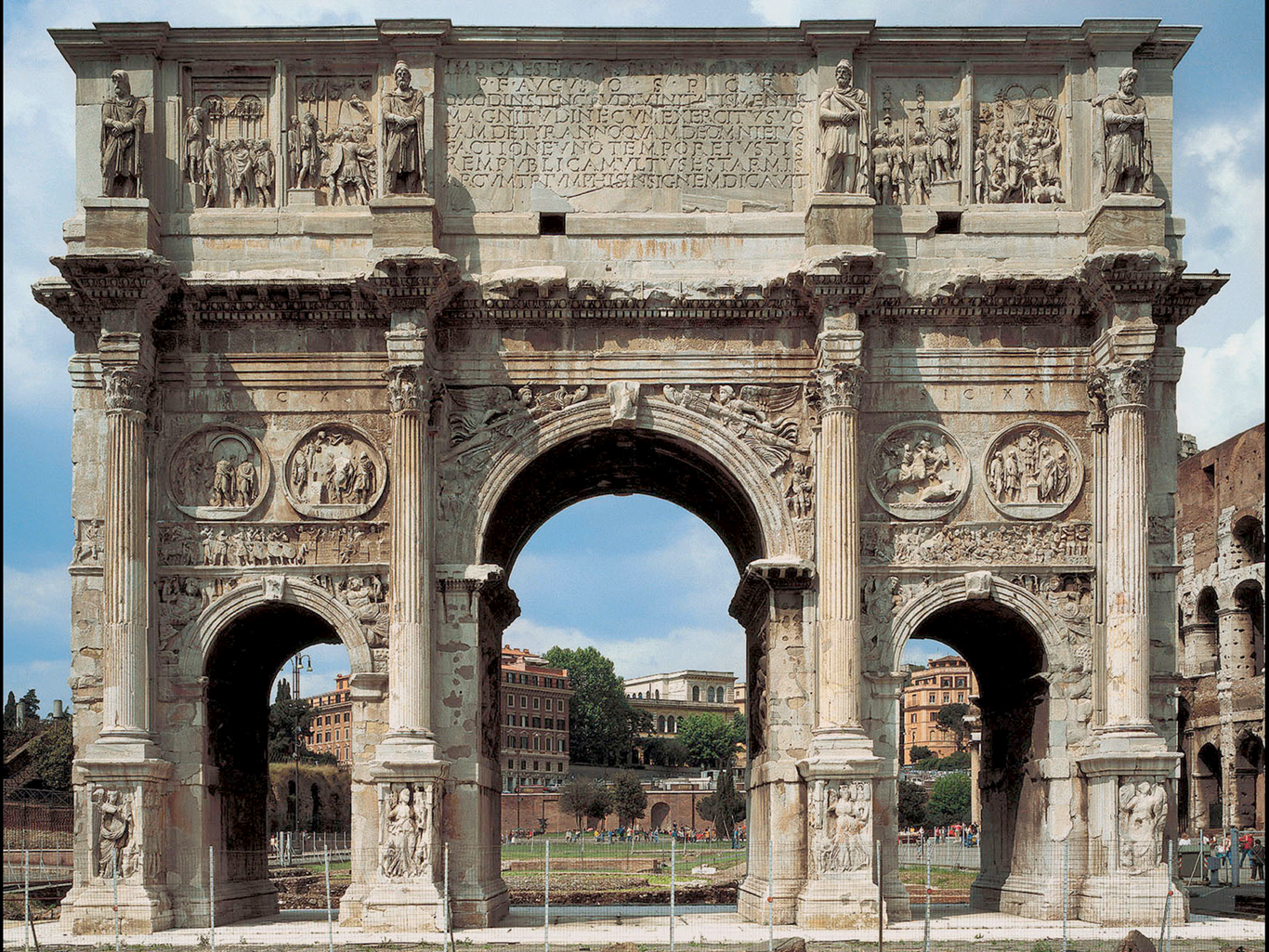
One of the larger pieces made from Spolia with other art pieces all around the Roman Empire being in different sections of the arch
Arch of Constantine, Rome. 312–15 CE
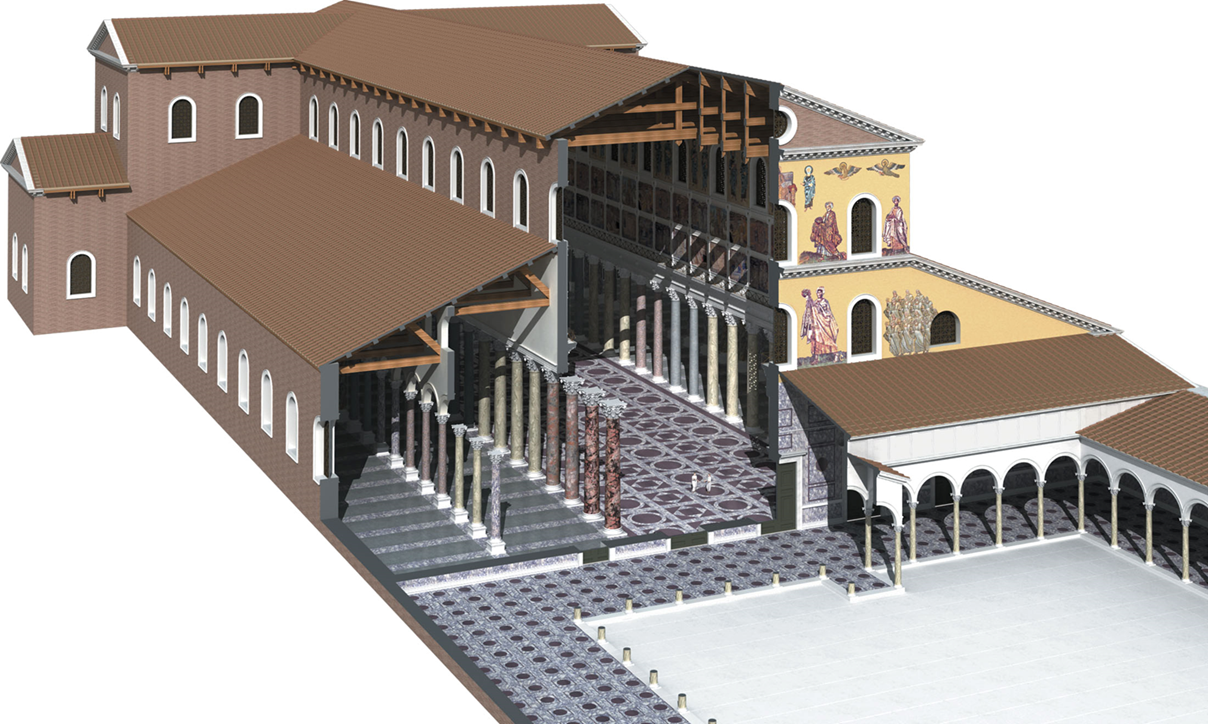
Old St. Peter’s, Rome, Italy. ca. 324–400 CE
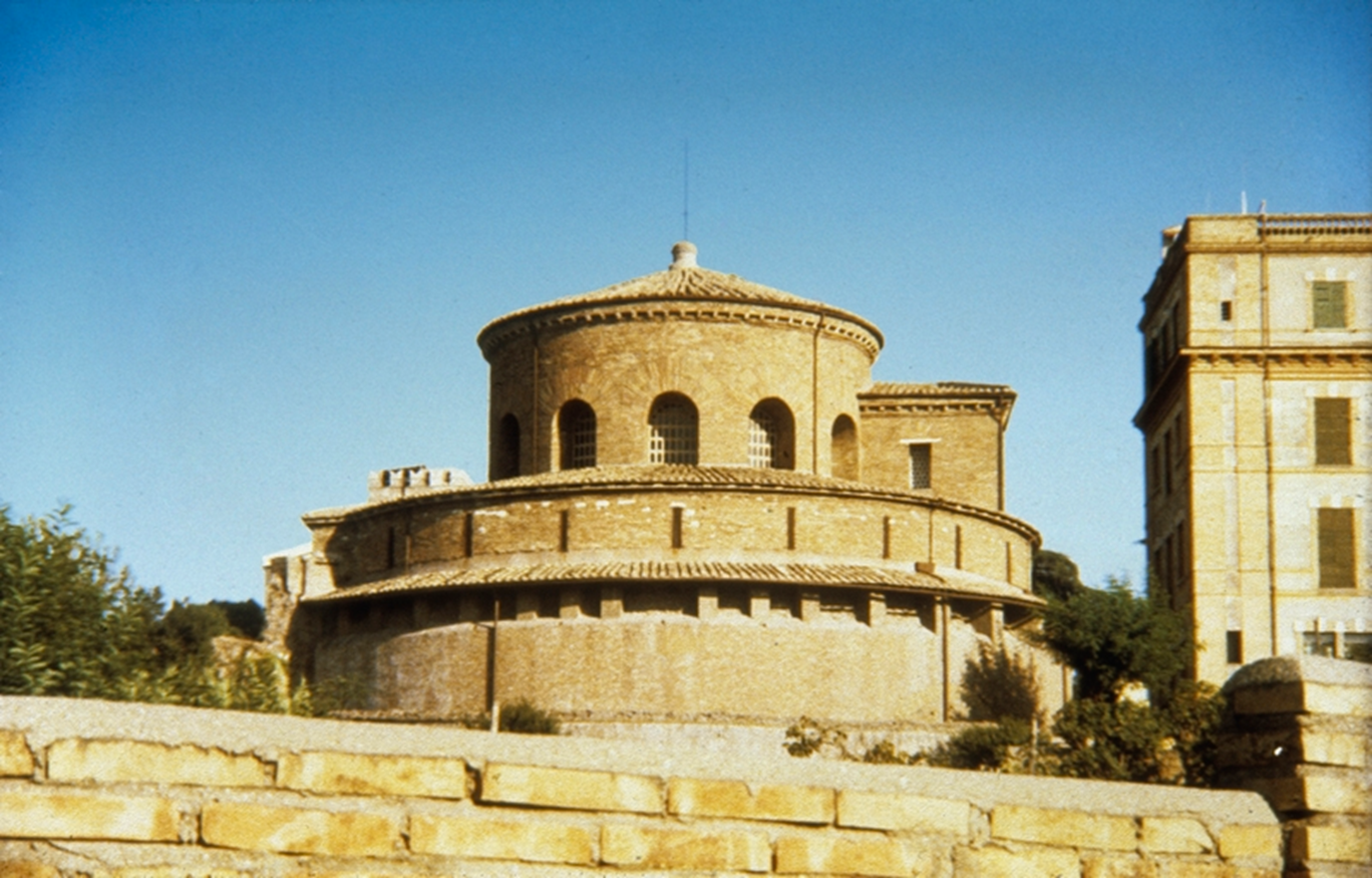
Santa Costanza, Rome. ca. 350 CE
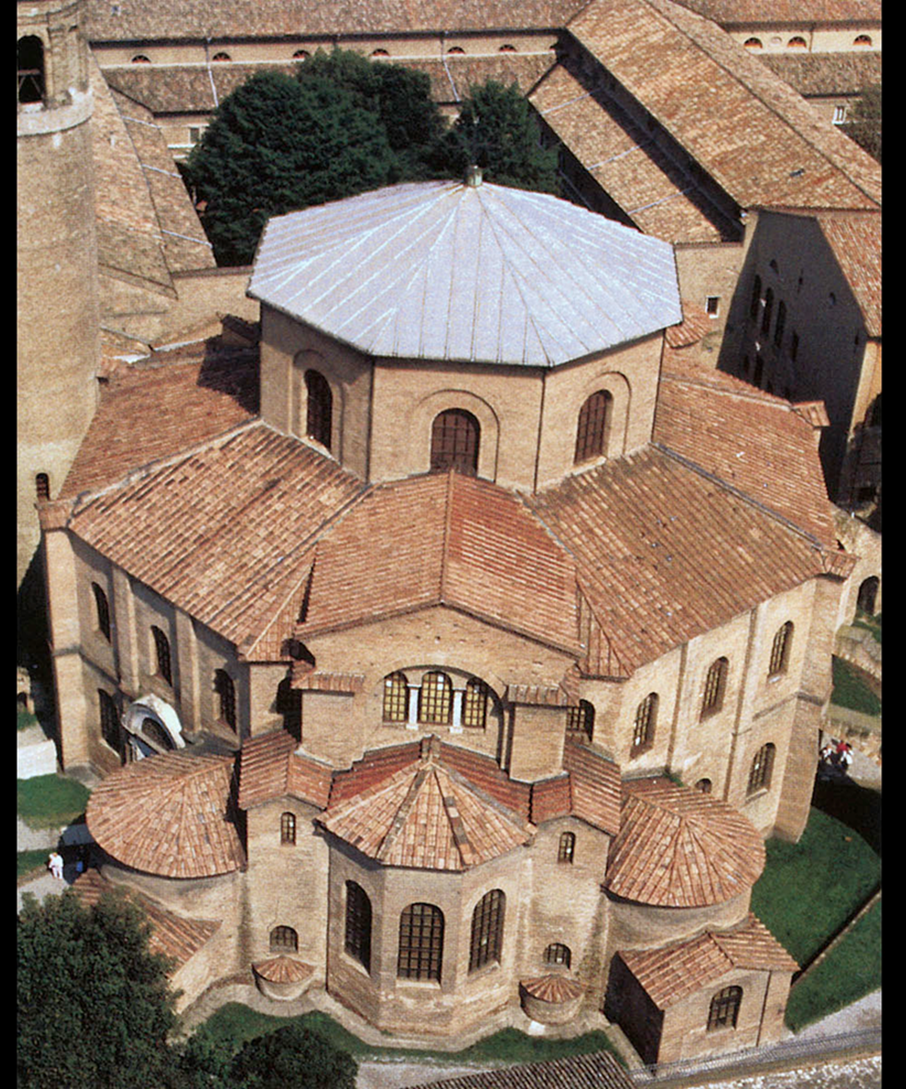
San Vitale, Ravenna, Italy. 526–47 CE
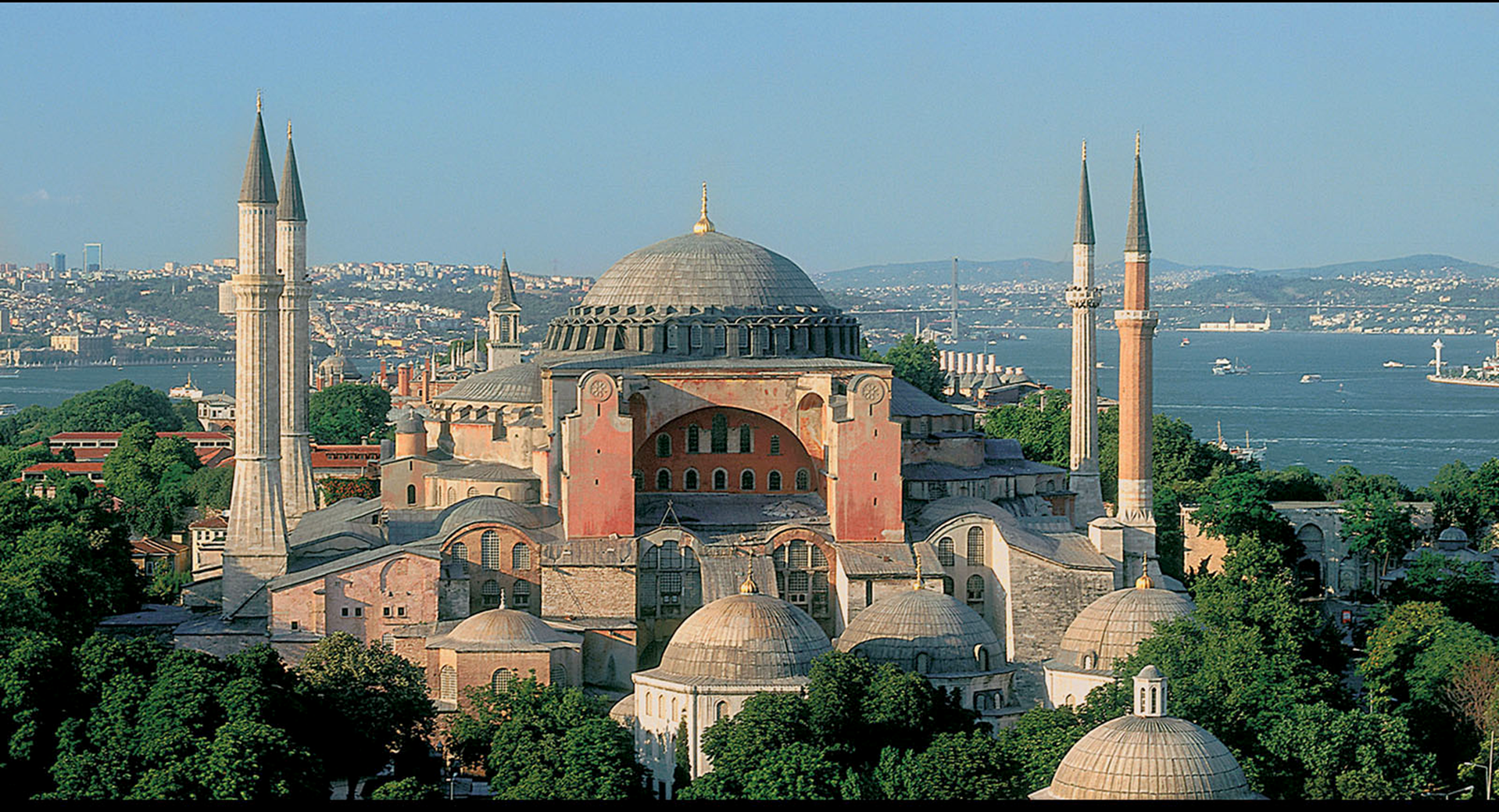
Anthemius of Tralles and Isidorus of Miletus, Hagia Sophia, Istanbul, Turkey, 537 CE
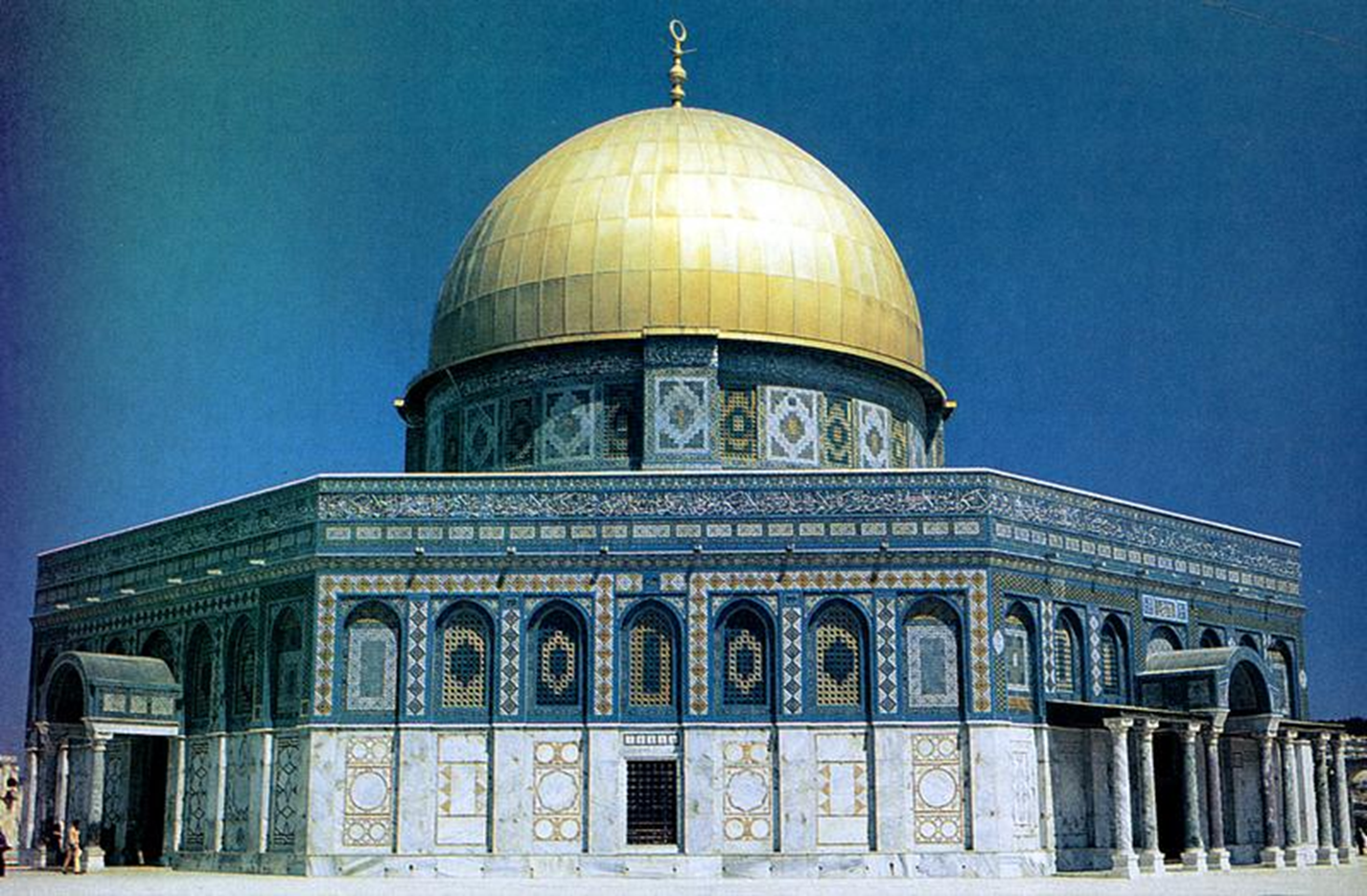
Temple built in Jerusalem built over the highest part (the dome) of Mount Moriah which is where Jews and Christians believe Abraham was prepared to offer his son Isaac as a sacrifice to God
Dome of the Rock, Jerusalem. ca. 690 and later
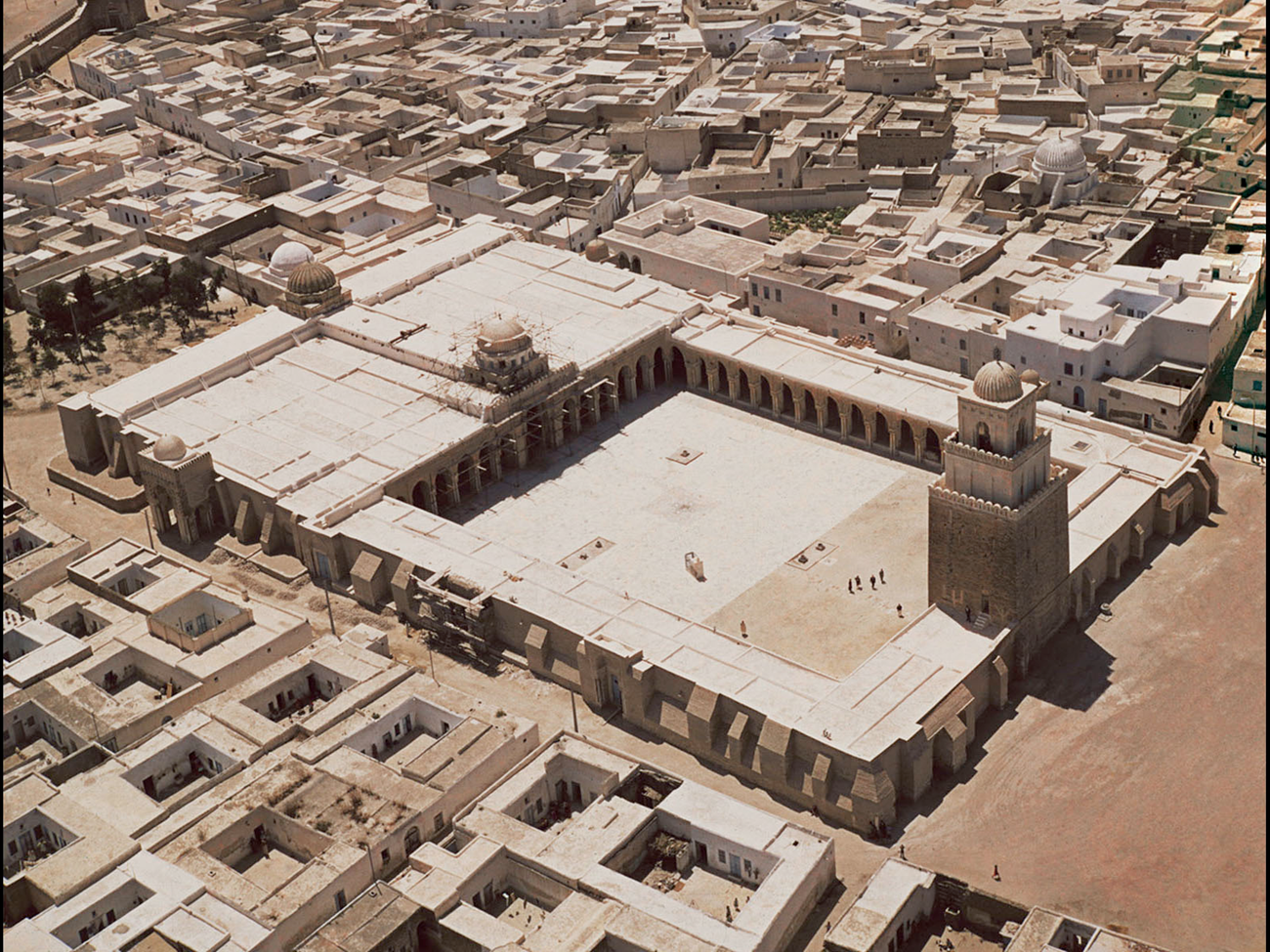
Aerial view of the Great Mosque of Kairouan, Tunisia. 8th century and later Commissioned by Ziyadat Allah
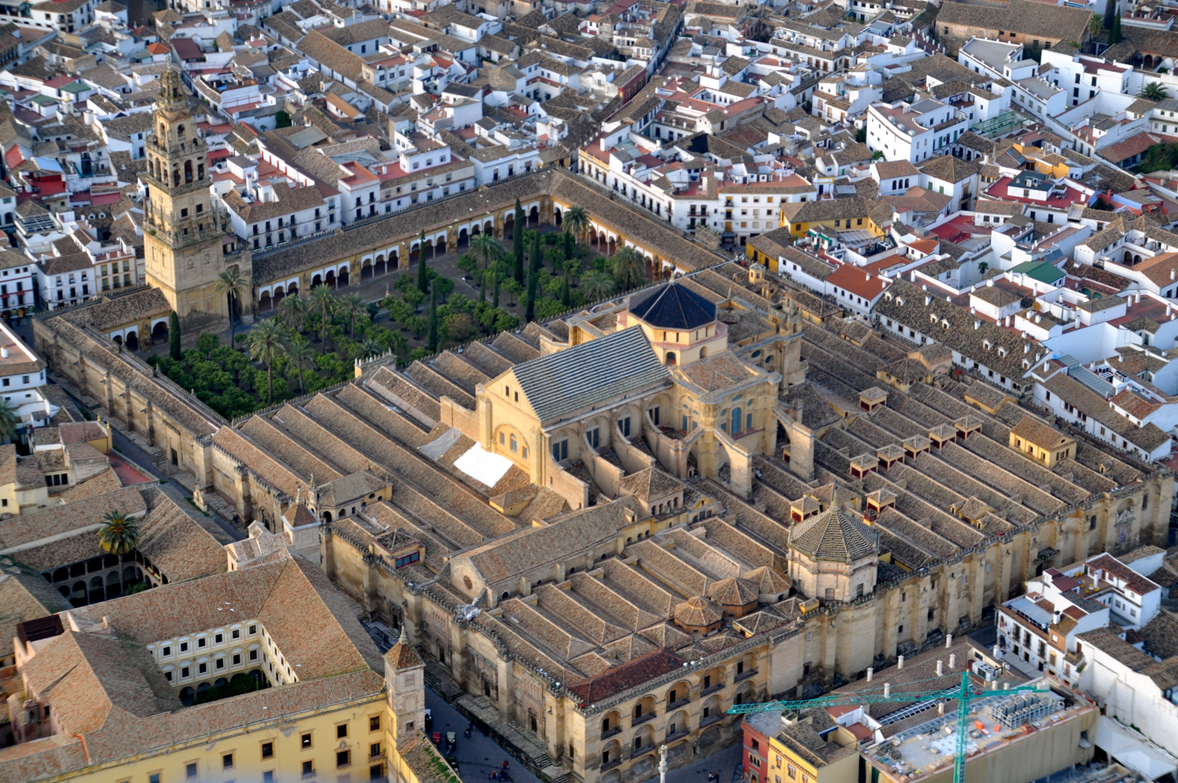
Plan and current view, Great Mosque of Córdoba, Spain 785-987, commissioned by Abd-al-rahmen.
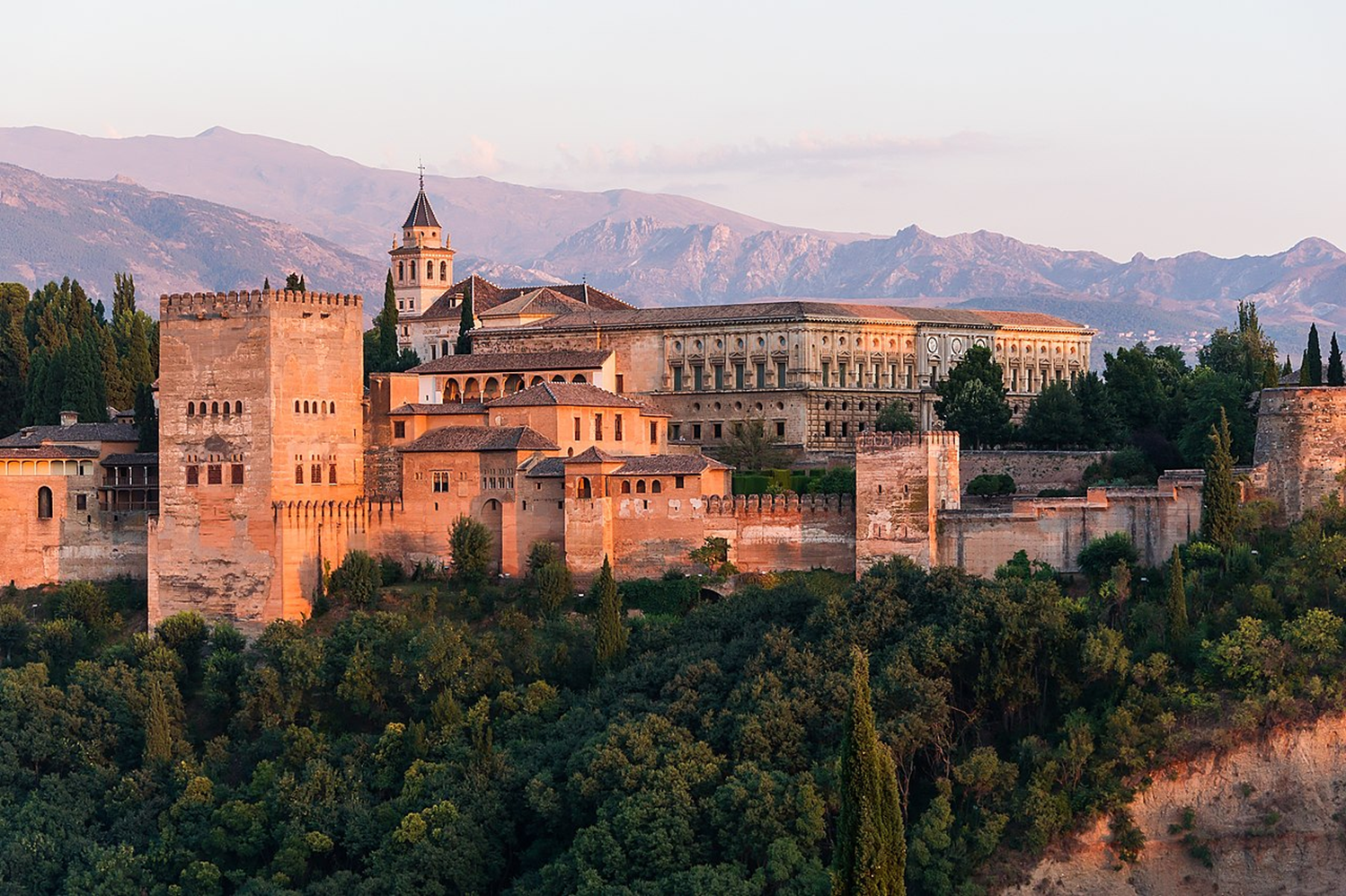
Alhambra, Granada, Spain, mid-13th century,
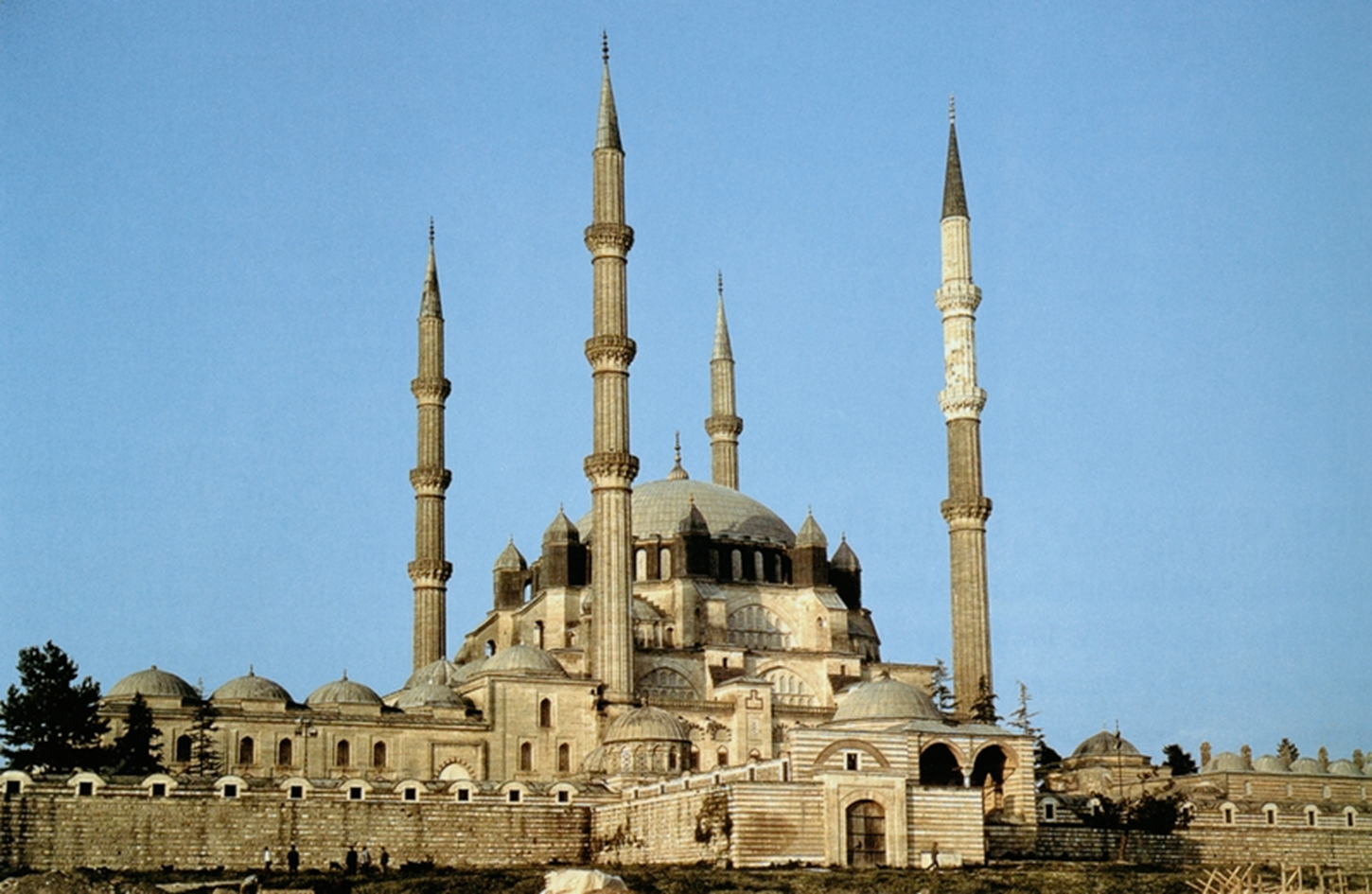
Sinan the Great. Mosque of Selim II (Selimiye), Edirne, Turkey. 1569–74
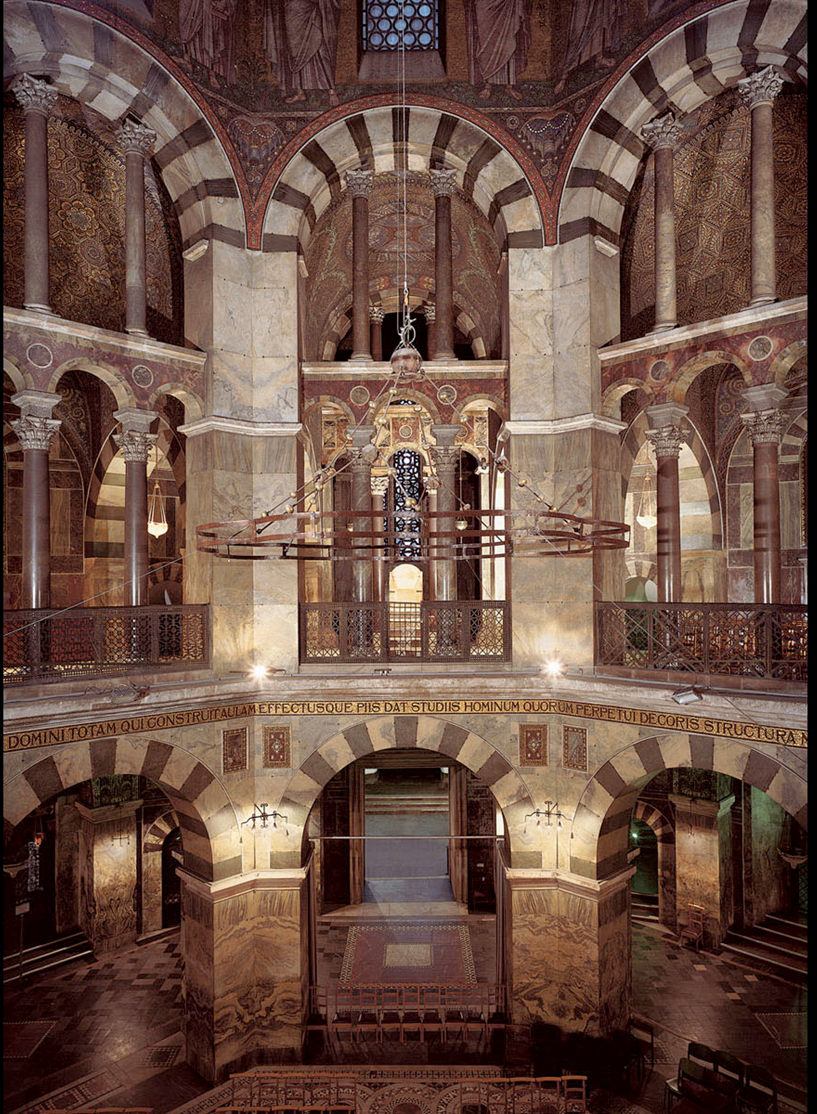
Odo of Metz. Palace Chapel of Charlemagne, Aachen, Germany
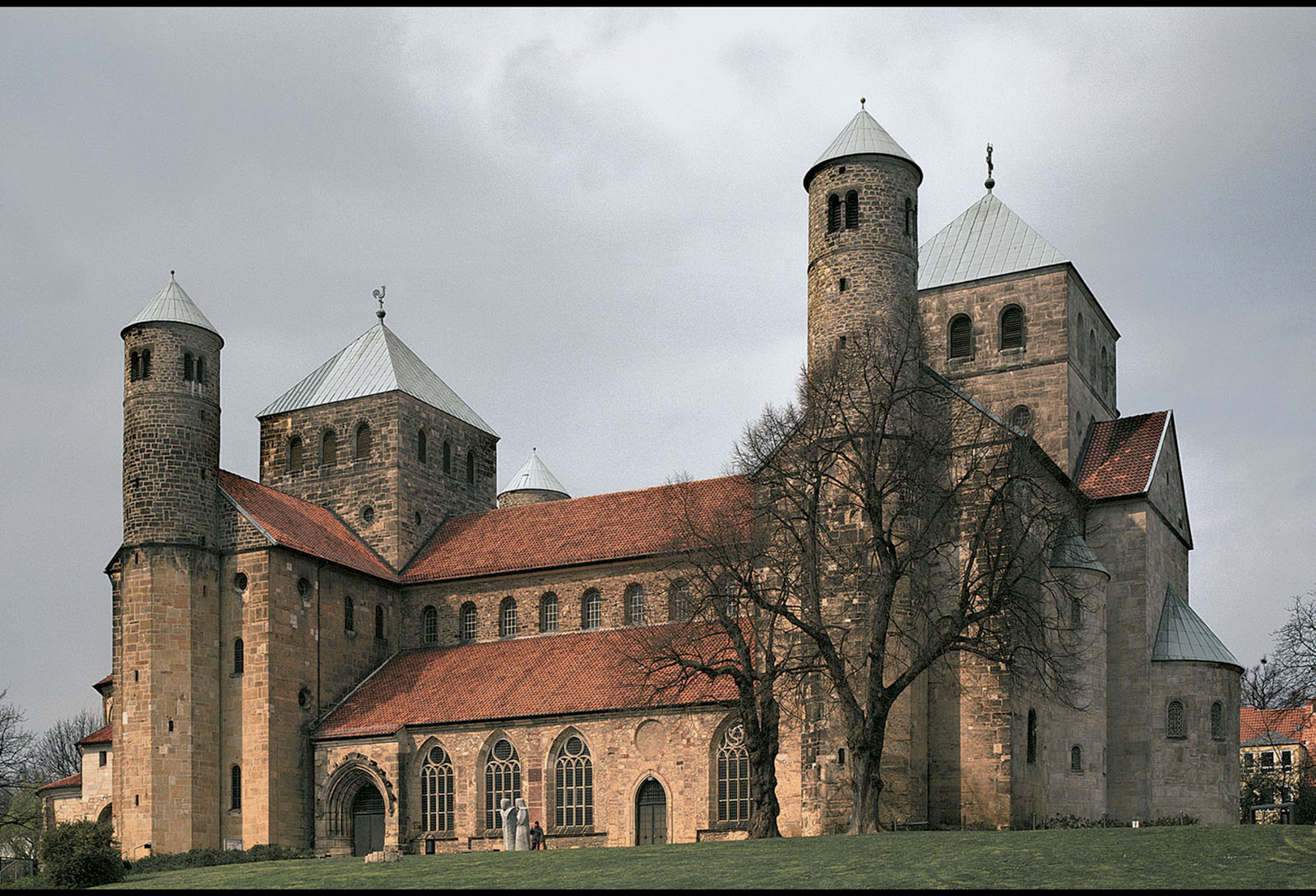
Bernward of Hildesheim, abbey church of St. Michael’s, Hildesheim, Germany
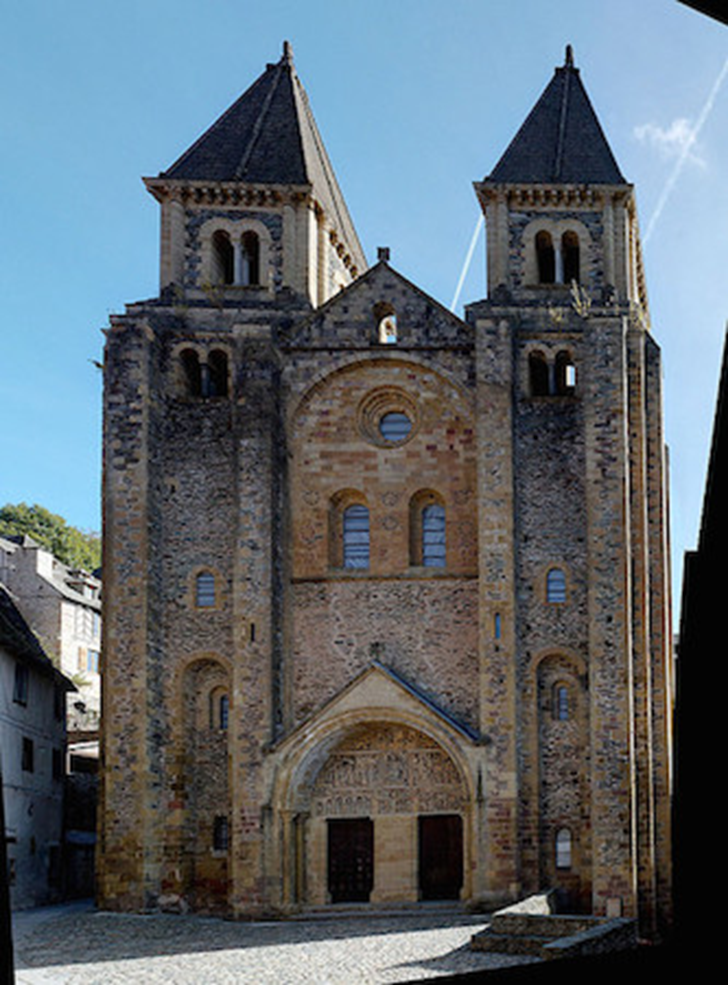
Abbey Church of Saint Foy, Conques, France. Ca. 1041 CE.
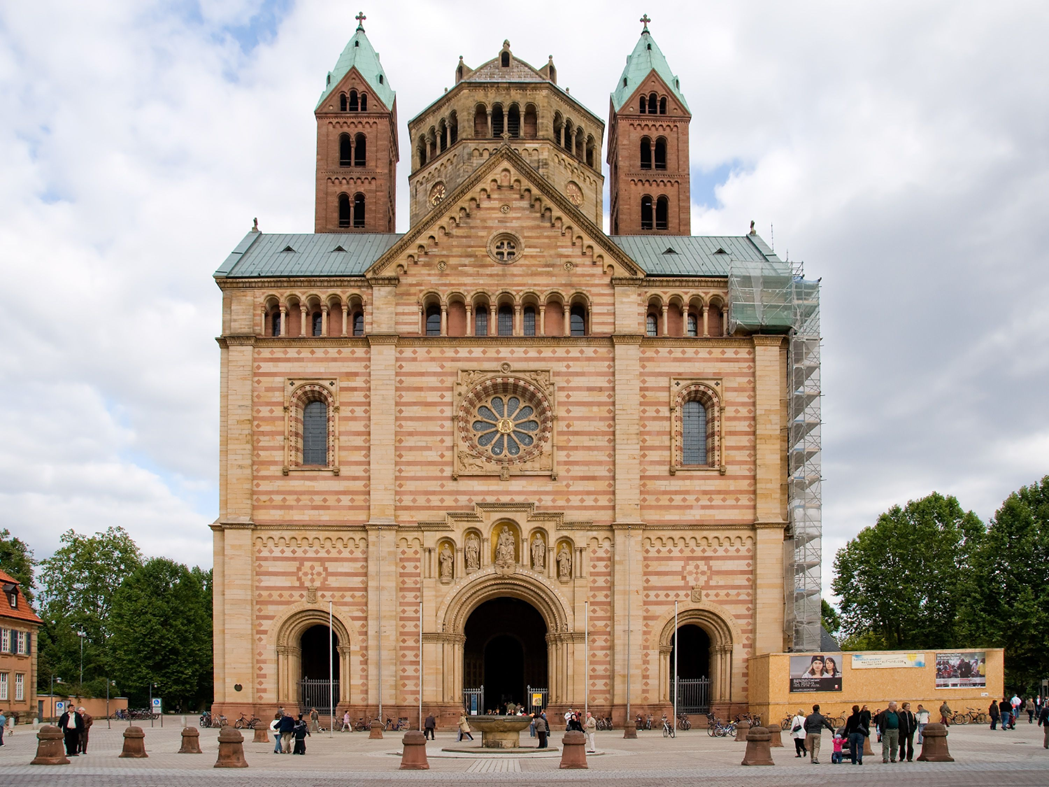
Speyer cathedral, Germany, ca. 1030–61; vaulted ca. 1080–1106
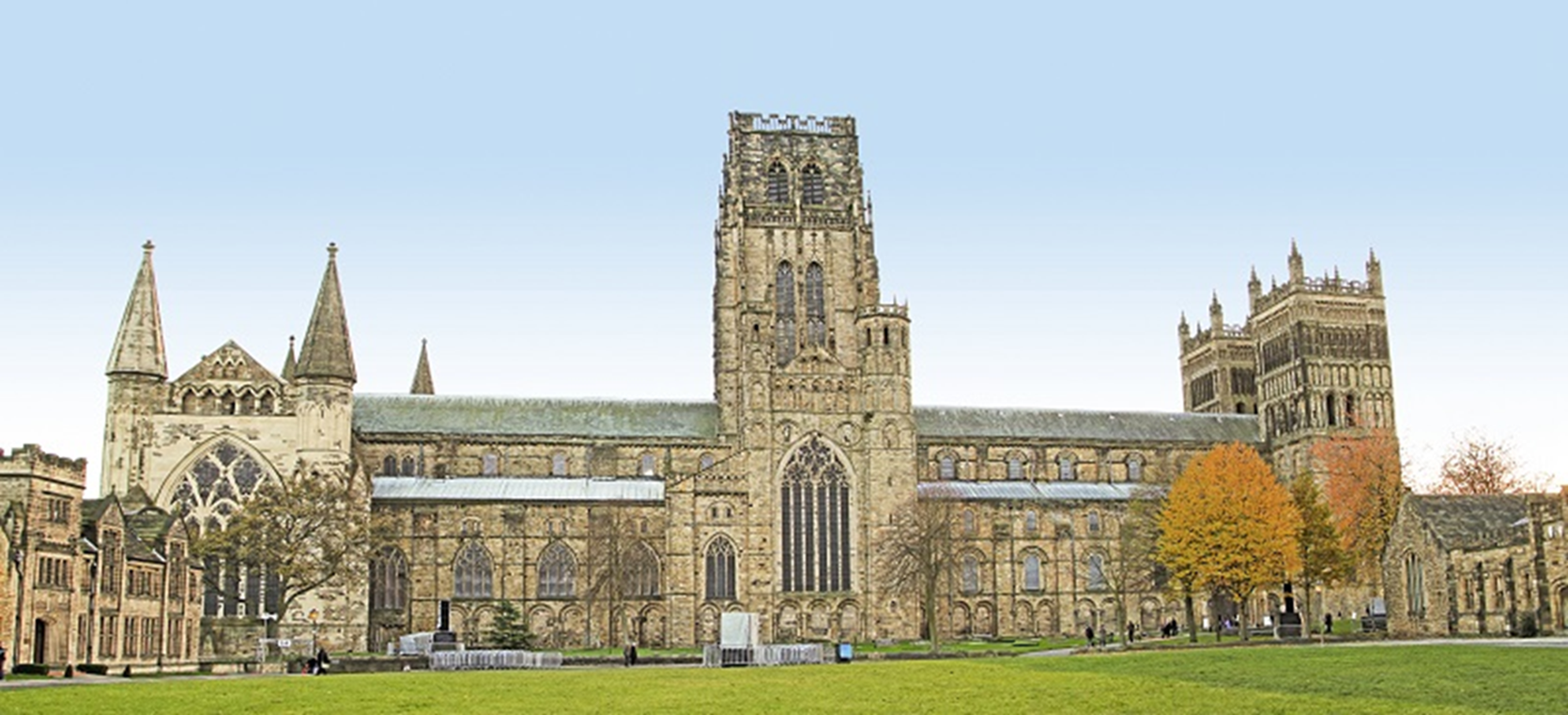
Durham cathedral, England. 1093–1130
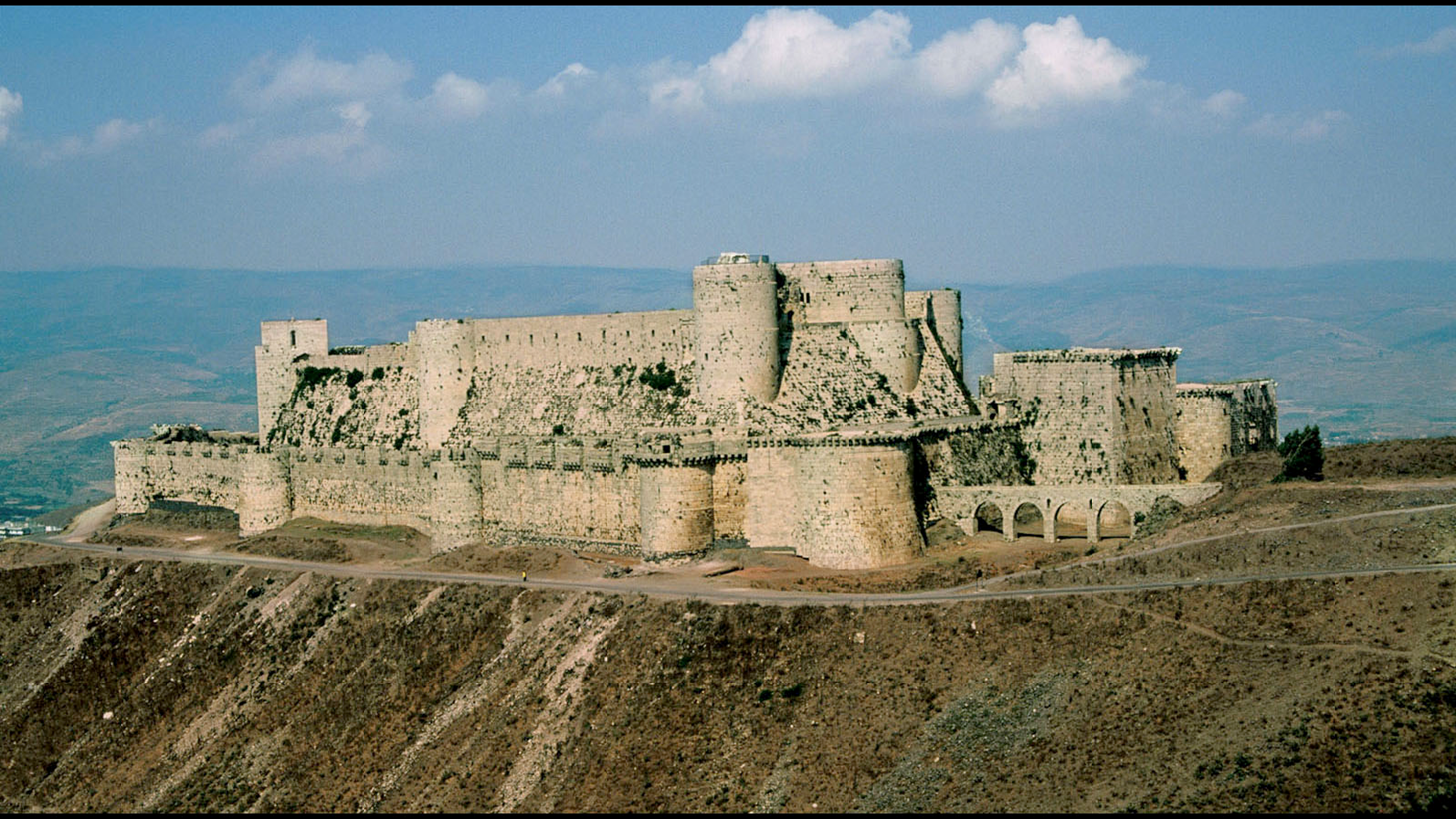
Crac des Chevaliers, Homs Pass, Syria. 12th century with later additions
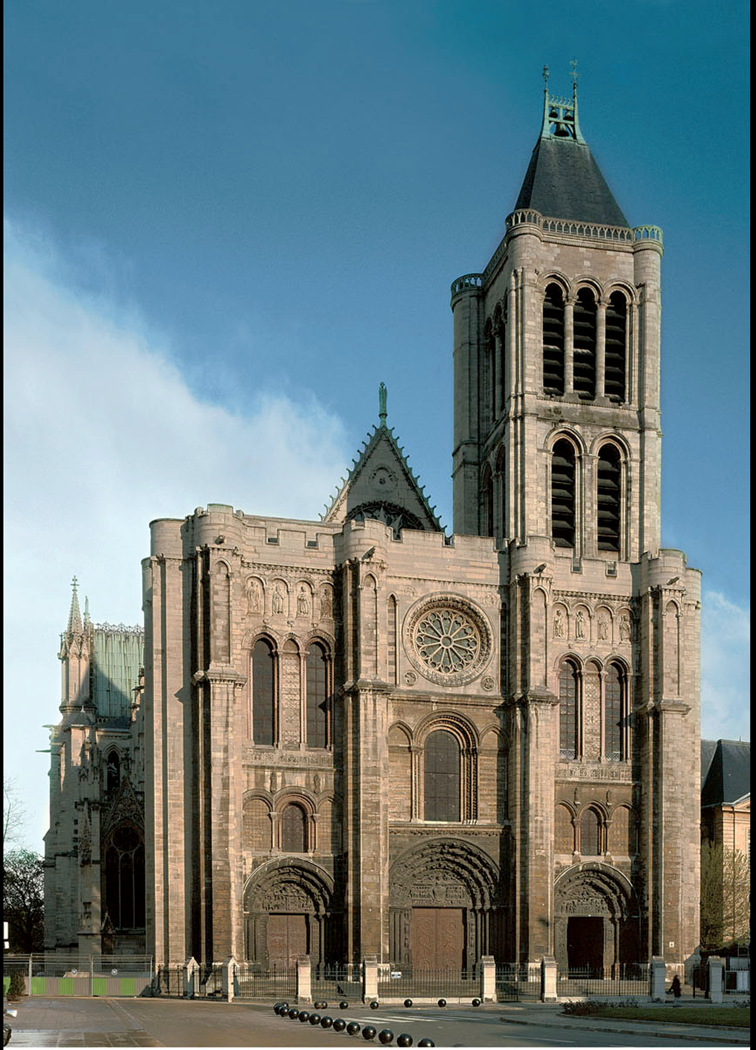
Abbot Suger, abbey church of Saint-Denis. ca. 1137–40
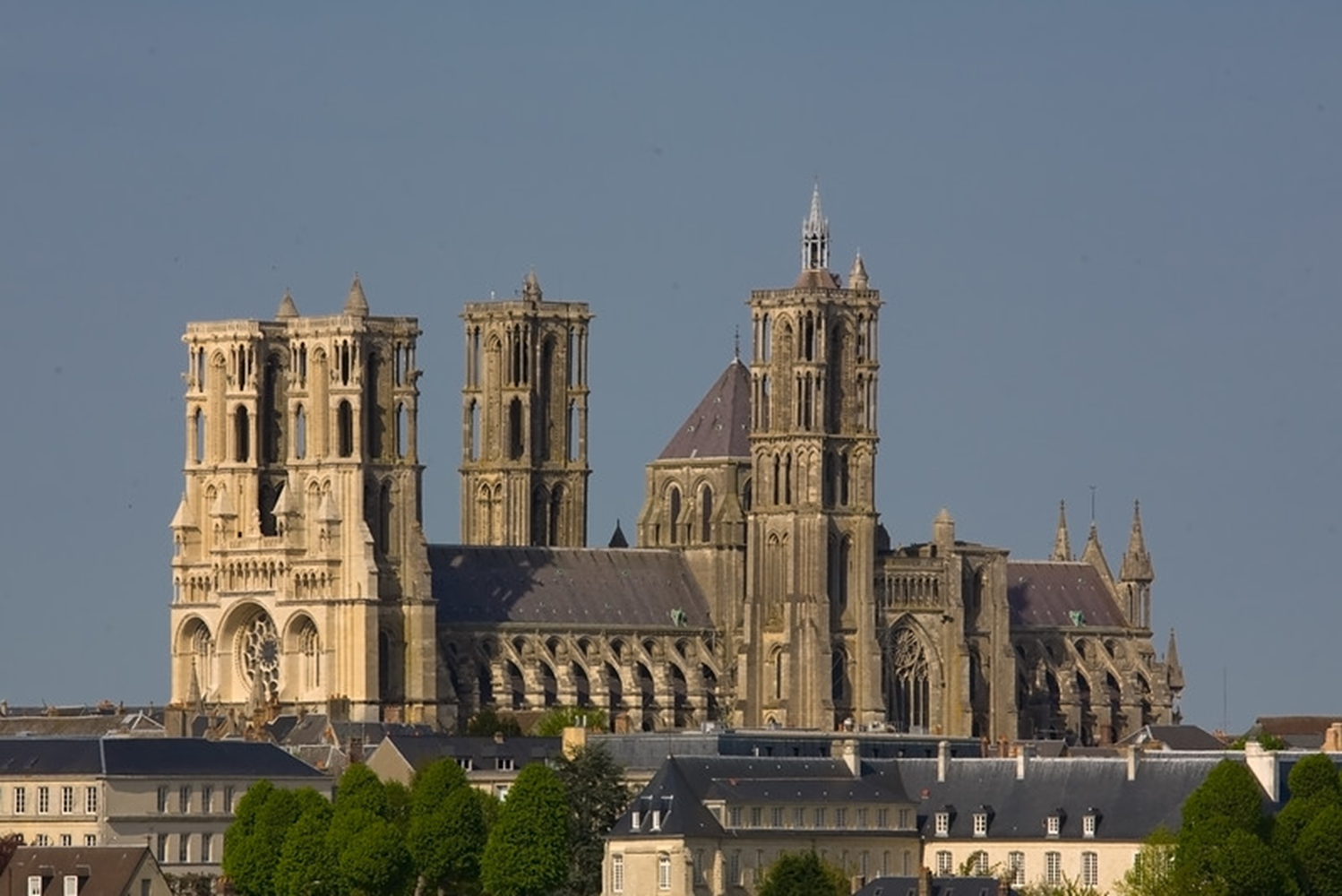
Notre Dame Cathedral Laon, France ,1160-1220
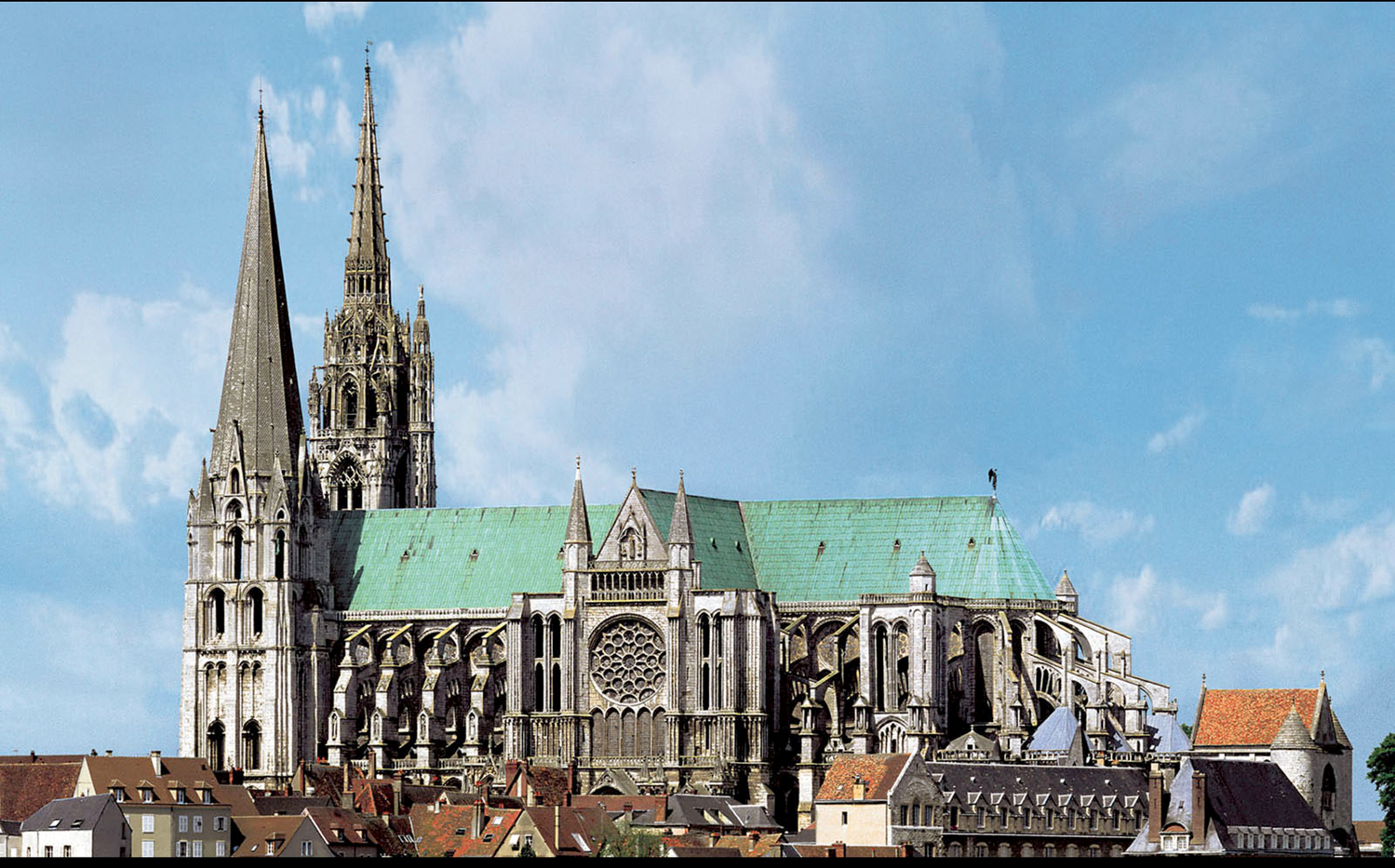
Cathedral of Notre-Dame, Chartres (from the south)
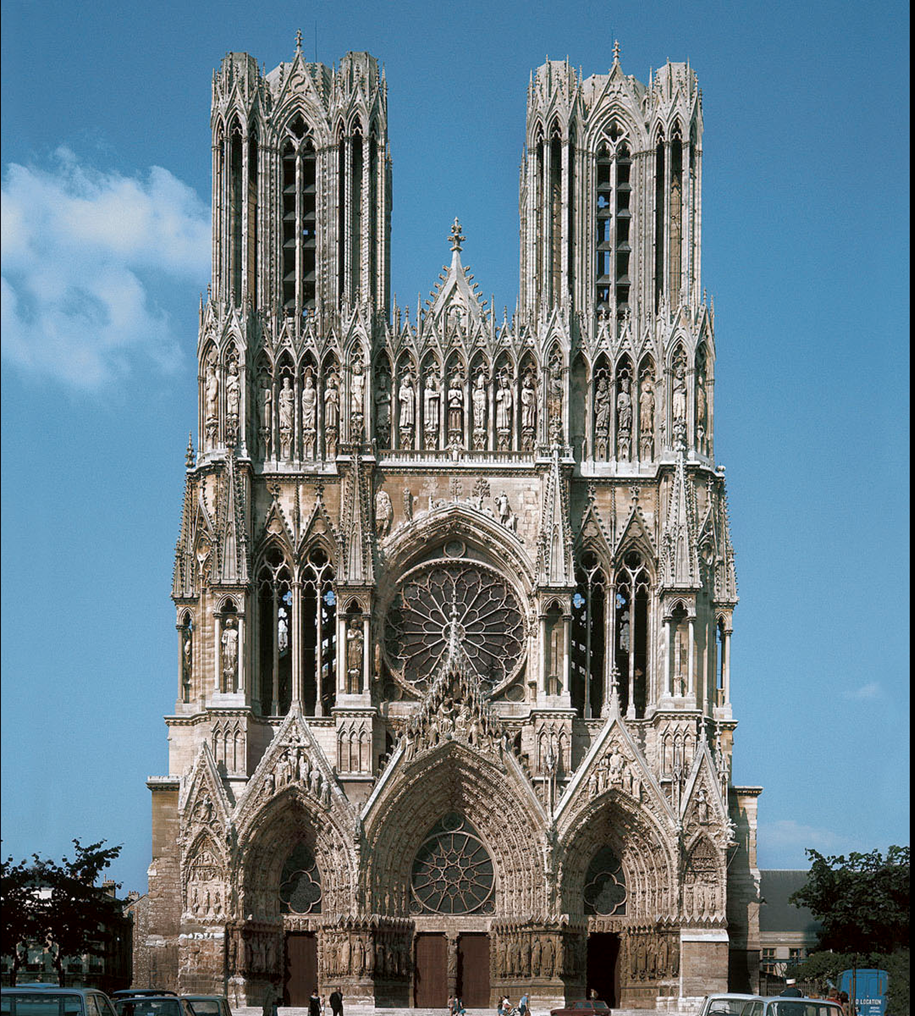
Jean d'Orbais, Cathedral of Notre-Dame, Reims (from the west), 1211–1345
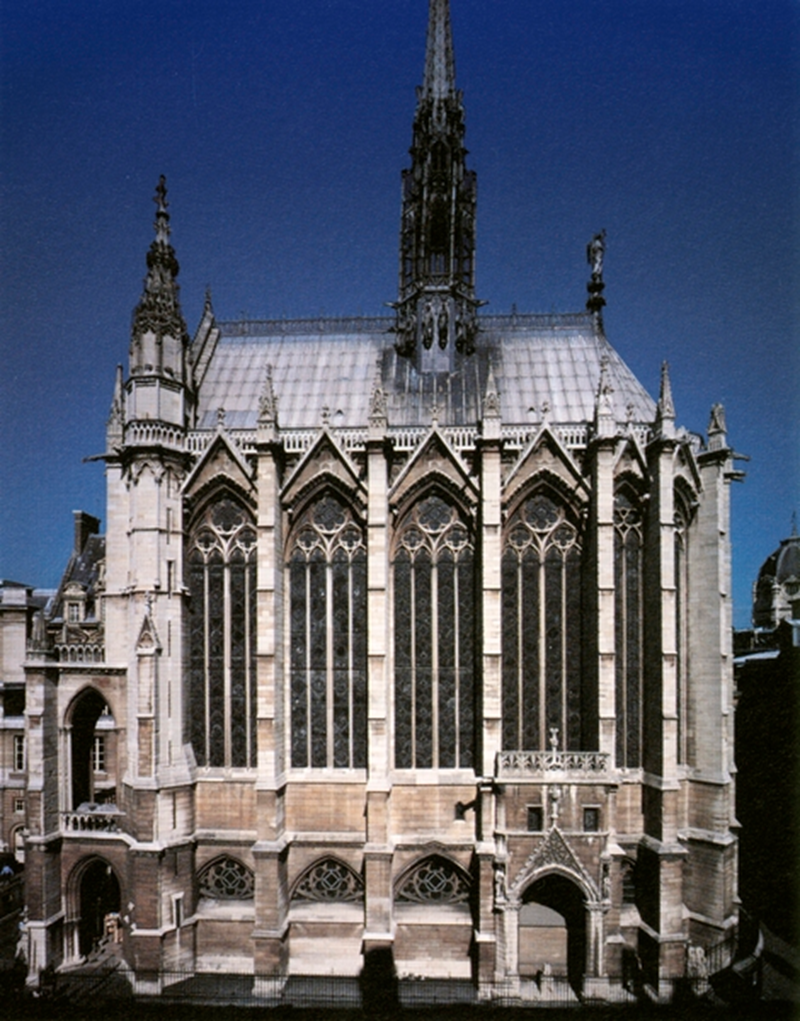
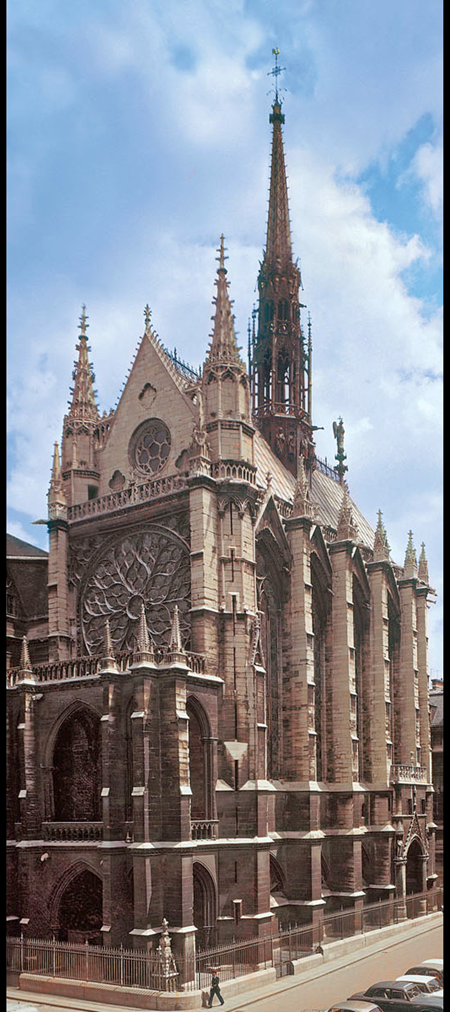
Sainte-Chapelle, Paris, Louis IX 1241–48
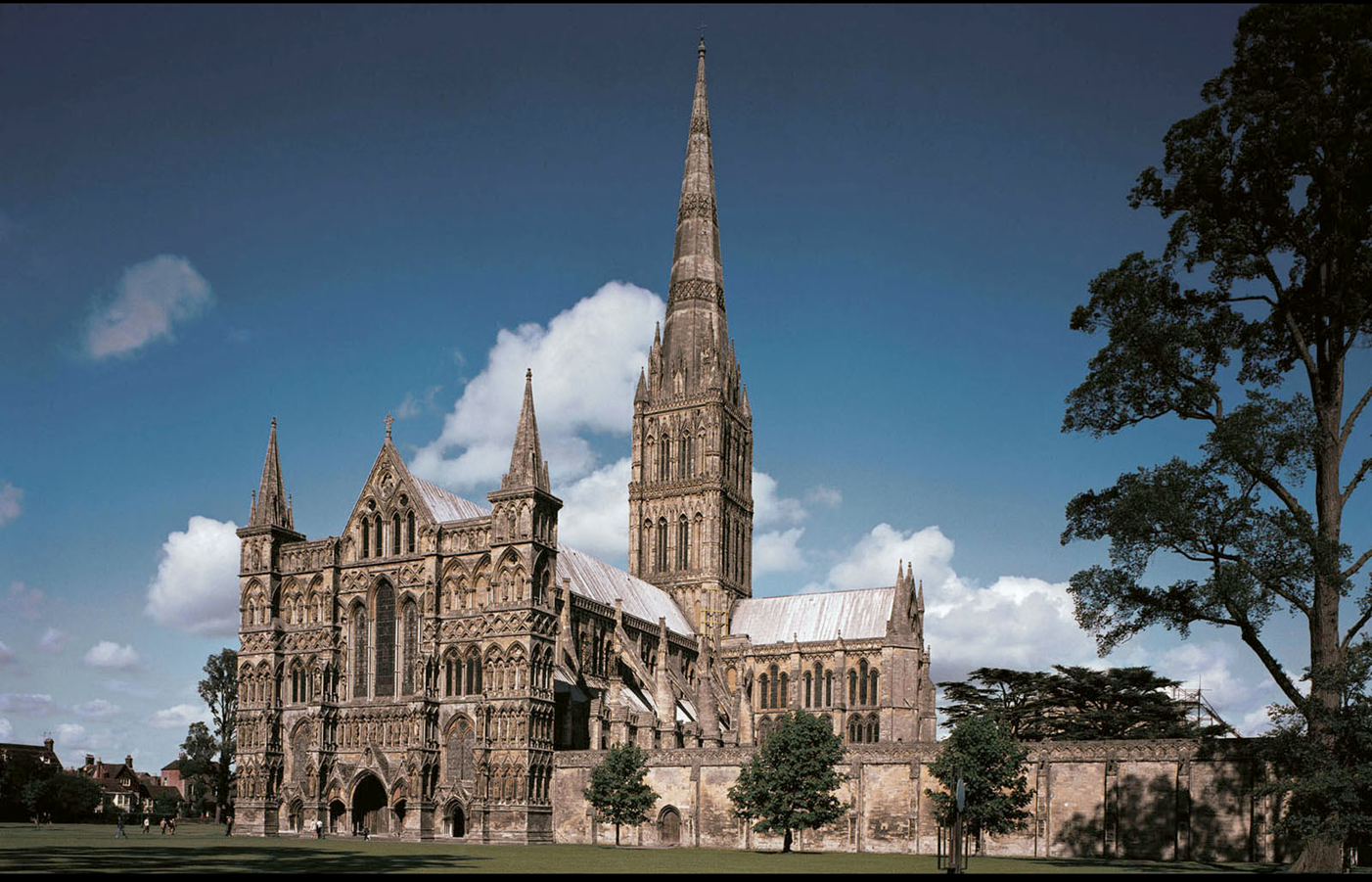
Salisbury cathedral (from the southwest) (spire ca. 1320–30)
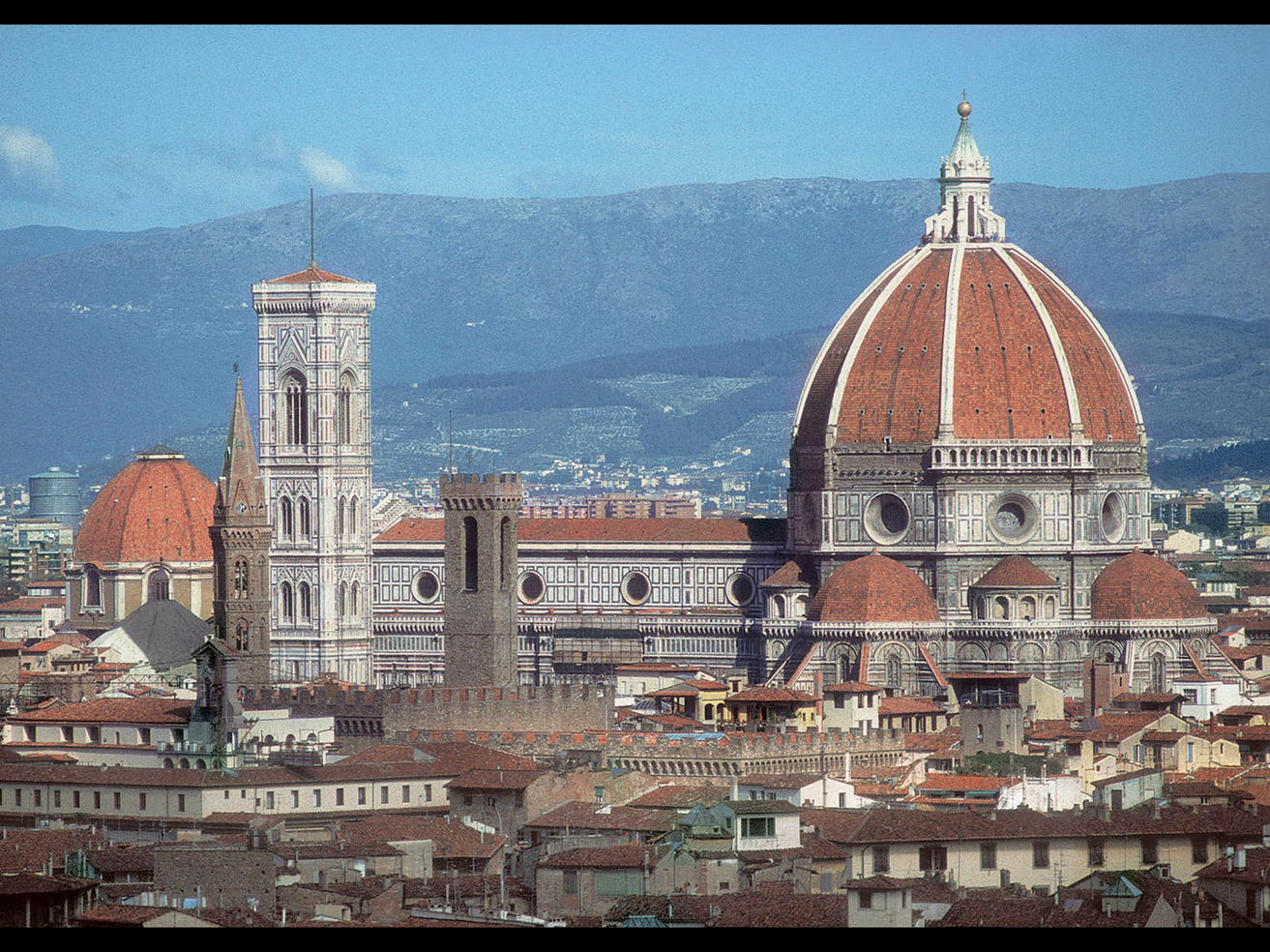
Arnolfo di Cambio and Filippo Brunelleschi. Florence cathedral (Santa Maria del Fiore). 1420–36
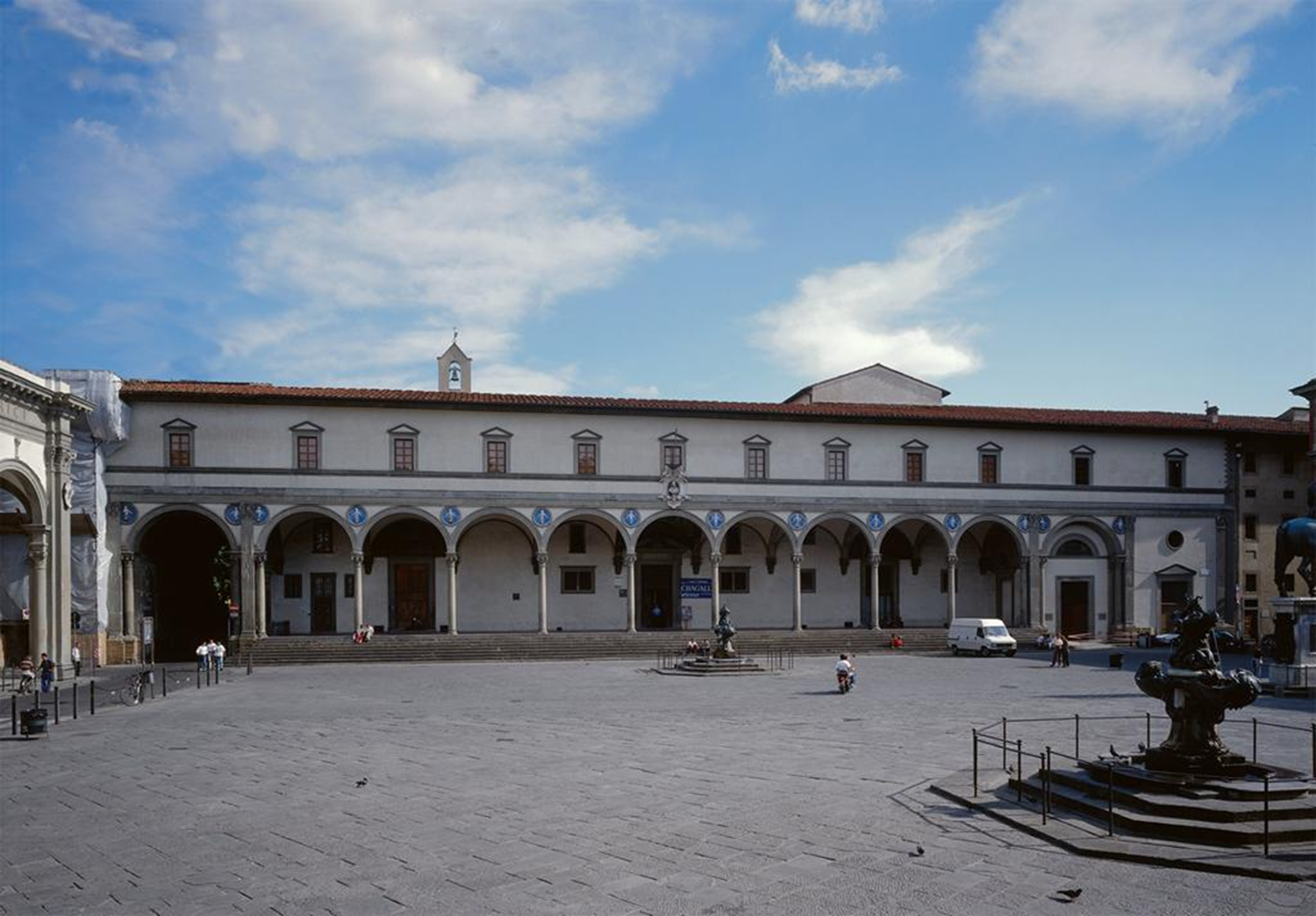
Filippo Brunelleschi. Ospedale degli Innocenti, Florence 1419–50
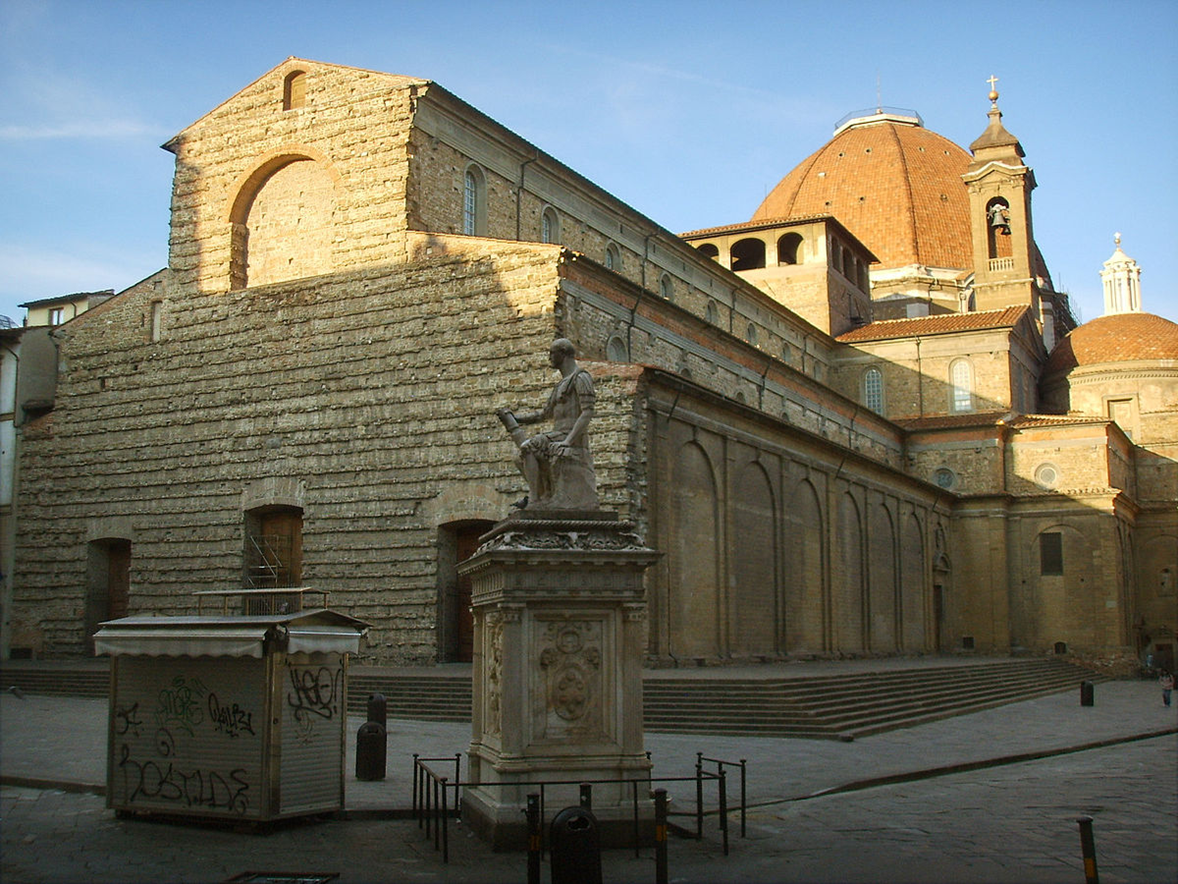
Filippo Brunelleschi. Church of San Lorenzo, Florence. ca. 1421–69
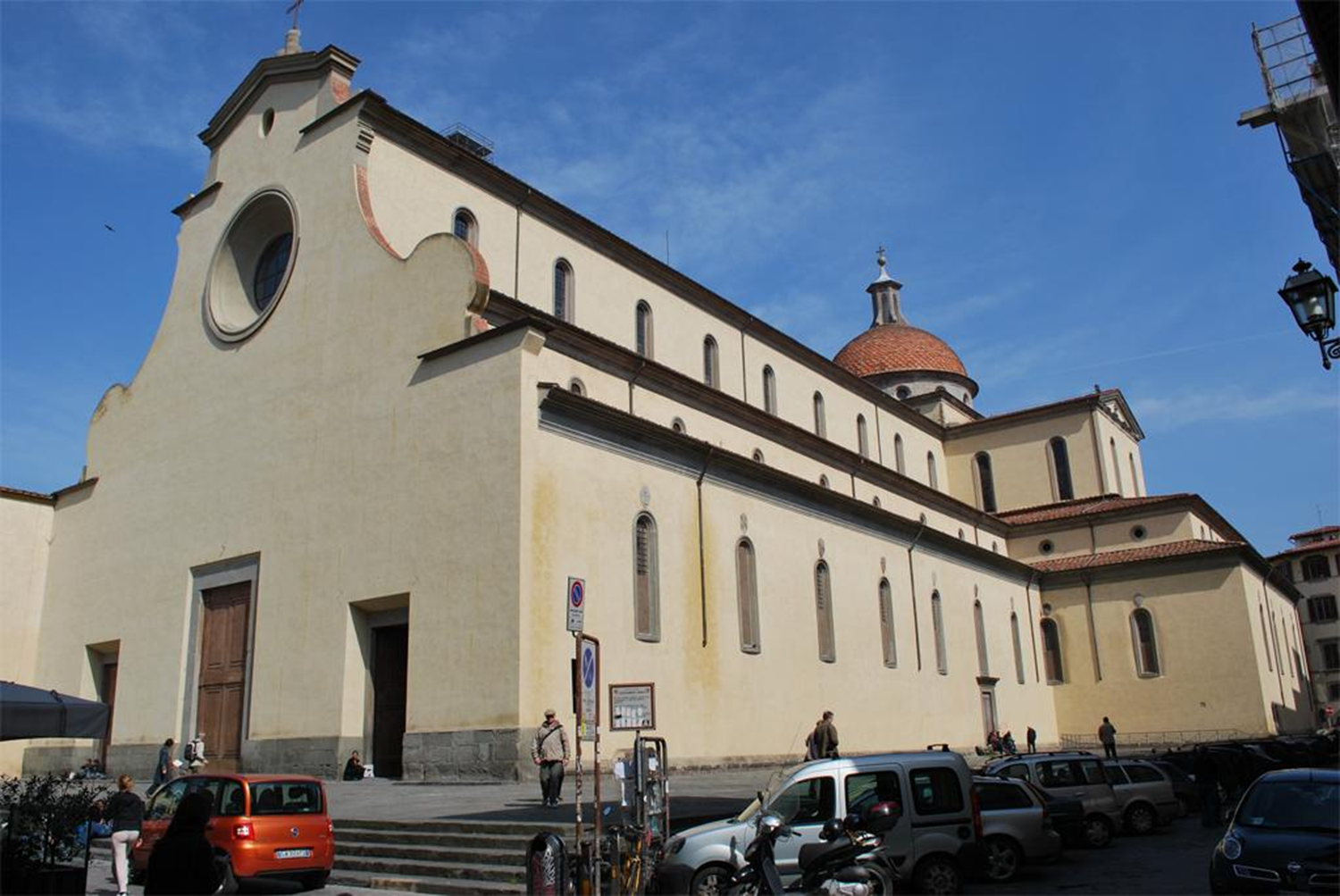
Filippo Brunelleschi. Church of Santo Spirito, Florence. ca. 1421–69
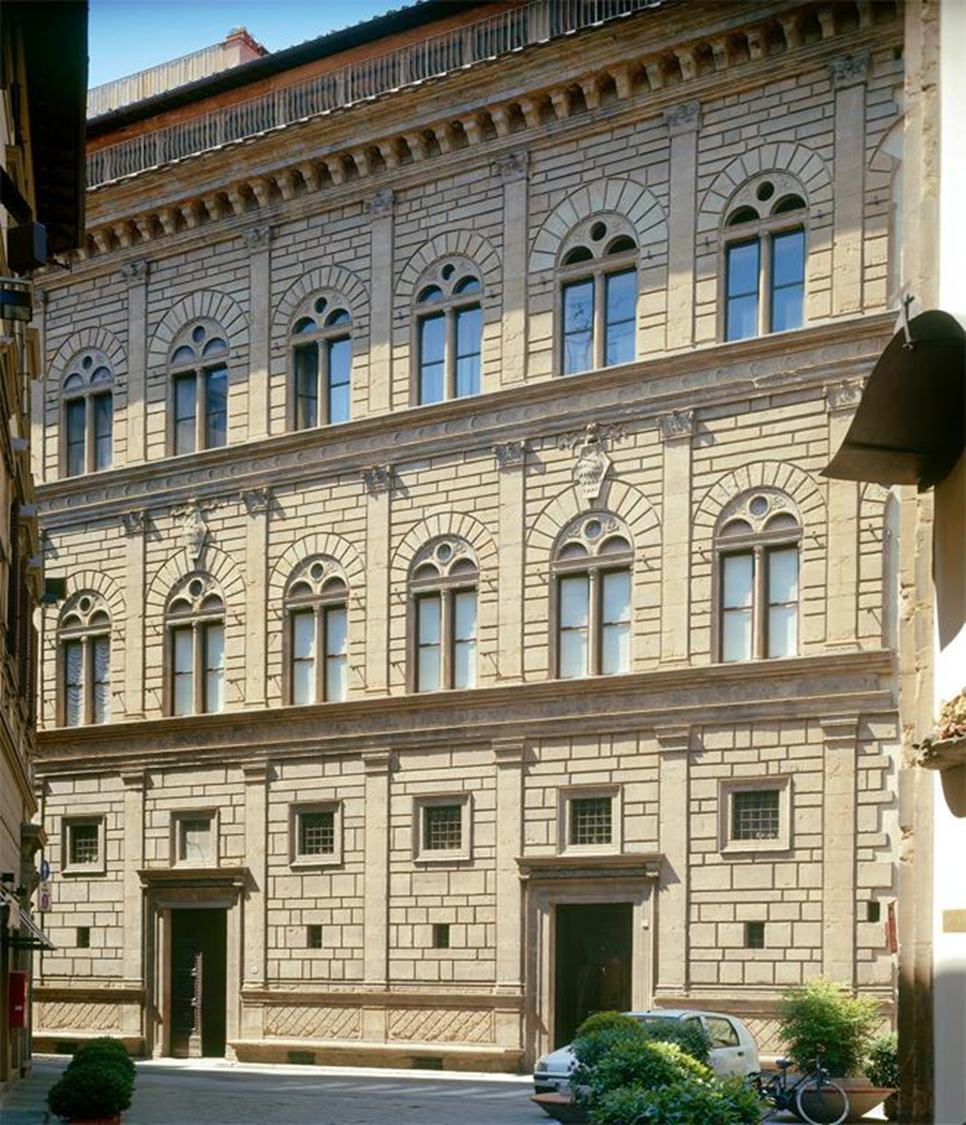
L.B. Alberti, Palazzo Rucellai, Florence, 1446-1457
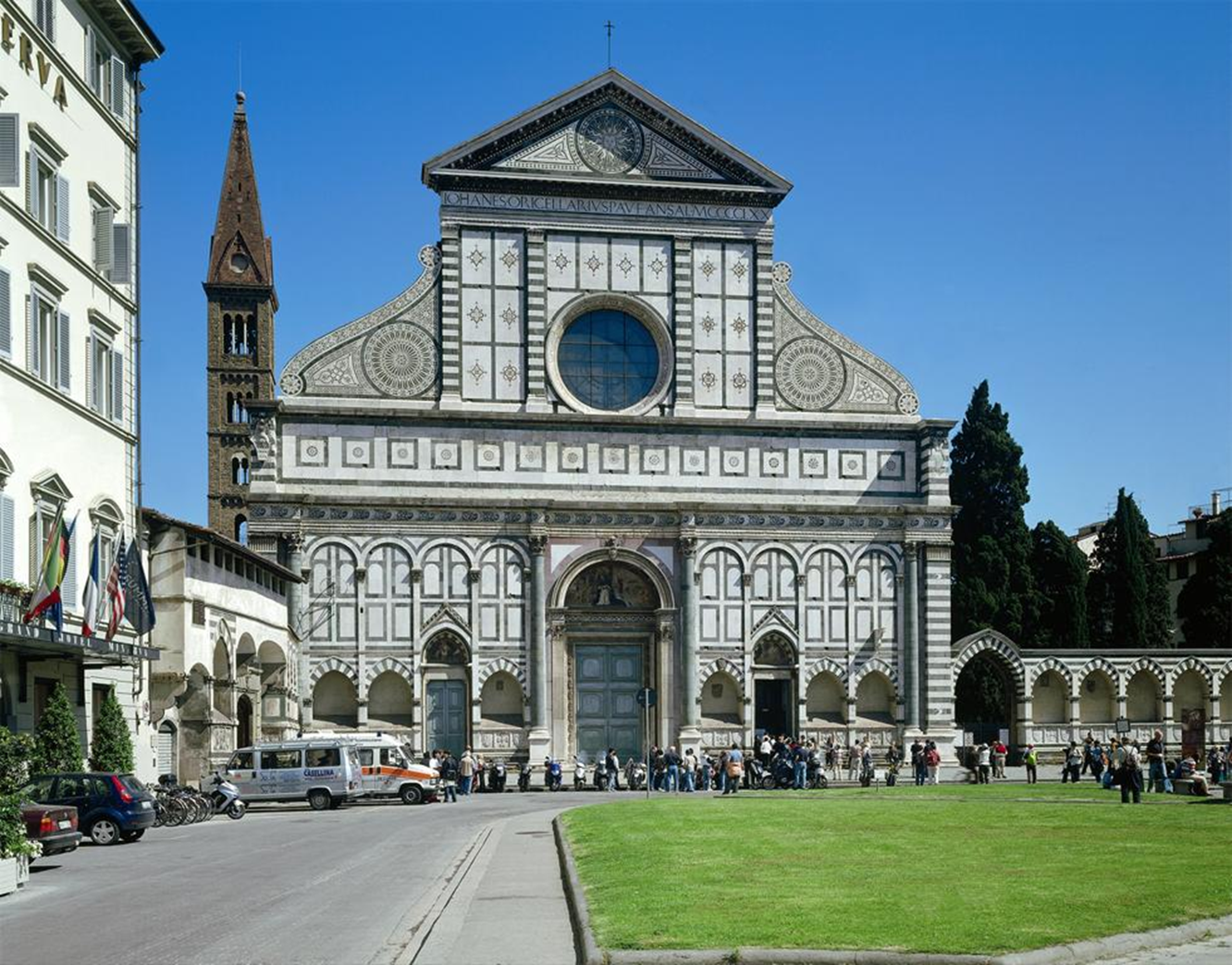
Leon Battista Alberti, Santa Maria Novella, Façade, Florence, Italy, 1458-70
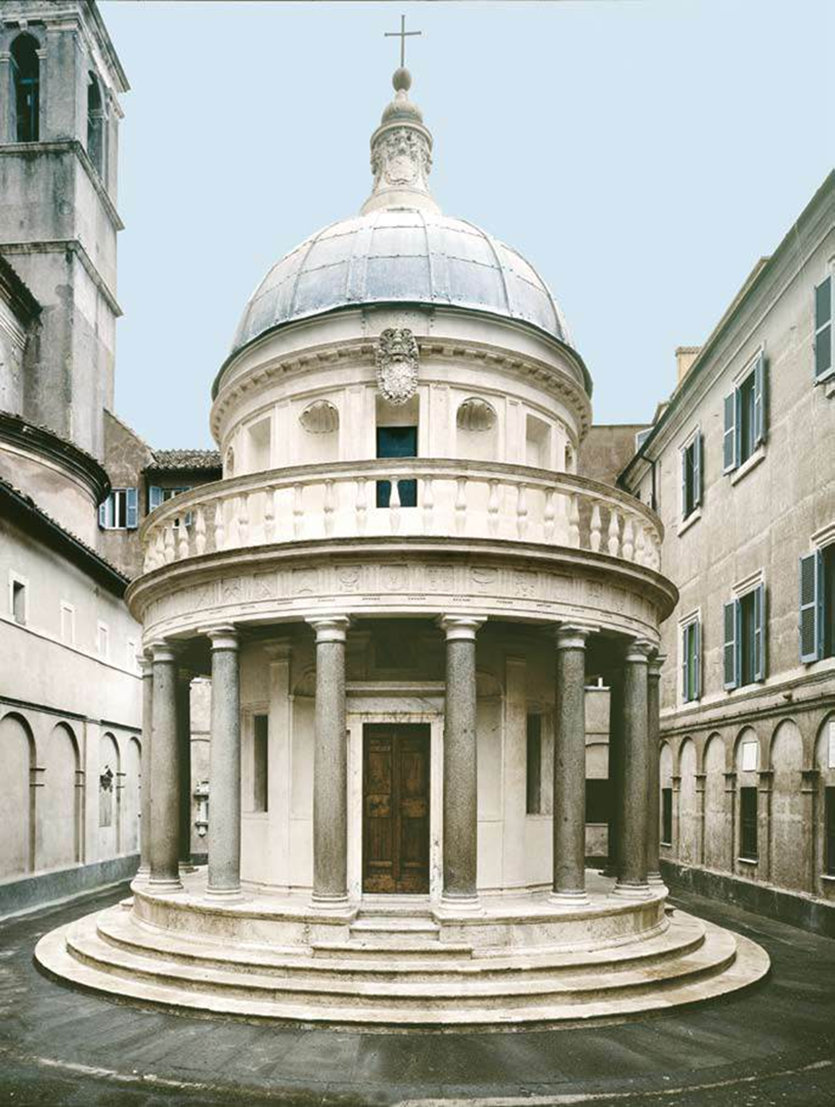
Built with ratios of circles and squares
Bramante, Tempietto, 1502, Rome, Italy
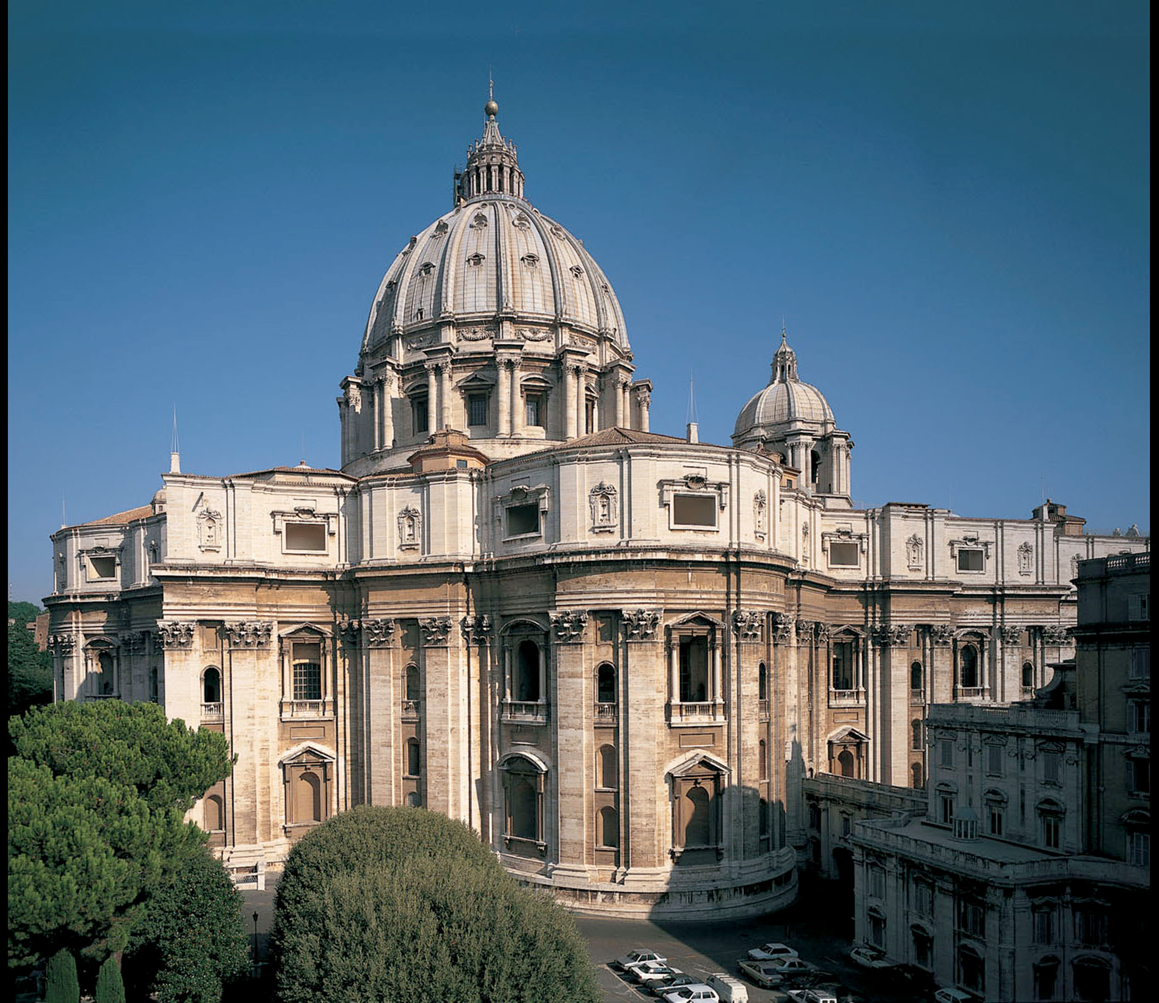
Michelangelo. St. Peter’s Dome, Rome, Italy, finished 1590
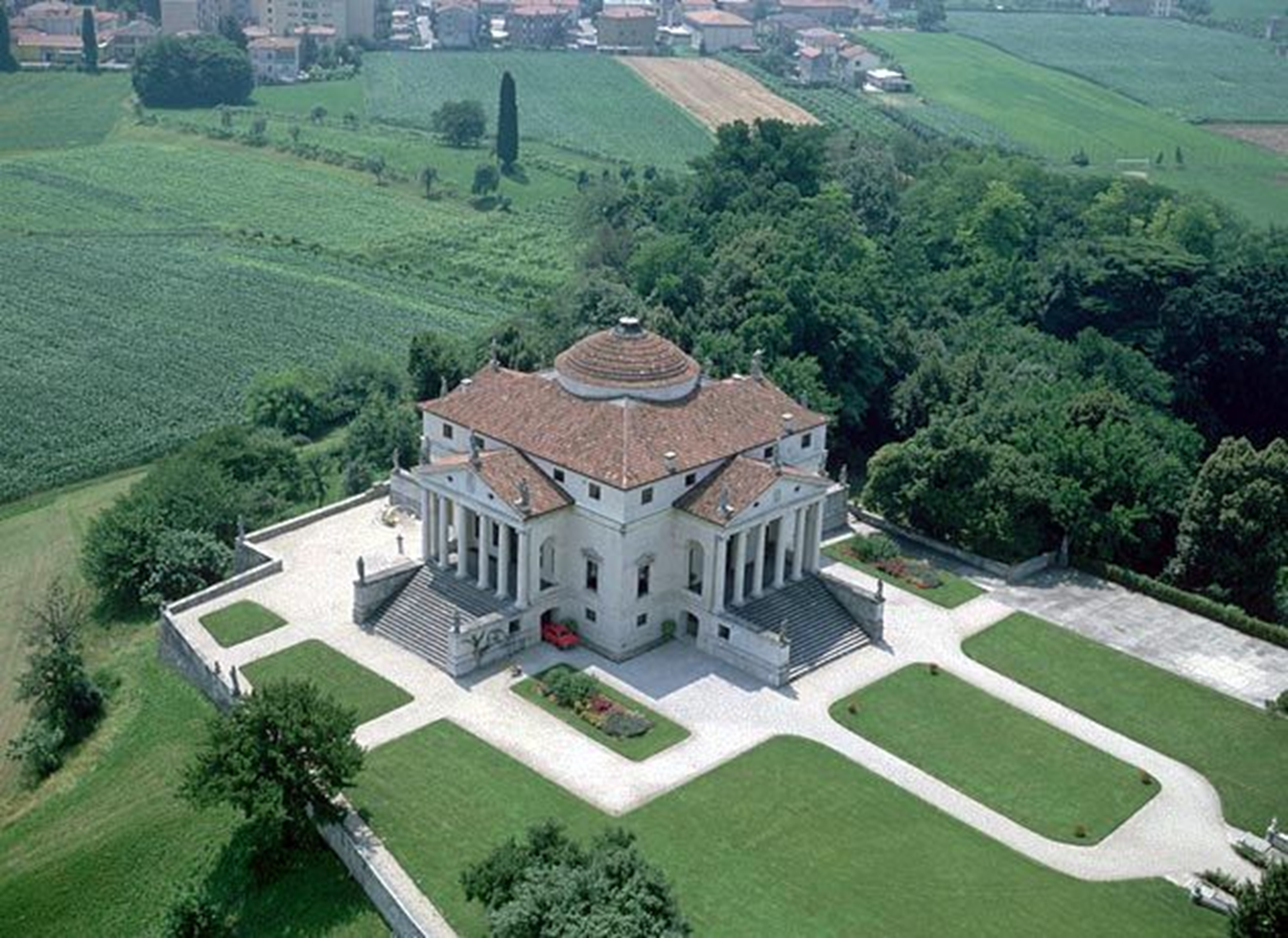
This home was one of palladio’s best houses and was used for inspiration for the white house with its large porches on all sides
Andrea Palladio, Villa Rotonda (Capra), Vicenza, Italy 1592
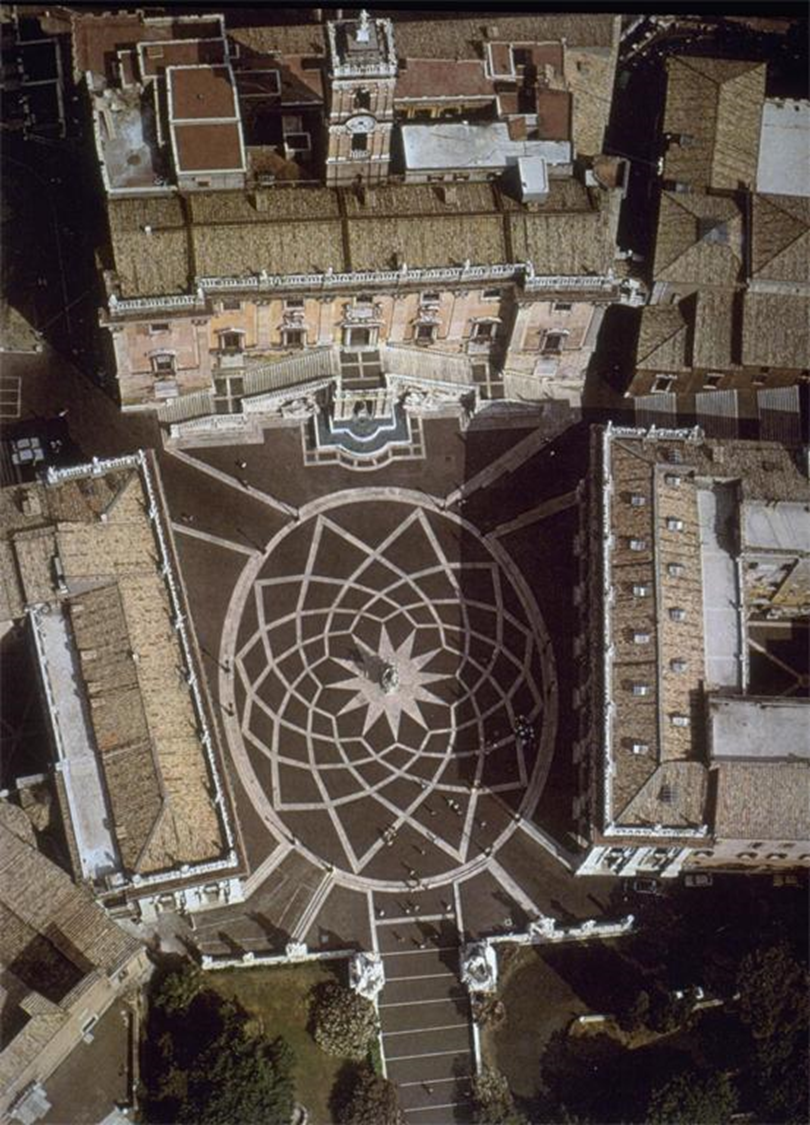
Michaelangelo loved to play with shapes and proportions and this is a prime example of using a oval shape instead of a regular circle to represent the capu mundi aka head of the world on capital hill in rome
Michelangelo, Piazza Campidoglio, 1536–1546
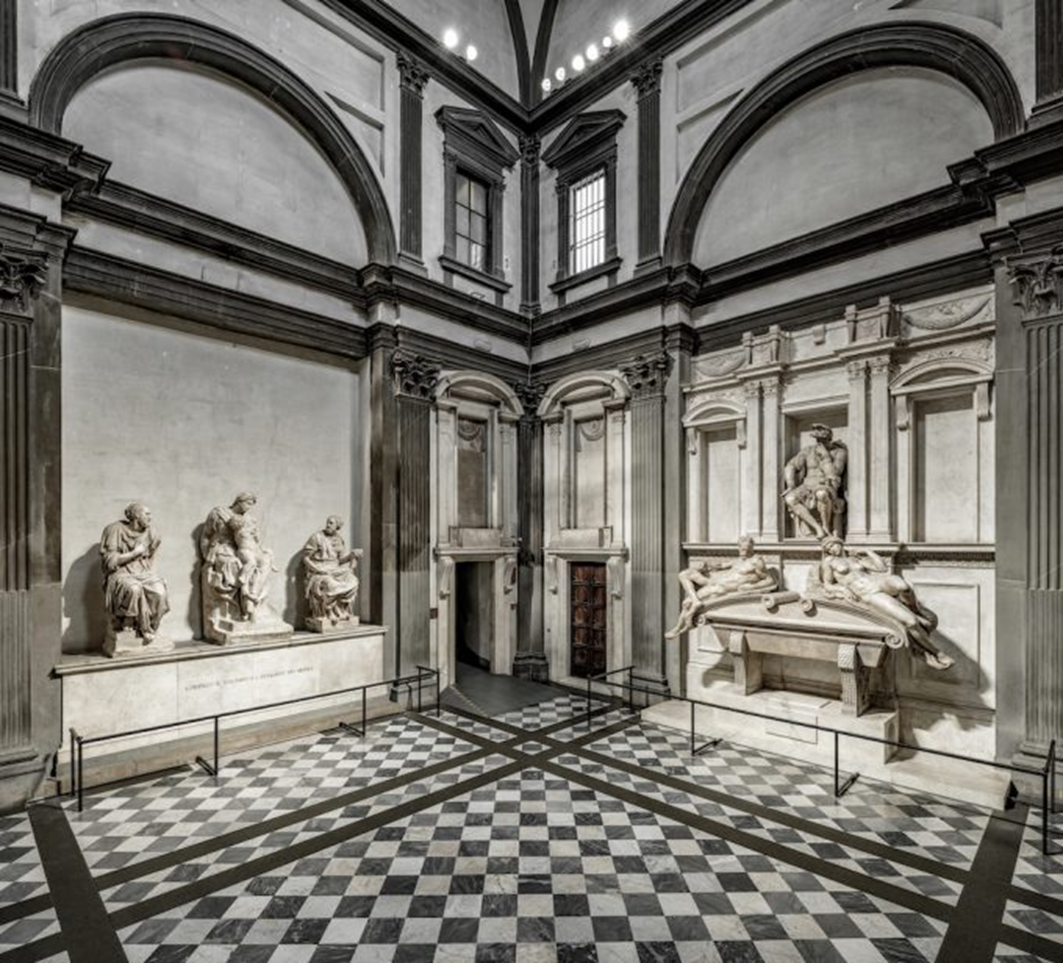
Michelangelo used dark stone and white stone to help create depth and accent colors. He also used false windows large sculptures to decorate the whole of the church of san lorenzo
Michelangelo, New Sacristy, Church of San Lorenzo, Florence, Italy, 1519–24
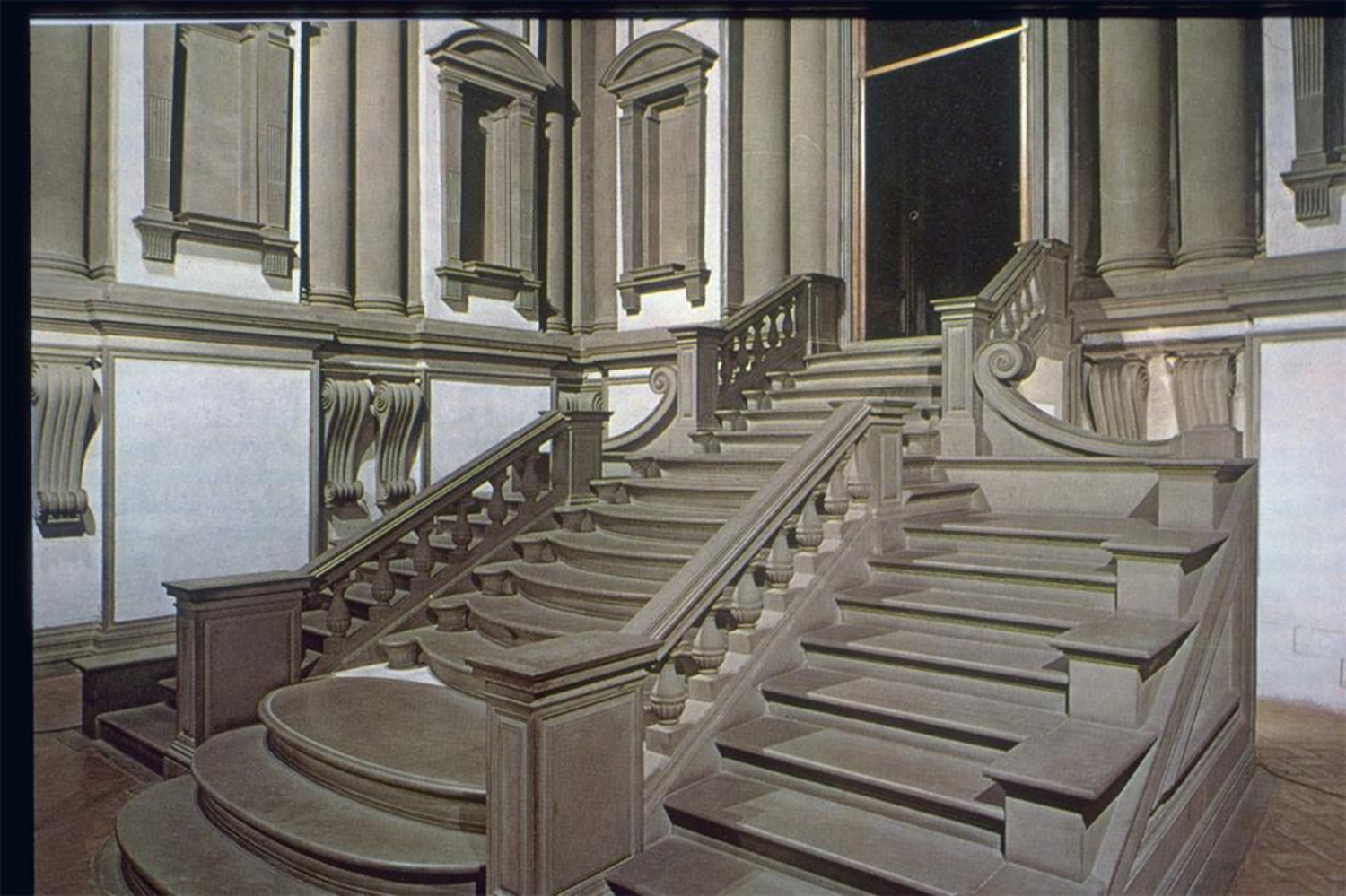
This staircase was revolutionary in the interior design space that was made primarily for servants and was taboo to be seen out. Michaelangeo brought it to the forefront and made it popular and can now be seen as having a large staircase as soon as you open to a grand room/building now.
Michelangelo, Laurenziana Library, Church of San Lorenzo, Florence, Italy, 1571
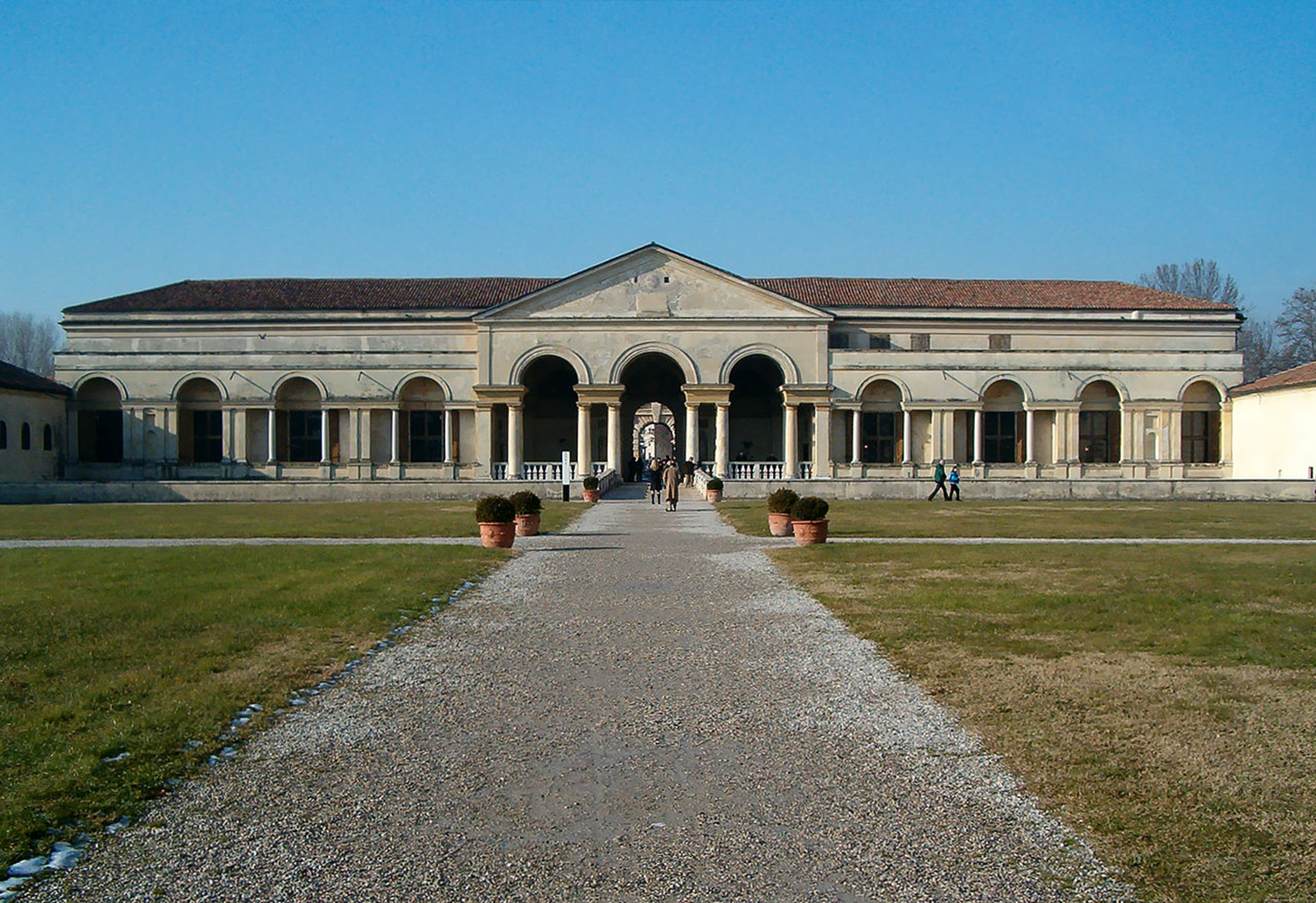
The insde courtyard area has mismatched designs for each inner wall and the outside fascad leads in the viewers attention with different types of columns, engaged columns, and playing with depth of shadows
Giulio Romano, Palazzo del Te’, 1534 Mantua, Italy,
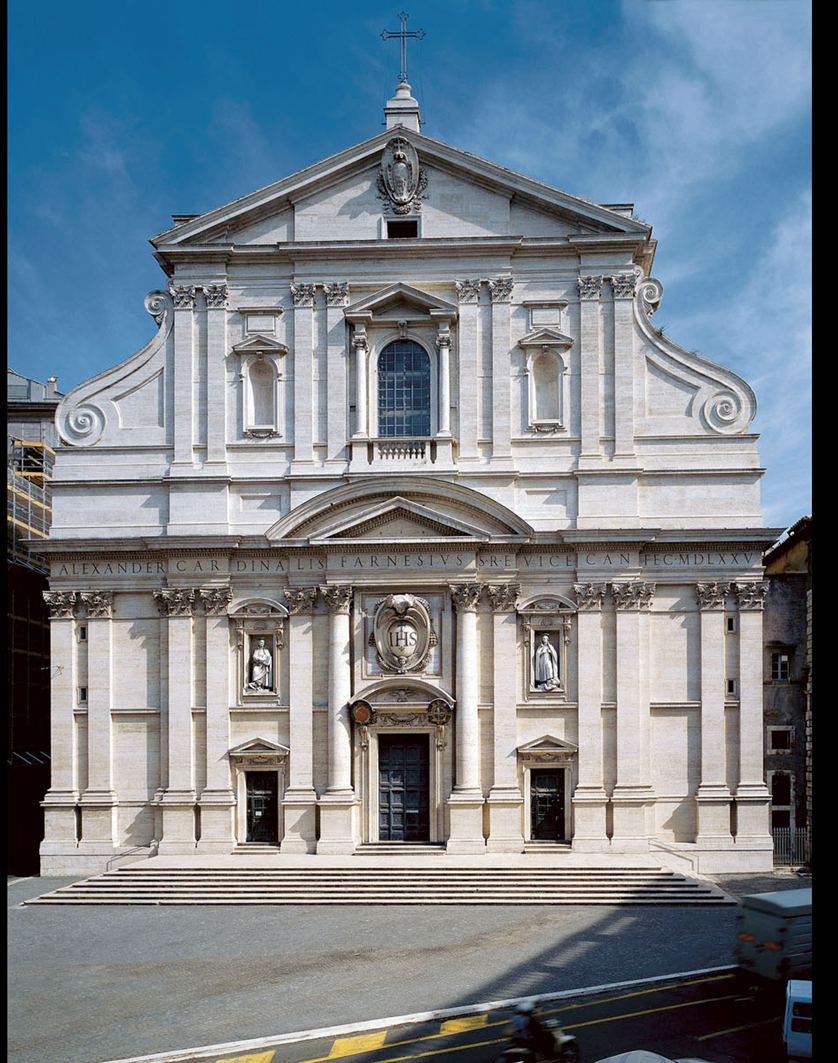
Giacomo della Porta. Façade of Il Gesù, Rome. ca. 1575–84
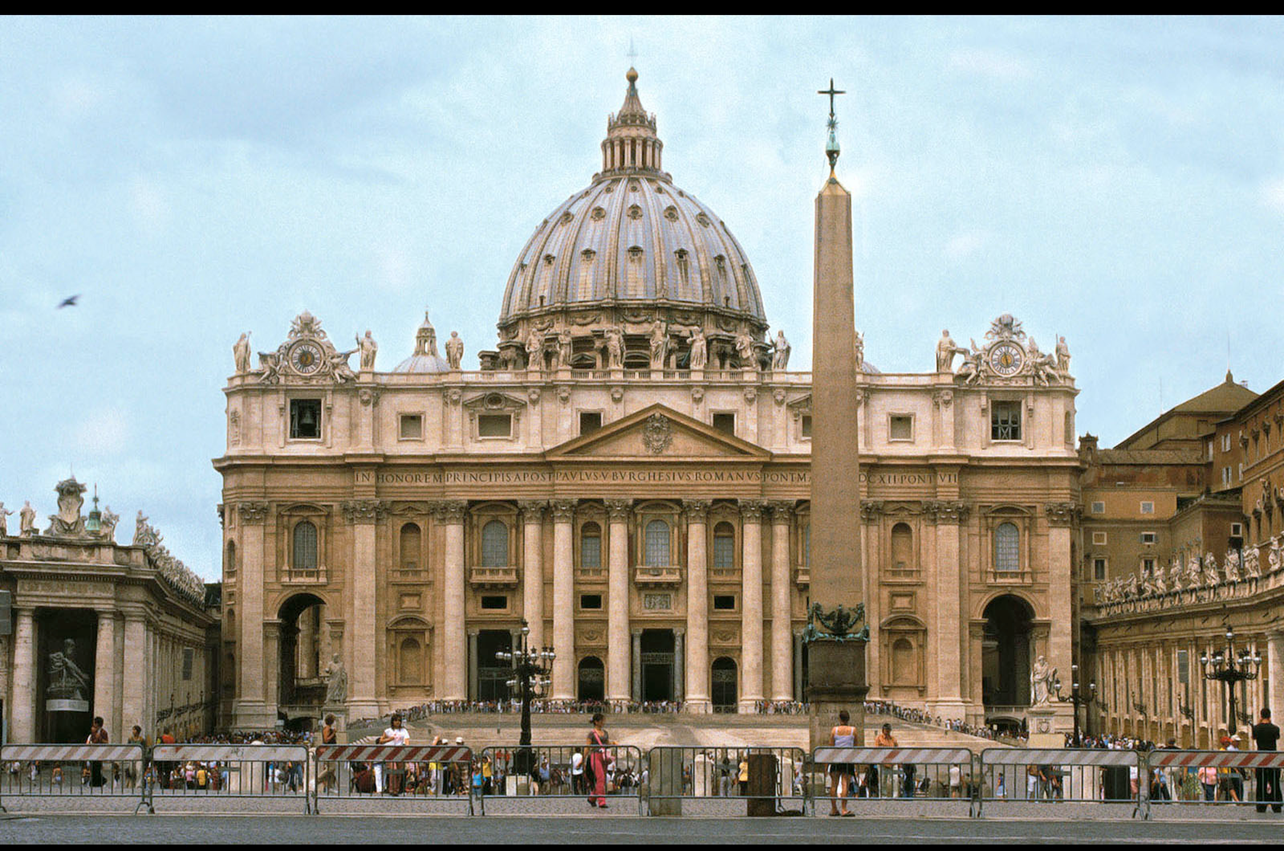
Carlo Maderno. Façade of St. Peter’s, Rome. 1607-12
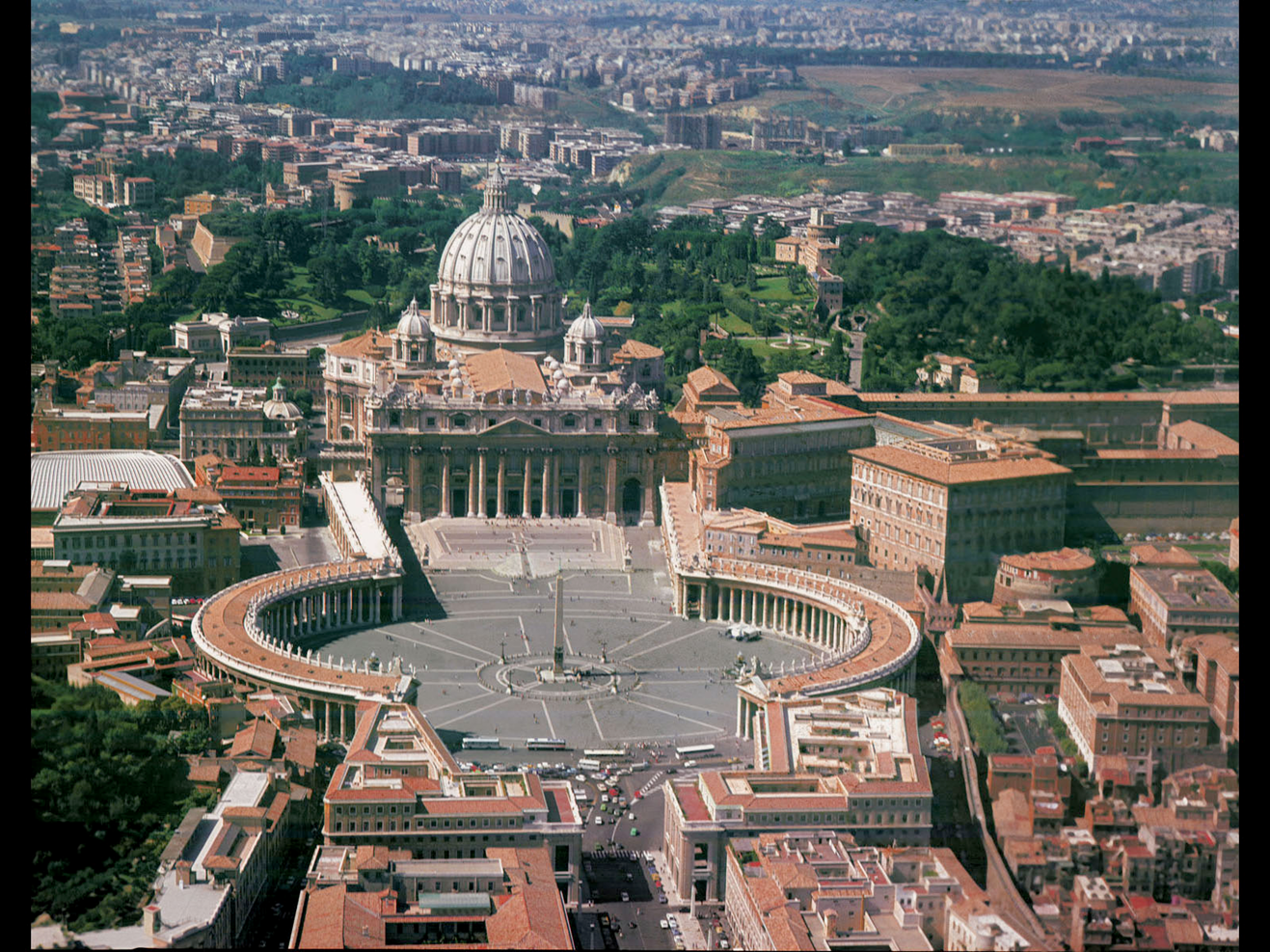
Gian Lorenzo Bernini, St. Peter’s colonnade, Rome colonnade, 1657
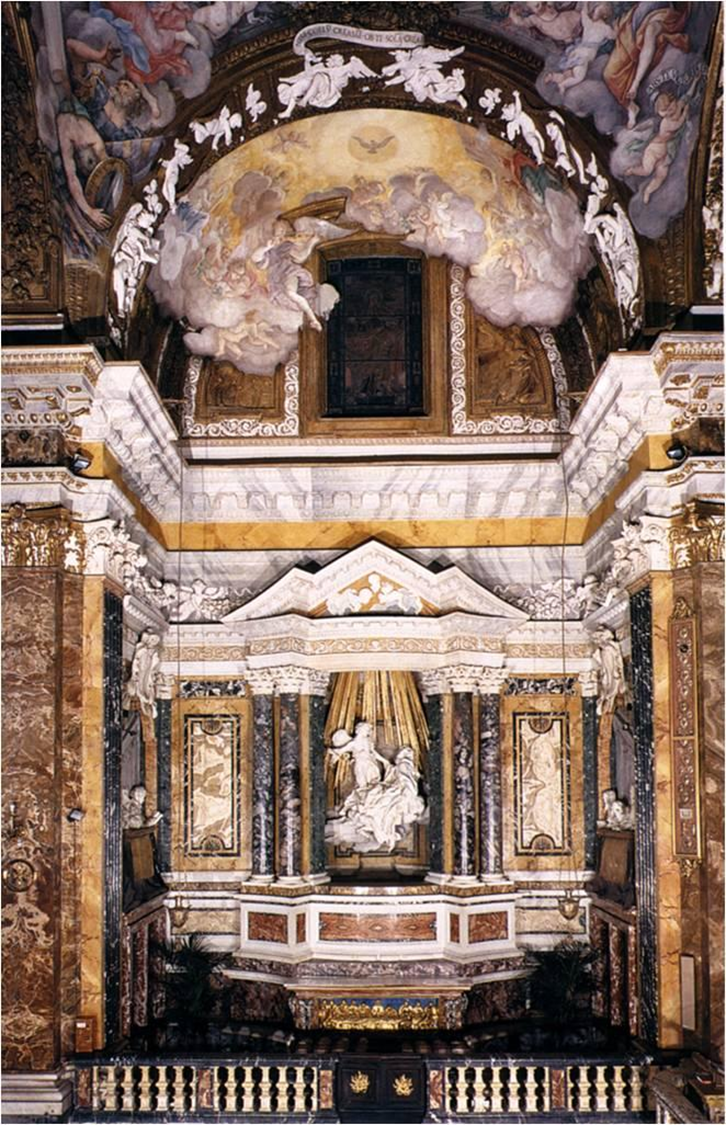
Saint Teresa is in ecstacy from being so close to god and feeling the intense emotion and power of your faith
Gian lorenzo Bernini. The Ecstasy of St. Teresa (full chapel view), Cornaro Chapel, Santa Maria della Vittoria, Rome 1645–52
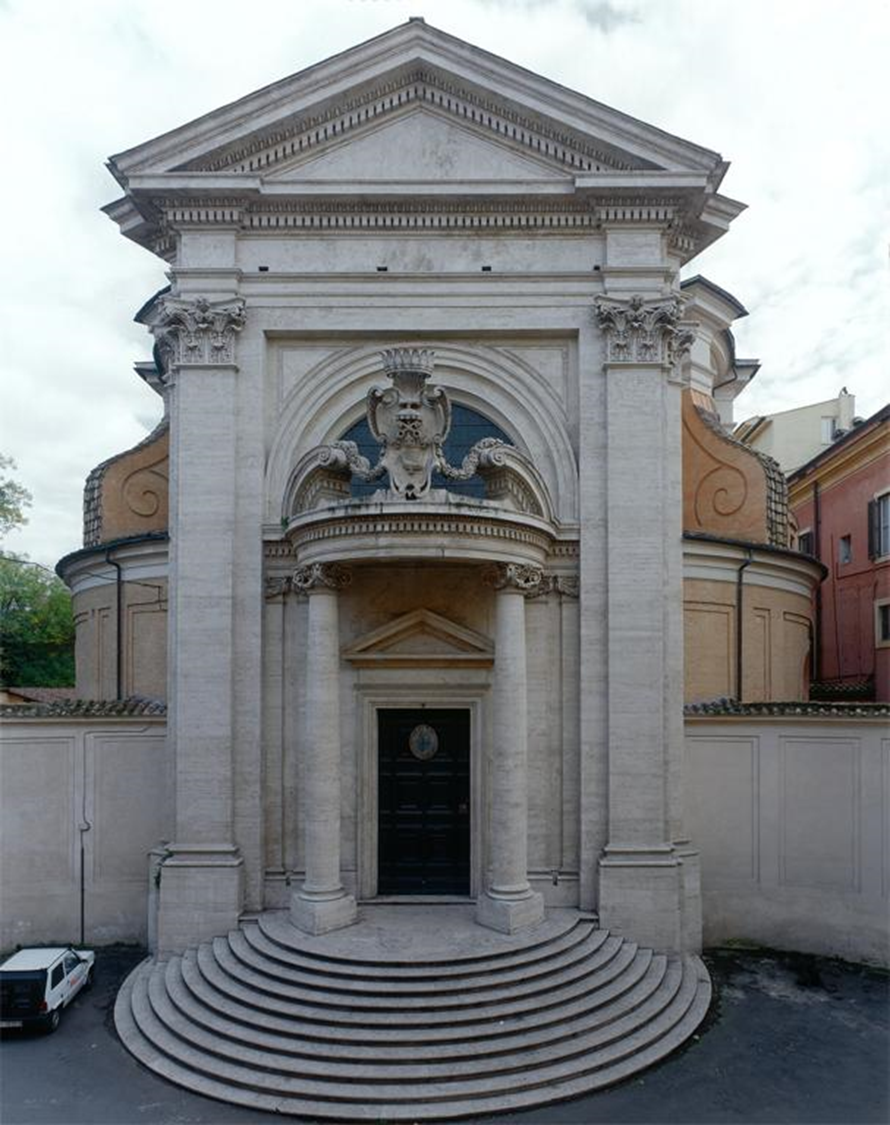
Gian Lorenzo Bernini, Church of Sant’ Andrea al Quirinale, Rome, Italy, 1658–1670.
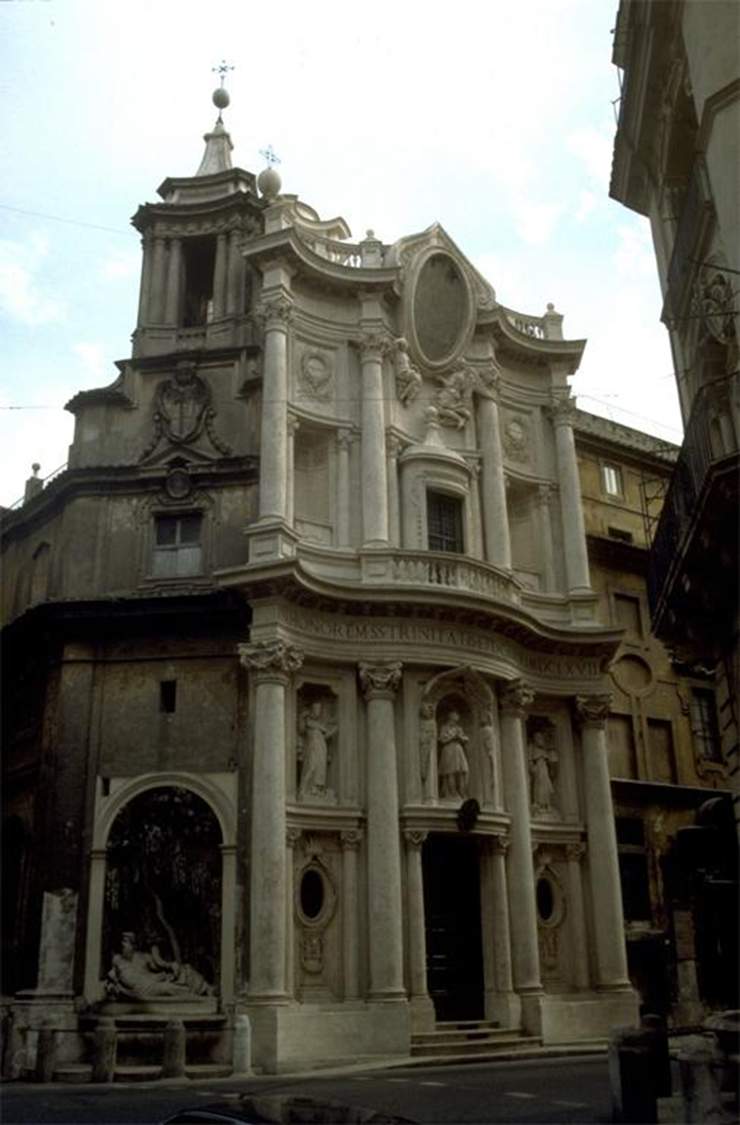
Francesco Borromini, Church of San Carlo alle Quattro Fontane, Rome, Italy, 1634–1641.
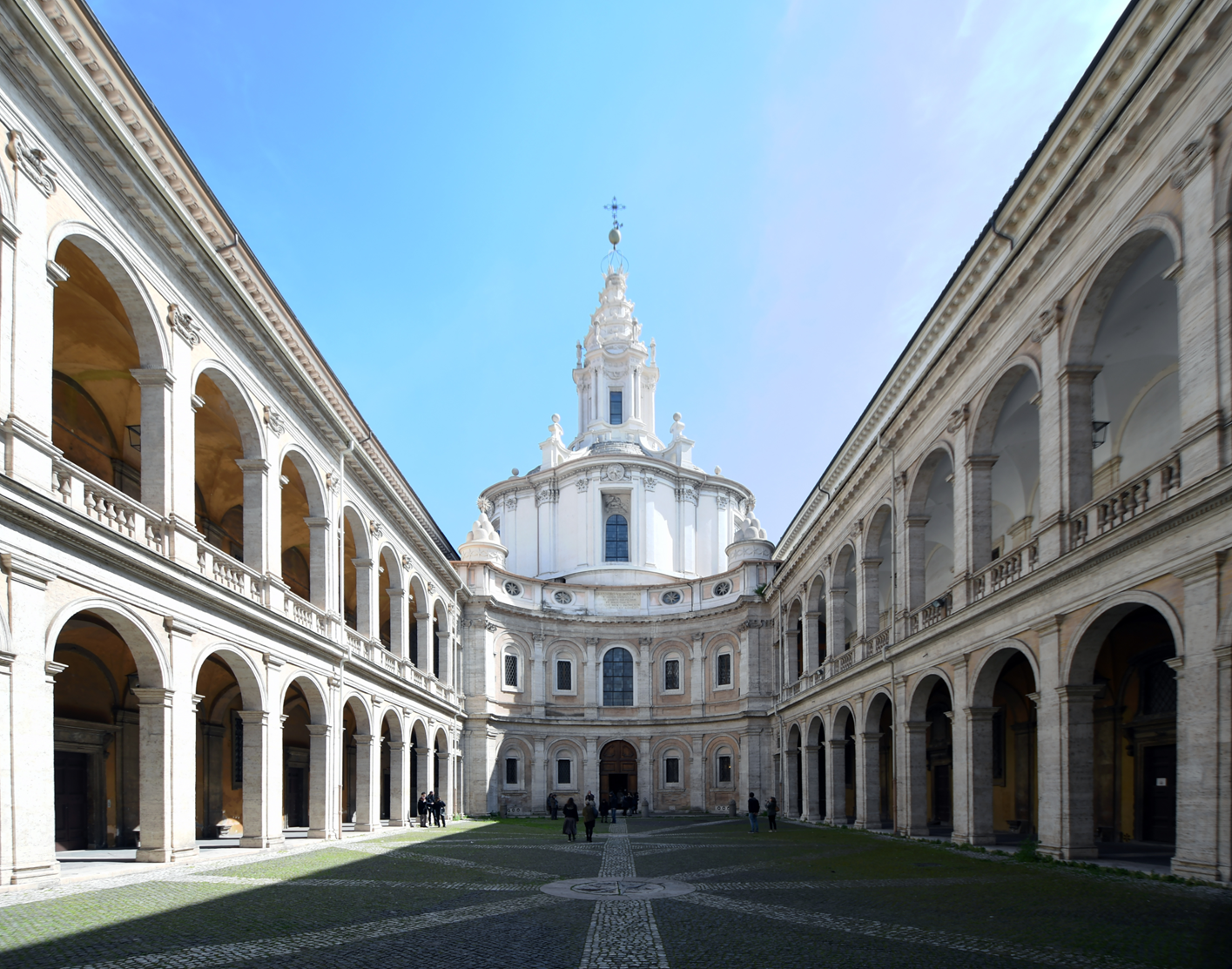
Francesco Borromini, Church of Sant’ Ivo alla Sapienza, Rome, Italy, 1642–1660
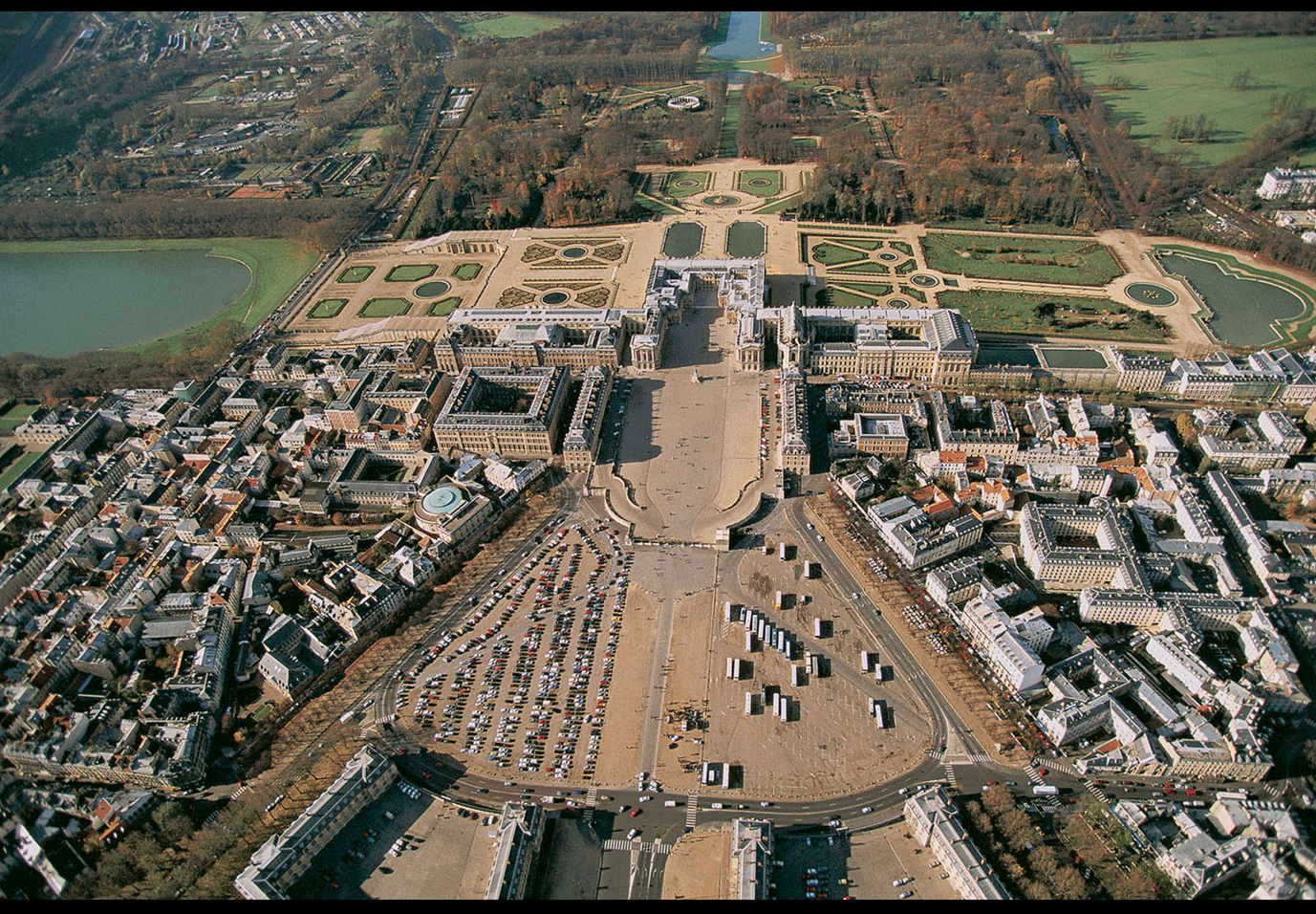
The palace of versailles was an extention of an already built palace and was made to fit the grandeure of King Louis the 14th. 2000+ acres of land and gold laced/filled the entire plot
Louis Le Vau and Jules Hardouin-Mansart. Palace of Versailles. 1669–85 Versailles. (Charels Le Brun, interiors, Andre le Notre, gardens)
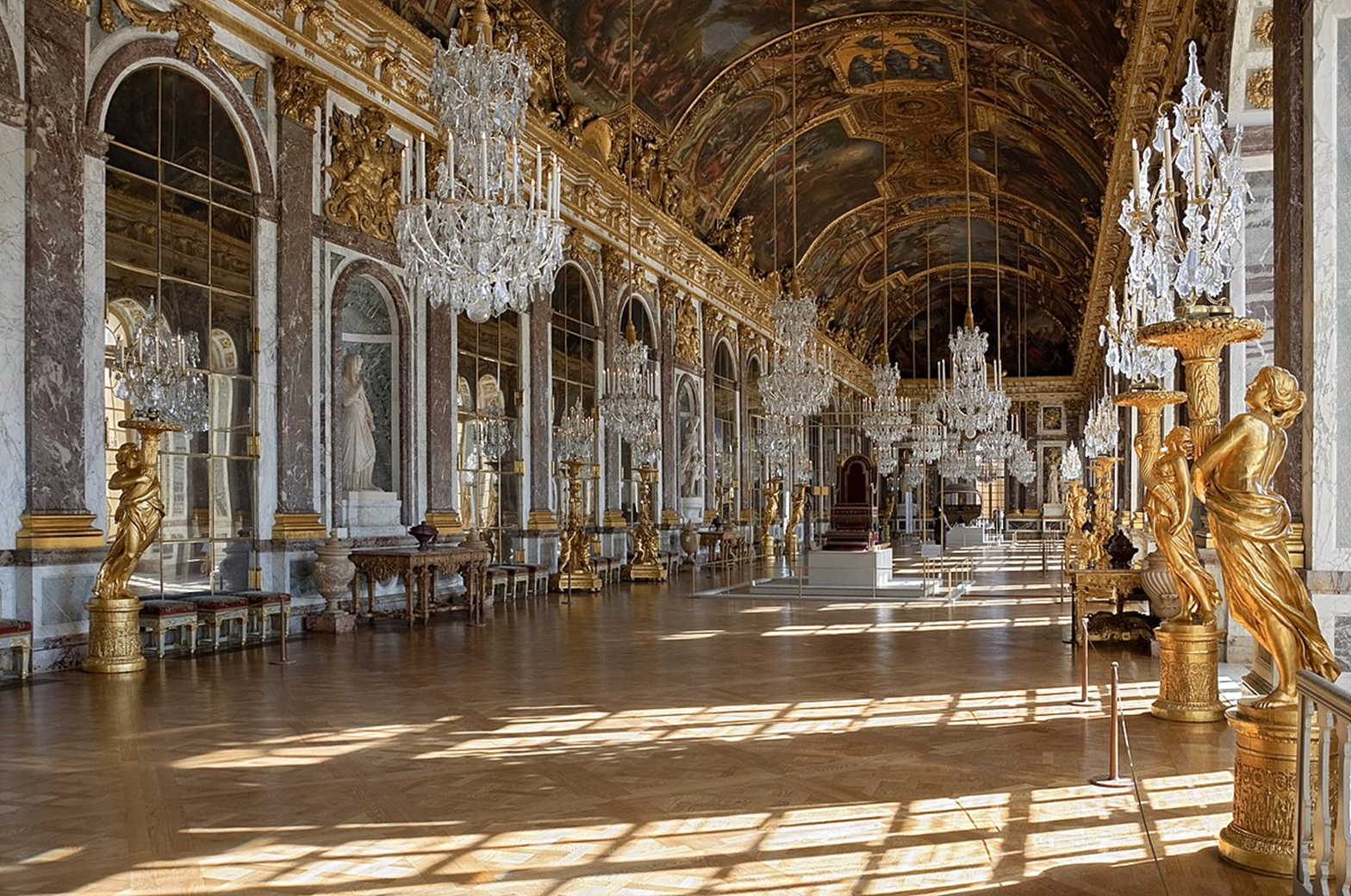
Glass was very expensive back in the day and they needed it imported and it was an expensive display of power
Jules Hardouin-Mansart, Galerie des Glaces (Hall of Mirrors), Château of Versailles, 1678–1688
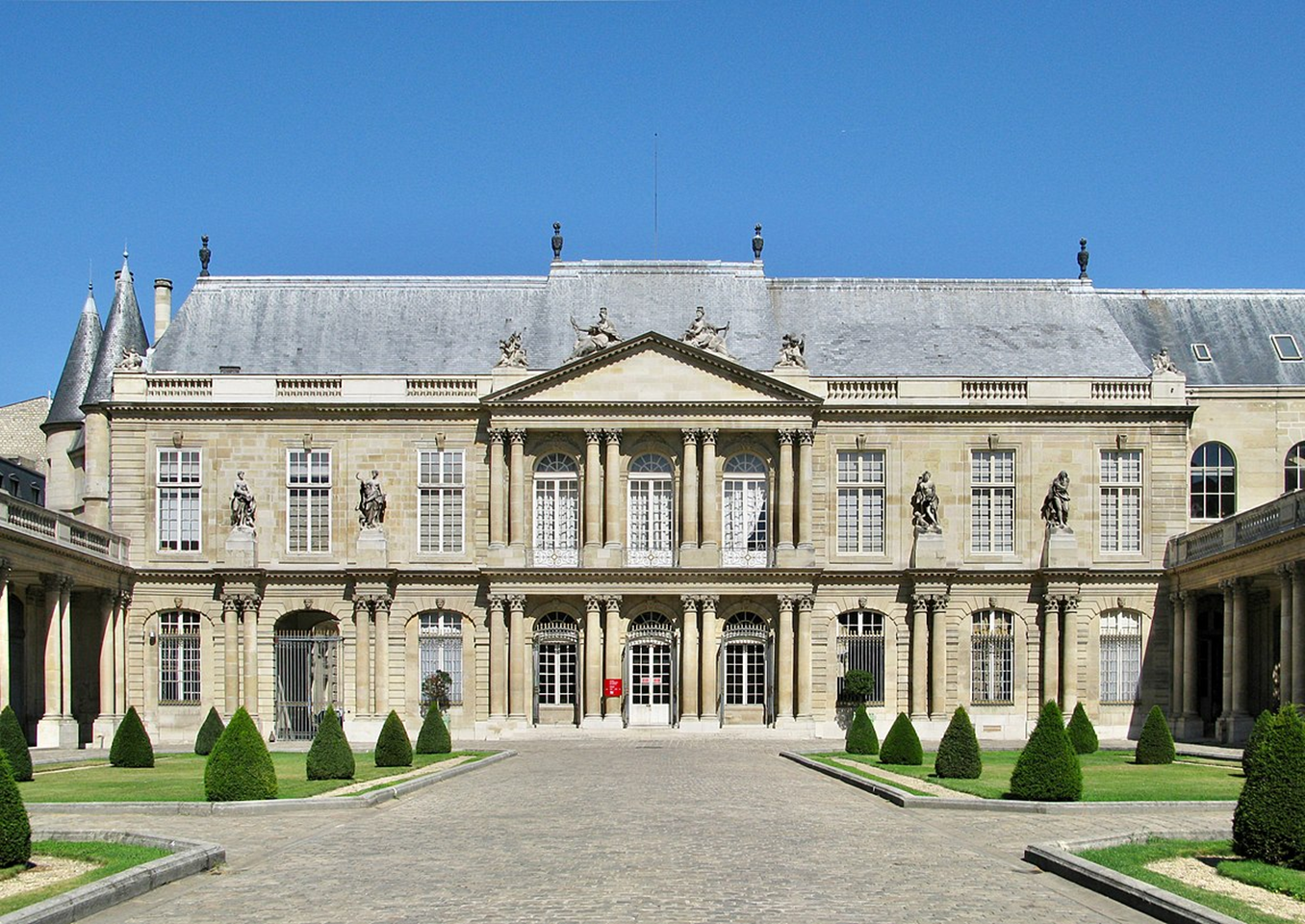
One of the first places after King Louis the 14th died that the rich parisians were able to come and create what they wanted and made the first Rococo interiors
Germain Bouffrand, Hôtel de Soubise, Paris, France, 1732–1745
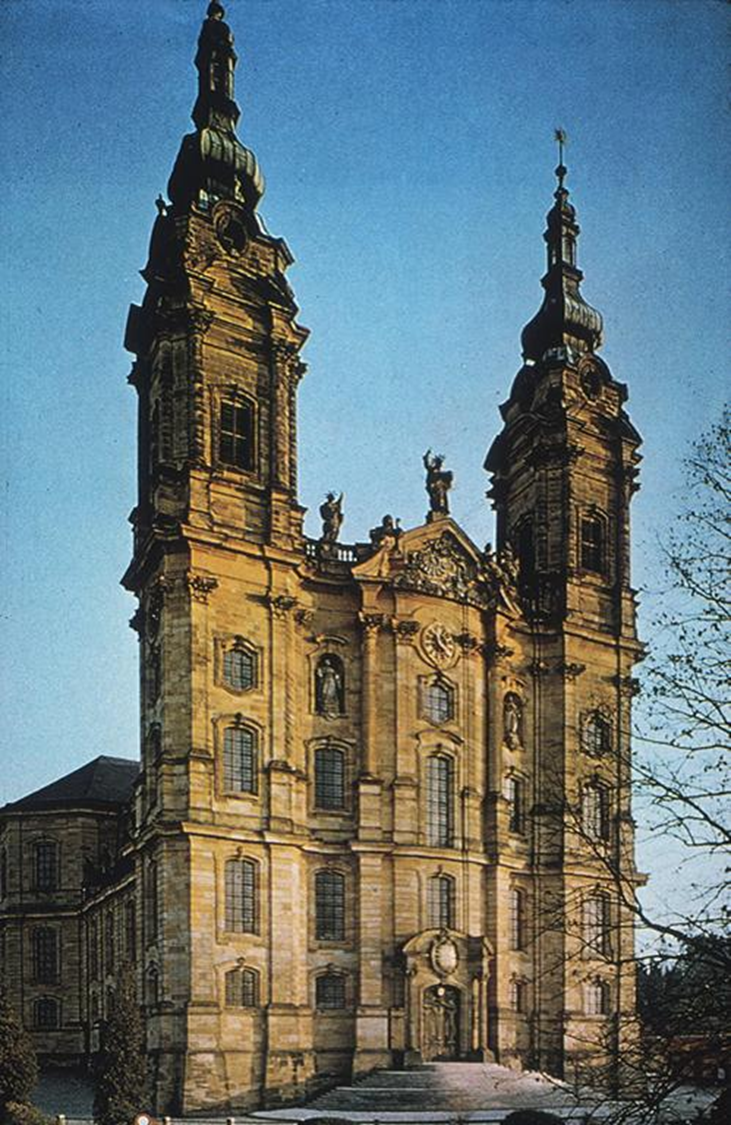
There was a vision where a woman saint foresaw 14 young children helping with the great plague, so they made a church where that vision happened
Johann Balthasar Neumann, Vierzehnheiligen (Pilgrimage Church of the Fourteen Helpers), Franconia, Germany,1742–1772.

