anatomy test 3
 Call Kai
 Learn
Learn Practice Test
 Spaced Repetition
 Match
Match Flashcards
 Knowt Play
1/112

There's no tags or description
Looks like no tags are added yet.
Name | Mastery | Learn | Test | Matching | Spaced | Call with Kai |
|---|
No analytics yet
Send a link to your students to track their progress
113 Terms
important enzymes
LPL(lipoprotein lipase) and HSL(hormone sensitive lipase)
LPL (lipoprotein lipase)
found on the cell membrane, helps bring fatty acids (FA) into the cells. It stores carbs as glycogen in liver and muscles
HSL(hormone sensitive lipase)
found inside fat cells. breaks down stored fat (triglycerides), into FA so they can escape into circulation and be available for muscle cells to burn for fuel.
High insulin levels can cause LPL on fat cells to become
more active
High insulin levels can cause LPL on muscle cells to become
less active
High insulin levels can cause HSL to become
less active.
What causes high insulin levels
anything with a sweet taste
Skeletal Muscle is made up of
multinucleated muscle cells aka fibers nundles in fasciles
Thick and thin filaments make up
myofibril
myofibrils make up
muscle cell/fiber
muscle cells/fibers make up
a fascicle
fasicles make up
a muscle
muscle cells (fibers) are covered by
endomysium
Groups of muscle fibers are called a fascile and are covered by
perimysium
Group of fascicles are called muscles and are covered by
epimysium
the epimysium is covered by
fascia
the function of muscle coverings
provides pathways for blood and lymph vessels, gives multiple attachments to bones; creating strength, makes a slippery sleeve to prevent friction
tendon
CT cord; made of all CT coverings attaching muscle to bone
Aponeurosis
broad flat sheet of CT connecting muscle to bone (pectoralis major)
tendon sheaths (coverings/retinaculum)
tube like sturcture enclosing tendons; notably wrists and ankles(carpaltunnel and tarsal tunnel)
strain
injury of muscle or tendon by overstretching or overexertion
sprain
injury of ligaments
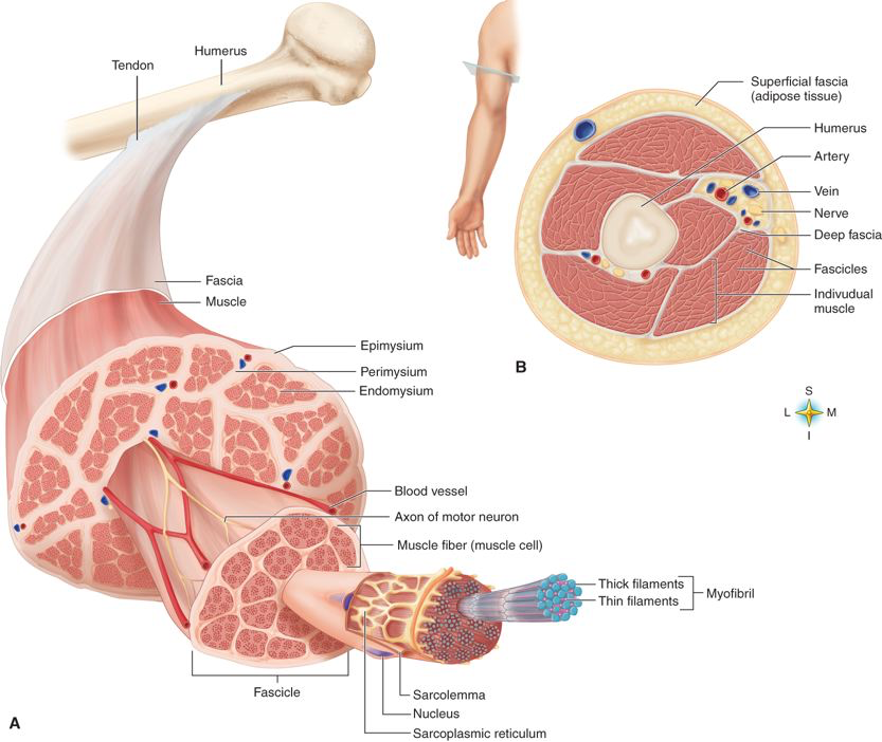
endomysium covers
Sarcolemma
origin
point or points of attachment that do NOT move
Insertion
points of attachment that DO move
Insertion
always move TOWARD origin
Prime Mover/Agonist
contracts and directly performs a specific action or movement. (biceps brachii)
Antagonist
performs an opposite action to PM. it relaxes when PM contracts. (triceps brachii)
Synergist/helper
Contracts at the same time as PM and helps with the action. (brachioradialis)
Fixator
joint stabilizer; fixator muscles of neighboring joint act to maintain posture or balance. shortening of muscle is too slight to notice. Theyre type of synergists, contraction w/ no visible movement-maintaing posture/balance. (shoulder muscles)
Lever(bone in human body)
any rigid bar thats free to turn around a fixed point,fulcrum or pivot to move a load
pivot is a
joint
Components of lever that sometimes change position
(F)ulcrum or pivot point
(L)oad or weight
(P)ushing or pulling force
Class 1 lever
like a sesaw or tilting the head back
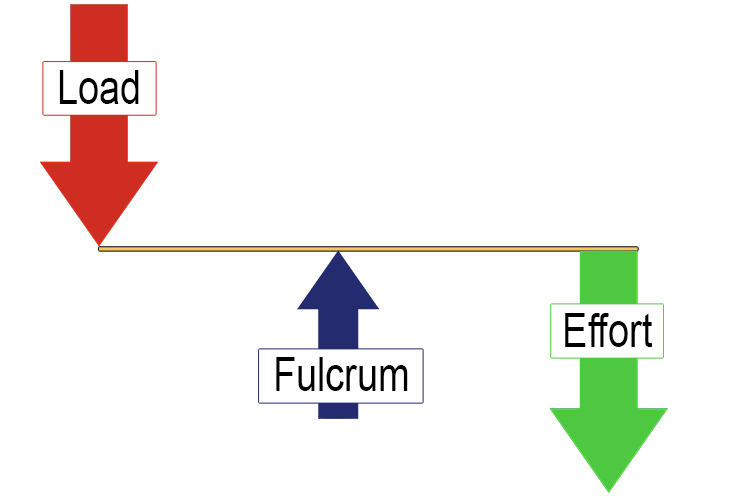
class 2 lever
like lifting and pulling a wheelbarrow or standing on toes
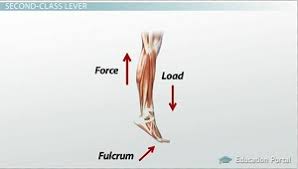
class 3 lever
flexing the forearm at the elbow as in lifting weight or lifting load with a shovel
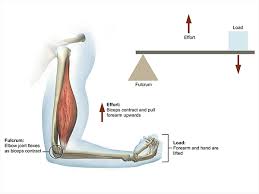
how muscle are named by shape
trapezius/table/4footed
deltoid/triangle
how muscles are named by
location/region
how muscles are named by size:
gluteus maximus
medius
minimus
muscles can be named by
action,
point of attachment
number of divisons
direction of muscle fibers
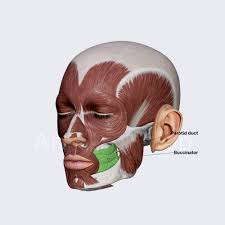
Buccinator
located in the cheeks; smiling,blowing,sucking
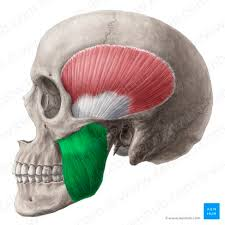
masseter
located in the cheeks; jaw closure
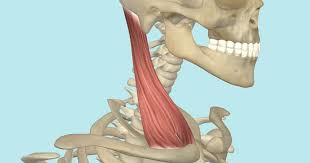
sternocleidomastoid
located in the neck; head flexion/rotation
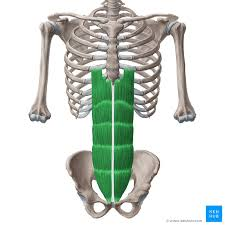
rectus abdominis
located in the abdomen; trunk flexion/bending
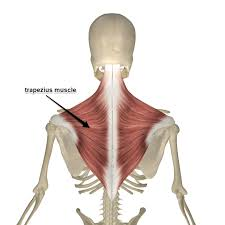
trapezius
located in the shoulder/upper back; extends head/shrugs shoulders
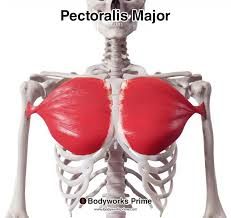
pectoralis major
located in the chest;hug muscle/anterior arm adduction
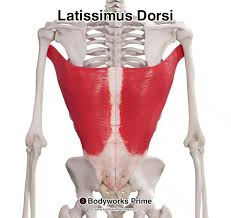
latissimus dorsi
located in the back; posterior arm adduction
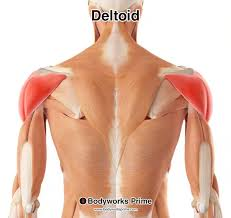
deltoid
located in the shoulder;arm abduction/lifting
biceps brachii
located in the upper arm; flexes forearm
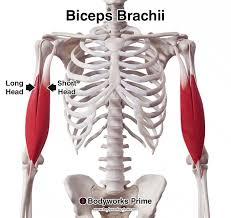
triceps brachii
located in the upperarm; extends forearm
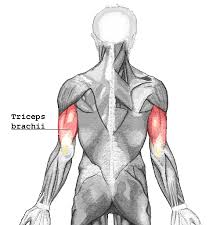
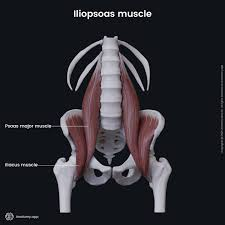
iliopsoas
psoas minor
iliacus
psoas major
located in thigh/deep; lift leg/trunk flexion
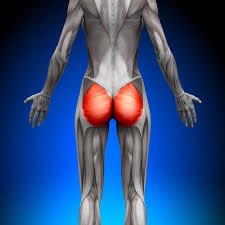
gluteus maximus
located in the buttocks; thigh extension/rotation
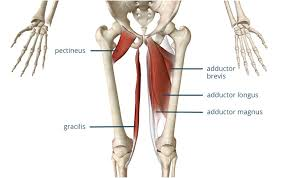
adductor group:
adductor brevis
adductor longus
adductor magnus
located in inner thigh; adduct,rotate,flex thigh
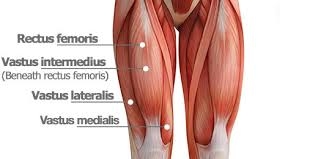
quadriceps:
rectus femoris
vastus lateralis
vastus medialis
vastus intermedius
located in the thigh; leg extension/kicking motion
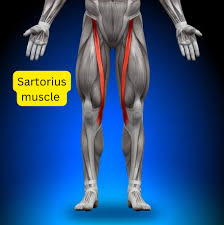
sartorius
located in the thigh; leg flexion,crossing; LONGEST MUSCLE
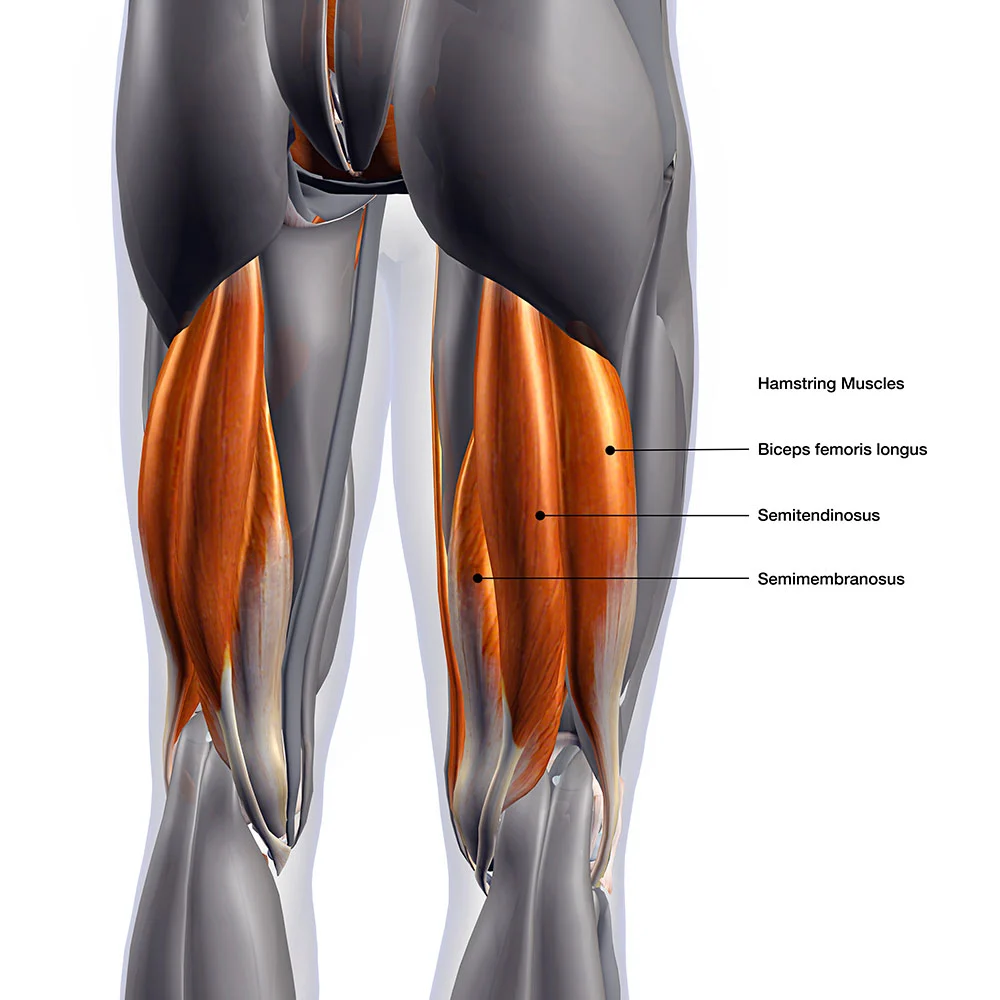
hamstrings:
bicep femoris
semitendinosus
semimembranosus
lateral
superficial
deep
loacted in thigh;leg flexion/bending
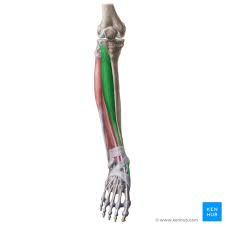
tibialis anterior
located in anterior lower leg ; dorsiflexion/pull foot up
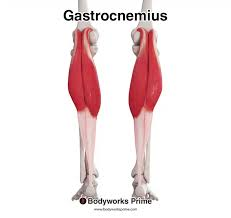
gastrocnemius
located in posterior lower leg; plantar flexion/pointed toe
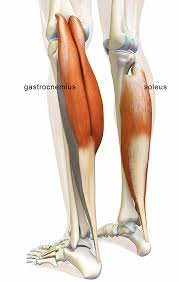
soleus
located depp to gastroc
functions of muscles
movement
heat production
posture
charcterestics of muscle fibers
excitable
contractible
extensible/stretchable
muscle fiber/muscle cell components
sarcolemma
T-tubules
sarcoplasmic reticulum
myofibrils
sarcomere
myofilaments
sarco means ____ and myo means _____
flesh and muscle
sarcolemma
cell membrane
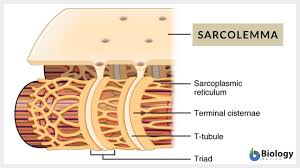
T-tubules
transverse tubules; transport nerve impulse deep into muscle fiber
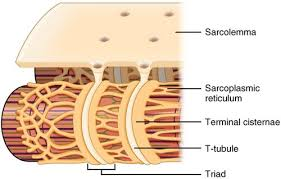
sarcoplasmic reticulum/SR
smooth ER of the muscle, stores calcium
Myofibrils
smaller units of muscle fiber that contains Sarcomeres
Sarcomere
segement of Myofibril between Z-lines; Functional contractile unit
Myofilaments
smaller unit of Myofibril or Sarcomere; made up of proteins that create striations
thick filaments
myosin(cross-bridges)
thin filaments
mostly actin,also troponin and tropomyosin
sliding filament theory(1st step)
nerve impulse travels down the axon of a motor neuron
sliding filament theory (2nd step)
impulse reaches the neuromuscular junction (synapse)
sliding filament theory (3rd step)
Nerve impulse triggers the release of Acetylcholine/ neurotransmitter from motor neuron
sliding filament theory (4th step)
Acetylcholine travels across the synapse and binds to receptors on the motor end-plate of the muscle fiber
sliding filament theory (5th step)
Impulse travels along the Sarcolemma into T-tubule to SR. (this impulse changes membrane permeability to NA+ and K+ ions which generate AP of muscle excitation)
sliding filament theory (6th step)
Calcium is released into the SR
sliding filament theory (7th step)
Calcium binds to Troponin on thin filament
sliding filament theory (8th step)
Tropomyosin molecules in thin filament shift their position exposing Actins binding site to Myosin
sliding filament theory (9th step)
Myosin cross-bridges bind to Actin and pull thin filaments toward center of Sarcomere
sliding filament theory (10th step)
thin filaments slide past thick filaments = muscle fiber shortens
rigor mortis
stiffness of death
how rigor mortis happens
muscles begin to stiffen 3-4 hours after death
Calcium floods muscle cell
enough stored ATP causes binding of Myosin & Actin
muscle atrophy
muscle shrinks and weakens from non-use
muscle tone
partial muscle contraction even when muscle is at rest. important for maintaining posture
muscle flaccidity
muscle isnt contracted (soft), lack of nerve supply
myalgia
muscle pain without myopathy
myopathy
any or all pain, stiffness, weakness or wasting
acetylcholine
exictatory or inhibitory neurotransmitter, depending on the receptors at the location. Exicatory: starts an action. Inhibiatory stops an action
Clostridial Neurotoxins (bacteria)
botulism:blocks excitatory Acetylcholine receptors, resulting in flaccid paralysis
tetanus:blocks inhibitory Acetylcholine, resulting in spastic paralysis/lock jaw
Myasthenia Gravis "grave muscle weakness”
autoimmune disorder, immune system destroys ACh receptors starting the face
Slow/red fiber
slow contractions; gives more time to produce ATP/fatigue resistant
ex:postural muscles
excersize:aerobic long-distance
fast/white fiber
rapid contractions;run out of ATP quickly/fatigable/strong force of short duration
ex:finger and eye muscles/rapid short term movements
excersize:weight lifting
intermediate/pink fiber
characterstics between red and white fibers
ex:postural muscles that occasionally required to generate rapid powerful contractions;leg muscles
excersize: aerobic short distance/soccer/tennis
motor-neuron
non sensory nerve (efferent)
motor endplate
the part of the muscle across the synapse from the neuron
motor unit
the nerve and the muscle it works with
principiles that govern motor units
all muscle fibers of same unit are controlled together
motor units fire in overlapping fashion like relay team; produce contraction & prevent fatigue
recruitment:motor units in a muscle are enlisted as demand increases
muscle fatigue is caused by
when muscle runs out of nutrients and elevated levels of lactic acid result from it

