Ecology Exam 2
 Call Kai
 Learn
Learn Practice Test
 Spaced Repetition
 Match
Match Flashcards
 Knowt Play
1/195

There's no tags or description
Looks like no tags are added yet.
Name | Mastery | Learn | Test | Matching | Spaced | Call with Kai |
|---|
No analytics yet
Send a link to your students to track their progress
196 Terms
Trophic Species Interaction
species interactions that involves feeding (ex. carnivory, herbivory, parasitism)
Non-trophic species interaction
species interaction that does not involve feeding (ex. competition, facilitation)
Symbiosis
a positive or negative interaction in which one species lives in close physical or physiological contact with other species.
Mutualism species impacts
positive for both
Commensalism species impacts
both species neutrally
Species impacts from Carnivory/ Herbivory/ Parasitism (predation)
Positive for one species, negative for the other
Competition species effects
negative for both species
Amensalism species effects
Negative for one species, neutral for the other.
Predation
trophic interaction where an individual from one species (predator) kills and/or consumes individuals (or parts of) of another species (prey)
Carnivory:
predator and prey are both animals
Herbivory
predator (herbivore) is an animal and prey is plant or algae
Parasitism
predator (parasite) lives symbiotically on or in the prey (its host) and consumes only certain tissues
may not kill the host (harm, but not lethal)
parasites can be pathogens that cause disease in hosts
Competition
non-trophic interactions in which two or more species overlap in the use of at least some of the same required limiting resources.
Interspecific competition
competition between different species
Intraspecific competition
competition between members of the same species
Interspecific competition impacts
negatively effects growth, reproduction, and/or survival of each competitor
Interspecific competition limiting resources
food, water, space, territory sites, nutrients, sunlight, etc.
Positive Interactions = facilitations:
trophic or non-trophic interaction in which at least one species benefits and none are harmed.
Mutualisms:
both species benefit
obligate mutualism
species are highly dependent on one another, interaction is required for survival of both.
Some symbioses are -
mutualisms
commensalism:
one species benefits and the other is not affected
many ways for one species to improve the conditions for the commensal organism
Amensalisms:
one species is harmed and the other is not affected
Are Amensalisms trophic or non-tropic
non-tropic
Amensalism example
elephant stepping on an animal burrow
Do herbivores normally kill their prey (plants)?
often not immediately
In carnivory prey do what to avoid predators?
move away or try to hide
Do animal or plant tissues have higher nutritional content
animal
Which organic compound is essential for animal diets
nitrogen
Do animal or plant tissues have higher N content?
animal
Animal dietary preferences are dependent on
search time and handling time
Search time
time it takes predator to search and find prey
Handling time
time it takes to subdue and consume prey
If search time is high, predators should have more - diet
generalist
If search time is low (even if handling time is high), predators (herbivores) can have - diets
specialist
Prey preferences
in carnivores, consuming species at a higher proportion than you would expect based on the species’ availability
Prey switch
when carnivores specialize on most abundant prey and then switch as prey abundance changes.
Which plant part is the most likely for herbivores to specialize on
leaves (most N)
Herbivory impact on plants
consumption of photosynthetic tissue can reduce plant growth, survival, and reproduction
Herbivore specialization on plant species are driven by
insects
predominant herbivore
insects
Herbivores with broad diets
grasshoppers, larger browsers like deer.
Carnivore strategies
move and search, sit and wait
Carnivore adaptations
cheetah speed, snake swallow huge things, spider venom.
Prey adaptations to escape predation
large size, speed, body armor, poisons, colors, mimicry, behavioral changes
Herbivory causes -
evolution
Masting/mass flowering:
some plants produce huge numbers of seeds in some years and almost none in most years
plant compensation
tissue removal stimulates new tissue growth
Plant (or agal) structural defenses
tough leaves, spines, thorns, nettles
Plant (or agal) chemical defenses
secondary compounds that are toxic to some/most herbivores, or volatile compounds used as cues to attract predators of herbivores
Inducible defense
stimulated by herbivory
constitutive defenses
always present
Herbivore counter defenses
digestive enzymes to disarm or tolerate chemical compounds
behavioral responses
often require specialization
may be costly, but provide an advantage (access to an abundant food source)
Snowshoe hares and Canadian lynx populations demonstrate
predator and prey fluctuations in regular cycles
Hare densities drop (years) after peak densities
2-3
Hypothesis that food supply (vegetation) causes hare pop cycles
food is limiting resource at high hare densities
declining hare populations aren’t always food limited
experimental additions of food does not stop the cycles
Hypothesis that food predation causes hare pop cycles
up to 95% of hare deaths from predation (lynx, coyotes, birds of prey)
predation rates higher during the peak and declining phases of cycle than during the increasing phase
why do hare birth rates drop during decline
why do hares sometimes rebound slowly after predator populations drop
Lotka-Volterra model
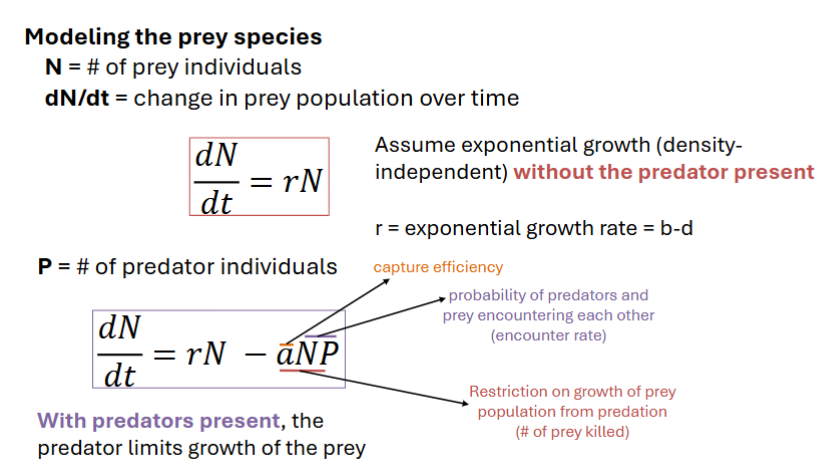
What type of growth does the lotka-volterra model assume
exponential growth (density-independent) without the predator present
equilibrium isocline = zero growth isocline =
the population size of one species that causes the population of another species to be stable (kept at equilibrium)
zero growth isocline graph
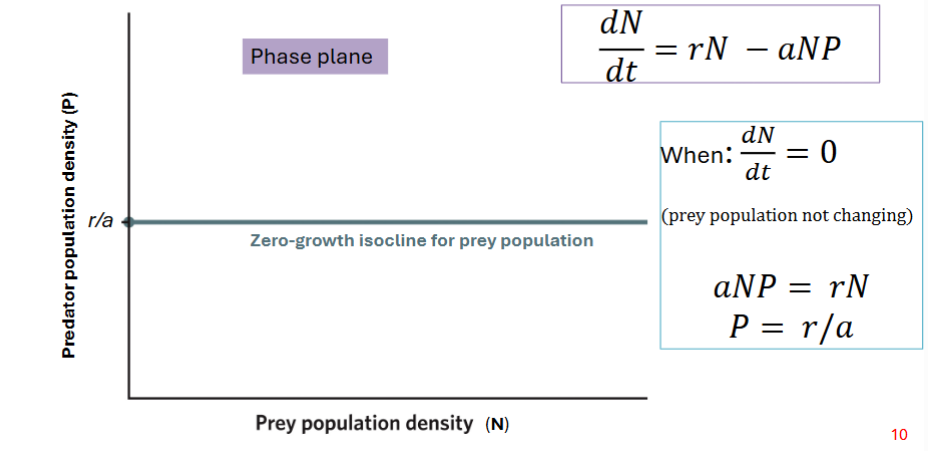
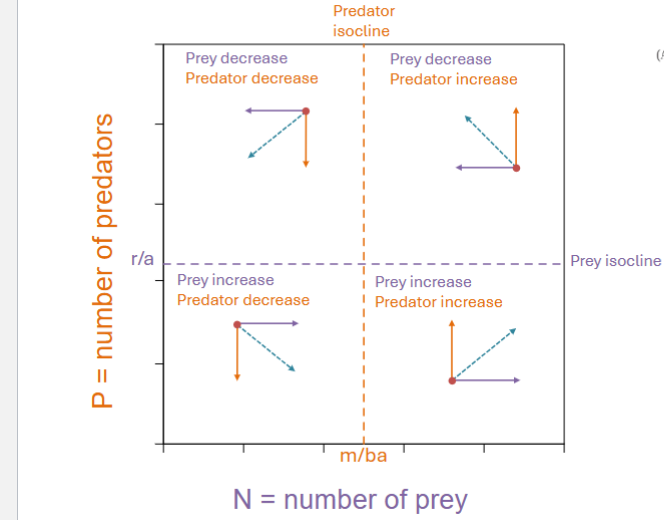
predators > r/a
prey decreases
predators < r/a
prey increase
prey isocline
no change in prey population at P=r/a
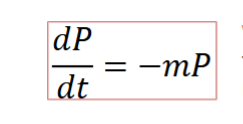
without prey present
predators starve and thus decrease exponentially with a mortality rate = m
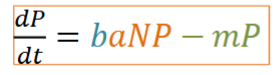
with prey present
predators are added to the population as a function of the number of prey killed (aNP) and efficiency of predators producing offspring from eating prey (b= reproductive efficiency), minus the predator death rate
Lotka-Volterra equation without prey present
Lotka-Volterra equation with prey present
Predator isocline
no change in predator population
Predator isocline graph
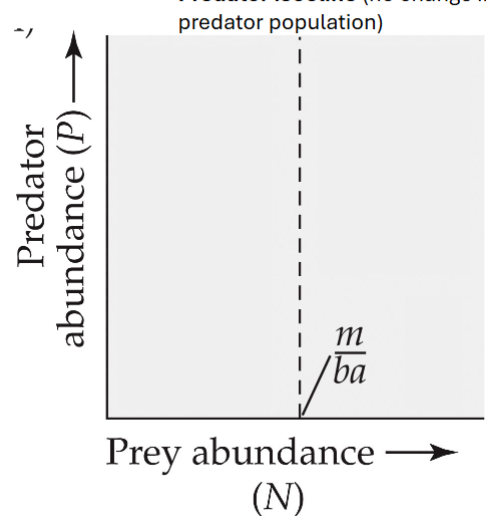
Predator population not changing when
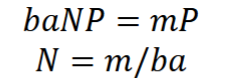
prey < m/ba predators
decrease
prey > m/ba predators
increase
Prey equation

predator equation

Phase plane
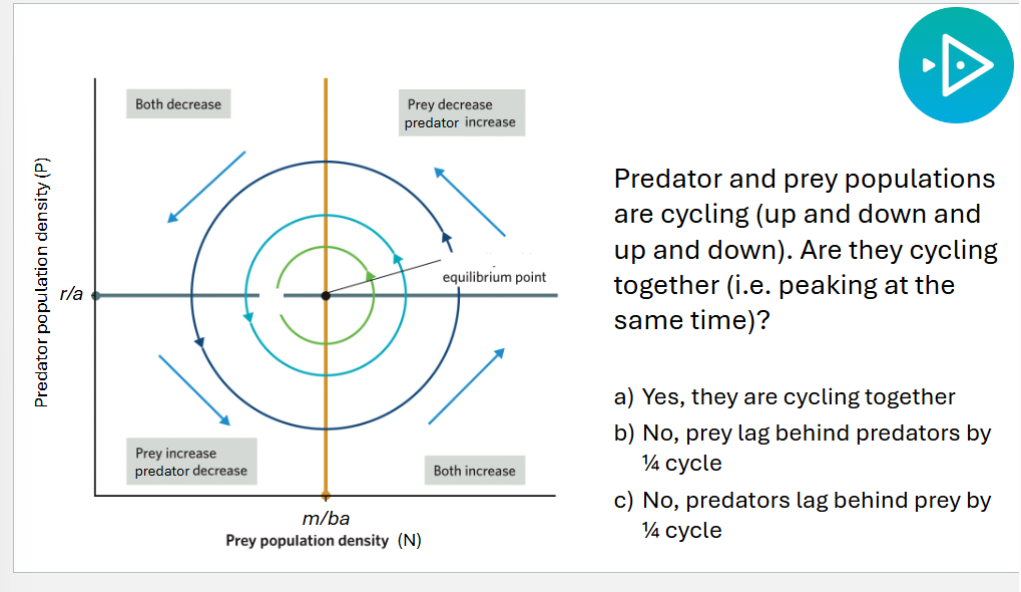
c
exception to lotka-volterra model
at intersection of isoclines
Adding prey density-dependence to the model
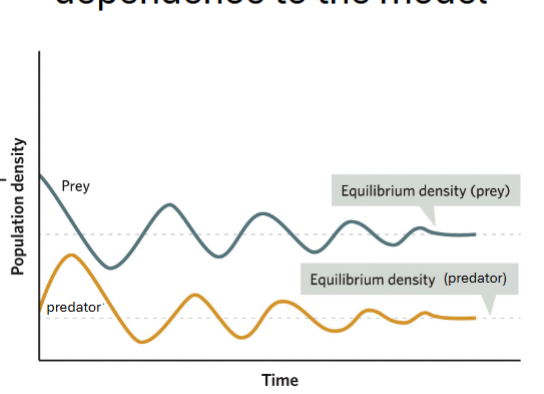
Cycling of Lotka Volterra model is - to produce in lab experiements
hard
Huffaker lab experiment for lotka-volterra model
conducted lab experiments with a prey mite (six-spotted mite; herbivore), using oranges as experimental food habitats for the prey.
• Prey increased in abundance
• Predatory mite was introduced; prey and then predator went extinct
Huffaker’s initial experimental results
predator and prey went extinct
huffaker’s more complicated experiment results
predator prey fluctuations observable
Krebs field experiment on predator prey cycles
Testing effects of food, predation and their interaction on hare population cycles
• Seven 1km 2 blocks of forests in Canadian wilderness
• 3 blocks: controls
• 2 blocks: food added for hares (+Food)
• 1 block: predators excluded with electric fence (-Predators)
• 1 block: predators excluded and food added (+Food/-Predators)
• Measured density and survival of hares for 8 years!
Krebs field experiment results
removing predators doubled hare density
adding food tripled hare density
removing predators and adding food increased hare density 11-fold
Parasites
species that live in or on other organisms (hosts) feeding off their tissues or fluids and having a negative effect on those species
how much of species on earth are parasites
50%
pathogens
parasite that cause diseases
parasites often do not
immediately kill the host
macroparasites
large species. Examples: worms, arthropods
microparasites
microscopic species. Examples: viruses, bacteria, fungi
Parasite facts
Most species are attacked by more than
one parasite (including parasites)
• Many parasites are specialized to particular
host species
• Many parasites are specialized to live on or
eat certain parts of a host’s body
• Many parasites have complex life cycles
involving two or three host species
Many parasites have - host species and - life cycles
2-3, complex
vertical parasite transmission
parent to offspring
horizontal parasite transmission
between individuals other than parent to offspring
ectoparasites
live on outer surface of its host
ectoparasite examples
plants that grow on and obtain water/food from other plants; many
fungal parasites; insects like fleas, lice, and ticks
endoparasites
lives inside the body of their host, either within the
alimentary canal or in tissues or cells
endoparasites examples
tapeworm robs host of nutrients; bacteria that live in tissues and cells
of animals; bacterial pathogens that infect plant tissues

