BIOL*3680 Final Exam
 Call Kai
 Learn
Learn Practice Test
 Spaced Repetition
 Match
Match Flashcards
 Knowt Play
1/96

There's no tags or description
Looks like no tags are added yet.
Name | Mastery | Learn | Test | Matching | Spaced | Call with Kai |
|---|
No analytics yet
Send a link to your students to track their progress
97 Terms
Leave a baby wild animal alone or reunite if…
Appears bright/healthy with no obvious signs of injury or illness
Older juveniles are able to walk, hop, or fly a little
Nest or den is close
Parents are in the area and vocalizing
The safety of the animal is not at risk (e.g. dogs or cats in the area that are not restrained and pose a threat to the wild animal)
Four tenants of stabilization
Minimize Stress
Thermoregulation
Provide fluid therapy
Manage pain
Minimize Stress (5)
Observe animal quietly, take note of its mentation
Keep the head covered
Minimize sight and sound
Do not place predator and prey in the same area
Keep wild animals away from domestic animals
Normal temperature of birds, mammals, reptiles
Birds
41.4 ± 1.2C
Mammals
36-39.5
Reptiles
Lower
How to disinfect a surface?
Remove organic matter using soap and water
Spray a disinfectant
Leave for 10 minutes or recommended time
Rinse thoroughly
Allow area to completely dry
Record keeping
Keep medical records, admittance forms and other logs
Admission information is mandatory
Types of restraint
Physical (hands)
Chemical (medication)
Mechanical (cages or crates)
Considerations for restraint
Ensure safety + comfort of animal
Consider weather + climate
Know anatomy of the animal
Prevent drying using ophthalmic ointment during chemical restraint
Have veterinary personnel available
Provide sedated animals with dark, quiet environment to recover
Avoid damaging birds’ feathers
Hand capture
Small mammals, birds, primates <5kg, megavertebrates
Cages or crates
All animal sizes but especially medium-large
Dangerous species or individuals
Primates >5kg
Catch-poles
Small to medium size mammals
Moderately dangerous species
Nets
Small-medium mammals
Chemical restraint
All animal sizes, especially large
Dangerous or non-manageable species
Large ungulates and herbivores
Restraint concerns
Stress
Environmental impacts
Thermoregulatory concerns
Fractures of the wing (4 types and their signs hccr)
Humeral (wing completely drooped)
Coracoid (wing held horizontally)
Carpal (wing appears backwards)
Radial (wing less drooped than humeral)
Guidelines for physical examination
Use a systematic approach (do not rush to obvious injury)
Have appropriate restraint methods available
Do not perform a physical examination in an unsecured room where an animal could escape
Consistency is important (be able to recognize “normal”)
Be thorough but efficient (keep head covered, do not take more than a few minutes)
Stop and euthanize the animal if an injury is found that would deem the animal unreleasable
When would a suspected spinal trauma be unreleasable?
No deep pain response
Steps for the physical examination
Calculate heart rate by listening to the heart for 15 seconds and multiplying by 4
In mammals: b/w 7th and 9th rib
In birds: over the back, on the side or over its sternum
Calculate respiratory rate by observing rise and fall of the chest for 15 seconds
Look in its eyes, mouth, nose and ears
Note any external parasites
Take note of the mentation
Take temperature
Mentation
Bright, Alert, Responsive (BAR)
Quiet, Alert, Responsive (QAR)
Obtuned (not very responsive, somewhat aware)
Stupor (unconscious but responds to stimuli)
Comatose
Body condition score
Score out of 0-5 for mammals
Keel score of 0-3 for birds
Monitoring
When the animal was admitted, you would have made a problem list
Note what to watch for based on the problem list or species
Note any subsequent injury/illness on the problem list
Assess the animal on a regular basis
Assessment (monitoring)
Look for changes to the initial intake or from “normal”
Have a systematic approach
Reassess the problem list
7 things to check during assessment (monitoring)
Check wounds
Are splints/wraps in place?
Are there new wounds, breathing concerns, pododermatitis? How’s waterproofing?
Look at colour, odour, abnormal smell or swelling
Check hydration
Pull up skin over eyelid in birds or pinch skin between shoulder blades in mammals, should go back to normal within a second
Can the animal urinate?
Check nutrition (are they eating, how much? what are they eating? are they eating yet losing weight?)
RER
Resting Energy Requirement in kcal
K x (body weight in kg) + 70
MER
Maintenance energy requirement in kcal
RER x 1.5
Adjustments to MER (starvation, trauma, sepsis, burns, moulting, growing)
Starvation 0.5 — 0.7 x MER
Trauma 1.0 — 1.2 x MER
Sepsis 1.2 — 1.5 x MER
Burns 1.5 — 2.0 x MER
Moulting 1.5 — 2.0 x MER
Growing 2.0 x MER
Tail guards
Help protect vital flight feathers
Needed if a bird is not perching well or if it is in a small enclosure to restrict movement due to a fracture
How to do a body wrap on a bird (3 considerations)
Body wraps are temporary because the patagial cannot be restricted for a long time
Unwrap vet wrap and roll it back up loosely
Don’t pass the keel and don’t go too low as you wrap
What does fracture healing time depend on?
How good the stabilization and maintenance was
Infection present
Age of animal
Type of animal (birds heal quicker than mammals > turtles)
Health status of animal
How to do a figure-of-eight wrap
Use for any fracture distal from the elbow
Immobile the joint above and below
Make sure primary feathers don’t come up (overflexing the carpal joint)
Stabilizing a fracture with a splint
Immobilize the joint above and below
Use stirrups to stop bandages from slipping off
Make sure limb is in a natural position
Place an outer layer to keep dirt out
Check bandage twice a day
Splints in young mammals
Zed splint
Babies
Paperclip along femur
L splint
Young animals
Clinical signs of below 5% dehydration
Not usually detectable
Clinical signs of 5-7% dehydration
Some loss of skin elasticity
Tenting of dorsal surface of toe/foot; between shoulder
Loss of roundness of eyes
Tacky or stringy mucous membranes
Skin doesn’t slide smoothly over back, keel
Clinical signs of 10-12% dehydration
Tented skin stays in place
Dry mucous membranes
Coolness to extremities
Depressed, may be flat
Rapid heart rate
Fluid replacement formula
Maintenance + Pathological loss + Fluid deficit
How to administer fluids? (3 considerations)
No more than 5% of body weight at a time
Not too much fluid in one spot
Use appropriately sized needle
Needle sizes
<120g = 27ga
120-500 = 25ga
500g-1kg = 22 or 23ga
1kg-2kg = 20 or 22ga
>2kg = 18ga
Routes of fluid administration
Oral (used in stable patients, risk of aspiration)
Subcutaneous (most commonly used, can puncture air sacs in birds)
Intravenous/Intraosseous (must be done by vet)
Peritoneal (not commonly done in turtles)
Intramuscular (not used for rehydration)
When not to administer subcutaneous fluids to birds?
Subcutaneous emphysema
Subcutaneous air sacs
Common isotonic crystalloid fluids
PlasmaLyte A
Normosol-R
Lactated Ringers Solution
0.9% Sodium chloride
Subcutaneous fluid administration location
Birds
Side of inguinal fold
Mammals
Between the shoulder blades
Insert needle bevel up
Maintenance rates
Birds: 50 ml/kg/day
Reptiles: 10-30 ml/kg/day
Baby mammals: 70-100 mk/kg/day (higher end in rabbits, lower end in other mammals)
Adult mammals: 50-90 ml/kg/day
Fluid replacement equation
Total volume required
Maintenance (mL) = Weight (kg) x maintenance rate
Deficit (mL) = Weight (g) x % dehydrated
Pathological loss
If it exceeds 5% of body weight, then give 75% of deficit on day 1 and 25% on day 2
Five tenets of head trauma
Appropriate thermoregulation
Keep temperature “low normal”
Provide oxygen therapy
Do not provide too much oxygen for turtles
Use 100% oxygen or oxygen concentrators
Provide anti-inflammatory medication such as meloxicam
Never administer corticosteroids
Elevate the head 30 degrees if animal is unconscious
Provide fluid therapy but do not overload the animal with fluids
Types of parasite migration
Mucosal (in stomach, abomasum or intestine)
Tracheal (through GI tract)
Somatic (blood system)
Parasite persistence in the environment
Thin-walled eggs are easier to kill with warm soap and water and/or bleach
Eggs with thicker walls and sticky coating require very high heat (ex. Baylisascaris)
Parasite host types
Intermediate
Immature stages or asexual replication occurs
Paratenic
Does not develop but serves for transport
Definitive or Final
Reproduction occurs
Ectoparasites + their common hosts (5)
Myiasis (maggots)
All animals
Bot flies
In lagomorphs
Lice
Common in birds
Ticks
All animals
Mites
Causes mange in animals, species-specific
Treatment of ectoparasites
Prescribe topical, injectable and/or oral medications indicated for the ectoparasite
Ovitrol is commonly used in rehabilitation centers
Coccidia
Common in many wild animals admitted to rehabilitation centres
Can lead to diarrhea and/or failure to gain weight
Toltrazuril is the treatment of choice
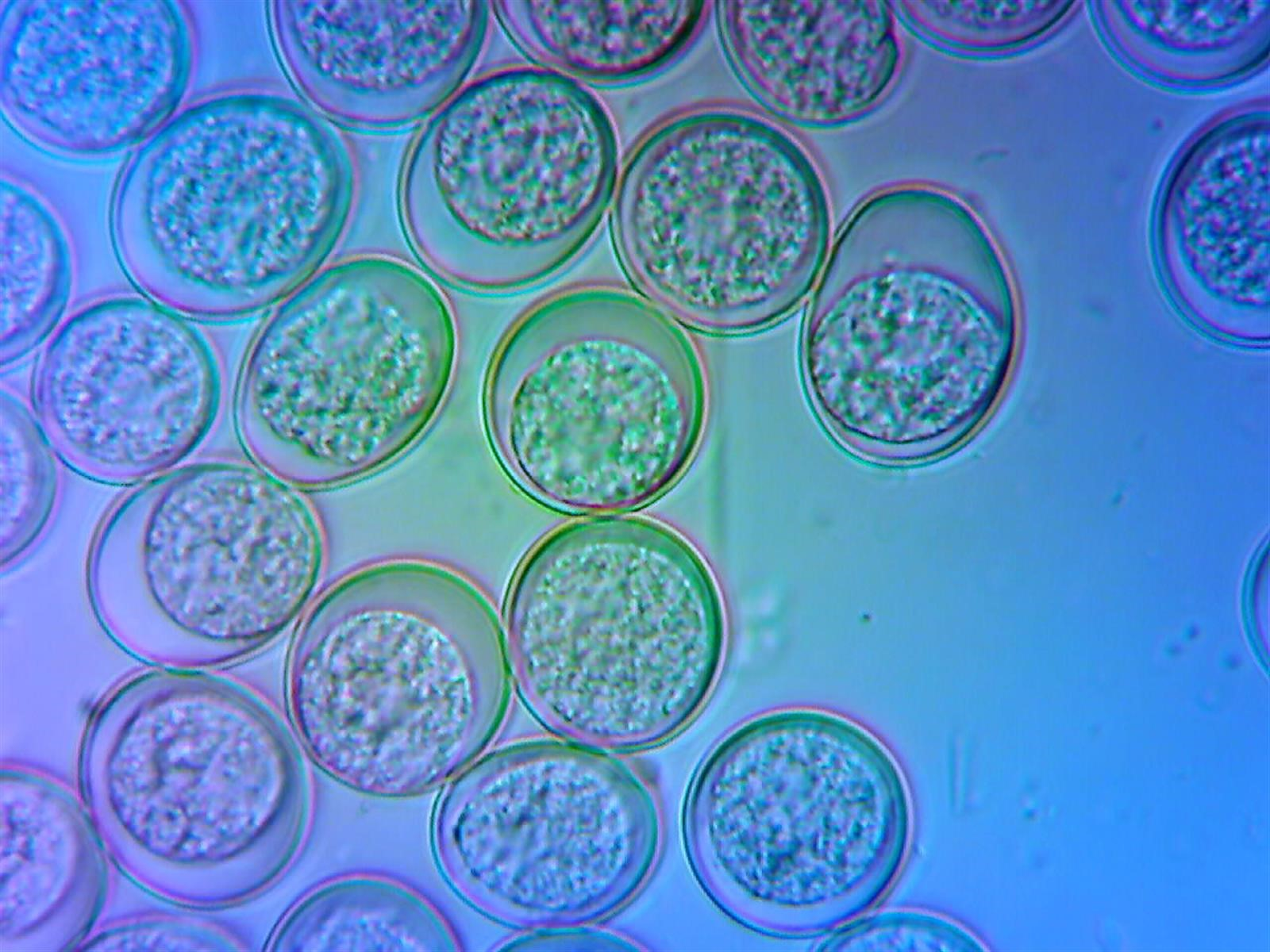
Cryptosporidium
Often causes watery diarrhea
Thin wall and is small in size
Sarcocytis neurona
Definitive host is the opossum
Neospora spp
Known to cause morality and anecdotally paralysis
Treatment induces doxycycline and trimethoprim sulfa-type drugs
Giardia
Beaver fever
Watery, mucoid and foul-smelling diarrhea
Not easy to see on a fecal flotation
Trichomonas
Commonly seen in pigeons via crop swab
Treated with metronidazole
Flukes
Eggs are oval, operculate, yellow-to-golden brown and can be quite large
Hard to detect on flotation as they do not always float
Treated with fenbendazole
Cestodes
Tapeworms
Most concerning tapeworm is found in canids because they can form cysts in non-definitive hosts
Eggs can be infective once shedded
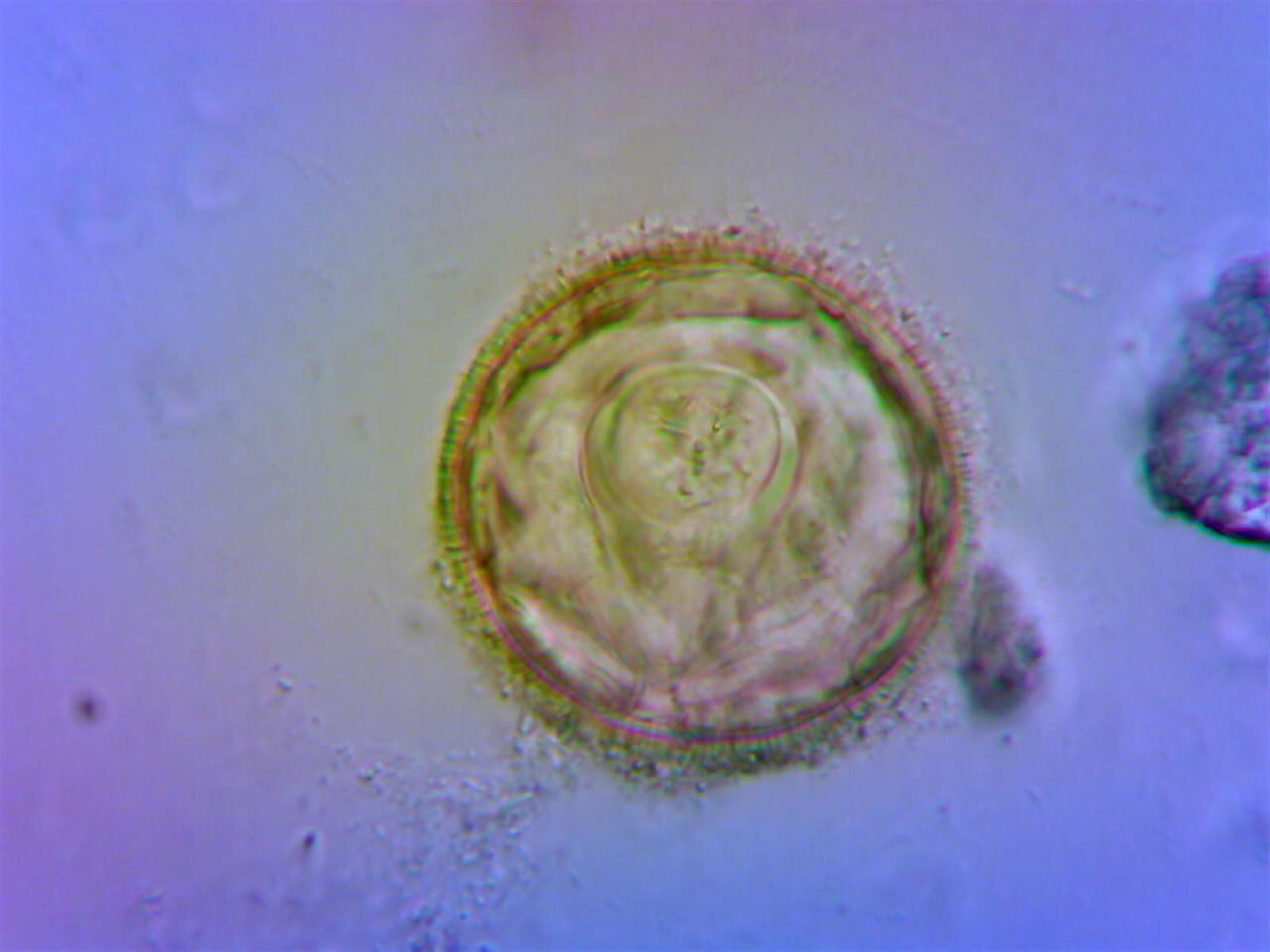
Raccoon roundworm (appearance + treatment)
Thick protein coat and a dark centre
Treatment is usually with fenbendazole, pyrantel, selamectin, ivermectin
Once clinical signs appear as a result of VLM, euthanasia is recommended
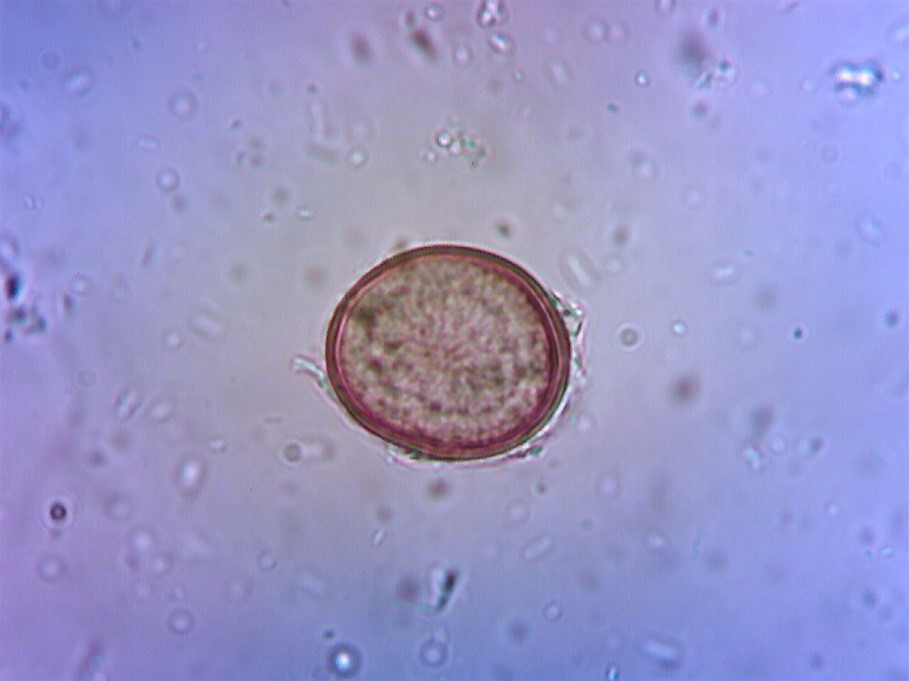
Strongylid/Stronglye-type nematodes
Hookworms and lungworms
Thin-shelled and smooth-walled eggs
Parelaphostrongylus tenuis is the meningeal worm found in moose, elk and deer
Treatment is with fenbendazole or ivermectin
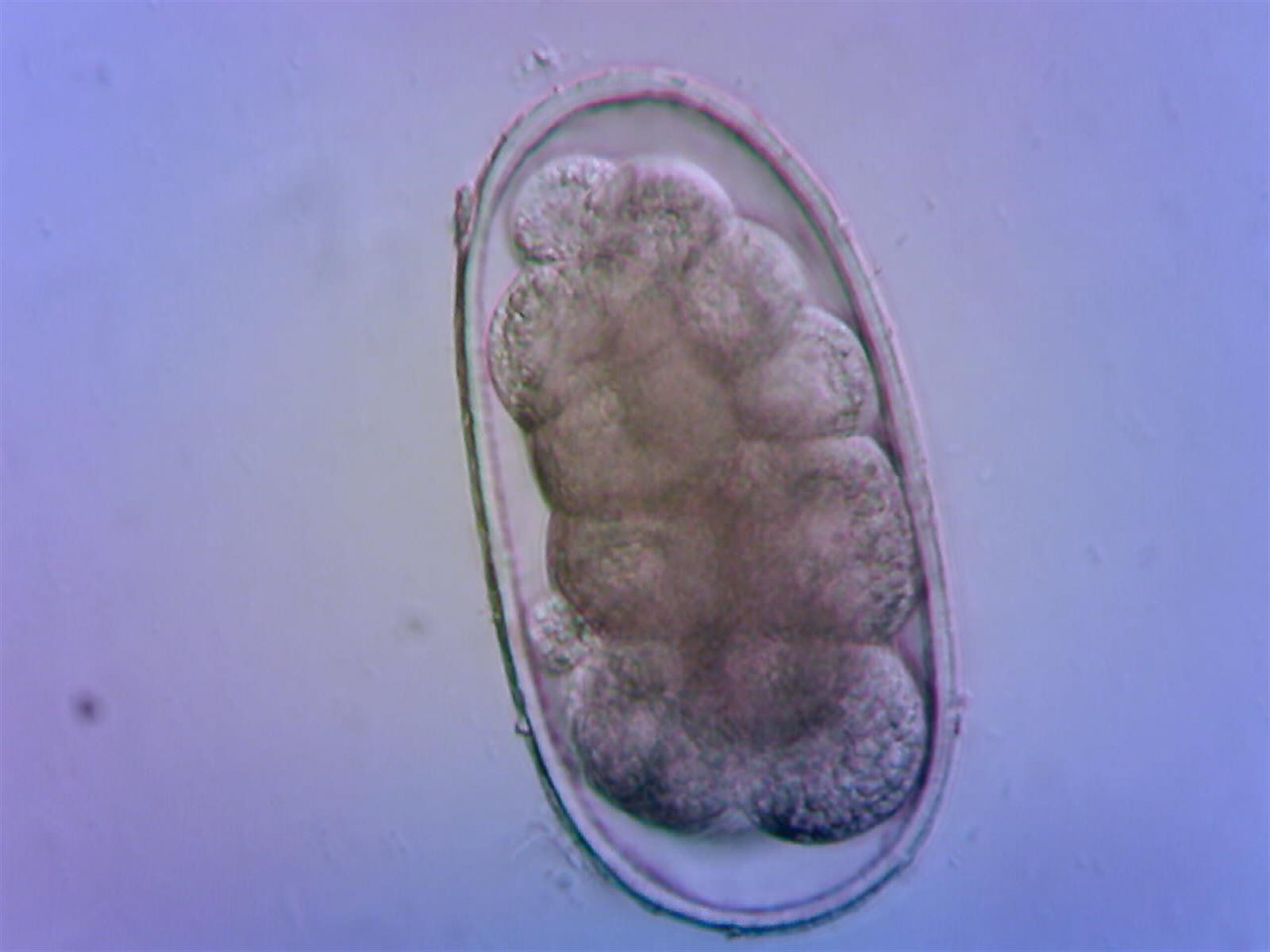
Syngamus trachea
Gape worm in birds
Causes coughing, gaping and/or gasping
May cause exercise intolerance and/or stretching out neck to get air
Strongyloides spp
Threadworms
Treated with fenbendazole and/or ivermectin
Smooth, oval shell with plugs on each end
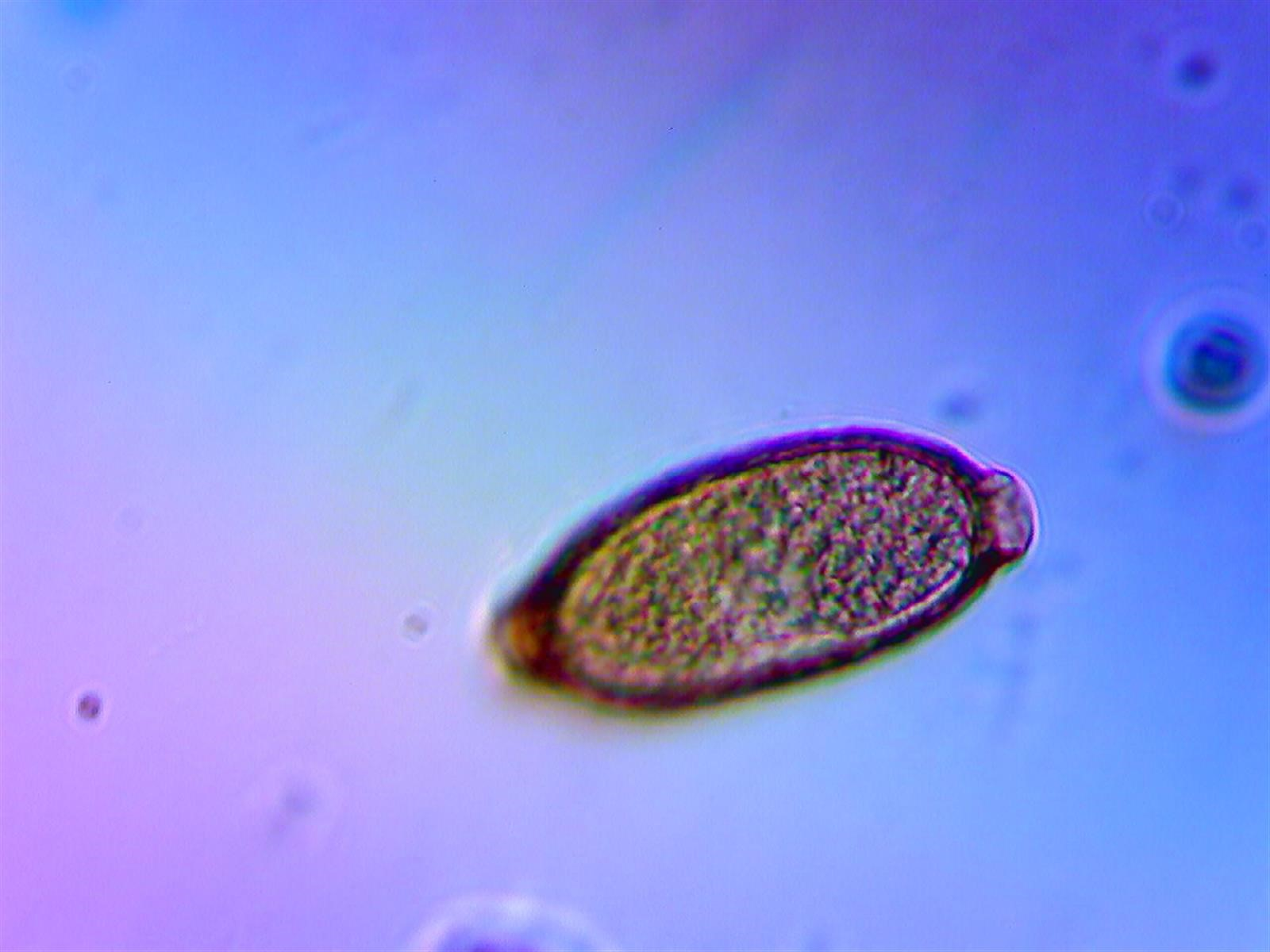
Capillaria spp.
Found in birds
Bipolar plugs, smooth oval shell
Treated with fenbendazole except in pigeons
Oxyurids
Pinworms
Adult worms are seen around the anus
Often seen in porcupines
Acanthocephala
Found in the intestines of waterfowl
How to perform a fecal flotation?
Take fecal material, add fecasol, agitate and loosen material. Add more fecasol to create meniscus
Wait seven minutes
Eggs will float to the top and stick to cover slip
Look at cover slip under microscope
Crop Swabs
Insert a moistened cotton-tipped applicator and swab the crop
Rub cotton swab on slide and add a drop fo saline
Look quickly before it dries
What are some considerations we must think about for wildlife in our care?
Illness/injury acquired in our care (iatrogenic issues)
Appropriate husbandry, nutrition, enrichment
Stress of the animal while in captivity
Skill & resources available (financial and human resources)
Pain / medical management (unless orphaned, most have some degree of trauma, dehydration, etc.)
Does the animal have a good chance to be released?
Brambell Commission’s Five Freedoms
Freedom from hunger and thirst
Freedom from discomfort
Freedom from pain, injury or disease
Freedom to express normal behaviour
Freedom from fear and distress
Aspergillosis
Fungal infection that occurs with poor/low ventilation, high humidity, high stress and/or immunocompromisation
Grows in air sacs of birds
Can be prevented with itraconazole
Aspiration Pneumonia
Occurs as a result of neonate mammals being handfed
Prevented by feeding baby on its stomach on a 45 degree angle with its head elevated
Carpal, keel, and other injuries
Due to poor husbandry
Know the species for which you are caring and provide them with appropriate care
Water available for water animals
Net-bottom caging
Carpal bumpers
Tail guard
Towels with no strings or loose fibres
Appropriate substrate
Types of wounds + descriptions
Abrasions
Epithelium scraped off
Incisions
No jagged edges, cut clean
Lacerations
Jagged, irregular edges
Contusions
Bruises, green in birds
Punctures
Very high risk of infection and internal damage
Avulsions
Tear tissue from part of the body
Healing process
Stage 1
Inflammation and debridement
Stage 2
Repair and proliferation
Granulation tissue forms (bright red and fleshy if healthy)
Epithelization occurs
Stage 3
Maturation, slow process
How to treat a wound (4)
Gently debride necrotic tissue
Clean the wound with saline, isotonic fluids or dilute soap
Apply three layers of bandaging
Non-adhesive to absorb exudate
Wrap to hold in place
Protective layer
Clean wound once a day or every 2-3 days if not dirty
Types of wound closure
Primary
Suture within golden period of 6 hours
Delayed primary
Wait before closing to allow for infected wounds to be cleaned
Second intention
Most often used in wildlife rehab, usually the best course of action
Factors to consider with regards to how to close or allow wounds to heal
Time elapsed since injury (do not suture if >6-8 hours)
Degree of contamination (clean and treat without suturing if contaminated)
Degree of tissue damage (do not suture damaged tissue)
Completeness of debridement (do not suture undebrided wounds)
Blood supply
Tension and dead space (risks sutures breaking down)
Wound location
Animal health
Topical therapeutics (5)
Antibiotics, anti-inflammatory, anesthetics, moisturizers
Hydrogels absorb fluid from the wound, prevents pressure and debrides through rehydration
Bandage layers
Primary contact
Low, non-adherent
Secondary layer
Provides a cushion, moves bacteria away from the wound bed, immobilizes the wound
Tertiary layer
Protective layer
Protects wound, keeps other layers in place, provides some water resistance
When wrapping a leg wound, leave toes exposed in mammals to monitor swelling
Systemic antibiotics often used (2)
Beta-lactams
Do not give orally to rodents or lagomorphs
Sulfonamides for rodents and lagomorphs
How long to use antibiotics for a wound?
Until granulation bed is formed in a wound
If gastrointestinal signs are present, change antibiotics
Complications in wound healing
Infection
Myiasis
Self-mutilation from boredom, improper bandaging or discomfort when managing wounds
Scarring
Loss of function
Considerations when feeding young animals (6)
Never feed baby mammals on their back
Disinfect all feeding tubes and syringes
Follow instructions when mixing formula and let it sit for 4 hours
Babies need to be warm and the gut should be moving before feeding
Stimulate baby mammals to urinate and defecate
Weigh baby before every feeding but after stimulating
Sample feeding schedule
Initial feeding: warm Pedialyte only 100% for 2-3 feedings
75% Pedialyte, 25% formula for 2-3 feeding
50% Pedialyte, 50% formula for 2-3 feedings
25% Pedialyte, 75% formula for 2-3 feedings
100% formula
Gavage feeding
Placing a tube down its esophagus
Choose an appropriate size feeding tube and lube the tube
Food should be prepared, mixed and allowed to sit about 4 hours in advance
Do not exceed 5% of body weight
Gavage feeding steps
Warm the solution/food
Measure length of tube needed to reach the crop and mark
Lubricate the tube
Prime/charge the tube by putting some gavage solution in
Extend animal’s head upward and insert the tube
Slowly dispense gavage solution
Pinch tub and withdraw, let head come back to a normal position
How can you minimize refeeding syndrome? (4)
Choose nutrition options that contain potassium, phosphorus and magnesium
Provide high fat, low carbohydrate based nutrition that is introduced slowly
Monitor PCV and TP daily
Supplement electrolytes if required
How would you provide nutrition to an emaciated wild animal?
Understand the body condition of the animal
Obtain a fecal analysis to know if the emaciation is caused by parasites
Obtain a PCV, TP, blood smear and electrolyte analysis to indicate how the animal may do with its condition
Provide stabilization
Can provide vitamin b injections
Provide an external heat source and oxygen
Release criteria
Age
Weight
Physical fitness
Disabilities
Ability to reproduce
Behavioural and social criteria
Recovery from injury
Feathers and waterproofing in birds
Principles of treating oiled wildlife
What role do you play in an oil response?
Do you have the resources, training, and permission to rehabilitate?
What are the limits that must be placed on the number of animals on intake?
Can the animal be successfully rehabilitated?
Process to remove oil (1, 2+1, 3+1, 4)
Admit the animal
Assess the animal and stabilize
Eye care, remove oil from nares and oil cavity
Wash, rinse and dry
40-41 C water, use only Dawn detergent, flush eyes regularly with saline to prevent infection,
Rehabilitate and release
Imping
Using prosthetic feathers from a donor cadaver of the same species and life stage
Cannot imp all primary feathers, do not imp more than 1-2 feathers
Housing considerations (6)
Make sure towels do not have strings or loose fibres that can cause entrapment
Do not house birds in wire cages where they can injure their feathers or hit their head
Only use paper tape or vet wrap to stabilize bird wings
House animals on appropriate substrate
Ensure bars/wires are not made of a toxic metal
Ensure animal cannot get its teeth around the bars of the cage
Steps for Completing a Case
Assumptions
Intake + Stabilization (with record-keeping) + Welfare Considerations
Physical Examination
Case-Appropriate Treatment (fluid therapy, fracture/wound/trauma management, parasitology, feeding if emaciated)
Monitoring
Feeding and Housing Considerations
Release (release criteria) or Euthanasia
Initial Nutrition Support
Within 24-48 hours of adequate hydration
Supplement with thiamine and other B vitamins
Introduce small amounts of easily digestible food (3-5% of body weight) divided into 3 to 4 feedings per day
Begin with oral fluids on the first day followed by Pedialyte (glucose free) on the second day
Provide easily digestible diet such as Carnivore Care, Hill’s A/D (alimentary diet, scrambled egg with shell in or salmon.
Avoid diets high in carbohydrates
Provide 3% of body weight for birds, no more than 20% of RER for mammals
If regurgitation occurs, discontinue feeding for 24 hours, and begin again with oral electrolytes in smaller volumes
Transition to Solid Food
Once dehydration and electrolyte abnormalities have resolved
Begin with 3-4 bite size pieces of skinned mice, quail with no feathers or bones, or boneless fish (for fish eating birds) soaked in warm water 3-4 times per day
Hand feed or force feed if bird is unwilling to eat on its own
If the animal is passing feces normally, and there is no regurgitation or crop stasis (birds), continue to slowly increase amounts offered daily by 10-20% until 100% of RER is achieved over 5-7 days.
Once the animal is eating a normal amount of food for its age and size, begin to offer whole prey in 7 to 10 days. Monitor for pellets (in raptors) and fecal output.
Refeeding Protocol (8 steps)
Determine if refeeding protocol is required
Collect initial diagnostic parameters
Rehydrate and establish appropriate electrolytes
Provide heat, oxygen and antibiotics
Begin oral fluids once stable
Introduce 20% of their RER divided into 4 – 6 meals
Slowly increase RER by 10% a day
Transition to natural diet for that species

