Classical Art and Archeology IU Final
 Studied by 0 people
 Call with Kai
 Learn
Learn Practice Test
 Spaced Repetition
 Match
Match Flashcards
 Knowt Play
1/14

There's no tags or description
Looks like no tags are added yet.
Name | Mastery | Learn | Test | Matching | Spaced | Call with Kai |
|---|
No analytics yet
Send a link to your students to track their progress
15 Terms
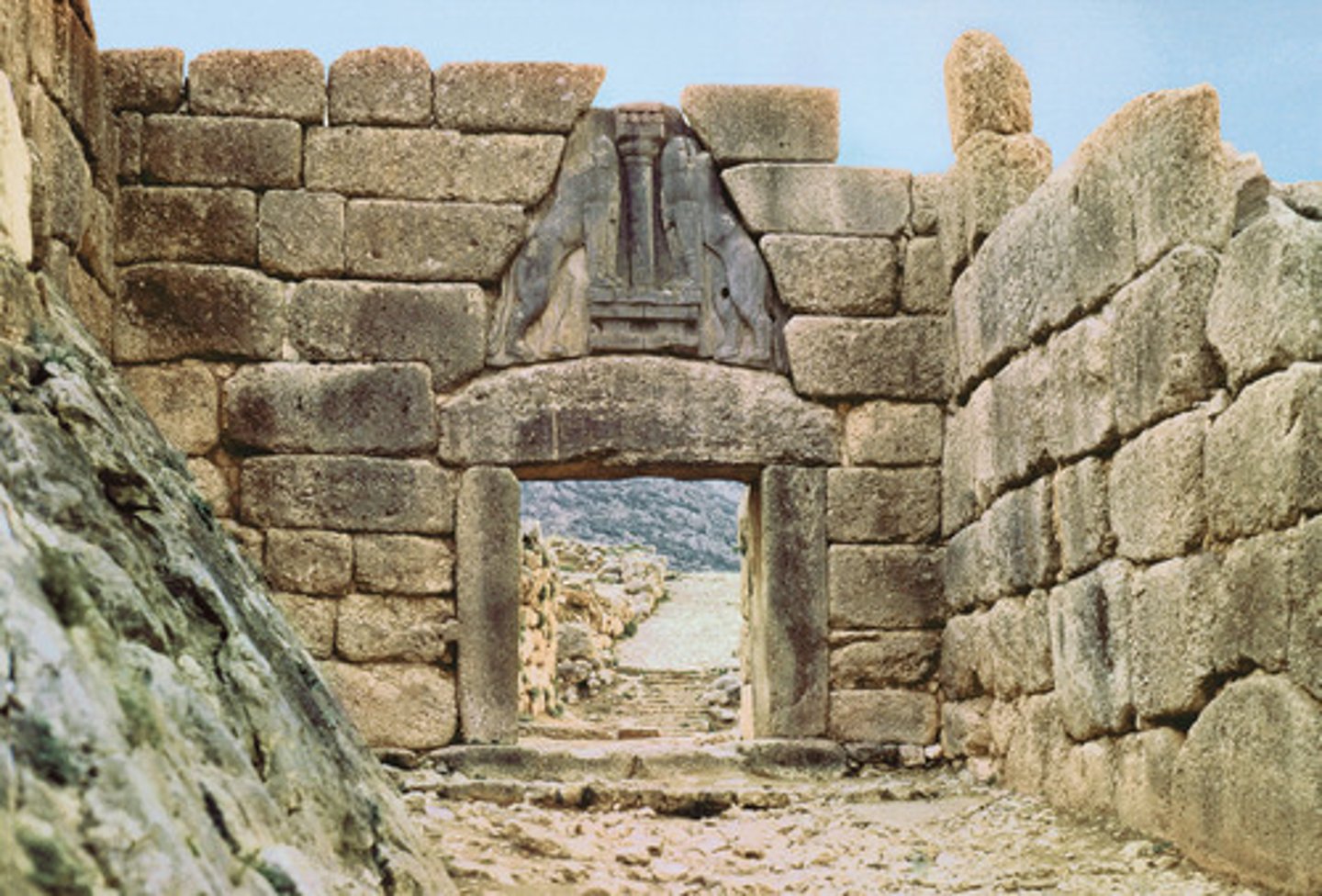
Bronze Age Greece
•Feldman's international style and social stratification
•Palaces: Minoan (Knossos) and Mycenaean (Mycenae, Pylos)
•Wall paintings: interest in nature, representation of religious themes
•Pottery: from imitation metallic to the beginnings of iconographic representation
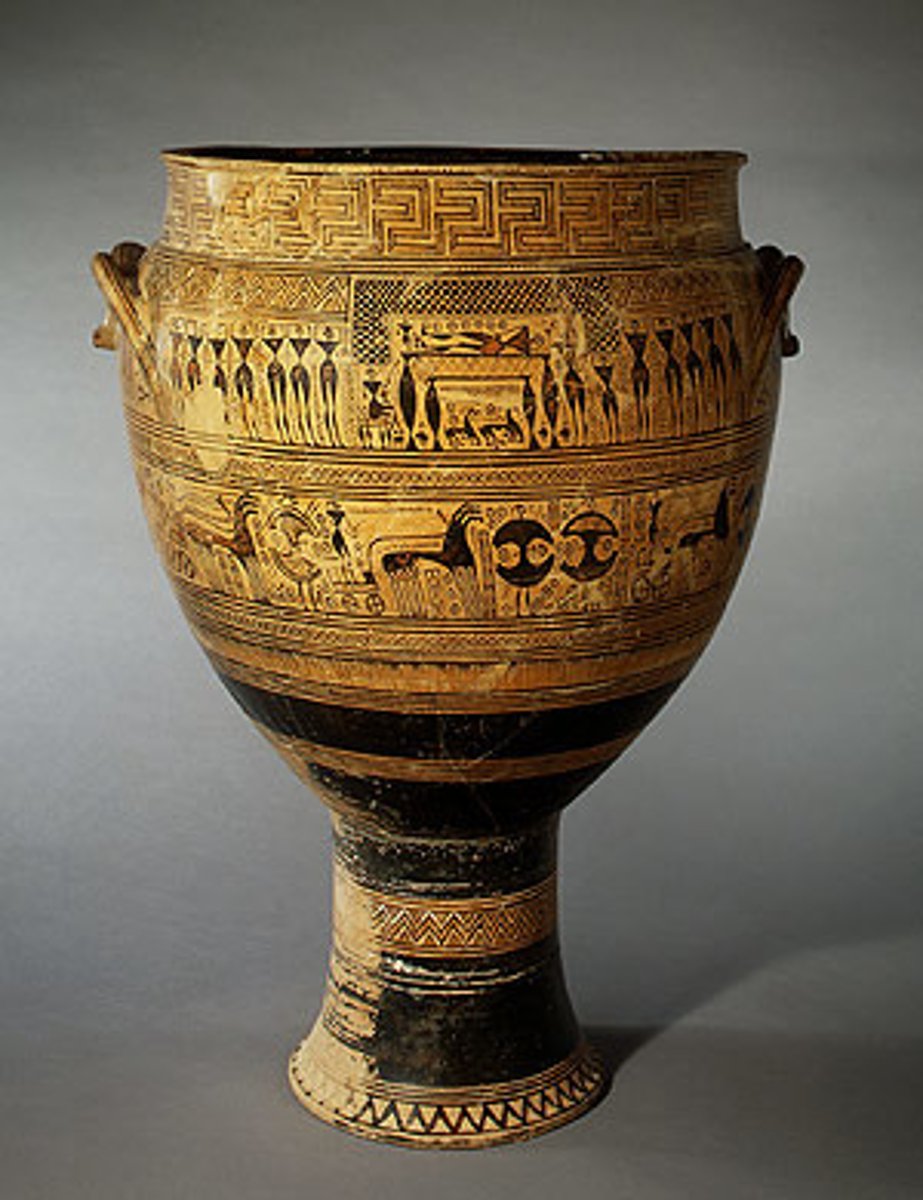
The Iron Age
•Decentralization of wealth and power
•Weakening of ties with overseas groups
•But some persistence: Lefkandi burials
•Beginnings of the polis
•Monumentalization: hero cults, early temples
•Writing
•Early narrative art
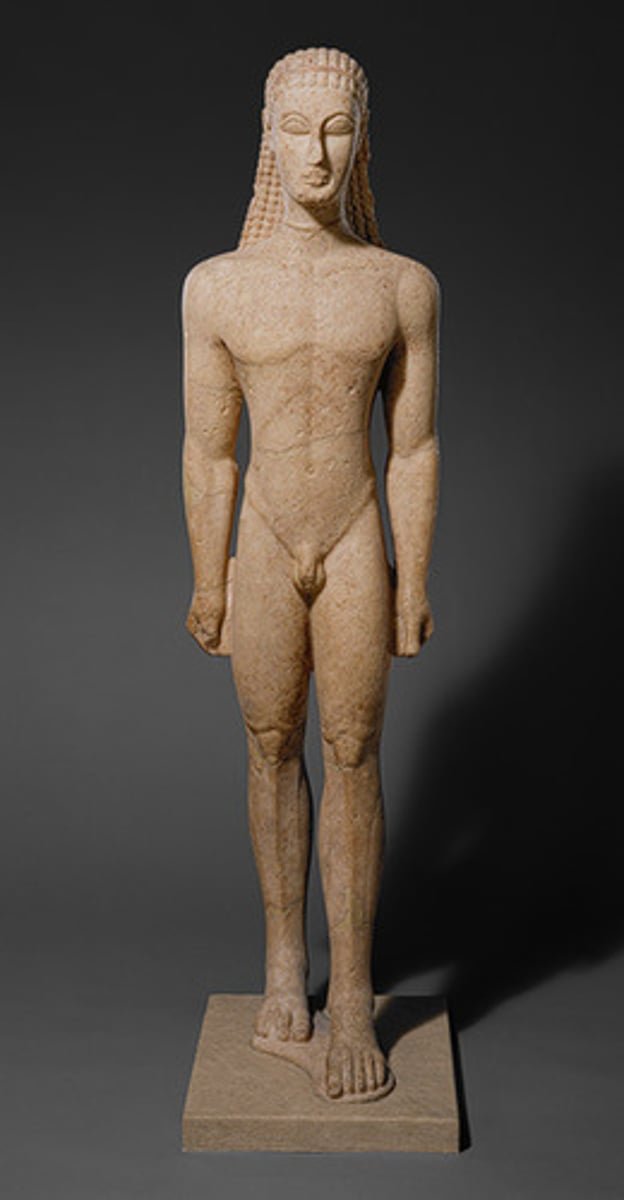
Earlier Archaic
•Increasing contact with east and west --> imaginative adaptation
•Corinth the dominant pottery source, islands the dominant stone source
•Colonization of the western Mediterranean (Paestum)
•Beginnings of panhellenism
•First freestanding sculptures (the Nikandre Kore)
Later Archaic
•Popularization of korai and kouroi
•Development and growth of classical architectural forms: Doric and Ionic styles
•Growing room for narrative in art: architectural sculpture, black figure pottery
•Individuation: relief stelai
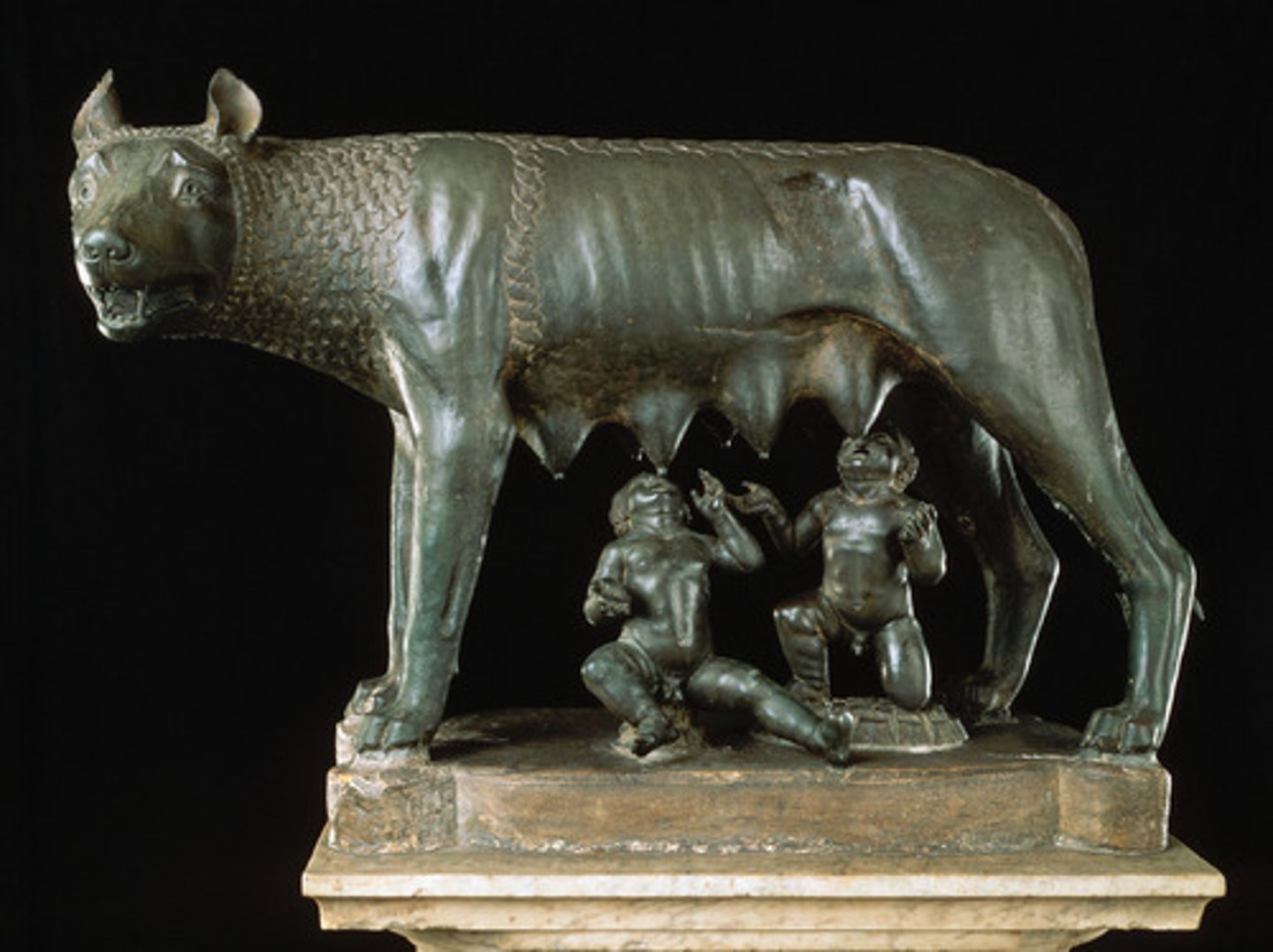
Classical Period
•Birth of naturalism in Greek sculpture as a result of the Greco-Persian Wars
•New forms of sculpture, red-figure vase painting
•First portraits (the Tyrannicides)
•Experiments with combining Ionic and Doric architecture
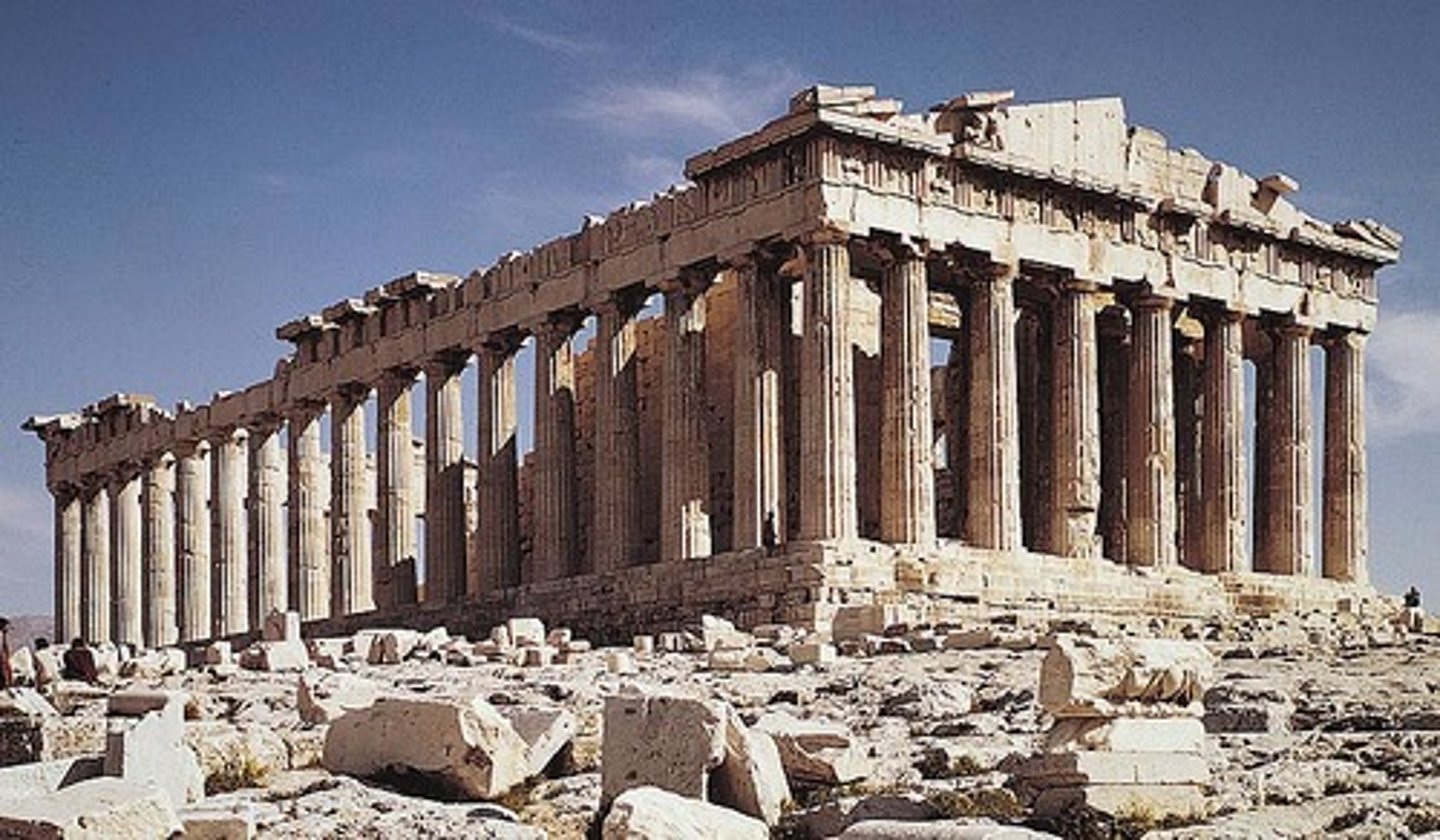
•Concentration of wealth in Athens à Buildings of the Acropolis
The Hellenistic World
•Alexander's conquests à shifting cultural boundaries, more mixture
•Oikoumene, cosmopolitanism
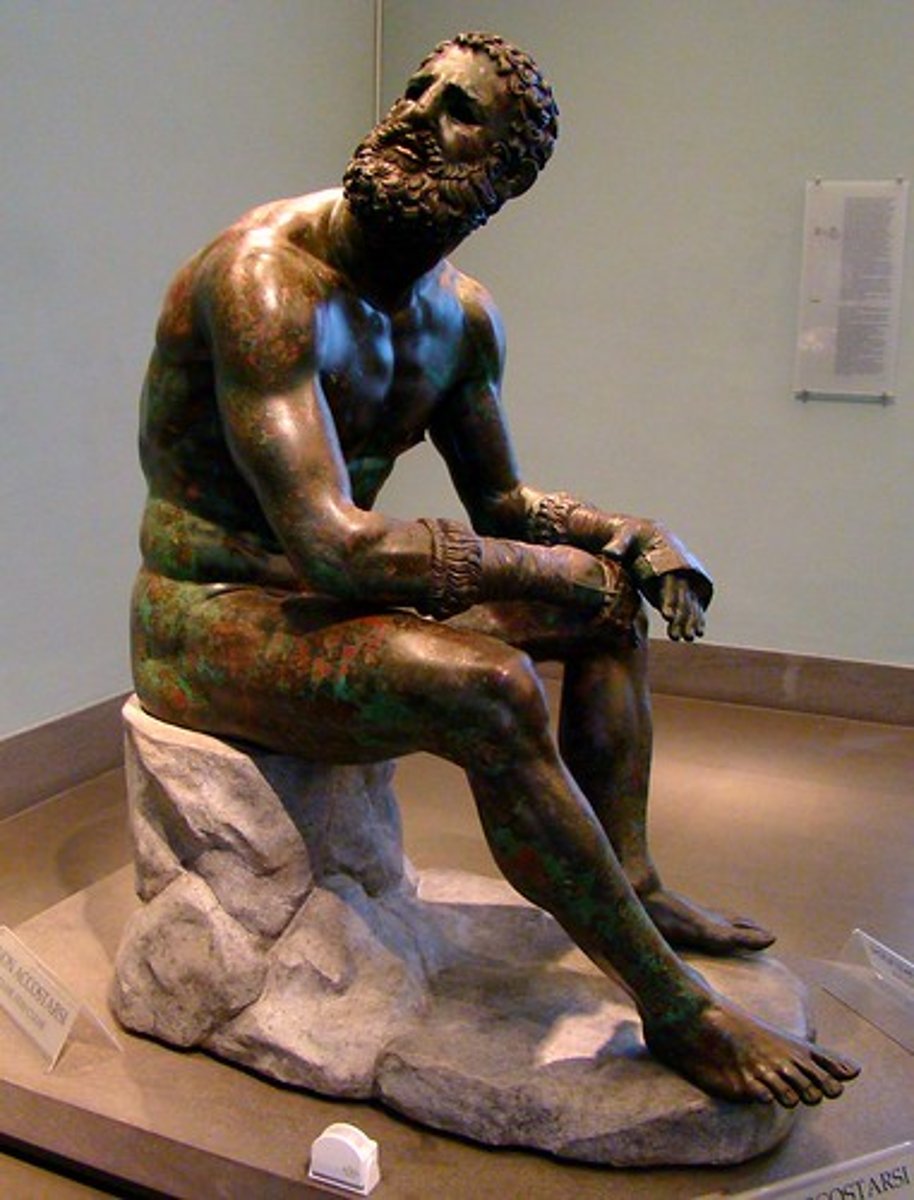
•More theatrical and emotion in sculpture
•Euergetism by royalty and elites à growth of portraiture, monumentalization of cities
•Art as decoration
Pre-Roman Italy
•7th-3rd centuries BCE (overlaps with Republic in Rome)
•Culture groups: Etruscans, Samnites, Villanovans and MORE
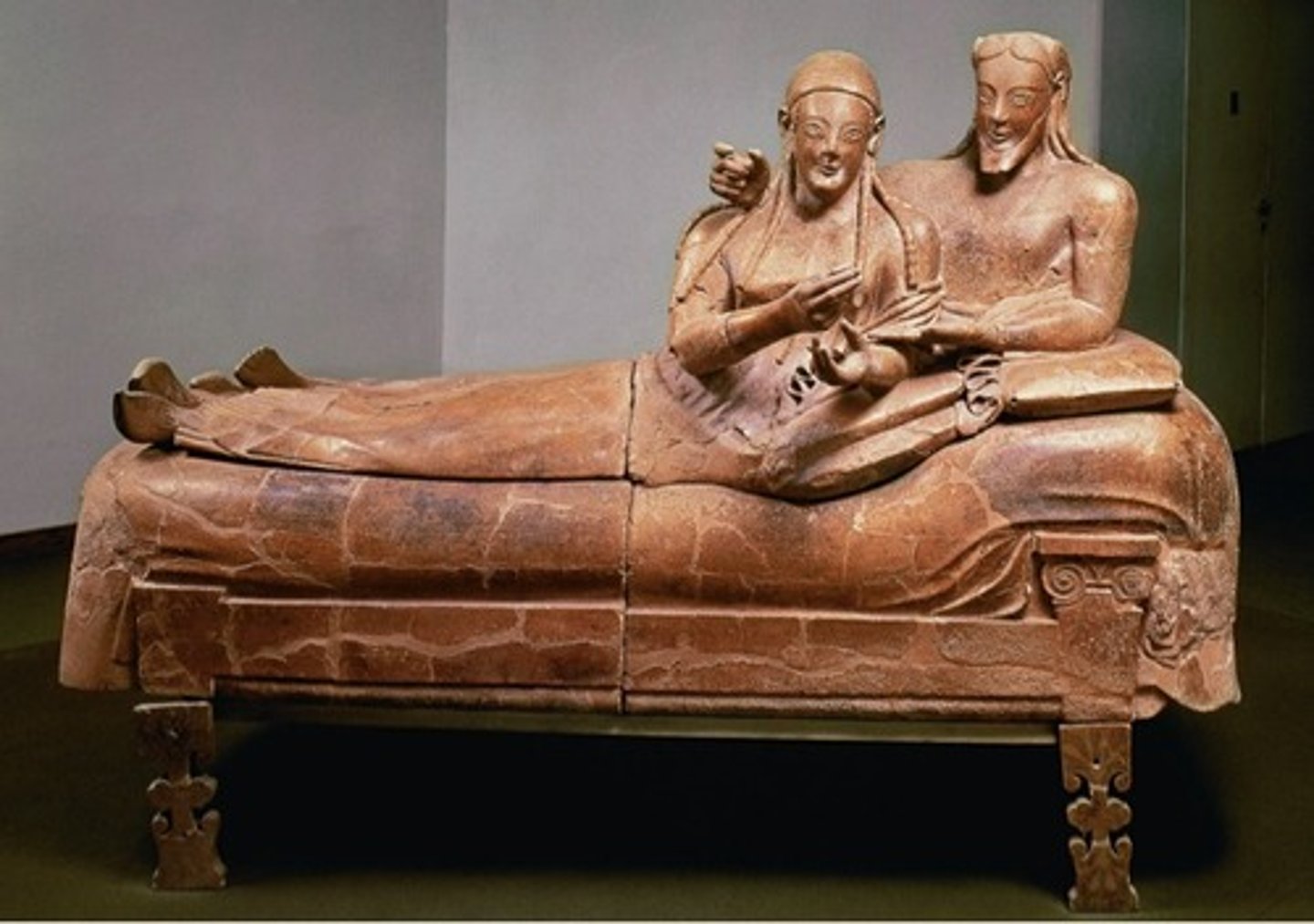
•Key Themes: connections with Archaic/Classical Greece (red-figure pottery, Archaic styles in sculpture), persistence of Italic culture/forms (terracotta sculpture, tufa architecture)
Key evidence: tombs and other funerary remains
Early-Mid Roman Republic
•Early development of Rome and Roman architecture (Sant'Omobono)
•Growing strength and competition among Rome's Senatorial elite à development of Roman Forum and its political buildings
•Key infrastructure: Cloaca Maxima, Temple of Jupiter Optimus Maximus
Late Republic Roman
•Increasing competition and centralization of power among a few elite clans: manubial temples
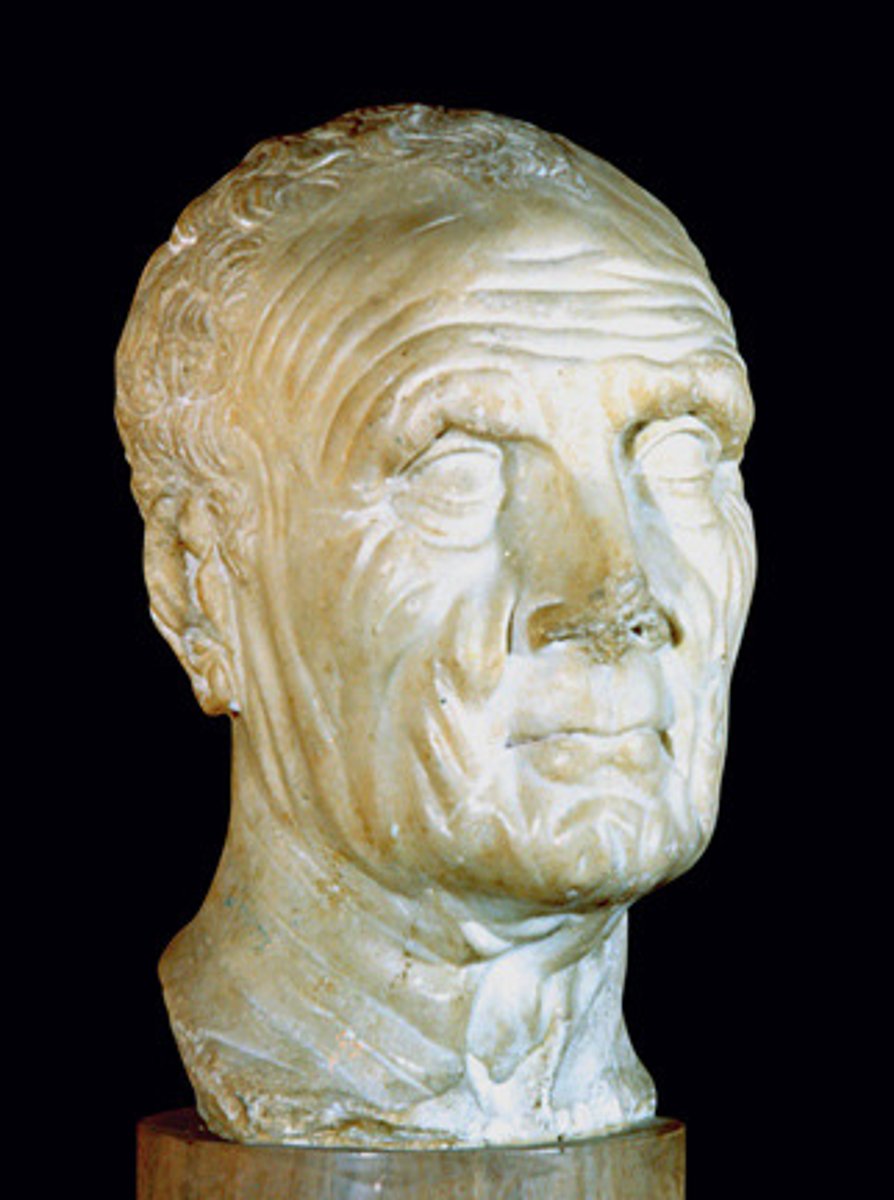
•Shift in portraiture style away from naturalistic towards more veristic styles
•Freedmen's reliefs
•First permanent entertainment structures at Rome (Theater of Pompey)
•First imperial forum (Forum of Julius Caesar)
Age of Augustus
•Key themes: allusion to Classical Athens, Augustan building program, values-oriented iconography (pietas, family relationships)
•Building on Caesar's legacy: Fora of Caesar and Augustus
•Myth-making about Rome: the Ara Pacis
•Developing the persona of the emperor: the Prima Porta Augustus
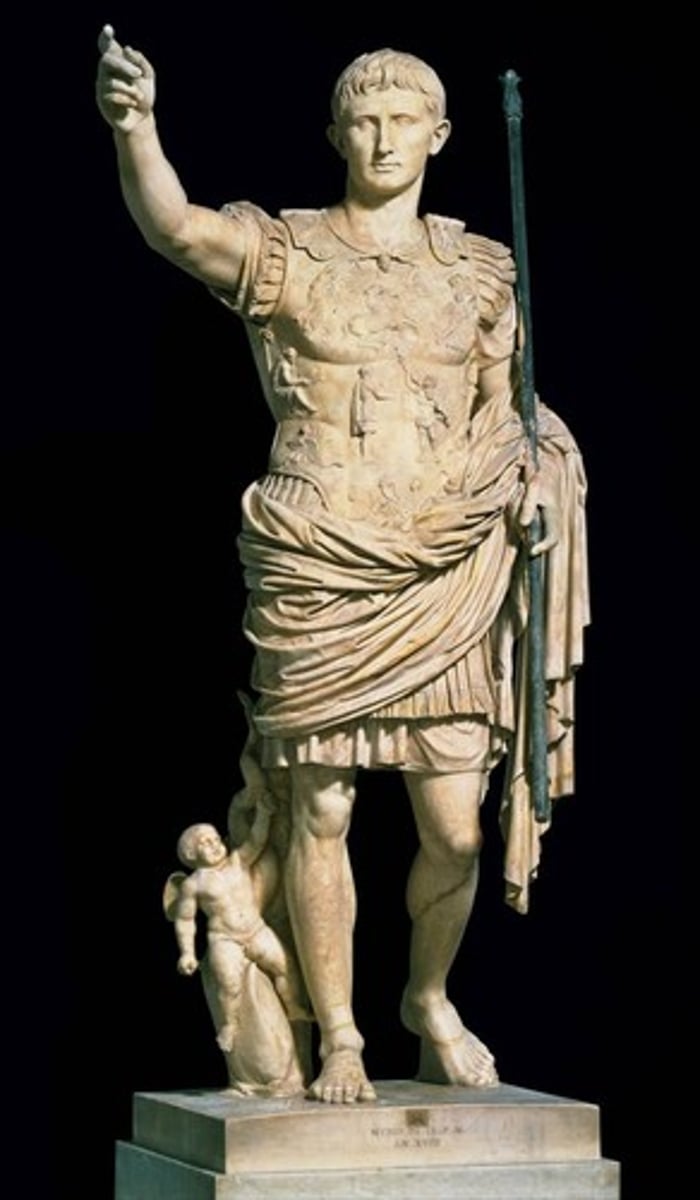
The Julio-Claudian Dynasty
•Imitation of Augustus (and rupture with Nero)
•Creation of a familial dynasty
•Divinization of emperors and growth of the imperial cult
•Growing wealth of family: Nero's Domus Aurea
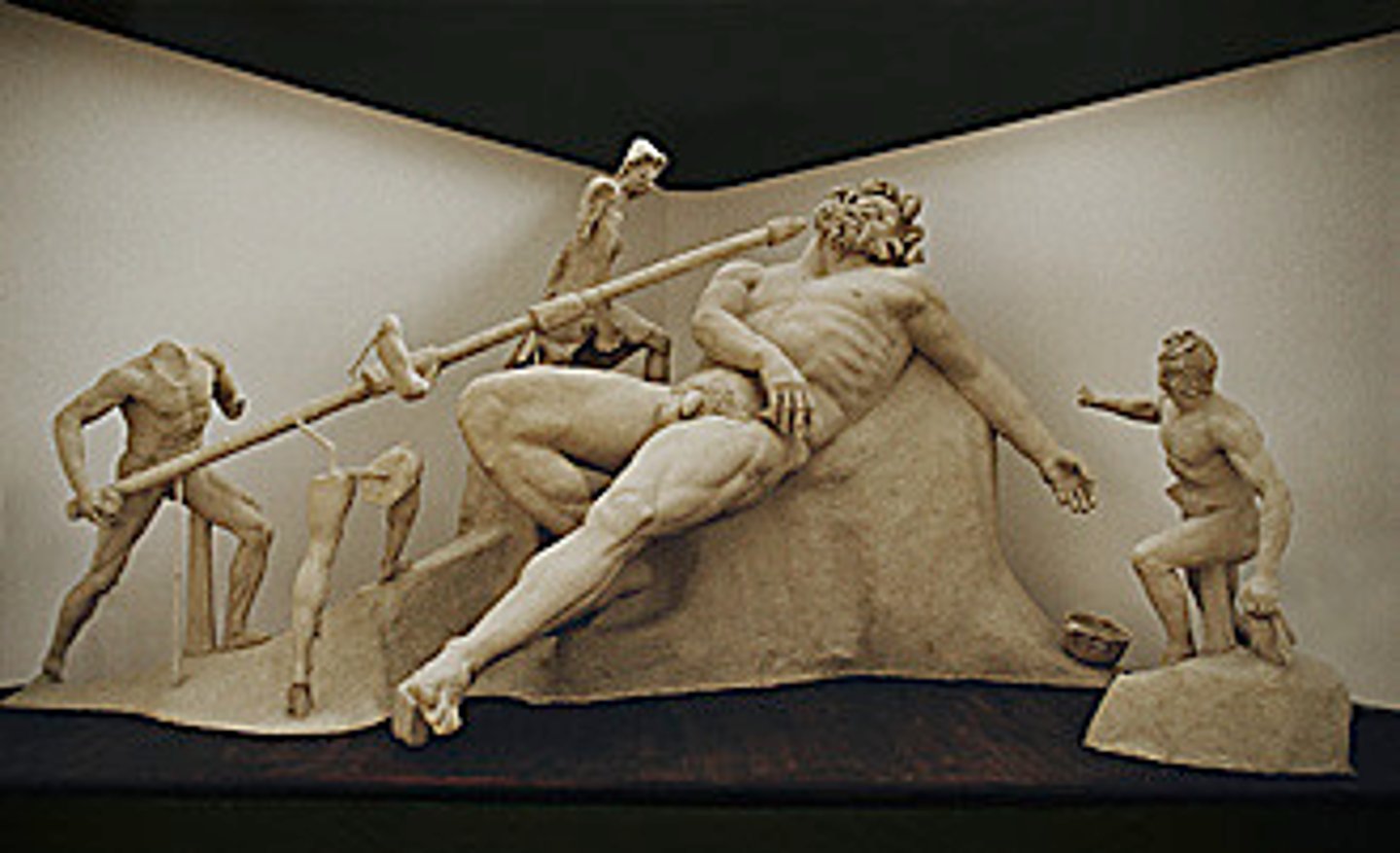
Flavian Dynasty
•Fiction of Julio-Claudian continuity
•Renovation of the Valley of the Colosseum: Arch of Titus, Colosseum
•continued investment in spectacle architecture
•Domestic architecture: Pompeii destroyed in 79 CE
•Wall painting
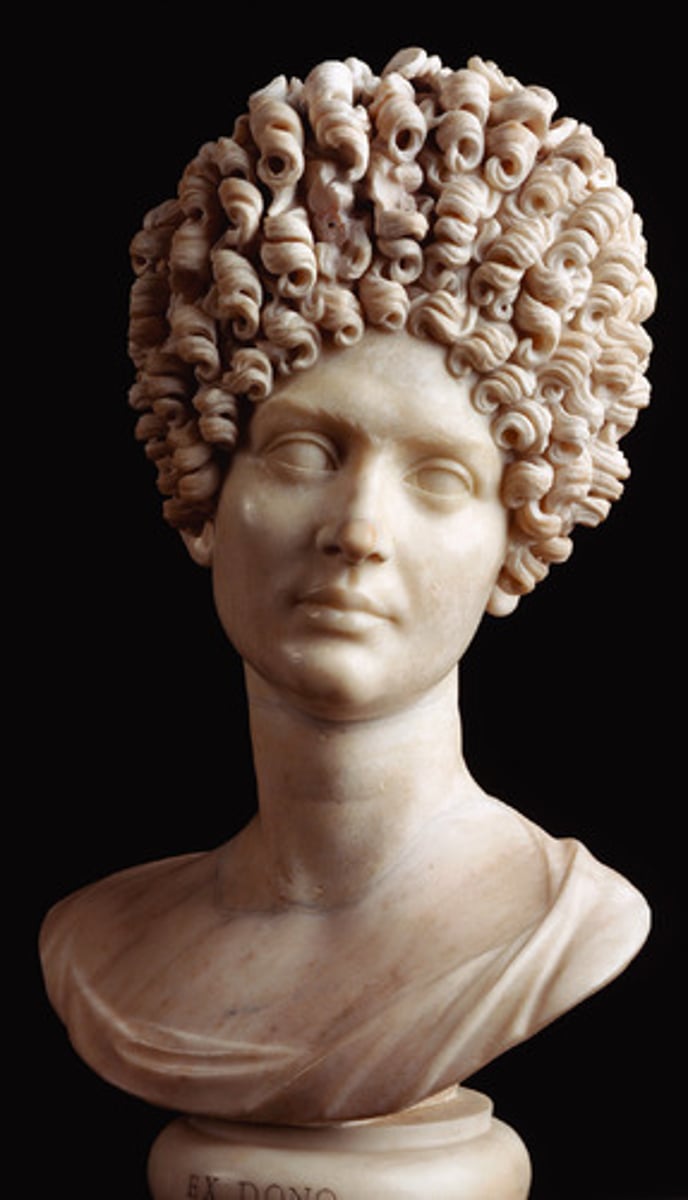
The Antonine Dynasty
•Portraiture: introduction of the beard, return to classicizing forms
•Major architectural and engineering innovations: Pantheon, Markets of Trajan
•Growing investment in the provinces: Hadrian's travels
•Interest in complex and longform narratives in art: Column of Trajan
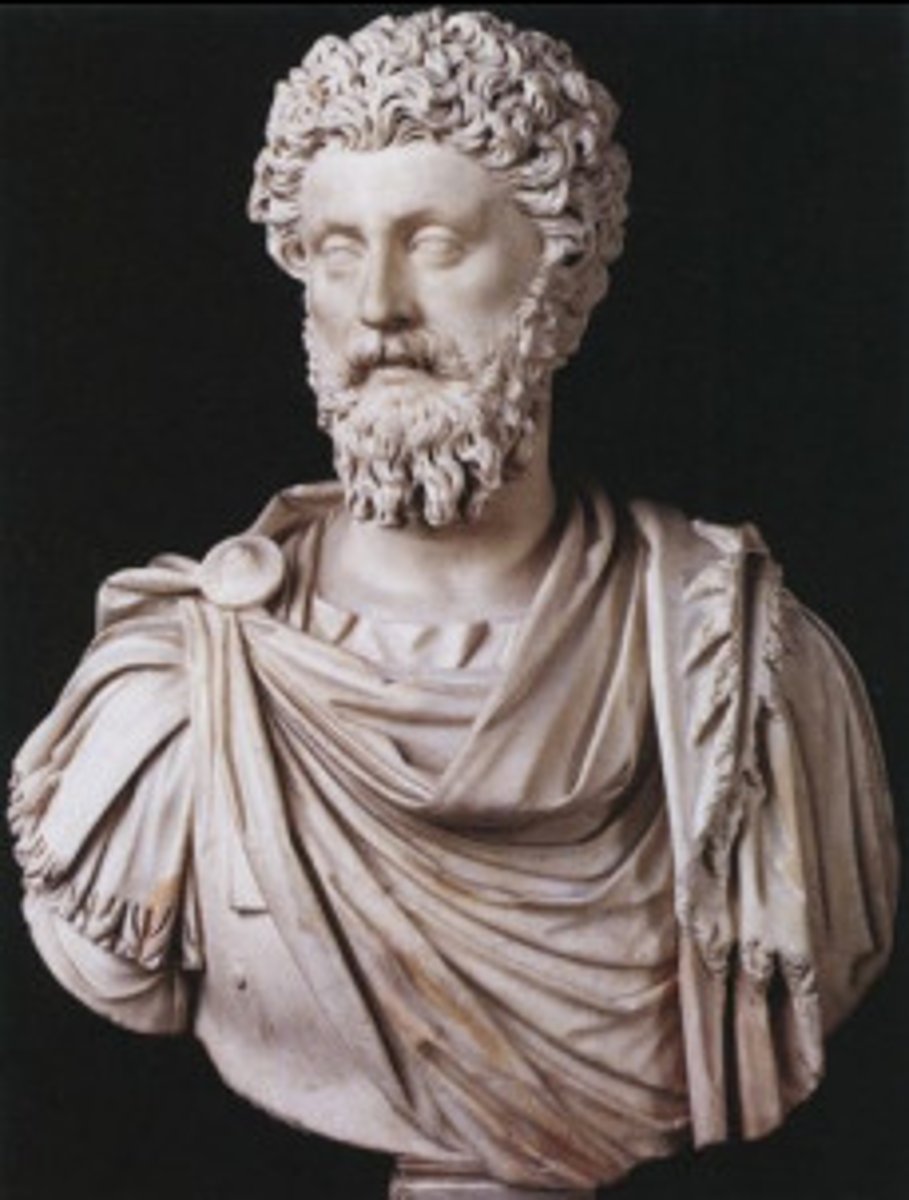
Severan Dynasty
•First dynasty from outside of Europe (North Africa/Syria)
•Growing influence of forms/ideas from the eastern Empire
•New hairstyles in imperial portraiture
•Historical art: more complex episodic narratives (Arch of Septimius Severus at Rome)
•Funerary art: more elaborate treatment of body/sarcophagi, less emphasis on tomb architecture
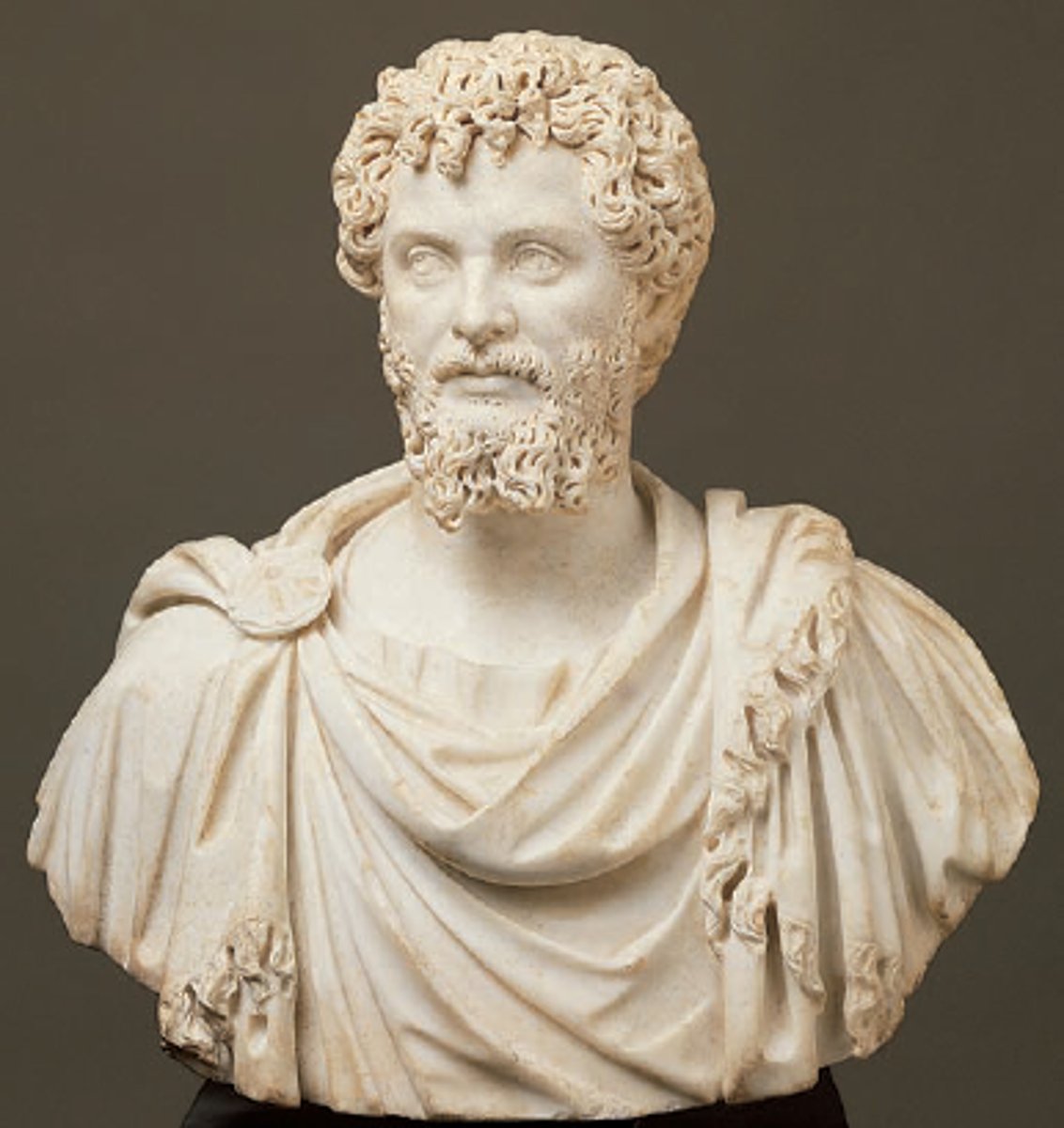
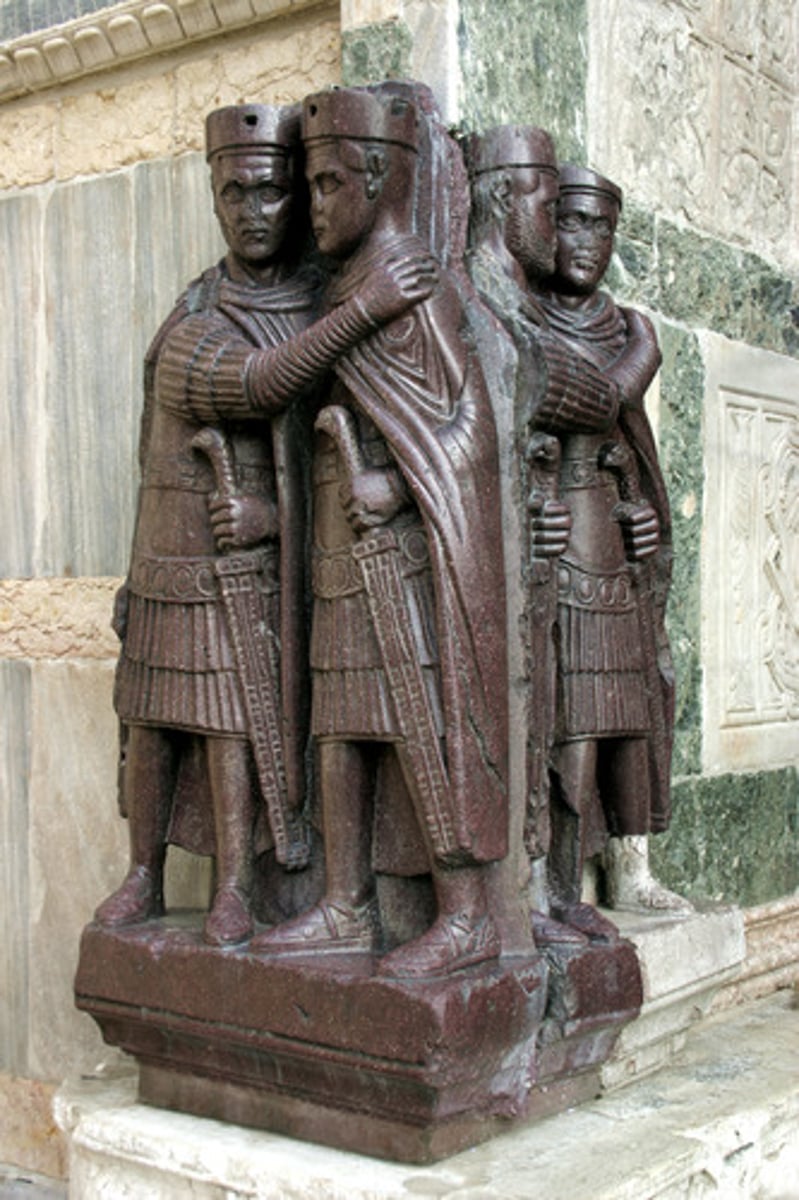
Tetrarchs and Constantine
•Family fictions for the Tetrarchs
•Damnatio memoriae
•Spoliation
•Adaptation to Christianity as the primary religion
 Note
Note  Flashcards (23)