Biochemical Foundations of Pharmaceutical Biotechnology: Cell and Molecular Biology
 Studied by 0 people
 Call Kai
 Learn
Learn Practice Test
 Spaced Repetition
 Match
Match Flashcards
 Knowt Play
1/97

There's no tags or description
Looks like no tags are added yet.
Name | Mastery | Learn | Test | Matching | Spaced | Call with Kai |
|---|
No analytics yet
Send a link to your students to track their progress
98 Terms
What is the importance of Biochemistry and Molecular Biotechnology in drug development?
It is crucial for understanding the mechanisms behind drug action and design.
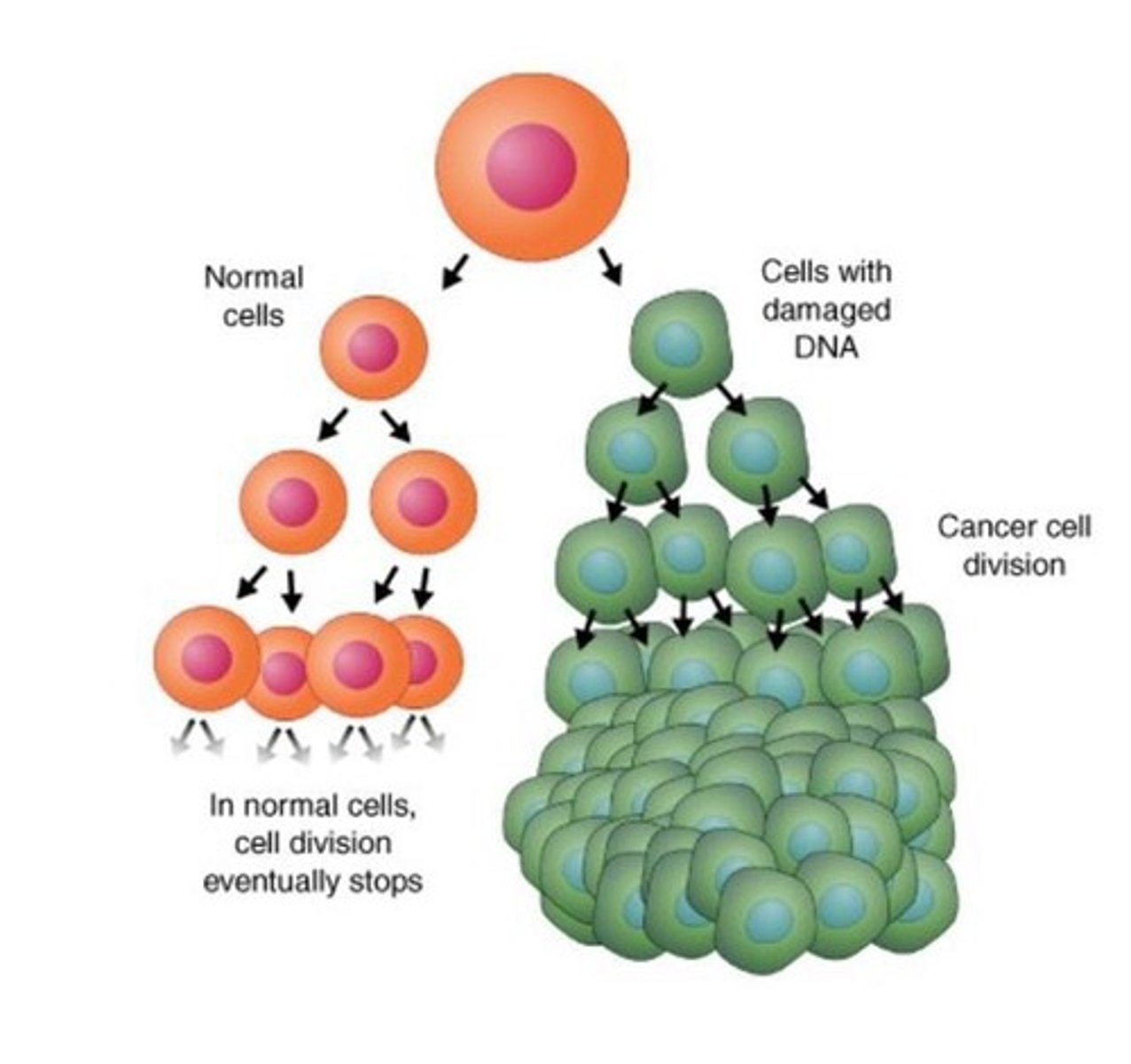
What are the three main problems at the cellular level that can lead to diseases or injuries?
1. Too much cell division (e.g., tumors), 2. Too little cell division (e.g., spinal cord injury and weakened heart muscles), 3. Abnormal cell function (e.g., hemophilia which is the inability of liver cell to produce the correct amount of clotting factors).
What is the cell theory?
1. Every living thing is made of one or more cells, 2. The cell is the basic unit of structure and organization in living organisms, 3. Cells arise from pre-existing cells.
Who first observed individual compartments in cork plants and coined the term 'cells'?
Robert Hooke
What significant contribution did Anton Van Leeuwenhoek make to cell theory?
He observed bacteria and protozoa
What did Theodore Schwann contribute to cell theory?
He observed animal tissues under microscope
How did the first cell evolve?
Evidence for abiogenesis through Miller-Urey experiment
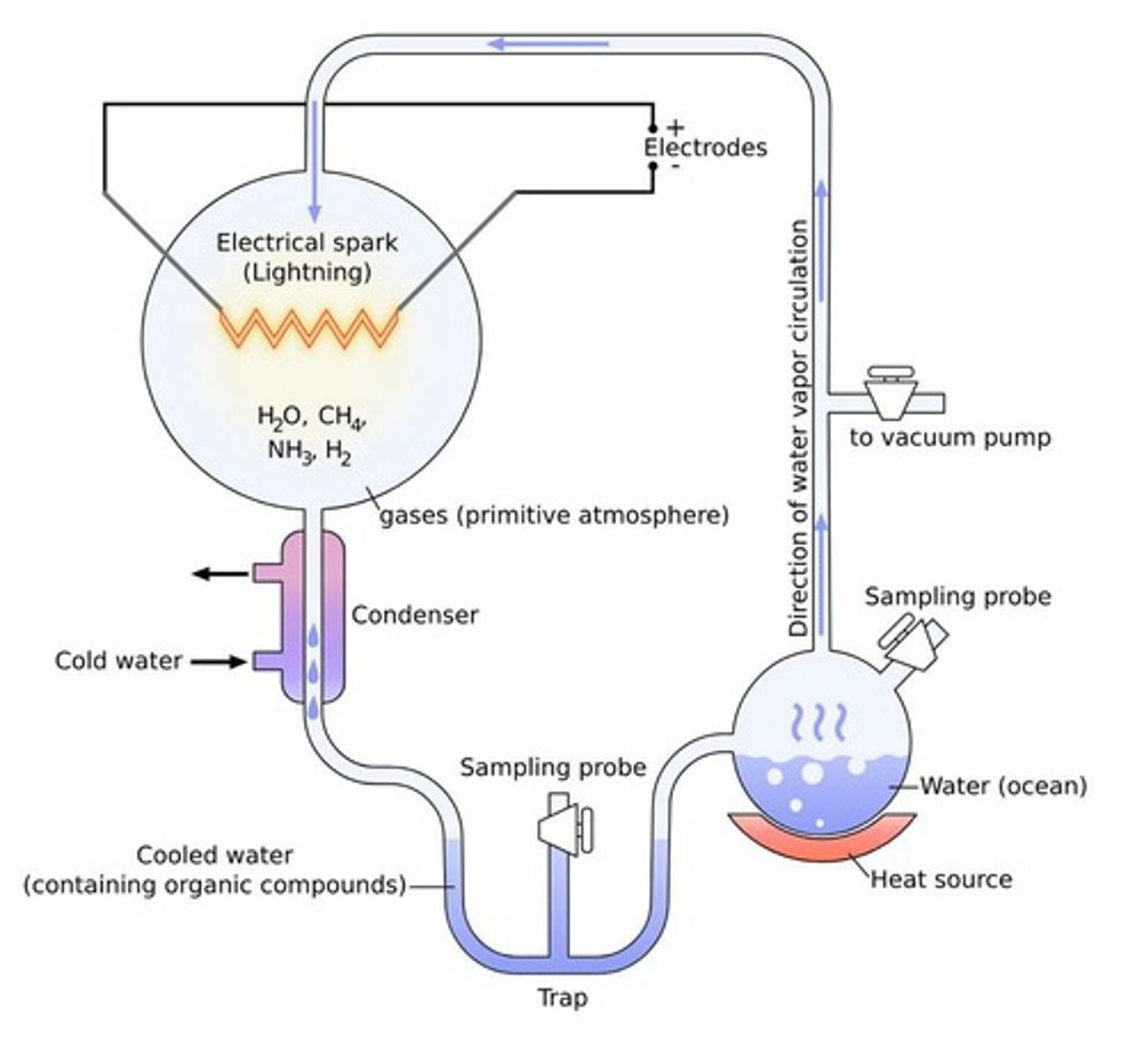
What was the purpose of the Miller-Urey experiment?
Mimicked early earth conditions to show abiogenesis theory. But might not have perfectly replicated earth’s early environment.
Water, ammonia (NH3), methane (CH4), hydrogen (H2), heat, and electricity (to mimic lightning). AAs were found to have formed after about a week. Later experiments showed that nucleotides can form under similar conditions.
What are the steps involved in abiogenesis(Origin of Life from nonlife)?
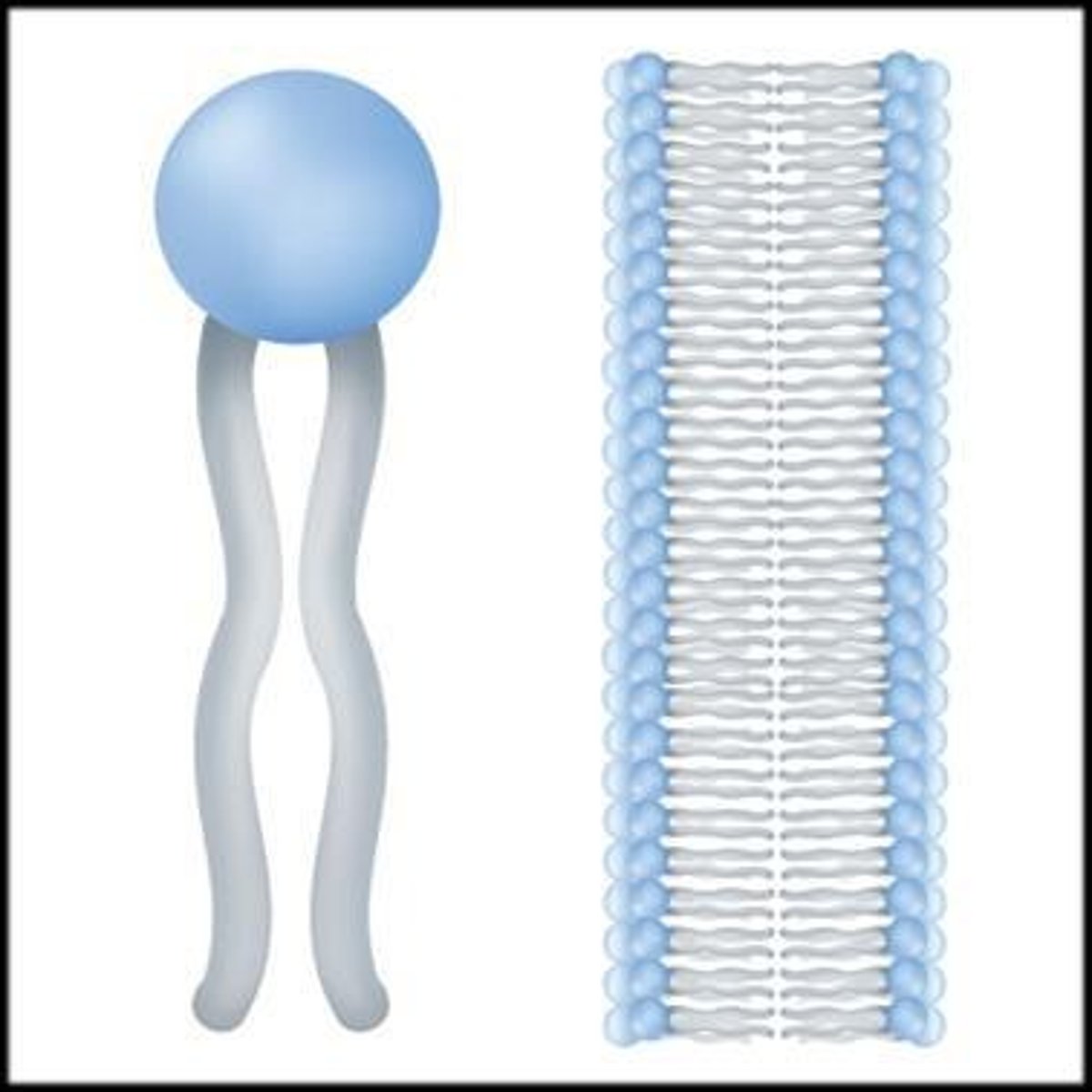
1. Presence of small organic molecules, 2. Formation of monomeric biomolecules (AAs, nucleotides), 3. Polymerization of monomers into macromolecules (proteins, RNA), 4. Encapsulation of these molecules in a phospholipid bilayer.
What was the First Proto-Cell and how is it different from cells today?
Phospholipids spontaneously form a bilayer in aqueous conditions. The first cells were simpler than cells that exist today RNA was the first genetic material. Transition from RNA to DNA, followed by DNA replication and mutation led to the eventual development of more complex cells. This in turn led to the diversity of life that now exists on earth. First prokaryotic cells formed about 3.5 bil years ago.
What are prokaryotic cells?
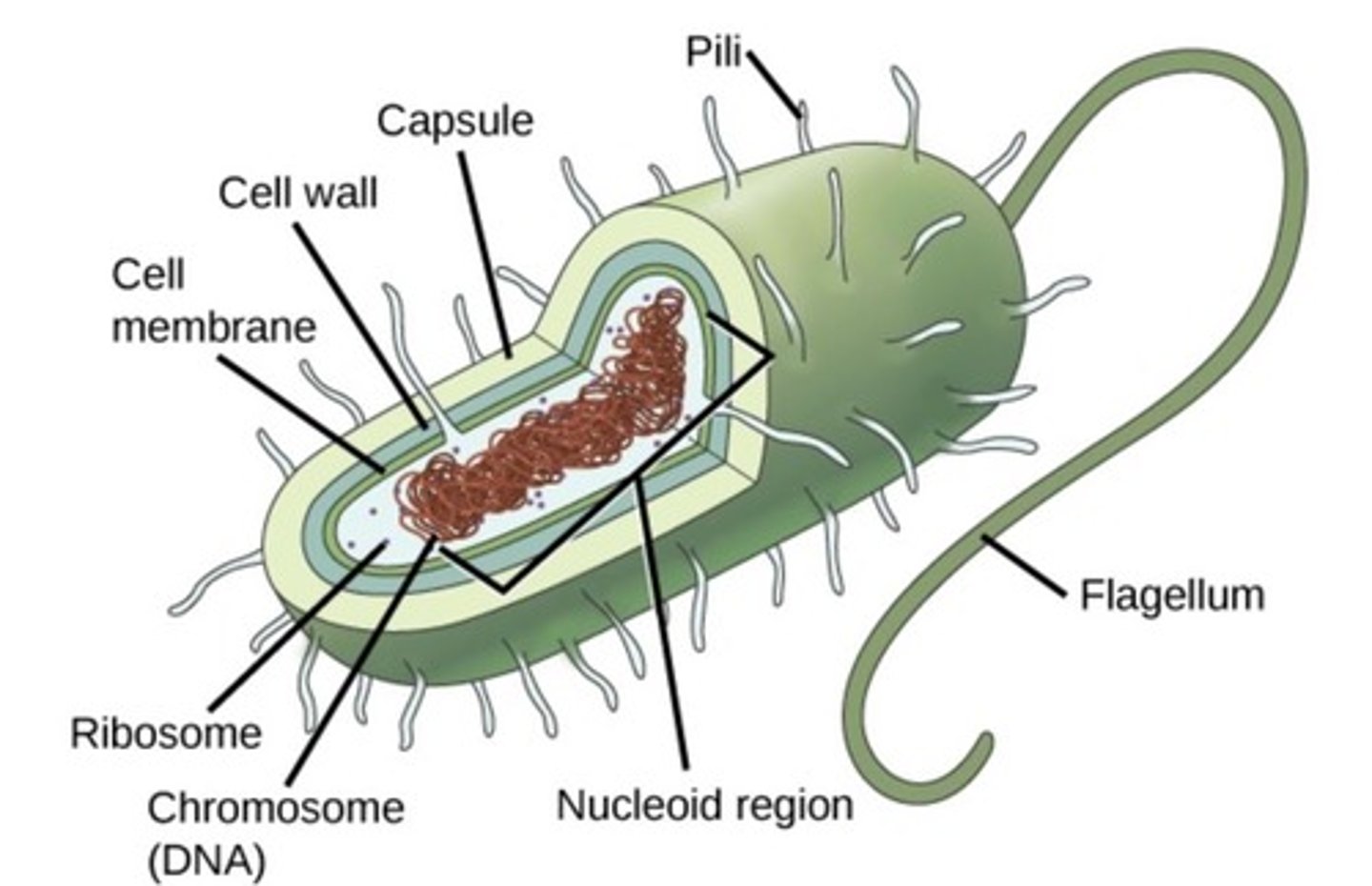
The first cells were prokaryotic (bacteria and archaea are prokaryotes). Prokaryotic organisms consist of one cell (unicellular).
What is the structure of Prokaryotic Cells?
Some prokaryotic cells have both a cell wall and a capsule in addition to a plasma membrane.
The capsule is is mostly for protection, structural support, and adhesion. It is thick, it usually made of polysaccharides (sugar). The cell wall is sometimes thinner, it provides structural support and protection. Its composition varies, but usually includes peptidoglycans and lipopolysaccharides,...
What are the 2 types of Eukaryotic cells? When did eukaryotic cells evolve?
Plant Cell and Animal Cells. First eukaryotic cells: about 1.5 bil years ago. They have a nucleus and membrane bound organelles.
How did Eukaryotic cells evolve?
Endosymbiotic theory. Anaerobic cells are thought to have engulfed aerobic cells, which gave them a selective
advantage. These engulfed cells eventually became the
mitochondria. This process also led to membrane folding
and protrusions that led to the formation of current day organelle.
What organelle is most directly responsible for protein synthesis?
Ribosome
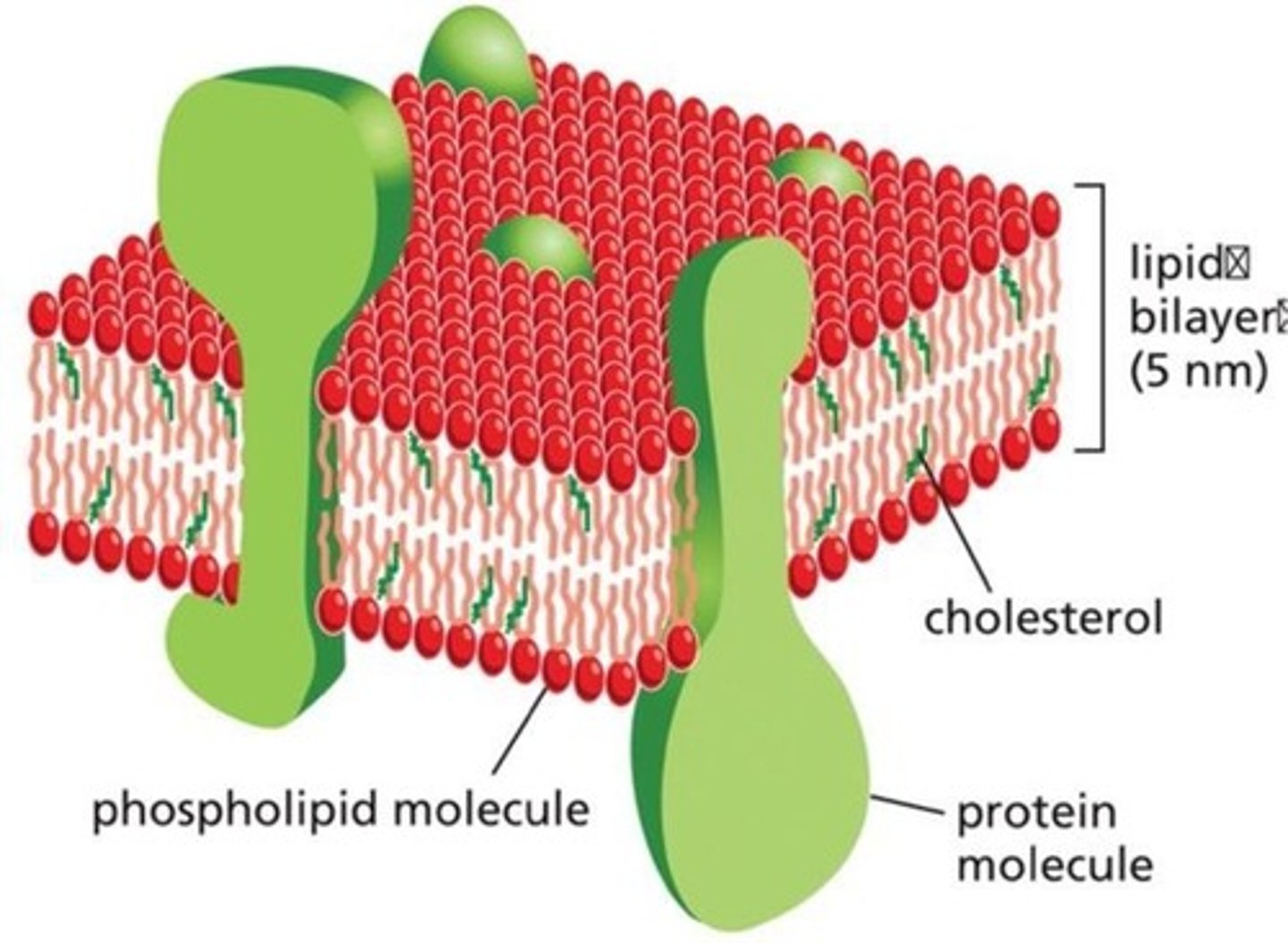
What is the Plasma membrane?
It functions as a type of gatekeeper. 5nm lipid membrane that helps determine what can go in or go out of the cell. Made of a phospholipid bilayer and proteins within it It is semi-permeable. Cholesterol helps fluidity of plasma membrane.
What diseases involve the plasma membrane?
Cystic Fibrosis: Abnormality in a chloride ion transporter that is in the membrane
Hypercholesterolemia: Can involve a defect in the LDL (cholesterol) receptor in the membrane
What is Cytoplasm?
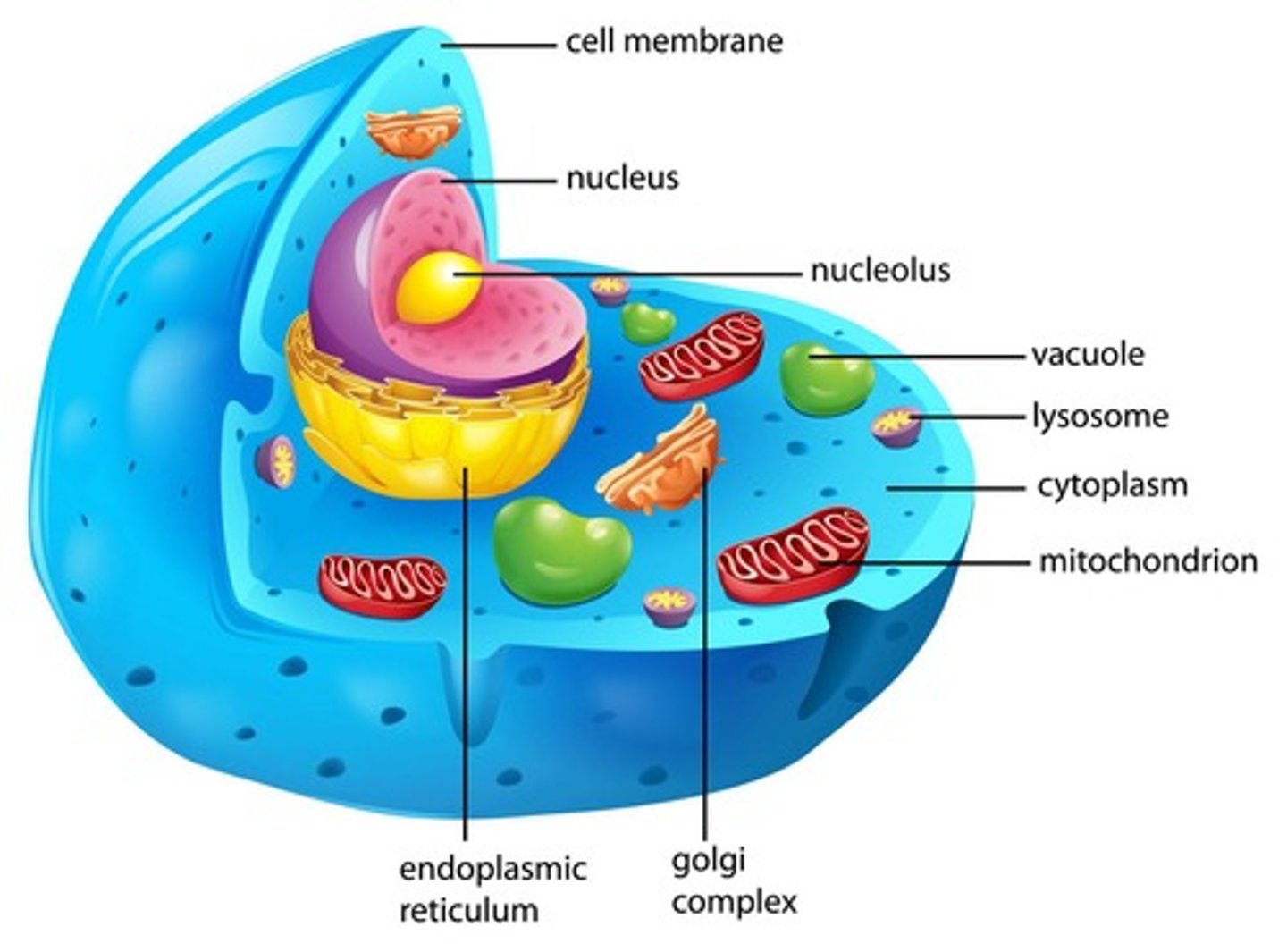
The cytoplasm is the space inside the cell (the interior of the cell). Within the cytoplasm are the organelles and the cytoskeleton. The cytoplasm contains cytosol – a jelly-like fluid
What is the Endomembrane System?
Its a set of membrane bound regions consisting of The nuclear envelope, Rough and smooth (ER), Golgi apparatus, Lysosomes, Endosomes, Plasma membrane, ribosomes, Nucleolus, and Nucleus. Eukaryotic cellular compartments and organelles. These membranes are interconnected, either by direct contact, or by vesicle transport.
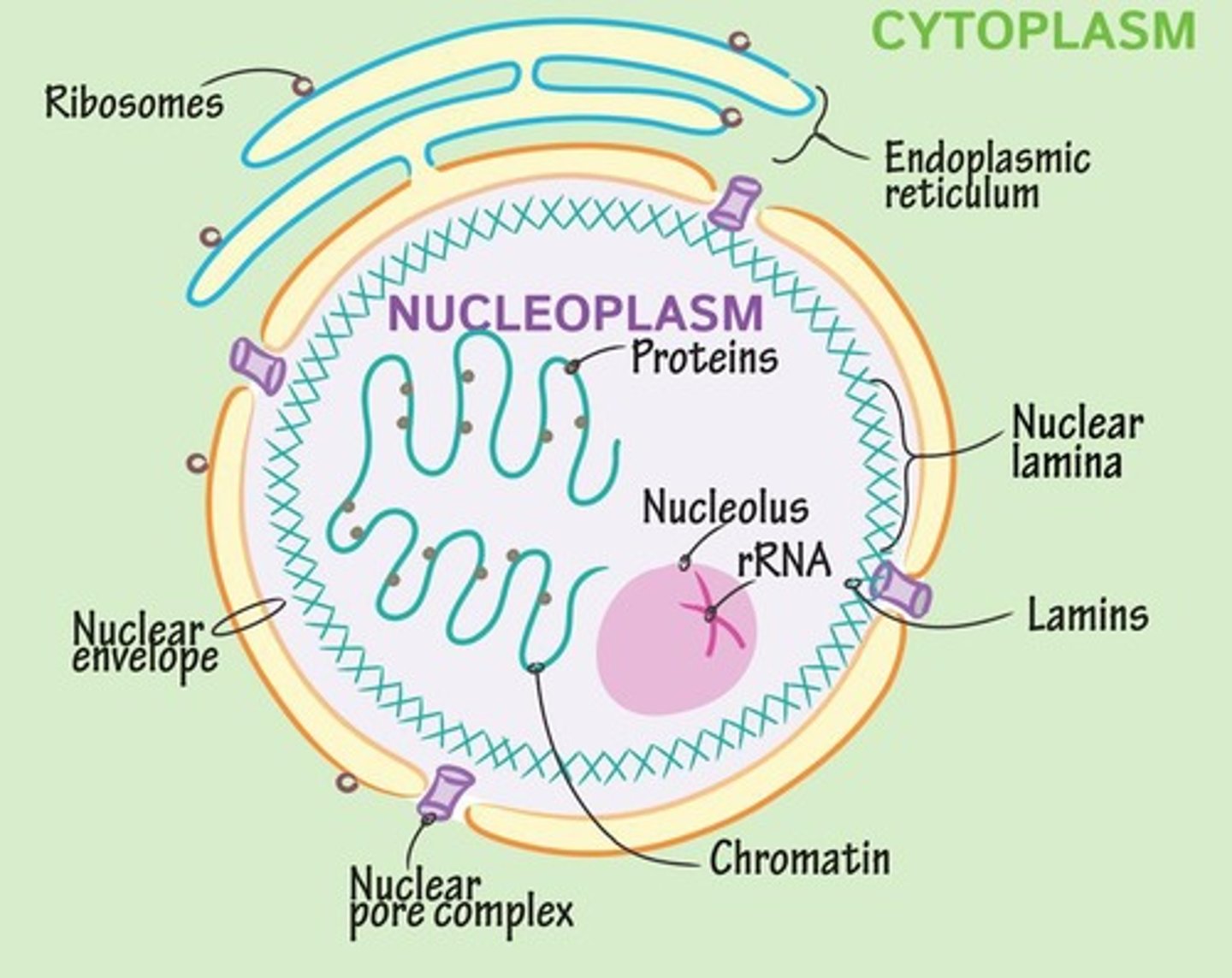
What is the Nucleus?
An important function of the nucleus is the storage of genetic information. Structure and contents of the nucleus. The nucleus has Chromatin( DNA and associated proteins), Nucleolus (ribosomal RNA/ rRNA and ribosomal proteins and key role in making ribosomes). Nucleoplasm (Area in the nucleus other than chromatin and nucleolus). Nuclear envelope (Nuclear envelope consists of a double membrane Contains pores to let things in and out)
What led to the development of more complex cells?
The transition from RNA to DNA, followed by DNA replication and mutation.
What are Ribosomes and why are they non-membrane bound?
Ribosomes have a key role in making proteins during the process of translation. Ribosomes are not membrane bound. They are usually considered a non-membrane bound organelle. Some are free in the cytoplasm. Some are attached to the surface of the nucleus. Some are attached to other organelles such as the rough ER. Ribosomes are made of Ribosomal RNA (rRNA) and protein
What is the ER?
The two major types of ER are the rough ER and the smooth ER. The rough ER is studded with ribosomes, the smooth ER is not. The ER consists of a network of membranes. Inside the ER is the ER lumen Inside the lumen are cisternae, a type of flattened vesicle
What does the Rough ER do?
Synthesis, modification, and transport of proteins. Specifically, proteins that are destined for the secretory pathway; Proteins that are either secreted, destined to the plasma membrane, or to the golgi, ER, or lysosome. Polypeptides made at ribosomes at the rough ER are inserted into the ER lumen. In the ER the proteins are folded and modified by various enzymes. Some proteins are also glycosylated in the ER (This is the process of attaching. Carbohydrates to the proteins, resulting in glycoproteins.
Where do secretory proteins go from rough ER?
The main destination of proteins in the secretory pathway are: Retained in the ER or the Golgi. Sent to the surface of the cell (either secreted or inserted in the membrane). Sent to the lysosome, via endosomes, to serve as lysosomal proteins. Or In some specialized cells, some proteins are stored in storage vesicles until they are released.
What is the smooth ER?
The smooth ER is connected to the rough ER, but is not covered with ribosomes. It produces phospholipids, which are then delivered to various membranes in the cell. It produces steroids, including cholesterol. Its involved in the addition of hydroxyl groups to toxins to enhance their water solubility and thus flush them from the body (detoxification). It does metabolism of lipids and synthesis, metabolism, and storage of calcium ions.
What are the drugs involved in the ER?
HMG-CoA-Reductase is an enzyme that is important for cholesterol synthesis It is located in the membrane of the endoplasmic reticulum (found both in rough and smooth ER). Statins, are drugs that target HMG—CoA-Reductase to lower cholesterol
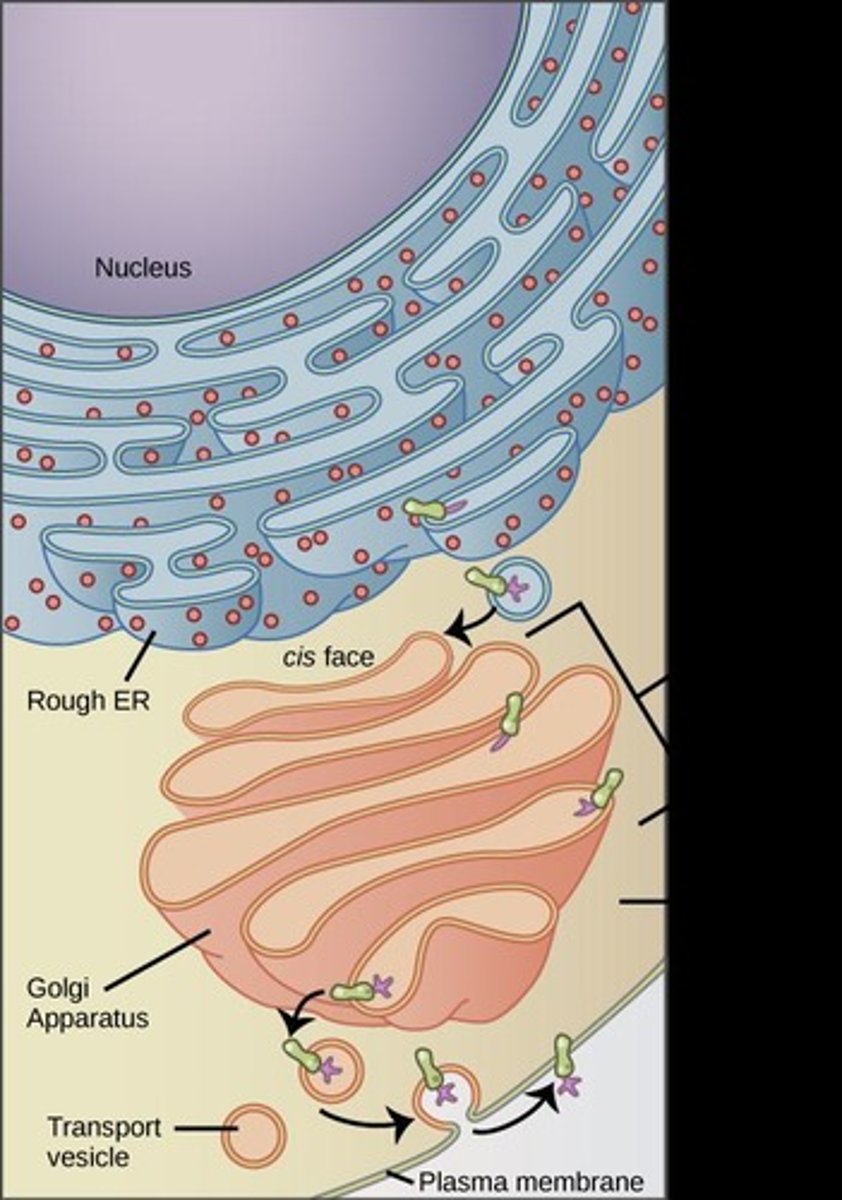
What is the Golgi Apparatus?
It has a cis face which is closest to ER and a trans face furthest from ER. It modifies proteins from the ER and modifies lipids. It Sorts proteins so that they are sent to their correct destinations. The golgi is made up of series of membrane bound sacs called cisternae. Different cisternae contain different enzymes, they have a role in modifying the incoming proteins. It has a cis face, a trans face, a medial region, and associated vesicles. Many cells have one Golgi. The cis face, closest to the ER, receives vesicles carrying newly made proteins (and lipids, from the ER) (accepts cargo). As the cargo moves through the Golgi, various modifications are added. Some of these are important for sorting, they can act as tags or labels. The trans face, the shipping side, the Golgi recognizes the tags, and packages the molecules into new vesicles so that they are sent to the correct destinations. The Golgi modifies proteins, sorts them, and sends them on their way to their appropriate destinations.
What are abnormalities associated with the golgi?
Golgi fragmentation: Fragmentation of the Golgi is seen in cells undergoing apoptosis. Golgi fragmentation is also associated with some types of cancer. Golgi fragmentation is also common in neurodegenerative diseases, such as Parkinson’s. It is not always known that causes the fragmentation.
What is a Lysosome?
One of the major functions of lysosomes is to digest cellular waste. The lysosome is a membrane bound sac containing an acidic environment. The lysosome contains enzymes that digest large molecules, via hydrolysis. Lysosomes digest molecules that are no longer needed, as well as damaged organelles (autophagy).
What is a lysosomal diseases?
Gaucher disease is an example of a lysosomal storage disease. Abnormalities in the gene for an enzyme which breaks down certain lipids. Lipids therefore accumulate in the lysosomes of cells of various organs. Some types of Gaucher disease are treatable, but others, which occur in infants, are usually fatal. The differences lie in the different mutations in the gene for the enzyme.
What is the function of Mitochondria?
Major function of the mitochondria: Cellular respiration, to produce energy. Glycolysis (takes place in the cytoplasm). Citric acid cycle / Krebs cycle (mitochondria). Oxidative phosphorylation (mitochondria). The result is the generation of ATP. The pathway that leads to the production of the largest amount of ATP is oxidative phosphorylation, which occurs in the mitochondria and depends on the presence of oxygen. This is an important energy source for cells. There can be hundreds of mitochondria, needed to produce energy.
What is structure of Mitochondria?
The mitochondria is not considered to be part of the endomembrane system. It contains two membranes: Outer membrane is smooth and Inner membrane makes folds, called cristae. Intermembrane space: The area between the two membranes. Mitochondrial matrix: The innermost part. Mitochondrial DNA, ribosomes, and enzymes are in the matrix. Inner membrane also has enzymes
What is a mitochondrial disease?
Leigh syndrome is an example of a mitochondria disease. This rare disease involves a mutation in a component of the electron transport chain, which occurs in the mitochondria or it can involve mutations in mitochondrial DNA. Symptoms include overall weakness, tremors, and neurological symptoms. The disease is usually fatal.
What does a Peroxisome do?
Metabolism and detoxification are major functions of the peroxisome. Lipid metabolism: In the peroxisome, some fatty acids are broken down into smaller components through oxidation. Detoxification of harmful substances such as alcohol occurs in peroxisomes Breakdown of amino acids in some cells occurs in peroxisomes. Hydrogen peroxide (H2O2) is a byproduct of some of the oxidation reactions that occur in the peroxisome, but H2O2 is further broken down in the peroxisome to avoid toxicity.
What is a peroxizome disorder?
Zellweger syndrome is a disorder in which peroxisome function is severely impaired. It is caused by mutations in genes that encode proteins necessary for the proper assembly of peroxisomes.Symptoms include impaired development and neuronal symptoms. Patients do not usually survive beyond a year of age.
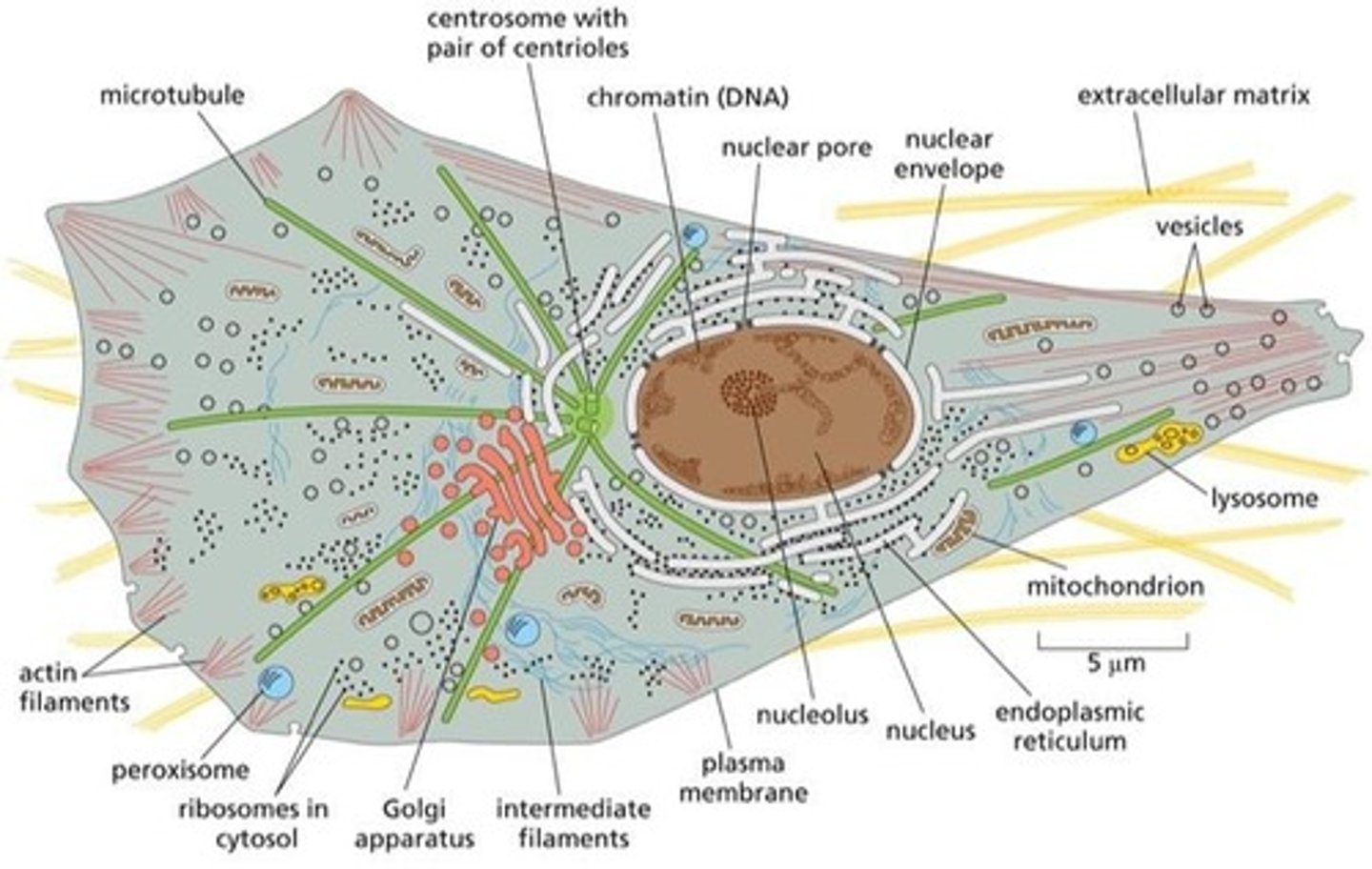
What is a cytoskeleton?
Cytoskeleton is not an organelle it has a network of fibers throughout the cell.
- Microtubules
- Microfilaments (actin)
- Intermediate filaments
It Maintains shape and integrity of cell, Cell motility, Some components of the cytoskeleton can provide tracks for motor proteins, that can move vesicles throughout the cell.
What is a centrosome?
The centrosome has a pair of centrioles and Pericentriolar Material (PCM). The centrioles have important roles in cell division. During cell division microtubules grow from centrosomes, and play a role in chromosome alignment and separation.
Single vs Multicellular Eukaryotes?
Multicellular eukaryotes developed about 600 M years ago. (Single cellular organisms were around much longer, billions of years ago). Examples of single cellular eukaryotes: Yeast, Algae. Examples of multicellular eukaryotes: animals, plants
Multicellular organisms are made in what order?
Cells<Tissue<Organ<system
Do multicellular organisms have differentiated cell?
Yes, the different cells have different specialized functions. (examples include red blood cells, epithelial cells, and muscle cells)
What are the type of tissues in the body of an animal?
Epithelial, connective, muscle, nervous
What is Epithelial tissues?
Sheets of cells that line organs, glands, and exterior surfaces
What is connective tissue?
Found between other tissues (tendons, ligaments, cartilage, bone....)
What are the major biomolecules?
Proteins, Carbs, Nucleic acids, Lipids
What are the basic properties of biomolecules?
-Usually Polymers composed of monomers
-Lipids are the exceptions, not made of monomers
What happens to polypeptides made at ribosomes in the rough ER?
Polypeptides are inserted into the ER lumen, where they are folded and modified by enzymes.
What is glycosylation in the context of the rough ER?
Glycosylation is the process of attaching carbohydrates to proteins
What are the main destinations of proteins in the secretory pathway?
Proteins can be maintained in the ER or Golgi, sent to the cell surface, or sent to lysosomes via endosomes.
What functions does the smooth ER perform?
The smooth ER is involved in the production of phospholipids, steroids, detoxification, lipid metabolism, and calcium ion storage.
What is HMG-CoA-Reductase and its significance?
HMG-CoA-Reductase is important for cholesterol synthesis, located in the membrane of the endoplasmic reticulum.
How do statins affect cholesterol levels?
Statins target HMG-CoA-Reductase to lower cholesterol levels.
What are the two faces of the Golgi apparatus?
The Golgi apparatus has a cis face (closest to the ER) and a trans face (farthest from the ER).
What is the function of lysosomes?
Lysosomes contain digestive enzymes that break down waste materials and cellular debris.
What are endosomes?
Endosomes are membrane-bound compartments involved in the sorting and transport of materials within the cell.
Golgi consists of membrane bound sacs called
cisternae, with a cis face, trans face, medial region
What is the role of the cis face of the Golgi apparatus?
The cis face receives vesicles carrying newly made proteins and lipids from the ER.
What is the function of the trans face of the Golgi apparatus?
The trans face recognizes tags and packages molecules into new vesicles for transport to their destinations.
In summary what does golgi do?
modifies, sorts, and sends them to their appropriate destination.
What abnormalities are associated with the Golgi apparatus?
Golgi fragmentation is seen in apoptosis, some cancers, and neurodegenerative diseases like Parkinson's.
What is the major function of lysosomes?
To digest cellular waste and damaged organelles through hydrolysis.
What is autophagy?
The digestion of damaged organelles by lysosomes.
What is Gaucher disease?
A lysosomal storage disease caused by abnormalities in the gene for an enzyme that breaks down certain lipids, leading to lipid accumulation in lysosomes.
What is the major function of mitochondria?
Cellular respiration to produce energy, primarily through oxidative phosphorylation.
What are the main stages of cellular respiration that occur in mitochondria?
Citric acid cycle (Krebs cycle) and oxidative phosphorylation.
What is the result of oxidative phosphorylation?
The generation of ATP, which is a crucial energy source for cells.
What is the basic structure of mitochondria?
Mitochondria has an inner and outer membrane
What is found in the mitochondrial matrix?
Mitochondrial DNA, ribosomes, and enzymes.
What is the intermembrane space in mitochondria?
The area between the outer and inner membranes of the mitochondria.
What is the role of enzymes in the inner membrane of mitochondria?
They are involved in the processes of cellular respiration.
What are some related topics covered in the course regarding lysosomes?
Metabolism, autophagy, and lysosomal storage diseases.
What is the significance of the Golgi apparatus in protein processing?
It modifies, sorts, and sends proteins to their appropriate destinations.
What is a key feature of the Golgi apparatus related to its function?
Different cisternae contain different enzymes for modifying incoming proteins.
What is the relationship between the Golgi apparatus and the endomembrane system?
The Golgi apparatus is a key component of the endomembrane system, involved in processing and transporting proteins and lipids.
What is the importance of oxygen in the process of oxidative phosphorylation?
Oxygen is essential as it is the final electron acceptor in the electron transport chain, allowing ATP production.
What is Leigh syndrome an example of?
A mitochondrial disease.
What causes Leigh syndrome?
A mutation in a component of the electron transport chain (ETC) or mutations in mitochondrial DNA.
What are common symptoms of Leigh syndrome?
Overall weakness, tremors, and neurological symptoms.
What is the typical prognosis for patients with Leigh syndrome?
The disease is usually fatal.
What are the major functions of peroxisomes?
Metabolism and detoxification, including lipid metabolism and detoxification of harmful substances like alcohol.
What is a byproduct of oxidation reactions in the peroxisome?
Hydrogen peroxide (H2O2).
What disorder is associated with impaired peroxisome function?
Zellweger syndrome.
What causes Zellweger syndrome?
Mutations in genes that encode proteins necessary for the proper assembly of peroxisomes.
What are the symptoms of Zellweger syndrome?
Impaired development and neuronal symptoms.
What is the function of centrioles during cell division?
Microtubules grow from centrosomes and play a role in chromosome alignment and separation.
What are the major components of the cytoskeleton?
Microtubules, microfilaments (actin), and intermediate filaments.
What distinguishes single cellular eukaryotes from multicellular eukaryotes?
Single cellular eukaryotes consist of individual cells, while multicellular eukaryotes are made up of organized groups of cells.
What are examples of single cellular eukaryotes?
Yeast and algae.
What are examples of multicellular eukaryotes?
Animals and plants.
What are the four major tissue types in multicellular organisms?
Epithelial, connective, muscle, and nervous tissues.
What is epithelial tissue?
Sheets of cells that line organs, glands, and exterior surfaces.
What is connective tissue?
Tissue found between other tissues, such as tendons, ligaments, cartilage, and bone.
What is the significance of cellular differentiation in multicellular organisms?
It allows for the specialization of cells for various functions.
What role do motor proteins play in the cytoskeleton?
They move vesicles throughout the cell along the tracks.
Major functions of cytoskeleton?
cell motility, maintenance of shape, provide tracks for motor proteins
How many golgi do many cells have?
One golgi
4 major types of tissues?
epithelial, connective, muscle, nervous
Centrosomes contain a pair of
centrioles and PCM
 Note
Note  Flashcards (101)