(1) Denmark: Political History and Notable Figures
 Call Kai
 Learn
Learn Practice Test
 Spaced Repetition
 Match
Match Flashcards
 Knowt Play
1/17

There's no tags or description
Looks like no tags are added yet.
18 Terms
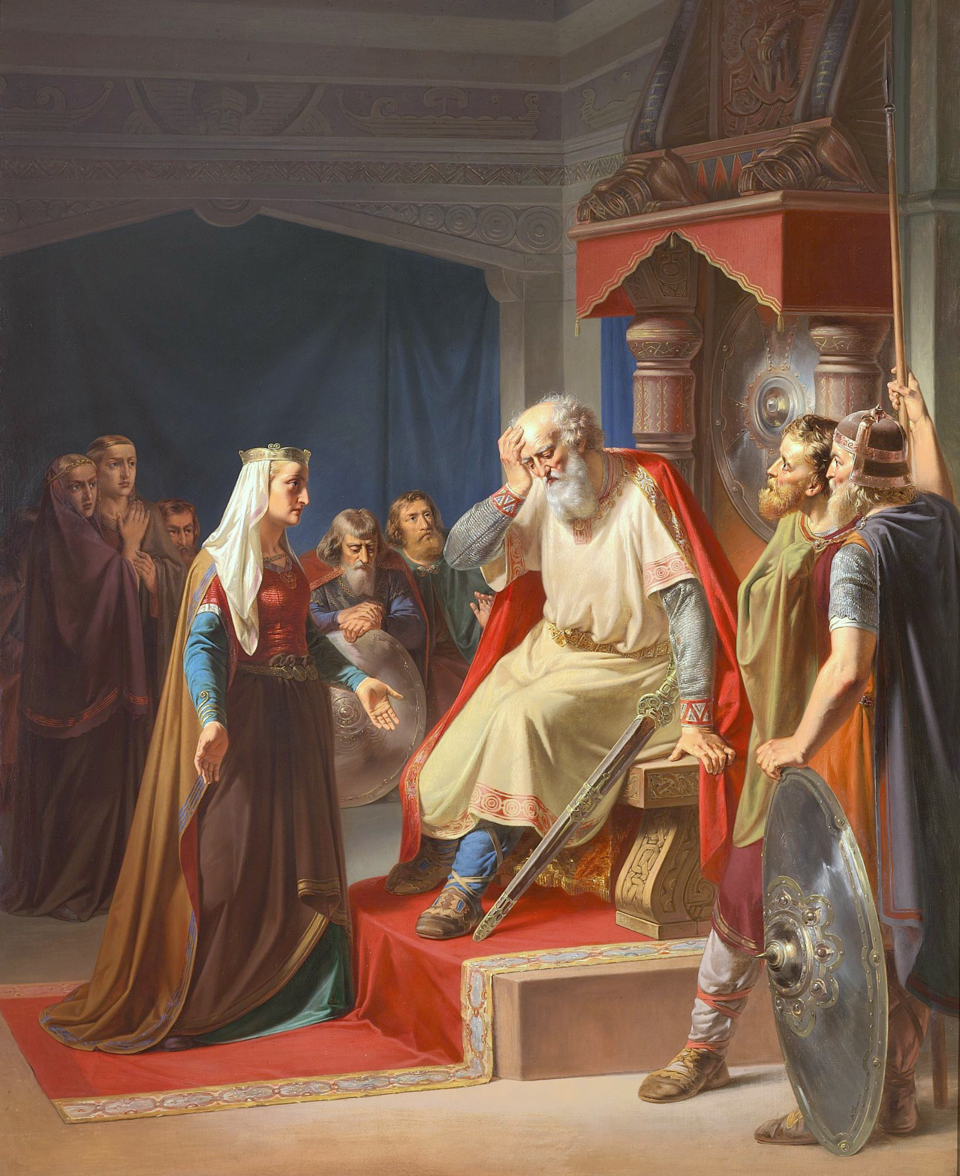
936 - 958 - Gorm the Old (All Facts)
First Historical King and Founder of the Kingdom of Denmark
His son’s real last name lends itself to his own name
He was the last Danish King that practiced Norse Paganism
He commissioned the first of the “Jelling Stones” in the town of Jelling in Denmark, which commemorated the memory of his wife Thyra
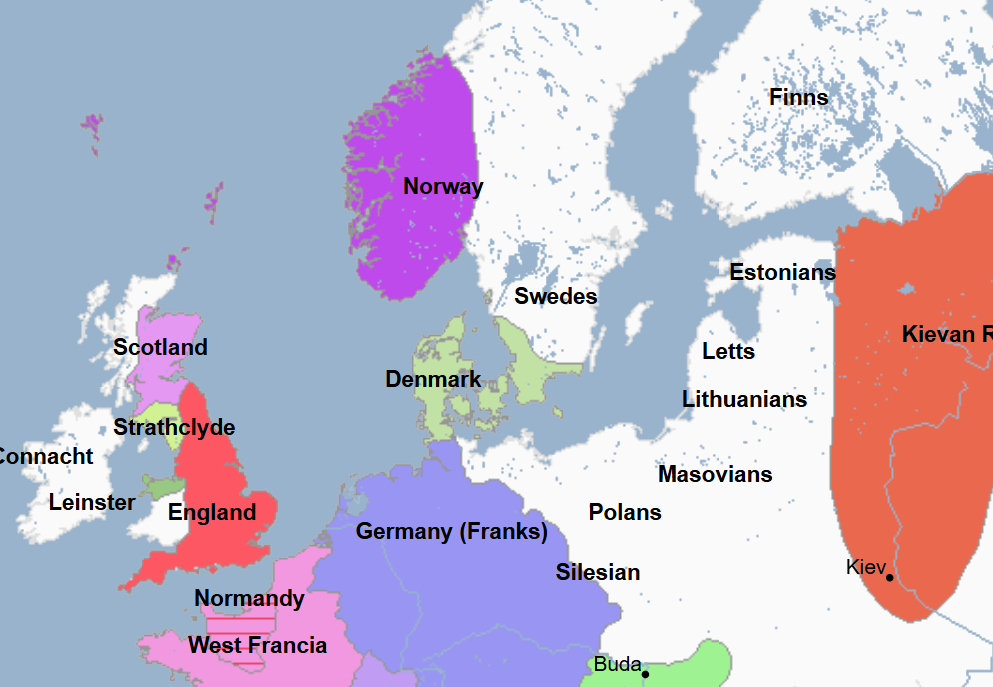
958 - 986 - Harald Bluetooth (All Facts)
2nd King of Denmark
He was also King of Norway
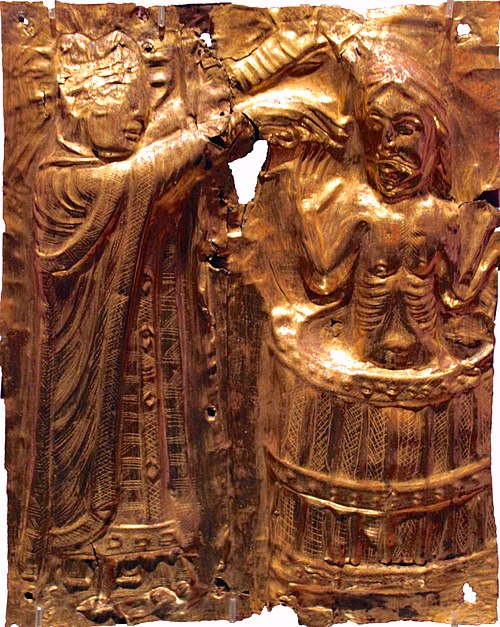
He converted to Christianity, having accepted baptism, and thus made Denmark a Christian Kingdom by the start of his reign, having forsaken the old gods of Norse paganism
Some said he was converted as the result of an argument with a missionary, Bishop Poppo, during which the namesake challenged Poppo to prove his faith by ordeal
When the missionary agreed, he thrust his hand into a white-hot iron glove and when he withdrew his hand, it was unharmed
Witness to such a miracle, the namesake king conceded that Christ was the one true God and that Christ alone should be worshipped in Denmark
Others said he was converted as a result of his defeat to Otto the Great and was forced to convert as part of the price of defeat
While there was much grumbling among those who feared the revenge of the old Norse Gods during his reign, he was eager to be on good terms with Otto the Great and Germany and the Holy Roman Empire while he simultaneously expanded his influence in northern Europe
He commissioned the second of the two “Jelling Stones” in the town of Jelling in Denmark, which commemorated
His parents, his predecessor father and his wife, the namesake’s mother, Thyra
His conversion of the Danes to Christianity
His unification of Denmark and conquest of Norway
He embraced Christianity and promoted its spread, helping establish an organized church structure in Denmark
He spread his influence north by supporting his widowed sister Gunnhild and her five sons in their fight for the throne of the Kingdom of Norway
He also designed to expand his territory into modern-day Sweden
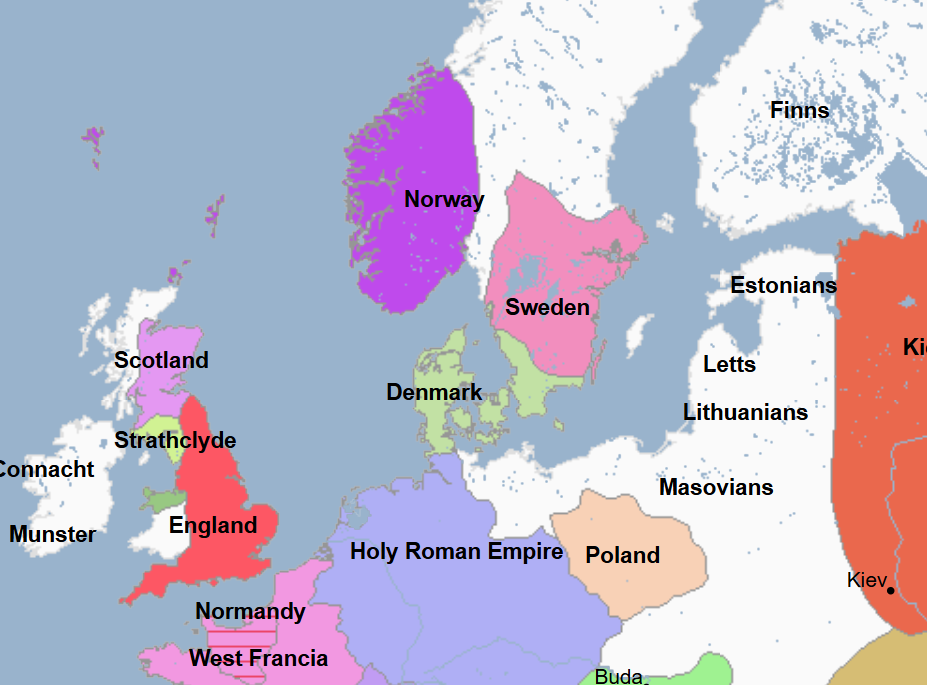
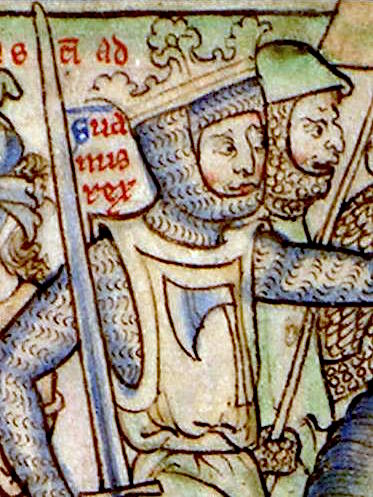
986 - 1014 - Sweyn Forkbeard (All Facts)
3rd King of Denmark
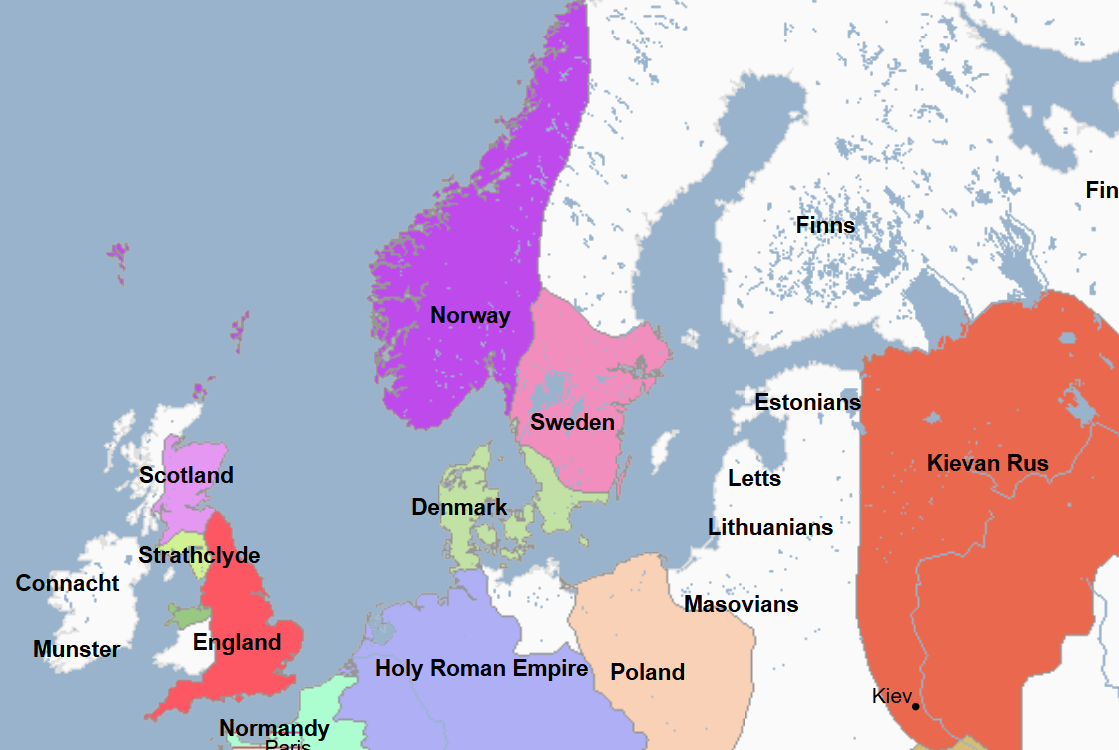
He was also King of Norway and King of England
He consolidated his rule by revolting and overthrowing his predecessor and father
He and Olaf the Norsemen of the Vikings attacked England under the reign of their King Aethelred II “The Unready,” even after Aethelred II had paid the Vikings off, ravaging throughout southern England and collecting massive tribute payments from Aethelred II
They failed to take London initially
He and his Danish forces eventually took control of all of England following the English surrender of London to them
Their King Aethelred II “The Unready” was deposed and was reported to have fled to France to join Queen Emma and their children, who have taken refuge with her brother, the Duke of Normandy
He and his forces subjugated the English forces and were not prepared or willing to take bribes from them
He planned to consolidate his hold on England as an act of revenge against Aethelred II “The Unready”
This was because he wished to avenge his sister Gunnhild and the Danes killed by Aethelred II “The Unready” in the secret St. Brice’s Day Massacre of Danes living in England which he ordered
He retaliated by burning homestead throughout southern England before accepting a substantial bribe to withdraw
However, when Aethelred II “The Unready” persuaded one of his top commanders, Thorkell the Tall, to defect, he felt he had no choice but to invade England, and he landed on Humberside and marched south
He thus became King of England for a short time, usurping the throne, overthrowing the House of Wessex and replacing it with the House of Denmark
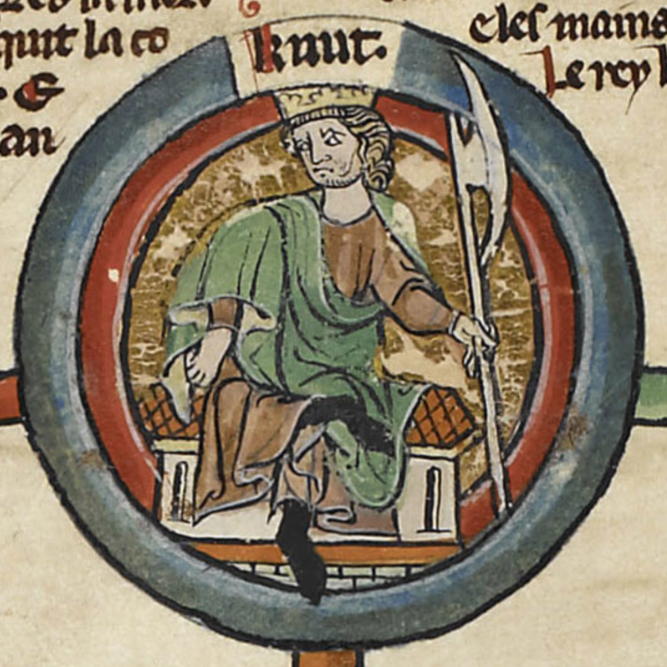
1018 - 1035 - Canute the Great (All Facts)
4th King of Denmark
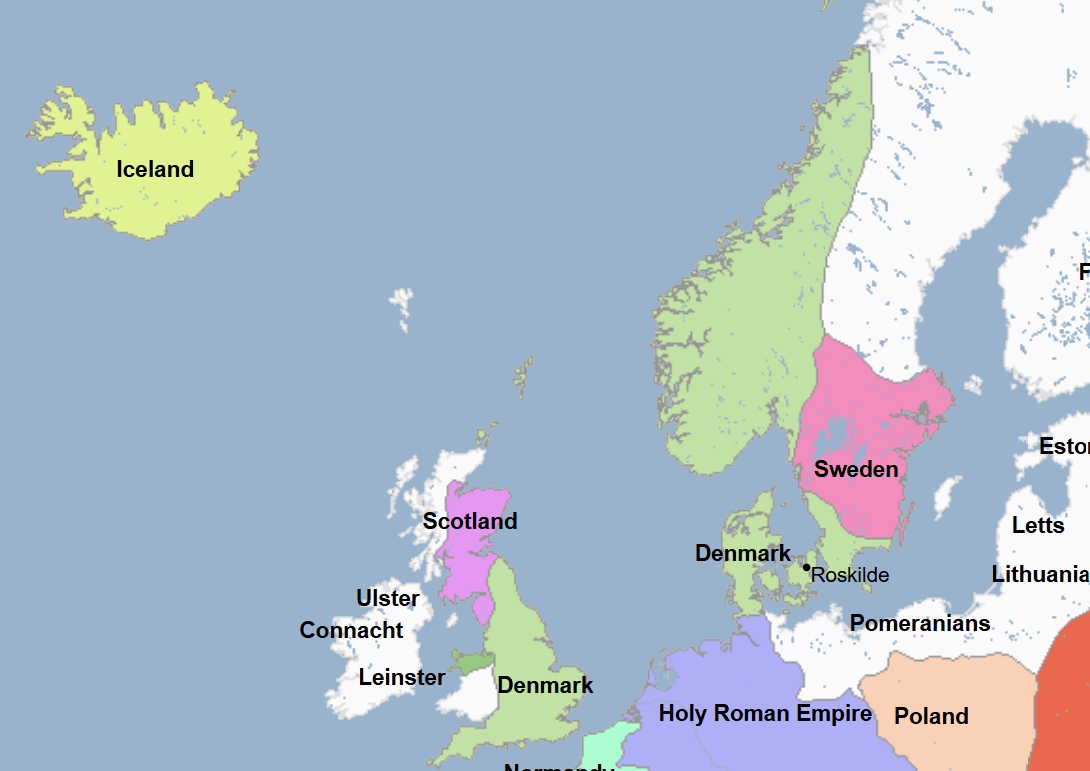
He was also King of England and King of Norway
He thus built a unified Danish Empire
He was the son of Sweyn Forkbeard and was offered the English throne after defeating his predecessor Edmund Ironside
The death of Harald II of Denmark enabled him to unite England and Denmark
He defeated Edmund Ironside and his English forces in the Battle of Ashingdon, and they agreed to split England in half
When Edmund Ironside was murdered soon afterwards, the namesake took the other half of England
He further consolidated his rule by eliminating potential rivals
He married Aethelred II’s widow, Emma of Normandy
He oversaw a reign distinguished by skillful statecraft and utter ruthlessness
He espoused Christianity
He established equal rights for both Danes and Englishmen
He sent most of his army back to Denmark, confident in his position as ruler
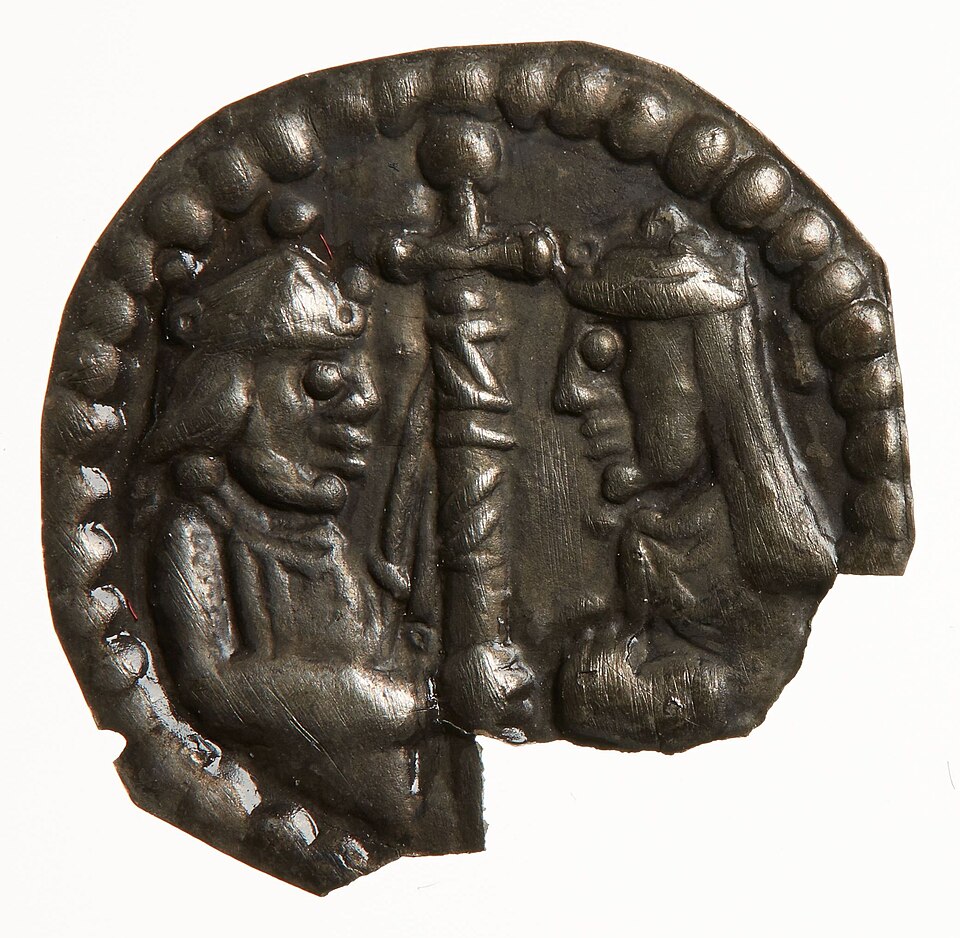
1154 - 1182 - Valdemar the Great (All Facts)
17th King of Denmark
He cooperated with the Saxons against the Wends (a group of Baltic Slavs)
1332 - 1340 - Gerhard (All Facts)
Governor of Denmark
Count of Holstein
He was the leader of the Danish aristocracy
He was murdered
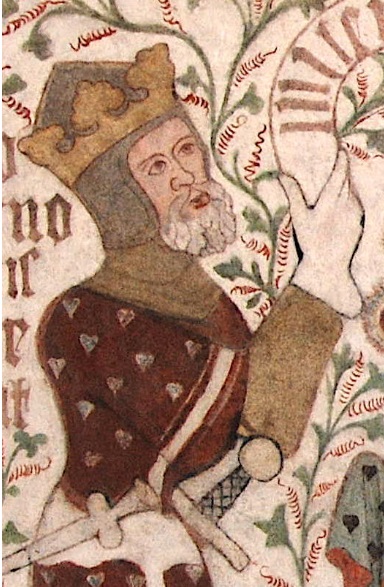
1340 - 1375 - Waldemar IV (All Facts)
29th King of Denmark
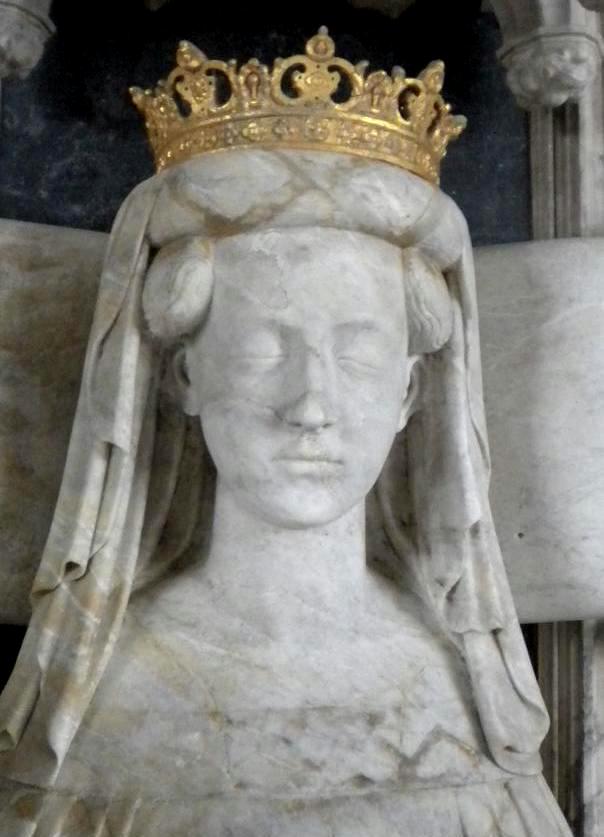
1387 - 1412 - Margaret (All Facts)
31st Queen of Denmark
She was an ambitious and skillful politician and gifted diplomat
She became regent of Denmark after the death of her predecessor there and father
She became regent of Norway on the death of her predecessor there and husband
She deposed King Alfred of Sweden and gained possession of that territory thereafter
During her reign, she
Had the Kalmar Union signed; uniting Norway, Sweden, and Denmark as one sovereign state and in which the three entities agreed to
be united under one monarch
have a common foreign policy
settle matters of royal succession by consensus
Had her 15-year-old great-nephew Duke Erik of Pomerania crowned King of Scandinavia as per the terms of the Kalmar Union
This solidified her intention from the beginning to provide the Kalmar Union with a suitable male leader

1396 - 1439 - Erik of Pomerania (All Facts)
31st King of Denmark
He co-ruled with his predecessor and great-aunt until she died
He made peace with the Hanseatic League and restored their privileged position after the Hanse had been drawn into a war between the namesake and the count of Holstein over possession of Schleswig
During his reign,
He instituted the “Sound Dues”
Under his reign,
Peasant rebellions and nationalist tensions, prompting the namesake to flee from Denmark
He thus took refuge on the Swedish island of Gotland, where he turned pirate in order to prey on Baltic shipping

1101 / 1448 - 1863 - House of Oldenburg (All Facts)

1448 - 1481 - Christian (All Facts)
33rd King of Denmark and First King of Denmark from the House of Oldenburg
He was installed via the Treaty of Bergen
He ceded Orkney and Shetland to King James III of Scotland in pledge for the dowry of his daughter Margaret, who was to marry King James III

1482 - 1513 - Hans (All Facts)
34th King of Denmark and 2nd King of Denmark from the House of Oldenburg
He was the son of his predecessor
He invaded Sweden and was crowned king thereafter, thus reuniting Norway, Sweden, and Denmark under his rule

1513 - 1523 - Christian II (All Facts)
35th King of Denmark and 3rd King of Denmark from the House of Oldenburg
He fled Denmark in the face of the rebellion he provoked against him by Gustav Vasa and his rebel forces
He was imprisoned after his failed attempt to conquer Norway

1523 - 1533 - Frederick (All Facts)
36th King of Denmark and 4th King of Denmark from the House of Oldenburg
He was initially the Duke of Schleswig (in Jutland) and Duke of Holstein (in the Holy Roman Empire)
He was “elected” king

1534 - 1559 - Christian III (All Facts)
37th King of Denmark and 5th King of Denmark from the House of Oldenburg
He was the First Protestant (and First Lutheran) King of Denmark
His reign thus marked the beginning of the Danish Reformation
He and his Protestant forces defeated Christian II and Christopher of Oldenburg and their Catholic forces, after Christian II had tried to take power again after his imprisonment with the help of Christopher of Oldenburg
He and his Protestant forces thus defeated the Catholic supporters of his brother John in a civil war which broke out after the death of their father Ferdinand
He had (the Catholic) Bishop Arason of Iceland condemned and executed
Under his reign,
The Treaty of Speyer was signed
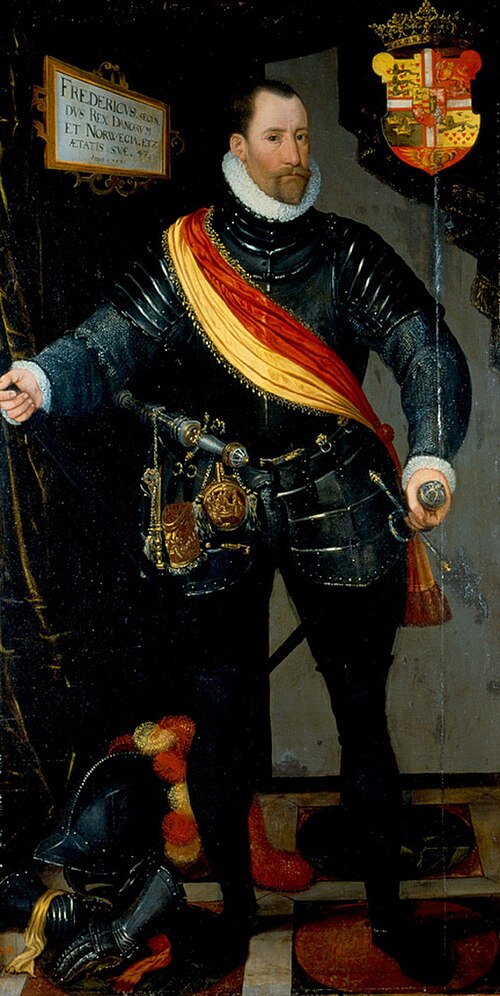
1559 - 1588 - Frederick II (All Facts)
38th King of Denmark and 6th King of Denmark from the House of Oldenburg
He conquered the peasants’ republic of Ditmarsh (located between the Elbe and Eider Rivers) in alliance with his uncles, the dukes of Holstein
He died and was succeeded by his son

1588 - 1648 - Christian IV (All Facts)
39th King of Denmark and 7th King of Denmark from the House of Oldenburg
He also became the Duke of Schleswig-Holstein
He and his Danish and Norwegian forces
defeated King Charles IX and Gustavus Adolphus and their Swedish forces in the Kalmar War
were defeated by Johann Tserclaes and his Holy Roman forces and Catholic League in the Battle of Lutter during the Thirty Years’ War
were defeated by Axel Oxenstierna and his Swedish forces in the Torstenson War
He had long covered the German lands which, after their defeat, Denmark-Norway conceded to Sweden and its mercenary armies which had then occupied them
During his reign,
He made the considerable mistake of increasing the Sound Dues (tolls for non-Danish ships passing through the Danish Sound)
Even though Sweden was exempt from such payments, the namesake made life difficult for Sweden’s ships by increasing the toll for ships from any of Sweden’s newly-acquired territories
Under his reign,
Danish-Norwegian forces were defeated in the Battle of Dessau Bridge during the Thirty Years’ War

1648 - 1670 - Frederick III (All Facts)
40th King of Denmark and 8th King of Denmark from the House of Oldenburg