APA4118 - 1.1 - Cervical Spine - Whiplash Injury
 Studied by 0 people
 Call Kai
 Learn
Learn Practice Test
 Spaced Repetition
 Match
Match Flashcards
 Knowt Play
1/27

There's no tags or description
Looks like no tags are added yet.
Name | Mastery | Learn | Test | Matching | Spaced | Call with Kai |
|---|
No analytics yet
Send a link to your students to track their progress
28 Terms
Whiplash syndrome
Complex symptoms after acceleration hyperextension injury.
Rear-end collisions
Common cause of whiplash injuries under 25 km/h.
Cervical spine
Neck region affected during whiplash trauma.
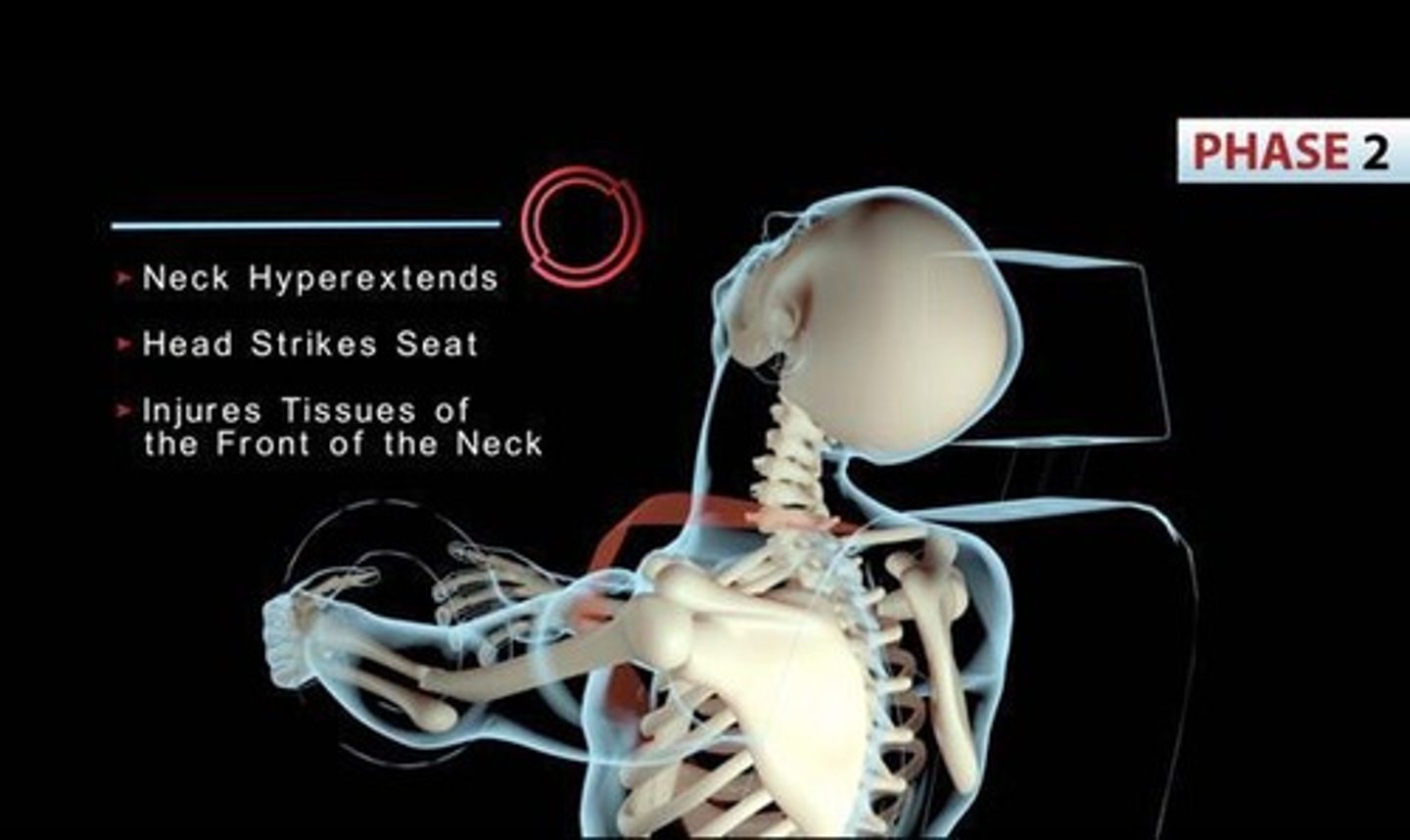
Neck flexion
Stretching of neck during upper cervical flexion.
Neck extension
Backward translation of head after impact.
Headrest adjustment
Limits neck extension in low-speed impacts.
Kinematics
Study of motion during rear impact collisions.
Inertial loading
Force acting on head-neck complex during impact.
Cervicothoracic junction
Key area for acceleration input during trauma.
Symptoms of whiplash
Includes neck pain, stiffness, and dizziness.
Loss of lordosis
Common radiographic finding in whiplash injuries.
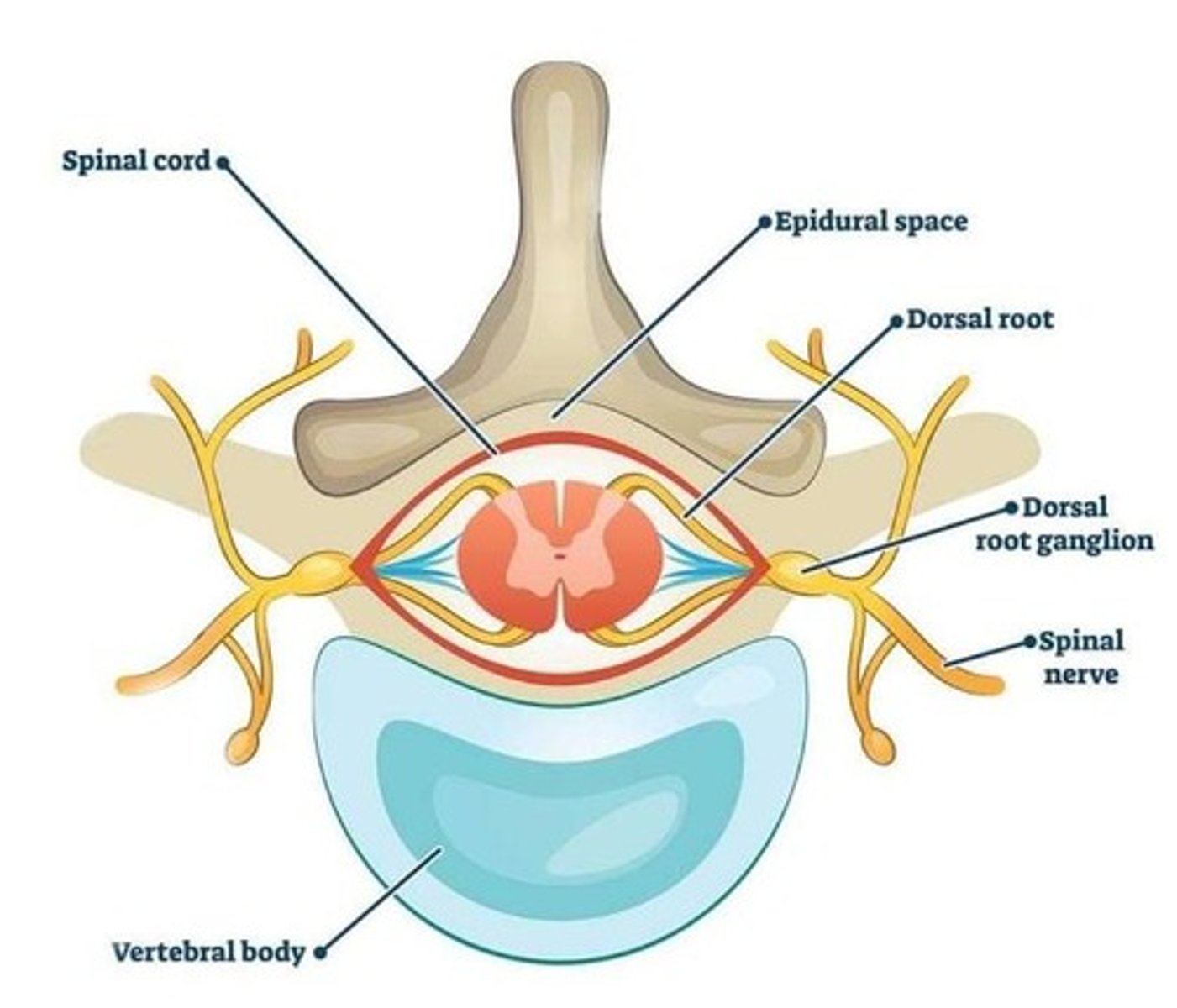
Dorsal Root Ganglion
Part of spinal cord affected by rapid motion.
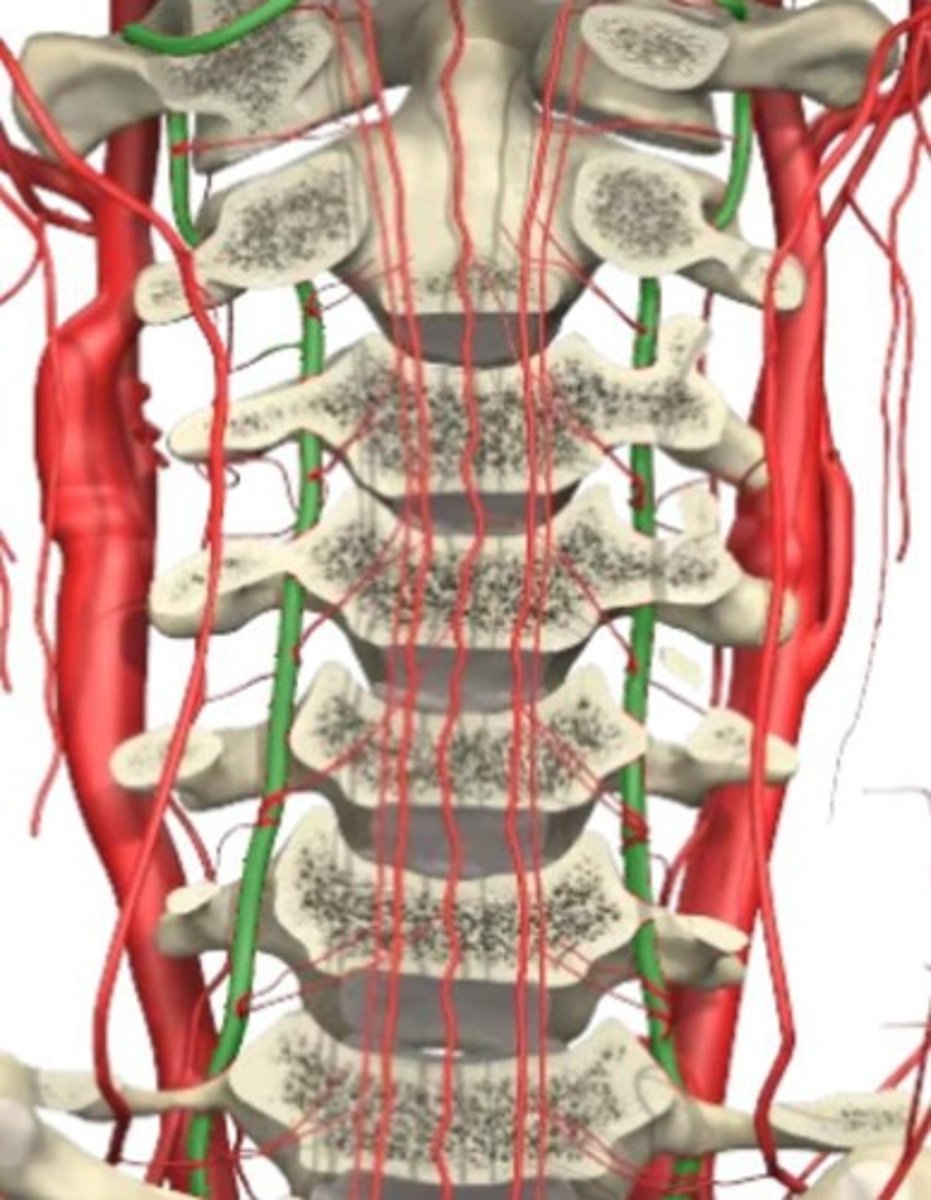
Vertebral artery dissection
Increased risk in whiplash patients, especially C1-C2.
Anterior Longitudinal Ligament
Tears may cause nociception after whiplash injury.
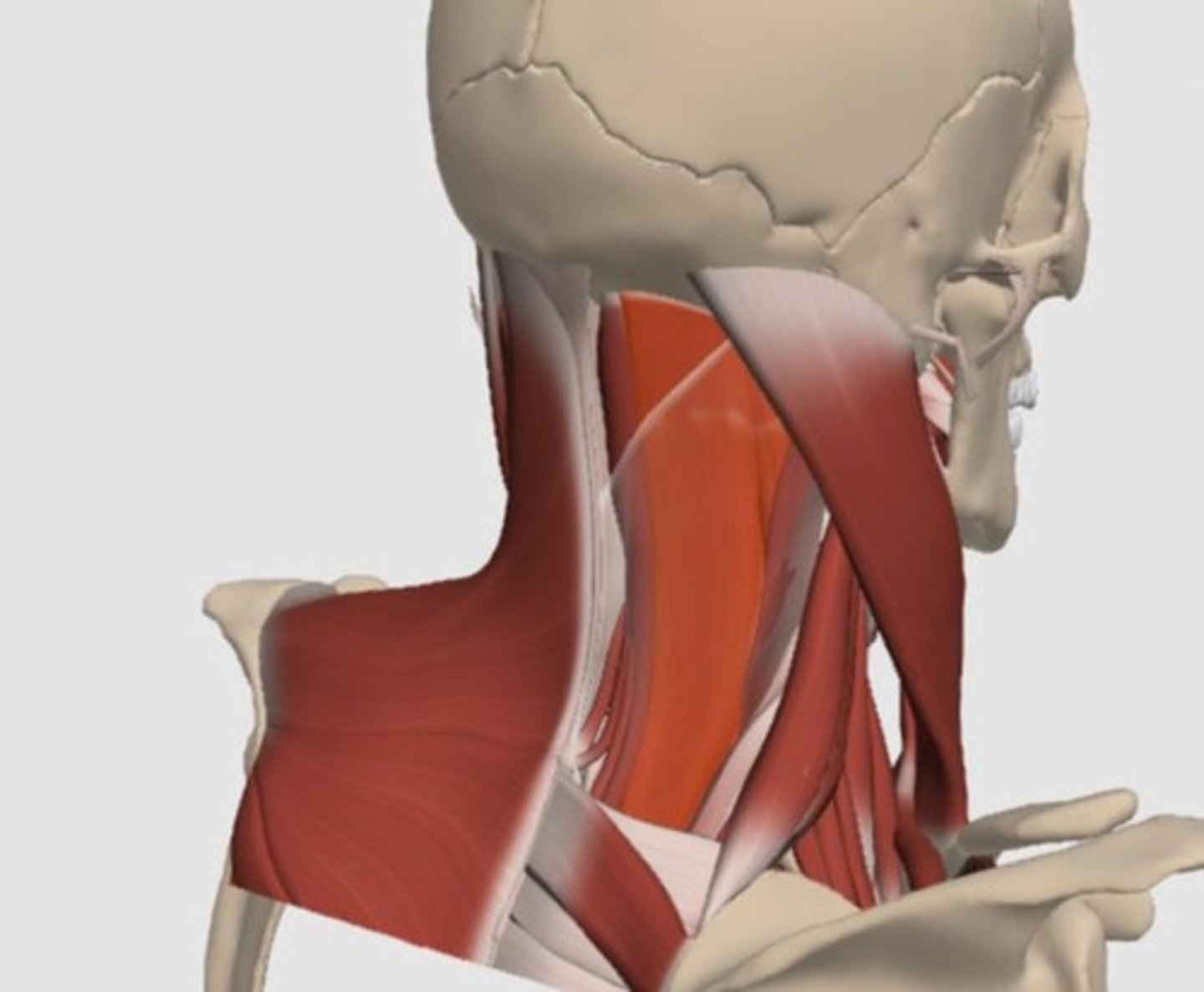
Muscle fascicle strains
Injury to neck muscles during whiplash impact.
Whiplash associated disorder
Collection of neck symptoms from abrupt acceleration.
Quebec Task Force
Classification system for whiplash severity.
Grade 0
No complaints or physical signs of injury.
Grade I
Neck pain without physical signs.
Grade II
Neck pain with musculoskeletal signs.
Grade III
Neck pain with neurological signs.
Grade IV
Neck pain with fracture or dislocation.
Assessment methods
Includes subjective history and objective examination.
Mobility exercises
Promote movement in cervical and thoracic spine.
Stabilization exercises
Target deep neck flexors and scapula stabilizers.
Multimodal therapy
Combination of treatments for whiplash recovery.
Prognosis of whiplash
Recovery varies from days to weeks.
Chronic pain
Potential long-term disability from whiplash injuries.
 Note
Note  Flashcards (62)