All Plants Lab
 Call Kai
 Learn
Learn Practice Test
 Spaced Repetition
 Match
Match Flashcards
 Knowt Play
1/160

There's no tags or description
Looks like no tags are added yet.
Name | Mastery | Learn | Test | Matching | Spaced | Call with Kai |
|---|
No analytics yet
Send a link to your students to track their progress
161 Terms
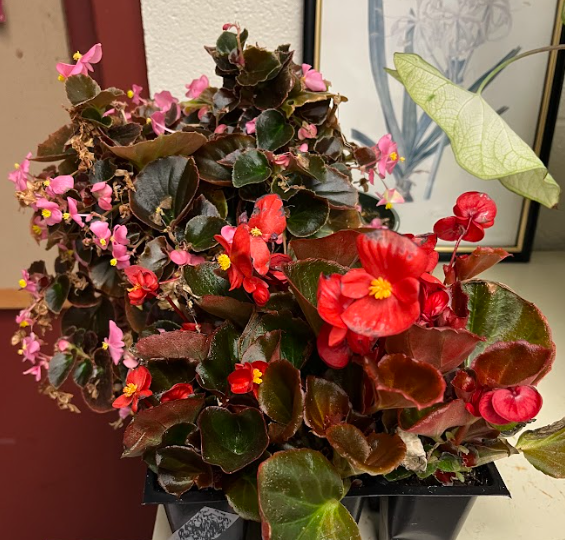
very herbaceous plants
feels rubbery
can be fragrant
Begonia semperflorens-cultorum Waxleaf Begonia Begoniaceae
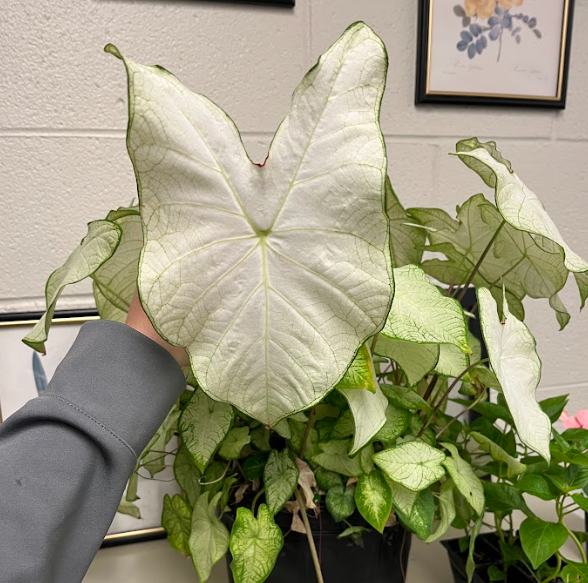
very long petioles
usually bicolors
green, red, white, pink color hues
Caladium bicolor Caladium Araceae
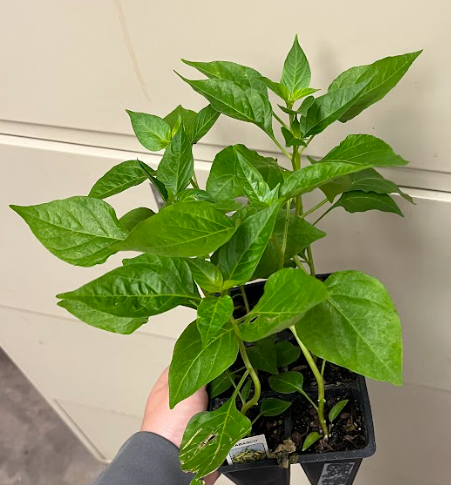
upright erect
Capsicum annuum Ornamental Pepper Solanaceae
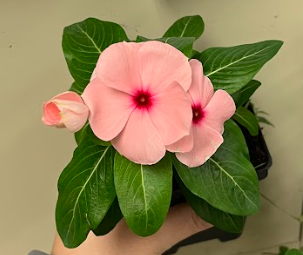
simple leaf
weakly branched
mounding plant
Catharanthus roseus Vinca Apocynaceae
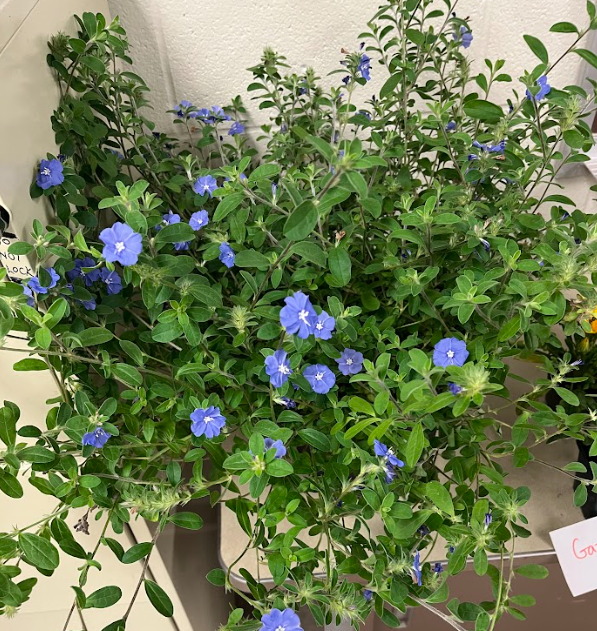
simple leaf
grows from a central mound
Evolvulus glomeratus subsp. grandiflorus Blue Daze Convolvulaceae
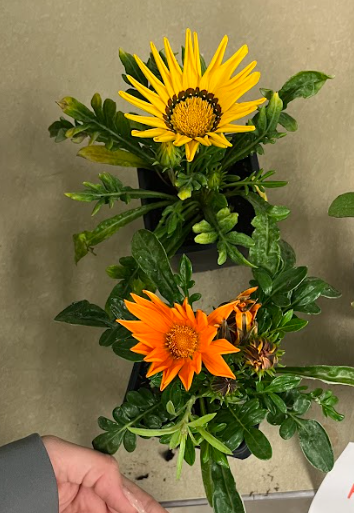
flowers are open in the day
close at night
Gazania rigens Gazania Asteraceae
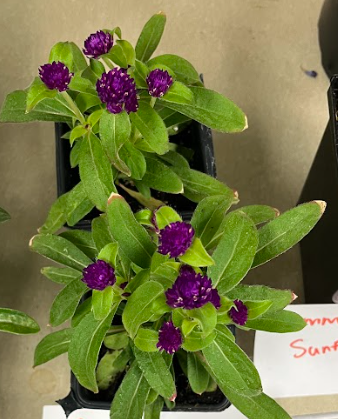
heat tolerant
will re-seed
strong branching capacity
Gomphrena globosa Globe Amaranth Amaranthaceae
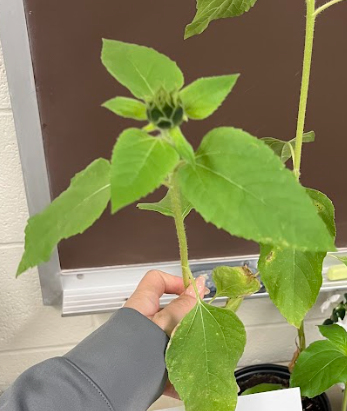
pubescent
composite flower
Helianthus annuus Common Sunflower Asteraceae
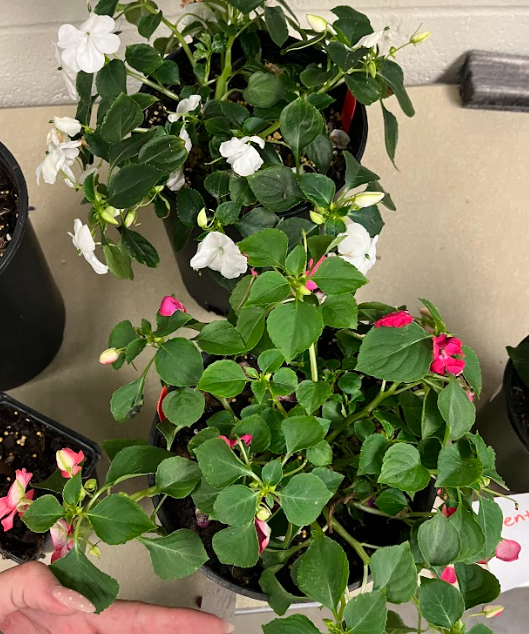
light serrations to the leaves
Impatiens walleriana Impatiens Balsaminaceae
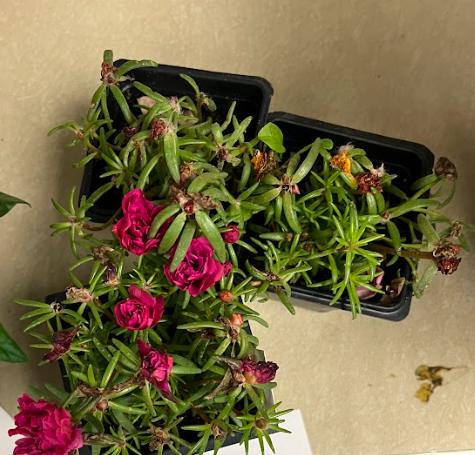
very herbaceous
Portulaca grandiflora Rose Moss Portulacaceae
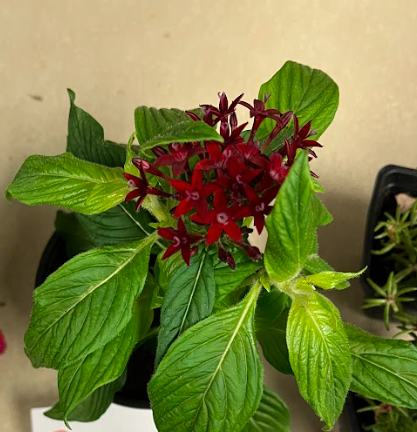
herbaceous leaf
star like flower
Pentas lanceolata Pentas Rubiaceae
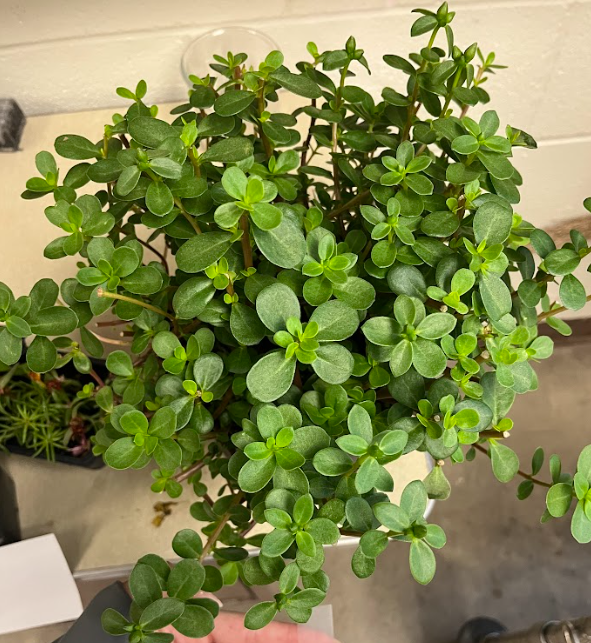
prostrate grower
flowers all summer
Portulaca oleracea Purslane Portulacaceae
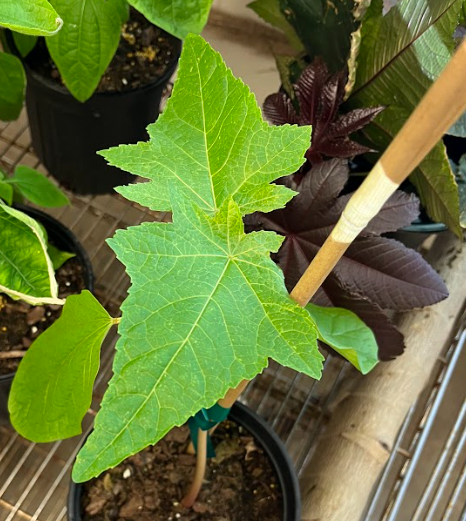
alternate arrangement
toxic plant
leaf is similar to papaya
Ricinus communis Castor Bean Euphorbiaceae
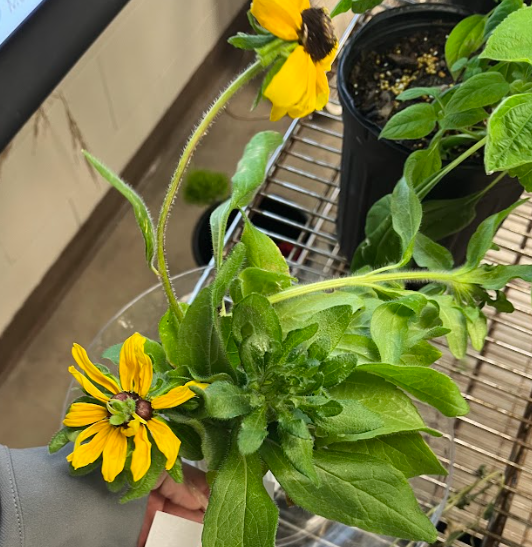
daisy like flower
center button is raised
Rudbeckia hirta var. pulcherrima Black-Eyed Susan Asteraceae
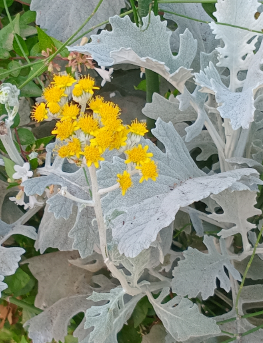
white-grey dusty appearance
only yellow flower
Senecio cineraria Dusty Miller Asteraceae
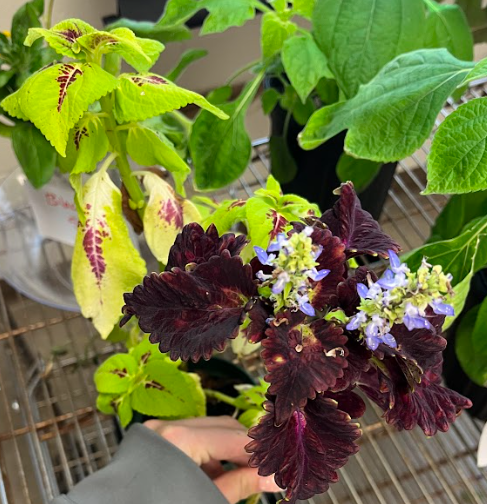
obovate to elliptical leaves
different leaf patterns
white-blue flowers
cut when seen
Plectranthus scutellarioides Coleus Lamiaceae
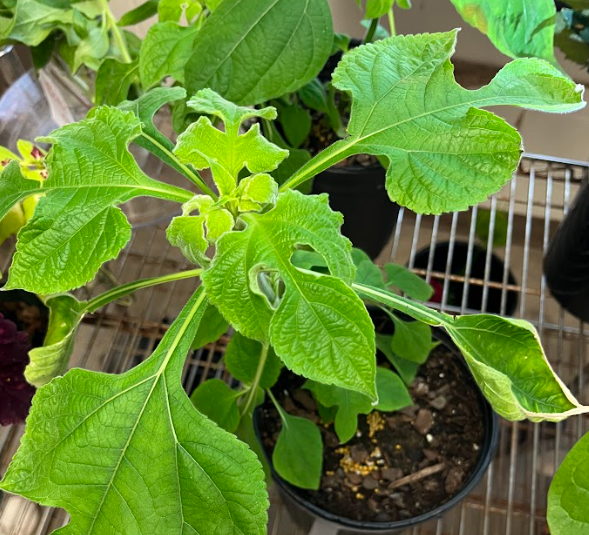
pubescent
5-6ft tall
must be pruned
Tithonia rotundifolia Mexican Sunflower Asteraceae
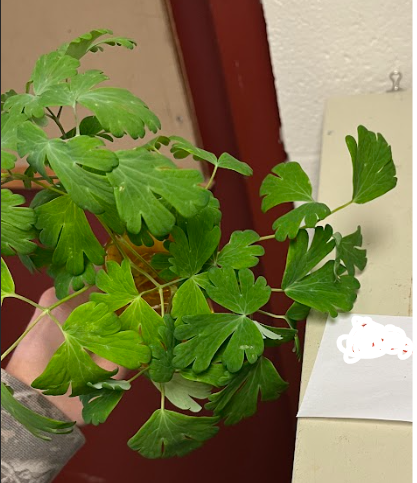
one leaf that is deeply divided/lobed
similar to a clover
interesting flower
has a spike on the back, works as a nectarine guide
Aquilegia spp. Columbines Ranunculaceae
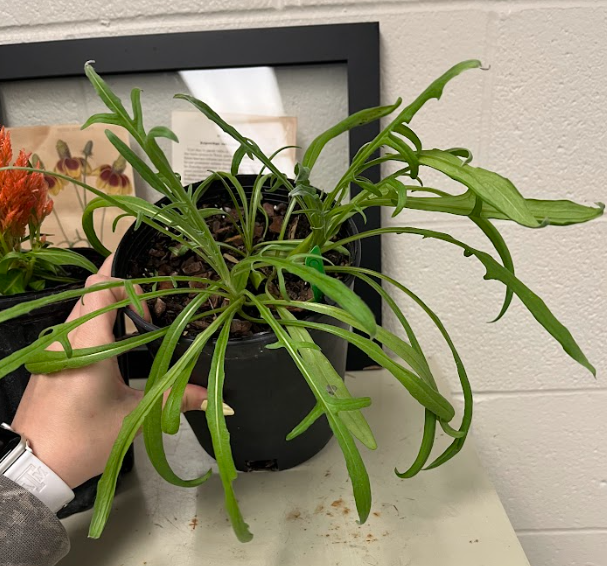
linear foliage (known as strap leaf)
can survive the cold a little
leaves are held erect from the stem
cottage garden style plant
Centaurea cyanus Bachelor’s-Button Asteraceae
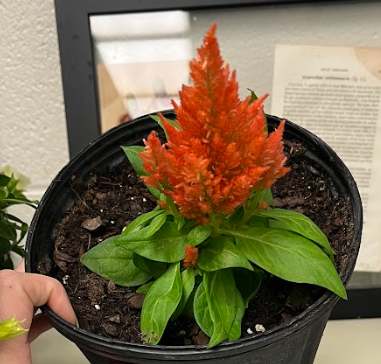
plumes are pretty small
cut flowers can be long
seeds are hard, black, and glossy
obovate leaves and impressed veins
Celosia argentea Celosia Amaranthaceae
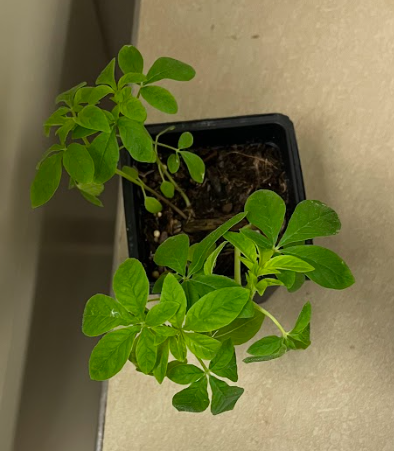
petals to flowers tend to hang out
put on really long seed pods
Cleome hassleriana Spider Flower Capparaceae
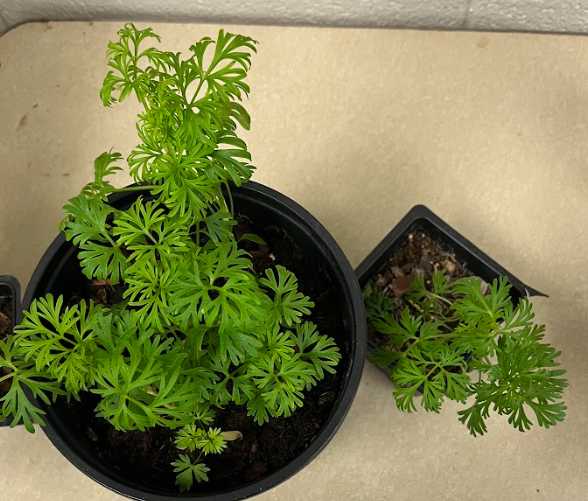
looks like a fern/parsley
flowers will be:
white
blue-purple
pink-purple
foliage becomes delicate as it matures
Consolida ambigua Larkspur Ranunculaceae
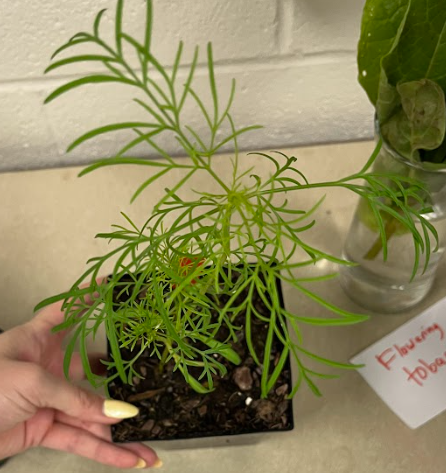
three to five feet tall
variety of colors
Cosmos bipinnatus Fern-Leaf Cosmos Asteraceae
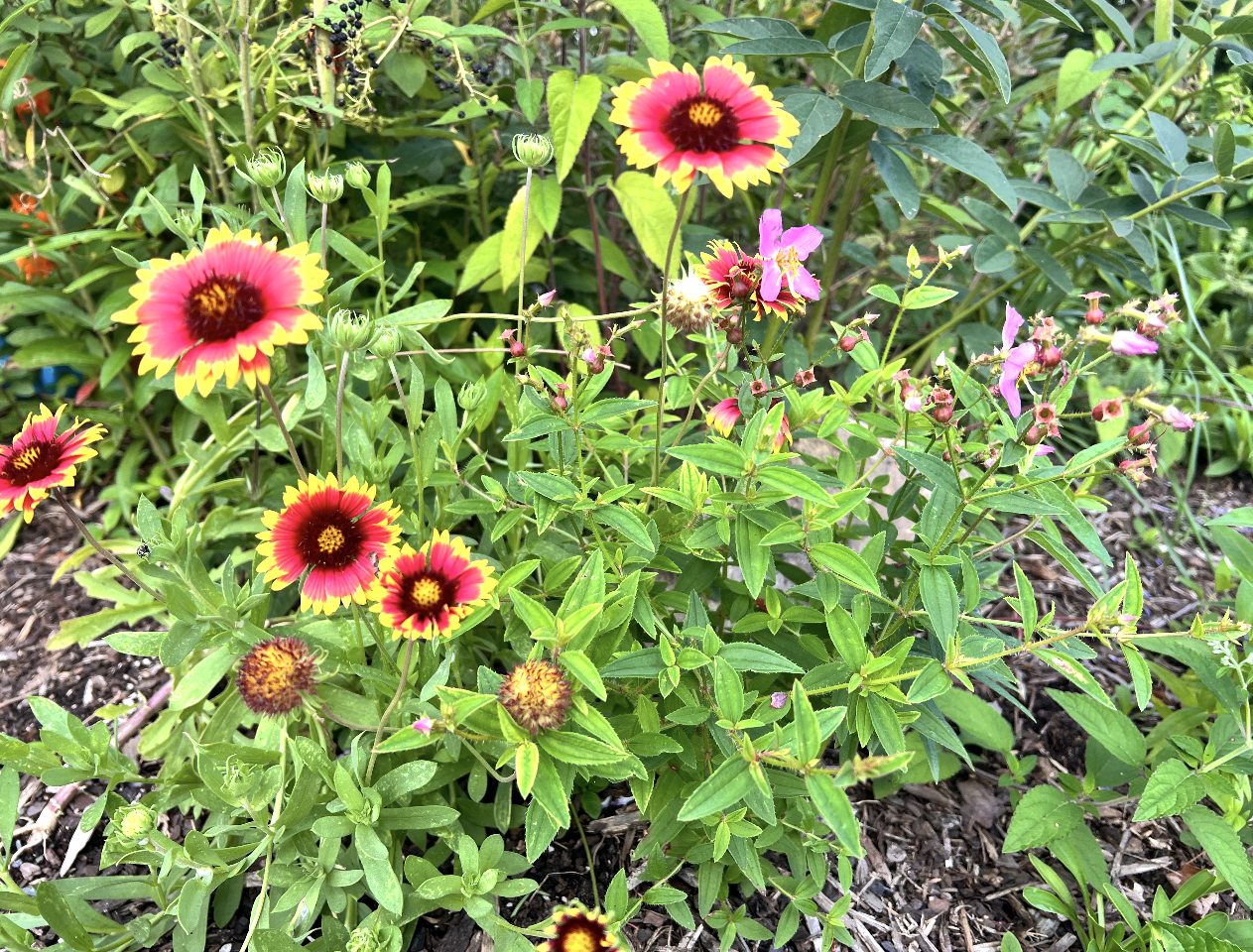
wildflower
Gaillardia pulchella Blanket Flower Asteraceae
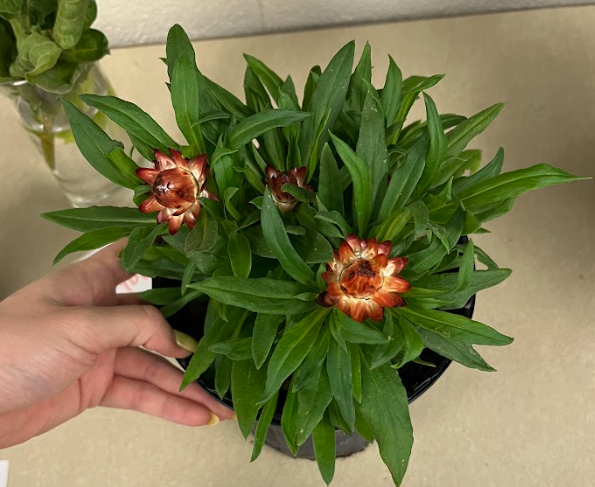
obovate foliage
flower is closed
various colors
does not like the cold or heat
Helichrysum bracteatum Strawflower Asteraceae
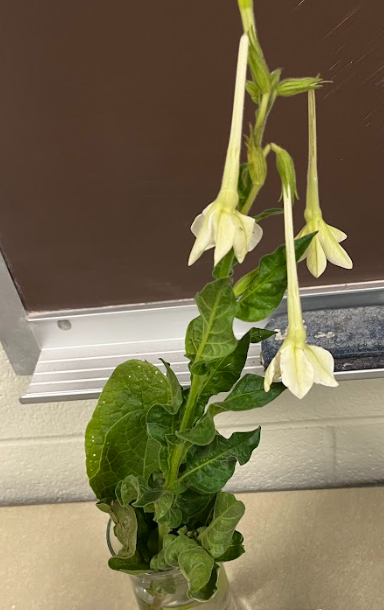
somewhat cold hardy
3ft tall with flowers
Nicotiana alata Flowering Tobacco Solanaceae
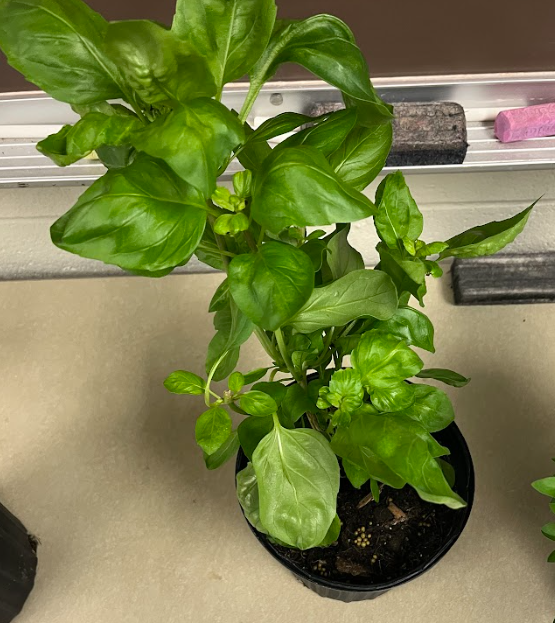
smell is distinct
huge pollinator plant
Ocimum spp. Basil Lamiaceae
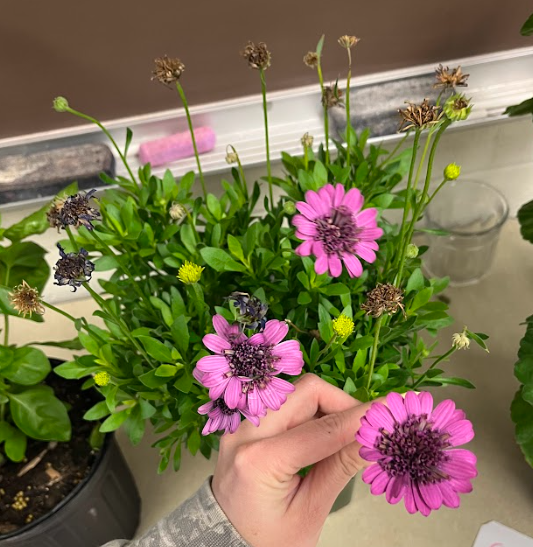
flowers a lot
through the hottest time of the summers
various colors
Osteospermum spp. African Daisy Asteraceae
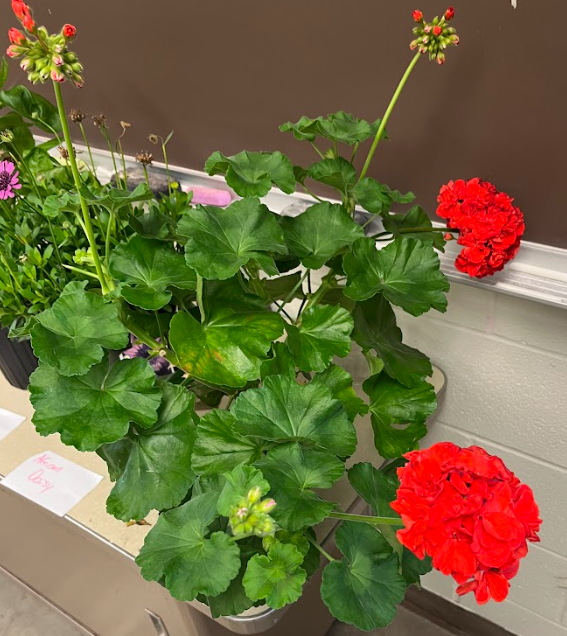
distinct red flower
different varieties
Pelargonium x hortorum Geranium Geraniaceae
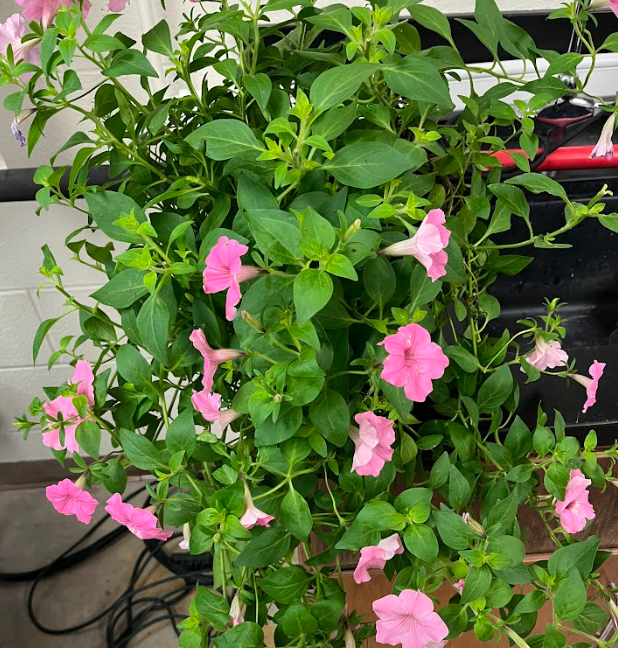
pubescent foliage
unkept appearance
any color
very large leaves compared to similar plants
Petunia x hybrida Petunia Solanaceae
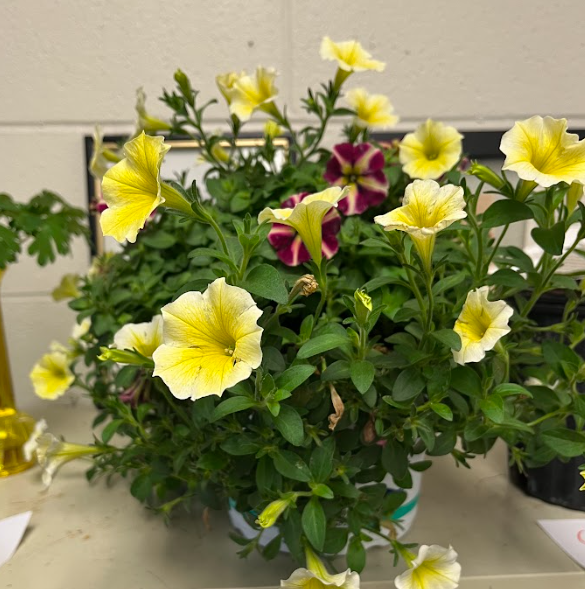
herbaceous and smooth foliage
any color
very small leaves
Calibrachoa spp. Million-Bells Solanaceae
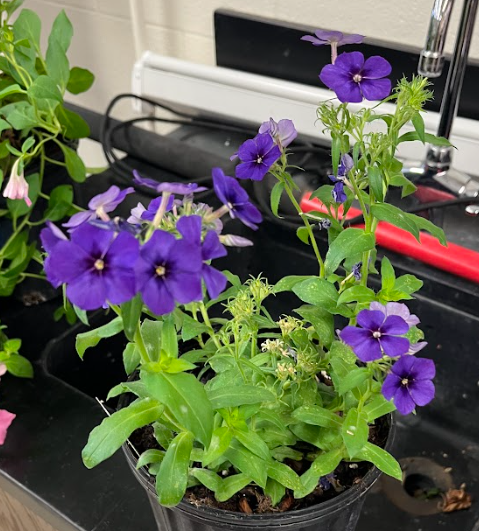
reduced/no petiole
five-petaled flower
simple to obovate foliage
Phlox drummondii Annual Phlox Polemoniaceae
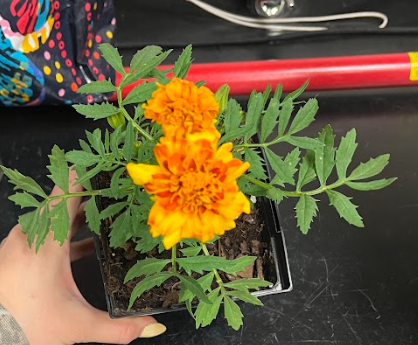
single flower types
larger flower
distinct foliage
Tagetes patula Dwarf French Marigold Asteraceae
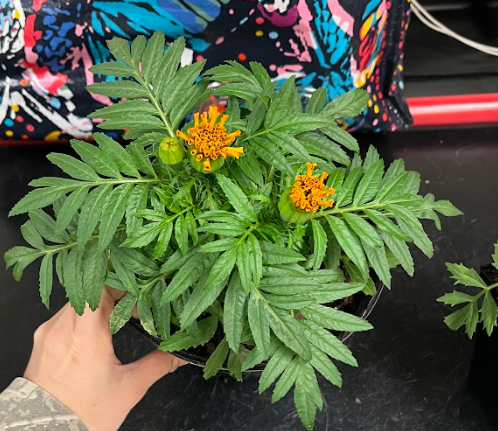
ever blooming flower
small flower
very distinct foliage
Tagetes erecta African Marigold Asteraceae
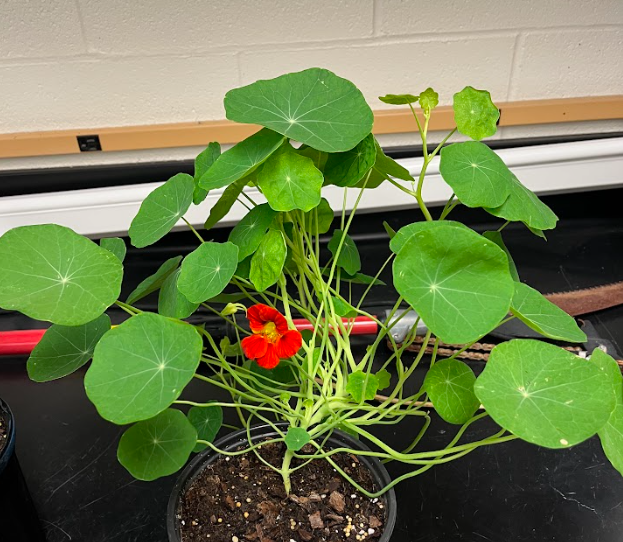
distinct foliage
edible tastes like pepper
CAN BE VARIEGATED
sprawling growth on the ground
Tropaeolum majus Nasturtium Tropaeolaceae
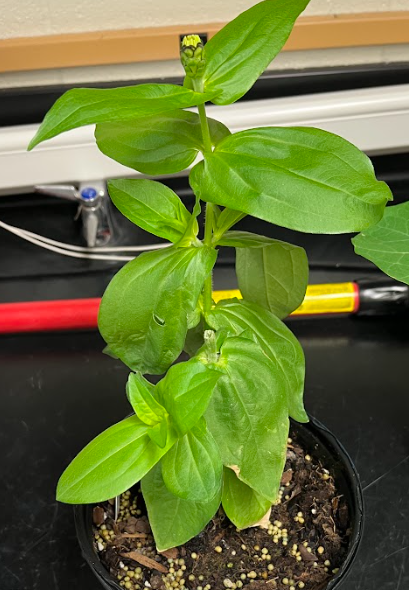
stiff and erect foliage when young
different types of flowers
will create flowers from side stems
Zinnia elegans Zinnia Asteraceae
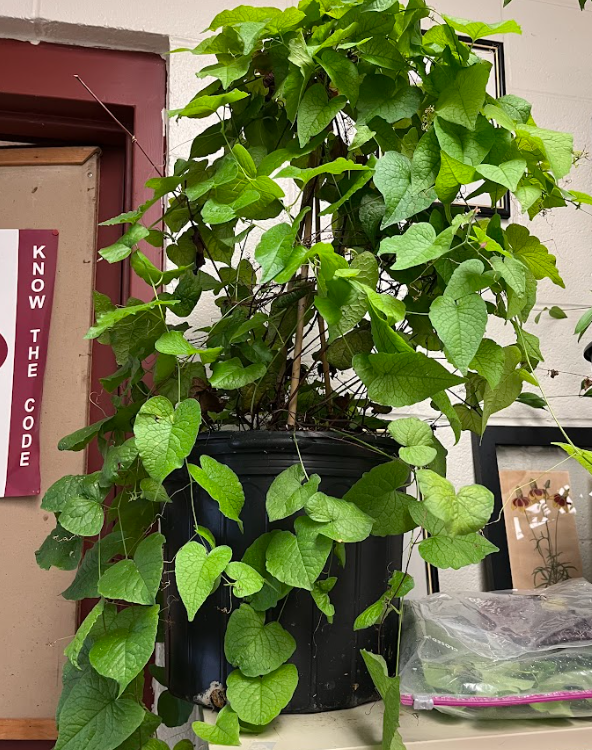
flowers reliably
hot pink flower
tendrils
Antigonon leptopus Coral Vine Polygonaceae
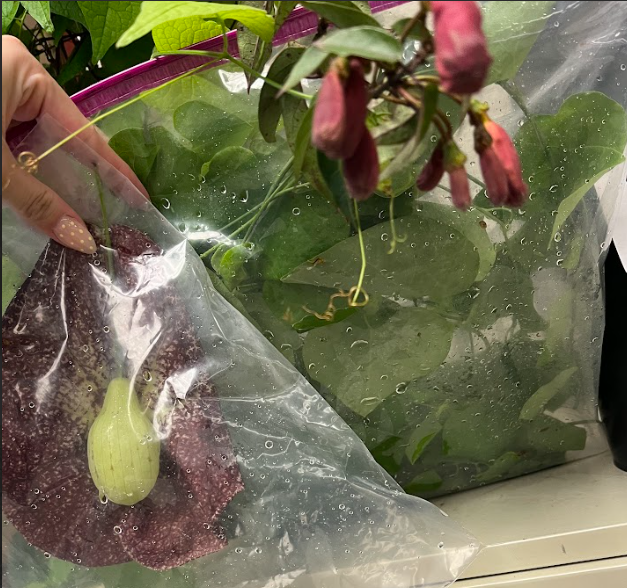
no tendrils
toxic to pollinators
DISTINCT flower
Aristolochia elegans Calico Vine Aristolochiaceae
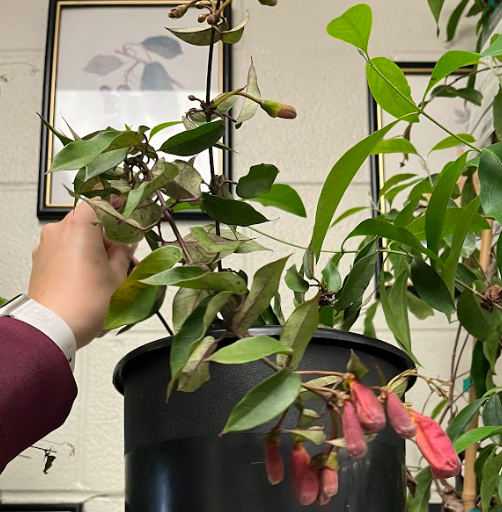
shades of orange and red
alternate in arrangement
simple leaf
new growth is bright lime green
old growth is darker green
Bignonia capreolata Cross Vine Bignoniaceae
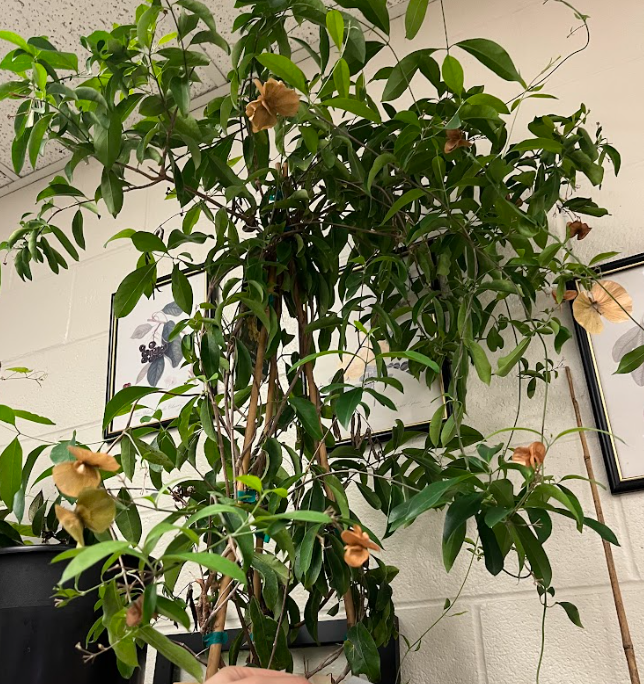
shades of yellow
seed pods hold well on plant
tender plant
will die back and come back
Callaeum macroptera Butterfly Vine Malpighiaceae
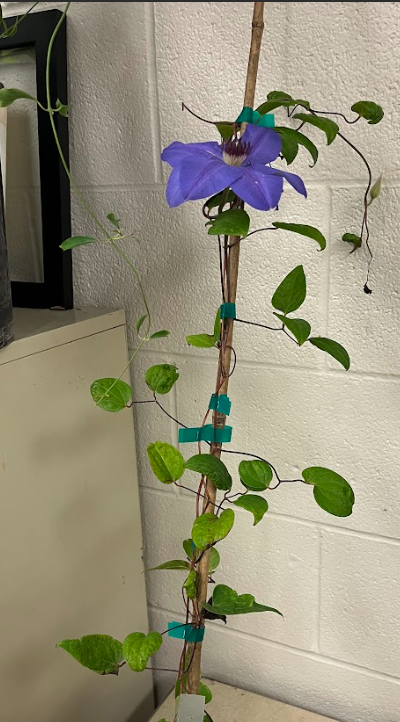
trifoliate leaf
90 degree angle on the petiole
delicate flower
blue, pink, and white
Clematis spp. Clematis Vines Ranunculaceae
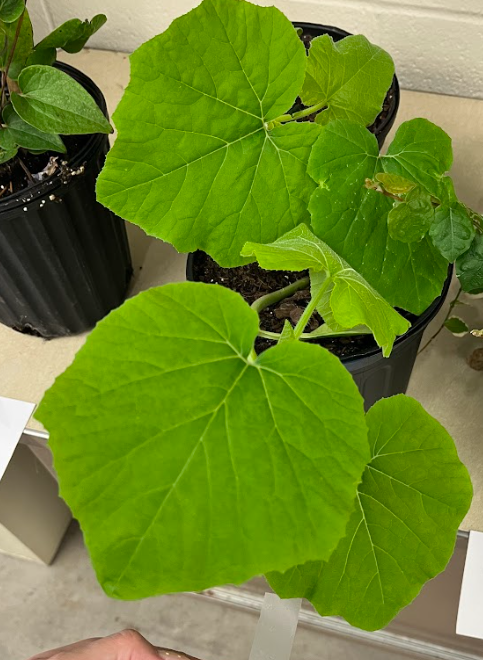
entire plant is pubescent
scratchy leaf
male and female flower on same plant but not perfect
alternate arrangement
Cucurbita pepo Gourds and Pumpkins Cucurbitaceae
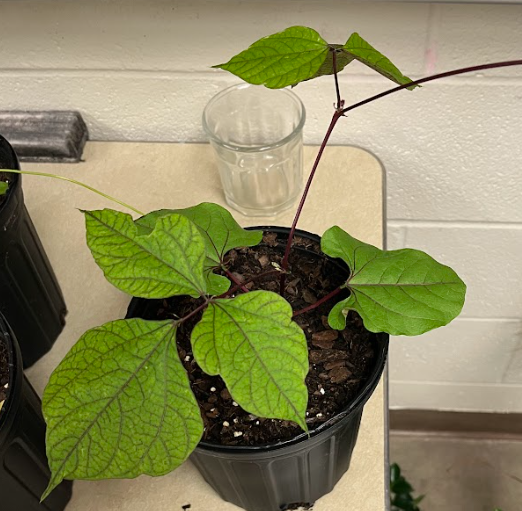
top of leaf is green
bottom of leaf is purple
along with stem and sometimes top of leaf during winter
hard seed structure
Lablab purpureus Hyacinth Bean Fabaceae
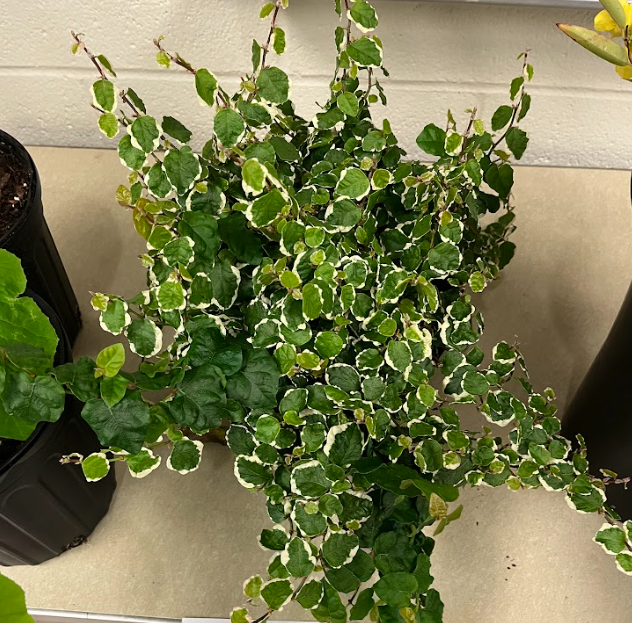
leaf is offset at an angle
holdfast climbing structure
they stick on the wall like a gecko
heteroblastic behavior
as it ages it will change the structure
Ficus pumila Climbing Fig Moraceae
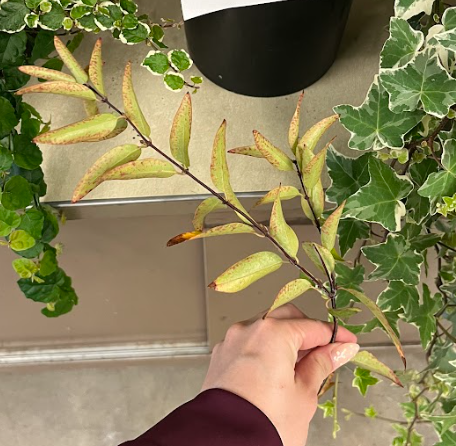
brown color on stem
only yellow coloring on flower
similar to tree yellow bells
very small
long internodes and thin stem
Gelsemium sempervirens Carolina Jessamine Gelsemiaceae
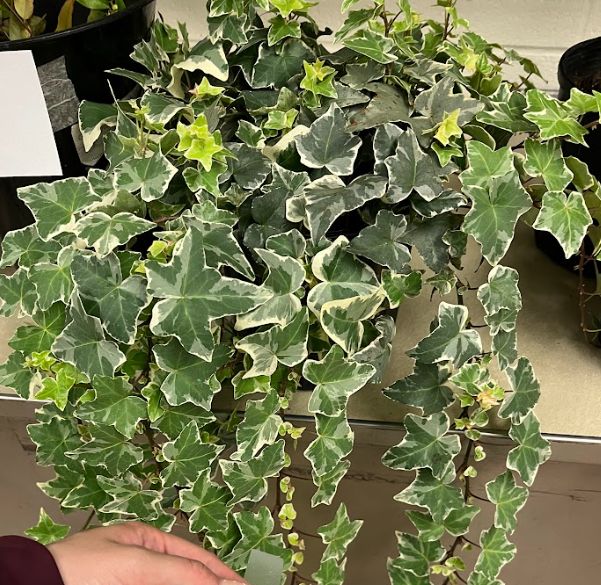
heteroblastic
when young it has lots of lobes on leaves
when older the size grows and lobe indention decreases
extremely invasive
imported from Europe but native to China
Hedera helix English Ivy Araliaceae
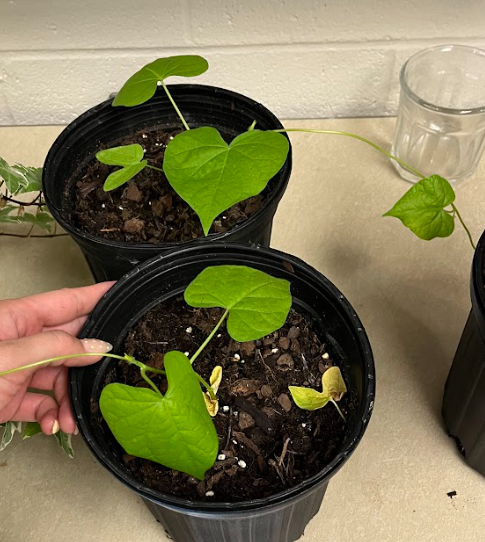
very invasive
grows extremely quickly
alternate arrangement
flower can be purple, pink, blue, white
perfectly round with lines
Ipomoea purpurea Common Morning Glory Convolvulaceae
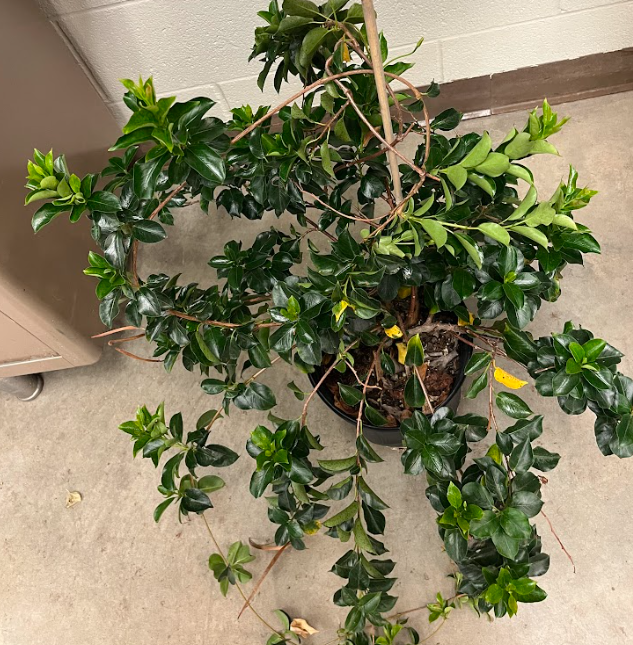
purple, white, red flowers
woody
dark green foliage
Mandevilla x amabilis Mandevilla Apocynaceae
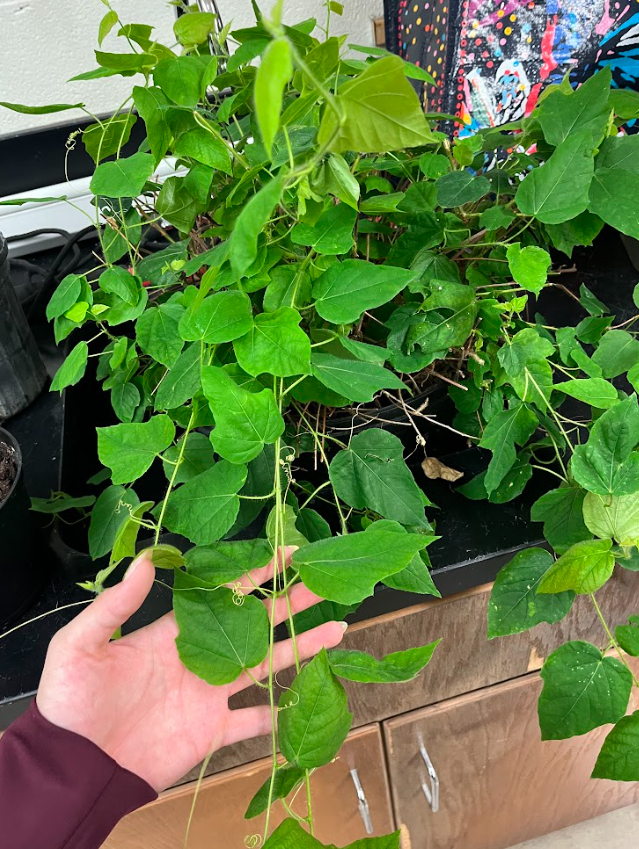
very sour fruit
interesting leaves
Passiflora spp. Passionflowers Passifloraceae
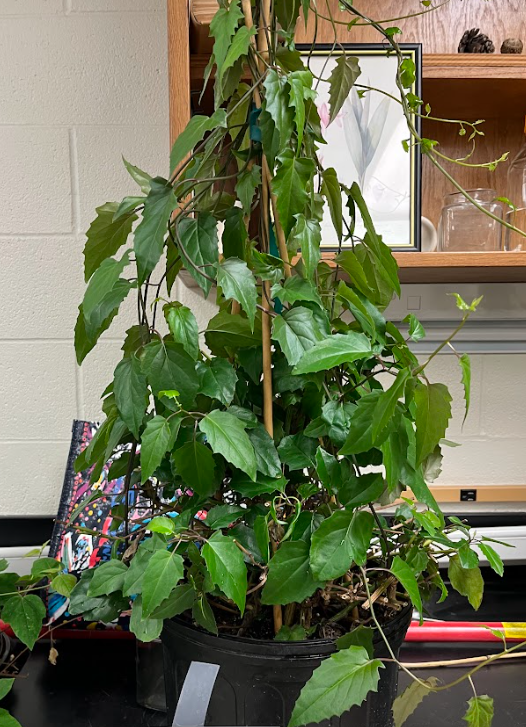
orange flower
alternate arrangement
serrated leaf
Pseudogynoxys chenopodioides Mexican Flame Vine Asteraceae
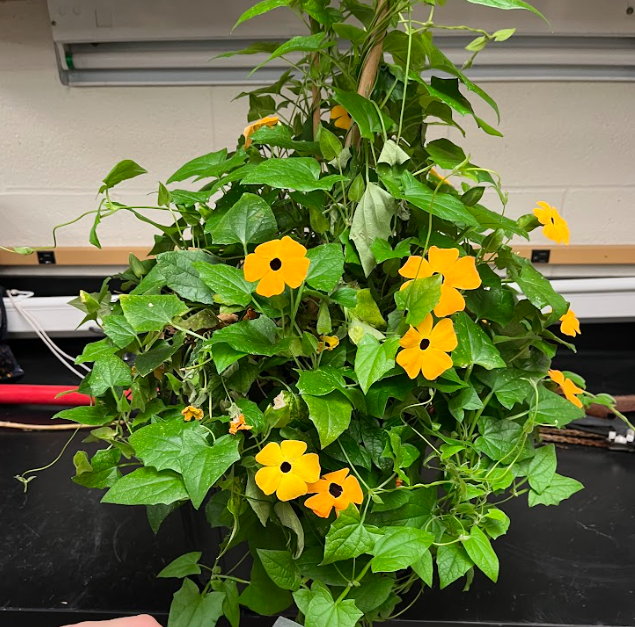
winged petiole
lightly serrated
orange to yellow flowers
Thunbergia alata Black-Eyed Susan Vine Acanthaceae
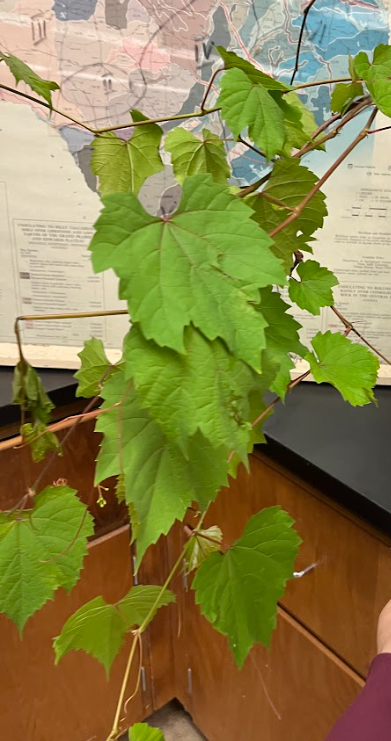
wine in its raw form
edible fruit
lots of different types
Vitis spp. Grape Vines Vitaceae
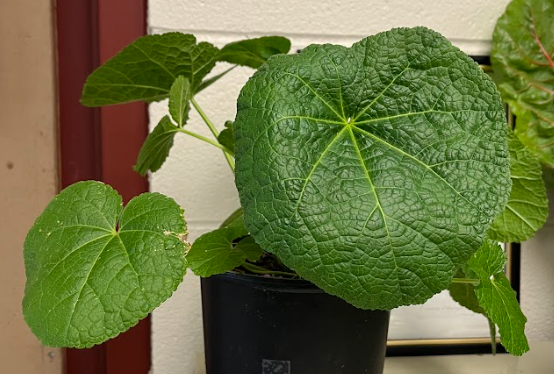
susceptible to rust fungi
spots on leaves
can be lobed margins
very distinct feel
Alcea rosea Hollyhocks Malvaceae
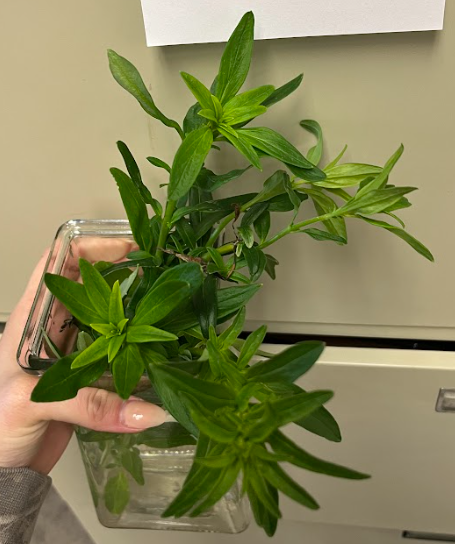
used for cut flower
linear to lanceolate foliage
alternate to whorled foliage
weak
Antirrhinum majus Snapdragon Plantaginaceae
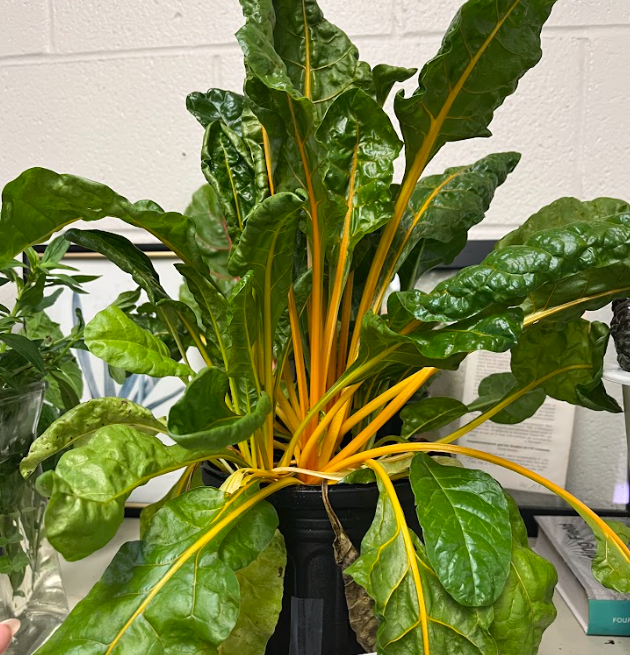
grown for colors not as much the food
yellow, green, white, red, orange, etc.
rainbow
sounds like celery when cracked in half
prominent midrib
grown for foliage only
persist year round
Beta vulgaris var. cicla Ornamental Swiss Chard Chenopodiaceae
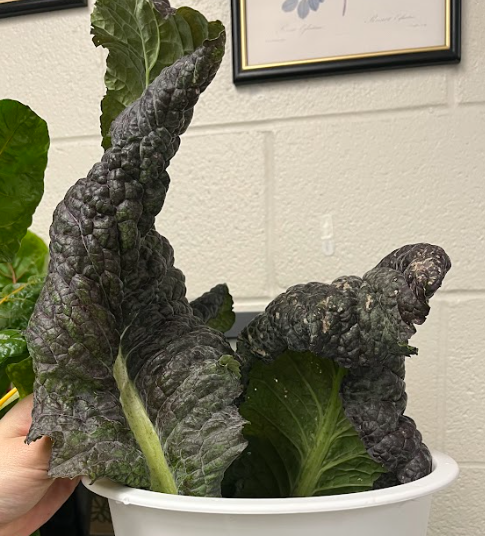
no real flower
but has a four petaled flower
grown for purple foliage
harvested as small greens to be eaten
green venation
Brassica juncea Giant Mustard Brassicaceae
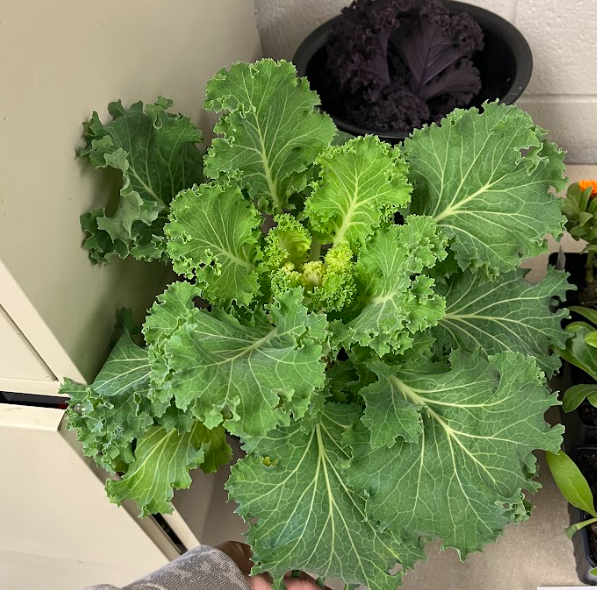
specific variety
will not grow big cabbage head
large obovate leaf
rough ends of the leaf
glaucus coating
white, green, purple
top five cool season crops
edible BEOFRE it flowers
used as mass plantings
Brassica oleracea var. acephala Ornamental Cabbage or Kale Brassicaceae
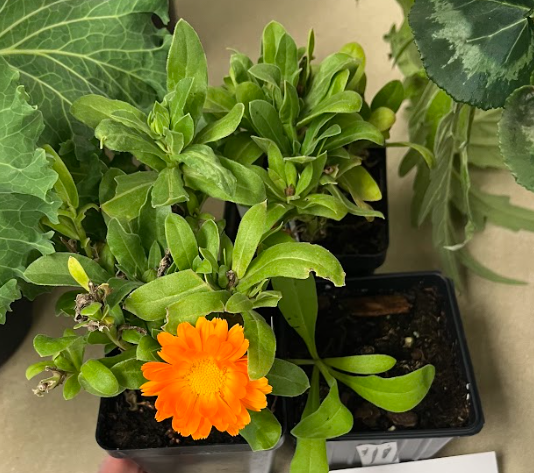
orange or yellow flower
sometimes a mix
simplified flower or constant spiral
Calendula officinalis Pot Marigold Asteraceae
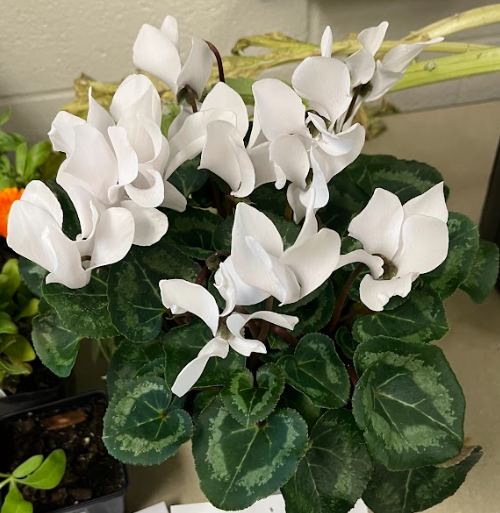
rarely used as singular plantings
comes from a flattened tuber
distinct flower
beautiful colors
red, white, pink
Cyclamen persicum Florist’s Cyclamen Primulaceae
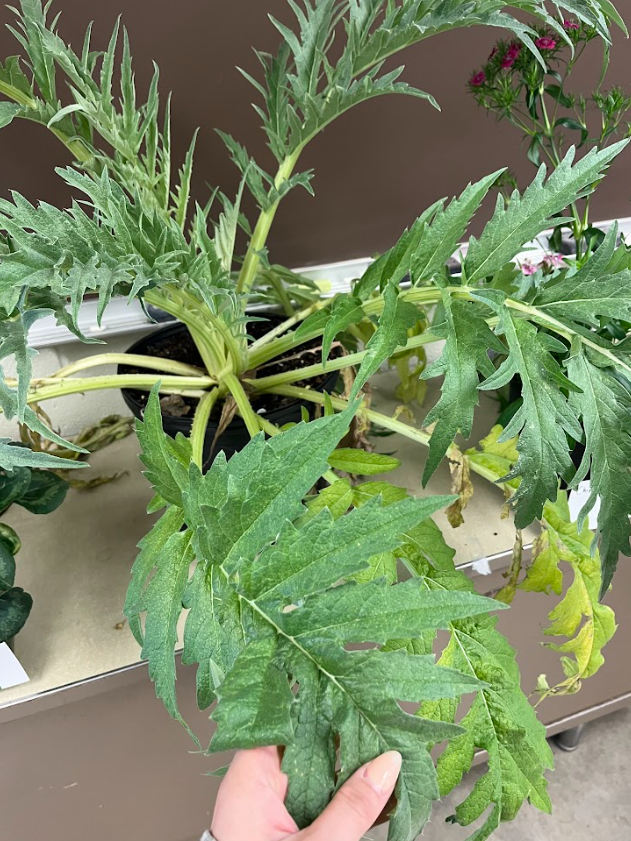
distinct “urchin-like” flower
neon-purple
prickles on back of foliage
highly lobed and serrated
heavy glaucous coating
heavy pollinator plant
edible like an artichoke
Cynara cardunculus Cardoon Asteraceae
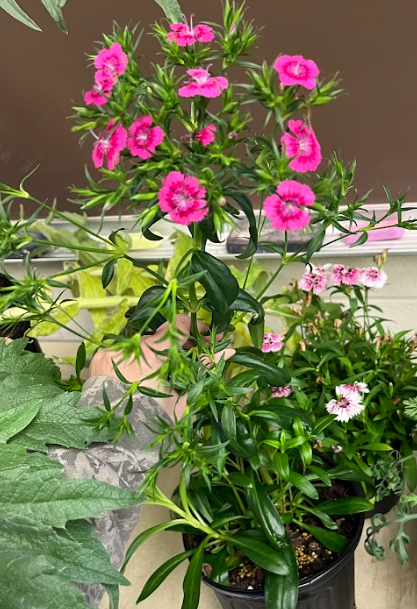
swollen nodes
like really large
lanceolate to oblanceolate foliage
five petals on flower
looks serrated
pink, white, reds or mixes/two-toned colors
Dianthus chinensis China Pinks Caryophyllaceae
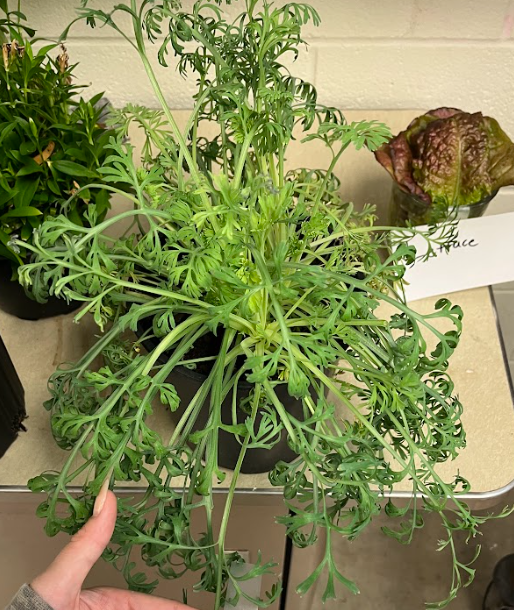
blue-green appearance
flower will be orange and yellow
breeding breakthroughs led to different colors
Eschscholzia californica California Poppy Papaveraceae
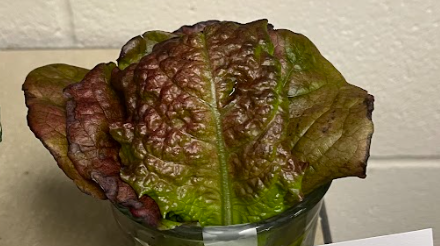
break midrib leaks white sap
green to purple colors
small-ish foliage
will form a head
Lactuca sativa Lettuce Asteraceae
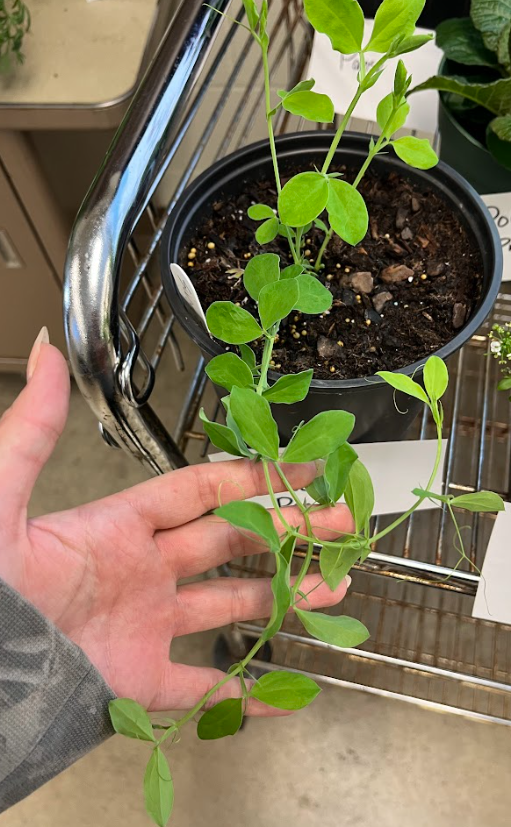
can grown on trellises
if not it clumps and branches heavily
vines
sweet smell
Lathyrus odoratus Annual Sweet Pea Fabaceae
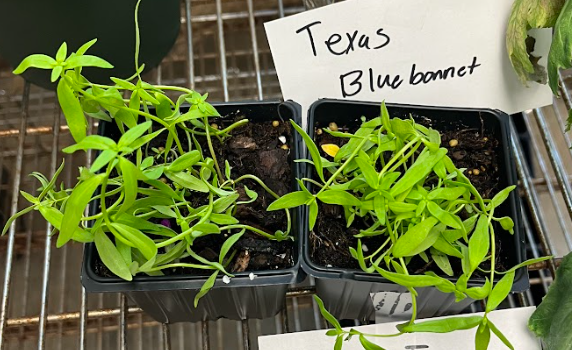
linear to lanceolate foliage
baby snap dragons
NOT BLUEBONNETS IGNORE THE BACK
very distinct and pretty flower
Linaria spp. Annual Toadflax Plantaginaceae
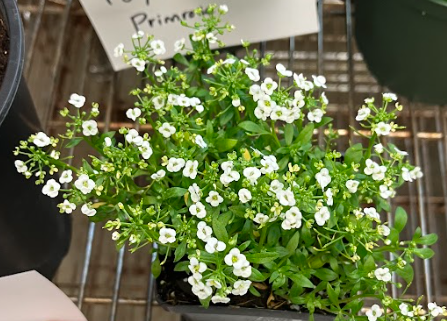
four petaled flower
leaf branching capacity
white, reds, blues, pinks
almost like a groundcover annual
mass plant them
Lobularia maritima Sweet Alyssum Brassicaceae
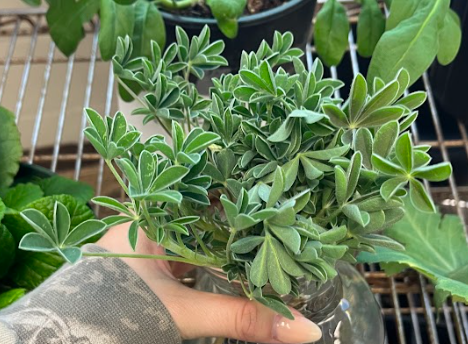
compound leaf arrangement
maroon variety
basal rosette
second year will flower
Lupinus texensis Texas Bluebonnet Fabaceae
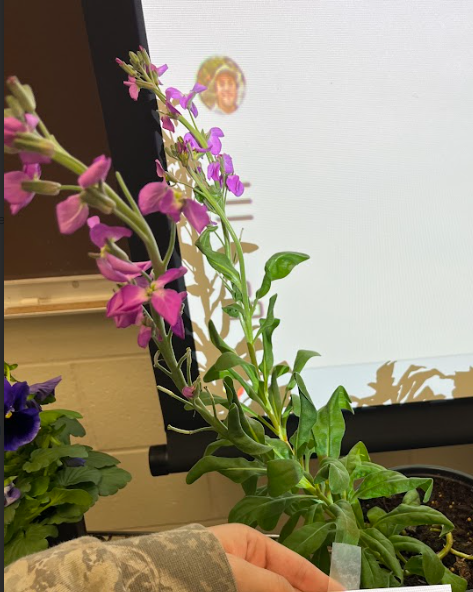
heavily ungulated foliage
feels rubbery but not pubescent
defined midrib
used as linear pieces in floral design
nice smell
does not tolerate heat at all
Matthiola incana Stock Brassicaceae
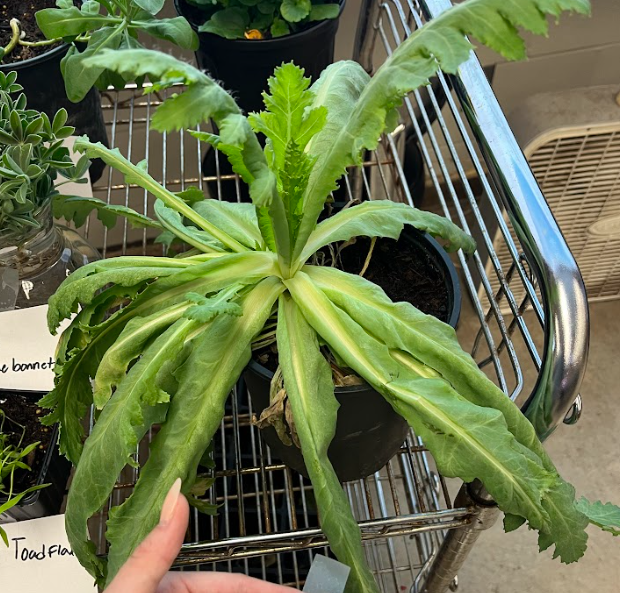
make different seed pods
legal to grow
illegal to cut and make them into opium
islandic versions commonly sold as cut flowers
one head has thousands of seeds
Papaver spp. Poppies Papaveraceae
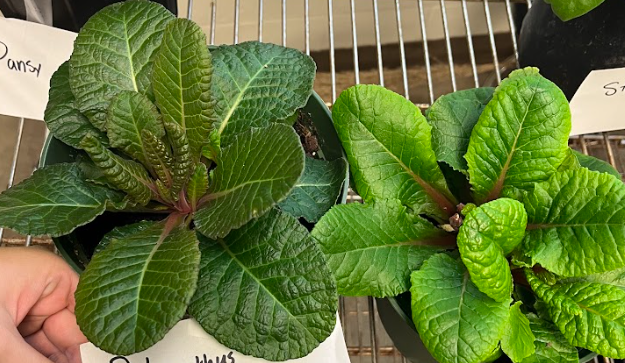
grows from basal rosettle
ungulated
rainbow variation
need double planting to get mass flowering
does not branch
Primula x polyantha Polyanthus Primrose Primulaceae
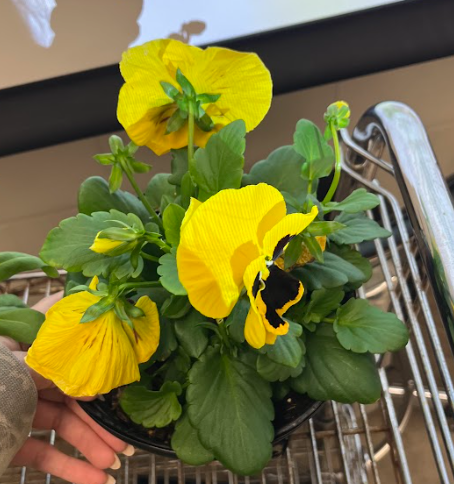
flower is silky smooth
distinct flower
many many different colors
edible flowers
new variety has a version which resembles a peony
Viola x wittrockiana Pansy Violaceae
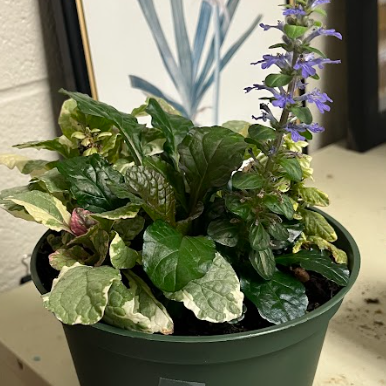
prostrate growing habit
wrinkled feel on leaves
somewhat variegated
reverts back to green
mint, salvia are the same family
Ajuga reptans Bugleweed Lamiaceae
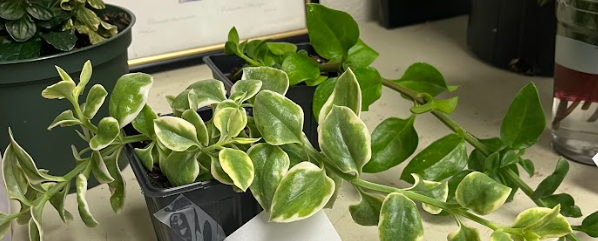
simple leaf
succulent leaf (full of water)
feel leaf and it will break on you
leaf is smooth
leaf can be variegated or unvariegated
will not be weedy
prostrate groundcover
grow very well in baskets/hanging pots
HUGE pollinator attractor
Aptenia cordifolia Hearts-And-Flowers Aizoaceae
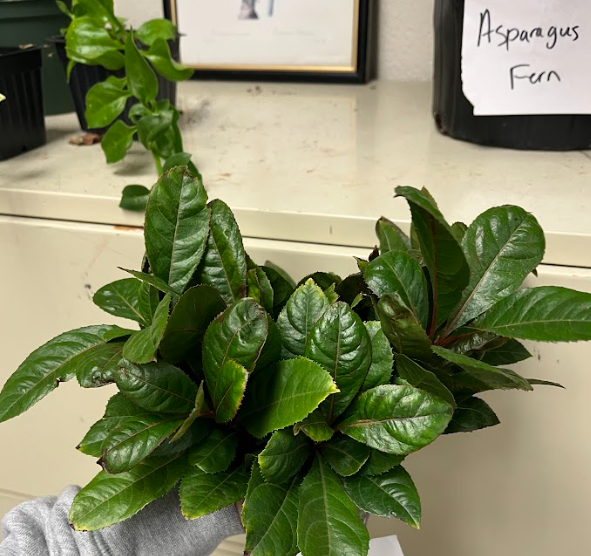
suberizes quickly
serrated foliage
petiole have red characteristic
not being grown for the flower
does not respond well to trampling
responds well to shearing
alternate to a whorled arrangement
Ardisia japonica Japanese Ardisia Myrsinaceae
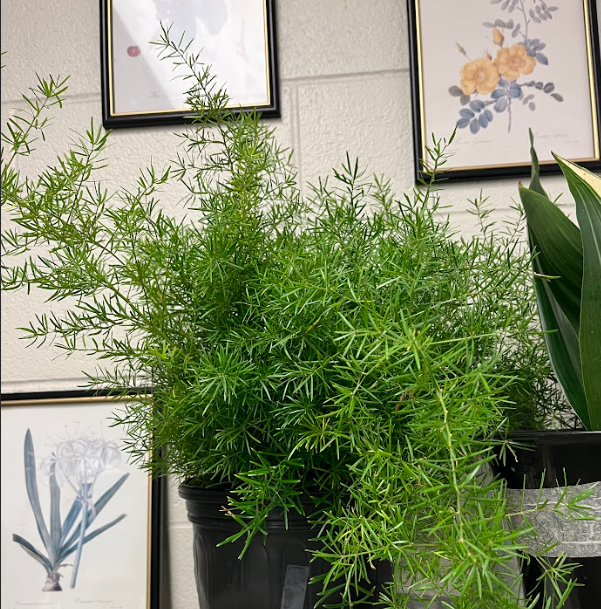
has prickles
downward facing
very very small foliage
comes back every year
very weird root system
roots are weird
form small “grape” like structures on roots
commonly known as sugar babies
Asparagus densiflorus ‘Sprengeri’ Asparagus Fern Asparagaceae
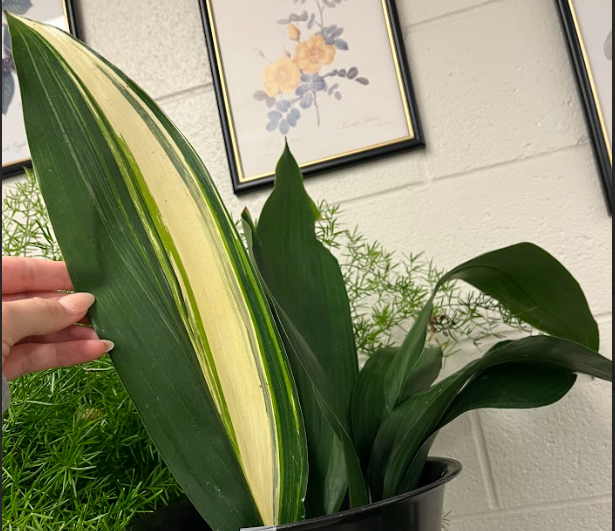
can tolerate full shade
full sun will burn it
especially very hot afternoon sun
anything can be variegated
Aspidistra elatior Cast Iron Plant Asparagaceae
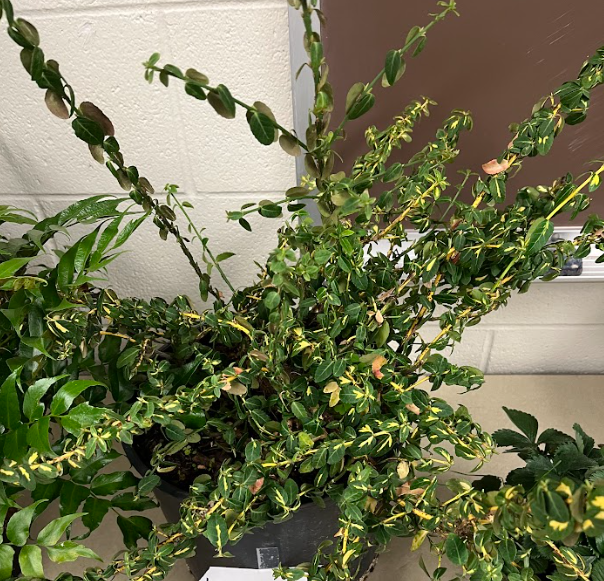
very small foliage
bring flies (pollinator)
flower is more prized than the seed pod
Euonymus fortunei Wintercreeper Euonymus Celastraceae
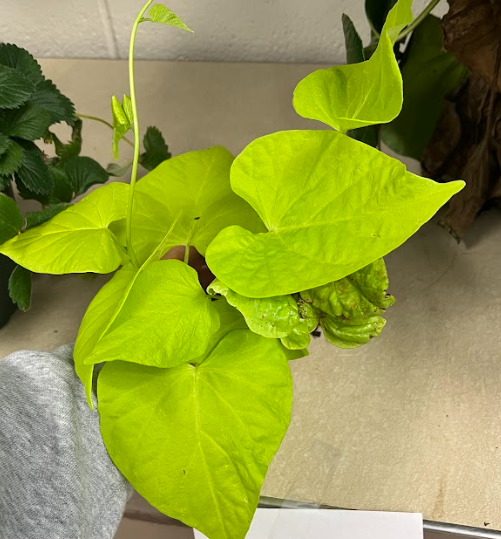
most sold plant in big stores
leaves come in different colors
lime green
dark green
purple
all three
Ipomoea batatas Sweet Potato Convolvulaceae
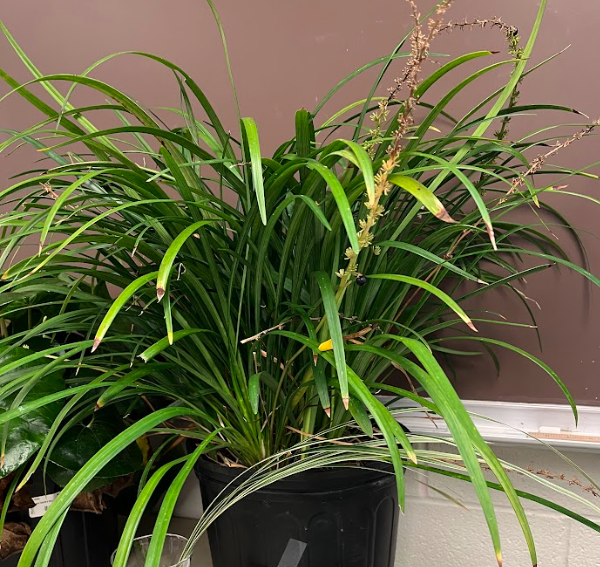
different types of varieties
one to two foot long leaves\
gets anthracnose
Liriope muscari Liriope Asparagaceae
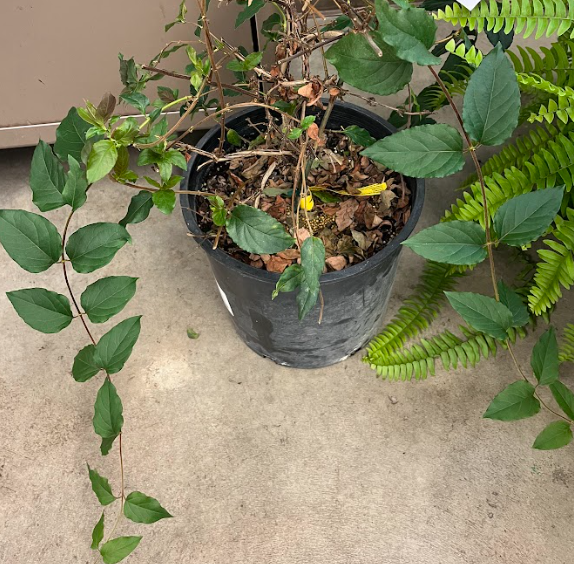
flower starts white and goes to yellow
very sweet sap
very invasive
Lonicera japonica Japanese Honeysuckle Caprifoliaceae
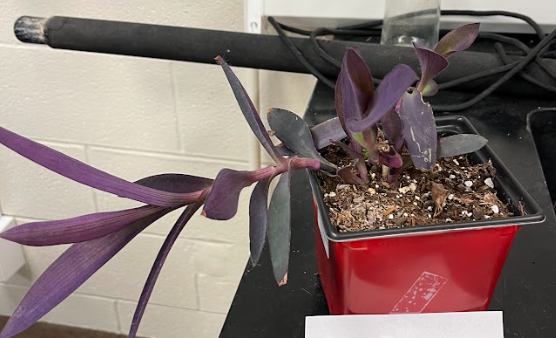
want to prune before first freeze
roots are thick herbaceous
comes back reliably every year
little tiny flowers
sessile (no petiole)
rubbery leaves
Tradescantia pallida Setcreasea Commelinaceae
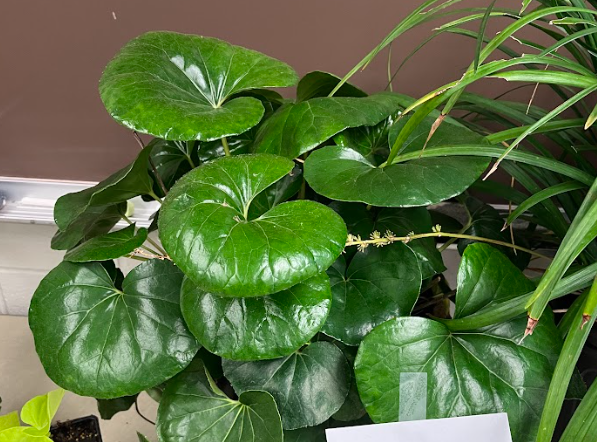
exfoliating subsentence
grows reliably but gets killed back by freezes
can comes with yellow spots on leaves
can be “wrinkled”
tolerates shade more than sun
yellow composite flower
branched flower
flowers in the fall
Ligularia spp. Ligularia Asteraceae
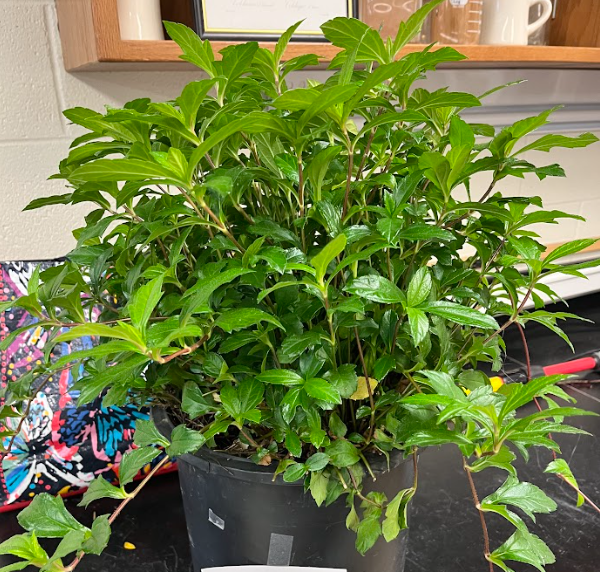
red stem on internode area
flowers A LOT
during hottest time of the month
yellow flowers
forms a nice dense mat
Sphagneticola trilobata Wedelia Asteraceae
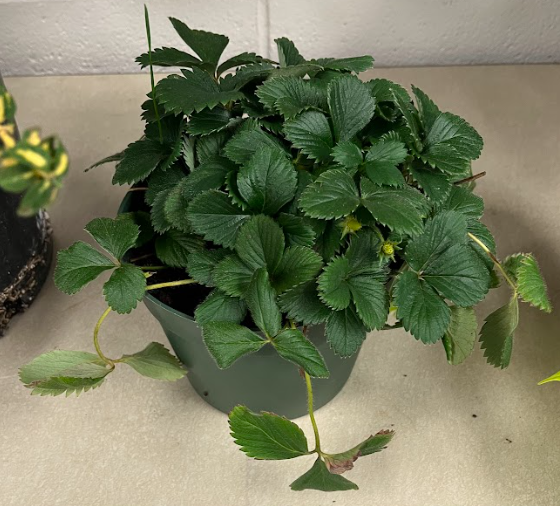
can be a groundcover bed
more grown as a potted plant
grows edible berries
most loved
best planted in falls
Fragaria x ananassa Strawberry Rosaceae
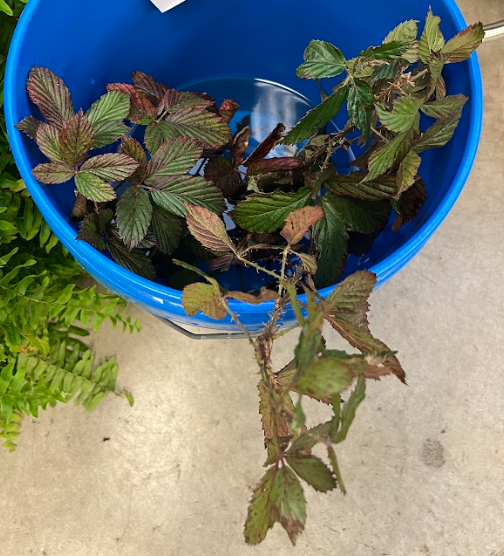
grows like arching canes
sets berries
white five petaled flower
THORNS
Rubus spp. Blackberries Rosaceae
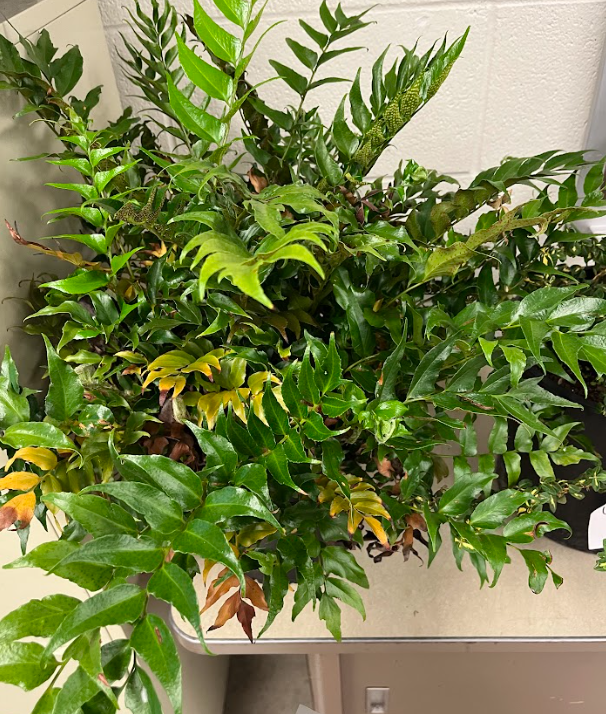
somewhat serrated margin
new growth is heavily pubescents
spores on back of leaves
Cyrtomium falcatum Holly Fern Dryopteridaceae
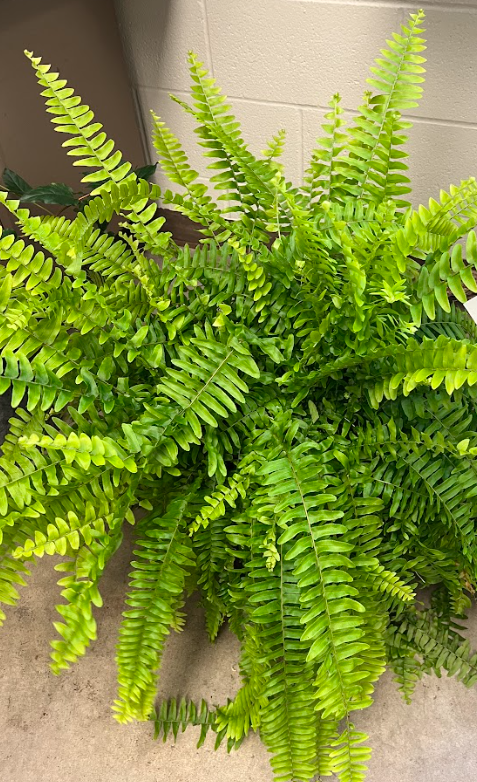
alternate arrangement
very fragile
do not come back after freezes
make great living plants inside
also known as fish bone fern
Nephrolepis exaltata Boston Fern Dryopteridaceae
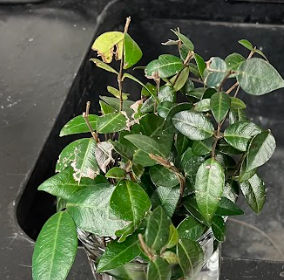
very thick cuticle
leaf will crack when folded
does create flowers
rare
Trachelospermum asiaticum Asian Jasmine Apocynaceae
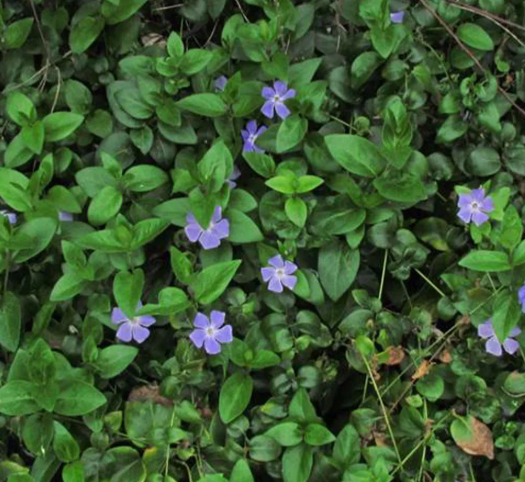
very herbaceous
distinct blue/purple flower
does not suberize quickly
only outside in the gardens
Vinca major Big Periwinkle Apocynaceae
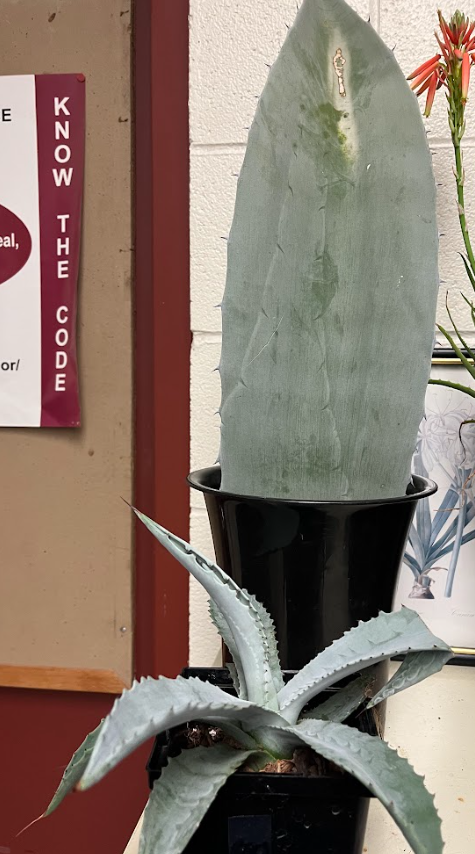
very tough needles
very hard
glaucous coating
very big when mature
once it flowers the plant will die shortly after
branched panicle
basal rossette
grows at the base as a rose
Agave americana Century Plant Asparagaceae
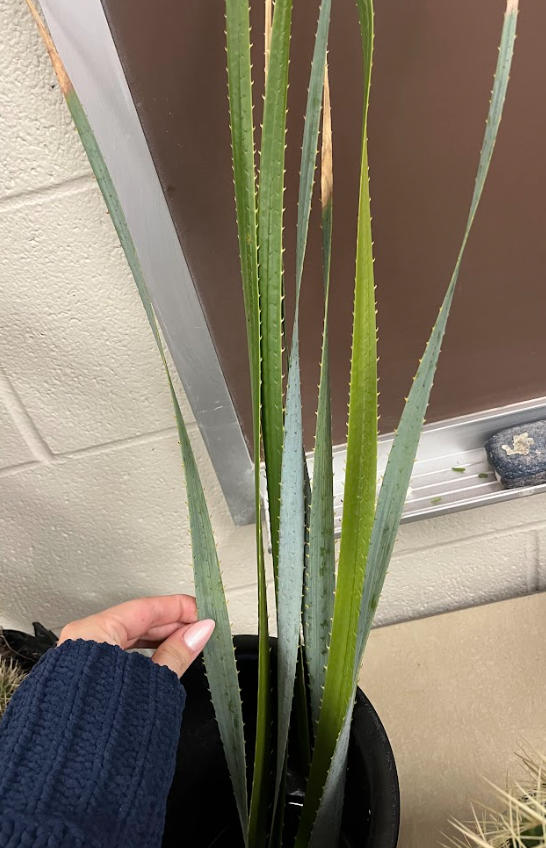
as it grows it will TWIRL
spines grow upward
will cut
flowers straight up
panicle growth straight up
basal rosette growth
blue or green growth
blue is the glaucous coating
Dasylirion spp. Sotol Asparagaceae
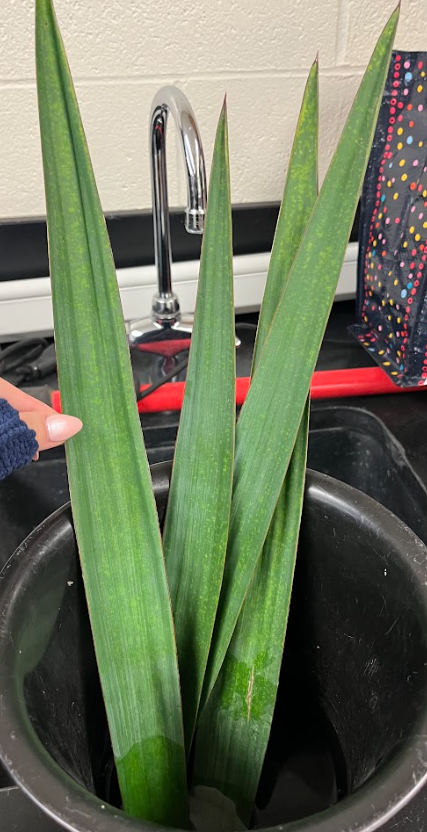
completely smooth margin
very stiff foliage
parallel veination
branched panicle as flower
cracks when folded
Yucca spp. Yucca Asparagaceae
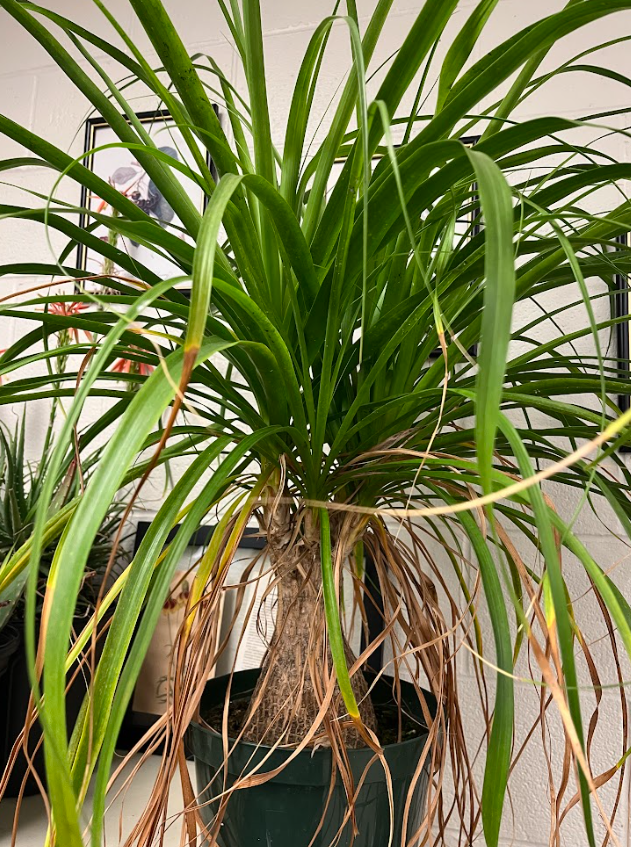
swollen bottom
foliage grows all from the top HENCE COMMON NAME
smooth margins
grows year-round in the valley
prone to overwatering and root rot
Beaucarnea recurvata Ponytail Palm Asparagaceae
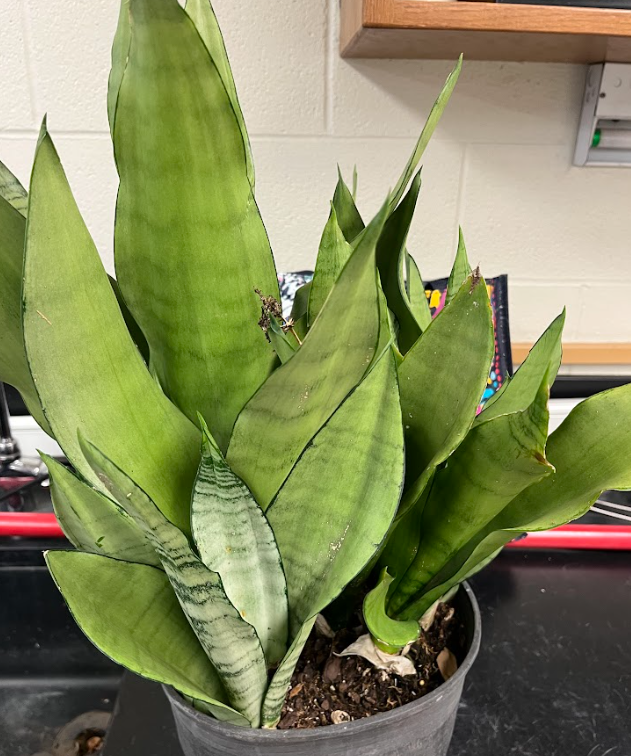
tons of cultivars
very stiff and hard
will break easily
very cold sensitive
spreads through rhizotomous growth
Sansevieria trifasciata Snake Plant Asparagaceae
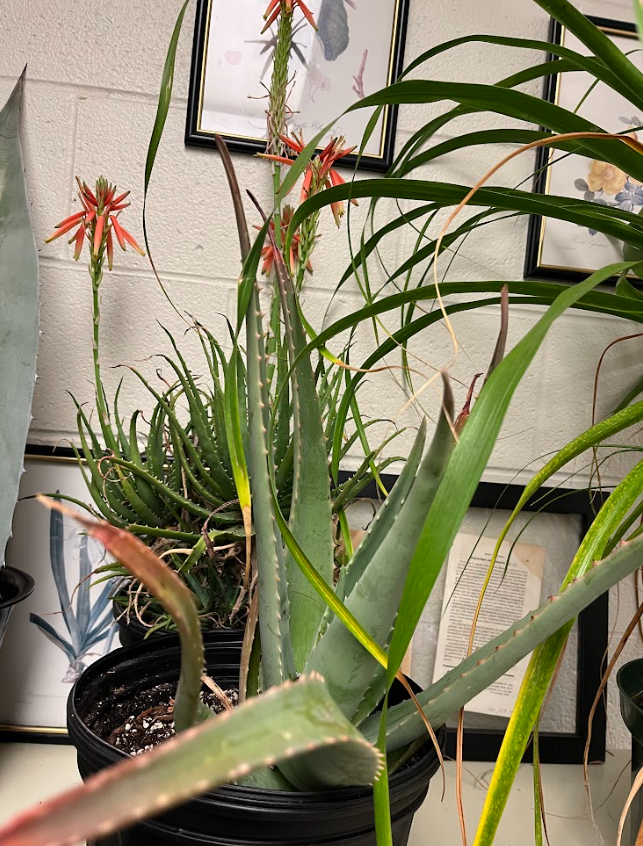
very distinct smell
fleshy
does not seed
panicled flowering
spreads through rhizotomous growth
indented
when you squish it the liquid comes out
Aloe vera Aloe Vera Xanthorrhoeaceae
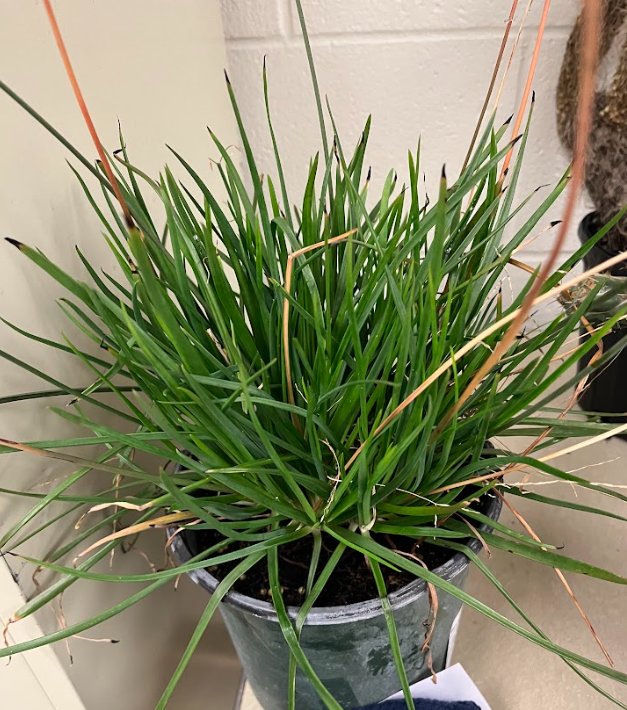
some-what fleshy
thin foliage
very drought-tolerant
flowering stems are much taller than the actual plant
self-clean
get rid of dead foliage
Bulbine frutescens Bulbine Xanthorrhoeaceae
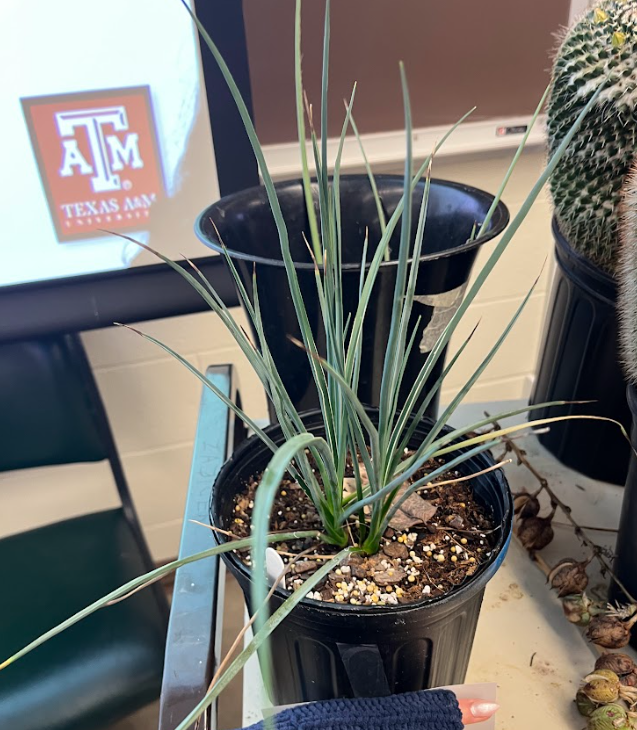
very tough foliage
solid amount of flowering
distinct seed pods
when it experiences drought stress it’ll change to red color
as well as cold weather
Hesperaloe parviflora Red Yucca Asparagaceae
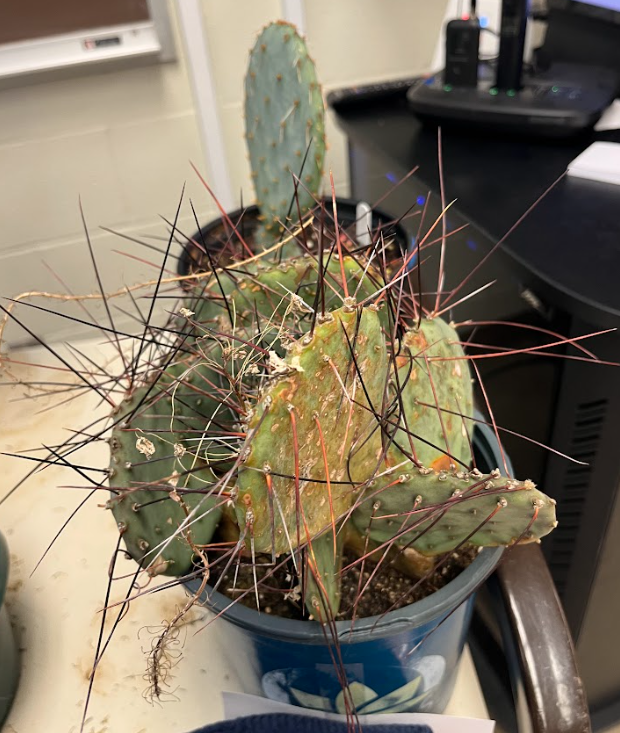
yellow, orange, red flowers
most common type of cacti
SETS FRUIT
edible for wildlife and humans
Opuntia spp. Prickly Pear Cacti Cactaceae
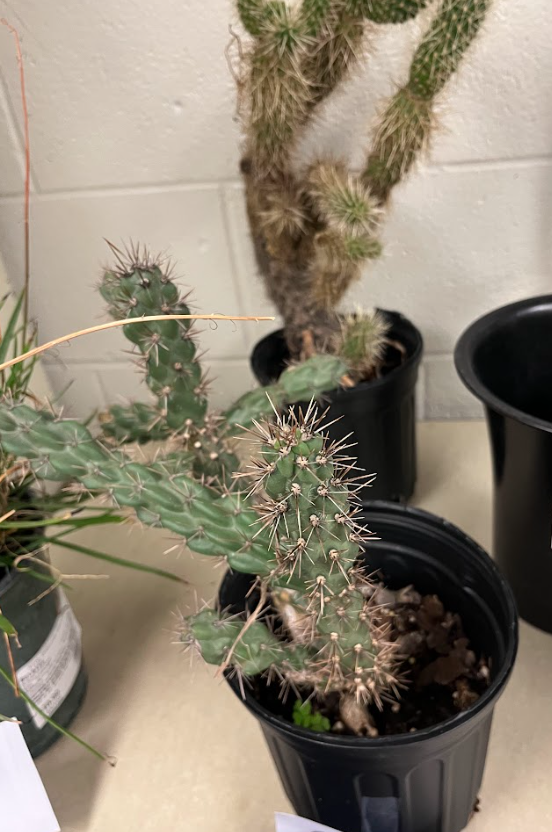
grows in cylindrical growth
spines hurt and burn
small fruits
elongated raspberries
edible
Cylindropuntia spp. Cholla Cactaceae
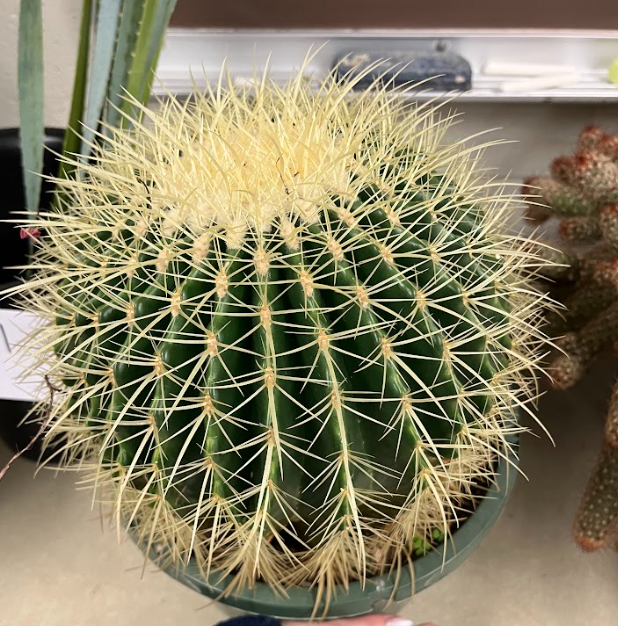
huge central spines
are recurved
in the center its full of glaucids
flowers occur at the central top
yellow seed pods
Echinocactus spp. Barrel Cacti Cactaceae

