Non-salivary Secretions of the GI Tract
 Call Kai
 Learn
Learn Practice Test
 Spaced Repetition
 Match
Match Flashcards
 Knowt Play
1/40

There's no tags or description
Looks like no tags are added yet.
Name | Mastery | Learn | Test | Matching | Spaced | Call with Kai |
|---|
No analytics yet
Send a link to your students to track their progress
41 Terms
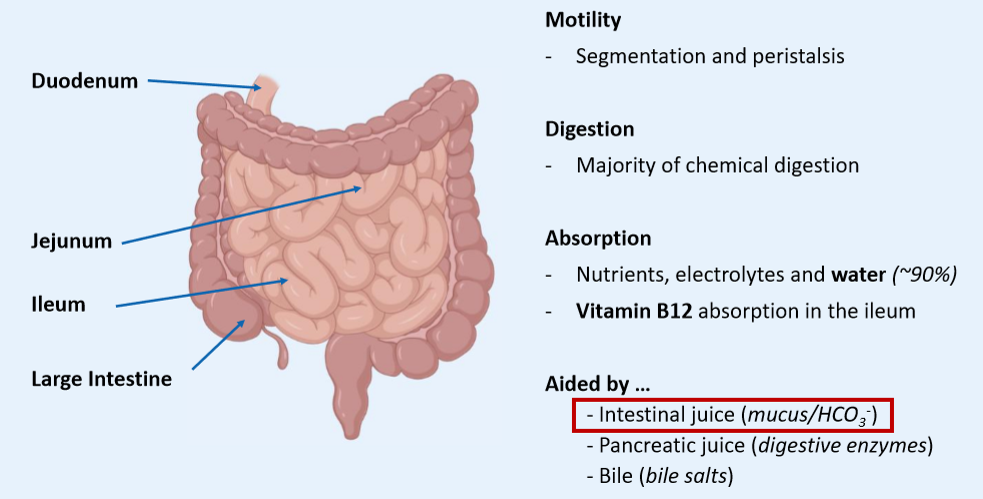
What are the Functions of the Small Intestine?
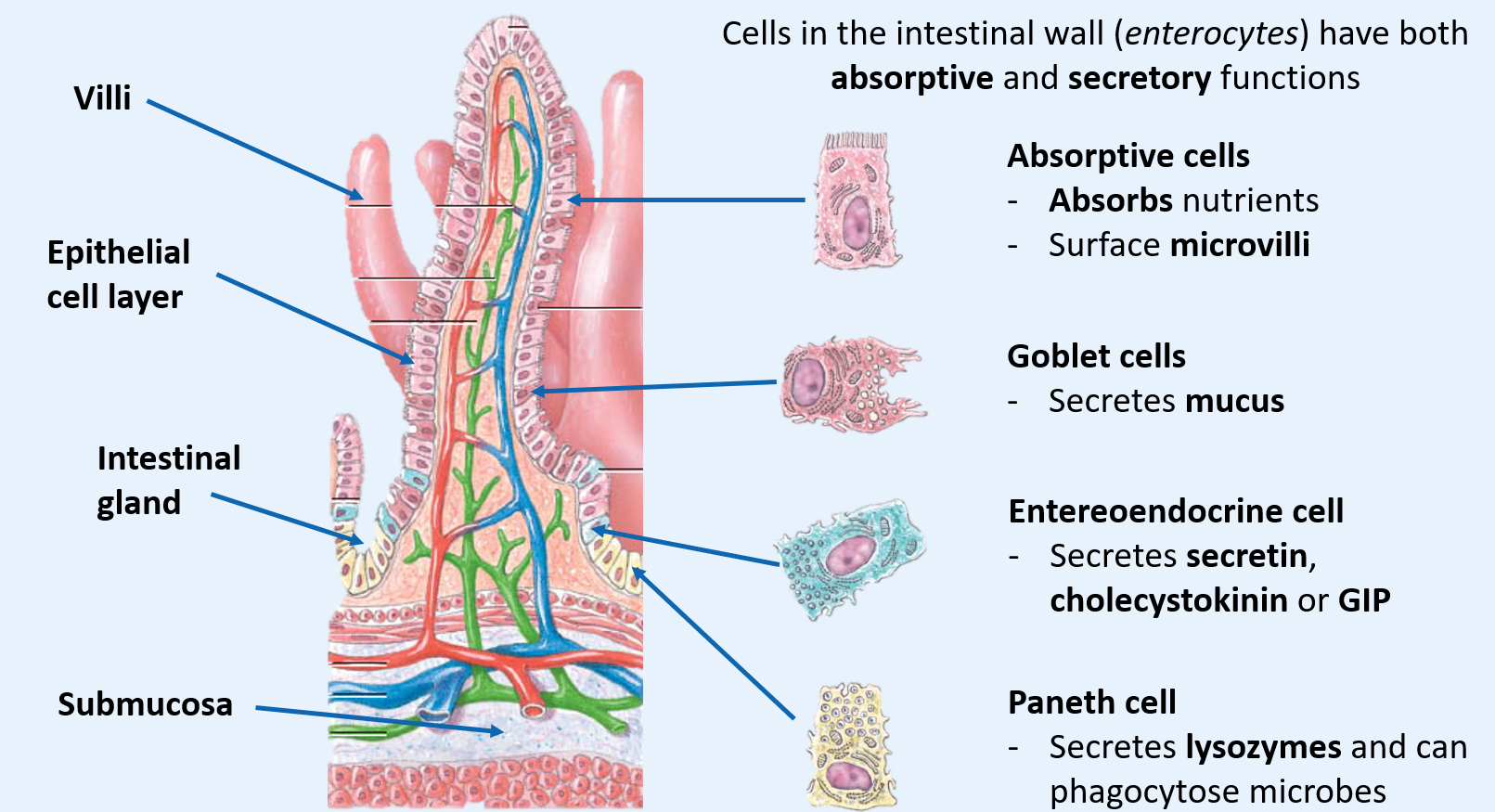
Specialisation of the Intestinal Wall
What is Brunner’s Gland?
Compound tubular submucosal glands found in the duodenum
Main function is to secrete mucus and HCO3-
Progressive neutralisation of low pH (acidic) chyme from stomach
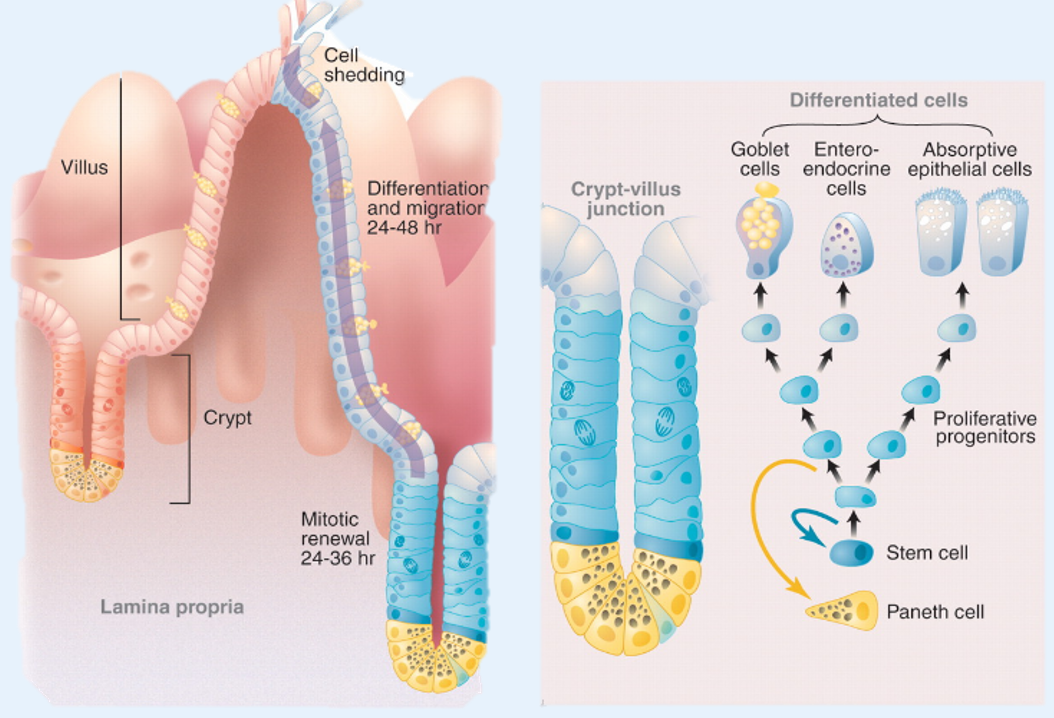
How does Stem Cell Renewal replace Epithelial Cells?
Intestinal stem cells proliferate (mitosis) in the crypt region
Intestinal stem cells then differentiate into the other enterocyte cells
Harsh environment requires a rapid turnover of epithelial cells every 5-7 days
Vulnerable to radiation, chemotherapy
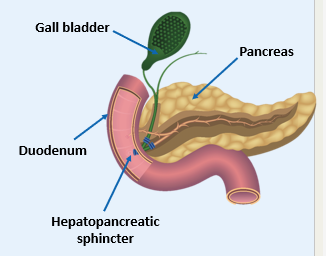
What is the Hepatopancreatic Sphincter?
Secretions from the duodenal wall mix with pancreatic and biliary secretions regulated by the hepatopancreatic sphincter (sphincter of Oddi).
Hepatopancreatic Sphincter- Enteroendocrine Secretions
Enteroendocrine secretions
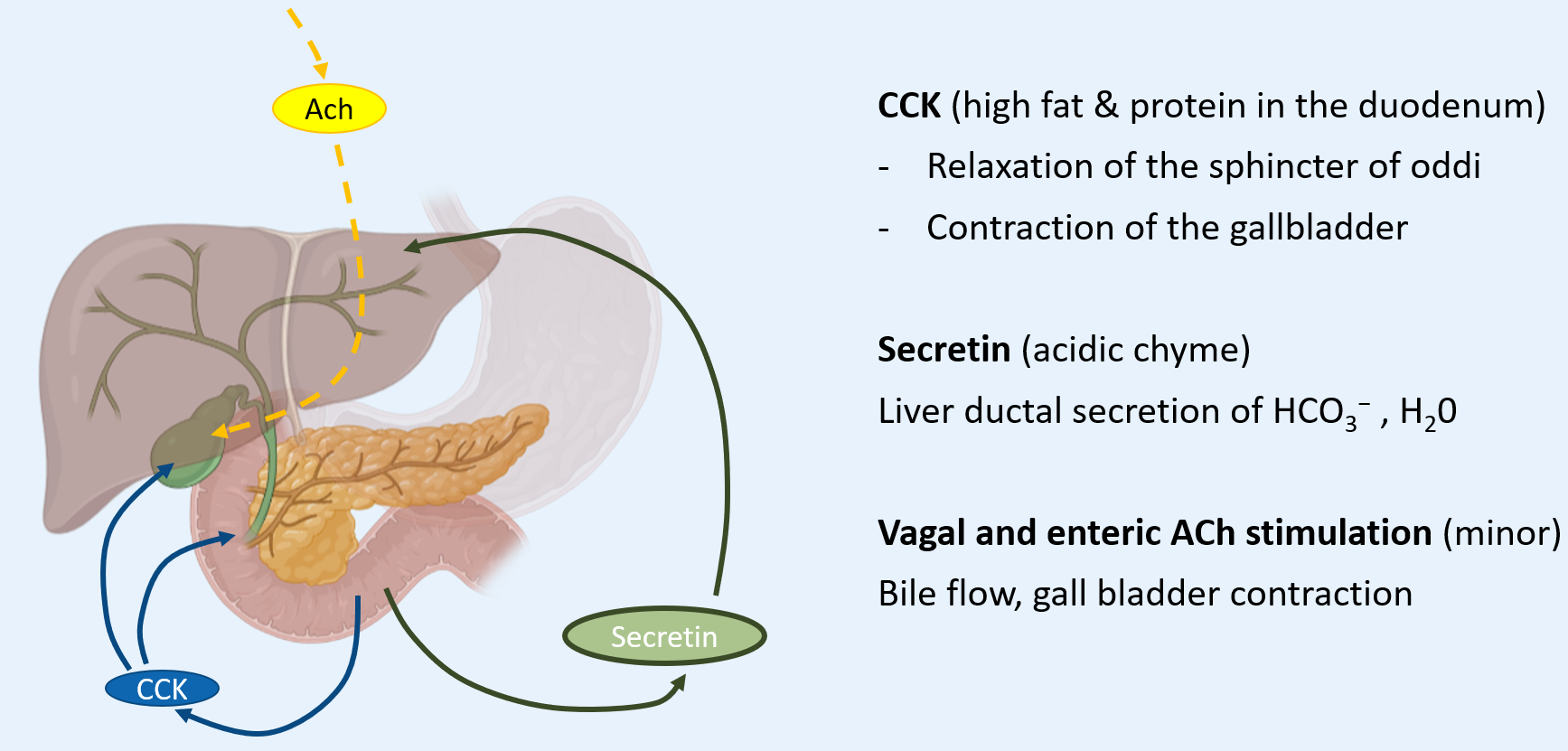
CCK (I cells) – stimulates pancreatic and gallbladder secretion
Secretin (S cells ) – stimulates pancreatic and biliary bicarbonate secretion
GIP (K cells) – may inhibit acid secretion / stimulate insulin release
Hepatopancreatic Sphincter- Exocrine Pancreatic Juice
Exocrine pancreatic juice (1.5 L): bicarbonate / digestive enzymes
Hepatopancreatic Sphincter- Bile
Bile (0.5-1 L) : bile salts for lipid emulsification (liver hepatocyte synthesis, gall bladder storage)
What are Intestinal Bacteria?
Bacteria secrete vitamins B and K for subsequent absorption
Bacteria act on chyme and produce hydrogen, CO2 and methane gas
Bacteria produce stercobilin as a breakdown product of bilirubin to give faeces brown colour.
Why does the Large Intestine have Limited Secretions?
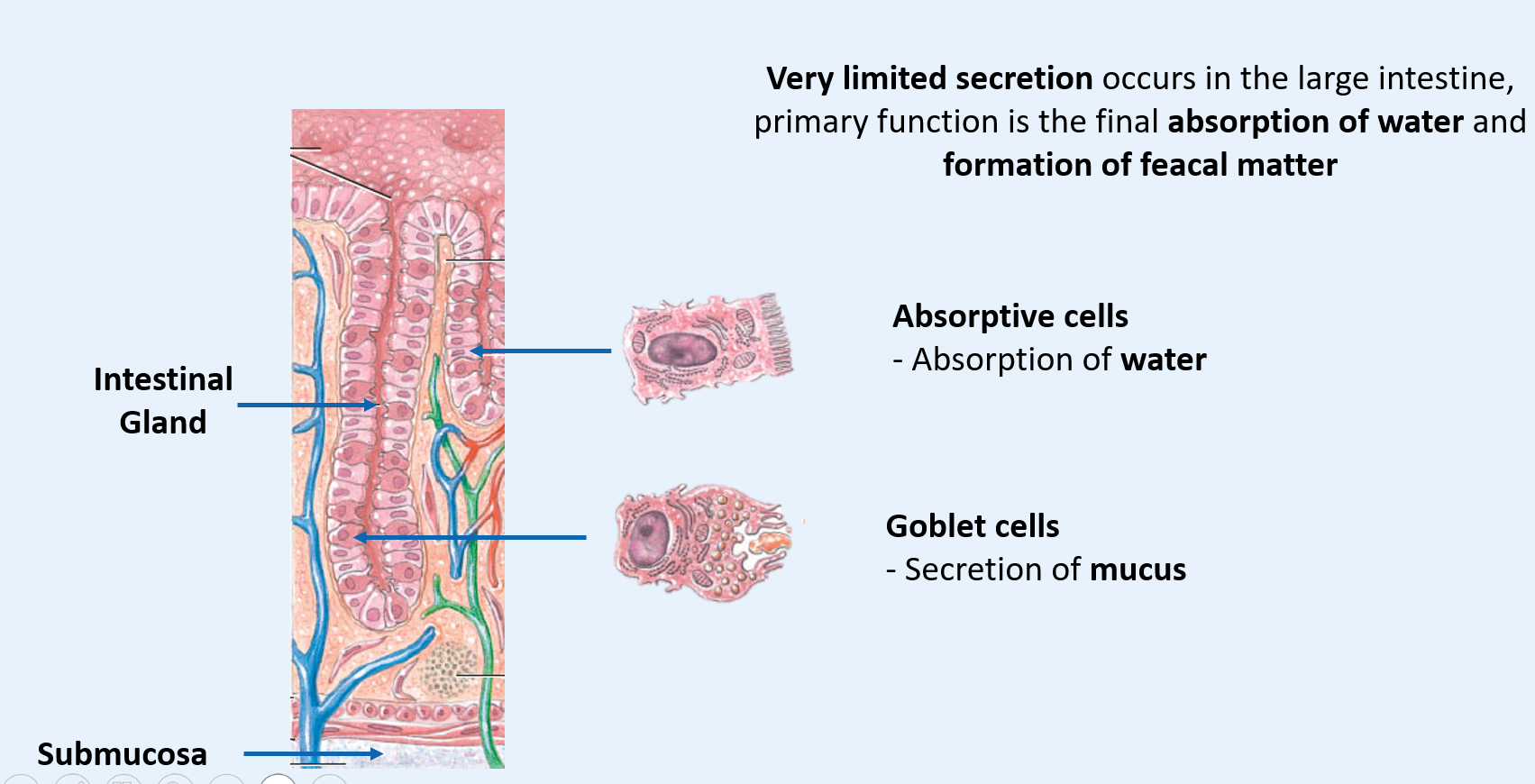
Which cells in the intestinal cell wall are responsible for secretion of hormones into the GI tract?
Enteroendocrine cells
What are the Exocrine Secretions of the Pancreas?
Exocrine acinar clusters (95%) secreting pancreatic juice
water, electrolytes, sodium bicarbonate and pro-enzymes
What are the Endocrine Secretions of the Pancreas?
Endocrine pancreatic islets (5%) (Islets of Langerhans) secreting
glucagon (alpha)
insulin (beta)
somatostatin (delta)
pancreatic polypeptide (F cell)
The Exocrine Pancreas
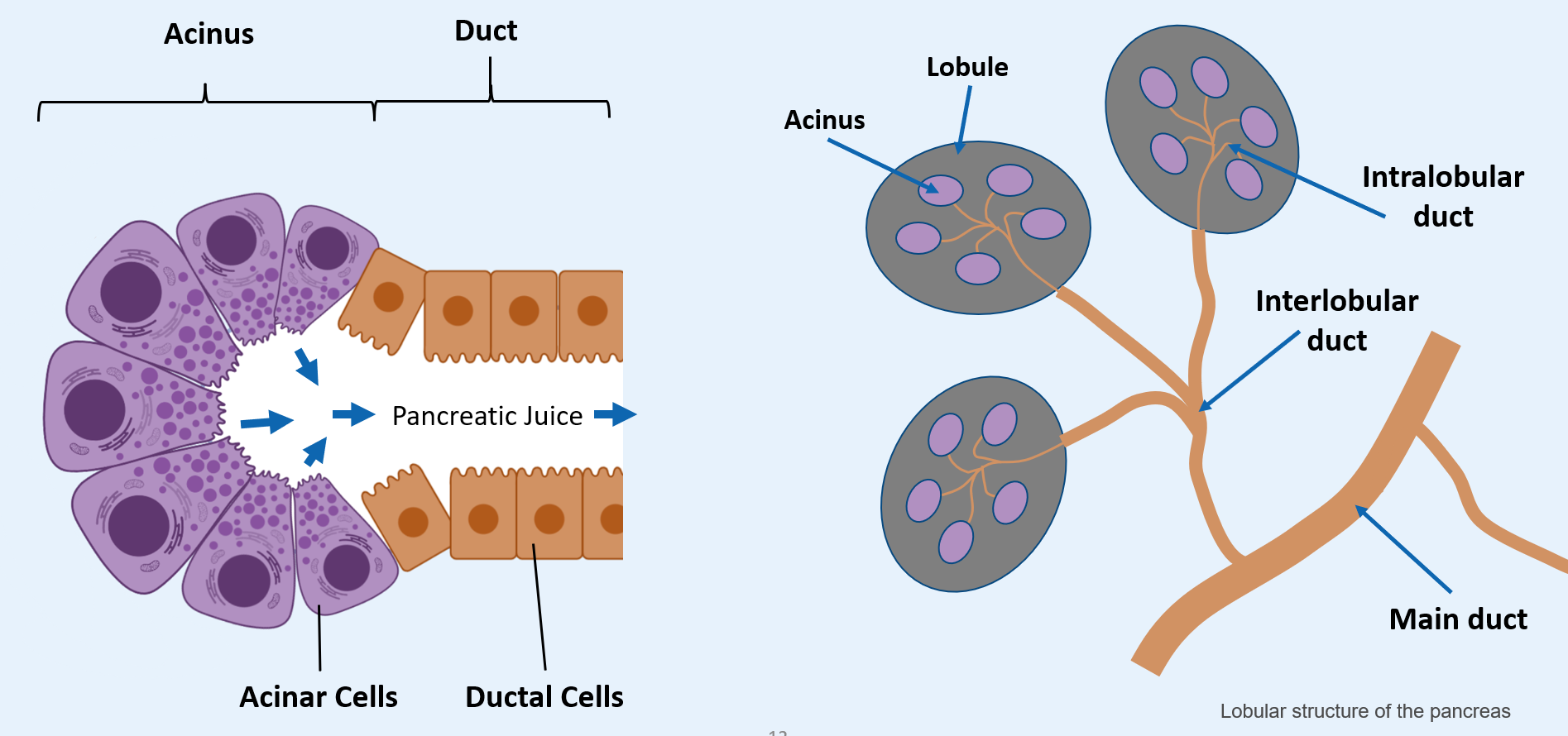
The Exocrine Pancreas- Acinar Secretions
Acinar Secretions
Rich in enzymes, Na+, Cl- and H2O
Triggered by acetylcholine from the Vagus nerve
Triggered by CCK in response to fat/protein in chyme
The Exocrine Pancreas- Ductal Secretions
Ductal Secretions
Rich in bicarbonate, Na+ and H2O
Triggered by secretin in response to highly acidic chyme
The Exocrine Pancreas- Pancreatic Juice
Unlike saliva, pancreatic juice remains isotonic
Pancreatic juice is an enzyme rich, slightly alkaline liquid
Examples of Pancreatic Enzymes
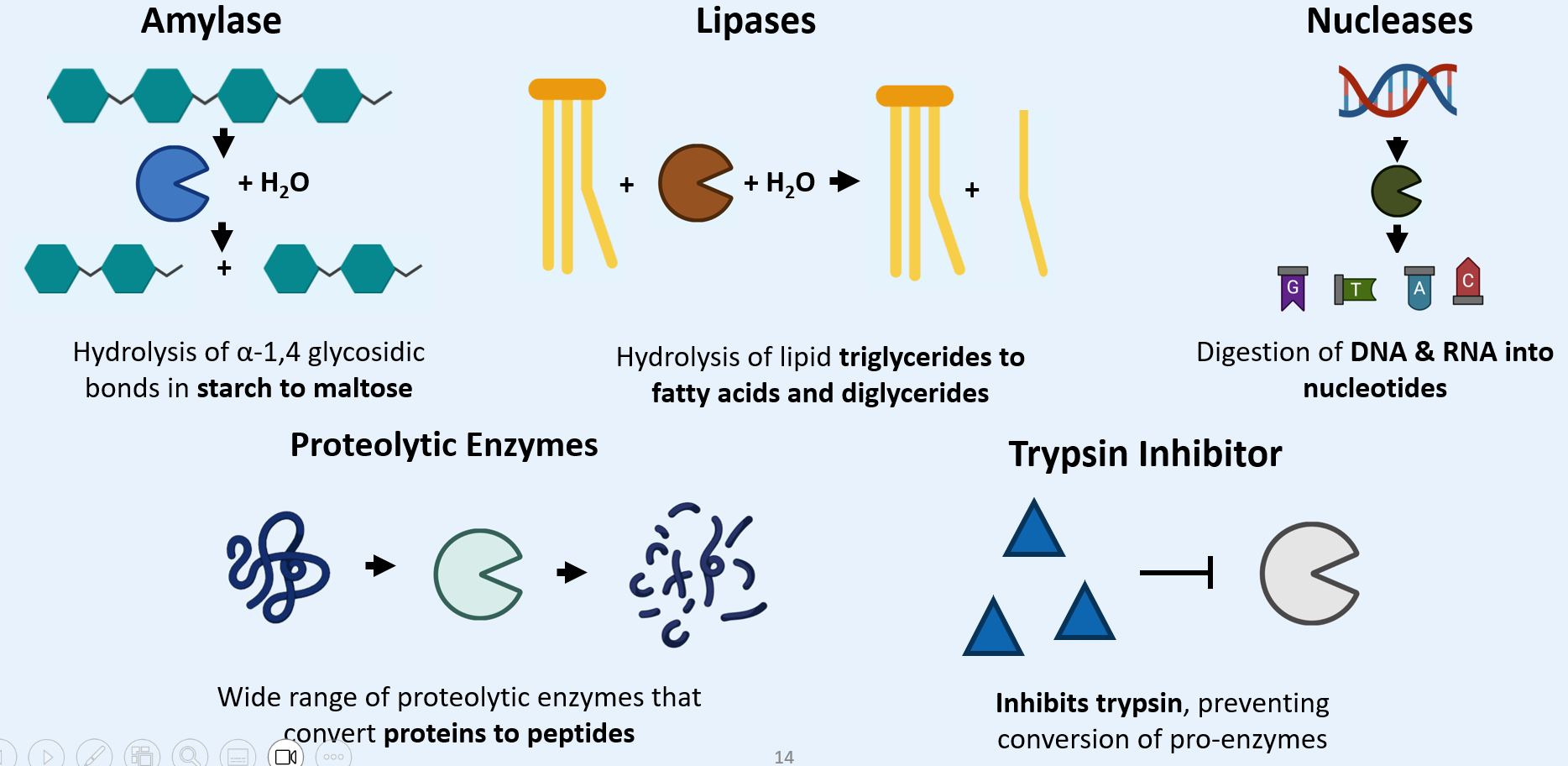
How are Proteolytic Enzymes Activated?
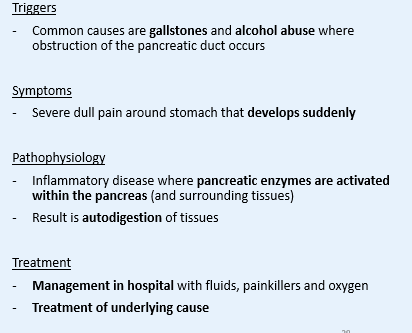
Proteolytic enzymes are produced as inactive precursors called zymogens
Small intestinal brush border enterokinase enzyme cleaves hexapeptide to form active trypsin from trypsinogen
Trypsin cleaves and activates other proteolytic enzymes
Process prevents pancreatic autodigestion (+ activity of trypsin inhibitor)
CFTR and Bicarbonate Secretions
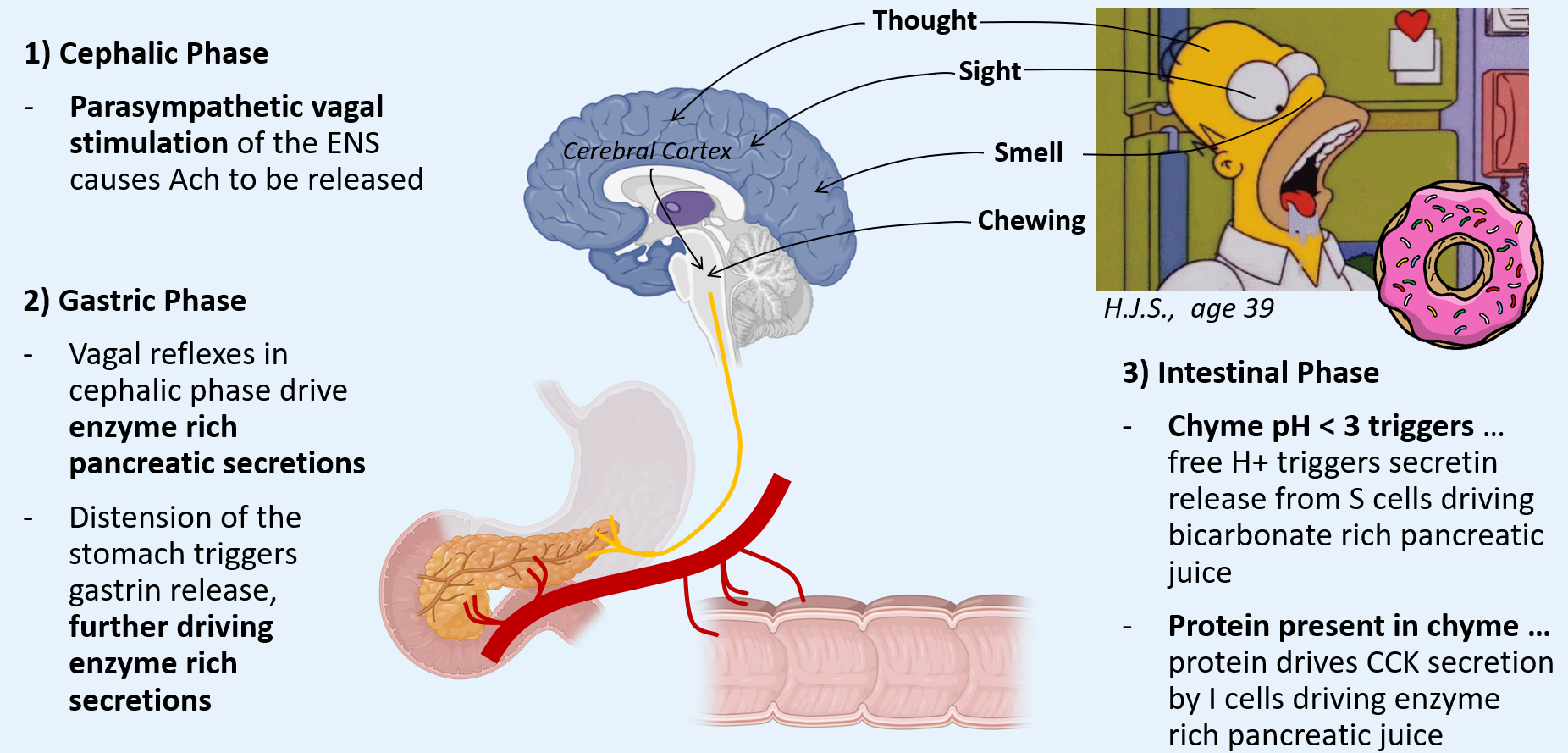
Duodenal H+ causes enteroendocrine cells to produce secretin
Secretin binds to the secretin receptor (SCTR) at the basolateral membrane
Secretin binding triggers cyclic adenosine monophosphate (cAMP) second messenger pathways
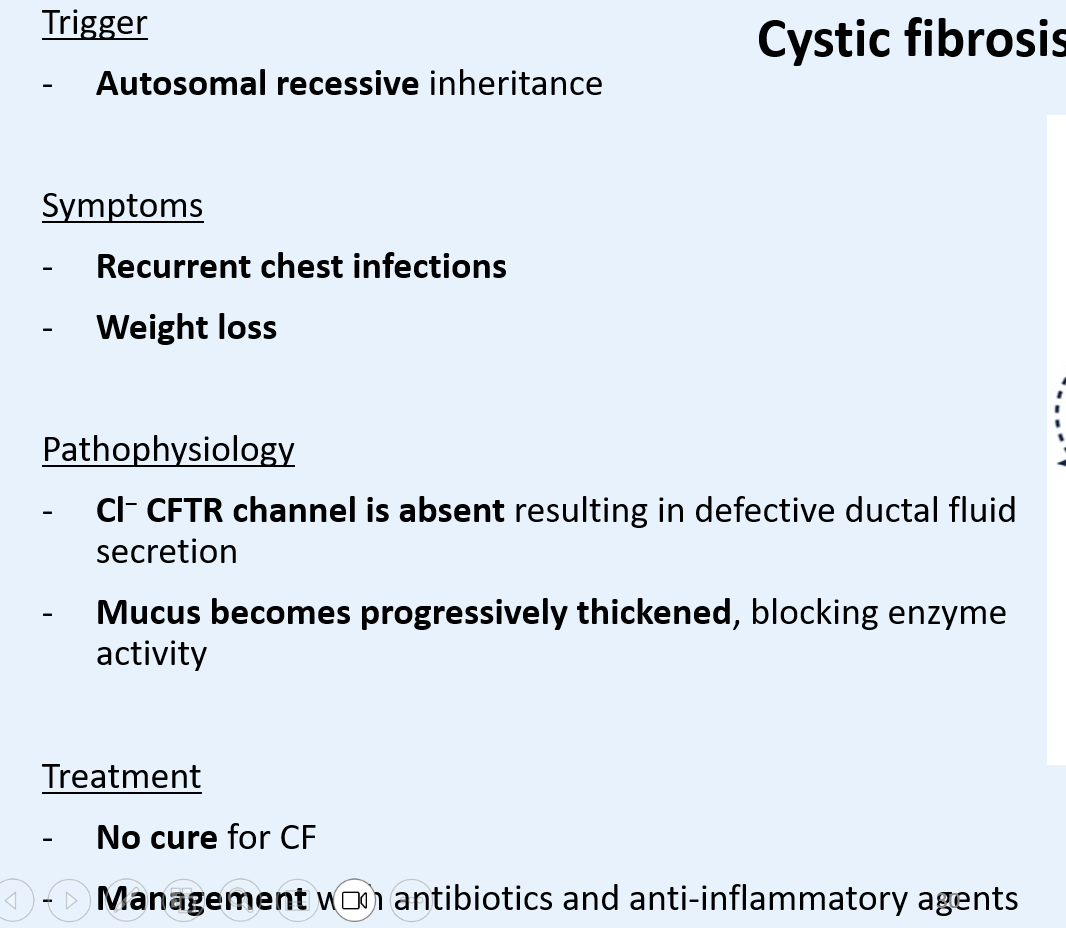
cAMP upregulates activity of the cystic fibrosis transmembrane conductance regulator (CFTR) Cl- and HCO3− channel at the apical membrane
Secretin stimulates high volume of HCO3− rich pancreatic juice to buffer acid
Phases of the Pancreatic Secretion
How does the pancreas prevent pancreatic digestion by proteolytic enzymes?
Enzymes are released as pro-enzymes
How is Bile Stored?
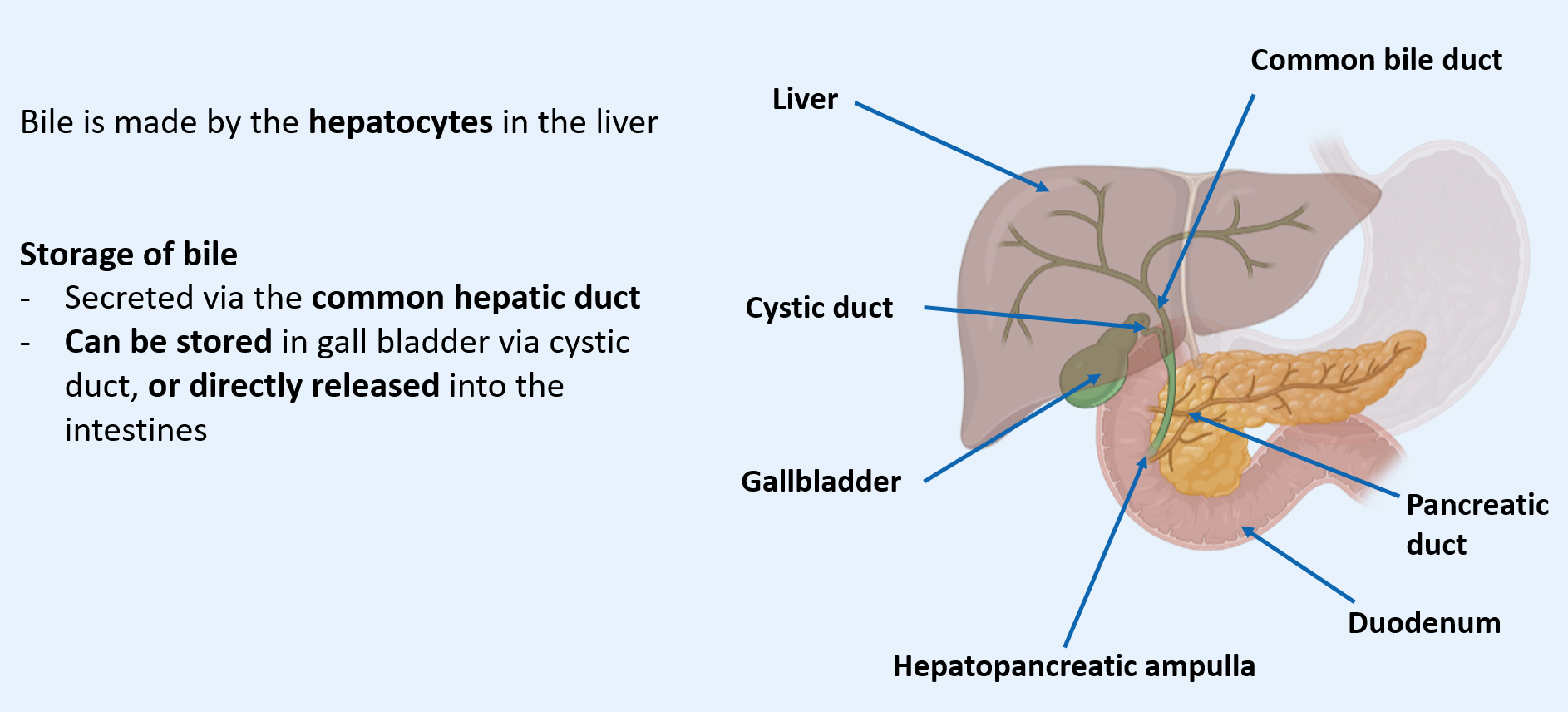
How is Bile Secreted?
Direct secretion of bile
Via common bile duct joining the pancreatic duct to drain into the duodenum at the hepatopancreatic ampulla
What are Hepatocytes?
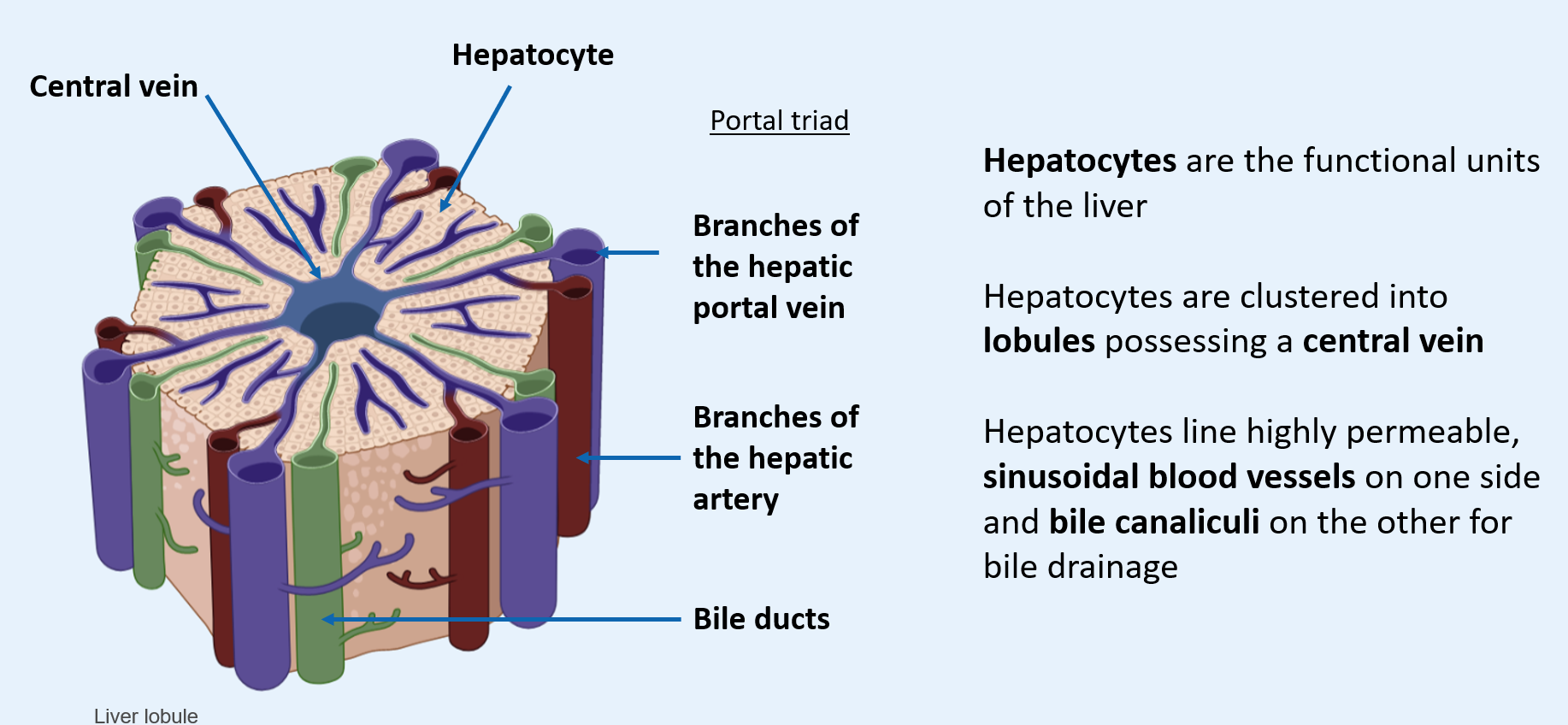
What is Bile?
Bile is a greenish liquid containing water, salts, cholesterol, bile pigment bilirubin and electrolytes.
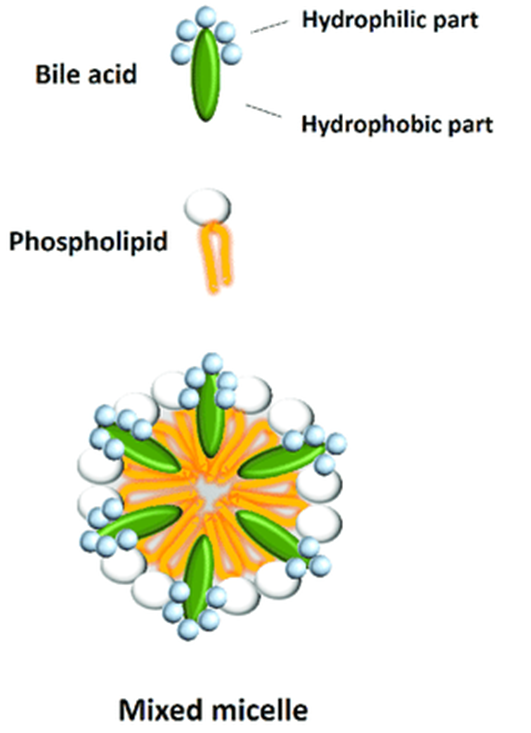
Function of Bile- Fat Digestion and Absorption
Fat digestion and absorption
Bile salts (amphipathic) emulsify fats for digestion by pancreatic lipase and form micelles for absorption
Function of Bile- Elimination of Waste Products
Elimination of waste products
Bilirubin (pigment) from haem in red blood cell degradation (breakdown product stercobilin gives faecal brown colour)
How is Bile Secretion Regulated?
What is Enterohepatic Circulation?
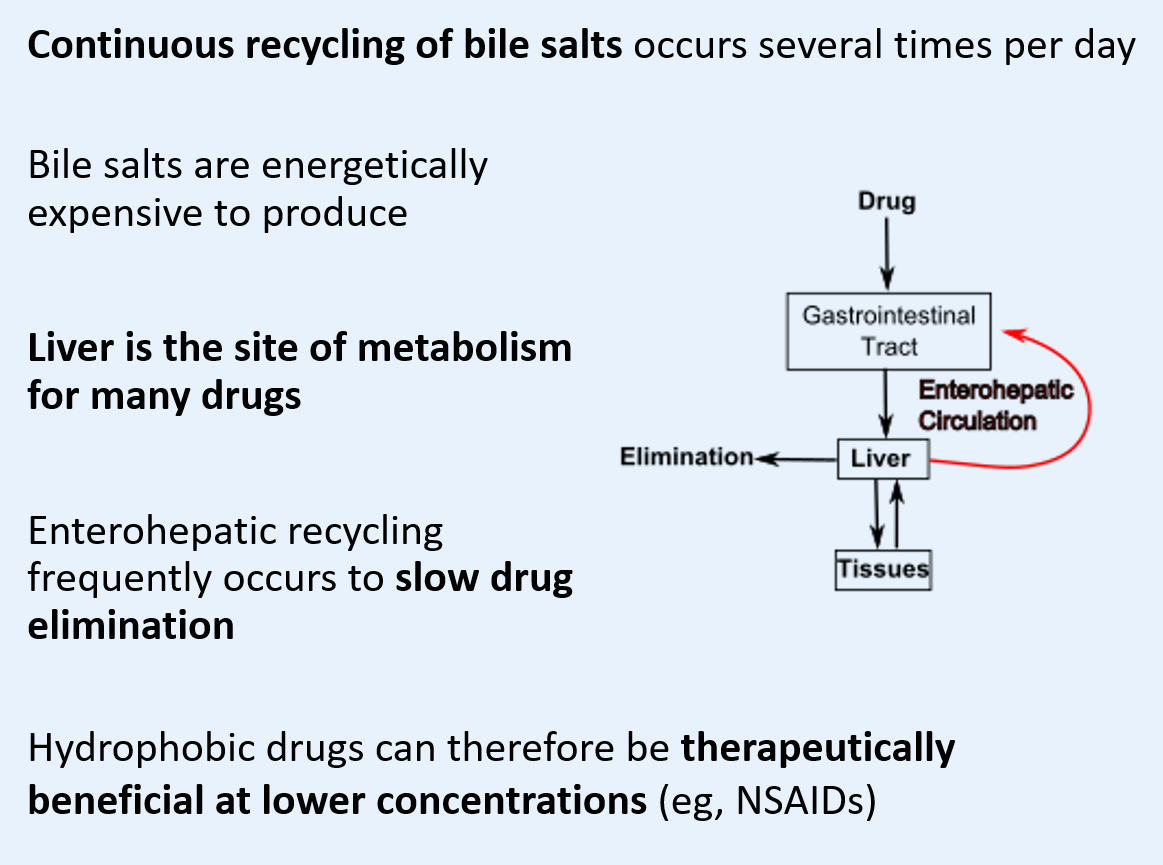
Excretion of Bilirubin in Bile
Haem from old/faulty RBC converted to bilirubin (orange) and transported to liver bound to albumin
Conjugated (made hydrophilic) with glucuronic acid and excreted in bile
Gut bacterial hydrolysis (b glucuronidase) deconjugates bilirubin to form urobilinogen
Urobilinogen reduced to stercobilin, excreted in faeces (brown colour)
What is the physiological benefit of sinusoidal capillaries in the liver?
Large pores to allow passage of large molecules
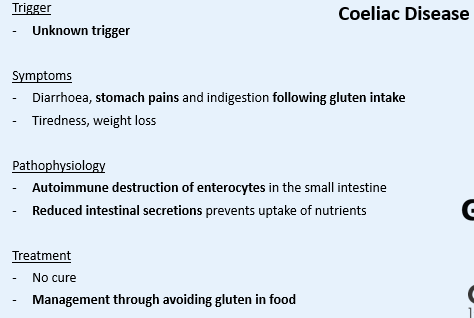
Dysfunction in Intestinal Secretions- Coeliac Disease
Dysfunction in Enzyme Activation Process- Pancreatitis
Dysfunction in Ductal CFTR Cl- Channel- Cystic Fibrosis
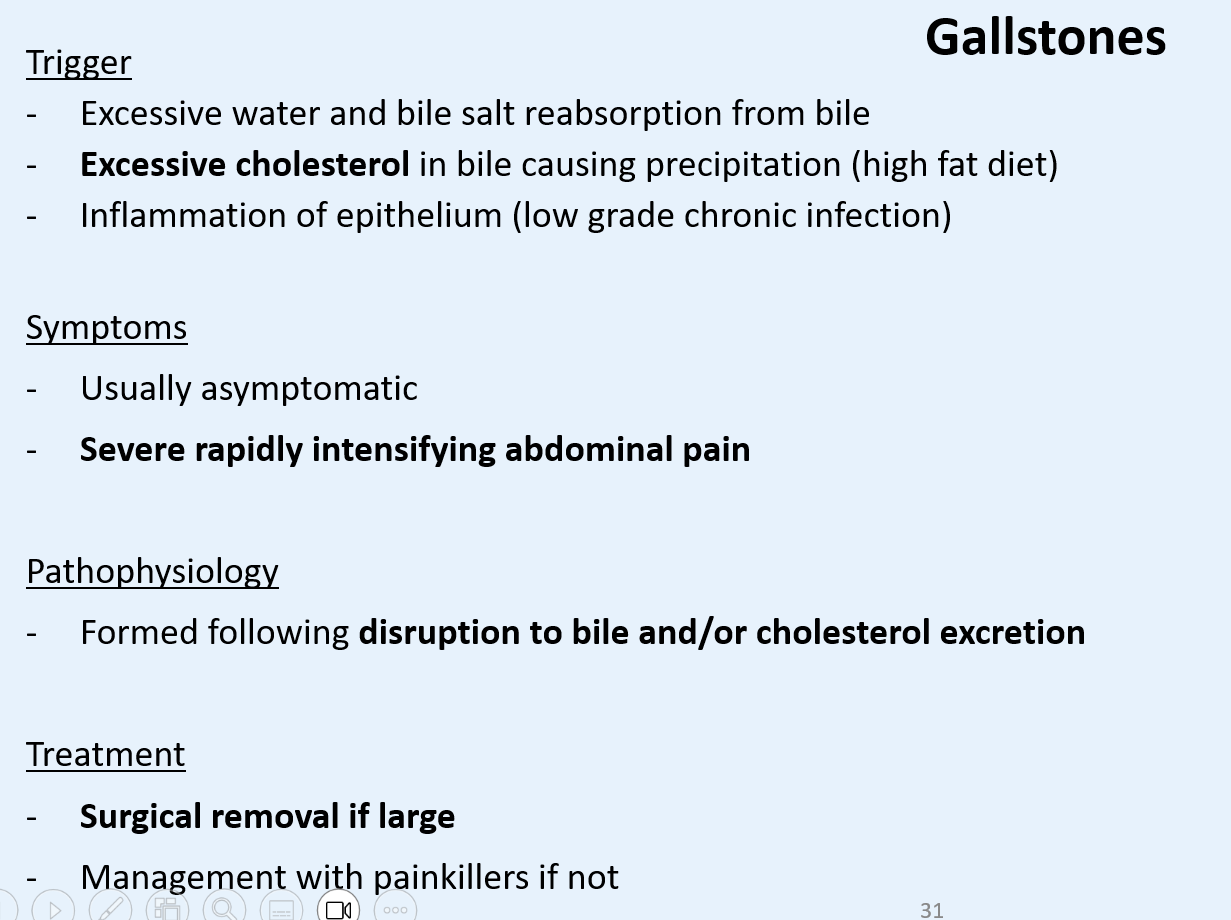
Dysfunction in the Gall Bladder- Gallstones
What is Jaundice?
The build up of bilirubin in extracellular fluid (serum bilirubin >30-60 mmol.L-1)
Yellow discoloration of skin and sclera
May occur when underlying disease processes disrupt the production and excretion bilirubin
Causes of Jaundice- Pre-hepatic
Pre-hepatic
excessive RBC breakdown and build up of unconjugated bilirubin eg haemolytic anaemia
Causes of Jaundice- Hepatocellular/Congenital
Hepatocellular/congenital
altered hepatocyte function eg Crigler-Najjar syndrome
Causes of Jaundice- Post-hepatic
Post-hepatic
obstruction to normal bile drainage, build up of conjugated bilirubin eg gallstones
A young patient presents to their ED in the evening with severe stomach pains. Blood tests suggest serum bilirubin is 4 umol/L. The patient explains they are usually uncomfortable in the evenings. What is the likely diagnosis?
Coeliac Disease

