Biodegradation Exam 2
 Call Kai
 Learn
Learn Practice Test
 Spaced Repetition
 Match
Match Flashcards
 Knowt Play
1/75

There's no tags or description
Looks like no tags are added yet.
Name | Mastery | Learn | Test | Matching | Spaced | Call with Kai |
|---|
No analytics yet
Send a link to your students to track their progress
76 Terms
What kingdom are marine borers, beetles, termites, and other insects in?
Animal
Two types of marine borers (their phylums)
Molluscs (Mollusca) and Crustaceans (Anthropoda)
Two types of Molluscs
Shipworms (Teredinids) and Piddocks (Pholads)
Two types of Crustaceans
Gribbles (Limnoriids) and Pill Bugs (Sphaeromatids)
Where are Molluscs an issue?
ships, pilings, marine works, etc. However, only when mass colonization occurs
Characteristics of Molluscs
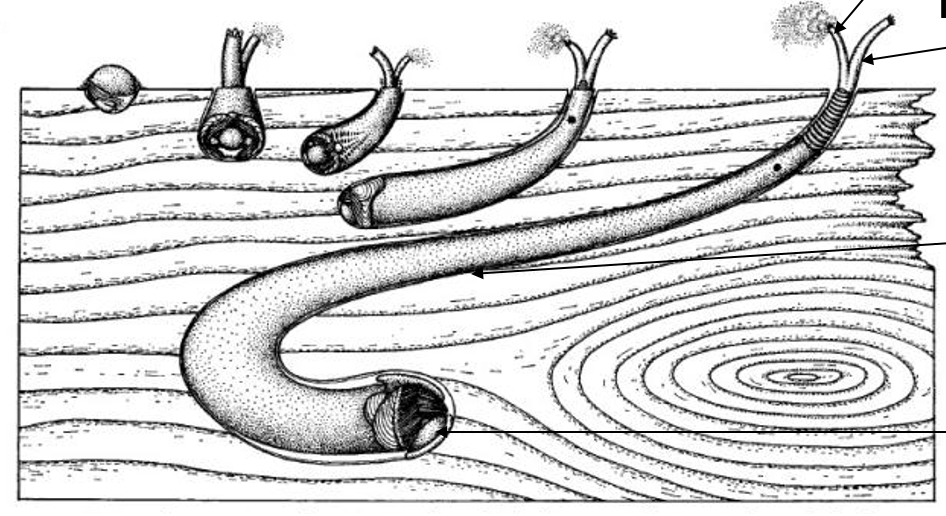
Aquatic animals. Salt/brackish water only (ie marine). Begin life small and free-swimming, are static in wood. Bury into wood and develop rasping shells on head. Discrete tunnels, avoid intruding into neighbors. Tail seals entrance hole, head burrows.
Characteristics of shipworms
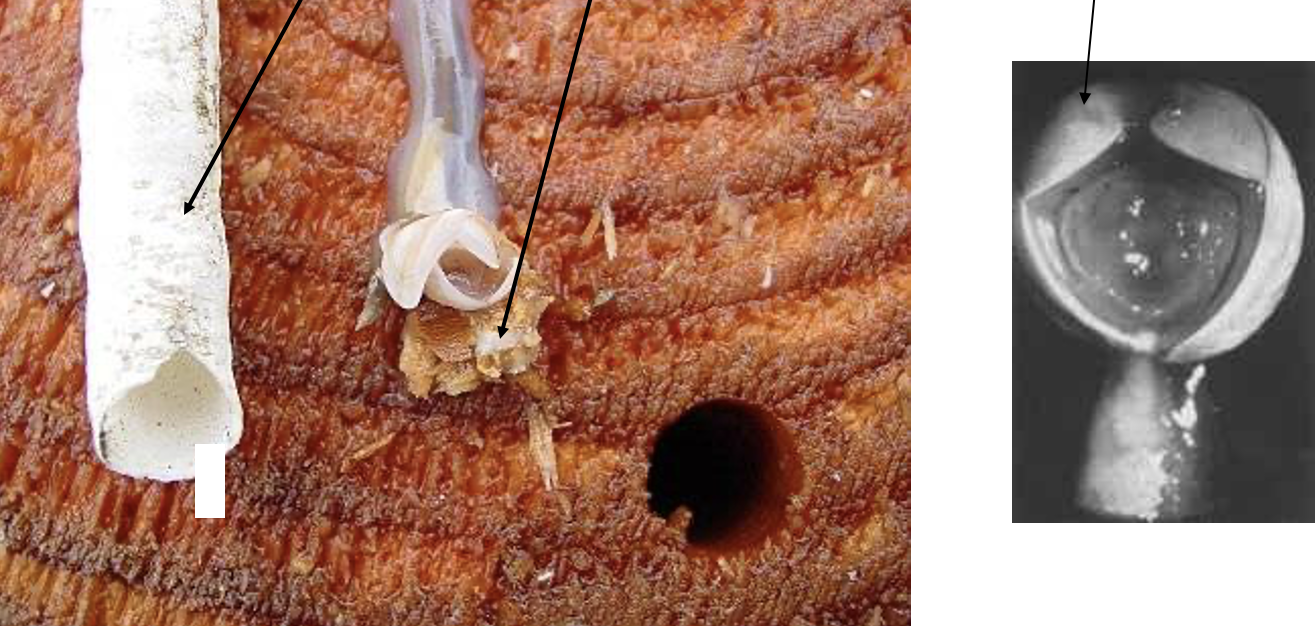
AKA 'termites of the sea'. Worm-like body, up to 1-2m in length. Exit hole is 1-2mm. Incurrent and excurrent siphons. Inhabit wood, symbiotic bacteria degrade cellulose. Calcareous-lined tunnels! Can seal exit hole in times of low water. Head with rasping shell.
What is important for shipworms?
Water temperature! They are warm water organisms (though there are exceptions). CANNOT handle long exposure to freshwater. <20m deep in sea.
Characteristics of Piddocks
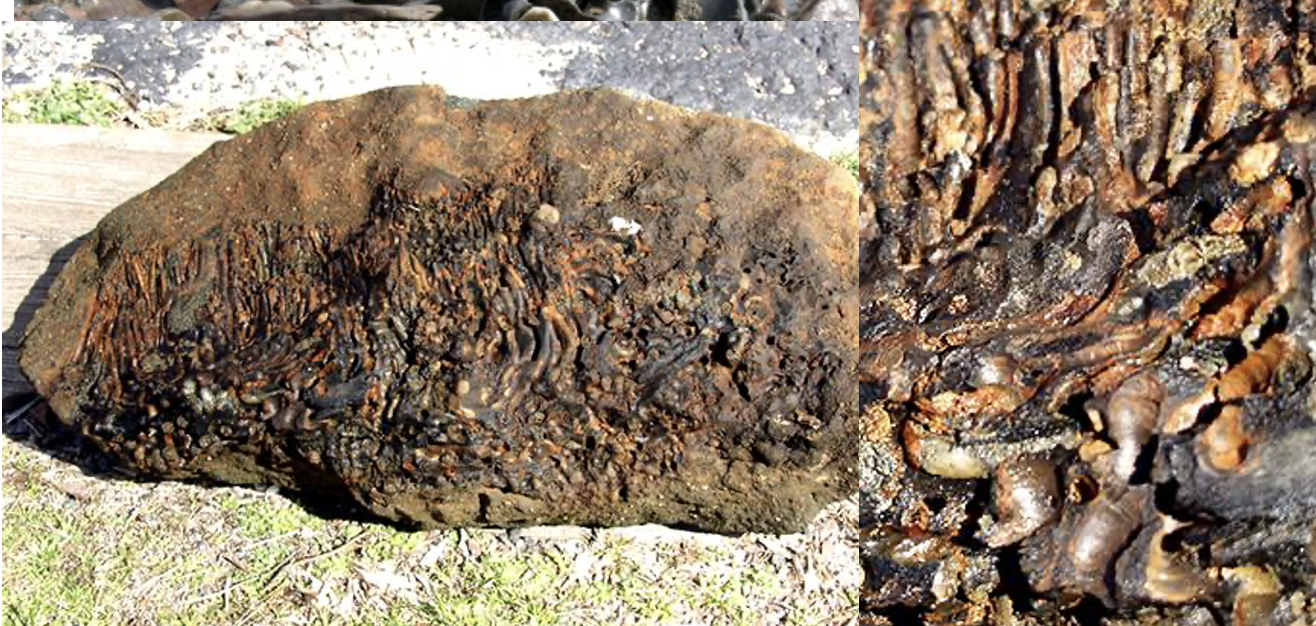
Grow to 5-8cm in length. CLAM-like. Exit hole is 5-10mm. Incurrent and excurrent siphons. Inhabit wood, rock, mud...DO NOT degrade cellulose. Tubed NOT lines with calcareous solid. Prefer deepwater seafloor. Some tolerate of brackish water. Less common than shipworms. Wood is not the only food source.
Characteristics of crustaceans
AQUATIC and require saltwater (marine). Segmented and motile, EVEN in wood. Can move from degraded to fresh wood samples. No rasping shells, just mandibles for burrowing. Live in UPPER regions of tidal range.
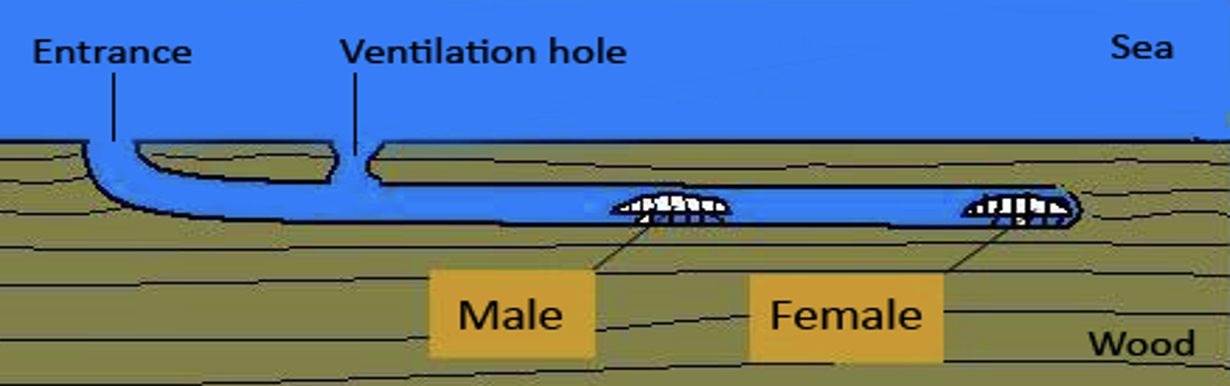
Characteristics of gribbles
Small, 2-4mm length, whitish-grey. Head, thorax, abdomen, 7 pairs of legs. Long narrow tunnels (1-3mm) parallel to surface, superficial decay and create an extensive network of galleries. Wood are broken down in gut, presumably by animal produces cellulases..?
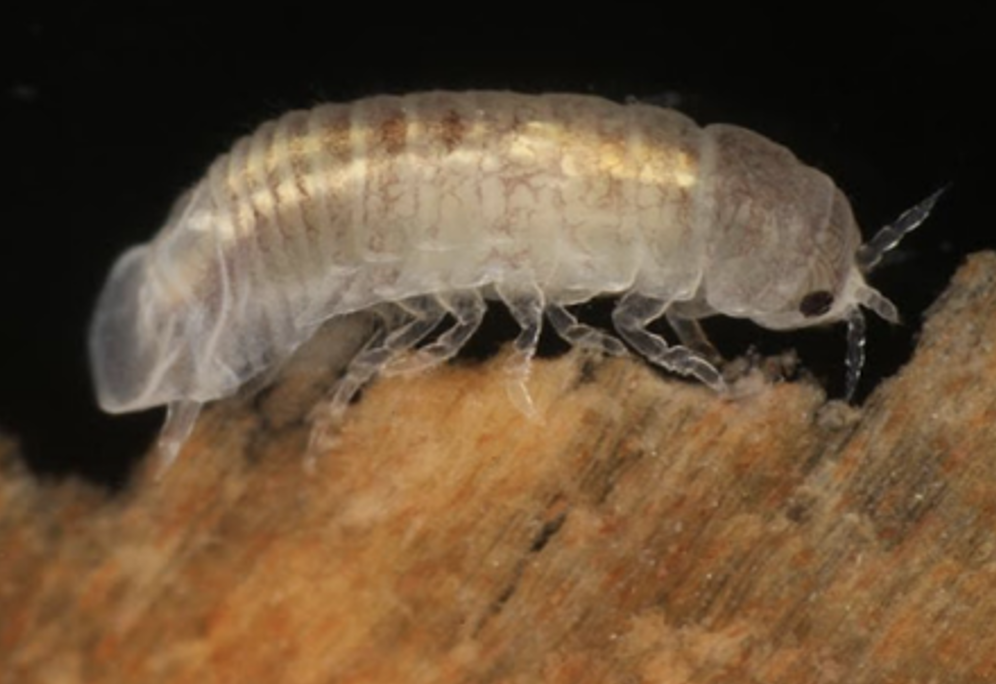
What are gribbles sensitive to?
Salinity changes, 40-50% salinity only live for short period, but more resistant to pollutants than shipworms. Also to temperature, activity declines markedly when T<10 C. Found in tropical, temperate, and cold waters depending on species. EXCEPTION: seattle
Characteristics of Pill Bugs
10mm in length for mature adults. HEad, thorac, abdomen, 7 pairs of legs. Small tunnels (10-15mm long, 2-3mm diam), across grain and perpendicular to wood surface. Eat bacteria and phytoplankton, but wood digestion doubtful, although cellulases were found (don't know where they come from)
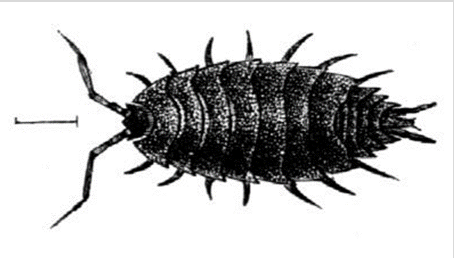
What are pill bugs restricted to?
Warm tropical and temperate waters. Especially tolerant of desiccation. Tolerant to changes in salinity (can survive in fresh water)
Prevention - marine borers
Site selection: high fresh water content, cool location.
Wood selection: greenheart, jarrah, high silica
Encapsulation: metal, concrete, plastic
Preservation - marine borers
Creosote and coal-tar (LOTS of it, penetrate deep)
CCA (copper-chromium-arsenic) still used here, often with creosote (BEST)
Copper-based (good if no leaching)
Ecosystem impact of emerald ash borer
After initial infestation, all ash trees are expected to die in an area with 10 years without control measures. 20% of urban forest is ash in Minnesota
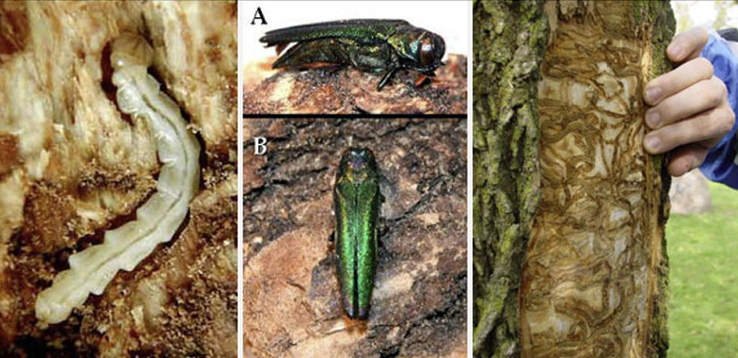
Economic impacts of emerald ash borer
Removing and replacing all infested ash trees in urban areas of 25 states cost $20-60 billion
Emerald Ash Borer (EAB) spreading.
Spread quickly, 2.5-20 km per year. Can't use as firewood because it can cause the bug to spread.
Emerald Ash Borer managements:
Quarantines, insecticides, and biological control.
General taxonomic characteristics of wood-boring insects
Domain: Eukaryote
Kingdom: Animal
Phylum: Arthropod (having a hard joined exoskeleton consisting of a number of segments)
Class: Insecta
Order: Coleoptera (Beetles), Isoptera (includes termites), Hymenoptera (ants, bees, wasps), lepidoptera (moths, butterflies), ephemeroptera (mayflies)
General Insect body structure
Antenna, head, thorax, abdomen, 6 legs - connect to thorax
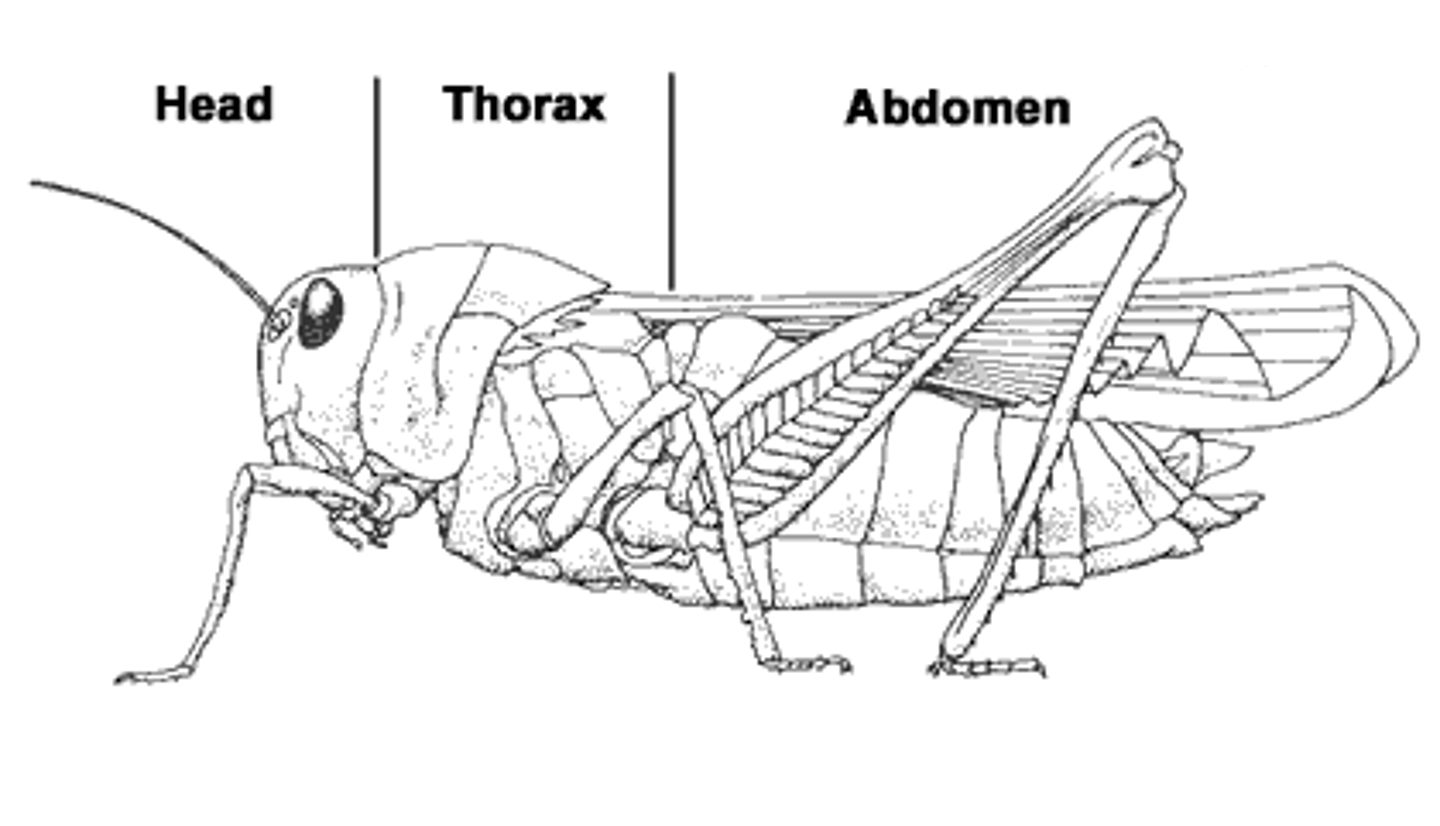
Wood-boring insects biological features of importance
Obligate aerobes (require oxygen), Internal digestion (guts), physical degradation (mouthparts), Excrement (frass), can walk/fly (motile), have life stages, social behavior.
Beetles undergo ____ metamorphosis
Complete. Highly evolved wood-inhabiting insects (also bees)
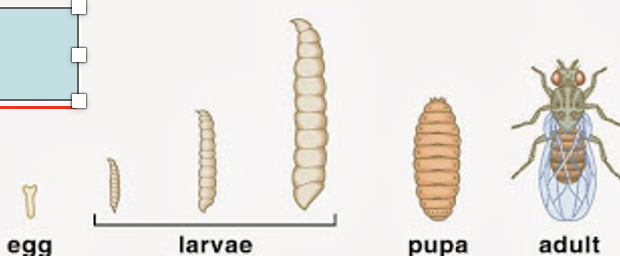
Termites undergo ____ metamorphosis
Incomplete. Less-evolved wood-inhabiting insects
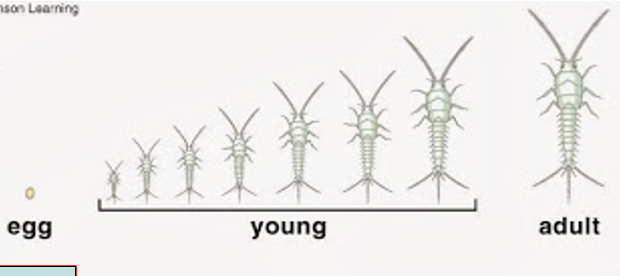
Wood-boring insects Nutrients assimilation
water, organic N and organic C source, minerals and vitamins. Wood breakdown and absorption in gut system
Elytra
Hardened front/outer wing in coleoptera (beetles)
Coleoptera general characteristics
largest insect order, ~40% of known insects. Damage in wood often caused by larval stage. create exit holes. Eggs->Larvae->pupae->adult. Larval guts contain cellulases = wood digestion
Types of coleoptera
anobiids, lyctids and bostrychids (powderpost beetles), cerambicids (longhorn beetles)
Furniture beetle characteristics
Anobiid. Eggs are visible to the eye, sticky. Larvae are 6mm long, 2-5yr stage. Adults thorax covers head. Prefer mostly timber, not furniture, and sapwood is preferred. They have ellipsoidal frass (gritty) and exit holes are smaller then ball point pen tip.
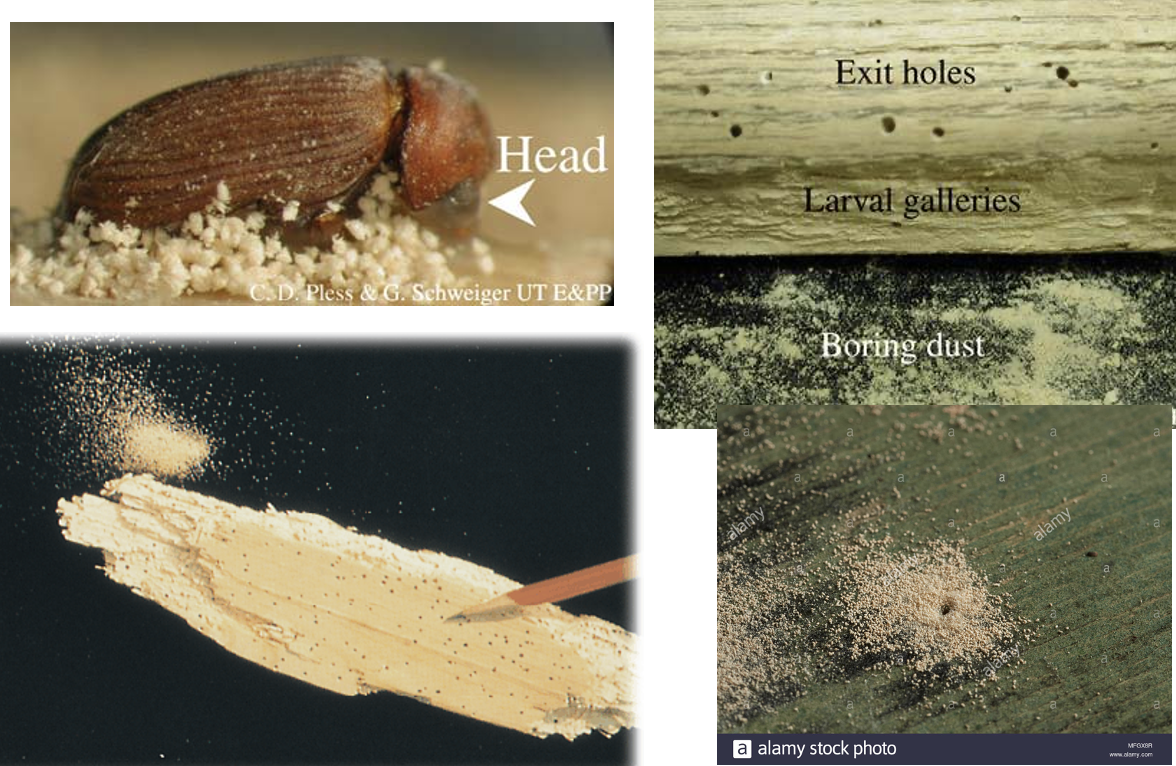
Deathwatch beetle characteristics
Anobiid. Eggs are visible to the eye, sticky. Larvae are 11mm long, 2-5yr stage. Adults thorax covers head. Prefer mostly oak, only after fungal decay exists (problem in old buildings). Exit holes are larger than ballpoint pen tip. Talc-like frass (not gritty). Tap-tapa during mating.
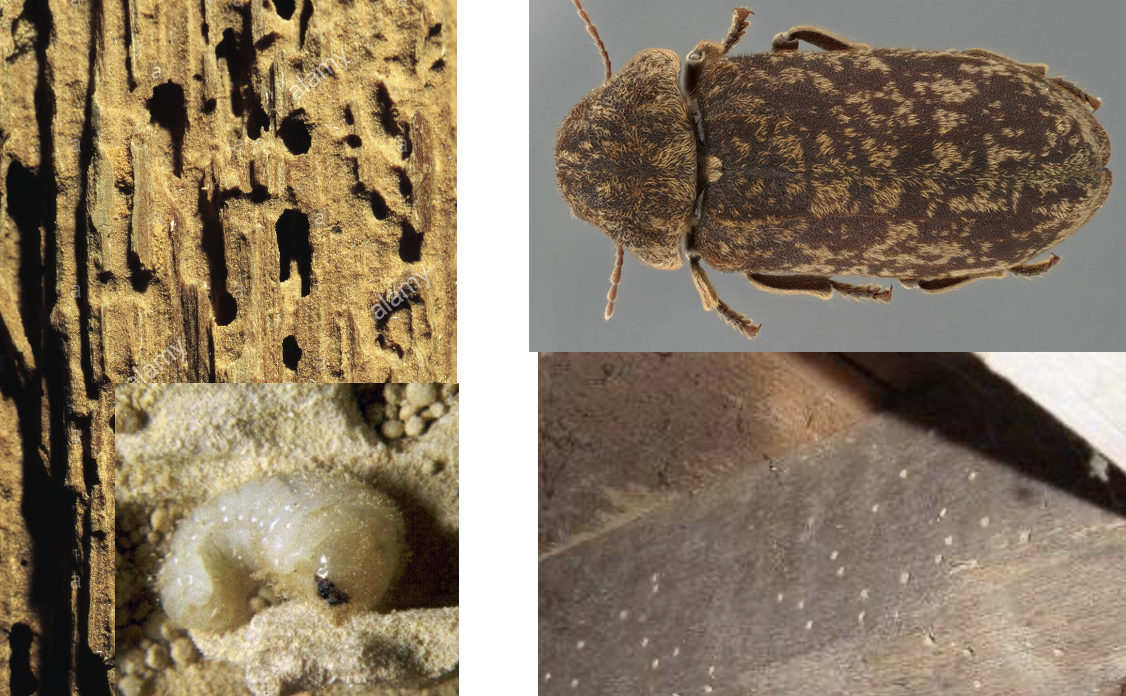
Ernobius beetle characteristics
Anobiid. Eggs are visible to eye, not sticky. Larvae are 5mm long, 1-2yr stage. Adults thorax covers head. Prefer bark+outer sapwood of softwoods only, less economic problem. Galleries are short 8-12mm. Adults are attracted to light. yellowish frass, dust like.
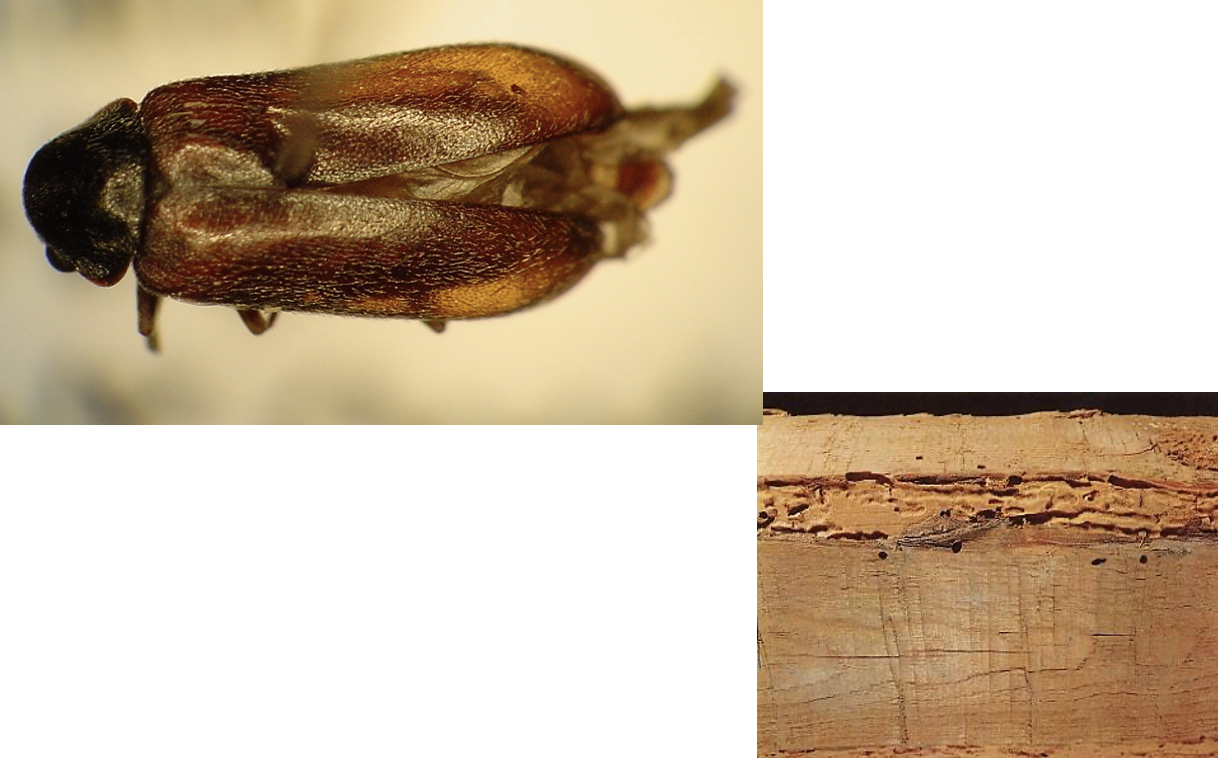
Lyctid Beetle characteristics
Eggs are large (1mm), long and thin. Larvae are 5mm long, 2-4yr stage. Adults thorax ver head. DOES NOT cover head. Prefers sapwood ONLY, although may emerge through heartwood. Need high sugar content (eggs laid in wood rays). Often on large-pored hardwoods. Silk, flour-like frass. Attracted to light
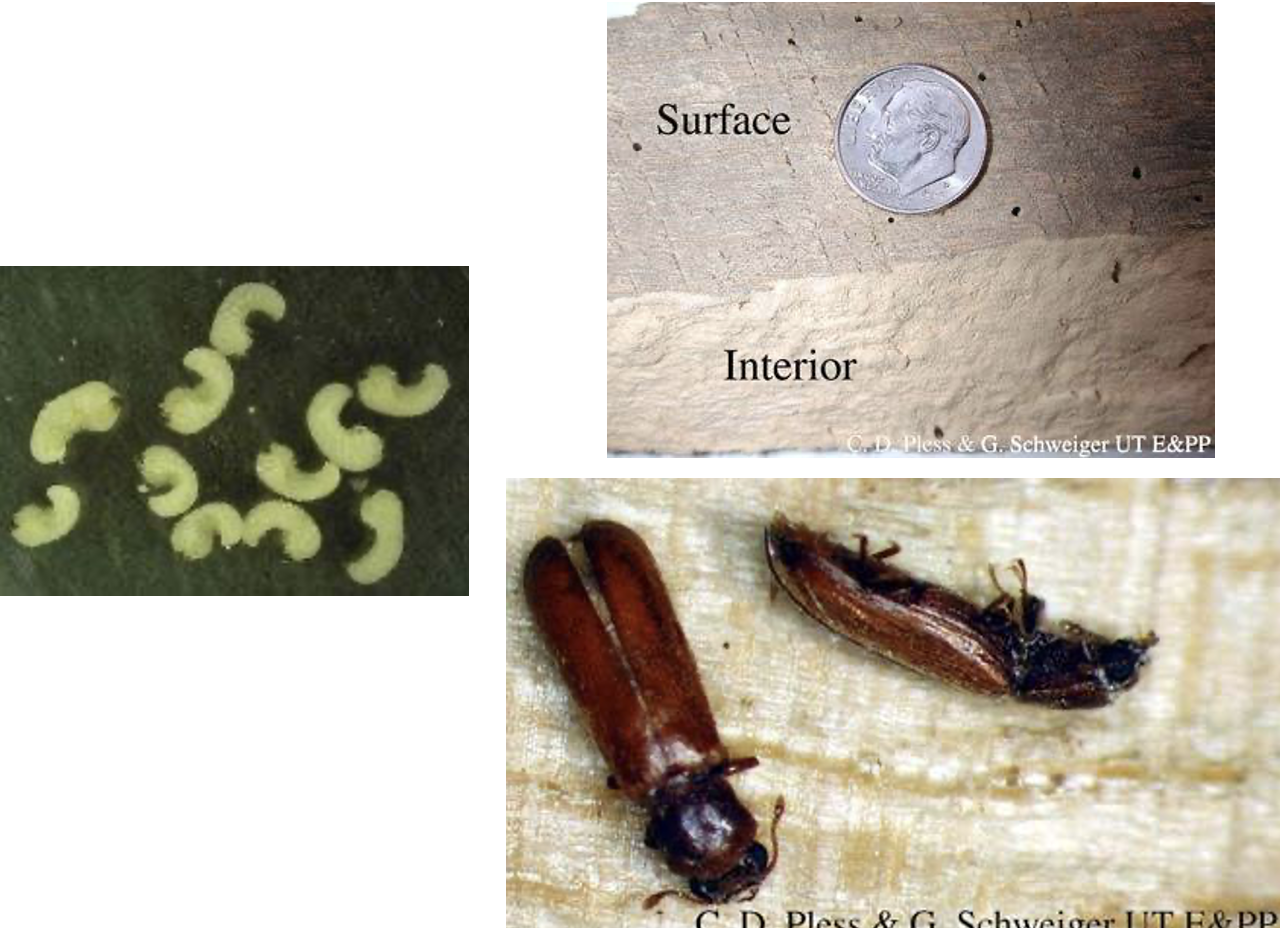
Bostrychid beetle characteristics
Eggs are large (1mm), long and thin. Larvae are 7mm long, 2-3yr stage. Adults thorax covers head. Prefer freshly felled timber, MC>50% - DO NOT reinfect dry timber. Need higher sugar content (eggs in wood rays). Larger exit holes (2.5-7mm) than lyctids (0.8-2mm)
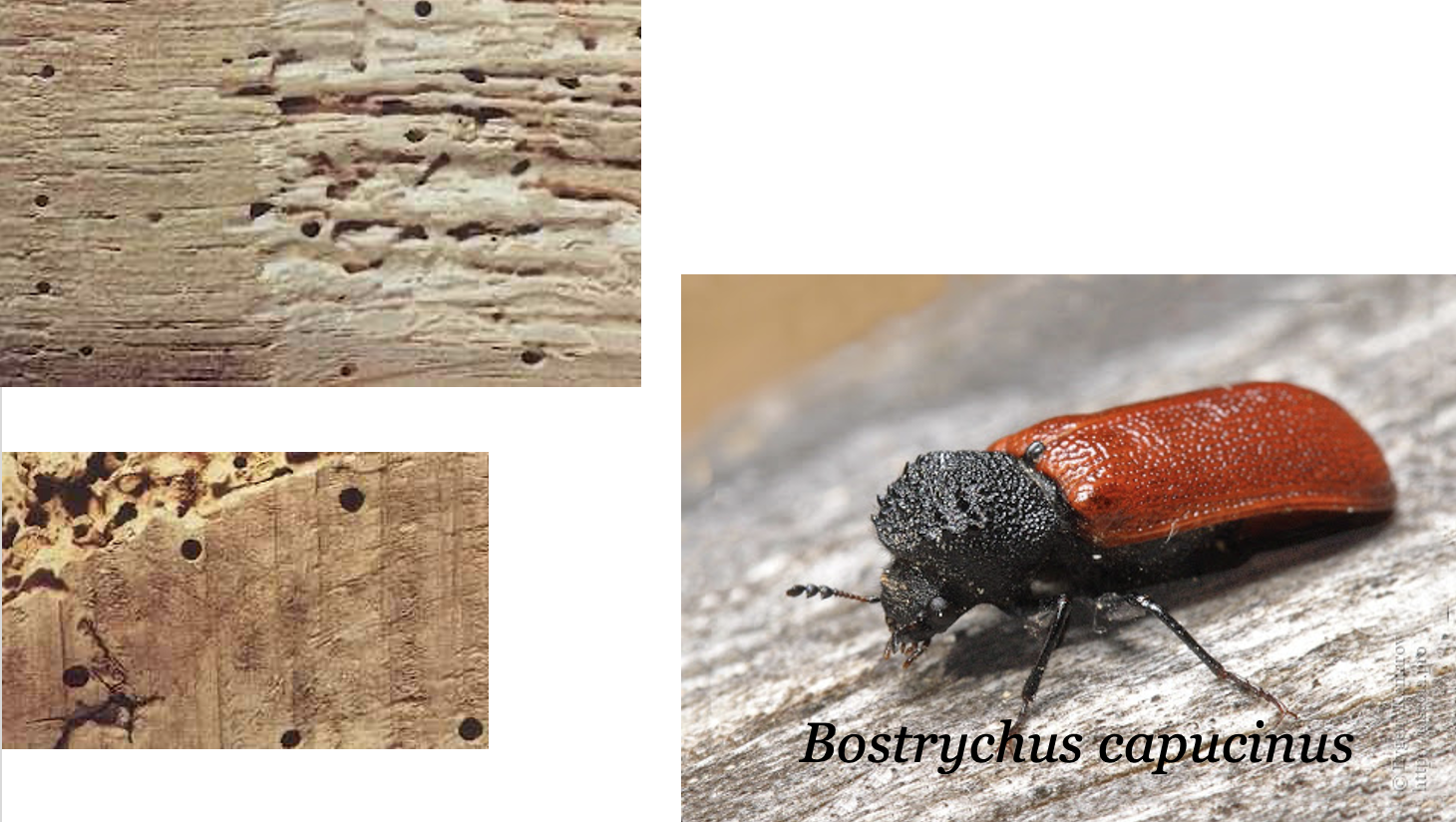
Longhorn beetle characteristics
long antennae (often >15mm). Prefer softwoods, sapwood (generally). Can be a serious pest. Many are large (>20mm). Tunnels often parallel to the grain.
"House Longhorn Beetle" characteristics
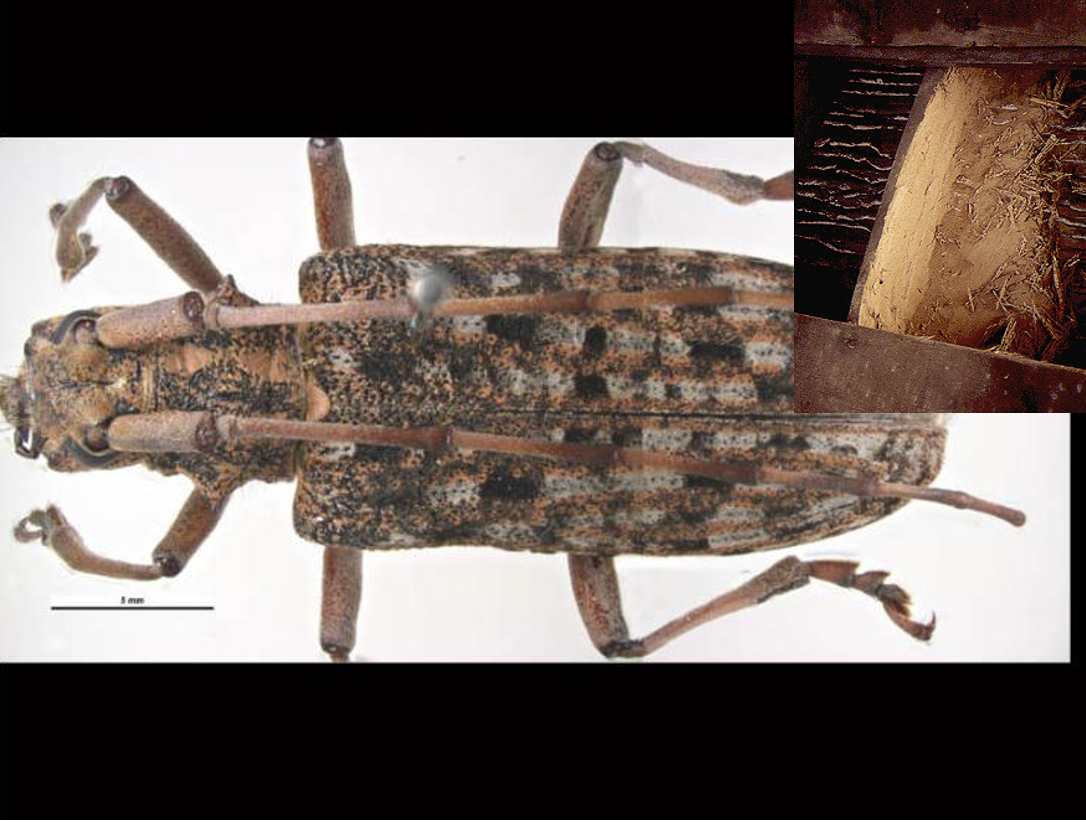
Occur in seasoned timber (MC 25-50%) Pine, spruce and fir ONLY. Large yellowish eggs (2mm). Grey-white larvae (20-35 mm) = LARGE.
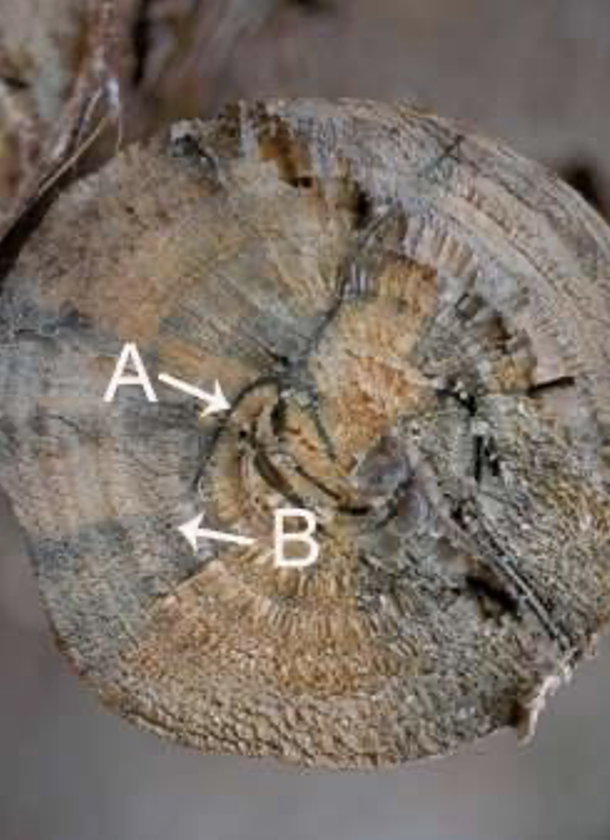
Ambrosia beetle characteristics
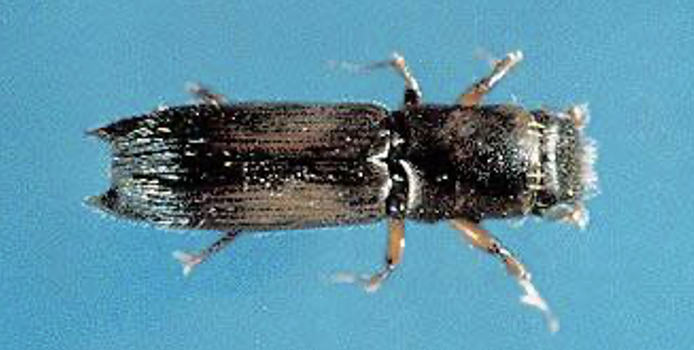
Attack standing trees and felled logs. Mutualism with sapstain fungus (tunnels are strained). Eat fungus, not wood (no frass)
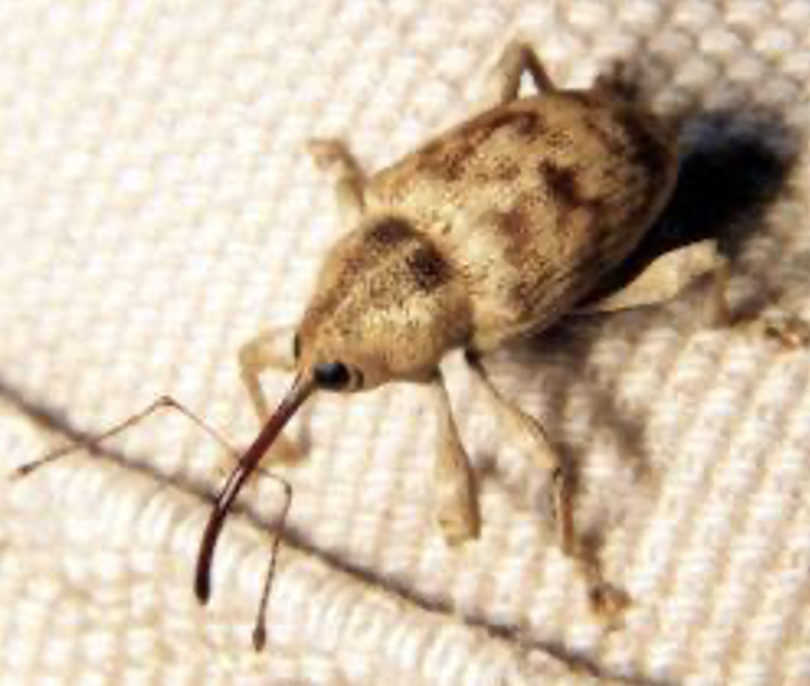
Wood-boring weevils characteristics
Often confused with anobiid attack. Adults also cause wood damage. Upon inspection, adults and larvae are usually present (long snout).
Beetle treatment options
Removal of wood, heat, insectisides (surface and injections), fumigation (last ditch option)
Termites
-Social insects that eat lignocellulose (often wood)
-100 sp. damage buildings and timbers
-$5 billion in wood/home damage annually
Termite taxonomy and important families
Order Isoptera
Termitidae
Rhinotermitidae
Kalotermitidae
Termopsidae
Higher termites
Termitidae
bacteria, fungi + cellulases (no protists)
king and queen encased in royal cell
mound and tree-nest builder
Lower termites
Rhinotermitidae, kalotermitidae, termopsidae
Protists, fungi, bacteria + cellulases in gut
no royal cell
simple nesters
wood inhabiting
(builder’s terms) dry wood
soil tunneling
(builder’s terms) dampwood or subterranean
subterranean
termitidae and rhinotermitidae are…
drywood
kalotermitidae inhabit…
dampwood
termopsidae inhabit…
Eusocial
“true sociality”
cooperative brood care
overlapping generations (care for each other)
unequal reproduction within a colony
termites are the only insect group in which all 283 genera are this
hind gut symbiosis
termites digest symbiont ‘waste’ (acetic acid) but the symbiont gets food, shelter, and dispersal
termite caste system
workers - 80-90%
not reproductive
locate food and feed others
dig tunnels, build tubes, repair nest
soldiers - ca. 5%
not reproductive
defend nest
reproductives
primary: king and queen
secondary reproducers (at nest margins)
termite life cycle
egg - “totipotent” larvae (can develop into any caste)
nymph (“ex-worker—becoming a reproductive)
alate (winged nymph=swarm…king/queen…success low)
how are termites different from ants?
mixed-age colony (overlapping generations)
creamy white coloration in some individuals
not narrow in middle of body
sheltertubes, swarms, etc.
termite swarm requirements
warmth, high humidity, no wind (usually occurs mid-day in MN)
Common Subterranean termites
- Most destructive termites in U.S.
-Largest problem in Southeast
-Require high moisture in wood
-Build shelter tubes (high H2O, low predation)
-Workers creamy white (1/4 to 3/8 inches)
-Often line excavated galleries with excrement mix (waste lined tunnels)
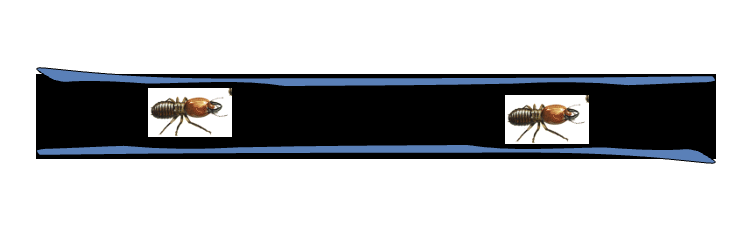
Formosan Termite
- Introduced from China (non-native, invasive)
- Southeastern U.S.
- Common (10% utility poles in New Orleans affected!)
- Aggressive (earlywood and latewood equally)
- Galleries kept clean
- Fill voids with excrement mix
- Damage often does not follow annual rings
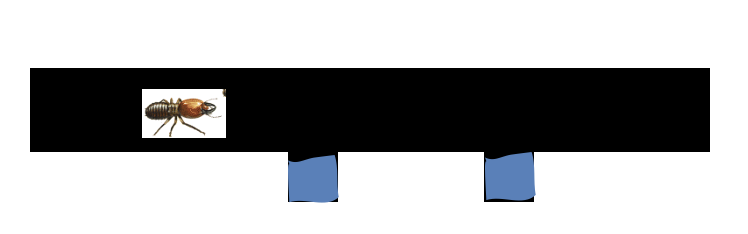
Drywood Termites
-Form nests away from ground
-Can tolerate lower wood moisture than other termites
-Use ‘kick holes’ to eject frass = frass piles on floor
-Frass distinctly angular
-Tunnel just below wood surface leaving ‘veneer’
Dampwood Termites
-Common in Northwest US
-Require high moisture (and often fungal decay initially)
-Use ‘kick holes’ to eject frass = frass piles on floor
-Frass rounded
-Tunnel just below wood surface leaving ‘veneer’
preventative termite control
Use treated wood in ground contact
(Formosan control requires higher levels)
- Avoidance (no leaky gutters…)
- Inspect often
- Barriers
-TermiMesh -fine stainless steel mesh
suppressive termite control
- Ingestible pesticides / hormone inhibitors (Purdue)
(e.g. Hexaflumuron)
- Bio-control (e.g. Metarhiziom anisopliae)
- Fumigation or wood removal
benefits to termites
Decompiculture – Culturing organisms to degrade waste
(bioconversion and biodetoxification = waste soil)
Termiculture – Using termites as food for poultry, etc.
(waste wood animal biomass)
Prospecting – People have used termite nests to locate
minerals, including gold
Adaptive radiation? – Termite-eating (termitophagy) may
have been adaptive advantage for mammals post-
dinosaurs
other wood-boring insects
Hymenopterans (ants, bees, wasps)
Lepidopterans (bufferflies and moths)
Ephemeropterans (mayflies)
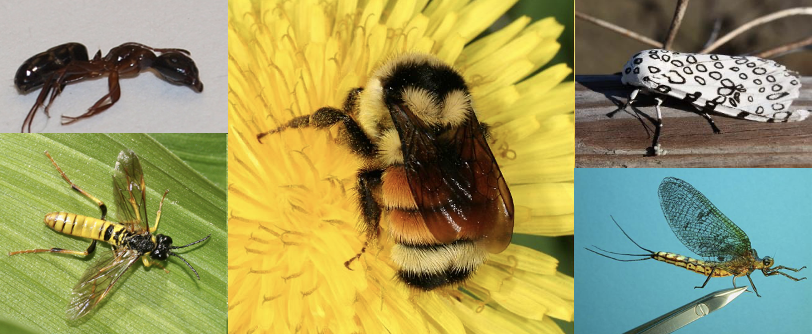
hymenopteran qualities
sawflies, wood wasps, bees, ants
“complete metamorphosis”
small junction between thorax and abdomen. note different sized wings (hind and fore wing)
(hymen - membrane, ptera - wings)
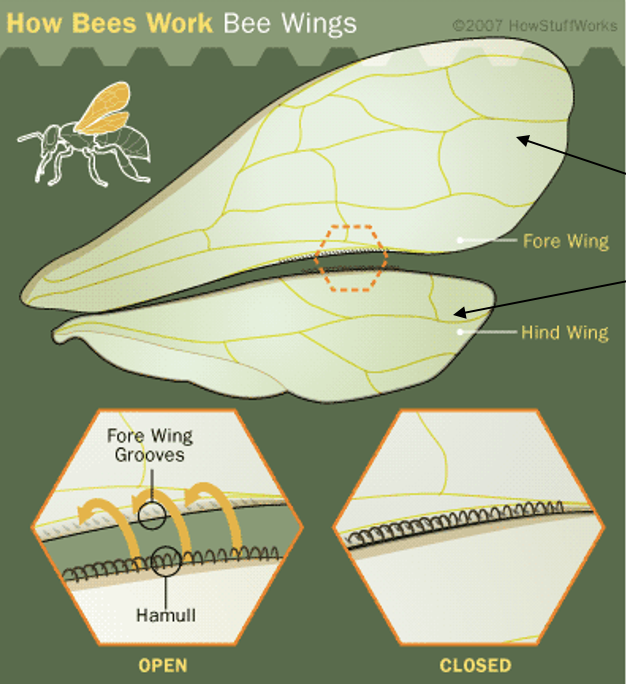
hamuli
tiny hooks on the hind wing that link (like velcro) the hind wing to the fore wing (distinct to hymenoptera).
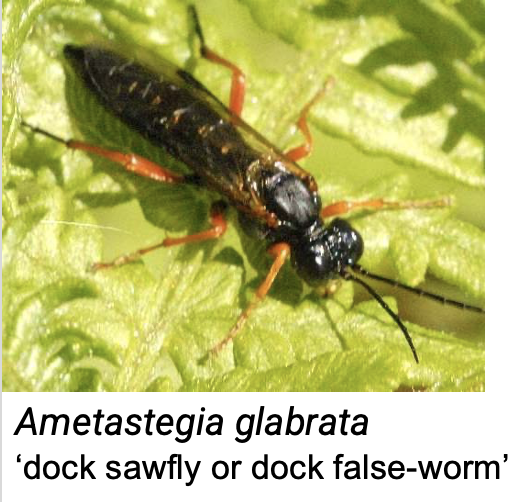
sawflies
(hymenoptera)
Usually on softwoods, on fence
Tunnels are 2-3 mm diameter, and usually short <10 mm long
More common in U.S. on west coast
Generally not a big issue in buildings
wood wasps (symphyta)
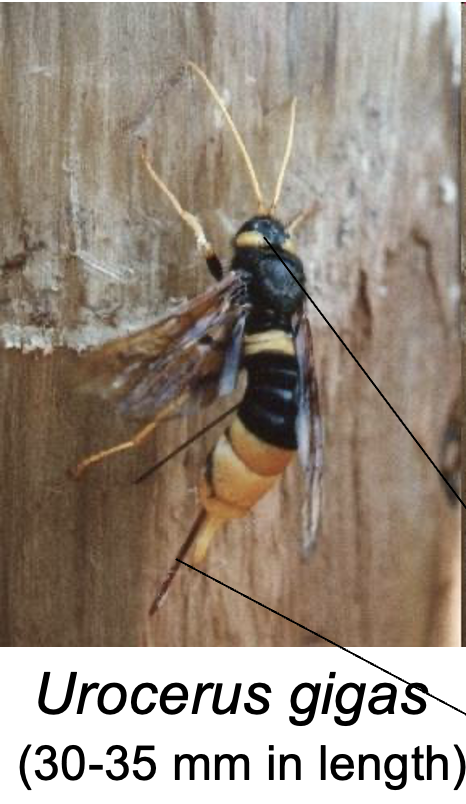
Genera Sirex and Urocerus, primarily
Bigger tunnels = bigger potential issue
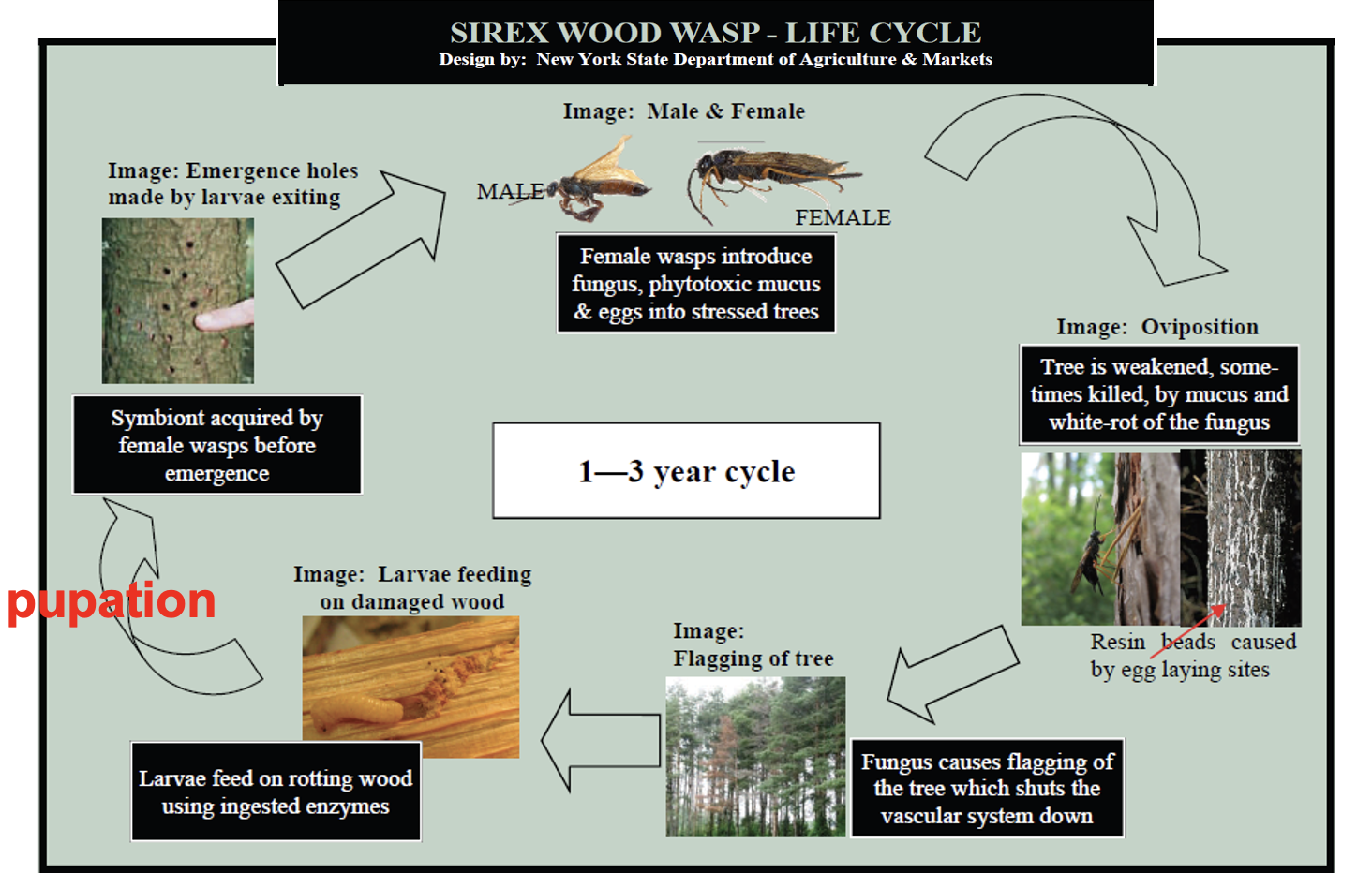
1-3 year cycle
note yellow spots behind eyes and elongated ovipositor!
wood wasps in a weakened tree or lumber
1-7 eggs hatch in 3-4 weeks
Larvae initially tunnel in wood parallel with the grain
Initially in sapwood, moving to heartwood, and returning to sapwood to emerge
Tunnels 25-30 cm long
Larval feeding (associated with wood-decaying fungal growth) 1-3 years
Adult emerges by chewing through about 3/4 inch of wood, leaving a round exit hole 1/4 to 1/2 inch in diameter.
DO NOT reinfect dry timber
Most likely, infected (usually diseased tree wood) is used for fencepost or rough timber and emergence is the issue
carpenter bees and their life cycle
(hymenopteran)
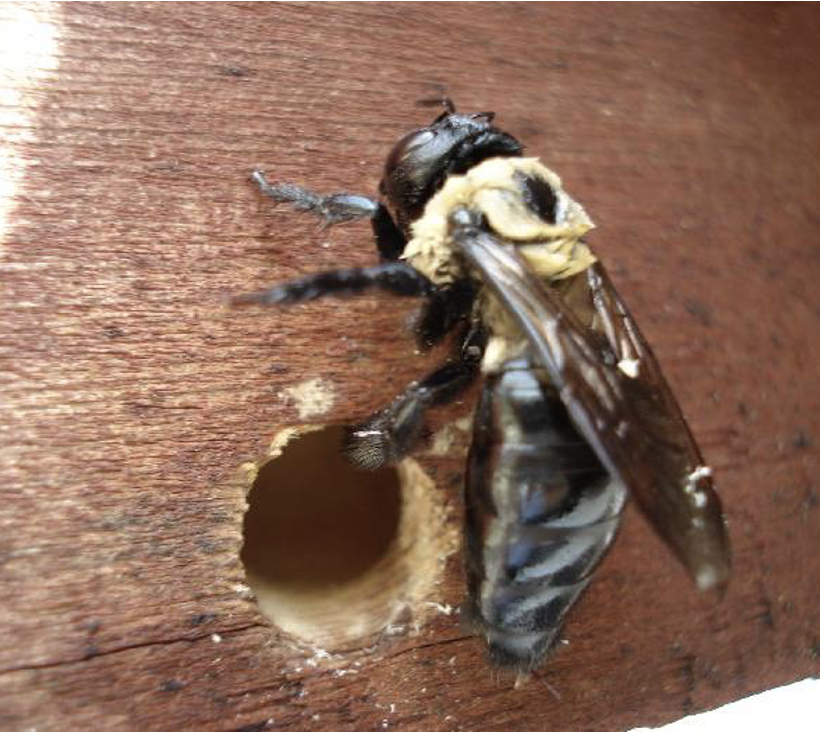
doesn’t digest wood, shiny black abdomen.
Adults are Solitary, not social insects
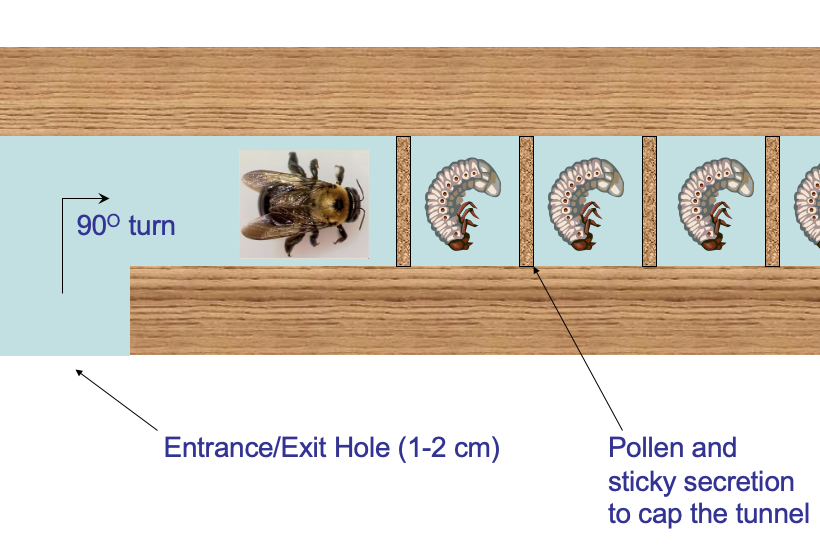
Females bore into wood – at first perpendicular then parallel with the grain
Tunnels 1-2 cm diameter (10-15 cm long)
Brood cells along the way (capped cells w/ food + egg)
Tunnels act as shelter (nesting and overwintering)
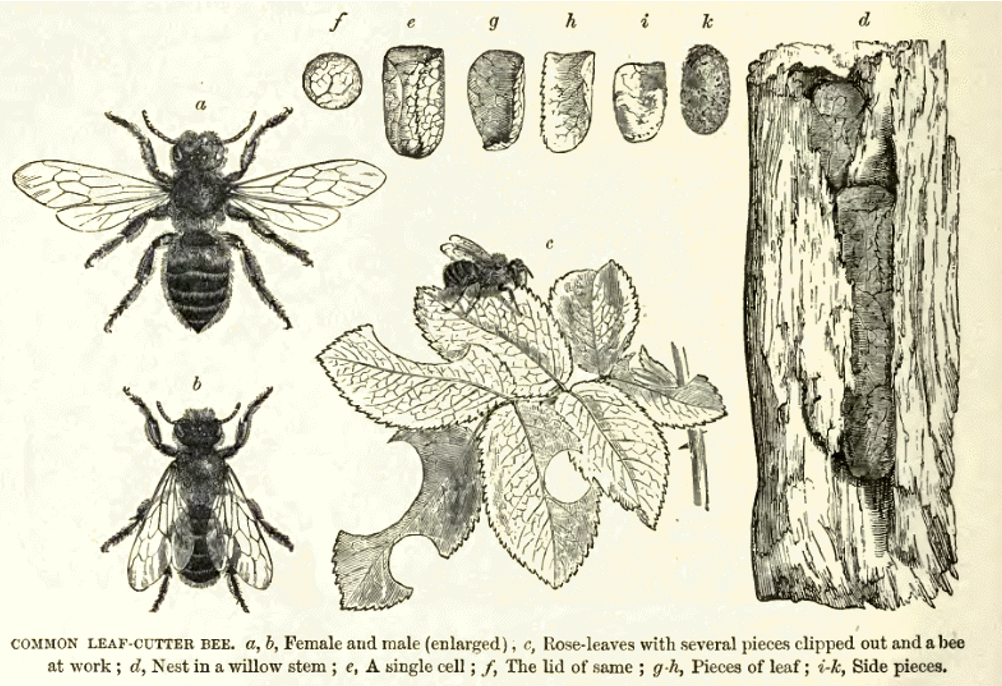
leaf-cutter carpenter bees
only in very rotten wood. Family Apidae; outside of buildings; tunnels contain dead leaves
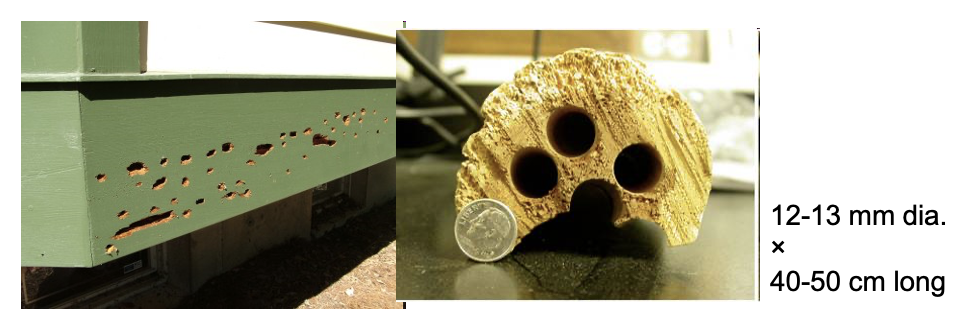
larger carpenter bees
Family Xylocopidae
Found throughout North America
Adults bore into dry wood – a PROBLEM
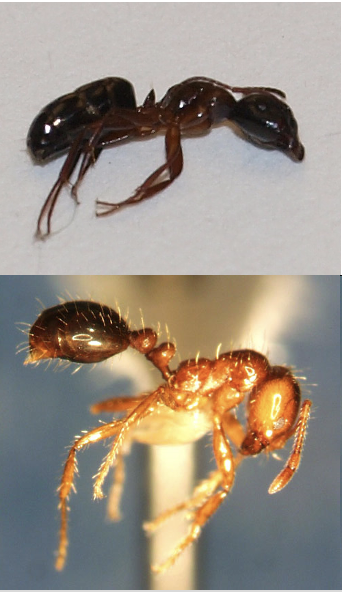
carpenter ants
(hymenopterans, family formicidae)
Most important North American species are in the Genus Camponotus
Attack living trees; A PROBLEM in wood and insulation
Earlywood (Springwood) preference leads to parallel galleries
Usually social insects
DO NOT EAT WOOD
carpenter ant nesting
Eggs, workers, and reproductives (king/queen) start by building a Primary Nest, usually in a tree with heartrot
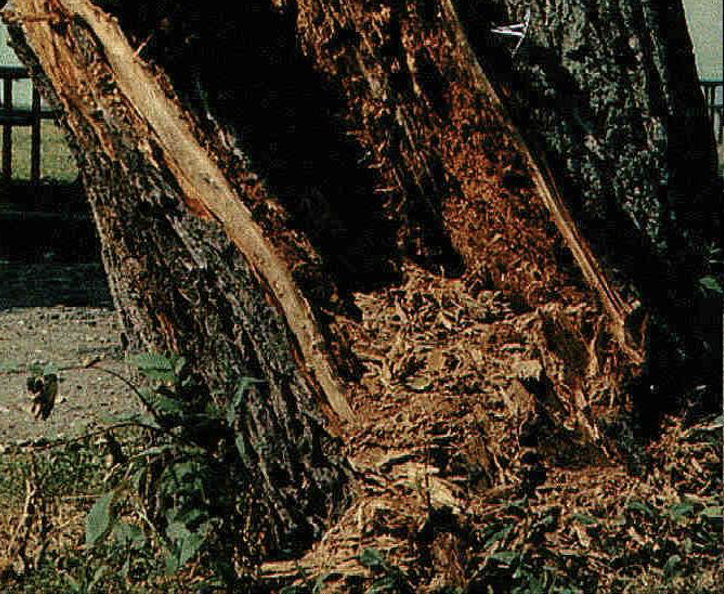
carpenter ant cycles/nesting characteristics
Egg → worker → reproductive → winged adults → new colony
All sizes/types may be present at once
Workers 6 - 13 mm long (Queen >25mm (1”) long)
Spring and early summer, winged adults emerge
Bore parallel to the grain in wood (in styrofoam, etc. too!)
Eat honeydew, etc., NOT wood
Primary nests in trees but satellite nests in houses
Forage at night, primarily
Follow paths to food sources (pheromones + visual cues)
King and Queen in primary nest (secondary reproductives in satellite nests)
Galleries are not lined with excrement like most termites
carpenter ant control
Liquid sprays/aerosols - Direct toxicity (many brands)
Dusts – Dry applications for cracks, etc.
Baits – Slow-release insecticides taken back to colony
Primary nest removal – Tree removal, insecticides (Track them in a line at night with a flashlight)
Contributing factors – Tree proximity to house, etc.
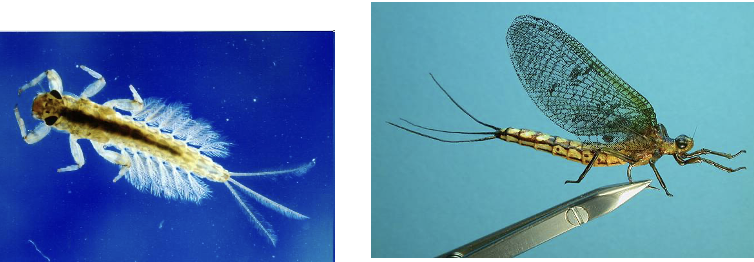
ephemeropterans - mayflies
Aquatic wood – larvae bore into wood for shelter. Can be a serious problem in wooden boats, but rare
lepidopterans - butterflies and moths
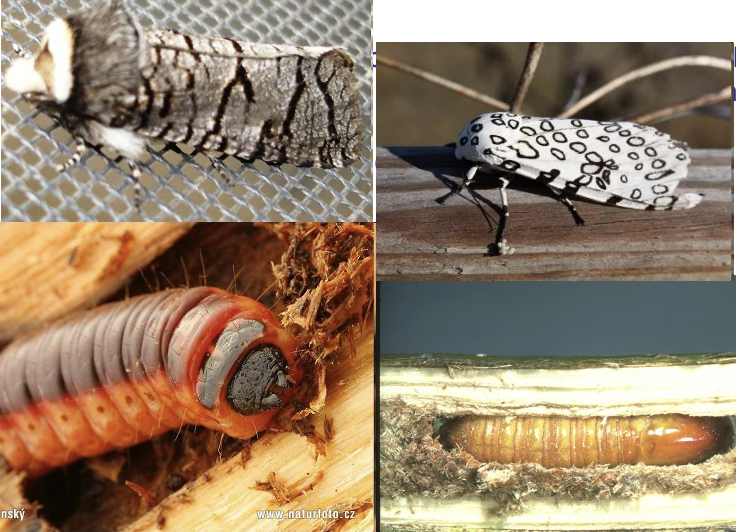
Goat moths – larvae bore wood – usually only trees/shrubs not building material – may emerge if bad kiln drying
Wood leopard moths – same as goat moths