History of Photography Midterm
 Call Kai
 Learn
Learn Practice Test
 Spaced Repetition
 Match
Match Flashcards
 Knowt Play
1/46

There's no tags or description
Looks like no tags are added yet.
Name | Mastery | Learn | Test | Matching | Spaced | Call with Kai |
|---|
No analytics yet
Send a link to your students to track their progress
47 Terms
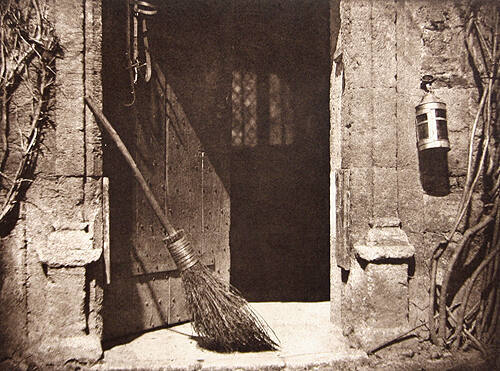
Who created this image? What is the image title? What is the photographic process?
William Henry Fox Talbot, The Open Door, Calotype
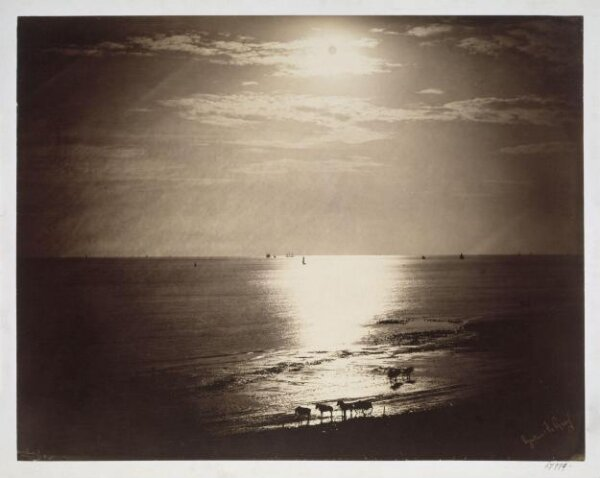
Who created this image? What is the photographic process? What is the significance of this Image?
Gustave Le Gray, Calotype, Le Gray was about to freeze the motion of the water due to reduced exposure times.
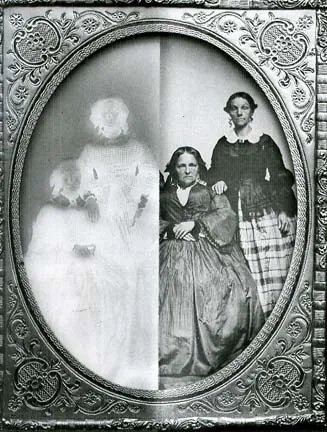
Give the name of this photographic process.
Ambrotype
List two advantages of the collodion process over the calotype process.
Sharper image, faster, predictable, cheaper.
What is the name of the first book to be fully illustrated by calotypes? Who created it?
The Pencil of Nature, Talbot.
What aspect of the daguerreotype and calotype did people want to combine for a new photographic process?
Detail and reproducibility.
Which of the following is true?
a. Blanquart-Evrard discovered that soaking the calotype paper in emulsion rather than brushing it on made the paper more sensitive and eliminated streaking.
b. Oliver Wendell Holmes and Joseph Bates created a version of the stereoscope.
c. Nadar created the first aerial photograph from a hot air balloon.
d. All of the above.
d. All of the above.
What did Frederick Scott Archer do?
a. Coated a glass plate with iodized collodion and then exposed it while it was wet.
b. patented the carte de viste.
c. invented the calotype.
d. all of the above
a. Coated a glass plate with iodized collodion and then exposed it while it was wet.
Which of the following is false?
a. The tintype was the visual currency of soldiers and their families during the civil war.
b. The calotype was a spin off from the collodion process.
c. The carte de viste was a small photograph mounted to a card.
d. All oft the above.
b. The calotype was a spin off from the collodion process.
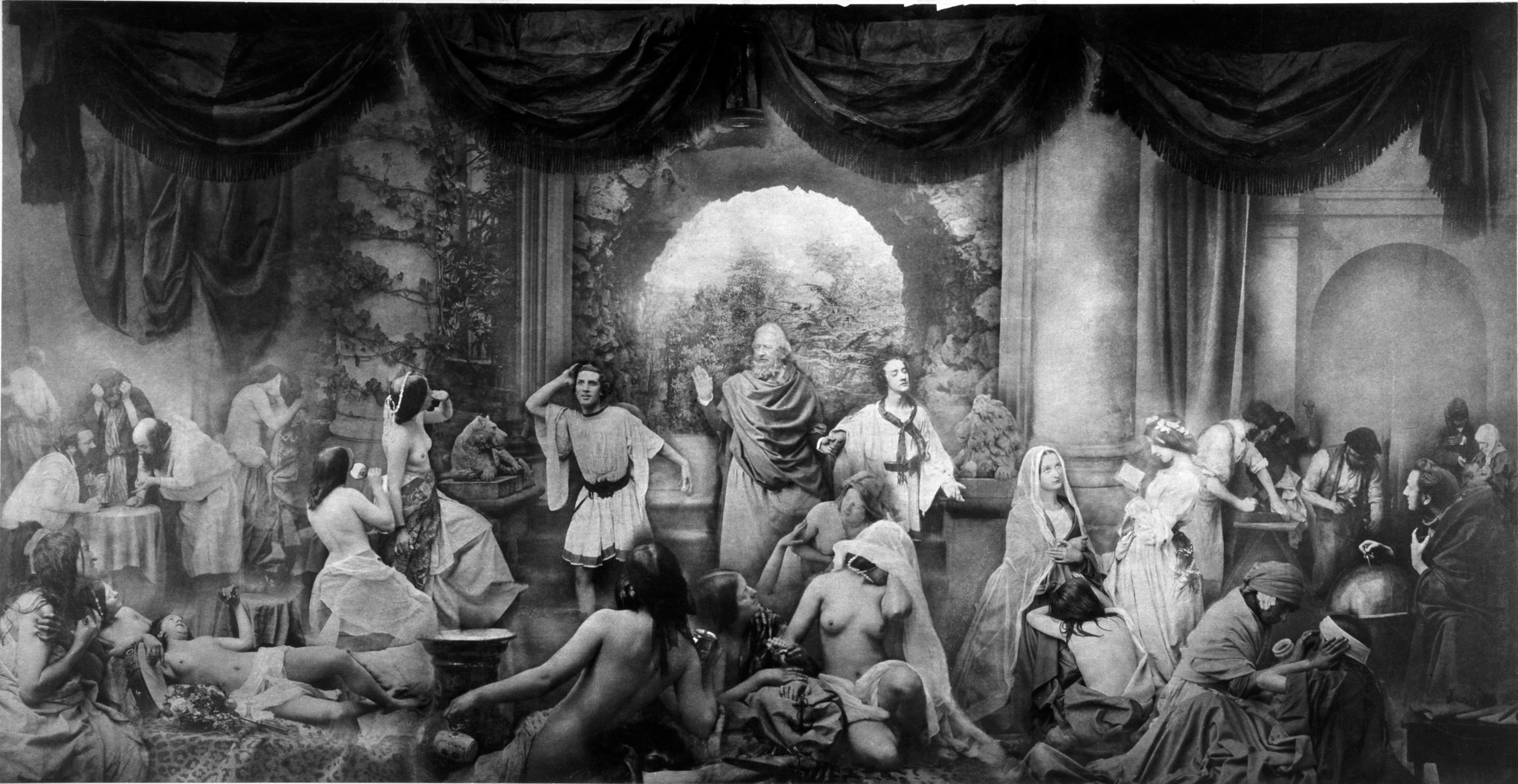
Who made this image? What is the title? How was this image made?
Rejlander, Two Ways of Life, composed of 30 different negatives.
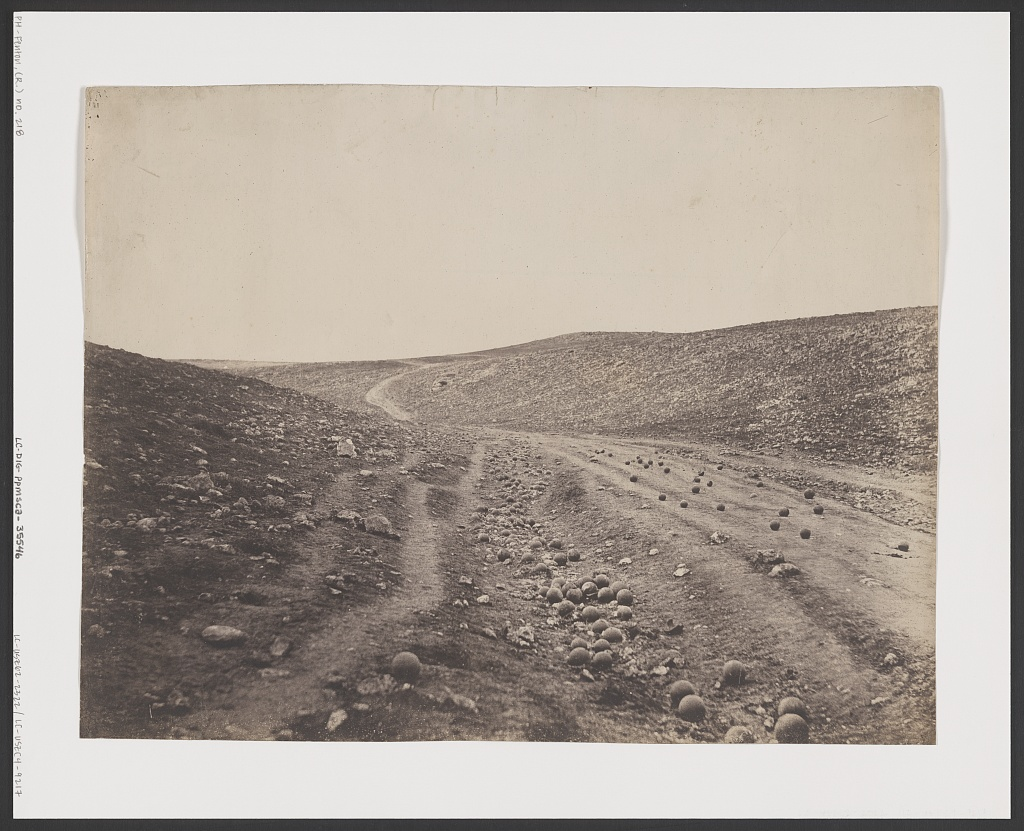
Who made this image? What is the title?
Roger Fenton, The Valley of Shadow of Death.
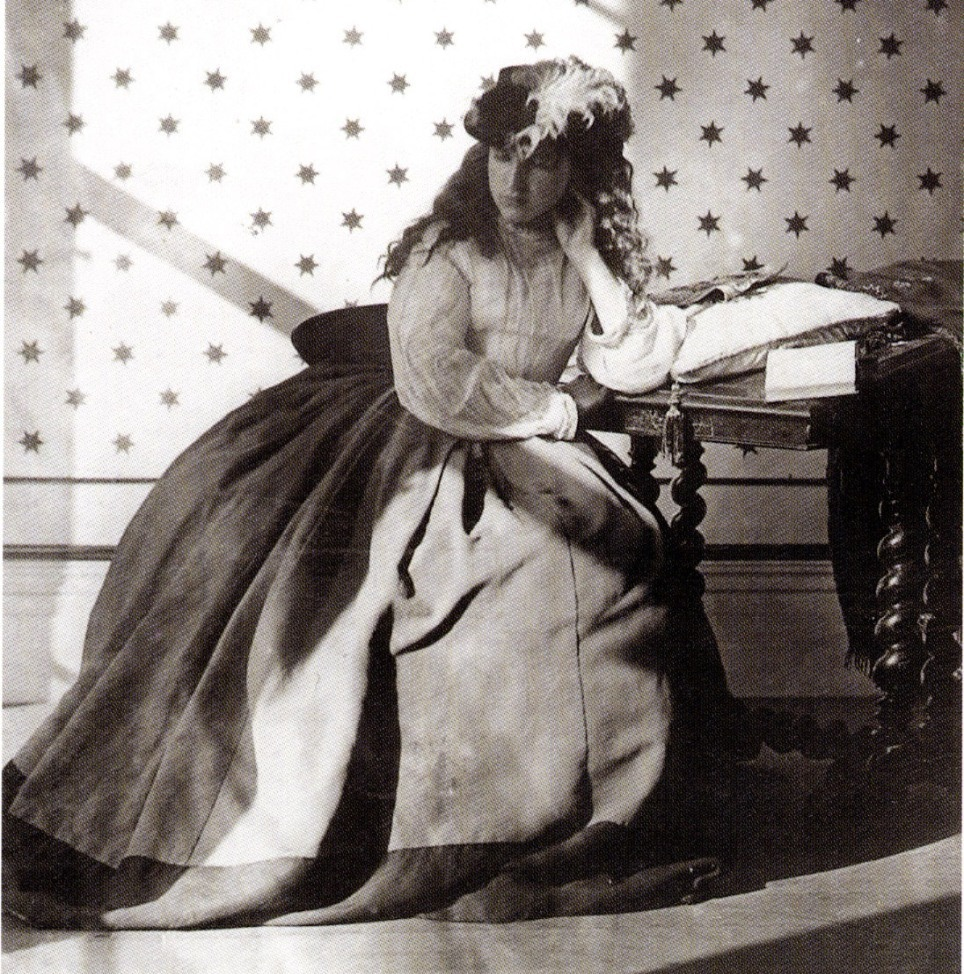
Who made this image? What is the title?
Lady Clementina Hawarden, Photographic Study.
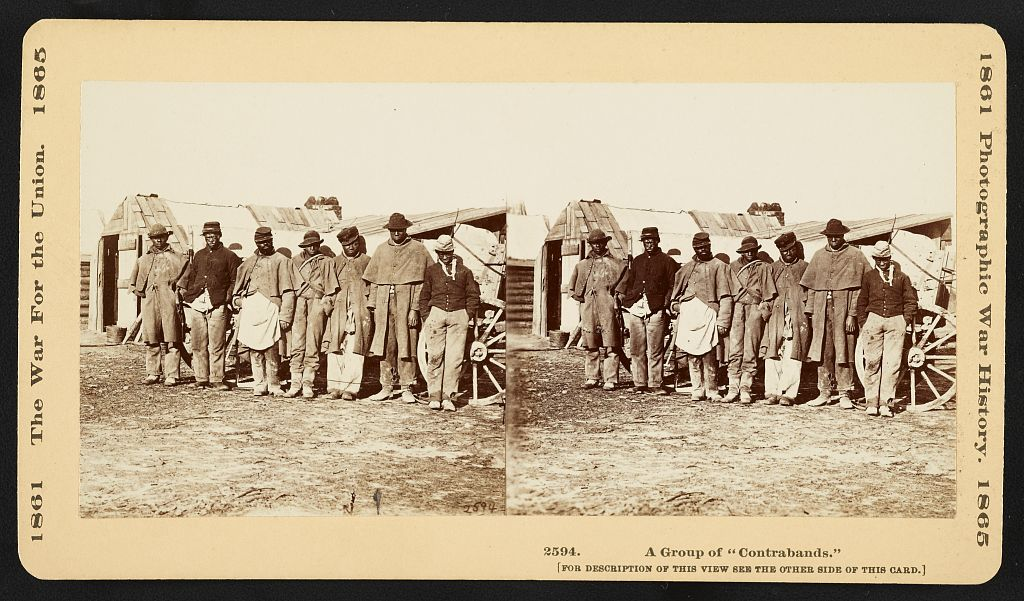
What is the title? What is the photographic process?
Contrabands, Albumen stereocard.
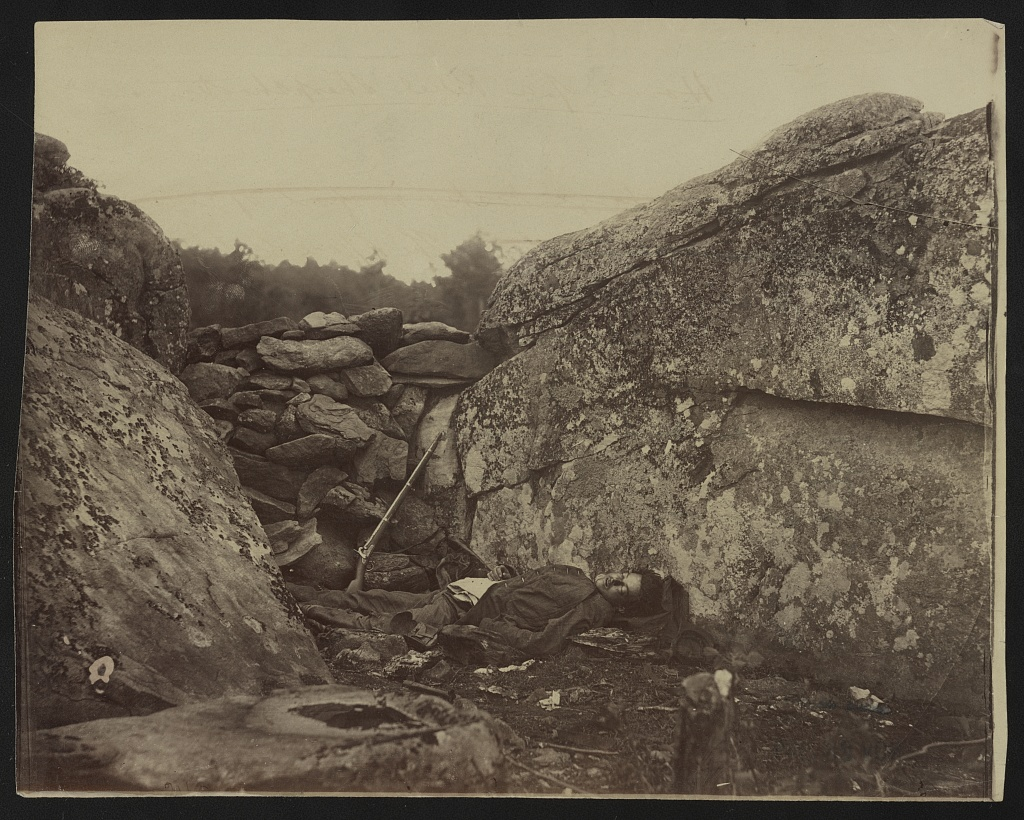
Who made this image? What is the title? What is the significance of this image?
Alexander Gardener, Home of The Rebel Sharpshooter, Gettysburg. Gardener staged this photograph by moving the body.
List 3 characteristics of Gardener’s Photographic Sketch Book of the war.
Expensive ($150), 100 different photographs, 1st extensive thematic photo essay.
What did Julia Margaret Cameron do?
a. Allowed the natural motion of the sitter to add blur to the portraits she made.
b. Used a headrest to keep people’s heads still during their protraits.
c. Made a combination print from five negatives titled Fading Away.
d. All of the above.
a. Allowed the natural motion of the sitter to add blur to the portraits she made.
Which of the following is false?
a. Photographers tended to create broad views to document events in the 19th century.
b. Early photographers were able to stop motion so they often photographed during the event.
c. Mathew Brady had a brand association between his studio and Civil War Photography.
d. All of the above.
b. Early photographers were able to stop motion so they often photographed during the event.
Which of the following is true?
a. Roger Fenton’s Crimean War photographs upheld the wartime valor represented in painting.
b. The majority of field views created in the Civil War were made with stereographic cameras.
c. Timothy O’Sullivan used large depth of field in his Civil War photographs.
d. All of the above.
b. The majority of field views created in the Civil War were made with stereographic cameras.
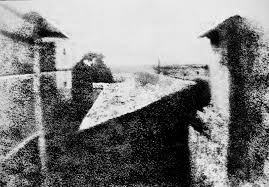
Give the photographer, title, year, and photographic process of this image.
What is the significance of this image?
Joseph Nicephore Niepce, View From His Window at Le Gras, 1826-27, heliograph, Oldest surviving photograph.
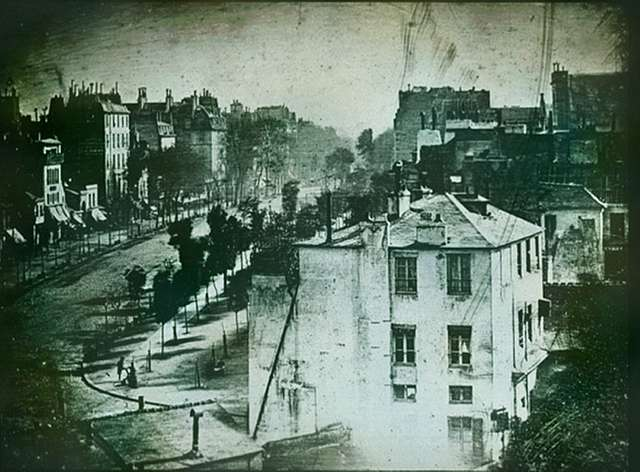
Give the photographer, title, year, and photographic process of this image.
What is the significance of this image?
Louis Jacques Mande Daguerre, View of Boulevard du Temple, 1839, daguerreotype, first photograph that captured people.
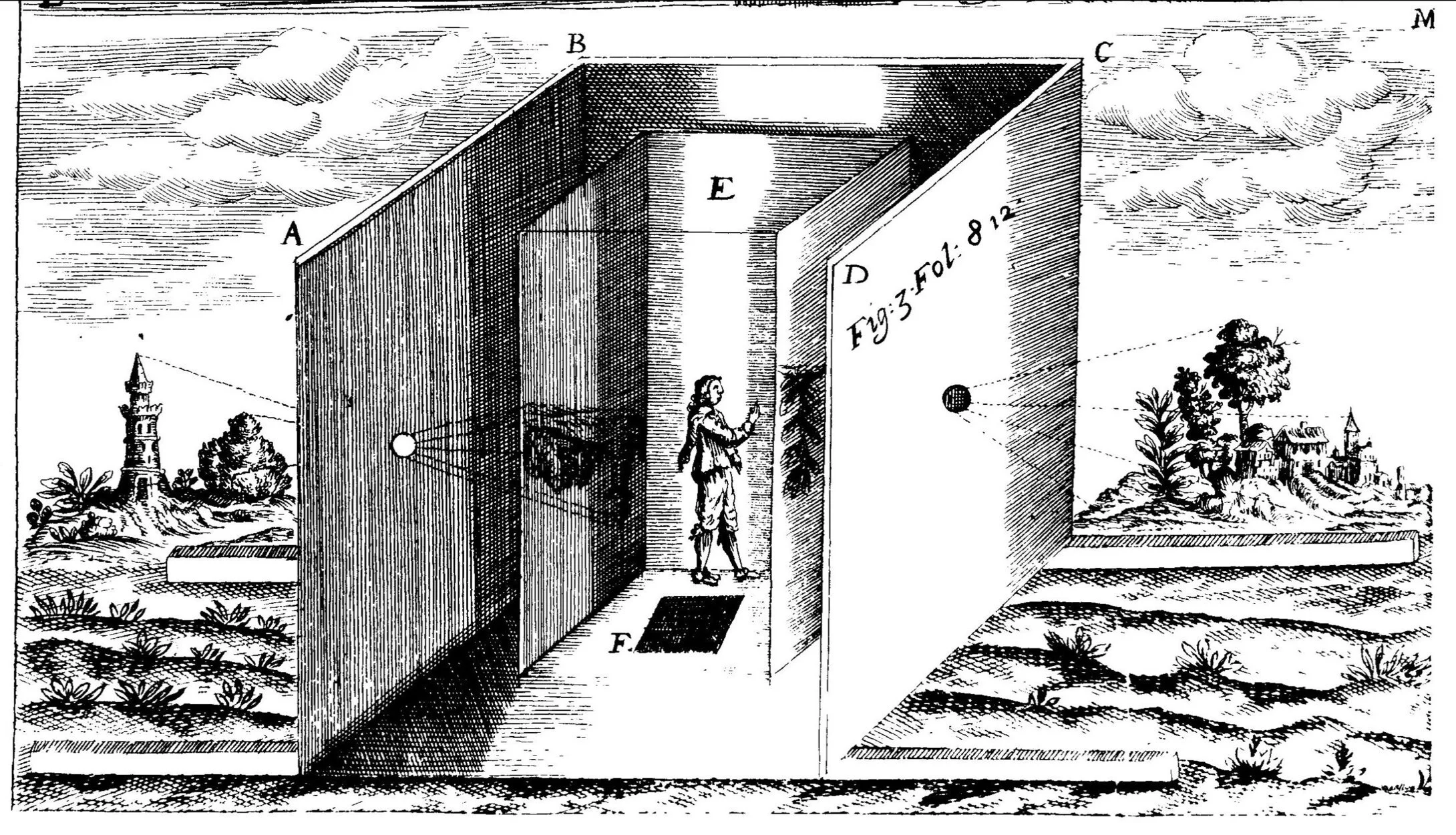
What is this device called?
Camera Obscura
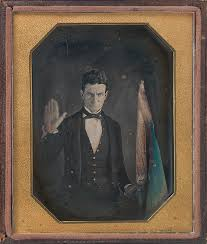
Who is the photographer and the title and year of this image?
Augustus Washington, John Brown, 1847
Who made the earliest known existing photographic negative?
Talbot.
Is a daguerreotype easily reproduced or is it a unique image?
Unique Image.
Is a daguerreotype larger and viewed on a wall or is it small and held in the hands?
Small and held in the hands.
What are the other physical characteristics of daguerreotypes?
Both a 2-d and 3-d object, mirror-like, needs to viewed from a specific angle or it will look like a negative, sharp, can see reflection of viewer on its surface
How did the daguerreotype affect portraiture?
It democratized portraiture.
Who experimented with placing flat objects and painted transparencies on top of white leather and paper sensitized with silver nitrate?
Thomas Wedgwood.
Who developed the first system for making images permanent through the action of light?
Niepce
What light-sensitive metal is used in most of the photographic processes we’ve learned so far?
Silver
What year was Daguerre’s and Niepce’s photographic process presented to the Academe des sciences in Paris?
1839
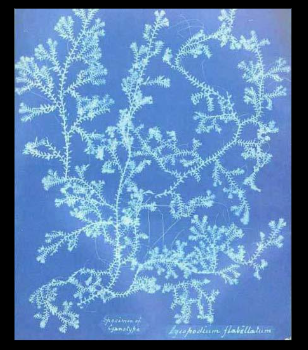
Give the photographer and year of this image.
What is the significance of this image?
Anna Atkins, 1840s – 1850s, British Algae: Cyanotype Impressions was the first book to be printed and fully illustrated by Herschel’s cyanotype.
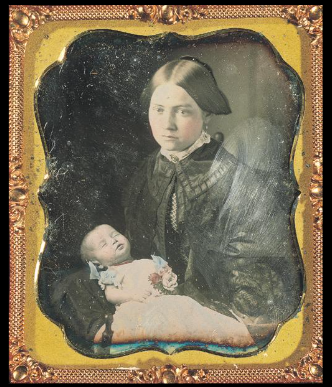
What kind of portrait is this and what is the year?
Post-Mortem portrait, 1855
What was the last decade that the daguerreotype was a dominant photographic process?
1850s
What kind of style did commercial photographers specialize in by the mid 1850s?
This new class of photographers specialized in the mechanical style, one that required a virtuoso technical performance featuring maximum detail and sharpness.
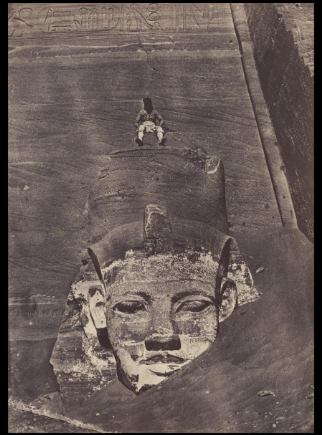
Who made this image? What is the title? What is the photographic process?
Maxim Du Camp, The Colossus of Abu-Simbel, Nubia, salted paper print from calotype negative
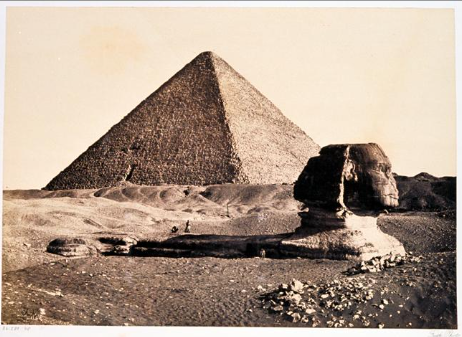
Who made this image? What is the title?
Francis Frith, The Sphinx and Great Pyramid Geezeh
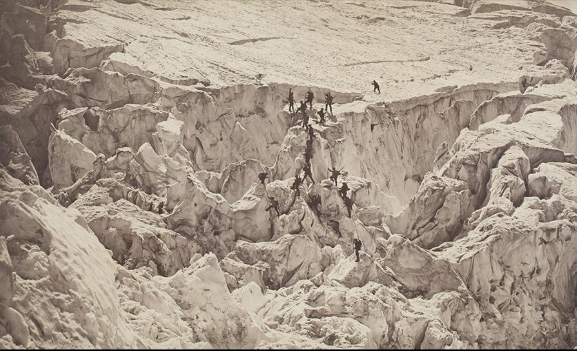
Who made this image? What is the title?
Auguste-Rosalie Bisson (Bisson Freres), Ascension of Mont-Blanc
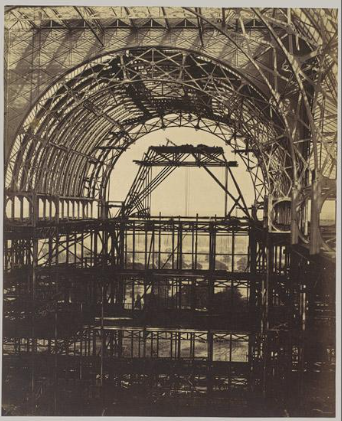
Who made this image? What is the title?
Philip H. Delamotte, Progress of the Crystal Palace at Sydenham
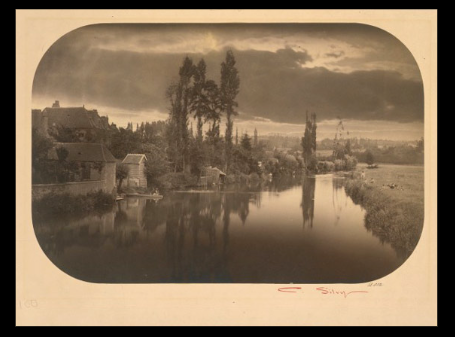
Who made this image? What is the title?
Camille Silvy,
River Scene, la Vallee de l’Huisne, France
What was the purpose of John Thomson’s Street Life (1877) which was made with writer Adolphe Smith?
Smith wanted the work to increase middle-class sensitivity to the dilemmas of the urban poor and make them more willing to improve working-class living conditions.
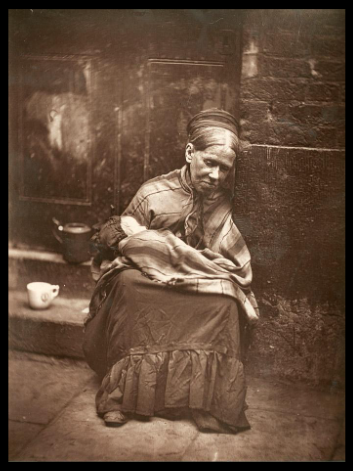
Who made this image? What is the title?
John Thomson, The Crawlers
What were some of the ideas surrounding the American West after the civil war?
American exceptionalism, manifest destiny.
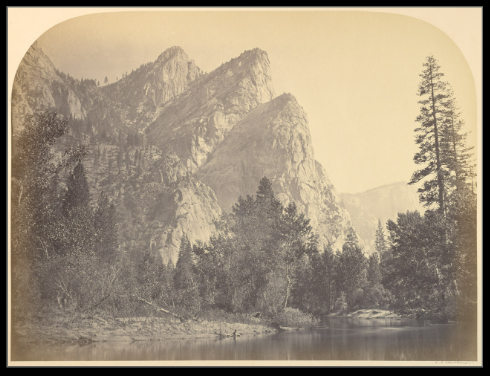
Who made this image? What is the title?
What kind of camera was used to make this image?
Carlton E. Watkins, El-Eachas or Three Brothers, mammoth plate camera
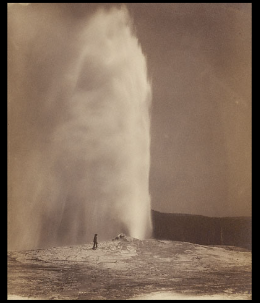
Who made this image and what is its significance?
William Henry Jackson, helped persuade congress to make Yellowstone the country’s first national park.
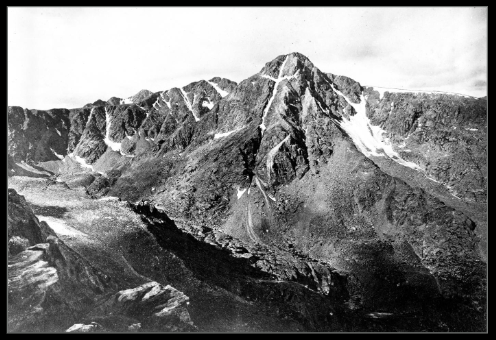
Who made this image? What is the title?
William Henry Jackson, The Mountain of the Holy Cross
How did Muybridge bring out the clouds in the sky portion of his photographs?
He devised a “sky shade” which was a shutterlike device permitting various exposures to be made on a single plate.

