Test Bank for Essential Cell Biology 6th Edition
 Call Kai
 Learn
Learn Practice Test
 Spaced Repetition
 Match
Match Flashcards
 Knowt Play
1/495

There's no tags or description
Looks like no tags are added yet.
Name | Mastery | Learn | Test | Matching | Spaced | Call with Kai |
|---|
No analytics yet
Send a link to your students to track their progress
496 Terms
What is the significance of gene expression control?
It determines how genes are turned on or off, influencing cell function and behavior.
What can a mutation result from?
Imperfect DNA duplication or sexual reproduction.
What is a mutation?
A change in the DNA that can generate offspring that are as fit for survival as their parents.
What may changes in DNA sequence from one generation to the next result in?
Offspring that are altered in fitness compared with their parents.
What is the basis of evolution?
The process of change and selection over the course of many generations.
How can evolution be understood?
As a process that can be understood based on the principles of mutation and selection.
What does a cell's genome contain?
All of a cell's DNA.
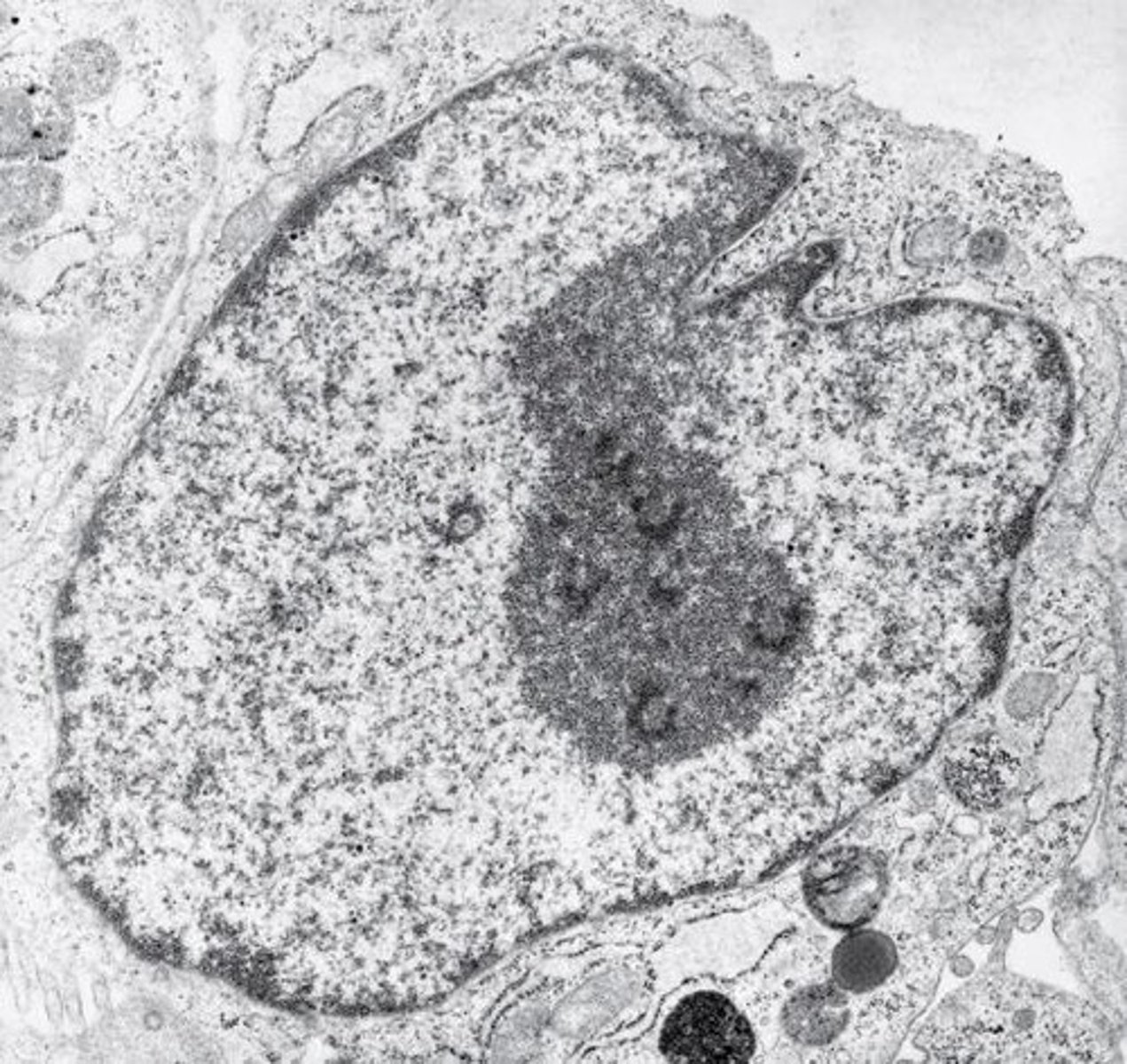
What is not true about the conclusions from studies during the mid-1800s regarding cells?
Scientists concluded that new cells can form spontaneously from the remnants of ruptured cells.
What unit of length is generally used to measure plant or animal cells?
Micrometers.
What limits the resolving power of a microscope?
The wavelength of light.
What do prokaryotic cells not possess?
A nucleus.
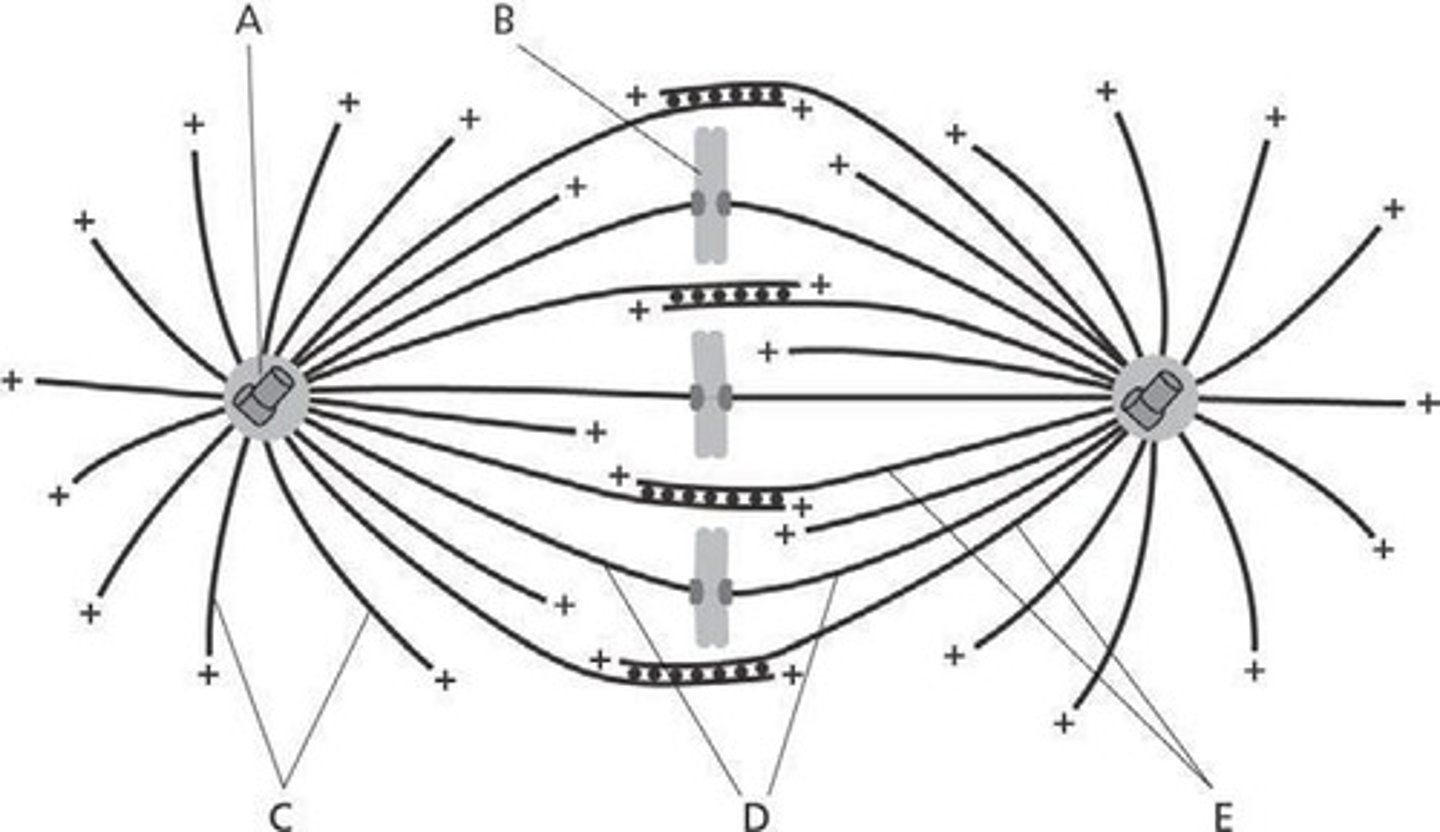
Which characteristic is not observed in prokaryotes?
Endoplasmic reticulum.
What are the three main characteristics that support the rapid evolution of prokaryotic populations?
Large population, rapid growth, can exchange DNA.
Which inorganic molecule is predicted to be the predominant building block for fats, sugars, and proteins?
CO2.

What is made up of two concentric membranes and is continuous with the membrane of the endoplasmic reticulum?
Nuclear envelope.
What does the nucleus confine in eukaryotic cells?
Chromosomes.
Which organelle has both an outer and an inner membrane?
Mitochondrion.
What process do mitochondria perform?
Cellular respiration, which uses oxygen, generates carbon dioxide, and produces chemical energy for the cell.
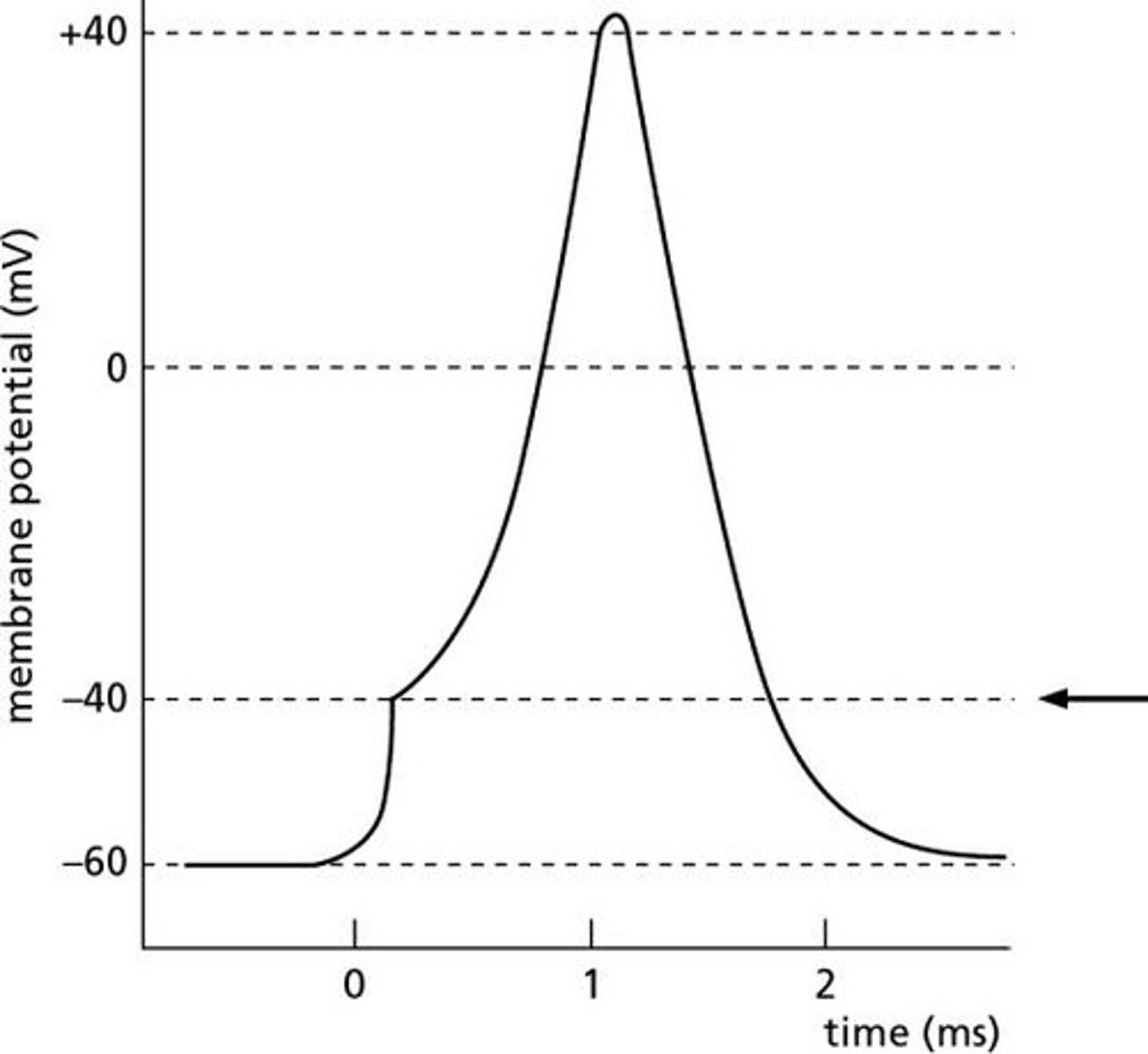
What is the correct pairing of material burned and the form of energy produced during cellular respiration?
Fat, ATP.
What can be deduced from fertilizing egg cells with pollen treated with DNA-damaging agents that results in defective chloroplasts?
Mitochondria contain their own genome and can be passed on to future generations.
Why can't mitochondria function for long when isolated from the cell?
Because they are endosymbionts.
What substance is consumed during the conversion of ADP to ATP in the mitochondrial inner membrane?
Oxygen.
True or False: The only organelles used by animal cells for cellular respiration are mitochondria, while plant cells use both mitochondria and chloroplasts.
True.
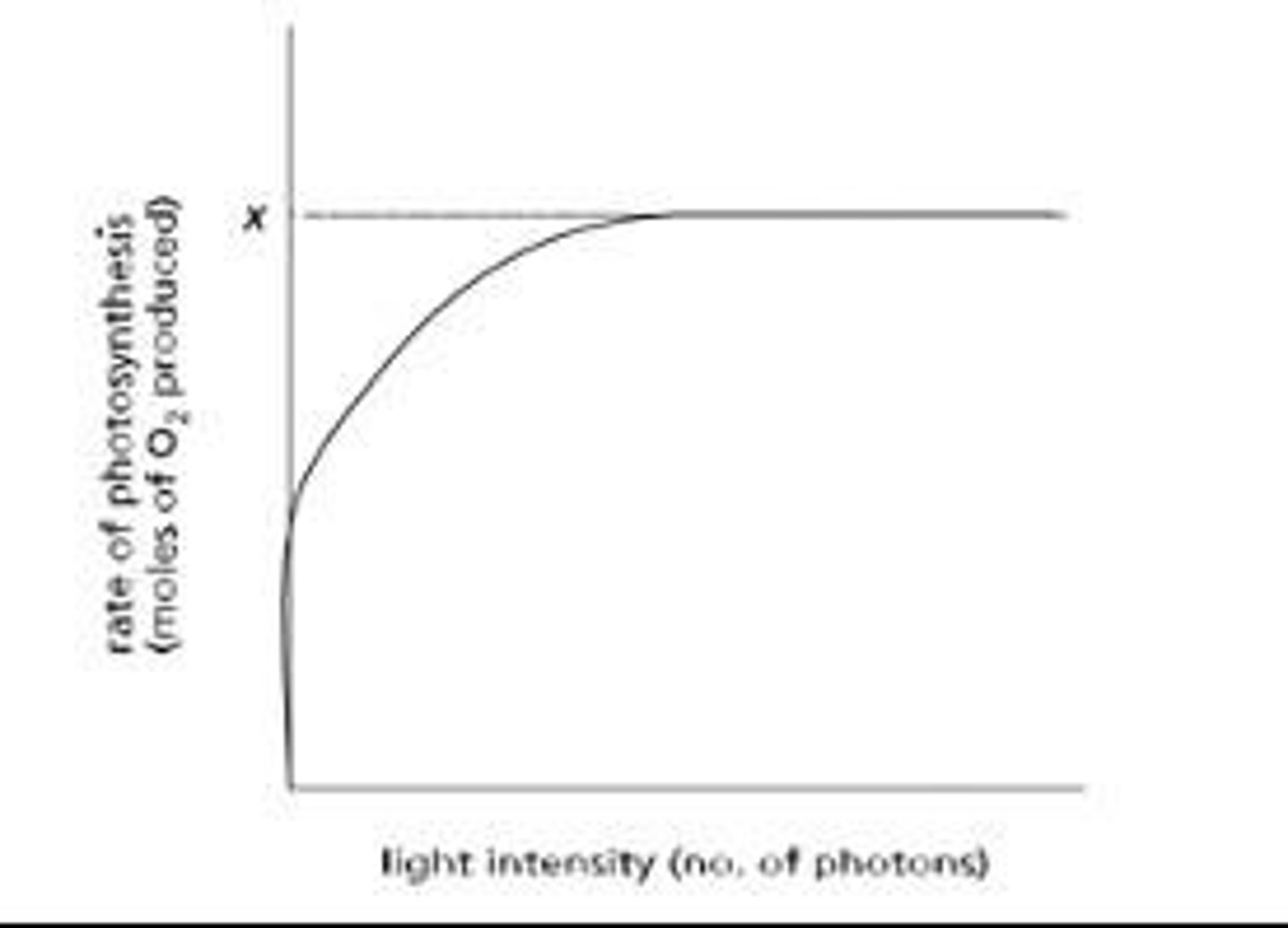
True or False: The number of mitochondria inside a cell remains constant over the life of the cell.
False; the number can change based on the cell's energy needs.
Where is chlorophyll located in the chloroplast?
In the third, innermost membrane.
What high-energy molecules do plants produce during photosynthesis using carbon from CO2?
Sugar.
True or False: Membrane components in the cell are made in the endoplasmic reticulum.
True.
True or False: Lysosomes are small organelles where fatty acid synthesis occurs.
False; lysosomes are involved in the degradation and recycling of macromolecules.
What is the role of the lysosome?
Clean-up, recycling, and disposal of macromolecules.
Why are bacteria generally unable to feed on other cells by engulfing them?
Bacteria lack the cellular structures necessary for phagocytosis.
What process describes how external materials are captured inside vesicles and brought into the cell?
Endocytosis.
What process allows eukaryotic cells to release material from secretory vesicles to the extracellular space?
Exocytosis.
What is a common example of materials released by exocytosis?
Hormones.
What is produced as a result of cellular respiration when sugar is burned?
ATP.
What do mitochondria and chloroplasts have in common regarding their genomes?
Both contain their own genomes and can replicate independently.
What is the main function of chloroplasts in plant cells?
To carry out photosynthesis.
What is the primary energy currency of the cell produced in mitochondria?
ATP.
What is the process by which lysosomes break down waste materials and cellular debris?
Autophagy.
What type of cells contain chloroplasts?
Eukaryotic cells that carry out photosynthesis, such as plants and algae.
What is the significance of the Golgi apparatus in cellular function?
It processes and packages proteins and lipids for secretion.
What is the role of the endoplasmic reticulum in the cell?
It synthesizes proteins and lipids.
What are peroxisomes?
Small organelles that provide a safe place within the cell to carry out biochemical reactions that generate harmful, highly reactive oxygen species.
What is the primary function of the cytoskeleton?
Provides support, structure, motility, and organization, and forms tracks for organelle and vesicle transport.
Which cytoskeletal element is the thickest?
Microtubules.
What is the most ancient function of the cytoskeleton likely to be?
Cell motility.
Which characteristic would not support the idea that the ancestral eukaryote was a predator cell?
Rigid membrane.
What phrase best completes the sentence: Microtubules ___ and are required to pull duplicated chromosomes to opposite poles of dividing cells?
Can rapidly reorganize.
True or False: Plants do not require a cytoskeleton because they have a cell wall that lends structure and support to the cell.
False; plants do require a cytoskeleton for various cellular functions.
What is the average size difference between eukaryotic and prokaryotic cells?
Eukaryotic cells are 10 times longer and have 1000 times more volume than prokaryotic cells.
Which bacterial species had a central role in advancing the field of molecular biology?
E. coli.
What process cannot be studied in yeast?
Cell motility.
What is the process called by which 131 cells are specifically targeted for destruction in C. elegans?
Programmed cell death.
Why are zebrafish (Danio rerio) especially useful in the study of early development?
Their embryos are transparent.
Which organism is likely the best model system for studying mutations affecting sugar metabolism and tooth development?
Mice.
What type of environment do chemical reactions in living systems occur in?
Optimal environment, within a narrow range of temperatures.
Which subatomic particles contribute to the atomic number of an element?
Protons.
What is the role of lysosomes in a cell?
To digest and break down waste materials and cellular debris.
What is the function of endosomes?
To transport and sort materials brought into the cell.
What is the significance of dynamic cytoskeleton in eukaryotic cells?
It allows for movement and structural changes within the cell.
What is the main difference between eukaryotic and prokaryotic cells regarding the cytoskeleton?
Prokaryotes have proteins related to eukaryotic actin filaments and microtubules.
What is the primary role of actin filaments in the cytoskeleton?
To provide structural support and enable cell movement.
What is the main characteristic of intermediate filaments?
They provide mechanical support and stability to cells.
What is autophagy?
The process by which cells degrade and recycle cellular components.
What is necrosis?
A form of cell injury that results in the premature death of cells.
Why is Arabidopsis used as a model organism?
It is a small flowering plant that is easy to grow and has a short life cycle.
Which subatomic particles contribute to the atomic mass of any given element?
Protons and Neutrons.
Which subatomic particles can vary between isotopes of the same element without changing the observed chemical properties?
Neutrons.
What are the monomer building blocks necessary to assemble selectively permeable boundaries around and inside cells?
Sugars, Fatty Acids, Amino Acids, Nucleotides.
What type of chemical group is commonly found in nucleotides?
Phosphoryl.
What types of interactions can Glutamic Acid participate in at pH 7 that Glutamine cannot?
Ionic Bonds.
Which monosaccharide is required to synthesize nucleotide building blocks?
Ribose.
Which pair of compounds are examples of isomers?
Glucose and Galactose.
What is the lipid most commonly found in fat droplets within cells?
Triacylglycerol.
What type of molecule is cholesterol, which is an essential component of biological membranes?
Amphipathic.
What distinguishes DNA from RNA?
DNA contains Thymine.
What is the principal force that holds the two strands of DNA together?
Hydrogen Bonds.
What keeps the aromatic bases in a polymer from interacting with water?
Hydrophobic Interactions.
What is the role of the variety and arrangement of chemical groups on monomer subunits?
They contribute to the conformation, reactivity, and surface of the macromolecule.
What type of bonds can Glutamic Acid form that are not possible for Glutamine?
Ionic Bonds.
What is the primary role of ribose in cellular processes?
It serves as a starting material to synthesize nucleotide building blocks.
Which lipid is most commonly stored in the cytoplasm as fat droplets?
Triacylglycerol.
What is the significance of the amphipathic nature of cholesterol in membranes?
It allows cholesterol to interact with both hydrophilic and hydrophobic regions.
What is the chemical nature of the bonds that hold the two strands of DNA together?
Hydrogen Bonds.
How do the structures of Glutamine and Glutamic Acid differ?
They differ only in the structure of their side chains.
What type of molecule is represented in Figure Q2-50?
The specific type is not provided in the notes.
What type of interactions do macromolecules in the cell often engage in?
Transient interactions as a result of noncovalent interactions.
What is the main difference between DNA and RNA in terms of structure?
DNA is double-stranded while RNA is typically single-stranded.
What are the four types of monomer building blocks mentioned?
Sugars, Fatty Acids, Amino Acids, Nucleotides.
What factors determine whether molecular interactions are transient or stable?
The size of each molecule, the concentration of each molecule, the rate of synthesis, and surface complementarity between molecules.
What type of reactions break down nutrients in food?
Catabolic reactions.
What process occurs when insulin stimulates the synthesis of glycogen from glucose?
Anabolic process.
What does the Second Law of Thermodynamics state about disorder in a system?
The disorder in any system is always increasing.
What is favored when NaCl crystals are dropped into water?
The solvation and diffusion of ions due to an increase in entropy.
In what form is energy stored by cells to generate biological molecules?
Chemical bonds.
How do living systems contribute to disorder in the environment?
By releasing heat.
What form of energy is light energy converted into during the first stage of photosynthesis?
Chemical energy.
What are the ultimate products of respiration, in addition to energy?
CO2 and H2O.
How can the process of extracting energy from food be described?
As oxidation.
What is the stable form of carbon after oxidation?
CO2.
How does oxidation affect the electrons in the outer shell of an atom?
It results in a net loss of electrons.

