biopsych lab exam 1
 Call Kai
 Learn
Learn Practice Test
 Spaced Repetition
 Match
Match Flashcards
 Knowt Play
1/21

There's no tags or description
Looks like no tags are added yet.
Name | Mastery | Learn | Test | Matching | Spaced | Call with Kai |
|---|
No analytics yet
Send a link to your students to track their progress
22 Terms
What does the Na+ K pump do?
The pump does something called concentration gradient. This basically means that sodium is low on the inside and potassium is high on the outside.
What are the 3 types of ion channels?
(Leak channels: always open) (Voltage gated ion channels: allows for positively or negatively charged ions to flow through) (Ligan gated ion channels: allows for ions to flow through)
What is potassiums membrane potential?
-90
What is sodiums membrane potential?
+50
Why are neurons negative?
DNA is negative
Sodium potassium pump
Potassium is more permeable: basically the cell always wants to be at -90
What would happen if you manipulated the K+ voltage gated channels?
Action potential would fall at a slower rate and there would be no hyperpolization
What would happen if you manipulated the Na+ voltage gated channels?
blocked Na+ channels: no depolarization
keeping Na+ channels open: prolonged depolarization
What is the refractory period?
The refractory period is the brief time following stimulation when a neuron is less excitable
Olfactory Nerve
smell
Optic Nerve
sight
Oculomotor, Trochelar, and Abducens Nerves
movement of the eyes
Trigemental Nerve
chewing and facial sensation
Facial Nerves
facial expressions
Vestibulocochlear Nerve
hearing
Glossopharyngeal Nerve
tongue sensation; taste
Vagus Nerve
relaxation
Accessory Nerve
activating your neck and shoulders
Hypoglossal Nerve
the movement of your tongue
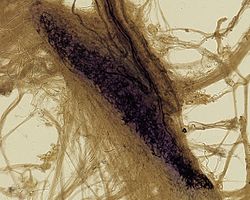
Ruffini Corpuscle
receptor endings are embedded in collagen
super deep in the skin
large receptive field
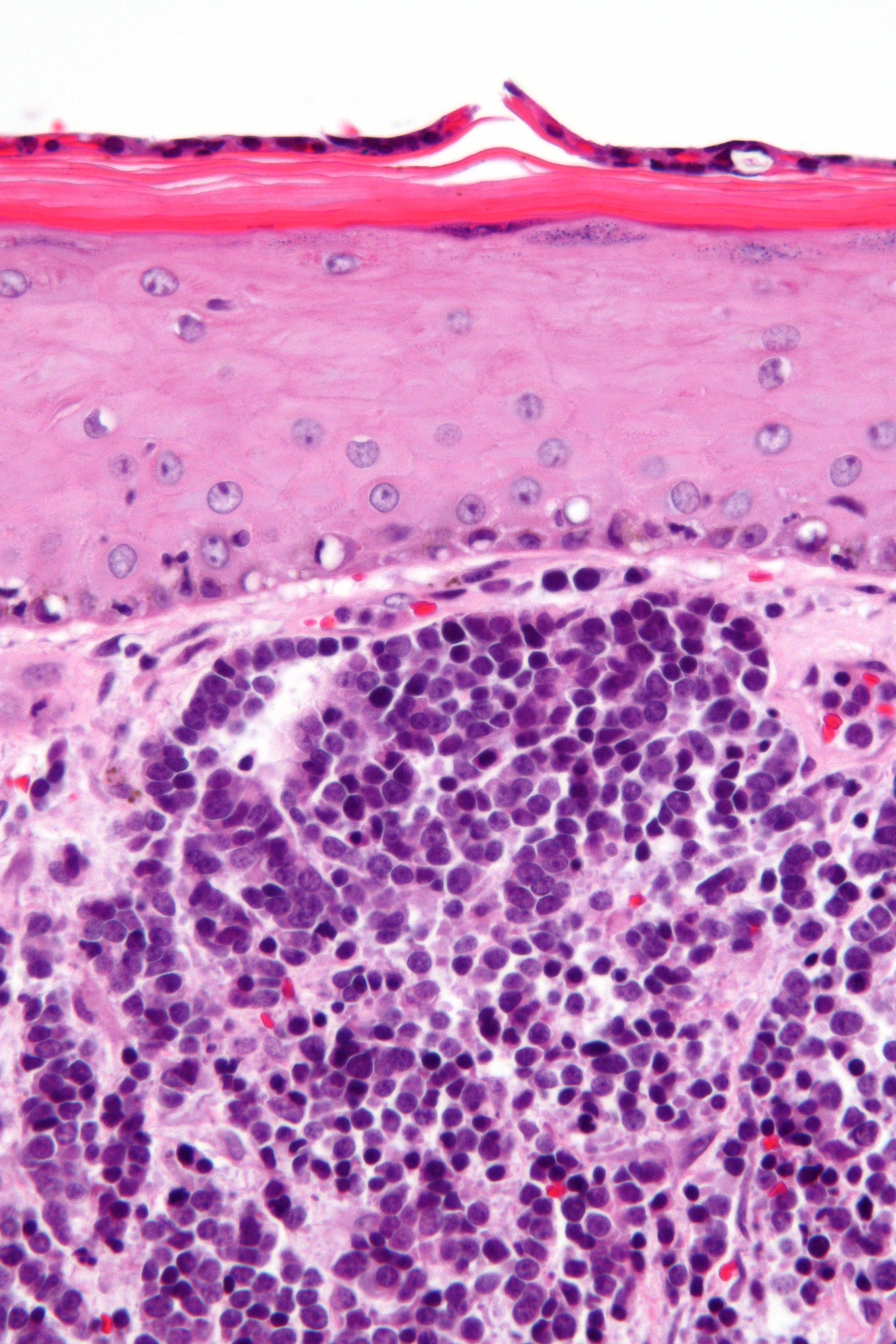
Merkel’s Discs
to the surface; light touch
made of carotin
small receptive field
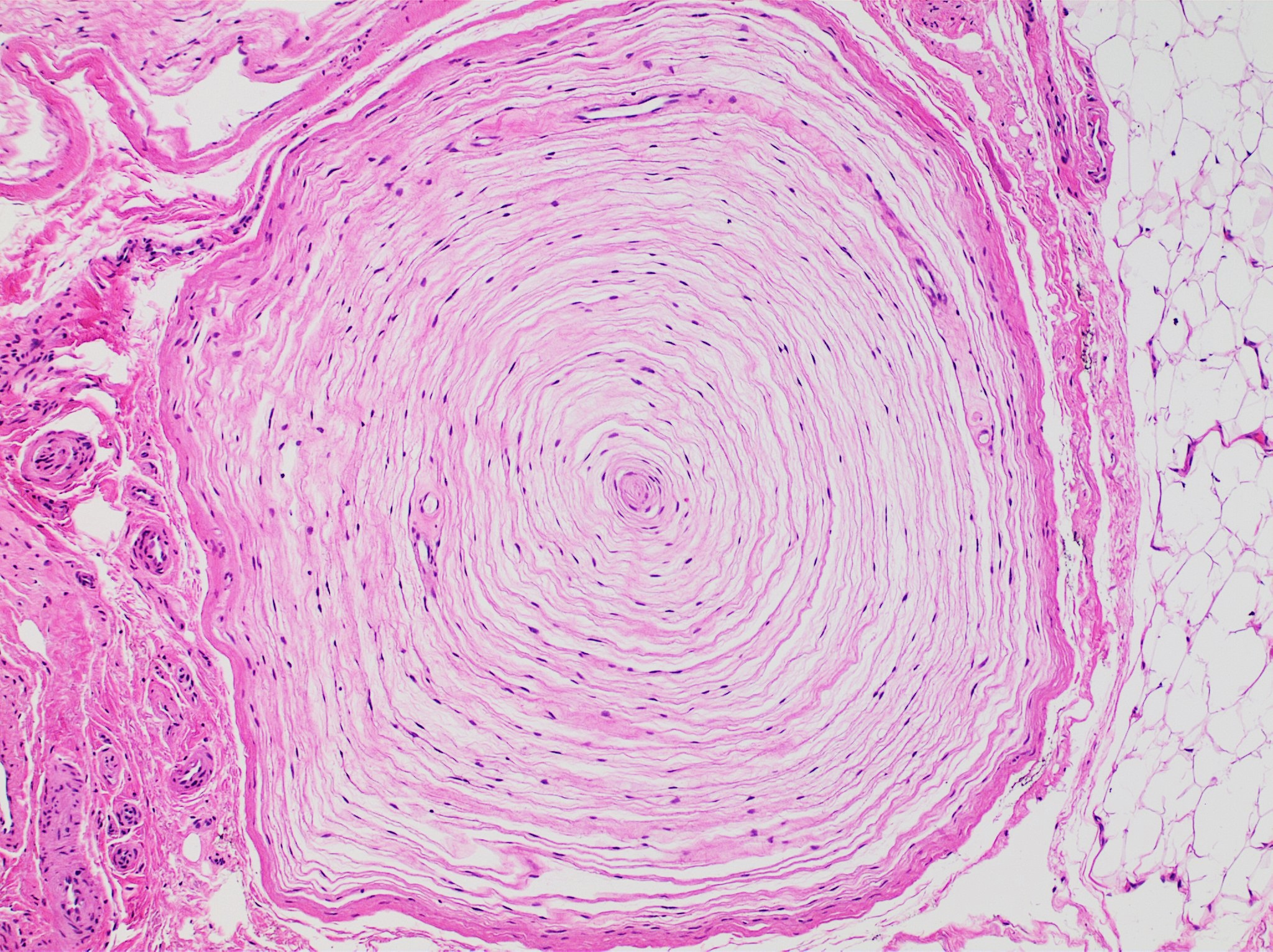
Pacinan’s Corpuscle Cells
tree like structure
deep touch
large receptor field
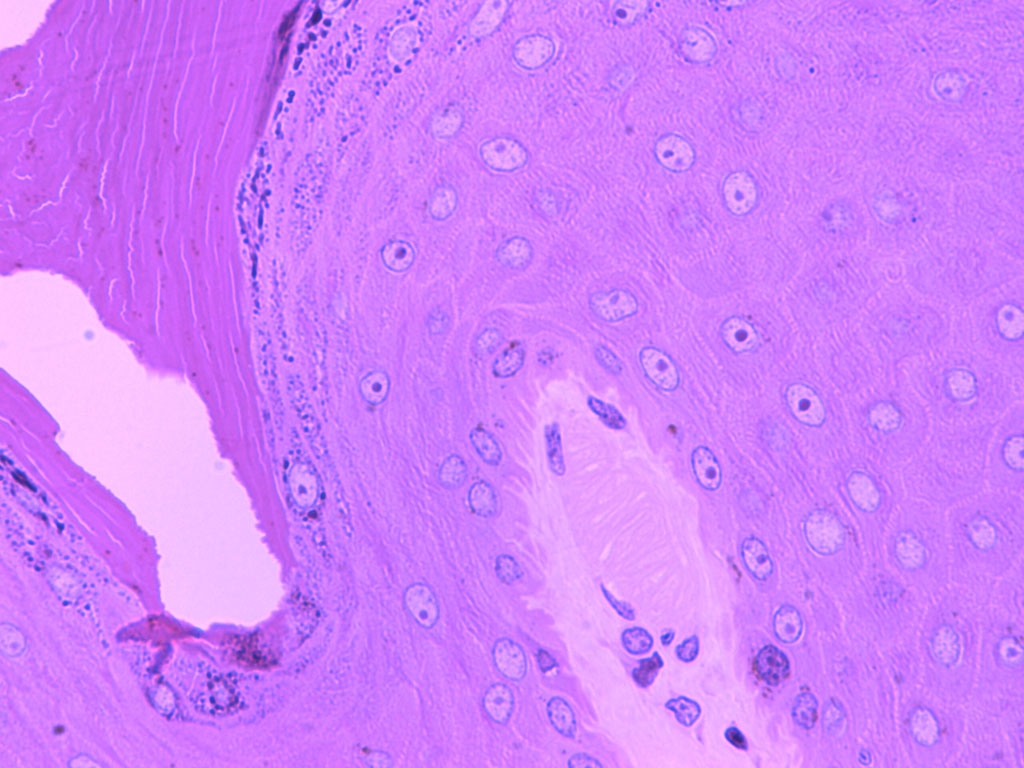
Meissner’s Corpuscle
n i p p l e looking
light touch
small receptor field

