Complementary and Alternative Medicines Overview
 Studied by 0 people
 Call Kai
 Learn
Learn Practice Test
 Spaced Repetition
 Match
Match Flashcards
 Knowt Play
1/57

There's no tags or description
Looks like no tags are added yet.
Name | Mastery | Learn | Test | Matching | Spaced | Call with Kai |
|---|
No analytics yet
Send a link to your students to track their progress
58 Terms
Complementary and Alternative Medicines (CAM)
Includes botanicals, nutritional products, herbal supplements, possess positive and negative effects, and can interact with prescription and OTC drugs.
CAM usage statistics
40% of adults use CAM.
CAM expenditure
$6 billion and counting in the US spent on CAM.
Patient Responsibilities for Safe CAM Therapy
Consult with the health care provider before taking any herbal preparation.
National Center for Complementary and Integrative Health (NCCIH)
Lists current clinical trials with herbal products on their website (www.nccam.nih.gov/research/clinicaltrials).
Dietary Supplement Health and Education Act of 1994 (DSHEA)
Ensure products are safe and label information is truthful and not misleading.
Current Good Manufacturing Practices (CGMPs)
Standards require package labels that declare quality and strength of contents and that product is without contaminants and impurities.
Label requirements under DSHEA
1. Name of the supplement 2. Amount of the supplement (net quantity) 3. Nutrition labeling 4. Ingredient list 5. Name and place of the manufacturer, packer, or distributor.
Physiologic effects of CAM
Can be noted (maintains blood flow, promotes healthy immunity, etc.).
Claims about CAM
No claims can be made about CAM's use in order to diagnose, treat, prevent or cure any disease or specific condition.
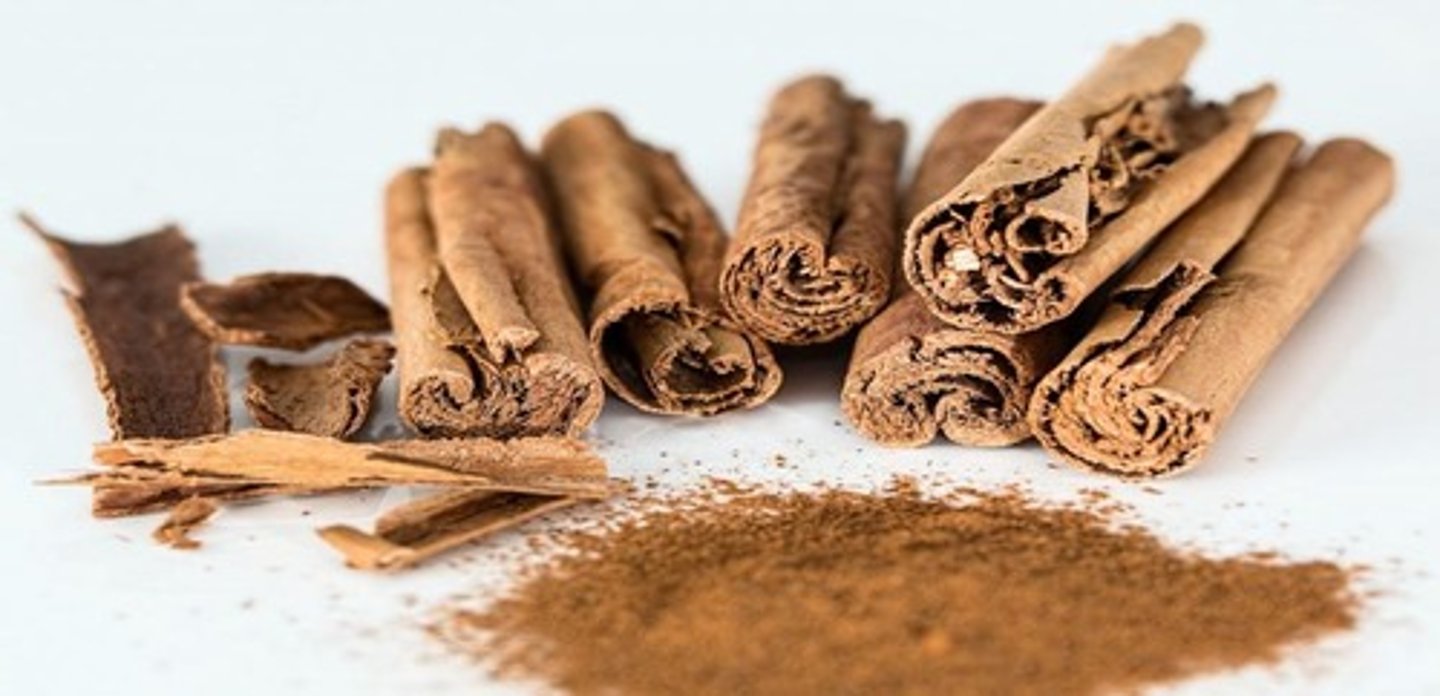
Cinnamon
Used to treat bronchitis, GI problems, anorexia, diabetes; generally safe without allergic reactions; may decrease blood clotting time.
Echinacea
Used for colds, flu, infections; stimulates immune system; side effects include GI effects, allergic reactions.

What is garlic used for in terms of heart health?
Lowering cholesterol and blood pressure, reducing heart disease.
What types of cancer does garlic help prevent?
Stomach and colon cancer.
What are some side effects of garlic?
Heartburn, upset stomach, body odor, decreased blood clotting time.
What is ginger commonly used for?
Nausea, motion sickness, diarrhea, pain relief, swelling, and arthritic stiffness.
What are some side effects of ginger?
GI effects such as gas, bloating, heartburn, and nausea.
What is Ginkgo biloba commonly used for?
Asthma, bronchitis, fatigue, tinnitus
How does Ginkgo biloba affect memory?
It is used to improve memory and prevent Alzheimer disease
What condition does Ginkgo biloba help decrease?
Intermittent claudication
What sexual health issue can Ginkgo biloba treat?
Sexual dysfunction
Can Ginkgo biloba be used for multiple sclerosis?
Yes, it is used to treat multiple sclerosis
What are some side effects of Ginkgo biloba?
Headache, dizziness, GI upset/nausea, increased bleeding, allergic reactions
Ginseng
Improves well-being, stamina, and immune system; treats erectile dysfunction, hepatitis C, menopausal symptoms; lowers blood glucose & blood pressure.

Ginseng Side Effects
Headaches, GI distress, hypertension, hypoglycemia, breast tenderness, menstrual irregularities, allergic reactions.
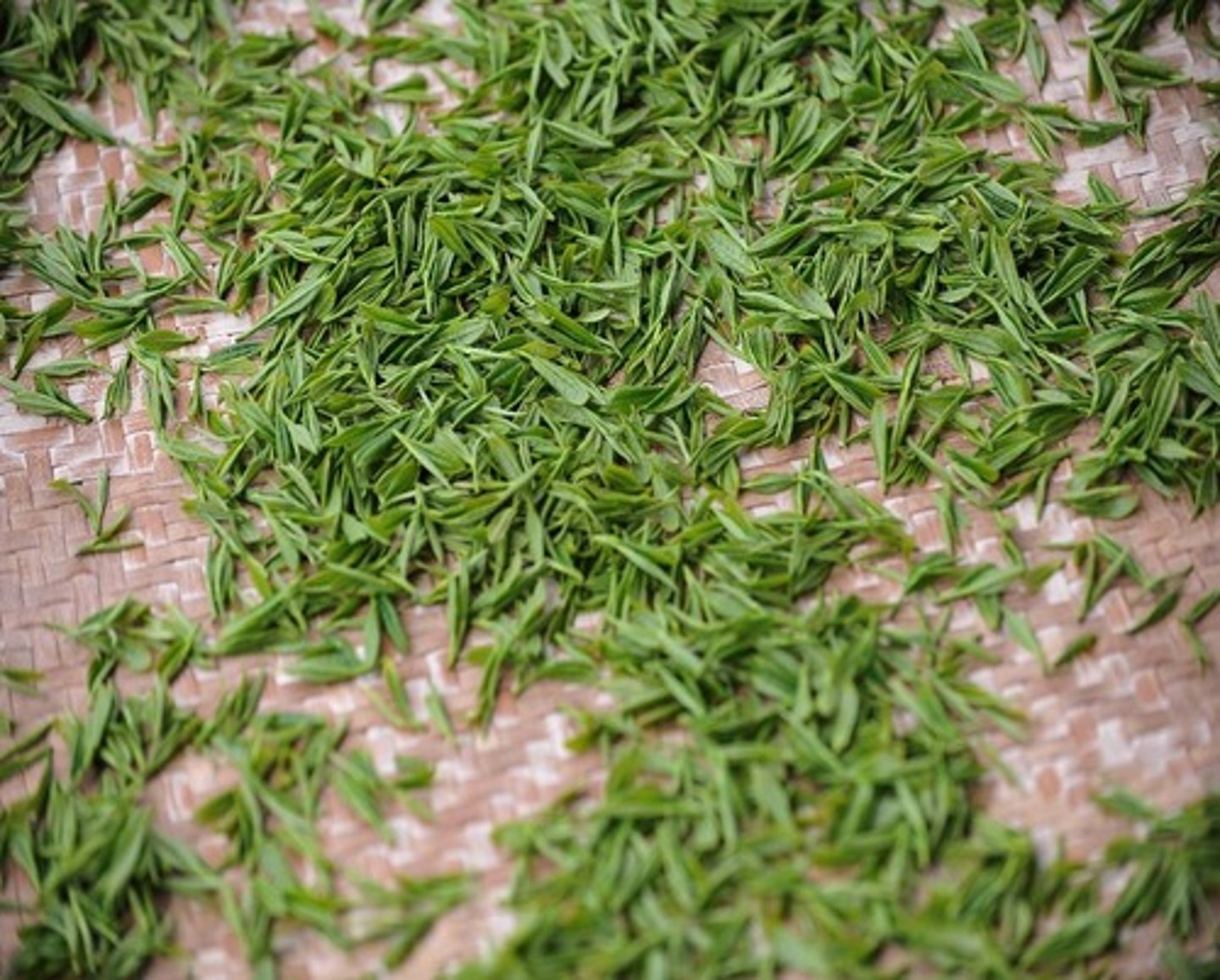
Green tea
Improves mental alertness, relieves headache; protects against heart disease and cancer; promotes weight loss.
Green tea Adverse Effects
Liver dysfunction.
Kava kava
Used for relaxation and anxiety.
Kava kava Adverse Effects
Liver damage, jaundice, dry and scaly skin, eye irritation, heart problems.
Valerian
Used for anxiety, headache, insomnia, tremors, depression, irregular heartbeat.
Valerian Side Effects
Headache, dizziness, fatigue, stomach upset.
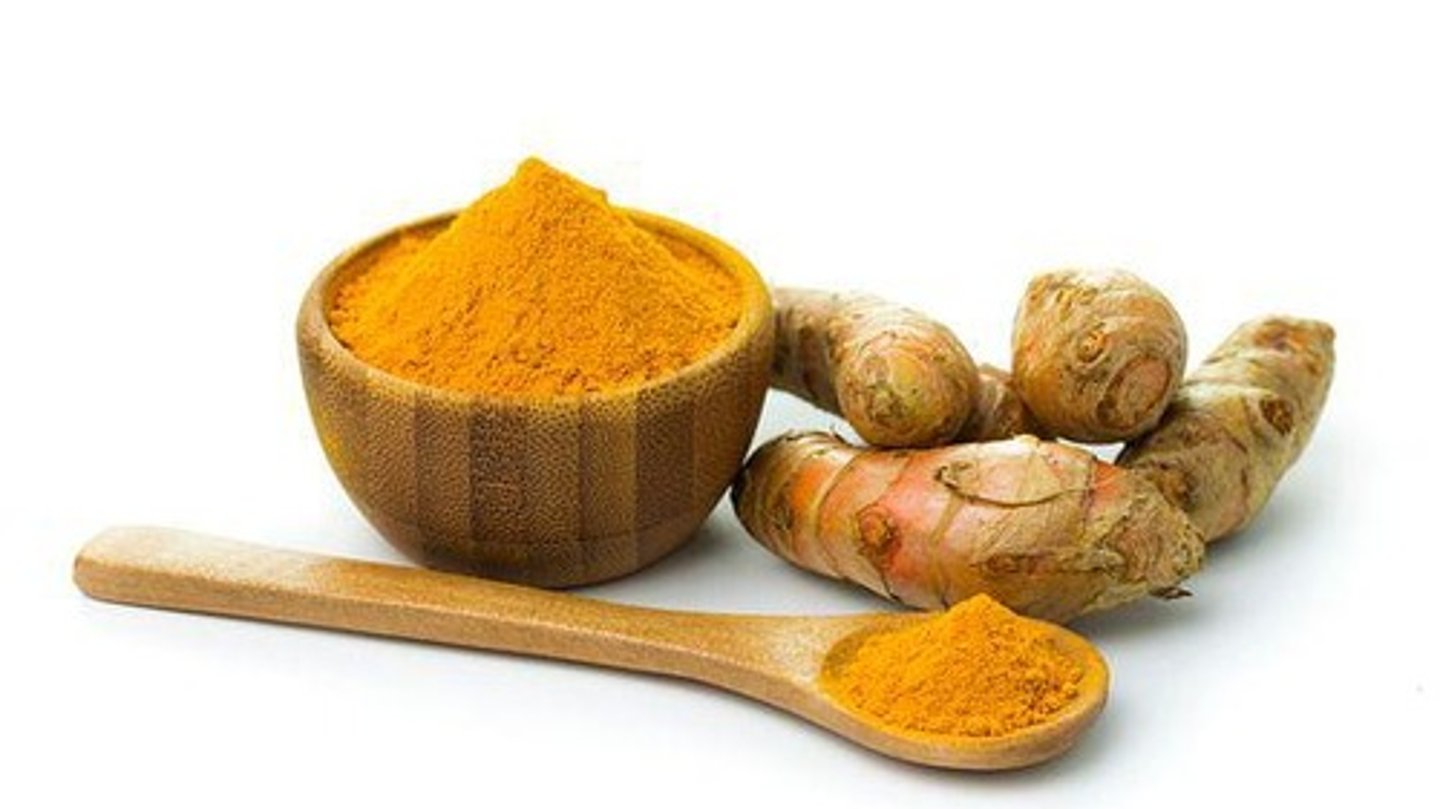
Turmeric
Anti-inflammatory effects; used for heartburn, stomach ulcers, gallstones (may worsen), inflammation, cancer.
Turmeric High Doses Effects
May cause nausea, diarrhea.
Peppermint
Used for headache, cold symptoms, nausea, indigestion, irritable bowel syndrome, muscle and nerve pain.
Peppermint Side Effects
Heartburn, allergic reaction.
Licorice root
Used for bronchitis, sore throat, stomach ulcers, viral hepatitis.
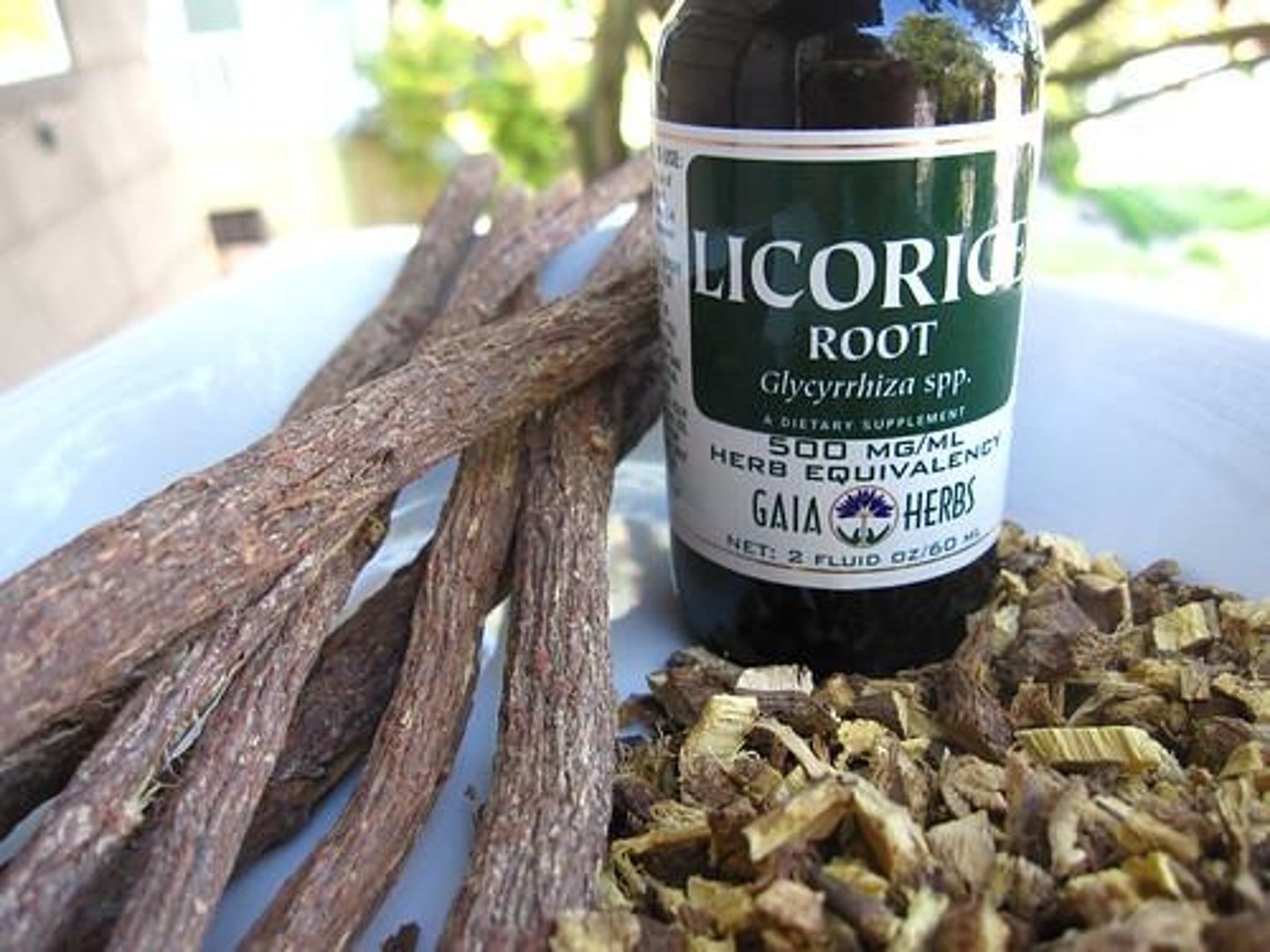
Licorice root High Doses Effects
Can lead to edema, hypertension, low potassium level.
Saw palmetto
Used for urinary symptoms such as benign prostatic hypertrophy.
Saw palmetto Side Effects
Digestive problems, headache.
St. John's wort
Used for mental disorders, nerve pain.
St. John's wort Side Effects
Anxiety, dizziness, headache, fatigue, sensitivity to sunlight, GI problems, sexual dysfunction, many drug interactions.
Potential Hazards of Herbs
Natural substances does not mean safe; herb-drug interactions are possible; herbal products can affect lab results.
Herbal Therapy Precautions
Discontinue herbal therapy 2 to 3 weeks before surgery; do not take if taking prescription drugs, pregnant or nursing; do not give herbs to infants/young children.
Clinical Judgment: Complementary and Alternative Therapies
Recognize cues; identify all prescription and OTC drugs; assess for drug, herb, or supplement side effects.
Clinical Judgment: Take Action
Advise patient to notify health care provider before substituting herbs for a prescription or OTC drug; encourage patient to read labels and adhere to recommended information.
Potential side effects of herbal therapy
Advise patient of potential side effects of herbal therapy.
Guidelines for using herbs
Do not use herbs if pregnant or nursing. May be given for children two years of age and older. Seek care from HCP for side effects. Read labels and follow requirements. Consult HCP about other prescription and OTC drugs before starting herbs. Consult with the health care provider before taking any herbal preparation.
St. John's wort effectiveness
Current research suggests that it is no more effective than placebo when used by individuals with depression.
St. John's wort and tyramine-rich foods
Users of St. John's wort should avoid tyramine-rich foods while taking the supplement.
Herb for memory improvement
Ginkgo biloba is thought by some to improve memory associated with aging.
Ginkgo biloba historical uses
Ginkgo has been used for thousands of years to treat ailments such as asthma, bronchitis, fatigue, and tinnitus.
Ginkgo biloba and Alzheimer's prevention
In a study following older adult subjects for an average of 6 years, ginkgo was shown to be ineffective in the prevention of Alzheimer and other dementias.
Ginkgo biloba side effects
Side effects include headache, nausea, GI upset, dizziness, and allergic reactions that include severe reactions leading to death.
Ginkgo biloba and blood thinners
In patients taking blood thinners, ginkgo has been shown to increase bleeding risk.
Animal studies on ginkgo
Animal studies have shown that rats and mice given ginkgo develop tumors; however, more research is needed to determine whether this is true for humans.
Herbs to inform HCP about when on anticoagulants
Before beginning herb therapy, patients should inform the HCP about taking garlic when receiving an anticoagulant secondary to previous blood clots.
Garlic and blood clotting
Because it also reduces blood clotting, patients should be advised to notify their health care provider about taking garlic if they are having surgery or dental work.
Garlic and bleeding disorders
Patients should be cautioned not to take garlic if they have a bleeding disorder.
 Note
Note  Flashcards (56)