Physiology: Unit 6
 Studied by 0 people
 Call with Kai
 Learn
Learn Practice Test
 Spaced Repetition
 Match
Match Flashcards
 Knowt Play
1/50

There's no tags or description
Looks like no tags are added yet.
Name | Mastery | Learn | Test | Matching | Spaced | Call with Kai |
|---|
No analytics yet
Send a link to your students to track their progress
51 Terms
Axial Skeleton
Half of the skeleton that forms the center of the body and focuses on protecting vital organs. Divided into the skull, rib cage, and vertebral column
Appendicular Skeleton
Half of the skeleton that consists of the bones that connect to the center of the skeleton, allowing for movement and environmental interaction
Skull
Major structure of the axial skeleton that forms the framework of the face, houses sense organs, airways for the lungs, and houses the brain
Parietal Bone
Name this bone of the skull
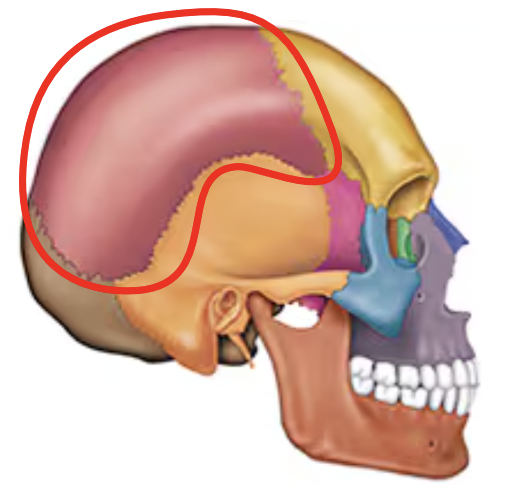
Occipital Bone
Name this bone of the skull
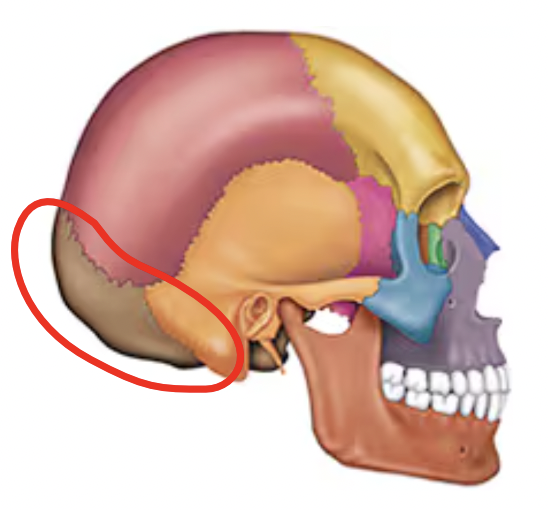
Temporal Bone
Name this bone of the skull
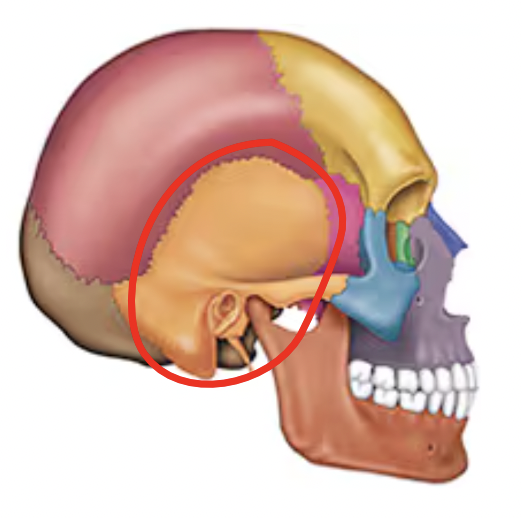
Frontal Bone
Name this bone of the skull
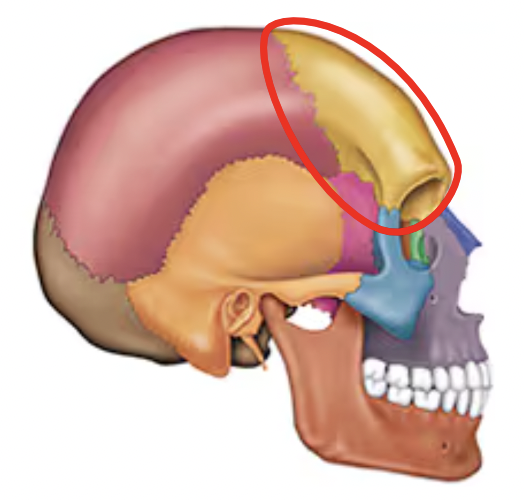
Sphenoid Bone
Name this bone of the skull
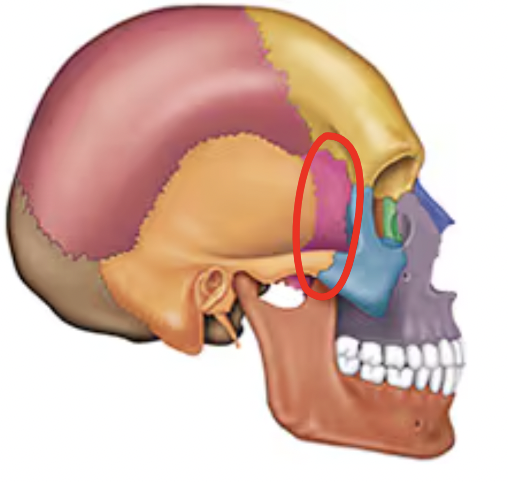
Nasal Bone
Name this bone of the skull
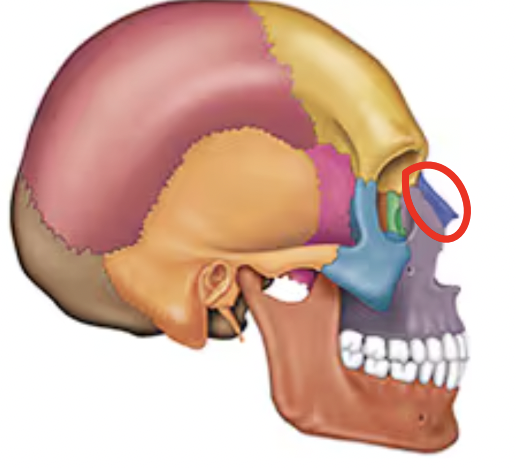
Mandible
Name this bone of the skull
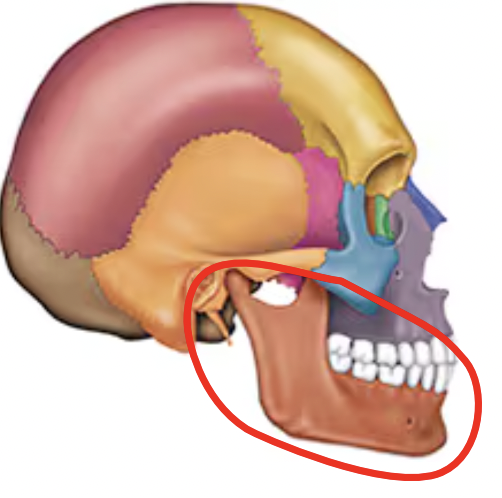
Maxilla
Name this bone of the skull
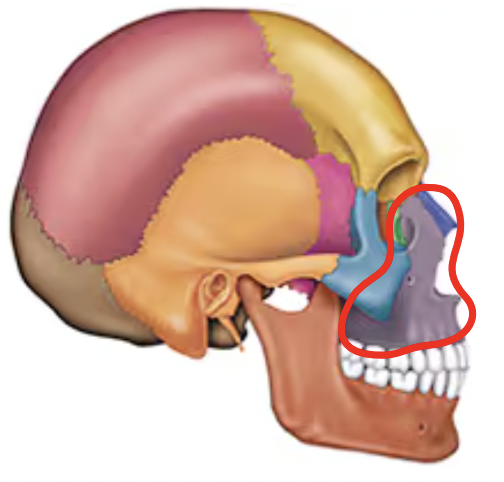
Zygomatic Bone
Name this bone of the skull
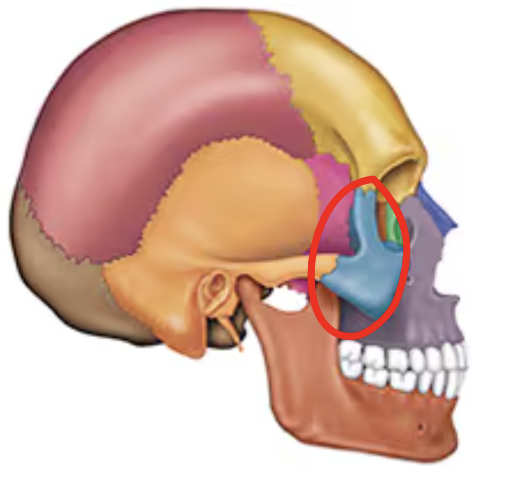
Lacrimal Bone
Name this bone of the skull
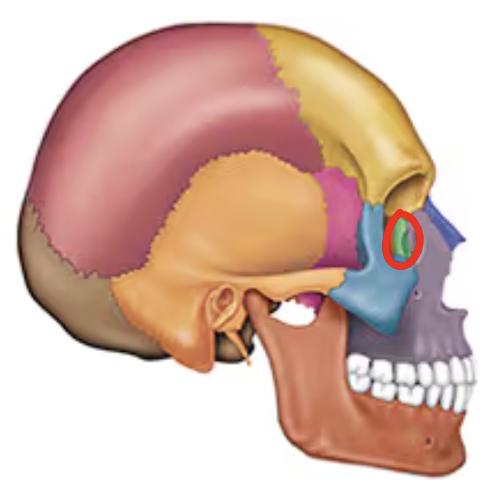
Ethmoid Bone
Name this bone of the skull
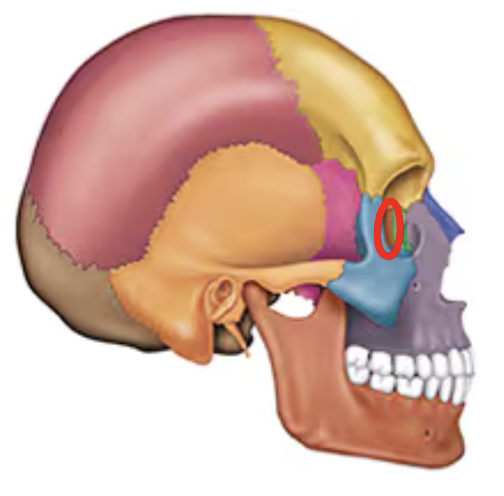
Long Bones
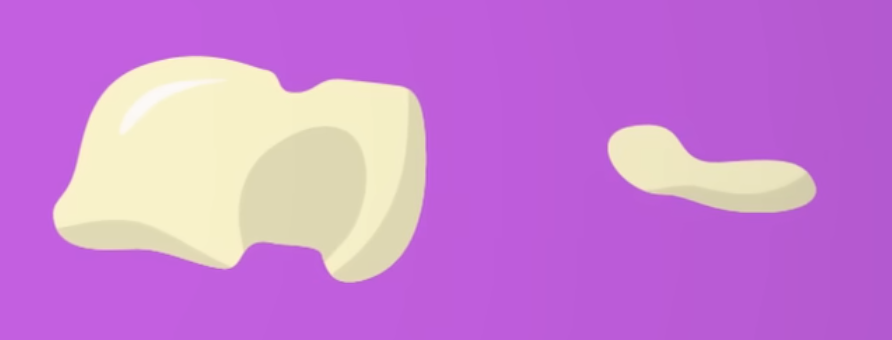
What is the classification for these bones
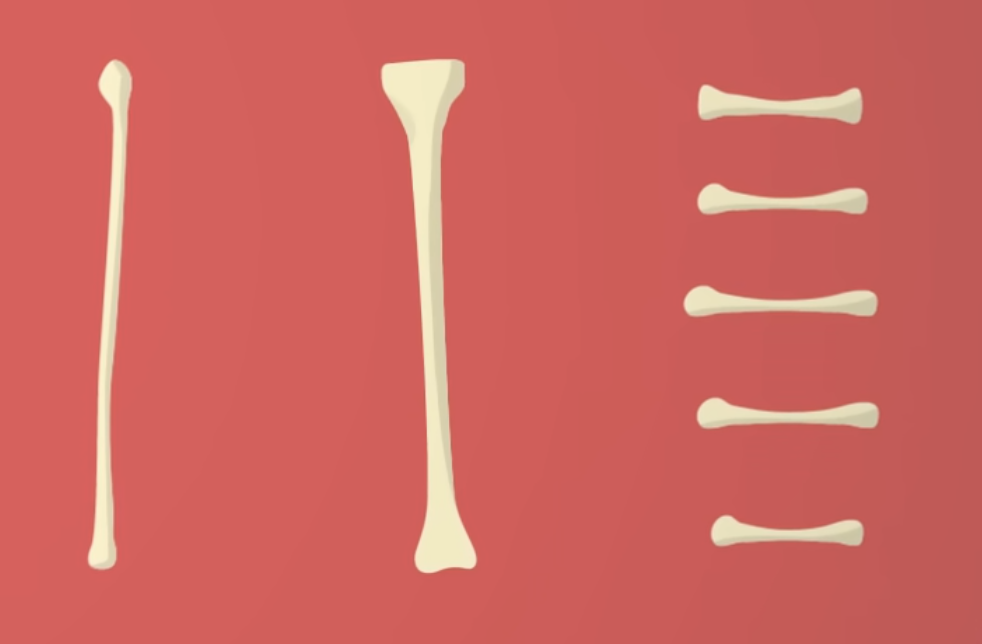
Short Bones
What is the classification for these bones
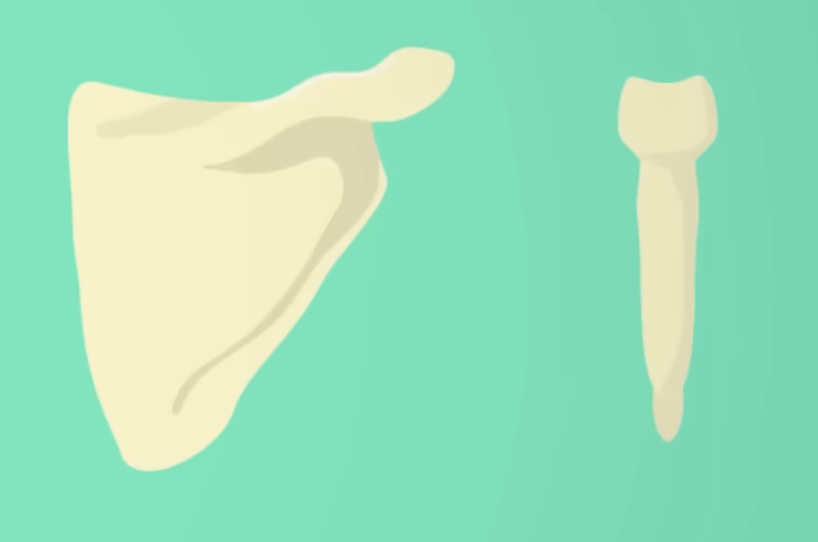
Flat Bones
What is the classification for these bones
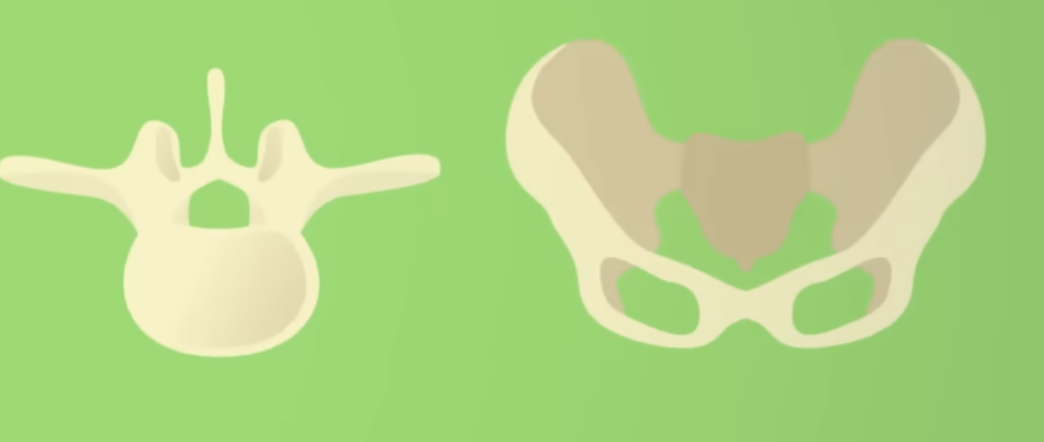
Irregular Bones
What is the classification for these bones
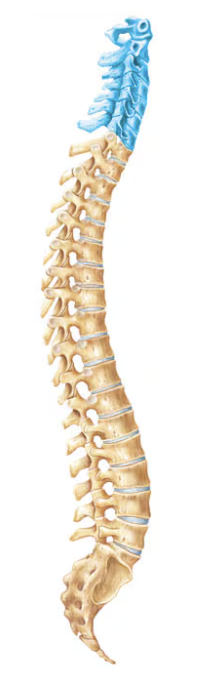
Cervical Vertebrae
Name this part of the vertebral column
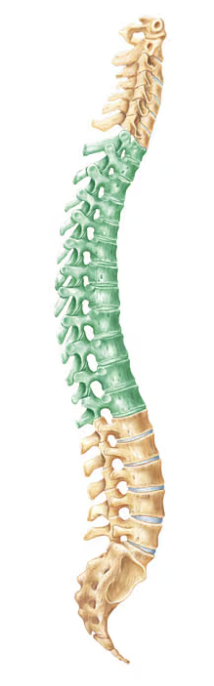
Thoracic Vertebrae
Name this part of the vertebral column
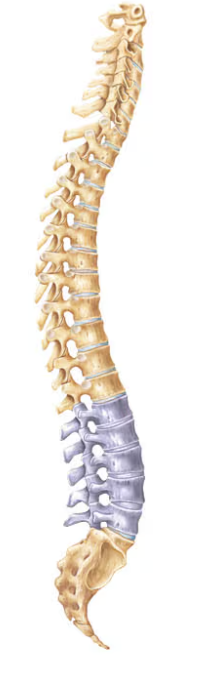
Lumbar Vertebrae
Name this part of the vertebral column
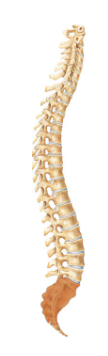
Coccyx
Name this part of the vertebral column
Joints
The meeting place between two or more bones. Body movement happens when muscles contract across these meeting places, moving bones towards eachother
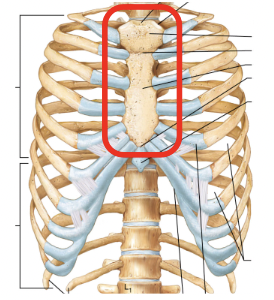
Sternum
Name this part of the thoracic cage
True Ribs
Name this part of the thoracic cage
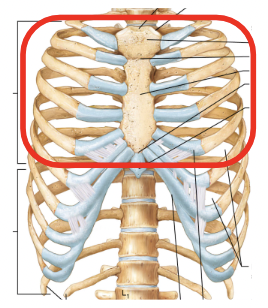
False Ribs
Name this part of the thoracic cage
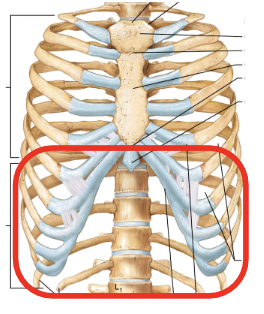
Clavicle
Name this part of the appendicular skeleton
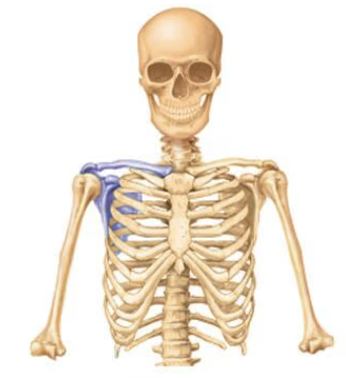
Scapula
Name this part of the appendicular skeleton
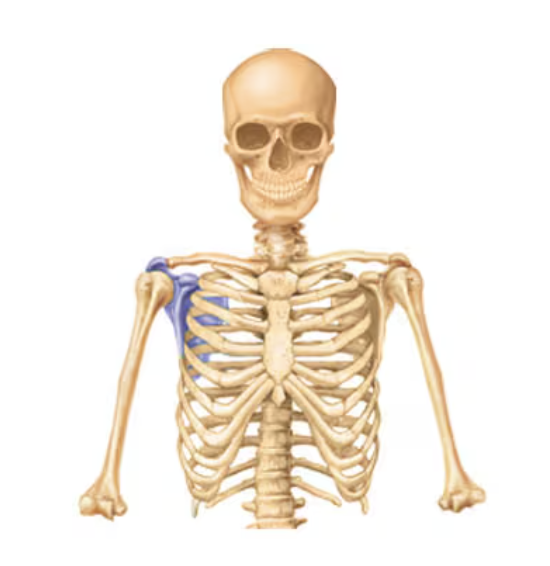
Humerus
Name this part of the appendicular skeleton
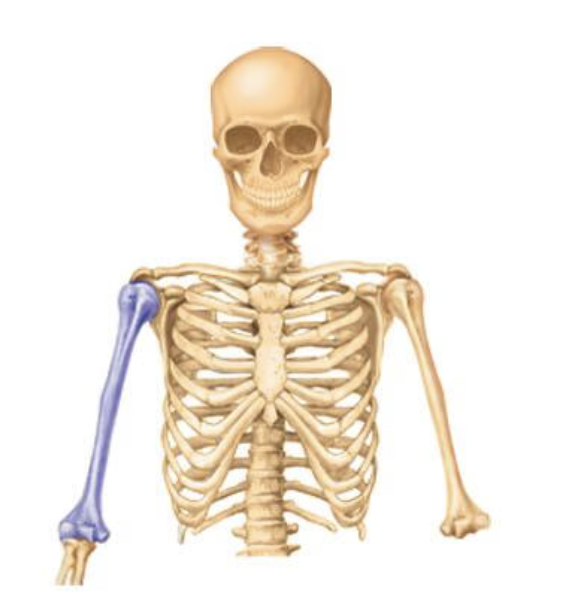
Forearm
Name this part of the appendicular skeleton
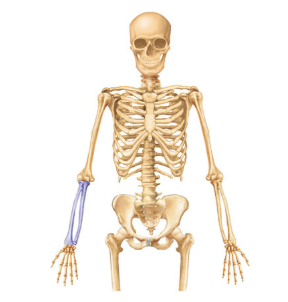
Pelvis
Name this part of the appendicular skeleton
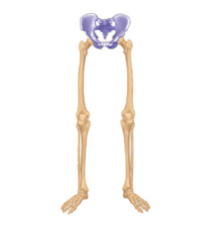
Femur
Name this part of the appendicular skeleton
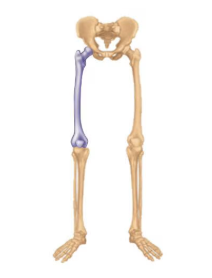
Fibula
Name this part of the appendicular skeleton’s leg
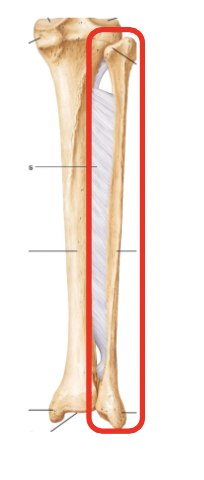
Tibia
Name this part of the appendicular skeleton’s leg
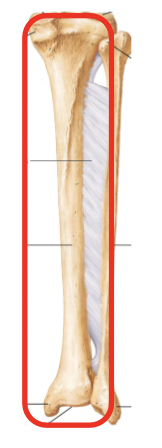
Phalanges
Name this part of the appendicular skeleton’s foot
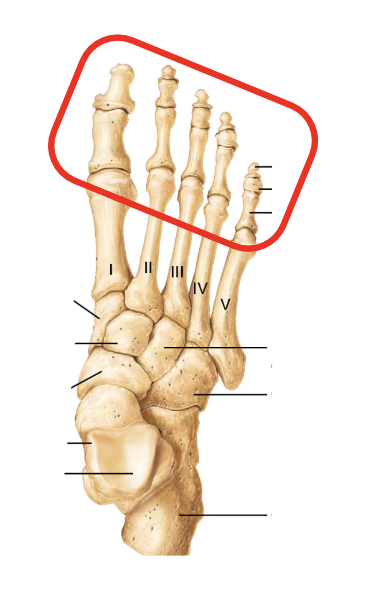
Metatarsals
Name this part of the appendicular skeleton’s foot
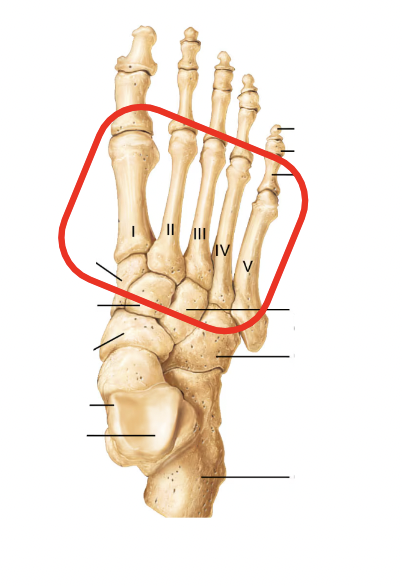
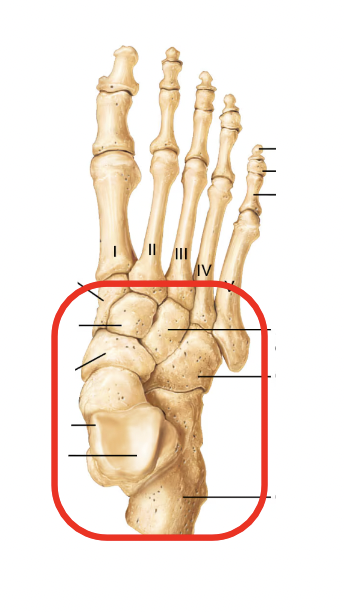
Tarsals
Name this part of the appendicular skeleton’s foot
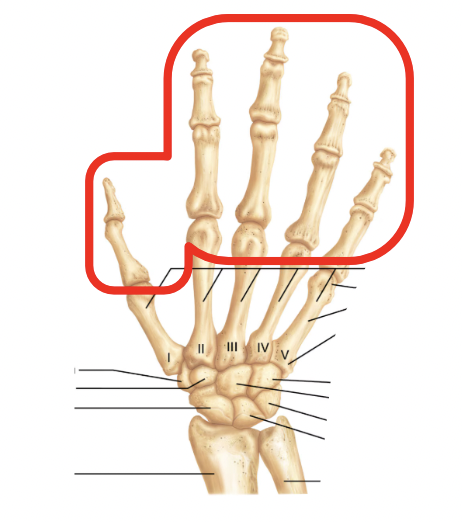
Phalanges
Name this part of the appendicular skeleton’s hand
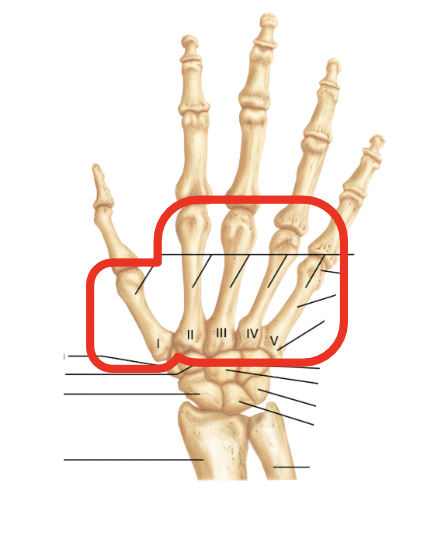
Metacarpals
Name this part of the appendicular skeleton’s hand
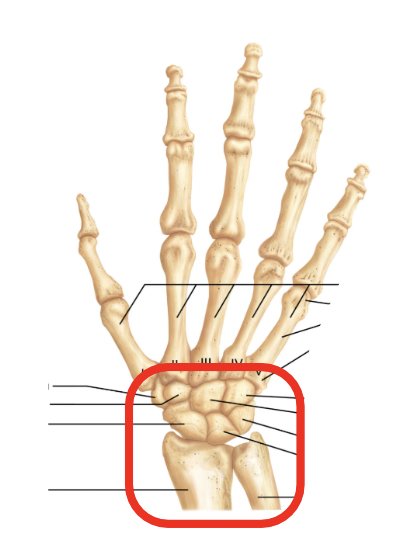
Carpals
Name this part of the appendicular skeleton’s hand
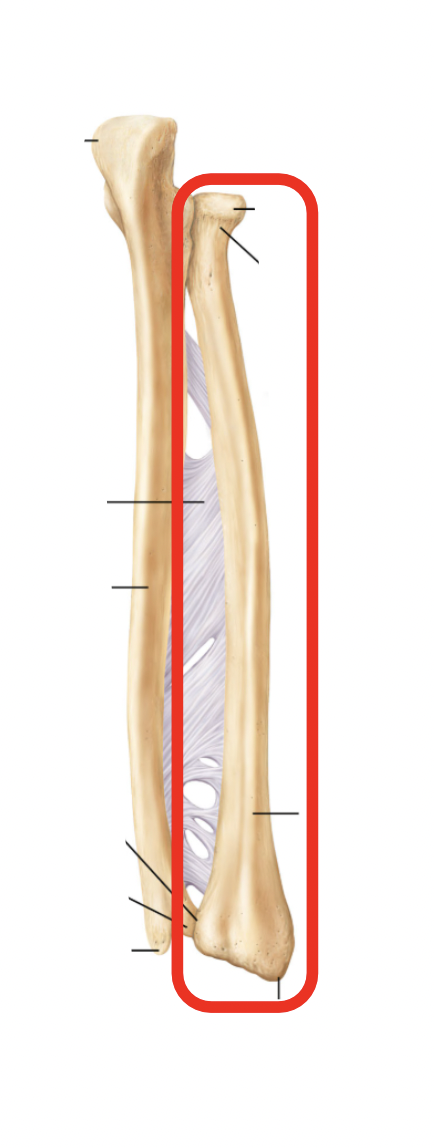
Radius
Name this part of the appendicular skeleton’s arm
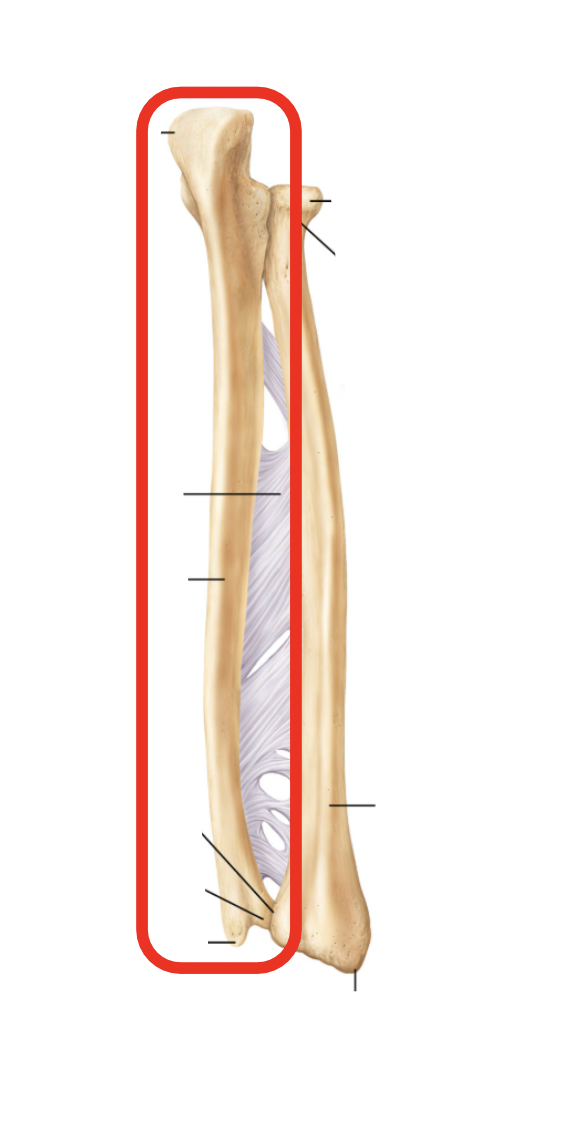
Ulna
Name this part of the appendicular skeleton’s arm
Plane Joint
Name the synovial joint
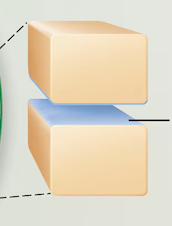
Hinge Joint
Name the synovial joint
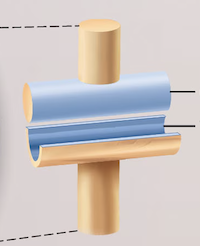
Pivot Joint
Name the synovial joint
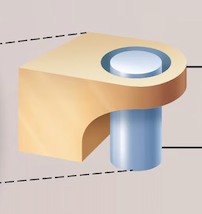
Condylar Joint
Name the synovial joint
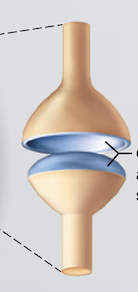
Saddle Joint
Name the synovial joint
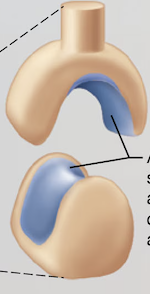
Ball-and-Socket Joint
Name the synovial joint
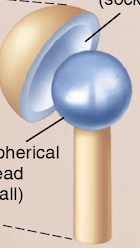
Fibrous Joints
Connects bones with dense fibrous connective tissue. Joints that usually don’t provide any movement (Synarthroses). Found in places like the teeth and skull
Cartilaginous Joint
Connects bones with cartilage. Joints that allow some slight movement (Amphiarthroses). Found in places like the spine and pelvis
Synovial Joints
Connects bones with ligaments. Joints that allow full and free movement (Diarthroses). Found in places like the limbs
 Note
Note  Flashcards (37)