Psych Sensation and Perception Review
 Call Kai
 Learn
Learn Practice Test
 Spaced Repetition
 Match
Match Flashcards
 Knowt Play
1/104

There's no tags or description
Looks like no tags are added yet.
Name | Mastery | Learn | Test | Matching | Spaced | Call with Kai |
|---|
No analytics yet
Send a link to your students to track their progress
105 Terms
sensation
process by which our sensory receptors and nervous system receive and represent stimuli energies from our environment
brain receives input from sensory organs
perception
process by which our brains organize and interpret sensory information
enables us to recognize objects and events as meaningful
makes sense out of input from sensory organs
bottom up processing
info processing that begins with sensory receptors and works to the brain’s integration of sensory info
top down processing
info processing guided by higher level mental processes
construct perceptions drawing on experience and expectations
gestalt
explains perceptions in terms of organized whole rather than by analyzing their constituents
minds tend to perceive object as part of a greater whole and as elements of more complex systems
similarity
gestalt concept: similar things tend to appear grouped together (both visual and auditory stimuli)
pragnanz
gestalt concept: objects in environment are seen in a way that makes them appear as similar as possible
proximity
gestalt concept that things near each other seem to be grouped together
continuity
gestalt concept that point connected by a straight or curving line are seen in a way that follows the smoothest path
closure
gestalt concept that things are grouped together if they seem to complete some entity
gestalt common region/grouping
gestalt concept that elements that are grouped together within the same region of space tend to be grouped together
figure ground
gestalt concept that the organization of the visual field into objects that stand out from their surroundings
transduction
conversion of one form of energy to another
psychophysics
study of relationship between physical characteristic of stimuli (ex. intensity) and out psychological experience of them
absolute threshold
minimum stimulus energy needed to detect a particular stimulus 50% of the time
signal detection theory
predicts how and when we detect the presence of a faint stimulus among background stimulation
subliminal
stimuli below one’s absolute threshold for conscious awareness
brain may still respond to stimulus unconsciously
priming
activation (often subconsciously) of certain associations
predisposes one’s perception, memory or response
difference threshold
minimum difference between 2 stimuli required for detection 50% of the time
experienced as a just noticeable difference
Weber’s law
to be perceived as different, 2 stimuli must differ by a constant minimum % (not constant amount)
% varies by stimulus
sensory adaptation
diminished sensitivity as a consequence of constant stimulation
focuses attention on informative changes to environment
eyes are always moving to prevent visuals from vanishing
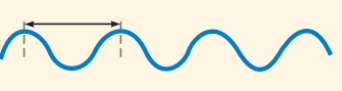
wavelength
distance from the peak of one light wave or sound wave to the peak of the next
hue/pitch
dimension of color of tone of sound that is determined by wavelength of light/sound (known as colors)
intensity
amount of energy in a light or sound wave which influences brightness/loudness
determined by amplitude
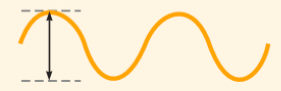
amplitude
height of a light or sound wave
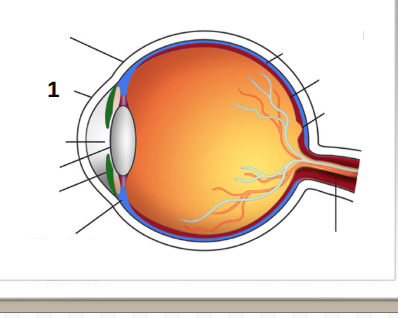
cornea
eye’s clear, protective outer layer covering pupils and iris
bends light to provide focus
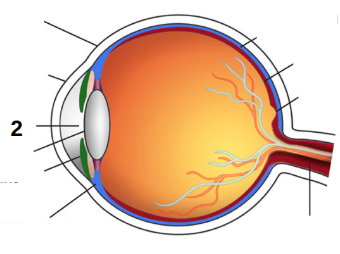
pupil
adjustable opening in center of eye through which light enters
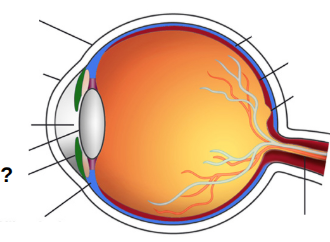
iris
ring of muscle tissue that forms the colored portion of eye around pupil and controls size of pupil opening
dilates/constricts in response
responds to cognitive + emotional states
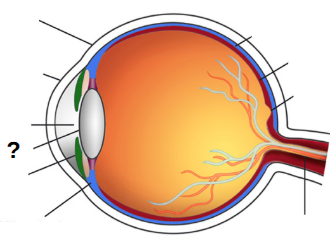
lens
transparent structure behind pupil that changes shape to help focus images on the retina
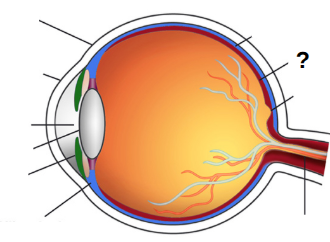
retina
light-sensitive back inner surface of the eye
contains receptors (rods and cones) plus layers of neurons that begin the processing of neural info
accomodation
process by which lens changes shape to focus images of near or far objects on the retina
rods
retinal receptors that detect black/white and are sensitive to movement
necessary for peripheral and twilight vision
cones
retinal receptors that are concentrated near the center of the retina (cluster around the fovea)
function in well lit-conditions/daylight
detect fine detail and color sensations
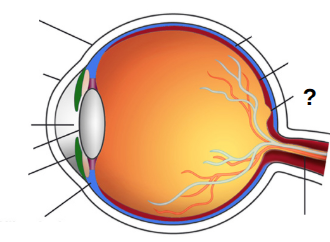
fovea
central focal point in retina
cones cluster around
optic nerve
nerve carrying neural impulses from eye to brain
blind spot
point at which optic nerves leaves the eye
no receptor cells (rods/cones) located there
young-helmholtz trichromatic theory
retina contains 3 different types of color receptors which, when stimulated in combination can produce perception of any color
3 colors = red, blue, green
opponent process theory
opposing retinal processes enable color vision
some cells stimulated by red and inhibited by green
red-green, blue-yellow, white-black
combination of colors must travel through separate channels
feature detectors
nerve cells in the brain’s visual cortex (occipital lobe) that respond to specific features of the stimulus
ex. respond to shape, angle, or movement of stimulus
pass info to cortical areas where supercell clusters respond to more complex patterns
parallel processing
processing multiple aspects of a stimulus or problem simultaneously
other neural teams integrate results + compare with stored info to enable perceptions
audition
the sense or act of hearing
pitch
tone of sound (how high or low it is)
depends on frequency
middle ear
chamber between eardrum and cochlea containing 3 tiny bones that concentrate the vibration of eardrum on cochlea’s oval window
hammer, anvil, stirrup
the 3 tiny bones in the middle ear
inner ear
innermost part of the ear
contains cochlea, semicircular canals, vestibular sacs
cochlea
coiled, bony, fluid-filled tube in inner ear
sound waves travelling thru cochlear fluid trigger nerve impulses
sensorineural hearing loss
most common form of hearing loss, also called nerve deafness
caused by damage to cochlea’s receptor cells or auditory nerve
conduction hearing loss
less common form of hearing loss
caused by damage to mechanical system that conducts sound waves to the cochlea
cochlear implant
device for converting sounds into electrical signals and stimulating the auditory nerve through electrodes threaded into the cochlea
place theory
high frequencies vibrate beginning of cochlea membrane
theory of how we hear high pitches
frequency theory
neural impulses are sent at the same rate as incoming sound wave
theory of ow we hear low pitches
volley theory
nerves cannot fire faster than 1000 times per second → neural cells alternate firing for frequencies above 1000 waves per second
theory of how we hear medium pitches
benefit of 2 ears
sound waves strike 1 ear sooner + more intensity than other
taste
tactile sense → sensitive to pressure, warmth, cold and pain
gate-control theory
spinal cord contains neurological “gate” that blocks pain signals or allows them to pass to brain
gate opened by activity of pain signals travelling up small nerve fibers
gate closed by activity of pain signals in large fibers or from info coming from brain
gustation
sense of state
chemical sense
aromas interact with info from tast preceptor (bud) cells
sweet, salty, bitter, sour, umami, oleogustus
6 different flavors
olfaction
sense of smell
no basic sensations
chemical sense
DOES NOT PASS THRU THALAMUS (unlike all other senses)
travels to olfactory bulb and temporal lobe smell cortex
kinesthesis
movement sense
senses position and movement of individual body parts
vestibular sense
balance sense
sense of body movement + position that enables sense of balance
uses semicircular canals and vestibular sacs to sense tilting'/rotation of head (stimulated hair like receptors)
faster than sight
embodied cognition
influence of bodily sensations, gestures, and other states on cognitive preferences and judgements
sensory interaction
principle that one sense can influence another (ex. smell influences taste of food)
selective attention
ability to focus conscious awareness on a particular stimulus
inattentional blindness
phenonemom where people fail to see visible objects when attention is directed elsewhere
change blindness
failing to notice changes in the environment
form of inattentional blindness
perceptual set
mental predisposition to perceive one thing and not the other
affects top-down cognition
schemas prime us to organize and interpret ambiguous stimuli in certain ways
ganglion cells
cells which receive optic info and transmit it to brain for processing
create optic nerve
where opponent process theory occurs
nearsightedness
inability to see far away (good vision close up)
farsightedness
inability to see nearby (can see far away)
monochromatism
color deficiency where person only has rods
color deficiency
disorder caused by missing cones or ganglion cells
red/green most common
dichromatism
color deficiency where person is missing one type of cone
cocktail party effect
phenonemom where you notice your name across the room when its spoken, when you weren’t previously paying attention
binocular cues
a depth cue that depends on the use of 2 eyes
monocular cue
a depth cue available to either eye alone
convergence
eyes strain more as objects draw nearer
cue to nearby object’s distance
enabled by brain’s combining of retinal images
retinal disparity
image cast is slightly different on each retina
location of image helps us determine depth
brain compares difference in retinal images to compute distance
greater the difference between the 2 images the closer the object is
interposition
monocular cue where an overlapping image appears closer
relative size
monocular cue where 2 objects that are usually similar in size, the smaller one is further away
linear perspective
monocular cue where parallel lines converge with distance
relative clarity
monocular cue where hazy objects appear further away
texture gradient
monocular cue where coarser/more textured objects are closer
stroboscopic movement
illusion of continuous movement experienced when viewing a rapid series of slightly varying still images
phi phenomenom
illusion of movement created when 2 or more adjacent lights blink on/off in quick succession
autokinetic effect
illusory movement of a still spot of light in a dark room
perceptual constancy
ability and need to perceive objects as unchanging even as changes may occur in distance, point of view, and illumination
ex. constant color, size, shape, brightness
expectations, emotions, motivations
factors which influences perceptual set
prosopagnosia (face blindness)
a neurological condition characterized by the inability to recognize the faces of familiar people and learn to recognize new ones
pinna
fleshy outside part of the ear
outer ear
part of ear that traps sound waves and channels them through the auditory canal into the eardrum
auditory canal
canal in outer ear
sound waves travel down this structure and into the eardrum
eardrum
tight membrane that vibrates when sound waves hit it
middle ear
part of ear that transmits eardrum’s vibrations through a piston made of 3 tiny bones to the cochlea
inner ear
part of ear containing the cochlea, semicircular canals and vestibular sacs
where sound transduction occurs
basilar membrane
membrane inside cochlea which vibrates in response to sound and whose vibrations lead to activity in the auditory pathways
auditory nerve
nerve that sends neural messages (via the thalamus) to the temporal lobe’s auditory cortex
mcGurk effect
perceptual phenomenon which demonstrate an interaction between hearing and vision in speech perception
proprioceptors
sensors that are located in the skin, joints, muscles, and tendons for kinesthesis
oval window
where stirrup attached to the cochlea
Explore top notes

Explore top flashcards
