IBCLC Exam Anatomy, Physiology, and Endocrinology
 Call Kai
 Learn
Learn Practice Test
 Spaced Repetition
 Match
Match Flashcards
 Knowt Play
1/86

There's no tags or description
Looks like no tags are added yet.
Name | Mastery | Learn | Test | Matching | Spaced | Call with Kai |
|---|
No analytics yet
Send a link to your students to track their progress
87 Terms
Polythelia
Having one or more extra nipples
Poland Syndrome
Unilateral hypoplasia of the breast combined with hypoplasia of the thorax and pectoral muscles

Hypoplasia Type 1
Underdevelopment of lower medial quadrant of breast
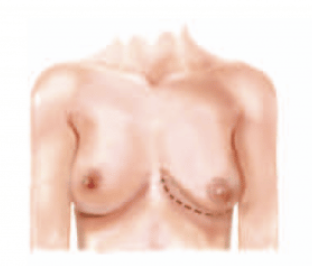
Hypoplasia Type 2
Underdevelopment of lower medial and lateral quadrant of breast
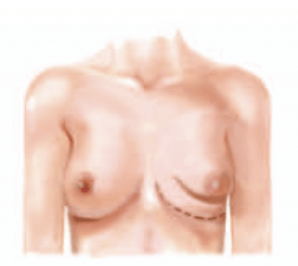
Hypoplasia Type 3
Underdevelopment of lower medial and lateral quadrant of breast with skin deficiency in subareolor region
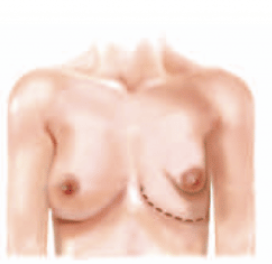
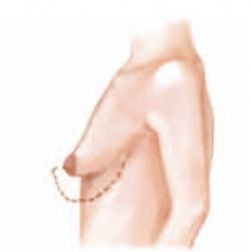
Hypoplasia Type 4
Severe breast constriction with minimal breast base
Polymastia
The presence of more than two breasts, usually due to accessory (supernumerary) breast tissue along the embryologic milk line
Symmastia
A condition in which the two breasts are joined by tissue across the midline, resulting in loss of the normal cleavage
Hyperplasia
Excessive growth of breast tissue due to an increased number of cells, often hormonally driven; may be physiologic or pathologic
Hypermastia
Excessive enlargement of the breasts due to overgrowth of glandular and/or fatty tissue (also called macromastia or gigantomastia in severe cases).
Sheehan’s Syndrome
Postpartum syndrome caused by ischemic necrosis of the pituitary gland following severe postpartum hemorrhage, leading to deficiencies in pituitary hormones
Lactogenesis I
Also known as secretory differentiation, begins in pregnancy (around 16-20) weeks, breasts produce colostrum
Lactogenesis II
Also known as secretory activation, the onset of copious milk production due to the drop in progesterone after delivery of placenta
Lactogenesis III
Also known as galactopoeisis, The ongoing production of mature milk, typically controlled by an autocrine system
Human placental lactogen
placental hormone that prepares the breasts for lactation and alters maternal metabolism to support fetal growth.
Insulin
A hormone that supports lactation by enabling mammary cells to take up glucose and synthesize milk components, especially lactose, working alongside prolactin and cortisol to maintain milk production. Could also inhibit lactogenesis II
Cortisol
Hormone that promotes maturation of the neonate’s intestine when found in BM, and that in high volumes can delay lactogenesis II and inhibit prolactin and oxytocin release in mom
Estrogen
A hormone that stimulates growth of the mammary ducts during pregnancy but inhibits milk secretion, with its postpartum decline allowing lactation to begin
TSH
A pituitary hormone that indirectly supports lactation by stimulating the thyroid to produce T3 and T4, which are essential for energy metabolism and normal milk production
Feedback inhibitor of lactation
A protein in breast milk that regulates milk production locally: when milk accumulates in the alveoli, ___ slows further milk synthesis, helping the breast maintain an appropriate supply based on how much milk is removed.
Paget’s disease
A rare type of breast cancer that affects the nipple and areola, unilaterally, often presenting with redness, scaling, itching, or ulceration, and usually associated with an underlying ductal carcinoma in the breast tissue
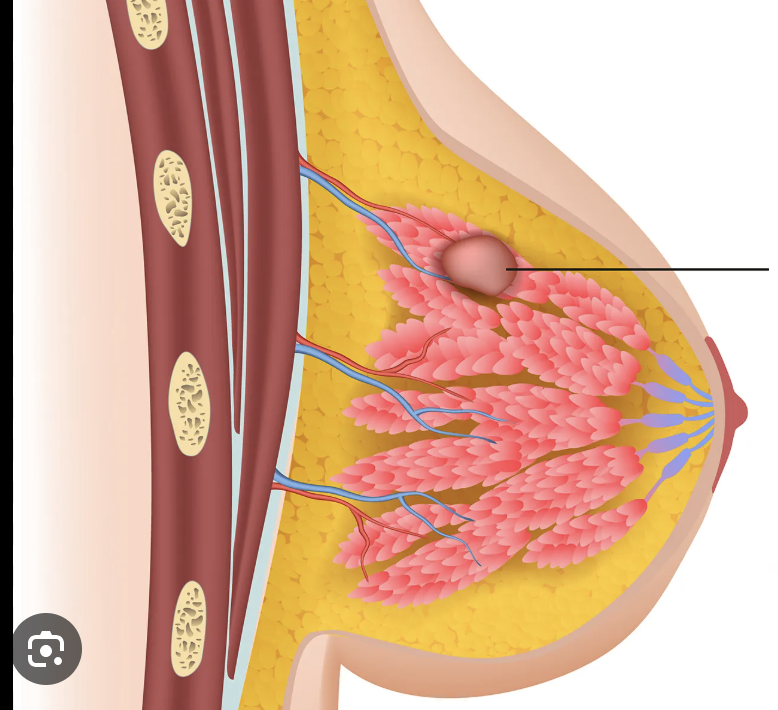
Fibroadenoma
A benign (non-cancerous) breast tumor composed of fibrous and glandular tissue, typically round, firm, mobile, and painless, most common in young women
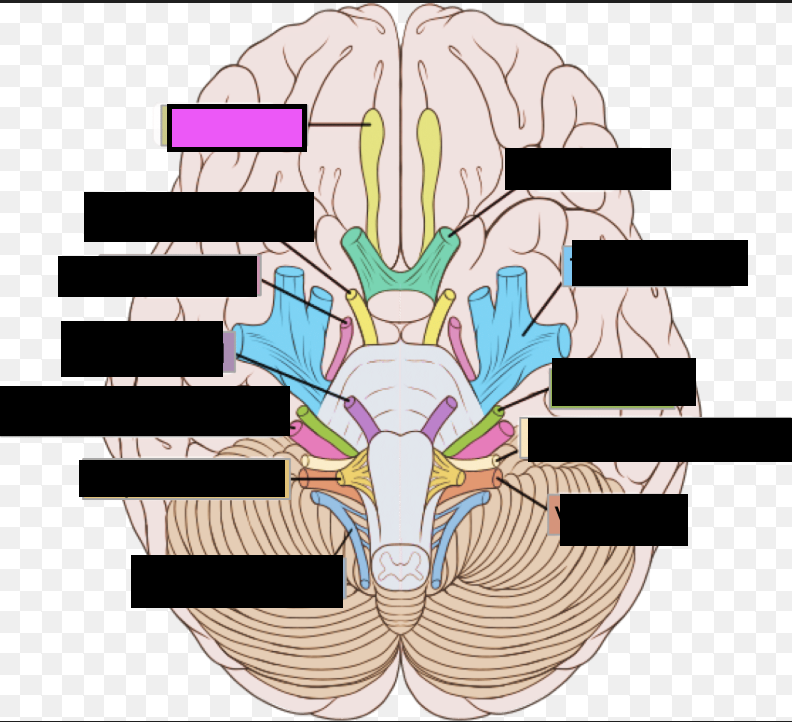
Olfactory nerve
I. Nerve for smell — helps infant recognize mother’s scent and locate the nipple
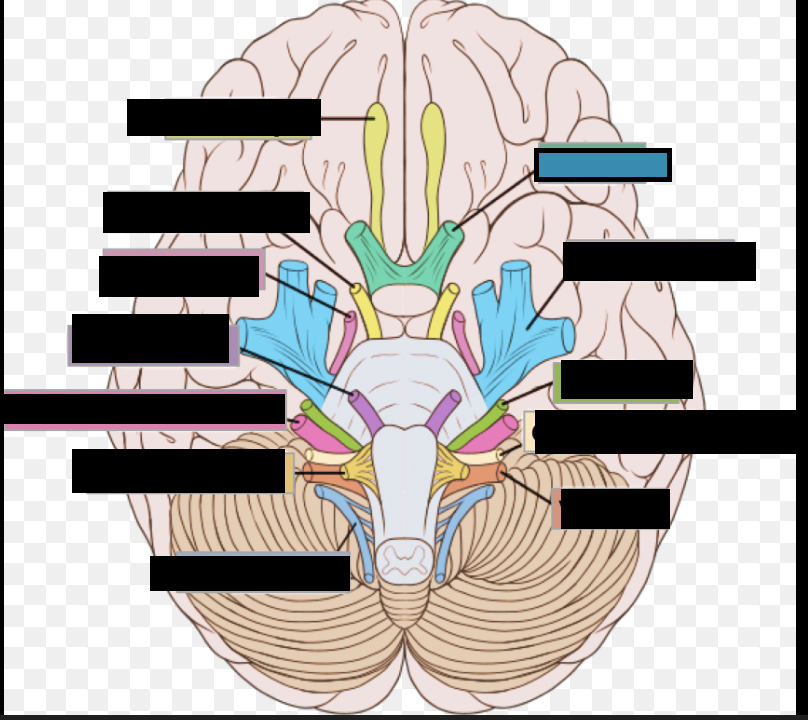
Optic nerve
II. Nerve for vision, assists in visual tracking of breast/nipple
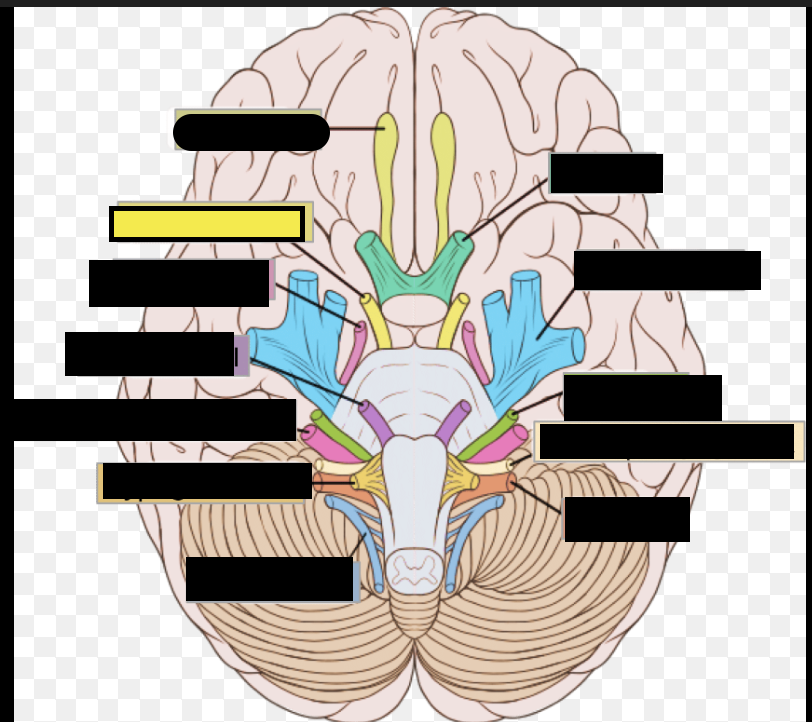
Oculomotor nerve
III. Nerve that affects eye movement and pupil constriction
Trochlear nerve
IV. Nerve that affects eye movement via the superior oblique muscle
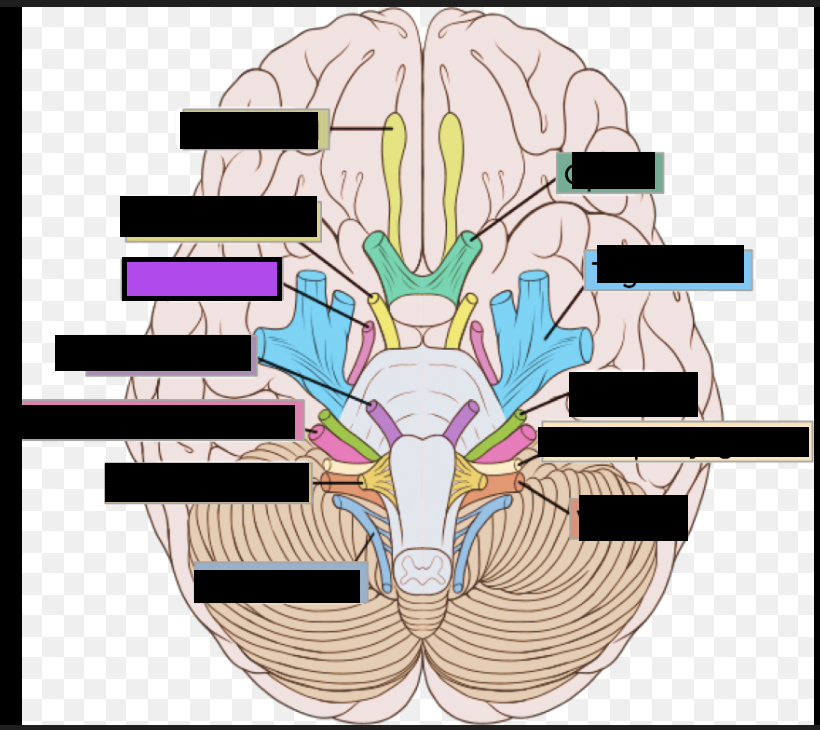
Trigeminal nerve
V. Nerve for sensory: face, lips, gums; Motor: muscles of mastication. Critical for latch and sucking
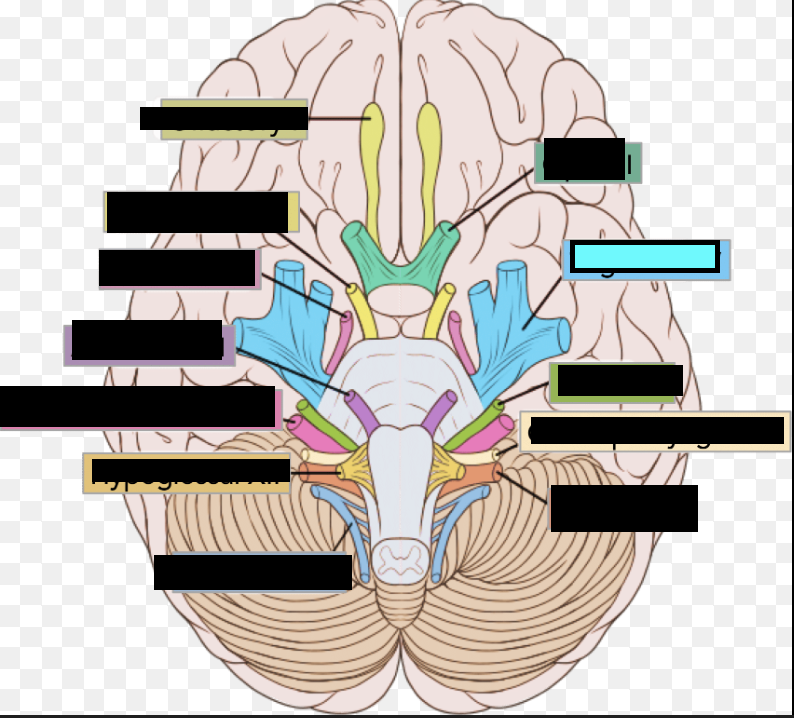
Abducens
VI. Nerve that affects eye movement via the lateral rectus
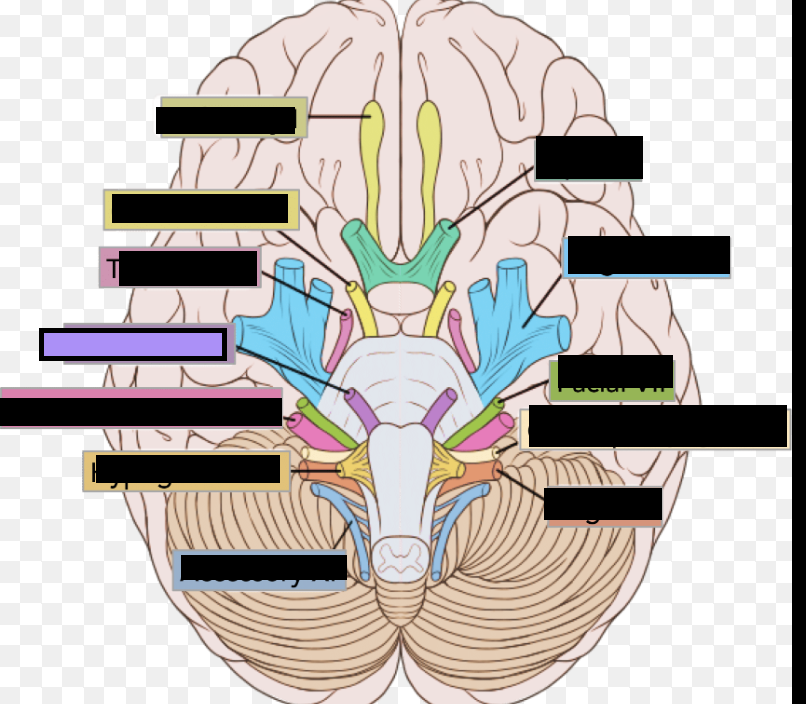
Facial nerve
VII. Nerve that helps with lip seal, cheeks, sucking, and facial expression
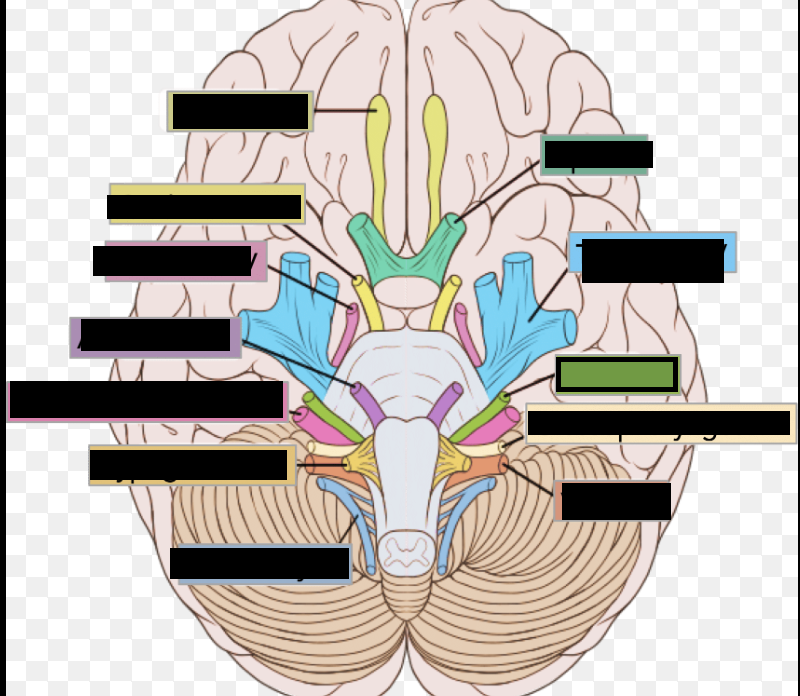
Vestibulocochlear nerve
VIII. Nerve that helps with hearing and balance
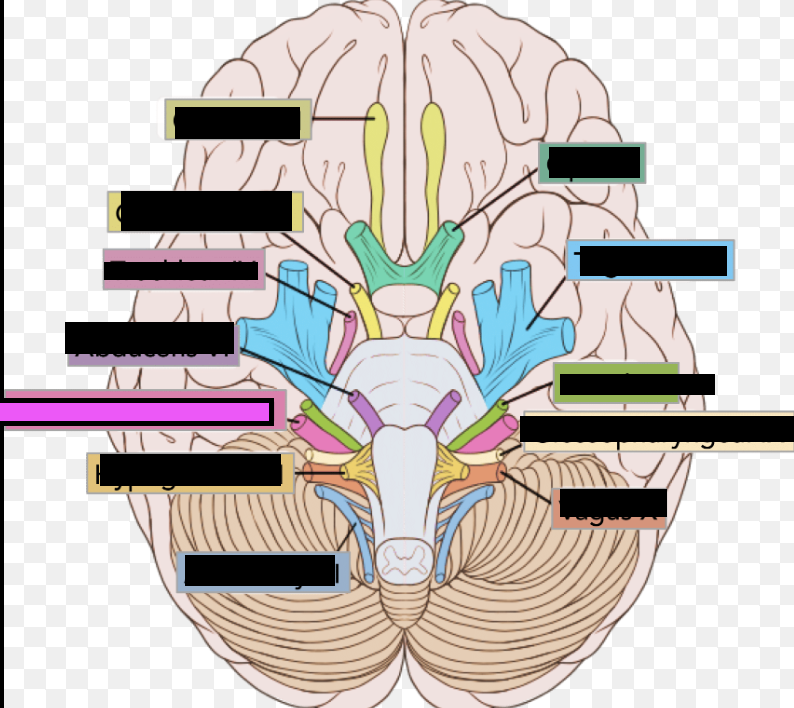
Glossopharyngeal nerve
IX. Nerve that affects pharyngeal muscles, posterior tongue, taste; Affects swallowing and gag reflex in baby
Vagus nerve
X. Nerve that affects pharynx and larynx. Swallowing, coordinating suck swallow breathe, heart rate regulation
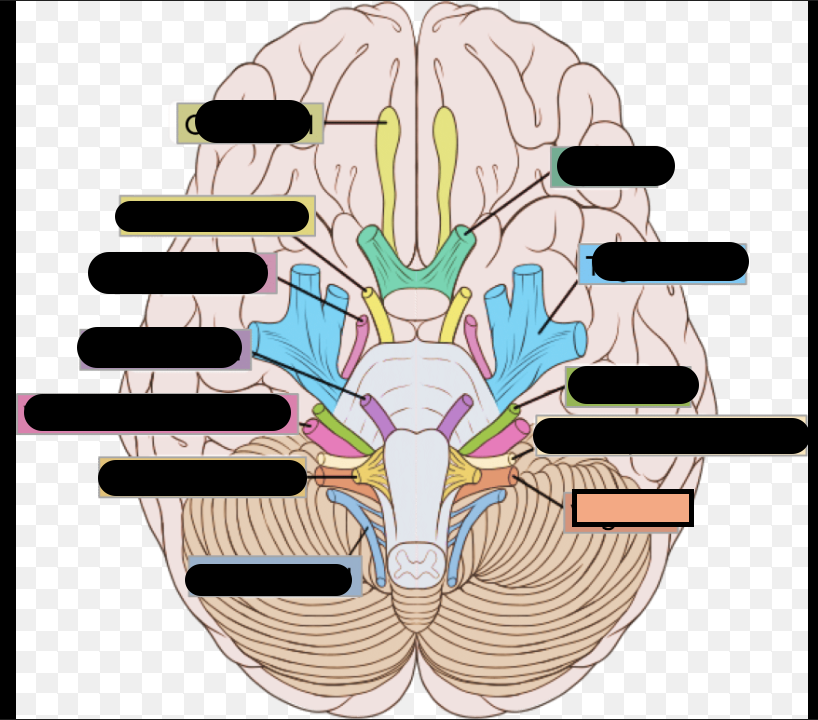
Spinal accessory nerve
XI. Nerve that affects sternocleidomastoid and trapezius
Hypoglossal nerve
XII. Nerve that affects tongue muscles and movement for sucking and latching
Phagocyte
White blood cell that engulfs and absorbs pathogens and releases IgA
Lymphocytes
T cells and B cells that are essential for cell mediated immunity, antiviral activity
Prostaglandins
Compounds that are cytoprotective (maintain gut lining integrity)
Cytokines
Immunodulating agents that bind to specific cellular receptors, activate the immune system, promote mammary growth, and move lymphocytes into breastmilk and across the neonatal bowel wall
Amylase
Enzyme that facilitates infant digestion of polysaccharides
Lipase
Enzyme that hydrolizes fat in infant intestine
Human growth factors
Polypeptides that stimulate proliferation of intestinal mucosa and epithelium; strengthens mucosal barrier to antigens
Cholecystokinin
Hormone in BM that enhances digestion and makes infant feel sleepy
Thyroxin
Hormone found in BM that protects against hypothyroidism
Prolactin
Hormone in breastmilk that enhances development of B and T lymphocytes
DHA and ARA
Long chain polyunsaturated fatty acids that are associated with a higher visual acuity and cognitive ability. Content of this is dependent on maternal diet
Free fatty acids
Lipids that have anti-infective effects
Triglycerides
Fats that are the largest source of calories in BM. Broken down by lipase into free fatty acids and glycerol
Lactose
Carbohydrate, major energy source; breaks down into galactose and glucose. Enhances absorption of Ca, Mg, and Mn
Oligosaccharides and glyconjugates
Carbohydrates in BM with microbial and viral ligands
Minerals
In BM, regulate normal body functions
Whey
Component of BM that contains lactoferrin, lysozyme, and immunoglobins, alpha-lactalbumin
Immunoglobulins
SIgA, IgM, IgG; immunity response to specific antigens in the environment
Lactoferrin
A protein that binds to iron and is antibacterial especially against E. coli. Preserved in lower qualities in pasteurization
Lysozyme
A protein that kills bacteria and is anti-inflammatory; activity increases starting at 6 months after delivery
Taurine
Amino acid in abundance in BM that is associated with early brain maturation and retinal development
Water
Component that comprises 87.5% of human milk volume
Casein
Protein that inhibits microbial adhesion to mucosal membranes
Lactobacilius bifus
is a component in human milk that promotes the growth of beneficial gut bacteria, particularly Bifidobacteria, which aids in the development of a healthy digestive system in infants
Hypothalamus
Links the nervous system to the endocrine system via the pituitary gland
90-160 bpm
Normal newborn heart rate
Orbicularis oris
Muscle that puckers and closes the lips. Made up of 4 muscles that encircle the mouth
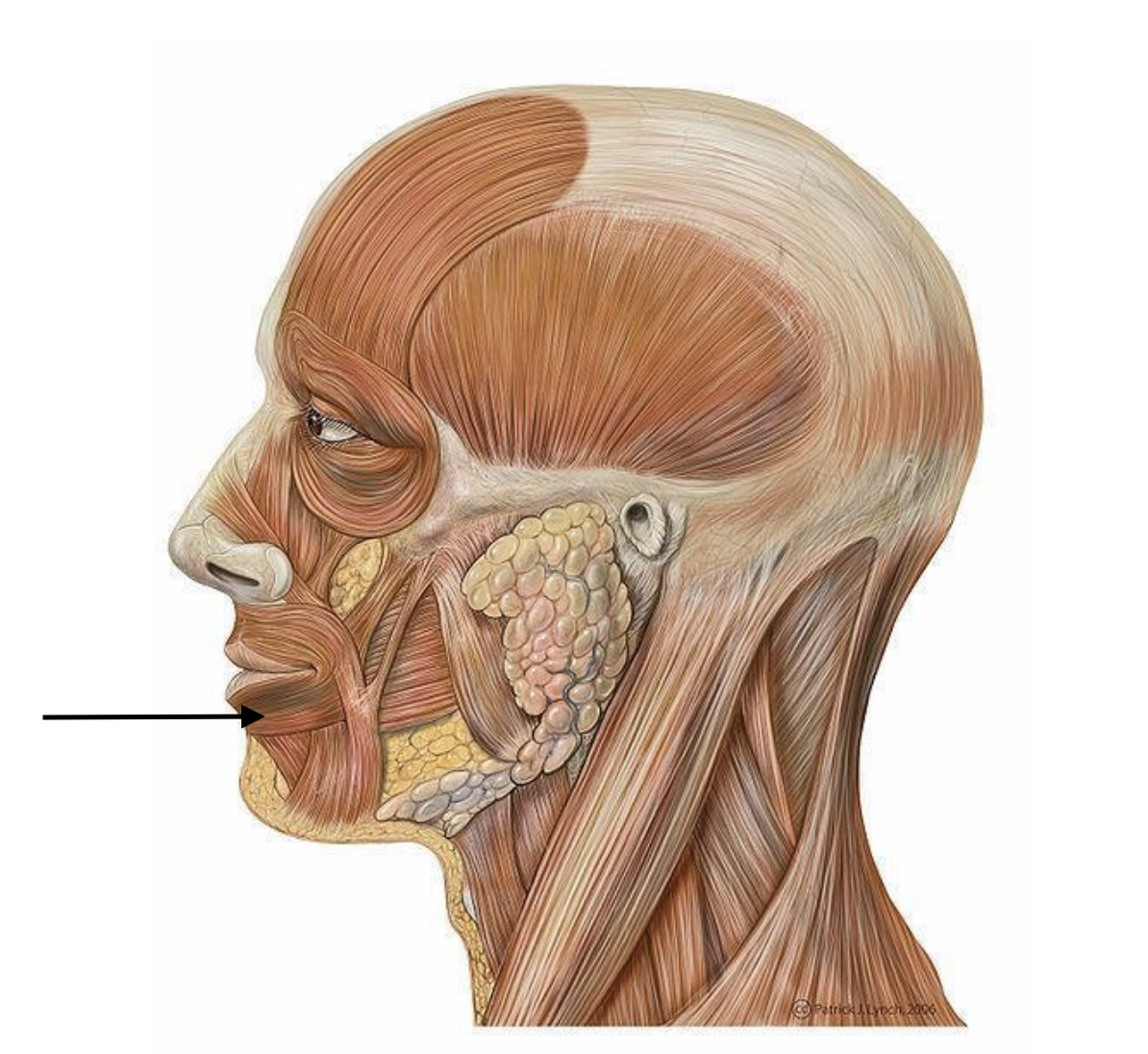
Masseter
Muscle that moves the jaw up and down. Used in suckling and chewing
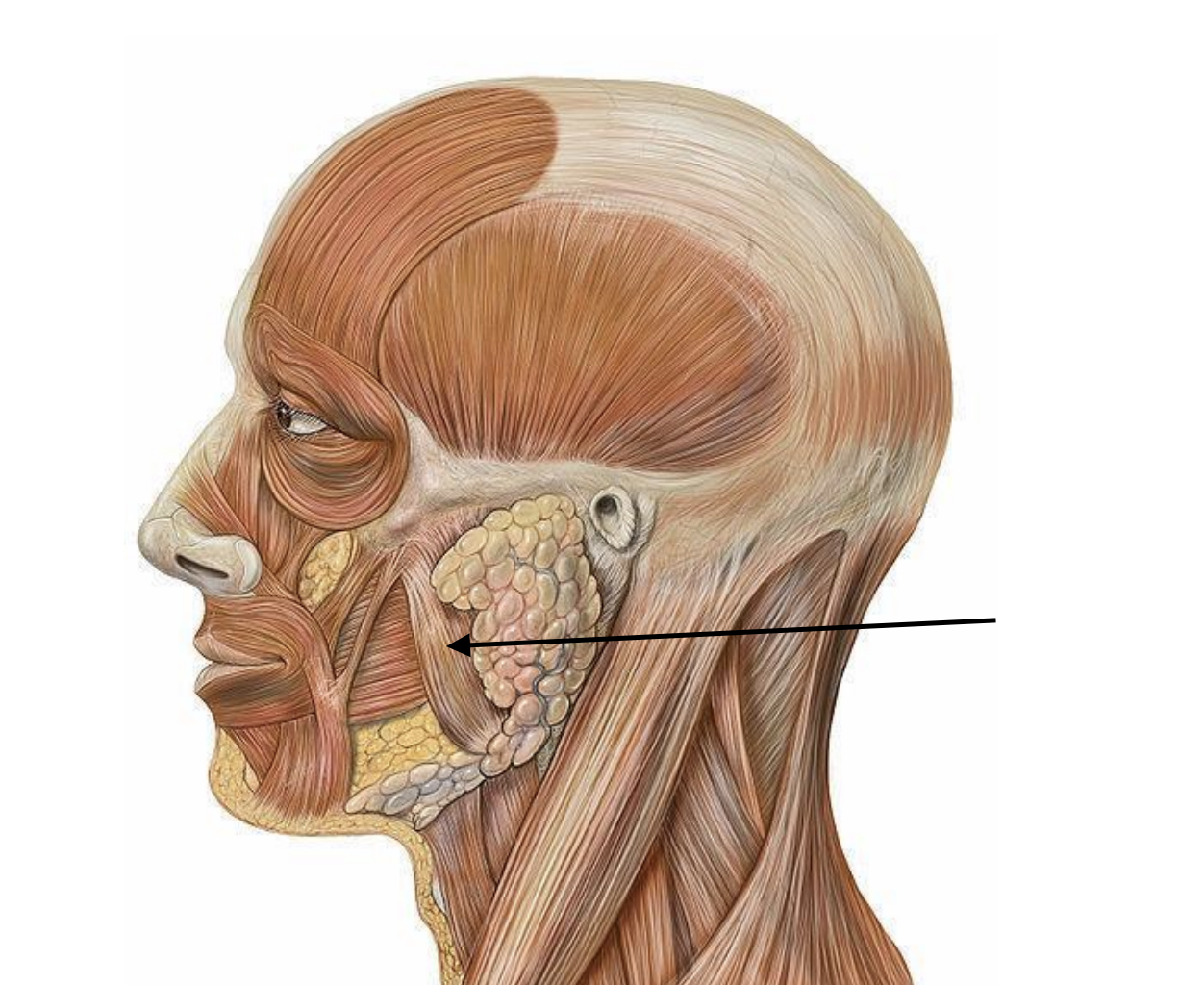
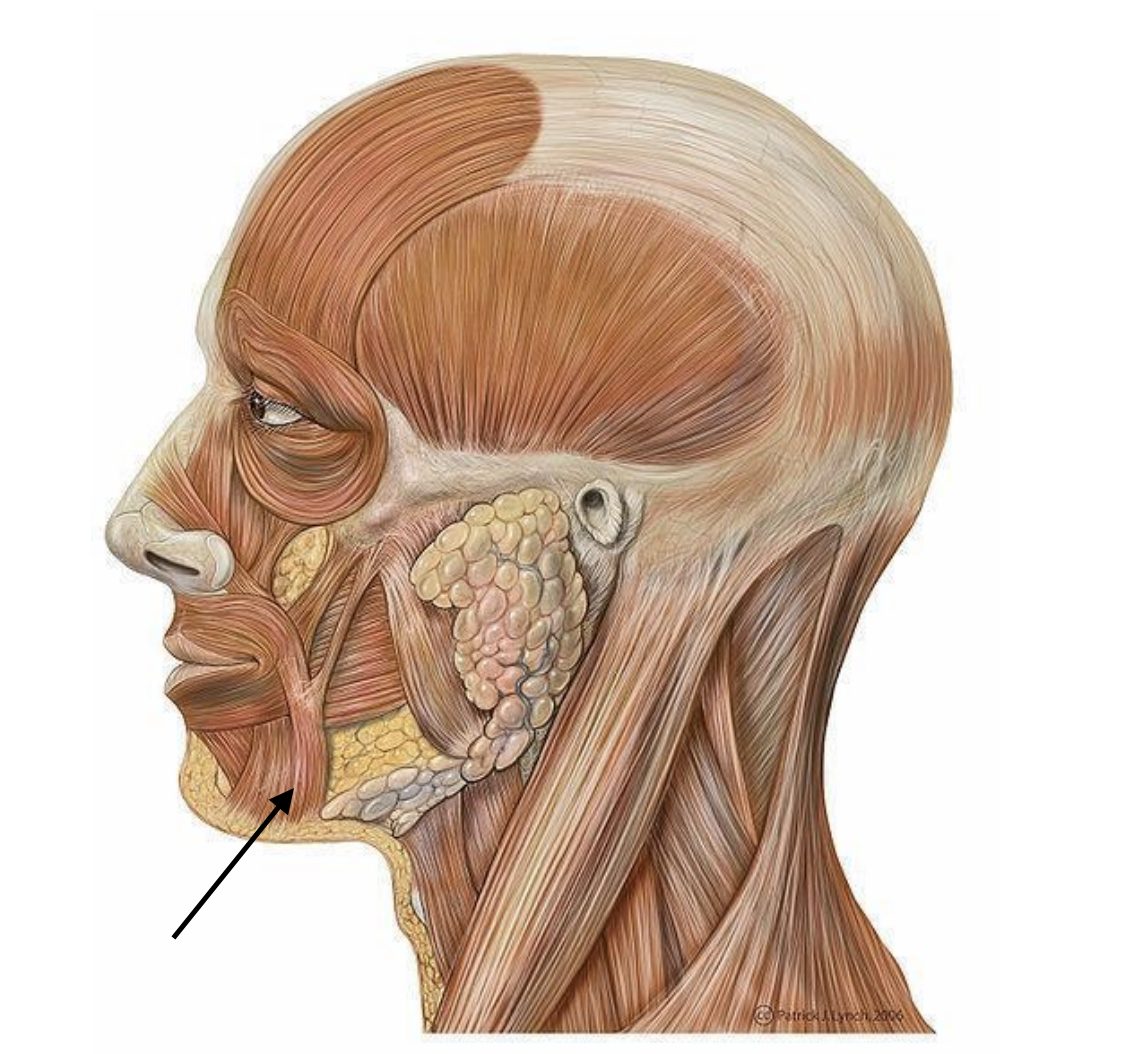
Depressor anguli oris
Muscle that assists with frowning and facial expression
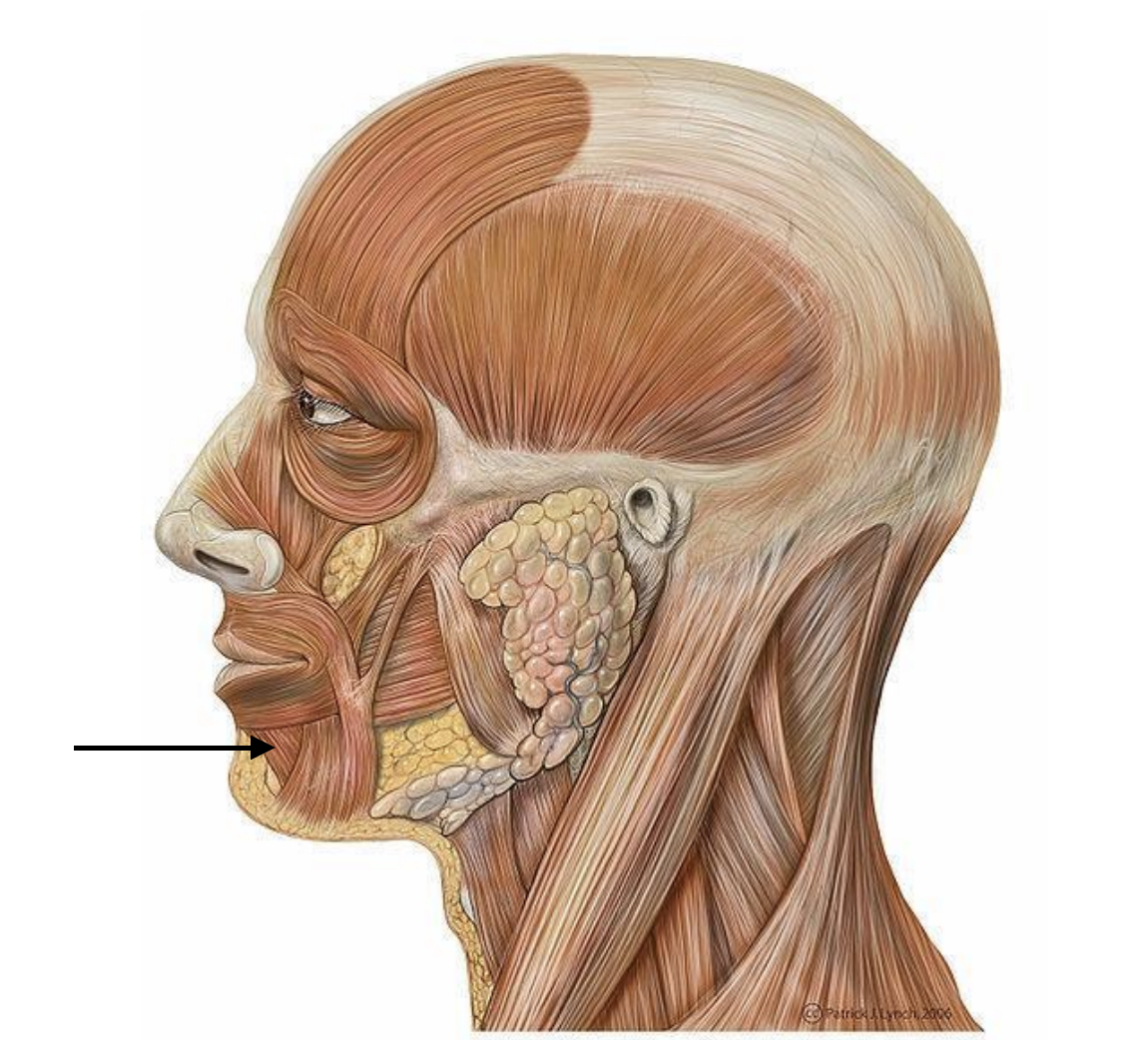
Depressor labii inferioris
Muscle that assists in downward motion of the lower lip
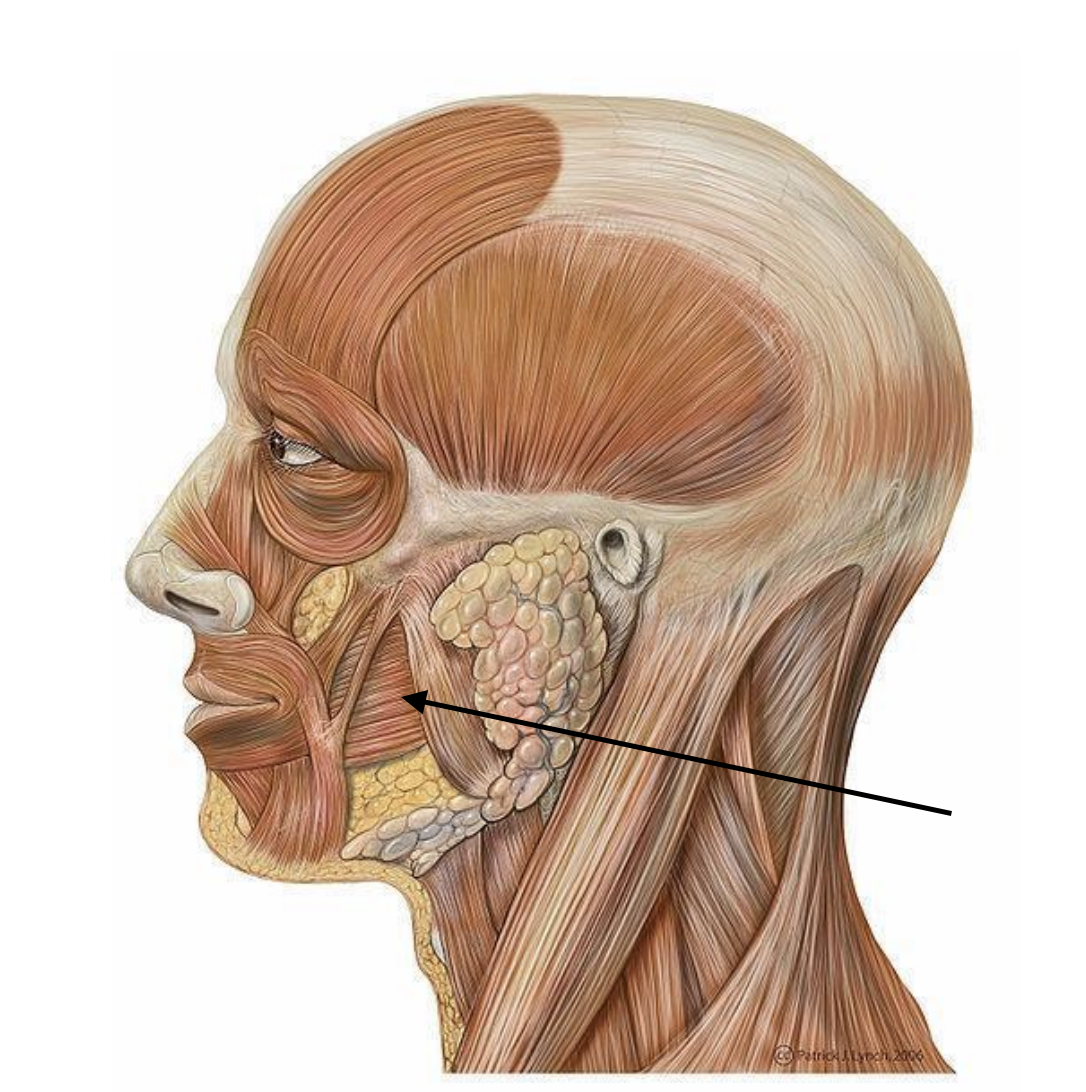
Buccinator
Muscle that assists w/ tightening of cheeks, sucking, adjusts lips corners
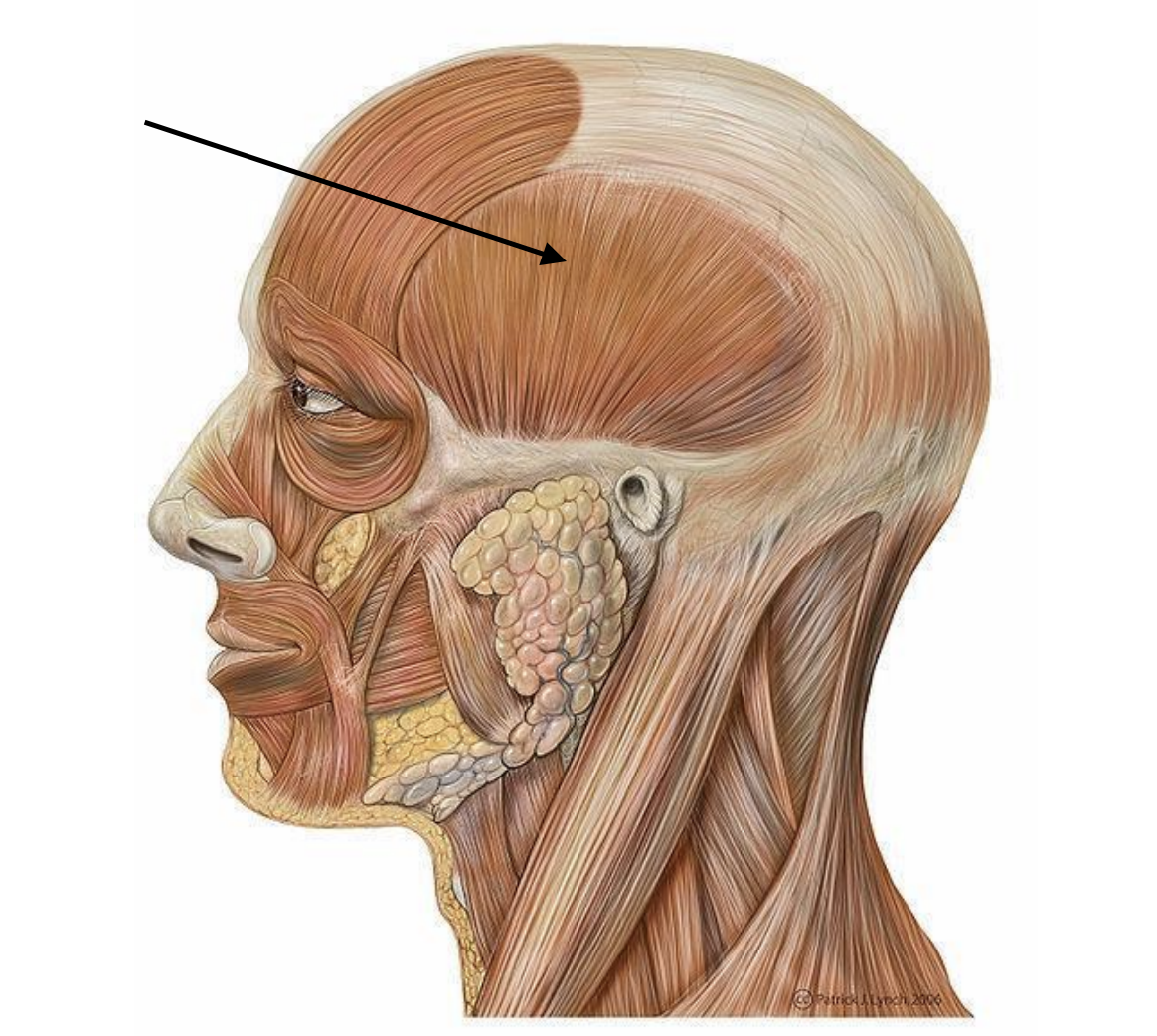
Temporalis
Muscle for jaw stabilization, graded jaw movements
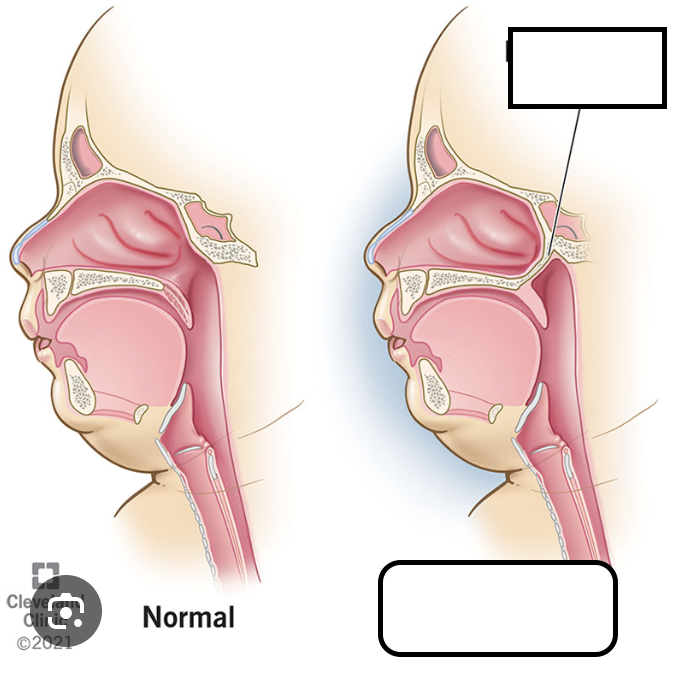
Choanal atresia
Rare congenital anamoly blocking posterior nostrils on one or both sides
HELLP syndrome
A rare result of pre-eclampsia. H=intravascular hemolysis EL= elevated liver enzymes LP=low platelets
Hyperadenia
Mammary tissue without a nipple present
Laryngomalacia
respiratory disorder in which the epiglottis lacks normal stiffness or muscle tone causing stridor
Eminences of pars villosa
Tiny swellings on inner surfaces of the infant’s lips. Help maintain a seal
Phasic bite
A reflex characterized by a rhythmic opening and closing of the jaw when the gums are stimulated
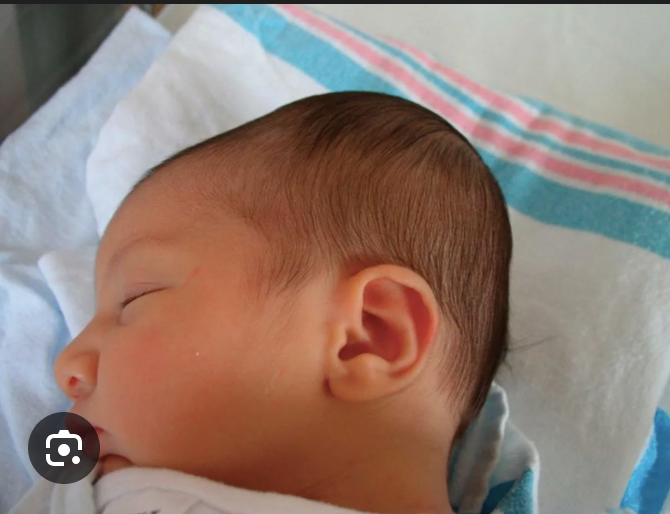
Cephalohematoma
Collection of blood beneath periosteum due to birth trauma. Does not cross suture lines
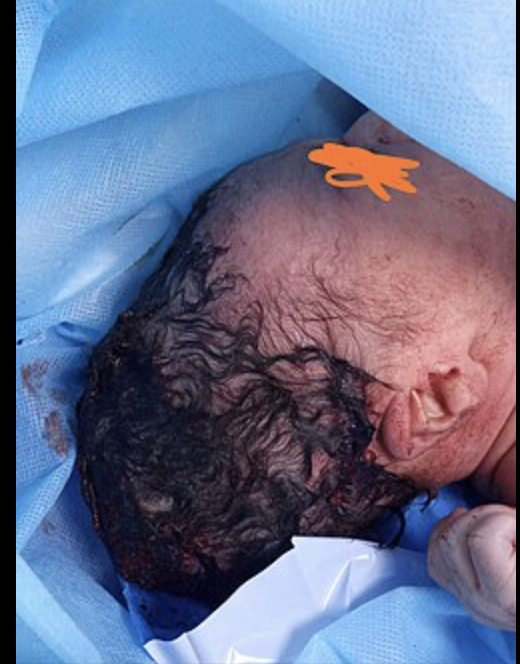
Caput succedaneum
Edema over the periosteum that crosses suture lines
Normal newborn respiratory rate
30-60 breaths per minute
Pierre Robin Syndrome
Syndrome of oral facial abnormalities, micrognathia, glossoptosis (tongue blocks airway) Cleft palates common. Difficulty maintaining the airway
Prolactin inhibiting factor
Hormone from the hypothalamus that stimulates dopamine release and thus inhibits prolactin
Apgar score
Index used to evaluate a newborn’s condition based on heart rate, color, reflex, tone, and respiration
VBL (very low birth weight)
Birth weight less than 1500 grams
Late preterm infant
An infant between 34 0/7 and 36 6/7 weeks gestation
Mammary bud
A cluster of embryonic epithelial cells that mark the beginning of milk ducts. Forms aprox 49 days after conception
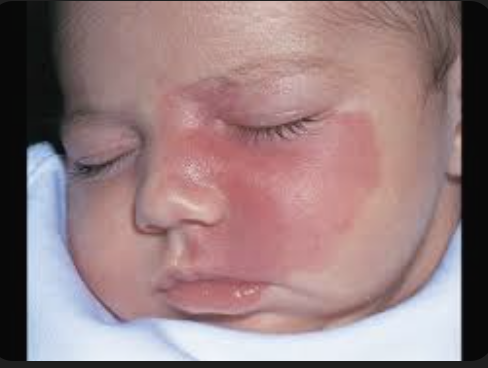
Nevus Flammeus
AKA Port Wine Stain. Reddish or flat pink lesion that does not blanch with pressure caused by dilated capillaries below the epidermal skin
H in HELLP syndrome
intravascular hemolysis
EL in HELLP syndrome
Elevated liver enzymes
LP in HELLP syndrome
Low platelets
Nerve supply of the breast
2nd-6th intercostal nerves
Internal mammary and lateral thoracic arteries
The 2 main arteries that supply blood to the breast

