Psychoanalysis & Psychodynamic Psychotherapy
 Studied by 0 people
 Call Kai
 Learn
Learn Practice Test
 Spaced Repetition
 Match
Match Flashcards
 Knowt Play
1/6

Earn XP
Description and Tags
Chapter 8 Part 2
Name | Mastery | Learn | Test | Matching | Spaced | Call with Kai |
|---|
No analytics yet
Send a link to your students to track their progress
7 Terms
Psychoanalytic Themes
behavior and emotion are shaped by unconscious processes
early relationships form the blueprint for current ones
therapeutic relationship serves as a window into the client’s inner world
insight and emotional understanding lead to change
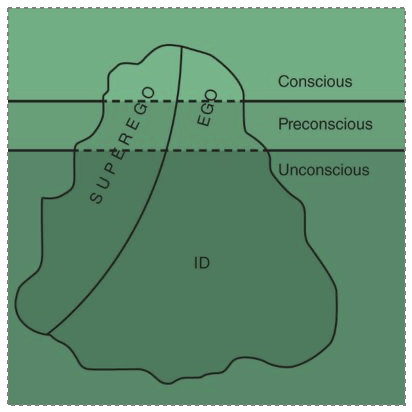
Freud’s Theory of Personalty and Psychopathology
behavior and behavior problems are caused largely by unconscious conflicts among id, ego, and superego
defense mechanisms are unconscious mental strategies or routines that the ego employs to ward off the anxiety produced by intrapsychic conflicts
Anna O
Early case of hysteria with no clear physical cause
Symptoms: anxiety, panic, dizziness, vomiting, cough, difficulty swallowing
Treated with hypnosis / free association (“talking cure”)
Key trauma: caring for dying father (TB); repressed distress
Breakthrough when recalling disturbing memory (dog drinking from glass)
Catharsis → emotional insight led to symptom relief
Introduced idea of chimney sweeping (cleansing the mind)
Foundation of modern psychotherapy / psychoanalysis
Psychoanalysis Goals
help clients gain conscious, emotional insight into underlying causes of problems
work through the implications of those insights for everyday life
strengthen the ego’s control over the id and the superego and thereby reduce conflict
Therapist Role
maintain a neutral (“analytic incognito”) stance to help clients explore their unconscious conflicts, impulses and fantasies
techniques
analysis of everyday behavior, dreams, transference, and resistance
hypnosis and catharsis
client free association
Psychodynamic Psychotherapy
focus on expression of emotion
exploration of attempts to avoid distressing thoughts and feelings
identification of recurring themes and patterns
emphasis on past/developmental perspective
focus on therapy relations and therapy relationship
exploration of wishes and fantasies
Current Status of Psychodynamic Psychotherapy
more popular than classical psychoanalysis
on the rise
empirical support for the efficacy of psychodynamic psychotherapy is increasing
less ideological and combine psychodynamic techniques with cognitive behavioral features
 Note
Note  Flashcards (44)