Infection Control- Ch 23/TEST-COMPLETED
 Call Kai
 Learn
Learn Practice Test
 Spaced Repetition
 Match
Match Flashcards
1/50

Earn XP
Description and Tags
Name | Mastery | Learn | Test | Matching | Spaced | Call with Kai |
|---|

51 Terms
What is an example of a short-term discomfort exposure?
rash, burn
What is an example of a life-threatening condition?
Cancer, sterility, organ failure
For all the chemicals used in the dental office, it is important for a dental assistant to understand proper:
Use
Storage
Handling
Cleanup of spills
Disposal methods
Hazardous Chemicals
any chemical that can cause a physical or a health hazard
A chemical is considered hazardous if it:
Can ignite (catch fire)
Can react or explode when mixed with other substances
Is corrosive
Is toxic
What are some hazardous chemicals used in dentistry?
Mercury, powdered natural-rubber latex, disinfectants, nitrous oxide, volatiles from resin-based materials, x-ray chemicals, cleansers, methyl methacrylate monomer, and elastomeric impression materials
What chemical is of the greatest concern in the dental office?
Mercury
Three primary methods of exposure:
Inhalation
Skin contact
Ingestion
Gases, vapors, and dusts of chemicals can cause direct damage to the lungs
Acute and Chronic Chemical Toxicity
Acute chemical toxicity: Results from a high level of exposure over a short period
caused by a chemical spill
Chronic chemical toxicity: Results from many repeated exposures, generally to lower levels, over a much longer time—months or even years
Hand Protection
When using chemical disinfectants, wear a utility-type glove made from a chemical-resistant material.
Latex gloves worn during patient care do not provide adequate protection when one is handling chemicals
Eye Protection
Eye Protection: Serious damage to the eyes, even blindness, can result from chemical accidents
Protect the eyes from fumes and splashes while pouring chemicals, such as processing solutions for x-rays, ultrasonic solutions, disinfectants, and sterilants
A variety of safety eyewear is available
Protective Clothing
Protective Clothing: When caustic or staining chemicals are used, it is best to wear a rubber or neoprene apron when mixing or pouring the chemical
Safety data sheet (SDS, formerly material safety data sheet, or MSDS) for each product provides specific information regarding the need for additional personal protective equipment (PPE)
Inhalation Protection
Depending on the quality, patient care mask may or may not provide adequate protection when one is working with chemicals
The proper face mask should be fluid repellent and should provide respiratory protection
If your job requires you to pour or mix chemicals frequently, or if you are sensitive or allergic to substances, you might require a mist respirator mask approved by the National Institute of Occupational Safety and Health (NIOSH)
Control of Chemical Spills
Refer to the safety data sheet (SDS) for the specific product for accurate information on how to manage spills
Mercury Spill Kit
Should be available in all dental offices in which amalgam is used
Exposure to even small amounts of mercury is very hazardous to the health of dental personnel
Mercury can be absorbed through the skin or through the inhalation of mercury vapors
Eyewash Units
OSHA regulations require an eyewash unit in every place of employment in which chemicals are used
When turned on, the eyewash unit will irrigate the eyes with the soft, wide flow of water necessary to bathe away contaminants without causing additional damage
Employees must be trained in the proper use of the eyewash station, and the unit should be inspected every 3 months to ensure that it is functional
Ventilation
Good ventilation is a necessity when dealing with any type of chemical
Many dental offices are equipped with special exhaust systems in the laboratory and sterilization and darkroom areas for fumes and dust
General Precautions for Storing Chemicals
All dental materials contain chemicals, and the chemical components in some are more hazardous than others
When changes in the chemical composition of materials occur, the product may no longer retain its effectiveness
A basic safe policy is to store dental medications and chemicals in a dry, cool, dark place where they are not exposed to direct sunlight
Follow: Follow instructions
The manufacturer's instructions for storage can be found on the SDS and should be followed
Avoid: Avoid exposure to light
Light is the primary cause of the deterioration of sodium hypochlorite, epinephrine, and hydrogen peroxide
Change in color is a common sign that the chemical has deteriorated
Check: Check expiration date
Rotate: Rotate inventory to ensure older products are used first
Disposal of Empty Containers
Empty containers may hold residues that can burn or explode
Never fill an empty container with another substance because a dangerous chemical reaction could occur
Follow the label and the SDS for guidance in disposing of empty containers
Hazardous Waste Disposal
Ignitable waste: Flammable or combustible
Corrosive waste: Highly acidic or basic with a pH less than 2.0 or greater than 12.5, respectively (water has a pH of 7.0)
Reactive waste: Chemically unstable or explosive, reacts violently with water, or is capable of giving off toxic fumes when mixed with water
Toxic waste: Contains arsenic, barium, chromium, mercury, lead, silver, or certain pesticides
These types of hazardous waste are listed by the EPA
Hazard Communication Program
OSHA issued the Hazard Communication Standard because employees have the right to know the identity and hazards of chemicals that they use in the workplace
Also known as the Employee Right-to-Know Law
Requires employers to implement a hazard communication program
Revision of the HCS Standard
In 2012, OSHA revised the HCS and adopted the Globally Harmonized System of Classification and Labelling of Chemicals (GHS)
Major Changes to the Hazard Communication Standard
Hazard Classification: Chemicals are classified into categories that compare hazard severity within a hazard class. Each chemical that falls into the same category will have the same label requirements and language
Labels: All labels will now include a harmonized signal word, pictogram, and hazard statement for each hazard class and category
Safety Data Sheets: Will now have a specified 16-section format
Hazard Communication Standard
Written program
Inventory of hazardous chemicals
SDS for every chemical
Proper labeling of containers
Employee training
What are the responsibilities of the dental assistant as the coordinator of the office Hazard Communication Program, (HCP)?
Read and understand the OSHA Hazard Communication Standard and implement the written HCP. Compile a chemical inventory, obtain the SDSs, and update the SDS file as new products are added to the inventory. Inform other employees of the location of the SDSs. Also label appropriate containers and provide training to other employees.
What three major areas does the Hazard Communication Program make up?
Hazard Labels, SDS and Labels
Written Program
Identify: Identify all employees who are exposed to hazardous chemicals
Identify: Identify the individual who is responsible for the program
Describe: Describe staff training
Describe: Describe how chemicals are handled in the office
Provide: Provide a description of all labeling and safety measures
Describe: Describe how to respond to chemical emergencies such as spills and exposures
Chemical Inventory
Chemical Inventory : A comprehensive list of every product used in the office is required
When a new product containing a hazardous chemical is added to the office’s inventory, it must be added to the chemical list, and the SDS for that product must be placed in the SDS file
The manufacturer or distributor must provide an updated SDS when appropriate
Safety Data Sheets
Contains health and safety information about every chemical in the office
Provide comprehensive technical information and are a resource for employees working with chemicals
Describe the physical and chemical properties of a chemical, health hazards, routes of exposure, precautions for safe handling and use, emergency and first-aid procedures, and spill-control measures
The manufacturers of products that contain hazardous chemicals are required to provide SDSs
The SDSs should be organized in binders
Employee Training
Staff training is required:
When a new employee is hired
When a new chemical product is added to the office
Once a year for all continuing employees
Records of each training session must be kept on file
Training records are to be retained for at least 5 years
Labeling of Chemical Containers
Containers must be labeled to indicate what chemicals they contain and any hazards that may be associated
When a chemical is transferred to a different container, the new container also must be labeled
No “official” labeling system is required, and many approaches are available
The two most important considerations are that:
The labeling system is easy to use
All employees are properly trained to understand and read the label
National Fire Protection Association Labels
The National Fire Protection Association has a labeling system that is frequently used to label containers of hazardous chemicals
This system involves the use of four diamonds (blue, red, yellow, and white) that are filled with numeric ratings from 0 to 4
The categories are health hazard (blue), flammability (red), reactivity (yellow), and OXY for oxidizers (white)
Classification of Medical Waste
OSHA regulations apply to the handling of waste in the dental office for the protection of employees
When waste leaves the dental office, EPA regulations apply to the disposal
All dental waste should be classified according to EPA guidelines as regulated or nonregulated
Regulated waste:
Includes sharps, such as disposable needles, scalpel blades, contaminated broken glass, disposable dental burs, and endodontic files and reamers
Other regulated waste includes blood, blood-soaked and blood-caked items, human tissue, and pathologic waste
Regulated waste requires special disposal
Nonregulated Waste
Includes contaminated waste materials, as well as saliva-soaked gauze, used patient bibs, and surface barriers
All waste containers that hold potentially infectious materials must be labeled with a biohazard symbol
OSHA requires this label to protect the employees, and the EPA requires this label to inform the public
Extracted Teeth
Extracted teeth are considered to be potentially infectious materials
They are regulated waste if they are not disinfected and returned to the patient
Teeth that do not contain amalgam and are going to be used for educational purposes must first be heat-sterilized
Extracted teeth that contain amalgam restorations should never be heat-sterilized because the high temperatures may create toxic mercury vapors
Sharps
OSHA, the Centers for Disease Control and Prevention (CDC), and the EPA classify sharps as infectious waste
According to OSHA, disposable sharps must be placed in a closable, leakproof, puncture-resistant container immediately after use
This container must be labeled with the biohazard symbol and color coded for easy identification
State regulations differ regarding how frequently sharps containers must be picked up
Scrap Amalgam
Collected and stored in a designated, dry, airtight container
Scrap amalgam that is not recycled must be managed as hazardous waste
The container of scrap amalgam that is recycled must be labeled with the name, address, and telephone number of the dental office and the date on which you first started collecting material in the container
Photochemical Waste
Radiographic fixer: On-site treatment requires installation of silver recovery systems. Off-site treatment involves storing used fixer and contracting with a disposal company to have it picked up
Radiographic developer: Products with a high or a low pH are likely to be considered hazardous waste and must be managed according to local regulations
Lead Contamination
Lead foil
Easily recyclable but cannot be disposed in the garbage
Disinfectants
Small quantities of spent germicidal solution that contain 2% or less of glutaraldehyde can usually be poured down the drain
Germicidal solutions with greater than 2% glutaraldehyde may need to be managed as a hazardous waste
Check with local authorities on disposal methods for these chemicals
Nonhazardous Waste Management
Regular dental office waste should be recycled whenever possible
Aluminum, glass, newspapers, corrugated fiber, office paper, and mixed paper
Waste Disposal
The EPA enforces the disposal of regulated waste
If state and local regulations are more stringent than federal rules, state and local regulations must be followed
Dentist is responsible for proper packaging, labeling, transportation, and ultimate disposal of waste generated in the dental office
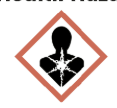
Health Hazard
Carcinogen
Mutagenicity
Reproductive Toxicity
Respiratory Sensitizer
Target Organ Toxicity
Aspiration Toxicity
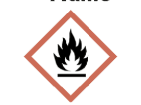
Flame
. Flammables
. Pyrophorics
. Self-Heating
. Emits Flammable Gas
. Self-Reactives
. Organic Peroxides

Exclamation Mark
. Irritant (skin and eye)
. Skin Sensitizer
. Acute Toxicity (harmful)
. Narcotic Effects
. Respiratory Tract Irritant
. Hazardous to Ozone Layer (Non-Mandatory)
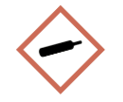
Gas Cylinder
Gases Under Pressure
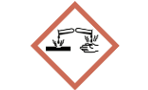
Corrosion
Skin Corrosion/Burns
Eye Damage
Corrosive to Metals
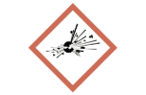
Exploding Bomb
. Explosives
. Self-Reactives
. Organic Peroxides
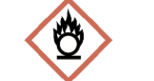
Flame Over Circle
Oxidizers

Environment (Non-Mandatory)
Aquatic Toxicity
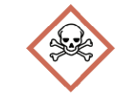
Skull and Crossbones
Acute Toxicity (fatal or toxic)
Toxic Organ Guide- What does A, B, C, D, E, F mean?
A: Harmful to Kidneys
B: Harmful to Liver
C: Harmful to Lungs
D: Harmful to the central and/or peripheral nervous system
E: Causes skin damage, irritation or dermatitis
F: Harmful to blood, eyes, and reproductive system
 Note
Note  Flashcards (32)