Evolution and Natural Selection
 Call Kai
 Learn
Learn Practice Test
 Spaced Repetition
 Match
Match Flashcards
 Knowt Play
1/18

There's no tags or description
Looks like no tags are added yet.
Name | Mastery | Learn | Test | Matching | Spaced | Call with Kai |
|---|
No analytics yet
Send a link to your students to track their progress
19 Terms
natural selection
process of evolution developed by Darwin, based on four ideas: overproduction, variation, competition & environmental changes. It explains how traits of a population can change over time.
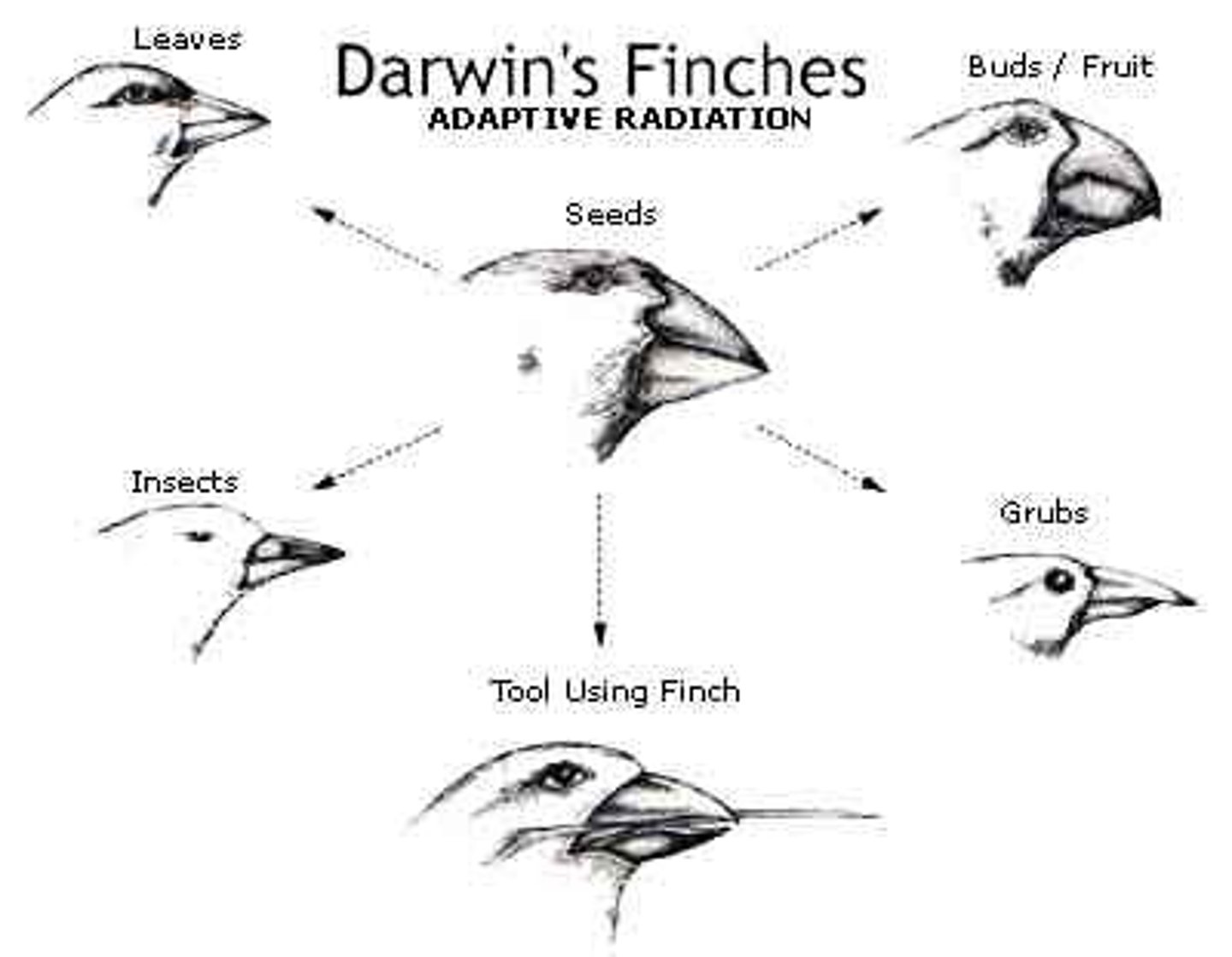
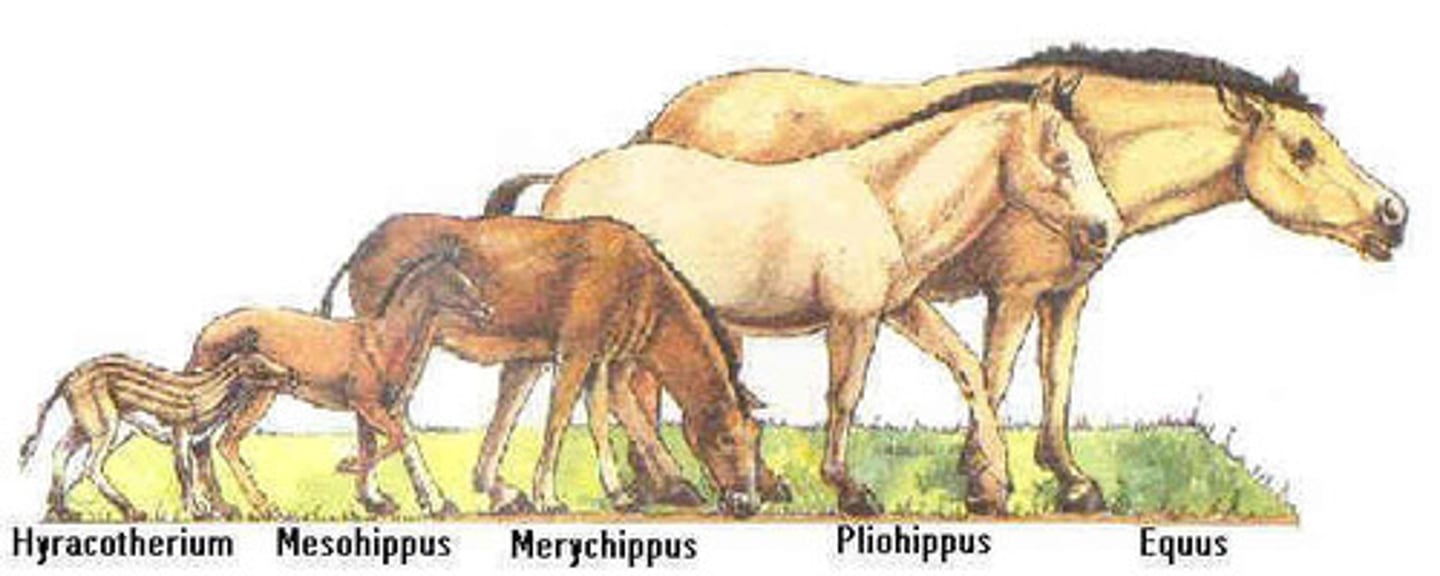
evolution
Changes in a species' population over time.
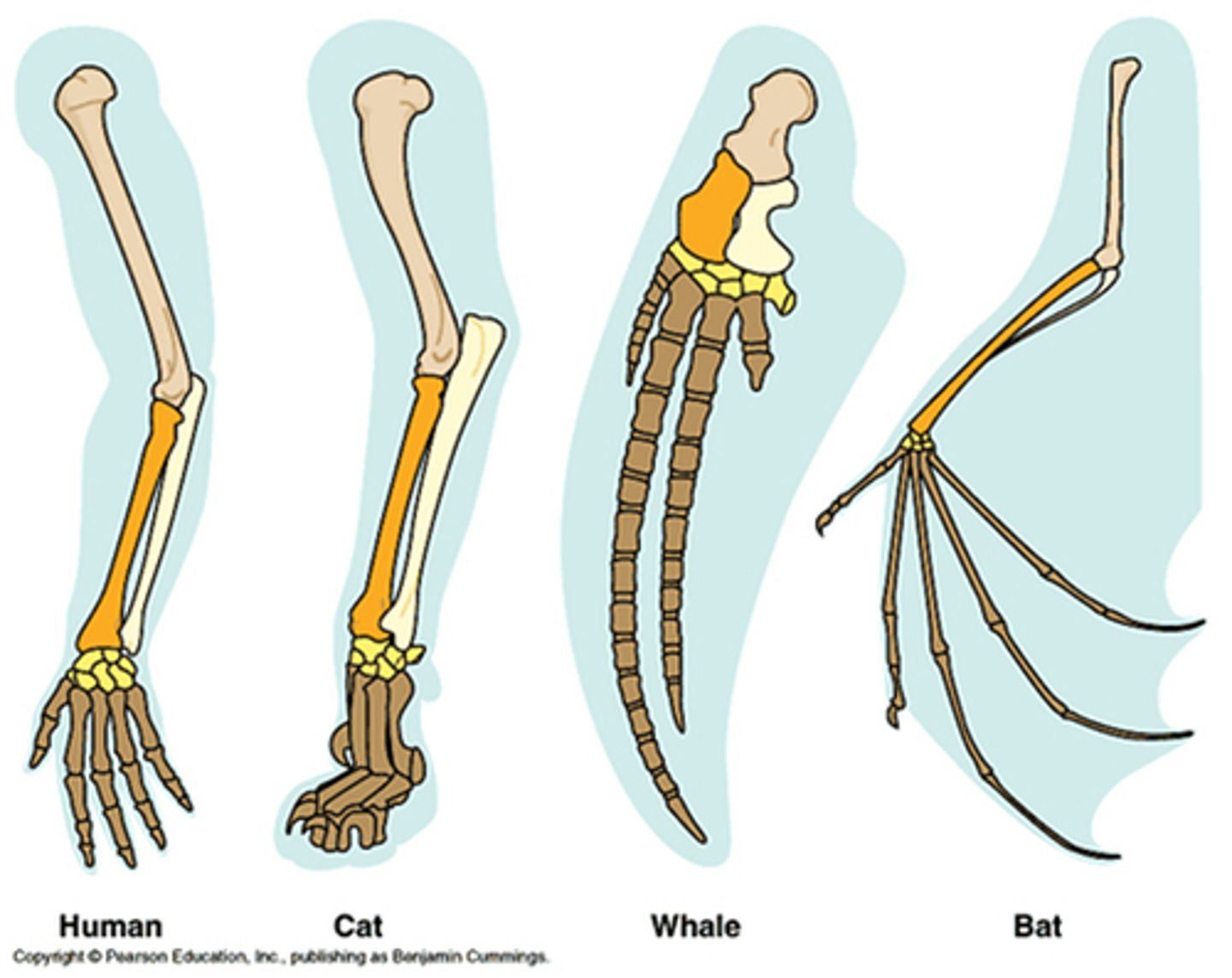
homologous structure
similar structures inherited from a common ancestor (ex. birds wings, reptile limbs); however these structures have different functions.
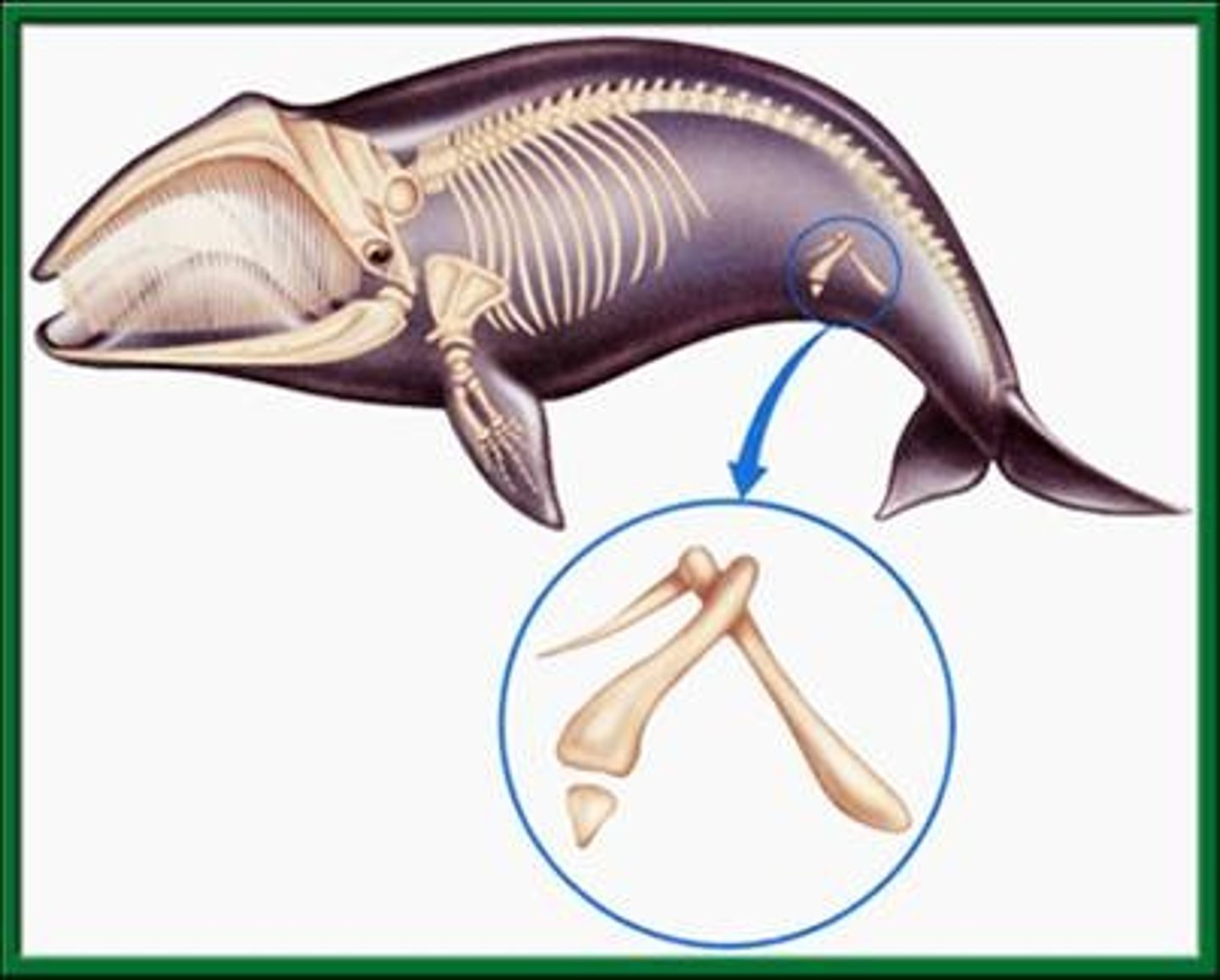
vestigial structure
reduced or non-working structure that indicates shared common ancestry (ex. human appendix)
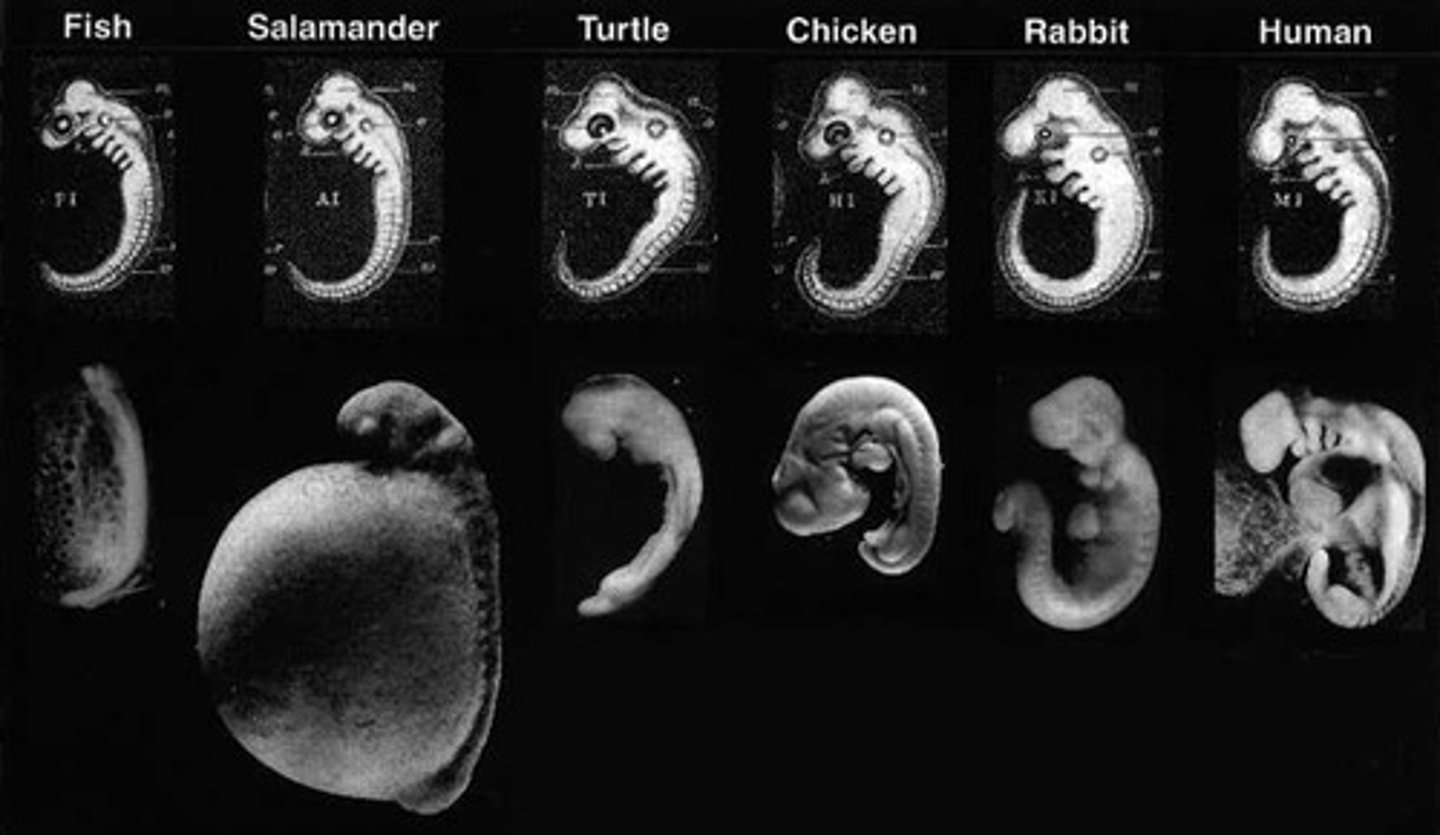
embryo
organism's early prebirth stages of development
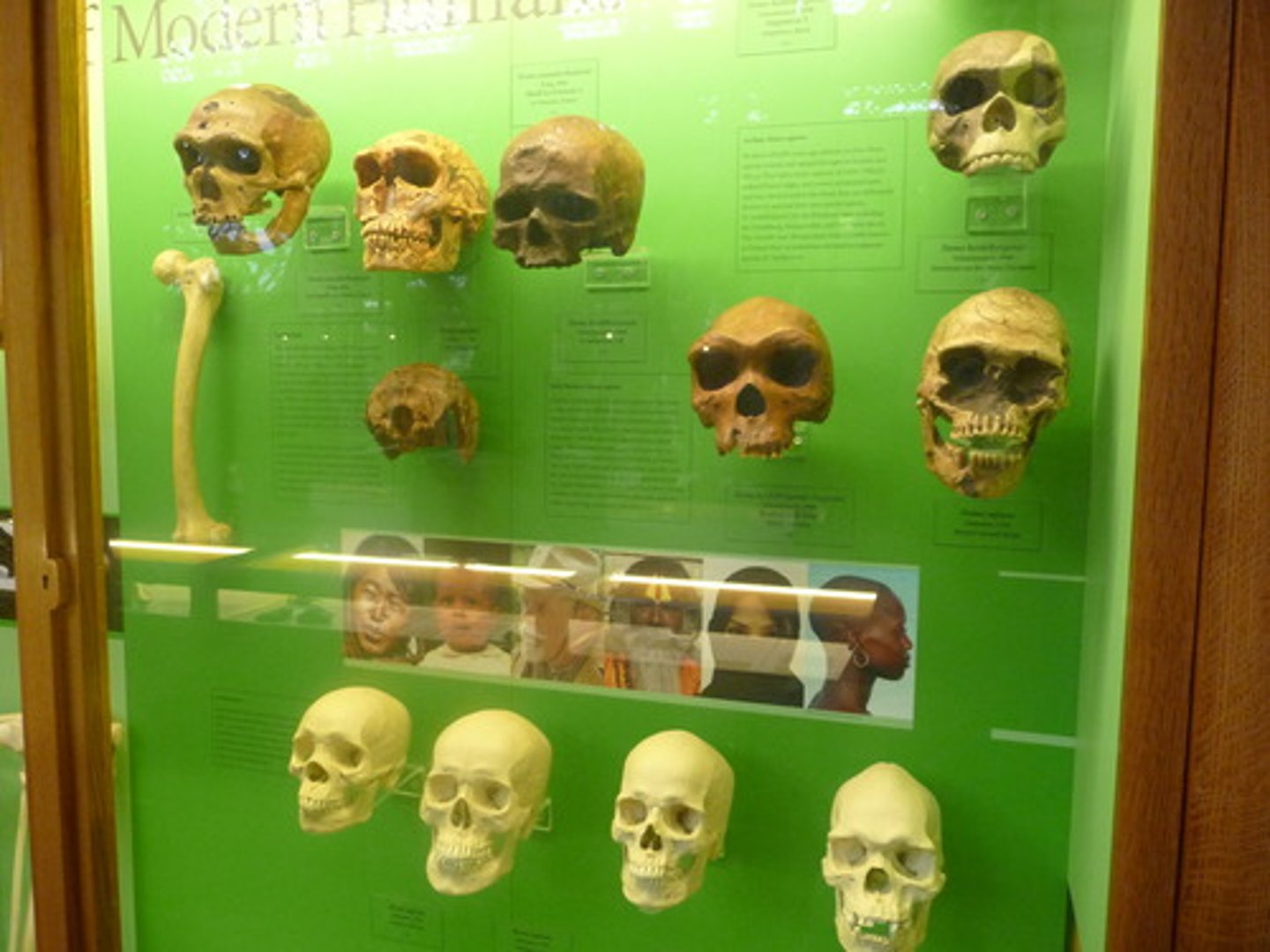
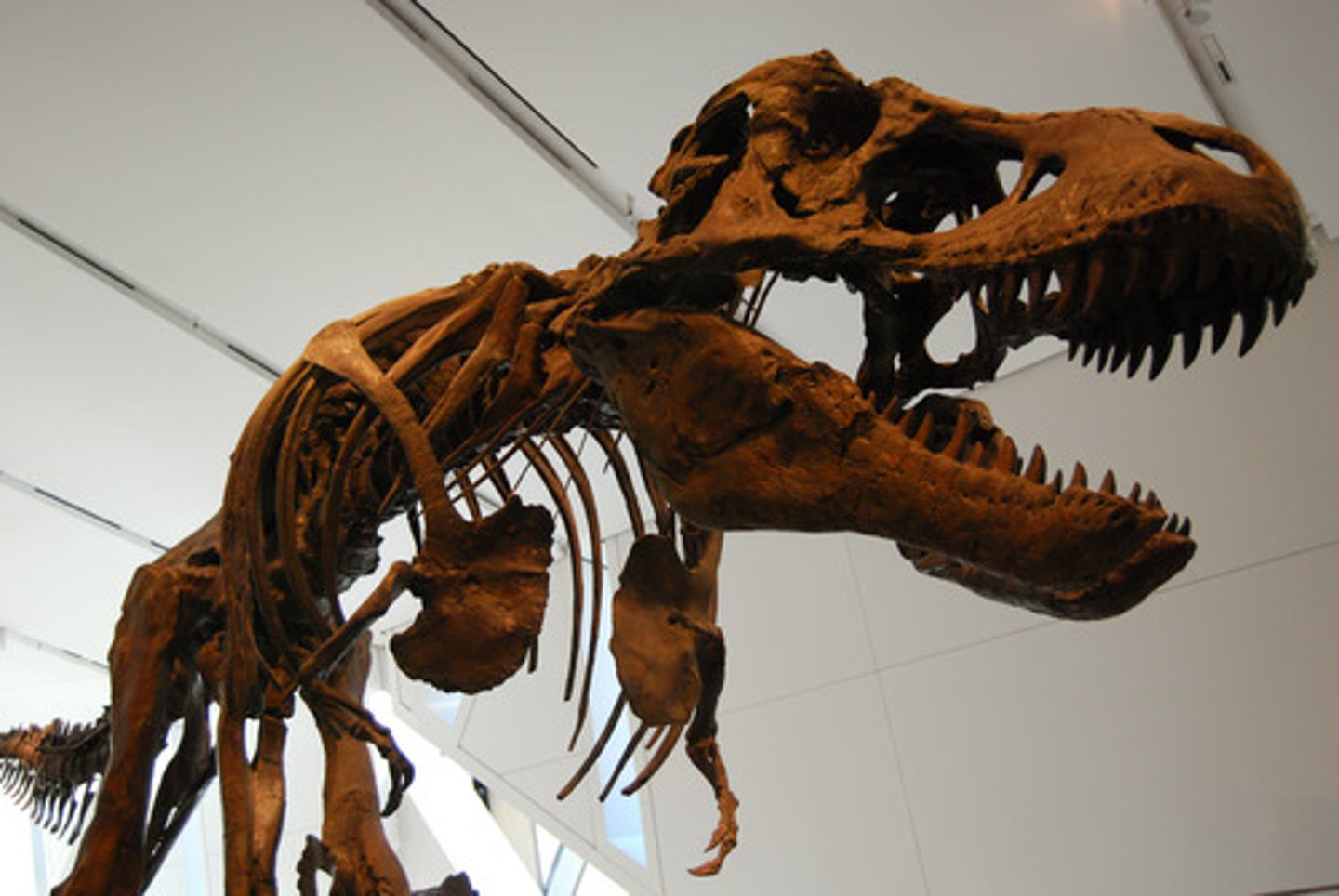
fossil records
Provides record of species, shows similar characteristics between living and extinct
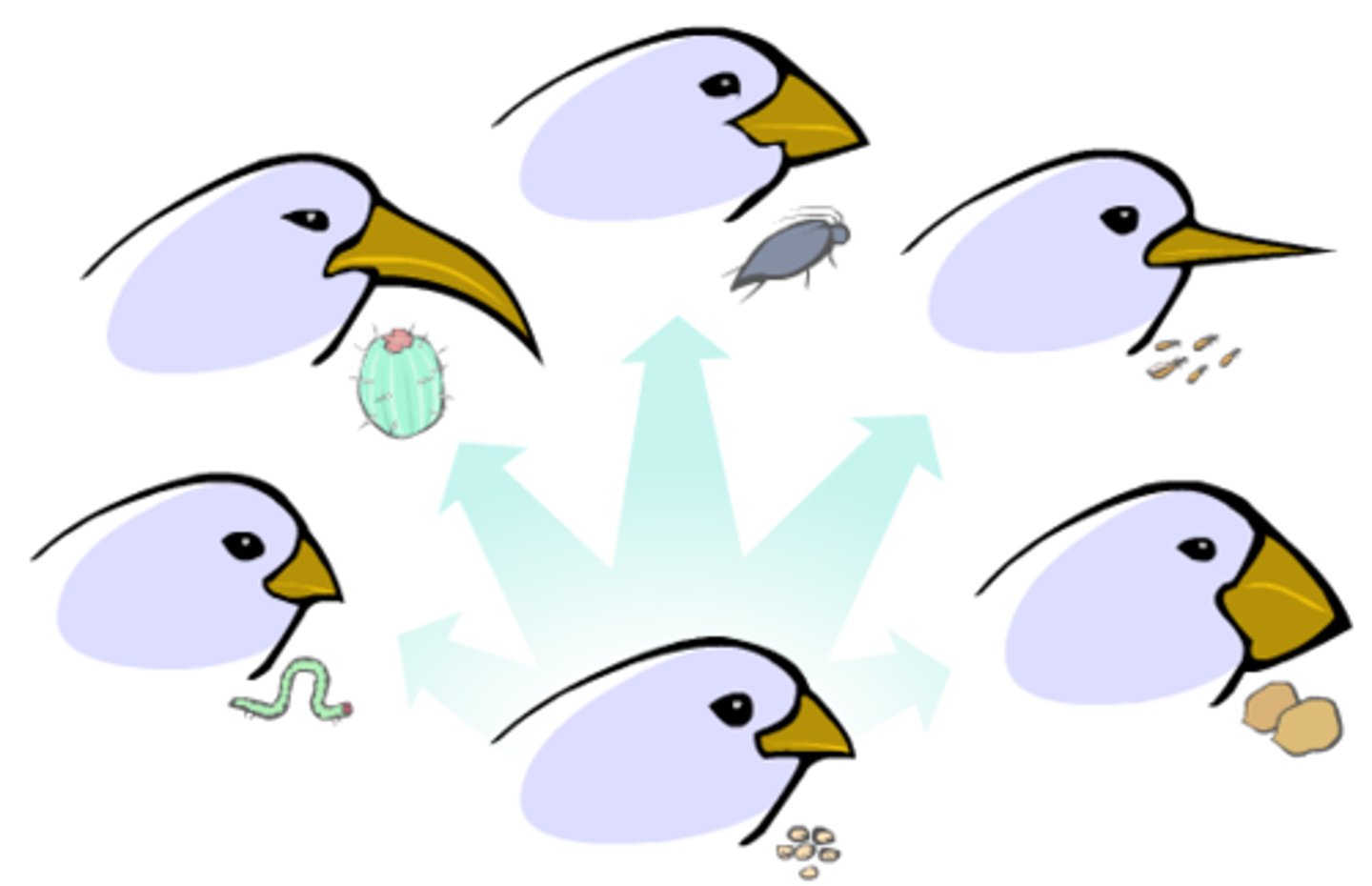
adaptation
Trait shaped by natural selection that increases an organisms reproductive success
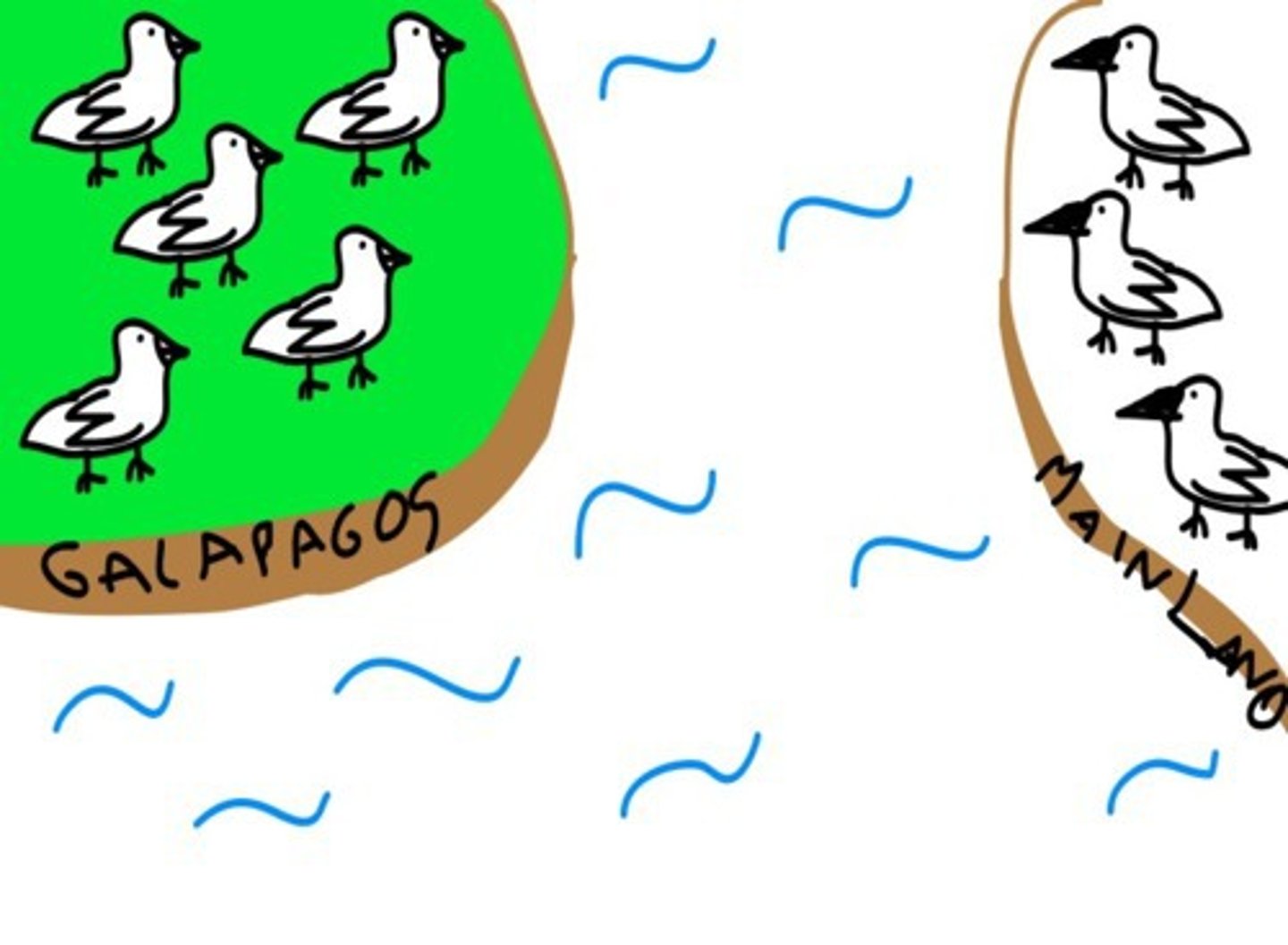
geographic isolation
isolation between populations due to physical barriers
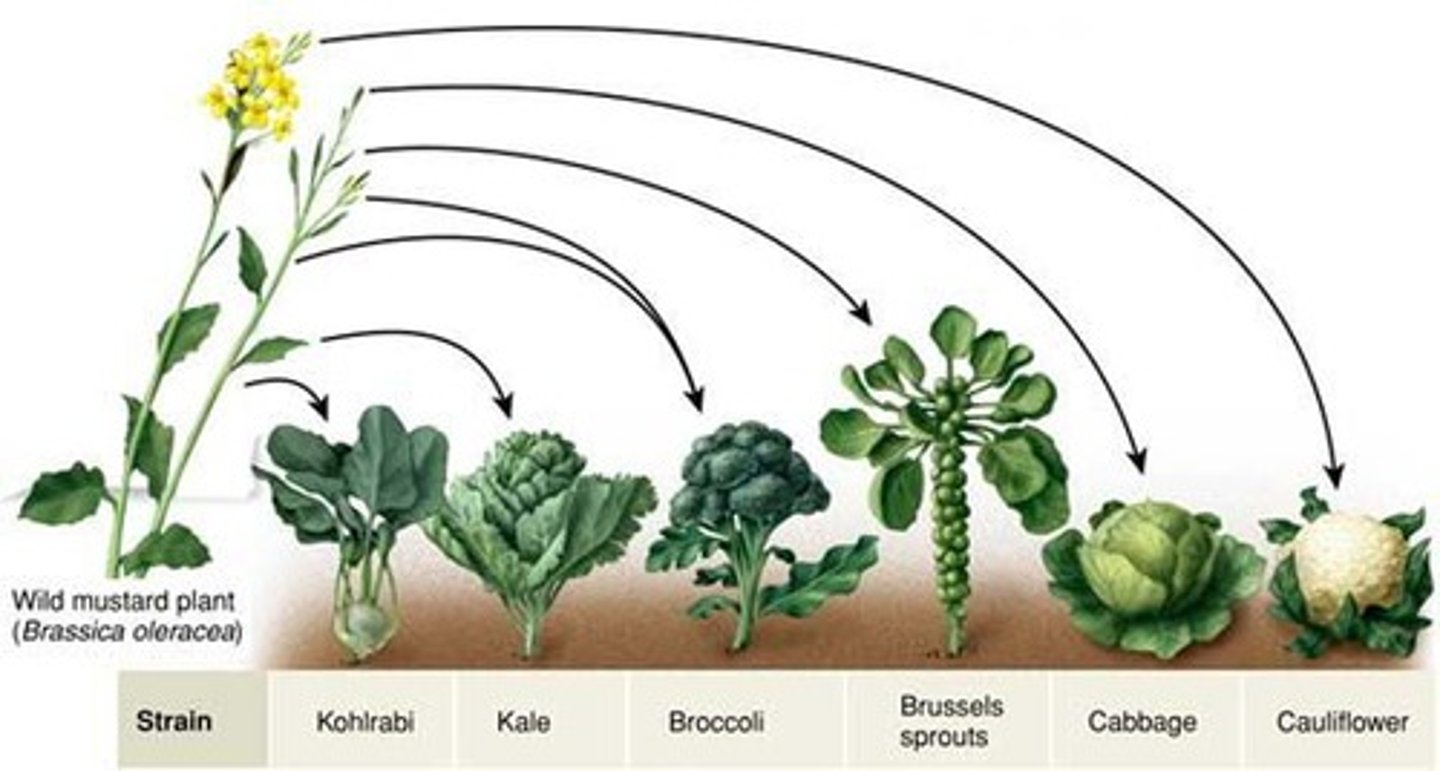
artificial selection
selection by humans through directed breeding (Breeding of useful traits from the natural variation) to produce offspring with desired traits.
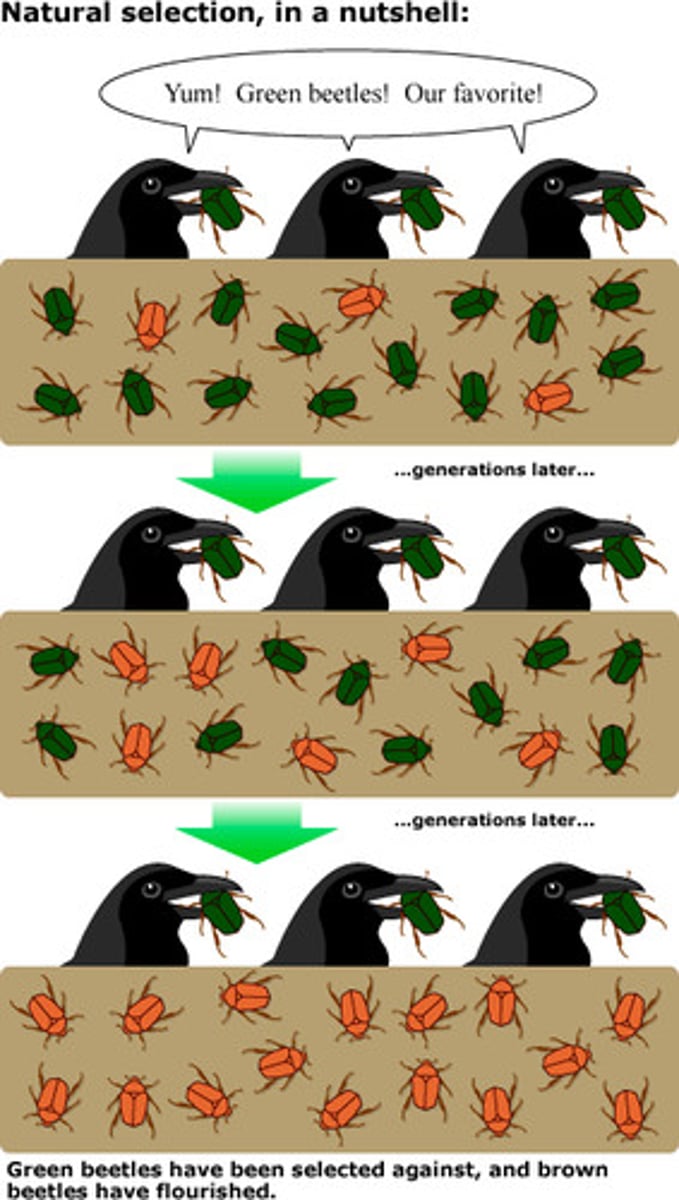
survival of the fittest
process by which individuals that are BETTER suited to their environment survive and reproduce most successfully; often used interchangeably with the term 'natural selection'.
genetic variation
The variety of different types of genes in a species or population.
competition
the struggle between organisms to survive in a habitat with limited resources
environmental changes
change in environment that can affect an organism's ability to survive
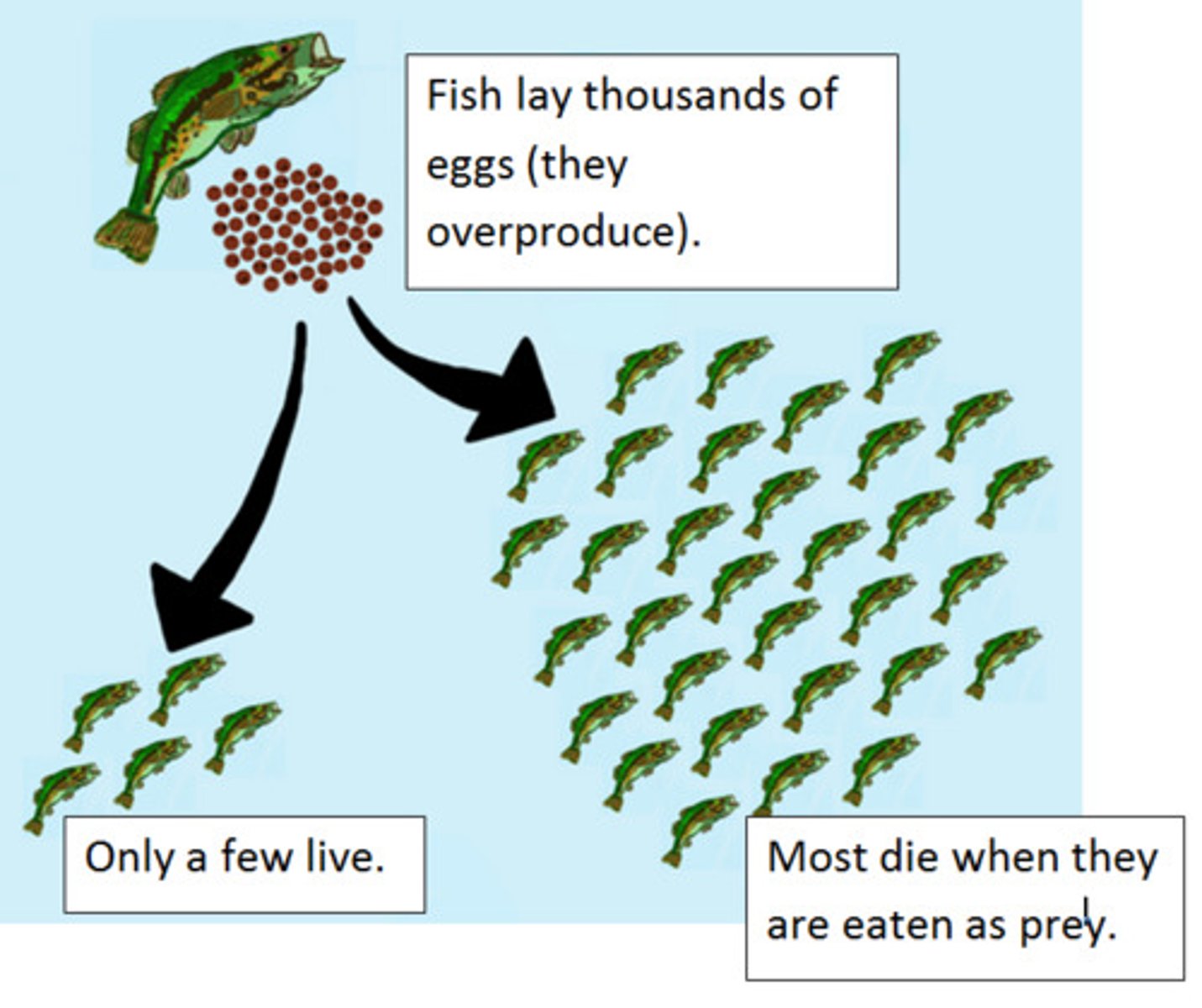
overproduction
organisms produce more offspring than can survive
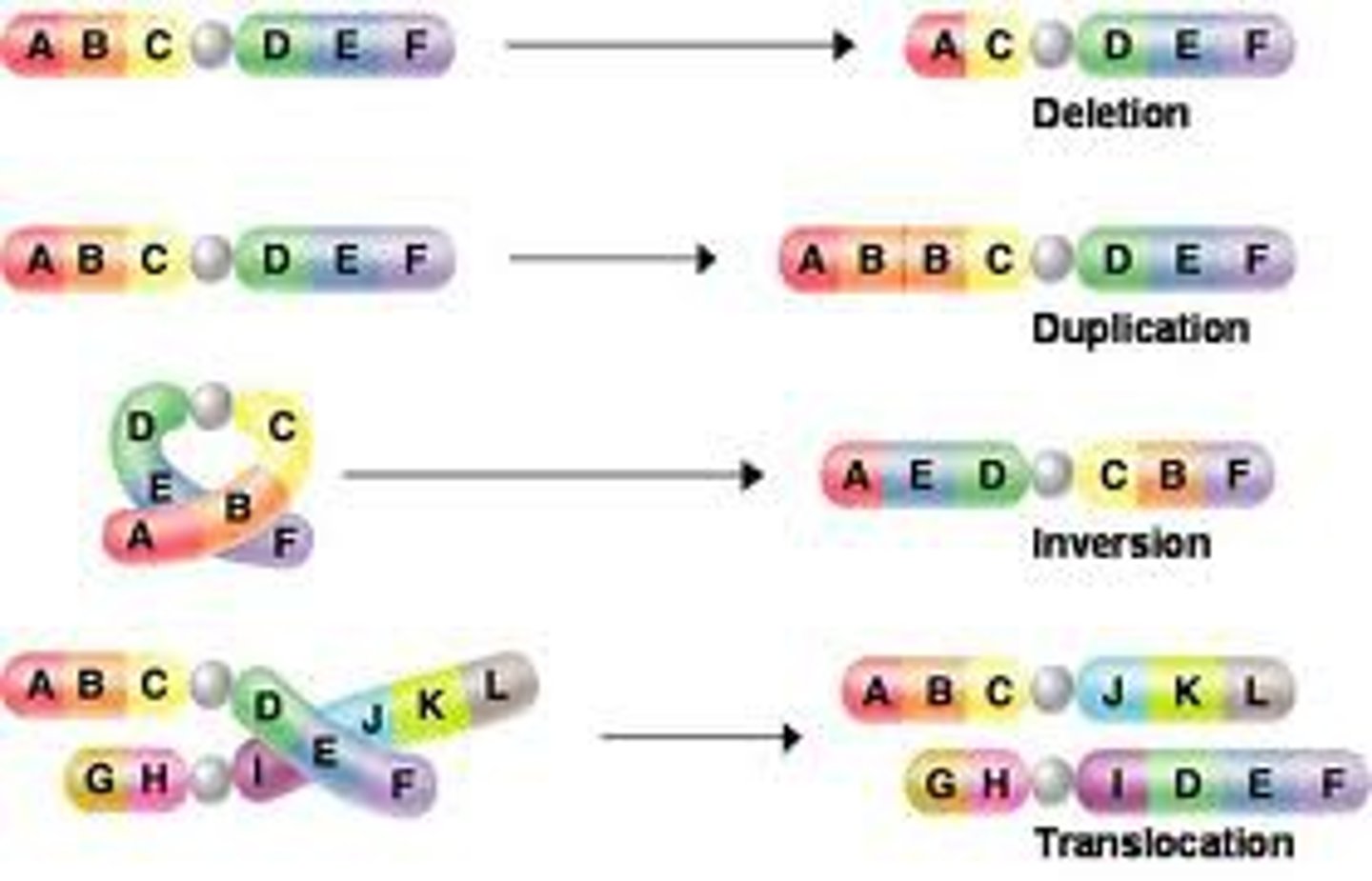
mutation
a random error in gene replication that leads to a change
extinction
A term that typically describes a species that no longer has any known living individuals.
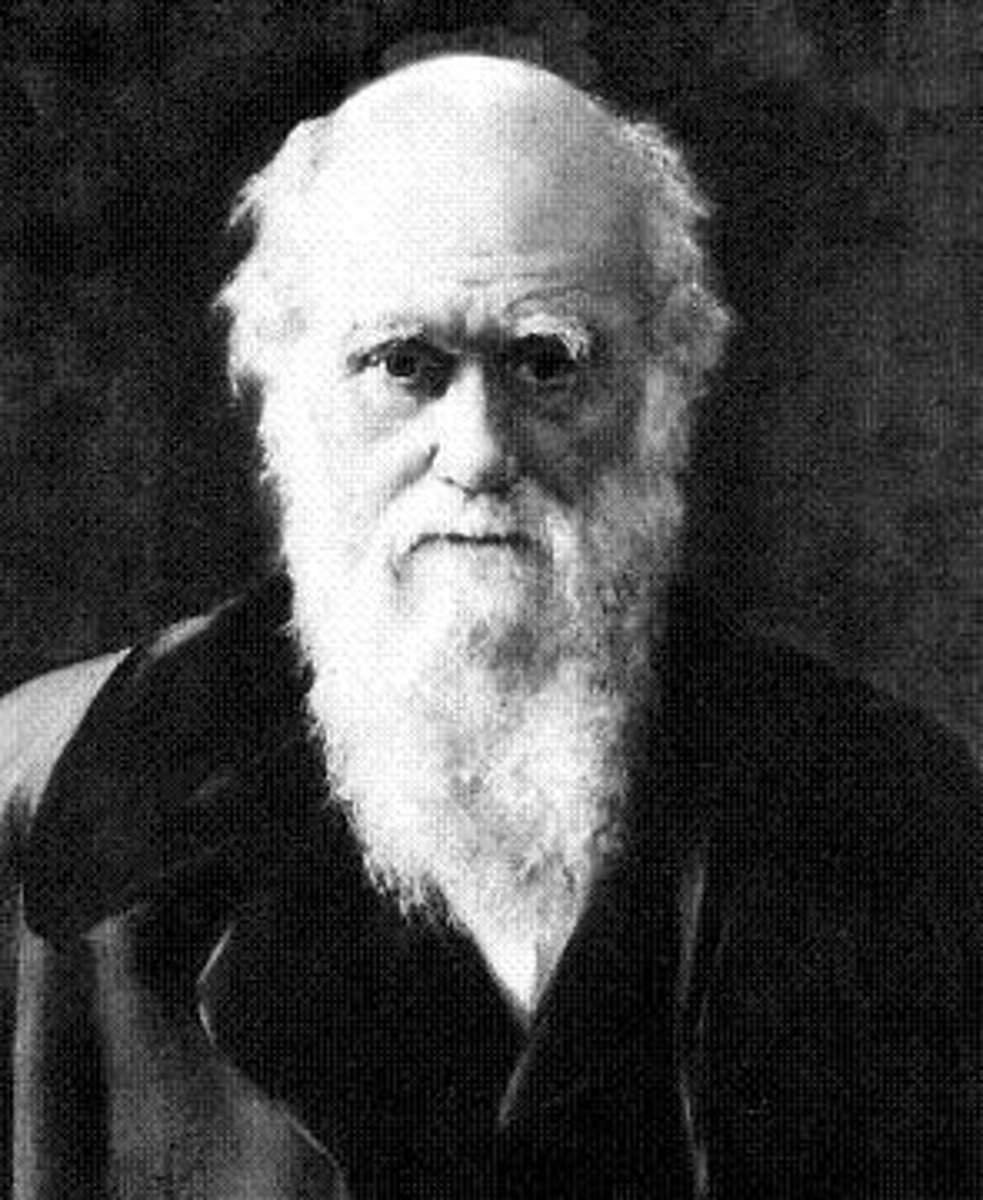
Charles Darwin
English natural scientist who formulated a theory of evolution by natural selection
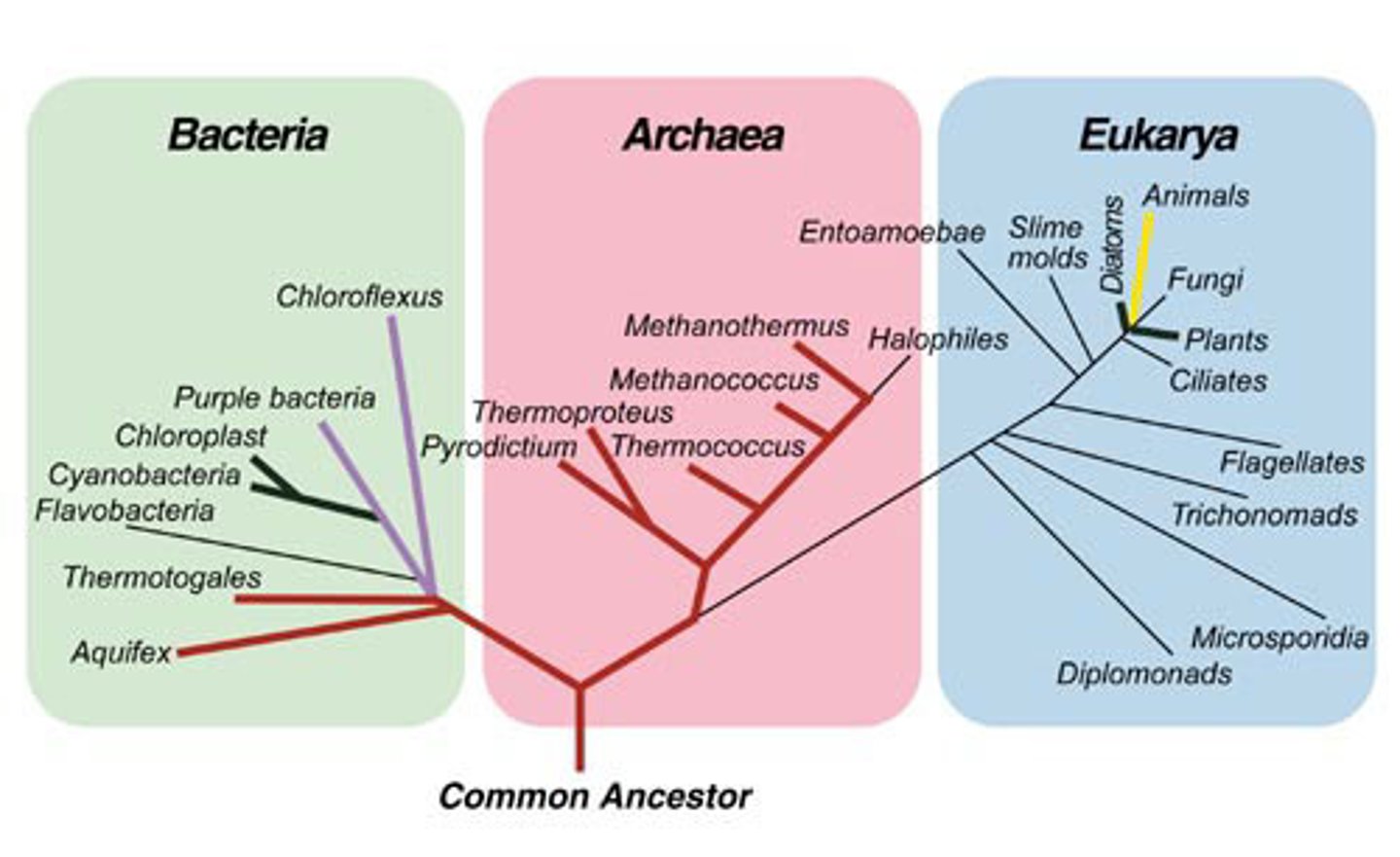
phylogenetic tree
branching diagram showing evolutionary relationships of organisms with a common ancestor
radioactive dating
A technique used to determine the actual age of a fossil on the basis of the amount of a radioactive element it contains

