Topic test science
 Call Kai
 Learn
Learn Practice Test
 Spaced Repetition
 Match
Match Flashcards
 Knowt Play
1/49

There's no tags or description
Looks like no tags are added yet.
Name | Mastery | Learn | Test | Matching | Spaced | Call with Kai |
|---|
No analytics yet
Send a link to your students to track their progress
50 Terms
Structure and function (role) of DNA
Codes for our traits (proteins)
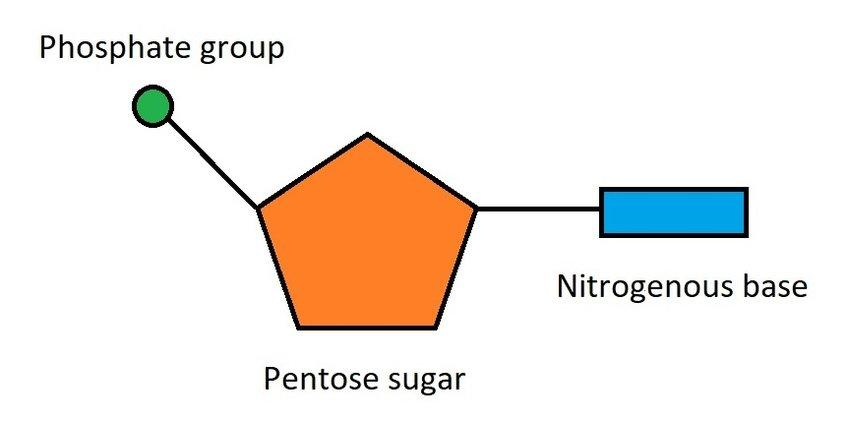
Nucleotide
Phosphate, Deoxyribose sugar, Nitrogenous base
Gene
Section of DNA that codes for an amino acid (protein)
Chromosome
Somatic cell = 46
Sperm and Egg = 23
Homologous chromosomes
a pair of chromosomes that contain the same genes
one chromosome is inherited from the mother and the other from the father
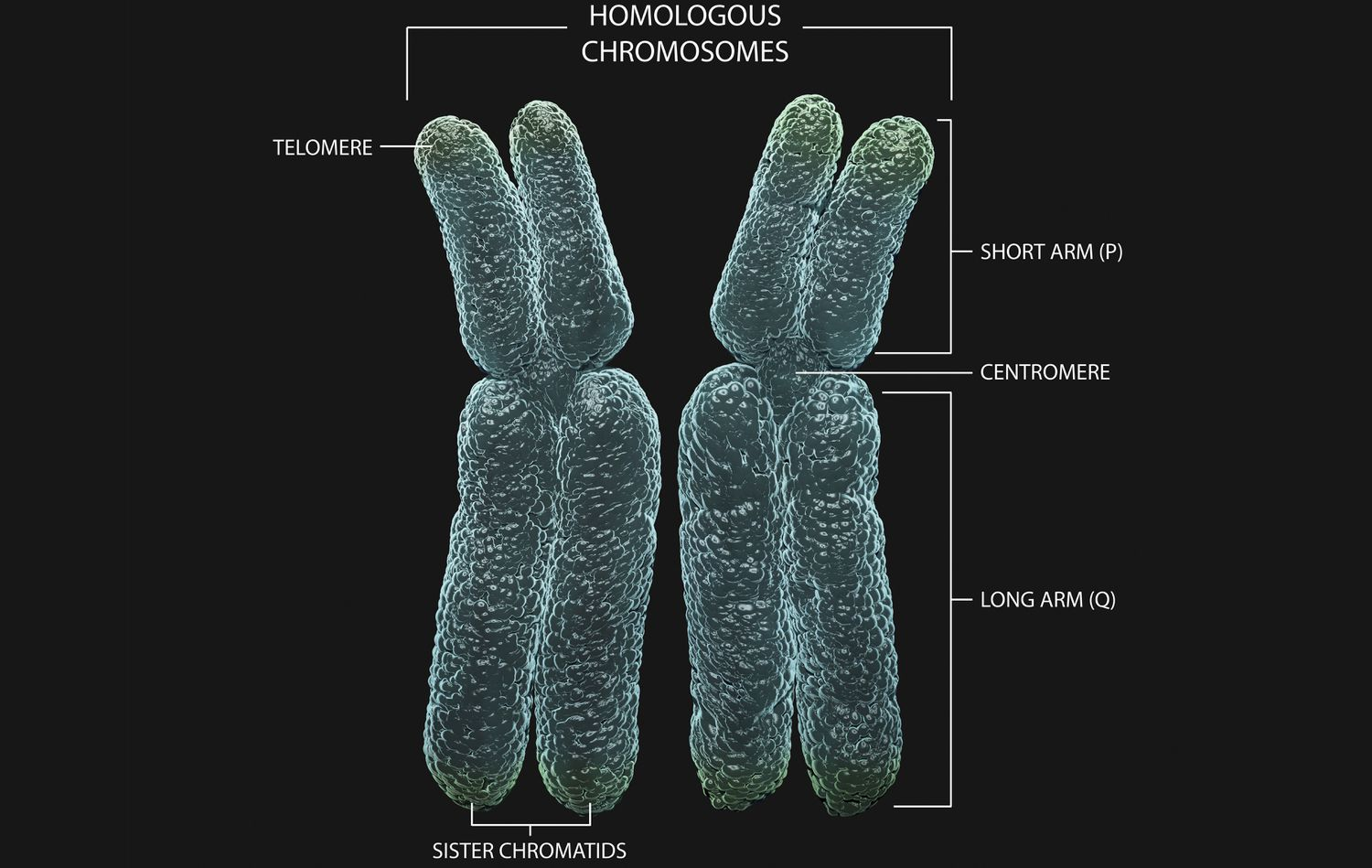
Chromatid
an individual copy of a chromosome that has duplicated but has not yet separated from its identical copy.
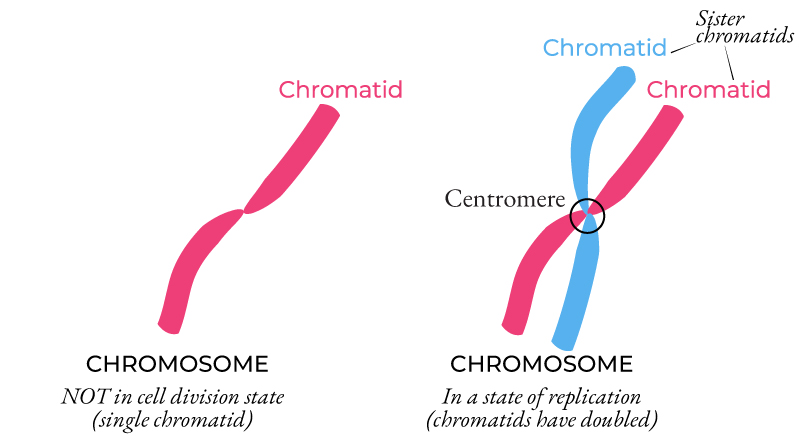
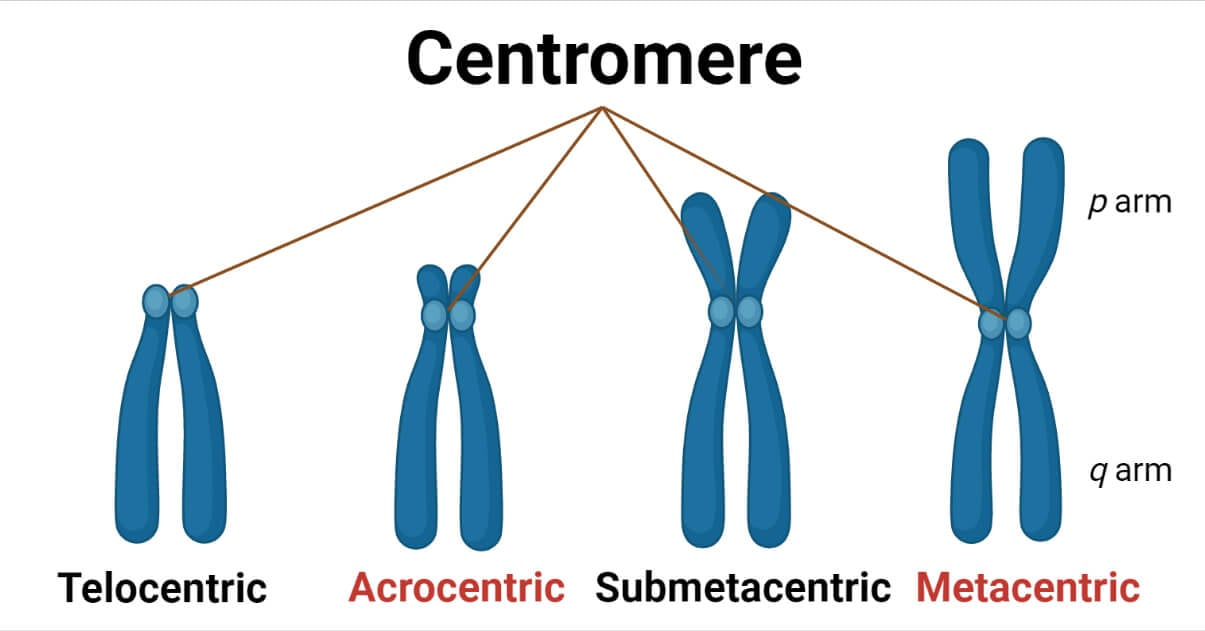
Centromere
the specialized, constricted region of a chromosome that holds sister chromatids together after DNA replication
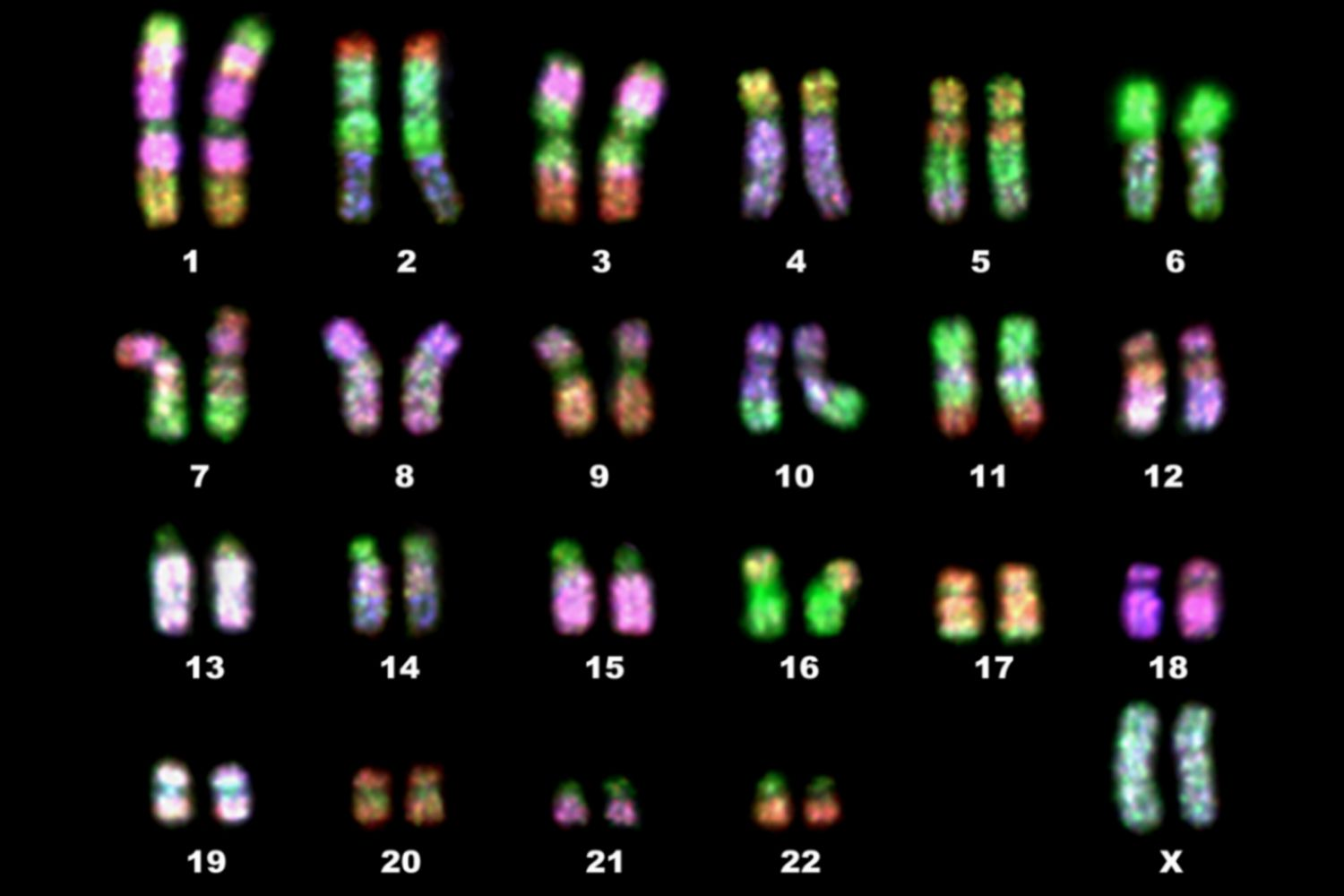
Karyotype
is a visual representation of an organism’s chromosomes, including their number, size and shape.
It can also refer to the complete set of chromosomes in an individual’s cells.
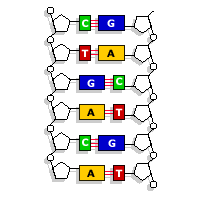
Complementary base pairing (AT, CG)
Adenine pairs with Thymine
Cytosine pairs with Guanine
The process of DNA replication
Mutation types
Point mutations
Silent mutations
Missense mutations
Nonsense mutations
Frameshift mutations
Point Mutations
Genetic mutations that involve a physical change to one nitrogenous base within a base sequence
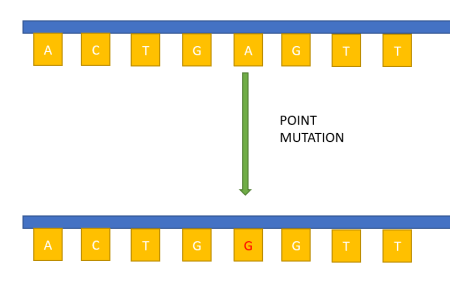
Type of point mutation - substituation
A different base in the same sequence
Type of point mutation - insertion
A new base is added in the sequence
Type of point mutation - deletion
A base is removed from the sequence
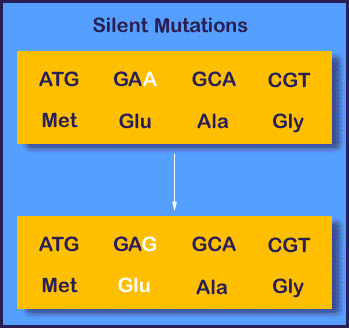
Silent Mutations
Occurs due to a substitution mutation - replacement of one base for another
There is no effect on the protein formed
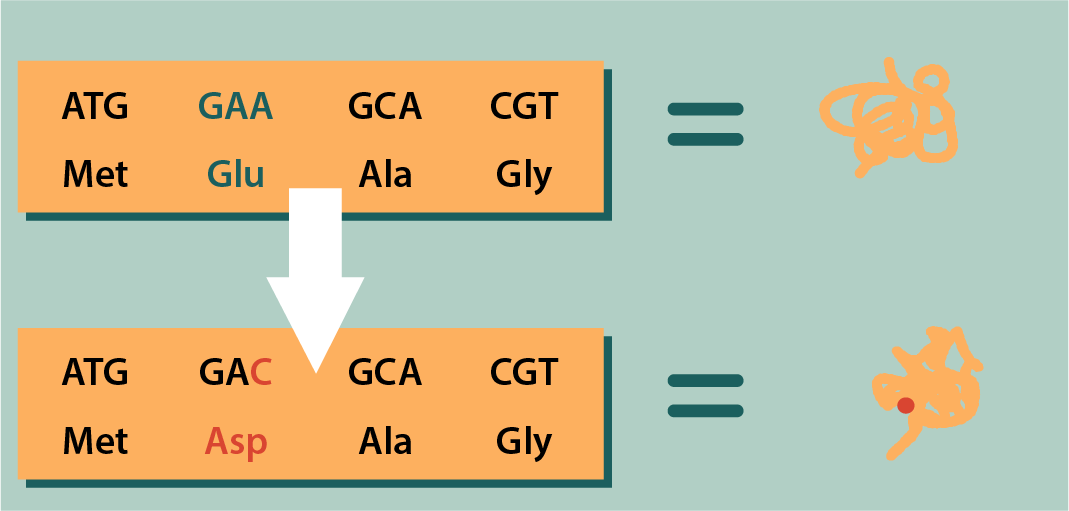
Missense Mutations
Occurs due to a substitution mutation
The shape of the protein may be affected
May affect the function of the protein
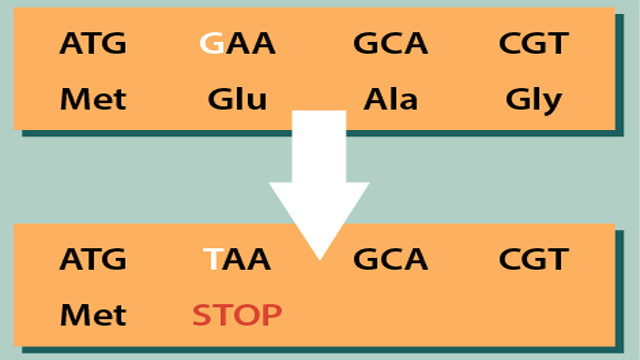
Nonsense Mutations
Occurs due to a substitution mutation
New triplet codes for a STOP instruction - the amino acid sequence is shortened
Good chance it will cause a loss of protein function
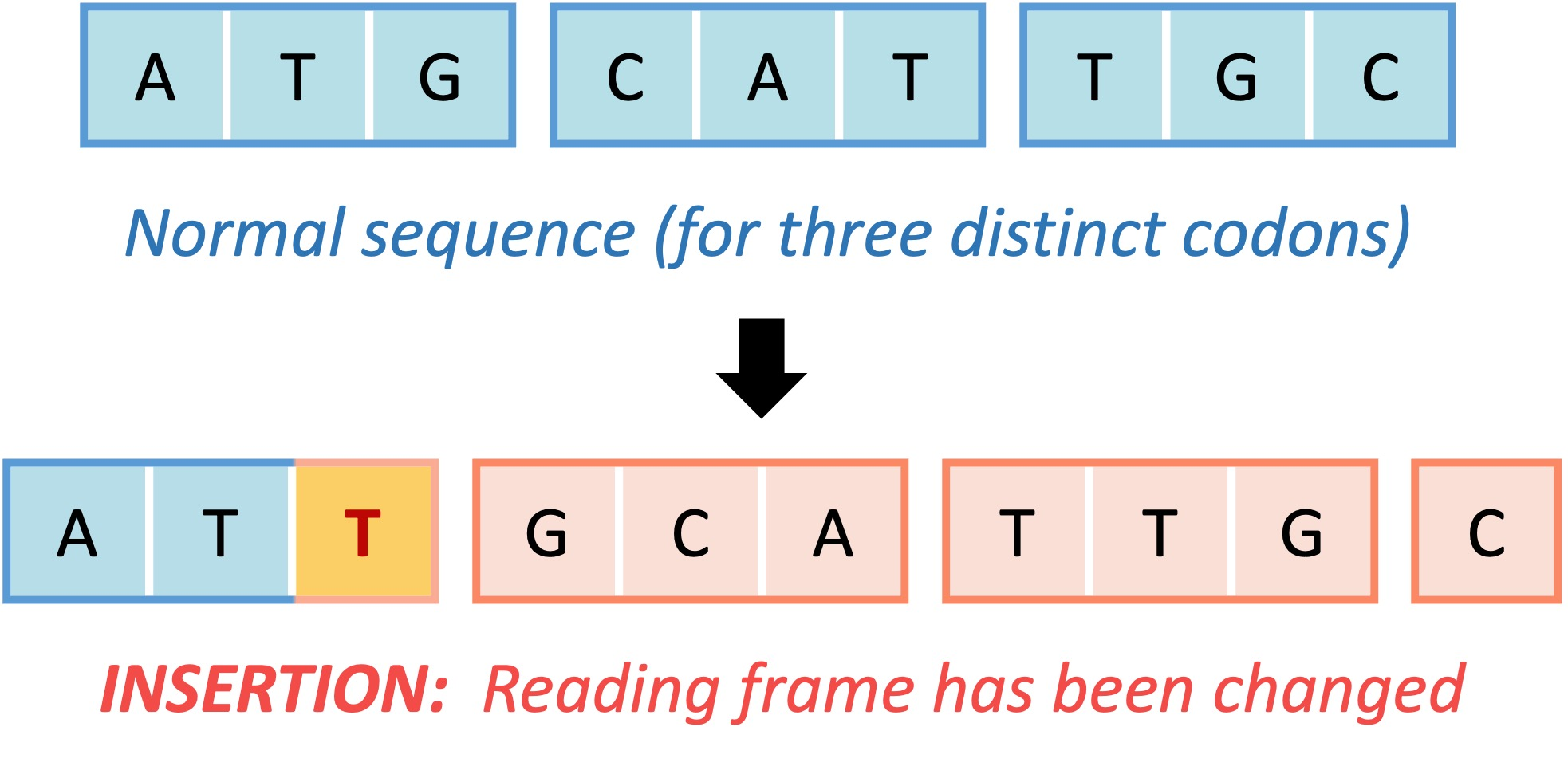
Frameshift Mutation
Occurs due to an addition or deletion of a nitrogenous base
Causes a complete shift in the reading frame of the triplet bases
All amino acids coded for are changed - results in totally different protein (most likely non-functioning) being formed
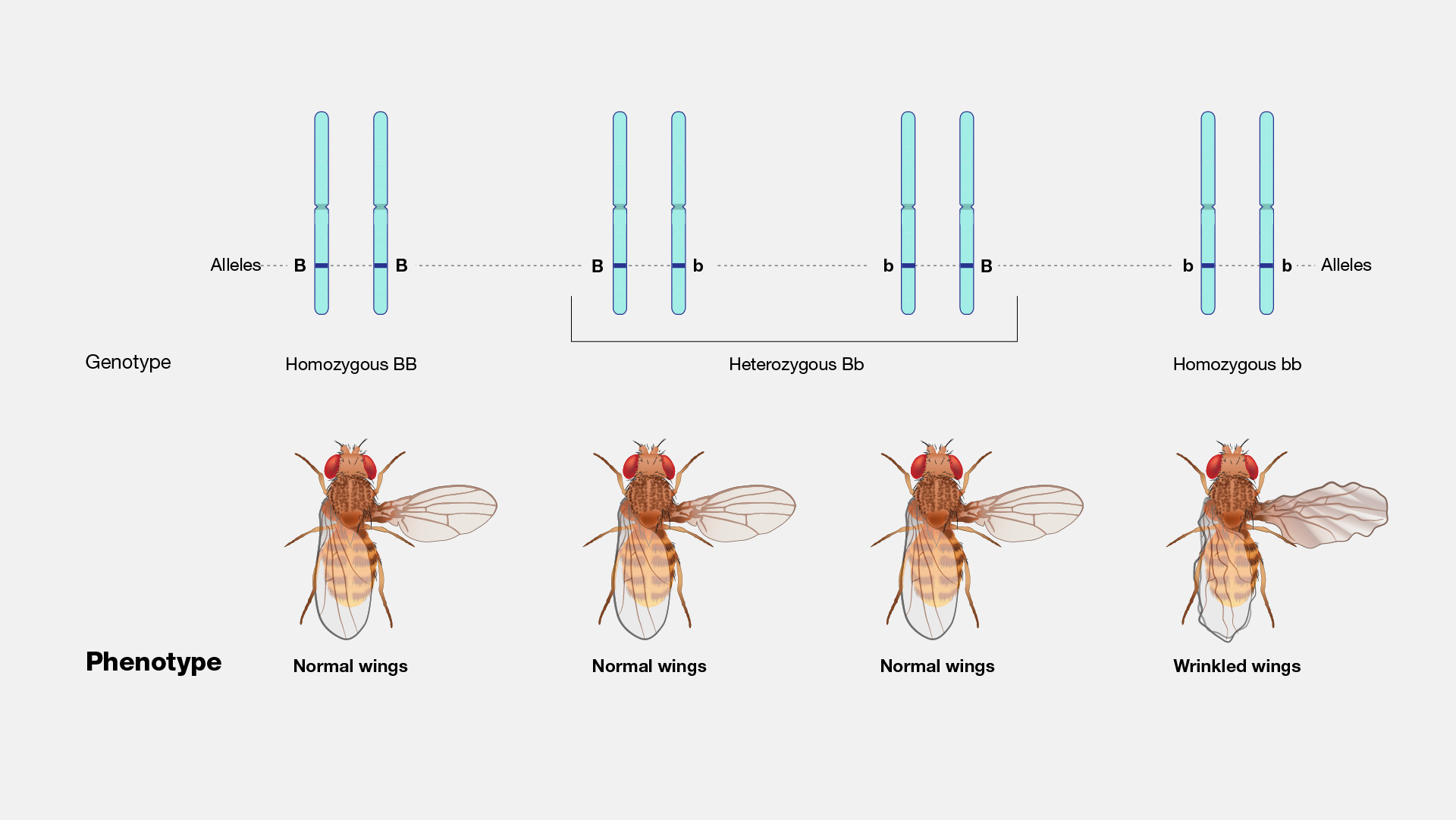
Genotype
a set of alleles of a gene in our DNA responsible for a particular trait (e.g. GG/Gg/gg)
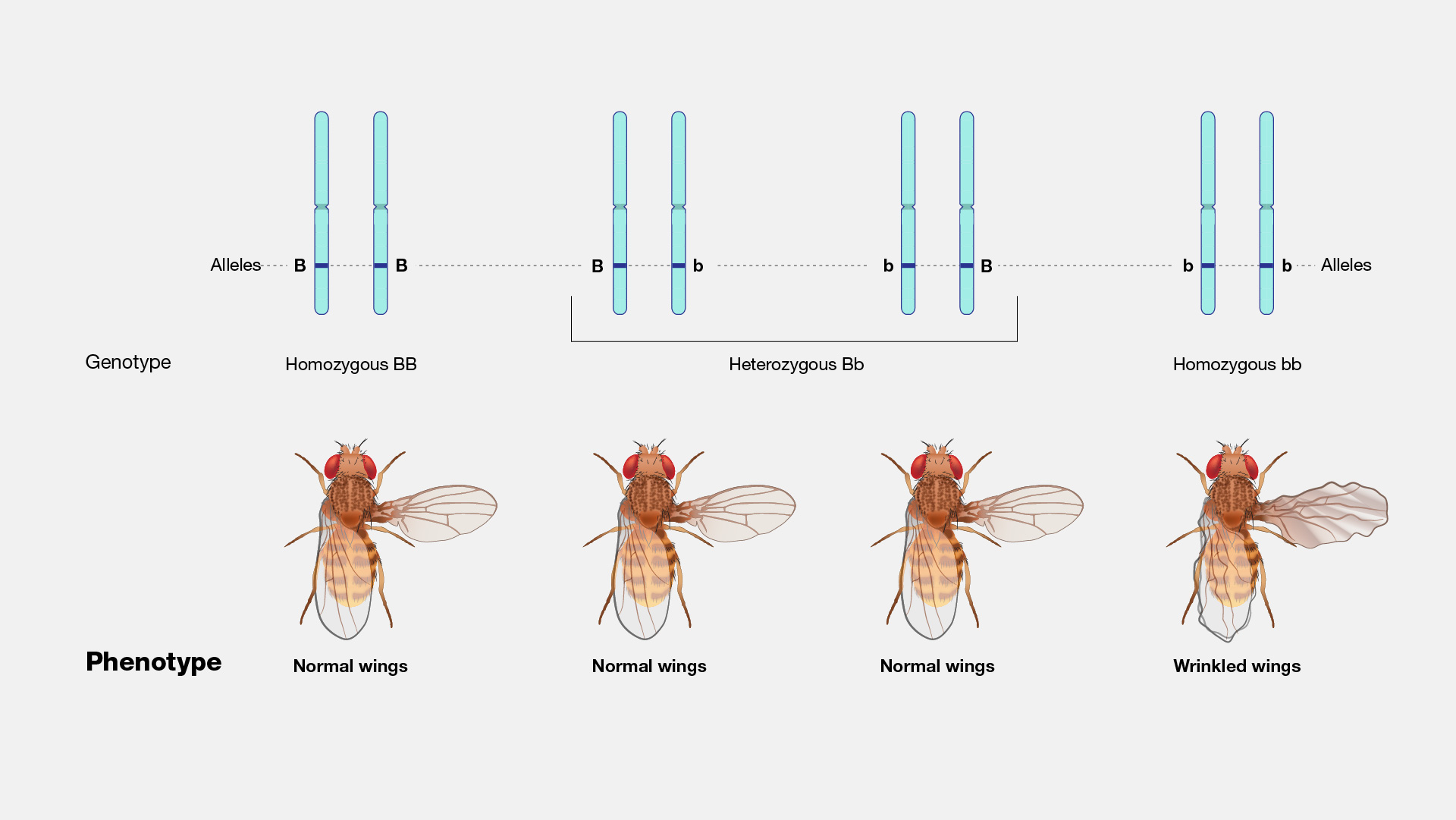
Phenotype
physical appearance of the trait resulting from genotype (e.g. Green or yellow peas)
The cell cycle
The sequence of events that takeplace during the life of a cell
These are continuous
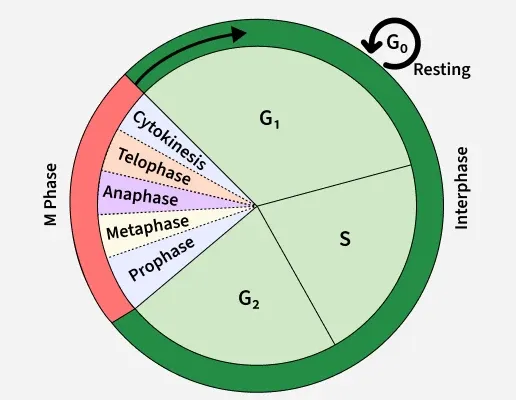
Cell cycle - Interphase
Longest section of a cell cycle’s life
Cell growth and copying of chromosomes to prepare for cell division (90% of the cell cycle)
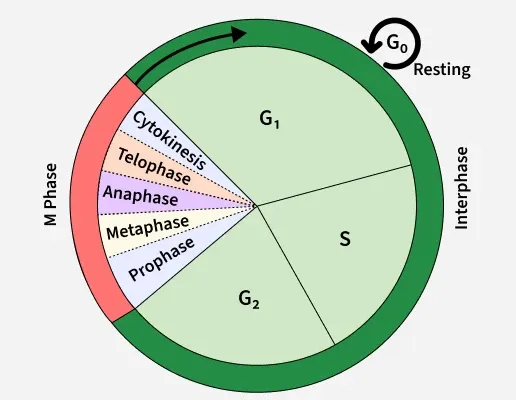
Interphase - Gap 1 stage (G1)
Cell grows in size and organelles double
Interphase - Synthesis stage (S)
DNA replication (each chromosome doubles)
Interphase - Gap 2 stage (G2)
More growth of cell and preparation for Mitosis
Cell cycle - Mitosis Phase (M)
Mitosis otherwise known as Nuclear division
Mitosis consists of three phases (PMAT)
PMAT.- Prophase
Chromosomes condense
PMAT - Metaphase
Chromosomes align in the equator
PMAT - Anaphase
Chromosomes pulled to separate sides (pulled apart)
PMAT - Telophase
The new nuclei has formed and about to separate
Cytokinesis
Cytoplasm splits resulting in the parent cell dividing into two daughter cells
Meiosis - Crossing over
Happens in prophase I
Chromosomes exchange genetic information
Gametes
Haploid sex cell
Inheritance
the process by which genetic information is passed from parents to offspring through DNA
Alleles
version of a gene
Dominant trait
only needs one allele in the genotype for the trait to be expressed in the pheonotype
Recessive trait
only expressed in the phenotype when there are two copies present
Homozygous
both alleles in a pair are the same
Heterozygous
One dominant and one recessive allele in a pair
Haploid
cells containing a single set of unpaired chromosomes
Diploid
contains two complete sets of chromosomes, one inherited from each parent
Punnett squares
a table in which all of the possible outcomes for a genetic cross between two individuals with known genotypes are given
Test cross
used in genetics to determine whether an organism with a dominant phenotype is homozygous dominant (AA) or heterozygous (Aa)
Carrier
an individual who possesses and can pass on a recessive, disease-causing allele (genomic variant) without expressing the disease themselves
Type of inheritance - Autosomal dominant
gene coding is located on one of the autosomes
only one copy is needed for the trait to be observed in the phenotype
Type of inheritance - Autosomal recessive
gene coding for the trait is located on one of the autosomes
Two copies need to be inherited for the condition to be observed in the phenotype
Type of inheritance - X-linked Dominant conditions
gene coding for the trait is located on the X-chromosome
For both males and females, only one copy is needed to be seen in the phenotype
Type of inheritance - X-linked recessive conditions
gene coding for the trait is located on the X-chromosome
For females, two copies are needed for the trait to be in the phenotype
For males, only one copy is needed as they only have one X-chromosome
MAINLY IN MALES

