Rouge's list of Parasites and their life cycles
 Call Kai
 Learn
Learn Practice Test
 Spaced Repetition
 Match
Match Flashcards
 Knowt Play
1/12

There's no tags or description
Looks like no tags are added yet.
Name | Mastery | Learn | Test | Matching | Spaced | Call with Kai |
|---|
No analytics yet
Send a link to your students to track their progress
13 Terms
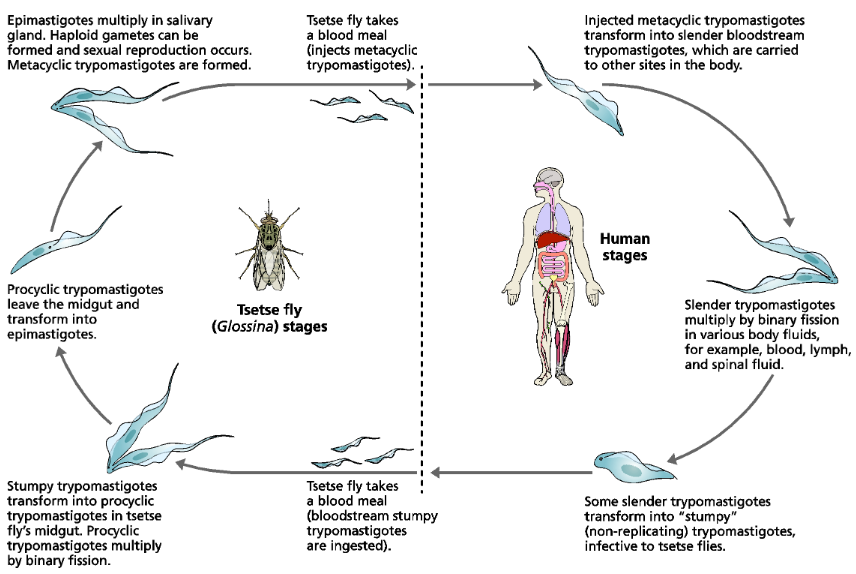
Trypanosoma brucei
Human African trypanosomiasis “HAT” or African Sleeping Sickness and can be lethal
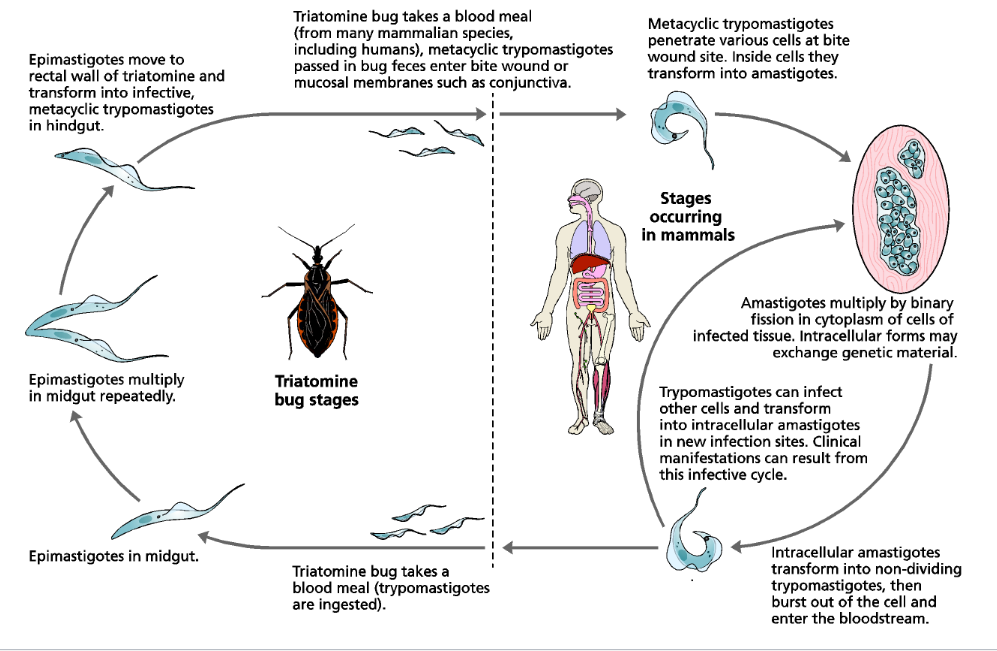
Trypanosoma Cruzi
Chagas Disease causing a eye swollen shut. Acute is fever, body aches, and GI issues. Chronic: hypercardia, megaesophagus and megacolon which have might morbidity and mortality.
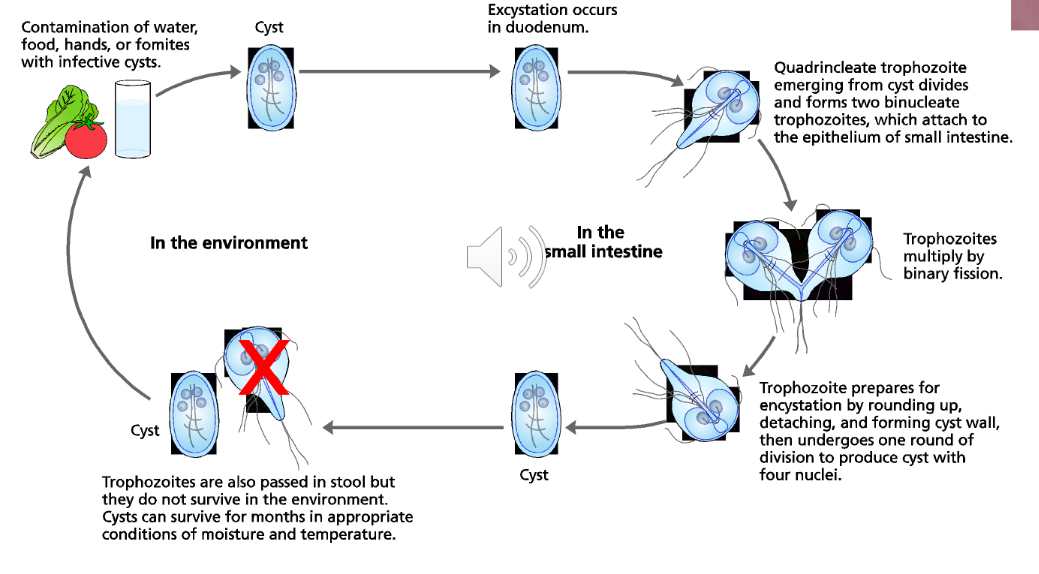
Giardia lamblia
Giardiasis-diarrhea, nausea, greasy stool, and passing cysts in feces. Life threatening if immunocompromised.
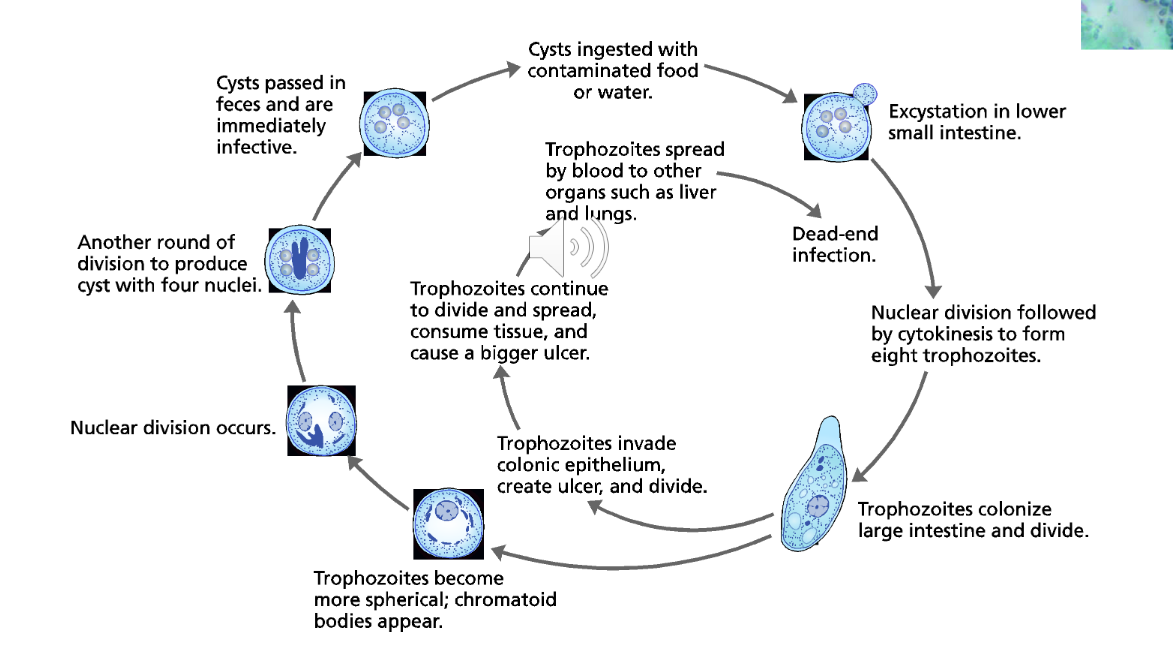
Entamoeba histolytica
direct life cycle through fecal oral, can result in perforated bowel and severe disease or death. Bloody stool and bowel contents disseminating throughout body.
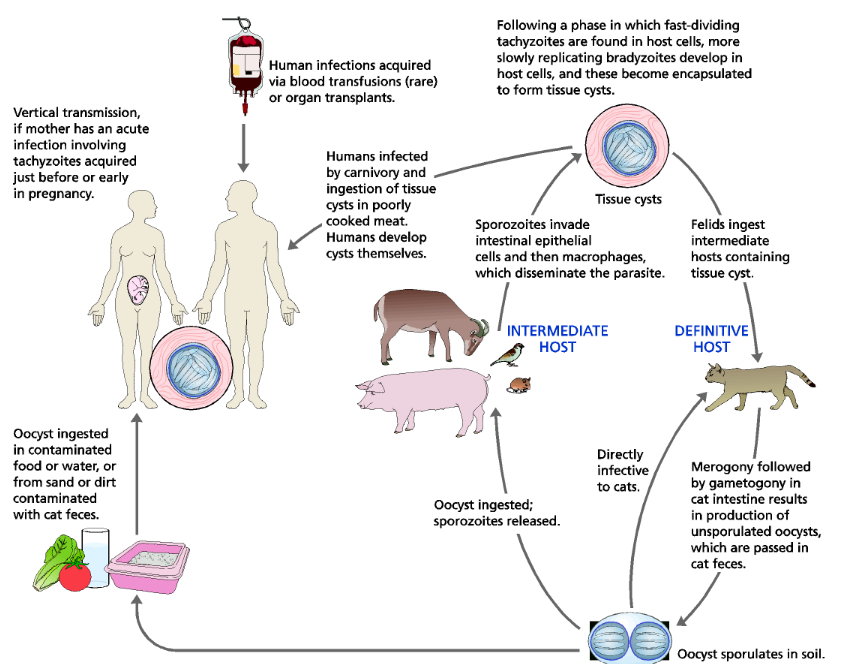
Toxoplasma gondii
Apicomplexan so it is intracellular throughout its life. Toxoplasmosis is especially a threat to immunocompromised, necrosis of the brain tissues and tissue cysts with bradyzoites are to be concerned about. Can be passed through vertical transmission if it’s mother’s first time having toxoplasmosis.
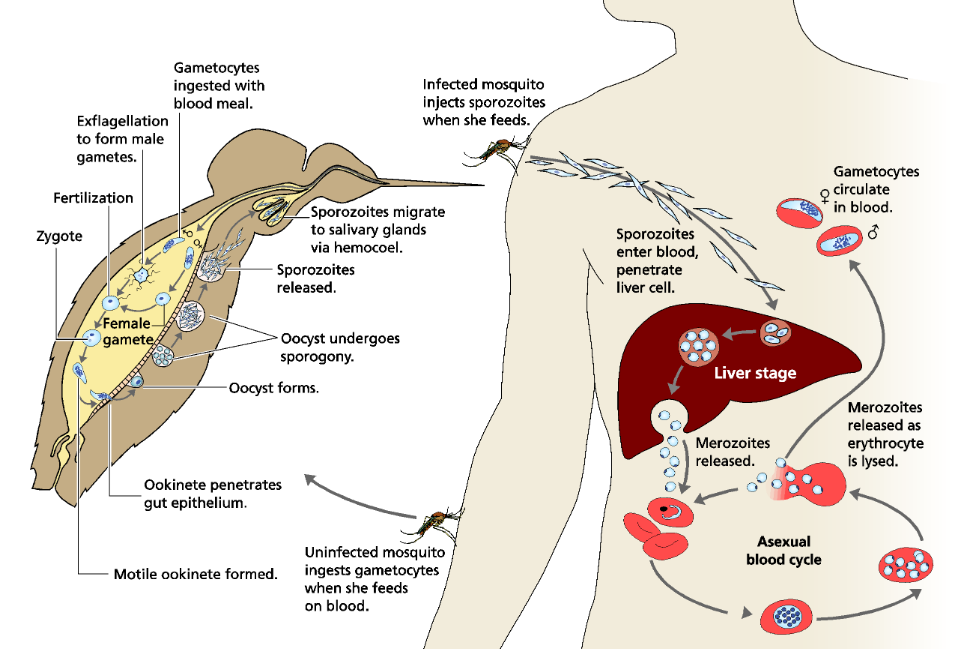
Plasmodium- (falciparum and vivax)
Apicomplexans with direct life cycle. Vivax is the dominant parasite in subsaharan Africa, with a dormant liver stage causing reactivation of hypnozoites and relapse of Malaria. Falciparum is the most virulent and dominates outside SSA, the RBCs infected and sequester trophozoites through segmenting schizont.
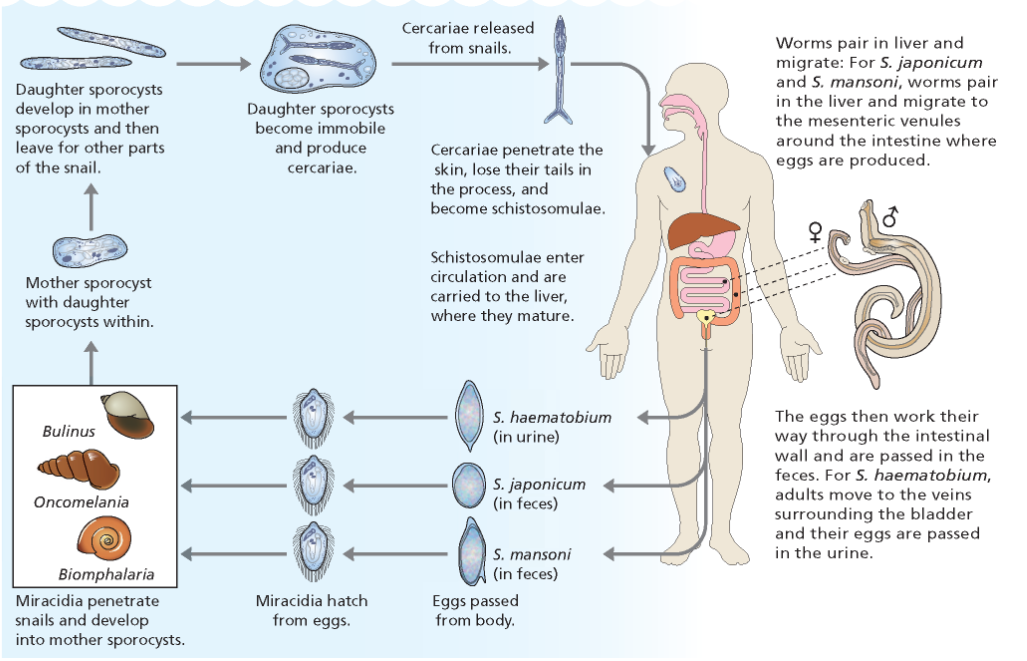
Schistosoma (mansoni, japonicum, haematobium)
Trematodes and fluke flatworms with indirect life cycle. Must come from contaminated water. Mansoni- definitive hosts are humans, primates, rodents and pathology comes from trapped eggs where the spleen and liver are effected, Japonicum- humans + 40 species, common in water buffalo, causes zoonosis and pathology is worse than S.mansoni because there are more eggs produced. S.haematobium- most human specific in the bladder and urine, can cause bladder cancer, kidney issues, and female genital damage leading to HIV risk.
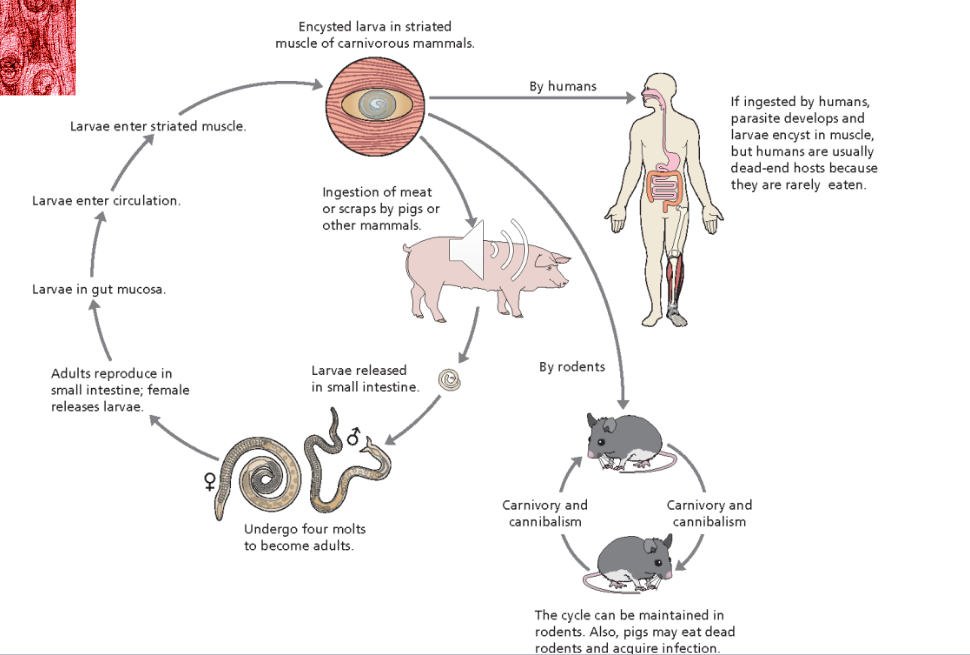
Trichinella spiralis
Roundworms with indirect life cycle. Larvae leaves nurse cell in GI tract which causes Diarrhea and crosses gut eptithelium to the muscle causing great pathology and death (perforated bowel).
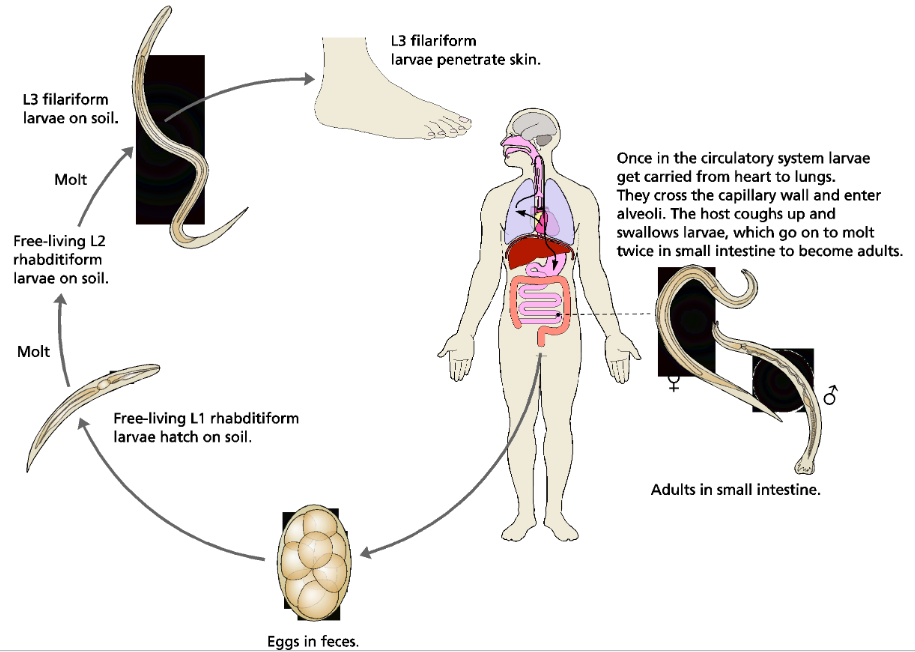
Ancylostoma duodenale
A direct life cycle. they feed on blood produced from biting intestines. Strong disease in children and pregnant women like anemia, cardiac failure, and death.
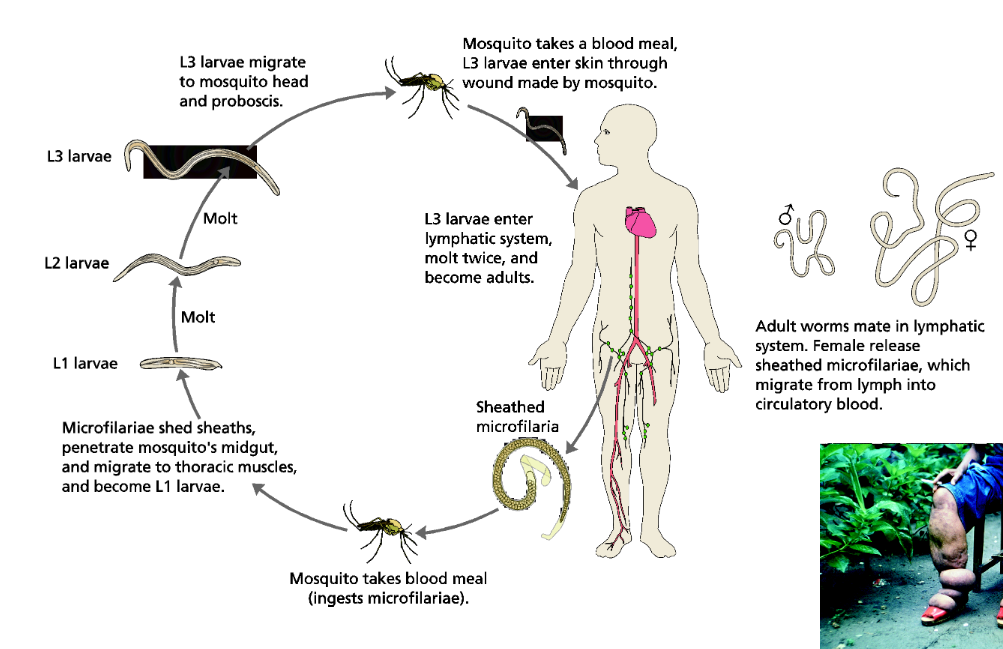
Wuchereia bancrofti
A roundworm, vector borne parasite causing elephantiasis. The lymphatic drainage is blocked causing chronic pathology and is high risk for localized secondary infections. High IgE presence.
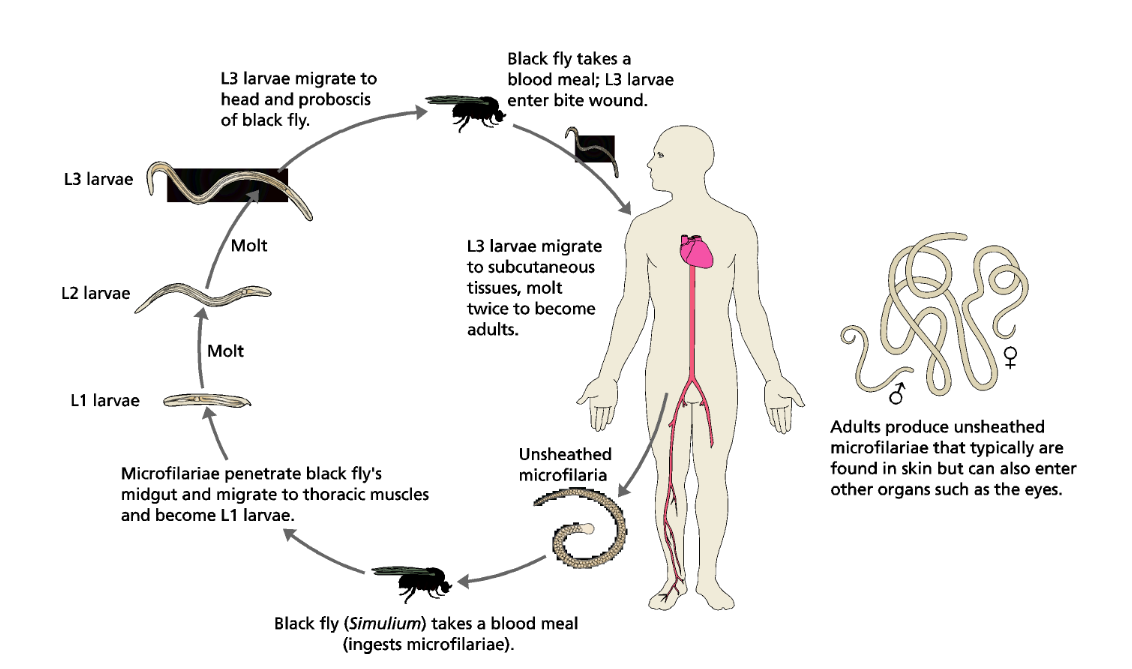
Onchocerca volvulus
Filareal nematode that is vector borne. Pathology comes from the microfilariae dying in the tissues, they have a tropism for the eye causing corneal damage and uncurable blindness overtime.
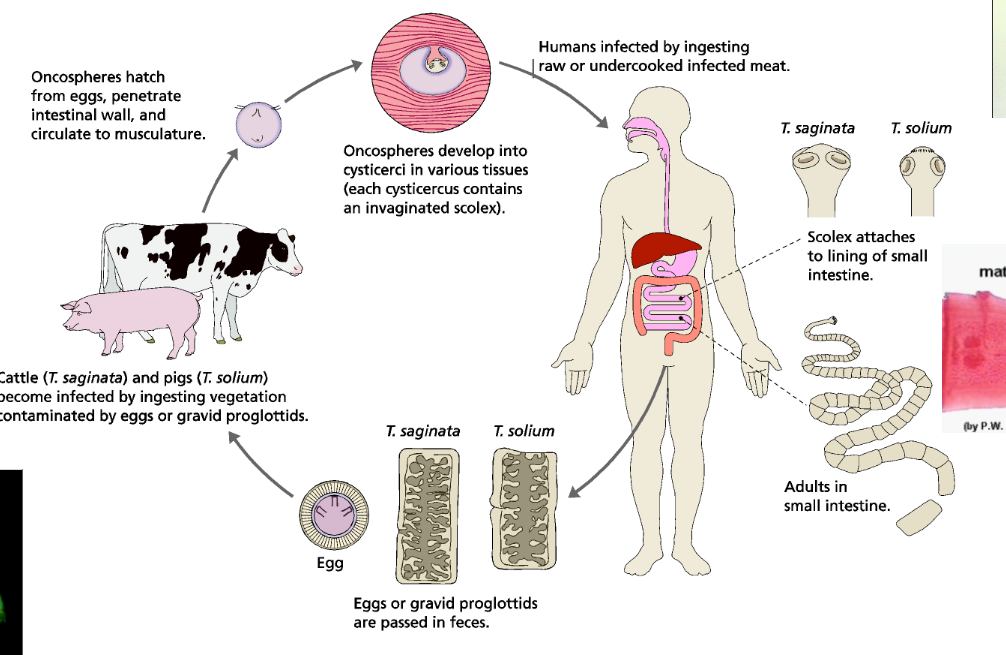
Taenia solium
Cestode tapeworm from trophism. Autoinfection can happen when eggs are released in humans and larvae get stuck where they cannot reproduce so they migrate and become cysticerosis (neuro being worst) with strong pathology and lethality. Adult worms are not nearly as dangerous as having eggs in the body.
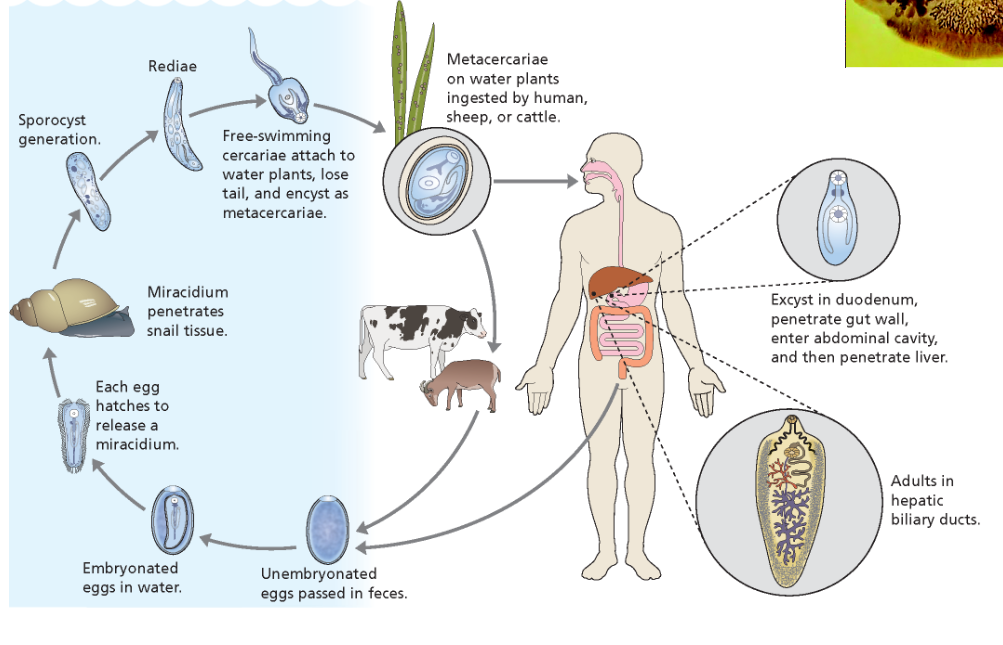
Fasciola hepatica
trematode where the number of parasites determines the pathology. It damages the bile ducts causing jaundice, liver failure, and pancreatitis.