Conflict & Warfare
 Studied by 0 people
 Call Kai
 Learn
Learn Practice Test
 Spaced Repetition
 Match
Match Flashcards
 Knowt Play
1/21

There's no tags or description
Looks like no tags are added yet.
Name | Mastery | Learn | Test | Matching | Spaced | Call with Kai |
|---|
No analytics yet
Send a link to your students to track their progress
22 Terms
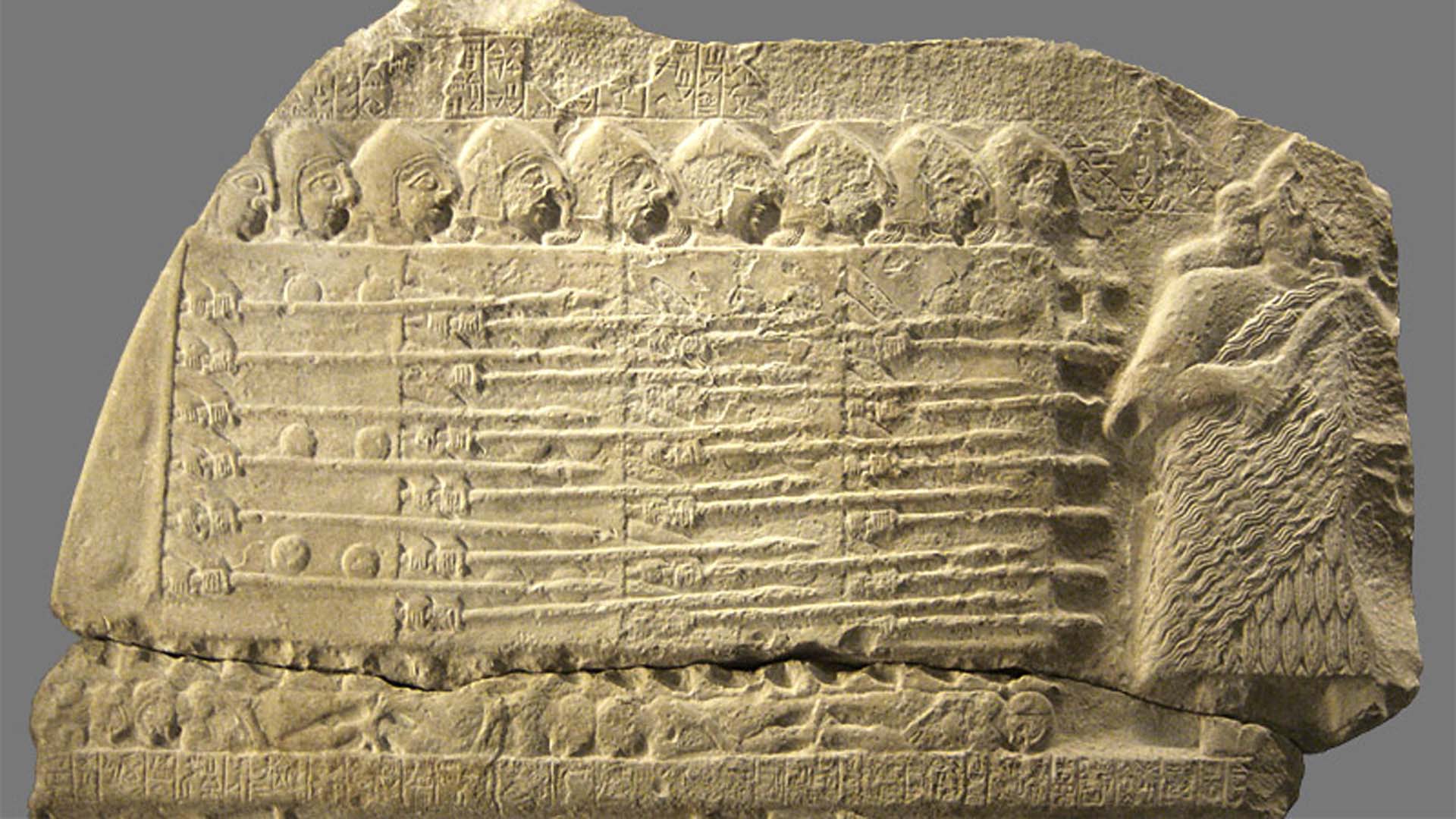
Relief fragment from the Eannatum Vulture Stela
Military kingship emerged as rulers claimed divine approval for warfare and used powerful visual propaganda to reinforce their authority. depicts an organized Sumerian military formation
Modern day warfare image (woman in rubble)
a modern perspective on warfare, capturing the devastating human cost and destruction in contemporary conflict
Warfare among animals
the natural aspect of competition and violence among animals, relating to the inquiry into the inherent nature of conflict.
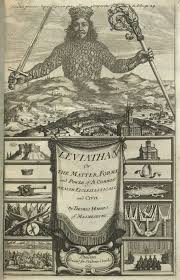
Thomas Hobbes Leviathan title page (1651)
This historical image presents the influential text by Thomas Hobbes concerning the structure of society and the nature of legitimate government
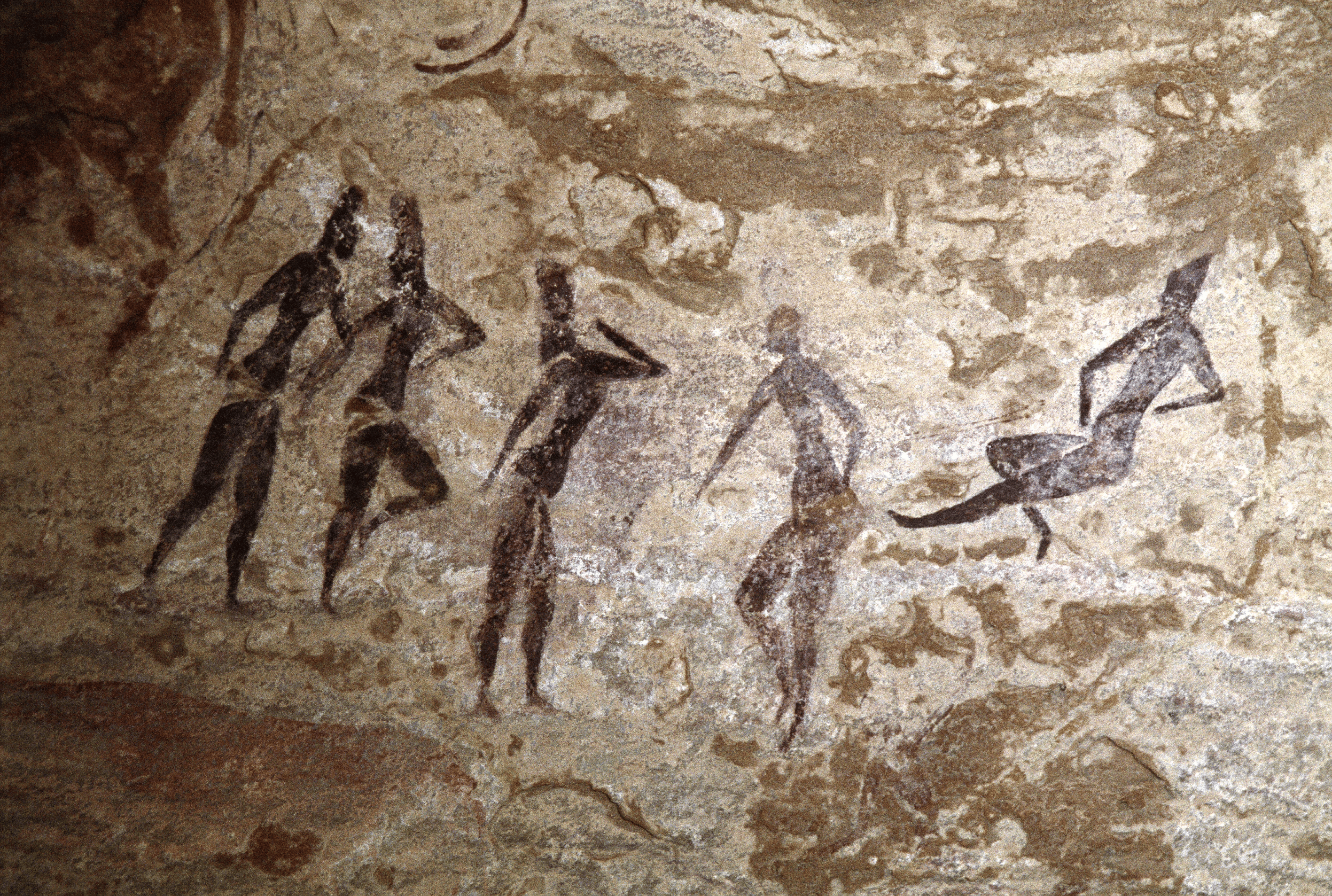
Neolithic cave paintings from Spain and Algeria
showing a battle between two groups of archers, serve as evidence used to trace the origins of conflict back to the Neolithic period.

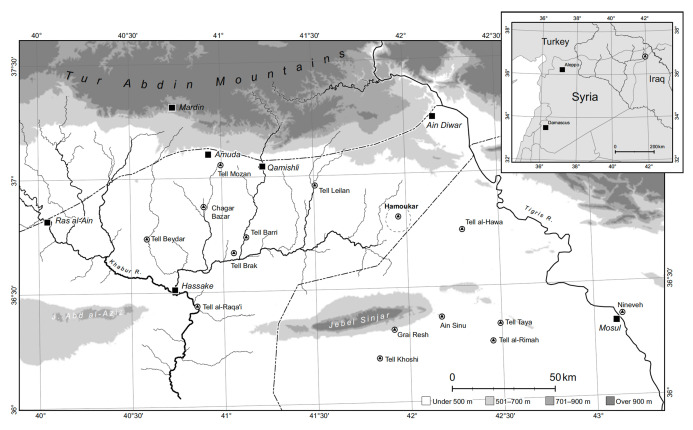
Map of Near East sites (Uruk, Hamoukar)
locates significant proto-urban settlements like Hamoukar and Uruk in the Near East, setting the geographical stage for discussions of conflict and power.
Hamoukar magnetic map and Area A step trench
outlines the large Hamoukar mound, while the photo shows the deep excavation cut (Area A step trench), revealing the foundational layers and scale of the settlement.
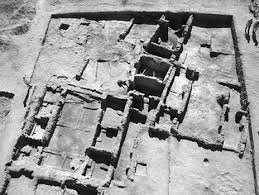
Hamoukar Area B composite excavation view
displays the complex architectural remains of Hamoukar Area B, where evidence of destruction and conflict was uncovered.
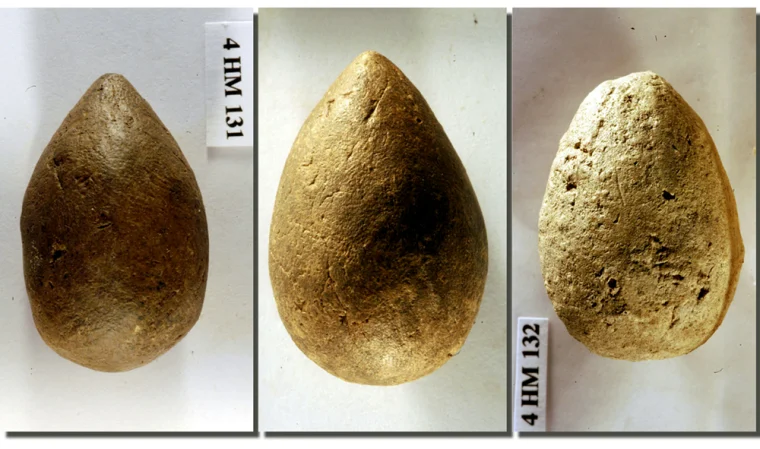
Sling stones and clay sling bullets from Hamoukar:
teardrop-shaped objects, including samples fractured during impact and one lodged in wall plaster, provide material evidence of a siege or military attack at Hamoukar.

Bevel-rim bowls (Uruk pottery) from Hamoukar
Ceramic vessels, found in pits following the destruction layer at Hamoukar, indicate the presence or involvement of Southern Mesopotamian Uruk agents in the conflict. used for measurement of grain rations (barley, spelt, or emmer wheat). The rations would be given as payment to laborers for services rendered as part of a Corvée labor system.
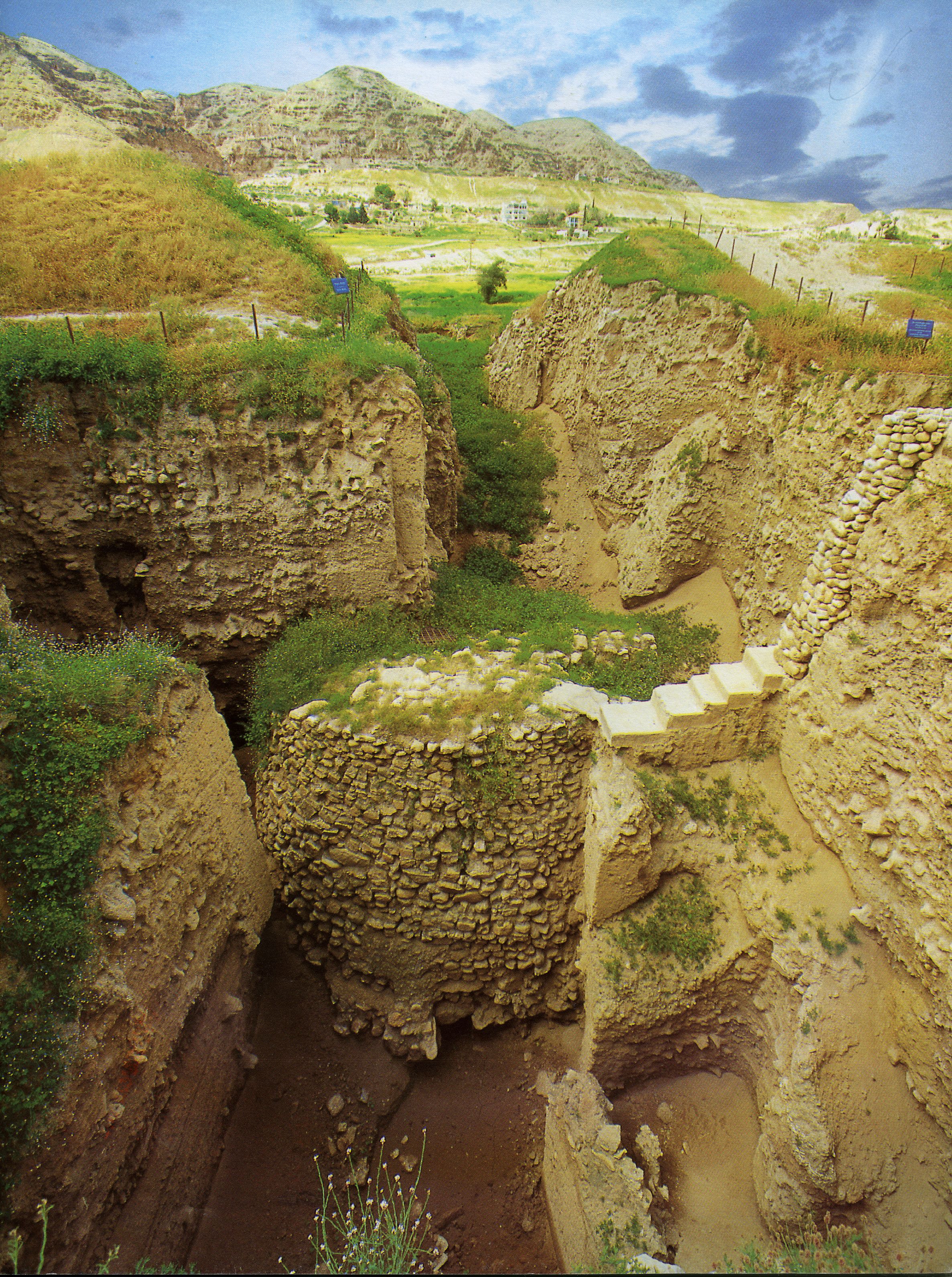
Jericho Tower, wall, and ditch structures:
of Pre-Pottery Neolithic Jericho, whose function is debated, suggesting either defense, flood management, or ritual significance.
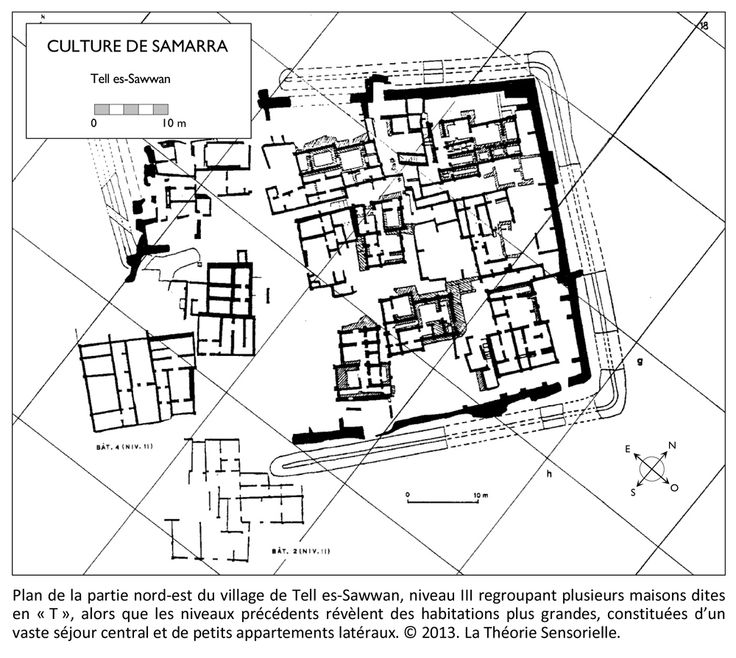
Plans of Tell es-Sawwan and Mersin fortifications:
display walled, defensible settlements from the Neolithic/Chalcolithic periods, highlighting early attempts to anticipate and mitigate conflict.
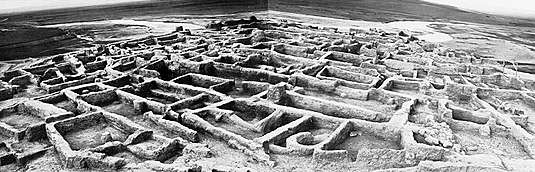
Plan and reconstruction of Chatal Höyük:
settlement map illustrates an architectural style without streets, where houses are accessed via the roof, making the area easily defensible against external threats.
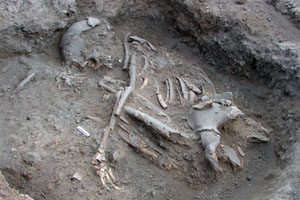
Hasty burial in Hamoukar ruins
a human skeleton found in a hasty burial following the city's destruction, with missing small bones suggesting a delay between death and interment.

Wall painting sketch (Uruk, shrine VIII.8
depicts a scene interpreted as either a hunt or combat, showing a figure defending a headless man against vultures, linked to conflict iconography.
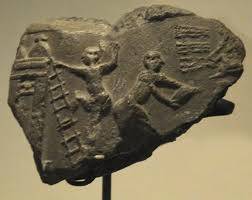
Wall painting sketch (Uruk, shrine VIII.8)
depicts a scene interpreted as either a hunt or combat, showing a figure defending a headless man against vultures, linked to conflict iconography.
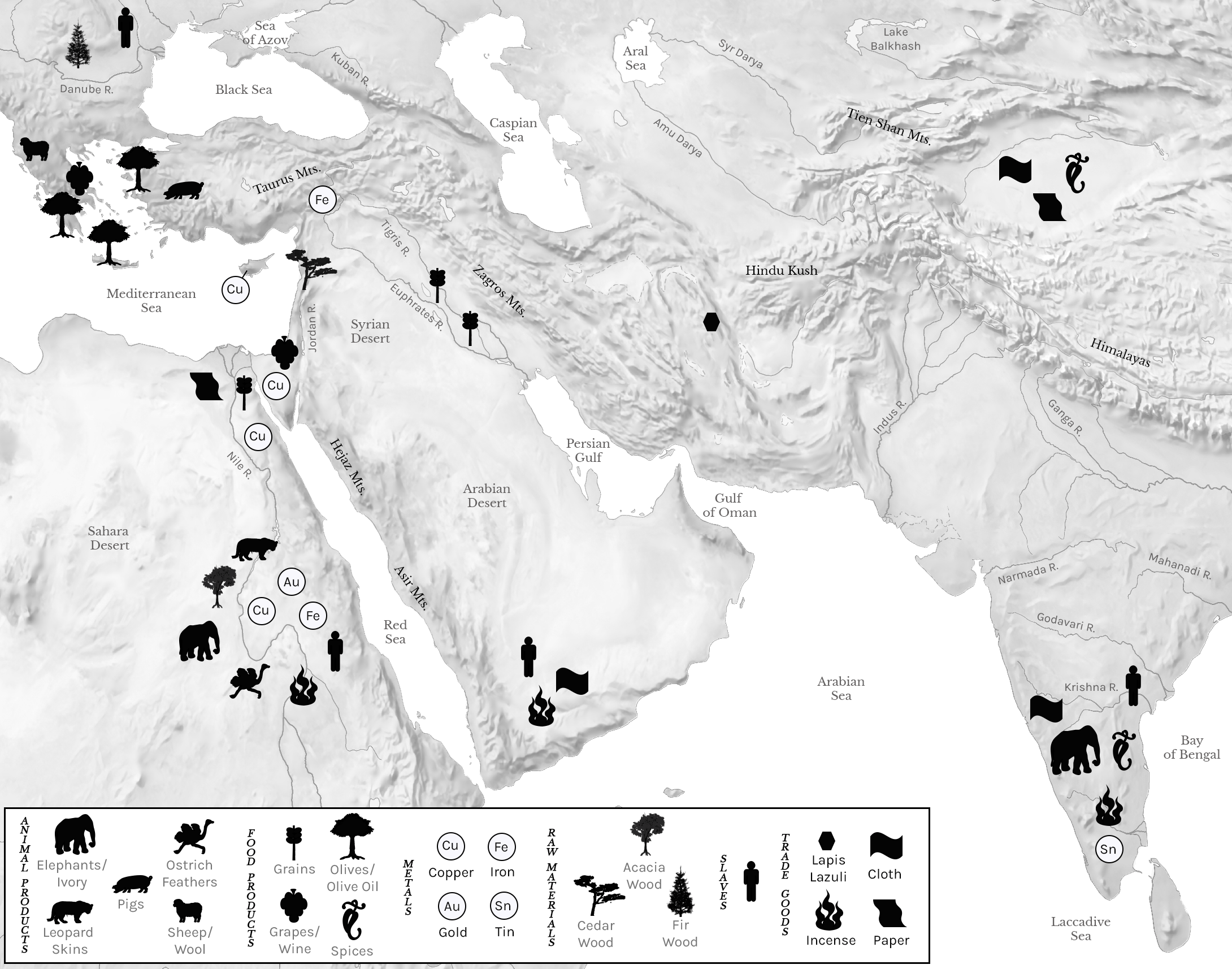
Resource map of the Near East:
highlights the distribution of various raw materials (gold, copper, lapis lazuli) and trade routes, suggesting economic control and competition as potential causes for organized conflict.

Nasiriyah Stela fragment (ca. 2250 B.C.):
detail showcases bound, naked prisoners of war with distinct facial features, being led by a soldier, emphasizing the humiliation and control over captives.
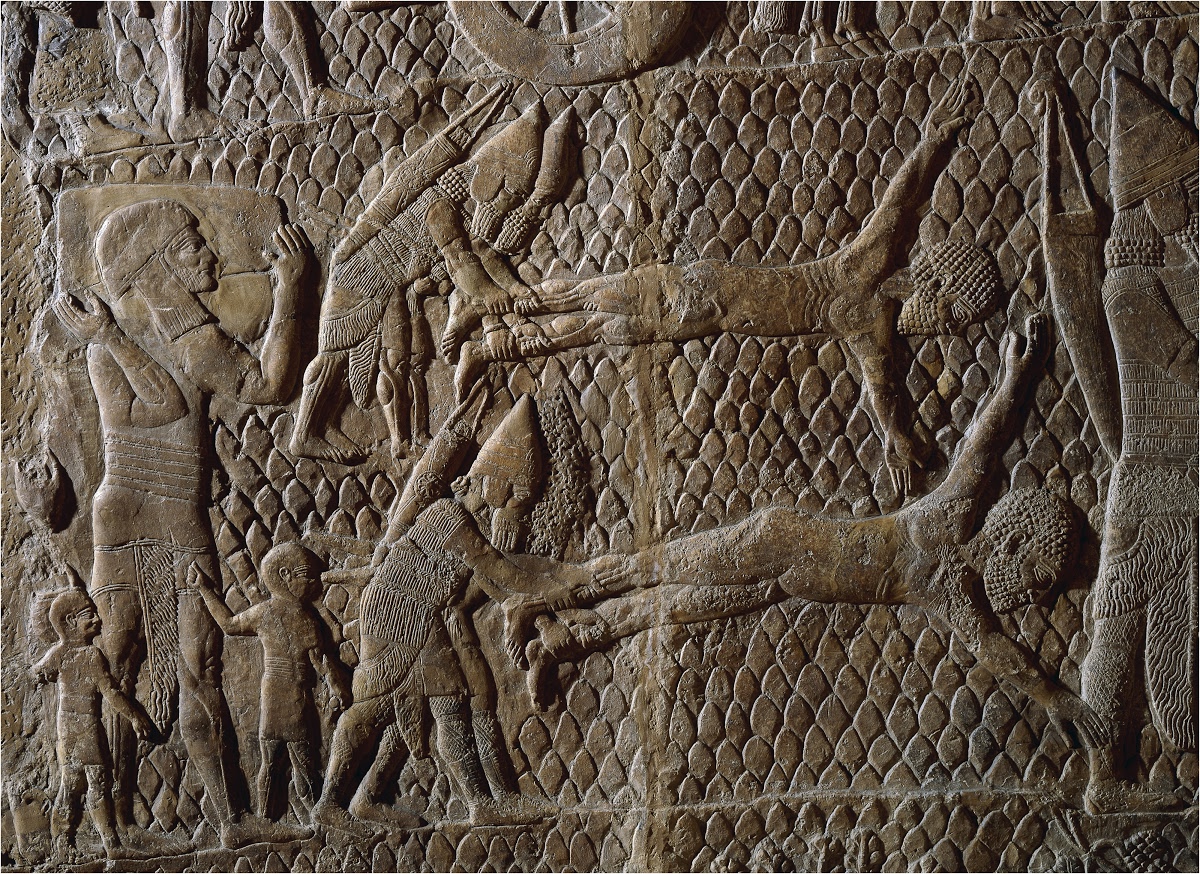
Lachish Siege Reliefs (Sennacherib's Palace)
series of reliefs documents the Assyrian siege and capture of Lachish, displaying advanced siege technology and detailed depictions of fighting and subsequent punishments.
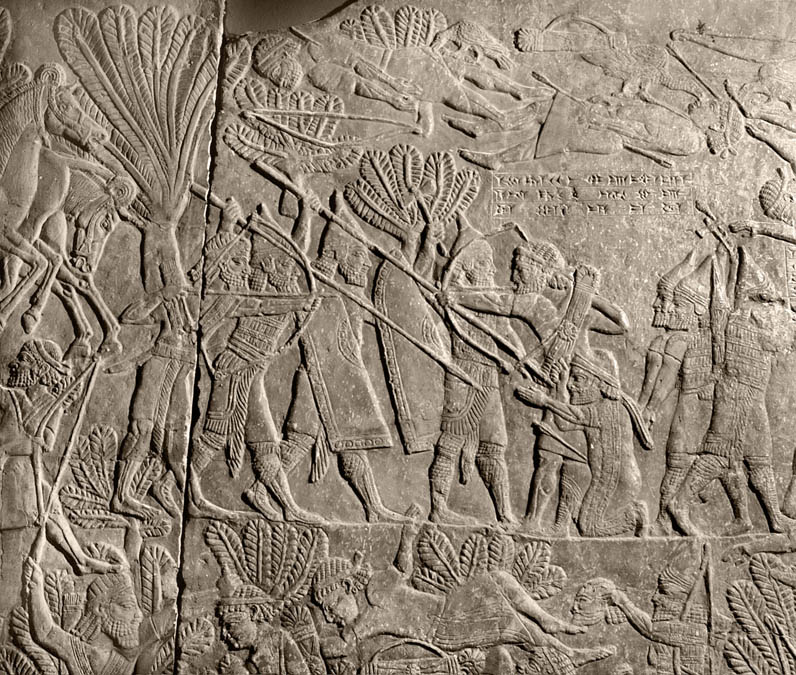
Battle of Til Tuba Relief (Ashurbanipal, 653 BC)
portrays the chaotic battle against the Elamite army, including cavalry combat and the gruesome aftermath, emphasizing Assyrian power.
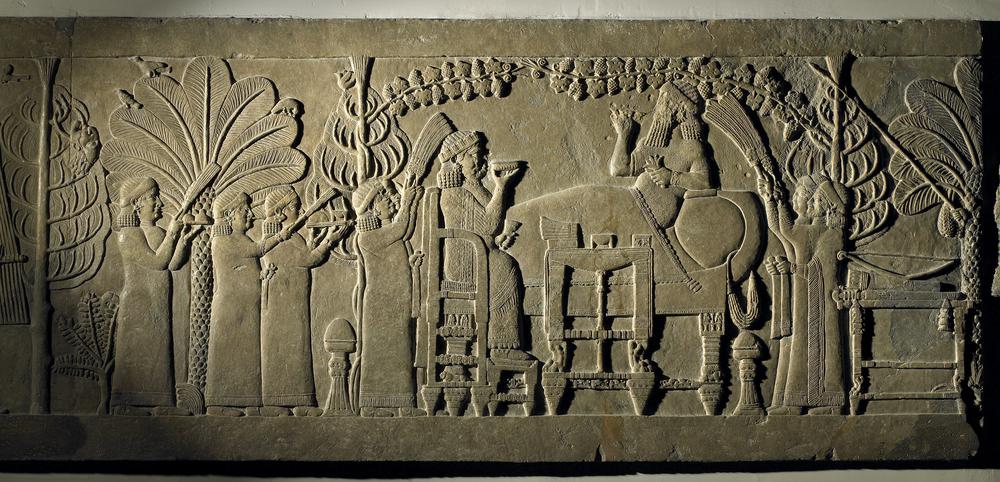
Ashurbanipal's "Garden Scene" Relief (Nineveh)
depicts King Ashurbanipal relaxing and feasting in a garden, with the severed head of the defeated Elamite King Teumman visibly hanging in a nearby tree, contrasting royal leisure with military victory.
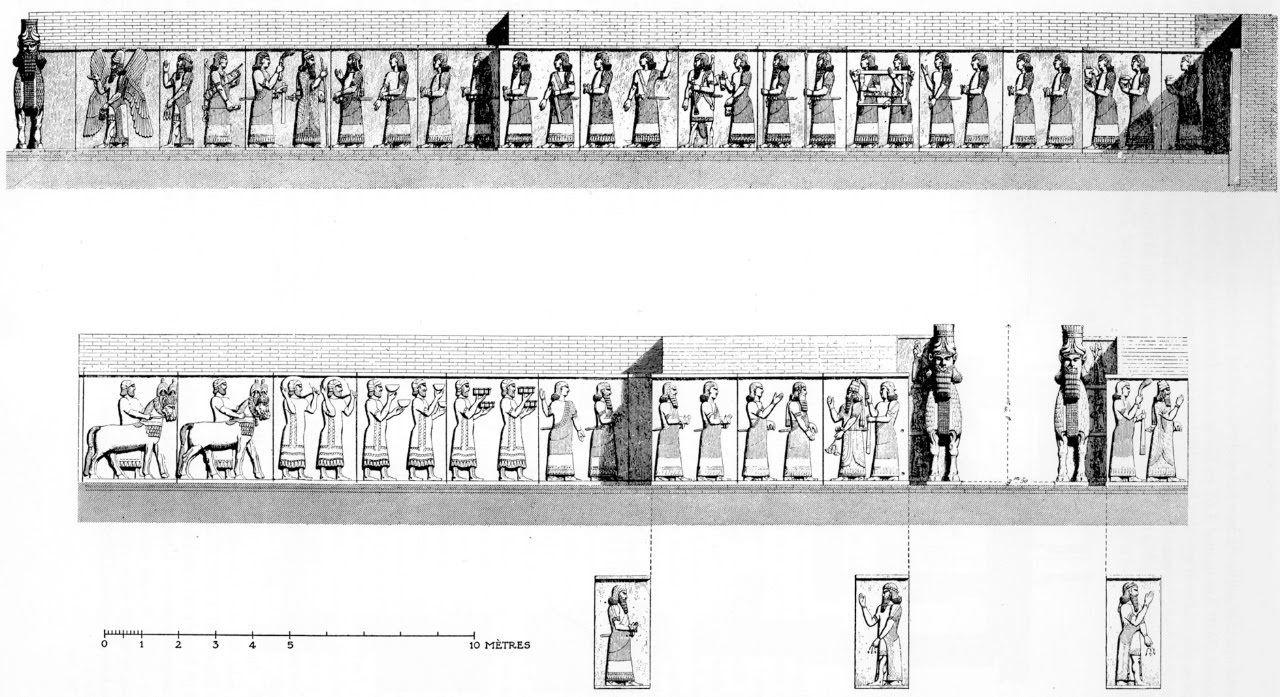
Khorsabad Throne Room Facade Relief (Sargon II)
depicts a procession of figures, including foreigners, bringing tribute to the Assyrian king, underscoring the empire's vast dominion.
 Note
Note  Flashcards (32)