(1) Church History (33-1517): Political History and Notable Figures (inc. Jesus, New Testament Figures and Writers, Church Figures and Writers inc. Popes, Saints, Church Fathers, Writers and Philosophers (and Their Works), Martyrs, Apologists, etc.)
 Call Kai
 Learn
Learn Practice Test
 Spaced Repetition
 Match
Match Flashcards
 Knowt Play
1/407

Earn XP
Description and Tags
Ordered by date of death or end of papacy | Sources: DK Chronicle, So Basically's Every Pope Explained | Political Figures of other KNOWTS should remain separate, even if they are part of the "Church" (as Cardinals, for example)
Name | Mastery | Learn | Test | Matching | Spaced | Call with Kai | Chat |
|---|
No analytics yet
Send a link to your students to track their progress
408 Terms
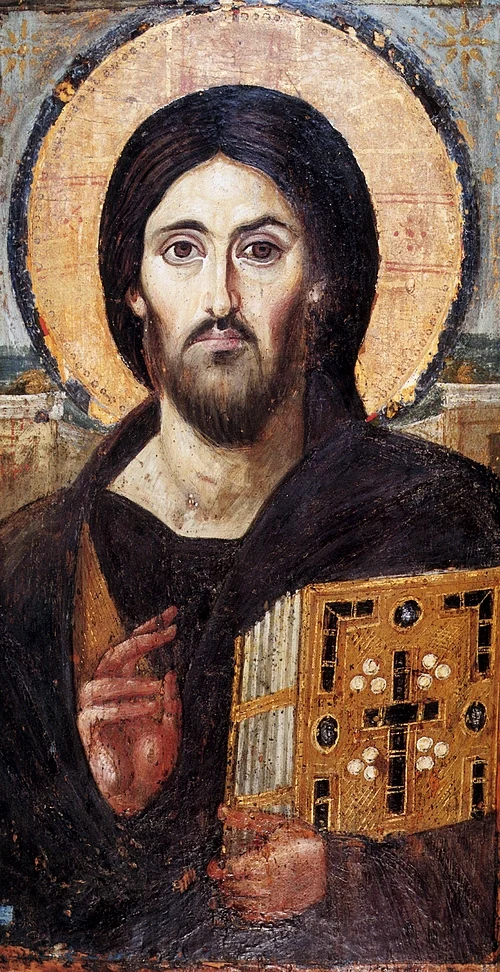
4 BCE - 33 CE - Jesus Christ (All Facts: Chronicle)
Born to Joseph and Mary in Bethlehem
He was raised in Nazareth
He was a poorly educated carpenter
Young Jewish preacher who travelled through Judea
Won widespread support and gained a reputation as the most influential prophet of modern times
Won the support of the ascetic preacher John the Baptist
His followers, called disciples, claimed that he was the long-awaited Messiah
They claimed that his life and death revealed him to be the Messiah promised in the Jewish scriptures
He urged the need for repentance
He declared that God’s rule on earth was about to begin
He taught with a unique authority, delivering his message with a sense of great urgency
He laid claim to an unusually intimate relationship with God, whom he described as “Father”
All of his prophecies came true
His was popular because he
Delivered his messages through parables
Performed many miracles including
Raising the dead
Turning water into wine
Curing fatal illnesses
Turning a handful of loaves and a few fish into enough fare to feed a vast crowd of hungry people who had come to hear him speak
Over his lifetime, political and religious authorities became increasingly hostile towards him
Proclaimed as savior by many Jews, he was arrested by a Jewish council on charges of blasphemy
Because Jews could not pass the death sentence, they handed him over to Pontius Pilate
After being condemned to death by the Sanhedrin (Jewish court), he was crucified at Golgotha
He was executed by the Roman authorities following a hearing before Jewish leaders
His mother was among the execution and heard his last words “Father, into thy hands I commend my spirit”
Witnesses to his death claimed that the three-hour eclipse of the sun which accompanies his crucifixion was a sign of God’s anger
Witnesses who were with him prior to his death claimed he has prophesied the events surrounding his own death
Many of those who had come to see him to mock him left Golgotha highly moved
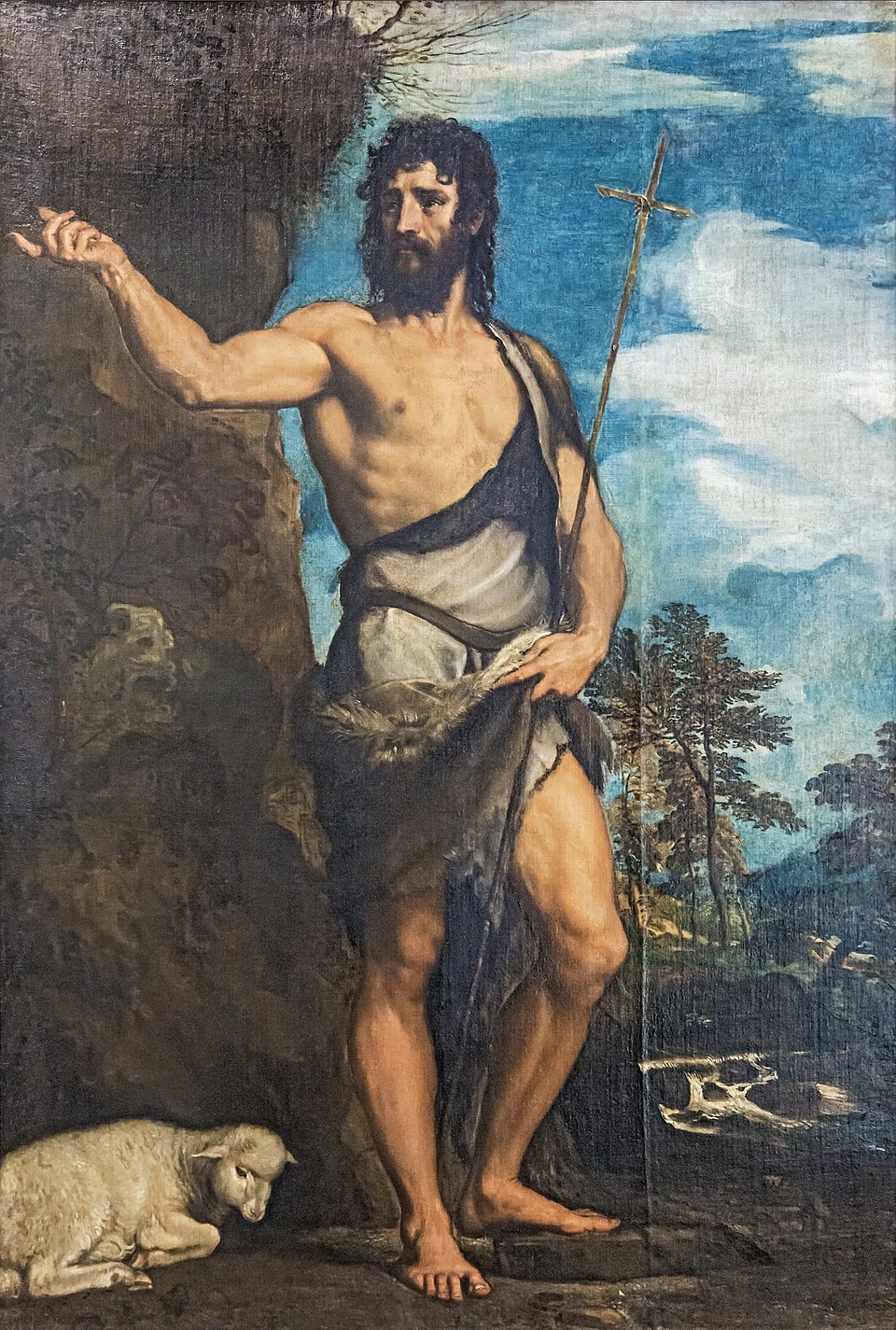
6 BCE - 30 CE - John the Baptist (All Facts: Chronicle)
Jewish Preacher active near the Jordan River
He gained a reputation for his baptisms and his preaching about repentance and forgiveness of sins
Cousin of Mary
He was arrested for publicly denouncing Herod Antipas’s incestously relationship with his niece
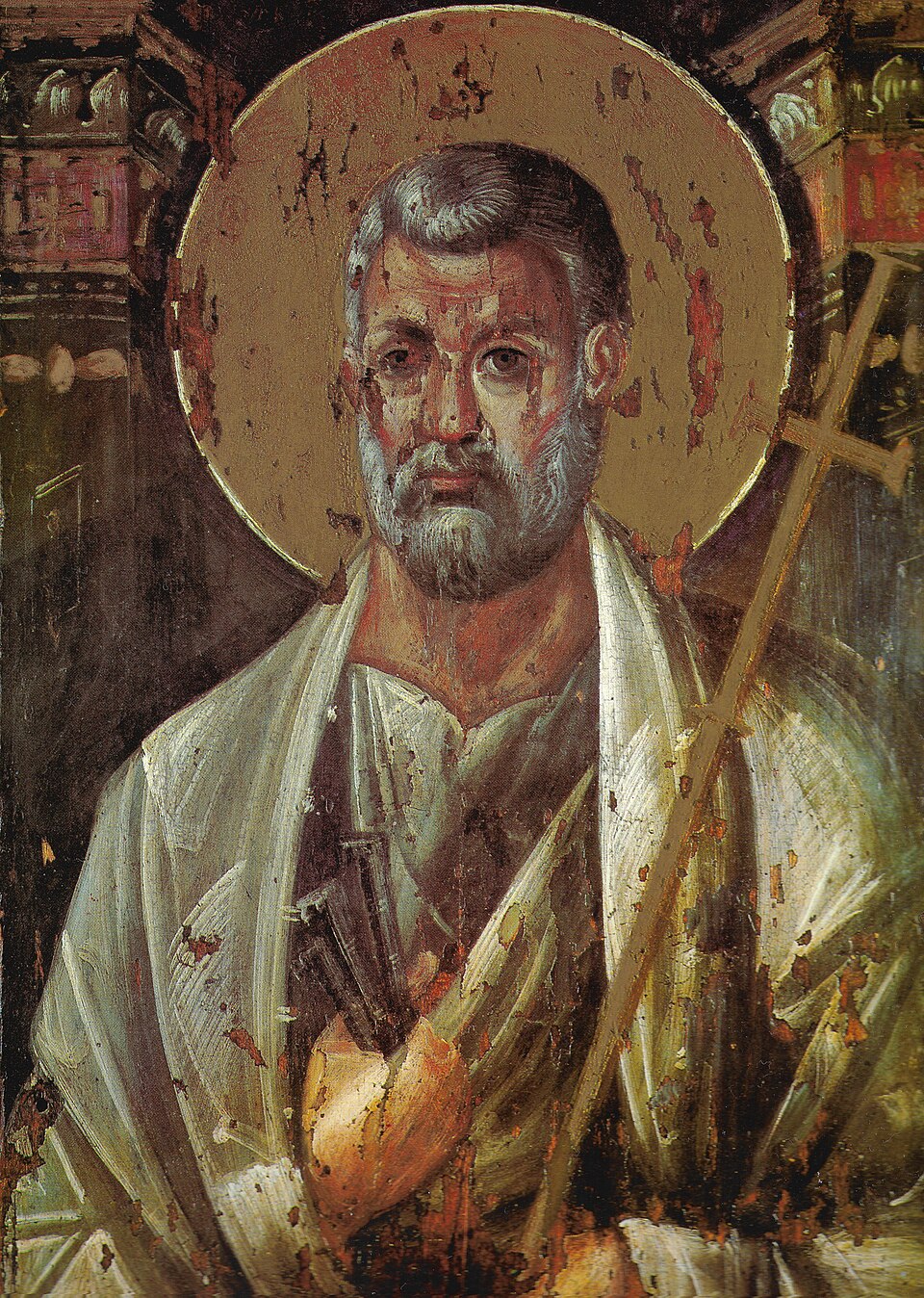
1 BCE - 68 CE - St. Peter / Peter the Apostle / Pope Peter (All Facts)
1st Pope
Jesus Christ gave him the keys to the kingdom and told him that he was him and that on that rock he would build his church
Crucified during the Persecution under Nero
He requested to be crucified upside down as he didn’t feel worthy to be crucified in the way Christ was
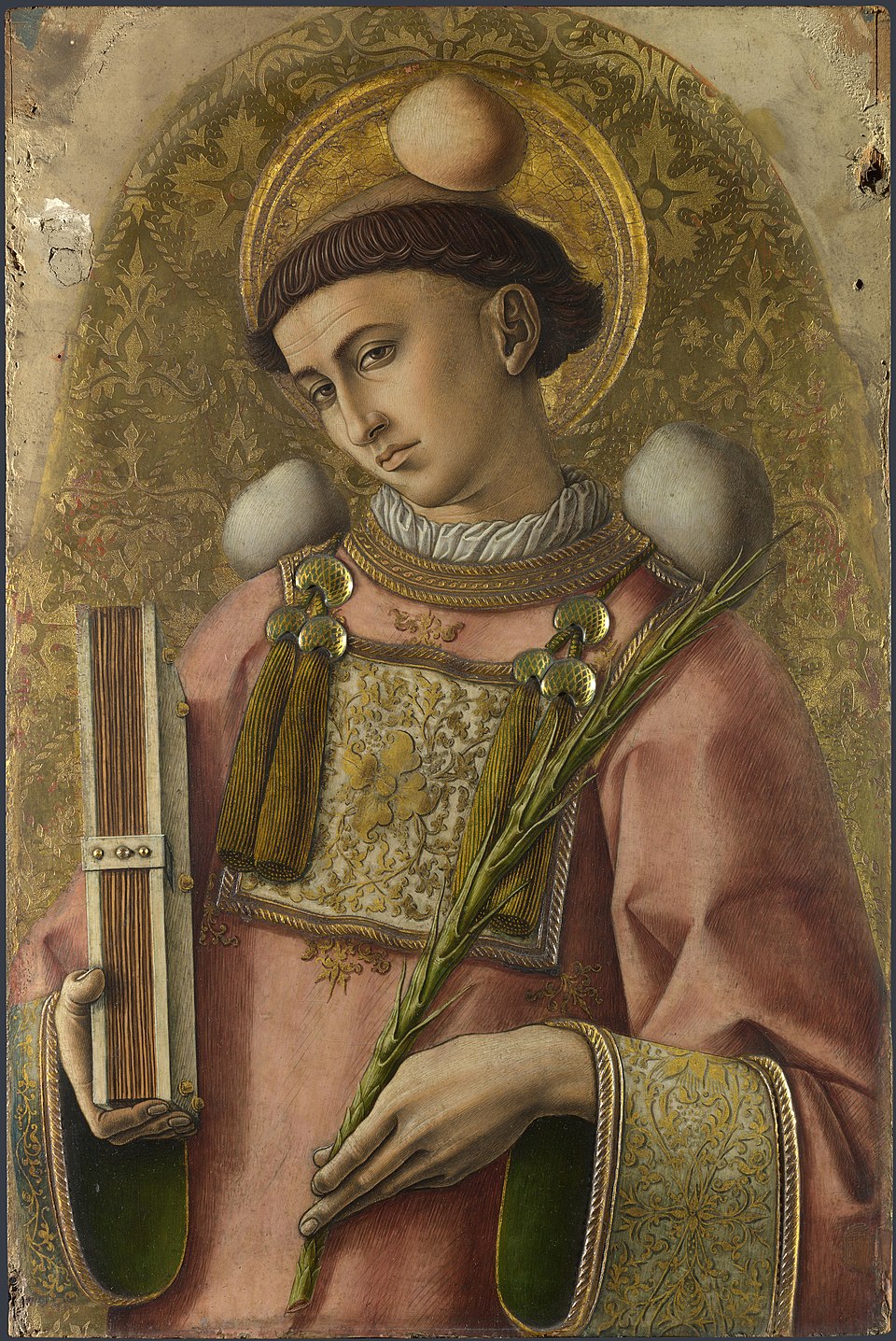
5 BCE - 33 CE - St. Stephen (All Facts)
He was known as the First Martyr of Christianity
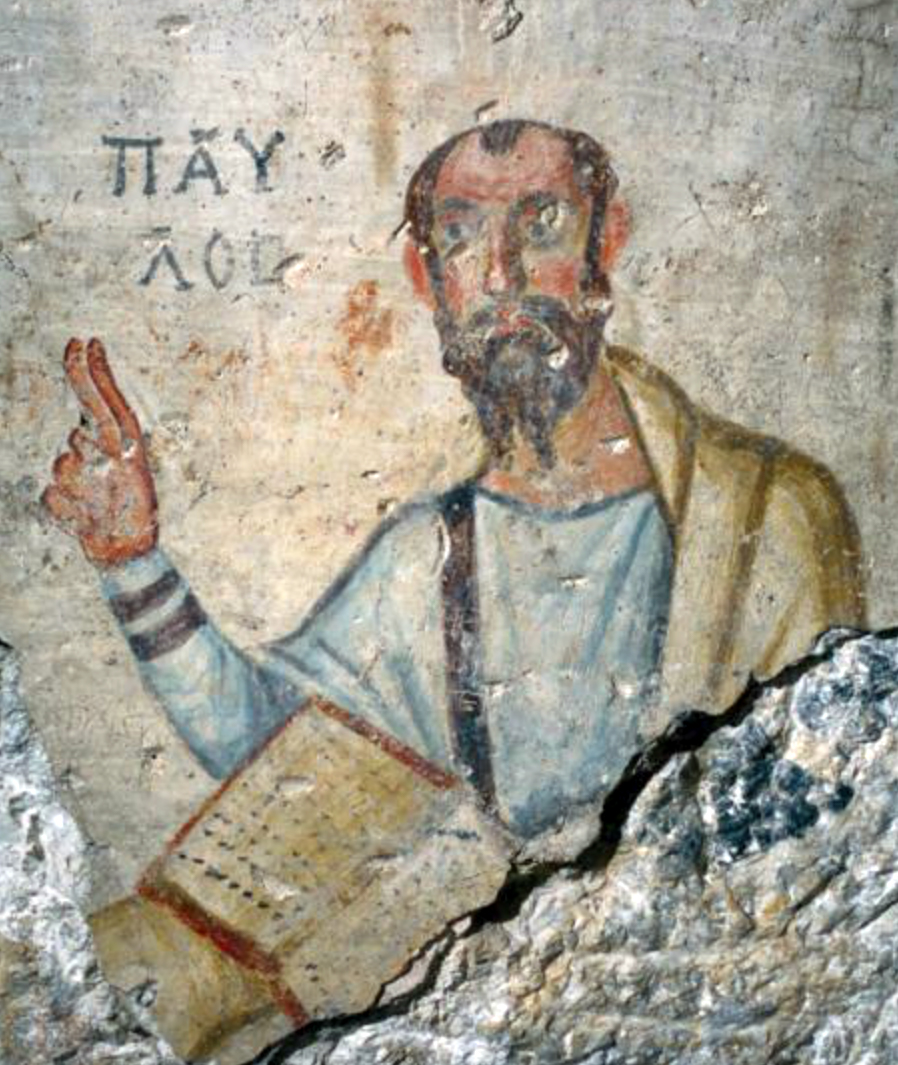
5 CE - 65 CE - St. Paul / Paul the Apostle / Saul of Tarsus (All Facts: Chronicle)
When he was young he was a strenuous Pharisee who persecuted Christians
He was once a leading opponent of Christianity
One day while he was travelling to Damascus, he saw a vision of Jesus Christ being crucified and, as a result of his experience, he converted to Christianity and stopped persecuting Christians
After this miraculous vision, he changed both his name (the latter to the former) and his beliefs for good
From there, he traveled extensively throughout the Roman Empire, especially in the eastern Mediterranean and Greece, in which he took advantage of the stability Roman rule imposed on those areas to preach Christ’s words and teachings with unrivalled enthusiasm
Of all the apostles, he took Christianity furthest from its Jewish origins, having abandoned many of is traditions and concentrating on Christ’s divinity
This naturally alienated many Jews
He was eventually arrested during his last visit to Jerusalem
However, his Roman citizenship saved his life, and he was sent to Rome
52 - Landed at Corinth, which he intended to make his center for the evangelization of Greece
58 - Wrote an epistle to the Romans while in Corinth
Some called him the true successor to Christ himself
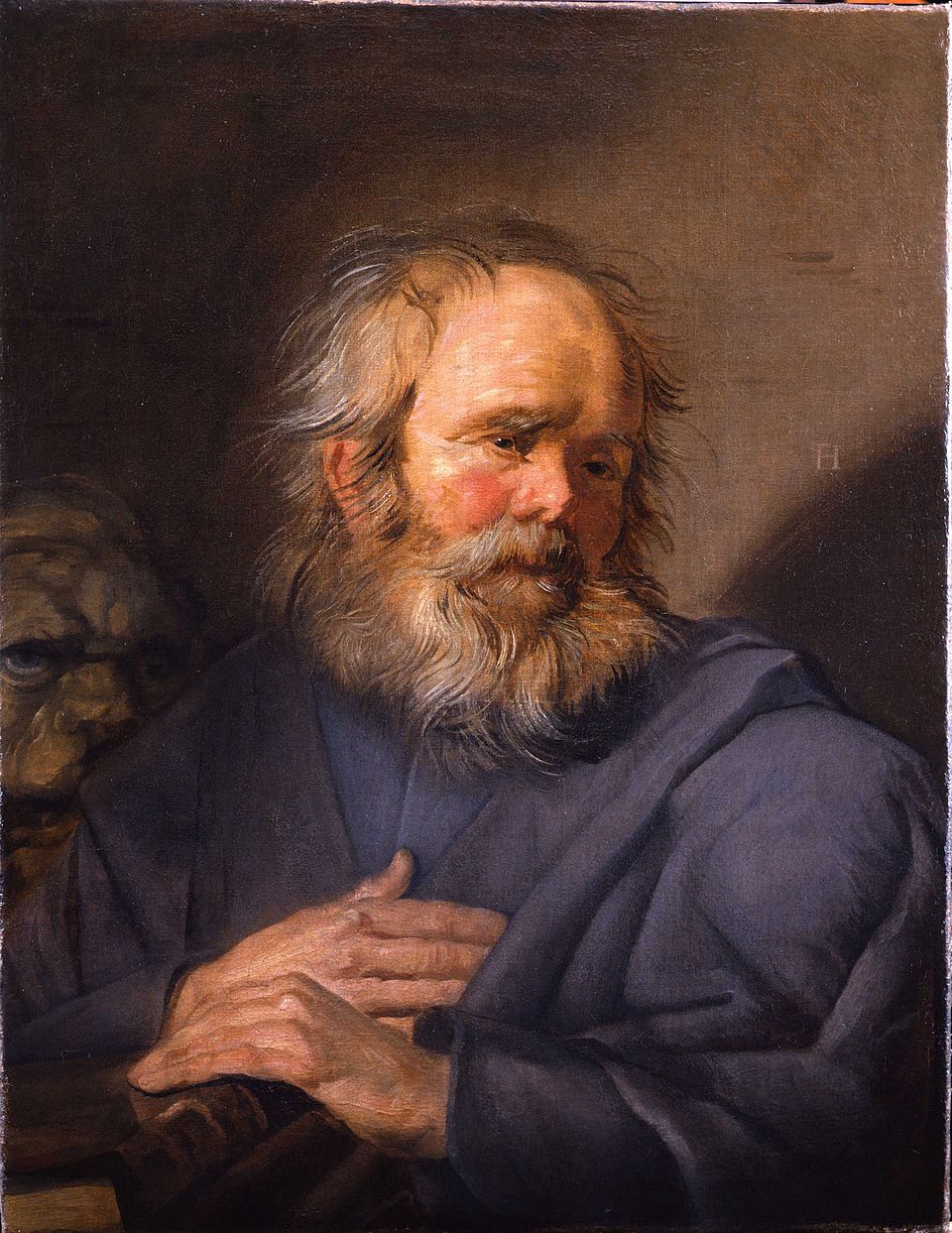
12 CE - 68 CE - St. Mark the Evangelist and Gospel Writer (All Facts: Chronicle)
Wrote down the history of Jesus’s life and used the story to help spread Christianity, based on Jesus’s teachings
Accompanying St. Peter on a mission shortly before he died, he translated Peter’s accounts of Christ’s teachings from Aramaic into Greek, and pieced them together to record the life and work of Jesus Christ
12 CE - 68 CE - St. Mark the Evangelist and Gospel Writer: Book of Mark (All Facts)
The namesake’s account begins with the baptism of Jesus by John the Baptist in the wilderness and goes on to set out the stories that have gathered around Jesus’s life
Its final section details the alleged resurrection after death, upon which miraculous rebirth led Christ’s followers to base their belief in Jesus as the true messiah
68 CE - 80 CE - Pope Linus / St. Linus
2nd Pope
Appointed by St. Peter
Famous for converting the daughter of a Roman official to Christianity and then was killed for doing so
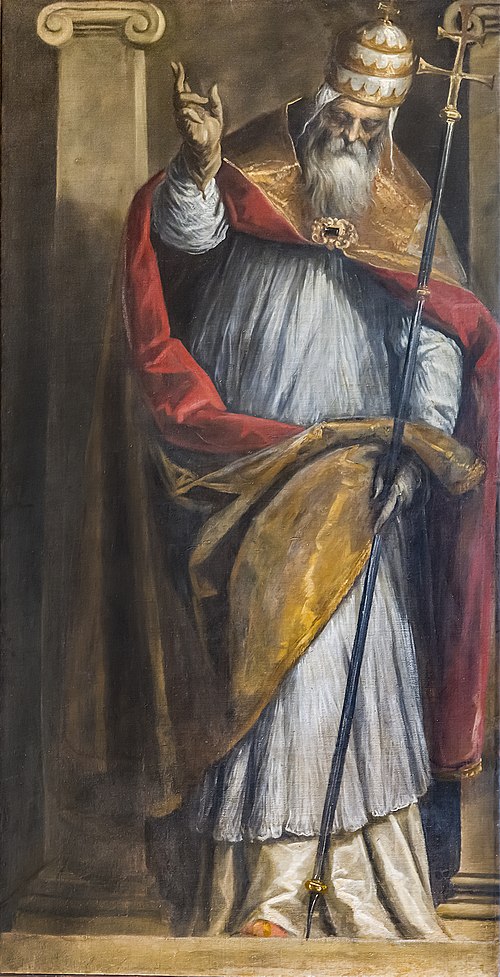
80 - 92 - Pope Anacletus / St. Anacletus (All Facts)
3rd Pope
Appointed by St. Peter
Known for creating 25 parishes in Rome
He also ordained a number of priests
He was killed by the Romans
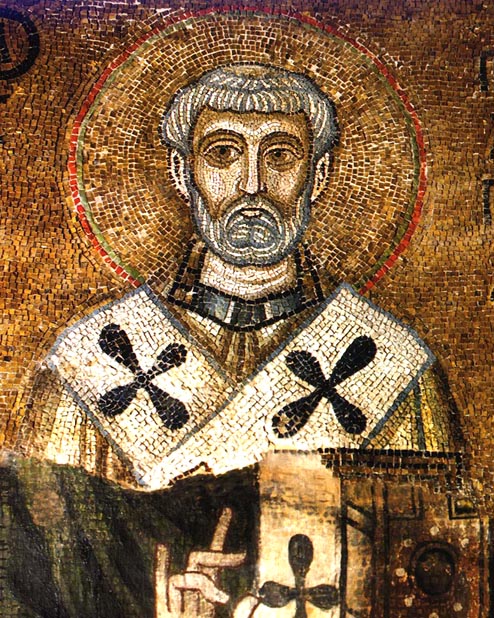
92 - 100 - Pope Clement of Rome / St. Clement of Rome (All Facts)
4th Pope
Appointed by St. Peter
Wrote the first Christian document outside the New Testament, which includes the earliest mention of the concept of Apostolic Succession
He was imprisoned by Roman Emperor Trajan
He was executed by being tied to an anchor and thrown into the sea
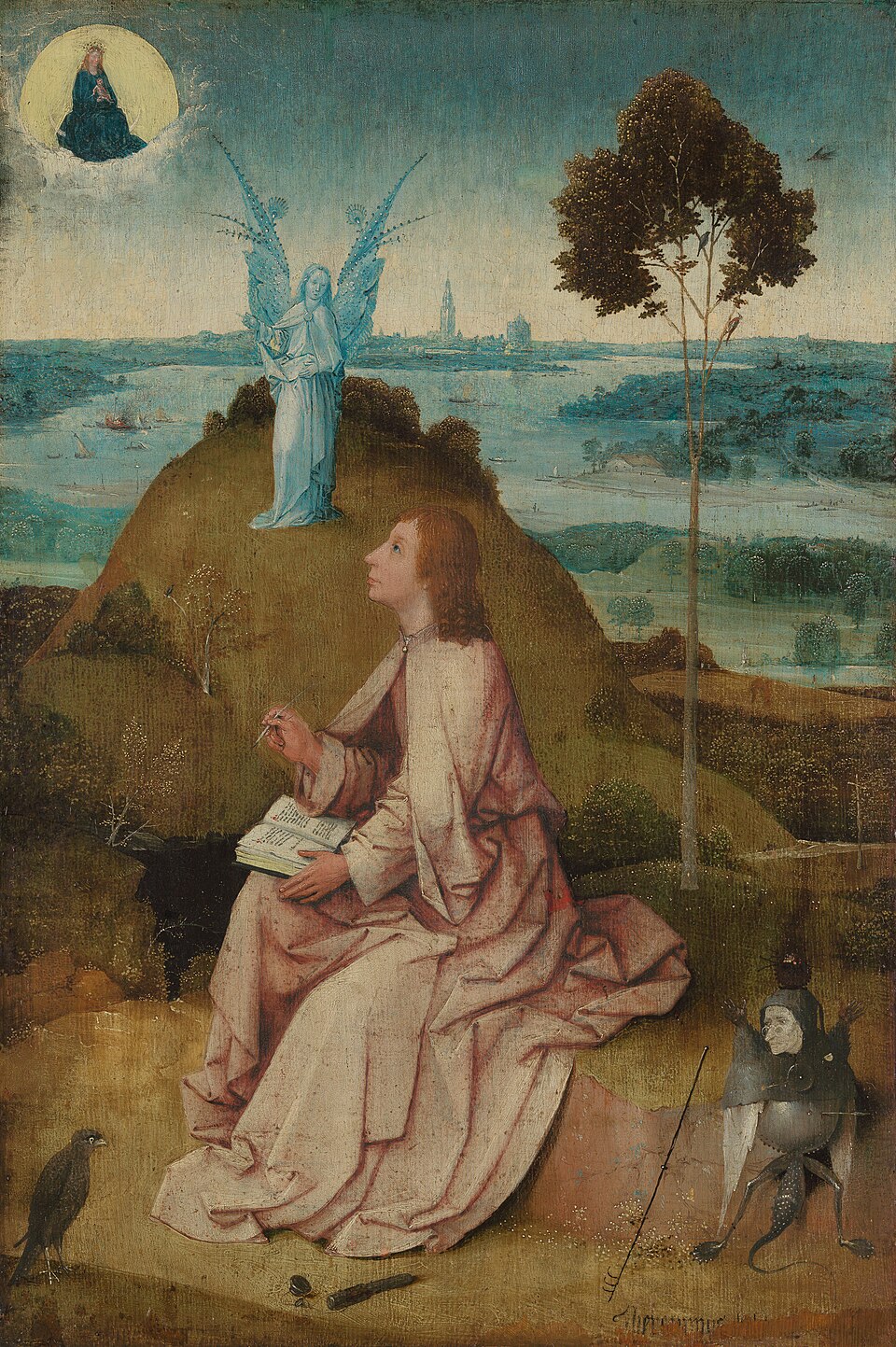
0s / 100s - John of Patmos (All Facts: Chronicle)
He was exiled to Patmos by the Roman Emperor Domitian in the Emperor’s attack on Christianity
0s / 100s - John of Patmos: Book of Revelation (All Facts: Chronicle)
About the Apocalypse, it contains a book of prophecies
It was written with the intention of raising the morale of those Christians suffering persecution
Consists of a collection of visions and symbols, all of which point to the destruction of Rome and the ultimate victory of Christ
It does not attack Rome directly, but in vivid and terrifying language speaks of the defeat by “the Lamb, the Lord of Lords and King of Kings” of “a woman mounted on a scarlet beast, Babylon the great, mother of whores and of every obscenity on earth”
Other visions included in it are
The “four horsemen” who are to announce the Day of Judgement
The appearance of two great beasts (representing Roman emperors)
A final battle in which Christ defeats Satan
The book was powerful and understood fully by Romans and Christians alike
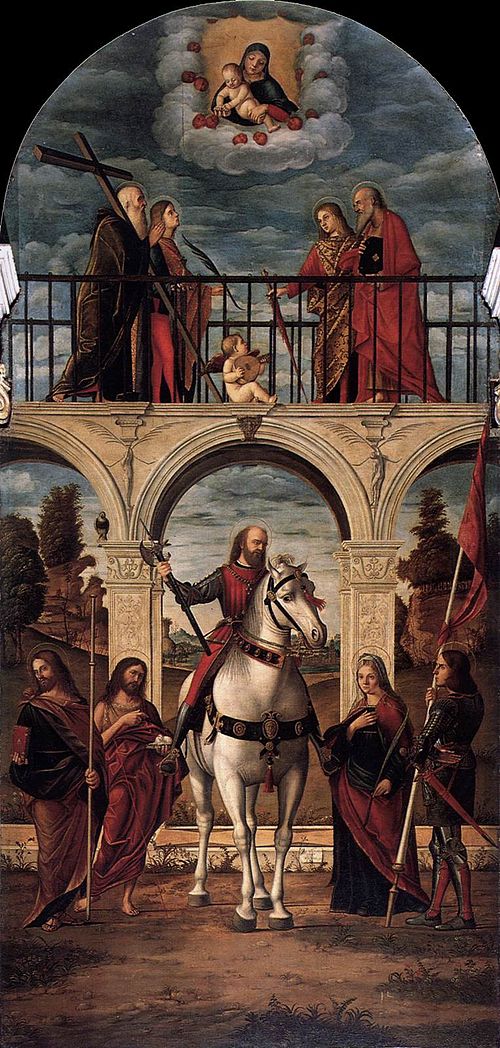
0s / 100s - St. Vitalis of Milan (All Facts)
Christian Martyr who has a church in Ravenna named after him that was decorated by Justinian the Great of the Byzantine Empire
100 - 108 - Pope Evaristus / St. Evaristus
5th Pope
Organized the new role of bishops within the Church
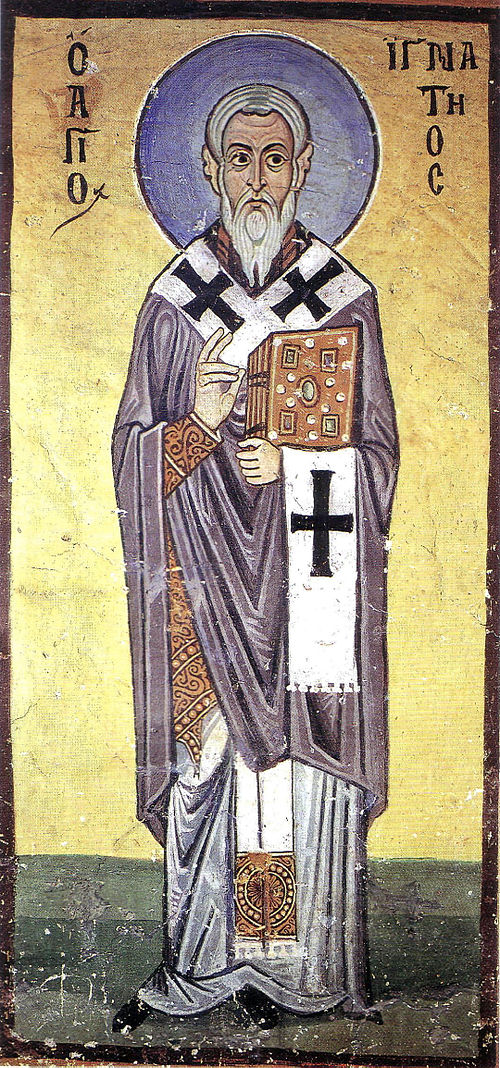
0s - 108 - Ignatius of Antioch (All Facts)
Bishop of Antioch
One of the three Apostolic Fathers
He was a disciple of St. John the Apostle, one of the 12 disciples of Jesus
Early Christian writer
Died in Rome as a martyr
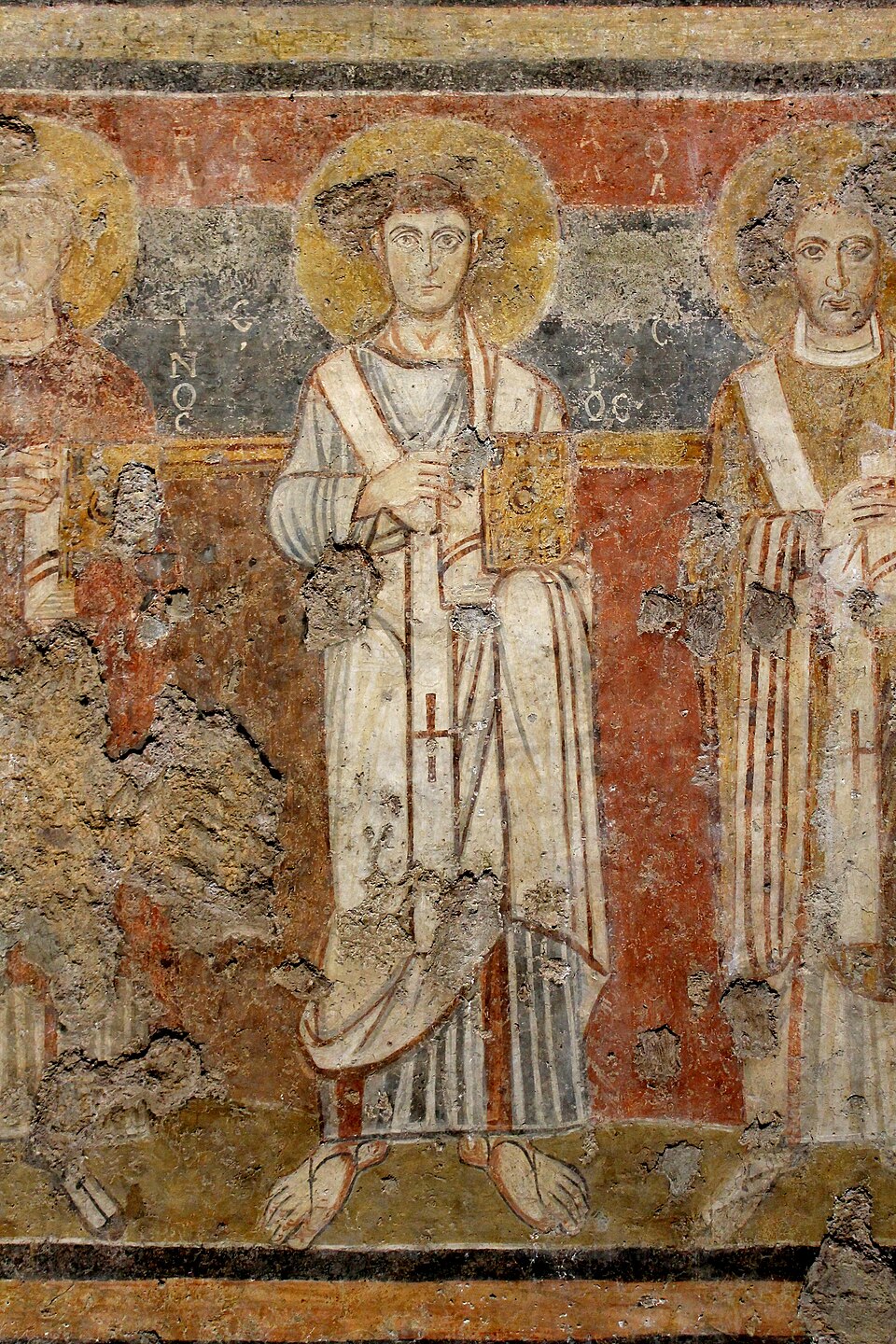
109 - 119 - Pope Alexander / St. Alexander (All Facts)
6th Pope
Introduced the Christian tradition of “Holy Water”
This was blessed water mixed with salt and/or the sacramental wine for the purification of Christian homes from evil influences
Converted 1500 people to Christianity, including the man who imprisoned him
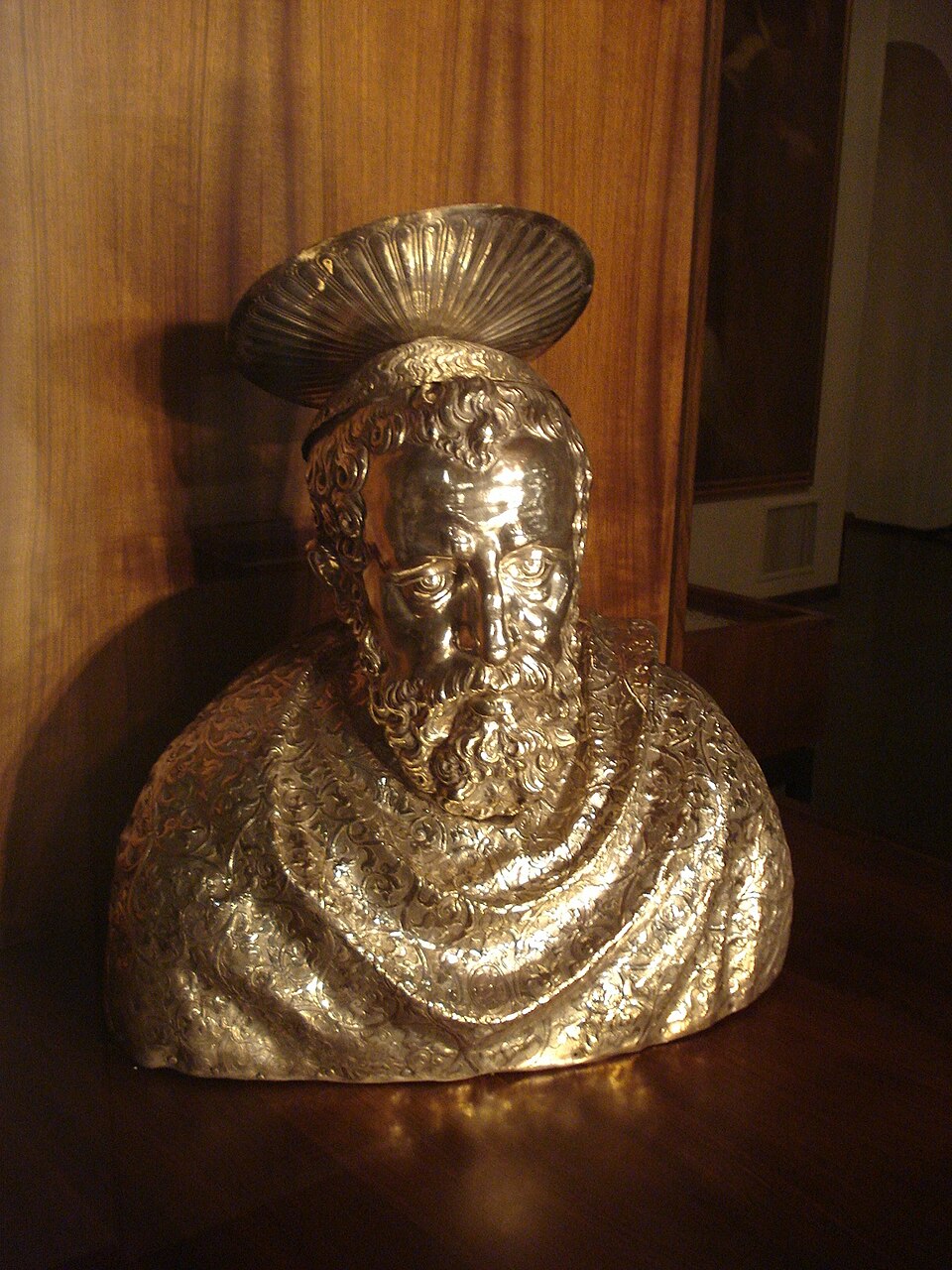
115 - 128 - Pope Sixtus / St. Sixtus (All Facts)
7th Pope
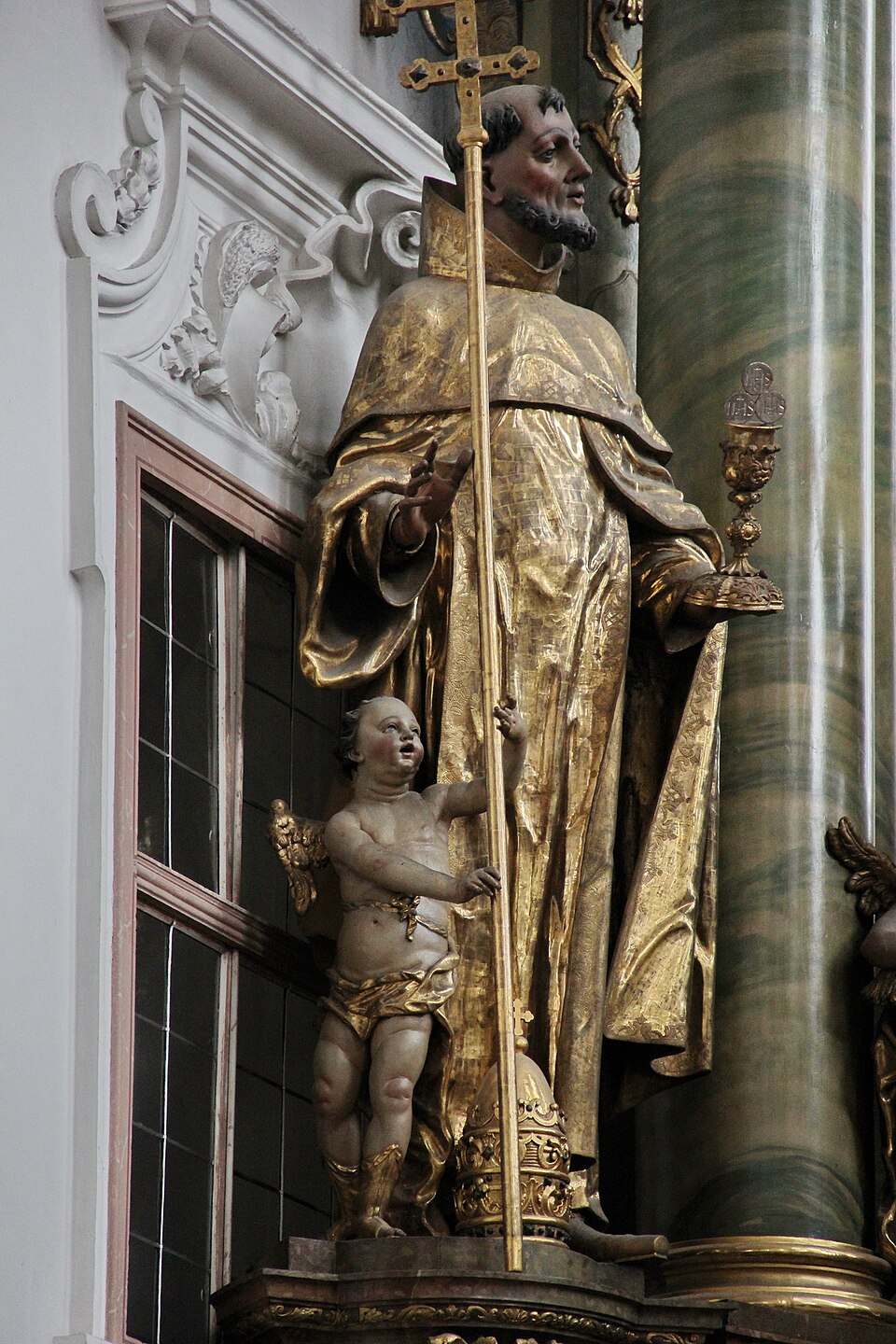
126 - 137 - Pope Telesphorus / St. Telesphorus (All Facts)
8th Pope
Introduced Christian traditions including
Celebration of Easter on Sundays
Midnight Mass
Lent
Singing of “Gloria”
Martyred by the Romans
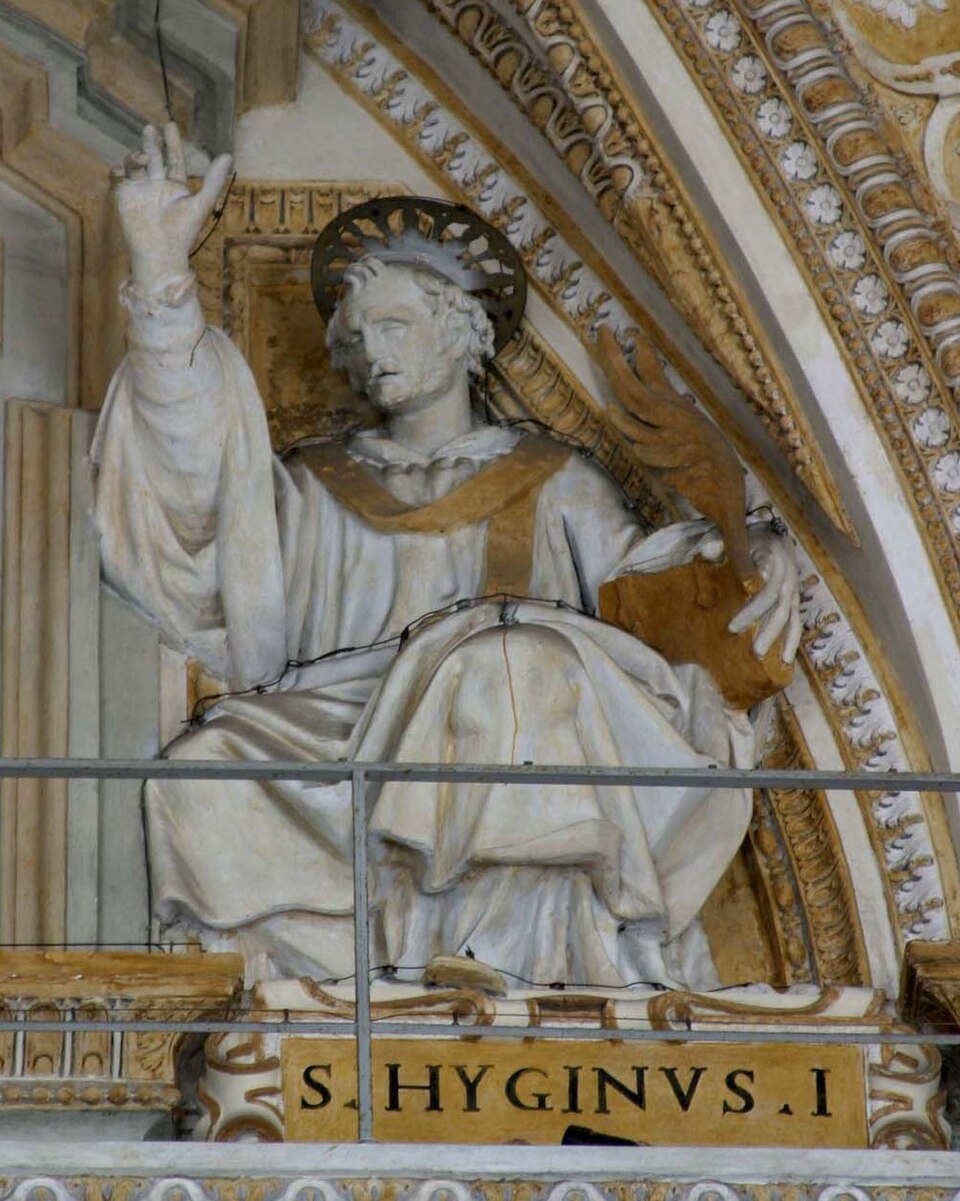
136 - 142 - Pope Hyginus / St. Hyginus (All Facts)
9th Pope
Introduced the Christian tradition of having godparents assist in baptism
Decreed that all churches are to be consecrated
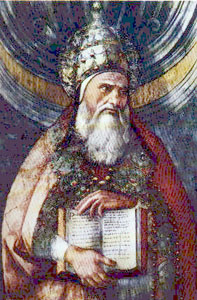
140 - 154 - Pope Pius / St. Pius (All Facts)
10th Pope
Strongly opposed the heresy of Marcionism
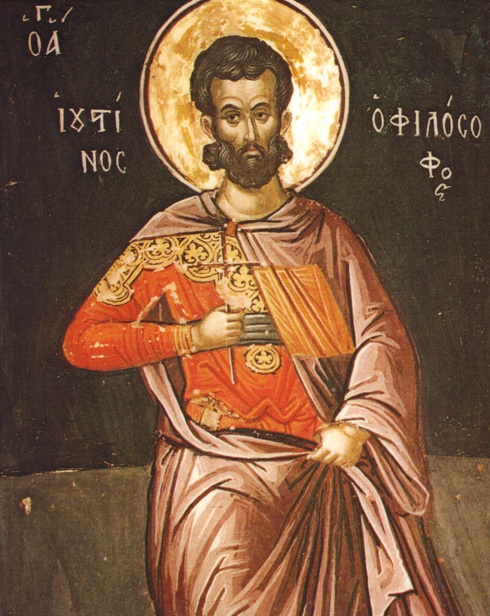
90 - 165 - St. Justin / Justin Martyr / Justin the Philosopher (All Facts)
Early Christian Apologist and Philosopher
He was famous for his two apologias he wrote that were addressed to Emperor Antonius Pius, one of which he wrote to convince the Emperor to abandon the persecution of the Church using ethical and philosophical arguments
He rebutted misconceptions about Christians and Christianity in tracts addressed to the emperors
He was born in Samaria
He worked within the Stoic and Platonist views of philosophy until he converted to Christianity
After his conversion, he became a travelling preacher
He was an ex-polytheist
He died as a martyr
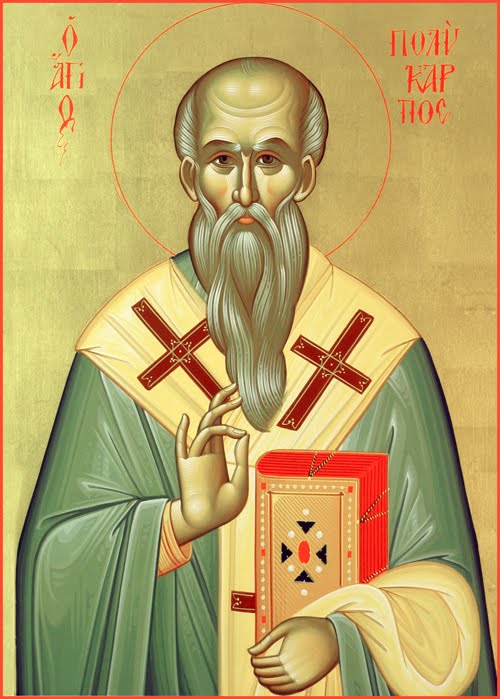
69 - 155 - Polycarp of Smyrna (All Facts)
Bishop of Smyrna, on the west coast of Anatolia
Dominant figure in Eastern Christianity
One of the three Apostolic Fathers
He was a disciple of St. John the Apostle, one of the 12 disciples of Jesus
He corresponded with Ignatius of Antioch
Became involved in a controversy with Rome about the timing of Easter celebrations
Died as a martyr being burnt alive and then stabbed when the fire failed to consume his body
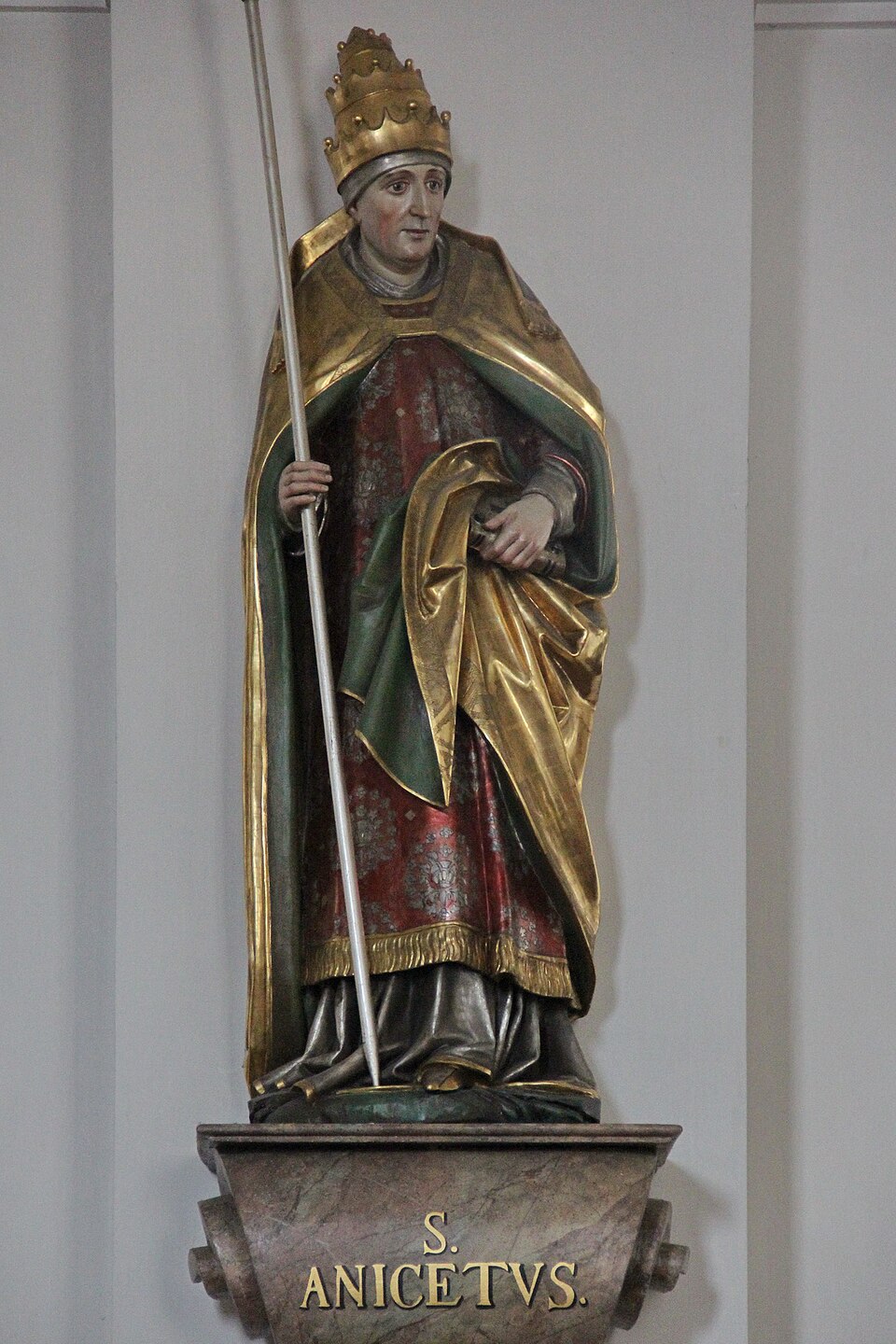
157 - 168 - Pope Anicetus / St. Anicetus (All Facts)
11th Pope
Started the debate concerning the date of Easter
Decreed that priests are not allowed to have long hair
170 - Montanus of Phrygia (All Facts)
Christian who prophesied in Phrygia
He preached asceticism and martyrdom
He predicted Christ’s return
He criticized the hierarchies of the Roman State and of the Christian Church, which he accused of being in league with the Roman State
His ideas form the foundation of the namesake first Christian heresy
167 - 174 - Pope Soter / St. Soter (All Facts)
12th Pope
(First to have) Declared that marriage is only valid if blessed by a priest
Established Easter as the annual festival in Rome
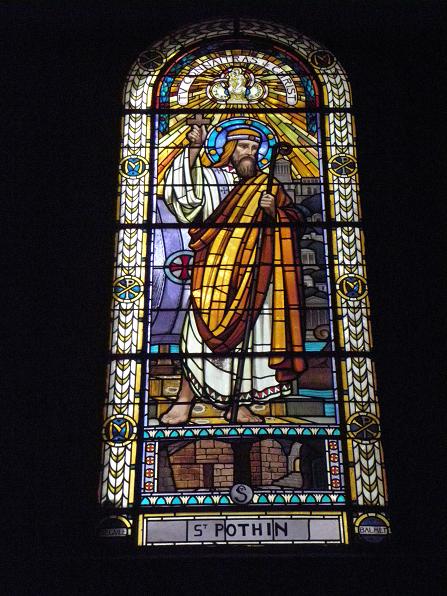
87 - 177 - St. Pothinus (All Facts)
First Bishop of Lugdunum (Lyon)
He was replaced by Irenaeus
First Bishop of Gaul
He died as a martyr
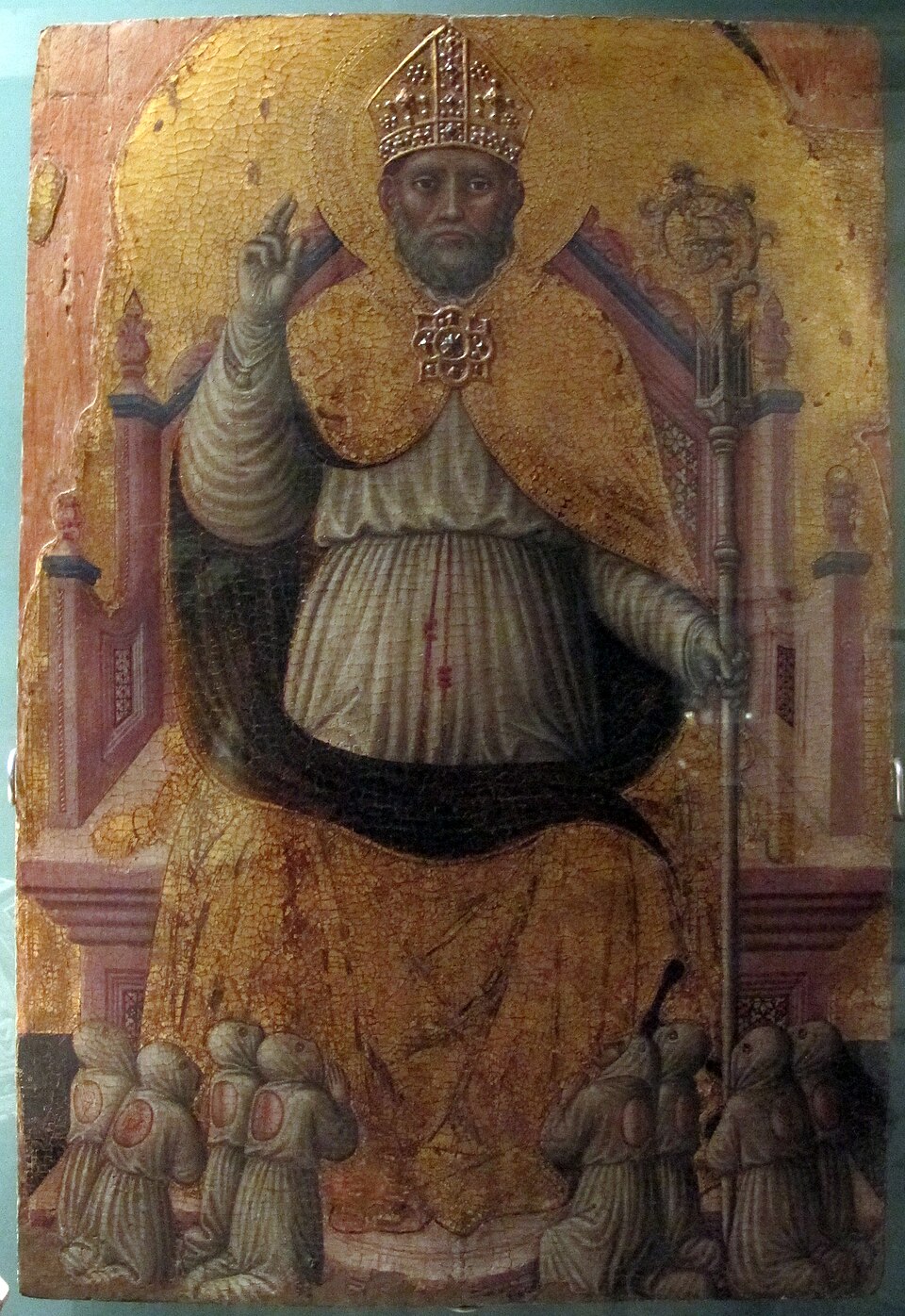
174 - 189 - Pope Eleutherius / St. Eleutherius (All Facts)
13th Pope
(First to have) Declared that no foods are forbidden for Christians to eat, stating that as long as the foods are edible and sensible, God created all foods to be eaten
This clarified that the Church had (annulled) departed from the previous Jewish tradition of Kashrut
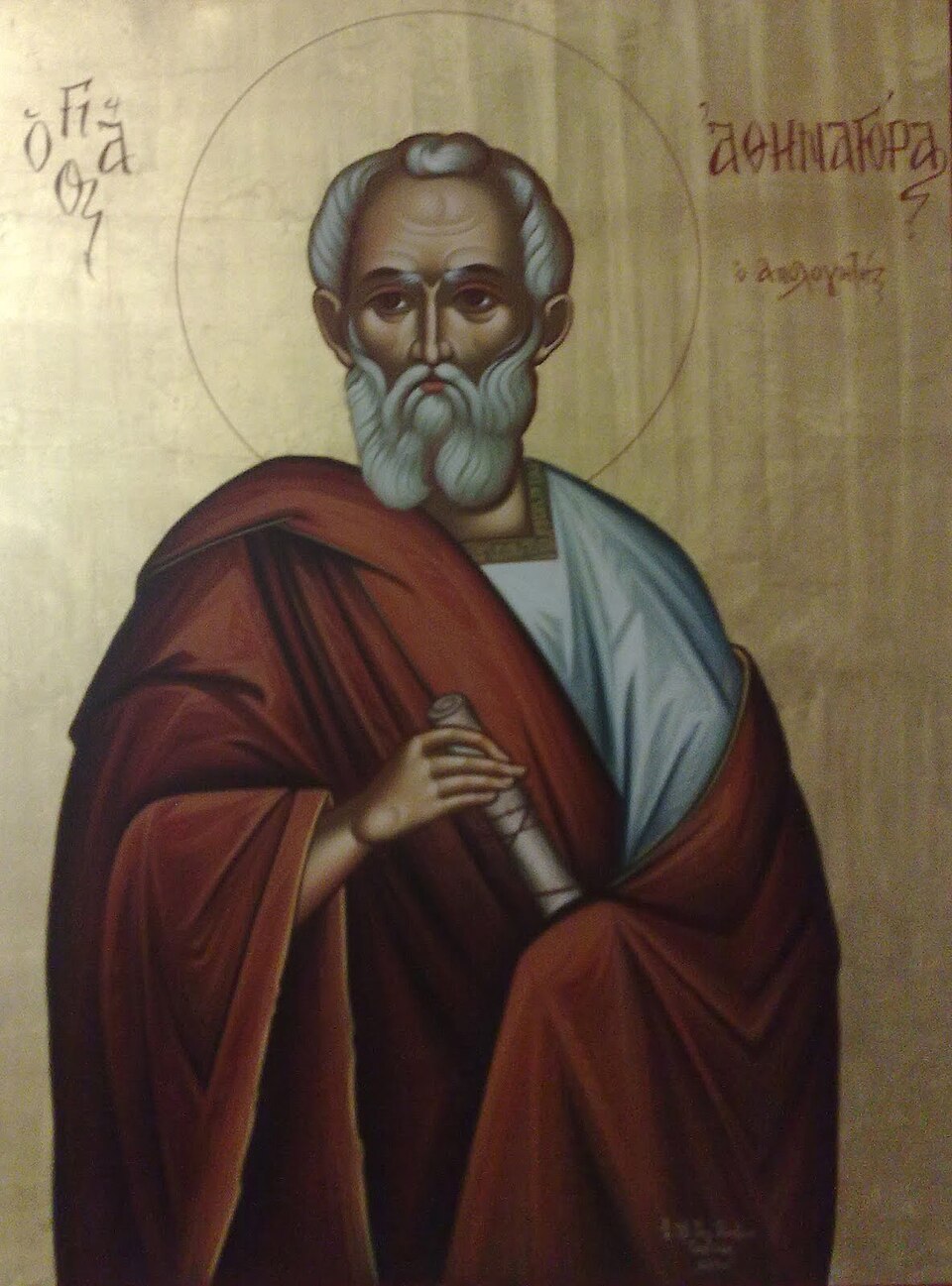
133 - 190 - St. Athenagoras of Athens (All Facts)
He was Athenian
He was an early Christian Apologist and Church Father
Early Christian opponent of the Death Penalty
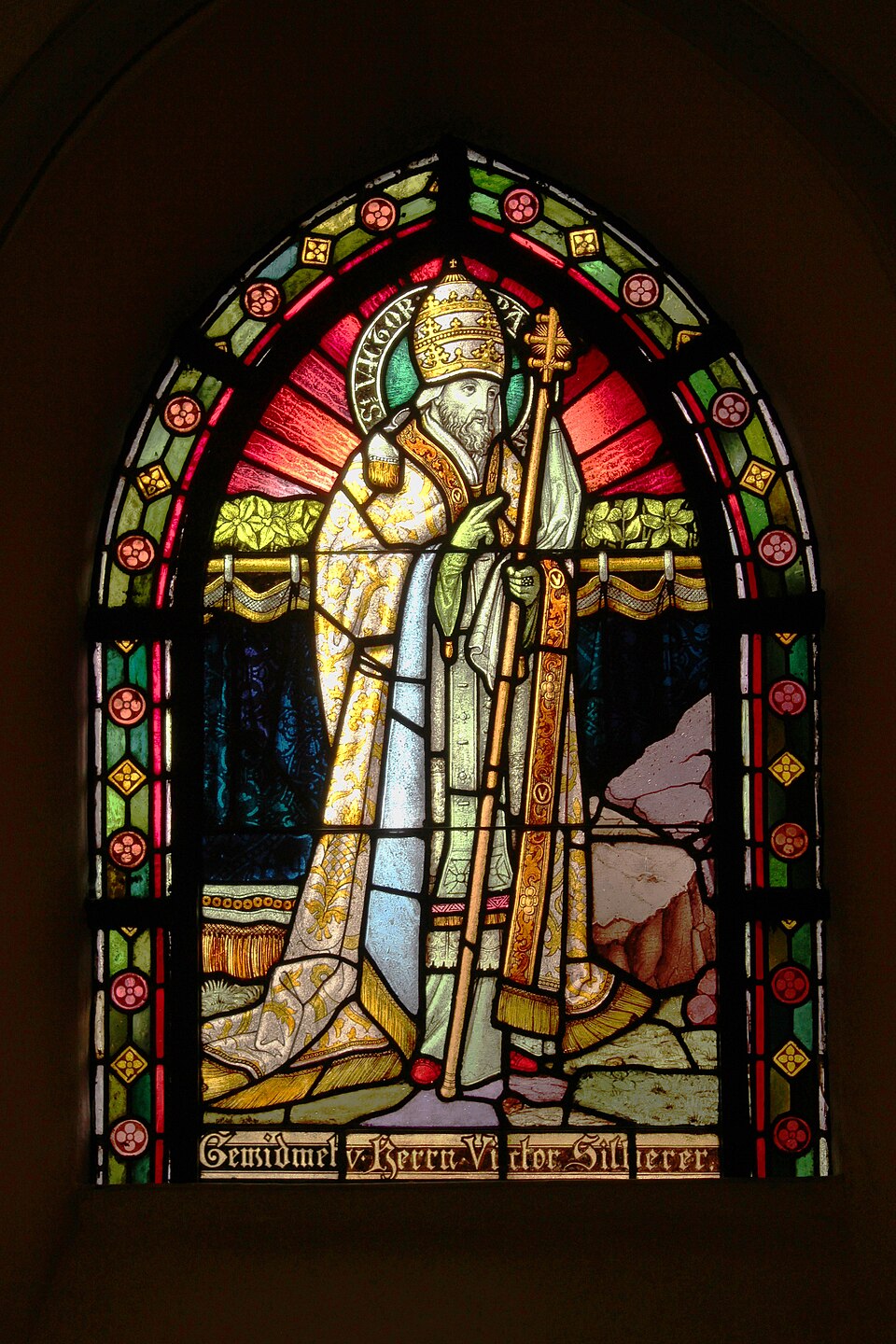
189 - 199 - Pope Victor / St. Victor (All Facts)
14th Pope
He was the first African Pope
He replaced Greek with Latin as the official language of the Church
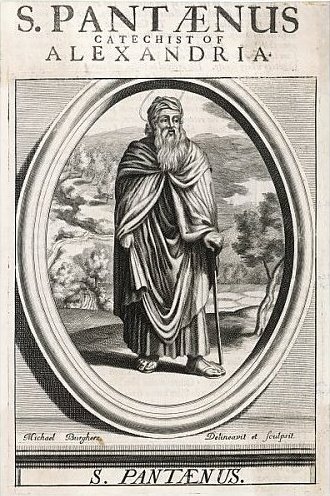
100s - 200 - St. Pantaenus (All Facts)
Sicilian Theologian sent by Pope Demetrius of Alexandria to do missionary work in India
His preaching in India was met with little success
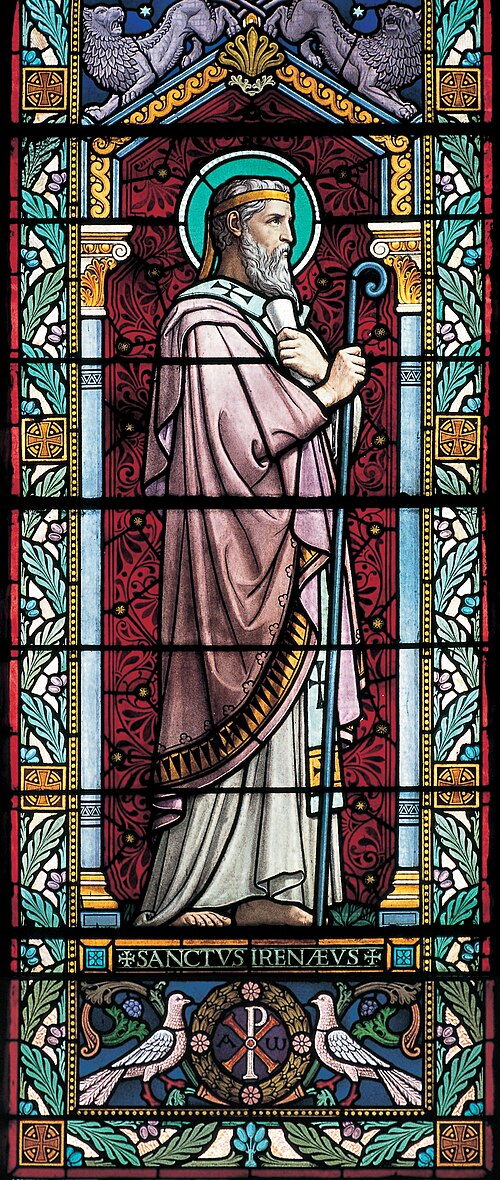
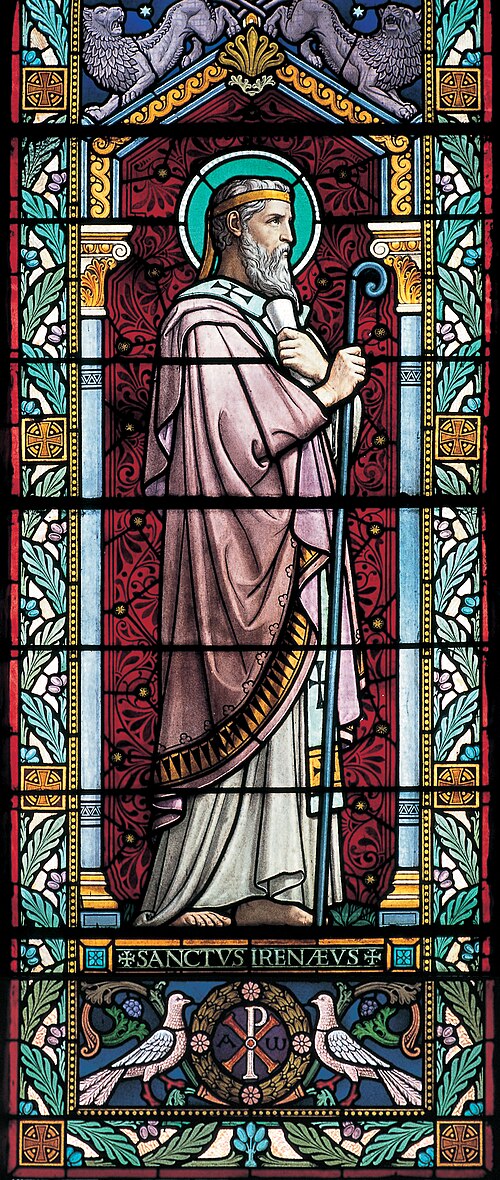
125 - 202 - St. Irenaeus (All Facts)
Second Greek Bishop of Lugdunum (Lyon)
He replaced Pothnius
He was a disciple of Polycarp of Smyrna
He was known for his development of Christian Theology by opposing Gnostic interpretations of Christian Scripture and defending orthodoxy
He devoted himself to the conversion of the Rhone Valley
125 - 202 - St. Irenaeus: Against Heretics (All Facts)
Treatise in which the namesake author condemns the heresy of Gnosticism
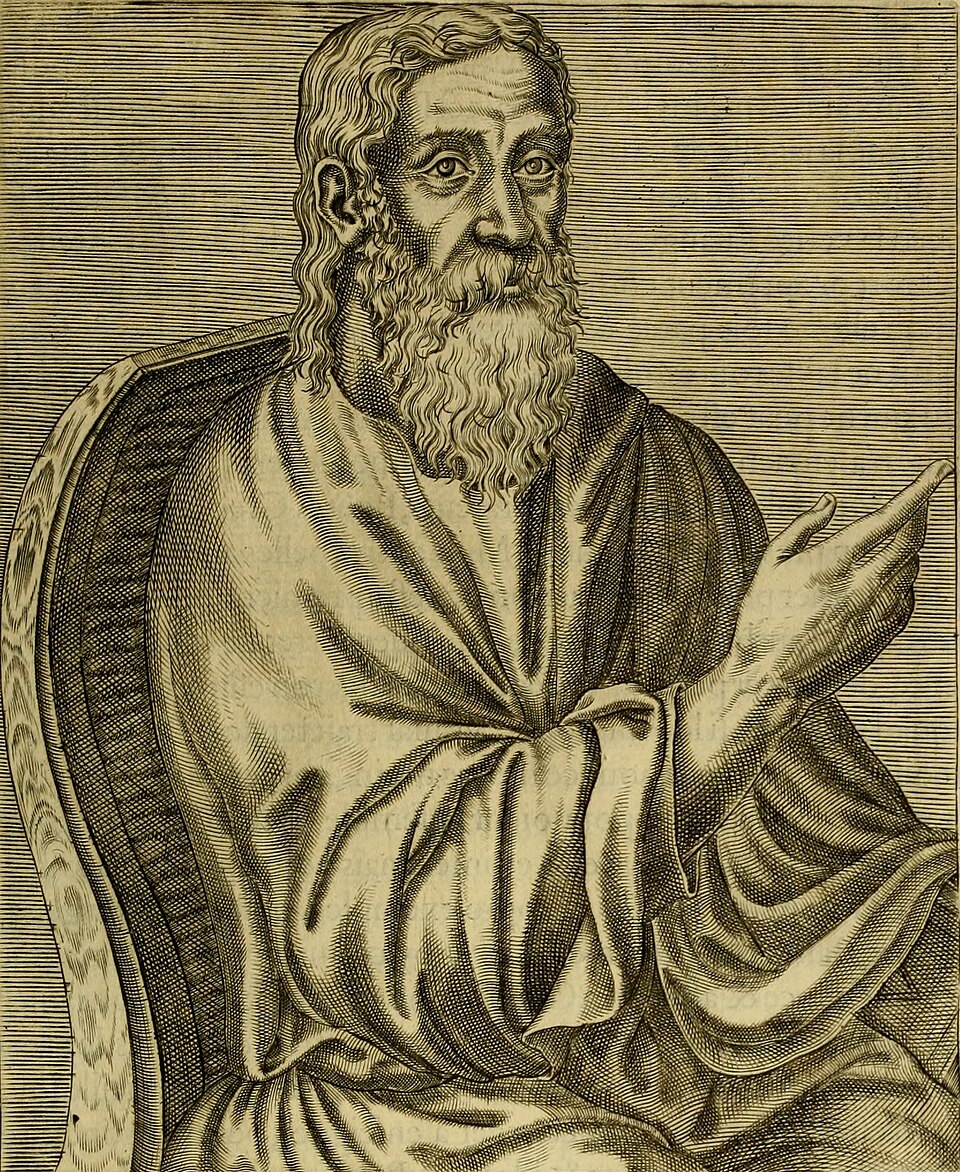
150 - 215 - Clement of Alexandria (All Facts)
Head of the Christian School of Alexandria
He taught for 10 years
Famous for being the teacher of Origen
He was born in Athens
He studied philosophy
He was forced to flee to Palestine in 203 to escape Christian persecution under Emperor Severus of the Roman Empire
150 - 215 - Clement of Alexandria: Miscellanies (All Facts)
Work in which the namesake author attempts to synthesize Christianity with ancient philosophy
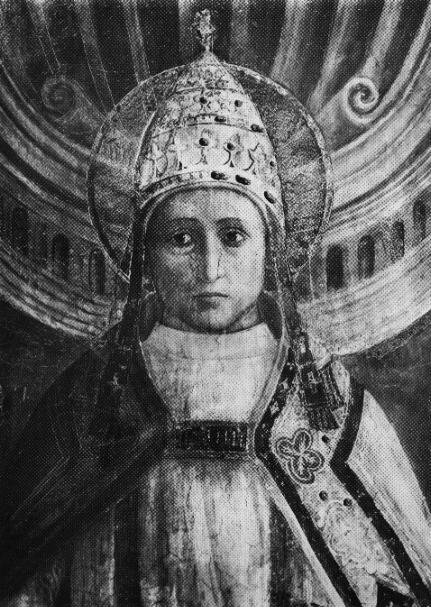
199 - 217 - Pope Zephyrinus / St. Zephyrinus (All Facts)
15th Pope
First Pope to have to compete with an Anti-Pope
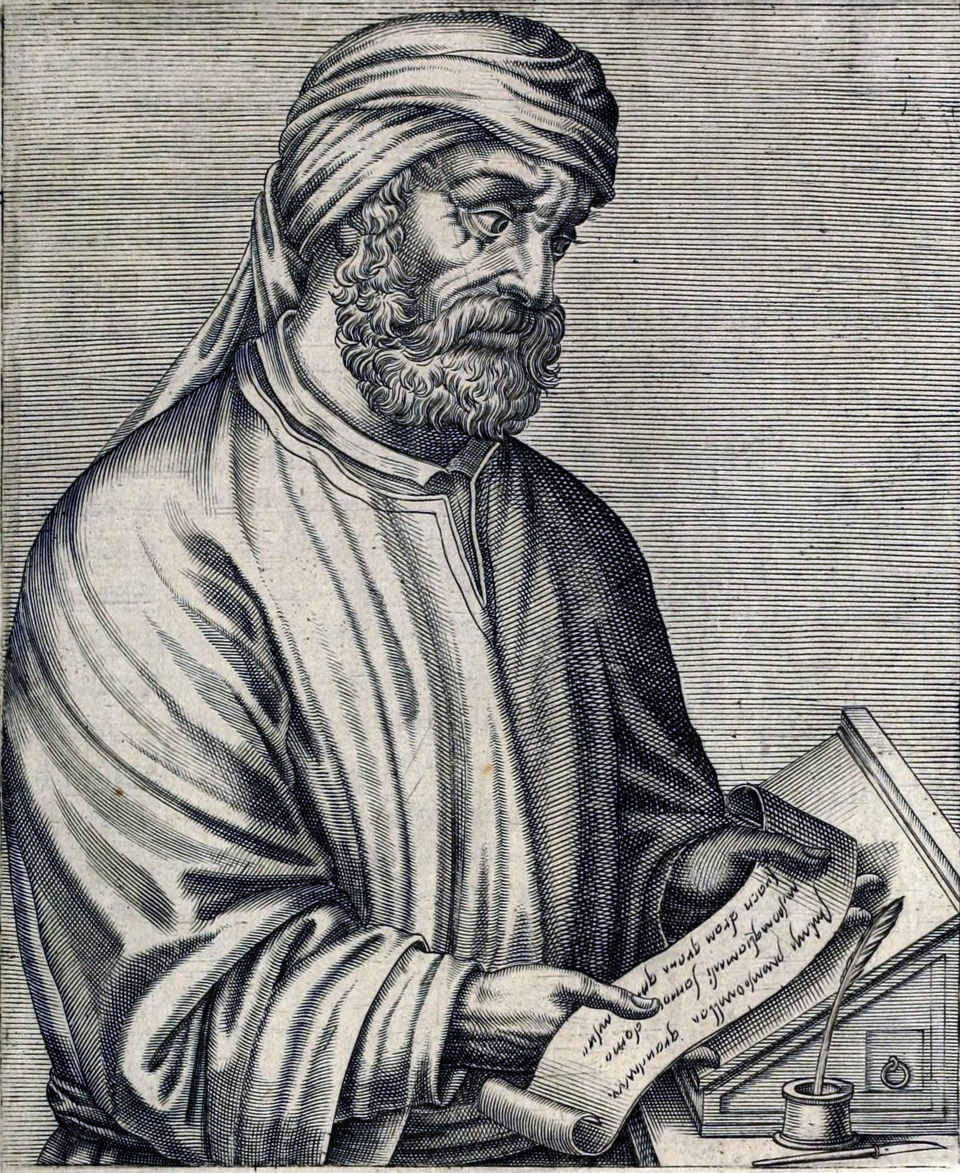
155 - 220 - Tertullian (All Facts)
Early Christian Writer and Apologist
Famous for being the first theologian to
Write in Latin (he is the “father of Western theology” and “father of Latin Christianity”)
Conceptualize the “Trinity” in Latin
He originated new theological concepts and advanced the development of early Church doctrine
He was from Carthage in Roman Africa
He was also a lawyer
He was the son of a Roman centurion
He converted to Christianity when he was 40 in response to the excessive hostility of paganism
He condemned Gnosticism
He wrote “Apology,” addressed to Roman magistrates at the time
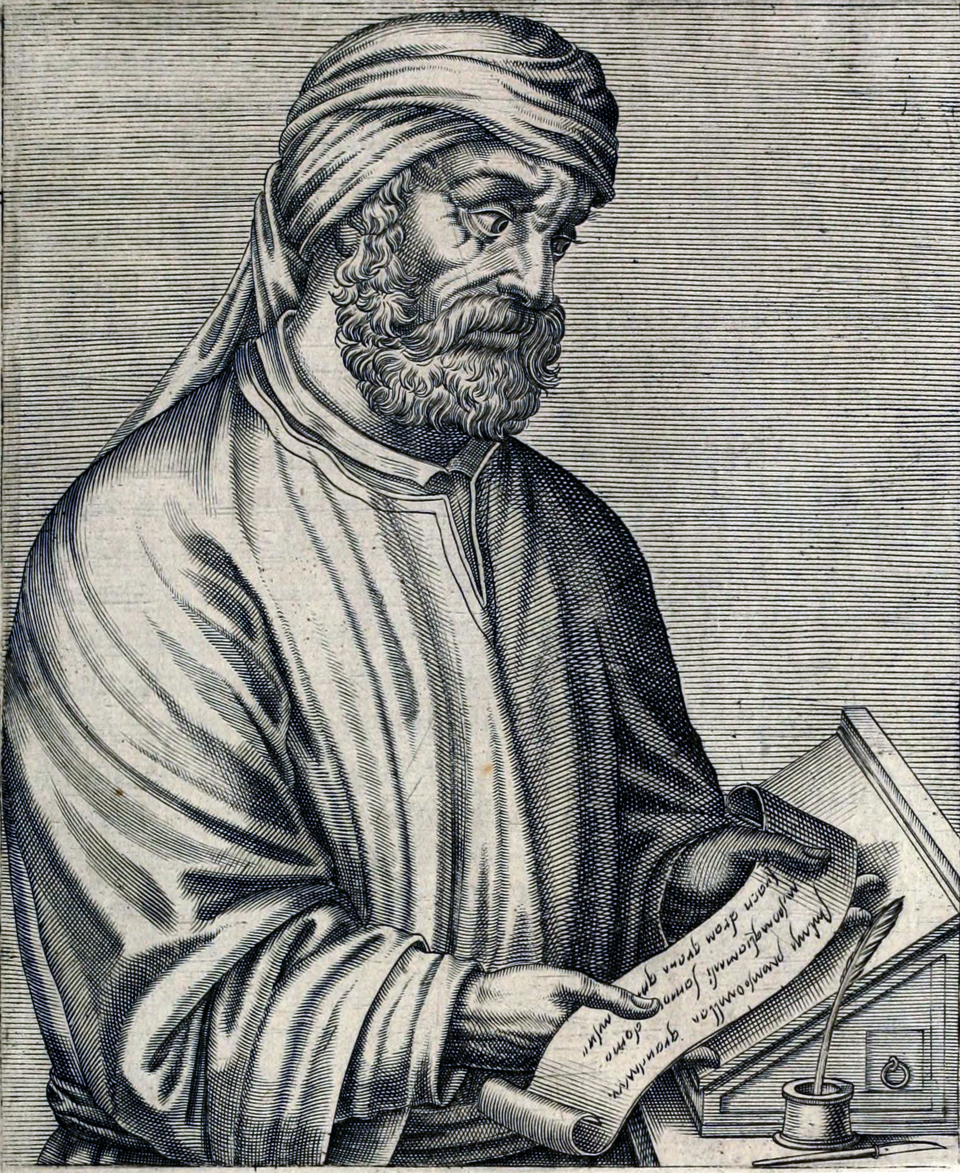
155 - 220 - Tertullian: Apologeticus (All Facts)
A daring and unprecedented defense of Christianity
Work which showed the Romans that Christianity was not a mixture of atheism and black magic, as its opponents suggested, but a respectable and moral religion
Work which stipulates that Roman attacks on Christianity are unjustified
Work which argues that Christians are admirable citizens and their martyrs are most worthy of honor
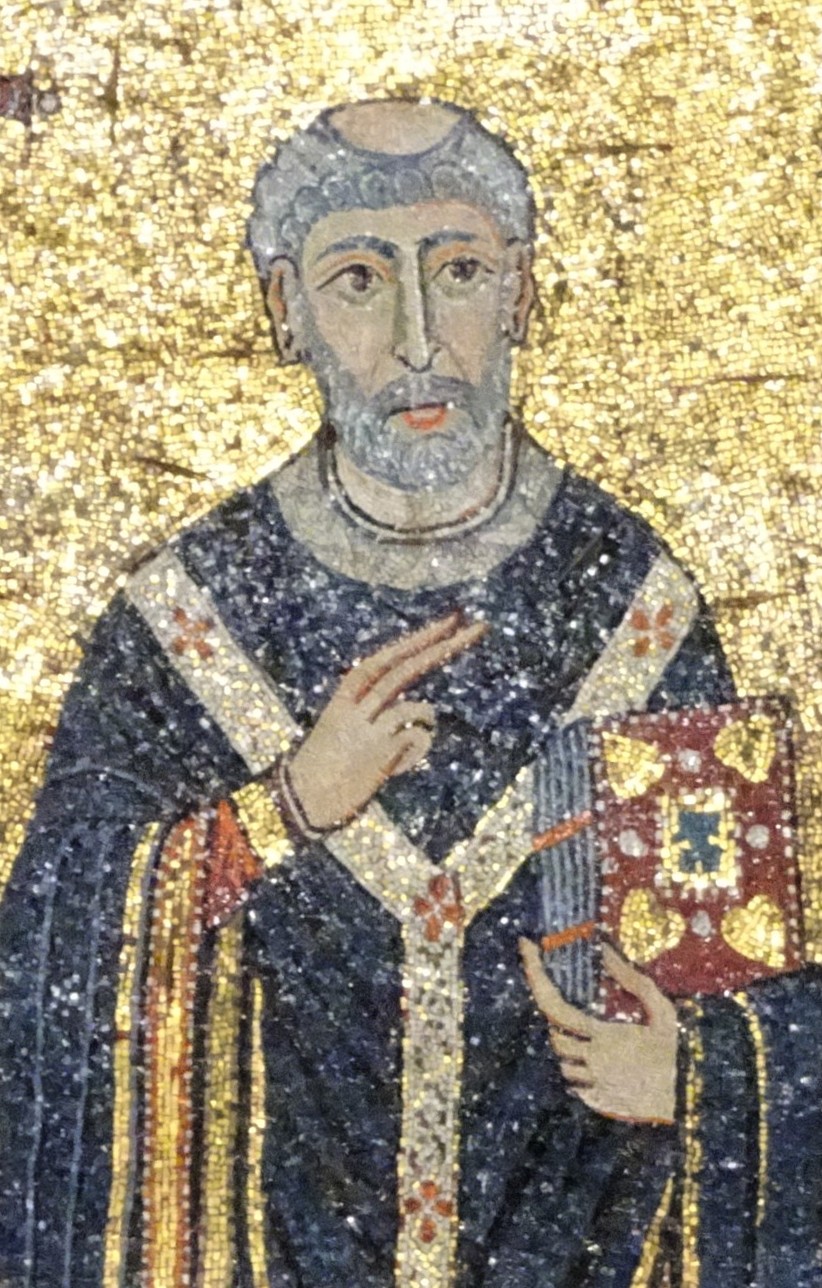
218 - 222 - Pope Callistus / St. Callistus (All Facts)
16th Pope
Pope during the reigns of Roman Emperors Elagabalus and Alexander Severus
Was pope during a time when the church was undergoing a great expansion and being more tolerated by Roman authorities
He was a slave who was entrusted by his master with money to open a bank in the fish market which led to difficulties which he took advantage of and after which he fled from his master
He was returned to Rome on the intervention of Marcia, mistress of Emperor Commodus of the Roman Empire
He was given refuge by Pope Victor
He was put in charge of the first Christian cemetery on the Appian Way
He is the patron saint of cemetery workers
He was accused by Hippolytus of indulging rich converts and being so lax as to allow adulterers and fornicators to take the Mass
He allowed priests to marry
He forgave all sins including murder and adultery
He was killed during an anti-Christian uprising
He was martyred after being thrown down a well
He is venerated as a saint in the Catholic Church
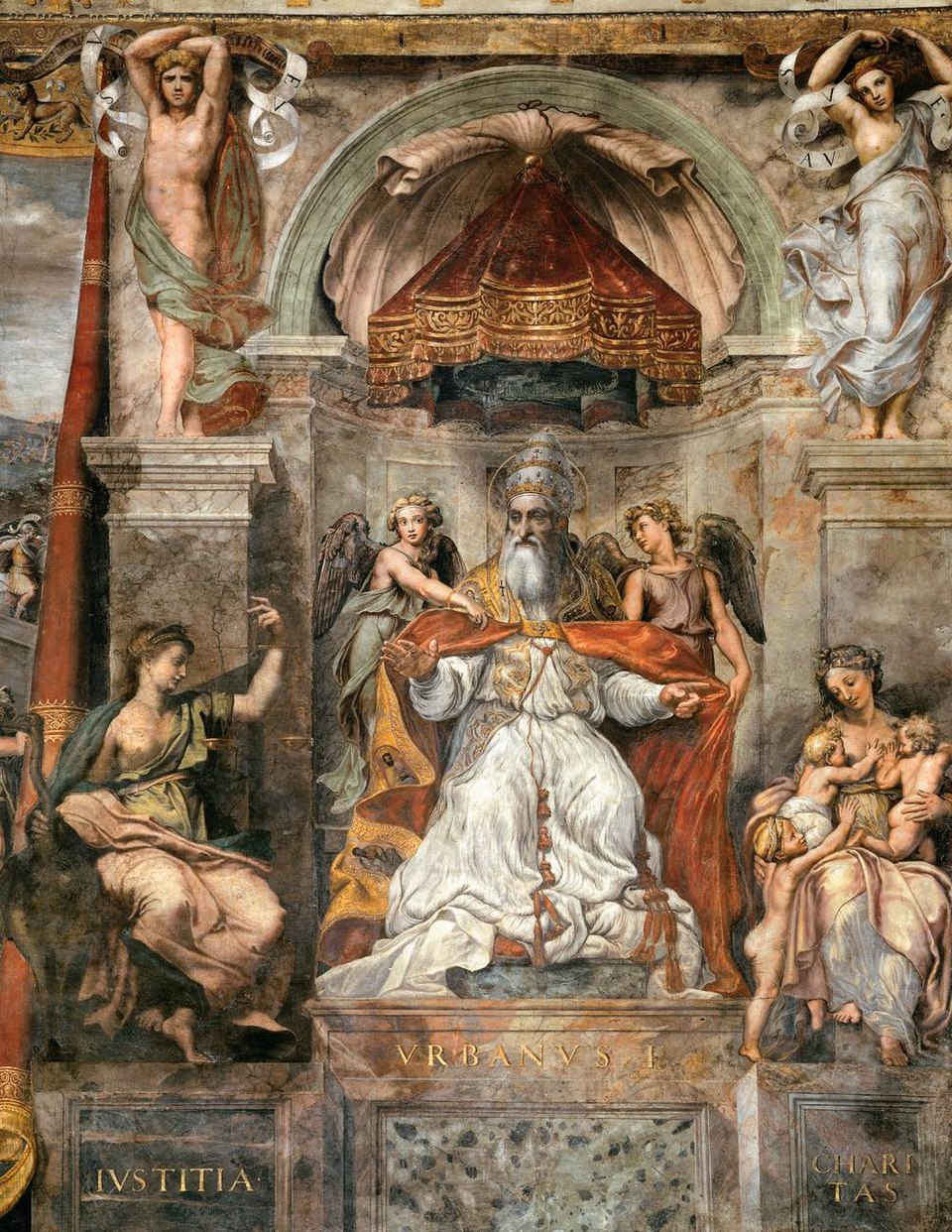
222 - 230 - Pope Urban / St. Urban (All Facts)
17th Pope
Oversaw a period of peace for Christians within the Roman Empire, which helped it grow
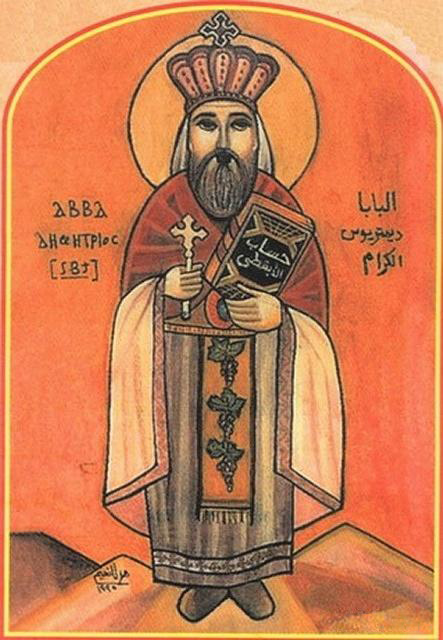
189 - 232 - (Pope) Demetrius of Alexandria (All Facts)
Sent the missionary Pantaenus to India
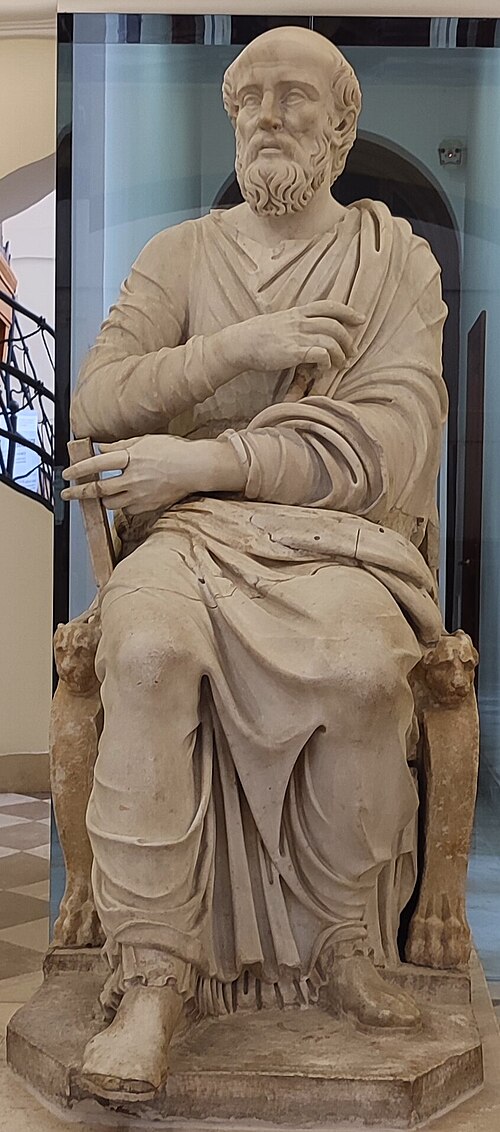
170 - 235 - Hippolytus (All Facts)
Roman Christian Theologian who accused Pope Callistus of indulging rich converts and allowing adulterers and fornicators to take the Mass
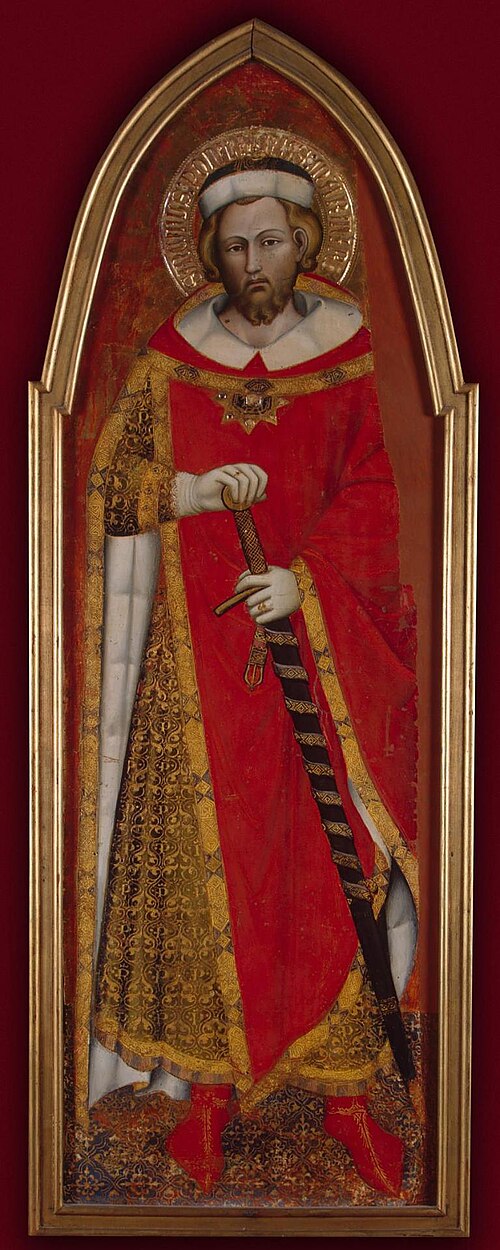
230 - 235 - Pope Pontian / St. Pontian (All Facts)
18th Pope
Arrested by the Romans for being a Christian and was exiled to Sardinia
First Pope to resign after being arrested to make the election of a new pope possible
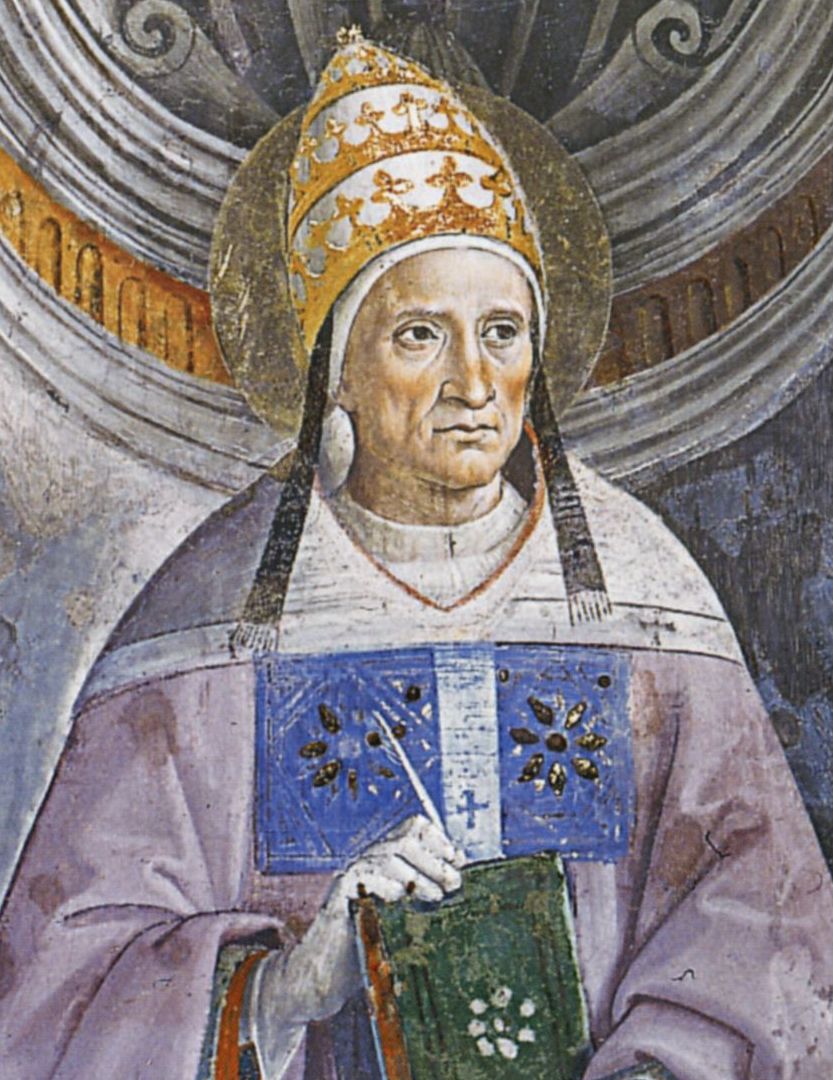
235 - 236 - Pope Anterus / St. Anterus (All Facts)
19th Pope
Had the shortest papacy of the Early Church period, of just 43 days
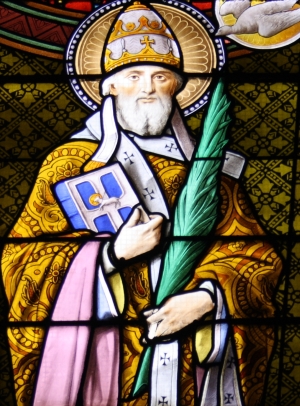
236 - 250 - Pope Fabian / St. Fabian (All Facts)
20th Pope
He was famous for being elected pope after a dove landed on his head during the election process as he insisted this was a sign from the Holy Spirit and was immediately chosen as a result
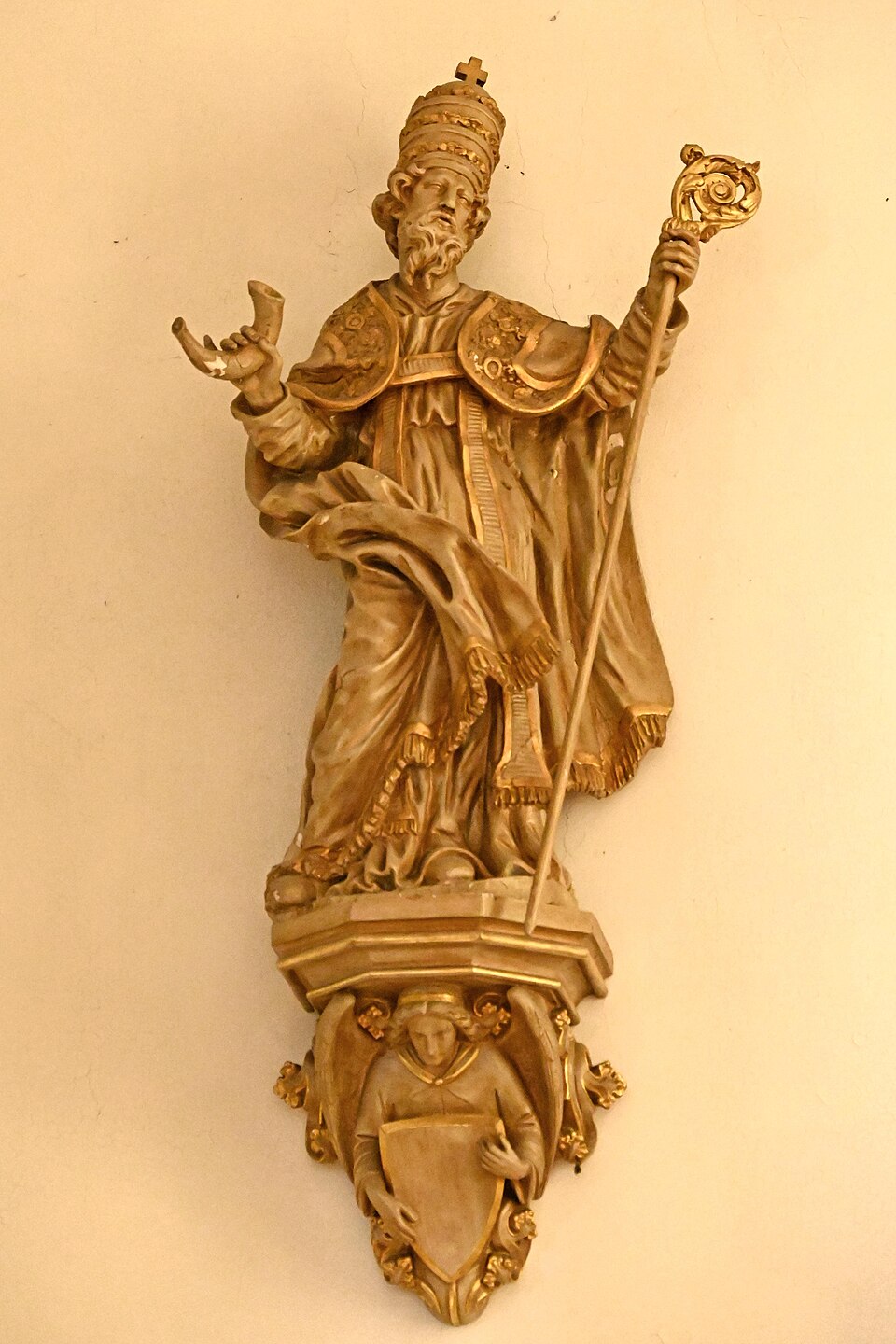
251 - 253 - Pope Cornelius / St. Cornelius (All Facts)
21st Pope
Led the Church during a brief schism and during the Decian Persecution and the Roman Emperor Gallus who had him exiled and martyred
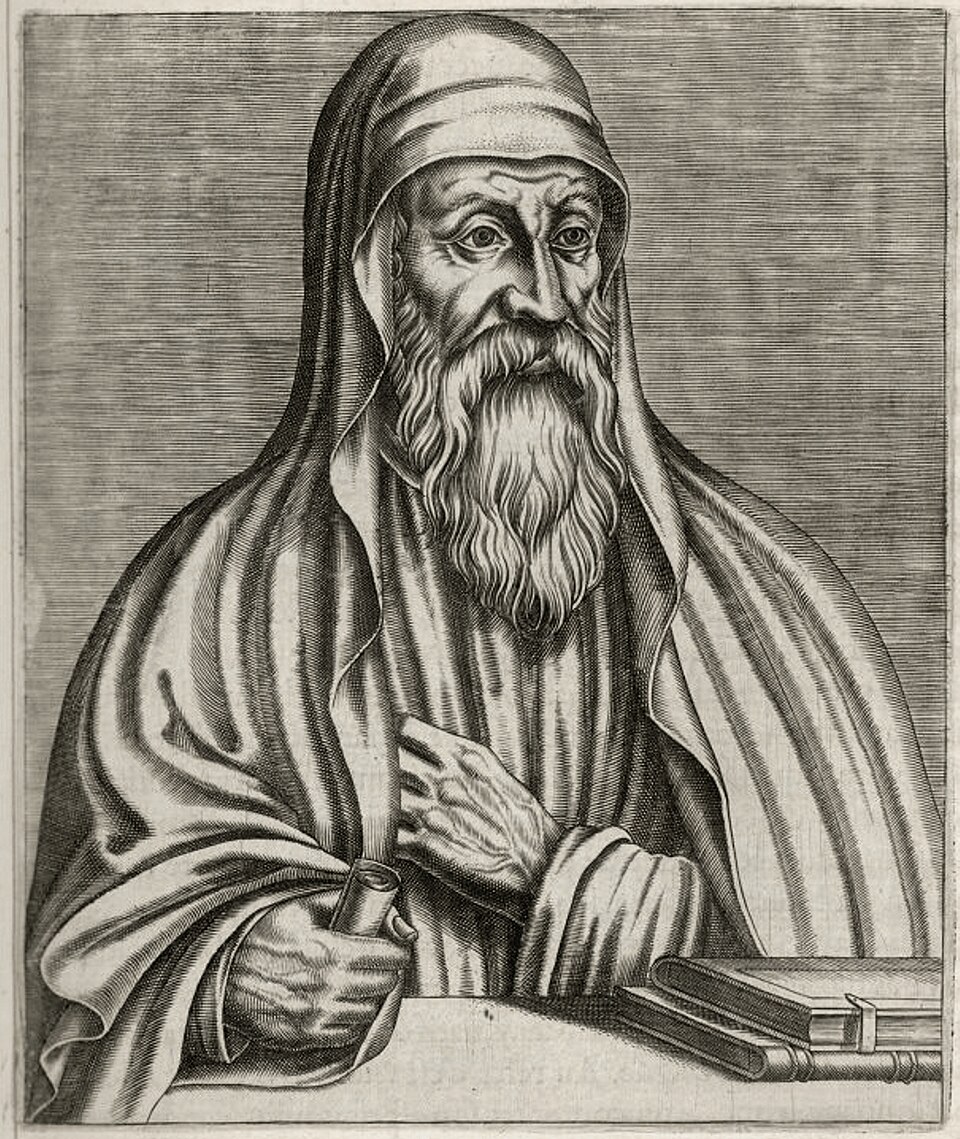
185 - 253 - Origen of Alexandria (All Facts)
Replaced his teacher as head of the Christian School of Alexandria
Persecuted, tortured, and died for his faith during the Decian Persecution
253 - 254 - Pope Lucius / St. Lucius (All Facts)
22nd Pope
Banished soon after becoming Pope by Roman Emperor Gallus but was allowed to return shortly after
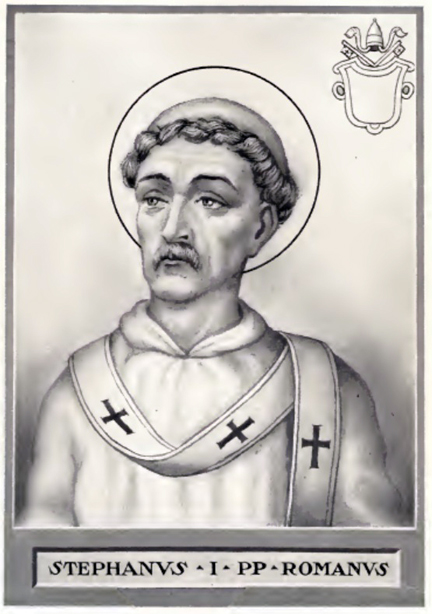
254 - 257 - Pope Stephen / St. Stephen (All Facts)
23rd Pope
Defended the Church against the “Novation” Schism
Beheaded during Mass under the orders of Roman Emperor Valerian and thus martyred during the Valerian Persecution
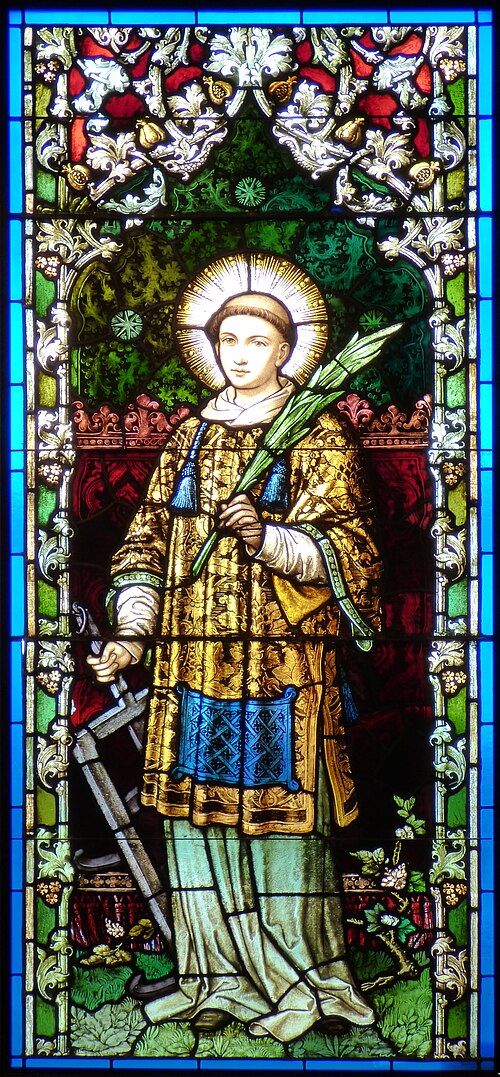
225 - 258 - St. Lawrence (All Facts)
Martyred during the Valerian Persecution
Was famous for saying “im well done, turn me over” while he was being cooked on a gridiron for refusing to surrender church treasures
He is the patron saint of comedians
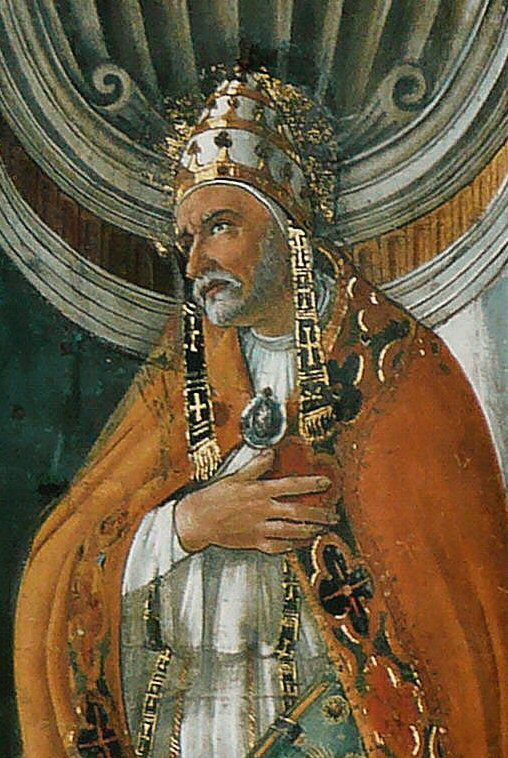
257 - 258 - Pope Sixtus II / St. Sixtus II (All Facts)
24th Pope
Martyred during the Valerian Persecution by being beheaded
248 - 258 - St. Cyprian of Carthage (All Facts)
Bishop of Carthage
Early Christian Writer
Of Berber descent
Martyred during the Valerian Persecution
259 - 268 - Pope Dionysius / St. Dionysius (All Facts)
25th Pope
Led the recovery of the Church following Roman Emperor Valerian’s death at the hands of Shapur I and the Sassanids and thus at the end of the Valerian Persecution
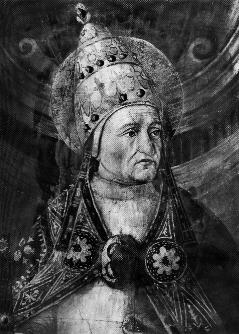
269 - 274 - Pope Felix / St. Felix (All Facts)
26th Pope
Settled the debate about the Hypostatic Union with the help of Roman Emperor Aurelian
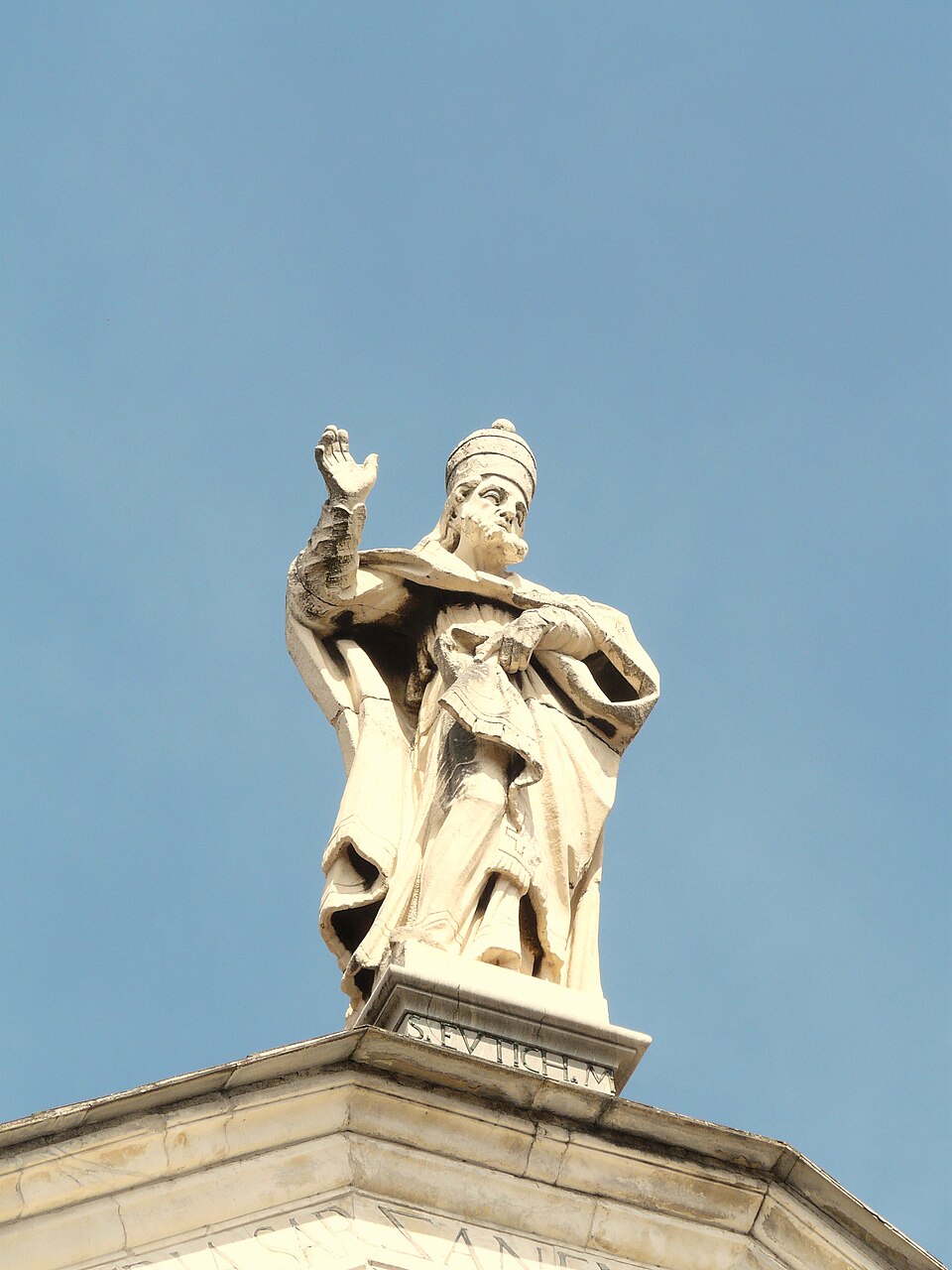
275 - 283 - Pope Eutychian / St. Eutychian (All Facts)
27th Pope
Oversaw a quiet era of peace for Christians within the Roman Empire
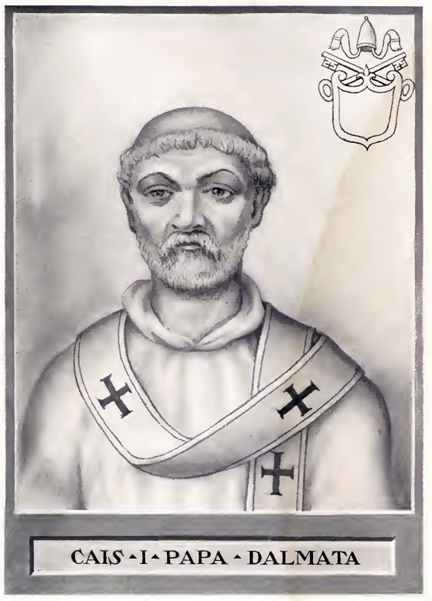
283 - 296 - Pope Caius / St. Caius (All Facts)
28th Pope
Structured the position of bishops within the Church
Suffered persecutions under the Romans
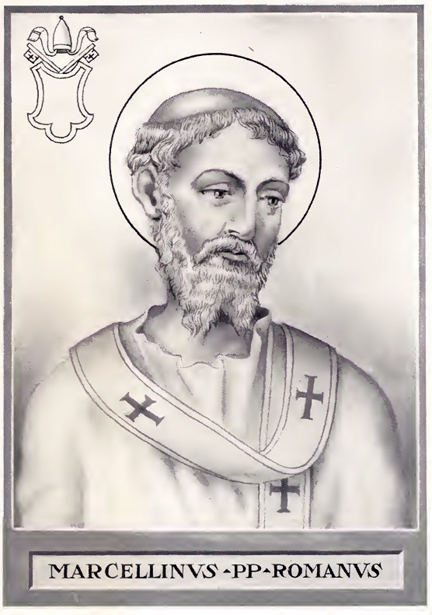
296 - 304 - Pope Marcellinus / St. Marcellinus (All Facts)
29th Pope
Martyred during the Diocletianic Persecution
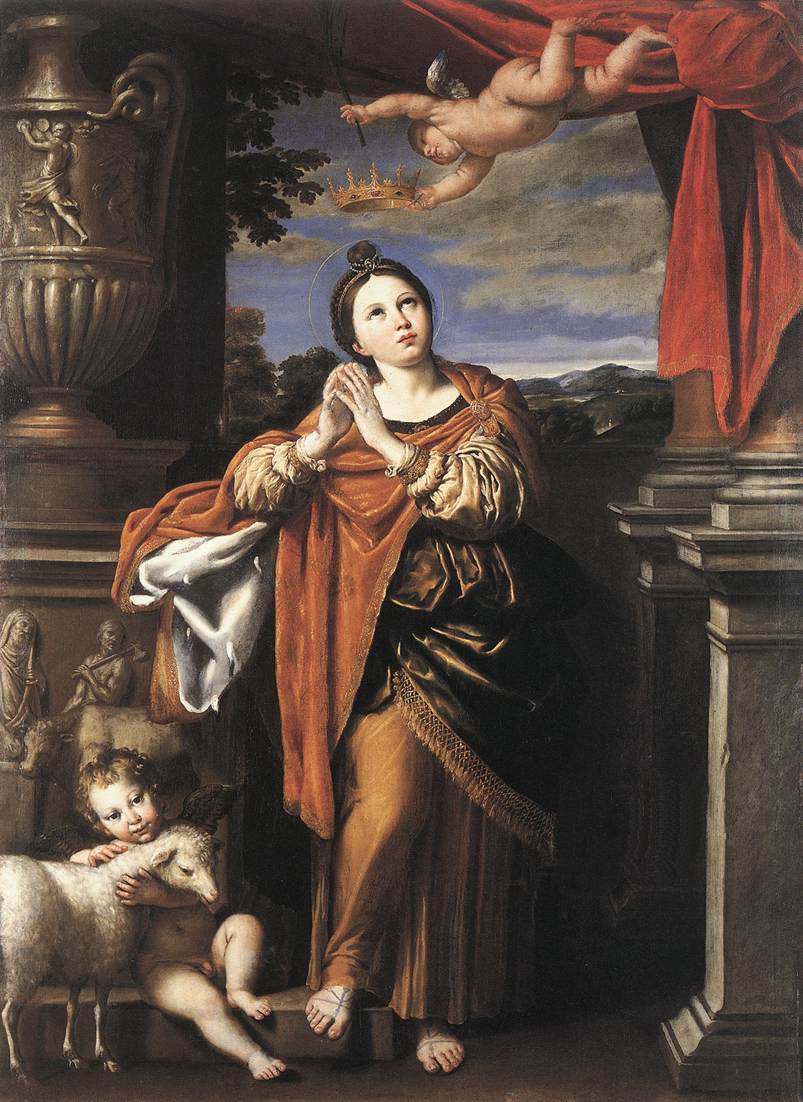
291 - 304 - St. Agnes of Rome (All Facts)
Virgin martyred at the age of 12 during the Diocletianic Persecution
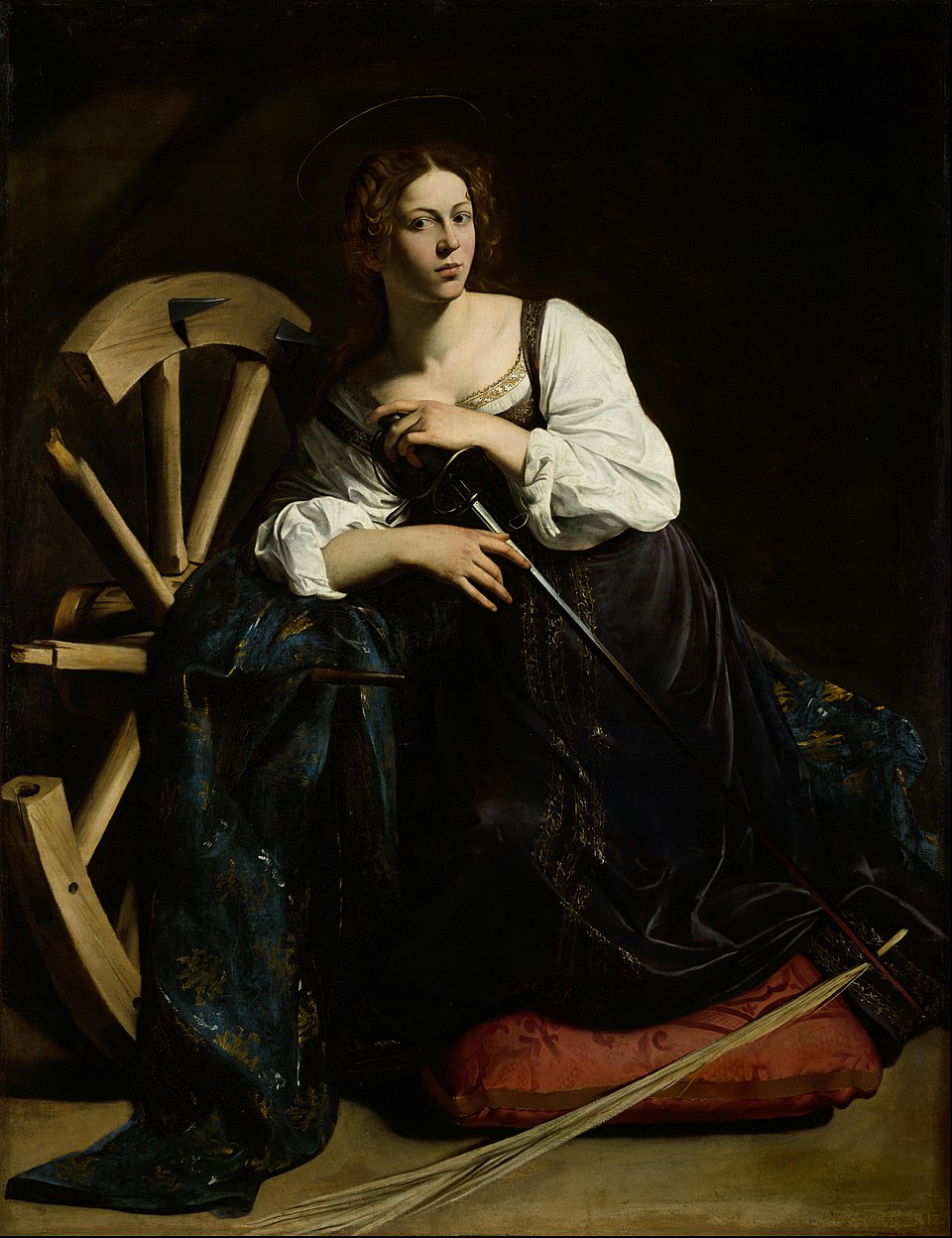
287 - 305 - St. Catherine of Alexandria (All Facts)
Christian Virgin who was martyred at the hands of the Roman Emperor Maxentius by 305
She was a princess and noted scholar who converted to Christianity at age 14
She converted hundreds of people to Christianity
A monastery was founded in in her name, it was originally built during the reign of Justinian the Great of the Byzantine Empire
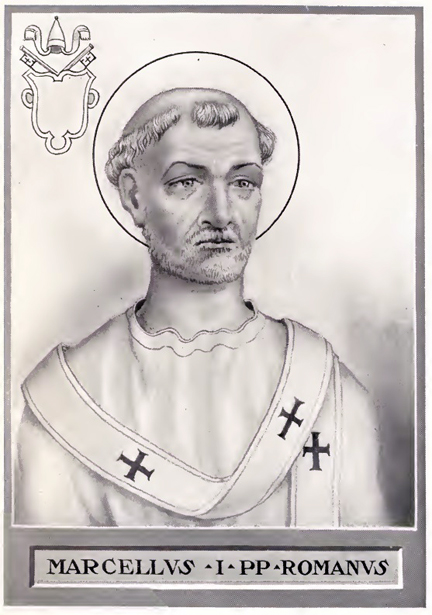
308 - 309 - Pope Marcellus / St. Marcellus (All Facts)
30th Pope
Under his papacy, the Council of Elvira took place, which was the first attempt to enforce celibacy of the clergy; as most priests, bishops, and popes were married during this time
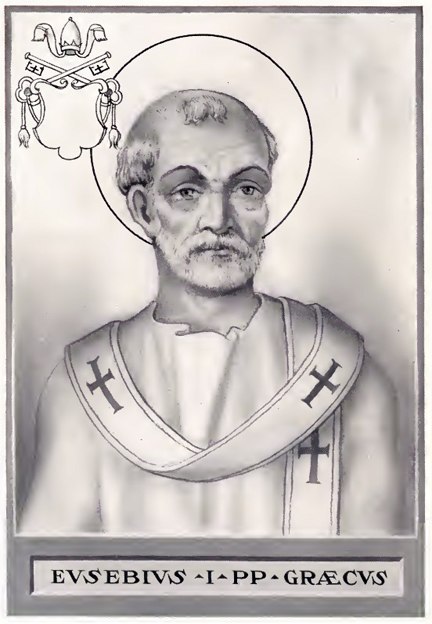
309 - 310 - Pope Eusebius / St. Eusebius (All Facts)
31st Pope
Supported Church views that the Romans opposed and was thus exiled by the Roman Emperor and died soon after
311 - Caecilianus / Caecilian of Carthage (All Facts)
Bishop of Carthage
His appointment as bishop led to the Donatist controversy and heresy of the Late Roman Empire
He was one of only five Western bishops at the First Council of Nicaea
311 - Donatus of Carthage (All Facts)
Prophetic and charismatic leader who emerged in the early fourth century as the founder of his namesake movement which was eventually labeled a heresy
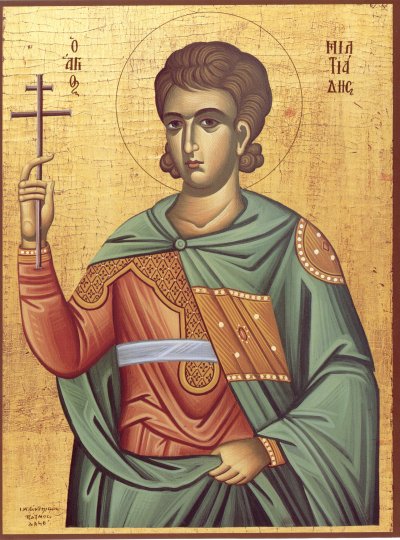
311 - 314 - Pope Miltiades / St. Miltiades (All Facts)
32nd Pope
He was from North Africa
First pope to reside in the Lateran Palace or “Pope’s Palace”, established by Roman Emperor Constantine the Great
During the namesake’s papacy, Constantine the Great had made Christianity legal within the Roman Empire via his Edict of Milan
305 - 327 - Melitius of Lycopolis (All Facts)
Bishop of Lycopolis in Egypt
He founded his namesake heresy around 306
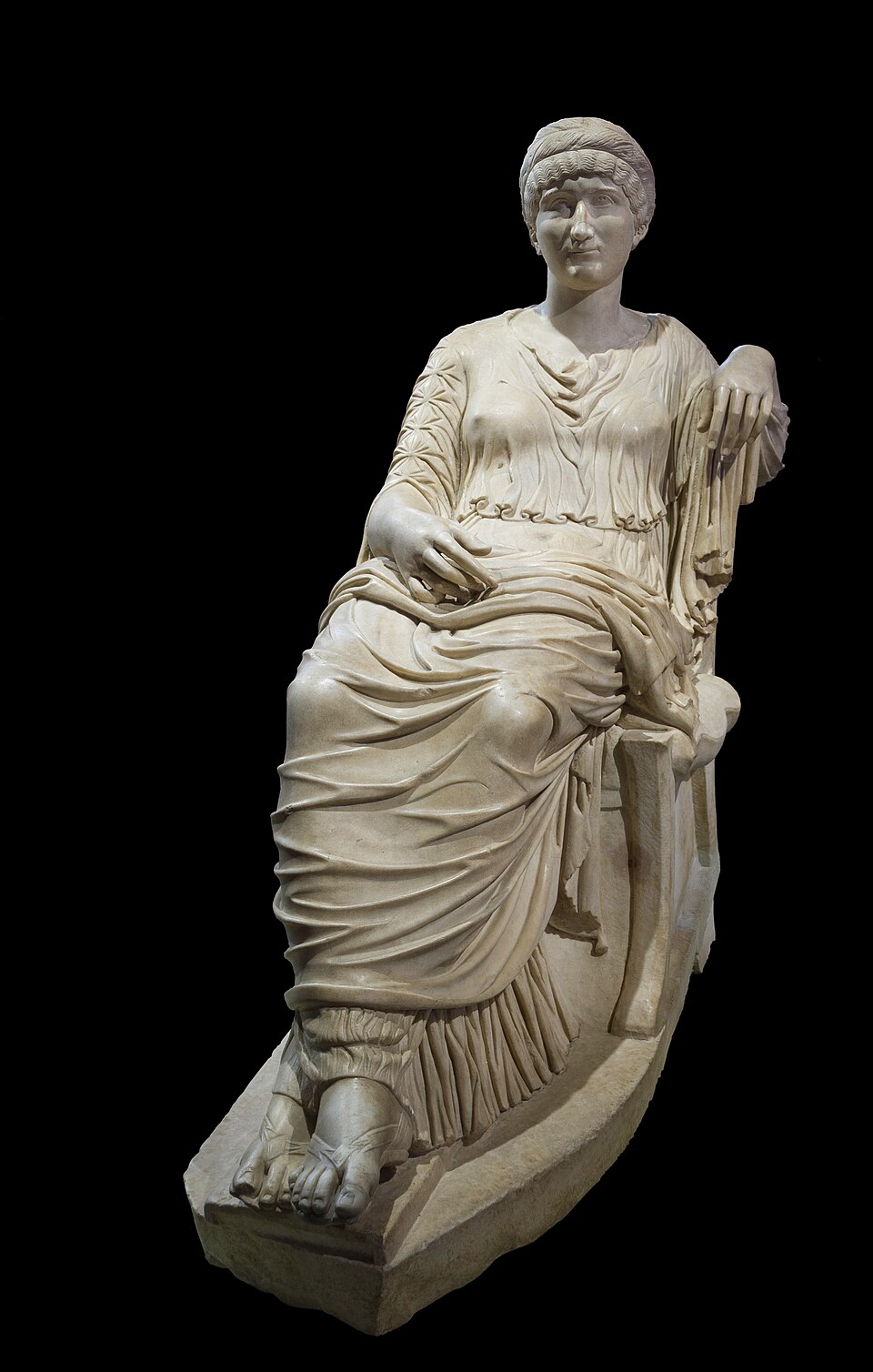
246 - 330 - St. Helena (All Facts)
Mother of Constantine
She discovered the Holy Cross and the Holy Sepulcher, Jesus’s tomb
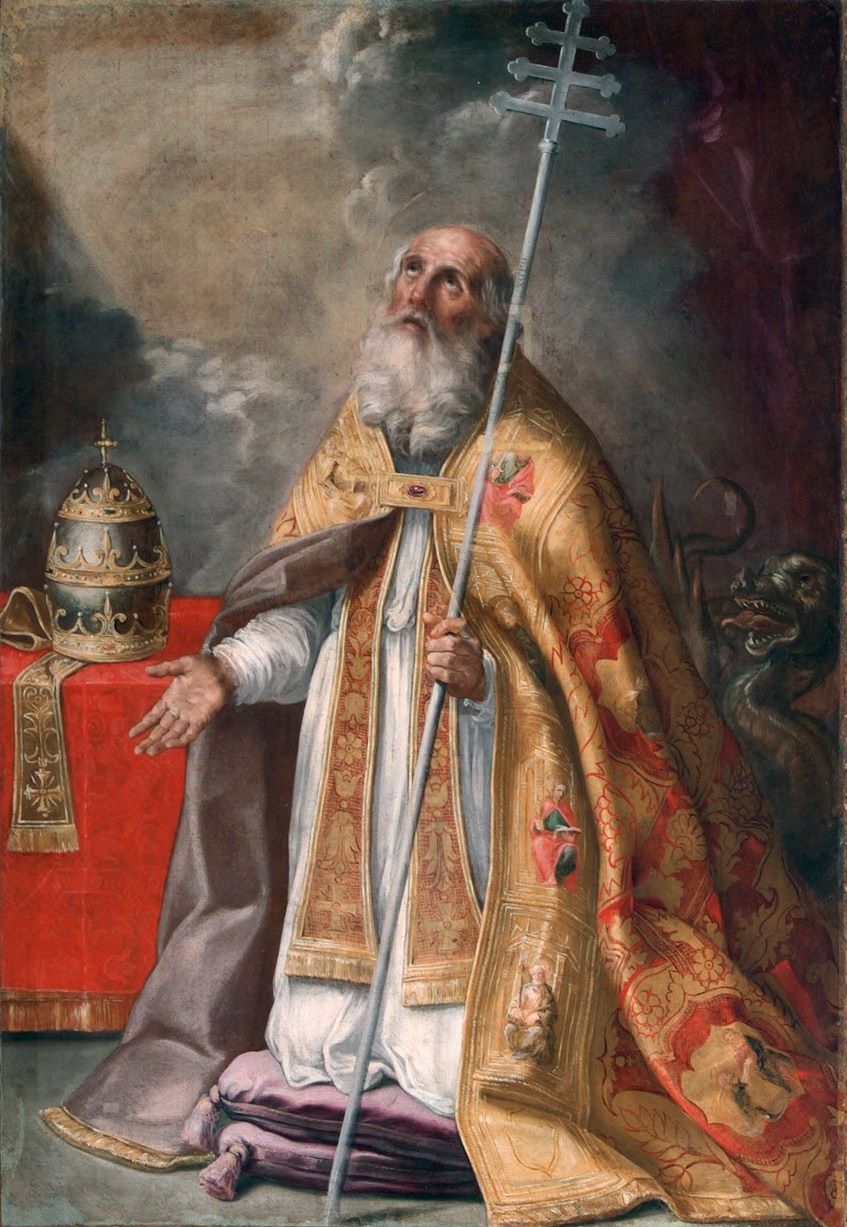
314 - 335 - Pope Sylvester / St. Sylvester (All Facts)
33rd Pope
Oversaw Roman Emperor Constantine the Great’s further adoption of Christianity via the Emperor’s granting of power to the papacy and his moving of the capital from Rome to Constantinople, marking the start of the Byzantine Emperor, but not yet the start of the “Byzantine Popes”
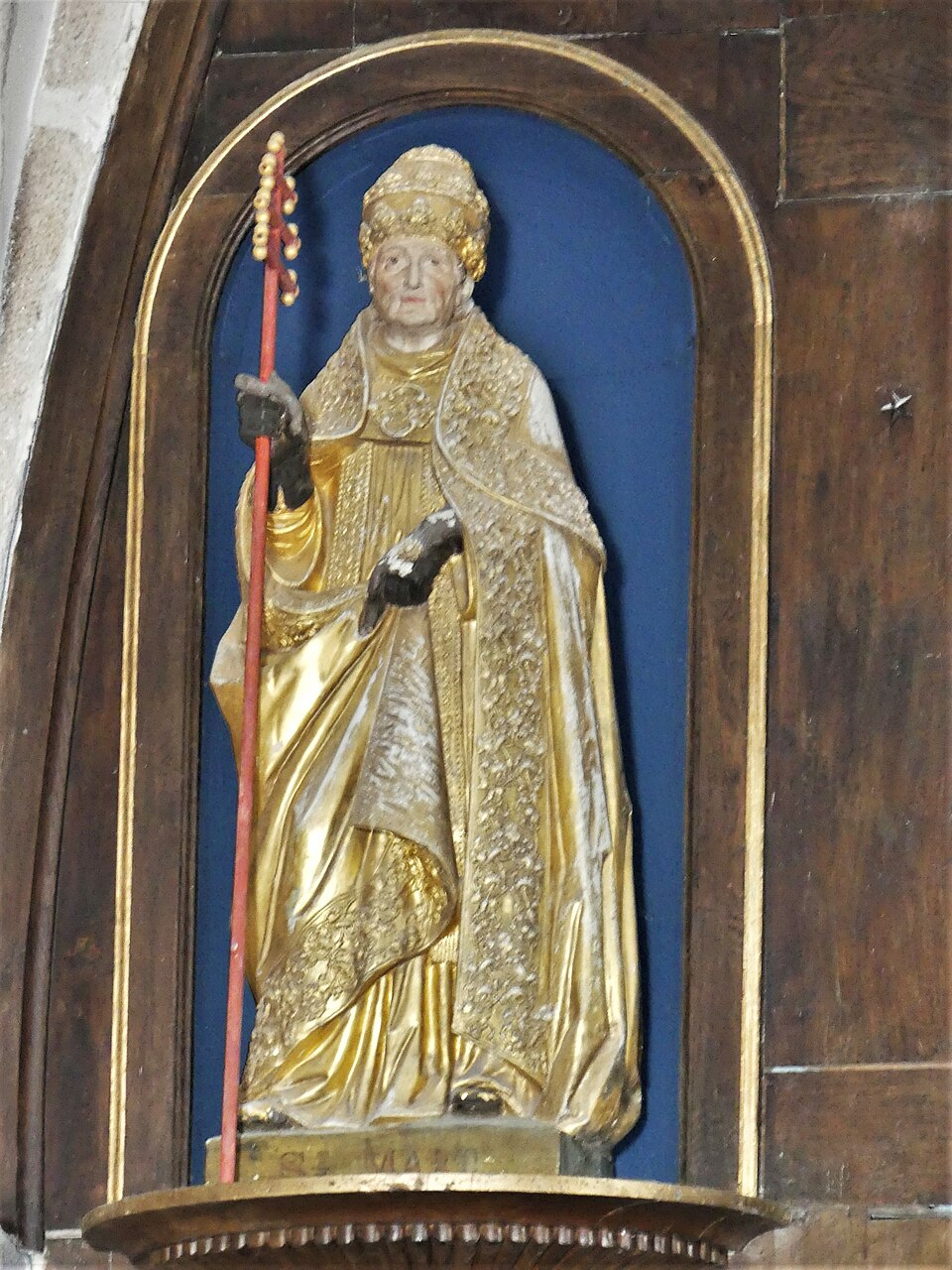
336 - Pope Mark / St. Mark (All Facts)
34th Pope
Established the Basilica of San Marco in Rome, which still stands to this day

250 - 336 - Arius (All Facts)
Cyrenaic (Libyan) Presbyter and Ascetic
Priest of Alexandria
He founded his namesake movement which was eventually labeled a heresy
He argued that if Christ is the Son of God then he cannot be eternal since he has a beginning
Therefore, he was not wholly God, but was inferior to God the Father'
He preached that God has create Jesus from nothing
He was eventually denounced in the Council of Nicaea on the grounds that he had made Jesus not the equal of God the Father, but a rival demigod
However, Emperors in Constantinople like Constantius II backed him and his heresy
Despite his death, his heresy lived on
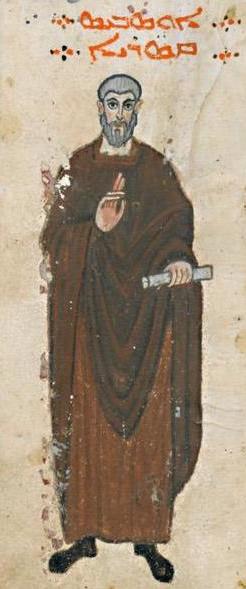
260 - 339 - St. Eusebius of Caesarea (All Facts)
Bishop of Caesarea
Supporter of Arius and Arianism, he eventually led the movement
He baptized Constantine the Great while the Emperor was on his deathbed
Published many works including
Ecclesiastical History
Chronicle
He used his position at Nicomedia to gain Constantine’s confidence and oust orthodox opponents
He discredited bishops from Antioch, Alexandria, and Ancyra in his pursuit of power
He persuaded Constantine the Great to exile St. Athanasius to Trier in Gaul after St. Athanasius had appealed to Constantine the Great after being condemned by the Council of Tyre

290 - 348 - St. Pachomius the Great (All Facts)
Founder of Christian cenobitic monasticism
Founded the monastery of Tabennesi in the Egyptian desert
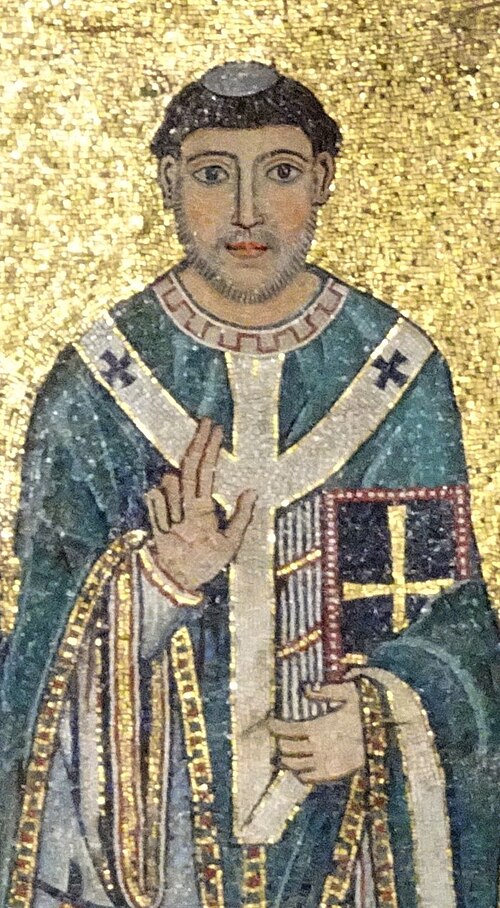
337 - 352 - Pope Julius / St. Julius (All Facts)
35th Pope
Held a Council in which he condemned the deposition of St. Athanasius of Alexandria from the Council of Tyre as unjust
He asserted his authority as Pope over the Arian Eastern bishops
He wrote a letter to the eastern churches supporting the position of St. Athanasius and asserted the primacy of his see
Settled December 25th as the official day of Christmas (birthdate of Jesus Christ)
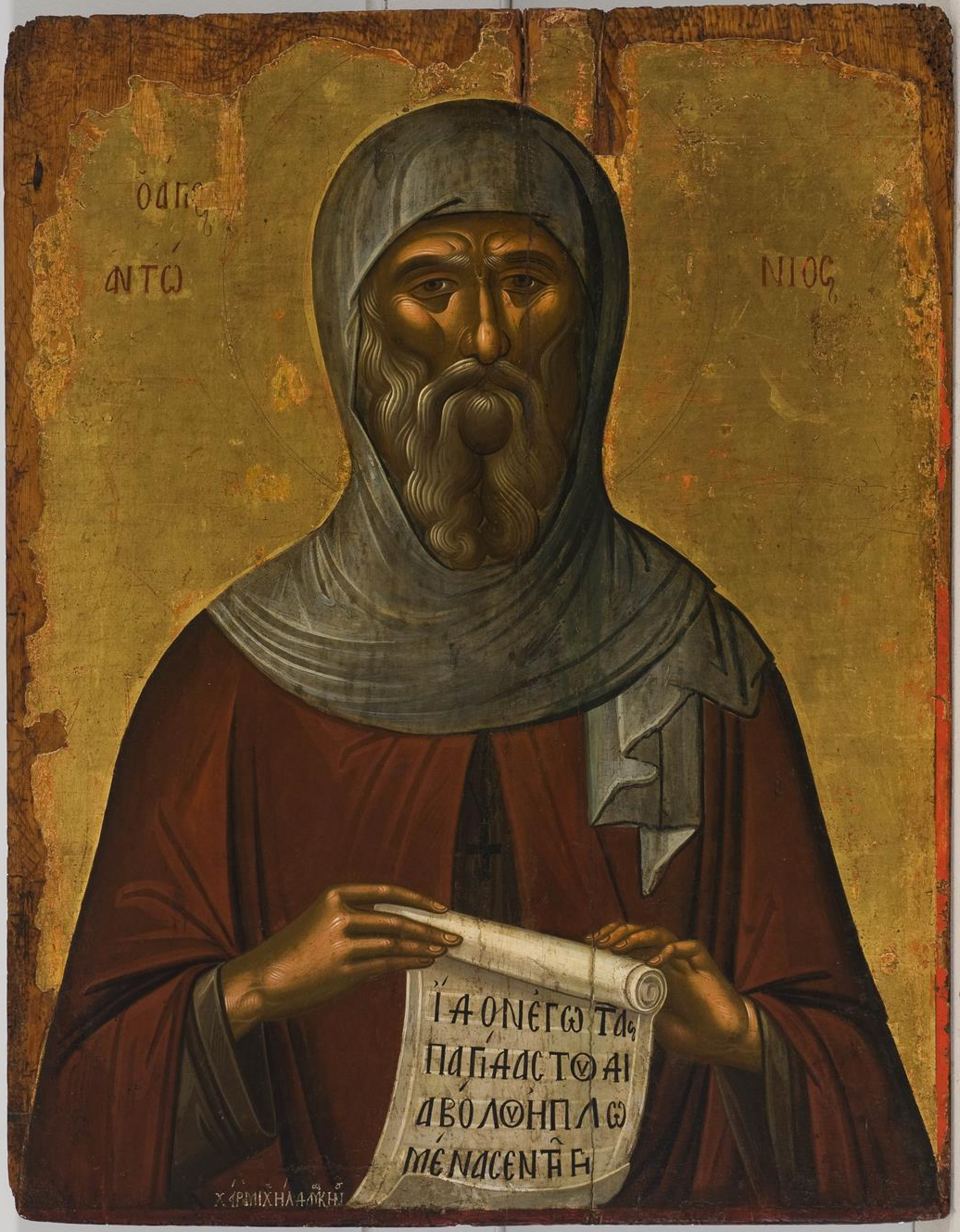
251 - 356 - St. Anthony the Great (All Facts)
He is considered the Father of Christian Monasticism, and the Father of All Christian Monks
Spent 20 years alone in the Egyptian desert
Spent 7 years establishing Christianity’s first community of hermits
Spent his time meditating and rope-plaiting
His solitude was occasionally interrupted by fellow hermits seeking moral strength
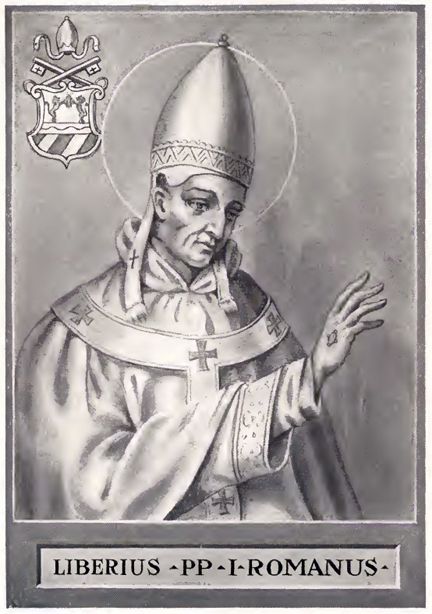
352 - 366 - Pope Liberius (All Facts)
36th Pope
First Pope not to be venerated as a saint (by the Catholic Church)
He was put in prison for disagreeing with the Roman Emperor who replaced him with the Anti-Pope, the first Anti-Pope to successfully replace the real Pope, Felix II; but after he was released from prison after 2 years, his position as real Pope was restored and the Anti-Pope Felix II was expelled
310 - 367 - St. Hilary of Poitiers (All Facts)
Bishop of Poitiers
Famous for his treatise on the Trinity, he was a fierce opponent of Arianism who wrote three outspoken addresses to Emperor Constantius II of the Roman Empire
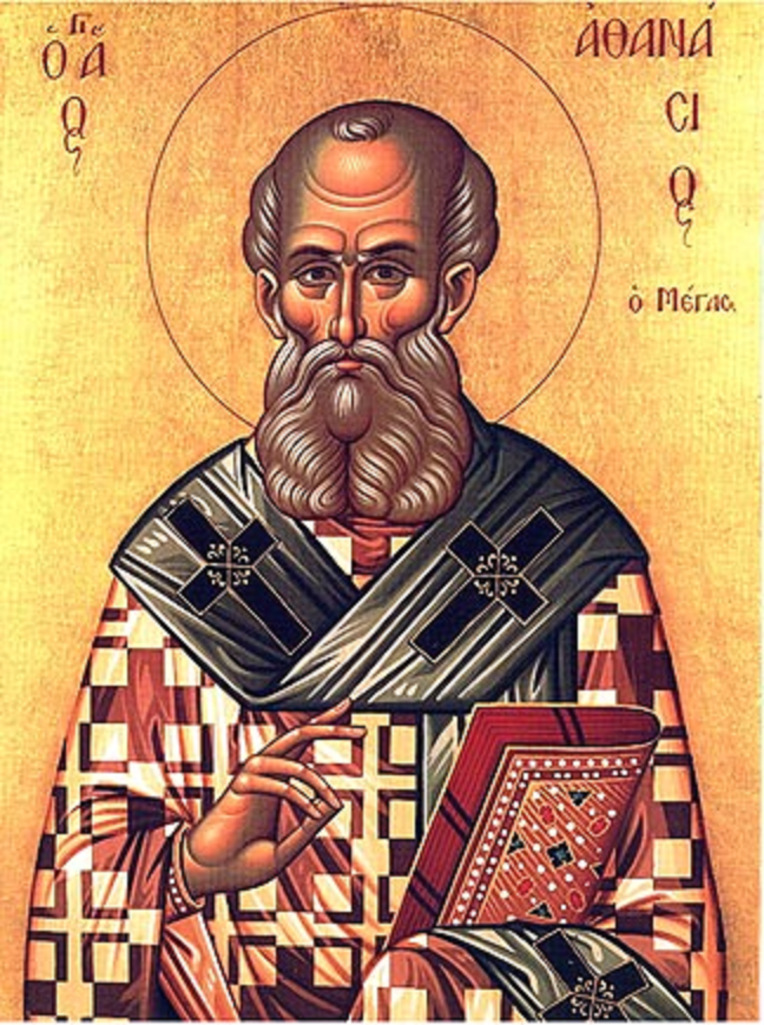
296 - 373 - St. Athanasius of Alexandria (All Facts)
Patriarch of Alexandria who
Fiercely defended Nicene Christianity (Trinitarianism, the true divinity of Christ and his full equality with the Father) against the Arian heresy
Introduced monasticism to West Rome, playing a significant role in its spread throughout the Roman Empire
Wrote a biography on St. Anthony (who introduced monasticism in general (to East Rome)), which further helped him introduce monasticism to West Rome and the rest of the Roman Empire
Consecrated Frumentius to be the abuna (bishop) of Ethiopia
Due to his anti-Arian stance, he suffered exile from Alexandria (his home) on five occasions on the orders of emperors unsympathetic towards his position
Condemned by the Council of Tyre for his uncompromising attitude towards Arians and Meletians (Donatists), he appealed to Constantine the Great
When he did, St. Eusebius of Caesarea got to the emperor first and convinced the emperor to exile the namesake to Trier in Gaul
Took refuge in a remote desert in Upper Egypt after being expelled from Alexandria again by Constantius II, who was pro-Arian
He was later supported by Pope Julius in a council in which the Pope affirmed his position and asserted the primacy of his see, which was fully restored by 346
Died in Alexandria
300s - 382 - Apollinaris of Laodicea (All Facts)
He founded his namesake movement which was eventually labeled a heresy
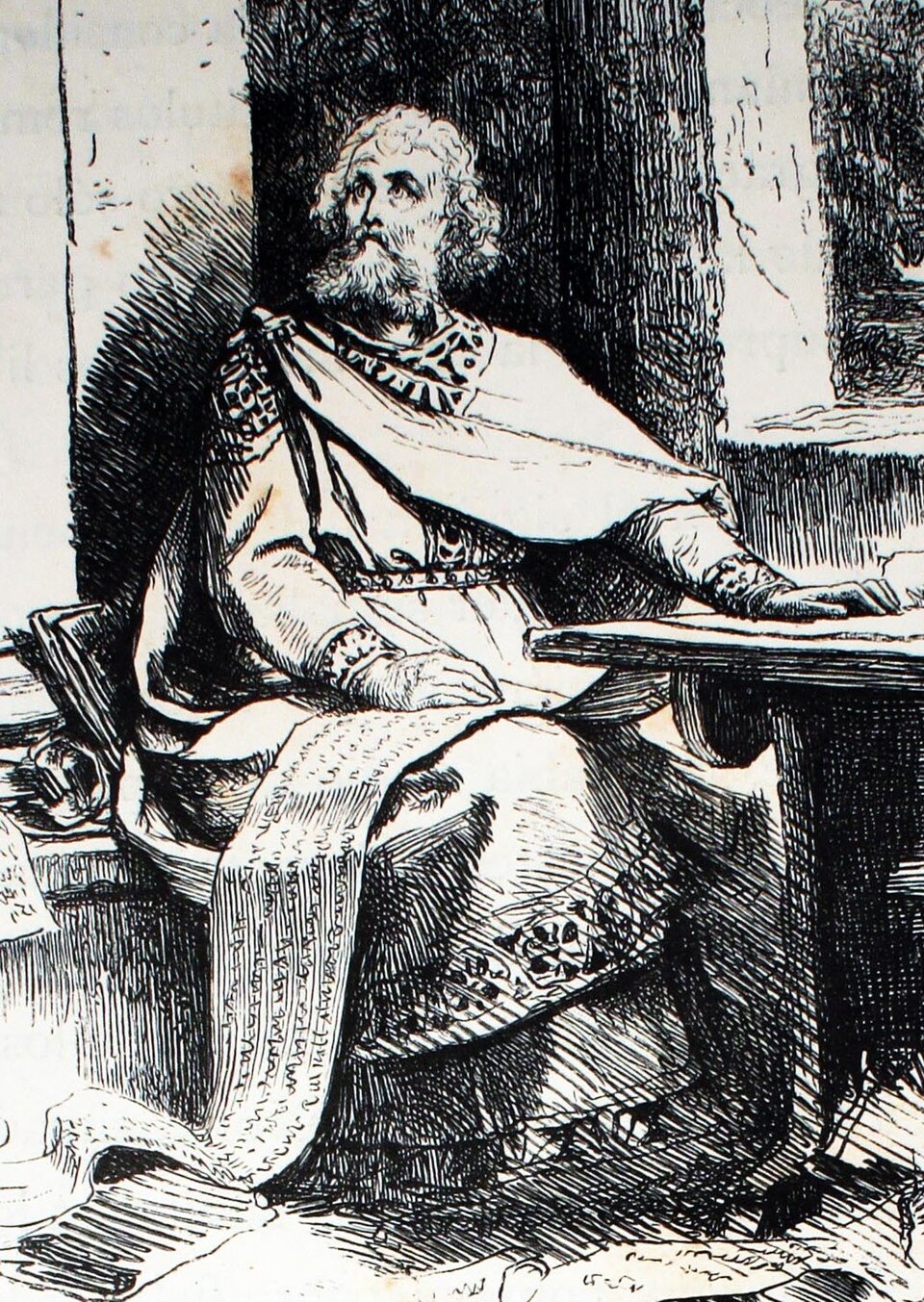
311 - 383 - Ulfilas (All Facts)
First Gothic Bishop and Preacher
He translated (most of) the Bible into the Gothic language
In so doing, he had to create a new and holy version of the Gothic language since some Christian ideas could only be conveyed by adapting Latin words for use as part of Gothic vocabulary
Additionally, he had to expand the Gothic alphabet, since its script was inadequate
He converted many Goths to (Arian) Christianity
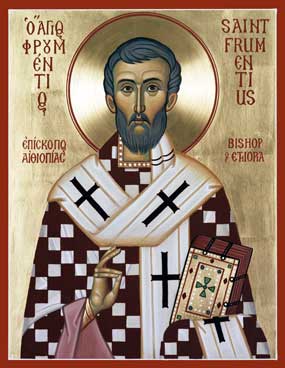
300s - 383 - St. Frumentius (All Facts)
First Bishop of Axum (Ethiopia)
He was consecrated as abuna (bishop) by St. Athanasius of Alexandria
He brought Christianity to Axum (Ethiopia) as a missionary
He helped Axum’s King Ezana convert to Christianity, making Ethiopia the second contemporary nation to adopt Christianity (after Armenia)
He founded the Ethiopian Orthodox Tewahedo Church
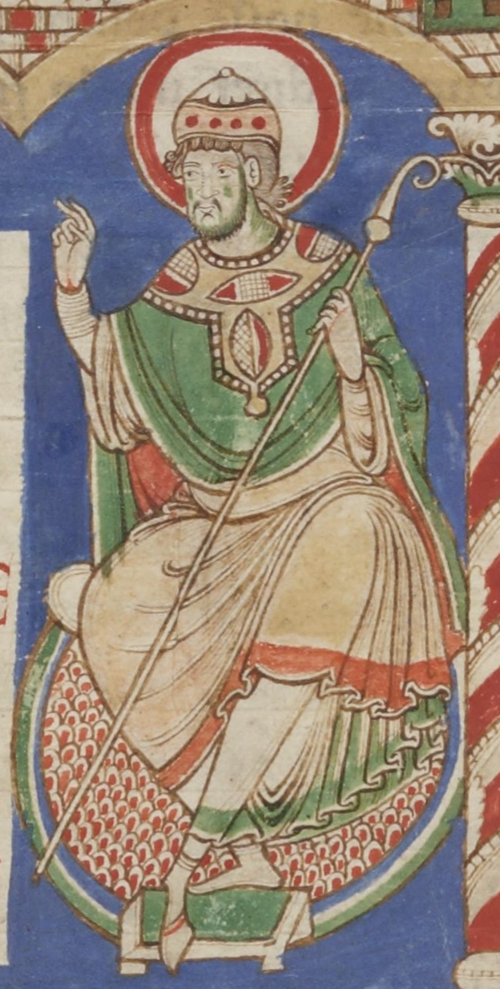
366 - 384 - Pope Damasus / St. Damasus (All Facts)
37th Pope
Presided over the Council of Rome of 382, which determined the official canon of sacred scripture
Encouraged St. Jerome’s production of the Vulgate Bible, the first translation of the Bible into Latin
Oversaw Christianity become the Roman Empire’s official religion
He stressed Rome’s primacy as the apostolic see
He acquired increased juridical control over the church
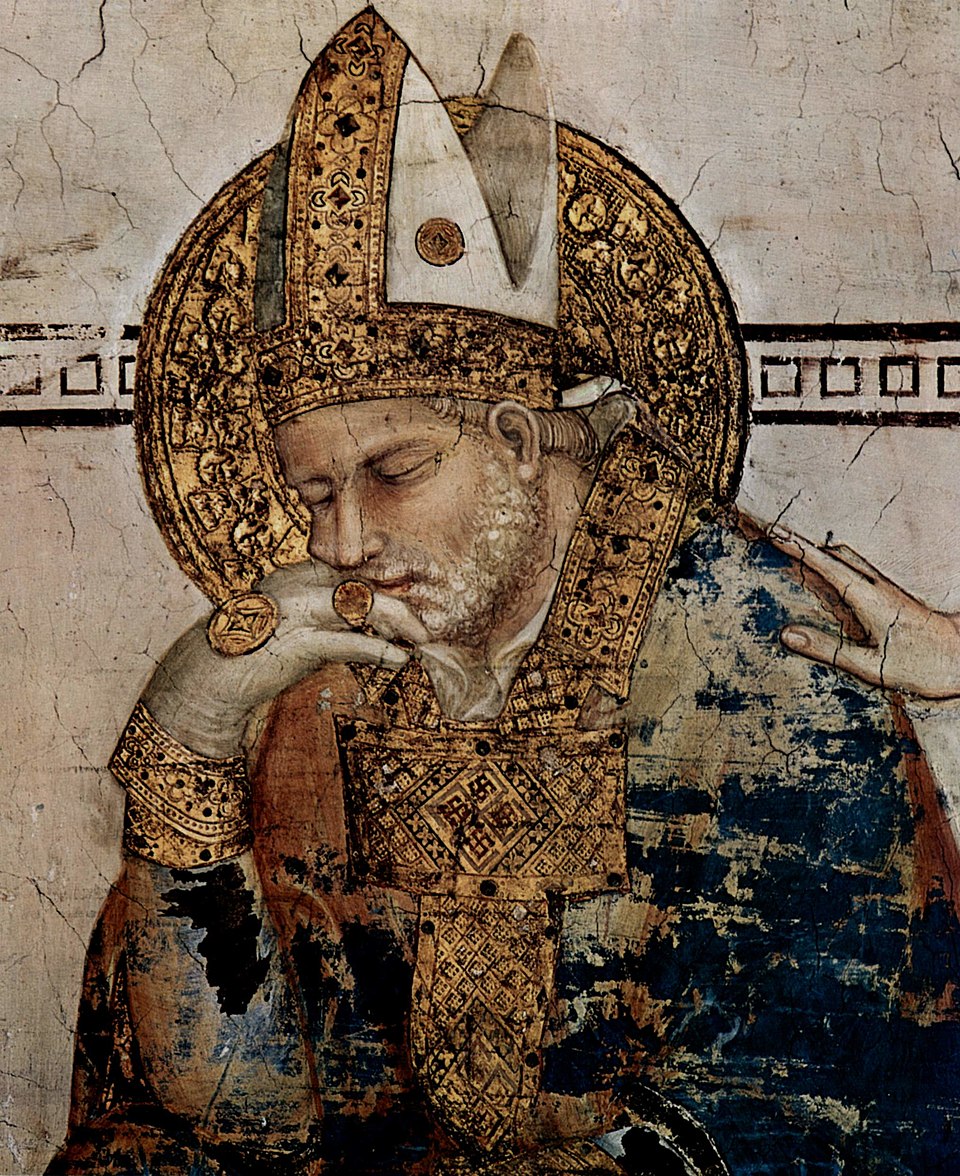
316 - 397 - St. Martin of Tours (All Facts)
Third Bishop of Tours
He established one of the first hermit communities in Western Rome
He founded the Monastery of Liguge Abbey, the oldest Monastery in Western Europe
It stood until it was demolished in the French Revolution
He was born in Pannonia
He served in the Roman army before joining the clergy
He was a disciple of St. Hilary of Poitiers
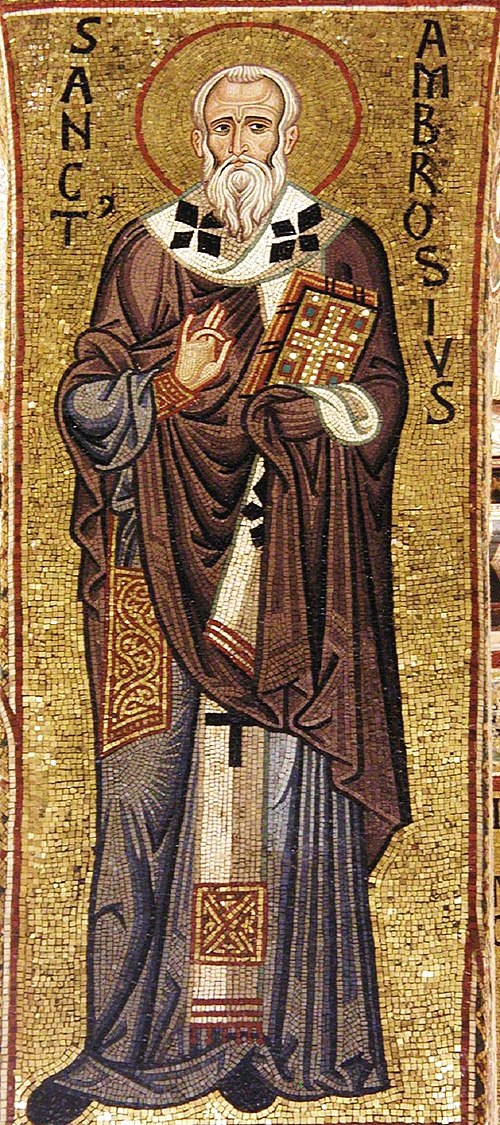
339 - 397 - St. Ambrose of Milan (All Facts)
Bishop of Milan
He was a dominant force in both
Ecclesiastical affairs as a theologian
Secular affairs as an aristocrat
He was embroiled in a quarrel with Emperor Theodosius the Great of the Roman Empire
He was angered first by the Emperor’s ordering Christians who had destroyed a Jewish synagogue in Mesopotamia to rebuild it
He was angered again by the Emperor’s ordering of a massacre by his Gothic troops onto the citizens of Thessalonica in what became known as the Massacre of Thessalonica
Thus, he excommunicated the Emperor and made it so that the Emperor would not be readmitted to Christian fellowship until after he had performed public penance, so the Emperor performed the public penance and was readmitted to the Church for it
His humiliation of the Emperor served notice regarding the exalted status to which the Christian church had now risen above the Emperorship
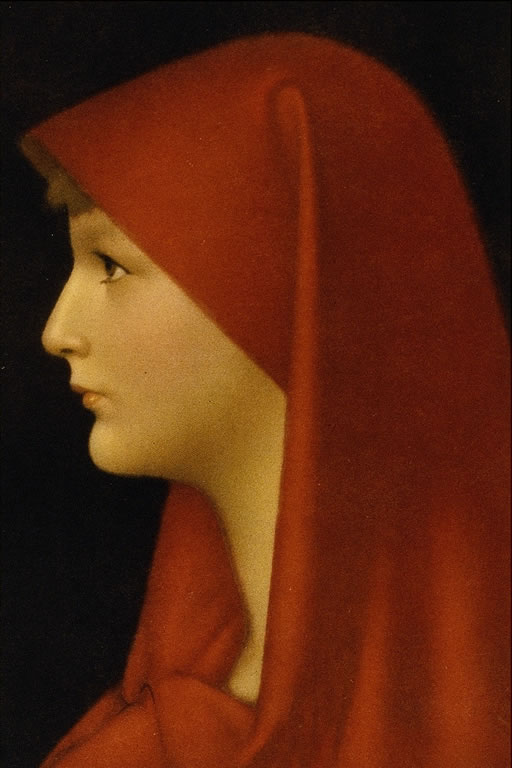
300s - 399 - St. Fabiola (All Facts)
The first female surgeon in Roman history
She was famous for founding hospitals for the poor in Rome
Under the influence of St. Jerome, she gave up all earthly pleasures and devoted herself to the practice of Christian asceticism and charitable work
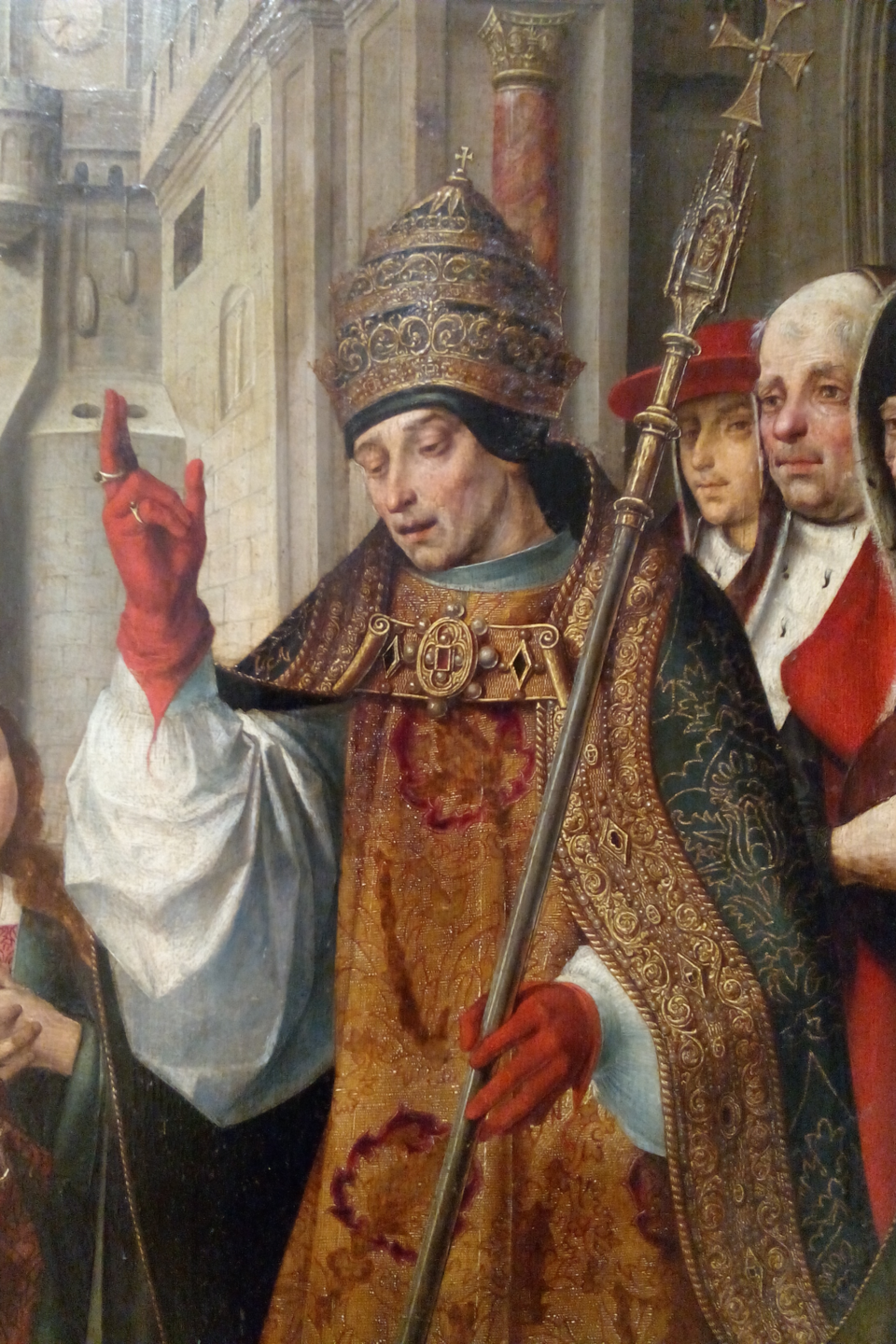
384 - 399 - Pope Siricius / St. Siricius (All Facts)
38th Pope
Established the first rules for the Church on discipline and penance including a decree that banned priests from marriage after being ordained (if they were previously married, that was still allowed)
He has the oldest completely preserved letters
He was the first Pope to call himself “Pope” (they were before that called the “head of the Church” or “the Bishop of Rome”
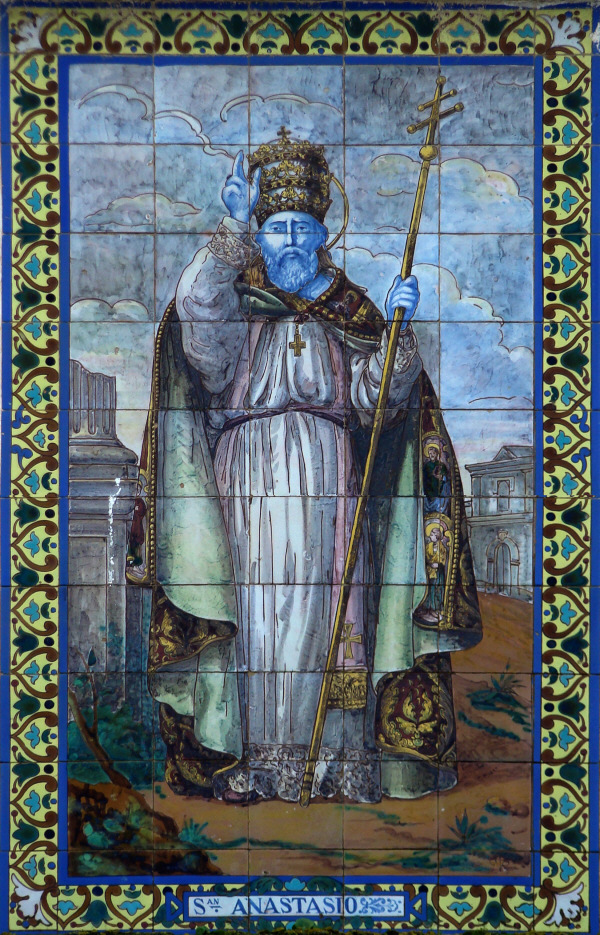
399 - 401 - Pope Anastasius / St. Anastasius (All Facts)
39th Pope
Helped reform churches in Alexandria and across North Africa
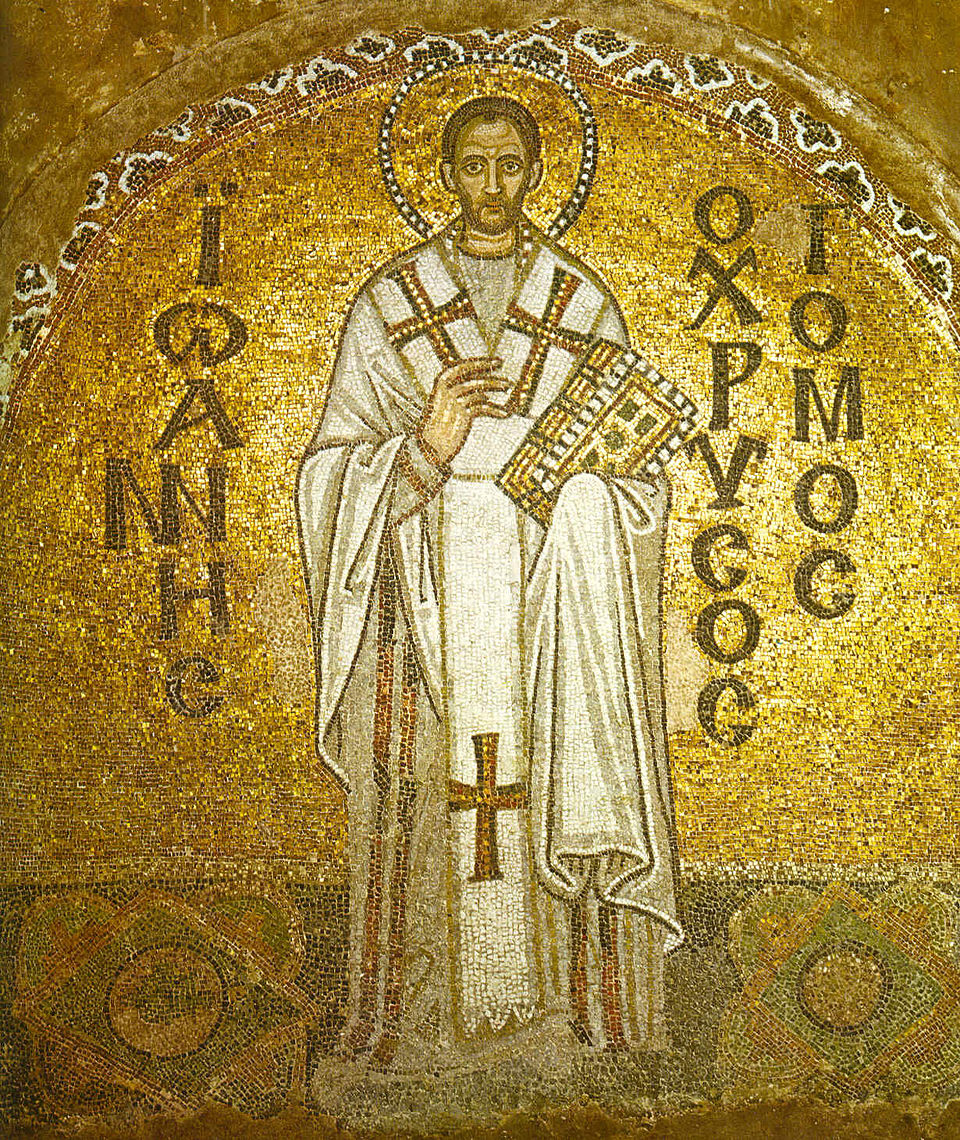
347 - 407 - St. John Chrysostom (All Facts)
Patriarch of Constantinople
He was eventually banished from the city for overly criticizing the Empress Eudoxia
Enraged by his attacks on her sumptuous lifestyle, she persuaded her husband, Emperor Arcadius of the Roman Empire, to send the namesake into exile
His name means “golden-mouthed” due to his eloquence as a preacher
He was one of Christianity’s most compelling preachers
He
Was born in Antioch
Was raised as a pagan but had himself baptized as a Christian later in life
Spent ten years studying in the desert before beginning his career as a preacher in Antioch
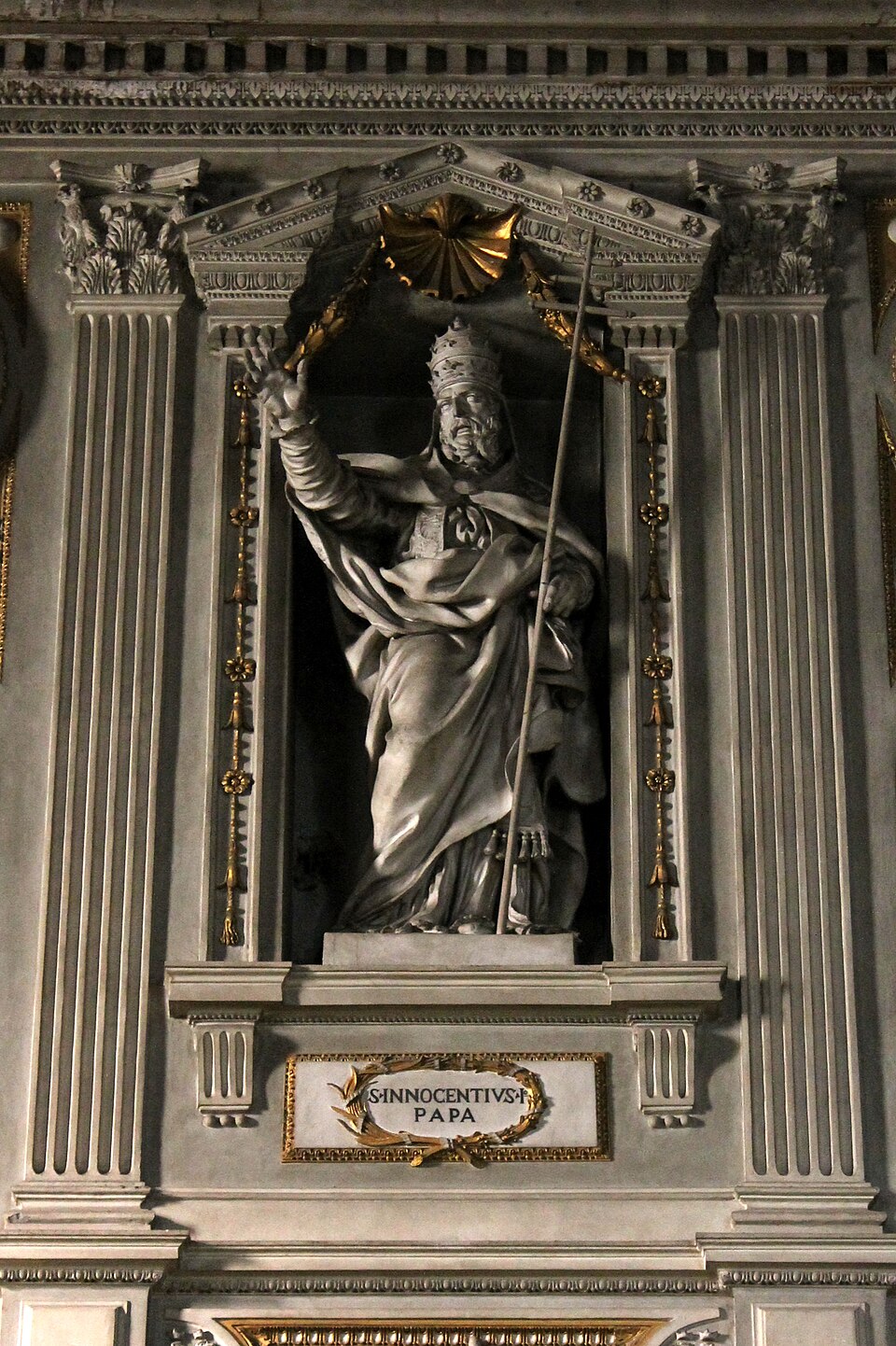
401 - 417 - Pope Innocent / St. Innocent (All Facts)
40th Pope
Known for his letters defending Rome’s authority and the role of the pope
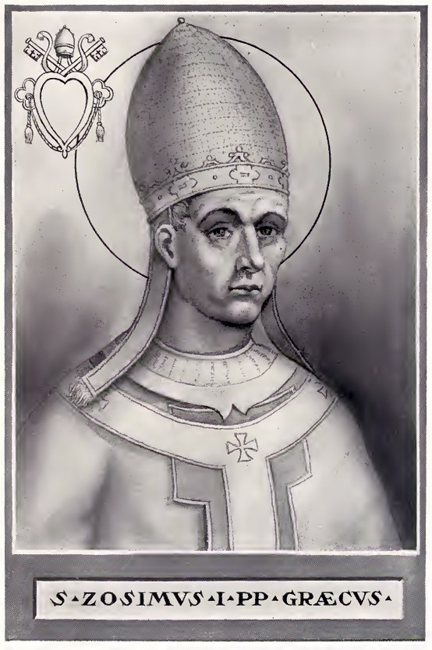
417 - 418 - Pope Zosimus / St. Zosimus (All Facts)
41st Pope
He was known to have a temper and had many disputes with other members within the church, having reversed many of his predecessor’s policies
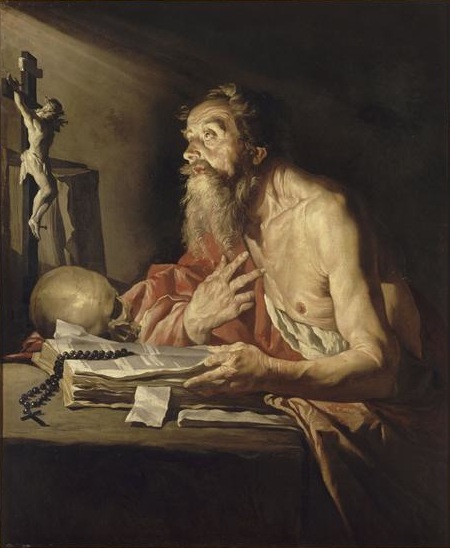
342 - 420 - St. Jerome (All Facts)
Famous for his translation of the Bible into Latin, known as the “Vulgate Bible”
Up to that point, it was the most important work of Christian Latin literature
It took him 40 years to complete
Considered one of the four “Doctors of the Church”
He was a fierce opponent of Arianism
Ascetic Philologist
He was born in Strido, Dalmatia
He studied grammar and theology
He spent two years as a hermit in the Syrian desert
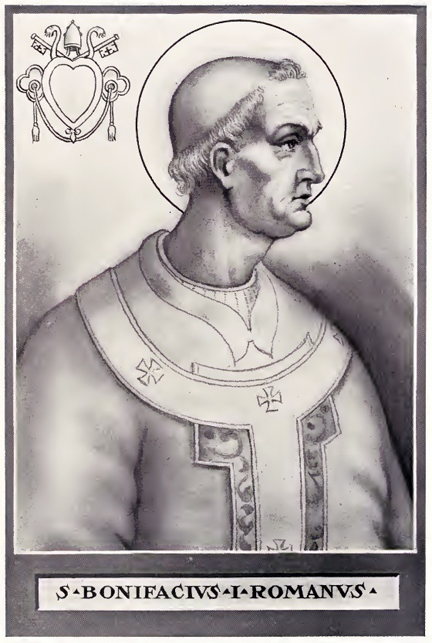
418 - 422 - Pope Boniface / St. Boniface (All Facts)
42nd Pope
Advocate of Papal Supremacy
Had disagreements with factions within the Church
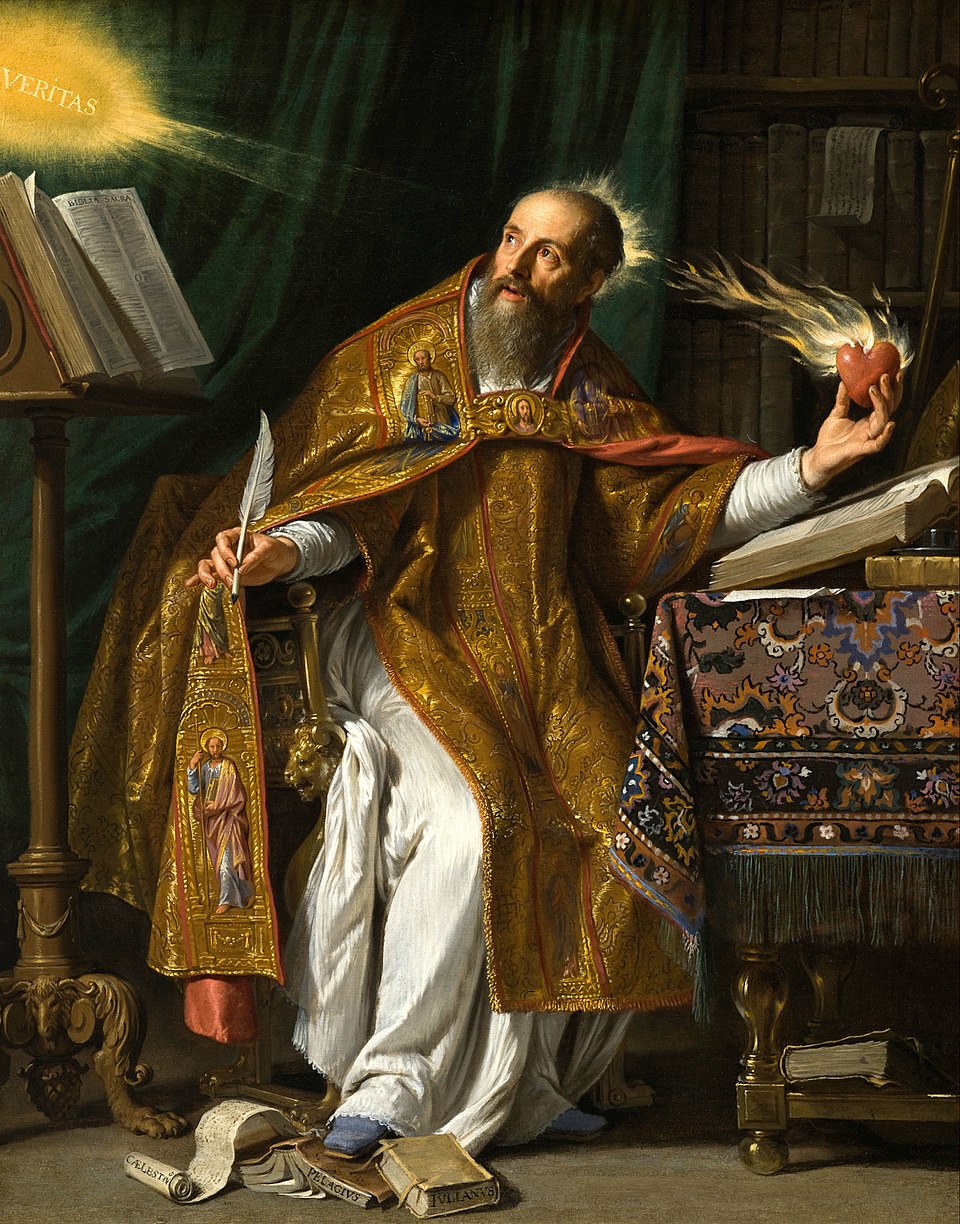
354 - 430 - St. Augustine of Hippo (All Facts)
Christian Writer, Philosopher, and Theologian
He was pagan until his conversion to Christianity at the age of 32
Died while his namesake city was laid siege by the Vandals
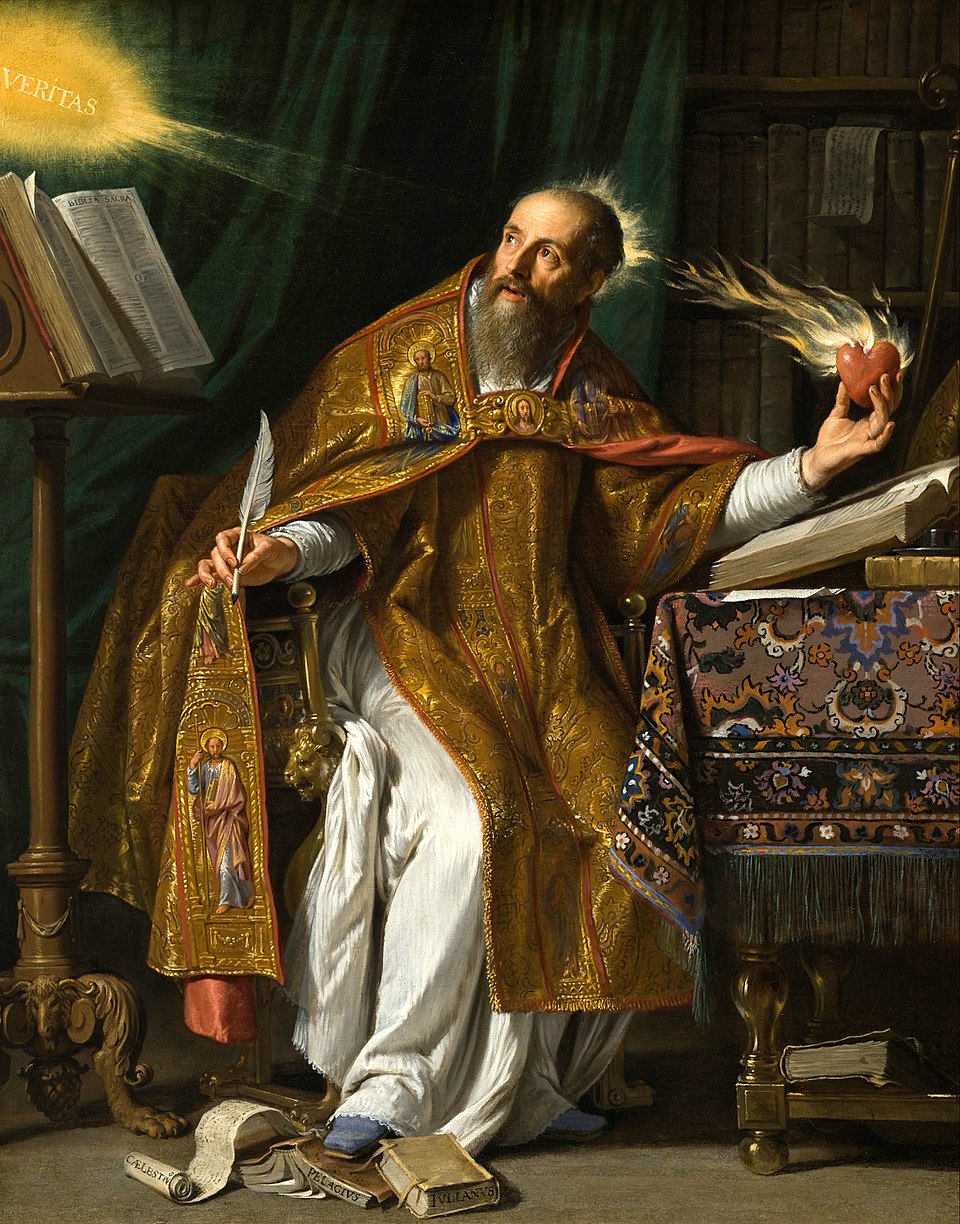
354 - 430 - St. Augustine of Hippo: City of God (All Facts)
Work consisting of a series of meditations inspired by the question, “Why did God allow Rome to fall to the Barbarians?”
He tried to answer the question given that Non-Christians blamed the fall of Rome on the fact that Romans had deserted the worship of their old gods, such as Jupiter, who consequently withdrew their centuries-old support for the new Christian one
Demolished this belief by arguing that the old gods did not save Troy or prevent Roman defeats in the past
He argued that Rome fell by God’s will because no earthly city is founded on goodness or justice
He argued that what happens on Earth needs to be tolerated because it is God’s will and much less important than what will take place in the namesake entity
He argued that only the namesake entity, to which all Christians aspire to belong, is eternal and will survive the ruin of the old order
He prompts the reader to think about why it matters whose dominion a man lives under in this short life
In addition to its main argument, the work expounds on many questions of theology, including
the suffering of the righteous
the existence of evil
the conflict between free will and divine omniscience
the doctrine of original sin
Work which took the namesake author 13 years to write, it was published in 426
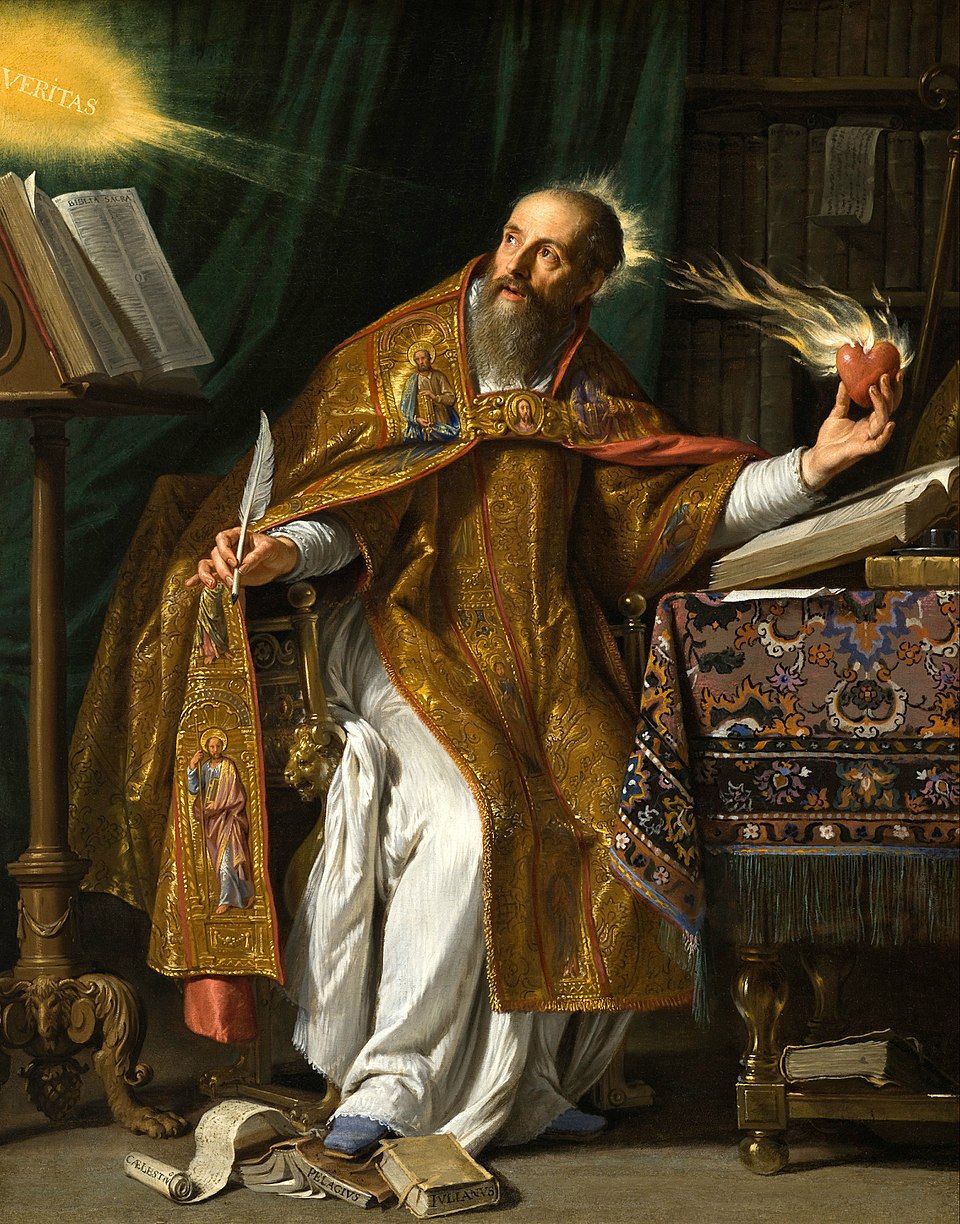
354 - 430 - St. Augustine of Hippo: Confessions (All Facts)
Work in which the namesake author discusses his sinful youth and conversion to Christianity
It was an influential model for Christian writers throughout the Middle Ages
400s - Salvian of Marseilles (All Facts)
Christian Writer and Moralizing Preacher
He argued that the decline of the Roman Empire and the disasters Rome experienced were God’s punishment of Christians for their immoral lives and behavior
400s - Palladius (All Facts)
First Bishop of Ireland
Sent to Ireland by Pope Celestine
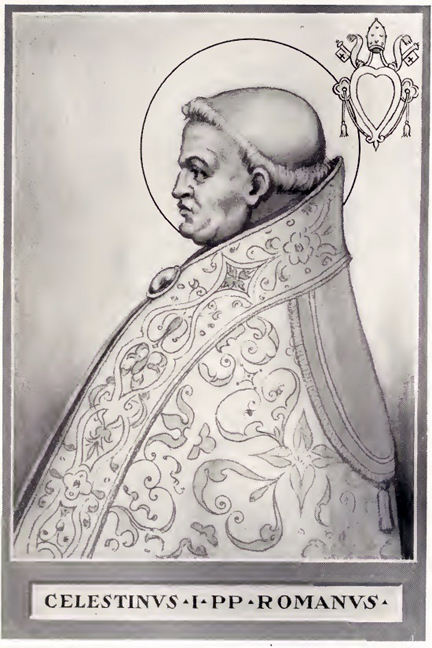
422 - 432 - Pope Celestine / St. Celestine (All Facts)
43rd Pope
Presided over the Council of Ephesus, where he and Cyril of Alexandria condemned Nestorianism as heresy
Sent his deacon Palladius to Ireland as Ireland’s first bishop
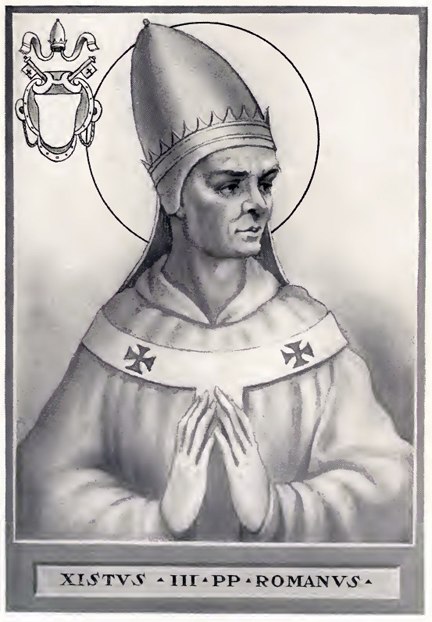
432 - 440 - Pope Sixtus III / St. Sixtus III (All Facts)
44th Pope
Presided over theological debates that sought to reform and restructure the Church
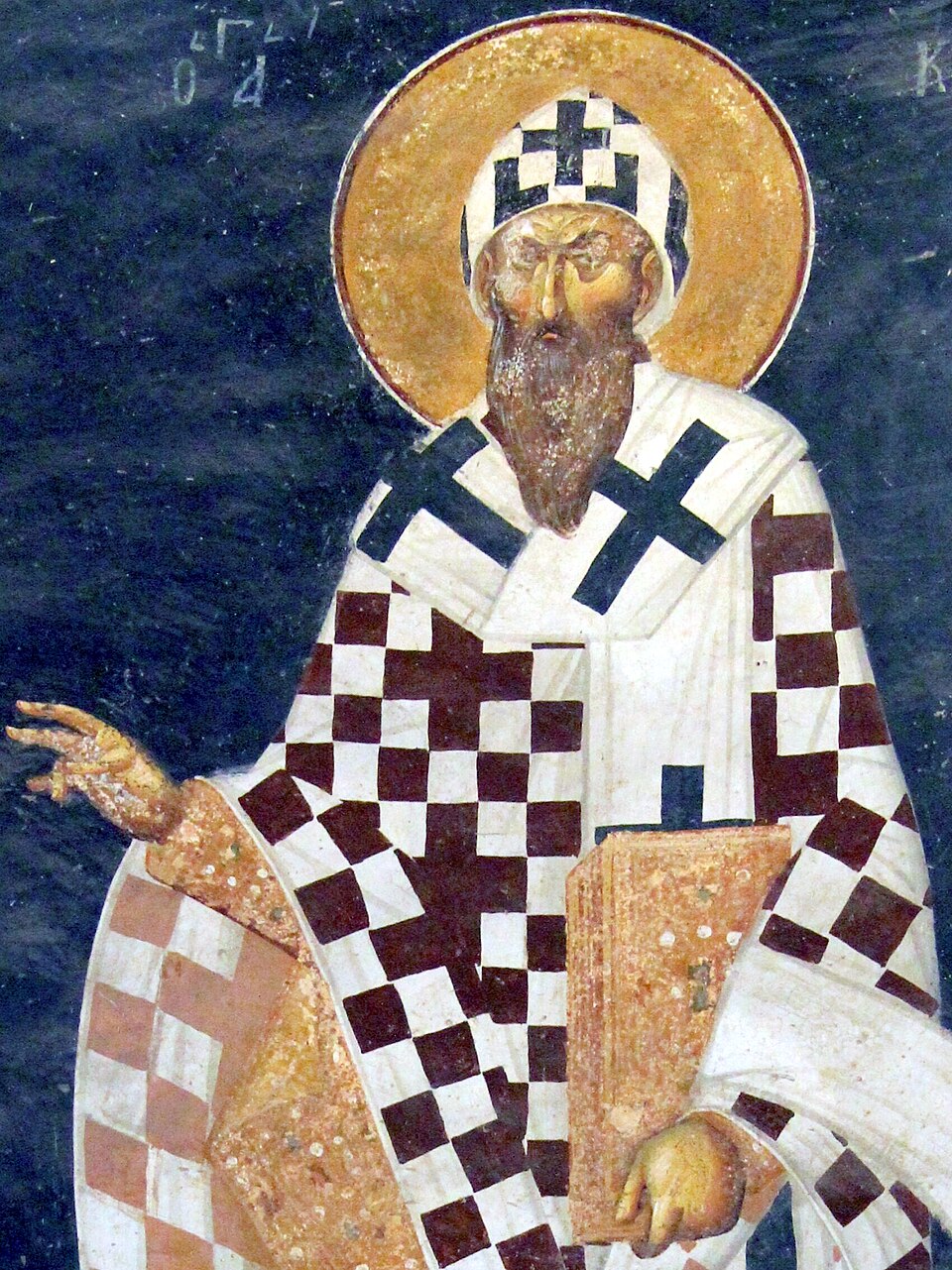
412 - 444 - St. Cyril of Alexandria (All Facts)
Patriarch of Alexandria
Along with Pope Celestine, he condemned Nestorianism as heresy and excommunicated Nestorius to Egypt in the First Council of Ephesus in 431
May have been partially responsible for the murder of Hypatia of Alexandria
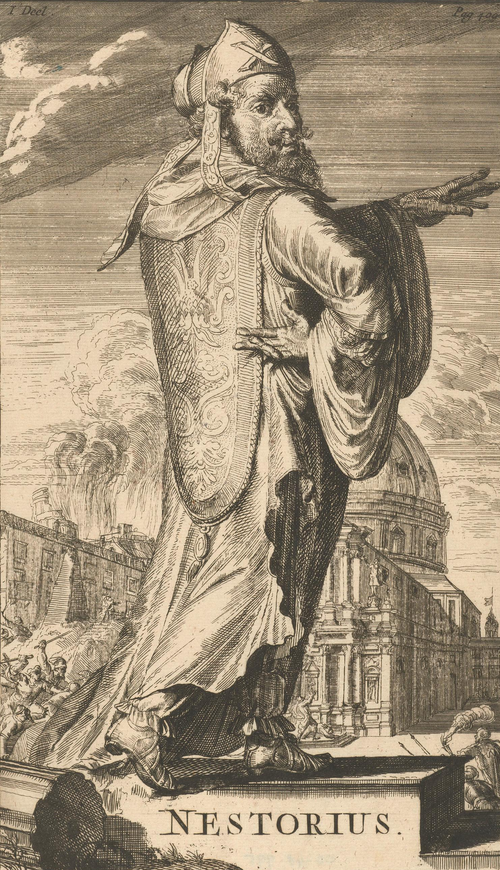
386 - 451 - Nestorius of Constantinople (All Facts)
Patriarch of Constantinople
He was made Patriarch of Constantinople by Emperor Theodosius II of the Roman Empire
He founded his namesake movement which was eventually labeled a heresy
He preached a doctrine of Christ which emphasized the distinction between his divine and human natures
His teachings were condemned as heresy by Pope Celestine and Cyril of Alexandria
He was an ascetic and intolerant man, and he had raised a storm by preaching his namesake heresy
He was excommunicated from the Church and sent to exile in Egypt
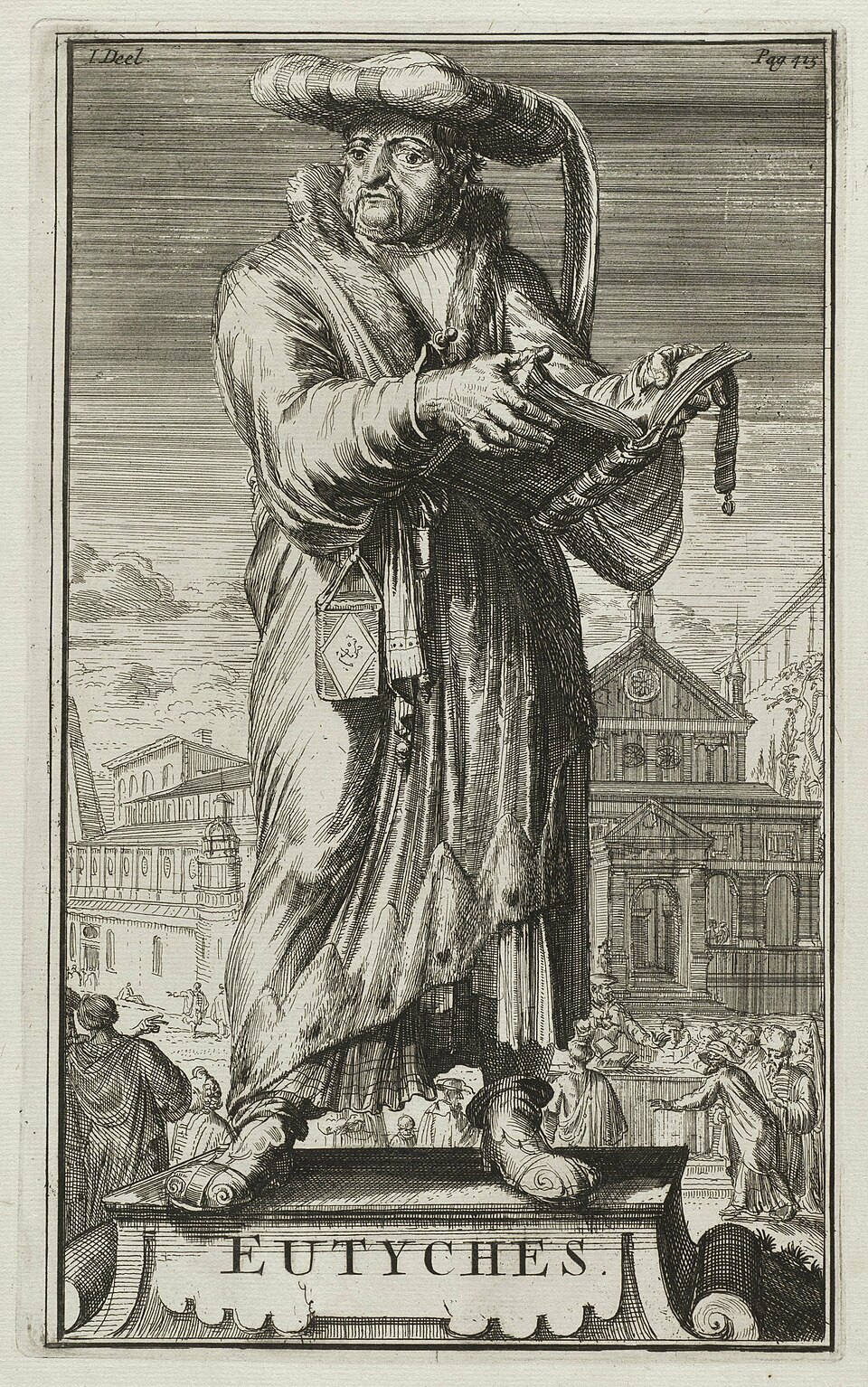
375 - 454 - Eutyches of Constantinople (All Facts)
He founded the Monophysitism heresy
He preached that
The incarnate Christ is of a single, divine nature
Jesus’s divine nature and human nature are mixed into one combined nature
Jesus resembles something like the Greek demigods in that he would be part god and part human
He had successfully pushed his doctrine through to get accepted at the Second Council of Ephesus
His heresy was condemned and he was excommunicated at the following Council of Chalcedon
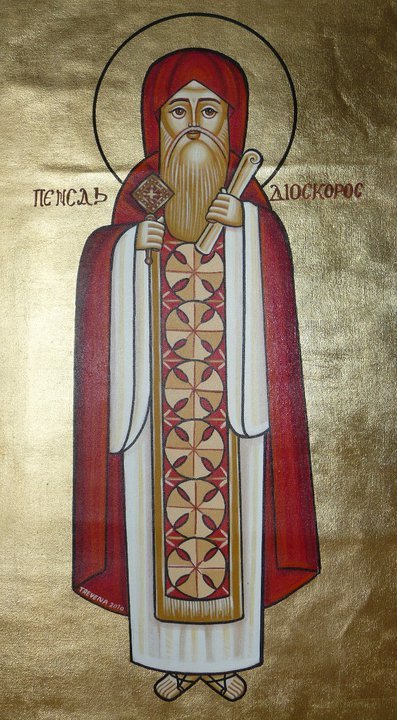
444 - 454 - (Pope) St. Dioscurus of Alexandria (All Facts)
Presided over the Second Council of Ephesus in 449
He supported the doctrine of Monophysitism, which was accepted by the council