GRST 😭
 Studied by 0 people
 Call Kai
 Learn
Learn Practice Test
 Spaced Repetition
 Match
Match Flashcards
 Knowt Play
1/46

There's no tags or description
Looks like no tags are added yet.
Name | Mastery | Learn | Test | Matching | Spaced | Call with Kai |
|---|
No analytics yet
Send a link to your students to track their progress
47 Terms
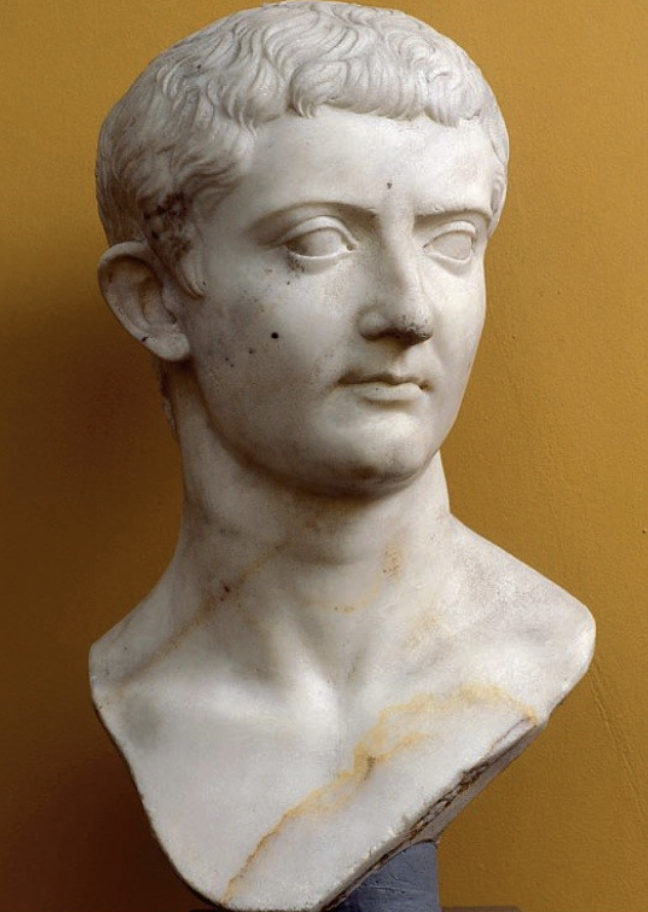
Head of Tiberius
Egypt
first century
marble
Idealized, youthful, smooth
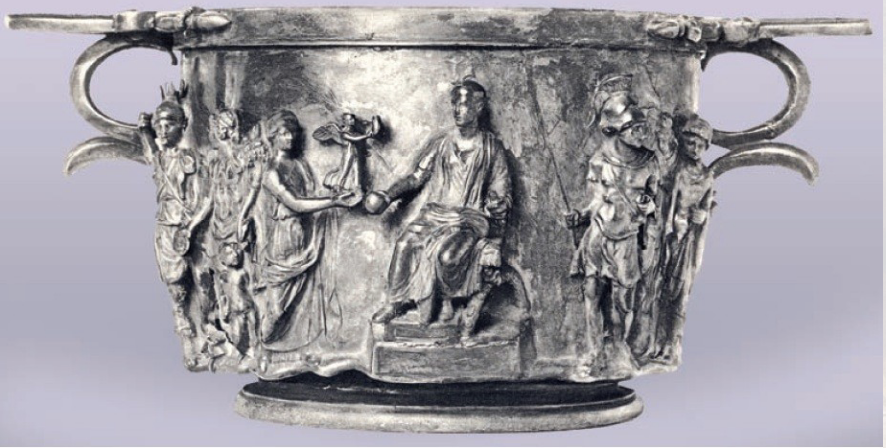
Augustus seated among gods
silver
1st century
Boscoreale
granting clemency
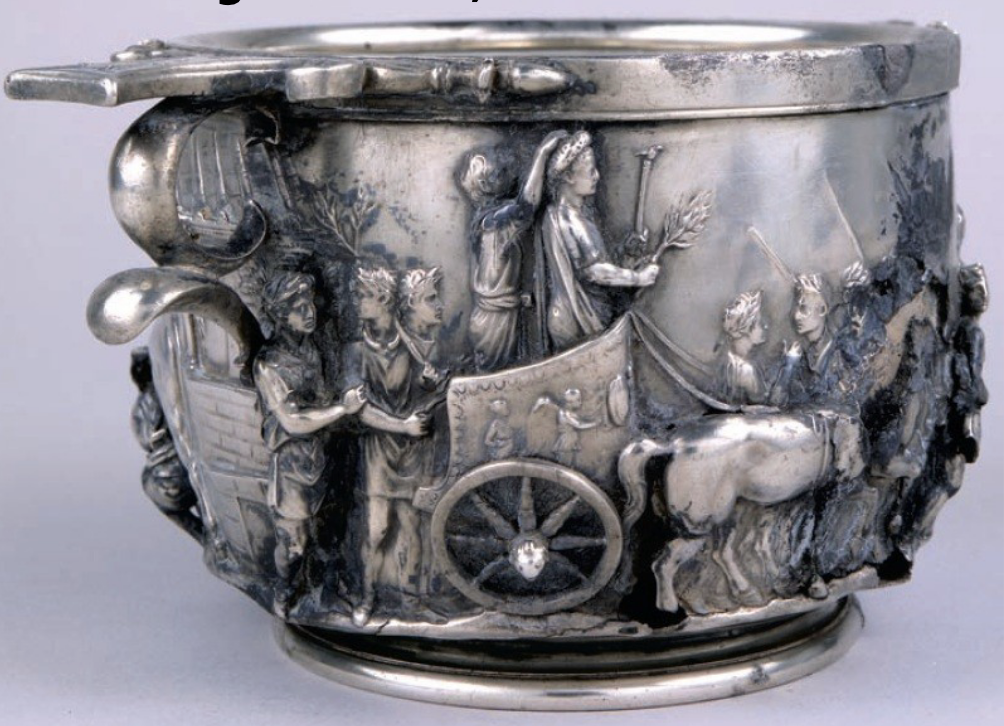
Triumph of Tiberius
first cent
silver
Boscoreale
riding chariot symbolizing military victory
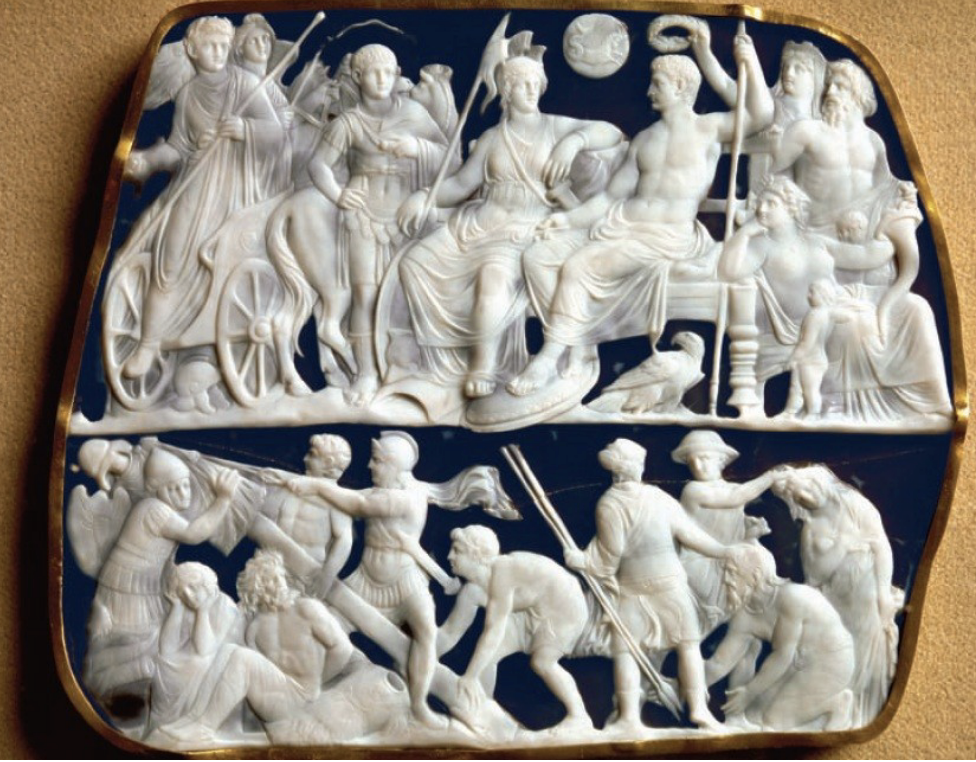
Gemma Augustea
first cent
onyx
scorpion was a symbol of Tiberius
Stepping down from chariot looking toward Augustus, symbolizing Jupiter looking to god
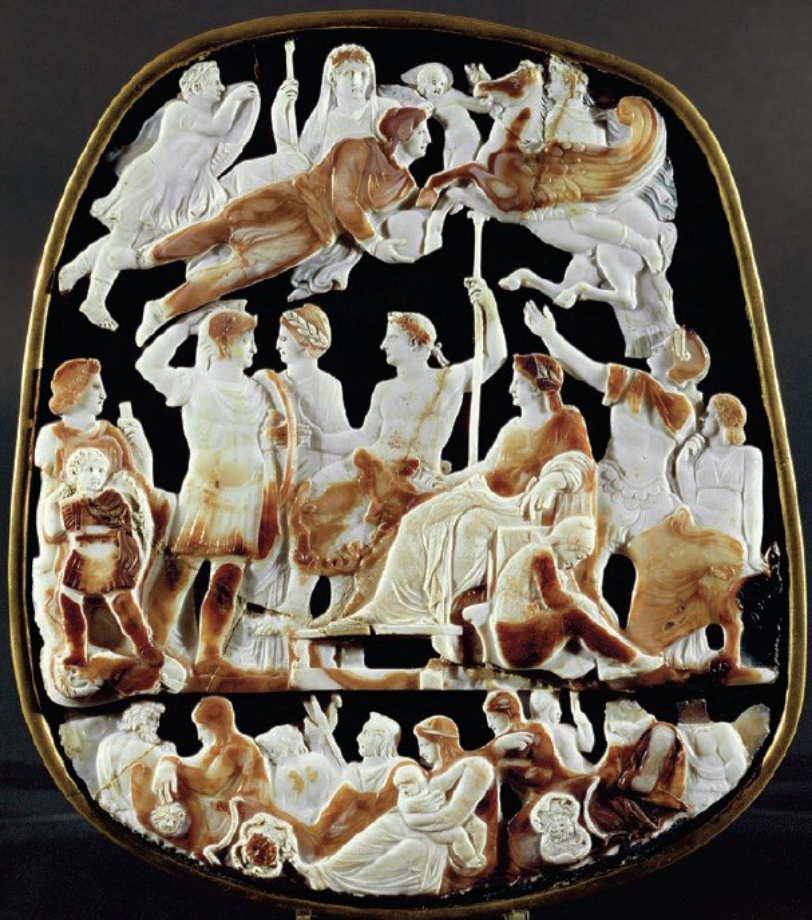
Grand Camée de France
first cent
onyx
Imperial Propaganda and Legitimacy, Military Triumph, Apotheosis and Cosmic Order
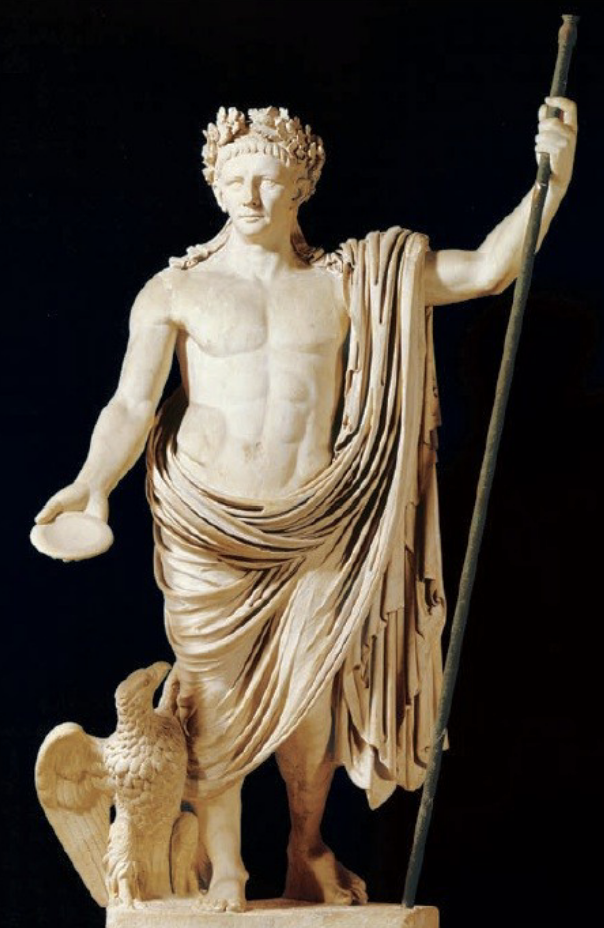
Claudius in the Guise of Jupiter
1st cent
marble
Lanuvium
he ruled earth as jupiter ruled sky
mix of idealism and realism
old face, young body
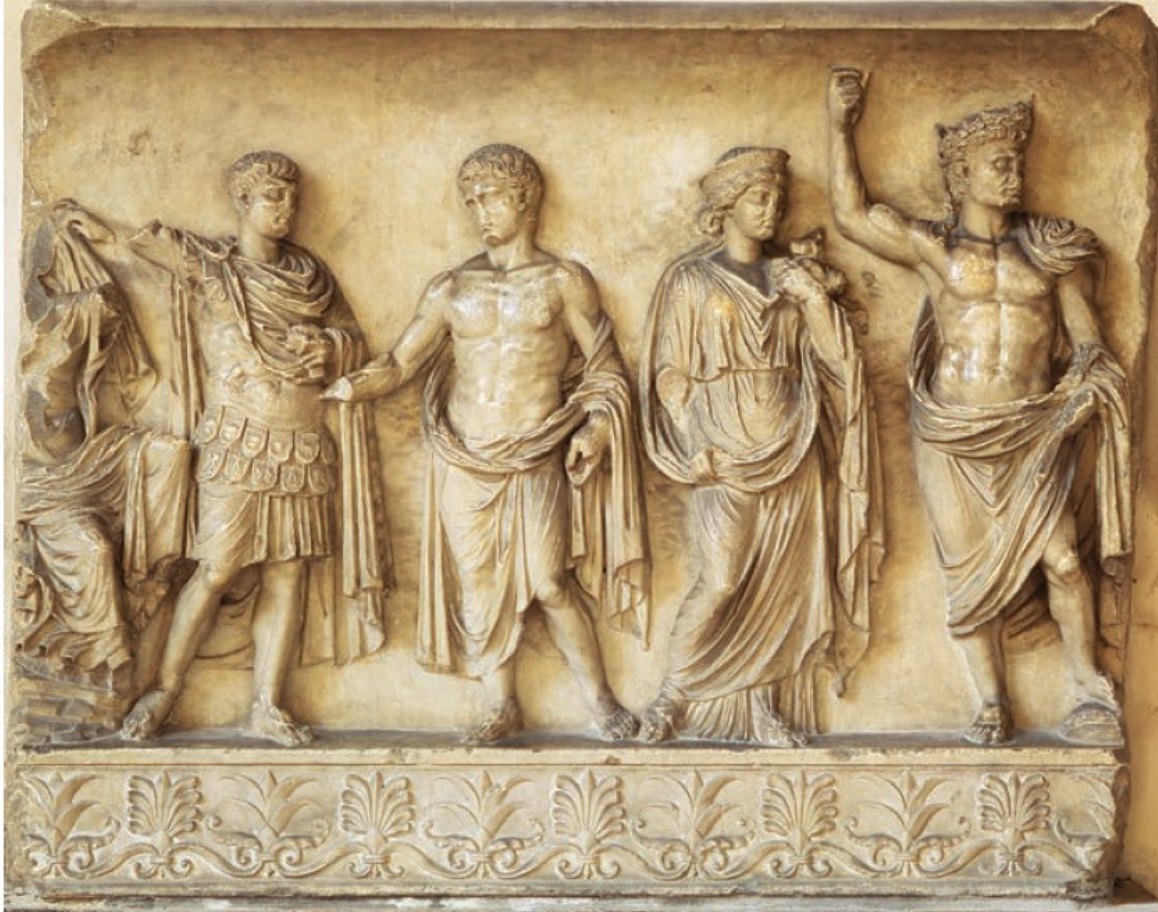
Julio Claudian Dynastic
Ravena
Augustus on the right, star signifying divinity
then livia
each portrait was personalized
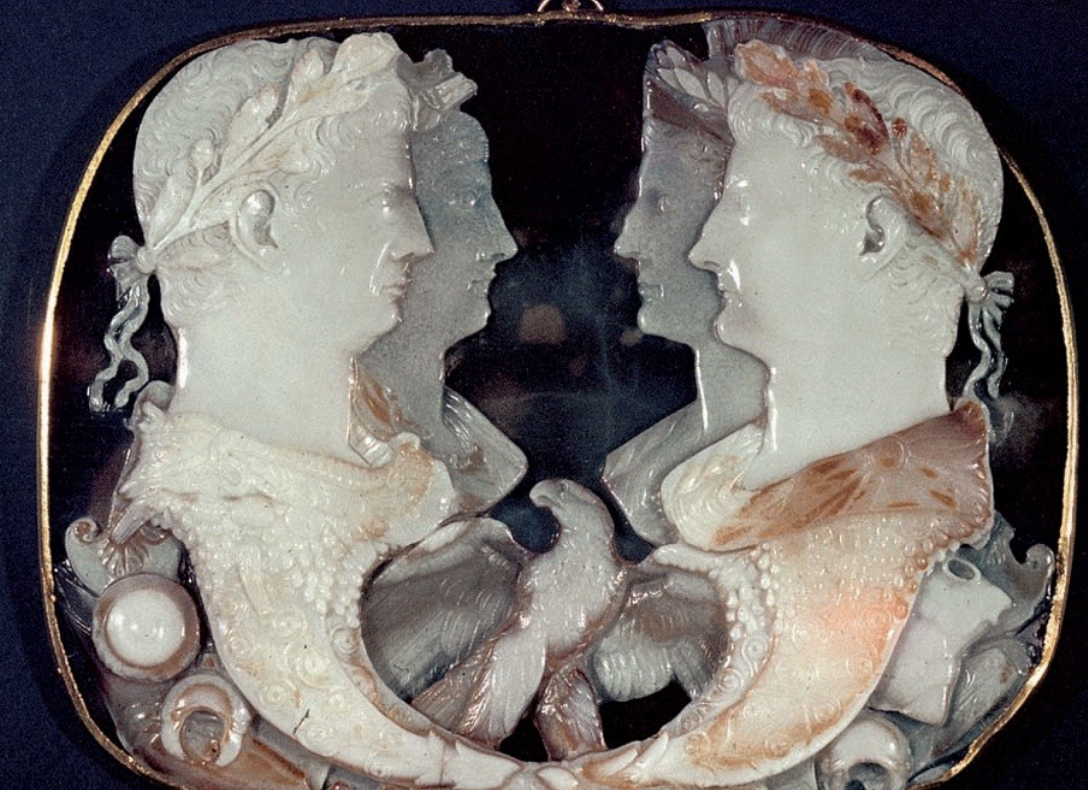
Gemma Claudia
1st cent
onyx
Claudius and Agrippina the Younger
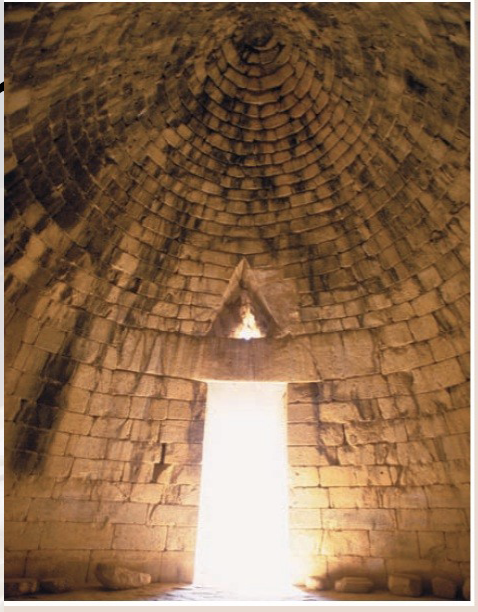
Treasury of Atreus
13th cent BCE
Greece
corbelling aka stacking stones
courses / horizontal rows of stones
beehive shaped
oculus
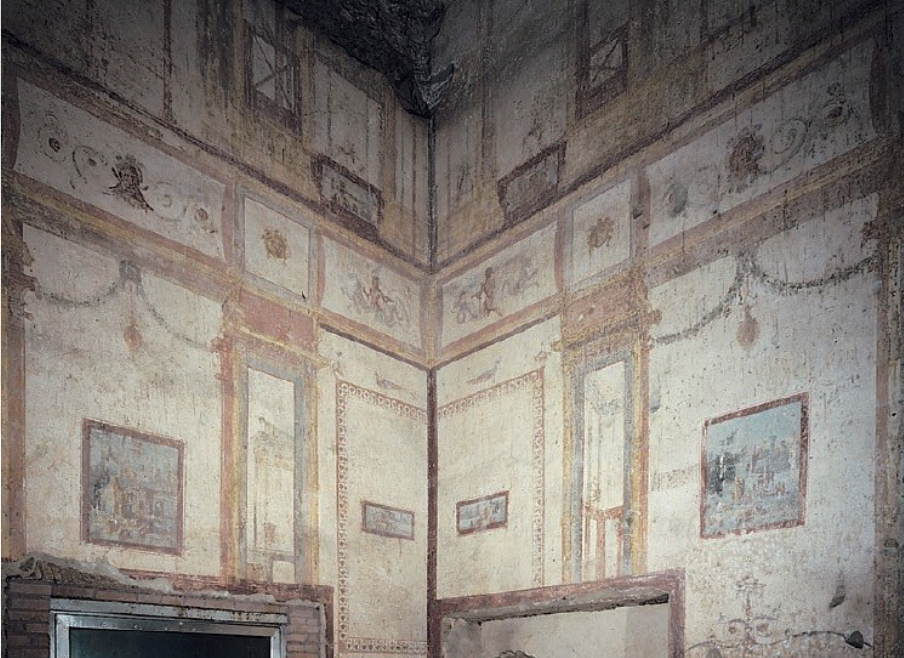
4th style
rome
1st cent
frescoe
style introduced under nero
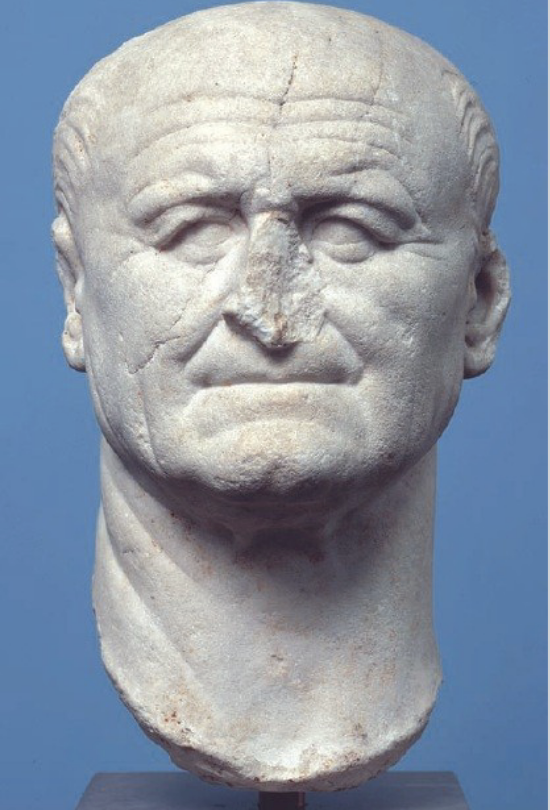
Head of Vespasian
1st cent marble
deified after death
smiling, wrinkles in verism showing age and wisdom
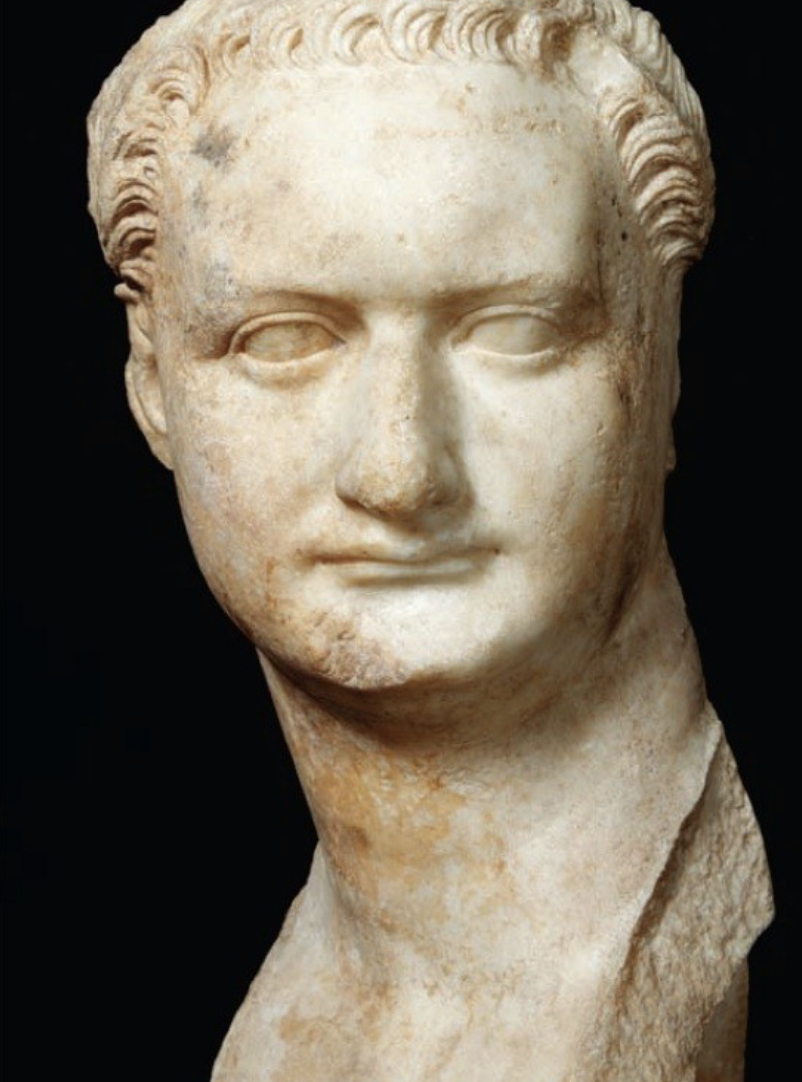
Bust of Domitian
1st cent
rome
marble
extravagant. erased from history
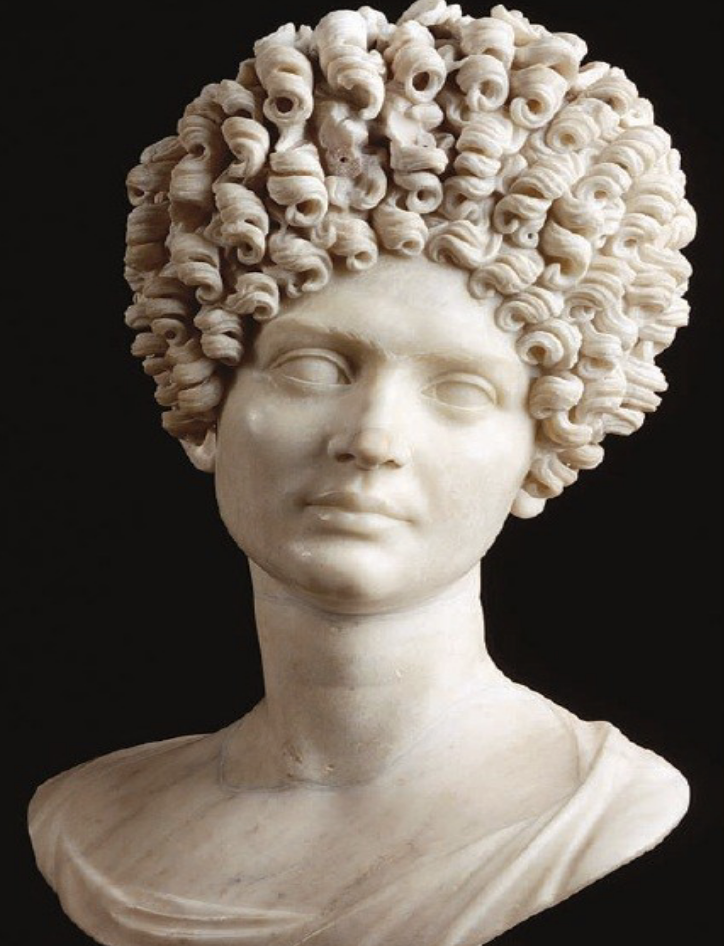
bust of a woman
rome
1st cent
marble
youth and beauty, idealism
paint removed
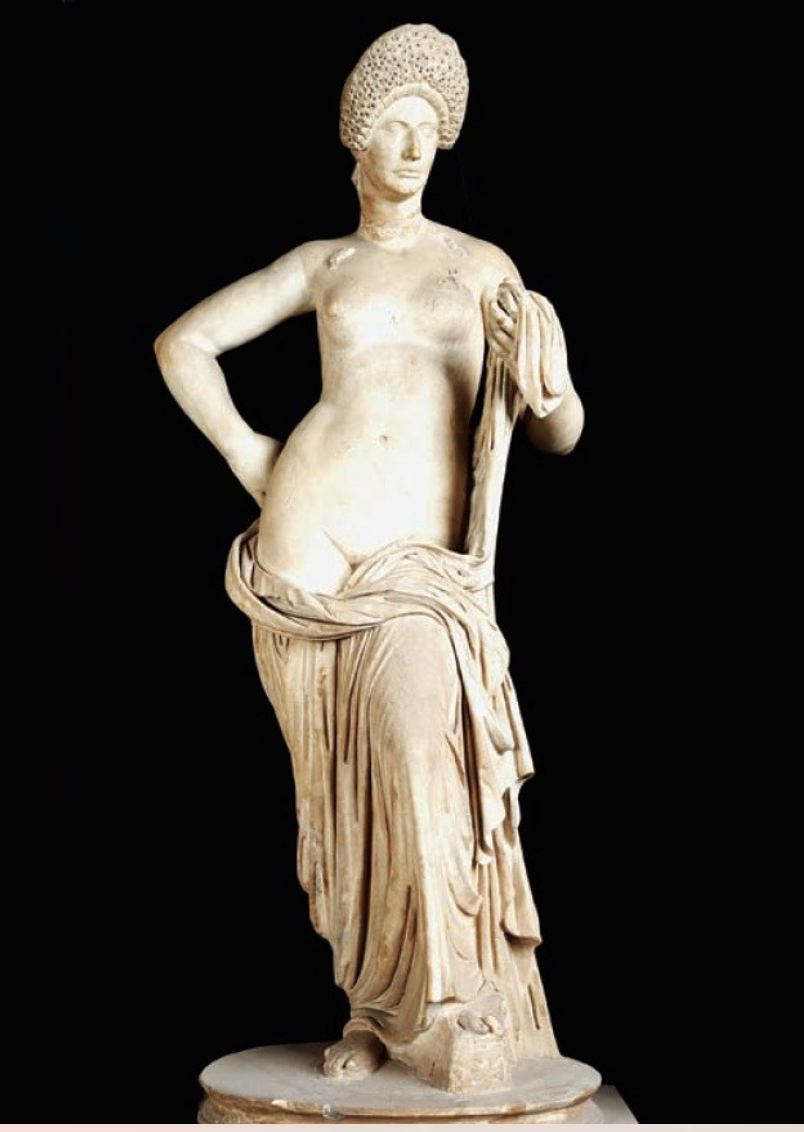
statue of a woman in the guise of venus
rome
first cent
marble
greek and roman style fusion
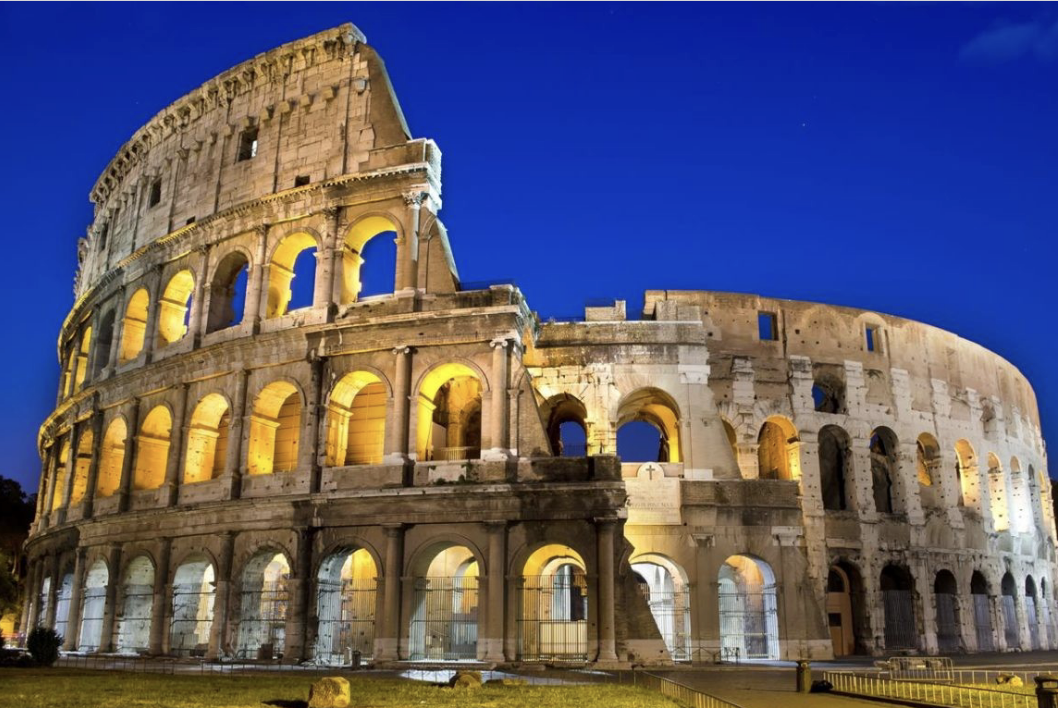
facade of the colosseum
rome
first cent
concrete
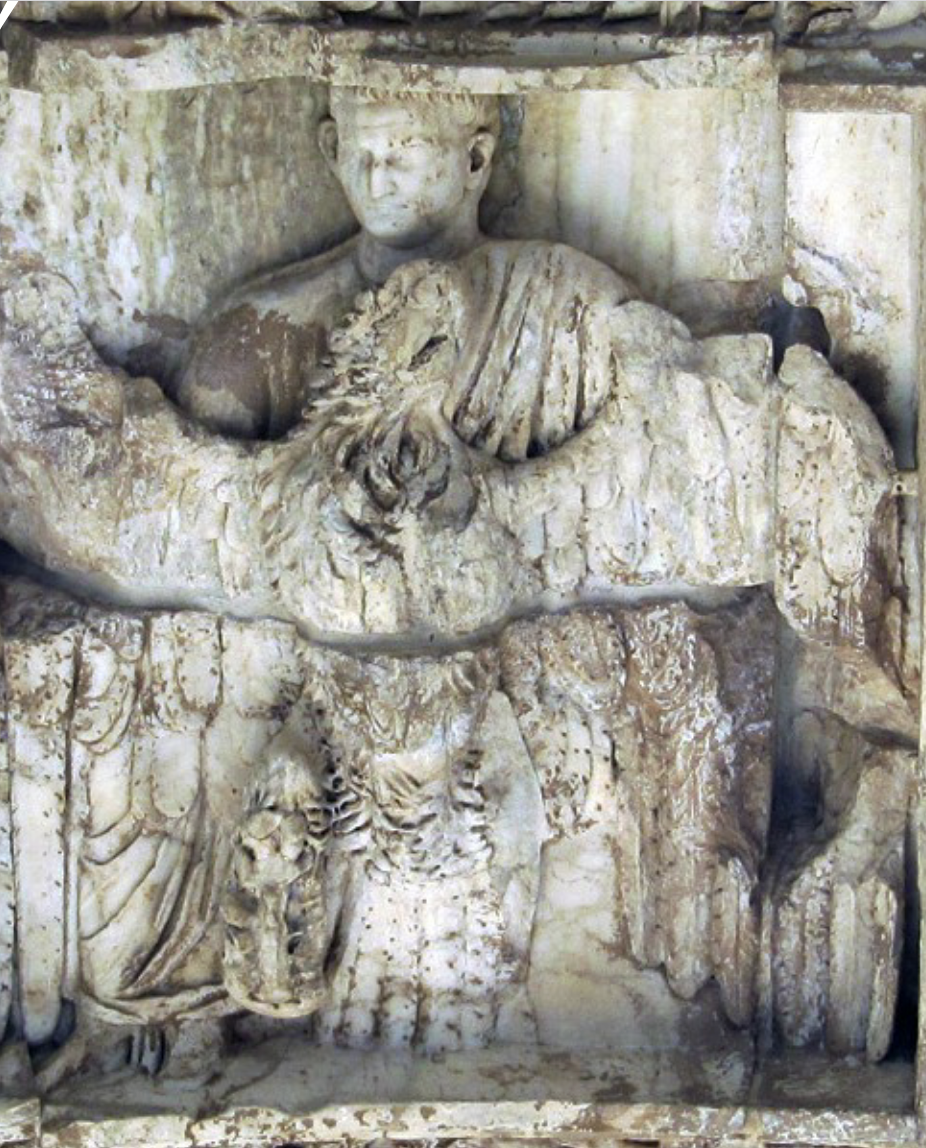
Arch of titus
rome
marble
first cent
built by domnitian to honour his brother titus
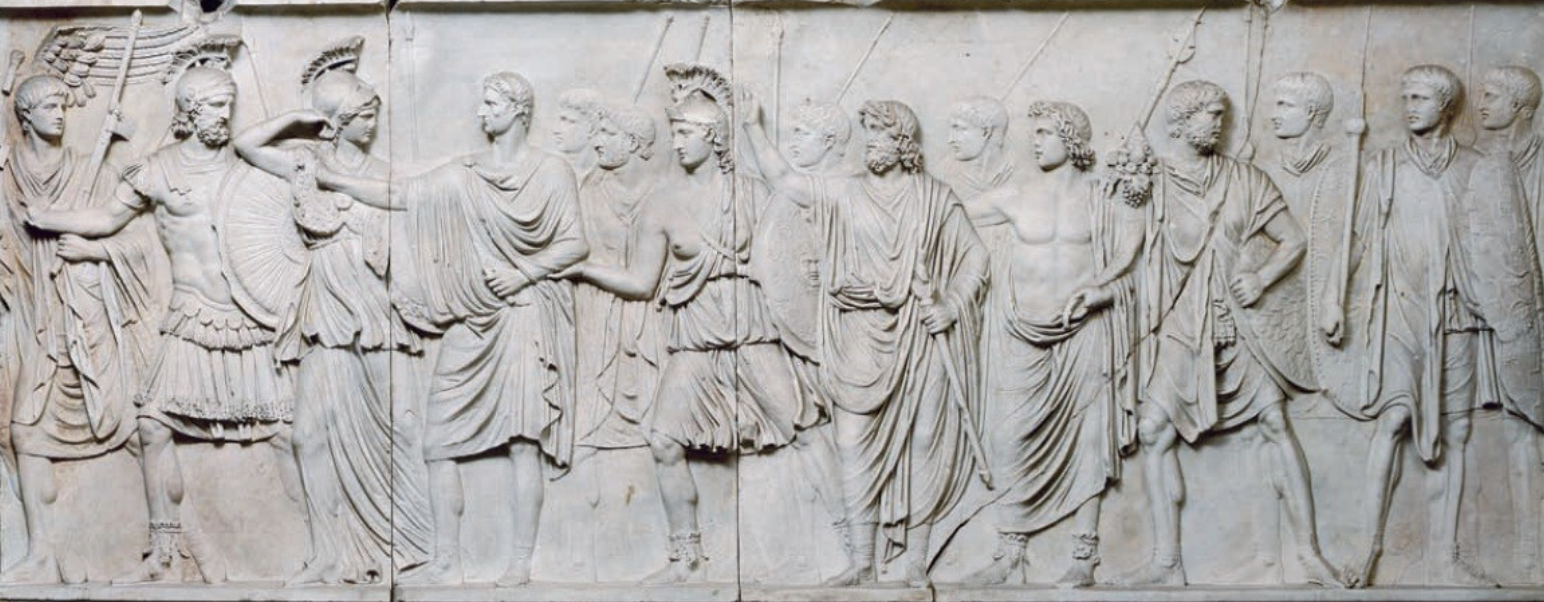
Profectio of Domnitian
1st cent
marble
rome
exit from rome for battle, discarded
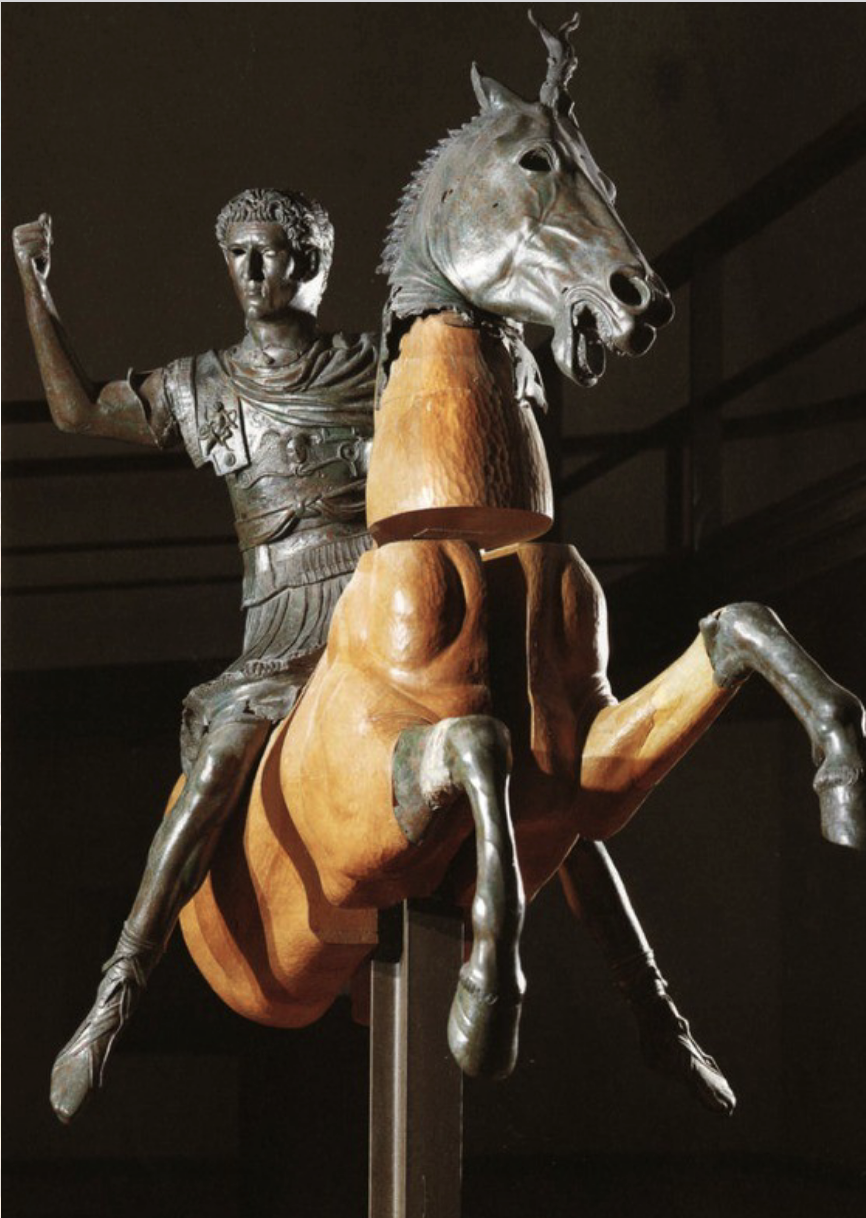
Equestrian statue of Dominitian
miseno
1st cent
bronze
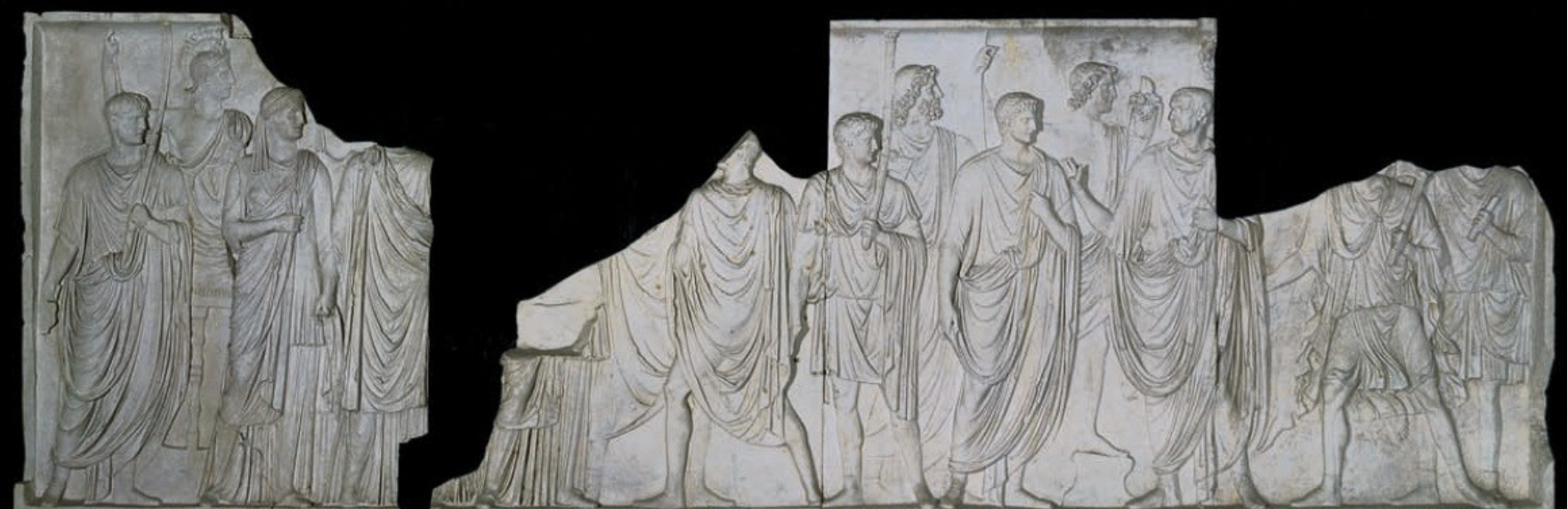
Adventus of Vespian
first cent
marble
rome
entry to rome after battle, discarded
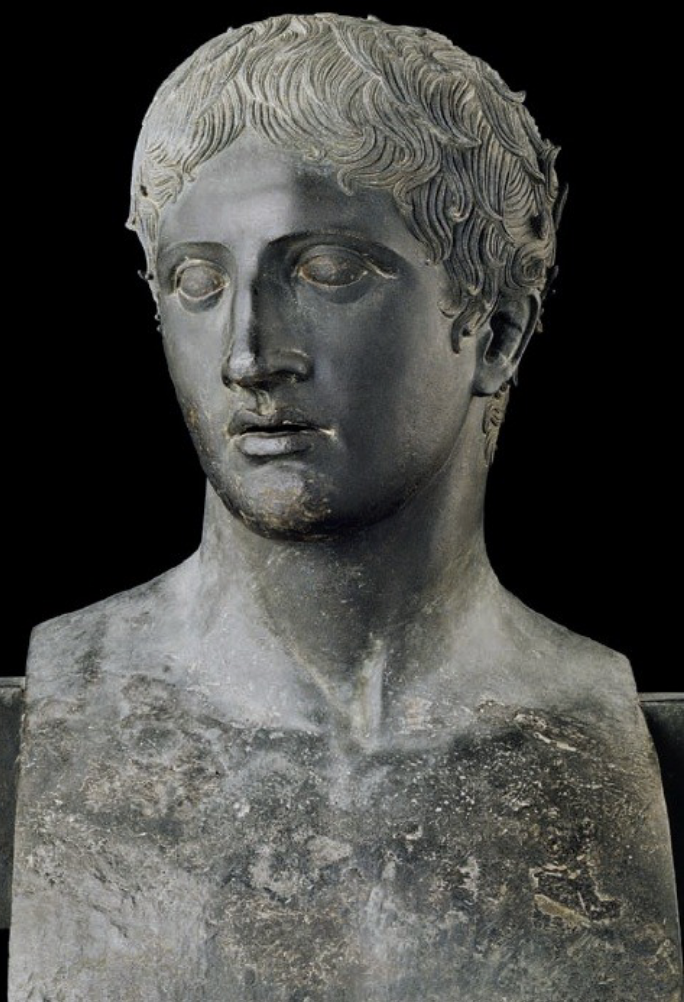
Apollonios of Athens
Herculaneum
first cent
bronze
reflect values of elite and weatlh culture and knowledge
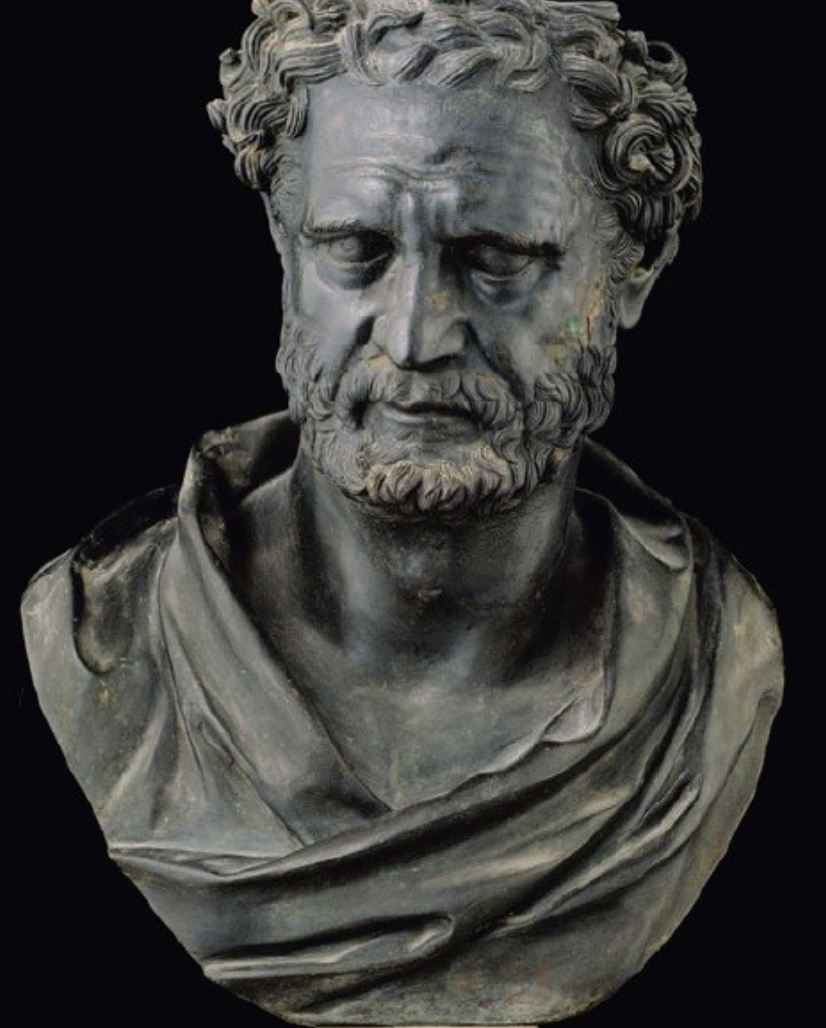
Bust of a philosopher
Herculaneum
first cent
bronze
reflect values of elite and weatlh culture and knowledge
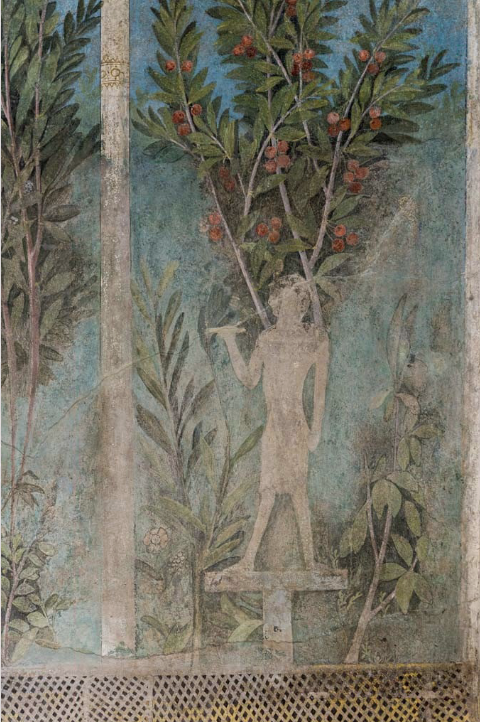
Gardenscape
third style
triclinium
pompeii
first cent
love for nature, divided into 3 parts mixed styles
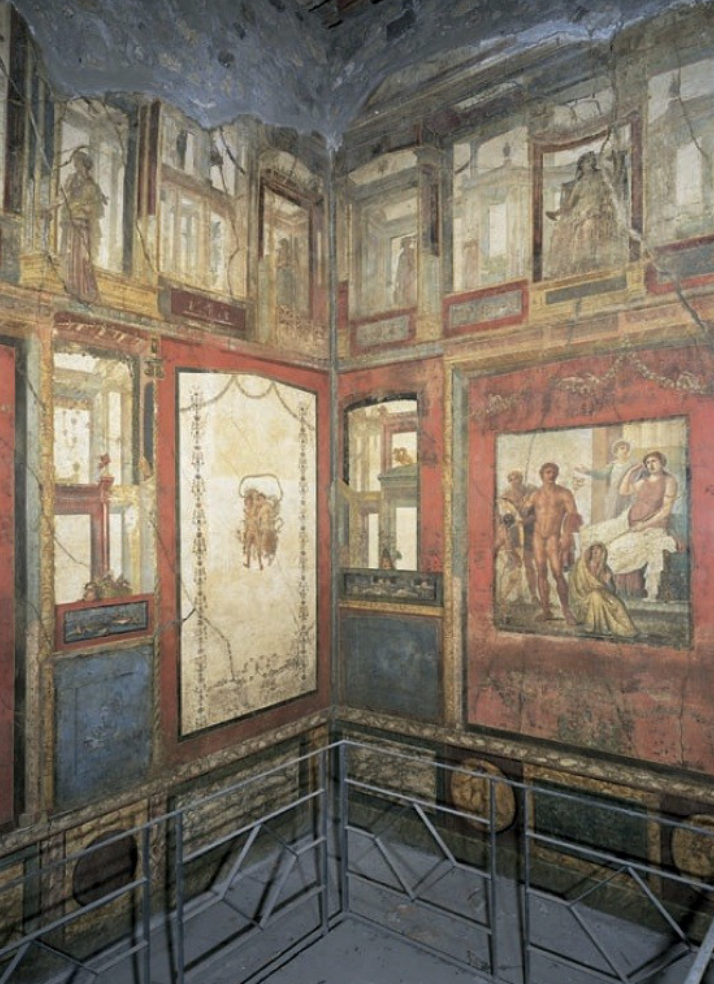
fourth style
triclinium
pompeii
first cent
main dining room, many greek myths
third and 4th
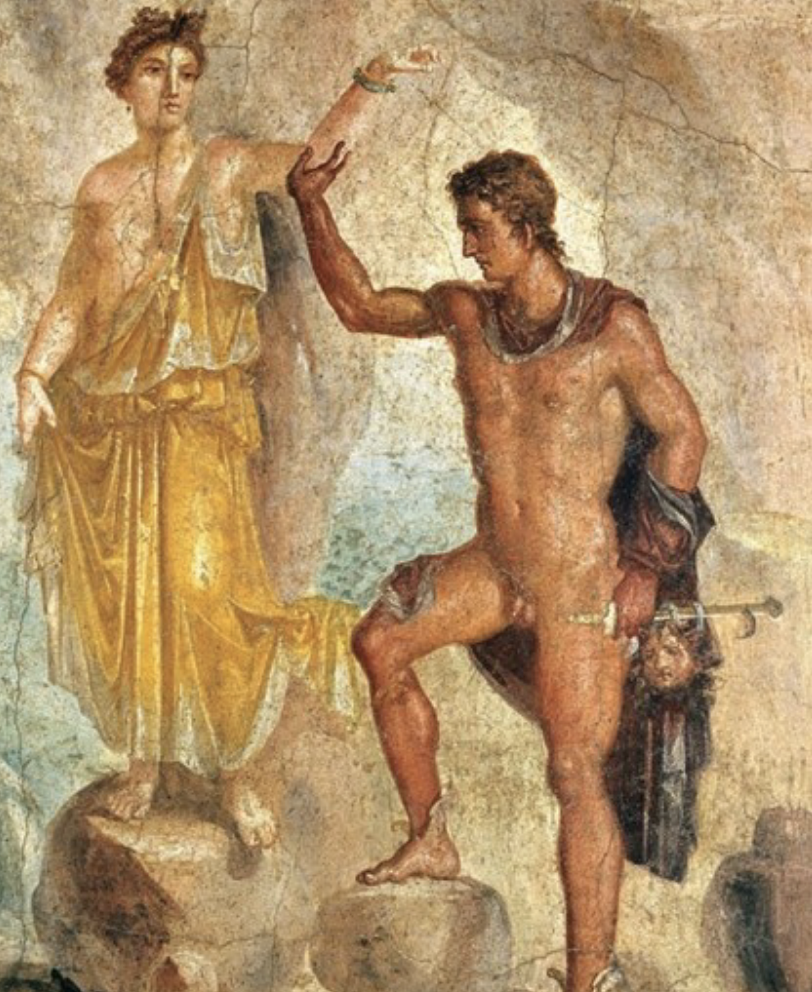
Perseus and Andromeda
fresco
pompeii
first cent
perseus rescuing andromeda
possibly a lost greek masterpiece
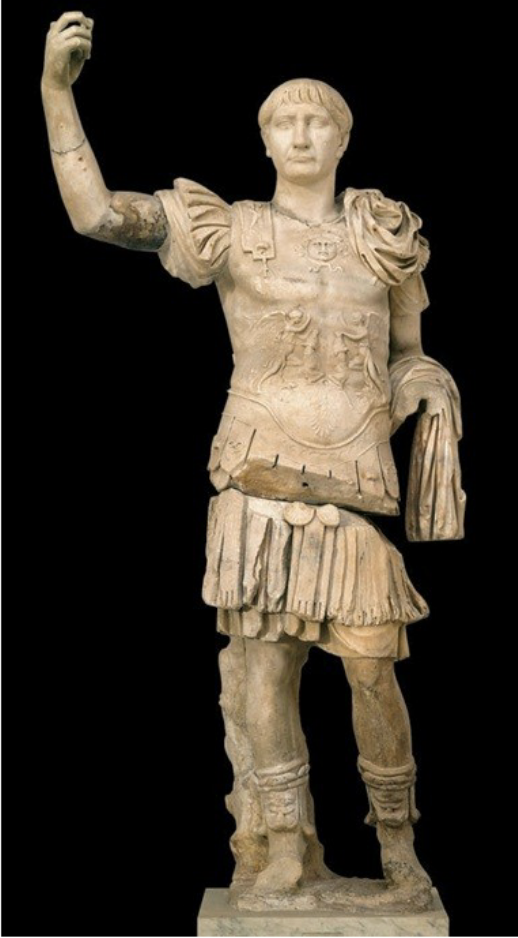
Trajan as imperator
Ostia
marble
2nd cent
depicted as an older man, age he was when he became emperor
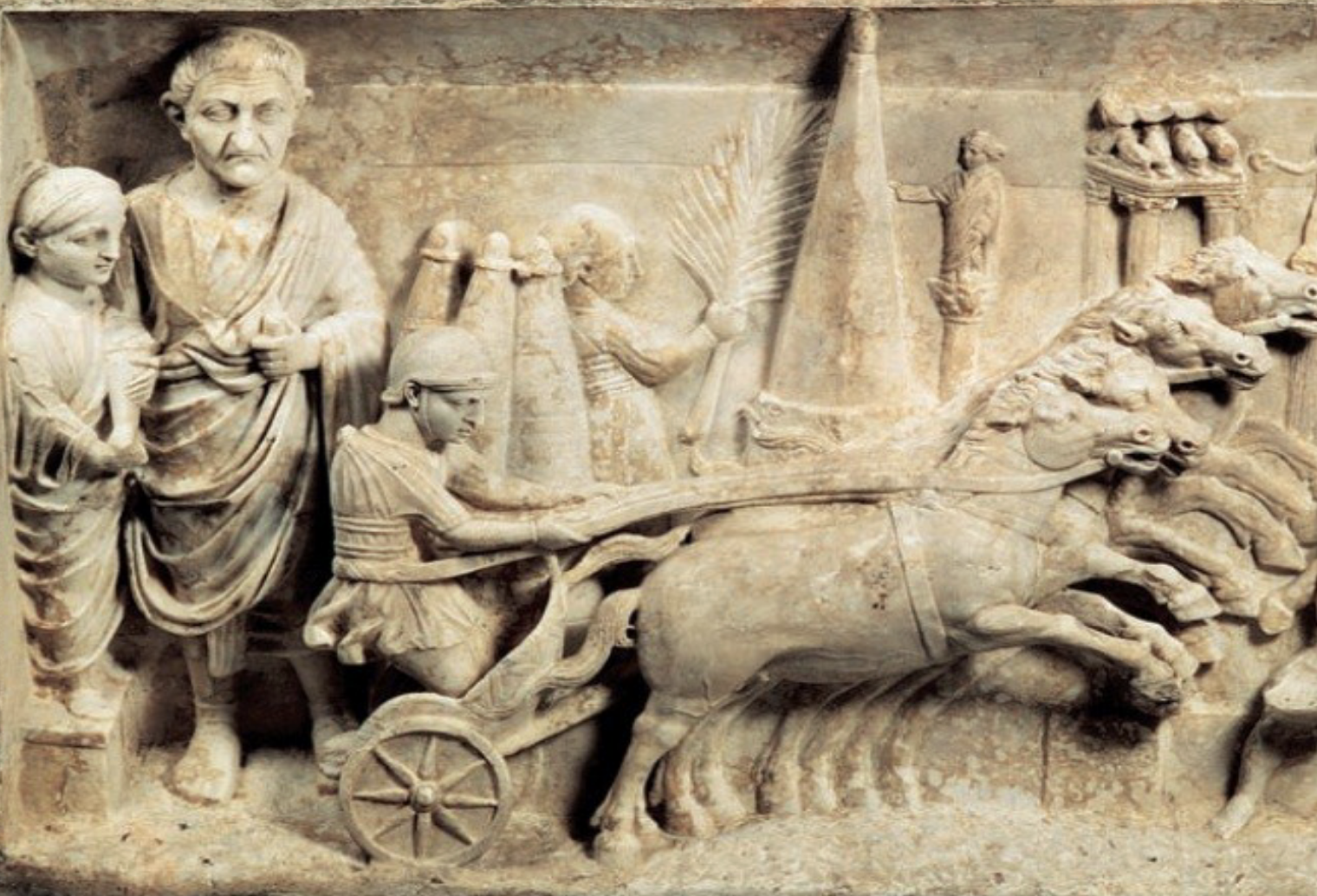
Funerary relief of a circus official
Ostia
2nd cent
Marble
stands out bc the style diffres
charrioter appears multiple times
depicts official and wife showing the afterlife
enduring connection of marriage
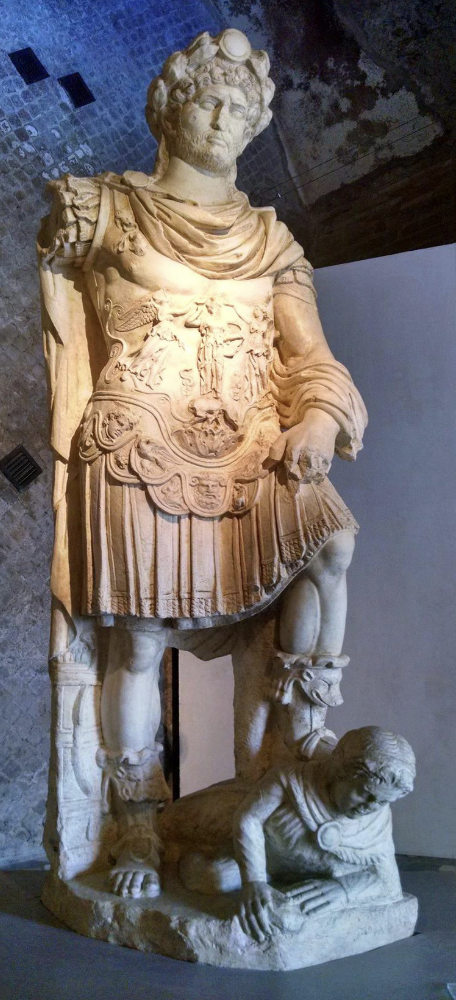
Hadrian as Imperator
Greece
2nd cent
marble
idealized features, athena standing on she wolf
military conquest
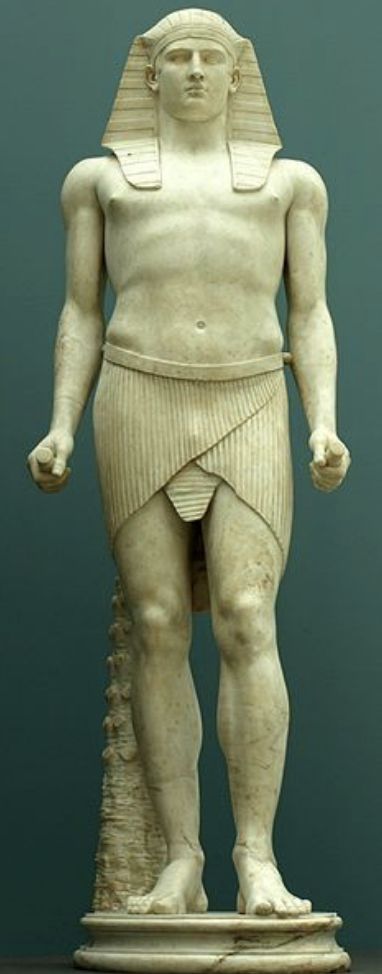
Antinous in the guise of an Egyptian pharaoh
Tivoli
2nd cent
Marble
egyptian and greek influences
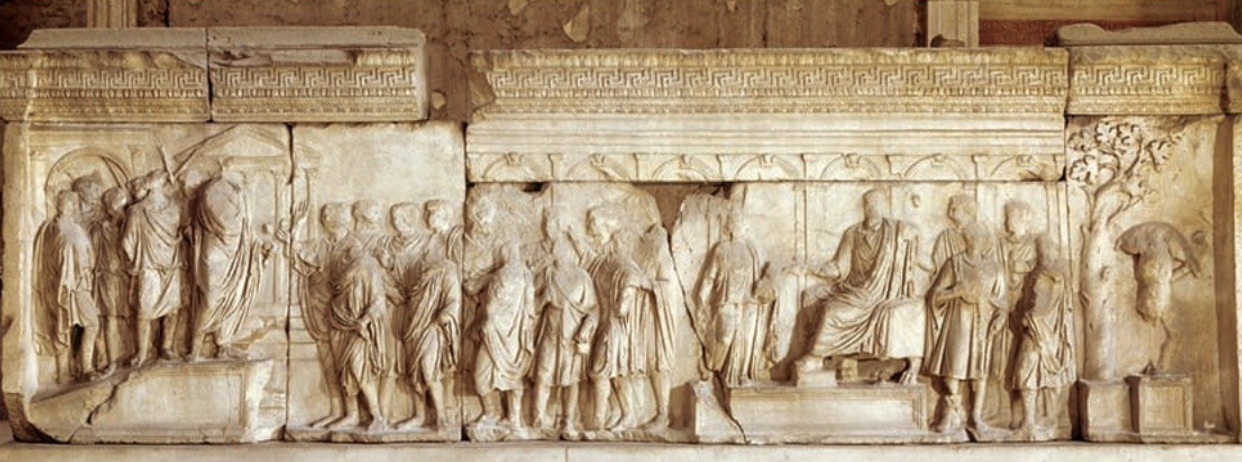
Adlocutio
2nd cent
Marble
Rome
hadrians connection to trajan
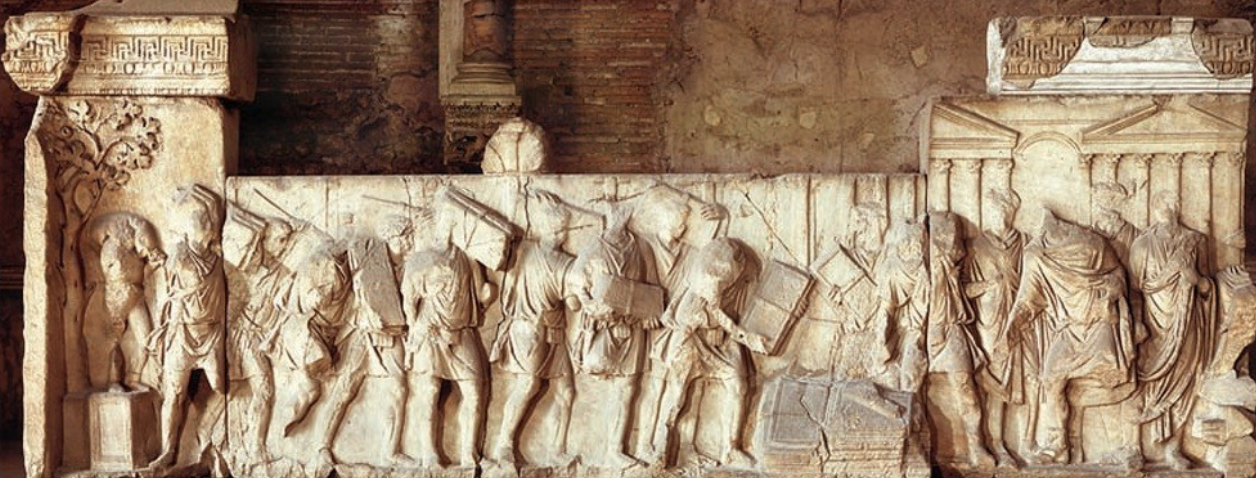
Burning of debt records
2nd cent
Marble
Rome
hadrian deleted peoples debt
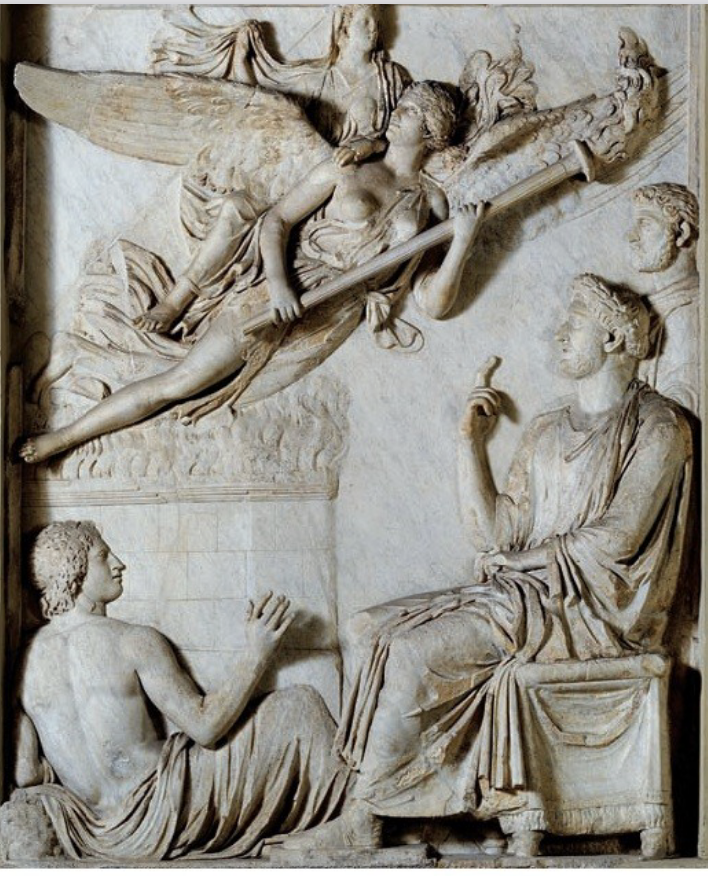
Apotheosis of Sabrina
Second century
Marble
Rome
first example of a woman being deified
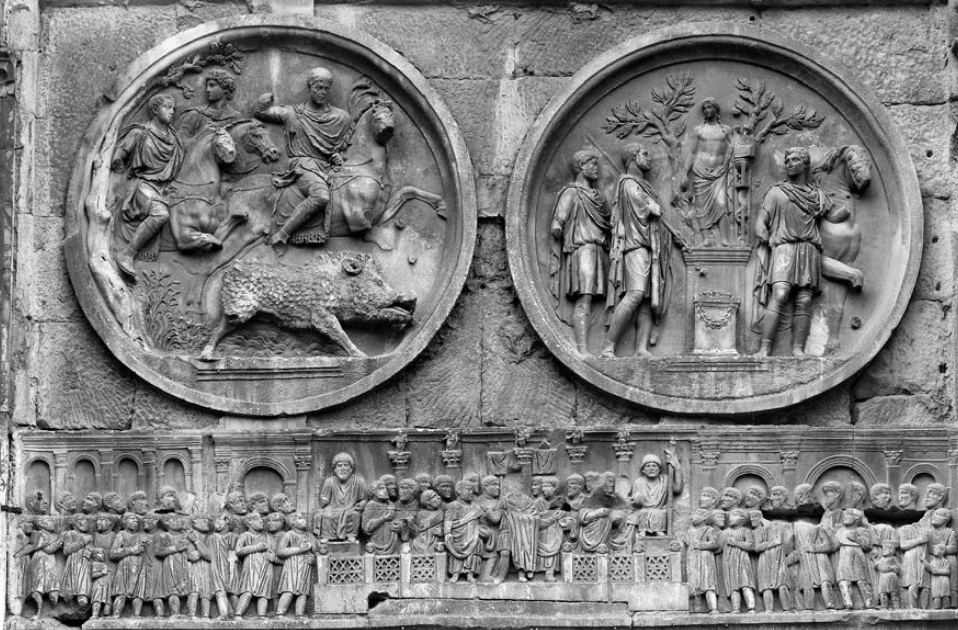
Boar hunt and sacrifice to Apollo
Rome
2nd cent
Marble
divine favour
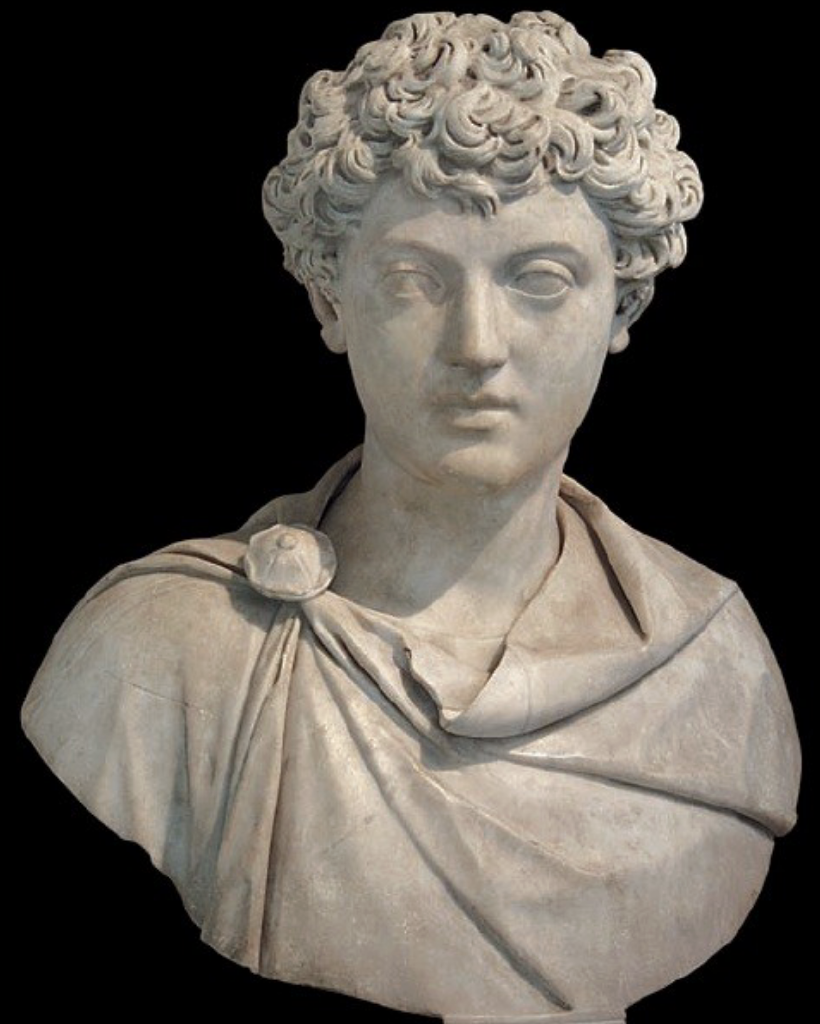
Bust of Marcus Aurelius
Rome
2nd century
marble
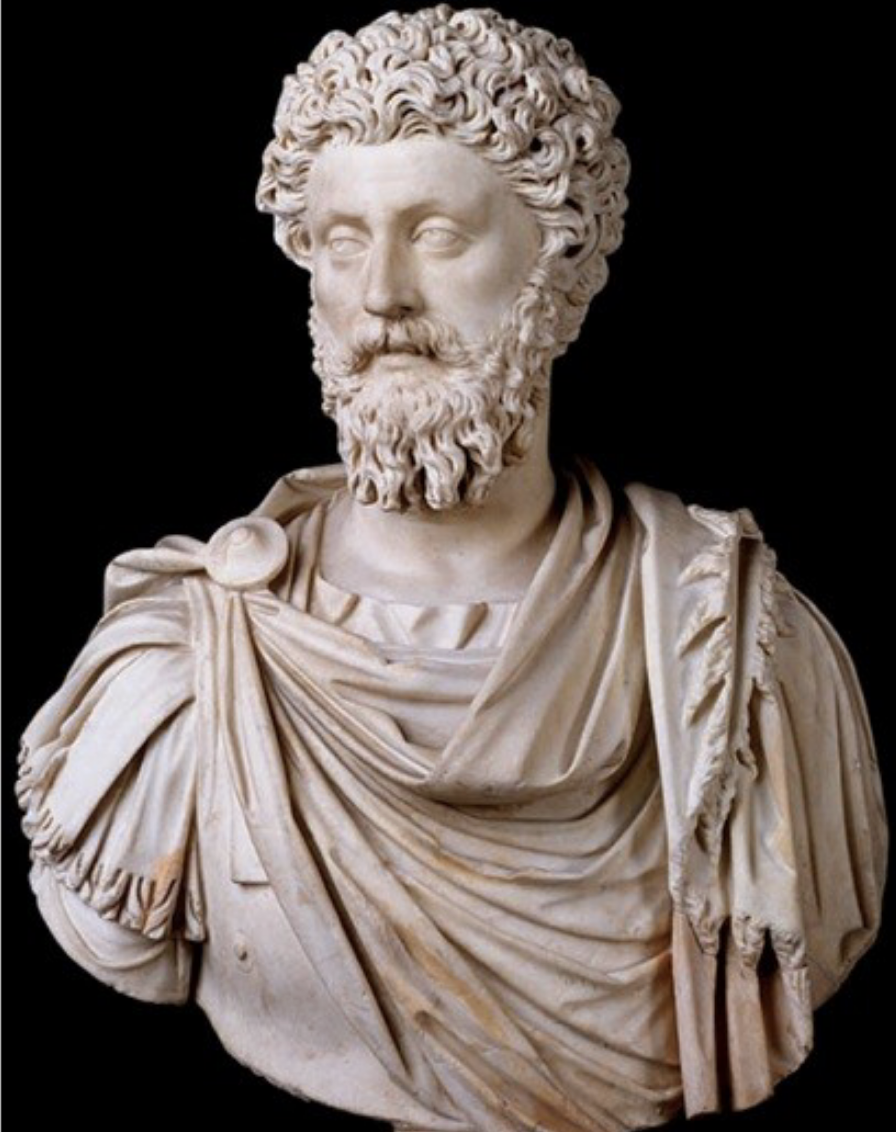
Bust of Marcus Aurelius
Rome
2nd century
marble
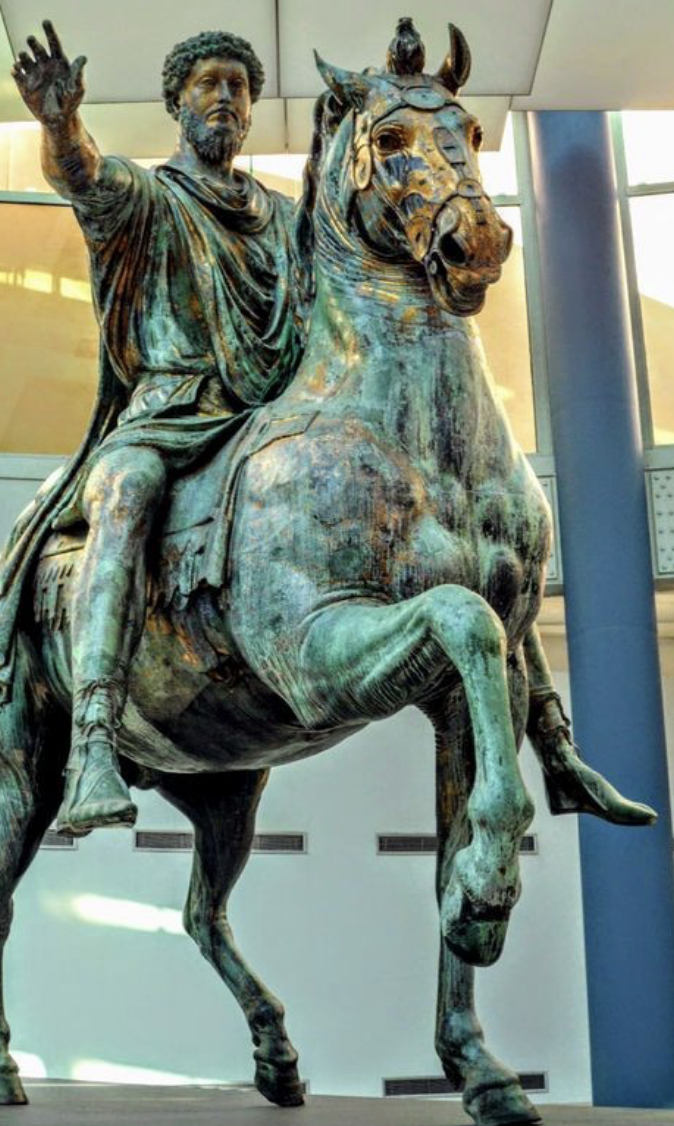
Equestrian statue of Marcus Aurelius
Rome
2nd century
bronze
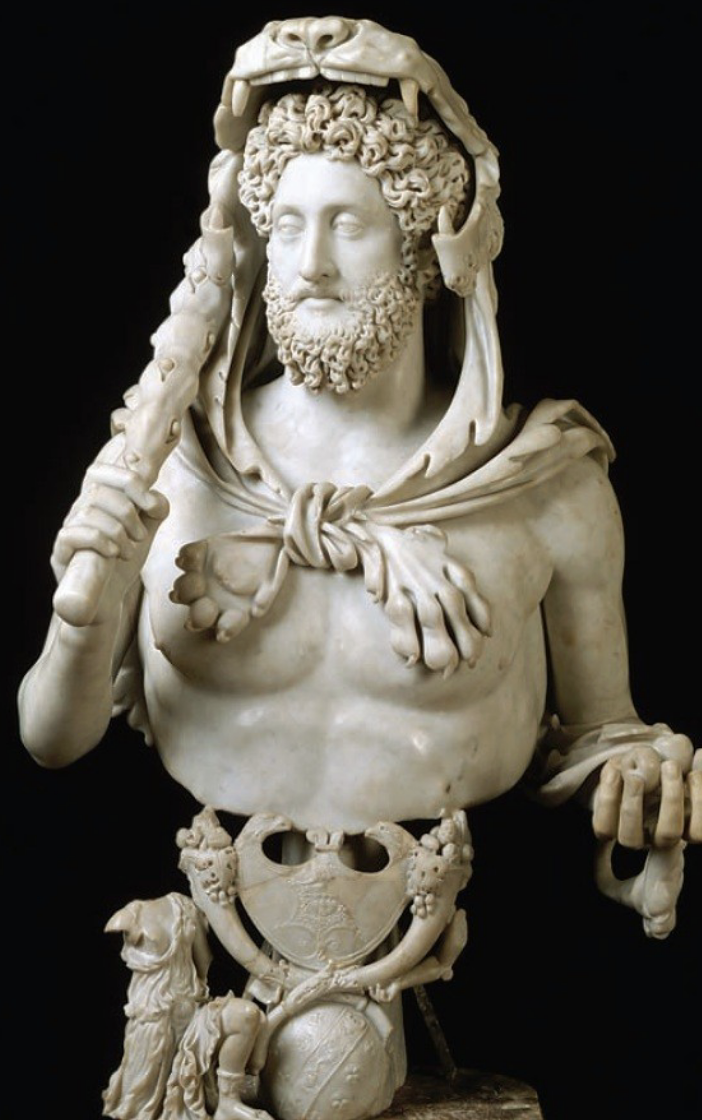
Bust of Commodus in the guise of Hercules
rome
2nd cent
marble
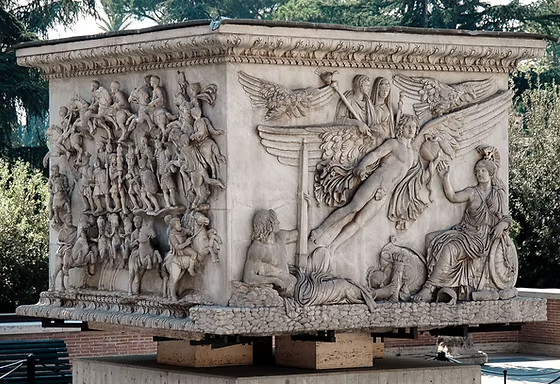
Column of antoninus pius
Rome
2nd cent
marble
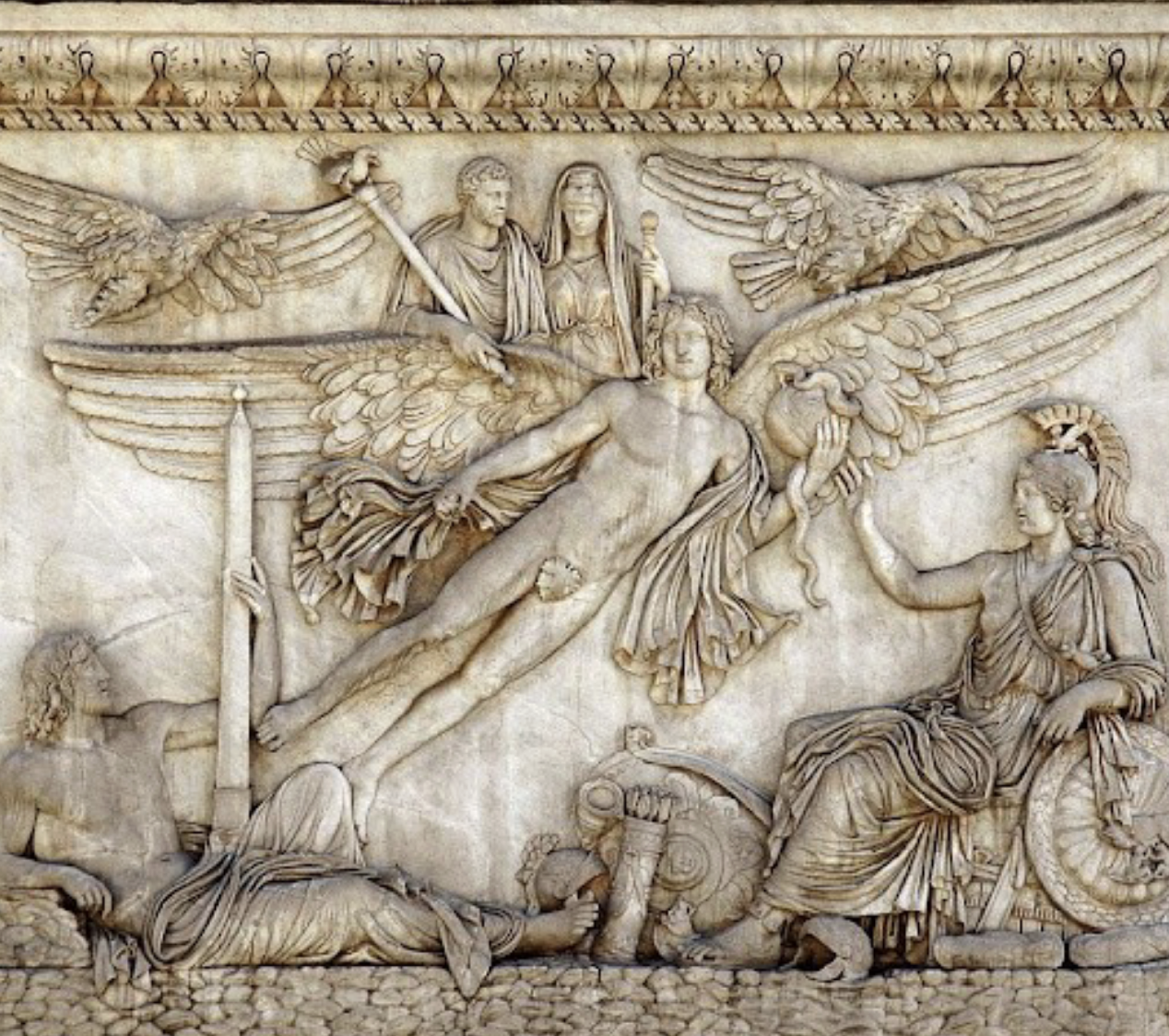
Apotheosis of Antoninus Pius and Faustina the Elder
Rome
2nd cent
marble
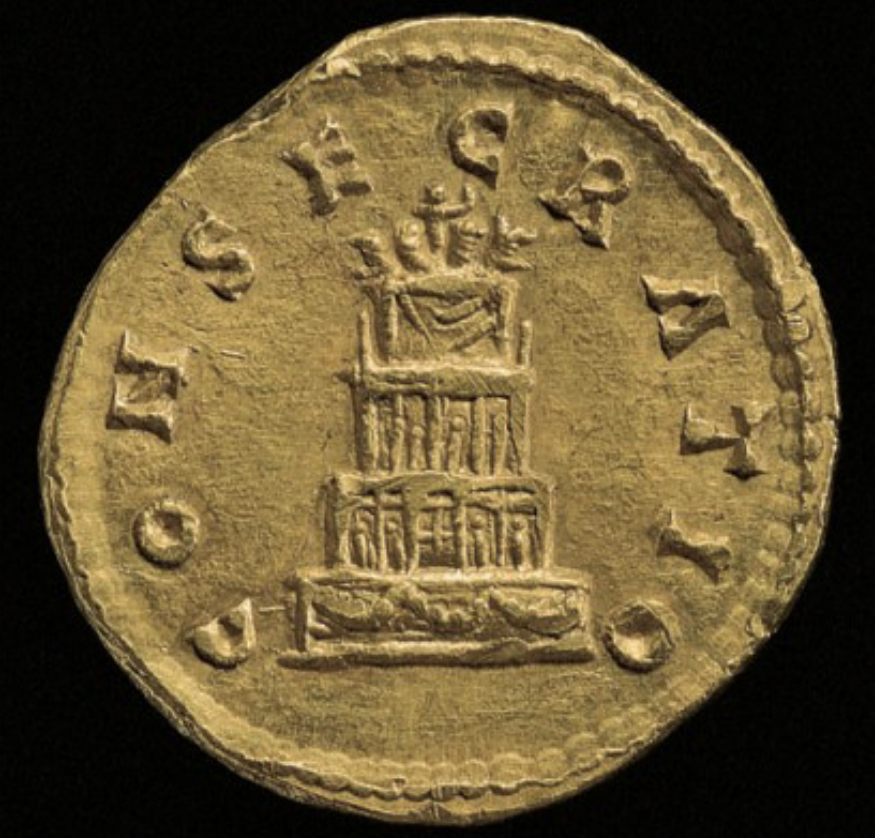
Funerary pyre of Antoninus Pius
2nd cent
gold
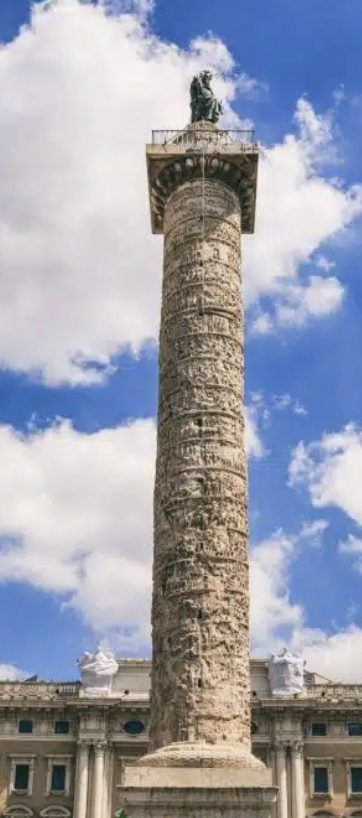
Column of Marcus Aurelius
Rome
2nd cent
marble
Julio-Claudian dynasty
Tiberius, Caligula, Claudius, and Nero
Tiberius
Son of Augustus, deified him
tyrannical
portraits based on Augustus
Caligula
Cruel, depraved, assassinated in 4 years
few portraits survive
Claudius
Caligula’s uncle
chosen as emperor by praetorian guard
nero
new style departure form old
Flavian dynasty
Vespasian, Titus, and Domitian
5 good emperors
Nerva, Trajan, Hadrian, Antoninus Pius, Marcus Aurelius
 Note
Note  Flashcards (32)