ob 1: p,p&f: intro to maternity & pediatric nursing
 Call Kai
 Learn
Learn Practice Test
 Spaced Repetition
 Match
Match Flashcards
 Knowt Play
1/67

There's no tags or description
Looks like no tags are added yet.
Name | Mastery | Learn | Test | Matching | Spaced | Call with Kai |
|---|
No analytics yet
Send a link to your students to track their progress
68 Terms
the past
Karl Crede: silver nitrate to prevent blindness via gonorrhea. (silver for infections)
Ignaz Semmelweiss: sepsis can transmit via unwashed hands.
Louis Pasteur: confirmed that fever & infection transmit via unwashed hands.
Joseph Lister: british surgeon. anti-septic theory
think lister: listerine
obstetrics
physician: called obstetrician
care of women during pregnancy, childbirth, postpartum
postpartum period: 6 weeks vaginal / 8 weeks c section
empowerment
u.s in the 1900s
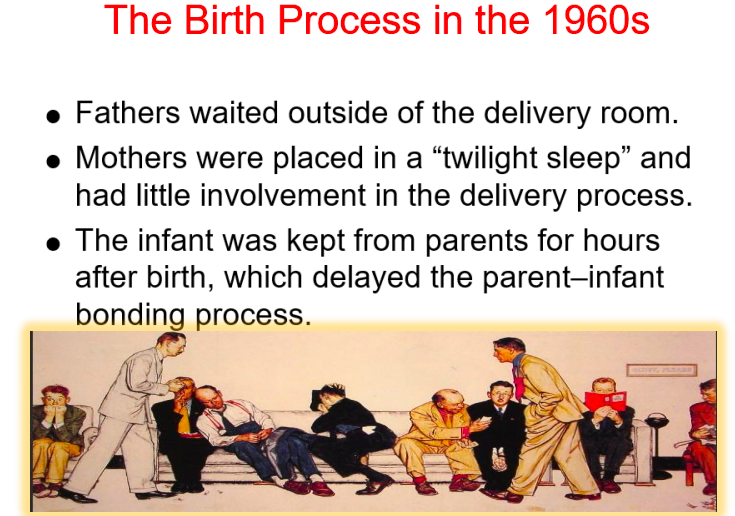
birth process in the 60s
organizations w children
UNICEF: United Nations International Children’s Fund
WHO: World Health Organization
government influences in maternity & pediatric care
Shepard Towner Act of 1921: state-managed programs for maternity care
FMLA: allows employees to take 12 weeks of unpaid leave to care for family member. cannot loose benefits/ pay status if they take FMLA
HIPPA: protect pt’s health info. allows pt access to & control their health info. can only access minimum necessary health info.
HITECH

Pt Protection & Affordable Care Act of 2010
signed by Obama
expanded health care to millions who were uninsured
nurses must report
illness that poses hazard to public
child abuse
suicidal behavior: ask if they have a plan
the present: family centered care
family involvement. necessary for bonding & support
sections of maternity unity
labor-delivery
postpartum
newborn nursery.
diagnosis-related groups aka DRGs
determine payment for a hospital stay based on the diagnosis
push for early discharge
case managers & utilization review nurses
health promotion
preventing illness & disability. cost-effective
increased need for complex medical care as chronically ill children live well into adulthood
clinical pathway
expected progress patient
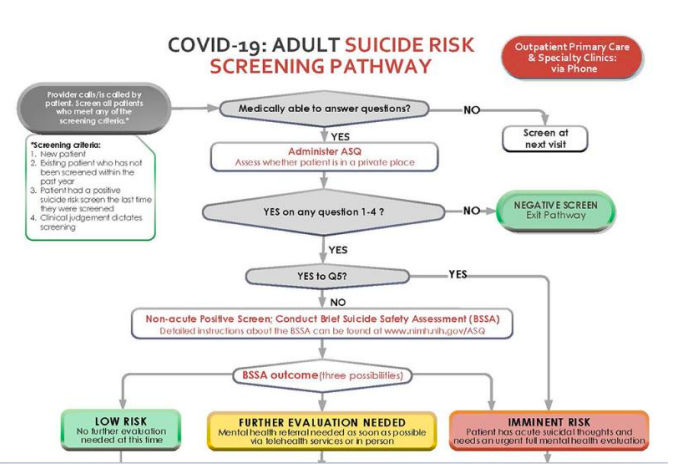
documentation
legal responsibility of the nurse.
facilities differ on charting method.
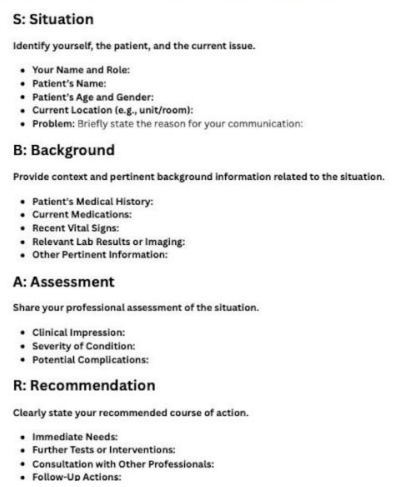
SBAR
S: situation
b: backround
a: assessment
r: recommendation
puberty ends when
females: menstrual cycle becomes regular
males: mature sperm is formed
male puberty
10 - 16 yo
testosterone: taller. muscular. secondary-sex characteristics. levels are constant, decrease w age.
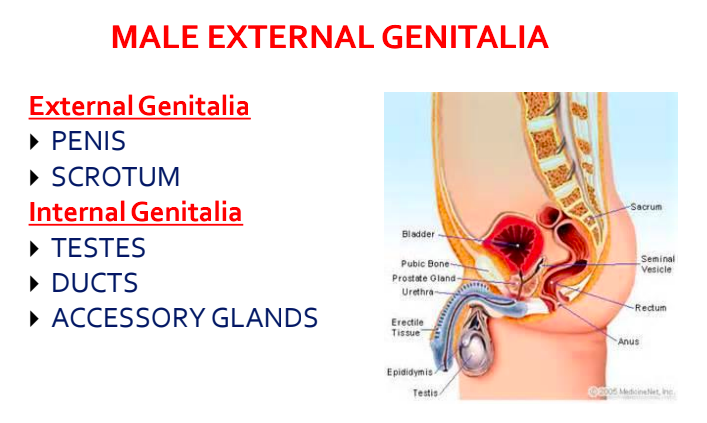
male external genitalia
testes: manufacture male germ cells aka sperm
testosterone: enhances production of RBC → higher hemoglobin. promotes growth of long bones. increases basal metabolic rate.
epididymis: stores & carries sperm to penis. stores sperm for 2-10 days. sperm matures → vas deferens.
female puberty
11 - 15 yo
first change: development of breasts
first menstrual period: 2 - 2.5 years after
organs mature to prepare for sexual activity & childbirth
menarche is ?
the first menstrual period
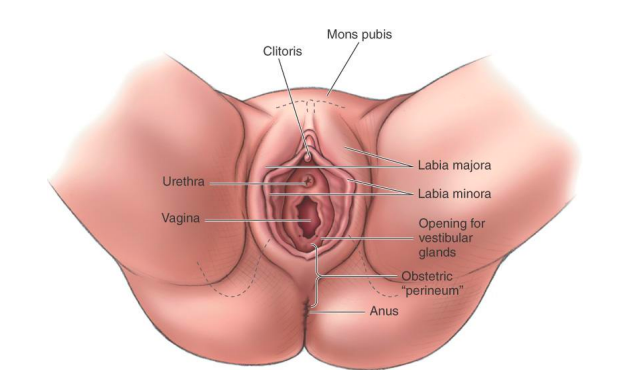
female external genitalia / vulva
forchette aka perineum
episiotomy: cut of perineum during birth if baby is stuck/too big
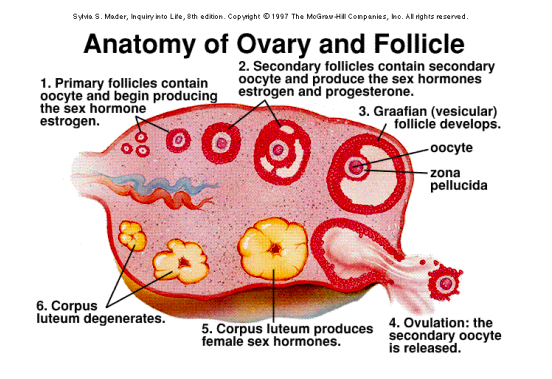
ovaries
held in place by ovarian & uterine ligaments in the abd cavity
produce estrogen & progesterone
born with all ova.
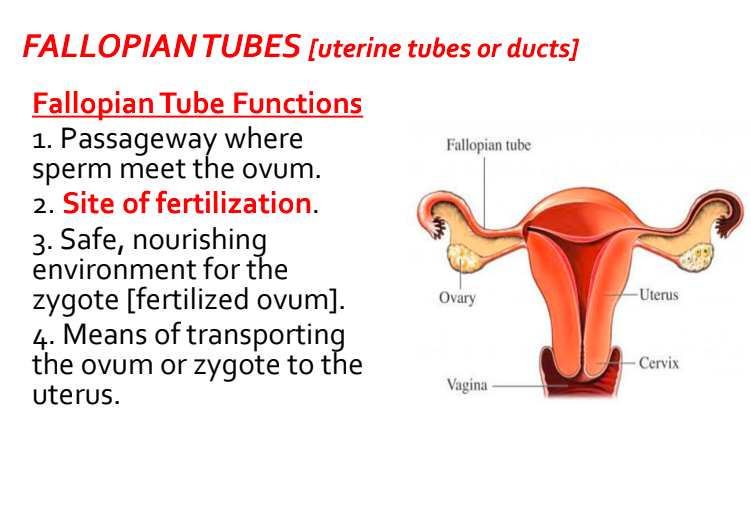
fallopian tubes
outer 3rd of the tube, near the ovary: where egg is fertilized
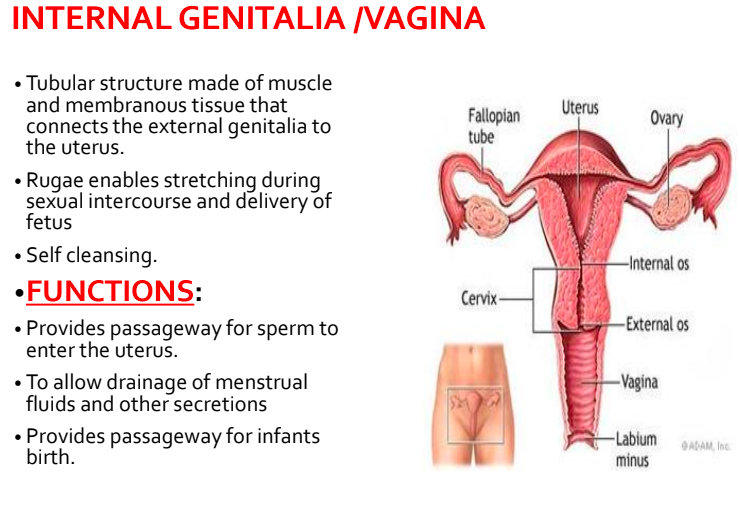
internal female genitalia / vagina
uterus aka womb: fundus → corpus / body → cervix (narrow tube opening to vagina)
mucosal lining functions
lubricates vagina
bacteriostatic agent
alkaline environment to hold sperm
produces mucus plug in cervical canal. prevent infection
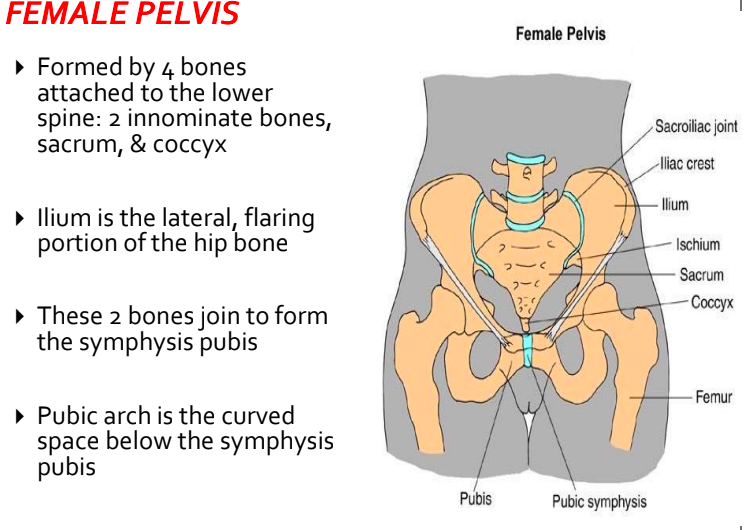
symphysis pubis
a cartilaginous joint connecting the left and right pubic bones at the front of the pelvis
pelvic widening during childbirth
female pelvis
support & distribute body weight
protect pelvic organs
form birth passageway
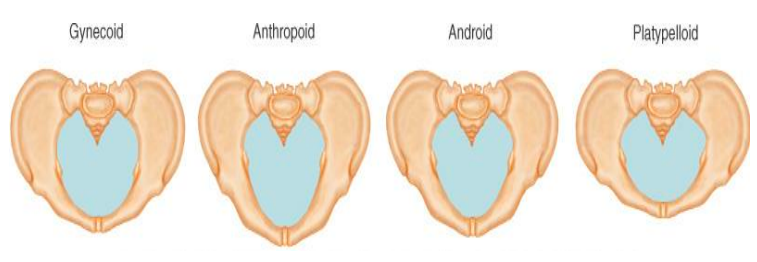
most favorable type: gynecoid.
unfavorable type: platypelloid, android.
types of pelvis
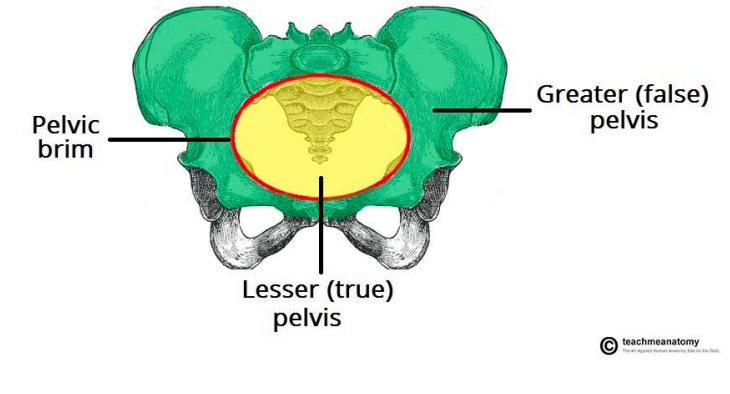
true vs false pelvis
true: dictates the bony limits of the birth canal
false: supports the enlarging uterus. guides fetus into true pelvis.
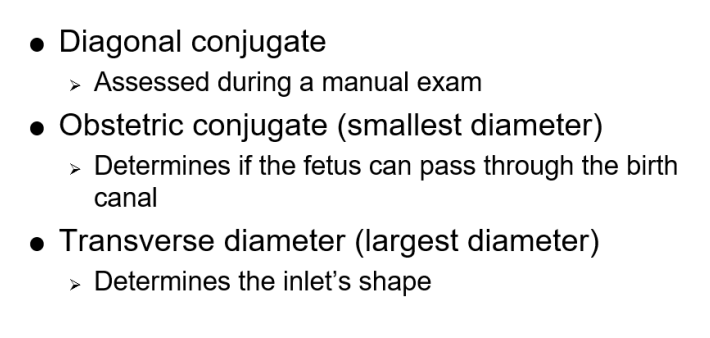
pelvic inlet
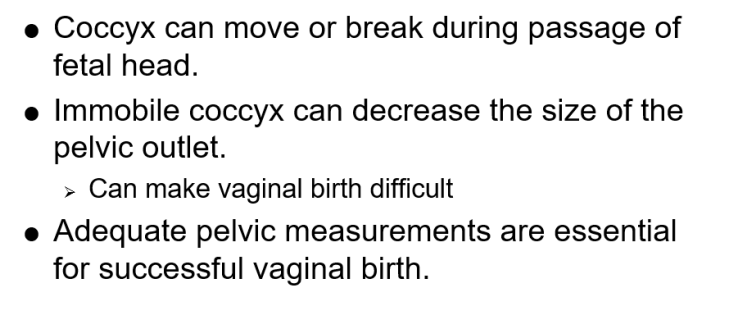
pelvic outlet
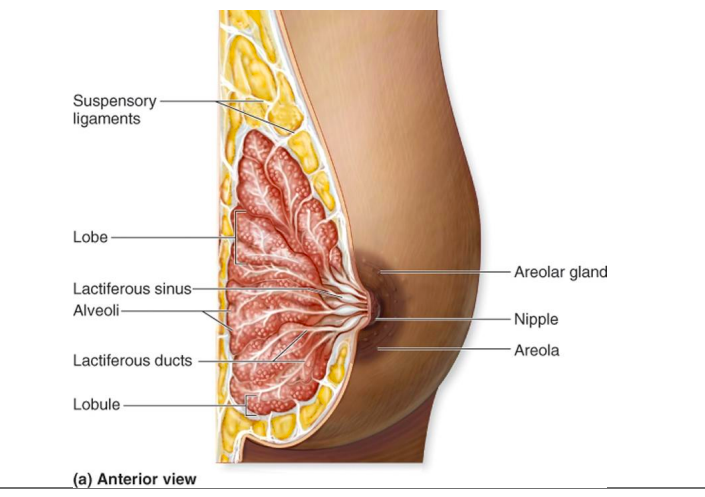
breasts - mammary glands
produces milk after birth. colostrum first 2-3 days (thick, yellow fluid rich in antibodies & growth factor)
montgomery glands: small sebaceous gland. lubricate& protect breasts during lactation
after fertilization, ovum is called the
zygote
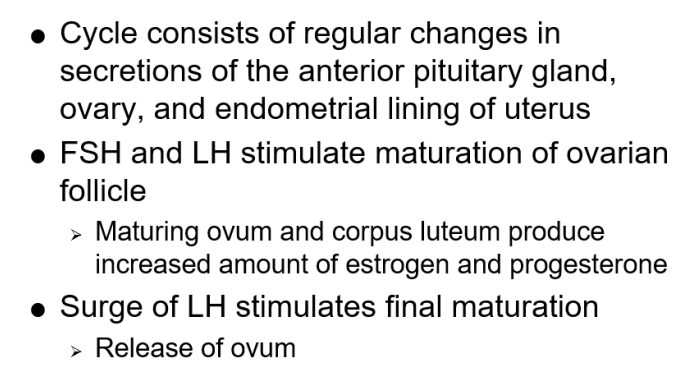
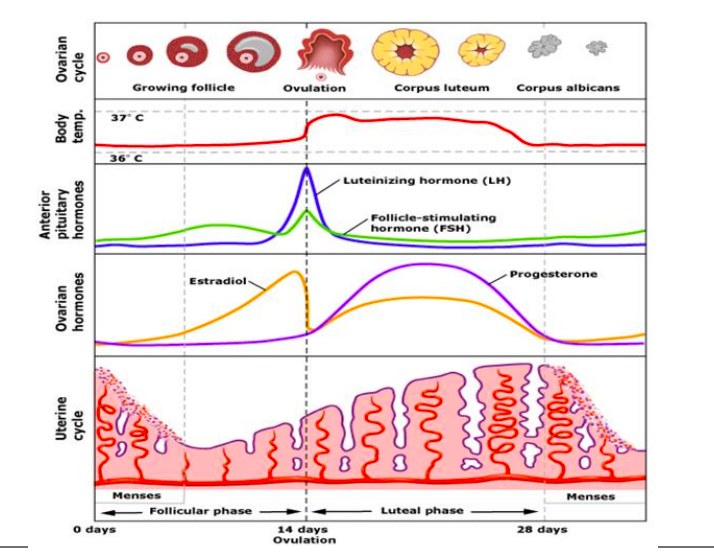
reproductive & menstruation cycle
LH triggers ovulation
egg lives for 25 hours after ovulation
sperm can reach fallopian tube after 5 minutes & can remain viable for 4-5 days
reproductive & menstruation cycle
climacteric
period of years during which the woman’s ability to reproduce gradually declines: 35 +
menopause
after 1 year of no period
body cells
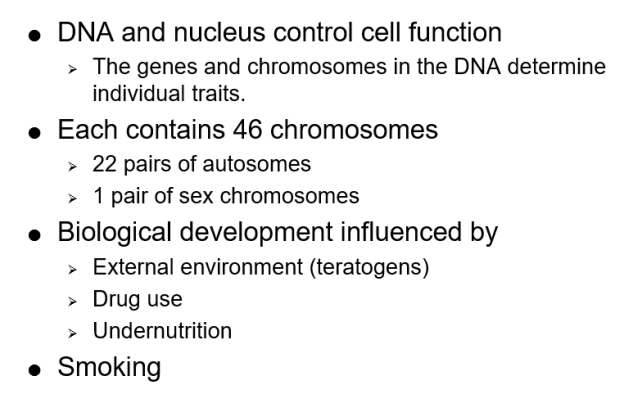
what does folic acid prevent?
neural spine defects
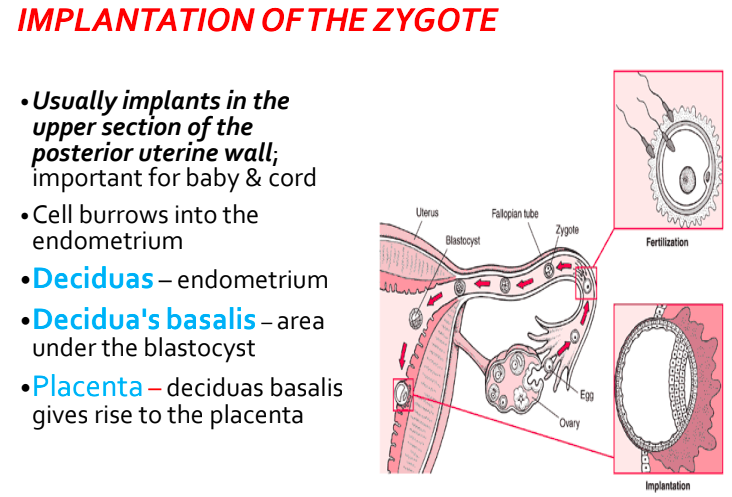
cell division
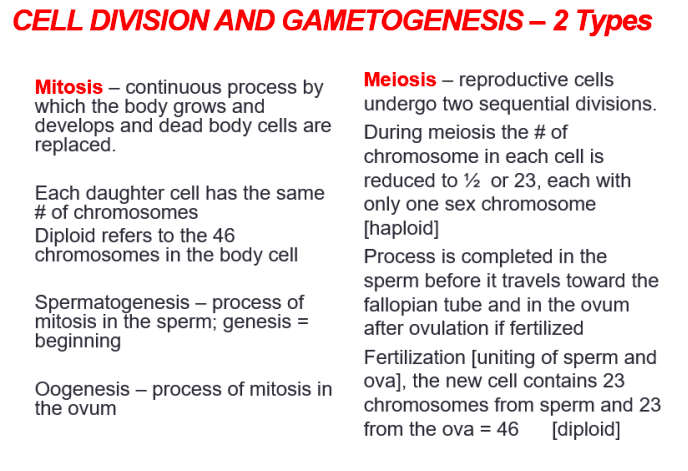
sex determination
sperm carries either an X or Y chromosome - determines gender of fetus
pH of reproductive tract influences survival rate of the sperm … speed & motility
XX: female
XY: male
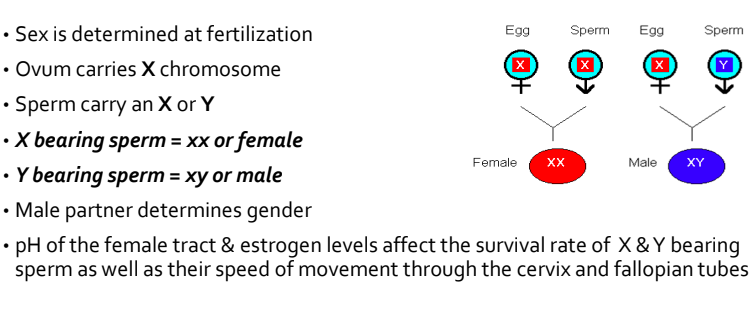
tubal transport of zygote
xygote formed by fertilization
zygote undergoes rapid mitotic divison: cleavage
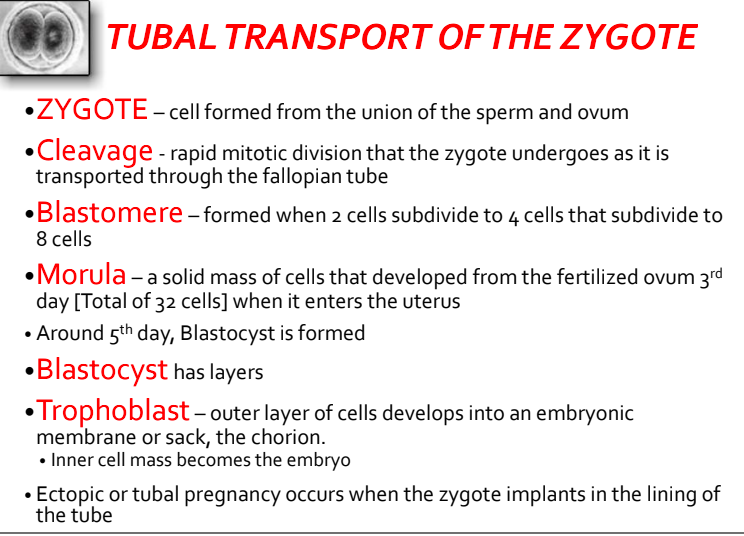
implantation of zygote
cell differntation
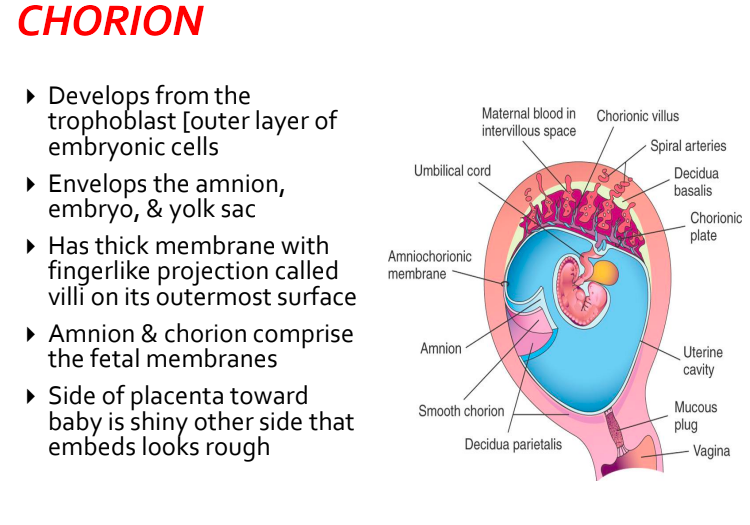
chorion
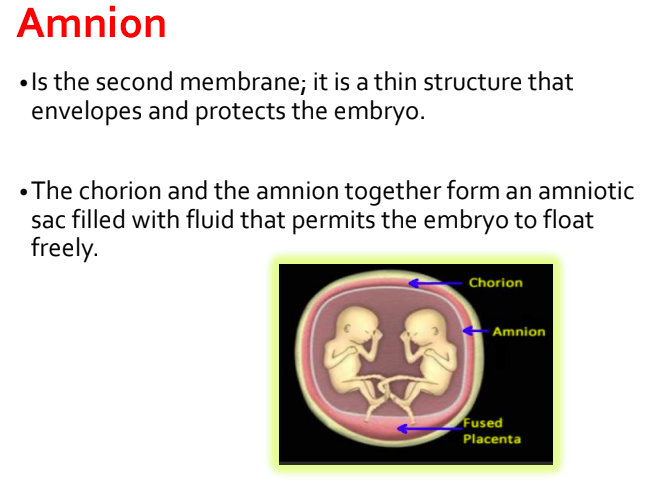
amnion & amniotic fluid
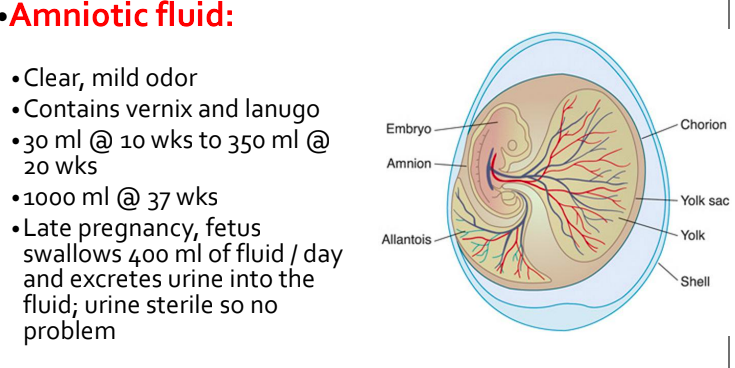
amniotic fluid: clear, mild odor.
maintains even temp
prevents amniotic sac from gluing to fetal sin
symmetric growth of fetus
allows fetal movement
cushion to prevent fetus
amniotic fluid
maintains even temp
prevents amniotic sac from gluing to fetal sin
symmetric growth of fetus
allows fetal movement
cushion to prevent fetus
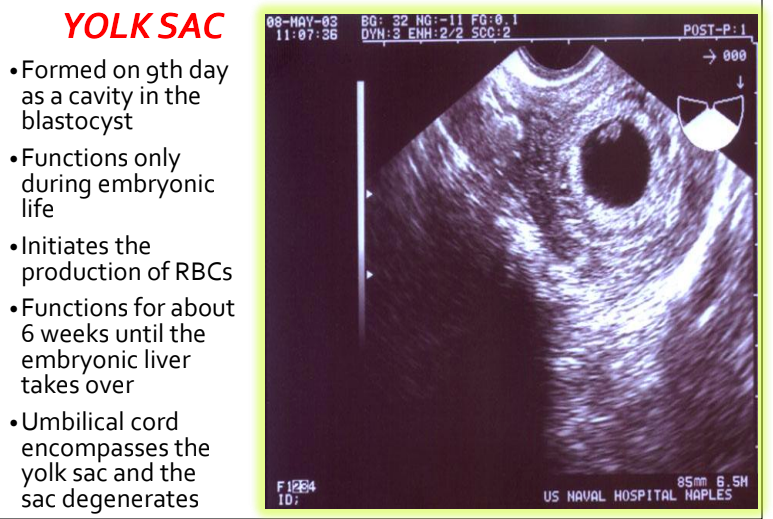
yolk sac
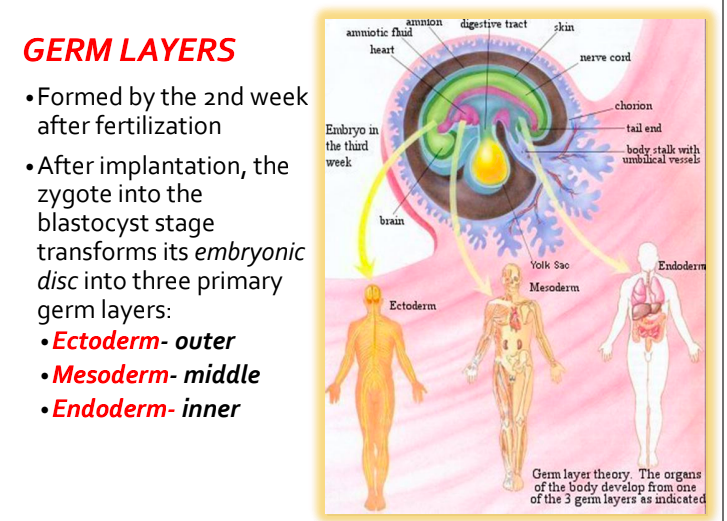
germ layers
ectoderm: outer layer of skin, oil glands, nails and hair, sense organs, mucus membranes
mesoderm: bone and cartilage, muscles, vessels, kidneys & gonads
endoderm: lining of respiratory tract, digestive tract & bladder and urethra
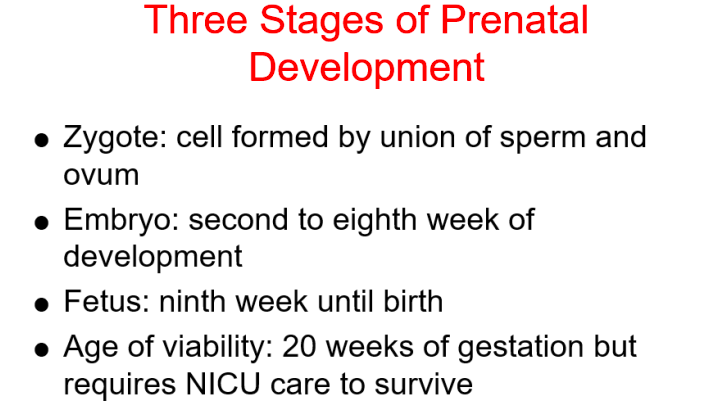
3 stages of prenatal development
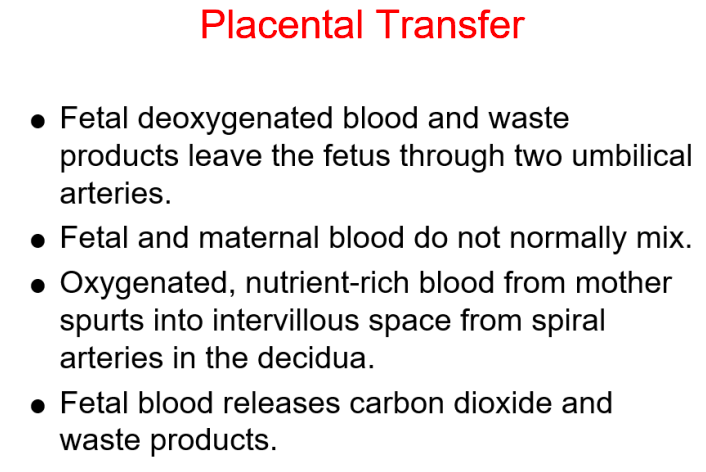
placenta
provides oxygen & nutrients. removes waste from baby’s blood
moms side: beefy | fetus side: gray & shiny
connected to baby via umbilical cord
forms in uterus
placental hormones
progesterone: prepares uterus for pregnancy & supports early pregnancy
estrogen: stimulates uterine growth. increased blood flow to uterine vessels. development of breast ducts
human chorionic gonadotropin / hCG: checked for pregnancy. maintains progesterone production, supporting the uterine lining.
human placental lactogen (hPL): increased maternal glucose. supports fetal growth prepares breasts for lactation.
umbilical cord
2 arteries: carries blood away from fetus | 1 vein: returns blood to fetus
normal length: 55 cm / 22 inch
wharton jelly: covers & cushions cord vessels
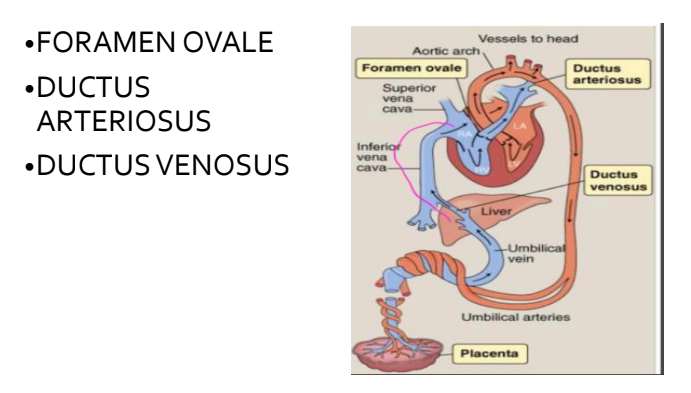
fetal circulatory shunts
blood is diverted from lungs & liver
foramen ovale: diverts blood from RA to LA, sending oxygenated blood to left side
ductus arteriosus: diverts blood from lungs to systemic circulation
ductus venosus: bipases the liver
circulation before birth
blood enters fetus via umbilical vein
circulation after birth
lung preparation for birth
epi & norepinephrine: activate sodium channels so water & sodium move out the lungs
in C section, this process is limited. can cause wet lungs
ptsd & licorish can cause
ptsd: decreased cortisol, asthma & behavioral problems
licorish: aggression
what is the age of viability?
20 weeks
the point at which the fetus can survive on it’s own
how many weeks is a full term pregnancy?
37 - 42 weeks
go in slides for weeks of pregnancy
vernix
white / cheese-like substance covering fetus
lanugo
hair covering baby
what week is there increased surfactant in lungs?
25
multifetal pregnancy
occur once in every 90 pregnancies.
monozygotic: identical. from a single fertilization. share/ grow up in separate placenta.
dizygotic: fraternal. share ½ genes, like other siblings. two separate fertilizations. have their own placenta.
if embryonic disk does not divide completely, what can occur?
simease/ conjoined twins
complications w twins
uterine distention: not enough room.
placental insufficiency: placenta is not enough for both fetuses
what happens at week 3 of pregnancy?
fetus heart begins to pump blood

