ap psych - semester 1 all kbat
 Studied by 0 people
 Call Kai
 Learn
Learn Practice Test
 Spaced Repetition
 Match
Match Flashcards
 Knowt Play
1/483

There's no tags or description
Looks like no tags are added yet.
Name | Mastery | Learn | Test | Matching | Spaced | Call with Kai |
|---|
No analytics yet
Send a link to your students to track their progress
484 Terms
APA
american psychological association
behaviorism
learning process, conditioning
bimodal distribution
distribution with 2 peaks
biopsychosocial
combination of genetic, mental, emotional, and environmental aspects → holistic approach to treatment
case study
monitor individuals social unit, may be too narrow to be of general use (not truly representative)
> use for unique circumstances (hard/unethical to replicate)
central tendency
tendency for second set of data to trend towards the mean of the first set
cognitive
mental activities (thinking, knowing remembering)
confederates
aides of researcher who poses as participant but have rehearsed behavior to set up actual experiment
confidentiality
info and data protected unless permission to release
confirmation bias
when researchers only gather data that prove their hypothesis
confounding variables
any factors other than IV that influence DV
control group
group in experiment with factors not being tested
convenience sampling
selecting sample of ppl/cases that are easily accessible
correlation
show how 2 variables are related, doesn’t prove causation
correlation coefficient
represented by r, shows how much correlation is between the 2 variables
positive → one increases, other also increases
negative → one increases, one decreases
closer to 1 (or -1) → stronger correlation
correlation vs causation
correlation refers to a relationship or connection between two variables, indicating they change together
causation implies that one variable directly influences or brings about a change in the other
> just because two things occur together does not mean one causes the other
cross sectional study
studying different groups at the same time
cultural norms
how behavior is shaped by history, culture, and society
debriefing
must include a full explanation of goals in the experiment
deception
may be used if benefits outweigh risks → subjects must be informed at the end
dependent variables
variable changed based on individual variable → often is what’s being studied
directionality problem (in correlation)
problem where we don’t know whether A caused B or if B caused A
double-blind study
where both the researchers/subjects don’t know the objective of the study → eliminates biases
effect sizes
empirical evidence
evolutionary
darwinian natural selection, what people to do increase survival and reproduction
experimental group
group that’s being tested
experimental method
a type of research procedure that involves manipulating variables to determine if there is a cause-and-effect relationship
experimenter bias
aka researcher bias, unconscious tendency for researchers to treat groups differently to increase support for hypothesis
falsifiable (hypotheses)
a hypothesis that can be proven false
hawthorne effect
where subjects alter their behavior because they know they’re being watched
hindsight bias
people perceiving past events as more true than they originally thought
humanistic
individual choice and free will, rational beings, potential for growth, self-actualization
hypothesis
an assumption that can be tested
independent variables
variables being altered that change other variables (DVs)
informed assent
where researcher gains parent/guardian consent for a minor
informed consent
where the researcher has to tell the subjects about the details of the experiment and gain their approval
institutional review
study sent out for institutional review to determine if it’s ethical or not
likert scales
scale to put not quantifiable variables onto a numbered scale
longitudinal study
studying one group of subjects for a long period of time
mean
average
median
middle value in a set of data
meta-analysis
drawing conclusions based of several past studies and their conclusions
mode
value that appears the most in a set of data
naturalistic observation
observing subjects in their natural habitats
negative correlation
as one variable increases, one decreases
negative skew
skewed left
normal curve
bell curve
68% for 1 SD
95% for 2 SDs
99.7 for 3 SDs
operational definitions
defining experimental procedures with enough detail that they could be recreated
overconfidence
a person's confidence in their judgments is reliably greater than the objective accuracy of those judgments
peer review
another group of researches checks study
percentile rank
ex. 65th percentile → value is higher than or equal to 65% of data
placebo
substance that has no effect on the subjects
population
group of people/things
positive correlation
as one variable increases, the other also increases
positive skew
skewed right
protection from harm
ethical pillar - makes sure subjects aren’t physically or emotionally harmed
psychoanalytic
composed of childhood and past experiences
qualitative research/measures
can’t be put into numbers
quantitative research/measures
numerical values
random assignment
assigning individuals as control/experimental for a study
random sampling
picking subjects at random to get the best representation of the population
range
highest value - lowest value
regression toward the mean
phenomenon where if one value is an extreme, the next value will be closer to the mean
replication
recreating a study
representation of participants
how generalized the conclusions of a study can be
representative sample
a sample that’s used to make assumptions about a more general group of people
sample
group of individuals used in the study
scatterplot
data points plotted
usually shows correlation
single-blind study
where only the researcher knows the purpose of the study → helps prevent bias
social desireability bias
behave differently because of social norms
standard deviation
average distance from the mean
statistical significance
how significant the studies results are
high statistical significance → less likely to be due to chance
p < 0.05 → significant
structured interviews
third variable problem
confounding variables can conflict with IV/DV
validity
how well a test measures what its supposed to measure
variation
the differences and diversity that exist within a population, specifically in terms of traits or characteristics
acetylcholine
“movement, memory”, enables muscle control/movement, learning and memory
low levels: paralysis, alzheimers/dementia
high levels: muscle contractions, convulsions, death
excitatory neurotransmitter
action potential
rapid sequence of + ions entering neuron to fire signal
adoption studies
adrenaline
aka norepinephrine
agonists
drugs that excite by mimicking neurotransmitters
can either act as neurotransmitter or block reuptake → more firing
all-or-nothing principle
neuron either fires or doesn’t
no degree of firing
amygdala
end of “hooks” of hippocampus, emotion center, processes emotions, forms emotional memories
controls fear
if damaged → less fear/aggression/sexual desire and less ability to interpret others emotions
antagonists
drugs that inhibit/block neurotransmitters
broca’s aphasia
makes speech slow to produce but no comprehension problems
wernicke’s aphasia
can’t comprehend speech but have clear speech
association areas
autonomic nervous system
part of PNS
automatic functions (ex. digestion)
composed of sympathetic and parasympathetic nervous systems
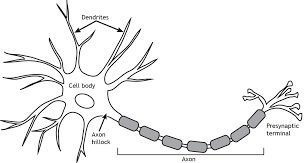
axons
sends message down a neuron
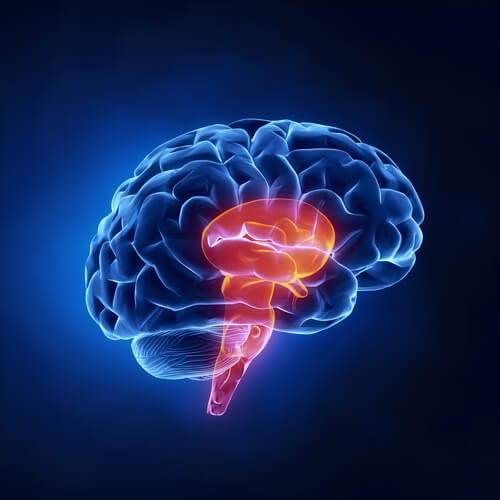
brain stem
aka hindbrain, connects rest of brain to spinal cord and cerebellum
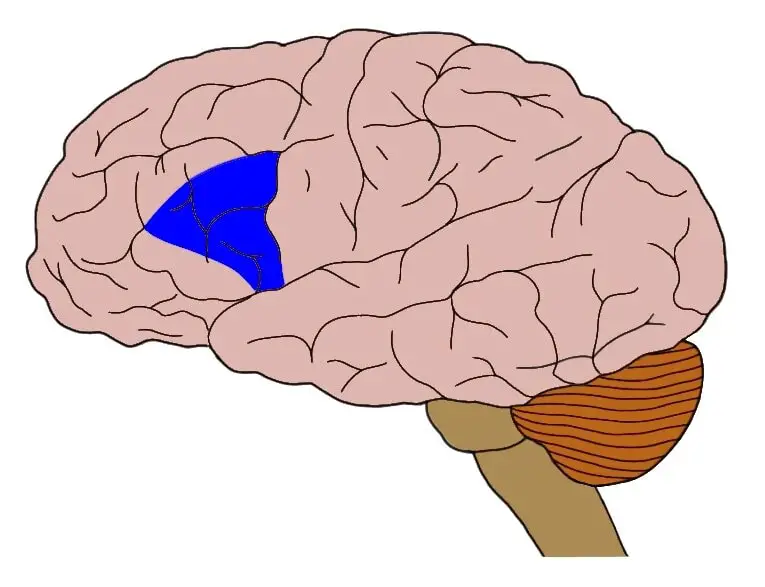
broca’s area
part of frontal lobe, only in LEFT hemisphere, responsible for producing speech
central nervous system
processing information, composed of brain and spinal cords
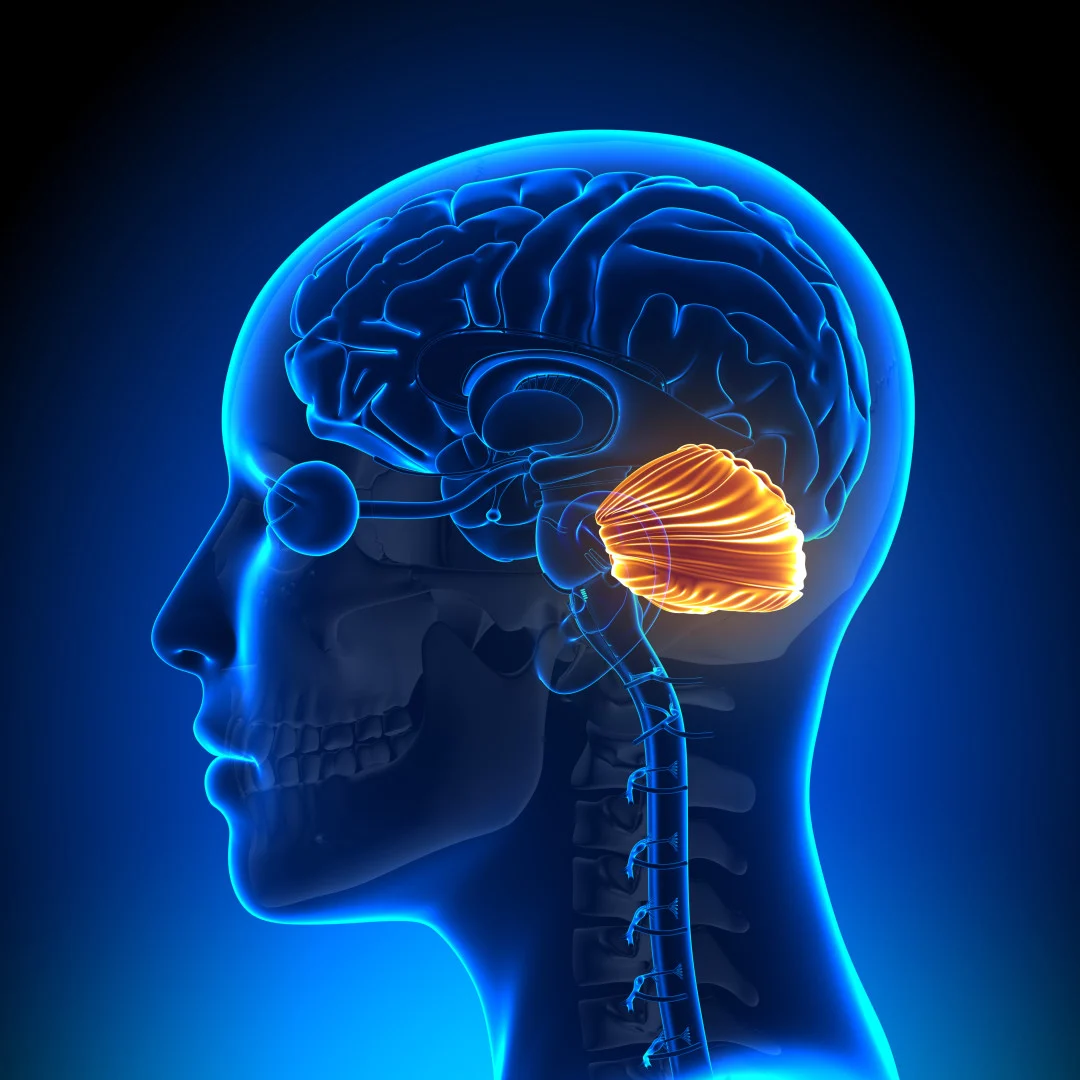
cerebellum
coordinates voluntary movements and balance → enables nonverbal learning
baseball-like structure on brain stem
if damaged → hard to walk, can be damaged by alcohol
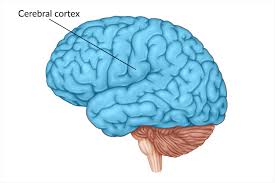
cerebral cortex
aka neocortex, outer layer of brain, most recently developed
contralateral hemispheric organization
right hemisphere is in charge of left side and vice versa
corpus callosum
bundle of nerve fibers that connect the 2 halves of brain
CAT
x-ray images combined, can detect tumors
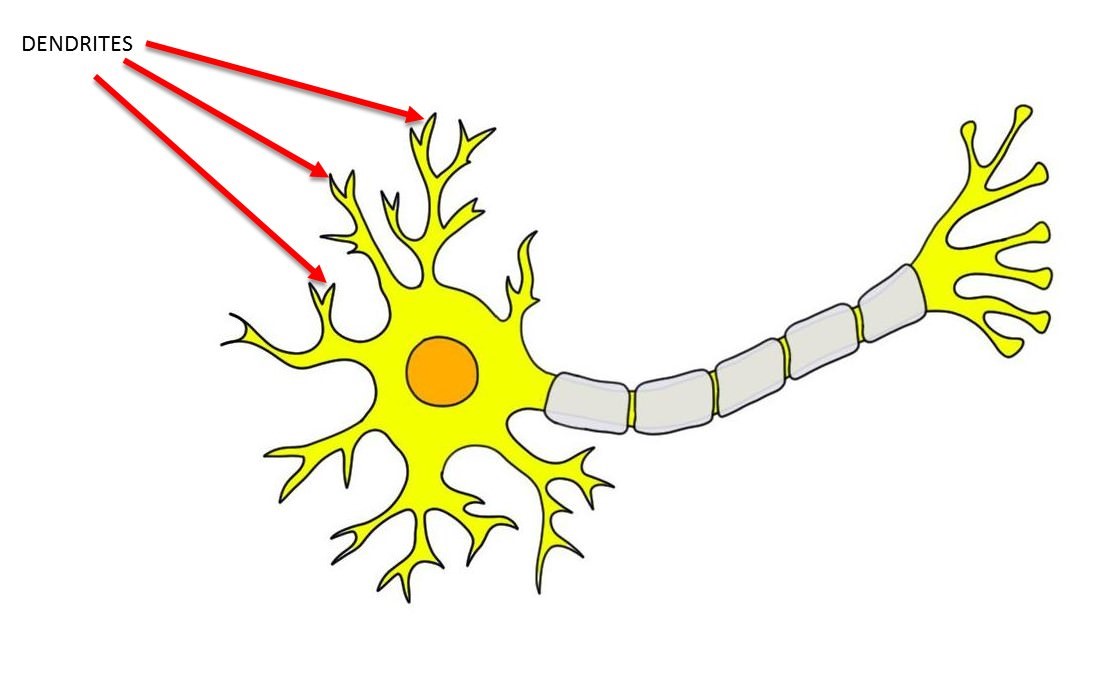
dendrites
receives info from other neurons
depolarization
actual firing of neuron
 Note
Note  Flashcards (63)