S26 ARTS 2100 Quiz 4
 Call Kai
 Learn
Learn Practice Test
 Spaced Repetition
 Match
Match Flashcards
 Knowt Play
1/25

Earn XP
Description and Tags
Name | Mastery | Learn | Test | Matching | Spaced | Call with Kai |
|---|
No analytics yet
Send a link to your students to track their progress
26 Terms
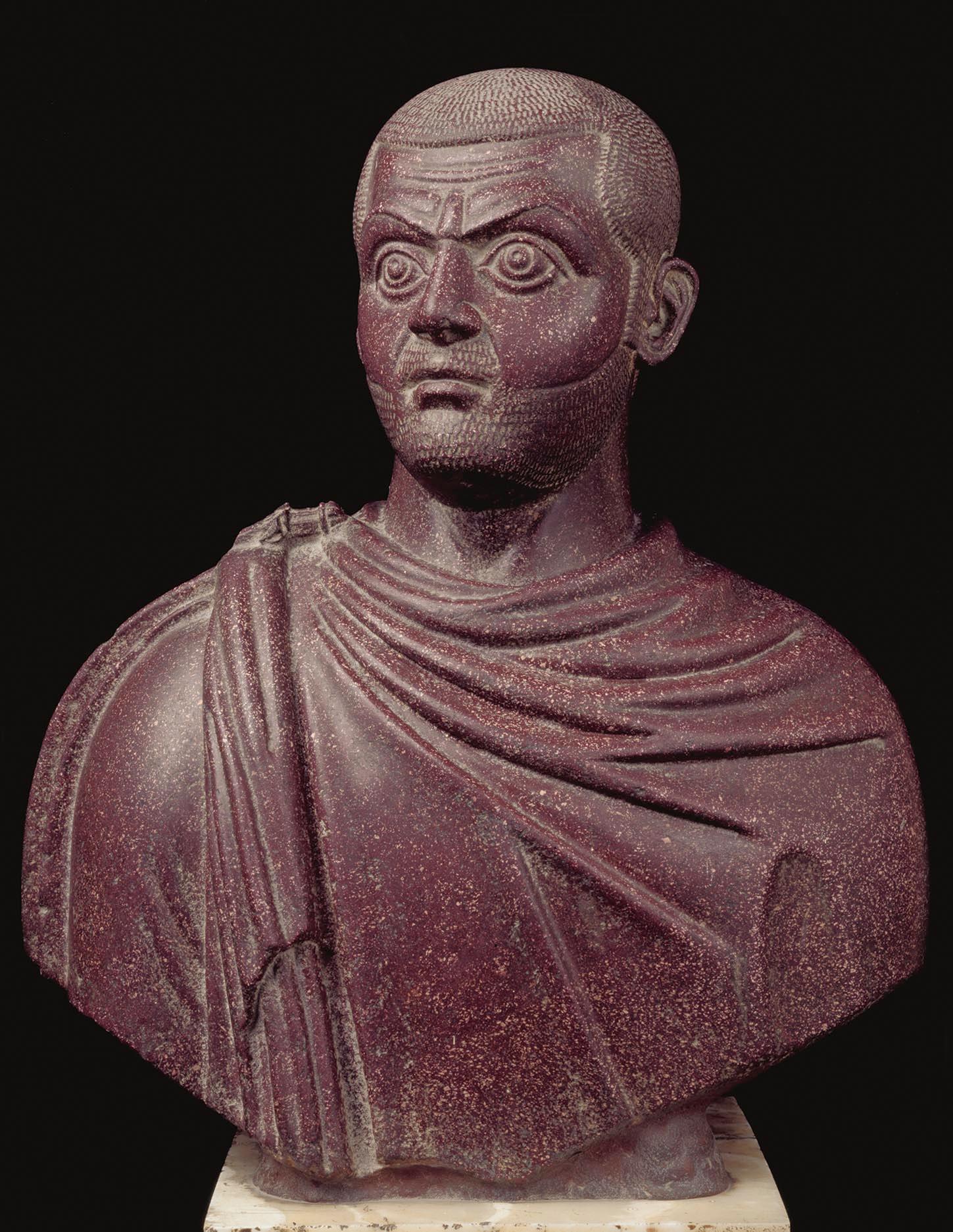
Portrait of a Tetrarch
Late Rome — Porphyry (rare luxurious stone only from Egypt, only tetrarchs/royalty had access to this material)
symbolizes imperial unity and military authority
change in artistic style
very stylized (crazy eyes, very reduced geometric shapes, proportions are exaggerated)
represents 1 of 4 tetrarchs
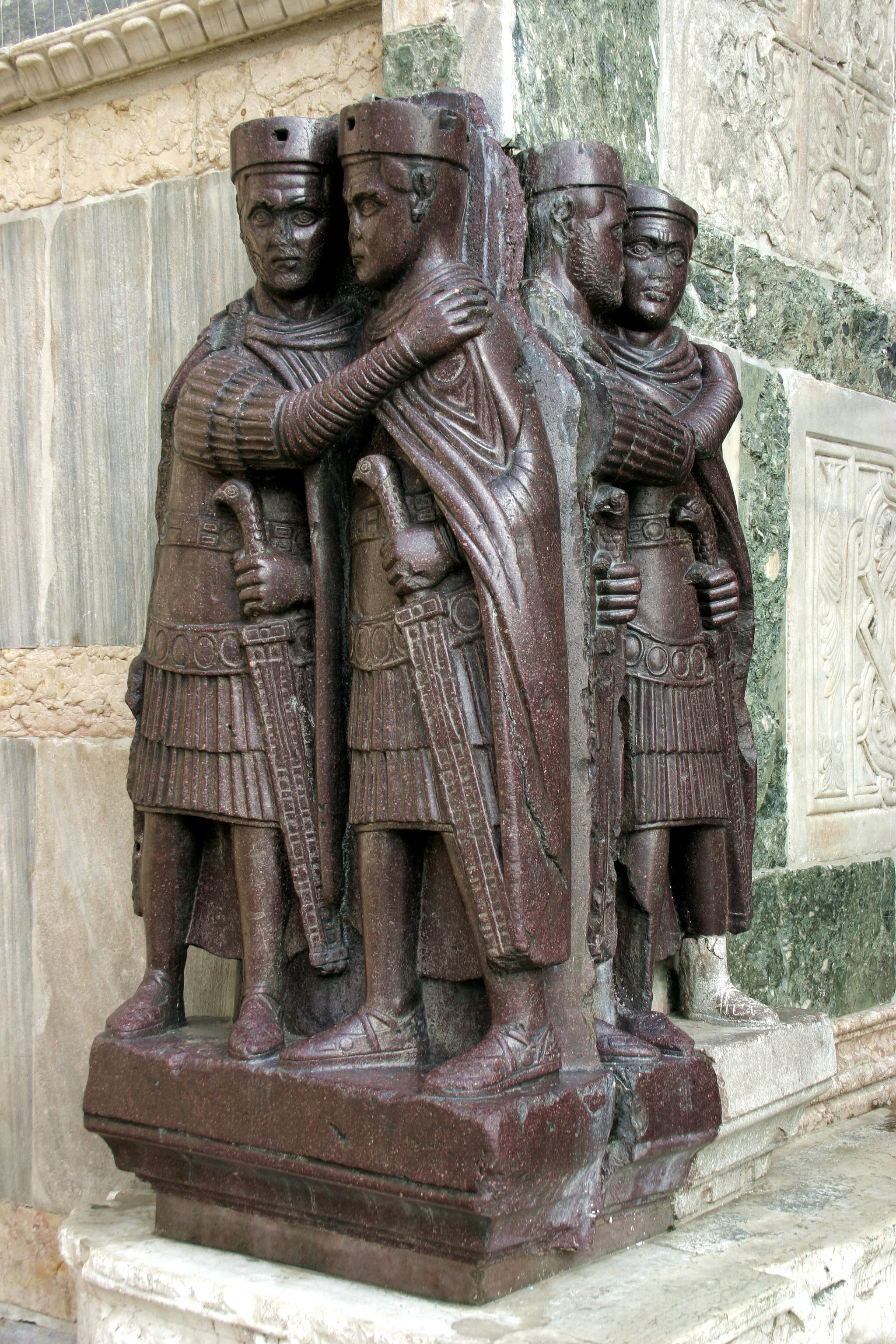
Portraits of the Four Tetrarchs
Late Rome (Constantinople) — Porphyry
emphasizes shared rule and political stability
grasping/“hugging” not because they liked each other, but to represent unity
propaganda piece still stylized
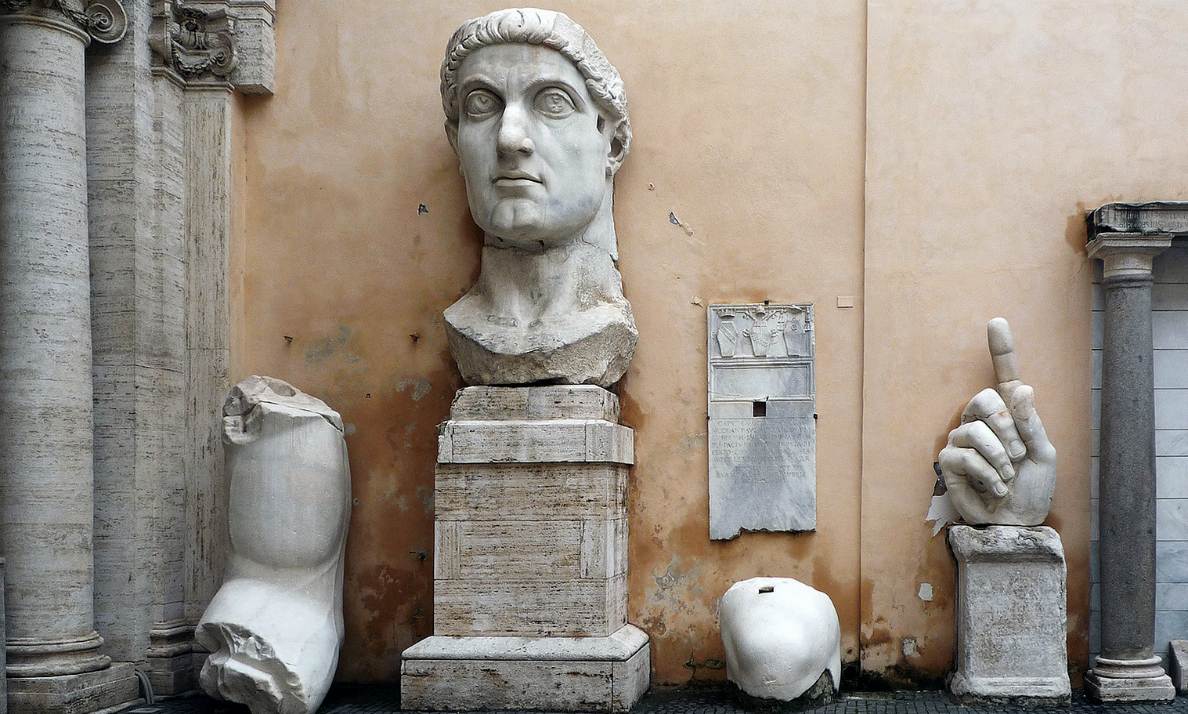
Portrait of Constantine
Late Rome — Marble
head alone is 8.5 feet (not a portrait bust, a fragment of a monument sculpture)
going back to using marble - recalling earlier representations of rulers
trying to be the only ruler of Rome again
cleft chin - constant in his portraits
eyes are still stylized (sculpture is part tetrarch/part individualized)
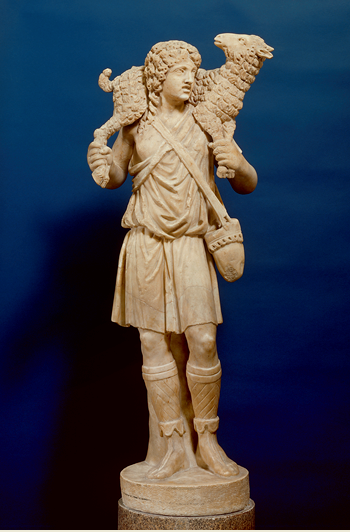
Christ as the Good Shepherd
Early Christian — Marble
of Christ: meaning protector of the flock (always shown with a little sheep thrown over his shoulder
standing in contraposto
Christ as protector using familiar Roman imagery
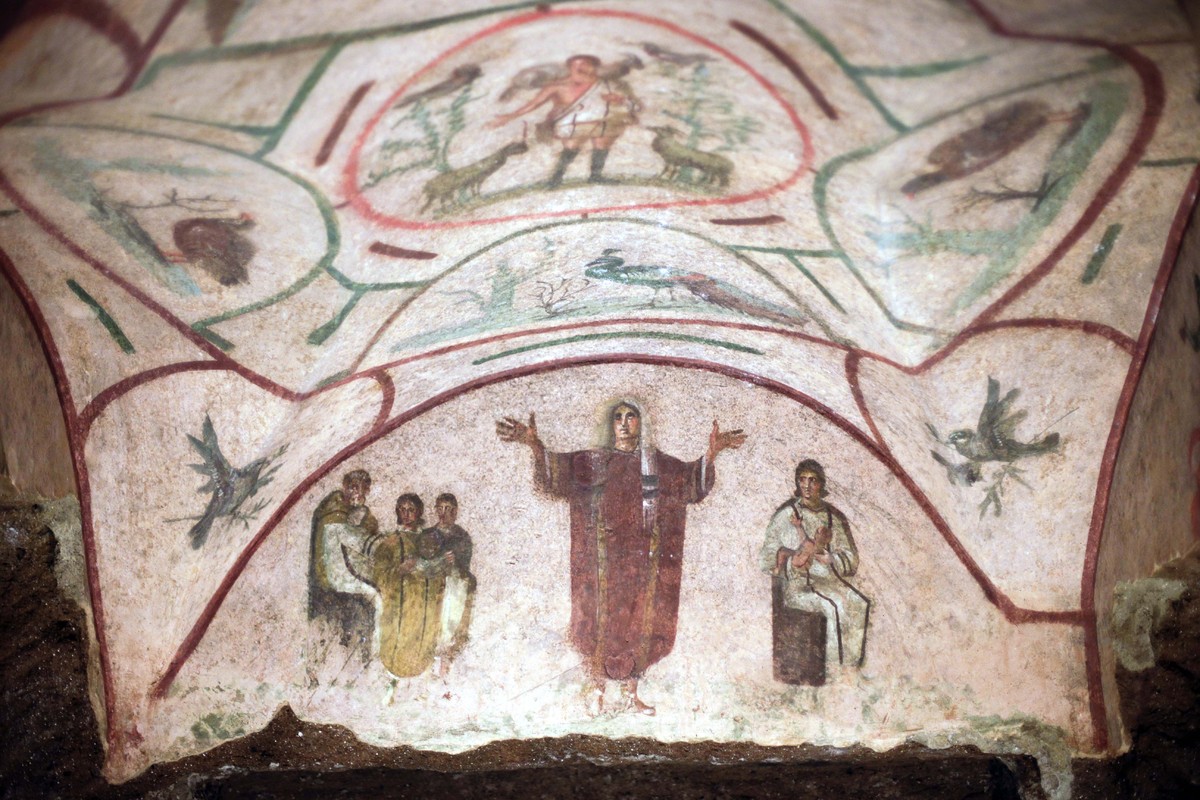
Cubiculum of the Veiled Woman
Early Christian (Catacombs of Priscilla) — Fresco
catecomb: burrial space
one of the earliest examples of Christian art
modona & child: mary & jesus
eucharist and miracle of the loaves & fishes
lots of iconography
Sacrifice of Isaac: needs background knowledge
cubiculum of the veiled woman: 3 scenes marriage, mother, ordinant figure (in prayer, looking up palms up)
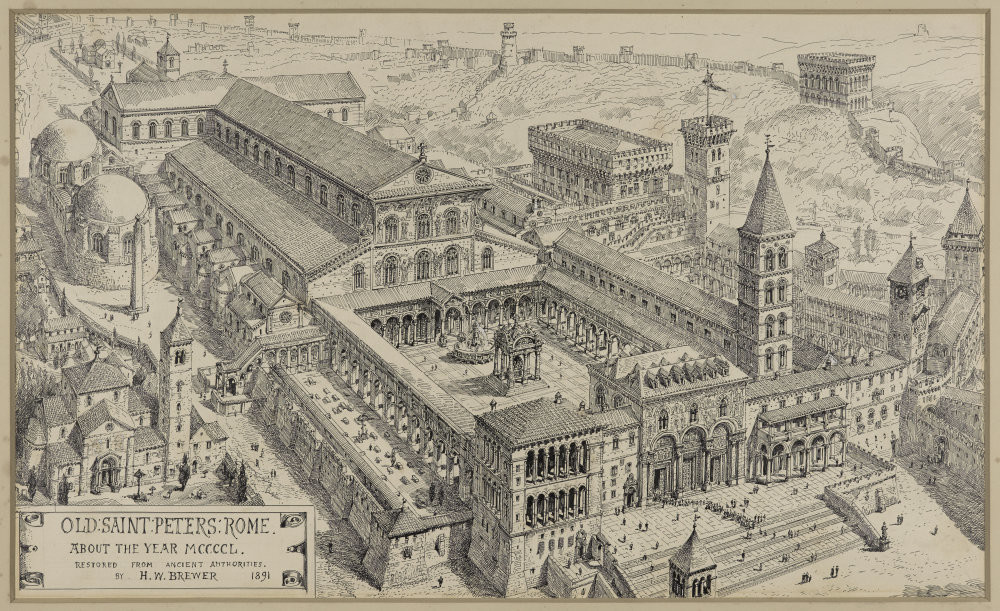
Old Saint Peter’s
Early Christian — Timber, Stone
looks a lot like a basilica Looks
components of a Christian basilica
atrium, apse, nave, transept, side aisles, and celestory windows
basilica for congregational worship and pilgrimage
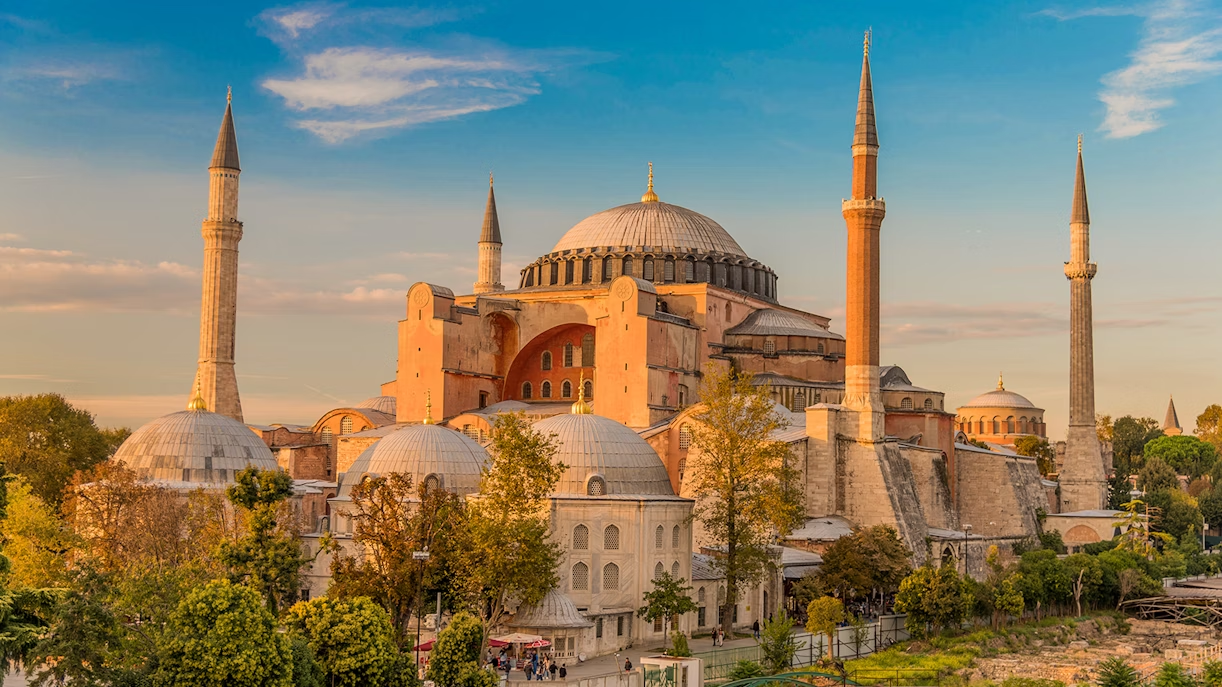
Hagia Sophia
Byzantine — Stone, brick, mosaic
No building like it in Europe at the time
extremely elaborate inside
very tall, airy, open, center space with a dome
combination of basilica and centrally planned
innovation for the time
The dome sits on a square, unlike the Pantheon.
4 towers not original (mark as a mosque/Islam)
pendentives — four curved triangles that absorb the weight of the dome
tessarae — a small block of stone, tile, glass, or other material used in the construction of mosaics.
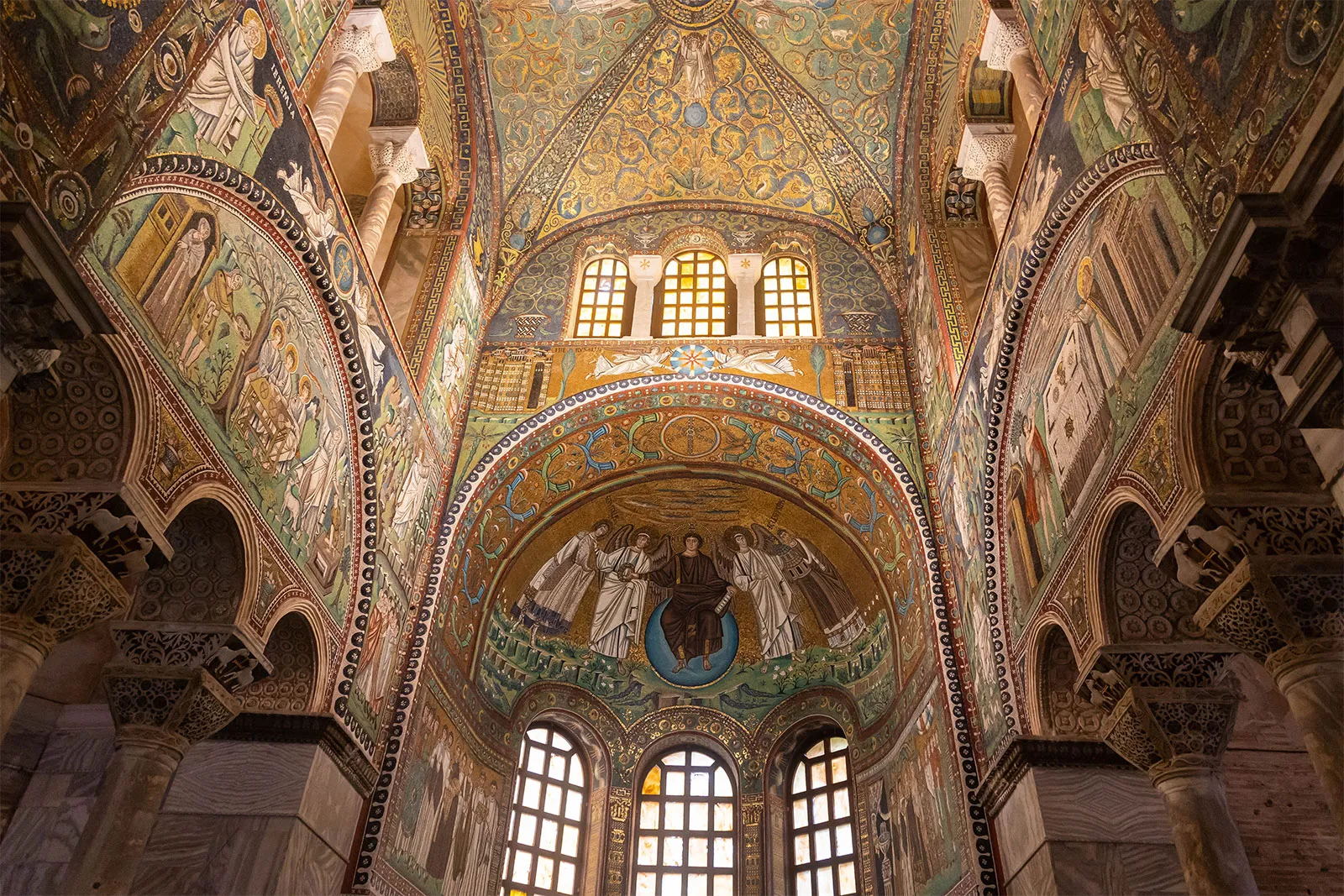
San Vitale, Ravenna
Byzantine — Mosaic
Central-plan church emphasizing imperial presence
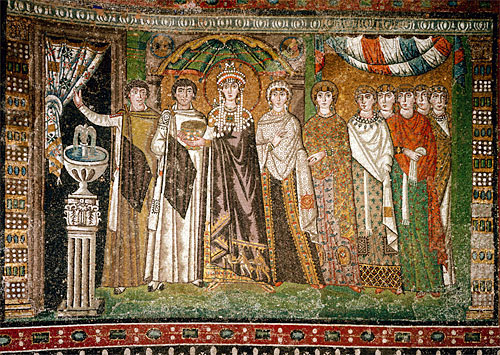
Justinian and His Attendants // Theodora and Her Attendants
Byzantine (San Vitale) — Mosaic
inhabiting more of a real space than Justinian
leftward directionality (leaning towards Christ)
icons - sacred image of a saint, Christ, or Mary (divine portraiture)
guide worship
had the power to act on behalf of the worshipper
not just a representation or picture, but was the material form
highlights Theodora’s ceremonial authority
halos, but they were not saints or anything divine
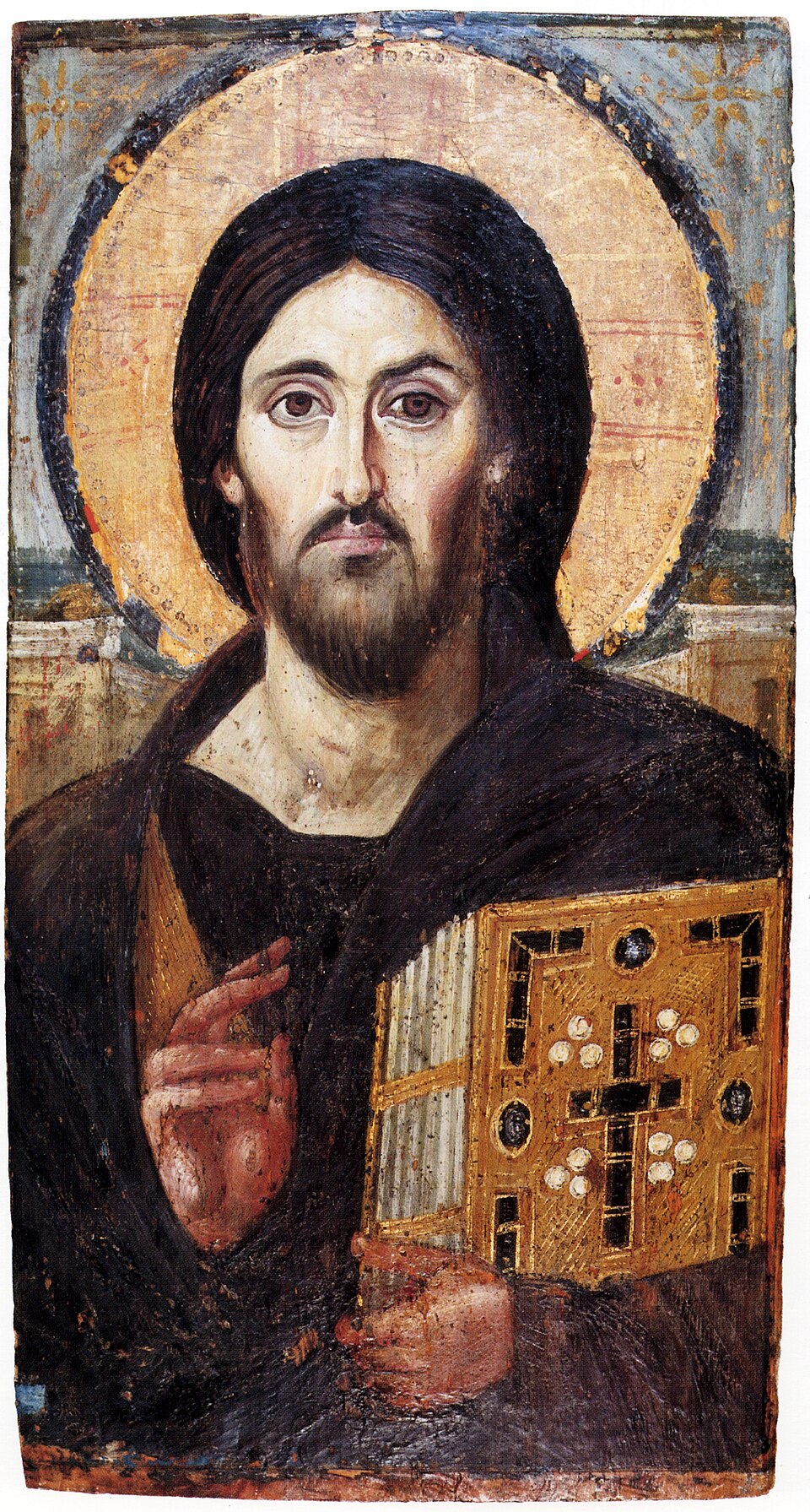
Christ Pantocrator
Byzantine — Encaustic on Panel (wax painting on wood)
eyes are very stylized
light reflection from one side (light source)
pantocrator - greek word meaning “almighty” or “all powerful”
Christ as cosmic ruler and judge
Dome of the Rock
Islamic — Stone, Tile, Gold
not a mosque/church its a shrine = container for an important object inside (houses “the rock”)
symbolic statement that Islam is the dominant religion
mosaics cover the entire inside (looking to Byzantine architecture)
celestry windows (common Byzantine)
aniconic — no figural imagery (sometimes in personal homes but never pictured in religious spaces) god alone is the creator; humans should not try to do the creating
Islamic art is always about calligraphy - the relationship between design and text.
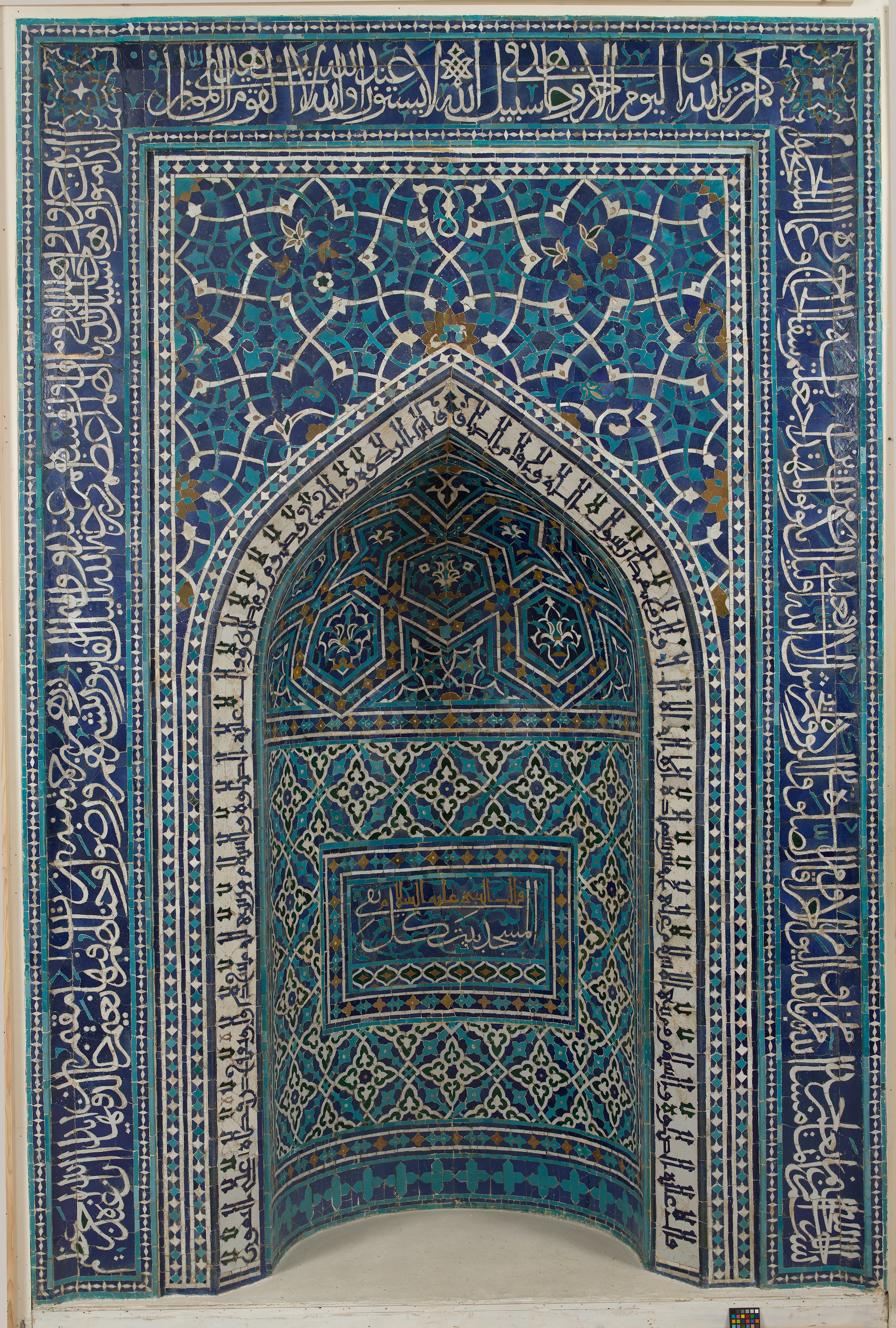
Mihrab from Isfahan
Islamic — Mosaic
Indicates qibla and beautifies prayer
tesselation — repeating geometric shapes
horror vacci — fear of empty space
meant to draw the viewer in to want to pray thoughful an focused
pointed arch frame meant to represent the five pillars of Islam
abstraction and geometry expressed external order
balance and interplay between balance and color
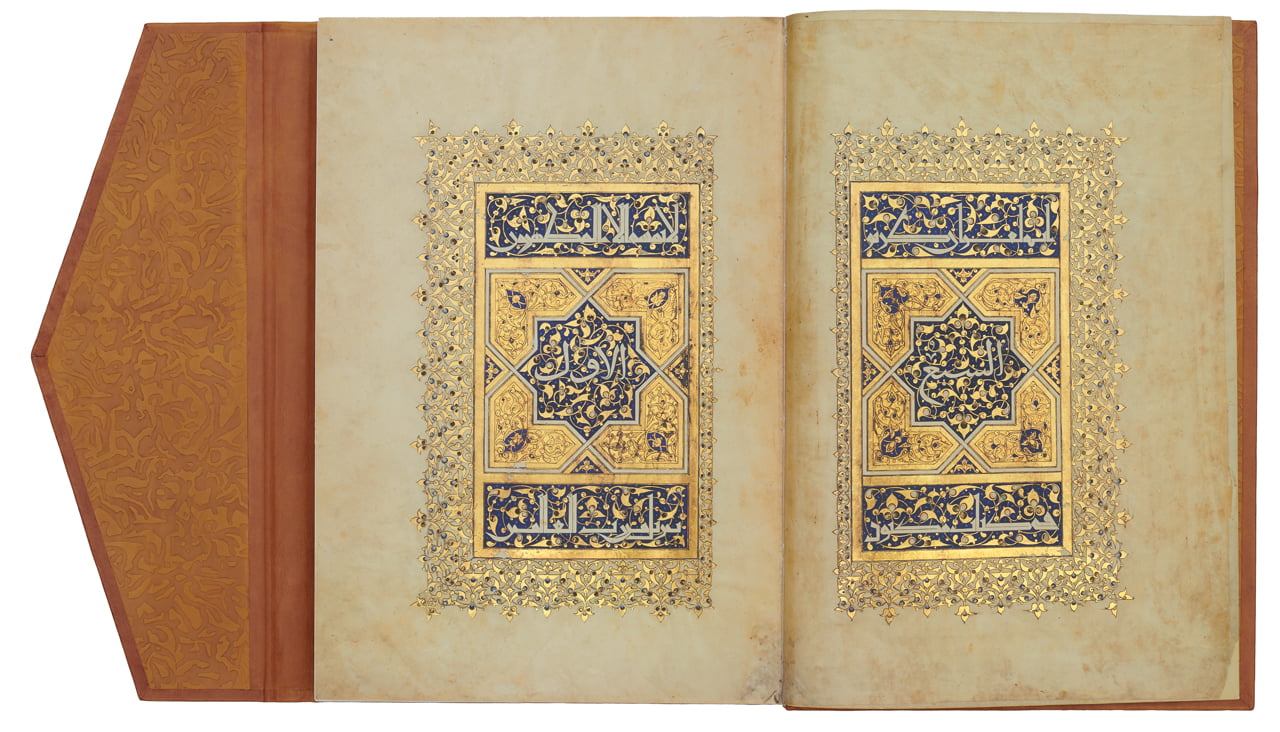
Sultan Baybars’ Qur’an
Islamic — Ink, Gold, Parchment
art object in themselves
reliance on geometric abstraction - not showing things or forms
text is Arabic script - used in design elements
decorative meant to invite you in (gold dot and geometric fill)
Manufacturing is very collaborative
patron, calligrapher, and illuminator
hybridity — cultural/artistic mixing between one or more cultures, which results in new cultural practices (there are no such things as pure artistic styles, everything is an entanglement)
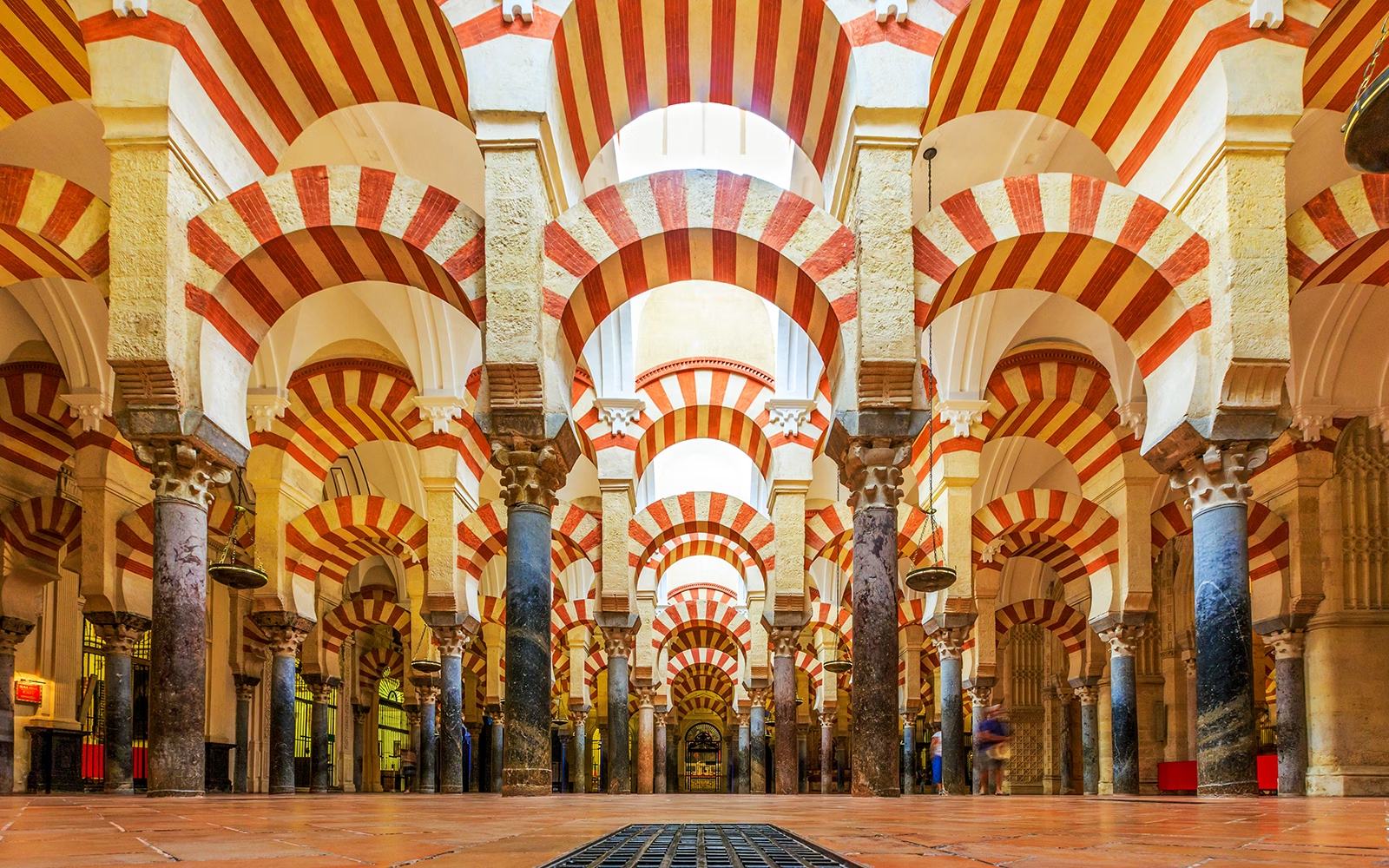
Great Mosque of Córdoba
Islamic Spain — Stone, Double Arches
university in the city - enlightened population, educated
mosques based off the prohet mohamads ’s house
Infinite prayer hall symbolizing unity
very representative architecture
hypostyle — rows and rows of colonnades
double arch — came from Roman architecture (Roman influence)
horse shoe arch — came from the Visigoths (arches that slightly taper inward)
no scripture or geometric design from Islamic culture
tool to help transition from one religion to another be easier
Repetitive: everything is the same, and there is no hierarchy
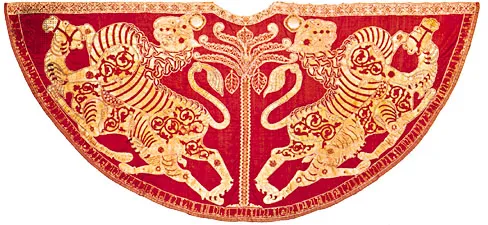
Coronation Mantle of Roger II
Norman Sicily — Silk, Gold Embroidery
Christian/Norman vs. Islamic designs/iconography
Christian/Norman
color: red & gold
subject: lion > camel = chrsitan over islamic
Islamic
gold
Arabic script at the bottom
year 528 - Islamic calendar
geometric motifs and tree of life motifs
mantle — a cloak meant to be worn and has a specific purpose
Blends Islamic, Byzantine, and Latin motifs to legitimize rule. (Both religions are there, so it’s speaking to the whole population)
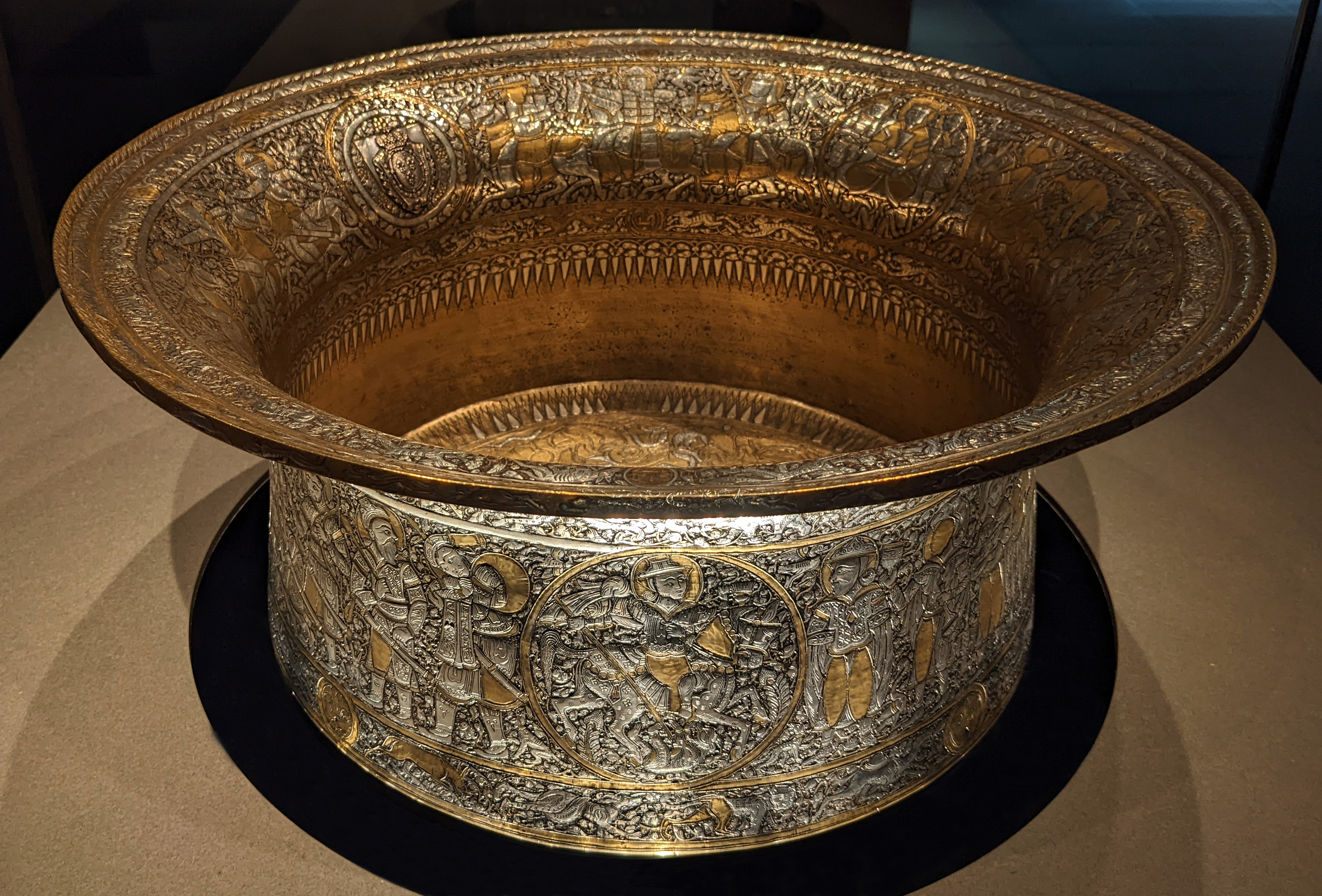
Royal Baptismal Basin (Mohammad ibn al-Zin)
Islamic France — Brass inlaid with Silver/Gold, Carvings
royal object, super elite
used to baptise prince & princesses of France
made by mamluks (metallurgist gifted with metal)
horror vacculi — fear of negative space
filled with scenes of life
hunting, feasts of life: elite life
completely full of figural imagery
no text, only artist signature in Arabic script
fleur de lis — crown/crest of the French royal family
Mamluks used this symbol too (could be for its maker)
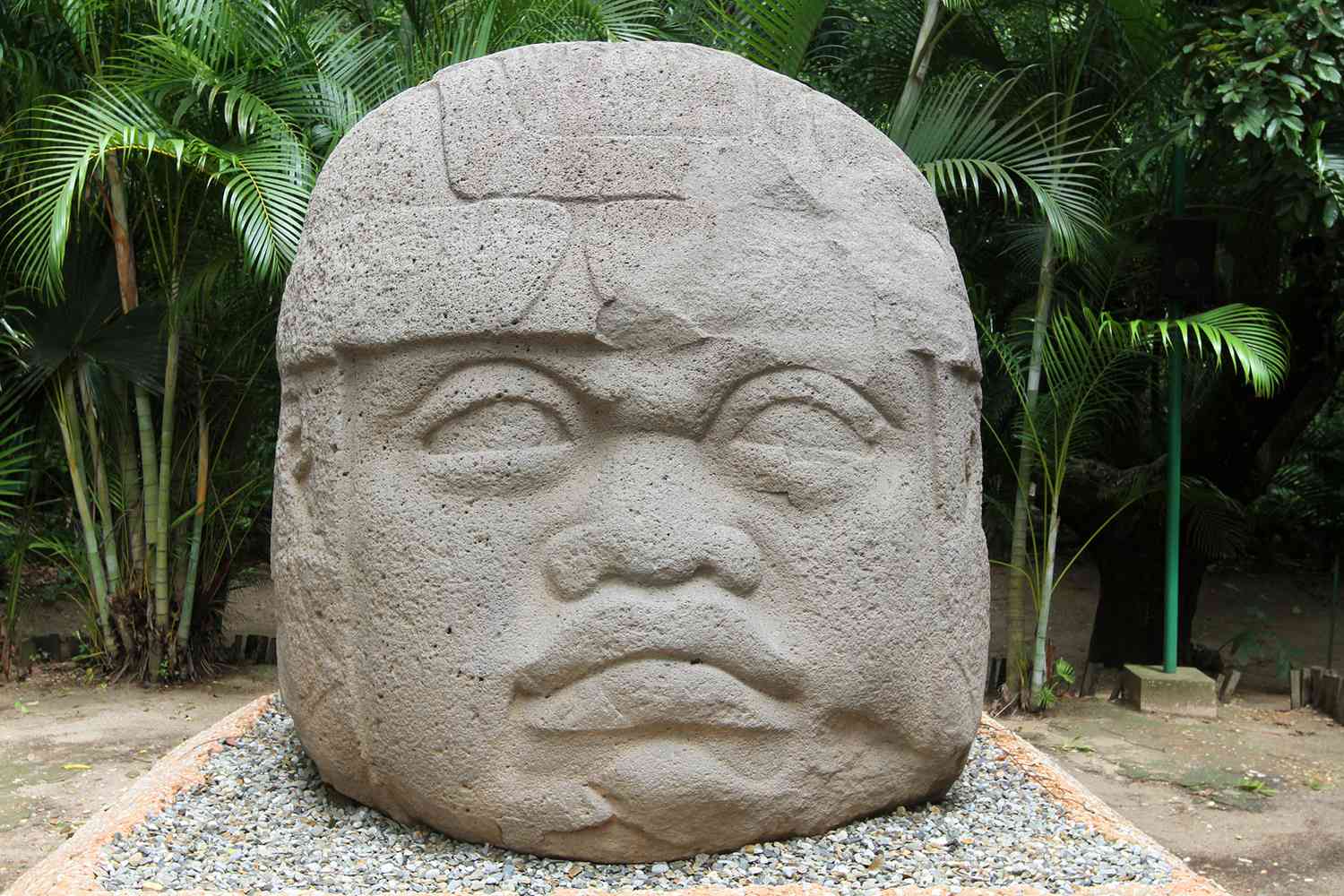
Olmec Colossal Heads
Mesoamerica: Olmec — Basalt
No metal tools at this time, you have to carve it with another rock
monolith — carved out of one rock
basalt — volcanic rock
stylized: wide faces with big features
All look similar, not very unique/individualized in the face
These faces, compared to other Mesoamerican art, are actually more naturalistic looking
One head is deposited every 30 years (maybe a change of ruler)
pock marks — form of iconoclasm (intentional image destruction)
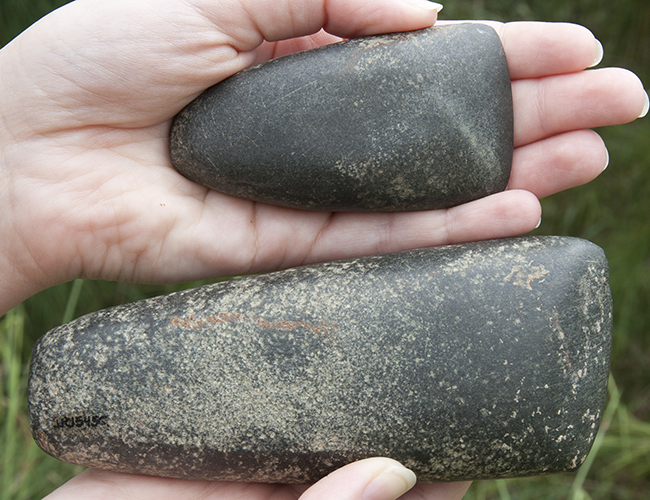
Celt with Quincunx
Mesoamerica: Olmec — polished rectangular stones
small scale = portable (could have been used to trade)
representing himself as axis mundi
quincux — 5 part configuration (4 little eye candles & 1 ruler = he is the center of the universe)
upper level: cleft headress - represents that he can go to the upper level of the universe, corn sporuting out of this symbolic mountain (headress)
lower level: snake - staff to show rulership (not a diety), legs make a crocodile head
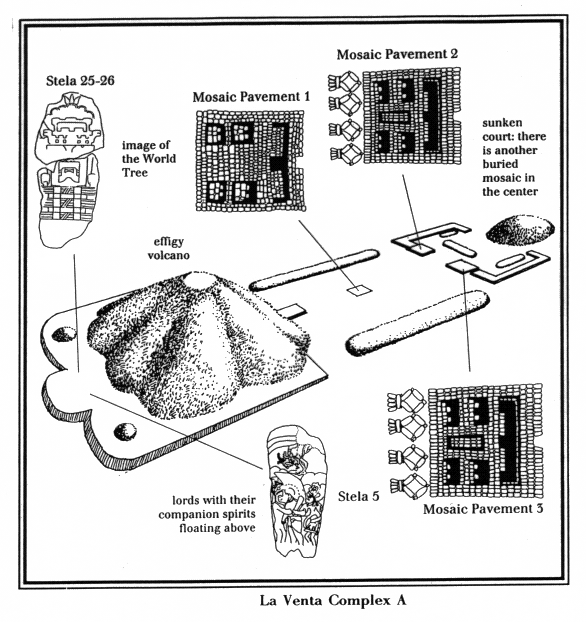
La Venta Complex A
Mesoamerica: Olmec — Earthworks, Mosaics
one of the earliest pyramids shown (artificial mountains)
made from packed dirt
olmec microcosm of the whole universe
microcosm — reduced model of a concept/something too big to understand
in situ — in the original site, they have not moved
cleft — mountain top, corn
everything has a specific iconographic meaning
tassels = aquatic vegetation
quincunx = 4 outside object that represent the 4 cardinal directions and one thing to bring it all together
essence over appearance - making art that was not meant to be seen but its presence there means more
process over product - art of making it is more important than the final product
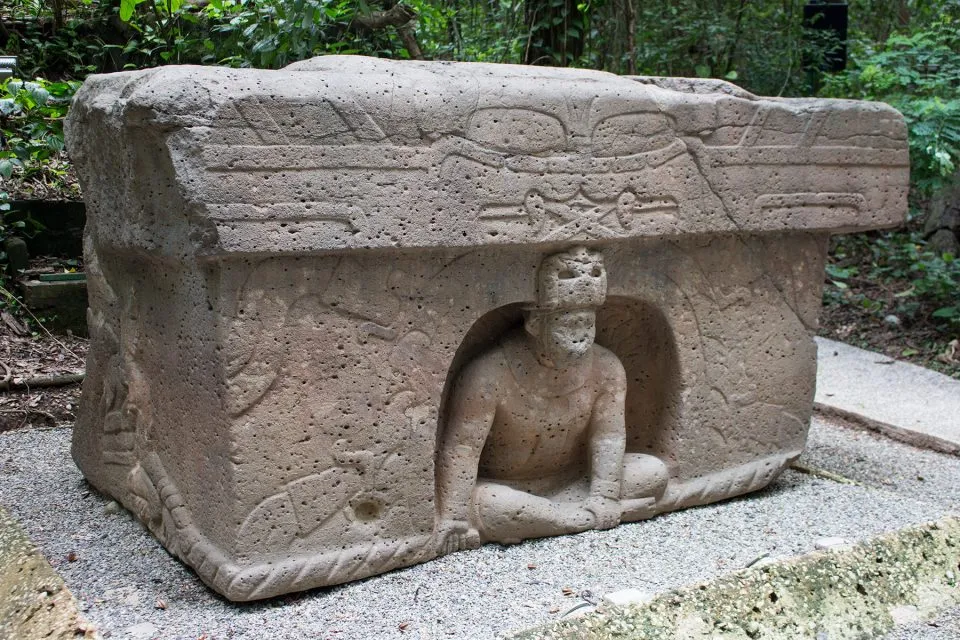
La Venta Altar 4
Mesoamerica Olmec — Basalt
it’s a throne more than an actual altar
quincux seen again (very consistent way of representing the universe)
caves were seen as alive/animate (all landscapes)
seen as dangerous places/portals
not everyone can go into a cave - only brave rulers
birds are seen as symbolic animals - connected to the terrestrial realm
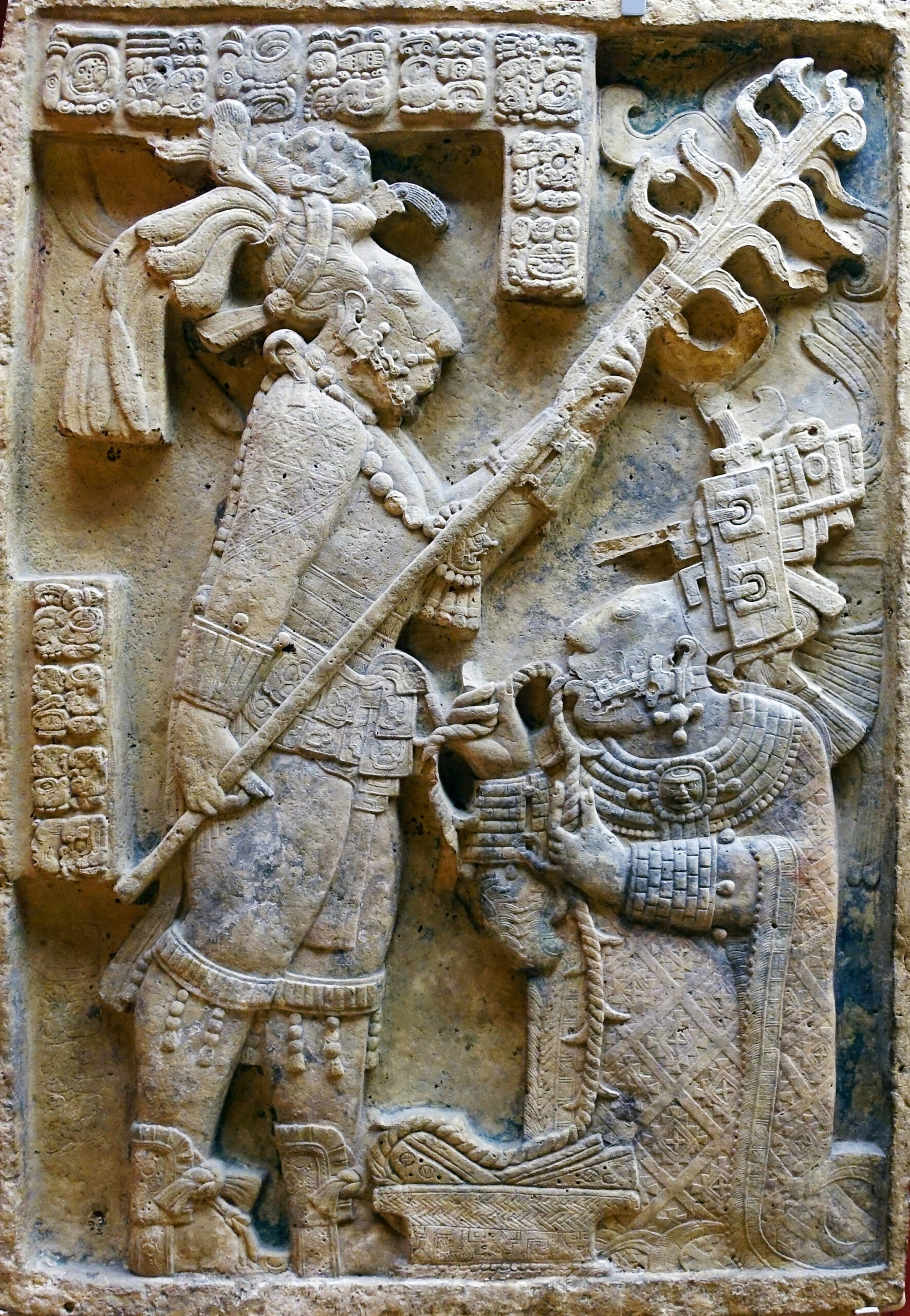
Yaxchilan Lintel 24
Mesoamerica: Maya — Limestone
holding a flaming staff
He is standing, she is kneeling (hierarchy/dynamic)
She is practicing auto-sacrifice by licking a thorny rope to let blood through her tongue
meant to be read as an offering to the gods
sustaining life/appeasing the gods
only group in mesoamerica who signed theyre name/who made it
saw art and writing as the same (scribe = artist)
characteristics of Mayan art:
naturalism and roundness in the forms
figures always in profile
intricate detail
contrast between high and low relief
lintel context — would have been displayed in the roof of a hallway
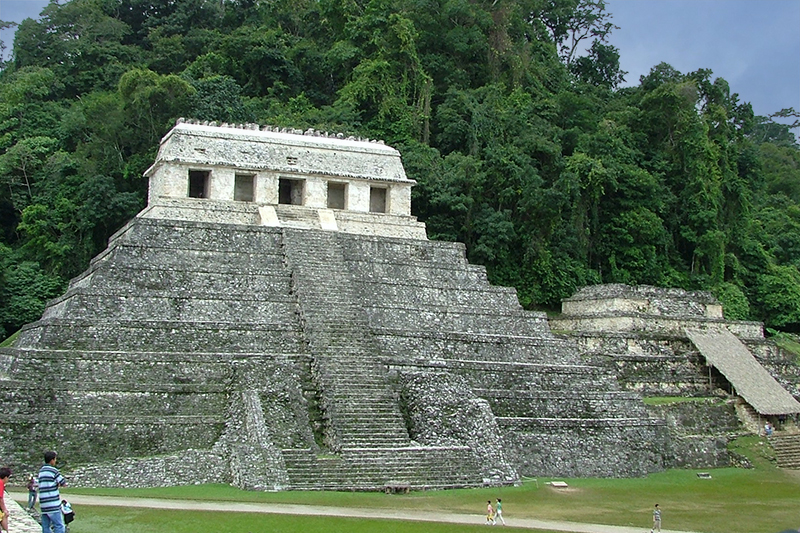
Temple of the Inscriptions
Mesoamerica: Maya — Stone
used to be stuccoed and painted red
tomb of pakal - Carcofigus at the bottom of the temple
pshycoduct — a tunnel that allows air and the spirit to move around and not be confined
Carcofigus was placed in the ground then the temple was built on top of it. ,
funerary monument for Pakal
Pakal’s Sarcophagus
Mesoamerica: Maya — Limestone
cross-shaped tree connecting him to the celestial realm
Pakal is in the middle of everything (axis mundi)
pakal = jade one
ascending and descending to the celestial realm and the underworld
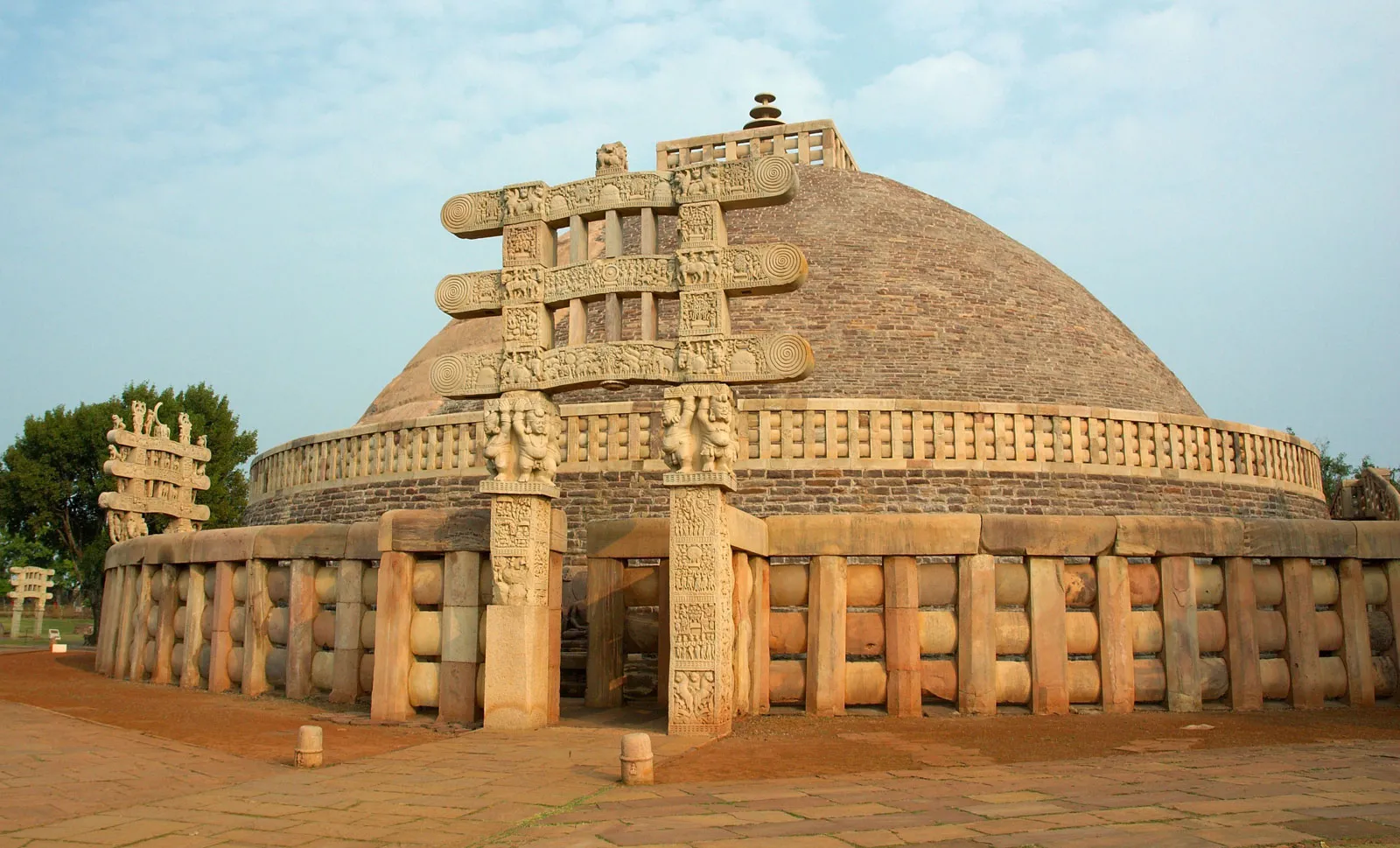
Stupa at Sanchi
Southeast Asia — Stone
earliest and most complete to this day
stupa — hemispherical mounds built as part of a Buddhist monastic complex
functions:
reliquary: some sort of container for a relic (holy, important, religious object)
microcosm of the universe
meditative and reflective space
tortanas — 4 gates (representing the 4 cardinal directions)
yasti — axis mundi
chattras — 3 umbrellas stacked on top of each other (symbolizing the Buddha, law, and the monistic order)
mountain meant to connect the world to the celestial realm
circumabmbulation (walking around something) to practice clearing your mind
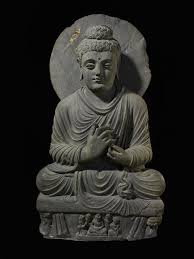
Seated Buddha from Gandhara
Southeast Asia — Schist
Buddha characteristics = bun, halo, third eye, elongated earlobes, hands are positioned in a specific way, seated cross-legged on a throne
Greco-Roman influence on Buddhist imagery
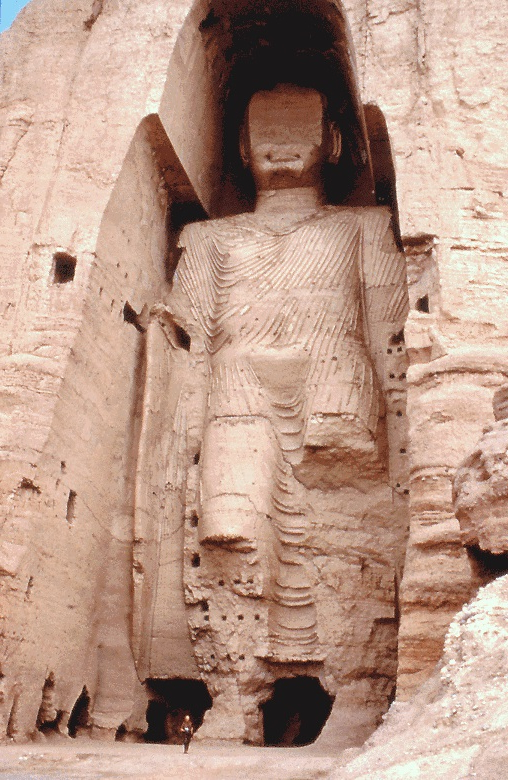
Bamiyan Buddhas
Southeast Asia — Carved Sandstone (rock cut)
monumental scale 175ft
Rock-cut temples — a long-standing tradition in Buddhist architecture
major pilgrimage site
circumambulation
destroyed by the taliban in 2001
iconoclasm - they blew them up

